

Effects of targeted delivery of propionate to the human colon on appetite regulation, body weight maintenance and adiposity in overweight adults
Open accessThe DOI matches its Crossref record; 51 of the 52 references it cites were found in a registry or an index.
Abstract
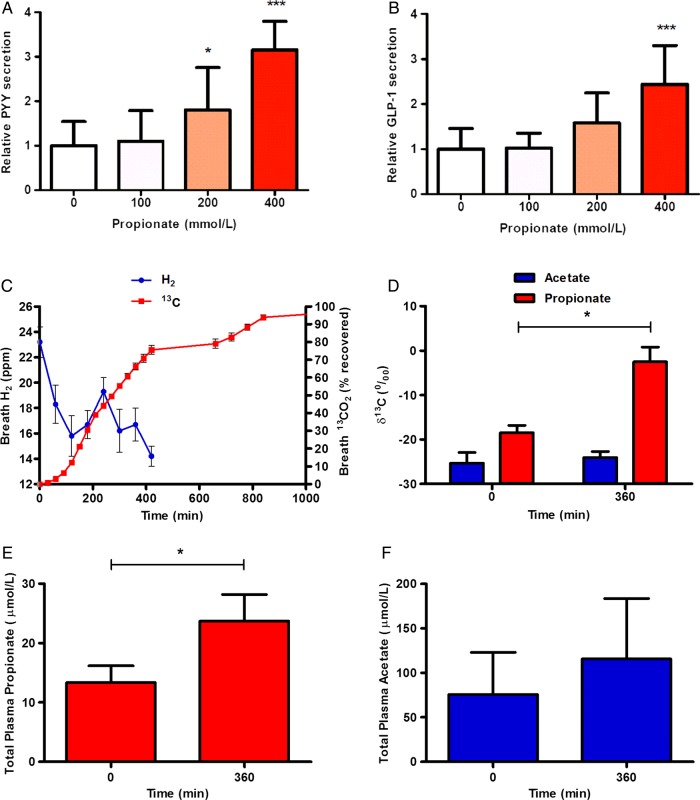
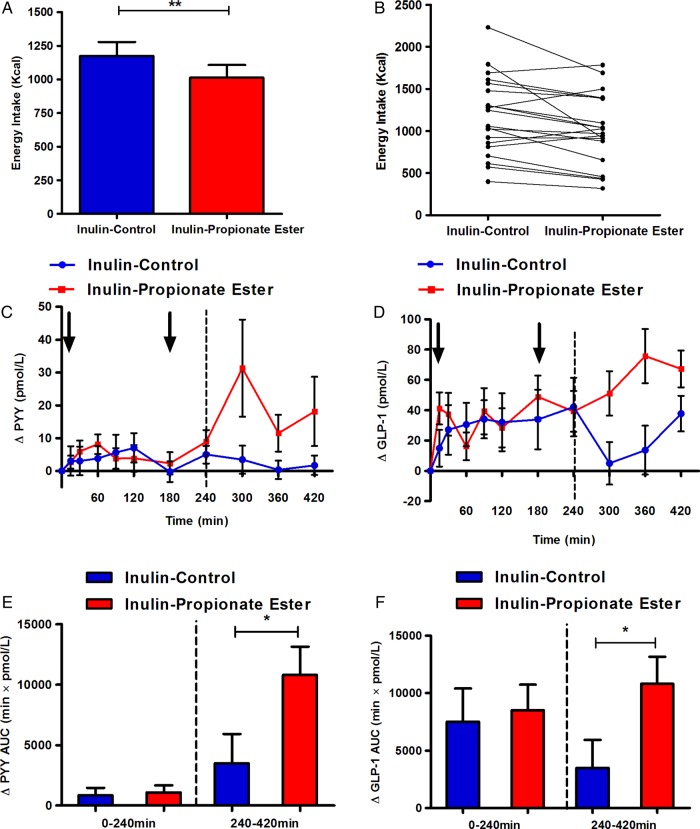
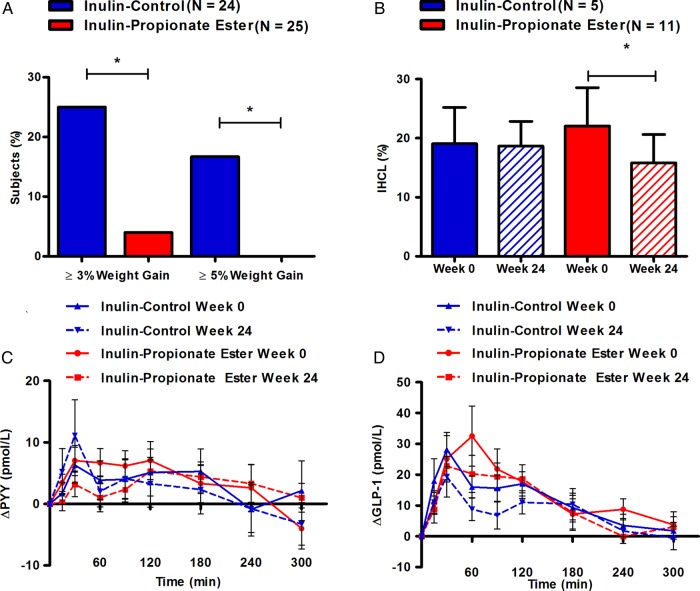
Objective: The colonic microbiota ferment dietary fibres, producing short chain fatty acids. Recent evidence suggests that the short chain fatty acid propionate may play an important role in appetite regulation. We hypothesised that colonic delivery of propionate would increase peptide YY (PYY) and glucagon like peptide-1 (GLP-1) secretion in humans, and reduce energy intake and weight gain in overweight adults. Design: To investigate whether propionate promotes PYY and GLP-1 secretion, a primary cultured human colonic cell model was developed. To deliver propionate specifically to the colon, we developed a novel inulin-propionate ester. An acute randomised, controlled cross-over study was used to assess the effects of this inulin-propionate ester on energy intake and plasma PYY and GLP-1 concentrations. The long-term effects of inulin-propionate ester on weight gain were subsequently assessed in a randomised, controlled 24-week study involving 60 overweight adults. Results: Propionate significantly stimulated the release of PYY and GLP-1 from human colonic cells. Acute ingestion of 10 g inulin-propionate ester significantly increased postprandial plasma PYY and GLP-1 and reduced energy intake. Over 24 weeks, 10 g/day inulin-propionate ester supplementation significantly reduced weight gain, intra-abdominal adipose tissue distribution, intrahepatocellular lipid content and prevented the deterioration in insulin sensitivity observed in the inulin-control group. Conclusions: These data demonstrate for the first time that increasing colonic propionate prevents weight gain in overweight adult humans. Trial registration number: NCT00750438.
Overview
The claims and statistics of this paper haven’t been checked yet.
Free: it reads the open-access text and checks the first 5 claims that cite a source we can check. Create a free account to check every claim.
Integrity signals
Registry
Cites
Statistics
Figures
Verification
Claims the paper makes
The claims and statistics of this paper haven’t been checked yet.
Free: it reads the open-access text and checks the first 5 claims that cite a source we can check. Create a free account to check every claim.
Claims other papers make about this one
Each is checked against this paper’s own text: does it say what the citing paper says it does?
The source backs part of the claim, not all of it — or backs it for a different population, condition or comparison.
In the citing paper
“Human-based studies corroborate the beneficial effects of SCFAs, including the effects of propionate (a common SCFA produced by human gut microbiota) on enhanced incretin response (including plasma Peptide YY [PYY] and GLP-1 excursions), weight loss, reduced intra-abdominal adipose tissue volume and intra-hepatocellular lipid content and preservation of insulin sensitivity [59].”
From The Health Benefits of Dietary Fibre (2020) · cites this paper as [59]
Experimental — accuracy not yet measuredThe cited source says what the claim attributes to it.
In the citing paper
“Short-chain fatty-acid production is primarily derived from non-digestible-carbohydrate (i.e., dietary fiber) consumption [213] during colonic bacterial fermentation [214].”
From Impact of Protein Intake in Older Adults with Sarcopenia and Obesity: A Gut Microbiota Perspective (2020) · cites this paper as [213]
Self-check
Percentages, sums and reported differences re-computed from the paper’s own numbers.
The self-check needs the paper’s full text.
Citations
Cites
Diet rapidly and reproducibly alters the human gut microbiome
David, L. A., Maurice, C. F., Carmody, R. N., Gootenberg, D. B., Button, J. E., Wolfe, B. E., Ling, A. V., Devlin, A. S., Varma, Y., Fischbach, M. A., et al. (2014) · Nature · doi:10.1038/nature12820 · Cited by 10,100 · cited 1×
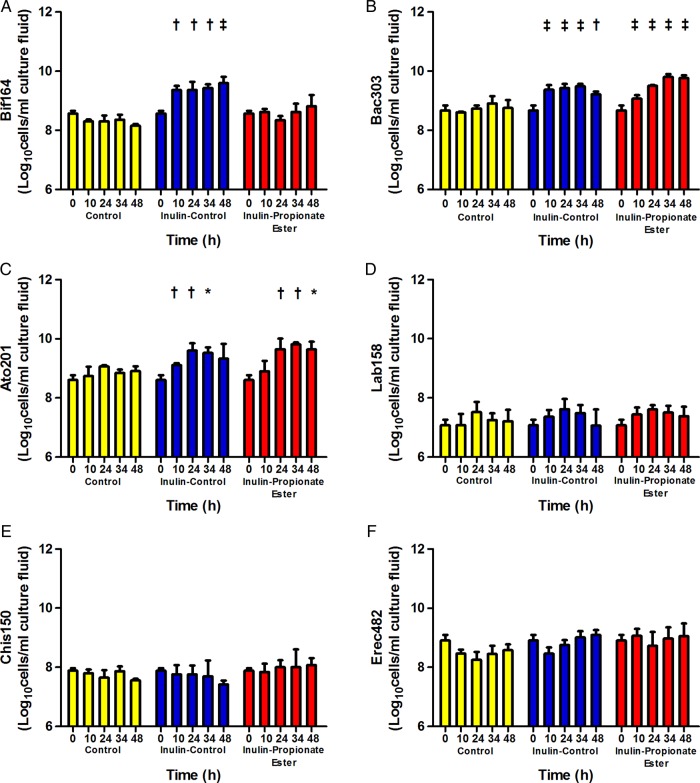
“41 Data from batch culture experiments demonstrated that inulin-control and inulin-propionate ester stimulate changes to the gut microbiota, although only inulin-control had a selective effect on Bi fi dobacterium .”
BackgroundAbdominal obesity and metabolic syndrome
Després, J.-P., & Lemieux, I. (2006) · Nature · doi:10.1038/nature05488 · Cited by 4,354 · cited 1×
“44 Interestingly, in this long-term study we were unable to detect any change in PYY or GLP-1 release following ingestion of the inulin-propionate ester compared with inulin-control, in contrast to our acute administration studies.”
ResultGut Microbiota from Twins Discordant for Obesity Modulate Metabolism in Mice
Ridaura, V. K., Faith, J. J., Rey, F. E., Cheng, J., Duncan, A. E., Kau, A. L., Griffin, N. W., Lombard, V., Henrissat, B., Bain, J. R., et al. (2013) · Science · doi:10.1126/science.1241214 · Cited by 3,788
Short chain fatty acids in human large intestine, portal, hepatic and venous blood
Cummings, J. H., Pomare, E. W., Branch, W. J., Naylor, C. P., & Macfarlane, G. T. (1987) · Gut · doi:10.1136/gut.28.10.1221 · Cited by 3,119 · cited 1×
“31 To overcome the unpalatably high levels of ferment-able dietary fi bre needed to signi fi cantly increase colonic propionate levels, and the unpredictability in the production of the resulting SCFAs, we have developed a novel delivery system targeting the release of gram quantities of propionate…”
BackgroundChanges in diet and lifestyle and long-term weight gain in women and men
Mozaffarian, D., Hao, T., Rimm, E. B., Willett, W. C., & Hu, F. B. (2011) · New England Journal of Medicine · doi:10.1056/nejmoa1014296 · Cited by 2,527
Brown, A. J., Goldsworthy, S. M., Barnes, A. A., Eilert, M. M., Tcheang, L., Daniels, D., Muir, A. I., Wigglesworth, M. J., Kinghorn, I., Fraser, N. J., et al. (2003) · Journal of Biological Chemistry · doi:10.1074/jbc.m211609200 · Cited by 2,409
Tolhurst, G., Heffron, H., Lam, Y. S., Parker, H. E., Habib, A. M., Diakogiannaki, E., Cameron, J., Grosse, J., Reimann, F., & Gribble, F. M. (2012) · Diabetes · doi:10.2337/db11-1019 · Cited by 2,404 · cited 2×
“21 Of the SCFAs produced by colonic fermentation of dietary fi bre, propionate has the highest af fi nity for FFAR 2.”
BackgroundMethodGut hormone PYY3-36 physiologically inhibits food intake
Batterham, R. L., Cowley, M. A., Small, C. J., Herzog, H., Cohen, M. A., Dakin, C. L., Wren, A. M., Brynes, A. E., Low, M. J., Ghatei, M. A., et al. (2002) · Nature · doi:10.1038/nature00887 · Cited by 2,351
Self-citationFlint, A., Raben, A., Blundell, J., & Astrup, A. (2000) · International Journal of Obesity · doi:10.1038/sj.ijo.0801083 · Cited by 2,238
Self-citationMicrobiota-Generated Metabolites Promote Metabolic Benefits via Gut-Brain Neural Circuits
De Vadder, F., Kovatcheva-Datchary, P., Goncalves, D., Vinera, J., Zitoun, C., Duchampt, A., Bäckhed, F., & Mithieux, G. (2014) · Cell · doi:10.1016/j.cell.2013.12.016 · Cited by 2,200
Cited by
Items 201–300 of 1,001
Lau, H. C.-H., Zhang, X., & Yu, J. (2025) · Nature Reviews Gastroenterology & Hepatology · doi:10.1038/s41575-025-01089-1 · Cited by 139
Paone, P., Suriano, F., Jian, C., Korpela, K., Delzenne, N. M., Hul, M. V., Salonen, A., & Cani, P. D. (2022) · Gut Microbes · doi:10.1080/19490976.2022.2152307 · Cited by 136
Latest approaches for the treatment of obesity
Jackson, V. M., Breen, D. M., Fortin, J.-P., Liou, A., Kuzmiski, J. B., Loomis, A. K., Rives, M.-L., Shah, B., & Carpino, P. A. (2015) · Expert Opinion on Drug Discovery · doi:10.1517/17460441.2015.1044966 · Cited by 132
“The durability of chronic propionate administration [165,166] .”
The role of gut microbiota in non-alcoholic fatty liver disease: pathways of mechanisms
JASIRWAN, C. O. M., LESMANA, C. R. A., HASAN, I., SULAIMAN, A. S., & GANI, R. A. (2019) · Bioscience of Microbiota, Food and Health · doi:10.12938/bmfh.18-032 · Cited by 106
“Long-term administration of colonic propionate can prevent the gaining of more weights in overweight adults and significantly reduce liver fat content in NAFLD patients [35].”
BackgroundGarcía-Gutiérrez, E., Narbad, A., & Rodríguez, J. M. (2020) · Frontiers in Neuroscience · doi:10.3389/fnins.2020.578666 · Cited by 136
“SCFAs have beneficial effects on the human host, like improvement in glucose metabolism, energy homeostasis, reductions in body weight and the risk of colon cancer (Chambers et al., 2015).”
BackgroundVincent, A. D., Wang, X.-Y., Parsons, S. P., Khan, W. I., & Huizinga, J. D. (2018) · American Journal of Physiology-Gastrointestinal and Liver Physiology · doi:10.1152/ajpgi.00237.2017 · Cited by 116
“Of the three major SCFAs, propionate seems to be the most potent inducer of in vitro GLP-1 and PYY release from enteroendocrine L-cells (7), whereas butyrate did not significantly increase GLP-1 release compared with vehicle (56).”
BackgroundInfluentialModulation of Short-Chain Fatty Acids as Potential Therapy Method for Type 2 Diabetes Mellitus
Tang, R., & Li, L. (2021) · Canadian Journal of Infectious Diseases and Medical Microbiology · doi:10.1155/2021/6632266 · Cited by 131
“Studies [13, 55, 56] have shown that plasma levels of GLP-1 and PYY in overweight adults are increased after acute rectal infusion of sodium acetate [57, 58] or SCFAs mixtures [20] or an oral insulinpropionate ester [59].”
BackgroundZhang, N., Jin, M., Wang, K., Zhang, Z., Shah, N. P., & Wei, H. (2021) · Carbohydrate Polymers · doi:10.1016/j.carbpol.2021.119043 · Cited by 130
The Implication of Short-Chain Fatty Acids in Obesity and Diabetes
Anachad, O., Taouil, A., Taha, W., Bennis, F., & Chegdani, F. (2023) · Microbiology Insights · doi:10.1177/11786361231162720 · Cited by 130
“87,102,103 Acetate and propionate are notified to induce adipogenicity through GPR43.”
BackgroundChambers, E. S., Byrne, C. S., Aspey, K., Chen, Y., Khan, S., Morrison, D. J., & Frost, G. (2018) · Diabetes, Obesity and Metabolism · doi:10.1111/dom.13159 · Cited by 115
“energy intake, which was associated with enhanced PYY and GLP-1 release.(6) In a follow-up investigation, daily oral supplementation with”
BackgroundSelf-citationXylitol enhances synthesis of propionate in the colon via cross-feeding of gut microbiota
Xiang, S., Ye, K., Li, M., Ying, J., Wang, H., Han, J., Shi, L., Xiao, J., Shen, Y., Feng, X., et al. (2021) · Microbiome · doi:10.1186/s40168-021-01029-6 · Cited by 118
“demonstrated that dietary fibers could prevent weight gain through promoting secretion of PYY and GLP-1 via enhancing the concentration of propionate [35].”
BackgroundXie, Z., Wang, S., Wang, Z., Fu, X., Huang, Q., Yuan, Y., Wang, K., & Zhang, B. (2019) · Carbohydrate Polymers · doi:10.1016/j.carbpol.2019.115069 · Cited by 128
Gut microbial metabolites SCFAs and chronic kidney disease
Meng, H., Wei, W., Zhang, Y., Xiang, Z., Peng, D., Kasimumali, A., & Rong, S. (2024) · Journal of Translational Medicine · doi:10.1186/s12967-024-04974-6 · Cited by 129
“In addition, studies have shown that propionate, when administered independently, leads to a reduction in visceral and hepatic fat [154].”
BackgroundGut Hormones in Health and Obesity: The Upcoming Role of Short Chain Fatty Acids
Alhabeeb, H., AlFaiz, A., Kutbi, E., AlShahrani, D., Alsuhail, A., AlRajhi, S., Alotaibi, N., Alotaibi, K., AlAmri, S., Alghamdi, S., et al. (2021) · Nutrients · doi:10.3390/nu13020481 · Cited by 106
Microbiota-derived short-chain fatty acids: Implications for cardiovascular and metabolic disease
Lu, Y., Zhang, Y., Zhao, X., Shang, C., Xiang, M., Li, L., & Cui, X. (2022) · Frontiers in Cardiovascular Medicine · doi:10.3389/fcvm.2022.900381 · Cited by 125
Microbiota in obesity: interactions with enteroendocrine, immune and central nervous systems
Mulders, R. J., de Git, K. C. G., Schéle, E., Dickson, S. L., Sanz, Y., & Adan, R. A. H. (2018) · Obesity Reviews · doi:10.1111/obr.12661 · Cited by 120
Intestinal Sensing by Gut Microbiota: Targeting Gut Peptides
Covasa, M., Stephens, R. W., Toderean, R., & Cobuz, C. (2019) · Frontiers in Endocrinology · doi:10.3389/fendo.2019.00082 · Cited by 112
“A direct effect of SCFAs, particularly propionate and butyrate on regulating PYY gene expression has also been reported in rats (140) and in human primary intestinal cultures via HDAC inhibition (141).”
BackgroundEvaluating the profound effect of gut microbiome on host appetite in pigs
Yang, H., Yang, M. J., Fang, S., Huang, X., He, M., Ke, S., Gao, J., Wu, J., Zhou, Y., Fu, H., et al. (2018) · BMC Microbiology · doi:10.1186/s12866-018-1364-8 · Cited by 123
“[28] showed that there was an increase in the hormones PYY and GLP-1, and a decrease in energy intake when delivering propionate directly to the colon.”
BackgroundThe Role of Short-Chain Fatty Acids of Gut Microbiota Origin in Hypertension
Wu, Y., Xu, H., Tu, X., & Gao, Z. (2021) · Frontiers in Microbiology · doi:10.3389/fmicb.2021.730809 · Cited by 125
Coelho, M. O. C., Monteyne, A. J., Dunlop, M. V., Harris, H. C., Morrison, D. J., Stephens, F. B., & Wall, B. T. (2020) · Nutrition Reviews · doi:10.1093/nutrit/nuz077 · Cited by 98
Self-citationThe Microbiota and the Gut–Brain Axis in Controlling Food Intake and Energy Homeostasis
Romaní‐Pérez, M., Bullich‐Vilarrubias, C., López‐Almela, I., Liébana-García, R., Olivares, M., & Sanz, Y. (2021) · International Journal of Molecular Sciences · doi:10.3390/ijms22115830 · Cited by 124
“In overweight humans, the acute administration of inulin-propionate ester, which enables propionate delivery in the colon specifically, increases the postprandial secretion of GLP-1 and PYY along with reduced food intake, together with a non-significant trend to decrease long-term energy intake [225].”
BackgroundYang, X., Zhang, M., Liu, Y., Wei, F., Li, X., Feng, Y., Jin, X., Liu, D., Guo, Y., & Hu, Y. (2023) · npj Biofilms and Microbiomes · doi:10.1038/s41522-023-00451-y · Cited by 123
Masse, K. E., & Lu, V. B. (2023) · Frontiers in Endocrinology · doi:10.3389/fendo.2023.1169624 · Cited by 120
Gut microbial metabolite short-chain fatty acids and obesity
LI, X., SHIMIZU, Y., & KIMURA, I. (2017) · Bioscience of Microbiota, Food and Health · doi:10.12938/bmfh.17-010 · Cited by 111
“Such molecular mechanisms of SCFA-receptor-mediated metabolic responses were further confirmed in human studies by the finding that administrating propionate to patients with obesity led to enhanced PYY and GLP-1 secretion with significantly reduced adiposity and overall weight gain [31].”
Prokopidis, K., Chambers, E., Ni Lochlainn, M., & Witard, O. C. (2021) · Frontiers in Physiology · doi:10.3389/fphys.2021.770455 · Cited by 102
Self-citationGut Microbiome and Its Impact on Obesity and Obesity-Related Disorders
Sankararaman, S., Noriega, K. J., Velayuthan, S., Sferra, T. J., & Martindale, R. G. (2022) · Current Gastroenterology Reports · doi:10.1007/s11894-022-00859-0 · Cited by 121
The central role of the gut microbiota in the pathophysiology and management of type 2 diabetes
Baars, D. P., Fondevila, M. F., Meijnikman, A. S., & Nieuwdorp, M. (2024) · Cell Host & Microbe · doi:10.1016/j.chom.2024.07.017 · Cited by 121
Kumari, M., & Kozyrskyj, A. L. (2017) · Obesity Reviews · doi:10.1111/obr.12484 · Cited by 112
“In the first human trial (60), direct delivery of propionate to the colon (using inulin-propionate) over a 24-week time period was shown to prevent weight gain by reducing food intake.”
MethodMetabolites Linking the Gut Microbiome with Risk for Type 2 Diabetes
Zhu, T., & Goodarzi, M. O. (2020) · Current Nutrition Reports · doi:10.1007/s13668-020-00307-3 · Cited by 118
Impact of microplastics on the intestinal microbiota: A systematic review of preclinical evidence
Silva, T. G. D. S. E., Oliveira, I. A., da Silva, G. G., Vilela, F. C., Novaes, R. D., & Paula, H. A. D. A. (2022) · Life Sciences · doi:10.1016/j.lfs.2022.120366 · Cited by 118
Roles of the gut microbiome in weight management
Carmody, R. N., & Bisanz, J. E. (2023) · Nature Reviews Microbiology · doi:10.1038/s41579-023-00888-0 · Cited by 118
Chambers, E. S., Byrne, C. S., Rugyendo, A., Morrison, D. J., Preston, T., Tedford, C., Bell, J. D., Thomas, L., Akbar, A. N., Riddell, N. E., et al. (2019) · Diabetes, Obesity and Metabolism · doi:10.1111/dom.13500 · Cited by 109
“4 g bound propionate) to the diet.(9) Inulin was therefore chosen as a positive control to account for any effects that may derive from fermentation of this substrate by the gut microbiota.”
BackgroundMethodSelf-citationElucidating the role of the gut microbiota in the physiological effects of dietary fiber
Deehan, E. C., Zhang, Z., Riva, A., Armet, A. M., Perez-Muñoz, M. E., Nguyen, N. K., Krysa, J. A., Seethaler, B., Zhao, Y.-Y., Cole, J., et al. (2022) · Microbiome · doi:10.1186/s40168-022-01248-5 · Cited by 100
“Therefore, substrate competition between propionate and butyrate producers may have influenced satiety, as only propionate is shown to be satietogenic in humans [22, 37].”
BackgroundCavaliere, G., Cimmino, F., Trinchese, G., Catapano, A., Petrella, L., D’Angelo, M., Lucchin, L., & Mollica, M. P. (2023) · Antioxidants · doi:10.3390/antiox12061172 · Cited by 119
“Recent evidence demonstrated that exogenous intake of SCFAs can prevent weight gain in diet-induced obese mice and overweight humans [218,219], mainly by influencing mitochondrial function related to energy production, mitochondrial biogenesis, and redox balance [220,221].”
BackgroundThe effects of gut microbiota on appetite regulation and the underlying mechanisms
Yu, M., Yu, B., & Chen, D. (2024) · Gut Microbes · doi:10.1080/19490976.2024.2414796 · Cited by 120
Hata, T., Miyata, N., Takakura, S., Yoshihara, K., Asano, Y., Kimura-Todani, T., Yamashita, M., Zhang, X.-T., Watanabe, N., Mikami, K., et al. (2019) · Endocrinology · doi:10.1210/en.2019-00408 · Cited by 116
Zhang, S., & Huang, S. (2023) · Microbiology Spectrum · doi:10.1128/spectrum.03558-22 · Cited by 116
“SCFAs play essential roles in human physiology, such as maintaining colonic immune homeostasis (13, 14), appetite regulation (15), and regulation of the host’s energy balance (16).”
BackgroundMetabolic inflammation as an instigator of fibrosis during non-alcoholic fatty liver disease
Katsarou, A., Moustakas, I. I., Pyrina, I., Lembessis, P., Koutsilieris, M., & Chatzigeorgiou, A. (2020) · World Journal of Gastroenterology · doi:10.3748/wjg.v26.i17.1993 · Cited by 117
The pathophysiology of MASLD: an immunometabolic perspective
Schwärzler, J., Grabherr, F., Grander, C., Adolph, T. E., & Tilg, H. (2023) · Expert Review of Clinical Immunology · doi:10.1080/1744666x.2023.2294046 · Cited by 118
“Patients with MASLD exhibited a reduction of short-chain fatty acids (SCFAs) compared to healthy controls [62] and targeted supplementation of propionate, which is produced by fermentation of the prebiotic fiber beta-glucan, significantly reduced lipid content in hepatocytes of obese adults [63].”
Capsaicin and Gut Microbiota in Health and Disease
Rosca, A. E., Iesanu, M. I., Zahiu, C. D. M., Voiculescu, S. E., Paslaru, A. C., & Zagrean, A.-M. (2020) · Molecules · doi:10.3390/molecules25235681 · Cited by 92
“Acetate and propionate modulate appetite and satiety [64,65], whereas butyrate and propionate regulate energy metabolism through gut hormones [66].”
BackgroundGut Microbiota Interaction with the Central Nervous System throughout Life
Ojeda, J., Ávila, A., & Vidal, P. M. (2021) · Journal of Clinical Medicine · doi:10.3390/jcm10061299 · Cited by 103
“More recent studies showed that delivery of propionate at the colon can induce appetite regulation and metabolic control improvement by stimulating the secretion of PYY and GLP1 [106,107].”
BackgroundA review on gut microbiota: a central factor in the pathophysiology of obesity
Cunningham, A. L., Stephens, J. W., & Harris, D. A. (2021) · Lipids in Health and Disease · doi:10.1186/s12944-021-01491-z · Cited by 95
Adipose Tissue Development and Expansion from the Womb to Adolescence: An Overview
Orsso, C. E., Colin-Ramírez, E., Field, C. J., Madsen, K. L., Prado, C. M. M., & Haqq, A. M. (2020) · Nutrients · doi:10.3390/nu12092735 · Cited by 113
Zhang, J.-M., Sun, Y.-S., Zhao, L.-Q., Chen, T.-T., Fan, M.-N., Jiao, H., Zhao, J.-P., Wang, X.-J., Li, F.-C., Li, H.-F., et al. (2019) · Frontiers in Microbiology · doi:10.3389/fmicb.2019.02176 · Cited by 114
Wang, Y., Tang, C., Tang, Y., Yin, H., & Liu, X. (2020) · Food & Nutrition Research · doi:10.29219/fnr.v64.3525 · Cited by 113
“Recent studies have suggested that the molecular mechanism underpinning the relationships between diet, gut microbiota, and fat storage involves SCFAs (9).”
BackgroundVallianou, N. G., Dalamaga, Μ., Stratigou, T., Karampela, Ι., & Tsigalou, C. (2021) · Current Obesity Reports · doi:10.1007/s13679-021-00438-w · Cited by 115
Microbial Metabolites: Critical Regulators in NAFLD
Dai, X., Hou, H., Zhang, W., Liu, T., Li, Y., Wang, S., Wang, B., & Cao, H. (2020) · Frontiers in Microbiology · doi:10.3389/fmicb.2020.567654 · Cited by 112
Adam, C. L., Gratz, S. W., Peinado, D. I., Thomson, L. M., Garden, K. E., Williams, P. A., Richardson, A. J., & Ross, A. W. (2016) · PLOS ONE · doi:10.1371/journal.pone.0155871 · Cited by 93
“5-fold increase in colonic propionate and led to decreased food intake, decreased fat accretion and decreased weight gain in humans [41].”
BackgroundRahat-Rozenbloom, S., Fernandes, J., Cheng, J., & Wolever, T. M. S. (2017) · European Journal of Clinical Nutrition · doi:10.1038/ejcn.2016.249 · Cited by 99
“Twenty-five (25) subjects participated in the study; the lean group (LN) included 7 males and 5 females with mean±SEM age 33±4 yr and BMI 23.”
BackgroundWan, X.-Z., Ai, C., Chen, Y.-H., Gao, X.-X., Zhong, R.-T., Liu, B., Chen, X.-H., & Zhao, C. (2020) · Journal of Agricultural and Food Chemistry · doi:10.1021/acs.jafc.9b06282 · Cited by 105
Gut and obesity/metabolic disease: Focus on microbiota metabolites
Lin, K., Zhu, L., & Yang, L. (2022) · MedComm · doi:10.1002/mco2.171 · Cited by 92
Zhou, H. W., Yu, B., Sun, J., Liu, Z., Chen, H., Ge, L., & Chen, D. (2021) · Journal of Animal Science and Biotechnology/Journal of animal science and biotechnology · doi:10.1186/s40104-021-00581-3 · Cited by 109
“Similarly, it has been shown that SCFAs supplementation reduced adiposity and improved glucose homeostasis compared to the control group [56].”
BackgroundInflammatory and fibrotic mechanisms in NAFLD—Implications for new treatment strategies
Lee, Y. A., & Friedman, S. L. (2021) · Journal of Internal Medicine · doi:10.1111/joim.13380 · Cited by 108
Modulation of Adipocyte Metabolism by Microbial Short-Chain Fatty Acids
May, K. S., & den Hartigh, L. J. (2021) · Nutrients · doi:10.3390/nu13103666 · Cited by 107
“reduced adiposity and weight loss [129].”
BackgroundInfluentialZhong, Y., Wang, T., Luo, R., Liu, J., Jin, R., & Peng, X. (2022) · Critical Reviews in Food Science and Nutrition · doi:10.1080/10408398.2022.2158174 · Cited by 107
“In addition, in a clinical study of overweight adults, propionate alleviated obesity through increasing postprandial plasma PYY and GLP-1 levels and decreasing energy intake (Chambers et al. 2015b).”
BackgroundHow important are fatty acids in human health and can they be used in treating diseases?
Dicks, L. M. T. (2024) · Gut Microbes · doi:10.1080/19490976.2024.2420765 · Cited by 109
“77,78 Propionic acid also inhibits NFκB and may improve insulin sensitivity by activating per-oxisome proliferator-activated receptor gamma.”
BackgroundMicrobial metabolites in non-alcoholic fatty liver disease
Zhou, D., & Fan, J. (2019) · World Journal of Gastroenterology · doi:10.3748/wjg.v25.i17.2019 · Cited by 106
Harnessing machine learning for development of microbiome therapeutics
McCoubrey, L. E., Elbadawi, M., Orlu, M., Gaisford, S., & Basit, A. W. (2021) · Gut Microbes · doi:10.1080/19490976.2021.1872323 · Cited by 93
“● Improvement in obese participants’ clinical biomarkers following administration of inulin-propionate ester for 24 weeks.(87) ● Reduction in colorectal tumor growth following peritoneal injection of liposomal acetate for 4 weeks.”
BackgroundBiobaku, F., Ghanim, H., Batra, M., & Dandona, P. (2019) · The Journal of Clinical Endocrinology & Metabolism · doi:10.1210/jc.2018-01833 · Cited by 104
Lau, L. H. S., & Wong, S. H. (2018) · Advances in experimental medicine and biology · doi:10.1007/978-981-10-8684-7_9 · Cited by 105
PYY plays a key role in the resolution of diabetes following bariatric surgery in humans
Guida, C., Stephen, S. D., Watson, M., Dempster, N., Larraufie, P., Marjot, T., Cargill, T., Rickers, L., Pavlides, M., Tomlinson, J., et al. (2019) · EBioMedicine · doi:10.1016/j.ebiom.2018.12.040 · Cited by 97
“PYY is mainly secreted from the L-cells of the ileum and colon in response to food intake and, to a lesser extent, it is also expressed in the delta, PP-and alpha-cells of the pancreatic islets [13].”
InfluentialGut microbiota modulation with traditional Chinese medicine: A system biology-driven approach
Yue, S., Wang, W., Yu, J., Chen, Y., Shi, X.-Q., Yan, D., Zhou, G., Zhang, L., Wang, C., Duan, J., et al. (2019) · Pharmacological Research · doi:10.1016/j.phrs.2019.104453 · Cited by 104
Rosado, C. P., Rosa, V. H. C., Martins, B. C., Soares, A. C., Santos, I. B., Monteiro, E. B., Moura‐Nunes, N., da Costa, C. A., Mulder, A. D. R. P., & Daleprane, J. B. (2019) · International Journal of Biological Macromolecules · doi:10.1016/j.ijbiomac.2019.09.199 · Cited by 104
Gut Microbial-Derived Short Chain Fatty Acids: Impact on Adipose Tissue Physiology
May, K. S., & den Hartigh, L. J. (2023) · Nutrients · doi:10.3390/nu15020272 · Cited by 95
“, 2015 [192] ↑ PYY, GLP-1 ↓ cholesterol, HDL, LDL”
BackgroundInfluentialGut microbial metabolites and its impact on human health
Rahman, S., O'Connor, A. L., Becker, S. L., Patel, R. K., Martindale, R. G., & Tsikitis, V. L. (2023) · Annals of Gastroenterology · doi:10.20524/aog.2023.0809 · Cited by 105
“Propionate also has been shown to have anti-inflammatory properties by decreasing levels of interleukin-8 and TNF-α release from neutrophils [24,25].”
Implication of G Protein-Coupled Receptor 43 in Intestinal Inflammation: A Mini-Review
Yang, G., Chen, S., Deng, B., Tan, C., Deng, J., Zhu, G., Yin, Y., & Ren, W. (2018) · Frontiers in Immunology · doi:10.3389/fimmu.2018.01434 · Cited by 105
Nutrition Regulates Innate Immunity in Health and Disease
Nobs, S. P., Zmora, N., & Elinav, E. (2020) · Annual Review of Nutrition · doi:10.1146/annurev-nutr-120919-094440 · Cited by 102
“SCFAs affect host metabolism in various mechanisms, including regulating energy expenditure and mitochondrial function (57) and stimulating hormonal cues that affect food-seeking behavior (21).”
BackgroundZhao, L., Lou, H., Peng, Y., Chen, S., Fan, L., & Li, X. (2020) · Diabetes Research and Clinical Practice · doi:10.1016/j.diabres.2020.108418 · Cited by 94
Whole food-based approaches to modulating gut microbiota and associated diseases
Han, Y., & Xiao, H. (2020) · Annual Review of Food Science and Technology · doi:10.1146/annurev-food-111519-014337 · Cited by 101
Ni, Y., Ni, L., Zhuge, F., Xu, L., Fu, Z., & Ota, T. (2020) · Obesity · doi:10.1002/oby.22674 · Cited by 102
“Furthermore, the long-term administration of inulin-propionate ester effectively reduces the accumulation of intra-abdominal adipose tissue and improves insulin sensitivity (50).”
BackgroundImpact of Exercise on Gut Microbiota in Obesity
Aragón‐Vela, J., Solis‐Urra, P., Ruiz‐Ojeda, F. J., Álvarez‐Mercado, A. I., Arancibia, J. E. O., & Plaza‐Díaz, J. (2021) · Nutrients · doi:10.3390/nu13113999 · Cited by 103
“The dietary fiber fermentation by microbes, belonging especially to Firmicutes and Bacteroidetes, creates SCFAs (propionate, butyrate, and acetate) that impact the host metabolism in several ways by performing on G protein-coupled receptors expressed by enteroendocrine cells [75,76].”
BackgroundHealth Effects and Mechanisms of Inulin Action in Human Metabolism
Alonso-Allende, J., Milagro, F. I., & Aranaz, P. (2024) · Nutrients · doi:10.3390/nu16172935 · Cited by 104
“The studies compiled on the role of inulin on metabolic health are listed in Table 2, which specifies the physiological effects and its activity modulating gut microbiota.”
BackgroundInfluentialImpact of Protein Intake in Older Adults with Sarcopenia and Obesity: A Gut Microbiota Perspective
Prokopidis, K., Cervo, M. M., Gandham, A., & Scott, D. (2020) · Nutrients · doi:10.3390/nu12082285 · Cited by 99
Zhou, L., Wang, W., Huang, J., Ding, Y., Pan, Z., Zhao, Y., Zhang, R., Hu, B., & Zeng, X. (2016) · Food & Function · doi:10.1039/c6fo00032k · Cited by 91
The effect of short-chain fatty acids on M2 macrophages polarizationin vitroandin vivo
Huang, C., Du, W., Ni, Y., Lan, G., & Shi, G. (2021) · Clinical & Experimental Immunology · doi:10.1093/cei/uxab028 · Cited by 99
“They have been shown to relieve intestinal inflammation, inhibit proliferations of cancer cells and eosinophils, enhance insulin sensitivity of islet β cells, restrain inflammatory cell infiltration through activating G-protein-coupled cell surface receptors (GPRs) (GPR41, GPR43, and GPR109a), or suppress histone deac…”
BackgroundMoțățăianu, A., Şerban, G. M., & Andone, S. R. (2023) · International Journal of Molecular Sciences · doi:10.3390/ijms242015094 · Cited by 101
“Furthermore, the study demonstrated that intracolonic administration increased GLP-1 and PYY levels [64].”
BackgroundGut-brain signaling in energy homeostasis: the unexpected role of microbiota-derived succinate
de Vadder, F., & Mithieux, G. (2018) · Journal of Endocrinology · doi:10.1530/joe-17-0542 · Cited by 92
“secretion were increased, concomitantly with reduced calorie intake and weight gain (Chambers et al. 2015).”
BackgroundBiochemical Features of Beneficial Microbes: Foundations for Therapeutic Microbiology
Engevik, M. A., & Versalovic, J. A. (2017) · Microbiology Spectrum · doi:10.1128/microbiolspec.bad-0012-2016 · Cited by 99
Busnelli, M., Manzini, S., & Chiesa, G. (2019) · Nutrients · doi:10.3390/nu12010079 · Cited by 98
Liu, J., Hao, W., He, Z., Kwek, E., Zhu, H., Ma, N., Ma, K. Y., & Chen, Z. (2021) · European Journal of Nutrition · doi:10.1007/s00394-020-02446-3 · Cited by 98
Exploring the microbiome in health and disease: Implications for toxicology
Scotti, E., Boué, S., Sasso, G. L., Zanetti, F., Belcastro, V., Poussin, C., Sierro, N., Battey, J. N. D., Gimalac, A., Ivanov, N. V., et al. (2017) · Toxicology Research and Application · doi:10.1177/2397847317741884 · Cited by 97
“This emphasizes, once again, the importance to health of dietary components that may favor the growth of certain bacterial strains.(123,124) An interesting line of research has shown that the pharmacological removal of gut microbiota using broadspectrum antibiotic cocktails prevented fat accumulation even in ob/ob mic…”
BackgroundTemporospatial shifts in the human gut microbiome and metabolome after gastric bypass surgery
Ilhan, Z. E., DiBaise, J. K., Dautel, S. E., Isern, N., Kim, Y., Hoyt, D. W., Schepmoes, A., Brewer, H. M., Weitz, K., Metz, T., et al. (2020) · npj Biofilms and Microbiomes · doi:10.1038/s41522-020-0122-5 · Cited by 99
Guo, B., Zhang, J., Zhang, W., Chen, F., & Liu, B. (2023) · Critical Reviews in Food Science and Nutrition · doi:10.1080/10408398.2023.2272769 · Cited by 97
Fang, H., Lacerda, R. R. E., Barra, N. G., Zada, D. K., Robin, N., Mehra, A., & Schertzer, J. D. (2024) · Endocrine Reviews · doi:10.1210/endrev/bnae025 · Cited by 97
“Acute acetate and inulin-propionate ester colonic infusion increases PYY and GLP-1 concentrations and fat oxidation and also reduces energy intake in people that are overweight or obese (68, 69).”
Gut Microbiota in Obesity and Metabolic Abnormalities: A Matter of Composition or Functionality?
Morán‐Ramos, S., López-Contreras, B. E., & Canizales‐Quinteros, S. (2017) · Archives of Medical Research · doi:10.1016/j.arcmed.2017.11.003 · Cited by 96
Resistant starches and gut microbiota
Wen, J.-J., Li, M., Hu, J., Tan, H., & Nie, S. (2022) · Food Chemistry · doi:10.1016/j.foodchem.2022.132895 · Cited by 94
Dietary fat and gut microbiota: mechanisms involved in obesity control
Coelho, O. G. L., Cândido, F. G., & Alfenas, R. D. C. G. (2019) · Critical Reviews in Food Science and Nutrition · doi:10.1080/10408398.2018.1481821 · Cited by 90
“the peptide YY and glucagon-like peptide 1 (GLP-1), reducing food intake (Chambers et al. 2015).”
BackgroundKirmiz, N., Galindo, K., Cross, K. L., Luna, E., Rhoades, N., Podar, M., & Flores, G. E. (2020) · Applied and Environmental Microbiology · doi:10.1128/aem.02117-19 · Cited by 94
“For example, propionate is known 238 to help regulate appetite by stimulating the release of peptide YY (PYY) and glucagon like 239 peptide-1 (GLP-1) by human colonic cells [44].”
BackgroundMefferd, C. C., Bhute, S. S., Phan, J. R., Villarama, J. V., Do, D. M., Alarcia, S., Abel‐Santos, E., & Hedlund, B. P. (2020) · mSystems · doi:10.1128/msystems.00765-19 · Cited by 95
Liang, D., Zhang, L., Chen, H., Zhang, H., Hu, H., & Dai, X. (2021) · International Journal of Biological Macromolecules · doi:10.1016/j.ijbiomac.2021.02.209 · Cited by 94
Steensels, S., & Depoortere, I. (2018) · Annual Review of Physiology · doi:10.1146/annurev-physiol-021317-121332 · Cited by 78
Dietary fibers and their fermented short-chain fatty acids in prevention of human diseases
Prasad, K. N., & Bondy, S. C. (2018) · Bioactive Carbohydrates and Dietary Fibre · doi:10.1016/j.bcdf.2018.09.001 · Cited by 97
“In addition, there was evidence of improved insulin sensitivity in this population (Chambers et al., 2015).”
BackgroundJiao, A., Yu, B., He, J., Yu, J., Zheng, P., Luo, Y., Luo, J., Mao, X., & Chen, D. (2020) · Food & Function · doi:10.1039/c9fo02585e · Cited by 93
The Gut Microbiome: Connecting Diet, Glucose Homeostasis, and Disease
Howard, E. J., Lam, T. K. T., & Duca, F. A. (2021) · Annual Review of Medicine · doi:10.1146/annurev-med-042220-012821 · Cited by 94
Bacterial Metabolites: A Link between Gut Microbiota and Dermatological Diseases
Stec, A., Sikora, M., Maciejewska, M., Paralusz-Stec, K., Michalska, M. N., Sikorska, E., & Rudnicka, L. (2023) · International Journal of Molecular Sciences · doi:10.3390/ijms24043494 · Cited by 95
The Role of the Gut Microbiota on the Beneficial Effects of Ketogenic Diets
Attaye, I., van Oppenraaij, S. L., Warmbrunn, M. V., & Nieuwdorp, M. (2021) · Nutrients · doi:10.3390/nu14010191 · Cited by 93
“Increased levels of SCFA have been implicated in lower levels of obesity and higher levels of insulin sensitivity [30,31], and it is currently thought that the beneficial effects of A.”
BackgroundThe impact of gut microbial short-chain fatty acids on colorectal cancer development and prevention
Thulasinathan, B., Suvilesh, K. N., Maram, S., Grossmann, E. M., Ghouri, Y. A., Teixeiro, E., Chan, J., Kaifi, J. T., & Rachagani, S. (2025) · Gut Microbes · doi:10.1080/19490976.2025.2483780 · Cited by 93
“213,214 The inconsistent findings may be due to differences in study design, sample size, or duration of SCFA elevation.”
Potential mediators linking gut bacteria to metabolic health: a critical view
Janssen, A. W. F., & Kersten, S. (2017) · The Journal of Physiology · doi:10.1113/jp272476 · Cited by 82
Raza, G. S., Putaala, H., Hibberd, A. A., Alhoniemi, E., Tiihonen, K., Mäkelä, K. A., & Herzig, K.-H. (2017) · Scientific Reports · doi:10.1038/s41598-017-05259-3 · Cited by 83
The Role of the Gut Microbiota in the Gut–Brain Axis in Obesity: Mechanisms and Future Implications
van Son, J., Koekkoek, L. L., la Fleur, S. E., Serlie, M. J. M., & Nieuwdorp, M. (2021) · International Journal of Molecular Sciences · doi:10.3390/ijms22062993 · Cited by 92
Metadata
- Authors
- Chambers, E. S., Viardot, A., Psichas, A., Morrison, D. J., Murphy, K. G., Zac-Varghese, S. E. K., MacDougall, K., Preston, T., Tedford, C., Finlayson, G. S., Blundell, J. E., Bell, J. D., Thomas, E. L., Mt-Isa, S., Ashby, D., Gibson, G. R., Kolida, S., Dhillo, W. S., Bloom, S. R., Morley, W., Clegg, S., & Frost, G.
- Affiliations
- Hammersmith Hospital (GB)
- Garvan Institute of Medical Research (AU)
- Scottish Universities Environmental Research Centre (GB)
- Section of Investigative Medicine, Imperial College London, Hammersmith Hospital, London, UK
- University of the West of Scotland (GB)
- University of Leeds (GB)
- Imperial Clinical Trials Unit, School of Public Health, Imperial College London, London, UK
- Imperial College London (GB)
- University of Reading (GB)
- Department of Food and Nutritional Sciences, University of Reading, Reading, UK
- Leatherhead Food Research (GB)
- Corresponding author
- Frost, Gary
- ORCID
- Venue
- Gut
- Publisher
- BMJ
- Published
- 2014-12-10
- Volume
- 64
- Issue
- 11
- Pages
- 1744-1754
- ISSN
- 0017-5749 (ISSN-L)
- 1468-3288
- PMC
- PMC4680171
- OpenAlex
- W2106348916
- Cited by
- 1,424
- References
- 52
- Citations by year
- 2026: 125 · 2025: 171 · 2024: 149 · 2023: 144 · 2022: 167 · 2021: 172 · 2020: 138 · 2019: 120 · 2018: 97 · 2017: 54 · 2016: 61 · 2015: 25
- FWCI
- 22.75
- Type
- journal article
- Language
- en
- Open access
- hybrid
- doi.org
- Licence
- cc-by
- Locations
- Gut (publishedVersion, cc-by)
- PubMed Central (publishedVersion, cc-by)
- PubMed (publishedVersion)
- White Rose Research Online (University of Leeds, The University of Sheffield, University of York) (acceptedVersion)
- WestminsterResearch (University of Westminster) (acceptedVersion)
- ENLIGHTEN (Jurnal Bimbingan dan Konseling Islam) (acceptedVersion)
- Funders
- Wellcome Trust
- National Institute for Health and Care Research (FP7-HEALTH-2009-241592, CDF-2009-02-05, NF-SI-0513-10080, NF-SI-0507-10337, NF-SI-0513-10029, 03/DHCS/03/G121/48)
- Imperial College London
- Directorate for Biological Sciences
- Medical Research Council (FP7-HEALTH-2009-241592)
- Biotechnology and Biological Sciences Research Council (BB/H005072/1, 1527476, BB/L004259/1, BB/H004971/1, BB/H004815/1, FP7-HEALTH-2009-241592)
- National Health and Medical Research Council
- NIHR Imperial Biomedical Research Centre
- FP7 Health
- Topics
- Life Sciences › Neuroscience › Endocrine and Autonomic Systems › Regulation of Appetite and Obesity
- Life Sciences › Biochemistry, Genetics and Molecular Biology › Molecular Biology › Gut microbiota and health
- Health Sciences › Nursing › Nutrition and Dietetics › Microbial Metabolites in Food Biotechnology
- Keywords
- propionate, short-chain fatty acids, colonic fermentation, peptide YY, glucagon-like peptide-1, appetite regulation, energy intake, weight gain, overweight adults, intra-abdominal adipose tissue, hepatic steatosis, insulin sensitivity
- MeSH terms
- Body Weight Maintenance, Appetite Regulation, Cells, Cultured, Colon, Double-Blind Method, Female, Humans, Male, Middle Aged, Propionates, Cross-Over Studies, Peptide YY, Adiposity, Overweight, Glucagon-Like Peptide 1
About these checks
Registry, retraction, Cites and statistics results are computed, not judged, with one exception: a printed reference that no index lists is read once by a model before it counts as a citation error. Claims are extracted by a model and kept only when their quote appears verbatim in the text; each cited source is then checked, with a model’s help, for whether it says what the claim relies on. Those verdicts can be wrong — read the claim’s quote and the cited source before relying on one.
Statistics and arithmetic are recomputed, not judged.
Confidence bands are shown only for fields calibrated on our annotated test set. None is calibrated yet, so no band is shown.
What counts as a claim ›How we measure confidence ›How we check this ›
Are you an author, or do you see a problem with this page? Request a review
Data sources
Bibliographic data: Semantic Scholar, OpenAlex, Crossref.
Contains information from the Semantic Scholar Academic Graph Datasets, made available under the ODC Attribution License (ODC-BY 1.0).
Semantic Scholar’s data is described in: Kinney, R., et al. (2023). The Semantic Scholar Open Data Platform. arXiv:2301.10140.
