

Effects of targeted delivery of propionate to the human colon on appetite regulation, body weight maintenance and adiposity in overweight adults
Open accessThe DOI matches its Crossref record; 51 of the 52 references it cites were found in a registry or an index.
Abstract
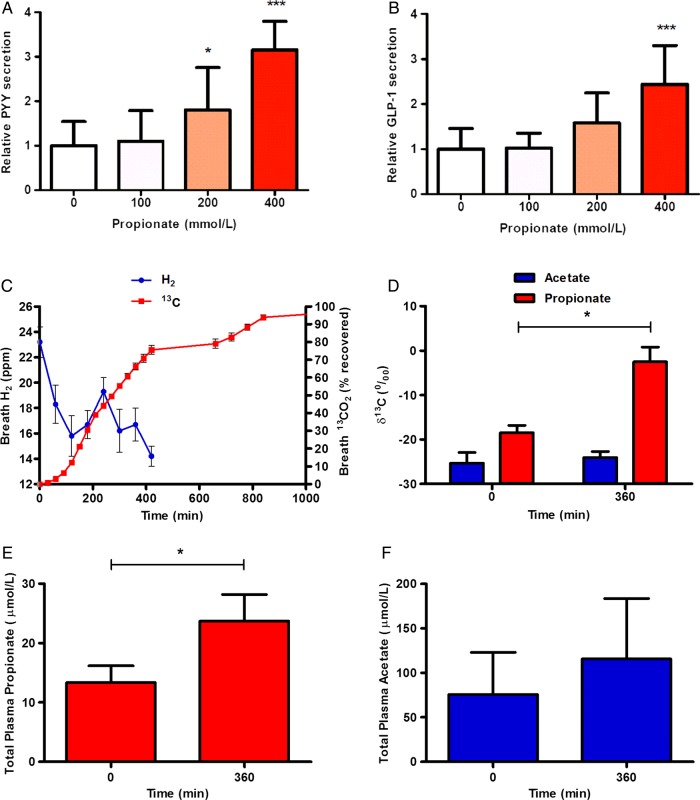
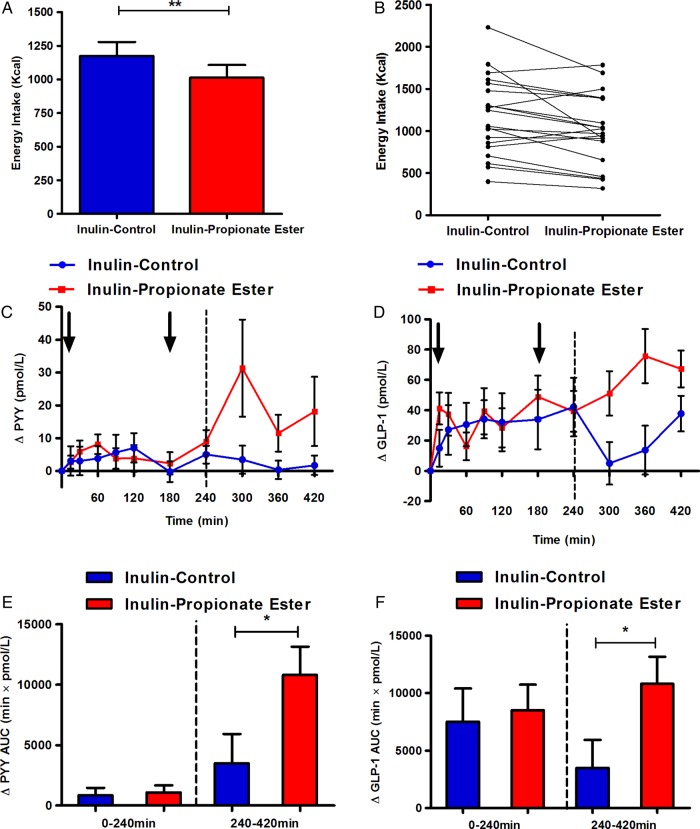
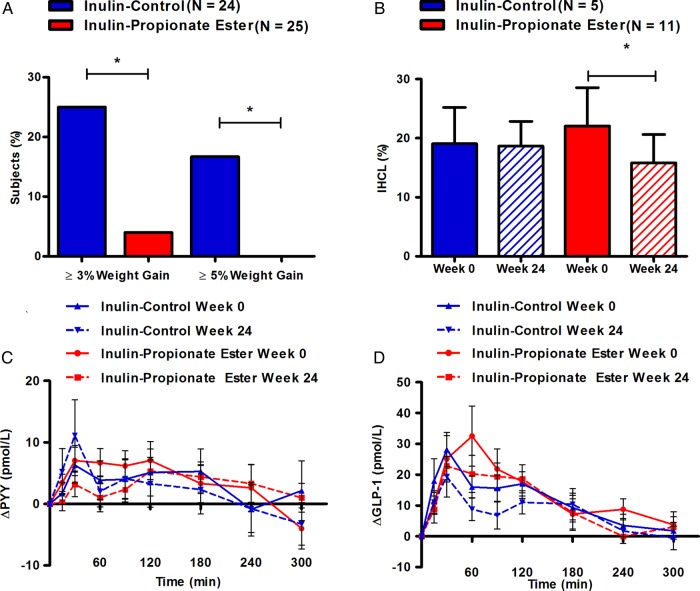
Objective: The colonic microbiota ferment dietary fibres, producing short chain fatty acids. Recent evidence suggests that the short chain fatty acid propionate may play an important role in appetite regulation. We hypothesised that colonic delivery of propionate would increase peptide YY (PYY) and glucagon like peptide-1 (GLP-1) secretion in humans, and reduce energy intake and weight gain in overweight adults. Design: To investigate whether propionate promotes PYY and GLP-1 secretion, a primary cultured human colonic cell model was developed. To deliver propionate specifically to the colon, we developed a novel inulin-propionate ester. An acute randomised, controlled cross-over study was used to assess the effects of this inulin-propionate ester on energy intake and plasma PYY and GLP-1 concentrations. The long-term effects of inulin-propionate ester on weight gain were subsequently assessed in a randomised, controlled 24-week study involving 60 overweight adults. Results: Propionate significantly stimulated the release of PYY and GLP-1 from human colonic cells. Acute ingestion of 10 g inulin-propionate ester significantly increased postprandial plasma PYY and GLP-1 and reduced energy intake. Over 24 weeks, 10 g/day inulin-propionate ester supplementation significantly reduced weight gain, intra-abdominal adipose tissue distribution, intrahepatocellular lipid content and prevented the deterioration in insulin sensitivity observed in the inulin-control group. Conclusions: These data demonstrate for the first time that increasing colonic propionate prevents weight gain in overweight adult humans. Trial registration number: NCT00750438.
Overview
The claims and statistics of this paper haven’t been checked yet.
Free: it reads the open-access text and checks the first 5 claims that cite a source we can check. Create a free account to check every claim.
Integrity signals
Registry
Cites
Statistics
Figures
Verification
Claims the paper makes
The claims and statistics of this paper haven’t been checked yet.
Free: it reads the open-access text and checks the first 5 claims that cite a source we can check. Create a free account to check every claim.
Claims other papers make about this one
Each is checked against this paper’s own text: does it say what the citing paper says it does?
The source backs part of the claim, not all of it — or backs it for a different population, condition or comparison.
In the citing paper
“Human-based studies corroborate the beneficial effects of SCFAs, including the effects of propionate (a common SCFA produced by human gut microbiota) on enhanced incretin response (including plasma Peptide YY [PYY] and GLP-1 excursions), weight loss, reduced intra-abdominal adipose tissue volume and intra-hepatocellular lipid content and preservation of insulin sensitivity [59].”
From The Health Benefits of Dietary Fibre (2020) · cites this paper as [59]
Experimental — accuracy not yet measuredThe cited source says what the claim attributes to it.
In the citing paper
“Short-chain fatty-acid production is primarily derived from non-digestible-carbohydrate (i.e., dietary fiber) consumption [213] during colonic bacterial fermentation [214].”
From Impact of Protein Intake in Older Adults with Sarcopenia and Obesity: A Gut Microbiota Perspective (2020) · cites this paper as [213]
Self-check
Percentages, sums and reported differences re-computed from the paper’s own numbers.
The self-check needs the paper’s full text.
Citations
Cites
Diet rapidly and reproducibly alters the human gut microbiome
David, L. A., Maurice, C. F., Carmody, R. N., Gootenberg, D. B., Button, J. E., Wolfe, B. E., Ling, A. V., Devlin, A. S., Varma, Y., Fischbach, M. A., et al. (2014) · Nature · doi:10.1038/nature12820 · Cited by 10,100 · cited 1×
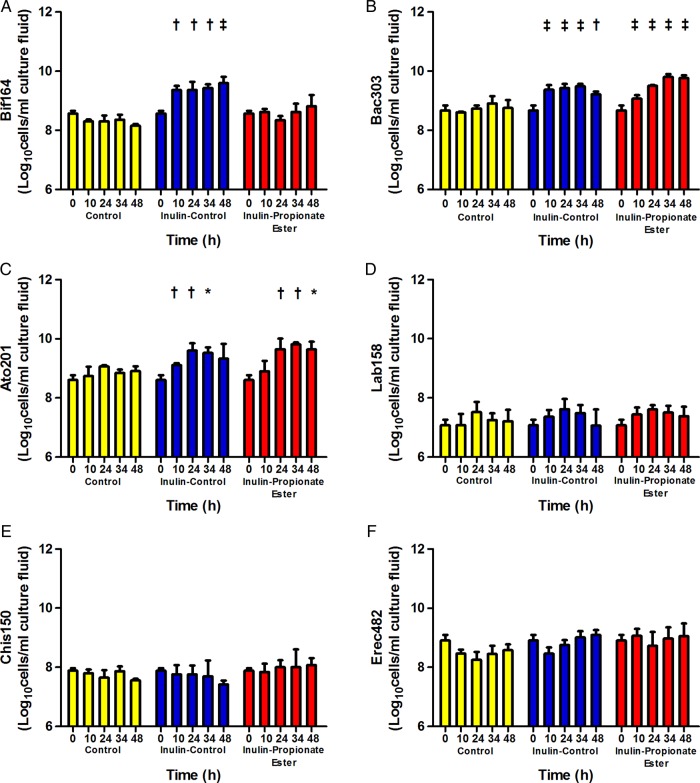
“41 Data from batch culture experiments demonstrated that inulin-control and inulin-propionate ester stimulate changes to the gut microbiota, although only inulin-control had a selective effect on Bi fi dobacterium .”
BackgroundAbdominal obesity and metabolic syndrome
Després, J.-P., & Lemieux, I. (2006) · Nature · doi:10.1038/nature05488 · Cited by 4,354 · cited 1×
“44 Interestingly, in this long-term study we were unable to detect any change in PYY or GLP-1 release following ingestion of the inulin-propionate ester compared with inulin-control, in contrast to our acute administration studies.”
ResultGut Microbiota from Twins Discordant for Obesity Modulate Metabolism in Mice
Ridaura, V. K., Faith, J. J., Rey, F. E., Cheng, J., Duncan, A. E., Kau, A. L., Griffin, N. W., Lombard, V., Henrissat, B., Bain, J. R., et al. (2013) · Science · doi:10.1126/science.1241214 · Cited by 3,788
Short chain fatty acids in human large intestine, portal, hepatic and venous blood
Cummings, J. H., Pomare, E. W., Branch, W. J., Naylor, C. P., & Macfarlane, G. T. (1987) · Gut · doi:10.1136/gut.28.10.1221 · Cited by 3,119 · cited 1×
“31 To overcome the unpalatably high levels of ferment-able dietary fi bre needed to signi fi cantly increase colonic propionate levels, and the unpredictability in the production of the resulting SCFAs, we have developed a novel delivery system targeting the release of gram quantities of propionate…”
BackgroundChanges in diet and lifestyle and long-term weight gain in women and men
Mozaffarian, D., Hao, T., Rimm, E. B., Willett, W. C., & Hu, F. B. (2011) · New England Journal of Medicine · doi:10.1056/nejmoa1014296 · Cited by 2,527
Brown, A. J., Goldsworthy, S. M., Barnes, A. A., Eilert, M. M., Tcheang, L., Daniels, D., Muir, A. I., Wigglesworth, M. J., Kinghorn, I., Fraser, N. J., et al. (2003) · Journal of Biological Chemistry · doi:10.1074/jbc.m211609200 · Cited by 2,409
Tolhurst, G., Heffron, H., Lam, Y. S., Parker, H. E., Habib, A. M., Diakogiannaki, E., Cameron, J., Grosse, J., Reimann, F., & Gribble, F. M. (2012) · Diabetes · doi:10.2337/db11-1019 · Cited by 2,404 · cited 2×
“21 Of the SCFAs produced by colonic fermentation of dietary fi bre, propionate has the highest af fi nity for FFAR 2.”
BackgroundMethodGut hormone PYY3-36 physiologically inhibits food intake
Batterham, R. L., Cowley, M. A., Small, C. J., Herzog, H., Cohen, M. A., Dakin, C. L., Wren, A. M., Brynes, A. E., Low, M. J., Ghatei, M. A., et al. (2002) · Nature · doi:10.1038/nature00887 · Cited by 2,351
Self-citationFlint, A., Raben, A., Blundell, J., & Astrup, A. (2000) · International Journal of Obesity · doi:10.1038/sj.ijo.0801083 · Cited by 2,238
Self-citationMicrobiota-Generated Metabolites Promote Metabolic Benefits via Gut-Brain Neural Circuits
De Vadder, F., Kovatcheva-Datchary, P., Goncalves, D., Vinera, J., Zitoun, C., Duchampt, A., Bäckhed, F., & Mithieux, G. (2014) · Cell · doi:10.1016/j.cell.2013.12.016 · Cited by 2,200
Cited by
Items 101–200 of 1,001
Inulin: properties and health benefits
Qin, Y.-Q., Wang, L.-Y., Yang, X.-Y., Xu, Y.-J., Fan, G., Fan, Y.-G., Ren, J.-N., An, Q., & Li, X. (2023) · Food & Function · doi:10.1039/d2fo01096h · Cited by 240
Branched short-chain fatty acids modulate glucose and lipid metabolism in primary adipocytes
Heimann, E., Nyman, M., Pålbrink, A.-K., Lindkvist-Petersson, K., & Degerman, E. (2016) · Adipocyte · doi:10.1080/21623945.2016.1252011 · Cited by 237
“to have anti-obesity properties in both animal models and human subjects when orally distributed.(12-21) For example, a high fat diet supplemented with acetic acid, propionic acid or butyric acid improved both insulin sensitivity and protected against weight gain in animal models.”
BackgroundDynamic balancing of intestinal short-chain fatty acids: The crucial role of bacterial metabolism
Xu, Y., Zhu, Y., Li, X., & Sun, B. (2020) · Trends in Food Science & Technology · doi:10.1016/j.tifs.2020.02.026 · Cited by 234
Hou, Y.-F., Shan, C., Zhuang, S.-Y., Zhuang, Q.-Q., Ghosh, A., Zhu, K.-C., Kong, X.-K., Wang, S.-M., Gong, Y.-L., Yang, Y.-Y., et al. (2021) · Microbiome · doi:10.1186/s40168-020-00988-6 · Cited by 231
Microbiota and Fatty Liver Disease—the Known, the Unknown, and the Future
Lang, S., & Schnabl, B. (2020) · Cell Host & Microbe · doi:10.1016/j.chom.2020.07.007 · Cited by 231
Shaping the Metabolism of Intestinal Bacteroides Population through Diet to Improve Human Health
Rios-Covian, D., Salazar, N., Gueimonde, M., & de los Reyes-Gavilan, C. G. (2017) · Frontiers in Microbiology · doi:10.3389/fmicb.2017.00376 · Cited by 230
“Several metabolic disorders as obesity, insulin resistance, and metabolic syndrome are associated with impairment of the metabolism of carbohydrates and lipids by the host, and are accompanied by changes in the gut microbiota (Turnbaugh et al., 2009; Bervoets et al., 2013).”
van der Beek, C. M., Canfora, E. E., Kip, A. M., Gorissen, S. H. M., Olde Damink, S. W. M., van Eijk, H. M., Holst, J. J., Blaak, E. E., Dejong, C. H. C., & Lenaerts, K. (2018) · Metabolism · doi:10.1016/j.metabol.2018.06.009 · Cited by 230
β-Glucan Metabolic and Immunomodulatory Properties and Potential for Clinical Application
Murphy, E. J., Rezoagli, E., Major, I., Rowan, N. J., & Laffey, J. G. (2020) · Journal of Fungi · doi:10.3390/jof6040356 · Cited by 228
Duttaroy, A. K. (2021) · Nutrients · doi:10.3390/nu13010144 · Cited by 223
“Infusion of AngII/TMAO associated with ↑blood pressure[67] ↑insulin sensitivity related to vancomycin treatment [68] ↑Leptin, GLP1, [69-72] PYY [71,73] ↑TMAO was associated with glycemic control[74].”
BackgroundAltered Gut Microbiota in Type 2 Diabetes: Just a Coincidence?
Sircana, A., Framarin, L., Leone, N., Berrutti, M., Castellino, F., Parente, R., De Michieli, F., Paschetta, E., & Musso, G. (2018) · Current Diabetes Reports · doi:10.1007/s11892-018-1057-6 · Cited by 223
Regulation of energy balance by a gut–brain axis and involvement of the gut microbiota
Bauer, P. V., Hamr, S. C., & Duca, F. A. (2016) · Cellular and Molecular Life Sciences · doi:10.1007/s00018-015-2083-z · Cited by 216
Mechanisms Linking the Gut Microbiome and Glucose Metabolism
Utzschneider, K. M., Kratz, M., Damman, C. J., & Hullarg, M. (2016) · The Journal of Clinical Endocrinology & Metabolism · doi:10.1210/jc.2015-4251 · Cited by 214
Houtman, T. A., Eckermann, H. A., Smidt, H., & de Weerth, C. (2022) · Scientific Reports · doi:10.1038/s41598-022-07176-6 · Cited by 213
The Detrimental Impact of Ultra-Processed Foods on the Human Gut Microbiome and Gut Barrier
Rondinella, D., Raoul, P. C., Valeriani, E., Venturini, I., Cintoni, M., Severino, A., Galli, F. S., Mora, V., Mele, M. C., Cammarota, G., et al. (2025) · Nutrients · doi:10.3390/nu17050859 · Cited by 214
“SCFAs also modulate appetite and improve insulin sensitivity through the secretion of gut hormones such as glucagon-like peptide-1 (GLP-1), peptide YY (PYY), and the binding G protein-coupled receptor (GPR41 and GPR43) [39,40].”
Alexander, C., Swanson, K. S., Fahey, G. C., & Garleb, K. A. (2019) · Advances in Nutrition · doi:10.1093/advances/nmz004 · Cited by 212
“(49), primary human colonic cells in culture were used to determine that propionate administration promotes the production of PYY and GLP-1.”
Intestinal Barrier and Permeability in Health, Obesity and NAFLD
Portincasa, P., Bonfrate, L., Khalil, M., Angelis, M. D., Calabrese, F. M., D’Amato, M., Wang, D. Q.-H., & Di Ciaula, A. (2021) · Biomedicines · doi:10.3390/biomedicines10010083 · Cited by 211
“Acetate is converted to butyrate and used by colonocytes [159,160].”
BackgroundAssociation of metabolic dysfunction-associated fatty liver disease with kidney disease
Wang, T.-Y., Wang, R.-F., Bu, Z.-Y., Targher, G., Byrne, C. D., Sun, D.-Q., & Zheng, M.-H. (2022) · Nature Reviews Nephrology · doi:10.1038/s41581-021-00519-y · Cited by 210
Zhang, S., Zhao, J., Xie, F., He, H., Johnston, L. J., Dai, X., Wu, C., & Ma, X. (2021) · Obesity Reviews · doi:10.1111/obr.13316 · Cited by 209
Abd El-Hack, M., Shafi, M., Alghamdi, W., Abdelnour, S., Shehata, A., Noreldin, A., Ashour, E., Swelum, A., Al-Sagan, A., Alkhateeb, M., et al. (2020) · Agriculture · doi:10.3390/agriculture10080339 · Cited by 208
Nie, Q., Hu, J., Gao, H., Fan, L., Chen, H., & Nie, S. (2019) · Food Hydrocolloids · doi:10.1016/j.foodhyd.2017.12.026 · Cited by 208
Li, X., Watanabe, K., & Kimura, I. (2017) · Frontiers in Immunology · doi:10.3389/fimmu.2017.01882 · Cited by 205
“Activation of the GPR41 expressed on the enteroendocrine cells is reported to stimulate the secretion of the gut hormone peptide YY, which functions to reduce energy intake (43, 44), while sensing of SCFAs by GPR43 triggers the production of glucagon-like peptide-1 (GLP-1), which is known to decrease gastric emptying…”
BackgroundTargeting the gut microbiota and its metabolites for type 2 diabetes mellitus
Wu, J., Yang, K., Fan, H., Wei, M., & Xiong, Q. (2023) · Frontiers in Endocrinology · doi:10.3389/fendo.2023.1114424 · Cited by 203
Byrne, C. S., Chambers, E. S., Alhabeeb, H., Chhina, N., Morrison, D. J., Preston, T., Tedford, C., Fitzpatrick, J., Irani, C., Busza, A., et al. (2016) · The American Journal of Clinical Nutrition · doi:10.3945/ajcn.115.126706 · Cited by 201
“This suggests delivery of the majority of bound propionate to the colon (12).”
BackgroundMethodResultSelf-citationKaczmarek, J. L., Musaad, S. M., & Holscher, H. D. (2017) · The American Journal of Clinical Nutrition · doi:10.3945/ajcn.117.156380 · Cited by 200
“Indeed, microbial metabolites have been shown to affect hyperphagia in rodents (51, 52), and propionate reduced appetite in overweight adults (53).”
BackgroundThe L-cell in nutritional sensing and the regulation of appetite
Spreckley, E. (2015) · Frontiers in Nutrition · doi:10.3389/fnut.2015.00023 · Cited by 198
“Targeted colonic propionate may therefore represent a novel and effective approach for weight management (195).”
BackgroundSelf-citationImplication of gut microbiota metabolites in cardiovascular and metabolic diseases
Brial, F., Le Lay, A., Dumas, M.-E., & Gauguier, D. (2018) · Cellular and Molecular Life Sciences · doi:10.1007/s00018-018-2901-1 · Cited by 198
Participation of Short-Chain Fatty Acids and Their Receptors in Gut Inflammation and Colon Cancer
Carretta, M. D., Quiroga, J., López, R., Hidalgo, M. A., & Burgos, R. A. (2021) · Frontiers in Physiology · doi:10.3389/fphys.2021.662739 · Cited by 197
“In enteroendocrine L cells, FFAR2 is highly expressed and SFCA mediates the release of peptide YY (PYY) and glucagonlike peptide 1 (GLP-1) from the lower gut of both mice and humans (Tolhurst et al., 2012; Chambers et al., 2015).”
BackgroundDifferential metabolic effects of oral butyrate treatment in lean versus metabolic syndrome subjects
Bouter, K. E., Bakker, G. J., Levin, E., Hartstra, A. V., Kootte, R. S., Udayappan, S. D., Katiraei, S., Bahler, L., Gilijamse, P. W., Tremaroli, V., et al. (2018) · Clinical and Translational Gastroenterology · doi:10.1038/s41424-018-0025-4 · Cited by 194
Molecular link between dietary fibre, gut microbiota and health
Kumar, J., Rani, K., & Datt, C. (2020) · Molecular Biology Reports · doi:10.1007/s11033-020-05611-3 · Cited by 192
Interorgan Metabolic Crosstalk in Human Insulin Resistance
Gancheva, S., Jelenik, T., Álvarez-Hernández, E., & Roden, M. (2018) · Physiological Reviews · doi:10.1152/physrev.00015.2017 · Cited by 192
Mechanisms and implications of the gut microbial modulation of intestinal metabolic processes
Jyoti, & Dey, P. (2025) · npj Metabolic Health and Disease · doi:10.1038/s44324-025-00066-1 · Cited by 191
“…propionate stimulates the secretion of PYY and GLP-1, while assessing its immediate effects on energy intake and hormone levels in a randomized controlled cross-over study, alongside its long-term implications on weight gain in a 24-week randomized controlled trial involving overweight adults 68 .”
Fehlbaum, S., Prudence, K., Kieboom, J., Heerikhuisen, M., Van den Broek, T., Schuren, F. H. J., Steinert, R. E., & Raederstorff, D. (2018) · International Journal of Molecular Sciences · doi:10.3390/ijms19103097 · Cited by 190
“Furthermore, this SCFA may also play a role in appetite regulation [58].”
BackgroundMicrobial enterotypes in personalized nutrition and obesity management
Christensen, L., Roager, H. M., Astrup, A., & Hjorth, M. F. (2018) · The American Journal of Clinical Nutrition · doi:10.1093/ajcn/nqy175 · Cited by 190
Nguyen, N. K., Deehan, E. C., Zhang, Z., Jin, M., Baskota, N., Perez-Muñoz, M. E., Cole, J., Tuncil, Y. E., Seethaler, B., Wang, T., et al. (2020) · Microbiome · doi:10.1186/s40168-020-00887-w · Cited by 189
“The increased production of propionate would have implications for the treatment of obesity and related metabolic and immune alterations, as propionate administration has been shown to induce satiety [79], improve glucose homeostasis [80, 81], and suppress proinflammatory interleukin-8 levels [80] in humans.”
BackgroundEffects of dietary fibre on metabolic health and obesity
Deehan, E. C., Mocanu, V., & Madsen, K. L. (2024) · Nature Reviews Gastroenterology & Hepatology · doi:10.1038/s41575-023-00891-z · Cited by 191
“…a human study has shown that in 20 healthy adults, acute oral intake of inulin-propionate ester increased the levels of systemic PYY and GLP1 and reduced food intake in comparison with inulin alone, suggesting a role for increased levels of propionate in modulating glucose metabolism 80 .”
Gut Microbiota: The Brain Peacekeeper
Mu, C., Yang, Y., & Zhu, W. (2016) · Frontiers in Microbiology · doi:10.3389/fmicb.2016.00345 · Cited by 188
“Frontiers in Microbiology | www.frontiersin.org 1 March 2016 | Volume 7 | Article 345”
BackgroundThe gut microbiome connects nutrition and human health
Sanz, Y., Cryan, J. F., Deschasaux, M., Elinav, E., Lambrecht, R., & Veiga, P. (2025) · Nature Reviews Gastroenterology & Hepatology · doi:10.1038/s41575-025-01077-5 · Cited by 192
“They can inhibit lipolysis in adipose tissue to limit the release of free fatty acids and their accumulation in other tissues, causing insulin resistance 151–156 and activating thermogenesis 142 , based mainly on evidence from rodents 148,154 .”
Short Chain Fatty Acid Metabolism in Relation to Gut Microbiota and Genetic Variability
Ramos Meyers, G., Samouda, H., & Bohn, T. (2022) · Nutrients · doi:10.3390/nu14245361 · Cited by 184
Clinical translation of advanced colonic drug delivery technologies
Awad, A., Madla, C. M., McCoubrey, L. E., Ferraro, F., Gavins, F. K. H., Buanz, A. B. M., Gaisford, S., Orlu, M., Siepmann, F., Siepmann, J., et al. (2021) · Advanced Drug Delivery Reviews · doi:10.1016/j.addr.2021.114076 · Cited by 184
Weitkunat, K., Schumann, S., Nickel, D., Kappo, K. A., Petzke, K. J., Kipp, A. P., Blaut, M., & Klaus, S. (2016) · Molecular Nutrition & Food Research · doi:10.1002/mnfr.201600305 · Cited by 182
“Beneficial effects of Pr on hepatic triglyceride levels have already been shown in rodents [21] and human patients suffering from nonalcoholic fatty liver disease [22].”
BackgroundWheat bran, as the resource of dietary fiber: a review
Cheng, W., Sun, Y., Fan, M., Li, Y., Wang, L., & Qian, H. (2021) · Critical Reviews in Food Science and Nutrition · doi:10.1080/10408398.2021.1913399 · Cited by 183
Jardon, K. M., Canfora, E. E., Goossens, G. H., & Blaak, E. E. (2022) · Gut · doi:10.1136/gutjnl-2020-323715 · Cited by 181
“81 Furthermore, long-term colonic propionate delivery prevented bodyweight gain, reduced abdominal obesity and intrahepatocellular lipid content, and prevented the deterioration in insulin sensitivity in overweight adults.”
BackgroundEffects of short chain fatty acids on metabolic and inflammatory processes in human health
Campos-Perez, W. Y., & Martínez‐López, E. (2021) · Biochimica et Biophysica Acta (BBA) - Molecular and Cell Biology of Lipids · doi:10.1016/j.bbalip.2021.158900 · Cited by 184
Lange, O., Proczko-Stepaniak, M., & Mika, A. (2023) · Current Obesity Reports · doi:10.1007/s13679-023-00503-6 · Cited by 180
Goffredo, M., Mass, K., Parks, E. J., Wagner, D. A., McClure, E. A., Graf, J., Savoye, M., Pierpont, B., Cline, G., & Santoro, N. (2016) · The Journal of Clinical Endocrinology & Metabolism · doi:10.1210/jc.2016-1797 · Cited by 177
Dietary short-chain fatty acid intake improves the hepatic metabolic condition via FFAR3
Shimizu, H., Masujima, Y., Ushiroda, C., Mizushima, R., Taira, S., Ohue-Kitano, R., & Kimura, I. (2019) · Scientific Reports · doi:10.1038/s41598-019-53242-x · Cited by 177
A review on mycoprotein: History, nutritional composition, production methods, and health benefits
Ahmad, M. I., Farooq, S., Alhamoud, Y., Li, C., & Zhang, H. (2022) · Trends in Food Science & Technology · doi:10.1016/j.tifs.2022.01.027 · Cited by 177
Intersection of the Gut Microbiome and Circadian Rhythms in Metabolism
Frazier, K., & Chang, E. B. (2020) · Trends in Endocrinology & Metabolism · doi:10.1016/j.tem.2019.08.013 · Cited by 173
“For example, colonic delivery of propionate to humans for 6 months drastically reduced body weight and adipose tissue in overweight humans[28].”
BackgroundDiet, Microbiota, and Metabolic Health: Trade-Off Between Saccharolytic and Proteolytic Fermentation
Korpela, K. (2018) · Annual Review of Food Science and Technology · doi:10.1146/annurev-food-030117-012830 · Cited by 176
Lee, P., Yacyshyn, B. R., & Yacyshyn, M. B. (2019) · Diabetes, Obesity and Metabolism · doi:10.1111/dom.13561 · Cited by 151
“Administration of inulin-propionate ester reduced adiposity and improved insulin sensitivity in overweight adults by stimulating the release of GLP-1 and PYY from the colonocytes.(73) The cyclical interplay between the diet on gut microbiota, gut microbiota on feeding behaviour, and feeding behaviour on diet, suggests…”
BackgroundRisk Factors for Unhealthy Weight Gain and Obesity among Children with Autism Spectrum Disorder
Dhaliwal, K. K., Orsso, C. E., Richard, C., Haqq, A. M., & Zwaigenbaum, L. (2019) · International Journal of Molecular Sciences · doi:10.3390/ijms20133285 · Cited by 140
Sharpton, S. R., Ajmera, V., & Loomba, R. (2019) · Clinical Gastroenterology and Hepatology · doi:10.1016/j.cgh.2018.08.065 · Cited by 169
Weitkunat, K., Schumann, S., Nickel, D., Hornemann, S., Petzke, K. J., Schulze, M. B., Pfeiffer, A. F., & Klaus, S. (2017) · The American Journal of Clinical Nutrition · doi:10.3945/ajcn.117.152702 · Cited by 167
“Considering the positive effects of propionate on insulin sensitivity (16, 24, 25), this also provides a biological plausibility for the association between OCFAs and the decreased risk of type 2 diabetes apparent from epidemiologic studies (20) that, thus far, might be wrongly attributed to dairy product intake alone.”
BackgroundLachnospiraceae are emerging industrial biocatalysts and biotherapeutics
Zaplana, T., Miele, S., & Tolonen, A. C. (2024) · Frontiers in Bioengineering and Biotechnology · doi:10.3389/fbioe.2023.1324396 · Cited by 168
Polyphenols and health: Interactions between fibre, plant polyphenols and the gut microbiota
Edwards, C. A., Havlik, J., Cong, W., Mullen, W., Preston, T., Morrison, D. J., & Combet, E. (2017) · Nutrition Bulletin · doi:10.1111/nbu.12296 · Cited by 154
“Propionate has been shown to stimulate the release of satiety hormones, such as PYY and GLP1, influencing appetite regulation (Chambers et al. 2015) and glucose metabolism (Pingitore et al.”
BackgroundSelf-citationGut microbiota–derived short-chain fatty acids and kidney diseases
Li, L., Ma, L., & Fu, P. (2017) · Drug Design, Development and Therapy · doi:10.2147/dddt.s150825 · Cited by 164
“49 Patients were advised to increase their dietary fibers, which increased concentrations of SCFAs in the gut and circulatory system; this was associated with the reduction of adverse consequences of hyperglycemia.”
BackgroundDelzenne, N. M., Olivares, M., Neyrinck, A. M., Beaumont, M., Kjølbæk, L., Larsen, T. M., Benítez‐Páez, A., Romaní‐Pérez, M., Garcia‐Campayo, V., Bosscher, D., et al. (2019) · Clinical Nutrition · doi:10.1016/j.clnu.2019.03.002 · Cited by 165
Kårlund, A., Gómez-Gallego, C., Turpeinen, A. M., Palo-oja, O.-M., El-Nezami, H. S., & Kolehmainen, M. (2019) · Nutrients · doi:10.3390/nu11040829 · Cited by 165
Frye, R. E., Rose, S., Slattery, J., & MacFabe, D. F. (2015) · Microbial Ecology in Health & Disease · doi:10.3402/mehd.v26.27458 · Cited by 142
“loss agent (190, 191), and aspartame is known to increase”
BackgroundChristensen, L., Vuholm, S., Roager, H. M., Nielsen, D. S., Krych, L., Kristensen, M., Astrup, A., & Hjorth, M. F. (2019) · The Journal of Nutrition · doi:10.1093/jn/nxz198 · Cited by 162
Short-chain fatty acids and insulin sensitivity: a systematic review and meta-analysis
Pham, N. H. T., Joglekar, M. V., Wong, W. K. M., Nassif, N. T., Simpson, A. M., & Hardikar, A. A. (2023) · Nutrition Reviews · doi:10.1093/nutrit/nuad042 · Cited by 164
Zhang, X.-Y., Sukhchuluun, G., Bo, T.-B., Chi, Q.-S., Yang, J.-J., Chen, B., Zhang, L., & Wang, D.-H. (2018) · Microbiome · doi:10.1186/s40168-018-0473-9 · Cited by 161
Toward Understanding Microbiome-Neuronal Signaling
Jameson, K. G., Olson, C. A., Kazmi, S. A., & Hsiao, E. Y. (2020) · Molecular Cell · doi:10.1016/j.molcel.2020.03.006 · Cited by 149
Ke, X., Walker, A., Haange, S.-B., Lagkouvardos, I., Liu, Y., Schmitt-Kopplin, P., von Bergen, M., Jehmlich, N., He, X., Clavel, T., et al. (2019) · Molecular Metabolism · doi:10.1016/j.molmet.2019.01.012 · Cited by 160
“In humans, a significant reduction in weight gain was observed after long-term supplementation with inulin-propionate ester, which can be metabolized by the microbiota to propionate in the colon [62].”
BackgroundThe Role of the Gut Microbiota in Lipid and Lipoprotein Metabolism
Yu, Y., Raka, F., & Adeli, K. (2019) · Journal of Clinical Medicine · doi:10.3390/jcm8122227 · Cited by 160
Miyamoto, J., Watanabe, K., Taira, S., Kasubuchi, M., Li, X., Irie, J., Itoh, H., & Kimura, I. (2018) · PLoS ONE · doi:10.1371/journal.pone.0196579 · Cited by 162
A review of current and future food applications of natural hydrocolloids
Yemenicioğlu, A., Farris, S., Türkyılmaz, M., & Güleç, Ş. (2019) · International Journal of Food Science & Technology · doi:10.1111/ijfs.14363 · Cited by 160
Gawalko, M. M., Agbaedeng, T. A., Saljic, A., Müller, D. N., Wilck, N., Schnabel, R. B., Penders, J., Rienstra, M., Gelder, I. C. V., Jespersen, T., et al. (2021) · Cardiovascular Research · doi:10.1093/cvr/cvab292 · Cited by 159
Sodium butyrate supplementation ameliorates diabetic inflammation in db/db mice
Xu, Y., Gao, C., Guo, H., Zhang, W., Huang, W. G., Tang, S., Gan, W.-J., Xu, Y., Zhou, H., & Zhu, Q. (2018) · Journal of Endocrinology · doi:10.1530/joe-18-0137 · Cited by 158
Microbial Metabolites Determine Host Health and the Status of Some Diseases
Sittipo, P., Shim, J.-W., & Lee, Y. (2019) · International Journal of Molecular Sciences · doi:10.3390/ijms20215296 · Cited by 136
Gut Microbiota during Dietary Restrictions: New Insights in Non-Communicable Diseases
Rinninella, E., Cintoni, M., Raoul, P. C., Ianiro, G., Laterza, L., Lopetuso, L. R., Ponziani, F. R., Gasbarrini, A., & Mele, M. C. (2020) · Microorganisms · doi:10.3390/microorganisms8081140 · Cited by 158
Helicobacter pylori Eradication Causes Perturbation of the Human Gut Microbiome in Young Adults
Yap, T. W.-C., Gan, H. M., Lee, Y.-P., Leow, A. H., Azmi, A. N., François, F., Perez-Perez, G. I., Loke, M. F., Goh, K., & Vadivelu, J. (2016) · PLoS ONE · doi:10.1371/journal.pone.0151893 · Cited by 157
Manzoor, M., Singh, J., Bandral, J. D., Gani, A., & Shams, R. (2020) · International Journal of Biological Macromolecules · doi:10.1016/j.ijbiomac.2020.09.182 · Cited by 156
Short‐chain fatty acids: bridges between diet, gut microbiota, and health
Wang, L., He, L., Xu, L., & Li, S. (2024) · Journal of Gastroenterology and Hepatology · doi:10.1111/jgh.16619 · Cited by 157
“37 Supplementation dietary inulin increases SCFA levels in mice, thereby exerting a positive in fl uence on lipid metabolism 38 (Fig.”
Gaike, A. H., Paul, D., Bhute, S. S., Dhotre, D. P., Pande, P., Upadhyaya, S., Reddy, Y. B. S., Sampath, R., Ghosh, D., Chandraprabha, D., et al. (2020) · mSystems · doi:10.1128/msystems.00578-19 · Cited by 156
“produce propionate, a short-chain fatty acid (SCFA) (44), which promotes reduction of hepatic lipogenesis and helps in the reduction of lipids in blood (45).”
BackgroundRecipient factors in faecal microbiota transplantation: one stool does not fit all
Danne, C., Rolhion, N., & Sokol, H. (2021) · Nature Reviews Gastroenterology & Hepatology · doi:10.1038/s41575-021-00441-5 · Cited by 154
Salamone, D., Rivellese, A. A., & Vetrani, C. (2021) · Acta Diabetologica · doi:10.1007/s00592-021-01727-5 · Cited by 152
“Nevertheless, they seem to indicate that: 1) an inulin-propionate supplementation (10 g/day) increases GLP-1 and PYY, and reduces food intake [38, 39] thus contributing to body weight regulation, and 2) sodium butyrate supplementation (4 g/day) improves insulin sensitivity only in lean subjects and not in individuals…”
BackgroundCao, Q., Shen, M., Li, R., Liu, Y., Zeng, Z., Zhou, J., Niu, D., Zhang, Q., Wang, R., Yao, J., et al. (2025) · Journal of Neuroinflammation · doi:10.1186/s12974-025-03454-y · Cited by 155
The role of dietary fibers in regulating appetite, an overview of mechanisms and weight consequences
Akhlaghi, M. (2022) · Critical Reviews in Food Science and Nutrition · doi:10.1080/10408398.2022.2130160 · Cited by 150
“Cell culture studies have shown that propionate stimulate the release of PYY and GLP-1 in human colonic cells (Chambers, Viardot, et al. 2015).”
BackgroundThe Role of Fiber in Energy Balance
Hervik, A. K., & Svihus, B. (2019) · Journal of Nutrition and Metabolism · doi:10.1155/2019/4983657 · Cited by 124
“In vitro studies have demonstrated that SCFAs stimulate PYY gene expression in rat gut cells [108], as well as release of PYY and GLP-1 in colonic cells from humans [109] and mice [110].”
BackgroundBell, K. J., Saad, S., Tillett, B. J., McGuire, H. M., Bordbar, S., Yap, Y. A., Nguyen, L. T., Wilkins, M. R., Corley, S., Brodie, S., et al. (2022) · Microbiome · doi:10.1186/s40168-021-01193-9 · Cited by 149
“Meanwhile, propionate acts as a precursor of glucogenesis [51-53].”
BackgroundShort chain fatty acids: the messengers from down below
Mansuy‐Aubert, V., & Ravussin, Y. (2023) · Frontiers in Neuroscience · doi:10.3389/fnins.2023.1197759 · Cited by 149
“Butyrate increases insulin sensitivity by stimulating the production of insulinsensitizing hormones like GLP1 and reducing inflammation in adipose tissue (Gao et al., 2009; Yadav et al., 2013).”
BackgroundInfluentialThe Human Gut Microbiome as a Potential Factor in Autism Spectrum Disorder
Alharthi, A., Alhazmi, S., Alburae, N., & Bahieldin, A. (2022) · International Journal of Molecular Sciences · doi:10.3390/ijms23031363 · Cited by 98
“SCFAs play a vital function in the body such as in the homeostasis of energy, in the enhancement of glucose metabolism, in lowering body weight, and in reducing the chance of colon cancer [85].”
BackgroundIlhan, Z. E., DiBaise, J. K., Isern, N. G., Hoyt, D. W., Marcus, A. K., Kang, D.-W., Crowell, M. D., Rittmann, B. E., & Krajmalnik-Brown, R. (2017) · The ISME Journal · doi:10.1038/ismej.2017.71 · Cited by 140
“Besides glucagon-like peptide-1, propionate can induce secretion of appetite-reducing hormone peptide YY (Chambers et al., 2015).”
BackgroundAziz, N. A. A., & Jalil, A. M. M. (2019) · Foods · doi:10.3390/foods8030096 · Cited by 143
“This study also showed that 10 g/day of inulin-propionate ester reduced energy intake (14%) compared with the control (inulin) [9].”
BackgroundMan, A. W. C., Zhou, Y., Xia, N., & Li, H. (2020) · Nutrients · doi:10.3390/nu12103054 · Cited by 128
“Propionate is associated with improved glucose homeostasis via improving pancreatic β-cell function [90,91].”
BackgroundA Review on Role of Microbiome in Obesity and Antiobesity Properties of Probiotic Supplements
Sivamaruthi, B. S., Kesika, P., Suganthy, N., & Chaiyasut, C. (2019) · BioMed Research International · doi:10.1155/2019/3291367 · Cited by 124
“Butyrate and propionate also reduce the appetite by (i) inducing the expression of leptin in adipocytes and regulating body weight and energy homeostasis by reducing food intake and increasing energy expenditure [101] (ii) inducing the expression of intestinal gluconeogenesis gene promoting gluconeogenesis [102] (iii)…”
BackgroundNutritional modulation of endogenous glucagon-like peptide-1 secretion: a review
Bodnaruc, A. M., Prud’homme, D., Blanchet, R., & Giroux, I. (2016) · Nutrition & Metabolism · doi:10.1186/s12986-016-0153-3 · Cited by 139
“Concordant with the acute effects of GLP-1 on appetite sensations and food intake, daily delivery of propionate in the colon over 6 months also reduced body weight, abdominal fat and hepatic lipid accumulation as assessed with magnetic resonance imagery and spectroscopy [126].”
BackgroundChoi, J., Lee, S., Won, J., Jin, Y., Hong, Y., Hur, T.-Y., Kim, J.-H., Lee, S.-R., & Hong, Y. (2018) · PLOS ONE · doi:10.1371/journal.pone.0192925 · Cited by 139
El Hage, R., Hernandez-Sanabria, E., Calatayud Arroyo, M., Props, R., & Van de Wiele, T. (2019) · Frontiers in Microbiology · doi:10.3389/fmicb.2019.01206 · Cited by 119
Madsen, M. S. A., Holm, J. B., Pallejà, A., Wismann, P., Fabricius, K., Rigbolt, K., Mikkelsen, M., Sommer, M., Jelsing, J., Nielsen, H. B., et al. (2019) · Scientific Reports · doi:10.1038/s41598-019-52103-x · Cited by 121
In vitro fermentation of juçara pulp ( Euterpe edulis ) by human colonic microbiota
Guergoletto, K. B., Costabile, A., Flores, G., García, S., & Gibson, G. R. (2015) · Food Chemistry · doi:10.1016/j.foodchem.2015.09.048 · Cited by 138
Self-citationFatty acids and their therapeutic potential in neurological disorders
Lei, E., Vacy, K., & Boon, W. C. (2016) · Neurochemistry International · doi:10.1016/j.neuint.2016.02.014 · Cited by 140
Glucagon‐like Peptide‐2 and the Regulation of Intestinal Growth and Function
Brubaker, P. L. (2018) · Comprehensive physiology · doi:10.1002/cphy.c170055 · Cited by 138
Cao, G., Tao, F., Hu, Y., Li, Z., Zhang, Y., Deng, B., & Zhan, X. (2019) · Food & Function · doi:10.1039/c8fo02370k · Cited by 138
Gut microbiota induces DNA methylation via SCFAs predisposing obesity-prone individuals to diabetes
Guo, W., Zhang, Z., Li, L., Liang, X., Wu, Y., Wang, X., Ma, H., Cheng, J., Zhang, A., Tang, P., et al. (2022) · Pharmacological Research · doi:10.1016/j.phrs.2022.106355 · Cited by 138
Postbiotics as Metabolites and Their Biotherapeutic Potential
Hijová, E. (2024) · International Journal of Molecular Sciences · doi:10.3390/ijms25105441 · Cited by 137
“The long-term intake of inulin-propionate ester led to a significant decrease in weight gain and distribution of intra-abdominal adipose tissue and a decrease in intra-hepatocellular lipid content [147].”
BackgroundKoutoukidis, D. A., Jebb, S. A., Zimmerman, M., Otunla, A. A., Henry, J. A., Ferrey, A. E., Schofield, E., Kinton, J., Aveyard, P. N., & Marchesi, J. R. (2022) · Gut Microbes · doi:10.1080/19490976.2021.2020068 · Cited by 137
The potential of tailoring the gut microbiome to prevent and treat cardiometabolic disease
Chakaroun, R., Olsson, L. M., & Bäckhed, F. (2022) · Nature Reviews Cardiology · doi:10.1038/s41569-022-00771-0 · Cited by 141
Wang, X., Cai, Z., Wang, Q., Wu, C., Sun, Y., Wang, Z., Xu, X., Xue, W., Cao, Z., Zhang, M., et al. (2023) · Cell Host & Microbe · doi:10.1016/j.chom.2023.11.005 · Cited by 137
Metadata
- Authors
- Chambers, E. S., Viardot, A., Psichas, A., Morrison, D. J., Murphy, K. G., Zac-Varghese, S. E. K., MacDougall, K., Preston, T., Tedford, C., Finlayson, G. S., Blundell, J. E., Bell, J. D., Thomas, E. L., Mt-Isa, S., Ashby, D., Gibson, G. R., Kolida, S., Dhillo, W. S., Bloom, S. R., Morley, W., Clegg, S., & Frost, G.
- Affiliations
- Hammersmith Hospital (GB)
- Garvan Institute of Medical Research (AU)
- Scottish Universities Environmental Research Centre (GB)
- Section of Investigative Medicine, Imperial College London, Hammersmith Hospital, London, UK
- University of the West of Scotland (GB)
- University of Leeds (GB)
- Imperial Clinical Trials Unit, School of Public Health, Imperial College London, London, UK
- Imperial College London (GB)
- University of Reading (GB)
- Department of Food and Nutritional Sciences, University of Reading, Reading, UK
- Leatherhead Food Research (GB)
- Corresponding author
- Frost, Gary
- ORCID
- Venue
- Gut
- Publisher
- BMJ
- Published
- 2014-12-10
- Volume
- 64
- Issue
- 11
- Pages
- 1744-1754
- ISSN
- 0017-5749 (ISSN-L)
- 1468-3288
- PMC
- PMC4680171
- OpenAlex
- W2106348916
- Cited by
- 1,424
- References
- 52
- Citations by year
- 2026: 125 · 2025: 171 · 2024: 149 · 2023: 144 · 2022: 167 · 2021: 172 · 2020: 138 · 2019: 120 · 2018: 97 · 2017: 54 · 2016: 61 · 2015: 25
- FWCI
- 22.75
- Type
- journal article
- Language
- en
- Open access
- hybrid
- doi.org
- Licence
- cc-by
- Locations
- Gut (publishedVersion, cc-by)
- PubMed Central (publishedVersion, cc-by)
- PubMed (publishedVersion)
- White Rose Research Online (University of Leeds, The University of Sheffield, University of York) (acceptedVersion)
- WestminsterResearch (University of Westminster) (acceptedVersion)
- ENLIGHTEN (Jurnal Bimbingan dan Konseling Islam) (acceptedVersion)
- Funders
- Wellcome Trust
- National Institute for Health and Care Research (FP7-HEALTH-2009-241592, CDF-2009-02-05, NF-SI-0513-10080, NF-SI-0507-10337, NF-SI-0513-10029, 03/DHCS/03/G121/48)
- Imperial College London
- Directorate for Biological Sciences
- Medical Research Council (FP7-HEALTH-2009-241592)
- Biotechnology and Biological Sciences Research Council (BB/H005072/1, 1527476, BB/L004259/1, BB/H004971/1, BB/H004815/1, FP7-HEALTH-2009-241592)
- National Health and Medical Research Council
- NIHR Imperial Biomedical Research Centre
- FP7 Health
- Topics
- Life Sciences › Neuroscience › Endocrine and Autonomic Systems › Regulation of Appetite and Obesity
- Life Sciences › Biochemistry, Genetics and Molecular Biology › Molecular Biology › Gut microbiota and health
- Health Sciences › Nursing › Nutrition and Dietetics › Microbial Metabolites in Food Biotechnology
- Keywords
- propionate, short-chain fatty acids, colonic fermentation, peptide YY, glucagon-like peptide-1, appetite regulation, energy intake, weight gain, overweight adults, intra-abdominal adipose tissue, hepatic steatosis, insulin sensitivity
- MeSH terms
- Body Weight Maintenance, Appetite Regulation, Cells, Cultured, Colon, Double-Blind Method, Female, Humans, Male, Middle Aged, Propionates, Cross-Over Studies, Peptide YY, Adiposity, Overweight, Glucagon-Like Peptide 1
About these checks
Registry, retraction, Cites and statistics results are computed, not judged, with one exception: a printed reference that no index lists is read once by a model before it counts as a citation error. Claims are extracted by a model and kept only when their quote appears verbatim in the text; each cited source is then checked, with a model’s help, for whether it says what the claim relies on. Those verdicts can be wrong — read the claim’s quote and the cited source before relying on one.
Statistics and arithmetic are recomputed, not judged.
Confidence bands are shown only for fields calibrated on our annotated test set. None is calibrated yet, so no band is shown.
What counts as a claim ›How we measure confidence ›How we check this ›
Are you an author, or do you see a problem with this page? Request a review
Data sources
Bibliographic data: Semantic Scholar, OpenAlex, Crossref.
Contains information from the Semantic Scholar Academic Graph Datasets, made available under the ODC Attribution License (ODC-BY 1.0).
Semantic Scholar’s data is described in: Kinney, R., et al. (2023). The Semantic Scholar Open Data Platform. arXiv:2301.10140.
