

Effects of targeted delivery of propionate to the human colon on appetite regulation, body weight maintenance and adiposity in overweight adults
Open accessThe DOI matches its Crossref record; 51 of the 52 references it cites were found in a registry or an index.
Abstract
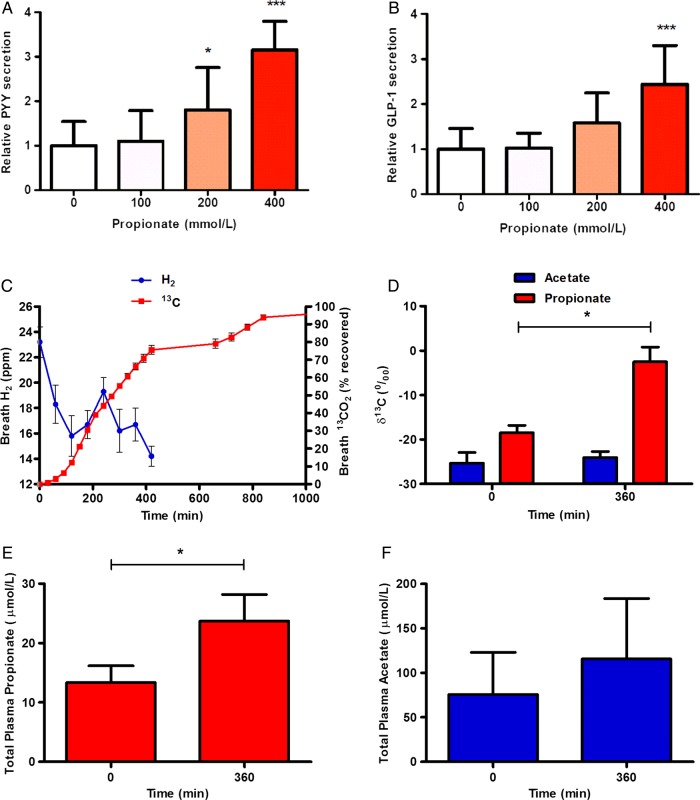
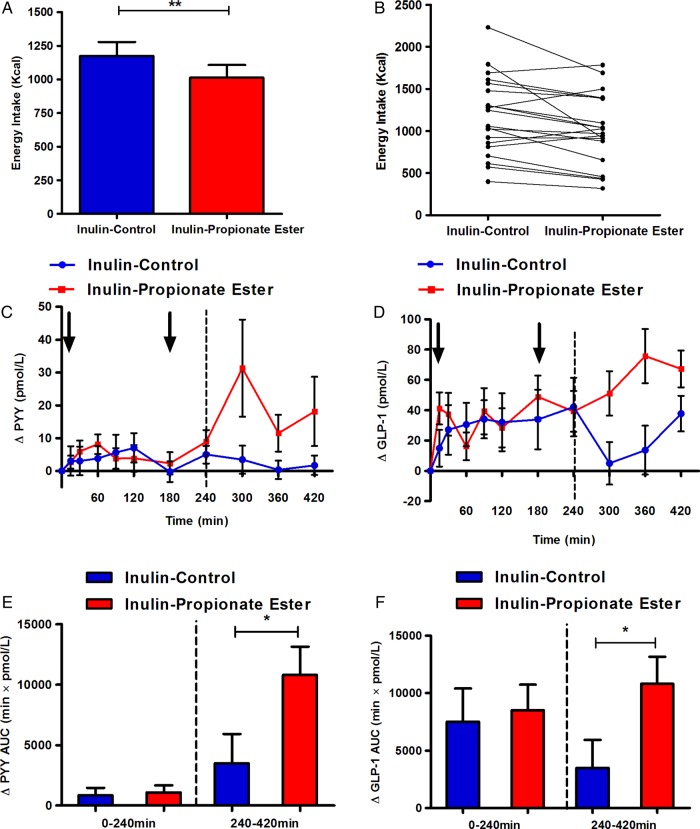
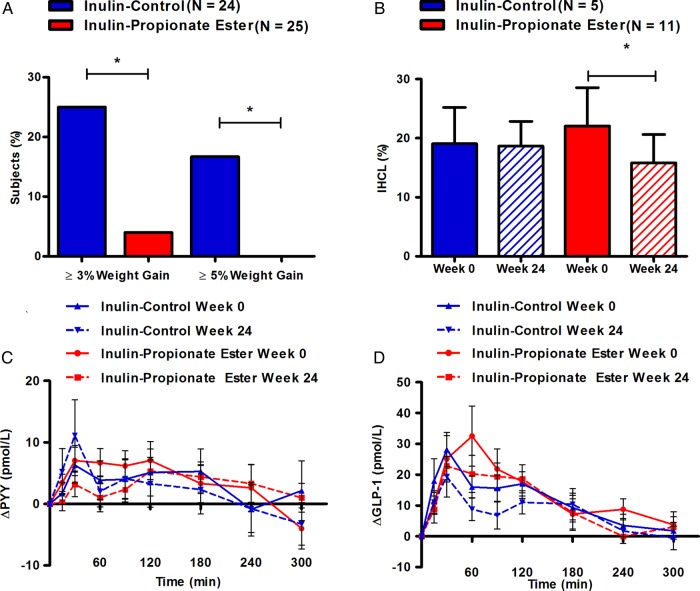
Objective: The colonic microbiota ferment dietary fibres, producing short chain fatty acids. Recent evidence suggests that the short chain fatty acid propionate may play an important role in appetite regulation. We hypothesised that colonic delivery of propionate would increase peptide YY (PYY) and glucagon like peptide-1 (GLP-1) secretion in humans, and reduce energy intake and weight gain in overweight adults. Design: To investigate whether propionate promotes PYY and GLP-1 secretion, a primary cultured human colonic cell model was developed. To deliver propionate specifically to the colon, we developed a novel inulin-propionate ester. An acute randomised, controlled cross-over study was used to assess the effects of this inulin-propionate ester on energy intake and plasma PYY and GLP-1 concentrations. The long-term effects of inulin-propionate ester on weight gain were subsequently assessed in a randomised, controlled 24-week study involving 60 overweight adults. Results: Propionate significantly stimulated the release of PYY and GLP-1 from human colonic cells. Acute ingestion of 10 g inulin-propionate ester significantly increased postprandial plasma PYY and GLP-1 and reduced energy intake. Over 24 weeks, 10 g/day inulin-propionate ester supplementation significantly reduced weight gain, intra-abdominal adipose tissue distribution, intrahepatocellular lipid content and prevented the deterioration in insulin sensitivity observed in the inulin-control group. Conclusions: These data demonstrate for the first time that increasing colonic propionate prevents weight gain in overweight adult humans. Trial registration number: NCT00750438.
Overview
The claims and statistics of this paper haven’t been checked yet.
Free: it reads the open-access text and checks the first 5 claims that cite a source we can check. Create a free account to check every claim.
Integrity signals
Registry
Cites
Statistics
Figures
Verification
Claims the paper makes
The claims and statistics of this paper haven’t been checked yet.
Free: it reads the open-access text and checks the first 5 claims that cite a source we can check. Create a free account to check every claim.
Claims other papers make about this one
Each is checked against this paper’s own text: does it say what the citing paper says it does?
The source backs part of the claim, not all of it — or backs it for a different population, condition or comparison.
In the citing paper
“Human-based studies corroborate the beneficial effects of SCFAs, including the effects of propionate (a common SCFA produced by human gut microbiota) on enhanced incretin response (including plasma Peptide YY [PYY] and GLP-1 excursions), weight loss, reduced intra-abdominal adipose tissue volume and intra-hepatocellular lipid content and preservation of insulin sensitivity [59].”
From The Health Benefits of Dietary Fibre (2020) · cites this paper as [59]
Experimental — accuracy not yet measuredThe cited source says what the claim attributes to it.
In the citing paper
“Short-chain fatty-acid production is primarily derived from non-digestible-carbohydrate (i.e., dietary fiber) consumption [213] during colonic bacterial fermentation [214].”
From Impact of Protein Intake in Older Adults with Sarcopenia and Obesity: A Gut Microbiota Perspective (2020) · cites this paper as [213]
Self-check
Percentages, sums and reported differences re-computed from the paper’s own numbers.
The self-check needs the paper’s full text.
Citations
Cites
Diet rapidly and reproducibly alters the human gut microbiome
David, L. A., Maurice, C. F., Carmody, R. N., Gootenberg, D. B., Button, J. E., Wolfe, B. E., Ling, A. V., Devlin, A. S., Varma, Y., Fischbach, M. A., et al. (2014) · Nature · doi:10.1038/nature12820 · Cited by 10,100 · cited 1×
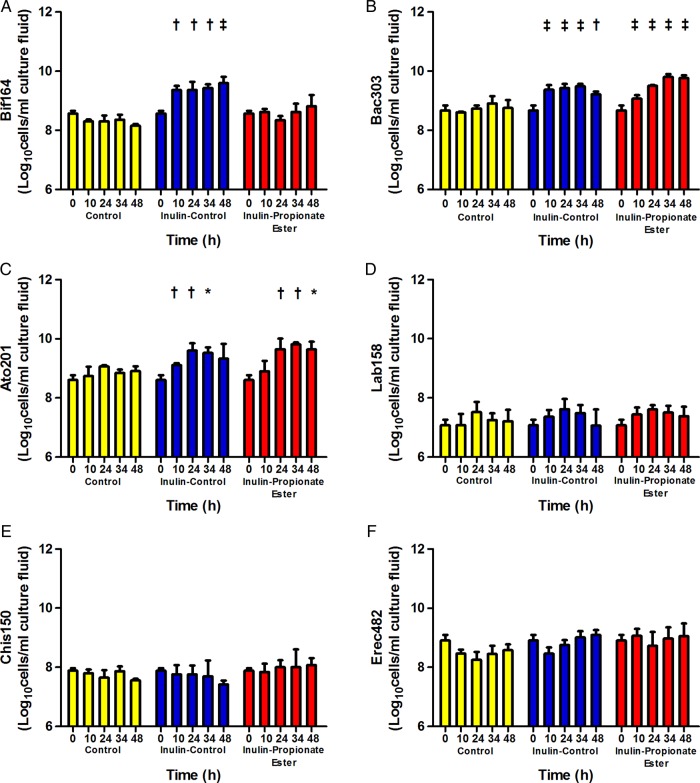
“41 Data from batch culture experiments demonstrated that inulin-control and inulin-propionate ester stimulate changes to the gut microbiota, although only inulin-control had a selective effect on Bi fi dobacterium .”
BackgroundAbdominal obesity and metabolic syndrome
Després, J.-P., & Lemieux, I. (2006) · Nature · doi:10.1038/nature05488 · Cited by 4,354 · cited 1×
“44 Interestingly, in this long-term study we were unable to detect any change in PYY or GLP-1 release following ingestion of the inulin-propionate ester compared with inulin-control, in contrast to our acute administration studies.”
ResultGut Microbiota from Twins Discordant for Obesity Modulate Metabolism in Mice
Ridaura, V. K., Faith, J. J., Rey, F. E., Cheng, J., Duncan, A. E., Kau, A. L., Griffin, N. W., Lombard, V., Henrissat, B., Bain, J. R., et al. (2013) · Science · doi:10.1126/science.1241214 · Cited by 3,788
Short chain fatty acids in human large intestine, portal, hepatic and venous blood
Cummings, J. H., Pomare, E. W., Branch, W. J., Naylor, C. P., & Macfarlane, G. T. (1987) · Gut · doi:10.1136/gut.28.10.1221 · Cited by 3,119 · cited 1×
“31 To overcome the unpalatably high levels of ferment-able dietary fi bre needed to signi fi cantly increase colonic propionate levels, and the unpredictability in the production of the resulting SCFAs, we have developed a novel delivery system targeting the release of gram quantities of propionate…”
BackgroundChanges in diet and lifestyle and long-term weight gain in women and men
Mozaffarian, D., Hao, T., Rimm, E. B., Willett, W. C., & Hu, F. B. (2011) · New England Journal of Medicine · doi:10.1056/nejmoa1014296 · Cited by 2,527
Brown, A. J., Goldsworthy, S. M., Barnes, A. A., Eilert, M. M., Tcheang, L., Daniels, D., Muir, A. I., Wigglesworth, M. J., Kinghorn, I., Fraser, N. J., et al. (2003) · Journal of Biological Chemistry · doi:10.1074/jbc.m211609200 · Cited by 2,409
Tolhurst, G., Heffron, H., Lam, Y. S., Parker, H. E., Habib, A. M., Diakogiannaki, E., Cameron, J., Grosse, J., Reimann, F., & Gribble, F. M. (2012) · Diabetes · doi:10.2337/db11-1019 · Cited by 2,404 · cited 2×
“21 Of the SCFAs produced by colonic fermentation of dietary fi bre, propionate has the highest af fi nity for FFAR 2.”
BackgroundMethodGut hormone PYY3-36 physiologically inhibits food intake
Batterham, R. L., Cowley, M. A., Small, C. J., Herzog, H., Cohen, M. A., Dakin, C. L., Wren, A. M., Brynes, A. E., Low, M. J., Ghatei, M. A., et al. (2002) · Nature · doi:10.1038/nature00887 · Cited by 2,351
Self-citationFlint, A., Raben, A., Blundell, J., & Astrup, A. (2000) · International Journal of Obesity · doi:10.1038/sj.ijo.0801083 · Cited by 2,238
Self-citationMicrobiota-Generated Metabolites Promote Metabolic Benefits via Gut-Brain Neural Circuits
De Vadder, F., Kovatcheva-Datchary, P., Goncalves, D., Vinera, J., Zitoun, C., Duchampt, A., Bäckhed, F., & Mithieux, G. (2014) · Cell · doi:10.1016/j.cell.2013.12.016 · Cited by 2,200
Cited by
Items 501–600 of 1,001
Zheng, B., Wen, H., Zhong, Y., Zheng, B., Xiang, X., & Chen, L. (2025) · Food Hydrocolloids · doi:10.1016/j.foodhyd.2025.112014 · Cited by 45
Sowah, S. A., Hirche, F., Milanese, A., Johnson, T., Grafetstätter, M., Schübel, R., Kirsten, R., Ulrich, C. M., Kaaks, R., Zeller, G., et al. (2020) · Nutrients · doi:10.3390/nu12020452 · Cited by 45
“Gutderived hormones, particularly GLP-1, through which circulating SCFA may affect weight control, were not measures in our study [10].”
Type, Intensity, and Duration of Exercise as Regulator of Gut Microbiome Profile
Suryani, D., Alfaqih, M. S., Gunadi, J. W., Sylviana, N., Goenawan, H., Megantara, I., & Lesmana, R. (2022) · Current Sports Medicine Reports · doi:10.1249/jsr.0000000000000940 · Cited by 46
Dietary fiber during gestation improves lactational feed intake of sows by modulating gut microbiota
Li, S., Zheng, J., He, J., Liu, H., Huang, Y., Huang, L., Wang, K., Zhao, X., Feng, B., Che, L., et al. (2023) · Journal of Animal Science and Biotechnology/Journal of animal science and biotechnology · doi:10.1186/s40104-023-00870-z · Cited by 45
Dagbasi, A., Lett, A. M., Murphy, K., & Frost, G. (2020) · Proceedings of the Nutrition Society · doi:10.1017/s0029665120006941 · Cited by 44
“Long-term (24 weeks) supplementation of inulin-propionate ester was shown to significantly reduce body weight gain in overweight participants compared to the inulin control as part of a habitual diet((30)).”
InfluentialSelf-citationRen, Z., Xu, Y., Li, T., Sun, W., Tang, Z., Wang, Y., Zhou, K., Li, J., Ding, Q., Liang, K., et al. (2022) · Animal Nutrition · doi:10.1016/j.aninu.2022.06.009 · Cited by 44
Hernández-Montoliu, L., Rodríguez‐Peña, M., Puig, R., Astiarraga, B., Guerrero‐Pérez, F., Virgili, N. M., López‐Urdiales, R., Osorio, J., Monseny, R., Lazzara, C., et al. (2023) · Frontiers in Endocrinology · doi:10.3389/fendo.2023.1181744 · Cited by 44
Luo, X., Wang, K., & Jiang, C. (2025) · Cell Host & Microbe · doi:10.1016/j.chom.2025.04.020 · Cited by 45
Caengprasath, N., González‐Abuín, N., Shchepinova, M. M., Ma, Y., Inoue, A., Tate, E. W., Frost, G. S., & Hanyaloglu, A. C. (2020) · iScience · doi:10.1016/j.isci.2020.101449 · Cited by 45
Self-citationGulnaz, A., Nadeem, J., Han, J., Lew, L.-C., Son, J.-D., Park, Y.-H., Rather, I. A., & Hor, Y.-Y. (2021) · Biology · doi:10.3390/biology10040348 · Cited by 44
Peiris, M., Aktar, R., Reed, D. E., Cibert‐Goton, V., Zdanaviciene, A., Halder, W., Robinow, A. D., Corke, S., Dogra, H., Knowles, C. H., et al. (2021) · Gut · doi:10.1136/gutjnl-2020-323219 · Cited by 44
“23 To analyse VAS questionnaires, recorded answers for each time point in active versus placebo was averaged and compared using a two-way analysis of variance and Sidak’s multiple comparison test.”
Kiosia, A., Dagbasi, A., Berkley, J. A., Wilding, J. P. H., Prendergast, A. J., Li, J. V., Swann, J., Mathers, J. C., Kerac, M., Morrison, D., et al. (2024) · Nutrition Bulletin · doi:10.1111/nbu.12670 · Cited by 43
“Indeed, increased colonic levels of SCFAs have been shown to be protective against weight gain (Chambers et al., 2015).”
Self-citationHuman microbiome as therapeutic intervention target to reduce cardiovascular disease risk
Koopen, A. M., Groen, A. K., & Nieuwdorp, M. (2016) · Current Opinion in Lipidology · doi:10.1097/mol.0000000000000357 · Cited by 40
Innovation in microbiome-based strategies for promoting metabolic health
Romaní‐Pérez, M., Agustí, A., & Sanz, Y. (2017) · Current Opinion in Clinical Nutrition & Metabolic Care · doi:10.1097/mco.0000000000000419 · Cited by 43
Appetite, the enteroendocrine system, gastrointestinal disease and obesity
Crooks, B. J., Stamataki, N. S., & McLaughlin, J. T. (2020) · Proceedings of The Nutrition Society · doi:10.1017/s0029665120006965 · Cited by 44
“(2002) Gut hormone PYY(3-36) physiologically inhibits food intake.”
BackgroundThe emerging role of gut microbiota in cardiovascular diseases
Kumar, D., Mukherjee, S. S., Chakraborty, R., Roy, R. R., Pande, A., Patra, S., & Dey, S. (2021) · Indian Heart Journal · doi:10.1016/j.ihj.2021.04.008 · Cited by 43
“Diabetes Mellitus Study Intervention Patients Comments Vrieze et al.80 FMT Individuals with MS Improves insulin sensitivity deGroot et al.81 RCT Chambers et al.22 SCFA (Propionate) Overweight individuals Stimulates glucose metabolism Improves insulin sensitivity Bock et al.82 Lactobacillus, Bifidobacterium and Strepto…”
BackgroundTechnological tools and strategies for culturing human gut microbiota in engineered in vitro models
Sardelli, L., Perottoni, S., Tunesi, M., Boeri, L., Fusco, F., Petrini, P., Albani, D., & Giordano, C. (2021) · Biotechnology and Bioengineering · doi:10.1002/bit.27816 · Cited by 43
Chu, S., Zhang, F., Wang, H., Xie, L., Chen, Z., Zeng, W., Zhou, Z., & Hu, F. (2022) · Frontiers in Pharmacology · doi:10.3389/fphar.2022.907702 · Cited by 43
Łoniewska, B., Fraszczyk-Tousty, M., Tousty, P., Skonieczna‐Żydecka, K., Maciejewska, D., & Łoniewski, I. (2023) · Nutrients · doi:10.3390/nu15020367 · Cited by 43
“The application of propionate to the colon of obese people resulted in a significant reduction in appetite, weight and obesity, as well as improved insulin sensitivity [95,96].”
BackgroundYasuda, T., Takagi, T., Asaeda, K., Hashimoto, H., Kajiwara, M., Azuma, Y., Kitae, H., Hirai, Y., Mizushima, K., Doi, T., et al. (2024) · Scientific Reports · doi:10.1038/s41598-024-65791-x · Cited by 43
“Notably, all these bacteria were SCFA-producing 31–33 .”
BackgroundDietary and Lifestyle Strategies for Obesity
Barber, T. M., Kabisch, S., Pfeiffer, A. F. H., & Weickert, M. O. (2024) · Nutrients · doi:10.3390/nu16162714 · Cited by 42
“Such metabolic benefits of SCFAs have been confirmed by data from human-based studies [85].”
BackgroundQuantifying the varying harvest of fermentation products from the human gut microbiota
Arnoldini, M., Sharma, R., Moresi, C., Chure, G., Chabbey, J., Slack, E. M. C., & Cremer, J. (2025) · Cell · doi:10.1016/j.cell.2025.07.005 · Cited by 42
In vitrofermentation of gum acacia – impact on the faecal microbiota
Alarifi, S. N., Bell, A., & Walton, G. (2018) · International Journal of Food Sciences and Nutrition · doi:10.1080/09637486.2017.1404970 · Cited by 42
“Propionate may have a direct role in central appetite regulation; increasing satiety and reducing food intake by the host (Cherbut et al. 1998; Brown et al. 2003; Russell et al. 2013; Chambers et al. 2015).”
BackgroundHjorth, M. F., Christensen, L. H., Kjølbæk, L., Larsen, L. H., Roager, H. M., Kiilerich, P., Kristiansen, K., & Astrup, A. V. (2019) · European Journal of Clinical Nutrition · doi:10.1038/s41430-019-0466-1 · Cited by 42
Intestinal microbial metabolite stercobilin involvement in the chronic inflammation of ob/ob mice
Sanada, S., Suzuki, T., Nagata, A., Hashidume, T., Yoshikawa, Y., & Miyoshi, N. (2020) · Scientific Reports · doi:10.1038/s41598-020-63627-y · Cited by 42
Human Gut Microbiome and Liver Diseases: From Correlation to Causation
Li, R., Mao, Z., Ye, X., & Zuo, T. (2021) · Microorganisms · doi:10.3390/microorganisms9051017 · Cited by 43
Hu, C., Li, F., Duan, Y., Yin, Y., & Kong, X. (2019) · Frontiers in Microbiology · doi:10.3389/fmicb.2019.01767 · Cited by 41
The Role of Gut Microbiome in Irritable Bowel Syndrome: Implications for Clinical Therapeutics
Zhao, Y., Zhu, S., Dong, Y., Xie, T., Chai, Z., Gao, X., Dai, Y., & Wang, X. (2024) · Biomolecules · doi:10.3390/biom14121643 · Cited by 41
“Certain pathogens have the capacity to secrete pore-forming toxins or N-formylated peptides, contributing to increased visceral sensitivity by triggering the release of inflammatory mediators, depolarizing nociceptor neurons, and compromising epithelial integrity [85].”
Tian, L., Scholte, J., Scheurink, A. J. W., van den Berg, M. A., Bruggeman, G., Bruininx, E. M. A. M., de Vos, P., Schols, H. A., & Gruppen, H. (2019) · International Journal of Biological Macromolecules · doi:10.1016/j.ijbiomac.2019.08.032 · Cited by 41
Meyer, F., Seibert, F. S., Nienen, M., Welzel, M., Beißer, D., Bauer, F., Rohn, B., Westhoff, T. H., Stervbo, U., & Babel, N. (2020) · Journal of Nephrology · doi:10.1007/s40620-019-00694-z · Cited by 41
Ahmed, L. A., Salem, M. B., el-Din, S. H. S., El-Lakkany, N. M., Okasha, H., Nasr, S. M., Hammam, O. A., Botros, S. S., & Saleh, S. (2020) · European Journal of Pharmacology · doi:10.1016/j.ejphar.2020.173461 · Cited by 41
Zhou, M., Li, D., Xie, K., Xu, L., Kong, B., Wang, X., Tang, Y., Liu, Y., & Huang, H. (2021) · Food & Function · doi:10.1039/d1fo02040d · Cited by 41
Analysis of the Ability of Capsaicin to Modulate the Human Gut Microbiota In Vitro
Mahalak, K. K., Tolehmurodovich, B. J., Firrman, J., Williams, R. B., Evans, B. S., Fanelli, B. C., Soares, J. W., Kobori, M., & Liu, L. (2022) · Nutrients · doi:10.3390/nu14061283 · Cited by 41
“Propanoic acid is a key player in the regulation of appetite and, through that mechanism, the maintenance of body weight, and it has a beneficial effect on β-cell function and glucose homeostasis [52,53].”
BackgroundYu, X., Cui, Z., Qin, S., Zhang, R., Wu, Y., Liu, J., & Yang, C. (2022) · Animals · doi:10.3390/ani12131609 · Cited by 41
“The intestinal VFAs play an active role in nutrient metabolism and immune function, while also regulating the intestinal microbiota at the same time [37], obtaining the fermentation of polysaccharides by intestinal anaerobic bacteria [38].”
BackgroundEl‐Nashar, H. A. S., Taleb, M., El‐Shazly, M., Zhao, C., & Farag, M. A. (2023) · Phytotherapy Research · doi:10.1002/ptr.8067 · Cited by 40
Role of gut microbiota and derived metabolites in cardiovascular diseases
Yu, J., Yang, Y., Chen, W., Hu, J., Jin, Z., Wu, C., & Li, Y. (2025) · iScience · doi:10.1016/j.isci.2025.113247 · Cited by 40
“91 Another 8-week randomized, double-blind, placebo-controlled trial showed that 500 mg propionate twice daily significantly reduced low-density lipoprotein cholesterol (LDL-c), total cholesterol, and non-high-density lipoprotein cholesterol levels in subjects with elevated baseline LDL-c.”
Gut microbiota promotes production of aromatic metabolites through degradation of barley leaf fiber
Li, D., Wang, P., Wang, P., Hu, X., & Chen, F. (2018) · The Journal of Nutritional Biochemistry · doi:10.1016/j.jnutbio.2018.05.001 · Cited by 40
Targeting the Gut Microbiota to Treat Cachexia
Genton, L., Mareschal, J., Charretier, Y., Lazarević, V., Bindels, L. B., & Schrenzel, J. (2019) · Frontiers in Cellular and Infection Microbiology · doi:10.3389/fcimb.2019.00305 · Cited by 40
“In overweight or normal-weight subjects, several studies evaluated the impact of prebiotics, known to modulate the gut microbiota, on plasma PYY and GLP-1, although with controversial effects (Cani et al., 2009; Klosterbuer et al., 2012; Chambers et al., 2015).”
BackgroundHu, Y., He, J., Zheng, P., Mao, X., Huang, Z., Yan, H., Luo, Y., Yu, J., Luo, J., Yu, B., et al. (2021) · Critical Reviews in Food Science and Nutrition · doi:10.1080/10408398.2021.1955654 · Cited by 41
Mathews, R., Shete, V., & Chu, Y. (2021) · Critical Reviews in Food Science and Nutrition · doi:10.1080/10408398.2021.1994523 · Cited by 41
“2015; Chambers et al. 2015a).”
Pälchen, K., Bredie, W. L. P., Duijsens, D., Castillo, A. I. A., Hendrickx, M., Loey, A. M. V., Raben, A., & Grauwet, T. (2022) · Food Research International · doi:10.1016/j.foodres.2022.111245 · Cited by 40
Gut Microbiota and Sex Hormones: Crosstalking Players in Cardiometabolic and Cardiovascular Disease
Maffei, S., Forini, F., Canale, P., Nicolini, G., & Guiducci, L. (2022) · International Journal of Molecular Sciences · doi:10.3390/ijms23137154 · Cited by 40
“, glucagon-like peptide 1, peptide YY, and Ghrelin) [120,121].”
Roessler, J., Leistner, D. M., Landmesser, U., & Haghikia, A. (2022) · Atherosclerosis · doi:10.1016/j.atherosclerosis.2022.08.018 · Cited by 40
Tsai, H.-J., Hung, W., Hung, W., Lee, Y.-J., Chen, Y.-C., Lee, C., Tsai, Y., & Dai, C. (2023) · Nutrients · doi:10.3390/nu15071712 · Cited by 40
Hansen, T. T., Andersen, S. V., Astrup, A., Blundell, J., & Sjödin, A. (2019) · Obesity Reviews · doi:10.1111/obr.12854 · Cited by 37
“Body weight maintenance also tended to be different between the groups in the study by Chambers et al.38 The intervention group tended to lose weight, whereas the body weight in the control group pointed towards weight gain.”
ResultSelf-citationGut Failure: A Review of the Pathophysiology and Therapeutic Potentials in the Gut–Heart Axis
Matsiras, D., Bezati, S., Ventoulis, I., Verras, C., Parissis, J., & Polyzogopoulou, E. (2023) · Journal of Clinical Medicine · doi:10.3390/jcm12072567 · Cited by 39
Yan, R., Zeng, X., Shen, J., Wu, Z. F., Guo, Y., Du, Q., Tu, M., & Pan, D. (2024) · Journal of the Science of Food and Agriculture · doi:10.1002/jsfa.13444 · Cited by 39
Nami, Y., Ranjbar, M. S., Aval, M. M., & Haghshenas, B. (2025) · Current Research in Microbial Sciences · doi:10.1016/j.crmicr.2025.100496 · Cited by 40
Advances in Gut Microbiome Research, Opening New Strategies to Cope with a Western Lifestyle
Rodríguez-Castaño, G. P., Caro‐Quintero, A., Reyes, A., & Lizcano, F. (2017) · Frontiers in Genetics · doi:10.3389/fgene.2016.00224 · Cited by 40
“5-fold increase in colonic propionate, this in consequence, prevented weight gain, abdominal adiposity, liver fat, and reduced insulin resistance significantly more than in the prebioticonly control group (Frost et al., 2013; Chambers et al., 2015).”
BackgroundTough, I. R., Forbes, S. C., & Cox, H. M. (2018) · Neurogastroenterology & Motility · doi:10.1111/nmo.13454 · Cited by 39
Obesity, Motility, Diet, and Intestinal Microbiota—Connecting the Dots
Fayfman, M., Flint, K. L., & Srinivasan, S. (2019) · Current Gastroenterology Reports · doi:10.1007/s11894-019-0680-y · Cited by 39
Mutual Interplay of Host Immune System and Gut Microbiota in the Immunopathology of Atherosclerosis
Yeh, C., Chen, Y.-H., Liu, S.-F., Kao, H., Wu, M., Yang, K., & Wu, W. (2020) · International Journal of Molecular Sciences · doi:10.3390/ijms21228729 · Cited by 40
Khudhair, Z., Al-Hallaf, R., Eichenberger, R. M., Whan, J., Kupz, A., Field, M. A., Krause, L., Wilson, D. T. R., Daly, N. L., Giacomin, P., et al. (2021) · Frontiers in Endocrinology · doi:10.3389/fendo.2020.606530 · Cited by 39
“Propionate administration stimulated the release of PYY and GLP-1 from colonic cells and increased their concentration in the circulation, reduced energy intake, intra-abdominal adipose tissue distribution, intrahepatocellular lipid content and prevented weight gain (93, 94).”
BackgroundOrsso, C. E., Peng, Y., Deehan, E. C., Tan, Q., Field, C. J., Madsen, K. L., Walter, J., Prado, C. M. M., Tun, H. M., & Haqq, A. M. (2021) · Microorganisms · doi:10.3390/microorganisms9071490 · Cited by 39
Kant, R., Chandra, L., Verma, V. K., Nain, P., Bello, D., Patel, S., Ala, S., Chandra, R., & Antony, M. A. (2022) · World Journal of Methodology · doi:10.5662/wjm.v12.i4.246 · Cited by 39
Gut microbial response to host metabolic phenotypes
Hou, J., Xiang, J., Li, D., Liu, X., & Pan, W. (2022) · Frontiers in Nutrition · doi:10.3389/fnut.2022.1019430 · Cited by 40
Gut Microbial Metabolism and Nonalcoholic Fatty Liver Disease
Sharpton, S. R., Yong, G. J. M., Terrault, N. A., & Lynch, S. V. (2018) · Hepatology Communications · doi:10.1002/hep4.1284 · Cited by 40
“(111,112) Moreover, in humans, increasing colonic propionate prevented weight gain in overweight adults,(113) and the beneficial metabolic effects of FMT from lean to obese donors were primarily associated with an increased abundance of butyrate-producing bacterial strains in the gut.”
BackgroundGut microbiota in obesity and related complications: Unveiling the complex interplay
Islam, M. M., Islam, M. M., Rahman, M. A., Ripon, M. A. R., & Hossain, M. S. (2023) · Life Sciences · doi:10.1016/j.lfs.2023.122211 · Cited by 39
López-Almada, G., Mejía-León, M. E., & Salazar‐López, N. J. (2024) · Foods · doi:10.3390/foods13223529 · Cited by 38
Hu, C., Li, F., Duan, Y., Yin, Y., & Kong, X. (2019) · Food & Function · doi:10.1039/c9fo00520j · Cited by 38
Lupien-Meilleur, J., Andrich, D. E., Quinn, S., Micaelli-Baret, C., St-Amand, R., Roy, D., & St-Pierre, D. H. (2020) · Canadian Journal of Diabetes · doi:10.1016/j.jcjd.2019.10.006 · Cited by 32
Wu, Q. J., Dong, J., Bai, X., Jiang, Y., Li, J., Fan, S., Cheng, Y., & Jiang, G. (2022) · European Journal of Pharmacology · doi:10.1016/j.ejphar.2022.174974 · Cited by 38
Dietary regulations for microbiota dysbiosis among post-menopausal women with type 2 diabetes
Singh, V., Park, Y.-J., Lee, G., Unno, T., & Shin, J. (2022) · Critical Reviews in Food Science and Nutrition · doi:10.1080/10408398.2022.2076651 · Cited by 39
“Members of the phylum Bacteroidetes are the largest propionate producers in the gut (Chambers et al. 2015; Rios-Covian et al. 2017), thus a decreased Bacteroidetes abundance can result in increased blood glucose level (Cunningham, Stephens, and Harris 2021).”
BackgroundNakajima, H., Nakanishi, N., Miyoshi, T., Okamura, T., Hashimoto, Y., Senmaru, T., Majima, S., Ushigome, E., Asano, M., Yamaguchi, M., et al. (2022) · Nutrition & Metabolism · doi:10.1186/s12986-022-00685-1 · Cited by 38
“In regard with glucose metabolism, it is known that the increase in the content of SCFAs promotes the production of glucagon-like peptide-1 (GLP-1) from enteroendocrine cells and suppresses postprandial blood glucose elevation and appetite [26, 27], which may have resulted in a positive effect on the glucose metabolis…”
BackgroundKassan, M., Kwon, Y., Munkhsaikhan, U., Sahyoun, A. M., Ishrat, T., Galán, M., González, A. A., Abidi, A. H., Kassan, A., & Ait‐Aissa, K. (2023) · Antioxidants · doi:10.3390/antiox12010160 · Cited by 38
“Additionally, treatment with exogenous acetate, propionate, or butyrate has been shown to prevent weight gain in HFD mice and overweight humans [44,45].”
BackgroundPropionate Ameliorates Staphylococcus aureus Skin Infection by Attenuating Bacterial Growth
Jeong, S., Kim, H. Y., Kim, A.-R., Yun, C., & Han, S. H. (2019) · Frontiers in Microbiology · doi:10.3389/fmicb.2019.01363 · Cited by 40
“Interventions that increase propionate production in the host (Chambers et al., 2015) may be applied for S.”
BackgroundObesity and the gut microbiota: implications of neuroendocrine and immune signaling
Romaní‐Pérez, M., Liébana-García, R., Flor‐Duro, A., Bonillo‐Jiménez, D., Bullich‐Vilarrubias, C., Olivares, M., & Sanz, Y. (2024) · FEBS Journal · doi:10.1111/febs.17249 · Cited by 37
“In a clinical trial conducted in overweight subjects, the targeted delivery of propionate in the colon increased the post-prandial release of PYY and GLP-1 reducing food intake and so, improving metabolic parameters such as adiposity, insulin sensitivity, and ectopic fat storage [53].”
Delivery to the gut microbiota: A rapidly proliferating research field
Seifert, A., Kashi, Y., & Livney, Y. D. (2019) · Advances in Colloid and Interface Science · doi:10.1016/j.cis.2019.102038 · Cited by 37
Kok, C. R., Brabec, B., Chichlowski, M., Harris, C. L., Moore, N. D., Wampler, J. L., Vanderhoof, J. A., Rose, D. J., & Hutkins, R. W. (2020) · BMC Microbiology · doi:10.1186/s12866-020-01991-5 · Cited by 37
Feng, Y., Bui, T. P. N., Stams, A. J. M., Boeren, S. A., Sánchez‐Andrea, I., & de Vos, W. M. (2022) · Environmental Microbiology · doi:10.1111/1462-2920.15886 · Cited by 37
“Propionate has high affinity for FFAR2 of all SCFAs and its role in promoting health effects as well as increasing satiety has been described (Chambers et al., 2015).”
BackgroundPolyphenols–Gut–Heart: An Impactful Relationship to Improve Cardiovascular Diseases
Bianchi, F., Cappella, A., Gagliano, N., Sfondrini, L., & Stacchiotti, A. (2022) · Antioxidants · doi:10.3390/antiox11091700 · Cited by 38
Pei, L., Liu, W., Liu, L., Wang, X., Jiang, L., Chen, Z., Wang, Q., Wang, P., & Xu, H. (2023) · Frontiers in Nutrition · doi:10.3389/fnut.2023.1237237 · Cited by 36
Effect of anthocyanins on metabolic syndrome through interacting with gut microbiota
Du, L., Ding, X., Tian, Y., Chen, J., & Li, W. (2024) · Pharmacological Research · doi:10.1016/j.phrs.2024.107511 · Cited by 36
Commensal Homeostasis of Gut Microbiota-Host for the Impact of Obesity
Zhang, P., Meng, X., Li, D., Calderone, R., Mao, D., & Sui, B. (2018) · Frontiers in Physiology · doi:10.3389/fphys.2017.01122 · Cited by 36
“SCFAs activate GPR41 and GPR43, two SCFA-specific GPCRs, to induce satiety and energy expenditure by promoting the secretion of the gut hormone peptide YY (PYY), and induce insulin secretion and adiposity reduction in obese individuals by significantly enhancing PYY and glucagon-like peptide-1 (GLP-1) secretion, respe…”
BackgroundAmaretti, A., Bottari, B., Morreale, F., Sardaro, M. L. S., Angelino, D., Raimondi, S., Rossi, M., & Pellegrini, N. (2020) · International Journal of Food Sciences and Nutrition · doi:10.1080/09637486.2019.1711026 · Cited by 36
Nutraceuticals Induced Changes in the Broiler Gastrointestinal Tract Microbiota
Szilágyi-Tolnai, E., Fauszt, P., Fidler, G., Pesti‐Asbóth, G., Szilágyi, E., Stágel, A., Kónya, J., Szabó, J., Stündl, L., Babinszky, L., et al. (2021) · mSystems · doi:10.1128/msystems.01124-20 · Cited by 36
“%) of the experiment, while the genus Eubacterium (prestarter, 1.3%6 3.3%, versus others, 0.5%6 0.7”
BackgroundInfluentialHe, Y., Mei, L., Wang, L., Xiu, L., Zhao, J., Zhang, H., Chen, W., & Wang, G. (2022) · Food & Function · doi:10.1039/d1fo01744f · Cited by 36
Predictive Role of Gut Microbiota in Weight Loss Achievement after Bariatric Surgery
Gutiérrez‐Repiso, C., Garrido‐Sánchez, L., Alcaide‐Torres, J., Cornejo-Pareja, I. M., Ocaña-Wilhelmi, L., García‐Fuentes, E., Moreno‐Indias, I., & Tinahones, F. J. (2022) · Journal of the American College of Surgeons · doi:10.1097/xcs.0000000000000145 · Cited by 36
The lipid-lowering effects of fenugreek gum, hawthorn pectin, and burdock inulin
Wang, Y., Zheng, Y., Liu, Y., Shan, G., Zhang, B., Cai, Q., Lou, J., & Qu, Y. (2023) · Frontiers in Nutrition · doi:10.3389/fnut.2023.1149094 · Cited by 36
“Propionic acid not only inhibited hepatic lipid synthesis, and lowered cholesterol levels, but also mediated the release of intestinal hormones to improve insulin resistance (62, 64).”
BackgroundChen, W., Tan, D., Yang, Z., Tang, J., Bai, W., & Tian, L. (2023) · Food and Chemical Toxicology · doi:10.1016/j.fct.2023.114009 · Cited by 36
The role of the gut microbiome and exercise in non-alcoholic fatty liver disease
Houttu, V., Boulund, U., Grefhorst, A., Soeters, M. R., Pinto‐Sietsma, S., Nieuwdorp, M., & Holleboom, A. G. (2020) · Therapeutic Advances in Gastroenterology · doi:10.1177/1756284820941745 · Cited by 36
Wang, Y., Cao, X., Ma, J., Liu, S., Jin, X., & Liu, B. (2024) · Journal of Agricultural and Food Chemistry · doi:10.1021/acs.jafc.4c07756 · Cited by 35
Jian, E., Wang, M., Zhang, Z., Heng, Y., Zhang, C., Chen, Q., Yu, X., Zhu, Y., & Cai, P. (2025) · Frontiers in Microbiology · doi:10.3389/fmicb.2025.1634803 · Cited by 35
Short-Chain Fatty Acid Production and Functional Aspects on Host Metabolism
Tungland, B. C. (2018) · Elsevier eBooks · doi:10.1016/b978-0-12-814649-1.00002-8 · Cited by 37
Barengolts, E. I., Green, S. J., Chlipala, G. E., Layden, B. T., Eisenberg, Y., Priyadarshini, M., & Dugas, L. R. (2019) · Microorganisms · doi:10.3390/microorganisms7090320 · Cited by 35
Jin, J. B., Cha, J. W., Shin, I., Jeon, J. Y., Hyun, K., & Pan, C. (2020) · Journal of the Science of Food and Agriculture · doi:10.1002/jsfa.10321 · Cited by 35
“34 Propionate is signi fi cantly metabolized in the liver and plays a role in reducing serum cholesterol and blood glucose.”
Churuangsuk, C., Lean, M. E. J., & Combet, E. (2020) · Proceedings of The Nutrition Society · doi:10.1017/s0029665120000105 · Cited by 37
“There is current interest in the evidence that some carbohydrates, functioning as dietary fibre, can suppress appetite and weight gain by releasing SCFA, which stimulate glucagon-like peptide-1 (GLP-1) release from the large intestine, through the action of gut microbes((93)).”
BackgroundKoç, F., Mills, S., Strain, C., Ross, R. P., & Stanton, C. (2020) · Nutrition Bulletin · doi:10.1111/nbu.12448 · Cited by 36
Li, B., Hong, Y., Gu, Y., Ye, S., Hu, K., Yao, J., Ding, K., Zhao, A., Jia, W. P., & Li, H. (2020) · Engineering · doi:10.1016/j.eng.2020.05.023 · Cited by 35
Gut microbiota-derived metabolites as key mucosal barrier modulators in obesity
Wei, Y., Zheng, K., & Wang, Y.-G. (2021) · World Journal of Gastroenterology · doi:10.3748/wjg.v27.i33.5555 · Cited by 35
Companys, J., Calderón-Pérez, L., Pla‐Pagà, L., Llauradó, E., Sandoval-Ramírez, B. A., Gosalbes, M. J., Arregui, A., Barandiaran, M., Caimari, A., Bas-Prior, J. M. D., et al. (2022) · European Journal of Nutrition · doi:10.1007/s00394-022-02904-0 · Cited by 35
“Moreover, the Prevotella genus has been described as a propionate producer, and its SCFAs play an important role in reducing serum cholesterol and hepatic lipogenesis [49].”
BackgroundZhang, Q., Hu, W., Deng, Y.-L., Wan, J.-J., Wang, Y., & Jin, P. (2023) · Frontiers in Endocrinology · doi:10.3389/fendo.2022.1095438 · Cited by 35
“found that direct delivery of propionate in the proximal colon results in increased levels of PYY and GLP-1 and attenuated weight gain and adiposity in overweight individuals (34).”
BackgroundSeyfried, F., Phetcharaburanin, J., Glymenaki, M., Nordbeck, A., Hankir, M. K., Nicholson, J. K., Holmes, E. C., Marchesi, J. R., & Li, J. V. (2021) · Gut Microbes · doi:10.1080/19490976.2021.1875108 · Cited by 35
Williams, L. M., & Cao, S. (2024) · Pharmacology & Therapeutics · doi:10.1016/j.pharmthera.2024.108605 · Cited by 35
The Gut‒Liver Axis in Liver Disease: Molecular Mechanisms and Therapeutic Targets
Chen, Z., Liao, S., Wu, S., Chen, S., Tang, Q., Zhou, L., Li, X., Hu, H., Xu, J., Zhang, A., et al. (2025) · MedComm · doi:10.1002/mco2.70458 · Cited by 34
Gastrointestinal Vagal Afferents and Food Intake: Relevance of Circadian Rhythms
Page, A. J. (2021) · Nutrients · doi:10.3390/nu13030844 · Cited by 35
Antidiabetic Effects of Pediococcus acidilactici pA1c on HFD-Induced Mice
Cabello-Olmo, M., Oneca, M., Pajares, M. J., Jiménez, M., Ayo, J., Encío, I., Barajas, M. A., & Araña, M. (2022) · Nutrients · doi:10.3390/nu14030692 · Cited by 34
“Previous studies have shown that SCFAs can stimulate GLP-1 secretion in L-cells according to in vitro [78], animal [79,80], and human studies [81].”
BackgroundWang, X., Bai, P., Li, Z., Zhu, Q., Wei, Z., & Feng, Y. (2022) · Angewandte Chemie International Edition · doi:10.1002/anie.202208138 · Cited by 34
Tain, Y., Hou, C., Chang‐Chien, G., Lin, S., Tzeng, H., Lee, W., Wu, K. L. H., Yu, H., Chan, J. Y. H., & Hsu, C. (2023) · Nutrients · doi:10.3390/nu15071682 · Cited by 34
“A previous study revealed that oral propionate administration prevented weight gain in overweight adult humans [41].”
BackgroundChen, R., Zhang, C., Xu, F., Yu, L., Tian, F., Chen, W., & Zhai, Q. (2023) · Food & Function · doi:10.1039/d3fo00845b · Cited by 34
Metadata
- Authors
- Chambers, E. S., Viardot, A., Psichas, A., Morrison, D. J., Murphy, K. G., Zac-Varghese, S. E. K., MacDougall, K., Preston, T., Tedford, C., Finlayson, G. S., Blundell, J. E., Bell, J. D., Thomas, E. L., Mt-Isa, S., Ashby, D., Gibson, G. R., Kolida, S., Dhillo, W. S., Bloom, S. R., Morley, W., Clegg, S., & Frost, G.
- Affiliations
- Hammersmith Hospital (GB)
- Garvan Institute of Medical Research (AU)
- Scottish Universities Environmental Research Centre (GB)
- Section of Investigative Medicine, Imperial College London, Hammersmith Hospital, London, UK
- University of the West of Scotland (GB)
- University of Leeds (GB)
- Imperial Clinical Trials Unit, School of Public Health, Imperial College London, London, UK
- Imperial College London (GB)
- University of Reading (GB)
- Department of Food and Nutritional Sciences, University of Reading, Reading, UK
- Leatherhead Food Research (GB)
- Corresponding author
- Frost, Gary
- ORCID
- Venue
- Gut
- Publisher
- BMJ
- Published
- 2014-12-10
- Volume
- 64
- Issue
- 11
- Pages
- 1744-1754
- ISSN
- 0017-5749 (ISSN-L)
- 1468-3288
- PMC
- PMC4680171
- OpenAlex
- W2106348916
- Cited by
- 1,424
- References
- 52
- Citations by year
- 2026: 125 · 2025: 171 · 2024: 149 · 2023: 144 · 2022: 167 · 2021: 172 · 2020: 138 · 2019: 120 · 2018: 97 · 2017: 54 · 2016: 61 · 2015: 25
- FWCI
- 22.75
- Type
- journal article
- Language
- en
- Open access
- hybrid
- doi.org
- Licence
- cc-by
- Locations
- Gut (publishedVersion, cc-by)
- PubMed Central (publishedVersion, cc-by)
- PubMed (publishedVersion)
- White Rose Research Online (University of Leeds, The University of Sheffield, University of York) (acceptedVersion)
- WestminsterResearch (University of Westminster) (acceptedVersion)
- ENLIGHTEN (Jurnal Bimbingan dan Konseling Islam) (acceptedVersion)
- Funders
- Wellcome Trust
- National Institute for Health and Care Research (FP7-HEALTH-2009-241592, CDF-2009-02-05, NF-SI-0513-10080, NF-SI-0507-10337, NF-SI-0513-10029, 03/DHCS/03/G121/48)
- Imperial College London
- Directorate for Biological Sciences
- Medical Research Council (FP7-HEALTH-2009-241592)
- Biotechnology and Biological Sciences Research Council (BB/H005072/1, 1527476, BB/L004259/1, BB/H004971/1, BB/H004815/1, FP7-HEALTH-2009-241592)
- National Health and Medical Research Council
- NIHR Imperial Biomedical Research Centre
- FP7 Health
- Topics
- Life Sciences › Neuroscience › Endocrine and Autonomic Systems › Regulation of Appetite and Obesity
- Life Sciences › Biochemistry, Genetics and Molecular Biology › Molecular Biology › Gut microbiota and health
- Health Sciences › Nursing › Nutrition and Dietetics › Microbial Metabolites in Food Biotechnology
- Keywords
- propionate, short-chain fatty acids, colonic fermentation, peptide YY, glucagon-like peptide-1, appetite regulation, energy intake, weight gain, overweight adults, intra-abdominal adipose tissue, hepatic steatosis, insulin sensitivity
- MeSH terms
- Body Weight Maintenance, Appetite Regulation, Cells, Cultured, Colon, Double-Blind Method, Female, Humans, Male, Middle Aged, Propionates, Cross-Over Studies, Peptide YY, Adiposity, Overweight, Glucagon-Like Peptide 1
About these checks
Registry, retraction, Cites and statistics results are computed, not judged, with one exception: a printed reference that no index lists is read once by a model before it counts as a citation error. Claims are extracted by a model and kept only when their quote appears verbatim in the text; each cited source is then checked, with a model’s help, for whether it says what the claim relies on. Those verdicts can be wrong — read the claim’s quote and the cited source before relying on one.
Statistics and arithmetic are recomputed, not judged.
Confidence bands are shown only for fields calibrated on our annotated test set. None is calibrated yet, so no band is shown.
What counts as a claim ›How we measure confidence ›How we check this ›
Are you an author, or do you see a problem with this page? Request a review
Data sources
Bibliographic data: Semantic Scholar, OpenAlex, Crossref.
Contains information from the Semantic Scholar Academic Graph Datasets, made available under the ODC Attribution License (ODC-BY 1.0).
Semantic Scholar’s data is described in: Kinney, R., et al. (2023). The Semantic Scholar Open Data Platform. arXiv:2301.10140.
