

Effects of targeted delivery of propionate to the human colon on appetite regulation, body weight maintenance and adiposity in overweight adults
Open accessThe DOI matches its Crossref record; 51 of the 52 references it cites were found in a registry or an index.
Abstract
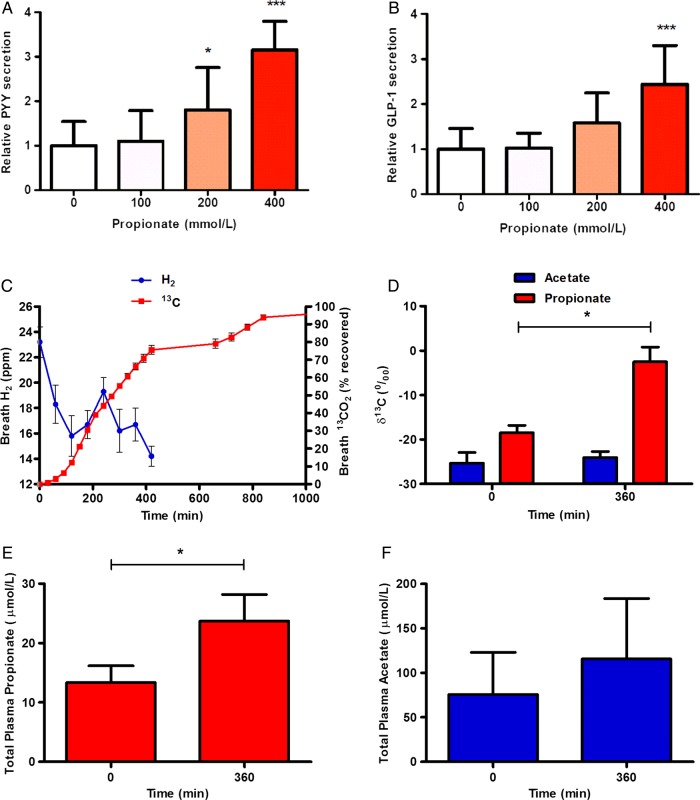
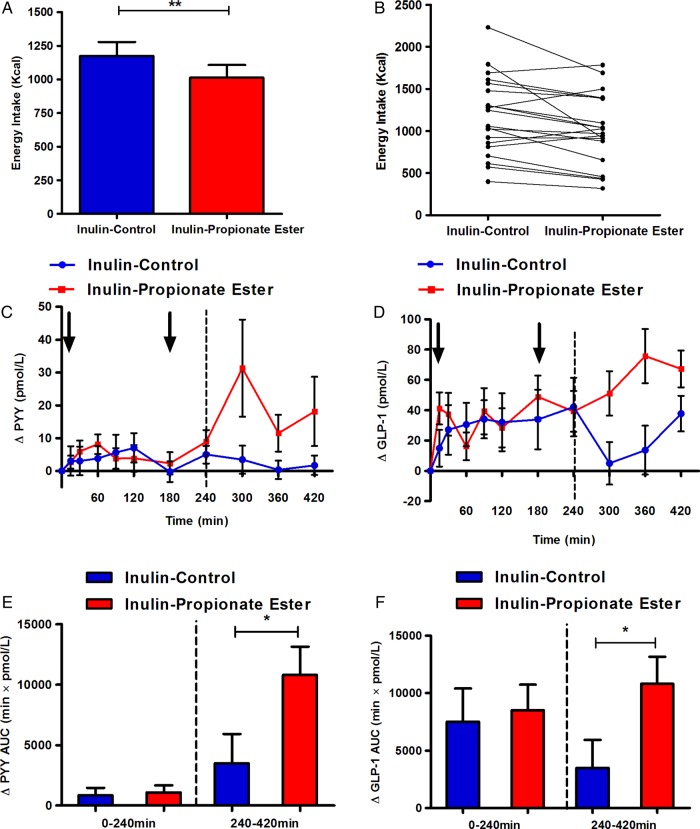
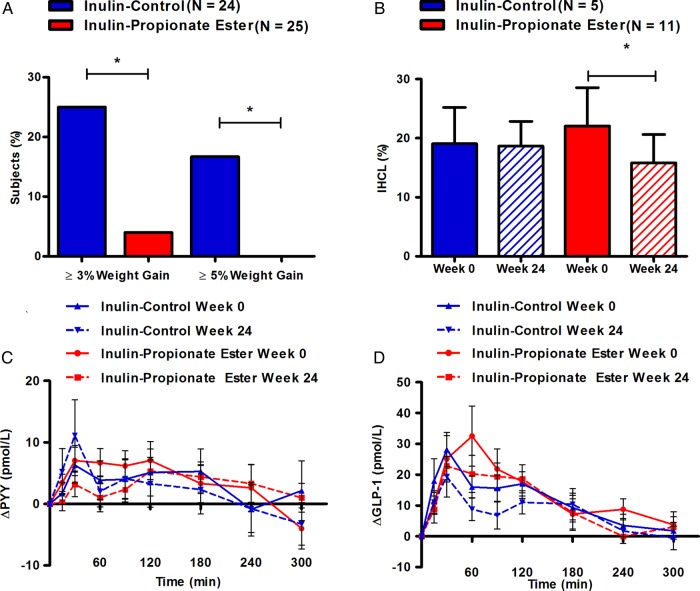
Objective: The colonic microbiota ferment dietary fibres, producing short chain fatty acids. Recent evidence suggests that the short chain fatty acid propionate may play an important role in appetite regulation. We hypothesised that colonic delivery of propionate would increase peptide YY (PYY) and glucagon like peptide-1 (GLP-1) secretion in humans, and reduce energy intake and weight gain in overweight adults. Design: To investigate whether propionate promotes PYY and GLP-1 secretion, a primary cultured human colonic cell model was developed. To deliver propionate specifically to the colon, we developed a novel inulin-propionate ester. An acute randomised, controlled cross-over study was used to assess the effects of this inulin-propionate ester on energy intake and plasma PYY and GLP-1 concentrations. The long-term effects of inulin-propionate ester on weight gain were subsequently assessed in a randomised, controlled 24-week study involving 60 overweight adults. Results: Propionate significantly stimulated the release of PYY and GLP-1 from human colonic cells. Acute ingestion of 10 g inulin-propionate ester significantly increased postprandial plasma PYY and GLP-1 and reduced energy intake. Over 24 weeks, 10 g/day inulin-propionate ester supplementation significantly reduced weight gain, intra-abdominal adipose tissue distribution, intrahepatocellular lipid content and prevented the deterioration in insulin sensitivity observed in the inulin-control group. Conclusions: These data demonstrate for the first time that increasing colonic propionate prevents weight gain in overweight adult humans. Trial registration number: NCT00750438.
Overview
The claims and statistics of this paper haven’t been checked yet.
Free: it reads the open-access text and checks the first 5 claims that cite a source we can check. Create a free account to check every claim.
Integrity signals
Registry
Cites
Statistics
Figures
Verification
Claims the paper makes
The claims and statistics of this paper haven’t been checked yet.
Free: it reads the open-access text and checks the first 5 claims that cite a source we can check. Create a free account to check every claim.
Claims other papers make about this one
Each is checked against this paper’s own text: does it say what the citing paper says it does?
The source backs part of the claim, not all of it — or backs it for a different population, condition or comparison.
In the citing paper
“Human-based studies corroborate the beneficial effects of SCFAs, including the effects of propionate (a common SCFA produced by human gut microbiota) on enhanced incretin response (including plasma Peptide YY [PYY] and GLP-1 excursions), weight loss, reduced intra-abdominal adipose tissue volume and intra-hepatocellular lipid content and preservation of insulin sensitivity [59].”
From The Health Benefits of Dietary Fibre (2020) · cites this paper as [59]
Experimental — accuracy not yet measuredThe cited source says what the claim attributes to it.
In the citing paper
“Short-chain fatty-acid production is primarily derived from non-digestible-carbohydrate (i.e., dietary fiber) consumption [213] during colonic bacterial fermentation [214].”
From Impact of Protein Intake in Older Adults with Sarcopenia and Obesity: A Gut Microbiota Perspective (2020) · cites this paper as [213]
Self-check
Percentages, sums and reported differences re-computed from the paper’s own numbers.
The self-check needs the paper’s full text.
Citations
Cites
Diet rapidly and reproducibly alters the human gut microbiome
David, L. A., Maurice, C. F., Carmody, R. N., Gootenberg, D. B., Button, J. E., Wolfe, B. E., Ling, A. V., Devlin, A. S., Varma, Y., Fischbach, M. A., et al. (2014) · Nature · doi:10.1038/nature12820 · Cited by 10,100 · cited 1×
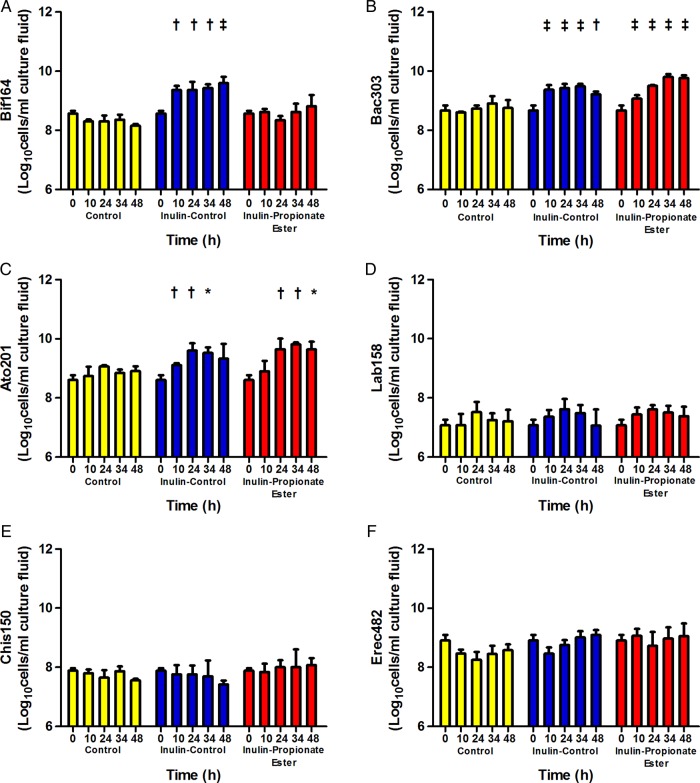
“41 Data from batch culture experiments demonstrated that inulin-control and inulin-propionate ester stimulate changes to the gut microbiota, although only inulin-control had a selective effect on Bi fi dobacterium .”
BackgroundAbdominal obesity and metabolic syndrome
Després, J.-P., & Lemieux, I. (2006) · Nature · doi:10.1038/nature05488 · Cited by 4,354 · cited 1×
“44 Interestingly, in this long-term study we were unable to detect any change in PYY or GLP-1 release following ingestion of the inulin-propionate ester compared with inulin-control, in contrast to our acute administration studies.”
ResultGut Microbiota from Twins Discordant for Obesity Modulate Metabolism in Mice
Ridaura, V. K., Faith, J. J., Rey, F. E., Cheng, J., Duncan, A. E., Kau, A. L., Griffin, N. W., Lombard, V., Henrissat, B., Bain, J. R., et al. (2013) · Science · doi:10.1126/science.1241214 · Cited by 3,788
Short chain fatty acids in human large intestine, portal, hepatic and venous blood
Cummings, J. H., Pomare, E. W., Branch, W. J., Naylor, C. P., & Macfarlane, G. T. (1987) · Gut · doi:10.1136/gut.28.10.1221 · Cited by 3,119 · cited 1×
“31 To overcome the unpalatably high levels of ferment-able dietary fi bre needed to signi fi cantly increase colonic propionate levels, and the unpredictability in the production of the resulting SCFAs, we have developed a novel delivery system targeting the release of gram quantities of propionate…”
BackgroundChanges in diet and lifestyle and long-term weight gain in women and men
Mozaffarian, D., Hao, T., Rimm, E. B., Willett, W. C., & Hu, F. B. (2011) · New England Journal of Medicine · doi:10.1056/nejmoa1014296 · Cited by 2,527
Brown, A. J., Goldsworthy, S. M., Barnes, A. A., Eilert, M. M., Tcheang, L., Daniels, D., Muir, A. I., Wigglesworth, M. J., Kinghorn, I., Fraser, N. J., et al. (2003) · Journal of Biological Chemistry · doi:10.1074/jbc.m211609200 · Cited by 2,409
Tolhurst, G., Heffron, H., Lam, Y. S., Parker, H. E., Habib, A. M., Diakogiannaki, E., Cameron, J., Grosse, J., Reimann, F., & Gribble, F. M. (2012) · Diabetes · doi:10.2337/db11-1019 · Cited by 2,404 · cited 2×
“21 Of the SCFAs produced by colonic fermentation of dietary fi bre, propionate has the highest af fi nity for FFAR 2.”
BackgroundMethodGut hormone PYY3-36 physiologically inhibits food intake
Batterham, R. L., Cowley, M. A., Small, C. J., Herzog, H., Cohen, M. A., Dakin, C. L., Wren, A. M., Brynes, A. E., Low, M. J., Ghatei, M. A., et al. (2002) · Nature · doi:10.1038/nature00887 · Cited by 2,351
Self-citationFlint, A., Raben, A., Blundell, J., & Astrup, A. (2000) · International Journal of Obesity · doi:10.1038/sj.ijo.0801083 · Cited by 2,238
Self-citationMicrobiota-Generated Metabolites Promote Metabolic Benefits via Gut-Brain Neural Circuits
De Vadder, F., Kovatcheva-Datchary, P., Goncalves, D., Vinera, J., Zitoun, C., Duchampt, A., Bäckhed, F., & Mithieux, G. (2014) · Cell · doi:10.1016/j.cell.2013.12.016 · Cited by 2,200
Cited by
Items 301–400 of 1,001
Peng, L., Zhang, Q., Zhang, Y., Yao, Z., Song, P., Wei, L., Zhao, G., & Yan, Z. (2020) · Food Science & Nutrition · doi:10.1002/fsn3.1291 · Cited by 87
Molecular and Pathophysiological Links between Metabolic Disorders and Inflammatory Bowel Diseases
Hyun, C. (2021) · International Journal of Molecular Sciences · doi:10.3390/ijms22179139 · Cited by 91
Gut microbiota and associated metabolites: key players in high-fat diet-induced chronic diseases
Du, W., Zou, Z., Ye, B., & Zhou, Y. Q. (2025) · Gut Microbes · doi:10.1080/19490976.2025.2494703 · Cited by 91
“72 Studies have shown that GLP-1 and PYY can inhibit appetite 73 in obese mice while reducing body weight and improving insulin resistance.”
Metabolic and functional interplay between gut microbiota and fat-soluble vitamins
Stacchiotti, V., Rezzi, S., Eggersdorfer, M. L., & Galli, F. (2020) · Critical Reviews in Food Science and Nutrition · doi:10.1080/10408398.2020.1793728 · Cited by 91
Our extended microbiome: The human-relevant metabolites and biology of fermented foods
Caffrey, E. B., Sonnenburg, J. L., & Devkota, S. (2024) · Cell Metabolism · doi:10.1016/j.cmet.2024.03.007 · Cited by 89
Münte, E., & Hartmann, P. (2025) · Biomolecules · doi:10.3390/biom15040469 · Cited by 89
“Additionally, treat-ment with inulin-propionate significantly decreased intrahepatocellular lipid content, measured using magnetic resonance spectroscopy (MRS), from 22.1% pre-intervention to 15.9% post-intervention in patients with obesity and MASLD [173] (Table 1).”
InfluentialMicrobiota and Obesity: Where Are We Now?
Ballini, A., Scacco, S., Boccellino, M., Santacroce, L., & Arrigoni, R. (2020) · Biology · doi:10.3390/biology9120415 · Cited by 88
Chains of evidence from correlations to causal molecules in microbiome-linked diseases
Chaudhari, S. N., McCurry, M. D., & Devlin, A. S. (2021) · Nature Chemical Biology · doi:10.1038/s41589-021-00861-z · Cited by 88
Shang, H., Sun, J. T., & Chen, Y. Q. (2016) · PLoS ONE · doi:10.1371/journal.pone.0154373 · Cited by 88
“Propionate in intestine has an effect on appetite regulation and thus affects the whole body metabolism [27].”
Kundi, Z. M., Lee, J. C., Pihlajamäki, J., Chan, C. B., Leung, K. S., So, S. S. Y., Nordlund, E., Kolehmainen, M., & El-Nezami, H. S. (2020) · Molecular Nutrition & Food Research · doi:10.1002/mnfr.201900580 · Cited by 89
Function of Akkermansia muciniphila in type 2 diabetes and related diseases
Li, J., Yang, G., Zhang, Q., Liu, Z., Jiang, X. M., & Xin, Y. (2023) · Frontiers in Microbiology · doi:10.3389/fmicb.2023.1172400 · Cited by 90
The health benefits of dietary short-chain fatty acids in metabolic diseases
Tao, Z., & Wang, Y. (2024) · Critical Reviews in Food Science and Nutrition · doi:10.1080/10408398.2023.2297811 · Cited by 88
“Indeed, in the FFAR2 knockout mice, propionate intake failed to increase the PYY release (Psichas et al. 2015), which suggested the propionate induced PYY secretion is FFAR2-dependent.”
InfluentialForbes, S., Stafford, S., Coope, G., Heffron, H., Real, K., Newman, R., Davenport, R., Barnes, M., Grosse, J., & Cox, H. (2015) · Diabetes · doi:10.2337/db15-0481 · Cited by 82
“, the Y1 antagonist (BIBO3304, 300 nmol/L) with or without Y2 antagonist (BIIE0246, 1 mmol/L) with or without GLP-1 antagonist [exendin(9-39), 1 mmol/L (36)].”
BackgroundResultInfluentialLu, Y., Fan, C., Liang, A., Fan, X., Wang, R., Li, P., & Qi, K. (2018) · British Journal Of Nutrition · doi:10.1017/s0007114518001526 · Cited by 87
“Some epidemiological data indicate that SCFA reduce weight gain and body fat mass in obesity((1,2)).”
BackgroundIntestinal microbial metabolites in human metabolism and type 2 diabetes
Herrema, H., & Niess, J. H. (2020) · Diabetologia · doi:10.1007/s00125-020-05268-4 · Cited by 87
“One study in obese individuals showed that colonic infusion of propionate stimulated release of PYY and GLP-1 and reduced energy intake, potentially via regulation of satiety [121].”
BackgroundTudela, H., Claus, S. P., & Saleh, M. (2021) · Frontiers in Cell and Developmental Biology · doi:10.3389/fcell.2021.719072 · Cited by 88
Sardá, F. A. H., Giuntini, E. B., Gómez, M. L. P. A., Lui, M. C. Y., Negrini, J. D. A. E., TADINI, C. C., Lajolo, F. M., & de Menezes, E. W. (2016) · Journal of Functional Foods · doi:10.1016/j.jff.2016.04.001 · Cited by 86
Regional differences in nutrient‐induced secretion of gut serotonin
Martin, A. M., Lumsden, A. L., Young, R. L., Jessup, C. F., Spencer, N. J., & Keating, D. J. (2017) · Physiological Reports · doi:10.14814/phy2.13199 · Cited by 83
“We chose a 2-h incubation time for these experiments as this was adequate to observe a response to SCFAs in colonic L cells (Chambers et al. 2015).”
The Role of Neuropeptide Y and Peptide YY in the Development of Obesity via Gut-brain Axis
Wu, Y., He, H., Cheng, Z., Bai, Y., & Ma, X. (2019) · Current Protein and Peptide Science · doi:10.2174/1389203720666190125105401 · Cited by 87
Dietary Influences on the Microbiota–Gut–Brain Axis
Barber, T. M., Valsamakis, G., Mastorakos, G. P., Hanson, P., Kyrou, I., Randeva, H. S., & Weickert, M. O. (2021) · International Journal of Molecular Sciences · doi:10.3390/ijms22073502 · Cited by 86
“One study explored the metabolic effects of the ingestion of a novel inulin-propionate ester (propionate, a common SCFA produced by the human gut microbiota) compared with an inulin control group in overweight adults (n = 60) using a randomized, controlled, crossover design [34].”
BackgroundMethodGut microbes in metabolic disturbances. Promising role for therapeutic manipulations?
Portincasa, P., Khalil, M., Graziani, A., Frühbeck, G., Baffy, G., Garruti, G., Ciaula, A. D., & Bonfrate, L. (2023) · European Journal of Internal Medicine · doi:10.1016/j.ejim.2023.10.002 · Cited by 87
Modulation of the Gut Microbiota by Nutrition and Its Relationship to Epigenetics
Ferenc, K., Sokal-Dembowska, A., Helma, K., Motyka, E., Jarmakiewicz-Czaja, S., & Filip, R. (2024) · International Journal of Molecular Sciences · doi:10.3390/ijms25021228 · Cited by 85
“Administration of 10 g of inulin-propionate ester for 24 weeks has been shown to significantly reduce weight gain in adults with excess body weight [136].”
BackgroundUnderstanding the action mechanisms of metformin in the gastrointestinal tract
Cheng, M., Ren, L., Jia, X., Wang, J., & Cong, B. (2024) · Frontiers in Pharmacology · doi:10.3389/fphar.2024.1347047 · Cited by 87
Orthogonal Comparison of GC–MS and 1H NMR Spectroscopy for Short Chain Fatty Acid Quantitation
Cai, J., Zhang, J., Tian, Y., Zhang, L., Hatzakis, E., Krausz, K. W., Smith, P. B. W., Gonzalez, F. J., & Patterson, A. D. (2017) · Analytical Chemistry · doi:10.1021/acs.analchem.7b00848 · Cited by 86
Preventive Effects of Kaempferol on High‐Fat Diet‐Induced Obesity Complications in C57BL/6 Mice
Wang, T., Wu, Q., & Zhao, T. (2020) · BioMed Research International · doi:10.1155/2020/4532482 · Cited by 84
“This mechanismmay be linked to an increase in the secretion of gut hormones, including peptide YY and glucagon-like peptide-1 [30].”
BackgroundResultGanci, M., Suleyman, E., Butt, H., & Ball, M. (2019) · Brain and Behavior · doi:10.1002/brb3.1408 · Cited by 85
Zeb, F., Wu, X., Chen, L., Fatima, S., Ijaz-ul-Haq, Chen, A., Xu, C., Ren, J., Feng, Q., & Li, M. (2020) · Nutrition · doi:10.1016/j.nut.2020.110797 · Cited by 84
Satiety: a gut–brain–relationship
Barakat, G. M., Ramadan, W., Assi, G., & Khoury, N. B. E. (2024) · The Journal of Physiological Sciences · doi:10.1186/s12576-024-00904-9 · Cited by 82
“This demonstrates the immediate impact of propionate on meal consumption [43], and shows how microbial product help in physiologic control of satiety hormonal release.”
BackgroundA multi-omics machine learning framework in predicting the survival of colorectal cancer patients
Yang, M., Yang, H., Ji, L., Hu, X., Tian, G., Wang, B., & Yang, J. (2022) · Computers in Biology and Medicine · doi:10.1016/j.compbiomed.2022.105516 · Cited by 82
Peña-Durán, E., García-Galindo, J. J., López-Murillo, L. D., Huerta-Huerta, A., Balleza-Alejandri, L. R., Beltrán-Ramírez, A., Anaya-Ambriz, E. J., & Suárez-Rico, D. O. (2025) · International Journal of Molecular Sciences · doi:10.3390/ijms26041773 · Cited by 85
“Moreover, it upregulates genes involved in intestinal gluconeogenesis by binding to GPR41, thereby reducing adiposity [75].”
Facchin, S., Calgaro, M., & Savarino, E. V. (2025) · Cells · doi:10.3390/cells14151130 · Cited by 84
“In particular, this metabolite has been shown to contribute to the improvement of energy metabolism, promoting the reduction in fat mass and body weight [56,84].”
InfluentialShort-chain Fatty Acids: A Link Between Prebiotics And Microbiota In Chronic Kidney Disease
Esgalhado, M., Kemp, J. A., Damasceno, N. R., Fouque, D., & Mafra, D. (2017) · Future Microbiology · doi:10.2217/fmb-2017-0059 · Cited by 68
Yamamura, R., Nakamura, K., Kitada, N., Aizawa, T., Shimizu, Y., Nakamura, K., Ayabe, T., Kimura, T., & Tamakoshi, A. (2019) · Bioscience of Microbiota Food and Health · doi:10.12938/bmfh.19-010 · Cited by 82
“In addition, orally administered SCFAs were reported to be rapidly absorbed in the stomach or small intestine and cleared from circulated blood within 1 hr [36, 37].”
Liu, L., Fu, Q., Li, T., Shao, K., Zhu, X., Cong, Y., & Zhao, X. (2022) · PLoS ONE · doi:10.1371/journal.pone.0262855 · Cited by 82
Gough, E. K., Edens, T. J., Geum, H. M., Baharmand, I., Gill, S. K., Robertson, R. C., Mutasa, K., Ntozini, R., Smith, L. E., Chasekwa, B., et al. (2021) · EBioMedicine · doi:10.1016/j.ebiom.2021.103421 · Cited by 81
“In adults, gut bacteria-derived SCFAs regulate food intake, body weight, energy expenditure, and satiety [38,39], and oral probiotic administration has been shown to regulate central adiposity during and after pregnancy [40].”
BackgroundDigesting the complex metabolic effects of diet on the host and microbiome
Carmody, R. N., Varady, K. A., & Turnbaugh, P. J. (2024) · Cell · doi:10.1016/j.cell.2024.06.032 · Cited by 81
Yu, Y., Ding, Y., Wang, S., & Jiang, L. (2025) · Metabolites · doi:10.3390/metabo15060397 · Cited by 81
“It also promotes lipolysis and fatty acid utilization while inhibiting fat storage [71,72].”
Modulating Effects of Dicaffeoylquinic Acids from Ilex kudingcha on Intestinal Microecology in Vitro
Xie, M., Chen, G., Wan, P., Dai, Z., Hu, B., Chen, L., Ou, S., Zeng, X., & Sun, Y. (2017) · Journal of Agricultural and Food Chemistry · doi:10.1021/acs.jafc.7b03992 · Cited by 80
Zheng, J., Zheng, S.-J., Cai, W., Yu, L., Yuan, B., & Feng, Y. (2019) · Analytica Chimica Acta · doi:10.1016/j.aca.2019.04.021 · Cited by 82
Tanca, A., Abbondio, M., Palomba, A., Fraumene, C., Marongiu, F., Serra, M., Pagnozzi, D., Laconi, E., & Uzzau, S. (2018) · Scientific Reports · doi:10.1038/s41598-018-33100-y · Cited by 79
Connection between gut microbiome and the development of obesity
Zhi, C., Huang, J., Wang, J., Cao, H., Bai, Y., Guo, J., & Su, Z. (2019) · European Journal of Clinical Microbiology & Infectious Diseases · doi:10.1007/s10096-019-03623-x · Cited by 81
Distal versus proximal intestinal short-chain fatty acid release in man
Neis, E. P., van Eijk, H. M., Lenaerts, K., Olde Damink, S. W., Blaak, E. E., Dejong, C. H., & Rensen, S. S. (2019) · Gut · doi:10.1136/gutjnl-2018-316161 · Cited by 72
Duan, Y., Zhong, Y., Xiao, H., Zheng, C., Song, B., Wang, W., Guo, Q., Li, Y., Han, H. L., Gao, J., et al. (2019) · The FASEB Journal · doi:10.1096/fj.201900665rr · Cited by 79
“These results are in agreement with other authors who have demonstrated that increasing colonic propionate blocks weight gain in overweight adult humans (64).”
BackgroundResultImpact of protein on the composition and metabolism of the human gut microbiota and health
Duncan, S. H., Iyer, A. B., & Russell, W. R. (2020) · Proceedings of The Nutrition Society · doi:10.1017/s0029665120008022 · Cited by 79
“Propionate can stimulate the gut hormones, peptide YY and glucagon-like peptide-1, which increase satiety and thereby reducing energy intake and body weight gain in adults((75,76)).”
BackgroundPropionate and Alzheimer’s Disease
Killingsworth, J., Sawmiller, D., & Shytle, R. D. (2021) · Frontiers in Aging Neuroscience · doi:10.3389/fnagi.2020.580001 · Cited by 71
“Additionally, propionate can participate in the gut-brain axis (Chambers et al., 2015).”
BackgroundMaestri, M., Santopaolo, F., Pompili, M., Gasbarrini, A., & Ponziani, F. R. (2023) · Frontiers in Nutrition · doi:10.3389/fnut.2023.1110536 · Cited by 82
“Another randomized, controlled, cross-over study demonstrated that ingestion of 10 g inulin-propionate ester significantly increased postprandial plasma PYY and GLP-1 secretion and reduced energy intake over a 24week period; furthermore, hepatic lipid content and visceral fat deposition were reduced, while weight gain…”
BackgroundGut microbiota: a potential manipulator for host adipose tissue and energy metabolism
Bohan, R., Tianyu, X., Tiantian, Z., Ruonan, F., Hongtao, H., Qiong, W., & Chao, S. (2019) · The Journal of Nutritional Biochemistry · doi:10.1016/j.jnutbio.2018.10.020 · Cited by 72
Włodarczyk, M., & Śliżewska, K. (2021) · Nutrients · doi:10.3390/nu13113808 · Cited by 78
“The discovery of regulatory effects of SCFAs on several gut-derived hormones established them to be a crucial factor in the food intake regulation in humans by appetite modulation [92].”
BackgroundFasano, A. (2025) · New England Journal of Medicine · doi:10.1056/nejmra2402679 · Cited by 78
Ashley, D., Marasini, D. N., Brownmiller, C., Lee, J. A., Carbonero, F. G., & Lee, S. (2019) · Nutrients · doi:10.3390/nu11020217 · Cited by 77
Xie, C., Qi, C., Zhang, J., Wang, W., Meng, X., Aikepaer, A., Lin, Y., Su, C., Liu, Y., Feng, X., et al. (2025) · Biochemical Pharmacology · doi:10.1016/j.bcp.2025.116791 · Cited by 77
Farhadipour, M., & Depoortere, I. (2021) · Nutrients · doi:10.3390/nu13061839 · Cited by 75
“Targeted delivery of the SCFA propionate to the colon of overweight patients with an inulin-propionate ester reduced energy intake and increased postprandial plasma PYY and GLP-1 levels in overweight patients [129].”
BackgroundVliex, L. M. M., Penders, J., Nauta, A., Zoetendal, E. G., & Blaak, E. E. (2024) · Nature Reviews Endocrinology · doi:10.1038/s41574-024-00966-0 · Cited by 75
“59,60) (as well as by bile acids via TGR5 (GLP1) 49 ).”
Microbiota and body weight control: Weight watchers within?
Boscaini, S., Leigh, S., Lavelle, A., García‐Cabrerizo, R., Lipuma, T., Clarke, G. A., Schellekens, H., & Cryan, J. F. (2021) · Molecular Metabolism · doi:10.1016/j.molmet.2021.101427 · Cited by 74
Taxonomic Characterization and Short-Chain Fatty Acids Production of the Obese Microbiota
Martínez‐Cuesta, M. C., del Campo, R., Garriga, M. J., Peláez, C., & Requena, T. (2021) · Frontiers in Cellular and Infection Microbiology · doi:10.3389/fcimb.2021.598093 · Cited by 73
Manipulation of Gut Microbiota Using Acacia Gum Polysaccharide
Rawi, M. H., Abdullah, A., Ismail, A., & Sarbini, S. R. (2021) · ACS Omega · doi:10.1021/acsomega.1c00302 · Cited by 73
Liu, P., Zhao, J., Wang, W., Guo, P., Lu, W., Wang, C., Liu, L., Johnston, L. J., Zhao, Y., Wu, X., et al. (2018) · Frontiers in Microbiology · doi:10.3389/fmicb.2018.02090 · Cited by 73
Verdugo‐Meza, A., Ye, J., Dadlani, H., Ghosh, S., & Gibson, D. L. (2020) · Nutrients · doi:10.3390/nu12051434 · Cited by 72
“Improve severity of obese, insulin resistance, diabetes and glucose homeostasis (propionate) [151,152].”
BackgroundA Crucial Role for Diet in the Relationship Between Gut Microbiota and Cardiometabolic Disease
Attaye, I., Pinto‐Sietsma, S., Herrema, H., & Nieuwdorp, M. (2019) · Annual Review of Medicine · doi:10.1146/annurev-med-062218-023720 · Cited by 72
Ratajczak, W., Mizerski, A., Rył, A., Słojewski, M., Sipak‐Szmigiel, O., Piasecka, M., & Laszczyńska, M. (2021) · Aging · doi:10.18632/aging.202968 · Cited by 71
“Studies in which adult patients diagnosed with MetS were subjected to dietary interventions have confirmed this thesis [57, 97, 98].”
BackgroundGut Microbial Metabolites on Host Immune Responses in Health and Disease
Yoon, J.-H., Do, J.-S., Velankanni, P., Lee, C., & Kwon, H. (2023) · Immune Network · doi:10.4110/in.2023.23.e6 · Cited by 71
“These include energy expenditure, adipocyte metabolism, and especially immunological homeostasis (4-6).”
BackgroundGut microbiota in regulatory T cell generation and function: mechanisms and health implications
Sharma, A., Sharma, G., & Im, S. (2025) · Gut Microbes · doi:10.1080/19490976.2025.2516702 · Cited by 71
“Early-phase trials of SCFA supplementation 351 has shown promising effects on immune parameters, but larger efficacy trials are still needed.”
Effects of infant formula composition on long-term metabolic health
Lemaire, M., Huërou‐Luron, I. L., & Blat, S. (2018) · Journal of Developmental Origins of Health and Disease · doi:10.1017/s2040174417000964 · Cited by 71
The role of the gut microbiome in opioid use
Ren, M., & Lotfipour, S. (2020) · Behavioural Pharmacology · doi:10.1097/fbp.0000000000000538 · Cited by 68
“SCFAs are able to influence memory and learning processes in the brain and alleviate stress (Chambers et al., 2015; Liu et al., 2015; Byrne et al., 2016; Arnoldussen et al., 2017; Burokas et al., 2017; van de Wouw et al., 2018; Garcez et al., 2018).”
BackgroundIn-vivo biotransformation of citrus functional components and their effects on health
Karn, A., Zhao, C., Yang, F., Cui, J., Gao, Z., Wang, M., Wang, F., Xiao, H., & Zheng, J. (2020) · Critical Reviews in Food Science and Nutrition · doi:10.1080/10408398.2020.1746234 · Cited by 71
Mandaliya, D. K., Patel, S. J., & Seshadri, S. (2020) · Inflammation · doi:10.1007/s10753-020-01309-7 · Cited by 70
Bengoa, A. A., Dardis, C., Gagliarini, N., Garrote, G. L., & Abraham, A. G. (2020) · Frontiers in Microbiology · doi:10.3389/fmicb.2020.583254 · Cited by 71
Gut Microbiota Parameters Potentially Useful in Clinical Perspective
Pierro, F. D. (2021) · Microorganisms · doi:10.3390/microorganisms9112402 · Cited by 70
“As it is well-known, propionate, after having bypassed the enterocyte line, enters the hepatic gluconeogenesis circuit, and probably contributes to determining a satiating effect [36,37].”
BackgroundGut Bacteria and Neuropsychiatric Disorders
Dicks, L. M. T., Hurn, D., & Hermanus, D. (2021) · Microorganisms · doi:10.3390/microorganisms9122583 · Cited by 70
Postbiotics against Obesity: Perception and Overview Based on Pre-Clinical and Clinical Studies
Park, S., Sharma, A., & Lee, H. (2023) · International Journal of Molecular Sciences · doi:10.3390/ijms24076414 · Cited by 69
Gut microbiota-derived short chain fatty acids act as mediators of the gut-liver-brain axis
Li, C., Yao, J., Yang, C., Yu, S., Yang, Z., Wang, L., Li, S., & He, N. (2025) · Metabolic Brain Disease · doi:10.1007/s11011-025-01554-5 · Cited by 69
Farin, W., Oñate, F. P., Plassais, J., Bonny, C., Beglinger, C., Woelnerhanssen, B., Nocca, D., Magoules, F., Le Chatelier, E., Pons, N., et al. (2020) · Surgery for Obesity and Related Diseases · doi:10.1016/j.soard.2020.03.014 · Cited by 63
Horne, R. G., Yu, Y., Zhang, R., Abdalqadir, N., Rossi, L., Surette, M. G., Sherman, P. M., & Adeli, K. (2020) · Nutrients · doi:10.3390/nu12113557 · Cited by 69
“In humans, propionic acid stimulates glucagon-like peptide-1 and pancreatic polypeptide [79], and long-term delivery of propionate into the colon reduces weight gain and intra-abdominal fat accretion in overweight adults [79].”
Tilves, C., Yeh, H., Maruthur, N. M., Juraschek, S. P., Miller, E. R., White, K., Appel, L. J., & Mueller, N. T. (2022) · Journal of the American Heart Association · doi:10.1161/jaha.121.024763 · Cited by 67
Pectin mediates the mechanism of host blood glucose regulation through intestinal flora
Guo, Q., Hou, X., Cui, Q., Li, S., Shen, G., Luo, Q., Wu, H., Chen, H., Liu, Y., Chen, A., et al. (2023) · Critical Reviews in Food Science and Nutrition · doi:10.1080/10408398.2023.2173719 · Cited by 67
“(Chambers et al. 2015).”
Polyviou, T., MacDougall, K., Chambers, E. S., Viardot, A., Psichas, A., Jawaid, S., Harris, H. C., Edwards, C. A., Simpson, L., Murphy, K. G., et al. (2016) · Alimentary Pharmacology & Therapeutics · doi:10.1111/apt.13749 · Cited by 56
“3% of the (13)C recovered in breath over 24 h appeared coincident with or after breath H2 onset release when IPE-27 was consumed.(22) The early peak in breath (13)CO2 observed with IPE-54 was likely due to the higher free (labelled) propionate content (details in supporting material) compared with IPE-27.”
BackgroundResultInfluentialSelf-citationDietary lipids with potential to affect satiety: Mechanisms and evidence
Maher, T., & Clegg, M. (2018) · Critical Reviews in Food Science and Nutrition · doi:10.1080/10408398.2017.1423277 · Cited by 67
“Similarly, Chambers et al. measured the release of GLP-1 and PYY from L cells in vitro and found that SCFA led to significant increases in hormone release above basal levels (Chambers et al. 2015).”
BackgroundInfluentialHigarza, S. G., Arboleya, S., Gueimonde, M., Gómez-Lázaro, E., Arias, J. L., & Arias, N. (2019) · PLOS ONE · doi:10.1371/journal.pone.0223019 · Cited by 60
“These SCFAs have been shown not only to simulate vagus nerve signaling [19,20] but also to alter levels of neurochemicals such as serotonin [21,22], pointing to their role in gut-brain associated neurodegeneration.”
BackgroundXie, C., Jones, K. L., Rayner, C. K., & Wu, T. (2020) · Pharmaceutics · doi:10.3390/pharmaceutics12090790 · Cited by 67
Gut Microbiota: A Key Factor in the Host Health Effects Induced by Pesticide Exposure?
Meng, Z., Liu, L., Yan, S., Sun, W., Jia, M., Tian, S., Huang, S., Zhou, Z., & Zhu, W. (2020) · Journal of Agricultural and Food Chemistry · doi:10.1021/acs.jafc.0c04678 · Cited by 67
Stinson, S. E., Jonsson, A. E., Lund, M. A. V., Frithioff‐Bøjsøe, C., Holm, L. A., Pedersen, O. B., Ängquist, L. H., Sørensen, T. I. A., Holst, J. J., Christiansen, M., et al. (2021) · The Journal of Clinical Endocrinology & Metabolism · doi:10.1210/clinem/dgab098 · Cited by 66
“For example, ingestion of propionate ester, a stimulator of GLP-1 released from the colonic L cells via free fatty acid receptor 2, reduced energy intake, and prevented weight gain in humans (60).”
BackgroundDietary Fats and the Gut Microbiota: Their impacts on lipid-induced metabolic syndrome
Basak, S., Banerjee, A., Pathak, S., & Duttaroy, A. K. (2022) · Journal of Functional Foods · doi:10.1016/j.jff.2022.105026 · Cited by 67
Shi, J., Ma, D., Gao, S., Long, F., Wang, X., Pu, X., Cannon, R. D., & Han, T.-L. (2023) · Frontiers in Microbiology · doi:10.3389/fmicb.2023.1219763 · Cited by 66
Akram, W., Pandey, V., Sharma, R. K., Joshi, R., Mishra, N., Garud, N., & Haider, T. (2024) · International Journal of Biological Macromolecules · doi:10.1016/j.ijbiomac.2023.129131 · Cited by 67
Prasad, K. N., & Bondy, S. C. (2018) · Mechanisms of Ageing and Development · doi:10.1016/j.mad.2018.10.003 · Cited by 66
The Gut Microbial Endocrine Organ in Type 2 Diabetes
Massey, W. J., & Brown, J. M. (2020) · Endocrinology · doi:10.1210/endocr/bqaa235 · Cited by 67
“In addition to these effects, propionate was shown to stimulate PYY and GLP-1 release thereby reducing energy intake, acetate induced browning in adipose tissue, and butyrate was shown to rescue decreased GLP-1 receptor expression in the liver and decrease inflammation (38,45-48).”
BackgroundHarris, H., Edwards, C., & Morrison, D. (2017) · Nutrients · doi:10.3390/nu9010026 · Cited by 65
“demonstrated that selective increases in propionate production led to improvements in appetite regulation, hepatic and intra-abdominal visceral fat accretion and body weight gain in overweight adults [2].”
BackgroundSelf-citationShort-Chain Fatty Acids in the Metabolism of Heart Failure – Rethinking the Fat Stigma
Palm, C. L., Nijholt, K. T., Bakker, B. M., & Westenbrink, B. D. (2022) · Frontiers in Cardiovascular Medicine · doi:10.3389/fcvm.2022.915102 · Cited by 65
“Oral intake of inulin-propionate ester promoted postprandial levels of satiating hormones peptide YY and glucagon-like peptide 1 and in the long term had anti-diabetic effects such as reduced weight gain, lower intra-abdominal adipose tissue mass and higher insulin sensitivity in a population of overweight humans (59).”
BackgroundDhopatkar, N., Keeler, J. L., Mutwalli, H., Whelan, K., Treasure, J. L., & Himmerich, H. (2022) · Psychoneuroendocrinology · doi:10.1016/j.psyneuen.2022.105959 · Cited by 66
Dietary fiber – a scoping review for Nordic Nutrition Recommendations 2023
Carlsen, H., & Pajari, A. (2023) · Food & Nutrition Research · doi:10.29219/fnr.v67.9979 · Cited by 66
“However, in one human study, the supplementation of propionate to overweight and obese subjects for ~6 months results in a significant reduction in body weight gain compared to controls (55).”
BackgroundUsing bioreactors to study the effects of drugs on the human microbiota
Guzmán-Rodríguez, M., McDonald, J. A. K., Hyde, R., Allen‐Vercoe, E., Claud, E. C., Sheth, P. M., & Petrof, E. O. (2018) · Methods · doi:10.1016/j.ymeth.2018.08.003 · Cited by 65
Zhao, J., Bai, Y., Zhang, G., Liu, L., & Lai, C. (2020) · Animals · doi:10.3390/ani10020263 · Cited by 65
Ye, J., Wu, Z., Zhao, Y., Zhang, S., Liu, W.-T., & Su, Y. (2022) · Frontiers in Microbiology · doi:10.3389/fmicb.2022.1029890 · Cited by 65
“Acetate can induce the browning of adipose tissue, and propionate stimulates the release of peptide YY (PYY) and glucagon-like peptide 1 (GLP-1) to reduce energy intake, whereas butyrate can reduce inflammation and reverse the decline in GLP-1 receptor expression in the liver (Sahuri-Arisoylu et al., 2005; Chambers et…”
BackgroundMukherjee, A. G., Wanjari, U. R., Kannampuzha, S., Murali, R., Namachivayam, A., Ganesan, R., Dey, A., Babu, A., Renu, K., Vellingiri, B., et al. (2023) · Metabolites · doi:10.3390/metabo13010129 · Cited by 67
“In rats, PYY is said to elevate FSH and LH secretion, while in humans, ghrelin shows lower secretion [97].”
BackgroundInfluentialGut Microbiome Regulation of Gut Hormone Secretion
Chao, J. L., Coleman, R. A., Keating, D. J., & Martin, A. M. (2025) · Endocrinology · doi:10.1210/endocr/bqaf004 · Cited by 66
Harris, H. C., Morrison, D. J., & Edwards, C. A. (2020) · Critical Reviews in Food Science and Nutrition · doi:10.1080/10408398.2020.1809991 · Cited by 63
Self-citationden Abbeele, P. V., Sprenger, N., Ghyselinck, J., Marsaux, B., Marzorati, M., & Rochat, F. (2021) · Nutrients · doi:10.3390/nu13030726 · Cited by 64
“Butyrate is involved in the regulation of nitrate by colonocytes and limits the bioavailability of luminal oxygen, which together prevent the expansion of potentially pathogenic Escherichia and Salmonella [78].”
BackgroundWang, G., Li, X., Zhou, Y. Q., Feng, J., & Zhang, M. (2021) · Animals · doi:10.3390/ani11051286 · Cited by 63
“SCFAs, short chain fatty acids; TC, thermoneutral control group; HT, high temperature group. a,b Means within the same line with different superscript differ significantly.”
BackgroundInfluentialHuang, H., Chen, J., Chen, Y., Xie, J., Xue, P., Ao, T., Chang, X., Hu, X., & Yu, Q. (2022) · Food Research International · doi:10.1016/j.foodres.2022.111122 · Cited by 62
The Role of the Gut Microbiome and Trimethylamine Oxide in Atherosclerosis and Age-Related Disease
Hage, R. E., Al-Arawe, N., & Hinterseher, I. (2023) · International Journal of Molecular Sciences · doi:10.3390/ijms24032399 · Cited by 62
“The ratio of propionate to acetate is a crucial factor in lipid metabolism, in which acetate contributes to lipid synthesis, while propionate reduces fat deposition in the liver and visceral organs [85,86].”
Background
Metadata
- Authors
- Chambers, E. S., Viardot, A., Psichas, A., Morrison, D. J., Murphy, K. G., Zac-Varghese, S. E. K., MacDougall, K., Preston, T., Tedford, C., Finlayson, G. S., Blundell, J. E., Bell, J. D., Thomas, E. L., Mt-Isa, S., Ashby, D., Gibson, G. R., Kolida, S., Dhillo, W. S., Bloom, S. R., Morley, W., Clegg, S., & Frost, G.
- Affiliations
- Hammersmith Hospital (GB)
- Garvan Institute of Medical Research (AU)
- Scottish Universities Environmental Research Centre (GB)
- Section of Investigative Medicine, Imperial College London, Hammersmith Hospital, London, UK
- University of the West of Scotland (GB)
- University of Leeds (GB)
- Imperial Clinical Trials Unit, School of Public Health, Imperial College London, London, UK
- Imperial College London (GB)
- University of Reading (GB)
- Department of Food and Nutritional Sciences, University of Reading, Reading, UK
- Leatherhead Food Research (GB)
- Corresponding author
- Frost, Gary
- ORCID
- Venue
- Gut
- Publisher
- BMJ
- Published
- 2014-12-10
- Volume
- 64
- Issue
- 11
- Pages
- 1744-1754
- ISSN
- 0017-5749 (ISSN-L)
- 1468-3288
- PMC
- PMC4680171
- OpenAlex
- W2106348916
- Cited by
- 1,424
- References
- 52
- Citations by year
- 2026: 125 · 2025: 171 · 2024: 149 · 2023: 144 · 2022: 167 · 2021: 172 · 2020: 138 · 2019: 120 · 2018: 97 · 2017: 54 · 2016: 61 · 2015: 25
- FWCI
- 22.75
- Type
- journal article
- Language
- en
- Open access
- hybrid
- doi.org
- Licence
- cc-by
- Locations
- Gut (publishedVersion, cc-by)
- PubMed Central (publishedVersion, cc-by)
- PubMed (publishedVersion)
- White Rose Research Online (University of Leeds, The University of Sheffield, University of York) (acceptedVersion)
- WestminsterResearch (University of Westminster) (acceptedVersion)
- ENLIGHTEN (Jurnal Bimbingan dan Konseling Islam) (acceptedVersion)
- Funders
- Wellcome Trust
- National Institute for Health and Care Research (FP7-HEALTH-2009-241592, CDF-2009-02-05, NF-SI-0513-10080, NF-SI-0507-10337, NF-SI-0513-10029, 03/DHCS/03/G121/48)
- Imperial College London
- Directorate for Biological Sciences
- Medical Research Council (FP7-HEALTH-2009-241592)
- Biotechnology and Biological Sciences Research Council (BB/H005072/1, 1527476, BB/L004259/1, BB/H004971/1, BB/H004815/1, FP7-HEALTH-2009-241592)
- National Health and Medical Research Council
- NIHR Imperial Biomedical Research Centre
- FP7 Health
- Topics
- Life Sciences › Neuroscience › Endocrine and Autonomic Systems › Regulation of Appetite and Obesity
- Life Sciences › Biochemistry, Genetics and Molecular Biology › Molecular Biology › Gut microbiota and health
- Health Sciences › Nursing › Nutrition and Dietetics › Microbial Metabolites in Food Biotechnology
- Keywords
- propionate, short-chain fatty acids, colonic fermentation, peptide YY, glucagon-like peptide-1, appetite regulation, energy intake, weight gain, overweight adults, intra-abdominal adipose tissue, hepatic steatosis, insulin sensitivity
- MeSH terms
- Body Weight Maintenance, Appetite Regulation, Cells, Cultured, Colon, Double-Blind Method, Female, Humans, Male, Middle Aged, Propionates, Cross-Over Studies, Peptide YY, Adiposity, Overweight, Glucagon-Like Peptide 1
About these checks
Registry, retraction, Cites and statistics results are computed, not judged, with one exception: a printed reference that no index lists is read once by a model before it counts as a citation error. Claims are extracted by a model and kept only when their quote appears verbatim in the text; each cited source is then checked, with a model’s help, for whether it says what the claim relies on. Those verdicts can be wrong — read the claim’s quote and the cited source before relying on one.
Statistics and arithmetic are recomputed, not judged.
Confidence bands are shown only for fields calibrated on our annotated test set. None is calibrated yet, so no band is shown.
What counts as a claim ›How we measure confidence ›How we check this ›
Are you an author, or do you see a problem with this page? Request a review
Data sources
Bibliographic data: Semantic Scholar, OpenAlex, Crossref.
Contains information from the Semantic Scholar Academic Graph Datasets, made available under the ODC Attribution License (ODC-BY 1.0).
Semantic Scholar’s data is described in: Kinney, R., et al. (2023). The Semantic Scholar Open Data Platform. arXiv:2301.10140.
