

Long-Term Testosterone Therapy Improves Cardiometabolic Function and Reduces Risk of Cardiovascular Disease in Men with Hypogonadism: A Real-Life Observational Registry Study Setting Comparing Treated and Untreated (Control) Groups
Open accessThe DOI matches its Crossref record, with a small difference in title or year; 103 of the 104 references it cites were found in a registry or an index.
Abstract
Objectives: In the absence of large, prospective, placebo-controlled studies of longer duration, substantial evidence regarding the safety and risk of testosterone (T) therapy (TTh) with regard to cardiovascular (CV) outcomes can only be gleaned from observational studies. To date, there are limited studies comparing the effects of long-term TTh in men with hypogonadism who were treated or remained untreated with T, for obvious reasons. We have established a registry to assess the long-term effectiveness and safety of T in men in a urological setting. Here, we sought to compare the effects of T on a host of parameters considered to contribute to CV risk in treated and untreated men with hypogonadism (control group). Patients and Methods: Observational, prospective, cumulative registry study in 656 men (age: 60.7 ± 7.2 years) with total T levels ≤12.1 nmol/L and symptoms of hypogonadism. In the treatment group, men (n = 360) received parenteral T undecanoate (TU) 1000 mg/12 weeks following an initial 6-week interval for up to 10 years. Men (n = 296) who had opted against TTh served as controls. Median follow-up in both groups was 7 years. Measurements were taken at least twice a year, and 8-year data were analyzed. Mean changes over time between the 2 groups were compared by means of a mixed-effects model for repeated measures, with a random effect for intercept and fixed effects for time, group, and their interaction. To account for baseline differences between the 2 groups, changes were adjusted for age, weight, waist circumference, fasting glucose, blood pressure, and lipids. Results: There were 2 deaths in the T-treated group, none was related to CV events. There were 21 deaths in the untreated (control) group, 19 of which were related to CV events. The incidence of death in 10 patient-years was 0.1145 in the control group (95% confidence interval [CI]: 0.0746-0.1756; P < .000) and 0.0092 in the T-treated group (95% CI: 0.0023-0.0368; P < .000); the estimated difference between groups was 0.0804 (95% CI: 0.0189-0.3431; P < .001). The estimated reduction in mortality for the T-group was between 66% and 92%. There were also 30 nonfatal strokes and 26 nonfatal myocardial infarctions in the control group and none in the T-treated group. Conclusion: Long-term TU was well tolerated with excellent adherence suggesting a high level of patient satisfaction. Mortality related to CV disease was significantly reduced in the T-group.
Overview
The claims and statistics of this paper haven’t been checked yet.
Free: it reads the open-access text and checks the first 5 claims that cite a source we can check. Create a free account to check every claim.
Integrity signals
Registry
Cites
Statistics
Figures
Verification
Claims the paper makes
The claims and statistics of this paper haven’t been checked yet.
Free: it reads the open-access text and checks the first 5 claims that cite a source we can check. Create a free account to check every claim.
Claims other papers make about this one
Each is checked against this paper’s own text: does it say what the citing paper says it does?
The check wasn’t confident either way, so it gives no verdict — never disputed.
In the citing paper
“In preclinical or animal models, hyperglycemia can impact oocyte competence by known and unknown mechanisms.1558,1559”
From American Association of Clinical Endocrinology Clinical Practice Guideline: Developing a Diabetes Mellitus Comprehensive Care Plan-2022 Update. (2022) · cites this paper as [1558]
Experimental — accuracy not yet measured
Self-check
Percentages, sums and reported differences re-computed from the paper’s own numbers.
The self-check needs the paper’s full text.
Citations
Cites
Adverse Events Associated with Testosterone Administration
Basaria, S., Coviello, A. D., Travison, T. G., Storer, T. W., Farwell, W. R., Jette, A. M., Eder, R., Tennstedt, S., Ulloor, J., Zhang, A., et al. (2010) · New England Journal of Medicine · doi:10.1056/nejmoa1000485 · Cited by 1,494 · cited 16×
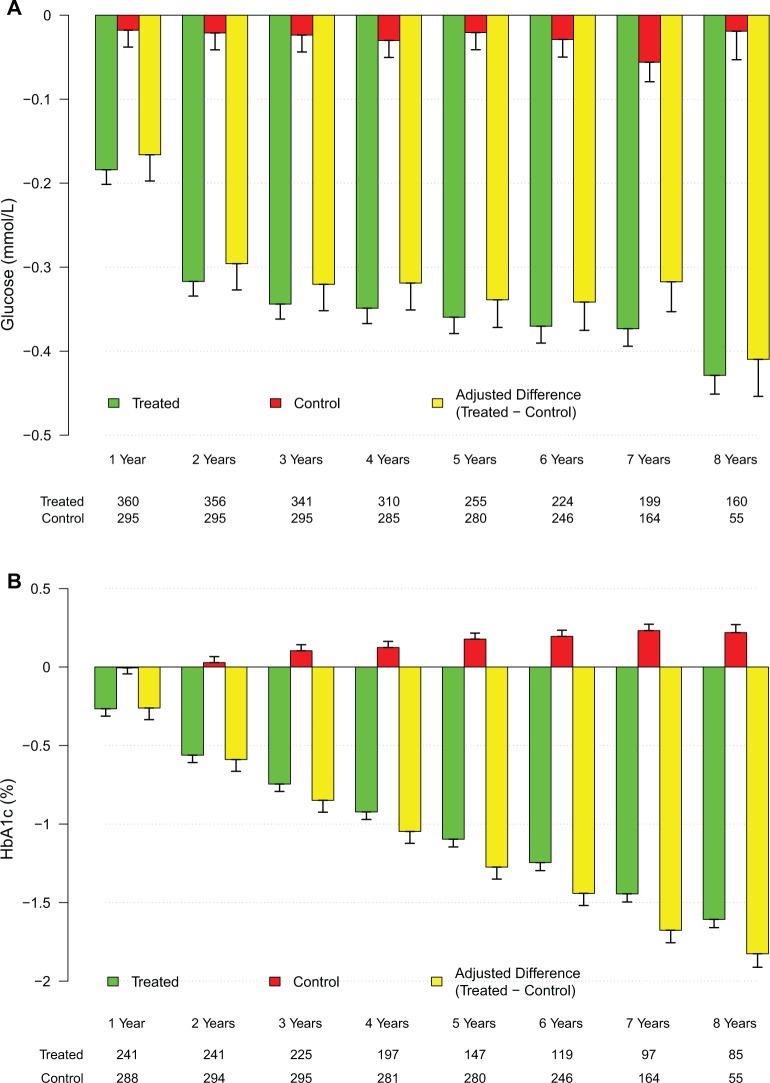
“As shown in Figure 1B, HbA1c levels were significantly reduced in the Tgroup, and the reduced values were maintained with TTh over the course of follow-up.”
BackgroundResultInfluentialGender differences in the regulation of blood pressure
Reckelhoff, J. F. (2001) · Hypertension · doi:10.1161/01.hyp.37.5.1199 · Cited by 1,268
Vigen, R. (2013) · JAMA · doi:10.1001/jama.2013.280386 · Cited by 1,003
Laaksonen, D. E., Niskanen, L., Punnonen, K., Nyyssönen, K., Tuomainen, T.-P., Valkonen, V.-P., Salonen, R., & Salonen, J. T. (2004) · Diabetes Care · doi:10.2337/diacare.27.5.1036 · Cited by 920 · cited 15×
“As shown in Figure 1B, HbA1c levels were significantly reduced in the Tgroup, and the reduced values were maintained with TTh over the course of follow-up.”
InfluentialEffects of Testosterone Treatment in Older Men
Snyder, P. J., Bhasin, S., Cunningham, G. R., Matsumoto, A. M., Stephens-Shields, A. J., Cauley, J. A., Gill, T. M., Barrett-Connor, E., Swerdloff, R. S., Wang, C., et al. (2016) · New England Journal of Medicine · doi:10.1056/nejmoa1506119 · Cited by 890
Low Serum Testosterone and Mortality in Older Men
Laughlin, G. A., Barrett-Connor, E., & Bergstrom, J. (2008) · The Journal of Clinical Endocrinology & Metabolism · doi:10.1210/jc.2007-1792 · Cited by 798 · cited 3×
“Importantly, TD in older men is associated with an increased risk of death.(76,77) A number of studies demonstrated that TTh improves CV risk factors including reducing fat mass, ameliorating obesity, reducing WC, reducing blood pressure, and improving glycemic control.”
BackgroundResultKapoor, D., Goodwin, E., Channer, K. S., & Jones, T. H. (2006) · European Journal of Endocrinology · doi:10.1530/eje.1.02166 · Cited by 791 · cited 16×
“As shown in Figure 1B, HbA1c levels were significantly reduced in the Tgroup, and the reduced values were maintained with TTh over the course of follow-up.”
ResultInfluentialSrikanthan, P., & Karlamangla, A. S. (2011) · The Journal of Clinical Endocrinology & Metabolism · doi:10.1210/jc.2011-0435 · Cited by 785
Gonadal Steroids and Body Composition, Strength, and Sexual Function in Men
Finkelstein, J. S., Lee, H., Burnett-Bowie, S.-A. M., Pallais, J. C., Yu, E. W., Borges, L. F., Jones, B. F., Barry, C. V., Wulczyn, K. E., Thomas, B. J., et al. (2013) · New England Journal of Medicine · doi:10.1056/nejmoa1206168 · Cited by 782
Khaw, K.-T., Dowsett, M., Folkerd, E., Bingham, S., Wareham, N., Luben, R., Welch, A., & Day, N. (2007) · Circulation · doi:10.1161/circulationaha.107.719005 · Cited by 743
Increased Risk of Non-Fatal Myocardial Infarction Following Testosterone Therapy Prescription in Men
Finkle, W. D., Greenland, S., Ridgeway, G. K., Adams, J. L., Frasco, M. A., Cook, M. B., Fraumeni, J. F., & Hoover, R. N. (2014) · PLoS ONE · doi:10.1371/journal.pone.0085805 · Cited by 735 · cited 16×
“As shown in Figure 1B, HbA1c levels were significantly reduced in the Tgroup, and the reduced values were maintained with TTh over the course of follow-up.”
BackgroundResultInfluentialFrequent Occurrence of Hypogonadotropic Hypogonadism in Type 2 Diabetes
Dhindsa, S., Prabhakar, S., Sethi, M., Bandyopadhyay, A., Chaudhuri, A., & Dandona, P. (2004) · The Journal of Clinical Endocrinology & Metabolism · doi:10.1210/jc.2004-0804 · Cited by 631 · cited 16×
“As shown in Figure 1B, HbA1c levels were significantly reduced in the Tgroup, and the reduced values were maintained with TTh over the course of follow-up.”
ResultInfluentialSrinivas-Shankar, U., Roberts, S. A., Connolly, M. J., O'Connell, M. D. L., Adams, J. E., Oldham, J. A., & Wu, F. C. W. (2010) · The Journal of Clinical Endocrinology & Metabolism · doi:10.1210/jc.2009-1251 · Cited by 629 · cited 15×
“As shown in Figure 1B, HbA1c levels were significantly reduced in the Tgroup, and the reduced values were maintained with TTh over the course of follow-up.”
InfluentialTestosterone: a metabolic hormone in health and disease
Kelly, D. M., & Jones, T. H. (2013) · Journal of Endocrinology · doi:10.1530/joe-12-0455 · Cited by 577
Dubey, R. (2002) · Cardiovascular Research · doi:10.1016/s0008-6363(01)00527-2 · Cited by 571
Page, S. T., Amory, J. K., Bowman, F. D., Anawalt, B. D., Matsumoto, A. M., Bremner, W. J., & Tenover, J. L. (2005) · The Journal of Clinical Endocrinology & Metabolism · doi:10.1210/jc.2004-1933 · Cited by 566
Xu, L., Freeman, G., Cowling, B. J., & Schooling, C. M. (2013) · BMC Medicine · doi:10.1186/1741-7015-11-108 · Cited by 563
Jones, T. H., Arver, S., Behre, H. M., Buvat, J., Meuleman, E., Moncada, I., Morales, A. M., Volterrani, M., Yellowlees, A., Howell, J. D., et al. (2011) · Diabetes Care · doi:10.2337/dc10-1233 · Cited by 548 · cited 16×
“As shown in Figure 1B, HbA1c levels were significantly reduced in the Tgroup, and the reduced values were maintained with TTh over the course of follow-up.”
ResultInfluentialKelly, D. M., & Jones, T. H. (2015) · Obesity Reviews · doi:10.1111/obr.12282 · Cited by 487
Relationship Between Testosterone Levels, Insulin Sensitivity, and Mitochondrial Function in Men
Pitteloud, N., Mootha, V. K., Dwyer, A. A., Hardin, M., Lee, H., Eriksson, K.-F., Tripathy, D., Yialamas, M., Groop, L., Elahi, D., et al. (2005) · Diabetes Care · doi:10.2337/diacare.28.7.1636 · Cited by 472 · cited 1×
“We did not observe, however, any significant decrease in HbA1c levels in the untreated (control) group, confirming a role of T action in glucose utilization and disposal.(93,94) This finding has relevant clinical implication for regulating hyperglycemia in men with hypogonadism.”
BackgroundTestosterone treatment and mortality in men with low testosterone levels
Shores, M. M., Smith, N. L., Forsberg, C. W., Anawalt, B. D., & Matsumoto, A. M. (2012) · The Journal of Clinical Endocrinology & Metabolism · doi:10.1210/jc.2011-2591 · Cited by 460
Smith, J. C., Bennett, S., Evans, L. M., Kynaston, H. G., Parmar, M., Mason, M. D., Cockcroft, J. R., Scanlon, M. F., & Davies, J. S. (2001) · The Journal of Clinical Endocrinology & Metabolism · doi:10.1210/jcem.86.9.7851 · Cited by 458
Hypogonadism as a risk factor for cardiovascular mortality in men: a meta-analytic study
Corona, G., Rastrelli, G., Monami, M., Guay, A., Buvat, J., Sforza, A., Forti, G., Mannucci, E., & Maggi, M. (2011) · European Journal of Endocrinology · doi:10.1530/eje-11-0447 · Cited by 435 · cited 2×
“A number of studies demonstrated that TTh improves CV risk factors including reducing fat mass, ameliorating obesity, reducing WC, reducing blood pressure, and improving glycemic control.(11,76-81) Similarly, the improvements in blood pressure, insulin sensitivity, HbA1c, and MetS components subsequent to TTh suggest…”
BackgroundResultMuraleedharan, V., Marsh, H., Kapoor, D., Channer, K. S., & Jones, T. H. (2013) · European Journal of Endocrinology · doi:10.1530/eje-13-0321 · Cited by 389
Boyanov, M. A., Boneva, Z., & Christov, V. G. (2003) · The Aging Male · doi:10.1080/tam.6.1.1.7 · Cited by 381
Wang, C. (2000) · Journal of Clinical Endocrinology & Metabolism · doi:10.1210/jc.85.8.2839 · Cited by 359
Testosterone concentrations in diabetic and nondiabetic obese men
Dhindsa, S., Miller, M. G., McWhirter, C. L., Mager, D. E., Ghanim, H., Chaudhuri, A., & Dandona, P. (2010) · Diabetes Care · doi:10.2337/dc09-1649 · Cited by 352 · cited 16×
“As shown in Figure 1B, HbA1c levels were significantly reduced in the Tgroup, and the reduced values were maintained with TTh over the course of follow-up.”
ResultInfluentialHeufelder, A. E., Saad, F., Bunck, M. C., & Gooren, L. (2009) · Journal of Andrology · doi:10.2164/jandrol.108.007005 · Cited by 349
Self-citationPope, H. G., Cohane, G. H., Kanayama, G., Siegel, A. J., & Hudson, J. I. (2003) · American Journal of Psychiatry · doi:10.1176/appi.ajp.160.1.105 · Cited by 341 · cited 1×
“Furthermore, TTh improves CBV perfusion and improves mood in men with TD and low T levels predict a poor CV risk profile.(89,90) We should point out that we made no attempts to monitor changes in lifestyle, simply because when this registry study was initiated, there was no expectation that men would lose weight, lose…”
BackgroundKalinchenko, S. Y., Tishova, Y. A., Mskhalaya, G. J., Gooren, L. J. G., Giltay, E. J., & Saad, F. (2010) · Clinical Endocrinology · doi:10.1111/j.1365-2265.2010.03845.x · Cited by 341
Self-citationHaring, R., Volzke, H., Steveling, A., Krebs, A., Felix, S. B., Schofl, C., Dorr, M., Nauck, M., & Wallaschofski, H. (2010) · European Heart Journal · doi:10.1093/eurheartj/ehq009 · Cited by 311
Sharma, R., Oni, O. A., Gupta, K., Chen, G., Sharma, M., Dawn, B., Sharma, R., Parashara, D., Savin, V. J., Ambrose, J. A., et al. (2015) · European Heart Journal · doi:10.1093/eurheartj/ehv346 · Cited by 302
Corona, G., Maseroli, E., Rastrelli, G., Isidori, A. M., Sforza, A., Mannucci, E., & Maggi, M. (2014) · Expert Opinion on Drug Safety · doi:10.1517/14740338.2014.950653 · Cited by 297 · cited 15×
“As shown in Figure 1B, HbA1c levels were significantly reduced in the Tgroup, and the reduced values were maintained with TTh over the course of follow-up.”
InfluentialDOCKERY, F., BULPITT, C. J., AGARWAL, S., DONALDSON, M., & RAJKUMAR, C. (2003) · Clinical Science · doi:10.1042/cs1040195 · Cited by 294
Testosterone: a vascular hormone in health and disease
Kelly, D. M., & Jones, T. H. (2013) · Journal of Endocrinology · doi:10.1530/joe-12-0582 · Cited by 293
Testosterone and insulin resistance in the metabolic syndrome and T2DM in men
Rao, P. M., Kelly, D. M., & Jones, T. H. (2013) · Nature Reviews Endocrinology · doi:10.1038/nrendo.2013.122 · Cited by 292 · cited 2×
“T is a metabolic and vascular hormone required for maintaining overall physiological function in men’s health.(1-11) Testosterone deficiency (TD) contributes to a host of pathophysiological processes and affects men’s overall health and quality of life.”
BackgroundHigh Serum Testosterone Is Associated With Reduced Risk of Cardiovascular Events in Elderly Men
Ohlsson, C., Barrett-Connor, E., Bhasin, S., Orwoll, E., Labrie, F., Karlsson, M. K., Ljunggren, Ö., Vandenput, L., Mellström, D., & Tivesten, Å. (2011) · Journal of the American College of Cardiology · doi:10.1016/j.jacc.2011.07.019 · Cited by 292
Dhindsa, S., Ghanim, H., Batra, M., Kuhadiya, N. D., Abuaysheh, S., Sandhu, S., Green, K., Makdissi, A., Hejna, J., Chaudhuri, A., et al. (2016) · Diabetes Care · doi:10.2337/dc15-1518 · Cited by 286
Svartberg, J., von Muhlen, D., Schirmer, H., Barrett-Connor, E., Sundfjord, J., & Jorde, R. (2004) · European Journal of Endocrinology · doi:10.1530/eje.0.1500065 · Cited by 270
Kalinchenko, S. Y., Tishova, Y. A., Mskhalaya, G. J., Gooren, L. J. G., Giltay, E. J., & Saad, F. (2011) · Clinical Endocrinology · doi:10.1111/j.1365-2265.2011.04105.x · Cited by 267
Self-citationAversa, A., Bruzziches, R., Francomano, D., Rosano, G., Isidori, A. M., Lenzi, A., & Spera, G. (2010) · The Journal of Sexual Medicine · doi:10.1111/j.1743-6109.2010.01931.x · Cited by 265
Low Serum Testosterone and Estradiol Predict Mortality in Elderly Men
Tivesten, A., Vandenput, L., Labrie, F., Karlsson, M. K., Ljunggren, O., Mellström, D., & Ohlsson, C. (2009) · The Journal of Clinical Endocrinology & Metabolism · doi:10.1210/jc.2008-2650 · Cited by 243 · cited 2×
“A number of studies demonstrated that TTh improves CV risk factors including reducing fat mass, ameliorating obesity, reducing WC, reducing blood pressure, and improving glycemic control.(11,76-81) Similarly, the improvements in blood pressure, insulin sensitivity, HbA1c, and MetS components subsequent to TTh suggest…”
BackgroundResultYialamas, M. A., Dwyer, A. A., Hanley, E., Lee, H., Pitteloud, N., & Hayes, F. J. (2007) · The Journal of Clinical Endocrinology & Metabolism · doi:10.1210/jc.2007-0454 · Cited by 220 · cited 1×
“We did not observe, however, any significant decrease in HbA1c levels in the untreated (control) group, confirming a role of T action in glucose utilization and disposal.(93,94) This finding has relevant clinical implication for regulating hyperglycemia in men with hypogonadism.”
BackgroundTestosterone Therapy and Cardiovascular Risk: Advances and Controversies
Morgentaler, A., Miner, M. M., Caliber, M., Guay, A. T., Khera, M., & Traish, A. M. (2015) · Mayo Clinic Proceedings · doi:10.1016/j.mayocp.2014.10.011 · Cited by 210
Self-citationRisk of Myocardial Infarction in Older Men Receiving Testosterone Therapy
Baillargeon, J., Urban, R. J., Kuo, Y.-F., Ottenbacher, K. J., Raji, M. A., Du, F., Lin, Y.-L., & Goodwin, J. S. (2014) · Annals of Pharmacotherapy · doi:10.1177/1060028014539918 · Cited by 203
Testosterone deficiency: a risk factor for cardiovascular disease?
Jones, T. H. (2010) · Trends in Endocrinology & Metabolism · doi:10.1016/j.tem.2010.03.002 · Cited by 194
Yeap, B. B., Alfonso, H., Chubb, S. A. P., Handelsman, D. J., Hankey, G. J., Almeida, O. P., Golledge, J., Norman, P. E., & Flicker, L. (2014) · The Journal of Clinical Endocrinology & Metabolism · doi:10.1210/jc.2013-3272 · Cited by 189
Traish, A. M., Haider, A., Doros, G., & Saad, F. (2014) · International Journal of Clinical Practice · doi:10.1111/ijcp.12319 · Cited by 186
Self-citationBoloña, E. R., Uraga, M. V., Haddad, R. M., Tracz, M. J., Sideras, K., Kennedy, C. C., Caples, S. M., Erwin, P. J., & Montori, V. M. (2007) · Mayo Clinic Proceedings · doi:10.1016/s0025-6196(11)60963-4 · Cited by 184
Hackett, G., Cole, N., Bhartia, M., Kennedy, D., Raju, J., & Wilkinson, P. (2013) · The Journal of Sexual Medicine · doi:10.1111/jsm.12146 · Cited by 182 · cited 15×
“As shown in Figure 1B, HbA1c levels were significantly reduced in the Tgroup, and the reduced values were maintained with TTh over the course of follow-up.”
InfluentialHackett, G., Cole, N., Bhartia, M., Kennedy, D., Raju, J., Wilkinson, P., & the BLAST Study Group (2014) · The Journal of Sexual Medicine · doi:10.1111/jsm.12404 · Cited by 168
Saad, F., Haider, A., Doros, G., & Traish, A. (2013) · Obesity · doi:10.1002/oby.20407 · Cited by 165
Self-citationYassin, D.-J., Doros, G., Hammerer, P. G., & Yassin, A. A. (2014) · The Journal of Sexual Medicine · doi:10.1111/jsm.12523 · Cited by 162
Self-citationWallis, C. J. D., Lo, K., Lee, Y., Krakowsky, Y., Garbens, A., Satkunasivam, R., Herschorn, S., Kodama, R. T., Cheung, P., Narod, S. A., et al. (2016) · The Lancet Diabetes & Endocrinology · doi:10.1016/s2213-8587(16)00112-1 · Cited by 161
Bhasin, S., Travison, T. G., Storer, T. W., Lakshman, K., Kaushik, M., Mazer, N. A., Ngyuen, A.-H., Davda, M. N., Jara, H., Aakil, A., et al. (2012) · JAMA · doi:10.1001/jama.2012.227 · Cited by 152
Hoyos, C. M., Yee, B. J., Phillips, C. L., Machan, E. A., Grunstein, R. R., & Liu, P. Y. (2012) · European Journal of Endocrinology · doi:10.1530/eje-12-0525 · Cited by 145 · cited 2×
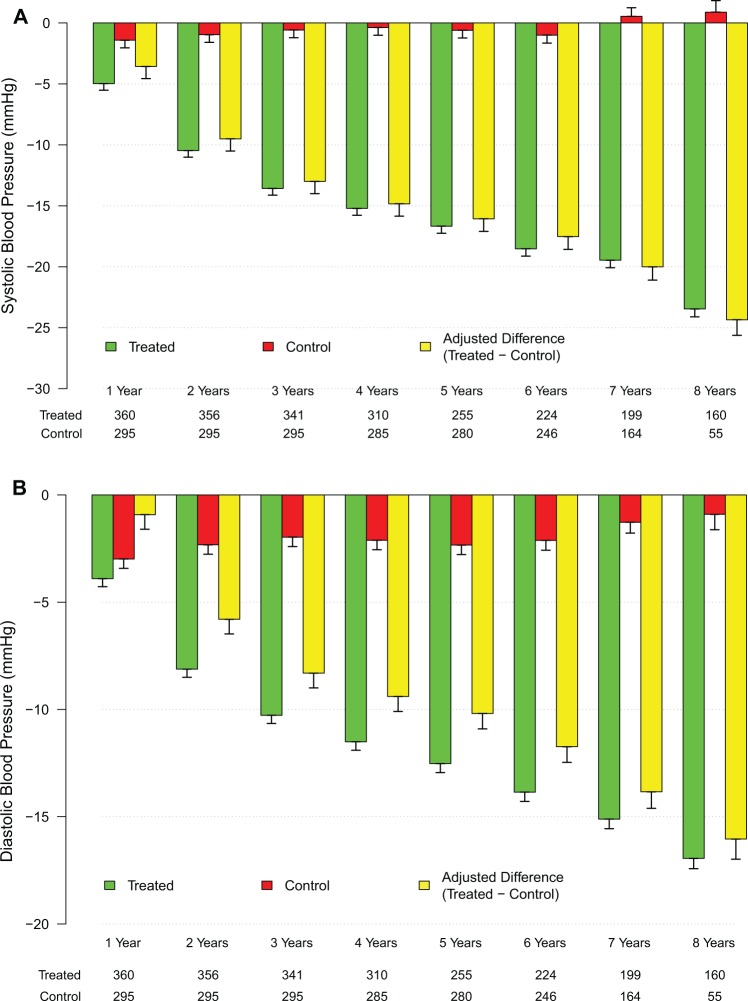
“This observation is congruent with data from a recent placebo-controlled study in which reduction in arterial stiffness was reported following TTh.(99) The reduction in rate pressure product in the Tgroup reflects a decrease in the myocardial workload.”
ResultSex Steroid Hormone Concentrations and Risk of Death in US Men
Menke, A., Guallar, E., Rohrmann, S., Nelson, W. G., Rifai, N., Kanarek, N., Feinleib, M., Michos, E. D., Dobs, A., & Platz, E. A. (2010) · American Journal of Epidemiology · doi:10.1093/aje/kwp415 · Cited by 141 · cited 2×
“A number of studies demonstrated that TTh improves CV risk factors including reducing fat mass, ameliorating obesity, reducing WC, reducing blood pressure, and improving glycemic control.(11,76-81) Similarly, the improvements in blood pressure, insulin sensitivity, HbA1c, and MetS components subsequent to TTh suggest…”
BackgroundResultAnderson, J. L., May, H. T., LAPPE, D. L., Bair, T. L., Le, V. T., Carlquist, J. F., & Muhlestein, J. B. (2015) · The American Journal of Cardiology · doi:10.1016/j.amjcard.2015.11.063 · Cited by 135
Saad, F., Yassin, A., Doros, G., & Haider, A. (2016) · International Journal of Obesity · doi:10.1038/ijo.2015.139 · Cited by 131
Self-citationWhy do we need observational studies of everyday patients in the real-life setting?: Table 1
Cohen, A. T., Goto, S., Schreiber, K., & Torp-Pedersen, C. (2015) · European Heart Journal Supplements · doi:10.1093/eurheartj/suv035 · Cited by 125
Ng Tang Fui, M., Prendergast, L. A., Dupuis, P., Raval, M., Strauss, B. J., Zajac, J. D., & Grossmann, M. (2016) · BMC Medicine · doi:10.1186/s12916-016-0700-9 · Cited by 124 · cited 1×
“control group, such as reported herein, provide critical information on the long-term safety and effectiveness in clinical practice, especially relevant information regarding adherence and health outcomes in the general population.(54,55,92,103,104) In contrast to the majority of studies, patients in the T-group achie…”
ResultZitzmann, M., Mattern, A., Hanisch, J., Gooren, L., Jones, H., & Maggi, M. (2013) · The Journal of Sexual Medicine · doi:10.1111/j.1743-6109.2012.02853.x · Cited by 122
Antonio, L., Wu, F. C. W., O'Neill, T. W., Pye, S. R., Carter, E. L., Finn, J. D., Rutter, M. K., Laurent, M. R., Huhtaniemi, I. T., Han, T. S., et al. (2015) · The Journal of Clinical Endocrinology & Metabolism · doi:10.1210/jc.2014-4184 · Cited by 119
Fundamental Concepts Regarding Testosterone Deficiency and Treatment
Morgentaler, A., Zitzmann, M., Traish, A. M., Fox, A. W., Jones, T. H., Maggi, M., Arver, S., Aversa, A., Chan, J. C. N., Dobs, A. S., et al. (2016) · Mayo Clinic Proceedings · doi:10.1016/j.mayocp.2016.04.007 · Cited by 118
Self-citationFrancomano, D., Lenzi, A., & Aversa, A. (2014) · International Journal of Endocrinology · doi:10.1155/2014/527470 · Cited by 110
Aversa, A., Bruzziches, R., Francomano, D., Greco, E. A., Fornari, R., Luigi, L. D., Lenzi, A., & Migliaccio, S. (2012) · The Aging Male · doi:10.3109/13685538.2011.631230 · Cited by 108 · cited 15×
“As shown in Figure 1B, HbA1c levels were significantly reduced in the Tgroup, and the reduced values were maintained with TTh over the course of follow-up.”
InfluentialRisk of Venous Thromboembolism in Men Receiving Testosterone Therapy
Baillargeon, J., Urban, R. J., Morgentaler, A., Glueck, C. J., Baillargeon, G., Sharma, G., & Kuo, Y.-F. (2015) · Mayo Clinic Proceedings · doi:10.1016/j.mayocp.2015.05.012 · Cited by 107
Haider, A., Yassin, A., Doros, G., & Saad, F. (2014) · International Journal of Endocrinology · doi:10.1155/2014/683515 · Cited by 103
Self-citationTestosterone Treatment Enhances Regional Brain Perfusion in Hypogonadal Men
Azad, N., Pitale, S., Barnes, W. E., & Friedman, N. (2003) · The Journal of Clinical Endocrinology & Metabolism · doi:10.1210/jc.2002-020632 · Cited by 100
Treatment of Men for “Low Testosterone”: A Systematic Review
Huo, S., Scialli, A. R., McGarvey, S., Hill, E., Tügertimur, B., Hogenmiller, A., Hirsch, A. I., & Fugh-Berman, A. (2016) · PLOS ONE · doi:10.1371/journal.pone.0162480 · Cited by 97
Hackett, G., Cole, N., Bhartia, M., Kennedy, D., Raju, J., Wilkinson, P., Saghir, A., & BLAST STUDY GROUP (2014) · International Journal of Clinical Practice · doi:10.1111/ijcp.12235 · Cited by 95
Testosterone and weight loss: the evidence
Traish, A. M. (2014) · Current Opinion in Endocrinology, Diabetes & Obesity · doi:10.1097/med.0000000000000086 · Cited by 94
Self-citationTestosterone deficiency: A determinant of aortic stiffness in men
Vlachopoulos, C. V., Ioakeimidis, N., Miner, M. M., Aggelis, A., Pietri, P. G., Terentes-Printzios, D. G., Tsekoura, D., & Stefanadis, C. (2014) · Atherosclerosis · doi:10.1016/j.atherosclerosis.2013.12.010 · Cited by 89
Francomano, D., Bruzziches, R., Bárbaro, G., Lenzi, A., & Aversa, A. (2014) · Journal of Endocrinological Investigation · doi:10.1007/s40618-014-0066-9 · Cited by 79
Haider, A., Saad, F., Doros, G. D., & Gooren, L. J. (2013) · Obesity Research & Clinical Practice · doi:10.1016/j.orcp.2013.10.005 · Cited by 77
Self-citationGoodman, N. F., Guay, A. T., Dandona, P., Dhindsa, S., Faiman, C., & Cunningham, G. R. (2015) · Endocrine Practice · doi:10.4158/ep14434.ps · Cited by 75
Traish, A. M., & Zitzmann, M. (2015) · Reviews in Endocrine and Metabolic Disorders · doi:10.1007/s11154-015-9323-2 · Cited by 61
Self-citationTestosterone Therapy and Risk of Myocardial Infarction: A Pharmacoepidemiologic Study
Etminan, M., Skeldon, S. C., Goldenberg, S. L., Carleton, B., & Brophy, J. M. (2015) · Pharmacotherapy: The Journal of Human Pharmacology and Drug Therapy · doi:10.1002/phar.1534 · Cited by 60
Testosterone and Cardiovascular Risk in Men
Kelly, D. M., & Jones, T. H. (2014) · Frontiers of hormone research · doi:10.1159/000360553 · Cited by 58
EDWARDS, E. A., Hamilton, J. B., & Duntley, S. Q. (1939) · New England Journal of Medicine · doi:10.1056/nejm193905252202103 · Cited by 56
Adverse health effects of testosterone deficiency (TD) in men
Traish, A. M. (2014) · Steroids · doi:10.1016/j.steroids.2014.05.010 · Cited by 54
Self-citationChuang, S.-Y., Hsu, Y.-Y., Chen, R. C.-Y., Liu, W.-L., & Pan, W.-H. (2016) · The Journals of Gerontology Series A: Biological Sciences and Medical Sciences · doi:10.1093/gerona/glv192 · Cited by 52
Pexman-Fieth, C., Behre, H. M., Morales, A., Kan-Dobrosky, N., & Miller, M. G. (2014) · The Aging Male · doi:10.3109/13685538.2013.858113 · Cited by 46
Li, J.-Y., Zhu, J., Dou, J., Bai, W. J., Deng, S., Huang, W., & Jin, H. (2002) · The Aging Male · doi:10.1080/tam.5.1.47.51 · Cited by 43
Myocardial Infarction and Stroke Risk in Young Healthy Men Treated with Injectable Testosterone
Tan, R. S., Cook, K. R., & Reilly, W. G. (2015) · International Journal of Endocrinology · doi:10.1155/2015/970750 · Cited by 37
Testosterone and Cardiovascular Disease
Tambo, A., Roshan, M. H. K., & Pace, N. P. (2016) · The Open Cardiovascular Medicine Journal · doi:10.2174/1874192401610010001 · Cited by 37
Juang, P. S., Peng, S., Allehmazedeh, K., Shah, A., Coviello, A. D., & Herbst, K. L. (2014) · The Journal of Sexual Medicine · doi:10.1111/jsm.12368 · Cited by 36
Tong, S. F., Ng, C. J., Lee, B.-C., Lee, V. K. M., Khoo, E. M., Lee, E.-G., & Tan, H. M. (2012) · Asian Journal of Andrology · doi:10.1038/aja.2011.178 · Cited by 35
Association Between Testosterone Supplementation Therapy and Thrombotic Events in Elderly Men
Ramasamy, R., Scovell, J. M., Mederos, M. A., Ren, R., Jain, L., & Lipshultz, L. I. (2015) · Urology · doi:10.1016/j.urology.2015.03.049 · Cited by 33
Endocrines: The Use of Testosterone
Aub, J. C. (1940) · New England Journal of Medicine · doi:10.1056/nejm194005232222104 · Cited by 32
Outcomes of testosterone therapy in men with testosterone deficiency (TD): Part II
Traish, A. M. (2014) · Steroids · doi:10.1016/j.steroids.2014.05.004 · Cited by 29
Self-citationLee, W. C., Kim, M. T., Ko, K., Lee, W. K., Kim, S. Y., Kim, H. Y., & Yang, D. Y. (2014) · The World Journal of Men s Health · doi:10.5534/wjmh.2014.32.3.139 · Cited by 25
Registries: what level of evidence do they provide?
Roovers, J. (2007) · International Urogynecology Journal · doi:10.1007/s00192-007-0434-5 · Cited by 24
Seng-Fah, Cheng, T., Chirk-Jenn, et al. (2012) · Acta Scientiarum Naturalium Universitatis Sunyatseni · Cited by 23
The Treatment of Angina Pectoris with Testosterone Propionate: Further Observations
Lesser, M. A. (1943) · New England Journal of Medicine · doi:10.1056/nejm194302112280603 · Cited by 22
Rouver, W. D. N., Delgado, N. T. B., Menezes, J. B., dos Santos, R. L., & Moysés, M. R. (2015) · PLoS ONE · doi:10.1371/journal.pone.0137111 · Cited by 18
Recent Advances in Testosterone Therapy
Aub, J. C., & Kety, S. S. (1943) · New England Journal of Medicine · doi:10.1056/nejm194303182281104 · Cited by 18
[Androgenic deficit and its treatment in stroke male patients with diabetes mellitus type II].
Morgunov, L. Y., Денисова, И. А., Rozhkova, T. I., Stakhovskaia, L. V., & Skvortsova, V. B. (2011) · PubMed · Cited by 14
Bleda, S., Haro, J. D., Varela, C., Esparza, L., Rodriguez, J., & Acín, F. (2012) · Cholesterol · doi:10.1155/2012/895326 · Cited by 14
Therapeutic Evaluation of Testosterone in Peripheral Vascular Disease
Beaser, S. B., & Massell, T. B. (1942) · New England Journal of Medicine · doi:10.1056/nejm194207092270202 · Cited by 13
Harnessing the power of real-life data
Cox, J. L., & Pieper, K. (2015) · European Heart Journal Supplements · doi:10.1093/eurheartj/suv036 · Cited by 7
5B.06: ASSOCIATION OF PLASMA TESTOSTERONE WITH CENTRAL HAEMODYNAMICS IN HYPERTENSIVE MEN
Pietri, P. G., Vlachopoulos, C., Ioakeimidis, N., Aggelis, A., Terentes-Printzios, D. G., Paschalidis, E., Abdelrasoul, M., Gourgouli, I., Gravos, A., & Tousoulis, D. (2015) · Journal of Hypertension · doi:10.1097/01.hjh.0000467529.20370.8f · Cited by 6
Uricchio, J. F., & Calenda, D. G. (1953) · New England Journal of Medicine · doi:10.1056/nejm195310222491705 · Cited by 5
Research works printed but not linked: 2
- Annemans L Aristides M Kubin M Real-Life Data: A Growing Need. The Official News & Technical Journal of The International Society for Pharmacoeconomics and Outcomes Research. https://www.ispor.org/news/articles/oct07/rld.asp. Accessed June 1, 2015.
- Nedogoda SV Barykina IN Salasyuk AS Smirnova VO Khripaeva VJ Effects of Testosterone Replacement Therapy on Cardio-Metabolic, Hormonal and Anthropometric Parameters in Obese Hypogonadal Men with Metabolic Syndrome. Obesity. 2015; 1(2): 1– 7.
Cited by
Blonde, L., Umpierrez, G. E., Reddy, S. S., McGill, J. B., Berga, S. L., Bush, M., Chandrasekaran, S., DeFronzo, R. A., Einhorn, D., Galindo, R. J., et al. (2022) · Endocrine Practice · doi:10.1016/j.eprac.2022.08.002 · Cited by 507
Traish, A. M., Bolaños, J., Nair, S., Saad, F., & Morgentaler, A. (2018) · Journal of Clinical Medicine · doi:10.3390/jcm7120549 · Cited by 172
Self-citationYassin, A., Haider, A., Haider, K. S., Caliber, M., Doros, G., Saad, F., & Garvey, W. T. (2019) · Diabetes Care · doi:10.2337/dc18-2388 · Cited by 164
“cardial infarction demonstrated in our study and to the reduction in cardiovascular mortality that has been reported previously inastudyof long-termTTh(14).”
MethodResultSelf-citationTestosterone therapy in hypogonadal men: a systematic review and network meta-analysis
Elliott, J., Kelly, S., Millar, A. C., Peterson, J., Chen, L., Johnston, A., Kotb, A., Skidmore, B., Bai, Z., Mamdani, M., et al. (2017) · BMJ Open · doi:10.1136/bmjopen-2016-015284 · Cited by 164
the Sarcopenia Guidelines Development group of the Belgian Society of Gerontology and Geriatrics (BSGG), De Spiegeleer, A., Beckwée, D., Bautmans, I., & Petrovic, M. (2018) · Drugs & Aging · doi:10.1007/s40266-018-0566-y · Cited by 160
Metadata
- Authors
- Traish, A. M., Haider, A., Haider, K. S., Doros, G., & Saad, F.
- Affiliations
- Boston University (US)
- Private Urology Practice, Bremerhaven, Germany
- Gulf Medical University (AE)
- Corresponding author
- Traish, Abdulmaged M.
- Venue
- Journal of Cardiovascular Pharmacology and Therapeutics
- Publisher
- SAGE Publications
- Published
- 2017-02-09
- Volume
- 22
- Issue
- 5
- Pages
- 414-433
- ISSN
- 1074-2484 (ISSN-L)
- 1940-4034
- PMC
- PMC5555449
- OpenAlex
- W2586850193
- Cited by
- 130
- References
- 104
- Citations by year
- 2026: 3 · 2025: 7 · 2024: 8 · 2023: 10 · 2022: 13 · 2021: 18 · 2020: 23 · 2019: 16 · 2018: 21 · 2017: 11
- FWCI
- 15.34
- Type
- journal article
- Language
- en
- Open access
- hybrid
- doi.org
- Licence
- cc-by-nc
- journals.sagepub.com/page/policies/text-and-data-mining-license (tdm)
- Locations
- Journal of Cardiovascular Pharmacology and Therapeutics (publishedVersion, cc-by-nc)
- PubMed Central (publishedVersion, cc-by-nc)
- PubMed (publishedVersion)
- Topics
- Health Sciences › Medicine › Endocrinology, Diabetes and Metabolism › Hormonal and reproductive studies
- Health Sciences › Medicine › Endocrinology, Diabetes and Metabolism › Menopause: Health Impacts and Treatments
- Health Sciences › Medicine › Endocrinology, Diabetes and Metabolism › Thyroid Disorders and Treatments
- Keywords
- testosterone replacement therapy, hypogonadism, cardiovascular disease, cardiometabolic function, testosterone undecanoate, long-term treatment safety, cardiovascular mortality, cardiovascular risk factors, lipid profile, blood pressure, fasting blood glucose, mortality risk reduction, cardiovascular risk reduction, urology patients
- MeSH terms
- Aged, Cardiovascular Diseases, Glycated Hemoglobin, Humans, Hypogonadism, Lipids, Liver, Male, Middle Aged, Myocardial Infarction, Prospective Studies, Registries, Testosterone, Body Mass Index, Stroke
About these checks
Registry, retraction, Cites and statistics results are computed, not judged, with one exception: a printed reference that no index lists is read once by a model before it counts as a citation error. Claims are extracted by a model and kept only when their quote appears verbatim in the text; each cited source is then checked, with a model’s help, for whether it says what the claim relies on. Those verdicts can be wrong — read the claim’s quote and the cited source before relying on one.
Statistics and arithmetic are recomputed, not judged.
Confidence bands are shown only for fields calibrated on our annotated test set. None is calibrated yet, so no band is shown.
What counts as a claim ›How we measure confidence ›How we check this ›
Are you an author, or do you see a problem with this page? Request a review
Data sources
Bibliographic data: Semantic Scholar, OpenAlex, Crossref.
Contains information from the Semantic Scholar Academic Graph Datasets, made available under the ODC Attribution License (ODC-BY 1.0).
Semantic Scholar’s data is described in: Kinney, R., et al. (2023). The Semantic Scholar Open Data Platform. arXiv:2301.10140.
