

Effects of chia seed (Salvia hispanica L.) supplementation on cardiometabolic health in overweight subjects: a systematic review and meta-analysis of RCTs
Open accessThe DOI matches its Crossref record; 69 of the 69 references it cites were found in a registry or an index; 14 of the 23 sources its claims cite were checked for support.
Abstract
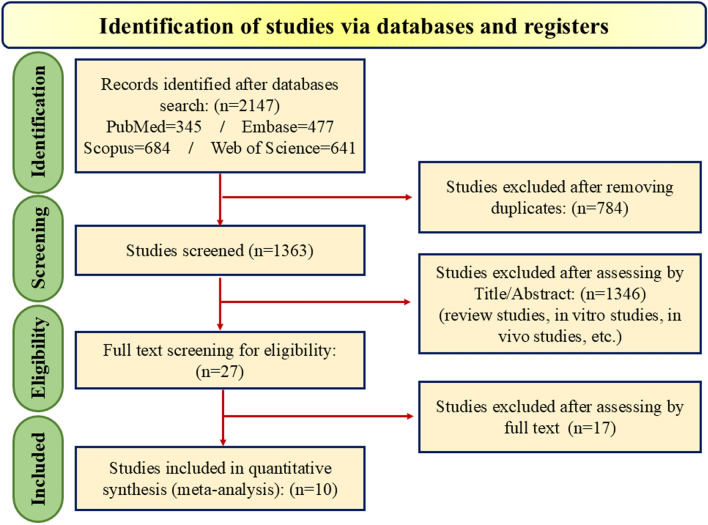
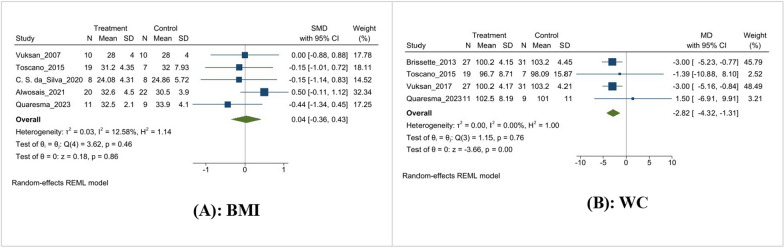
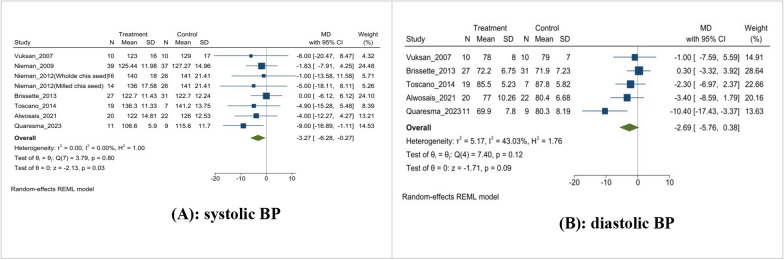
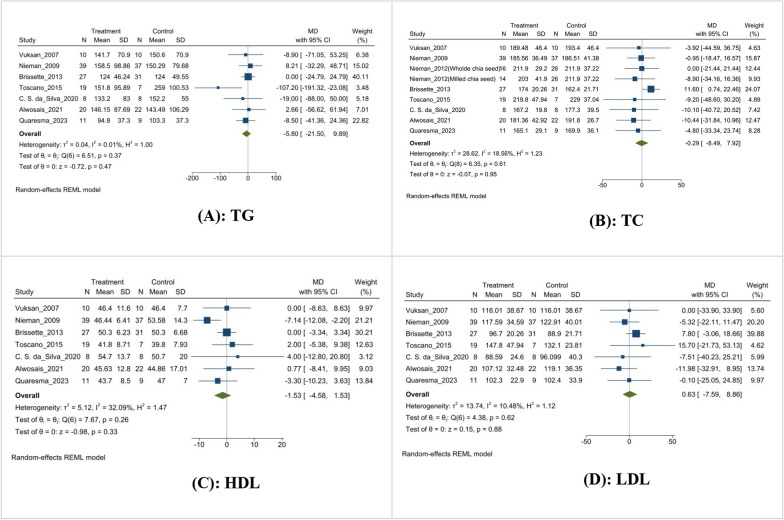
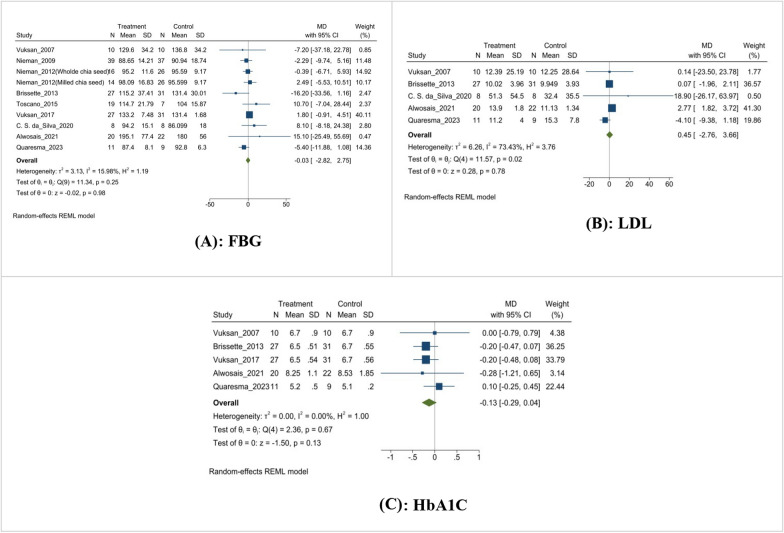
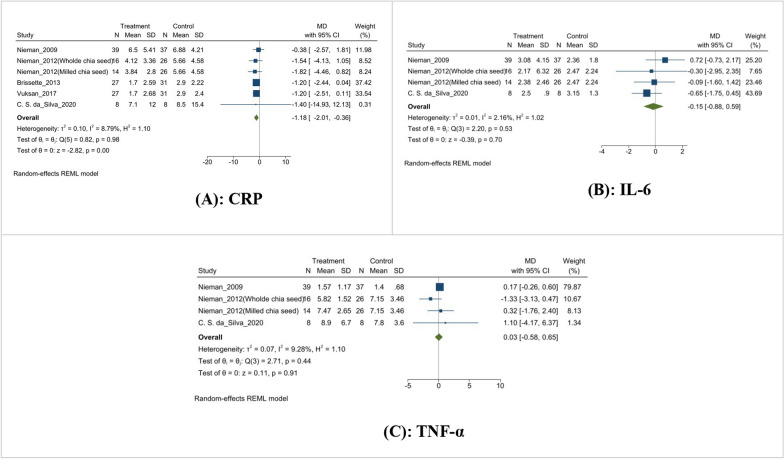
Abstract Background Obesity is a significant public health issue associated with various chronic diseases. Research has indicated that chia seeds have the potential to improve cardiometabolic health. However, due to the diversity of research and inconsistencies in study design, further investigation is needed to fully understand their clinical effects on overweight individuals. This review aims to comprehensively analyze the available evidence on the effects of chia seeds on cardiometabolic indices in overweight populations through a meta-analysis. Methods A comprehensive literature search was performed across PubMed, Web of Science, Scopus, and Embase databases from their inception until 01-03-2024 to identify randomized controlled trials (RCTs) evaluating the effect of chia on cardiometabolic indices in overweight subjects. The search strategy incorporated both Medical Subject Headings (MeSH). Following the screening, ten RCTs were finally included. The data, including subject characteristics, study design, and changes in serum biomarkers, were extracted and analyzed using Stata software version 18. Results The meta-analysis results reveal that chia supplementation no significant changes in lipid profile, including triglycerides (TG) (MD: − 5.80 mg/dL, p = 0.47), total cholesterol (TC) (MD: − 0.29 mg/dL, p = 0.95), high-density lipoprotein (HDL) (MD: 1.53 mg/dL, p = 0.33), and low-density lipoprotein (LDL) (MD: 0.63 mg/dL, p = 0.88). Similarity fasting blood glucose (FBG) (MD: − 0.03 mg/dL, p = 0.98), hemoglobin A1c (HbA1c) (MD: − 0.13%, p = 0.13), and insulin levels (MD: 0.45 µIU/mL, p = 0.78). However, chia seed supplementation was associated with a significant reduction in C-reactive protein (CRP) (MD: − 1.18 mg/L, p < 0.0001), but no significant changes were observed in interleukin-6 (IL-6) (MD: − 0.15, p = 0.70) or tumor necrosis factor-alpha (TNF-α) (MD: 0.03, p = 0.91). There was no significant effect on body mass index (BMI) (MD: 0.1 kg/m 2 , p = 0.91), but a significant reduction in waist circumference (WC) (MD: − 2.82 cm, p < 0.001) was noted. Additionally, chia seed supplementation resulted in a significant reduction in systolic blood pressure (BP) (MD: − 3.27 mmHg, p = 0.03), though diastolic BP changes were non-significant (MD: − 2.69 mmHg, p = 0.09). The studies showed low to moderate heterogeneity in outcome measures, with I 2 < 50%. Conclusion Chia seed supplementation does not significantly impact most lipid profile parameters and glycemic markers. However, it shows potential benefits in reducing WC, BP, and CRP. While chia seeds can be a valuable addition to cardiometabolic health management, they should be part of a broader health strategy that includes a balanced diet, exercise, and lifestyle modifications for optimal results.
Overview
CoChat Summary
TL;DR
This systematic review and meta-analysis of 10 RCTs (424 participants) found that chia seed supplementation in overweight subjects did not significantly improve most lipid or glycemic markers. It was associated with significant reductions in waist circumference, systolic blood pressure, and C-reactive protein.
Key findings
- Included 10 RCTs with 424 participants total (210 intervention, 214 control), published 2007–2023.
- Chia supplementation showed no significant effect on lipid profile: TG (MD −5.80 mg/dL, p = 0.47), TC (MD −0.29 mg/dL, p = 0.95), HDL (MD 1.53 mg/dL, p = 0.33), LDL (MD 0.63 mg/dL, p = 0.88).
- Chia supplementation showed no significant effect on glycemic markers: FBG (MD −0.03 mg/dL, p = 0.98), HbA1c (MD −0.13%, p = 0.13), insulin (MD 0.45 µIU/mL, p = 0.78).
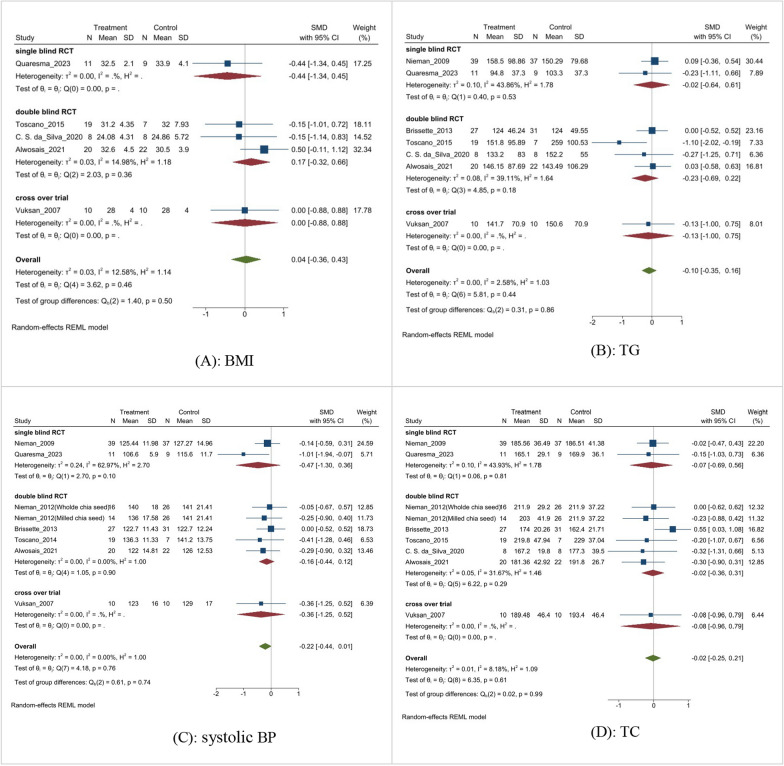
- Significant effects were seen for CRP (MD −1.18 mg/L, p < 0.0001), waist circumference (MD −2.82 cm, p < 0.001), and systolic BP (MD −3.27 mmHg, p = 0.03); BMI and diastolic BP were not significant.
Methods
- Systematic review and meta-analysis conducted under PRISMA and registered in PROSPERO (CRD42024538150).
- Searched PubMed, Web of Science, Scopus, Embase, and Google Scholar from inception to March 2024; included English-language RCTs in overweight subjects.
- Used random-effects models in Stata 18, with MD and 95% CI, heterogeneity assessed by I²/Q, plus sensitivity, subgroup, and publication-bias analyses.
Limitations
- The paper states that the overall sample size was small, which may have reduced statistical power.
- The paper states there was significant heterogeneity, likely due to differences in populations, dosing regimens, and treatment durations.
- The paper states that most studies were from Eastern countries, limiting generalizability to Western populations; it also notes that several outcomes were assessed by only a few studies.
Model-written summary. Check it against the paper before relying on it.
Integrity signals
Registry
Cites
Statistics
Figures
Verification
Claims the paper makes
7 Valid · 0 Not valid · 1 Not checked · 33 Own results and interpretations
The cited sources support only part of this claim — read each source’s verdict below.
In the paper
“Previous studies have highlighted the beneficial components of chia seeds for cardiovascular health, including their high insoluble fiber content, which more effectively lowers BP than soluble fiber [29, 38–41].”
§ Effects of chia seed (Salvia hispanica L.) supplementation on cardiometabolic health in overweight subjects: a systematic review and meta-analysis of RCTs > Discussion
What the sources say
- Could not verifycites [29] Guevara-Cruz M, Tovar AR, Aguilar-Salinas CA, Medina-Vera I, Gil-Zenteno L, Hernández-Viveros I, et al. A dietary pattern including nopal, chia seed, soy protein, and oat reduces serum triglycerides and glucose intolerance in patients with metabolic syndrome. J Nutr. 2012;142(1):64–9. 22090467 sourceExperimental — accuracy not yet measured
The Introduction mentions fiber among the dietary pattern’s components, and the Discussion discusses oat fiber and chia’s fatty acids, but neither identifies chia as high in insoluble fiber or compares fiber types for blood-pressure reduction. Table 1 reports blood pressure for the combined dietary pattern and placebo groups, not for insoluble versus soluble fiber. Searches for those fiber terms and blood pressure found no passage supporting the attributed comparison. (LLM, conf=0.76)
- Not checked — no full text of the sourcecites [38] Nieman DC, Gillitt N, Jin F, Henson DA, Kennerly K, Shanely RA, et al. Chia seed supplementation and disease risk factors in overweight women: a metabolomics investigation. J Altern Complement Med. 2012;18(7):700–8. 22830971 source
- Not checked — no full text of the sourcecites [39] Toscano LT, da Silva CS, Toscano LT, de Almeida AE, Santos Ada C, Silva AS. Chia flour supplementation reduces blood pressure in hypertensive subjects. Plant Foods Hum Nutr. 2014;69(4):392–8. 25403867 source
- Not checked — no full text of the sourcecites [40] Valenzuela BR, Barrera RC, González-Astorga M, Sanhueza CJ, Valenzuela BA. Alpha linolenic acid (ALA) from Rosa canina, sacha inchi and chia oils may increase ALA accretion and its conversion into n-3 LCPUFA in diverse tissues of the rat. Food Funct. 2014;5(7):1564–72. 24855655 source
- Partly supportedcites [41] Aljuraiban GS, Griep LM, Chan Q, Daviglus ML, Stamler J, Van Horn L, et al. Total, insoluble and soluble dietary fibre intake in relation to blood pressure: the INTERMAP Study. Br J Nutr. 2015;114(9):1480–6. 26328746 PMC6697097 sourceExperimental — accuracy not yet measured
The Abstract and Discussion report an association between higher insoluble-fibre intake and lower blood pressure, but no association for soluble fibre. The study did not test chia seeds, and its Discussion says the cross-sectional design cannot establish that insoluble fibre causes a greater reduction in blood pressure. (LLM, conf=0.89)
plainstates a cause- Asserted: passes — The authors put it forward as true.
- Checkable: passes — It can be checked against evidence.
- Load-bearing: unclear — It is unclear whether the paper’s conclusions depend on it.
- Based: passes — The paper gives a reason why it holds.
- Could not verify
A result the paper reports from its own data — it cites no other source for it, so there is none to check. The quote shows it is in the paper.
In the paper
“insulin levels (MD: 0.45 µIU/mL, p = 0.78)”
- Also stated in: § Effect on glycemic markers · plain
“insulin levels exhibited a non-significant mean difference of 0.45 µIU/mL (MD: 0.45 µIU/mL, 95% CI [− 2.76, 3.66], I2 = 73.43%, p = 0.78)”
§ Effects of chia seed (Salvia hispanica L.) supplementation on cardiometabolic health in overweight subjects: a systematic review and meta-analysis of RCTs > Abstract > Results
plain- Asserted: passes — The authors put it forward as true.
- Checkable: passes — It can be checked against evidence.
- Load-bearing: passes — The paper’s conclusions depend on it.
- Based: passes — The paper gives a reason why it holds.
- Also stated in: § Effect on glycemic markers · plain
A result the paper reports from its own data — it cites no other source for it, so there is none to check. The quote shows it is in the paper.
In the paper
“diastolic BP changes were non-significant (MD: − 2.69 mmHg, p = 0.09)”
- Also stated in: § Effect on blood pressure (BP) · plain
“the intervention group showed a slight non-significant (MD: − 2.69 mmHg, 95% CI [− 5.76, 0.38], I2 = 43.03%, p = 0.09) reduction in diastolic BP compared to the control group”
§ Effects of chia seed (Salvia hispanica L.) supplementation on cardiometabolic health in overweight subjects: a systematic review and meta-analysis of RCTs > Abstract > Results
plain- Asserted: passes — The authors put it forward as true.
- Checkable: passes — It can be checked against evidence.
- Load-bearing: unclear — It is unclear whether the paper’s conclusions depend on it.
- Based: passes — The paper gives a reason why it holds.
- Also stated in: § Effect on blood pressure (BP) · plain
A result the paper reports from its own data — it cites no other source for it, so there is none to check. The quote shows it is in the paper.
In the paper
“chia seed supplementation resulted in a significant reduction in systolic blood pressure (BP) (MD: − 3.27 mmHg, p = 0.03)”
- Also stated in: § Effect on blood pressure (BP) · plain
“The intervention group experienced a significant (MD: − 3.27 mmHg, 95% CI [− 6.28, − 0.27], I2 = 0.0%, p-value = 0.03) reduction of − 3.27 mmHg in systolic BP compared to the control group”
§ Effects of chia seed (Salvia hispanica L.) supplementation on cardiometabolic health in overweight subjects: a systematic review and meta-analysis of RCTs > Abstract > Results
plainstates a cause- Asserted: passes — The authors put it forward as true.
- Checkable: passes — It can be checked against evidence.
- Load-bearing: passes — The paper’s conclusions depend on it.
- Based: passes — The paper gives a reason why it holds.
- Also stated in: § Effect on blood pressure (BP) · plain
A result the paper reports from its own data — it cites no other source for it, so there is none to check. The quote shows it is in the paper.
In the paper
“Similarity fasting blood glucose (FBG) (MD: − 0.03 mg/dL, p = 0.98)”
- Also stated in: § Effect on glycemic markers · plain
“FBG showed a negligible with a mean difference of − 0.03 mg/dL (MD: − 0.03 mg/dL, 95% CI [− 2.82, 2.75], I2 = 15.98%, p = 0.98)”
§ Effects of chia seed (Salvia hispanica L.) supplementation on cardiometabolic health in overweight subjects: a systematic review and meta-analysis of RCTs > Abstract > Results
plain- Asserted: passes — The authors put it forward as true.
- Checkable: passes — It can be checked against evidence.
- Load-bearing: passes — The paper’s conclusions depend on it.
- Based: passes — The paper gives a reason why it holds.
- Also stated in: § Effect on glycemic markers · plain
16 more claims
Create a free account to see all 41 claims and every source verdict.
- Probably not a substantial claim. 9
- It may state two separate claims as one. 13
- The quote only partly states this claim. 1
Self-check
Percentages, sums and reported differences re-computed from the paper’s own numbers.
Each contradiction between two passages listed here was confirmed by an independent check.
Rated major: it would touch a result — a value a result rests on, reported and recomputed p-values on opposite sides of the significance level, two passages that conflict with no sign which is right, or a cited work retracted before this paper was published.
In the paper
§ Effects of chia seed (Salvia hispanica L.) supplementation on cardiometabolic health in overweight subjects: a systematic review and meta-analysis of RCTs > Results > Publication bias
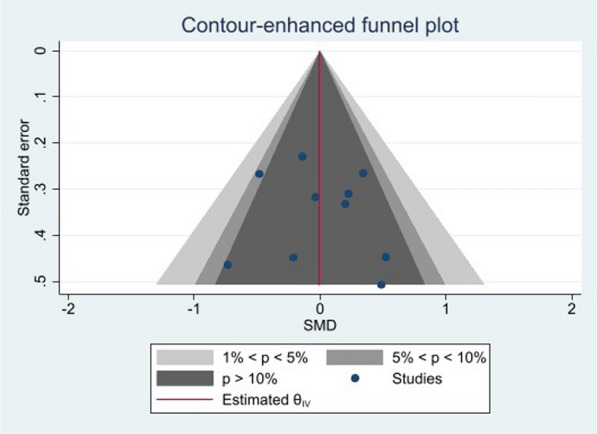
“Figure 8 illustrates a moderate degree of asymmetry, indicating the presence of publication bias, possibly resulting from the difficulties in disseminating negative or inconclusive findings.”
§ Effects of chia seed (Salvia hispanica L.) supplementation on cardiometabolic health in overweight subjects: a systematic review and meta-analysis of RCTs > Discussion
“Our investigation did not uncover any indications of publication bias that could have affected the meta-analysis's conclusions.”
Rated minor: it would not touch a result — a value no result rests on, a p-value that stays on the same side of the significance level, or a conflict that is clerical, resolved elsewhere in the paper, or outside its own findings.
In the paper
§ Effects of chia seed (Salvia hispanica L.) supplementation on cardiometabolic health in overweight subjects: a systematic review and meta-analysis of RCTs > Conclusions
“Overall, chia seeds should be considered a valuable adjunct in managing cardiometabolic health, particularly due to their anti-inflammatory properties and effects on WC and PB.”
§ Effects of chia seed (Salvia hispanica L.) supplementation on cardiometabolic health in overweight subjects: a systematic review and meta-analysis of RCTs > Conclusions
“chia seed supplementation was associated with a notable reduction in CRP, suggesting a potential anti-inflammatory effect. Additionally, significant reductions in waist circumference and systolic blood pressure were observed,”
Citations
Cites
The PRISMA 2020 statement: An updated guideline for reporting systematic reviews
Page, M. J., McKenzie, J. E., Bossuyt, P. M., Boutron, I., Hoffmann, T. C., Mulrow, C. D., Shamseer, L., Tetzlaff, J. M., Akl, E. A., Brennan, S. E., et al. (2021) · BMJ · doi:10.1136/bmj.n71 · Cited by 108,283
User’s guide to correlation coefficients
Akoglu, H. (2018) · Turkish Journal of Emergency Medicine · doi:10.1016/j.tjem.2018.08.001 · Cited by 5,849 · cited 1×
“If the Standard Error (SE) was provided, the SD was calculated using the formula SD = SE × sqrt(n), where n represents the sample size in each group [25].”
MethodStanaway, J. D., Afshin, A., Gakidou, E., Lim, S. S., Abate, D., Abate, K. H., Abbafati, C., Abbasi, N., Abbastabar, H., Abd-Allah, F., et al. (2018) · The Lancet · doi:10.1016/s0140-6736(18)32225-6 · Cited by 4,943
Soriano, J. B., Kendrick, P. J., Paulson, K. R., Gupta, V., Abrams, E. M., Adedoyin, R. A., Adhikari, T. B., Advani, S. M., Agrawal, A., Ahmadian, E., et al. (2020) · The Lancet Respiratory Medicine · doi:10.1016/s2213-2600(20)30105-3 · Cited by 2,263 · cited 1×
“Dietary adjustments are highlighted as crucial in preventing metabolic diseases, supported by experimental and epidemiological research [7, 8].”
Prevalence of Obesity and Severe Obesity in US Children, 1999–2016
Skinner, A. C., Ravanbakht, S. N., Skelton, J. A., Perrin, E. M., & Armstrong, S. C. (2018) · Pediatrics · doi:10.1542/peds.2017-3459 · Cited by 1,412
Effects of Dietary Fiber and Its Components on Metabolic Health
Lattimer, J. M., & Haub, M. D. (2010) · Nutrients · doi:10.3390/nu2121266 · Cited by 1,333 · cited 1×
“Factors such as participant characteristics (like baseline metabolic rate and lifestyle habits), adherence to the supplementation regimen, and variations in measurement and reporting methods can all influence the effectiveness of chia seeds in achieving weight reduction [34–37].”
BackgroundKaptoge, S., Pennells, L., De Bacquer, D., Cooney, M. T., Kavousi, M., Stevens, G., Riley, L. M., Savin, S., Khan, T., Altay, S., et al. (2019) · The Lancet Global Health · doi:10.1016/s2214-109x(19)30318-3 · Cited by 1,167 · cited 1×
“Cardiometabolic conditions remain the leading causes of death and illness globally, according to a 2000–2019 assessment [4].”
Relation of C-Reactive Protein and Coronary Heart Disease in the MRFIT Nested Case-Control Study
for the MRFIT Research Group, Kuller, L. H., Tracy, R. P., Shaten, J., & Meilahn, E. N. (1996) · American Journal of Epidemiology · doi:10.1093/oxfordjournals.aje.a008963 · Cited by 1,097
Metabolic Flexibility in Health and Disease
Goodpaster, B. H., & Sparks, L. M. (2017) · Cell Metabolism · doi:10.1016/j.cmet.2017.04.015 · Cited by 995 · cited 1×
“These markers are strongly linked to a higher risk of chronic illnesses like obesity [6].”
BackgroundAndrade, C. (2020) · The Journal of Clinical Psychiatry · doi:10.4088/jcp.20f13681 · Cited by 841 · cited 1×
“The effect size for the outcomes was evaluated using the mean difference (MD) along with 95% confidence intervals (CI) to quantify the impact of chia seed supplementation on cardiometabolic indices [24].”
Glycemic index: overview of implications in health and disease,,,
Jenkins, D. J., Kendall, C. W., Augustin, L. S., Franceschi, S., Hamidi, M., Marchie, A., Jenkins, A. L., & Axelsen, M. (2002) · The American Journal of Clinical Nutrition · doi:10.1093/ajcn/76.1.266s · Cited by 827
Dickinson, H. O., Mason, J. M., Nicolson, D. J., Campbell, F., Beyer, F. R., Cook, J. V., Williams, B., & Ford, G. A. (2006) · Journal of Hypertension · doi:10.1097/01.hjh.0000199800.72563.26 · Cited by 759
Reyes-Caudillo, E., Tecante, A., & Valdivia-López, M. A. (2008) · Food Chemistry · doi:10.1016/j.foodchem.2007.08.062 · Cited by 461 · cited 1×
“Furthermore, research has shown that chia seeds contain many phenolic compounds and high levels of nat-ural antioxidants, including quercetin and kaempferol, while caffeic and chlorogenic acids are in minimal quantities [62].”
BackgroundEvolution of Heterogeneity (I2) Estimates and Their 95% Confidence Intervals in Large Meta-Analyses
Thorlund, K., Imberger, G., Johnston, B. C., Walsh, M., Awad, T., Thabane, L., Gluud, C., Devereaux, P. J., & Wetterslev, J. (2012) · PLoS ONE · doi:10.1371/journal.pone.0039471 · Cited by 423 · cited 1×
“Heterogeneity among studies was assessed using the I 2 statistic and Cochrane’s Q-test, with I 2 values greater than 50% and a P-value of less than 0.05, indicating substantial heterogeneity [26].”
MethodInfluentialThe Chemical Composition and Nutritional Value of Chia Seeds—Current State of Knowledge
Kulczyński, B., Kobus-Cisowska, J., Taczanowski, M., Kmiecik, D., & Gramza-Michałowska, A. (2019) · Nutrients · doi:10.3390/nu11061242 · Cited by 382 · cited 1×
“According to recent research, chia seeds may improve blood lipid profiles because of their numerous beneficial components; this is due to their ability to lower blood glucose levels, fight against microbes, reduce blood pressure, and stimulate the immune system [21].”
BackgroundGlycemic index: overview of implications in health and disease,,,
Jenkins, D. J., Kendall, C. W., Augustin, L. S., Franceschi, S., Hamidi, M., Marchie, A., Jenkins, A. L., & Axelsen, M. (2002) · The American Journal of Clinical Nutrition · doi:10.1093/ajcn/76/1.266s · Cited by 379 · cited 1×
“Controlling anthropometric measures, blood pressure, glycemic indices, lipid profiles, and inflammatory markers is crucial for maintaining health [5].”
A review of the PubMed PICO tool: using evidence-based practice in health education
Brown, D. (2020) · Health Promotion Practice · doi:10.1177/1524839919893361 · Cited by 367 · cited 1×
“Guided by the Patient, Intervention, Comparison, and Outcome (PICO) model [23], our research question was formulated (Table 1).”
MethodNutritional and therapeutic perspectives of Chia (Salvia hispanica L.): a review
Ullah, R., Nadeem, M., Khalique, A., Imran, M., Mehmood, S., Javid, A., & Hussain, J. (2016) · Journal of Food Science and Technology · doi:10.1007/s13197-015-1967-0 · Cited by 365 · cited 4×
“This fiber also acts as a prebiotic, beneficial for treating hypertension and obesity [14, 43].”
BackgroundInfluentialWang, L., Manson, J. E., Buring, J. E., Lee, I.-M., & Sesso, H. D. (2008) · Hypertension · doi:10.1161/hypertensionaha.107.107821 · Cited by 359 · cited 1×
“A 100-g serving of chia provides significant amounts of magnesium, potassium, and calcium, all potent vasodilators and vascular smooth muscle contraction inhibitors, effectively reducing BP [46–49].”
Capitani, M. I., Spotorno, V., Nolasco, S. M., & Tomás, M. C. (2012) · LWT - Food Science and Technology · doi:10.1016/j.lwt.2011.07.012 · Cited by 325 · cited 2×
“The chia seeds help slow down starch digestion and reduce post-meal blood glucose levels [8, 50].”
BackgroundKnez Hrnčič, M., Ivanovski, M., Cör, D., & Knez, Ž. (2019) · Molecules · doi:10.3390/molecules25010011 · Cited by 286
Increasing Total Fiber Intake Reduces Risk of Weight and Fat Gains in Women
Tucker, L. A., & Thomas, K. S. (2009) · The Journal of Nutrition · doi:10.3945/jn.108.096685 · Cited by 245
The autocrine and paracrine roles of adipokines
Karastergiou, K., & Mohamed-Ali, V. (2010) · Molecular and Cellular Endocrinology · doi:10.1016/j.mce.2009.11.011 · Cited by 233 · cited 1×
“Obesity is characterized by persistent, low-level inflammation in adipose tissue, accompanied by the excessive production of pro-inflammatory adipokines [55, 56].”
BackgroundRole of magnesium in hypertension
Sontia, B., & Touyz, R. M. (2007) · Archives of Biochemistry and Biophysics · doi:10.1016/j.abb.2006.05.005 · Cited by 202
Vuksan, V., Whitham, D., Sievenpiper, J. L., Jenkins, A. L., Rogovik, A. L., Bazinet, R. P., Vidgen, E., & Hanna, A. (2007) · Diabetes Care · doi:10.2337/dc07-1144 · Cited by 196
Characterization of phenolic compounds in chia (Salvia hispanica L.) seeds, fiber flour and oil
Oliveira-Alves, S. C., Vendramini-Costa, D. B., Betim Cazarin, C. B., Maróstica Júnior, M. R., Borges Ferreira, J. P., Silva, A. B., Prado, M. A., & Bronze, M. R. (2017) · Food Chemistry · doi:10.1016/j.foodchem.2017.04.002 · Cited by 192
Poudyal, H., Panchal, S. K., Waanders, J., Ward, L., & Brown, L. (2012) · The Journal of Nutritional Biochemistry · doi:10.1016/j.jnutbio.2010.11.011 · Cited by 187 · cited 1×
“Although the exact anti-inflammatory mechanism of chia seeds is not fully understood, the high levels of alpha-linolenic acid (ALA) in chia seeds may suggest an anti-inflammatory effect [58].”
BackgroundChia seed does not promote weight loss or alter disease risk factors in overweight adults
Nieman, D. C., Cayea, E. J., Austin, M. D., Henson, D. A., McAnulty, S. R., & Jin, F. (2009) · Nutrition Research · doi:10.1016/j.nutres.2009.05.011 · Cited by 175
Chicco, A. G., D'Alessandro, M. E., Hein, G. J., Oliva, M. E., & Lombardo, Y. B. (2008) · British Journal of Nutrition · doi:10.1017/s000711450899053x · Cited by 171 · cited 1×
“Over the last two decades, research has indicated that chia seeds have beneficial outcomes regarding insulin resistance, lipid abnormality, glucose tolerance, and obesity [16–20].”
Effects of ALA, EPA and DHA in high-carbohydrate, high-fat diet-induced metabolic syndrome in rats
Poudyal, H., Panchal, S. K., Ward, L. C., & Brown, L. (2013) · The Journal of Nutritional Biochemistry · doi:10.1016/j.jnutbio.2012.07.014 · Cited by 170
Vuksan, V. V. V., Jenkins, A. L., Dias, A. G., Lee, A. S., Jovanovski, E., Rogovik, A. L., & Hanna, A. (2010) · European Journal of Clinical Nutrition · doi:10.1038/ejcn.2009.159 · Cited by 163 · cited 1×
“Vuksan et al. [17] also found that various doses of chia (7, 15, and 24 g) reduced postprandial blood glucose levels in healthy individuals.”
BackgroundAntioxidant potential of dietary chia seed and oil ( Salvia hispanica L.) in diet-induced obese rats
Marineli, R. D. S., Lenquiste, S. A., Moraes, É. A., & Maróstica, M. R. (2015) · Food Research International · doi:10.1016/j.foodres.2015.07.039 · Cited by 160
Orona‐Tamayo, D., Valverde, M. E., Nieto-Rendón, B., & Paredes‐López, O. (2015) · LWT · doi:10.1016/j.lwt.2015.05.033 · Cited by 137 · cited 1×
“These antioxidative properties make chia seeds a valuable source of antioxidants [63].”
BackgroundNutritional and Functional New Perspectives and Potential Health Benefits of Quinoa and Chia Seeds
Agarwal, A., Rizwana, Tripathi, A. D., Kumar, T., Sharma, K. P., & Patel, S. K. S. (2023) · Antioxidants · doi:10.3390/antiox12071413 · Cited by 135
Guevara-Cruz, M., Tovar, A. R., Aguilar-Salinas, C. A., Medina-Vera, I., Gil-Zenteno, L., Hernández-Viveros, I., López-Romero, P., Ordaz-Nava, G., Canizales-Quinteros, S., Guillen Pineda, L. E., et al. (2012) · The Journal of Nutrition · doi:10.3945/jn.111.147447 · Cited by 132 · cited 3×
“For example, Guevara-Cruz et al. [29] demonstrated a significant decrease in WC in individuals with metabolic syndrome who consumed a regular diet, including chia seeds, soy, nopal, and oats.”
BackgroundVuksan, V., Jenkins, A. L., Brissette, C., Choleva, L., Jovanovski, E., Gibbs, A. L., Bazinet, R. P., Au-Yeung, F., Zurbau, A., Ho, H. V. T., et al. (2017) · Nutrition, Metabolism and Cardiovascular Diseases · doi:10.1016/j.numecd.2016.11.124 · Cited by 125 · cited 2×
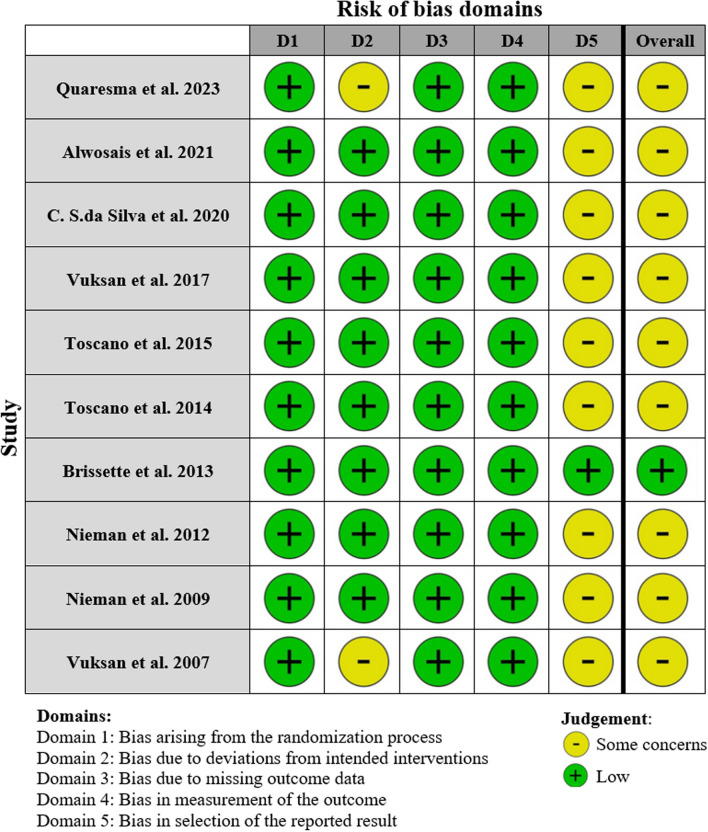
“The RoB2 tool examines various domains of bias, including bias arising from the randomization process, deviations from intended interventions, missing outcome data, measurement of the outcome, and selection of the reported result [16] (see Fig.”
BackgroundMethodVuksan, V. V. V., Choleva, L., Jovanovski, E., Jenkins, A. L., Au‐Yeung, F., Dias, A. G., Ho, H. V. T., Zurbau, A., & Duvnjak, L. S. (2016) · European Journal of Clinical Nutrition · doi:10.1038/ejcn.2016.148 · Cited by 125
Chia seeds (Salvia hispanica L.): A therapeutic weapon in metabolic disorders
Khalid, W., Arshad, M. S., Aziz, A., Rahim, M. A., Qaisrani, T. B., Afzal, F., Ali, A., Ranjha, M. M. A. N., Khalid, M. Z., & Anjum, F. M. (2023) · Food Science & Nutrition · doi:10.1002/fsn3.3035 · Cited by 108
Chia Flour Supplementation Reduces Blood Pressure in Hypertensive Subjects
Toscano, L. T., da Silva, C. S. O., Toscano, L. T., de Almeida, A. E. M., da Cruz Santos, A., & Silva, A. S. (2014) · Plant Foods for Human Nutrition · doi:10.1007/s11130-014-0452-7 · Cited by 104 · cited 2×
“Research by Toscano et al. [39] demonstrated that chia flour intake consistently reduced BP in hypertensive individuals.”
BackgroundMethodChia Seed Supplementation and Disease Risk Factors in Overweight Women: A Metabolomics Investigation
Nieman, D. C., Gillitt, N., Jin, F., Henson, D. A., Kennerly, K., Shanely, R. A., Ore, B., Su, M., & Schwartz, S. (2012) · The Journal of Alternative and Complementary Medicine · doi:10.1089/acm.2011.0443 · Cited by 104 · cited 2×
“FBG reductions were observed in several subgroups, including healthy women, overweight or obese individuals, hypertensive patients, and those with metabolic syndrome [29, 38, 39].”
BackgroundPeptides from Chia Present Antibacterial Activity and Inhibit Cholesterol Synthesis
Coelho, M. S., Soares-Freitas, R. A. M., Arêas, J. A. G., Gandra, E. A., & Salas-Mellado, M. D. L. M. (2018) · Plant Foods for Human Nutrition · doi:10.1007/s11130-018-0668-z · Cited by 89
Total, insoluble and soluble dietary fibre intake in relation to blood pressure: the INTERMAP Study
Aljuraiban, G. S., Griep, L. M. O., Chan, Q., Daviglus, M. L., Stamler, J., Van Horn, L., Elliott, P., & Frost, G. S. (2015) · British Journal of Nutrition · doi:10.1017/s0007114515003098 · Cited by 82
(EFSA), E. F. S. A. (2009) · EFSA Journal · doi:10.2903/j.efsa.2009.996 · Cited by 81
Meng, Q., Fan, H., Li, Y., & Zhang, L. (2017) · Journal of Food Measurement & Characterization · doi:10.1007/s11694-017-9611-5 · Cited by 79
Ho, H. V. T., Lee, A. S., Jovanovski, E., Jenkins, A. L., deSouza, R., & Vuksan, V. V. V. (2013) · European Journal of Clinical Nutrition · doi:10.1038/ejcn.2013.103 · Cited by 76
(2017) · PubMed · Cited by 76
Xanthis, V., Fitsiou, E., Voulgaridou, G.-P., Bogadakis, A., Chlichlia, K., Galanis, Α., & Pappa, A. (2021) · Antioxidants · doi:10.3390/antiox10010127 · Cited by 76 · cited 1×
“Consequently, the body initiates feedback processes to enhance cellular defense and survival [60].”
BackgroundNutritional Factors in the Control of Blood Pressure and Hypertension
Suter, P. M., Sierro, C., & Vetter, W. (2002) · Nutrition in Clinical Care · doi:10.1046/j.1523-5408.2002.00513.x · Cited by 74 · cited 1×
“A 100-g serving of chia provides significant amounts of magnesium, potassium, and calcium, all potent vasodilators and vascular smooth muscle contraction inhibitors, effectively reducing BP [46–49].”
BackgroundObesity can predict and promote systemic inflammation in healthy adults
Ellulu, M. S., Khaza’ai, H., Rahmat, A. B., Patimah, I., & Abed, Y. A. (2016) · International Journal of Cardiology · doi:10.1016/j.ijcard.2016.04.089 · Cited by 71 · cited 1×
“Obesity is characterized by persistent, low-level inflammation in adipose tissue, accompanied by the excessive production of pro-inflammatory adipokines [55, 56].”
BackgroundValenzuela B, R., Barrera R, C., González-Astorga, M., Sanhueza C, J., & Valenzuela B, A. (2014) · Food Funct. · doi:10.1039/c3fo60688k · Cited by 65
Grancieri, M., Martino, H. S. D., & Gonzalez de Mejia, E. (2021) · Nutrients · doi:10.3390/nu13010176 · Cited by 65 · cited 1×
“A study showed that chia’s anti-inflammatory effect seems to be associated with the inhibition of PPARγ and NF-κB expression (61).”
BackgroundToscano, L. T., Toscano, L. T., Tavares, R. L., Silva, C. S. D. O., & Silva, A. S. (2014) · PubMed · doi:10.3305/nh.2015.31.3.8242 · Cited by 62 · cited 2×
“However, other studies reported no significant changes in systolic BP after 10 or 12 weeks of chia supplementation [30, 31].”
Alwosais, E. Z. M., Al-Ozairi, E., Zafar, T. A., & Alkandari, S. (2021) · Nutrition and Health · doi:10.1177/0260106020981819 · Cited by 57
Teoh, S. L., Lai, N. M., Vanichkulpitak, P., Vuksan, V., Ho, H., & Chaiyakunapruk, N. (2018) · Nutrition Reviews · doi:10.1093/nutrit/nux071 · Cited by 52
Glycemic index and microstructure analysis of a newly developed fiber enriched cookie
Schuchardt, J. P., Wonik, J., Bindrich, U., Heinemann, M., Kohrs, H., Schneider, I., Möller, K., & Hahn, A. (2016) · Food & Function · doi:10.1039/c5fo01137j · Cited by 42 · cited 1×
“The chia seeds help slow down starch digestion and reduce post-meal blood glucose levels [8, 50].”
Ayaz, A., Akyol, A., Inan-Eroglu, E., Kabasakal Cetin, A., Samur, G., & Akbiyik, F. (2017) · Nutrition Research and Practice · doi:10.4162/nrp.2017.11.5.412 · Cited by 42 · cited 2×
“Factors such as participant characteristics (like baseline metabolic rate and lifestyle habits), adherence to the supplementation regimen, and variations in measurement and reporting methods can all influence the effectiveness of chia seeds in achieving weight reduction [34–37].”
BackgroundDietary Fibers and Cardiometabolic Diseases
Riccioni, G., Sblendorio, V., Gemello, E., Di Bello, B., Scotti, L., Cusenza, S., & D’Orazio, N. (2012) · International Journal of Molecular Sciences · doi:10.3390/ijms13021524 · Cited by 41 · cited 1×
“Chia seeds include viscous and soluble fibers that have been shown to reduce cholesterol levels by affecting the metabolism of lipids in the liver [51].”
BackgroundMokgalaboni, K., & Phoswa, W. N. (2023) · Frontiers in Nutrition · doi:10.3389/fnut.2023.1099880 · Cited by 36 · cited 1×
“There is a growing demand for nutritionally balanced herbal products, with chia seed supplementation gaining particular interest [9, 10].”
Backgroundda Silva, C. S., Monteiro, C. R. D. A., da Silva, G. H. F., Sarni, R. O. S., de Souza, F. I. S., Feder, D., Messias, M. C. F., Carvalho, P. D. O., Alberici, R. M., Cunha, I. B. D. S., et al. (2020) · Journal of Medicinal Food · doi:10.1089/jmf.2019.0055 · Cited by 31
Antioxidant capacity of Mexican chia (Salvia hispanica L.) protein hydrolyzates
Chim-Chi, Y., Tintoré, S. G., Jiménez‐Martínez, C., Dávila-Ortíz, G., & Chel‐Guerrero, L. (2017) · Journal of Food Measurement & Characterization · doi:10.1007/s11694-017-9644-9 · Cited by 31
Brissette, C., Jenkins, A. L., Choleva, L., & Vuksan, V. V. V. (2013) · Canadian Journal of Diabetes · doi:10.1016/j.jcjd.2013.08.183 · Cited by 24
Quaresma, L. S., Siais, L. D. O., Grangeiro, É. D., & Rosado, E. L. (2022) · Journal of the American Nutrition Association · doi:10.1080/07315724.2022.2056773 · Cited by 22
Nikpayam, O., Jafari, A., Safaei, E., Naghshi, N., Najafi, M., & Sohrab, G. (2023) · Journal of Functional Foods · doi:10.1016/j.jff.2023.105867 · Cited by 21 · cited 1×
“Some previous studies support our findings, while others do not [27, 28].”
ResultChia Seed Does Not Improve Cognitive Impairment in SAMP8 Mice Fed with High Fat Diet
Rui, Y., Lv, M., Chang, J., Xu, J., Qin, L., & Wan, Z. (2018) · Nutrients · doi:10.3390/nu10081084 · Cited by 18
Lovato, A. D. C., Corgozinho, M. L. M. V., Alves, L. V., Martins, S. R., Duarte, R. C. F., Cardoso, C. N., Silvino, J. P. D. P., Ferreira, C. N., Silva, I. D. F. O., & Mota, A. P. L. (2022) · Research, Society and Development · doi:10.33448/rsd-v11i4.27432 · Cited by 14
Şimşek, H. U., Albayrak, M. G. B., Kasap, M., Şimşek, T., Akpınar, G., Güler, S. A., & Cantürk, N. Z. (2022) · Cell Biochemistry and Function · doi:10.1002/cbf.3693 · Cited by 9 · cited 1×
“This rising prevalence of obesity signifies a widespread pandemic with significant health implications [2].”
BackgroundSosa-Crespo, I. F., Espinosa‐Marrón, A., Chel‐Guerrero, L., Laviada‐Molina, H., & Betancur‐Ancona, D. (2021) · Journal of Biologically Active Products from Nature · doi:10.1080/22311866.2021.1942987 · Cited by 7
Lovato, A. D. C., Corgozinho, M. L. M. V., Alves, L. V., Martins, S. R., Duarte, R. C. F., Cardoso, C. N., Silvino, J. P. D. P., Ferreira, C. N., Silva, I. D. F. O., & Mota, A. P. L. (2023) · Seven Editora eBooks · doi:10.56238/colleinternhealthscienv1-124 · Cited by 5
Systematic evaluation of the impact of chia seeds on weight loss
Waruguru, P. (2023) · Journal of Medical and Health Sciences (JMHS) · doi:10.51317/jmhs.v2i1.418 · Cited by 4 · cited 1×
“Some previous studies support our findings, while others do not [27, 28].”
Result
Cited by
Karimi, M., Pirzad, S., Pourfaraji, S. M., Sedgi, F. M., Darouei, B., Amani‐Beni, R., Kazemi, K., & Rabiee, R. (2025) · Complementary Therapies in Medicine · doi:10.1016/j.ctim.2025.103174 · Cited by 19
Self-citationKarimi, M., Karimi, M. A., Fayedeh, F., Kafi, F. Z., Kazemi, K., Jahangiri, S., & Asbaghi, O. (2025) · Diabetology & Metabolic Syndrome · doi:10.1186/s13098-025-01833-2 · Cited by 16
“Recent evidence also indicates that certain nutritional supplements can improve lipid profiles in individuals with diabetes and metabolic disorders [16–19].”
Self-citationKarimi, M., Bahreini, N., Pirzad, S., Pourfaraji, S. M., Shirsalimi, N., Asbaghi, O., & Larijani, B. A. (2025) · Journal of Diabetes & Metabolic Disorders · doi:10.1007/s40200-025-01682-w · Cited by 11
Self-citationDevelopment of empirical anti-inflammatory diet index: a cross-sectional study
Kałuża, J., Hellerström, L., Kaluza, D., Chabok, A., Åkesson, A., Michaëlsson, K., & Wolk, A. (2025) · Nutrition Journal · doi:10.1186/s12937-025-01165-x · Cited by 10
“However, the effects of nuts [33] and seeds [34–36] as well as wholegrains [37] in reducing low-grade inflammation are not conclusive and require further investigation.”
Chia seeds: a nutrient-dense functional food for health and nutrition
Matondo, J. D., & Abihudi, S. (2026) · Cogent Food & Agriculture · doi:10.1080/23311932.2026.2626606 · Cited by 14
Metadata
- Authors
- Karimi, M., Pirzad, S., Shirsalimi, N., Ahmadizad, S., Hashemi, S. M., Karami, S., Kazemi, K., Shahir-Roudi, E., & Aminzadeh, A.
- Affiliations
- Shahid Beheshti University (IR)
- Islamic Azad University, Tehran (IR)
- Hamedan University of Medical Sciences (IR)
- Hormozgan University of Medical Sciences (IR)
- Tehran University of Medical Sciences (IR)
- Shahroud University of Medical Sciences (IR)
- Corresponding author
- Karimi, Mehdi
- ORCID
- Venue
- Nutrition & Metabolism
- Published
- 2024-09-16
- Volume
- 21
- Issue
- 1
- Pages
- 74-74
- ISSN
- 1743-7075 (ISSN-L)
- PMC
- PMC11406937
- OpenAlex
- W4402582158
- Cited by
- 25
- References
- 66
- Citations by year
- 2026: 7 · 2025: 17 · 2024: 1
- FWCI
- 0.93
- Type
- journal article
- Language
- en
- Open access
- gold
- doi.org
- Licence
- cc-by
- creativecommons.org/licenses/by/4.0 (tdm)
- creativecommons.org/licenses/by/4.0 (vor)
- Locations
- Nutrition & Metabolism (publishedVersion, cc-by)
- PubMed Central (publishedVersion, cc-by)
- PubMed (publishedVersion)
- DOAJ (DOAJ: Directory of Open Access Journals) (submittedVersion, cc-by-sa)
- Topics
- Life Sciences › Agricultural and Biological Sciences › Food Science › Seed and Plant Biochemistry
- Life Sciences › Pharmacology, Toxicology and Pharmaceutics › Pharmacology › Natural Products and Biological Research
- Health Sciences › Nursing › Nutrition and Dietetics › Food composition and properties
- Keywords
- Salvia hispanica, dietary supplementation, cardiometabolic health, overweight, obesity, lipid profile, fasting blood glucose, insulin, C-reactive protein, inflammation, serum biomarkers, LDL cholesterol, HDL cholesterol, triglycerides, HbA1c, interleukin-6, TNF-α, gut microbiota, intestinal permeability
About these checks
Registry, retraction, Cites and statistics results are computed, not judged, with one exception: a printed reference that no index lists is read once by a model before it counts as a citation error. Claims are extracted by a model and kept only when their quote appears verbatim in the text; each cited source is then checked, with a model’s help, for whether it says what the claim relies on. Those verdicts can be wrong — read the claim’s quote and the cited source before relying on one.
The claim verdicts this report counts are experimental: their accuracy is not yet measured.
A language model drew the claims from the paper on 2026-10-09, under version 3 of the claim definition (model deepseek-v4.1-flash, prompt extract-v3).
A second model labelled each claim on 2026-10-09 (model jev-1.13-20260917, definition revision gold-guideline-v0.2).
Cited sources are checked with a language model’s help (gpt-6-sol).
Statistics and arithmetic are recomputed, not judged.
Confidence bands are shown only for fields calibrated on our annotated test set. None is calibrated yet, so no band is shown.
What counts as a claim ›How we measure confidence ›How we check this ›
Are you an author, or do you see a problem with this page? Request a review
Data sources
Bibliographic data: Semantic Scholar, OpenAlex, Crossref.
Contains information from the Semantic Scholar Academic Graph Datasets, made available under the ODC Attribution License (ODC-BY 1.0).
Semantic Scholar’s data is described in: Kinney, R., et al. (2023). The Semantic Scholar Open Data Platform. arXiv:2301.10140.
