

A guide to enteral nutrition in intensive care units: 10 expert tips for the daily practice
Open accessThe DOI matches its Crossref record; 132 of the 132 references it cites were found in a registry or an index.
Abstract
The preferential use of the oral/enteral route in critically ill patients over gut rest is uniformly recommended and applied. This article provides practical guidance on enteral nutrition in compliance with recent American and European guidelines. Low-dose enteral nutrition can be safely started within 48 h after admission, even during treatment with small or moderate doses of vasopressor agents. A percutaneous access should be used when enteral nutrition is anticipated for ≥ 4 weeks. Energy delivery should not be calculated to match energy expenditure before day 4–7, and the use of energy-dense formulas can be restricted to cases of inability to tolerate full-volume isocaloric enteral nutrition or to patients who require fluid restriction. Low-dose protein (max 0.8 g/kg/day) can be provided during the early phase of critical illness, while a protein target of > 1.2 g/kg/day could be considered during the rehabilitation phase. The occurrence of refeeding syndrome should be assessed by daily measurement of plasma phosphate, and a phosphate drop of 30% should be managed by reduction of enteral feeding rate and high-dose thiamine. Vomiting and increased gastric residual volume may indicate gastric intolerance, while sudden abdominal pain, distension, gastrointestinal paralysis, or rising abdominal pressure may indicate lower gastrointestinal intolerance.
Overview
The claims and statistics of this paper haven’t been checked yet.
Free: it reads the open-access text and checks the first 5 claims that cite a source we can check. Create a free account to check every claim.
Integrity signals
Registry
Cites
Statistics
Figures
Verification
Claims the paper makes
The claims and statistics of this paper haven’t been checked yet.
Free: it reads the open-access text and checks the first 5 claims that cite a source we can check. Create a free account to check every claim.
Claims other papers make about this one
Each is checked against this paper’s own text: does it say what the citing paper says it does?
The source backs part of the claim, not all of it — or backs it for a different population, condition or comparison.
In the citing paper
“Enteral nutrition (EN) helps preserve mucosal structure and the immune system within the gastrointestinal (GI) tract, thereby reducing the risk of bacterial translocation, systemic infection, and the development of multiple organ dysfunction syndrome in critically ill patients [1-3].”
From The impact of enteral feeding intolerance on the prognosis of patients with septic shock in South Korea (2025) · cites this paper as [1]
Experimental — accuracy not yet measured
Self-check
Percentages, sums and reported differences re-computed from the paper’s own numbers.
The self-check needs the paper’s full text.
Citations
Cites
ESPEN guideline on clinical nutrition in the intensive care unit.
Singer, P., Blaser, A. R., Berger, M. M., Alhazzani, W., Calder, P. C., Casaer, M. P., Hiesmayr, M., Mayer, K., Montejo, J. C., Pichard, C., et al. (2019) · Clinical Nutrition · doi:10.1016/j.clnu.2018.08.037 · Cited by 2,904 · cited 11×
“Due to these factors and uncertainties, recent guidelines either do not recommend routine measurement of GRV [6], or suggest restricting GRV measurements to the initiation and progression of EN only [5, 7].”
BackgroundMethodSelf-citationAcute skeletal muscle wasting in critical illness
Puthucheary, Z. A., Rawal, J., McPhail, M., Connolly, B., Ratnayake, G., Chan, P., Hopkinson, N. S., Padhke, R., Dew, T., Sidhu, P. S., et al. (2013) · JAMA · doi:10.1001/jama.2013.278481 · Cited by 2,103 · cited 2×
“The catabolic response leads to marked muscle mass loss of up to 1 kg per day over the first 10 days of ICU stay and is associated with ICU-Acquired Weakness [58].”
BackgroundEarly versus late parenteral nutrition in critically ill adults
Casaer, M. P., Mesotten, D., Hermans, G., Wouters, P. J., Schetz, M., Meyfroidt, G., Van Cromphaut, S., Ingels, C., Meersseman, P., Muller, J., et al. (2011) · New England Journal of Medicine · doi:10.1056/nejmoa1102662 · Cited by 1,696 · cited 2×
“Moreover, some harm can be related to excessive amounts of proteins in a post hoc analysis of prospective trials performed in adults [45, 84, 85] or in children [86] and in a retrospective study [87].”
BackgroundSelf-citationTaylor, B. E., McClave, S. A., Martindale, R. G., Warren, M. M., Johnson, D. R., Braunschweig, C., McCarthy, M. S., Davanos, E., Rice, T. W., Cresci, G. A., et al. (2016) · Critical Care Medicine · doi:10.1097/ccm.0000000000001525 · Cited by 1,476 · cited 15×
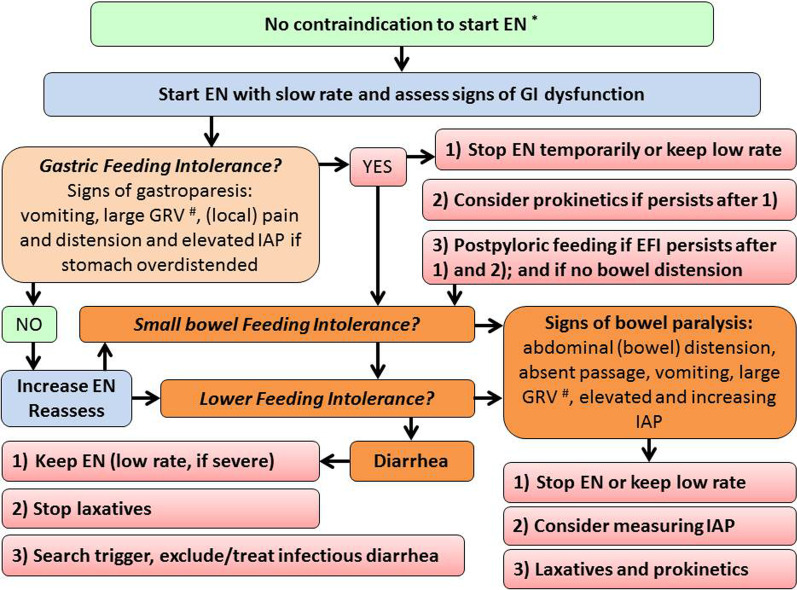
“Gastric intolerance assessed by the GRV measurement is the prevalent gastrointestinal symptom in ICU patients treated with EN [118, 125, 126].”
BackgroundMethodSelf-citationA Review of Micronutrients and the Immune System–Working in Harmony to Reduce the Risk of Infection
Gombart, A. F., Pierre, A., & Maggini, S. (2020) · Nutrients · doi:10.3390/nu12010236 · Cited by 1,358 · cited 1×
“, trace elements and vitamins, is essential for normal metabolism [93], immunity [94], and antioxidant defense.”
BackgroundAlberda, C., Gramlich, L., Jones, N., Jeejeebhoy, K., Day, A. G., Dhaliwal, R., & Heyland, D. K. (2009) · Intensive Care Medicine · doi:10.1007/s00134-009-1567-4 · Cited by 975
The National Heart, L., Rice, T. W., Wheeler, A. P., Thompson, B. T., Steingrub, J., Hite, R. D., Moss, M., Morris, A., Dong, N., & Rock, P. (2012) · JAMA: The Journal of the American Medical Association · doi:10.1001/jama.2012.137 · Cited by 935
A Randomized Trial of Glutamine and Antioxidants in Critically Ill Patients
Heyland, D., Muscedere, J., Wischmeyer, P. E., Cook, D., Jones, G., Albert, M., Elke, G., Berger, M. M., & Day, A. G. (2013) · New England Journal of Medicine · doi:10.1056/nejmoa1212722 · Cited by 904 · cited 1×
“Nutrition regimens that are grossly unbalanced inflict a metabolic strain on the patient [91].”
BackgroundSelf-citationHeyland, D. K., Dhaliwal, R., Jiang, X., & Day, A. G. (2011) · Critical Care · doi:10.1186/cc10546 · Cited by 863 · cited 1×
“In particular, the value of the NUTRIC (The Nutrition Risk in the Critically Ill) score appeared promising for that purpose in observational analyses [42], but was refuted in stratified subanalysis of the PERMIT-RCT [43].”
BackgroundBarazzoni, R., Bischoff, S. C., Breda, J., Wickramasinghe, K., Krznaric, Z., Nitzan, D., Pirlich, M., & Singer, P. (2020) · Clinical Nutrition · doi:10.1016/j.clnu.2020.03.022 · Cited by 841 · cited 6×
“International guidelines have been recently updated by the American Society of Parenteral and Enteral Nutrition/Society of Critical Care Medicine [6] and the European Society of Clinical Nutrition and Metabolism (ESPEN) [2, 7], with various levels of supporting evidence (Table 1).”
BackgroundInfluentialEarly enteral nutrition in critically ill patients: ESICM clinical practice guidelines
ESICM Working Group on Gastrointestinal Function, Reintam Blaser, A., Starkopf, J., Alhazzani, W., Berger, M. M., Casaer, M. P., Deane, A. M., Fruhwald, S., Hiesmayr, M., Ichai, C., et al. (2017) · Intensive Care Medicine · doi:10.1007/s00134-016-4665-0 · Cited by 837 · cited 4×
“Given the existing data, low-dose EN is recommended within 48 h of ICU admission, in patients with controlled shock requiring small or moderate doses of vasopressor and delaying EN in patients who are actively being resuscitated or are unstable [5, 6].”
BackgroundSelf-citationHeidegger, C. P., Berger, M. M., Graf, S., Zingg, W., Darmon, P., Costanza, M. C., Thibault, R., & Pichard, C. (2013) · The Lancet · doi:10.1016/s0140-6736(12)61351-8 · Cited by 776
Self-citationRefeeding syndrome: what it is, and how to prevent and treat it
Mehanna, H. M., Moledina, J., & Travis, J. (2008) · BMJ · doi:10.1136/bmj.a301 · Cited by 706 · cited 1×
“Thiamine administration and caloric restriction of 500 kcal/day or 25% of the estimated target inspired from NICE guidance [116] is a frequent practice for ICU patients with hypoP/RFS for at least 48 h.”
Reintam Blaser, A., Malbrain, M. L. N. G., Starkopf, J., Fruhwald, S., Jakob, S. M., De Waele, J., Braun, J.-P., Poeze, M., & Spies, C. (2012) · Intensive Care Medicine · doi:10.1007/s00134-011-2459-y · Cited by 644 · cited 1×
“[123, 124, 135] Evidence on management options, unanswered issues and proposals for future research on GI dysfunction have been recently summarized [136].”
BackgroundTrial of the Route of Early Nutritional Support in Critically Ill Adults
Harvey, S. E., Parrott, F., Harrison, D. A., Bear, D. E., Segaran, E., Beale, R., Bellingan, G., Leonard, R., Mythen, M. G., & Rowan, K. M. (2014) · New England Journal of Medicine · doi:10.1056/nejmoa1409860 · Cited by 618 · cited 1×
“Nevertheless, in NUTRIREA-2 (N = 2410) and CALORIES (N = 2400), early EN as compared to PN for no more than 3–5 days did not decrease the infection rate [22, 24].”
MethodPermissive underfeeding or standard enteral feeding in critically ill adults
Arabi, Y. M., Aldawood, A. S., Haddad, S. H., Al-Dorzi, H. M., Tamim, H. M., Jones, G., Mehta, S., McIntyre, L., Solaiman, O., Sakkijha, M. H., et al. (2015) · New England Journal of Medicine · doi:10.1056/nejmoa1502826 · Cited by 614
Self-citationReignier, J., Boisramé-Helms, J., Brisard, L., Lascarrou, J.-B., Ait Hssain, A., Anguel, N., Argaud, L., Asehnoune, K., Asfar, P., Bellec, F., et al. (2018) · The Lancet · doi:10.1016/s0140-6736(17)32146-3 · Cited by 595 · cited 5×
“The study found no difference in the primary endpoint of 28-day mortality, but demonstrated a fourfold increase in bowel ischemia and acute colonic pseudoobstruction with early EN [22].”
BackgroundMethodInfluentialReignier, J. (2013) · JAMA · doi:10.1001/jama.2012.196377 · Cited by 506 · cited 1×
“Measurements of GRV have been omitted in many sites since a study showed no benefit of GRV-guided EN in patients with already established EN despite vomiting occurred more often in patients without than with GRV measurements [127].”
Metabolic response to the stress of critical illness
Preiser, J.-C., Ichai, C., Orban, J.-C., & Groeneveld, A. B. J. (2014) · British Journal of Anaesthesia · doi:10.1093/bja/aeu187 · Cited by 505 · cited 2×
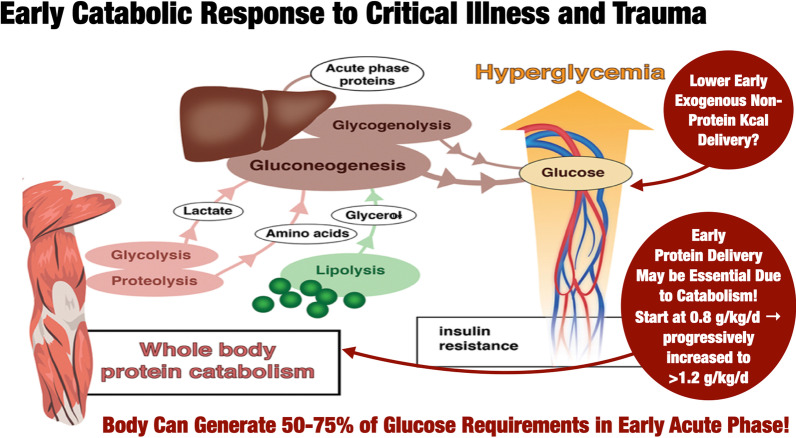
“Question 6: How much protein? Patients’ muscle mass at ICU admission is correlated with ICU survival and this serves as an endogenous metabolic or amino acid reserve [4, 8, 56, 57] (Fig.”
BackgroundSelf-citationWeijs, P. J., Looijaard, W. G., Dekker, I. M., Stapel, S. N., Girbes, A. R., Straaten, H. M. O.-V., & Beishuizen, A. (2014) · Critical Care · doi:10.1186/cc13189 · Cited by 459 · cited 1×
“Question 6: How much protein? Patients’ muscle mass at ICU admission is correlated with ICU survival and this serves as an endogenous metabolic or amino acid reserve [4, 8, 56, 57] (Fig.”
BackgroundMontejo, J. C. (1999) · Critical Care Medicine · doi:10.1097/00003246-199908000-00006 · Cited by 449 · cited 1×
“Gastric intolerance assessed by the GRV measurement is the prevalent gastrointestinal symptom in ICU patients treated with EN [118, 125, 126].”
BackgroundZusman, O., Theilla, M., Cohen, J., Kagan, I., Bendavid, I., & Singer, P. (2016) · Critical Care · doi:10.1186/s13054-016-1538-4 · Cited by 421
Metabolic and nutritional support of critically ill patients: consensus and controversies
Preiser, J.-C., van Zanten, A. R., Berger, M. M., Biolo, G., Casaer, M. P., Doig, G. S., Griffiths, R. D., Heyland, D. K., Hiesmayr, M., Iapichino, G., et al. (2015) · Critical Care · doi:10.1186/s13054-015-0737-8 · Cited by 416
Self-citationParenteral Nutrition Is Associated With Intestinal Morphologic and Functional Changes in Humans
Buchman, A. L., Moukarzel, A. A., Bhuta, S., Belle, M., Ament, M. E., Eckhert, C. D., Hollander, D., Gornbeln, J., Kopple, J. D., & Vijayaroghavan, S. R. (1995) · Journal of Parenteral and Enteral Nutrition · doi:10.1177/0148607195019006453 · Cited by 412
Weijs, P. J. M., Stapel, S. N., de Groot, S. D. W., Driessen, R. H., de Jong, E., Girbes, A. R. J., Strack van Schijndel, R. J. M., & Beishuizen, A. (2012) · Journal of Parenteral and Enteral Nutrition · doi:10.1177/0148607111415109 · Cited by 408
Provision of protein and energy in relation to measured requirements in intensive care patients
Allingstrup, M. J., Esmailzadeh, N., Wilkens Knudsen, A., Espersen, K., Hartvig Jensen, T., Wiis, J., Perner, A., & Kondrup, J. (2012) · Clinical Nutrition · doi:10.1016/j.clnu.2011.12.006 · Cited by 381
Gastric residual volume during enteral nutrition in ICU patients: the REGANE study
Montejo, J. C., Miñambres, E., Bordejé, L., Mesejo, A., Acosta, J., Heras, A., Ferré, M., Fernandez-Ortega, F., Vaquerizo, C. I., & Manzanedo, R. (2010) · Intensive Care Medicine · doi:10.1007/s00134-010-1856-y · Cited by 368 · cited 2×
“Therefore, depending on local constraints, GRV can still be included in assessment of EFI and a GRV over 500 ml/6 h is considered as an indication for intervention (delay or interruption of EN or application of prokinetics) [129].”
BackgroundPoor validity of residual volumes as a marker for risk of aspiration in critically ill patients*
McClave, S. A., Lukan, J. K., Stefater, J. A., Lowen, C. C., Looney, S. W., Matheson, P. J., Gleeson, K., & Spain, D. A. (2005) · Critical Care Medicine · doi:10.1097/01.ccm.0000153413.46627.3a · Cited by 368
Self-citationArabi, Y. M., Tamim, H. M., Dhar, G. S., Al-Dawood, A., Al-Sultan, M., Sakkijha, M. H., Kahoul, S. H., & Brits, R. (2011) · The American Journal of Clinical Nutrition · doi:10.3945/ajcn.110.005074 · Cited by 353
Self-citationPromoting perioperative metabolic and nutritional care
Gillis, C., & Carli, F. (2015) · Anesthesiology · doi:10.1097/aln.0000000000000795 · Cited by 350 · cited 1×
“Question 6: How much protein? Patients’ muscle mass at ICU admission is correlated with ICU survival and this serves as an endogenous metabolic or amino acid reserve [4, 8, 56, 57] (Fig.”
BackgroundEnergy-dense versus routine enteral nutrition in the critically ill
The TARGET Investigators (2018) · New England Journal of Medicine · doi:10.1056/nejmoa1811687 · Cited by 345
van Zanten, A. R. H., De Waele, E., & Wischmeyer, P. E. (2019) · Critical Care · doi:10.1186/s13054-019-2657-5 · Cited by 345 · cited 1×
“The use of enteral protein supplements or supplemental amino acid solutions (such as clear liquid whey protein formulas) is proposed for this purpose [90].”
BackgroundSelf-citationAllingstrup, M. J., Kondrup, J., Wiis, J., Claudius, C., Pedersen, U. G., Hein-Rasmussen, R., Bjerregaard, M. R., Steensen, M., Jensen, T. H., Lange, T., et al. (2017) · Intensive Care Medicine · doi:10.1007/s00134-017-4880-3 · Cited by 341 · cited 1×
“Moreover, some harm can be related to excessive amounts of proteins in a post hoc analysis of prospective trials performed in adults [45, 84, 85] or in children [86] and in a retrospective study [87].”
BackgroundPermissive underfeeding or standard enteral feeding in critically ill adults
Aldridge, K. (2015) · Journal of the Intensive Care Society · doi:10.1177/1751143715607732 · Cited by 320
Doig, G. S., Simpson, F., Heighes, P. T., Bellomo, R., Chesher, D., Caterson, I. D., Reade, M. C., & Harrigan, P. W. J. (2015) · The Lancet Respiratory Medicine · doi:10.1016/s2213-2600(15)00418-x · Cited by 308
Role of Disease and Macronutrient Dose in the Randomized Controlled EPaNIC Trial
Casaer, M. P., Wilmer, A., Hermans, G., Wouters, P. J., Mesotten, D., & Van den Berghe, G. (2013) · American Journal of Respiratory and Critical Care Medicine · doi:10.1164/rccm.201206-0999oc · Cited by 307 · cited 2×
“A high-protein product may be used in the later stable phase of critical illness [85].”
BackgroundSelf-citationNicolo, M., Heyland, D. K., Chittams, J., Sammarco, T., & Compher, C. (2016) · Journal of Parenteral and Enteral Nutrition · doi:10.1177/0148607115583675 · Cited by 294
Gungabissoon, U., Hacquoil, K., Bains, C., Irizarry, M., Dukes, G., Williamson, R., Deane, A. M., & Heyland, D. K. (2015) · Journal of Parenteral and Enteral Nutrition · doi:10.1177/0148607114526450 · Cited by 282 · cited 1×
“However, the relation of GRV with the tracheal aspiration of gastric contents and pneumonia development is not clear [128, 129] and GRV measurement is a timeconsuming practice and is associated with infectious risk (COVID-19) and variability in practices [121, 122].”
BackgroundNeedham, D. M., Dinglas, V. D., Morris, P. E., Jackson, J. C., Hough, C. L., Mendez-Tellez, P. A., Wozniak, A. W., Colantuoni, E., Ely, E. W., Rice, T. W., et al. (2013) · American Journal of Respiratory and Critical Care Medicine · doi:10.1164/rccm.201304-0651oc · Cited by 282
Needham, D. M., Dinglas, V. D., Bienvenu, O. J., Colantuoni, E., Wozniak, A. W., Rice, T. W., Hopkins, R. O., & for the NIH NHLBI ARDS Network (2013) · BMJ · doi:10.1136/bmj.f1532 · Cited by 276
Compher, C., Chittams, J., Sammarco, T., Nicolo, M., & Heyland, D. K. (2017) · Critical Care Medicine · doi:10.1097/ccm.0000000000002083 · Cited by 264
Protein Requirements in the Critically Ill: A Randomized Controlled Trial Using Parenteral Nutrition
Ferrie, S., Allman‐Farinelli, M., Daley, M., & Smith, K. (2016) · Journal of Parenteral and Enteral Nutrition · doi:10.1177/0148607115618449 · Cited by 250
Scheinkestel, C. D., Kar, L., Marshall, K., Bailey, M., Davies, A., Nyulasi, I., & Tuxen, D. V. (2003) · Nutrition · doi:10.1016/s0899-9007(03)00175-8 · Cited by 249
Preiser, J. (2012) · Journal of Parenteral and Enteral Nutrition · doi:10.1177/0148607111434963 · Cited by 236 · cited 1×
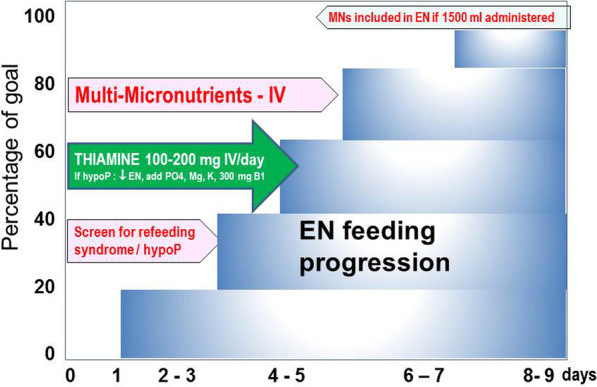
“A few trials have shown that the strategy to deliver MNs intravenously at doses 4–5 times higher than for PN until EN can cover the needs is associated with better global outcomes [106, 107].”
BackgroundSelf-citationDoig, G. S., Simpson, F., Bellomo, R., Heighes, P. T., Sweetman, E. A., Chesher, D., Pollock, C., Davies, A., Botha, J., Harrigan, P., et al. (2015) · Intensive Care Medicine · doi:10.1007/s00134-015-3827-9 · Cited by 232
Elke, G., Wang, M., Weiler, N., Day, A. G., & Heyland, D. K. (2014) · Critical Care · doi:10.1186/cc13720 · Cited by 232 · cited 1×
“Higher protein provision is associated with reduced mortality in adults in observational trials [61, 68–74], biochemical outcome parameters and morphometric outcomes in skeletal muscle [75–79], improved quality of life at 3-month post-ICU [69] or handgrip strength at hospital day 7 and muscle mass [73].”
BackgroundBLASER, A. R., STARKOPF, J., KIRSIMÄGI, Ü., & DEANE, A. M. (2014) · Acta Anaesthesiologica Scandinavica · doi:10.1111/aas.12302 · Cited by 231
Self-citationAppropriate protein provision in critical illness: a systematic and narrative review
Hoffer, L. J., & Bistrian, B. R. (2012) · The American Journal of Clinical Nutrition · doi:10.3945/ajcn.111.032078 · Cited by 225
on behalf of the Working Group on Gastrointestinal Function within the Section of Metabolism, E. A. N. (. S. O. E., Reintam Blaser, A., Preiser, J.-C., Fruhwald, S., Wilmer, A., Wernerman, J., Benstoem, C., Casaer, M. P., Starkopf, J., van Zanten, A., et al. (2020) · Critical Care · doi:10.1186/s13054-020-02889-4 · Cited by 219 · cited 1×
“[123, 124, 135] Evidence on management options, unanswered issues and proposals for future research on GI dysfunction have been recently summarized [136].”
BackgroundSelf-citationItkin, M., DeLegge, M. H., Fang, J. C., McClave, S. A., Kundu, S., d'Othee, B. J., Martinez–Salazar, G. M., Sacks, D., Swan, T. L., Towbin, R. B., et al. (2011) · Gastroenterology · doi:10.1053/j.gastro.2011.06.001 · Cited by 214 · cited 4×
“Question 3: How to achieve enteral access? Decisions regarding enteral access are often determined by local expertise, anticipated duration of feeding, and evidence of gastroparesis or impaired gastrointestinal transit [30].”
BackgroundMethodSelf-citationHeyland, D. K., Ortiz, A., Stoppe, C., Patel, J. J., Yeh, D. D., Dukes, G., Chen, Y. J., Almansa, C., & Day, A. G. (2021) · Critical Care Medicine · doi:10.1097/ccm.0000000000004712 · Cited by 201
Alkhawaja, S., Martin, C., Butler, R. J., & Gwadry-Sridhar, F. (2015) · Cochrane Database of Systematic Reviews · doi:10.1002/14651858.cd008875.pub2 · Cited by 194 · cited 1×
“Randomized trials show a switch to postpyloric feeding reduces pneumonia significantly, but arguably no other outcome benefits are incurred, thereby underlying controversial views [6, 31, 32].”
BackgroundKoekkoek, W. A. C. (., van Setten, C. H. (., Olthof, L. E., Kars, J. C. N. (., & van Zanten, A. R. H. (2019) · Clinical Nutrition · doi:10.1016/j.clnu.2018.02.012 · Cited by 188 · cited 1×
“Moreover, some harm can be related to excessive amounts of proteins in a post hoc analysis of prospective trials performed in adults [45, 84, 85] or in children [86] and in a retrospective study [87].”
BackgroundWei, X., Day, A. G., Ouellette-Kuntz, H., & Heyland, D. K. (2015) · Critical Care Medicine · doi:10.1097/ccm.0000000000001000 · Cited by 187 · cited 1×
“Higher protein provision is associated with reduced mortality in adults in observational trials [61, 68–74], biochemical outcome parameters and morphometric outcomes in skeletal muscle [75–79], improved quality of life at 3-month post-ICU [69] or handgrip strength at hospital day 7 and muscle mass [73].”
BackgroundYeh, D. D., Fuentes, E., Quraishi, S. A., Cropano, C. M., Kaafarani, H. M. A., Lee, J., King, D. R., DeMoya, M. A., Fagenholz, P. J., Butler, K. L., et al. (2015) · Journal of Parenteral and Enteral Nutrition · doi:10.1177/0148607115585142 · Cited by 174
Monitoring nutrition in the ICU
Berger, M. M., Reintam-Blaser, A., Calder, P. C., Casaer, M., Hiesmayr, M. J., Mayer, K., Montejo, J. C., Pichard, C., Preiser, J.-C., van Zanten, A. R. H., et al. (2019) · Clinical Nutrition · doi:10.1016/j.clnu.2018.07.009 · Cited by 171 · cited 1×
“It has been proposed to measure blood concentrations of some MN at risk [15].”
Self-citationGastrointestinal bleeding prophylaxis for critically ill patients: a clinical practice guideline
Ye, Z., Blaser, A. R., Lytvyn, L., Wang, Y., Guyatt, G. H., Mikita, J. S., Roberts, J. N., Agoritsas, T., Bertschy, S., Boroli, F., et al. (2020) · BMJ · doi:10.1136/bmj.l6722 · Cited by 170
Recovery after critical illness: putting the puzzle together—a consensus of 29
Azoulay, E., Vincent, J.-L., Angus, D. C., Arabi, Y. M., Brochard, L., Brett, S. J., Citerio, G., Cook, D. J., Curtis, J. R., dos Santos, C. C., et al. (2017) · Critical Care · doi:10.1186/s13054-017-1887-7 · Cited by 164
Self-citationMarvin, R. G., McKinley, B. A., McQuiggan, M., Cocanour, C. S., & Moore, F. A. (2000) · The American Journal of Surgery · doi:10.1016/s0002-9610(99)00261-5 · Cited by 163
Lewis, K., Alqahtani, Z., Mcintyre, L., Almenawer, S., Alshamsi, F., Rhodes, A., Evans, L., Angus, D. C., & Alhazzani, W. (2016) · Critical Care · doi:10.1186/s13054-016-1441-z · Cited by 163 · cited 1×
“[5, 7, 130–133], even though prokinetics has not been proven to improve patient-relevant outcomes [134].”
BackgroundVanhorebeek, I., Verbruggen, S., Casaer, M. P., Gunst, J., Wouters, P. J., Hanot, J., Guerra, G. G., Vlasselaers, D., Joosten, K., & Van den Berghe, G. (2017) · The Lancet Respiratory Medicine · doi:10.1016/s2213-2600(17)30186-8 · Cited by 163 · cited 1×
“Moreover, some harm can be related to excessive amounts of proteins in a post hoc analysis of prospective trials performed in adults [45, 84, 85] or in children [86] and in a retrospective study [87].”
BackgroundSelf-citationOlthof, L. E., Koekkoek, W. A. C. K., van Setten, C., Kars, J. C. N., van Blokland, D., & van Zanten, A. R. H. (2018) · Clinical Nutrition · doi:10.1016/j.clnu.2017.08.001 · Cited by 156
Wesselink, E., Koekkoek, W. A. C., Grefte, S., Witkamp, R. F., & van Zanten, A. R. H. (2018) · Clinical Nutrition · doi:10.1016/j.clnu.2018.08.032 · Cited by 156 · cited 1×
“Intestinal function and absorption are often absent or depressed during the first days, and antioxidant stress is maximal [96].”
BackgroundEnteral Feeding Intolerance: Updates in Definitions and Pathophysiology
Reintam Blaser, A., Deane, A. M., Preiser, J., Arabi, Y. M., & Jakob, S. M. (2021) · Nutrition in Clinical Practice · doi:10.1002/ncp.10599 · Cited by 156 · cited 1×
“[123, 124, 135] Evidence on management options, unanswered issues and proposals for future research on GI dysfunction have been recently summarized [136].”
BackgroundSelf-citationMancl, E. E., & Muzevich, K. M. (2013) · Journal of Parenteral and Enteral Nutrition · doi:10.1177/0148607112470460 · Cited by 155
Ridley, E. J., Parke, R. L., Davies, A. R., Bailey, M., Hodgson, C. L., Deane, A. M., McGuinness, S., & Cooper, D. J. (2018) · Journal of Parenteral and Enteral Nutrition · doi:10.1002/jpen.1196 · Cited by 155 · cited 1×
“While the impact of early nutrition interventions in ICU appears to be limited, nutrient provision during inICU rehabilitation and after ICU discharge is unexplored and potentially relevant to functional recovery [1, 50, 51].”
BackgroundArabi, Y. M., Aldawood, A. S., Al-Dorzi, H. M., Tamim, H. M., Haddad, S. H., Jones, G., McIntyre, L., Solaiman, O., Sakkijha, M. H., Sadat, M., et al. (2017) · American Journal of Respiratory and Critical Care Medicine · doi:10.1164/rccm.201605-1012oc · Cited by 153 · cited 1×
“In particular, the value of the NUTRIC (The Nutrition Risk in the Critically Ill) score appeared promising for that purpose in observational analyses [42], but was refuted in stratified subanalysis of the PERMIT-RCT [43].”
BackgroundSelf-citationWischmeyer, P. E., Hasselmann, M., Kummerlen, C., Kozar, R., Kutsogiannis, D. J., Karvellas, C. J., Besecker, B., Evans, D. K., Preiser, J.-C., Gramlich, L., et al. (2017) · Critical Care · doi:10.1186/s13054-017-1736-8 · Cited by 153
Self-citationGastric Residual Volume in Critically Ill Patients: A Dead Marker or Still Alive?
Elke, G., Felbinger, T. W., & Heyland, D. K. (2015) · Nutrition in Clinical Practice · doi:10.1177/0884533614562841 · Cited by 150 · cited 2×
“Gastric intolerance assessed by the GRV measurement is the prevalent gastrointestinal symptom in ICU patients treated with EN [118, 125, 126].”
BackgroundTian, F., Heighes, P. T., Allingstrup, M. J., & Doig, G. S. (2018) · Critical Care Medicine · doi:10.1097/ccm.0000000000003152 · Cited by 147
Reintam Blaser, A., Padar, M., Mändul, M., Elke, G., Engel, C., Fischer, K., Giabicani, M., Gold, T., Hess, B., Hiesmayr, M., et al. (2021) · Clinical Nutrition · doi:10.1016/j.clnu.2021.07.015 · Cited by 133 · cited 1×
“As no single straightforward marker reliably detects GI dysfunction, using composite scores combining several symptoms and signs could be helpful and should be considered [131].”
BackgroundSelf-citationIntestinal absorption in patients after cardiac surgery
Berger, M. M., Berger-Gryllaki, M., Wiesel, P. H., Revelly, J.-P., Hurni, M., Cayeux, C., Tappy, L., & Chioléro, R. (2000) · Critical Care Medicine · doi:10.1097/00003246-200007000-00006 · Cited by 129 · cited 1×
“Some data suggest that trickle feeding is possible even with high dose norepinephrine [18].”
BackgroundSelf-citationMelis, M. (2006) · Archives of Surgery · doi:10.1001/archsurg.141.7.701 · Cited by 126
Hu, B., Sun, R., Wu, A., Ni, Y., Liu, J., Guo, F., Ying, L., Ge, G., Ding, A., Shi, Y., et al. (2017) · Critical Care · doi:10.1186/s13054-017-1780-4 · Cited by 126
Caparrós, T., Lopez, J., & Grau, T. (2001) · Journal of Parenteral and Enteral Nutrition · doi:10.1177/0148607101025006299 · Cited by 119
Tagawa, R., Watanabe, D., Ito, K., Ueda, K., Nakayama, K., Sanbongi, C., & Miyachi, M. (2021) · Nutrition Reviews · doi:10.1093/nutrit/nuaa104 · Cited by 118
Management of nutrition in European intensive care units: results of a questionnaire
Preiser, J., Berré, J., Carpentier, Y., Jolliet, P., Pichard, C., Gossum, A. V., & Vincent, J. (1999) · Intensive Care Medicine · doi:10.1007/s001340050793 · Cited by 110
Self-citationFuentes Padilla, P., Martínez, G., Vernooij, R. W., Urrútia, G., Roqué i Figuls, M., & Bonfill Cosp, X. (2019) · Cochrane Database of Systematic Reviews · doi:10.1002/14651858.cd012340.pub2 · Cited by 106
Proteins and amino acids are fundamental to optimal nutrition support in critically ill patients
Weijs, P. J., Cynober, L., DeLegge, M., Kreymann, G., Wernerman, J., & Wolfe, R. R. (2014) · Critical Care · doi:10.1186/s13054-014-0591-0 · Cited by 103
Self-citationRugeles, S., Villarraga-Angulo, L. G., Ariza-Gutiérrez, A., Chaverra-Kornerup, S., Lasalvia, P., & Rosselli, D. (2016) · Journal of Critical Care · doi:10.1016/j.jcrc.2016.05.004 · Cited by 103
Metabolic support in the critically ill: a consensus of 19
Wernerman, J., Christopher, K. B., Annane, D., Casaer, M. P., Coopersmith, C. M., Deane, A. M., Waele, E. D., Elke, G., Ichaï, C., Karvellas, C. J., et al. (2019) · Critical Care · doi:10.1186/s13054-019-2597-0 · Cited by 100 · cited 2×
“Question 6: How much protein? Patients’ muscle mass at ICU admission is correlated with ICU survival and this serves as an endogenous metabolic or amino acid reserve [4, 8, 56, 57] (Fig.”
BackgroundSelf-citationRidley, E. J., Peake, S., Jarvis, M., Deane, A. M., Lange, K. M., Davies, A. R., Chapman, M. J., & Heyland, D. K. (2018) · Journal of Parenteral and Enteral Nutrition · doi:10.1002/jpen.1163 · Cited by 96
Self-citationEnteral tolerance in critically ill patients
Tatsumi, H. (2019) · Journal of Intensive Care · doi:10.1186/s40560-019-0378-0 · Cited by 86 · cited 1×
“The decision to attain deep jejunal access, such as converting a PEG to a PEGJ, is based on evidence of delayed gastric emptying [30, 33].”
BackgroundDeane, A. M., Little, L., Bellomo, R., Chapman, M. J., Davies, A. R., Ferrie, S., Horowitz, M., Hurford, S., Lange, K., Litton, E., et al. (2020) · American Journal of Respiratory and Critical Care Medicine · doi:10.1164/rccm.201909-1810oc · Cited by 84
Self-citationHypophosphatemia in critically ill adults and children – A systematic review
Blaser, A. R., Gunst, J., Ichaï, C., Casaer, M. P., Benstoem, C., Besch, G., Dauger, S., Fruhwald, S. M., Hiesmayr, M., Joannès-Boyau, O., et al. (2020) · Clinical Nutrition · doi:10.1016/j.clnu.2020.09.045 · Cited by 83
Self-citationSinger, P., De Waele, E., Sanchez, C., Ruiz Santana, S., Montejo, J. C., Laterre, P. F., Soroksky, A., Moscovici, E., & Kagan, I. (2021) · Clinical Nutrition · doi:10.1016/j.clnu.2020.05.024 · Cited by 80
Self-citationDelayed enteral feeding impairs intestinal carbohydrate absorption in critically ill patients*
Nguyen, N. Q., Besanko, L. K., Burgstad, C., Bellon, M., Holloway, R. H., Chapman, M., Horowitz, M., & Fraser, R. J. L. (2012) · Critical Care Medicine · doi:10.1097/ccm.0b013e31822d71a6 · Cited by 77
Heyland, D. K., Day, A. G., Clarke, G., Hough, C. L., Files, D. C., Mourtzakis, M., Deutz, N. E. P., Needham, D. M., & Stapleton, R. (2019) · BMJ Open · doi:10.1136/bmjopen-2018-027893 · Cited by 77 · cited 1×
“The role of high-dose protein delivery and in-bed ergometry (cycling) is being meaningfully studied [89] (NCT03021902).”
BackgroundMonitoring for Intolerance to Gastric Tube Feedings: A National Survey
Metheny, N. A., Mills, A. C., & Stewart, B. J. (2012) · American Journal of Critical Care · doi:10.4037/ajcc2012647 · Cited by 75
Micronutrient Deficiencies in Medical and Surgical Inpatients
Berger, M. M., Pantet, O., Schneider, A., & Ben-Hamouda, N. (2019) · Journal of Clinical Medicine · doi:10.3390/jcm8070931 · Cited by 71 · cited 1×
“The available feeding products are meant to cover the needs of healthy people (dietary reference intakes) provided about 1500 kcal/day is delivered to the patients [95].”
BackgroundSelf-citationEl‐Kersh, K., Jalil, B. A., McClave, S. A., Cavallazzi, R., Guardiola, J., Guilkey, K., Persaud, A. K., Furmanek, S. P., Guinn, B. E., Wiemken, T. L., et al. (2017) · Journal of Critical Care · doi:10.1016/j.jcrc.2017.08.036 · Cited by 70
Self-citationProtein Intake, Nutritional Status and Outcomes in ICU Survivors: A Single Center Cohort Study
Weijs, P. J. M., Mogensen, K. M., Rawn, J. D., & Christopher, K. B. (2019) · Journal of Clinical Medicine · doi:10.3390/jcm8010043 · Cited by 70
Calorie delivery and clinical outcomes in the critically ill: a systematic review and meta-analysis
Parikh, H. G., Miller, A., Chapman, M., Moran, J. L., & Peake, S. L. (2016) · Critical Care and Resuscitation · doi:10.1016/s1441-2772(23)00927-4 · Cited by 69
Self-citationBiomarkers in critical care nutrition
Stoppe, C., Wendt, S., Mehta, N. M., Compher, C., Preiser, J.-C., Heyland, D. K., & Kristof, A. S. (2020) · Critical Care · doi:10.1186/s13054-020-03208-7 · Cited by 69 · cited 2×
“Monitoring and management of EFI and GI dysfunction is complicated due to the lack of robust and reproducible markers and multifaceted clinical presentation [49].”
BackgroundSelf-citationViana, M. V., Becce, F., Pantet, O., Schmidt, S., Bagnoud, G., Thaden, J. J., Have, G. A. M. T., ENGELEN, M. P. K. J., Voidey, A., Deutz, N. E. P., et al. (2021) · Clinical Nutrition · doi:10.1016/j.clnu.2021.07.018 · Cited by 69 · cited 1×
“Some potential alternatives include the addition of the leucine metabolite HMB (hydroxy methyl butyrate) to improve amino acid metabolism and reduce net protein breakdown [92].”
BackgroundSelf-citationNutrition Disorders During Acute Renal Failure and Renal Replacement Therapy
Wiesen, P., Van Overmeire, L., Delanaye, P., Dubois, B., & Preiser, J. (2011) · Journal of Parenteral and Enteral Nutrition · doi:10.1177/0148607110377205 · Cited by 68
Self-citationDeane Adam, M., Rupinder, D., Day Andrew, G., Ridley Emma, J., Davies Andrew, R., & Heyland Daren, K. (2013) · Critical Care · doi:10.1186/cc12800 · Cited by 68
McClave, S. A., Gualdoni, J., Nagengast, A., Marsano, L. S., Bandy, K., & Martindale, R. G. (2020) · Current Gastroenterology Reports · doi:10.1007/s11894-019-0736-z · Cited by 68
Self-citationNutrients and micronutrients at risk during renal replacement therapy: a scoping review
Berger, M. M., Broman, M., Forni, L. G., Ostermann, M., Waele, E. D., & Wischmeyer, P. E. (2021) · Current Opinion in Critical Care · doi:10.1097/mcc.0000000000000851 · Cited by 66
Self-citationPiton, G., Gouge, A. L., Brule, N., Cypriani, B., Lachérade, J.-C., Nseir, S., Mira, J. P., Mercier, E., Sirodot, M., Rigaud, J., et al. (2019) · Intensive Care Medicine · doi:10.1007/s00134-019-05649-3 · Cited by 64 · cited 1×
“Still, aggregated data from 11 randomized controlled trials (RCTs, n = 597) show that early EN might decrease infectious complications [14] presumably via the protection of gastrointestinal wall integrity [23].”
BackgroundProtein delivery and clinical outcomes in the critically ill: a systematic review and meta-analysis
Davies, M. L., Chapple, L. S., Chapman, M. J., Moran, J. L., & Peake, S. (2017) · Critical Care and Resuscitation · doi:10.1016/s1441-2772(23)00783-4 · Cited by 64 · cited 1×
“Hence, there is no evidence for a higher protein intake in critically ill patients in terms of clinically relevant outcomes in prospective randomized trials [82, 83].”
BackgroundSelf-citationThe 2016 ESPEN Arvid Wretlind lecture: The gut in stress
McClave, S. A., Lowen, C. C., & Martindale, R. G. (2018) · Clinical Nutrition · doi:10.1016/j.clnu.2017.07.015 · Cited by 63 · cited 1×
“The provision of exogenous nutrients via early commencement of EN helps mitigate this catabolic state and prevent intestinal villi atrophy, enterocyte apoptosis, inflammatory infiltration, dysbiosis and impairment of gut immune functions [9].”
BackgroundSelf-citationRefeeding syndrome: relevance for the critically ill patient
Slingerland-Boot, R., Koekkoek, K. W. A. C., & van Zanten, A. R. H. (2018) · Current Opinion in Critical Care · doi:10.1097/mcc.0000000000000514 · Cited by 62 · cited 2×
“Most recent studies in ICU patients using hypoP as the primary criterion to define RFS did not identify clinical predictors of RFS on ICU admission [41, 110, 114].”
BackgroundResultPatel, J. J., Kozeniecki, M., Peppard, W. J., Peppard, S. R., Zellner‐Jones, S., Graf, J., Szabo, A., & Heyland, D. K. (2020) · Journal of Parenteral and Enteral Nutrition · doi:10.1002/jpen.1706 · Cited by 56
Enteral Nutrition Can Be Given to Patients on Vasopressors
Wischmeyer, P. E. (2020) · Critical Care Medicine · doi:10.1097/ccm.0000000000003965 · Cited by 53
Self-citationBerger, M. M., Appelberg, O., Blaser, A. R., Ichaï, C., Joannès-Boyau, O., Casaer, M. P., Schaller, S. J., Gunst, J., Starkopf, J., Abel, A., et al. (2020) · Clinical Nutrition · doi:10.1016/j.clnu.2020.12.017 · Cited by 52
Self-citationMicronutrient deficiency in critical illness: an invisible foe?
Casaer, M. P., & Bellomo, R. (2019) · Intensive Care Medicine · doi:10.1007/s00134-019-05678-y · Cited by 51 · cited 1×
“The earliest manifestation is refeeding syndrome (RFS), with thiamine being in the first line discussed below [105].”
BackgroundSelf-citationIs refeeding syndrome relevant for critically ill patients?
Koekkoek, W. A. C., & van Zanten, A. R. H. (2017) · Current Opinion in Clinical Nutrition & Metabolic Care · doi:10.1097/mco.0000000000000449 · Cited by 50
Vankrunkelsven, W., Gunst, J., Amrein, K., Bear, D. E., Berger, M. M., Christopher, K. B., Fuhrmann, V., Hiesmayr, M., Ichaï, C., Jakob, S. M., et al. (2020) · Clinical Nutrition · doi:10.1016/j.clnu.2020.06.005 · Cited by 47
Self-citationNutrition Rehabilitation in the Intensive Care Unit
Massanet, P. L., Petit, L., Louart, B., Corne, P., Richard, C., & Preiser, J. (2015) · Journal of Parenteral and Enteral Nutrition · doi:10.1177/0148607114567901 · Cited by 44 · cited 1×
“While the impact of early nutrition interventions in ICU appears to be limited, nutrient provision during inICU rehabilitation and after ICU discharge is unexplored and potentially relevant to functional recovery [1, 50, 51].”
BackgroundSelf-citationNutritional support and refeeding syndrome in critical illness
van Zanten, A. R. H. (2015) · The Lancet Respiratory Medicine · doi:10.1016/s2213-2600(15)00433-6 · Cited by 44 · cited 2×
“clinical potentially life-threatening consequences may develop [108].”
BackgroundHigh protein intake during the early phase of critical illness: Yes or no?
Preiser, J.-C. (2018) · Critical Care · doi:10.1186/s13054-018-2196-5 · Cited by 44 · cited 1×
“The role of high-protein intakes that stress the need for focused larger clinical trial evidence examining the effect of specifically increasing protein delivery [4, 67, 84], combined with active mobilization to optimize physical therapy and functional outcomes in long-stayers, requires further study.”
BackgroundSelf-citationHoyois, A., Ballarin, A., Thomas, J., Lheureux, O., Preiser, J., Coppens, E., Pérez-Bogerd, S., Taton, O., Farine, S., Ouytsel, P. V., et al. (2021) · Journal of Parenteral and Enteral Nutrition · doi:10.1002/jpen.2101 · Cited by 44 · cited 2×
“While the impact of early nutrition interventions in ICU appears to be limited, nutrient provision during inICU rehabilitation and after ICU discharge is unexplored and potentially relevant to functional recovery [1, 50, 51].”
BackgroundSelf-citationFetterplace, K., Gill, B. M. T., Chapple, L. S., Presneill, J., MacIsaac, C., & Deane, A. M. (2019) · Journal of Parenteral and Enteral Nutrition · doi:10.1002/jpen.1725 · Cited by 41 · cited 1×
“Hence, there is no evidence for a higher protein intake in critically ill patients in terms of clinically relevant outcomes in prospective randomized trials [82, 83].”
BackgroundHu, Q., Ren, H., Hong, Z., Wang, C., Zheng, T., Ren, Y., Chen, K., Liu, S., Wang, G., Gu, G., et al. (2020) · Oxidative Medicine and Cellular Longevity · doi:10.1155/2020/8815655 · Cited by 41
Metabolic and Nutritional Characteristics of Long-Stay Critically Ill Patients
Viana, M. V., Pantet, O., Bagnoud, G., Martinez, A., Favre, E., Charrière, M., Favre, D., Eckert, P., & Berger, M. M. (2019) · Journal of Clinical Medicine · doi:10.3390/jcm8070985 · Cited by 39
Self-citationEnteral Nutrition Should Not Be Given to Patients on Vasopressor Agents
Arabi, Y. M., & McClave, S. A. (2020) · Critical Care Medicine · doi:10.1097/ccm.0000000000003362 · Cited by 38
Self-citationWaele, E. D., Jakubowski, J. R., Stocker, R. A., & Wischmeyer, P. E. (2020) · Clinical Nutrition · doi:10.1016/j.clnu.2020.12.032 · Cited by 36
Self-citationBadjatia, N., Sanchez, S., Judd, G., Hausladen, R., Hering, D., Motta, M., Parikh, G. Y., Chang, W., Morris, N. A., Simard, J. M., et al. (2020) · Neurocritical Care · doi:10.1007/s12028-020-01138-4 · Cited by 34
The clinical potential of GDF15 as a “ready-to-feed indicator” for critically ill adults
Dyck, L. V., Gunst, J., Casaer, M. P., Peeters, B., Derese, I., Wouters, P. J., de Zegher, F., Vanhorebeek, I., & den Berghe, G. V. (2020) · Critical Care · doi:10.1186/s13054-020-03254-1 · Cited by 25 · cited 1×
“The individualization of feeding based on a biomarker is not yet validated [48, 49].”
BackgroundSelf-citationEnergy‐Dense Formulae May Slow Gastric Emptying in the Critically Ill
Kar, P., Plummer, M. P., Chapman, M. J., Cousins, C. E., Lange, K. M., Horowitz, M., Jones, K. L., & Deane, A. M. (2015) · Journal of Parenteral and Enteral Nutrition · doi:10.1177/0148607115588333 · Cited by 23 · cited 1×
“These solutions might cause diarrhea via the stimulation of fluid secretion within the small intestine [55].”
BackgroundWhen and how to manage enteral feeding intolerance?
Arabi, Y. M., Blaser, A. R., & Preiser, J. (2019) · Intensive Care Medicine · doi:10.1007/s00134-019-05635-9 · Cited by 21
Self-citationPeake, S., Chapman, M. J., Davies, A. R., Moran, J. L., O’Connor, S. L., Ridley, E. J., & Williams, P. J. (2012) · Critical Care and Resuscitation · doi:10.1016/s1441-2772(23)01589-2 · Cited by 19
Self-citationGut function in the intensive care unit – What is ‘normal’?
Heinonen, T., Ferrie, S., & Ferguson, C. (2019) · Australian Critical Care · doi:10.1016/j.aucc.2018.12.007 · Cited by 19
Electrolyte disorders during the initiation of nutrition therapy in the ICU
Blaser, A. R., & van Zanten, A. R. H. (2020) · Current Opinion in Clinical Nutrition & Metabolic Care · doi:10.1097/mco.0000000000000730 · Cited by 18
Brannon, P. M., Weaver, C. M., Anderson, C., Donovan, S. M., Murphy, S. P., & Yaktine, A. L. (2016) · American Journal of Clinical Nutrition · doi:10.3945/ajcn.115.128256 · Cited by 17
Lew, C. C. H., Lee, Z., Day, A. G., & Heyland, D. K. (2021) · Journal of Parenteral and Enteral Nutrition · doi:10.1002/jpen.2234 · Cited by 16 · cited 2×
“Moreover, there is no good substitute for GRV, which could be considered as a surrogate marker of gastric emptying at bedside [128].”
BackgroundProtein Provision in Critically Ill Adults Requiring Enteral Nutrition: Are Guidelines Being Met?
Mitchell, A., Clemente, R., Downer, C., Greer‐Rogers, F., Allan, K., Collinson, A., & Taylor, S. J. (2018) · Nutrition in Clinical Practice · doi:10.1002/ncp.10209 · Cited by 12
Trace element and vitamin deficiency: quantum medicine or essential prescription?
Berger, M. M., & Ben‐Hamouda, N. (2020) · Current Opinion in Critical Care · doi:10.1097/mcc.0000000000000737 · Cited by 11
Self-citationIndirect calorimetry: A faithful guide for nutrition therapy, or a fascinating research tool?
Casaer, M. P., den Berghe, G. V., & Gunst, J. (2020) · Clinical Nutrition · doi:10.1016/j.clnu.2020.12.007 · Cited by 11
Self-citationEnteral nutrition better than proton pump inhibitors?
Jalil, B. A., & El‐Kersh, K. (2019) · Current Opinion in Critical Care · doi:10.1097/mcc.0000000000000620 · Cited by 9
Shah, F. A., Kitsios, G. D., Zhang, Y., Morris, A., Yende, S. P., Huang, D. T., O'Donnell, C. P., & McVerry, B. J. (2019) · Journal of Parenteral and Enteral Nutrition · doi:10.1002/jpen.1608 · Cited by 6
Research works printed but not linked: 4
- Cresci GA. Protein and aminoacid metabolism: stress versus nonstress states. In: Cresci GA, editor. Nutrition support for the critically ill patient. Boca Raton: Taylor & Francis; 2005. p. 29.
- Institute of Medicine Standing CI. Dietary reference intakes for thiamin, riboflavin, niacin, vitamin B6, folate, vitamin B12, pantothenic acid, biotin, and choline. In: Washington: US NAP. (DC); 1998. 23193625
- Berger MM Soguel L Schindler C Revelly JP Antioxidant supplements modulate clinical course after complex cardiac surgery—preliminary data Clin Nutr 2004 23 825
- Doig GS Simpson F Heighes PT Bellomo R Chesher D Caterson ID Harrigan PW Refeeding Syndrome Trial Investigators Group. Restricted versus continued standard caloric intake during the management of refeeding syndrome in critically ill adults: a randomised, parallel-group, multicentre, single-blind controlled trial Lancet Respir Med 2015 3 943 952 26597128 · DOI · Paper page
Cited by
Pardo, E., Lescot, T., Preiser, J.-C., Massanet, P., Pons, A., Jaber, S., Fraipont, V., Levesque, E., Ichai, C., Petit, L., et al. (2023) · Critical Care · doi:10.1186/s13054-022-04298-1 · Cited by 116
“The median timing of enteral introduction was at 38 [ 24– 65 ] hours.”
BackgroundSelf-citationMatějovič, M., Huet, O., Dams, K., Elke, G., Alonso, C. V., Csomós, Á., Krzych, Ł. J., Tetamo, R., Puthucheary, Z., Rooyackers, O., et al. (2022) · Critical Care · doi:10.1186/s13054-022-03997-z · Cited by 118
“2 g protein/kg, both approaching currently recommended targets [25], was associated with earlier weaning from IMV, and, for calories, with longer survival compared to a daily intake above or below these moderate intakes.”
BackgroundMethodToward nutrition improving outcome of critically ill patients: How to interpret recent feeding RCTs?
Gunst, J., Casaer, M. P., Preiser, J.-C., Reignier, J., & Van den Berghe, G. (2023) · Critical Care · doi:10.1186/s13054-023-04317-9 · Cited by 75
“Of note, the current ESPEN guidelines and recent experts’ opinion do not recommend to match the energy expenditure measured by indirect calorimetry with the feeding target at all times in adult critically ill patients [26, 53].”
BackgroundSelf-citationJenkins, B., Calder, P. C., & Marino, L. V. (2022) · Clinical Nutrition ESPEN · doi:10.1016/j.clnesp.2022.04.014 · Cited by 69
Nutrition in chronic inflammatory conditions: Bypassing the mucosal block for micronutrients
Roth‐Walter, F., Canani, R. B., O’Mahony, L., Peroni, D. G., Sokołowska, M., Vassilopoulou, Ε., & Venter, C. (2023) · Allergy · doi:10.1111/all.15972 · Cited by 66
“3 The intricate connection between nutrition and immunity is evident, especially in intensive care units, 4 and is crucial in infectious diseases and chronic illnesses.”
Background
Metadata
- Authors
- Preiser, J.-C., Arabi, Y. M., Berger, M. M., Casaer, M., McClave, S., Montejo-González, J. C., Peake, S., Reintam Blaser, A., Van den Berghe, G., van Zanten, A., Wernerman, J., & Wischmeyer, P.
- Affiliations
- Université Libre de Bruxelles (BE)
- King Saud bin Abdulaziz University for Health Sciences (SA)
- Centre Hospitalier Universitaire Vaudois (CH)
- KU Leuven (BE)
- University of Louisville (US)
- Queen Elizabeth Hospital (AU)
- Karolinska Institutet (SE)
- Duke University (US)
- Corresponding author
- Preiser, Jean-Charles
- ORCID
- Venue
- Critical Care
- Published
- 2021-12
- Volume
- 25
- Issue
- 1
- Pages
- 424-424
- ISSN
- 1364-8535 (ISSN-L)
- PMC
- PMC8669237
- OpenAlex
- W4200006794
- Cited by
- 166
- References
- 132
- Citations by year
- 2026: 38 · 2025: 36 · 2024: 34 · 2023: 39 · 2022: 18
- FWCI
- 3.03
- Type
- journal article
- Language
- en
- Open access
- gold
- doi.org
- Licence
- cc-by
- creativecommons.org/licenses/by/4.0 (tdm)
- creativecommons.org/licenses/by/4.0 (vor, 13 d)
- Locations
- Critical Care (publishedVersion, cc-by)
- PubMed Central (publishedVersion, cc-by)
- PubMed (publishedVersion)
- SERVAL (Université de Lausanne) (publishedVersion, cc-by)
- Socio-Environmental Systems Modeling (acceptedVersion, other-oa)
- IRIS (submittedVersion, cc-by)
- Dépôt institutionnel de l'Université libre de Bruxelles (Université Libre de Bruxelles) (submittedVersion, other-oa)
- DOAJ (DOAJ: Directory of Open Access Journals) (submittedVersion, cc-by-sa)
- Lirias (KU Leuven) (submittedVersion, cc-by)
- Data Archiving and Networked Services (DANS) (submittedVersion, cc-by)
- Topics
- Health Sciences › Nursing › Nutrition and Dietetics › Clinical Nutrition and Gastroenterology
- Health Sciences › Medicine › Surgery › Enhanced Recovery After Surgery
- Health Sciences › Medicine › Endocrinology, Diabetes and Metabolism › Hyperglycemia and glycemic control in critically ill and hospitalized patients
- Keywords
- enteral nutrition, intensive care unit, critically ill patients, vasopressors, energy expenditure, protein intake, refeeding syndrome, plasma phosphate, thiamine, gastric intolerance, fluid restriction
- MeSH terms
- Enteral Nutrition, Food, Formulated, Humans, Intensive Care Units, Residual Volume, Critical Illness
About these checks
Registry, retraction, Cites and statistics results are computed, not judged, with one exception: a printed reference that no index lists is read once by a model before it counts as a citation error. Claims are extracted by a model and kept only when their quote appears verbatim in the text; each cited source is then checked, with a model’s help, for whether it says what the claim relies on. Those verdicts can be wrong — read the claim’s quote and the cited source before relying on one.
Statistics and arithmetic are recomputed, not judged.
Confidence bands are shown only for fields calibrated on our annotated test set. None is calibrated yet, so no band is shown.
What counts as a claim ›How we measure confidence ›How we check this ›
Are you an author, or do you see a problem with this page? Request a review
Data sources
Bibliographic data: Semantic Scholar, OpenAlex, Crossref.
Contains information from the Semantic Scholar Academic Graph Datasets, made available under the ODC Attribution License (ODC-BY 1.0).
Semantic Scholar’s data is described in: Kinney, R., et al. (2023). The Semantic Scholar Open Data Platform. arXiv:2301.10140.
