

Metabolic independence drives gut microbial colonization and resilience in health and disease
Open accessPublished version of a preprint
The DOI matches its Crossref record; 102 of the 102 references it cites were found in a registry or an index.
Abstract
Background: Changes in microbial community composition as a function of human health and disease states have sparked remarkable interest in the human gut microbiome. However, establishing reproducible insights into the determinants of microbial succession in disease has been a formidable challenge. Results: Here we use fecal microbiota transplantation (FMT) as an in natura experimental model to investigate the association between metabolic independence and resilience in stressed gut environments. Our genome-resolved metagenomics survey suggests that FMT serves as an environmental filter that favors populations with higher metabolic independence, the genomes of which encode complete metabolic modules to synthesize critical metabolites, including amino acids, nucleotides, and vitamins. Interestingly, we observe higher completion of the same biosynthetic pathways in microbes enriched in IBD patients. Conclusions: These observations suggest a general mechanism that underlies changes in diversity in perturbed gut environments and reveal taxon-independent markers of “dysbiosis” that may explain why widespread yet typically low-abundance members of healthy gut microbiomes can dominate under inflammatory conditions without any causal association with disease.
Overview
The claims and statistics of this paper haven’t been checked yet.
Free: it reads the open-access text and checks the first 5 claims that cite a source we can check. Create a free account to check every claim.
Integrity signals
Registry
Cites
Statistics
Figures
Verification
Claims the paper makes
The claims and statistics of this paper haven’t been checked yet.
Free: it reads the open-access text and checks the first 5 claims that cite a source we can check. Create a free account to check every claim.
Claims other papers make about this one
Each is checked against this paper’s own text: does it say what the citing paper says it does?
The source backs part of the claim, not all of it — or backs it for a different population, condition or comparison.
In the citing paper
“In this context, metabolic independence — the capacity to synthesize essential cofactors, amino acids, and nucleotides — has emerged as a key ecological trait that promotes enteric health.228,230”
From Gut dysbiosis in oncology: a risk factor for immunoresistance (2026) · doi:10.1038/s41422-025-01212-6 · cites this paper as [228]
Experimental — accuracy not yet measuredThe source backs part of the claim, not all of it — or backs it for a different population, condition or comparison.
In the citing paper
“We are now beginning to recognize that eubiosis, rather than being defined by a fixed catalog of taxa, depends on gut microbial resistance (the ability to withstand insult) and resilience (the capacity to recover after disturbance).189,228”
From Gut dysbiosis in oncology: a risk factor for immunoresistance (2026) · doi:10.1038/s41422-025-01212-6 · cites this paper as [228]
Experimental — accuracy not yet measured
Self-check
Percentages, sums and reported differences re-computed from the paper’s own numbers.
The self-check needs the paper’s full text.
Citations
Cites
Basic local alignment search tool
Altschul, S. F., Gish, W., Miller, W., Myers, E. W., & Lipman, D. J. (1990) · Journal of Molecular Biology · doi:10.1006/jmbi.1990.9999 · Cited by 98,669 · cited 3×
“`DA_MAG_00018`, we used `anvi-get-sequences-for-hmm-hits` to recover DNA 515 sequences for bacterial single-copy core genes that encode ribosomal proteins, and searched them in the NCBI’s nucleotide collection (nt) database using BLAST (Altschul et al. 1990).”
MethodInfluentialThe Sequence Alignment/Map format and SAMtools
Li, H., Handsaker, B., Wysoker, A., Fennell, T., Ruan, J., Homer, N., Marth, G., Abecasis, G., Durbin, R., & 1000 Genome Project Data Processing Subgroup (2009) · Bioinformatics · doi:10.1093/bioinformatics/btp352 · Cited by 62,041 · cited 1×
“9 (Li et al. 2009).”
Fast gapped-read alignment with Bowtie 2
Langmead, B., & Salzberg, S. L. (2012) · Nature Methods · doi:10.1038/nmeth.1923 · Cited by 56,400 · cited 2×
“3.5 (Langmead and Salzberg 2012) and converted resulting SAM files to BAM files using samtools v1.”
MethodInfluentialMUSCLE: multiple sequence alignment with high accuracy and high throughput
Edgar, R. C. (2004) · Nucleic Acids Research · doi:10.1093/nar/gkh340 · Cited by 44,662 · cited 1×
“8.1551 (Edgar 2004) for alignment.”
InfluentialKEGG: Kyoto Encyclopedia of Genes and Genomes
Kanehisa, M. (2000) · Nucleic Acids Research · doi:10.1093/nar/28.1.27 · Cited by 37,077 · cited 1×
“1 [68], (3) “anvi-run-ncbi-cogs” to annotate ORFs with functions from the NCBI’s Clusters of Orthologous Groups (COGs) [69], and (4) “anvi-run-kegg-kofams” to annotate ORFs with functions from the KOfam HMM database of KEGG orthologs (KOs) [70, 71].”
MethodKEGG: Kyoto Encyclopedia of Genes and Genomes
Ogata, H., Goto, S., Sato, K., Fujibuchi, W., Bono, H., & Kanehisa, M. (1999) · Nucleic Acids Research · doi:10.1093/nar/27.1.29 · Cited by 31,232
FastTree 2 – Approximately Maximum-Likelihood Trees for Large Alignments
Price, M. N., Dehal, P. S., & Arkin, A. P. (2010) · PLoS ONE · doi:10.1371/journal.pone.0009490 · Cited by 14,894 · cited 1×
“We then ran ‘anvi-gen-phylogenomic-tree’ with default parameters to compute a phylogenomic tree using FastTree 2.1 (Price, Dehal, and Arkin 2010).”
MethodInfluentialProdigal: prokaryotic gene recognition and translation initiation site identification
Hyatt, D., Chen, G.-L., LoCascio, P. F., Land, M. L., Larimer, F. W., & Hauser, L. J. (2010) · BMC Bioinformatics · doi:10.1186/1471-2105-11-119 · Cited by 12,587
Structure, function and diversity of the healthy human microbiome
The Human Microbiome Project Consortium (2012) · Nature · doi:10.1038/nature11234 · Cited by 11,726
KEGG: new perspectives on genomes, pathways, diseases and drugs
Kanehisa, M., Furumichi, M., Tanabe, M., Sato, Y., & Morishima, K. (2017) · Nucleic Acids Research · doi:10.1093/nar/gkw1092 · Cited by 8,865
Enterotypes of the human gut microbiome
MetaHIT Consortium (additional members), Arumugam, M., Raes, J., Pelletier, E., Le Paslier, D., Yamada, T., Mende, D. R., Fernandes, G. R., Tap, J., Bruls, T., et al. (2011) · Nature · doi:10.1038/nature09944 · Cited by 7,548 · cited 2×
“Despite comprehensive investigations that considered core microbial taxa [51, 52] or guilds of microbes that represent coherent functional groups [53], the search for “biomarkers” of healthy gut microbiomes is ongoing [54].”
BackgroundImproved metagenomic analysis with Kraken 2
Wood, D. E., Lu, J., & Langmead, B. (2019) · Genome Biology · doi:10.1186/s13059-019-1891-0 · Cited by 7,061 · cited 2×
“8-beta [61] with the NCBI’s RefSeq bacterial, archaeal, viral, and viral neighbors genome databases to calculate the taxonomic composition within short-read metagenomes.”
BackgroundMethodInfluentialAccelerated Profile HMM Searches
Eddy, S. R. (2011) · PLoS Computational Biology · doi:10.1371/journal.pcbi.1002195 · Cited by 6,975 · cited 2×
“2.1 (Eddy 2011), (3) ‘anvi-run-ncbi-cogs’ to annotate ORFs with functions from the NCBI’s Clusters of Orthologous Groups (COGs) (Tatusov et al. 2003), and (4) ‘anvi-run-kegg-kofams’ to annotate ORFs with functions from the KOfam HMM database of KEGG orthologs (KOs) (Aramaki et al. 2020; M. Kanehisa…”
MethodInfluentialA metagenome-wide association study of gut microbiota in type 2 diabetes
Qin, J., Li, Y., Cai, Z., Li, S., Zhu, J., Zhang, F., Liang, S., Zhang, W., Guan, Y., Shen, D., et al. (2012) · Nature · doi:10.1038/nature11450 · Cited by 6,762
GTDB-Tk: a toolkit to classify genomes with the Genome Taxonomy Database
Chaumeil, P.-A., Mussig, A. J., Hugenholtz, P., & Parks, D. H. (2020) · Bioinformatics · doi:10.1093/bioinformatics/btz848 · Cited by 5,259
Richness of human gut microbiome correlates with metabolic markers
Le Chatelier, E., Nielsen, T., Qin, J., Prifti, E., Hildebrand, F., Falony, G., Almeida, M., Arumugam, M., Batto, J.-M., Kennedy, S., et al. (2013) · Nature · doi:10.1038/nature12506 · Cited by 4,662
The COG database: an updated version includes eukaryotes
Tatusov, R. L., Fedorova, N. D., Jackson, J. D., Jacobs, A. R., Kiryutin, B., Koonin, E. V., Krylov, D. M., Mazumder, R., Mekhedov, S. L., Nikolskaya, A. N., et al. (2003) · BMC Bioinformatics · doi:10.1186/1471-2105-4-41 · Cited by 4,430 · cited 2×
“2.1 (Eddy 2011), (3) ‘anvi-run-ncbi-cogs’ to annotate ORFs with functions from the NCBI’s Clusters of Orthologous Groups (COGs) (Tatusov et al. 2003), and (4) ‘anvi-run-kegg-kofams’ to annotate ORFs with functions from the KOfam HMM database of KEGG orthologs (KOs) (Aramaki et al. 2020; M. Kanehisa…”
MethodInfluentialDuodenal Infusion of Donor Feces for Recurrent Clostridium difficile
van Nood, E., Vrieze, A., Nieuwdorp, M., Fuentes, S., Zoetendal, E. G., de Vos, W. M., Visser, C. E., Kuijper, E. J., Bartelsman, J. F. W. M., Tijssen, J. G. P., et al. (2013) · New England Journal of Medicine · doi:10.1056/nejmoa1205037 · Cited by 3,708 · cited 3×
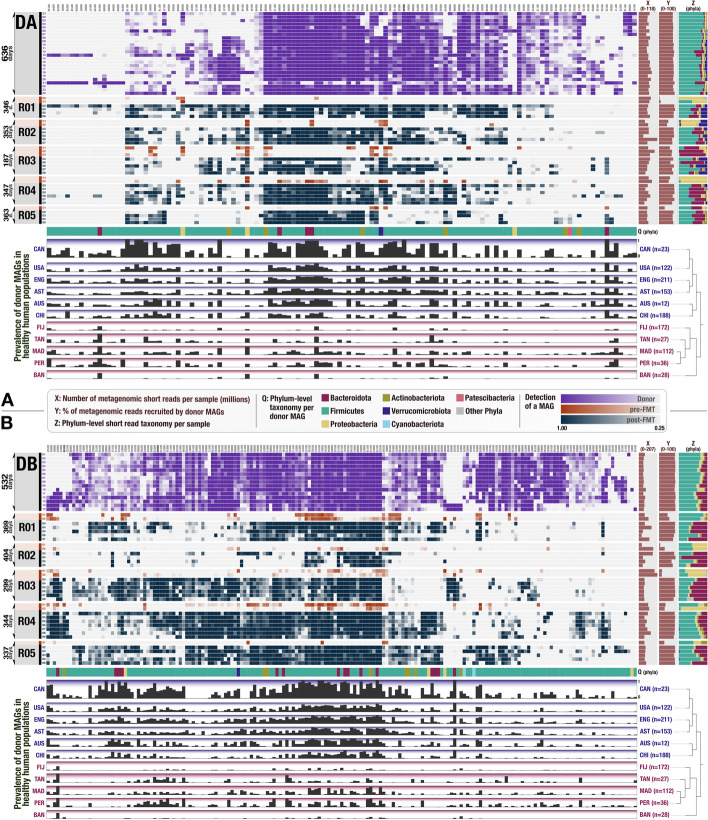
“Study Design Our study includes 109 gut metagenomes (Supplementary Table 1) from two healthy FMT donors (A and B) and 10 FMT recipients (five recipients per donor) with multiple recurrent CDI.”
BackgroundInfluentialThe Human Intestinal Microbiome in Health and Disease
Lynch, S. V., & Pedersen, O. (2016) · New England Journal of Medicine · doi:10.1056/nejmra1600266 · Cited by 3,637 · cited 2×
“The human gut microbiome is associated with a wide range of diseases and disorders (Almeida et al., 2020; Durack and Lynch, 2019; Lynch and Pedersen, 2016).”
BackgroundA standardized bacterial taxonomy based on genome phylogeny substantially revises the tree of life
Parks, D. H., Chuvochina, M., Waite, D. W., Rinke, C., Skarshewski, A., Chaumeil, P.-A., & Hugenholtz, P. (2018) · Nature Biotechnology · doi:10.1038/nbt.4229 · Cited by 3,603
Multi-omics of the gut microbial ecosystem in inflammatory bowel diseases
Lloyd-Price, J., Arze, C., Ananthakrishnan, A. N., Schirmer, M., Avila-Pacheco, J., Poon, T. W., Andrews, E., Ajami, N. J., Bonham, K. S., Brislawn, C. J., et al. (2019) · Nature · doi:10.1038/s41586-019-1237-9 · Cited by 3,143 · cited 2×
“Despite marked changes in gut microbial community composition in IBD [16–18], the microbiota associated with the disease lacks acquired infectious pathogens [19], and microbes that are found in IBD typically also occur in healthy individuals [20], which complicates the search for robust functional or taxonomic markers…”
BackgroundData, information, knowledge and principle: back to metabolism in KEGG
Kanehisa, M., Goto, S., Sato, Y., Kawashima, M., Furumichi, M., & Tanabe, M. (2014) · Nucleic Acids Research · doi:10.1093/nar/gkt1076 · Cited by 3,092
Peng, Y., Leung, H. C. M., Yiu, S. M., & Chin, F. Y. L. (2012) · Bioinformatics · doi:10.1093/bioinformatics/bts174 · Cited by 2,989 · cited 2×
“1.2 (Peng et al. 2012) assembled quality-filtered short reads into longer contiguous sequences (contigs), although we needed to recompile IDBA_UD with a modified header file so it could process 150bp paired-end reads.”
MethodInfluentialPersonalized nutrition by prediction of glycemic responses
Zeevi, D., Korem, T., Zmora, N., Israeli, D., Rothschild, D., Weinberger, A., Ben-Yacov, O., Lador, D., Avnit-Sagi, T., Lotan-Pompan, M., et al. (2015) · Cell · doi:10.1016/j.cell.2015.11.001 · Cited by 2,929
Environment dominates over host genetics in shaping human gut microbiota
Rothschild, D., Weissbrod, O., Barkan, E., Kurilshikov, A., Korem, T., Zeevi, D., Costea, P. I., Godneva, A., Kalka, I. N., Bar, N., et al. (2018) · Nature · doi:10.1038/nature25973 · Cited by 2,859 · cited 2×
“…during the first months of life (Stewart et al. 2018), the importance of diet and lifestyle in shaping the gut microbiome (Koenig et al. 2011; Rothschild et al. 2018), and the biogeography of microbial populations along the gastrointestinal tract (Donaldson, Lee, and Mazmanian 2016) strongly…”
BackgroundBinning metagenomic contigs by coverage and composition
Alneberg, J., Bjarnason, B. S., de Bruijn, I., Schirmer, M., Quick, J., Ijaz, U. Z., Lahti, L., Loman, N. J., Andersson, A. F., & Quince, C. (2014) · Nature Methods · doi:10.1038/nmeth.3103 · Cited by 2,800 · cited 1×
“1.0 (Alneberg et al. 2014), ‘anvi-refine’ to manually curate initial bins with conflation error based on tetranucleotide frequency and differential coverage signal across all samples, and ‘anvi-summarize’ to report final summary statistics for each gene, contig, and bin.”
BackgroundInfluentialSelf-citationSnakemake—a scalable bioinformatics workflow engine
Köster, J., & Rahmann, S. (2012) · Bioinformatics · doi:10.1093/bioinformatics/bts480 · Cited by 2,780
A framework for human microbiome research
The Human Microbiome Project Consortium (2012) · Nature · doi:10.1038/nature11209 · Cited by 2,650
The Genome Standards Consortium, Bowers, R. M., Kyrpides, N. C., Stepanauskas, R., Harmon-Smith, M., Doud, D., Reddy, T. B. K., Schulz, F., Jarett, J., Rivers, A. R., et al. (2017) · Nature Biotechnology · doi:10.1038/nbt.3893 · Cited by 2,624 · cited 2×
“We manually refined metagenomic bins to improve their quality following previously described approaches [36, 37] and only retained those that were at least 70% complete and had no more than 10% redundancy as predicted by bacterial single-copy core genes [38, 39].”
BackgroundMethodSuccession of microbial consortia in the developing infant gut microbiome
Koenig, J. E., Spor, A., Scalfone, N., Fricker, A. D., Stombaugh, J., Knight, R., Angenent, L. T., & Ley, R. E. (2011) · Proceedings of the National Academy of Sciences · doi:10.1073/pnas.1000081107 · Cited by 2,540
Gut biogeography of the bacterial microbiota
Donaldson, G. P., Lee, S. M., & Mazmanian, S. K. (2016) · Nature Reviews Microbiology · doi:10.1038/nrmicro3552 · Cited by 2,535 · cited 1×
“microbiome [4, 5], and the biogeography of microbial populations along the gastrointestinal tract [6] strongly suggest the importance of niche-based interactions between the gut environment and its microbiota.”
BackgroundSelf-citationInsights into the phylogeny and coding potential of microbial dark matter
Rinke, C., Schwientek, P., Sczyrba, A., Ivanova, N. N., Anderson, I. J., Cheng, J.-F., Darling, A., Malfatti, S., Swan, B. K., Gies, E. A., et al. (2013) · Nature · doi:10.1038/nature12352 · Cited by 2,394 · cited 2×
“6.3 (Hyatt et al. 2010), (2) ‘anvi-run-hmms’ to identify sets of bacterial (Campbell et al. 2013) and archaeal (Rinke et al. 2013) single-copy core genes using HMMER v3.”
MethodInfluentialAn integrated catalog of reference genes in the human gut microbiome
MetaHIT Consortium, Li, J., Jia, H., Cai, X., Zhong, H., Feng, Q., Sunagawa, S., Arumugam, M., Kultima, J. R., Prifti, E., et al. (2014) · Nature Biotechnology · doi:10.1038/nbt.2942 · Cited by 2,164
Inflammatory bowel disease: cause and immunobiology
Baumgart, D. C., & Carding, S. R. (2007) · The Lancet · doi:10.1016/s0140-6736(07)60750-8 · Cited by 2,147 · cited 2×
“Inflammatory bowel disease (IBD), a group of increasingly common intestinal disorders that cause inflammation of the gastrointestinal tract (Baumgart and Carding, 2007), has been a model to study human diseases associated with the gut microbiota (Schirmer et al.”
BackgroundKofamKOALA: KEGG ortholog assignment based on profile HMM and adaptive score threshold
Aramaki, T., Blanc-Mathieu, R., Endo, H., Ohkubo, K., Kanehisa, M., Goto, S., & Ogata, H. (2019) · doi:10.1101/602110 · Cited by 2,054
Temporal development of the gut microbiome in early childhood from the TEDDY study
Stewart, C. J., Ajami, N. J., O’Brien, J. L., Hutchinson, D. S., Smith, D. P., Wong, M. C., Ross, M. C., Lloyd, R. E., Doddapaneni, H., Metcalf, G. A., et al. (2018) · Nature · doi:10.1038/s41586-018-0617-x · Cited by 2,014 · cited 4×
“…studies that described such interactions in the context of microbial colonization have focused on microbial succession in infant gut microbiomes (Stewart et al. 2018), or relied on model systems such as germ free mice conventionalized with a consortium of microbial isolates from infant stool…”
BackgroundInfluentialBlundell, J. E., Baker, J. L., Boyland, E., Blaak, E., Charzewska, J., de Henauw, S., Frühbeck, G., Gonzalez-Gross, M., Hebebrand, J., Holm, L., et al. (2017) · Obesity Facts · doi:10.1159/000455952 · Cited by 1,945
Lloyd-Price, J., Abu-Ali, G., & Huttenhower, C. (2016) · Genome Medicine · doi:10.1186/s13073-016-0307-y · Cited by 1,891 · cited 2×
“Despite comprehensive investigations that considered core microbial taxa [51, 52] or guilds of microbes that represent coherent functional groups [53], the search for “biomarkers” of healthy gut microbiomes is ongoing [54].”
BackgroundAnvi’o: an advanced analysis and visualization platform for ‘omics data
Eren, A. M., Esen, Ö. C., Quince, C., Vineis, J. H., Morrison, H. G., Sogin, M. L., & Delmont, T. O. (2015) · PeerJ · doi:10.7717/peerj.1319 · Cited by 1,887
Self-citationPasolli, E., Asnicar, F., Manara, S., Zolfo, M., Karcher, N., Armanini, F., Beghini, F., Manghi, P., Tett, A., Ghensi, P., et al. (2019) · Cell · doi:10.1016/j.cell.2019.01.001 · Cited by 1,591
Self-citationGenomics and taxonomy in diagnostics for food security: soft-rotting enterobacterial plant pathogens
Pritchard, L., Glover, R. H., Humphris, S., Elphinstone, J. G., & Toth, I. K. (2016) · Analytical Methods · doi:10.1039/c5ay02550h · Cited by 1,579 · cited 1×
“2.9 (Pritchard et al. 2016).”
InfluentialGut microbiome development along the colorectal adenoma-carcinoma sequence
Feng, Q., Liang, S., Jia, H., Stadlmayr, A., Tang, L., Lan, Z., Zhang, D., Xia, H., Xu, X., Jie, Z., et al. (2015) · Nature Communications · doi:10.1038/ncomms7528 · Cited by 1,506
The Application of Ecological Theory Toward an Understanding of the Human Microbiome
Costello, E. K., Stagaman, K., Dethlefsen, L., Bohannan, B. J. M., & Relman, D. A. (2012) · Science · doi:10.1126/science.1224203 · Cited by 1,437 · cited 1×
“Understanding the determinants of microbial colonization is one of the fundamental aims of gut microbial ecology (Costello et al. 2012; Messer et al. 2017).”
BackgroundHerrmann, K. M., & Weaver, L. M. (1999) · Annual Review of Plant Physiology and Plant Molecular Biology · doi:10.1146/annurev.arplant.50.1.473 · Cited by 1,320 · cited 2×
“a seven-step metabolic route bacteria use for the biosynthesis of aromatic amino acids (phenylalanine, tyrosine, and tryptophan) [47].”
BackgroundOtt, S. J., Musfeldt, M., Wenderoth, D. F., Hampe, J., Brant, O., Fölsch, U. R., Timmis, K. N., & Schreiber, S. (2004) · Gut · doi:10.1136/gut.2003.025403 · Cited by 1,311
Dysbiosis of the faecal microbiota in patients with Crohn’s disease and their unaffected relatives
Joossens, M., Huys, G., Cnockaert, M., De Preter, V., Verbeke, K., Rutgeerts, P., Vandamme, P., & Vermeire, S. (2011) · Gut · doi:10.1136/gut.2010.223263 · Cited by 1,063 · cited 2×
“Despite marked changes in gut microbial community composition in IBD (Joossens et al., 2011; Ott et al., 2004; Sokol and Seksik, 2010), the microbiota associated with the disease lacks traditional pathogens (Chow et al.”
Background(1958) · PubMed · Cited by 978
Microbial genes and pathways in inflammatory bowel disease
Schirmer, M., Garner, A., Vlamakis, H., & Xavier, R. J. (2019) · Nature Reviews Microbiology · doi:10.1038/s41579-019-0213-6 · Cited by 956 · cited 2×
“Inflammatory bowel disease (IBD), a group of increasingly common intestinal disorders that cause inflammation of the gastrointestinal tract (Baumgart and Carding 2007), has been a model to study human diseases associated with the gut microbiota (Schirmer et al. 2019).”
BackgroundHost lifestyle affects human microbiota on daily timescales
David, L. A., Materna, A. C., Friedman, J., Campos-Baptista, M. I., Blackburn, M. C., Perrotta, A., Erdman, S. E., & Alm, E. J. (2014) · Genome biology · doi:10.1186/gb-2014-15-7-r89 · Cited by 950
The gut microbiome: Relationships with disease and opportunities for therapy
Durack, J., & Lynch, S. V. (2019) · Journal of Experimental Medicine · doi:10.1084/jem.20180448 · Cited by 943 · cited 1×
“A wide range of diseases and disorders are associated with such disturbances, (Almeida et al., 2020; Durack and Lynch, 2019; Lynch and Pedersen, 2016), however; mechanistic underpinnings of these associations have been difficult to resolve.”
BackgroundCommunity-led, integrated, reproducible multi-omics with anvi’o
Eren, A. M., Kiefl, E., Shaiber, A., Veseli, I., Miller, S. E., Schechter, M. S., Fink, I., Pan, J. N., Yousef, M., Fogarty, E. C., et al. (2020) · Nature Microbiology · doi:10.1038/s41564-020-00834-3 · Cited by 927
Self-citationSwidsinski, A., Weber, J., Loening-Baucke, V., Hale, L. P., & Lochs, H. (2005) · Journal of Clinical Microbiology · doi:10.1128/jcm.43.7.3380-3389.2005 · Cited by 894 · cited 2×
“…the donor Bacteroides populations in recipients upon FMT is not surprising given the ubiquity of this genus across geographically diverse human populations (Wexler and Goodman 2017) and the ability of its members to survive substantial levels of stress (Swidsinski et al. 2005; Vineis et al. 2016).”
BackgroundThe Human Gut Microbiome: From Association to Modulation
Schmidt, T. S. B., Raes, J., & Bork, P. (2018) · Cell · doi:10.1016/j.cell.2018.02.044 · Cited by 845
Bäckhed, F., Fraser, C. M., Ringel, Y., Sanders, M. E., Sartor, R. B., Sherman, P. M., Versalovic, J., Young, V., & Finlay, B. B. (2012) · Cell Host & Microbe · doi:10.1016/j.chom.2012.10.012 · Cited by 836 · cited 1×
“Defining the ‘healthy gut microbiome’ has been a major goal of human gut microbiome research (Bäckhed et al. 2012), which still remains elusive (Eisenstein 2020).”
BackgroundMicrobial production of vitamin B 12
Martens, H. B. (2002) · Applied Microbiology and Biotechnology · doi:10.1007/s00253-001-0902-7 · Cited by 722 · cited 2×
“Vitamin B12 is structurally highly complex and costly to produce, requiring expression of more than 30 genes that are exclusively encoded by bacteria and archaea (J. H. Martens et al. 2002).”
BackgroundKhoruts, A., Dicksved, J., Jansson, J. K., & Sadowsky, M. J. (2010) · Journal of Clinical Gastroenterology · doi:10.1097/mcg.0b013e3181c87e02 · Cited by 649
An insider's perspective: Bacteroides as a window into the microbiome
Wexler, A. G., & Goodman, A. L. (2017) · Nature Microbiology · doi:10.1038/nmicrobiol.2017.26 · Cited by 641 · cited 1×
“…the donor Bacteroides populations in recipients upon FMT is not surprising given the ubiquity of this genus across geographically diverse human populations (Wexler and Goodman 2017) and the ability of its members to survive substantial levels of stress (Swidsinski et al. 2005; Vineis et al. 2016).”
BackgroundMinoche, A. E., Dohm, J. C., & Himmelbauer, H. (2011) · Genome Biology · doi:10.1186/gb-2011-12-11-r112 · Cited by 629 · cited 1×
“11 (Eren et al. 2013) and removes low-quality reads according to the criteria outlined by Minoche et al. (Minoche, Dohm, and Himmelbauer 2011).”
MethodKao, D., Roach, B., Silva, M., Beck, P., Rioux, K., Kaplan, G. G., Chang, H.-J., Coward, S., Goodman, K. J., Xu, H., et al. (2017) · JAMA · doi:10.1001/jama.2017.17077 · Cited by 615 · cited 2×
“We used a subset of individuals who participated in a randomized clinical trial (Kao et al., 2017) and conducted a longitudinal FMT study of two 650 human cohorts (DA and DB), each consisting of one FMT donor and 5 FMT recipients of that donor’s stool.”
MethodSelf-citationDelmont, T. O., Quince, C., Shaiber, A., Esen, Ö. C., Lee, S. T., Rappé, M. S., McLellan, S. L., Lücker, S., & Eren, A. M. (2018) · Nature Microbiology · doi:10.1038/s41564-018-0176-9 · Cited by 602
Self-citationWalter, J., Armet, A. M., Finlay, B. B., & Shanahan, F. (2020) · Cell · doi:10.1016/j.cell.2019.12.025 · Cited by 596 · cited 1×
“, 2014) and the limited utility of model systems to make robust causal inferences for microbially mediated human diseases 45 (Walter et al., 2020).”
BackgroundSubsistence strategies in traditional societies distinguish gut microbiomes
Obregon-Tito, A. J., Tito, R. Y., Metcalf, J., Sankaranarayanan, K., Clemente, J. C., Ursell, L. K., Zech Xu, Z., Van Treuren, W., Knight, R., Gaffney, P. M., et al. (2015) · Nature Communications · doi:10.1038/ncomms7505 · Cited by 587
Ecology and evolution of metabolic cross-feeding interactions in bacteria
D'Souza, G., Shitut, S., Preussger, D., Yousif, G., Waschina, S., & Kost, C. (2018) · Natural Product Reports · doi:10.1039/c8np00009c · Cited by 563
Sharon, I., Morowitz, M. J., Thomas, B. C., Costello, E. K., Relman, D. A., & Banfield, J. F. (2013) · Genome Research · doi:10.1101/gr.142315.112 · Cited by 481
Pathobionts of the gastrointestinal microbiota and inflammatory disease
Chow, J., Tang, H., & Mazmanian, S. K. (2011) · Current Opinion in Immunology · doi:10.1016/j.coi.2011.07.010 · Cited by 448 · cited 2×
“…IBD (Ott et al. 2004; Sokol and Seksik 2010; Joossens et al. 2011), the microbiota associated with the disease lacks acquired infectious pathogens (Chow, Tang, and Mazmanian 2011), and microbes that are found in IBD typically also occur in healthy individuals (Clooney et al. 2021), which…”
BackgroundSmillie, C. S., Sauk, J., Gevers, D., Friedman, J., Sung, J., Youngster, I., Hohmann, E. L., Staley, C., Khoruts, A., Sadowsky, M. J., et al. (2018) · Cell Host & Microbe · doi:10.1016/j.chom.2018.01.003 · Cited by 411 · cited 1×
“Despite marked changes in gut microbial community composition in IBD (Ott et al. 2004; Sokol and Seksik 2010; Joossens et al. 2011), the microbiota associated with the disease lacks acquired infectious pathogens (Chow, Tang, and Mazmanian 2011), and microbes that are found in IBD typically also…”
BackgroundAccurate and complete genomes from metagenomes
Chen, L.-X., Anantharaman, K., Shaiber, A., Eren, A. M., & Banfield, J. F. (2020) · Genome Research · doi:10.1101/gr.258640.119 · Cited by 401
Self-citationMetagenome Sequencing of the Hadza Hunter-Gatherer Gut Microbiota
Rampelli, S., Schnorr, S. L., Consolandi, C., Turroni, S., Severgnini, M., Peano, C., Brigidi, P., Crittenden, A. N., Henry, A. G., & Candela, M. (2015) · Current Biology · doi:10.1016/j.cub.2015.04.055 · Cited by 399
Quantitative metagenomics reveals unique gut microbiome biomarkers in ankylosing spondylitis
Wen, C., Zheng, Z., Shao, T., Liu, L., Xie, Z., Le Chatelier, E., He, Z., Zhong, W., Fan, Y., Zhang, L., et al. (2017) · Genome Biology · doi:10.1186/s13059-017-1271-6 · Cited by 382
The initial state of the human gut microbiome determines its reshaping by antibiotics
Raymond, F., Ouameur, A. A., Déraspe, M., Iqbal, N., Gingras, H., Dridi, B., Leprohon, P., Plante, P.-L., Giroux, R., Bérubé, È., et al. (2016) · The ISME Journal · doi:10.1038/ismej.2015.148 · Cited by 358
A Filtering Method to Generate High Quality Short Reads Using Illumina Paired-End Technology
Eren, A. M., Vineis, J. H., Morrison, H. G., & Sogin, M. L. (2013) · PLoS ONE · doi:10.1371/journal.pone.0066643 · Cited by 348 · cited 2×
“11 [62] and removes low-quality reads according to the criteria outlined by Minoche et al.”
MethodSelf-citationXie, H., Guo, R., Zhong, H., Feng, Q., Lan, Z., Qin, B., Ward, K. J., Jackson, M. A., Xia, Y., Chen, X., et al. (2016) · Cell Systems · doi:10.1016/j.cels.2016.10.004 · Cited by 341
Short- and long-term effects of oral vancomycin on the human intestinal microbiota
Isaac, S., Scher, J. U., Djukovic, A., Jiménez, N., Littman, D. R., Abramson, S. B., Pamer, E. G., & Ubeda, C. (2017) · Journal of Antimicrobial Chemotherapy · doi:10.1093/jac/dkw383 · Cited by 318
Plichta, D. R., Graham, D. B., Subramanian, S., & Xavier, R. J. (2019) · Cell · doi:10.1016/j.cell.2019.07.045 · Cited by 310
UGA is an additional glycine codon in uncultured SR1 bacteria from the human microbiota
Campbell, J. H., O’Donoghue, P., Campbell, A. G., Schwientek, P., Sczyrba, A., Woyke, T., Söll, D., & Podar, M. (2013) · Proceedings of the National Academy of Sciences · doi:10.1073/pnas.1303090110 · Cited by 304
Mobile genes in the human microbiome are structured from global to individual scales
Brito, I. L., Yilmaz, S., Huang, K., Xu, L., Jupiter, S. D., Jenkins, A. P., Naisilisili, W., Tamminen, M., Smillie, C. S., Wortman, J. R., et al. (2016) · Nature · doi:10.1038/nature18927 · Cited by 288
Quince, C., Ijaz, U. Z., Loman, N., Eren, M. A., Saulnier, D., Russell, J., Haig, S. J., Calus, S. T., Quick, J., Barclay, A., et al. (2015) · American Journal of Gastroenterology · doi:10.1038/ajg.2015.357 · Cited by 285 · cited 2×
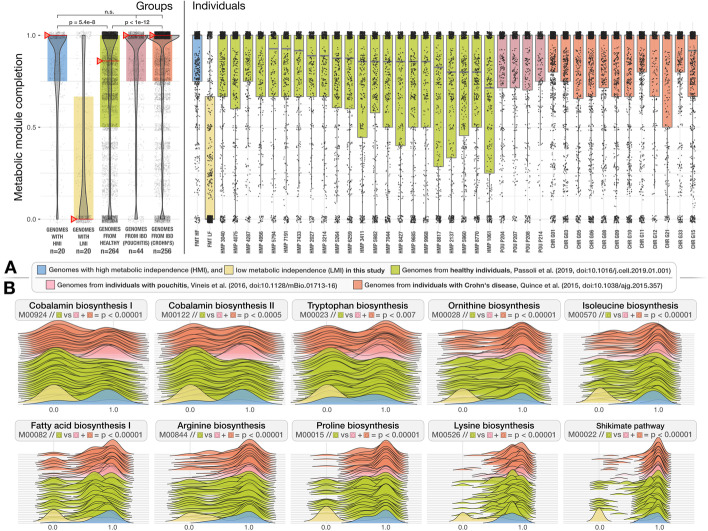
“Our IBD dataset was composed of two cohorts: a set of patients with pouchitis [22], a form of IBD with similar pathology to ulcerative colitis [45], and a set of pediatric Crohn’s disease patients [46].”
MethodSelf-citationMcBurney, M. I., Davis, C., Fraser, C. M., Schneeman, B. O., Huttenhower, C., Verbeke, K., Walter, J., & Latulippe, M. E. (2019) · The Journal of Nutrition · doi:10.1093/jn/nxz154 · Cited by 282
Durable Alteration of the Colonic Microbiota by the Administration of Donor Fecal Flora
Grehan, M. J., Borody, T. J., Leis, S. M., Campbell, J., Mitchell, H., & Wettstein, A. (2010) · Journal of Clinical Gastroenterology · doi:10.1097/mcg.0b013e3181e5d06b · Cited by 253 · cited 1×
“After FMT, we observed a dramatic shift in recipient taxonomic profiles (Supplementary Table 2, Supplementary Figure 2, Supplementary Figure 3), a widely documented hallmark of this procedure (Khoruts et al. 2010; Grehan et al. 2010; Shahinas et al. 2012).”
BackgroundNutrition meets the microbiome: micronutrients and the microbiota
Biesalski, H. K. (2016) · Annals of the New York Academy of Sciences · doi:10.1111/nyas.13145 · Cited by 253
Clooney, A. G., Eckenberger, J., Laserna-Mendieta, E., Sexton, K. A., Bernstein, M. T., Vagianos, K., Sargent, M., Ryan, F. J., Moran, C., Sheehan, D., et al. (2021) · Gut · doi:10.1136/gutjnl-2020-321106 · Cited by 244 · cited 2×
“Despite marked changes in gut microbial community composition in IBD [16–18], the microbiota associated with the disease lacks acquired infectious pathogens [19], and microbes that are found in IBD typically also occur in healthy individuals [20], which complicates the search for robust functional or taxonomic markers…”
BackgroundShaiber, A., Willis, A. D., Delmont, T. O., Roux, S., Chen, L.-X., Schmid, A. C., Yousef, M., Watson, A. R., Lolans, K., Esen, Ö. C., et al. (2020) · Genome Biology · doi:10.1186/s13059-020-02195-w · Cited by 227
Self-citationGuild-based analysis for understanding gut microbiome in human health and diseases
Wu, G., Zhao, N., Zhang, C., Lam, Y. Y., & Zhao, L. (2021) · Genome Medicine · doi:10.1186/s13073-021-00840-y · Cited by 203
Gut Microbial Succession Follows Acute Secretory Diarrhea in Humans
David, L. A., Weil, A., Ryan, E. T., Calderwood, S. B., Harris, J. B., Chowdhury, F., Begum, Y., Qadri, F., LaRocque, R. C., & Turnbaugh, P. J. (2015) · mBio · doi:10.1128/mbio.00381-15 · Cited by 192
Shahinas, D., Silverman, M., Sittler, T., Chiu, C., Kim, P., Allen-Vercoe, E., Weese, S., Wong, A., Low, D. E., & Pillai, D. R. (2012) · mBio · doi:10.1128/mbio.00338-12 · Cited by 191 · cited 1×
“After FMT, we observed a dramatic shift in recipient taxonomic profiles (Supplementary Table 2, Supplementary Figure 2, Supplementary Figure 3), a widely documented hallmark of this procedure (Khoruts et al. 2010; Grehan et al. 2010; Shahinas et al. 2012).”
BackgroundDESMAN: a new tool for de novo extraction of strains from metagenomes
Quince, C., Delmont, T. O., Raguideau, S., Alneberg, J., Darling, A. E., Collins, G., & Eren, A. M. (2017) · Genome Biology · doi:10.1186/s13059-017-1309-9 · Cited by 190
Self-citationThe intestinal microbiota in inflammatory bowel diseases: time to connect with the host
Sokol, H., & Seksik, P. (2010) · Current Opinion in Gastroenterology · doi:10.1097/mog.0b013e328339536b · Cited by 161 · cited 1×
“Despite marked changes in gut microbial community composition in IBD (Ott et al. 2004; Sokol and Seksik 2010; Joossens et al. 2011), the microbiota associated with the disease lacks acquired infectious pathogens (Chow, Tang, and Mazmanian 2011), and microbes that are found in IBD typically also…”
BackgroundUnique Features of Ethnic Mongolian Gut Microbiome revealed by metagenomic analysis
Liu, W., Zhang, J., Wu, C., Cai, S., Huang, W., Chen, J., Xi, X., Liang, Z., Hou, Q., Zhou, B., et al. (2016) · Scientific Reports · doi:10.1038/srep34826 · Cited by 121
Lee, S. T. M., Kahn, S. A., Delmont, T. O., Shaiber, A., Esen, Ö. C., Hubert, N. A., Morrison, H. G., Antonopoulos, D. A., Rubin, D. T., & Eren, A. M. (2017) · Microbiome · doi:10.1186/s40168-017-0270-x · Cited by 102
Self-citationDelmont, T. O., & Eren, A. M. (2016) · PeerJ · doi:10.7717/peerj.1839 · Cited by 99 · cited 1×
“To predict the approximate number of genomes in metagenomic assemblies we used the program ‘anvi-display-contigs-stats’, which calculates the mode of the frequency of single-copy core genes as described previously (Delmont and Eren 2016).”
MethodSelf-citationUtter, D. R., Borisy, G. G., Eren, A. M., Cavanaugh, C. M., & Welch, J. L. M. (2020) · Genome biology · doi:10.1186/s13059-020-02200-2 · Cited by 95
Self-citationThe hunt for a healthy microbiome
Eisenstein, M. (2020) · Nature · doi:10.1038/d41586-020-00193-3 · Cited by 84
Podlesny, D., Arze, C., Dörner, E., Verma, S., Dutta, S., Walter, J., & Fricke, W. F. (2022) · Microbiome · doi:10.1186/s40168-022-01251-w · Cited by 73
Influence of gut microbiota dysbiosis on brain function: a systematic review
Almeida, C., Oliveira, R., Soares, R. A., & Barata, P. (2020) · Porto Biomedical Journal · doi:10.1097/j.pbj.0000000000000059 · Cited by 71 · cited 2×
“The human gut microbiome is associated with a wide range of diseases and disorders (Almeida et al., 2020; Durack and Lynch, 2019; Lynch and Pedersen, 2016).”
BackgroundPatient-Specific Bacteroides Genome Variants in Pouchitis
Vineis, J. H., Ringus, D. L., Morrison, H. G., Delmont, T. O., Dalal, S., Raffals, L. H., Antonopoulos, D. A., Rubin, D. T., Eren, A. M., Chang, E. B., et al. (2016) · mBio · doi:10.1128/mbio.01713-16 · Cited by 56
Self-citationIdentifying determinants of bacterial fitness in a model of human gut microbial succession
Feng, L., Raman, A. S., Hibberd, M. C., Cheng, J., Griffin, N. W., Peng, Y., Leyn, S. A., Rodionov, D. A., Osterman, A. L., & Gordon, J. I. (2020) · Proceedings of the National Academy of Sciences · doi:10.1073/pnas.1918951117 · Cited by 54
Evolutionary and ecological forces that shape the bacterial communities of the human gut
Messer, J. S., Liechty, E. R., Vogel, O. A., & Chang, E. B. (2017) · Mucosal Immunology · doi:10.1038/mi.2016.138 · Cited by 46
De Preter, V., Bulteel, V., Suenaert, P., Geboes, K. P., De Hertogh, G., Luypaerts, A., Geboes, K., Verbeke, K., & Rutgeerts, P. (2009) · Inflammatory Bowel Diseases · doi:10.1002/ibd.20768 · Cited by 44
Microbial Strain Engraftment, Persistence and Replacement after Fecal Microbiota TransplantationPreprint
Podlesny, D., & Fricke, W. F. (2020) · medRxiv · doi:10.1101/2020.09.29.20203638 · Cited by 20
Anvi'o profiles for the FMT donors and their recipients
Eren, A. M. (2021) · Figshare · doi:10.6084/m9.figshare.14331236 · Cited by 1
Self-citationReproducible Workflow and Scripts
Eren, A. M. (2023) · Figshare · doi:10.6084/m9.figshare.22352989 · Cited by 1
Self-citationEren, A. M. (2021) · Figshare · doi:10.6084/m9.figshare.15138720 · Cited by 1
Self-citation
Research works printed but not linked: 3
- Vanni C, Schechter MS, Acinas SG, Barberán A, Buttigieg PL, Casamayor EO, et al. Unifying the global coding sequence space enables the study of genes with unknown function across biomes [Internet]. Cold Spring Harbor Laboratory. 2020 [cited 2021 Feb 8]. p. 2020.06.30.180448. Available from: 10.1101/2020.06.30.180448v4.full · doi:10.1101/2020.06.30.180448v4.full
- Watson AR, Füssel J, Veseli I, DeLongchamp JZ, Silva M, Trigodet F, et al. Donor and recipient stool metagenomes from a fecal microbiota transplantation study [Internet]. National Center for Biotechnology Information. 2021. Available from: https://www.ncbi.nlm.nih.gov/bioproject/prjna701961.
- EKmeta [Internet]. 2016. Available from: https://www.ncbi.nlm.nih.gov/bioproject/PRJEB6092/.
Cited by
Fecal microbiota transplantation: current challenges and future landscapes
Yadegar, A., Bar-Yoseph, H., Monaghan, T. M., Pakpour, S., Severino, A., Kuijper, E. J., Smits, W. K., Terveer, E. M., Neupane, S., Nabavi-Rad, A., et al. (2024) · Clinical Microbiology Reviews · doi:10.1128/cmr.00060-22 · Cited by 351
Self-citationPodlesny, D., Durdevic, M., Paramsothy, S., Kaakoush, N. O., Högenauer, C., Gorkiewicz, G., Walter, J., & Fricke, W. F. (2022) · Cell Reports Medicine · doi:10.1016/j.xcrm.2022.100711 · Cited by 111
“Furthermore, frequent coexistence of donor and recipient strains has been justified with the importance of neutral and stochastic ecological determinants,(15) whereas another study identified competition and adaptation that would favor fitness as a main ecological driver for microbiome organization after FMT.(16) Thes…”
BackgroundInfluentialEcological dynamics of Enterobacteriaceae in the human gut microbiome across global populations
Yin, Q., da Silva, A. C., Zorrilla, F., Almeida, A. S., Patil, K. R., & Almeida, A. (2025) · Nature Microbiology · doi:10.1038/s41564-024-01912-6 · Cited by 100
“A previous study showed that metabolic independence drives gut microbial colonization and resilience of disease-associated species, particularly under inflammatory conditions 27 .”
Advances in Fecal Microbiota Transplantation for Gut Dysbiosis‐Related Diseases
Hou, S., Yu, J., Li, Y., Zhao, D., & Zhang, Z. (2025) · Advanced Science · doi:10.1002/advs.202413197 · Cited by 117
Podlesny, D., Arze, C., Dörner, E., Verma, S., Dutta, S., Walter, J., & Fricke, W. F. (2022) · Microbiome · doi:10.1186/s40168-022-01251-w · Cited by 73
“predictive for colonization success after FMT than a high relative abundance of the same species in a FMT donor [45].”
Background
Metadata
- Authors
- Watson, A. R., Füssel, J., Veseli, I., DeLongchamp, J. Z., Silva, M., Trigodet, F., Lolans, K., Shaiber, A., Fogarty, E., Runde, J. M., Quince, C., Yu, M. K., Söylev, A., Morrison, H. G., Lee, S. T. M., Kao, D., Rubin, D. T., Jabri, B., Louie, T., & Eren, A. M.
- Affiliations
- University of Chicago (US)
- Carl von Ossietzky Universität Oldenburg (DE)
- University of Calgary (CA)
- Lurie Children's Hospital (US)
- Quadram Institute (GB)
- Toyota Technological Institute at Chicago (US)
- Konya Food and Agriculture University (TR)
- Marine Biological Laboratory (US)
- University of Alberta (CA)
- Corresponding author
- Eren, A. Murat
- ORCID
- Venue
- Genome Biology
- Published
- 2023-04-17
- Volume
- 24
- Issue
- 1
- Pages
- 78-78
- ISSN
- 1465-6906 (ISSN-L)
- 1474-760X
- PMC
- PMC10108530
- OpenAlex
- W4366087654
- Cited by
- 92
- References
- 101
- Citations by year
- 2026: 16 · 2025: 33 · 2024: 24 · 2023: 15
- FWCI
- 7.86
- Type
- journal article
- Language
- en
- Open access
- gold
- doi.org
- Licence
- cc-by
- creativecommons.org/licenses/by/4.0 (tdm)
- creativecommons.org/licenses/by/4.0 (vor)
- Locations
- Genome biology (publishedVersion, cc-by)
- PubMed Central (publishedVersion, cc-by)
- PubMed (publishedVersion)
- UEA Digital Repository (University of East Anglia) (acceptedVersion, cc-by)
- Helmholtz-Zentrum für Polar-und Meeresforschung (Alfred-Wegener-Institut) (submittedVersion, cc-by)
- Knowledge@UChicago (University of Chicago) (submittedVersion, cc-by-nc-nd)
- Open Access Server of the Woods Hole Scientific Community (Woods Hole Scientific Community) (submittedVersion, cc-by)
- DOAJ (DOAJ: Directory of Open Access Journals) (submittedVersion, cc-by-sa)
- Libraries and Cultural Resources (University of Calgary) (submittedVersion)
- Funders
- Gastro-Intestinal Research Foundation
- Mutchnik Family Fund
- Robert C. and Mary Jane Gallo Scholarship Fund
- Alissa and Gianna Carlino Fellowship in Celiac Disease Research
- Cancer Center Support Grant (P30CA014599)
- Digestive Diseases Research Core Center, University of Chicago (P30 DK42086)
- National Science Foundation Graduate Research Fellowship (1746045)
- Topics
- Life Sciences › Biochemistry, Genetics and Molecular Biology › Molecular Biology › Gut microbiota and health
- Health Sciences › Dentistry › Periodontics › Oral microbiology and periodontitis research
- Physical Sciences › Environmental Science › Ecology › Microbial Community Ecology and Physiology
- Keywords
- gut microbiota, microbial colonization, microbial resilience, fecal microbiota transplantation, inflammatory bowel disease, microbial production, amino acid biosynthesis, nucleotide synthesis, vitamin biosynthesis, dysbiosis, microbial succession, environmental filtering, genome-resolved metagenomics
- MeSH terms
- Gastrointestinal Microbiome, Fecal Microbiota Transplantation, Amino Acids, Feces, Humans, Metagenomics, Microbiota
About these checks
Registry, retraction, Cites and statistics results are computed, not judged, with one exception: a printed reference that no index lists is read once by a model before it counts as a citation error. Claims are extracted by a model and kept only when their quote appears verbatim in the text; each cited source is then checked, with a model’s help, for whether it says what the claim relies on. Those verdicts can be wrong — read the claim’s quote and the cited source before relying on one.
Statistics and arithmetic are recomputed, not judged.
Confidence bands are shown only for fields calibrated on our annotated test set. None is calibrated yet, so no band is shown.
What counts as a claim ›How we measure confidence ›How we check this ›
Are you an author, or do you see a problem with this page? Request a review
Data sources
Bibliographic data: Semantic Scholar, OpenAlex, Crossref.
Contains information from the Semantic Scholar Academic Graph Datasets, made available under the ODC Attribution License (ODC-BY 1.0).
Semantic Scholar’s data is described in: Kinney, R., et al. (2023). The Semantic Scholar Open Data Platform. arXiv:2301.10140.
