

Reasons for and Consequences of Low Energy Availability in Female and Male Athletes: Social Environment, Adaptations, and Prevention
Open accessThe DOI matches its Crossref record; 136 of the 136 references it cites were found in a registry or an index.
Abstract
Low energy availability (LEA) represents a state in which the body does not have enough energy left to support all physiological functions needed to maintain optimal health. When compared to the normal population, athletes are particularly at risk to experience LEA and the reasons for this are manifold. LEA may result from altered dietary behaviours that are caused by body dissatisfaction, the belief that a lower body weight will result in greater performance, or social pressure to look a certain way. Pressure can also be experienced from the coach, teammates, and in this day and age through social media platforms. While LEA has been extensively described in females and female athletes have started fighting against the pressure to be thin using their social media platforms, evidence shows that male athletes are at risk as well. Besides those obvious reasons for LEA, athletes engaging in sports with high energy expenditure (e.g. rowing or cycling) can unintentionally experience LEA; particularly, when the athletes’ caloric intake is not matched with exercise intensity. Whether unintentional or not, LEA may have detrimental consequences on health and performance, because both short-term and long-term LEA induces a variety of maladaptations such as endocrine alterations, suppression of the reproductive axis, mental disorders, thyroid suppression, and altered metabolic responses. Therefore, the aim of this review is to increase the understanding of LEA, including the role of an athlete’s social environment and the performance effects related to LEA.
Overview
The claims and statistics of this paper haven’t been checked yet.
Free: it reads the open-access text and checks the first 5 claims that cite a source we can check. Create a free account to check every claim.
Integrity signals
Registry
Cites
Statistics
Figures
Verification
Claims the paper makes
The claims and statistics of this paper haven’t been checked yet.
Free: it reads the open-access text and checks the first 5 claims that cite a source we can check. Create a free account to check every claim.
Claims other papers make about this one
Each is checked against this paper’s own text: does it say what the citing paper says it does?
The source backs part of the claim, not all of it — or backs it for a different population, condition or comparison.
In the citing paper
“An EA of at least 45 kcal kg−1 FFM·day−1 appears to be a threshold to ensure optimal EA for physiological functions and body mass maintenance in female athletes [124].”
From International society of sports nutrition position stand: nutritional concerns of the female athlete (2023) · cites this paper as [124]
Experimental — accuracy not yet measuredThe source backs part of the claim, not all of it — or backs it for a different population, condition or comparison.
In the citing paper
“which has been shown to be prevalent among recreationally active to elite female athletes [113,124,233–236]”
From International society of sports nutrition position stand: nutritional concerns of the female athlete (2023) · cites this paper as [124]
Experimental — accuracy not yet measuredThe source backs part of the claim, not all of it — or backs it for a different population, condition or comparison.
In the citing paper
“In males, suppressed testosterone levels impair muscle protein synthesis and recovery capacity.”
From Optimizing Performance Nutrition for Adolescent Athletes: A Review of Dietary Needs, Risks, and Practical Strategies (2025) · cites this paper as [40]
Experimental — accuracy not yet measuredThe cited source says what the claim attributes to it.
In the citing paper
“Athletes are at a greater risk for LEA from sociocultural pressures, such as social media pressures, pressures from coaches/teammates/self to look a certain way, or from the prevailing belief that a lower body weight will result in greater performance outcomes [122–125].”
From International society of sports nutrition position stand: nutritional concerns of the female athlete (2023) · cites this paper as [124]
The cited source says what the claim attributes to it.
In the citing paper
“DE behaviours and EDs may be exacerbated by social media influence, societal pressures, the athlete's training/coaching entourage, a belief that a specific physique/weight/appearance will improve performance and/or overall body dissatisfaction.69”
From 2023 international olympic committee's (IOC) consensus statement on relative energy deficiency in sport (REDs) (2023) · cites this paper as [69]
2 more claims about this paper
Create a free account to see every claim other papers make about this one.
Self-check
Percentages, sums and reported differences re-computed from the paper’s own numbers.
The self-check needs the paper’s full text.
Citations
Cites
Exercise Metabolism and the Molecular Regulation of Skeletal Muscle Adaptation
Egan, B., & Zierath, J. R. (2013) · Cell Metabolism · doi:10.1016/j.cmet.2012.12.012 · Cited by 2,084 · cited 1×
“Endurance exercise has a pronounced effect on mitochondrial protein content and resistance exercise has a pronounced effect on myofibrillar protein content to enable performance enhancement [122].”
BackgroundGrabe, S., Ward, L. M., & Hyde, J. S. (2008) · Psychological Bulletin · doi:10.1037/0033-2909.134.3.460 · Cited by 2,053 · cited 1×
“Particularly in regard to body image, growing evidence has shed light on the harmful effects of media exposure on both sexes [58, 59].”
Background(2007) · Medicine & Science in Sports & Exercise · doi:10.1249/mss.0b013e318149f111 · Cited by 1,554
Mountjoy, M., Sundgot-Borgen, J., Burke, L., Carter, S., Constantini, N., Lebrun, C., Meyer, N., Sherman, R., Steffen, K., Budgett, R., et al. (2014) · British Journal of Sports Medicine · doi:10.1136/bjsports-2014-093502 · Cited by 1,469 · cited 1×
“Low energy availability occurs when either dietary energy intake is too low or energy expanded through exercise is too high, leading to an insufficient amount of energy left to maintain normal physiological functions such as metabolic and immune function, bone health, and the menstrual cycle in female athletes [14, 15…”
BackgroundSocial comparison, social media, and self-esteem.
Vogel, E. A., Rose, J. P., Roberts, L. R., & Eckles, K. (2014) · Psychology of Popular Media Culture · doi:10.1037/ppm0000047 · Cited by 1,418 · cited 1×
“, athletes exposed to profiles of other athletes that seem to have superior positive characteristics may experience a negative influence on their self-esteem [62].”
BackgroundPrevalence of Eating Disorders in Elite Athletes Is Higher Than in the General Population
Sundgot-Borgen, J., & Torstveit, M. K. (2004) · Clinical Journal of Sport Medicine · doi:10.1097/00042752-200401000-00005 · Cited by 1,077 · cited 1×
“tive weight variability, body dissatisfaction, and a higher frequency of eating disorders [1, 4, 5].”
BackgroundIOC consensus statement on relative energy deficiency in sport (RED-S): 2018 update
Mountjoy, M., Sundgot-Borgen, J. K., Burke, L. M., Ackerman, K. E., Blauwet, C., Constantini, N., Lebrun, C., Lundy, B., Melin, A. K., Meyer, N. L., et al. (2018) · British Journal of Sports Medicine · doi:10.1136/bjsports-2018-099193 · Cited by 883 · cited 2×
“Recently, the (IOC) has expanded the triad concept with the term relative energy deficiency in sports (RED-S) to address the accompanying consequences with LEA on health and performance in both sexes [7].”
BackgroundLeptin Regulation of Neuroendocrine Systems
Ahima, R. S., Saper, C. B., Flier, J. S., & Elmquist, J. K. (2000) · Frontiers in Neuroendocrinology · doi:10.1006/frne.2000.0197 · Cited by 767 · cited 1×
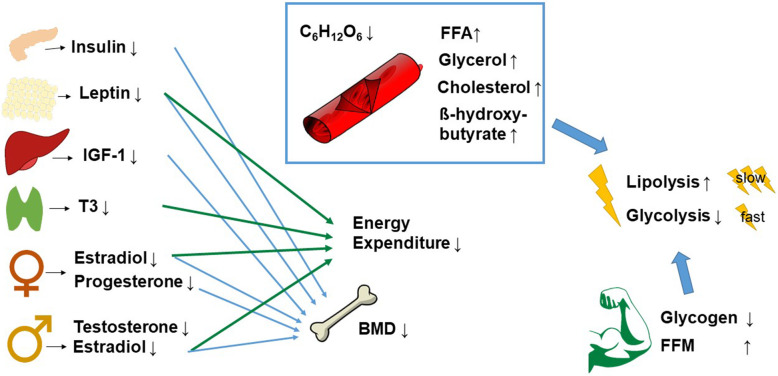
“In addition to reducing the BMR, lower leptin levels also suppress the thyroid, the reproductive and growth hormone axes, and the inflammatory response [74, 75].”
BackgroundLoucks, A. B., & Thuma, J. R. (2003) · The Journal of Clinical Endocrinology & Metabolism · doi:10.1210/jc.2002-020369 · Cited by 760 · cited 7×
“Extreme LEA (10 kcal/kg FFM/day) increased bone resorption markers, while formation Fig.”
BackgroundInfluentialDe Souza, M. J., Nattiv, A., Joy, E., Misra, M., Williams, N. I., Mallinson, R. J., Gibbs, J. C., Olmsted, M., Goolsby, M., Matheson, G., et al. (2014) · British Journal of Sports Medicine · doi:10.1136/bjsports-2013-093218 · Cited by 661
Low energy availability, not stress of exercise, alters LH pulsatility in exercising women
Loucks, A. B., Verdun, M., Heath, E. M., & (With the Technical Assistance of T. Law, S. A. J. R. T. (1998) · Journal of Applied Physiology · doi:10.1152/jappl.1998.84.1.37 · Cited by 539
Bojsen-Møller, J., Magnusson, S. P., Rasmussen, L. R., Kjaer, M., & Aagaard, P. (2005) · Journal of Applied Physiology · doi:10.1152/japplphysiol.01305.2004 · Cited by 532 · cited 1×
“A higher stiffness of the connective tissue is associated with performance parameters such as jump height [131].”
BackgroundDose-Response Relationships Between Energy Availability and Bone Turnover in Young Exercising Women
Ihle, R., & Loucks, A. B. (2004) · Journal of Bone and Mineral Research · doi:10.1359/jbmr.040410 · Cited by 523 · cited 2×
“markers declined at minor levels of energy restriction between 20-30 kcal [96].”
BackgroundBiology's response to dieting: the impetus for weight regain
MacLean, P. S., Bergouignan, A., Cornier, M.-A., & Jackman, M. R. (2011) · American Journal of Physiology-Regulatory, Integrative and Comparative Physiology · doi:10.1152/ajpregu.00755.2010 · Cited by 446 · cited 10×
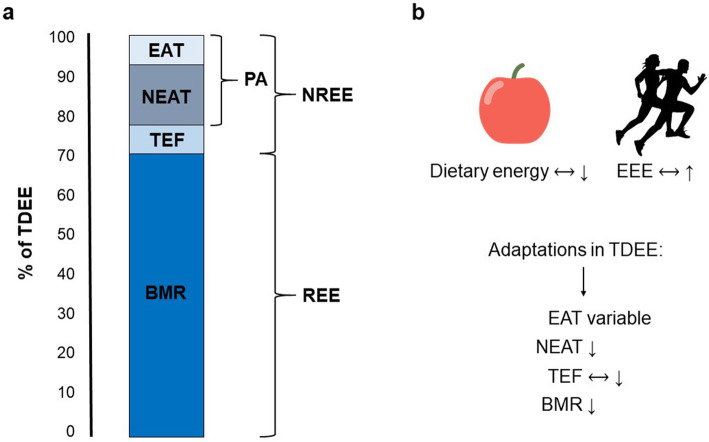
“Generally, EAT will decrease as well but may be elevated in individuals increasing their training volume.”
BackgroundInfluentialMeta-Analyses of the Effects of Media Images on Men's Body-image Concerns
Barlett, C. P., Vowels, C. L., & Saucier, D. A. (2008) · Journal of Social and Clinical Psychology · doi:10.1521/jscp.2008.27.3.279 · Cited by 420 · cited 1×
“Particularly in regard to body image, growing evidence has shed light on the harmful effects of media exposure on both sexes [58, 59].”
BackgroundEffect of Estrogen on Musculoskeletal Performance and Injury Risk
Chidi-Ogbolu, N., & Baar, K. (2019) · Frontiers in Physiology · doi:10.3389/fphys.2018.01834 · Cited by 389 · cited 1×
“performance of women with low oestrogen potentially increases [132].”
BackgroundConsensus statement on improving the mental health of high performance athletes
Henriksen, K., Schinke, R., Moesch, K., McCann, S., Parham, W. D., Larsen, C. H., & Terry, P. (2020) · International Journal of Sport and Exercise Psychology · doi:10.1080/1612197x.2019.1570473 · Cited by 385 · cited 1×
“Overall, ensuring psychological support for athletes can be beneficial not only for prevention and treatment of disordered eating behaviours, but also the athlete’s overall mental health [44].”
BackgroundSundgot-Borgen, J., Meyer, N. L., Lohman, T. G., Ackland, T. R., Maughan, R. J., Stewart, A. D., & Müller, W. (2013) · British Journal of Sports Medicine · doi:10.1136/bjsports-2013-092966 · Cited by 368 · cited 1×
“reported to be close to the lower limit of 5% for men and 12% for women, particularly in athletes engaging in endurance or aesthetic sports [22, 82, 83].”
BackgroundI'm Going to Instagram It! An Analysis of Athlete Self-Presentation on Instagram
Smith, L. R., & Sanderson, J. (2015) · Journal of Broadcasting & Electronic Media · doi:10.1080/08838151.2015.1029125 · Cited by 363 · cited 1×
“Many athletes tend to post favourable pictures [60, 61].”
BackgroundHypoleptinemia in Women Athletes: Absence of a Diurnal Rhythm with Amenorrhea
Laughlin, G. A. (1997) · Journal of Clinical Endocrinology & Metabolism · doi:10.1210/jc.82.1.318 · Cited by 355 · cited 1×
“Early human and animal studies found that fuel is spared at the cost of growth and reproduction to maintain cell survival in times of energy deprivation, [69].”
BackgroundBarrack, M. T., Gibbs, J. C., De Souza, M. J., Williams, N. I., Nichols, J. F., Rauh, M. J., & Nattiv, A. (2014) · The American Journal of Sports Medicine · doi:10.1177/0363546513520295 · Cited by 349 · cited 1×
“With increasing risk for the female triad, the risk for bone stress injuries in a large cohort of 259 females increased significantly [130].”
BackgroundGeurin-Eagleman, A. N., & Burch, L. M. (2016) · Sport Management Review · doi:10.1016/j.smr.2015.03.002 · Cited by 342 · cited 1×
“Many athletes tend to post favourable pictures [60, 61].”
BackgroundTorstveit, M. K., Rosenvinge, J. H., & Sundgot‐Borgen, J. (2008) · Scandinavian Journal of Medicine & Science in Sports · doi:10.1111/j.1600-0838.2007.00657.x · Cited by 338
Aspects of disordered eating continuum in elite high‐intensity sports
Sundgot‐Borgen, J., & Torstveit, M. K. (2010) · Scandinavian Journal of Medicine & Science in Sports · doi:10.1111/j.1600-0838.2010.01190.x · Cited by 336 · cited 3×
“tive weight variability, body dissatisfaction, and a higher frequency of eating disorders [1, 4, 5].”
BackgroundHeikura, I. A., Uusitalo, A. L. T., Stellingwerff, T., Bergland, D., Mero, A. A., & Burke, L. M. (2018) · International Journal of Sport Nutrition and Exercise Metabolism · doi:10.1123/ijsnem.2017-0313 · Cited by 318 · cited 15×
“Abbreviations BMD: Bone mass density; BMR: Basal metabolic rate; EA: Energy availability; EAT: Exercise activity thermogenesis; ED: Eating disorders; EHMC: Exercise hypogonadal male condition; FFM: Fat-free mass; FHA: Functional hypothalamic amenorrhea; GH: Growth hormone; IGF-1: Insulin-like growth factor 1; IL-6: In…”
BackgroundInfluentialEnergy availability and the female athlete triad in elite endurance athletes
Melin, A., Tornberg, Å. B., Skouby, S., Møller, S. S., Sundgot‐Borgen, J., Faber, J., Sidelmann, J. J., Aziz, M., & Sjödin, A. (2015) · Scandinavian Journal of Medicine & Science in Sports · doi:10.1111/sms.12261 · Cited by 296 · cited 6×
“An increased drive for thinness in female endurance runners with LEA and FHA compared to athletes with normal menses has also been found [19].”
BackgroundInfluentialElite athletes: Effects of the pressure to be thin
Byrne, S., & McLean, N. (2002) · Journal of Science and Medicine in Sport · doi:10.1016/s1440-2440(02)80029-9 · Cited by 290 · cited 1×
“However, it was found that elite athletes or athletes from a highperformance environment are at higher risk to experience body dissatisfaction which in turn may impact an athlete’s dieting behaviour and puts them at risk for eating disorders (ED) and consequentially LEA [1, 26, 27].”
BackgroundTorres-McGehee, T. M., Pritchett, K. L., Zippel, D., Minton, D. M., Cellamare, A., & Sibilia, M. (2012) · Journal of Athletic Training · doi:10.4085/1062-6050-47.2.205 · Cited by 290 · cited 1×
“knowledge of general sports nutrition in athletes is still evident [31, 36, 37].”
BackgroundCalder, P. C. (2013) · Proceedings of The Nutrition Society · doi:10.1017/s0029665113001286 · Cited by 283 · cited 1×
“An association between LEA, impaired immunity, and infection is likely, as nutrients are also important for the immunometabolism of leukocytes [107].”
BackgroundLogue, D., Madigan, S. M., Delahunt, E., Heinen, M., Mc Donnell, S.-J., & Corish, C. A. (2018) · Sports Medicine · doi:10.1007/s40279-017-0790-3 · Cited by 274 · cited 1×
“In opposition to the cardio-protective function of exercise, the altered cholesterol substrate levels may be unfavourable for cardiovascular health in the long term [80].”
BackgroundKong, P., & Harris, L. M. (2015) · The Journal of Psychology · doi:10.1080/00223980.2013.846291 · Cited by 263 · cited 1×
“Kong and Harris showed that more than 60% of the elite athletes from leanness- and nonleanness-focused sports reported feeling pressure from their coaches with regard to their body [52].”
BackgroundEnergy Availability in Athletics: Health, Performance, and Physique
Melin, A. K., Heikura, I. A., Tenforde, A., & Mountjoy, M. (2019) · International Journal of Sport Nutrition and Exercise Metabolism · doi:10.1123/ijsnem.2018-0201 · Cited by 258 · cited 1×
“In any case, clinical studies showed that an EA of < 30 kcal/kg FFM appears to be a threshold at which severe health implications can be observed after only 5 days in healthy young women [17, 20, 21].”
BackgroundMüller, M. J., Enderle, J., Pourhassan, M., Braun, W., Eggeling, B., Lagerpusch, M., Glüer, C.-C., Kehayias, J. J., Kiosz, D., & Bosy-Westphal, A. (2015) · The American Journal of Clinical Nutrition · doi:10.3945/ajcn.115.109173 · Cited by 254
Food Restriction, Performance, Biochemical, Psychological, and Endocrine Changes in Judo Athletes
Degoutte, F., Jouanel, P., Bègue, R. J., Colombier, M., Lac, G., Pequignot, J. M., & Filaire, E. (2006) · International Journal of Sports Medicine · doi:10.1055/s-2005-837505 · Cited by 251 · cited 1×
“In judo athletes, caloric restriction was associated with poor performance while increasing fatigue and tension and decreasing vigour, as well [126].”
BackgroundJoy, E., De Souza, M. J., Nattiv, A., Misra, M., Williams, N. I., Mallinson, R. J., Gibbs, J. C., Olmsted, M., Goolsby, M., Matheson, G., et al. (2014) · Current Sports Medicine Reports · doi:10.1249/jsr.0000000000000077 · Cited by 251
Ackerman, K. E., Holtzman, B., Cooper, K. M., Flynn, E. F., Bruinvels, G., Tenforde, A. S., Popp, K. L., Simpkin, A. J., & Parziale, A. L. (2019) · British Journal of Sports Medicine · doi:10.1136/bjsports-2017-098958 · Cited by 245
Comparison of Body Image between Athletes and Nonathletes: A Meta-Analytic Review
Hausenblas, H. A., & Downs, D. S. (2001) · Journal of Applied Sport Psychology · doi:10.1080/104132001753144437 · Cited by 235
Sundgot-Borgen, J., & Garthe, I. (2011) · Journal of Sports Sciences · doi:10.1080/02640414.2011.565783 · Cited by 223 · cited 1×
“knowledge about nutrition, by exposure to unconventional methods to lose weight, or by making weight for a certain weight class [40].”
BackgroundHilton, L. K., & Loucks, A. B. (2000) · American Journal of Physiology-Endocrinology and Metabolism · doi:10.1152/ajpendo.2000.278.1.e43 · Cited by 214 · cited 7×
“Lower leptin levels depend solely on energy availability, as shown in male rowers [72] and exercising healthy females [16], but are also a response to chronic exercise training [73].”
BackgroundInfluentialTrakman, G., Forsyth, A., Devlin, B., & Belski, R. (2016) · Nutrients · doi:10.3390/nu8090570 · Cited by 198
Martinsen, M., Bratland-Sanda, S., Eriksson, A. K., & Sundgot-Borgen, J. (2010) · British Journal of Sports Medicine · doi:10.1136/bjsm.2009.068668 · Cited by 194 · cited 2×
“Further, additional factors, including the development of body dissatisfaction or the belief that the athlete needs to be “thin to win”, can also manifest in disordered eating [2].”
BackgroundVarnes, J. R., Stellefson, M., Janelle, C. M., Dorman, S. M., Dodd, V. J. N., & Miller, M. D. (2013) · Body Image · doi:10.1016/j.bodyim.2013.06.001 · Cited by 191 · cited 1×
“However, it was found that elite athletes or athletes from a highperformance environment are at higher risk to experience body dissatisfaction which in turn may impact an athlete’s dieting behaviour and puts them at risk for eating disorders (ED) and consequentially LEA [1, 26, 27].”
BackgroundDetection, evaluation, and treatment of eating disorders: The role of the primary care physician
Walsh, J. M. E., Wheat, M. E., & Freund, K. (2000) · Journal of General Internal Medicine · doi:10.1046/j.1525-1497.2000.02439.x · Cited by 187 · cited 1×
“Moreover, in female athletes with severe eating disorders, such as anorexia nervosa, the restriction of food and fluid intake can lead to imbalanced electrolytes, anaemia, and hypotension [19, 85].”
BackgroundInduction of low-T3 syndrome in exercising women occurs at a threshold of energy availability
Loucks, A. B., & Heath, E. M. (1994) · American Journal of Physiology-Regulatory, Integrative and Comparative Physiology · doi:10.1152/ajpregu.1994.266.3.r817 · Cited by 186
Stirling, A. E., & Kerr, G. A. (2013) · International Journal of Sport and Exercise Psychology · doi:10.1080/1612197x.2013.752173 · Cited by 184
Parallels with the Female Athlete Triad in Male Athletes
Tenforde, A. S., Barrack, M. T., Nattiv, A., & Fredericson, M. (2016) · Sports Medicine · doi:10.1007/s40279-015-0411-y · Cited by 181 · cited 1×
“However, there is also some evidence of lower bone health in male athletes with LEA who participate in race horse riding or cycling events [102].”
Backgroundde Bruin, A. P. (., Oudejans, R. R. D., & Bakker, F. C. (2007) · Psychology of Sport and Exercise · doi:10.1016/j.psychsport.2006.10.002 · Cited by 180 · cited 1×
“To achieve the desired outcome, athletes more often go on a variety of diets in an attempt to lose weight [2, 3].”
BackgroundBailey, S. D., & Ricciardelli, L. A. (2010) · Eating Behaviors · doi:10.1016/j.eatbeh.2009.12.001 · Cited by 172 · cited 1×
“ment of LEA, which in severe cases can be accompanied by an eating disorder [65, 66].”
BackgroundMetabolic adaptation to weight loss: implications for the athlete
Trexler, E. T., Smith-Ryan, A. E., & Norton, L. E. (2014) · Journal of the International Society of Sports Nutrition · doi:10.1186/1550-2783-11-7 · Cited by 172 · cited 3×
“While body weight will drop at the beginning of a dieting phase, a plateau in weight loss will inevitably occur after prolonged low energy intake [68].”
BackgroundInfluentialHPA and Immune Axes in Stress: Involvement of the Serotonergic System
Leonard, B. E. (2006) · Neuroimmunomodulation · doi:10.1159/000104854 · Cited by 169 · cited 1×
“Chronic stress increases cortisol levels, which may increase the risk of anxiety and depression [117].”
BackgroundAppleton, P. R., & Duda, J. L. (2016) · Psychology of sport and exercise · doi:10.1016/j.psychsport.2016.06.007 · Cited by 168
Koehler, K., Hoerner, N. R., Gibbs, J. C., Zinner, C., Braun, H., De Souza, M. J., & Schaenzer, W. (2016) · Journal of Sports Sciences · doi:10.1080/02640414.2016.1142109 · Cited by 164 · cited 4×
“However, a trend for a reduction was present [18].”
BackgroundMethodInfluentialEffects of reduced energy availability on bone metabolism in women and men
Papageorgiou, M., Elliott-Sale, K. J., Parsons, A., Tang, J. C. Y., Greeves, J. P., Fraser, W. D., & Sale, C. (2017) · Bone · doi:10.1016/j.bone.2017.08.019 · Cited by 159
Stellingwerff, T., Maughan, R. J., & Burke, L. M. (2011) · Journal of Sports Sciences · doi:10.1080/02640414.2011.589469 · Cited by 155 · cited 2×
“Conceivably, this is due to limited glycogen stores [81].”
BackgroundDrew, M., Vlahovich, N., Hughes, D., Appaneal, R., Burke, L. M., Lundy, B., Rogers, M., Toomey, M., Watts, D., Lovell, G., et al. (2018) · British Journal of Sports Medicine · doi:10.1136/bjsports-2017-098208 · Cited by 151 · cited 1×
“Supporting of the RED-S definition, which includes impairments of immunity, is the association between LEA and upper respiratory tract infection (URTI) risk in female athletes [110].”
Jones, R. L., Glintmeyer, N., & McKenzie, A. (2005) · International Review for the Sociology of Sport · doi:10.1177/1012690205060231 · Cited by 140 · cited 1×
“Depending on the psychological health of an athlete, exposure to negative comments or drastic methods to lose weight may lay the foundation for body dissatisfaction, low energy intake, and eventually disordered eating in the long run [53].”
BackgroundNutritional interventions and the IL‐6 response to exercise
Hennigar, S. R., McClung, J. P., & Pasiakos, S. M. (2017) · The FASEB Journal · doi:10.1096/fj.201700080r · Cited by 139 · cited 1×
“Furthermore, interleukin-6 (IL-6) expression mediating inflammation is reduced by sufficient energy intake before exercise in order to spare muscular glycogen [112].”
BackgroundAn overview of the endocrinology of skeletal muscle
Sheffield‐Moore, M., & Urban, R. J. (2004) · Trends in Endocrinology and Metabolism · doi:10.1016/j.tem.2004.02.009 · Cited by 135 · cited 1×
“On the other hand, catabolic glucocorticoids, such as cortisol, increase protein turnover and initiate skeletal muscle protein breakdown [125].”
BackgroundFedewa, M. V., Hathaway, E. D., Ward-Ritacco, C. L., Williams, T. D., & Dobbs, W. C. (2018) · Sports Medicine · doi:10.1007/s40279-018-0897-1 · Cited by 135 · cited 1×
“Lower leptin levels depend solely on energy availability, as shown in male rowers [72] and exercising healthy females [16], but are also a response to chronic exercise training [73].”
BackgroundEffect of growth hormone treatment on hormonal parameters, body composition and strength in athletes
Deyssig, R., Frisch, H., Blum, W. F., & Waldhör, T. (1993) · Acta Endocrinologica · doi:10.1530/acta.0.1280313 · Cited by 130 · cited 1×
“For instance, in male power athletes with low body fat, growth hormone treatment administered in a double-blind controlled trial neither influenced body composition nor muscle strength [106].”
BackgroundNutrition and athlete bone health
Sale, C., & Elliott-Sale, K. J. (2019) · Sports Medicine · doi:10.1007/s40279-019-01161-2 · Cited by 127 · cited 5×
“Moreover, results on cortisol levels as evidence of associations between LEA and cortisol levels are inconsistent [90].”
BackgroundInfluentialPredictors of disordered eating in a sample of elite Division I college athletes
Engel, S. G., Johnson, C., Powers, P. S., Crosby, R. D., Wonderlich, S. A., Wittrock, D. A., & Mitchell, J. E. (2003) · Eating Behaviors · doi:10.1016/s1471-0153(03)00031-x · Cited by 125
Nutrition and Athlete Immune Health: New Perspectives on an Old Paradigm
Walsh, N. P. (2019) · Sports Medicine · doi:10.1007/s40279-019-01160-3 · Cited by 124 · cited 2×
“With regard to psychological stress, anxiety and depression have a significant effect on immunity, and an attenuated resistance to infections is well described [108].”
BackgroundCondo, D., Lohman, R., Kelly, M., & Carr, A. (2019) · Nutrients · doi:10.3390/nu11050971 · Cited by 122
Reduced energy availability: Implications for bone health in physically active populations
Papageorgiou, M., Dolan, E., Elliott-Sale, K. J., & Sale, C. (2018) · European Journal of Nutrition · doi:10.1007/s00394-017-1498-8 · Cited by 117 · cited 1×
“As a reduced EA negatively influenced bone health in physically active individuals [129], more evidence is found on training absence due to bone injuries of male athletes with low TES and amenorrhoeic females in runners.”
BackgroundInternational Journal of Sport Nutrition and Exercise Metabolism
(2024) · International Journal of Sport Nutrition and Exercise Metabolism · doi:10.1123/ijsnem · Cited by 115
Tenforde, A. S., Sayres, L. C., Sainani, K. L., & Fredericson, M. (2010) · PM&R · doi:10.1016/j.pmrj.2010.05.006 · Cited by 113 · cited 10×
“Abbreviations BMD: Bone mass density; BMR: Basal metabolic rate; EA: Energy availability; EAT: Exercise activity thermogenesis; ED: Eating disorders; EHMC: Exercise hypogonadal male condition; FFM: Fat-free mass; FHA: Functional hypothalamic amenorrhea; GH: Growth hormone; IGF-1: Insulin-like growth factor 1; IL-6: In…”
BackgroundInfluentialAckerman, K. E., Singhal, V., Baskaran, C., Slattery, M., Campoverde Reyes, K. J., Toth, A., Eddy, K. T., Bouxsein, M. L., Lee, H., Klibanski, A., et al. (2019) · British Journal of Sports Medicine · doi:10.1136/bjsports-2018-099723 · Cited by 113 · cited 12×
“Long-term caloric restriction in male lean body builders lasting 11 weeks reduced IGF-1 in the period prior to competition [99].”
BackgroundInfluentialTorstveit, M. K., Fahrenholtz, I. L., Lichtenstein, M. B., Stenqvist, T. B., & Melin, A. K. (2019) · BMJ Open Sport & Exercise Medicine · doi:10.1136/bmjsem-2018-000439 · Cited by 113 · cited 1×
“Accordingly, male endurance athletes with symptoms of LEA more often achieve high exercise dependence scores known to correlate with ED [116].”
BackgroundTowards an Understanding of the Barriers to Good Nutrition for Elite Athletes
Heaney, S., O'Connor, H., Naughton, G., & Gifford, J. (2008) · International Journal of Sports Science & Coaching · doi:10.1260/174795408786238542 · Cited by 109 · cited 2×
“knowledge of general sports nutrition in athletes is still evident [31, 36, 37].”
BackgroundShetty, P. S. (1999) · European Journal of Clinical Nutrition · doi:10.1038/sj.ejcn.1600741 · Cited by 106 · cited 1×
“Low energy availability occurs when either dietary energy intake is too low or energy expanded through exercise is too high, leading to an insufficient amount of energy left to maintain normal physiological functions such as metabolic and immune function, bone health, and the menstrual cycle in female athletes [14, 15…”
BackgroundWithin‐day energy deficiency and reproductive function in female endurance athletes
Fahrenholtz, I. L., Sjödin, A., Benardot, D., Tornberg, Å. B., Skouby, S., Faber, J., Sundgot‐Borgen, J. K., & Melin, A. K. (2018) · Scandinavian Journal of Medicine & Science in Sports · doi:10.1111/sms.13030 · Cited by 106 · cited 2×
“In females, oestradiol levels are extremely sensitive to and are attenuated by within-day LEA [91].”
BackgroundBurke, L. M., Close, G. L., Lundy, B., Mooses, M., Morton, J. P., & Tenforde, A. S. (2018) · International Journal of Sport Nutrition and Exercise Metabolism · doi:10.1123/ijsnem.2018-0182 · Cited by 105 · cited 1×
“Although it may be true to some extent that females are more likely to experience LEA than males, growing evidence indicates that body image issues and unhealthy dietary behaviours are common in male athletes, as well [30].”
BackgroundNegative energy balance plays a major role in the IGF-I response to exercise training
Nemet, D., Connolly, P. H., Pontello-Pescatello, A. M., Rose-Gottron, C., Larson, J. K., Galassetti, P., & Cooper, D. M. (2004) · Journal of Applied Physiology · doi:10.1152/japplphysiol.00654.2003 · Cited by 104
Nutritional habits among high-performance endurance athletes
Baranauskas, M., Stukas, R., Tubelis, L., Žagminas, K., Šurkienė, G., Švedas, E., Giedraitis, V. R., Dobrovolskij, V., & Abaravičius, J. A. (2015) · Medicina · doi:10.1016/j.medici.2015.11.004 · Cited by 102
Eating disorder pathology in elite adolescent athletes
Giel, K. E., Hermann‐Werner, A., Mayer, J., Diehl, K., Schneider, S., Thiel, A., Zipfel, S., & for the GOAL study group (2016) · International Journal of Eating Disorders · doi:10.1002/eat.22511 · Cited by 97 · cited 1×
“small dietary changes that were started for weight loss can become compulsive [32].”
BackgroundAckerman, K. E., Stellingwerff, T., Elliott-Sale, K. J., Baltzell, A., Cain, M., Goucher, K., Fleshman, L., & Mountjoy, M. L. (2020) · British Journal of Sports Medicine · doi:10.1136/bjsports-2019-101926 · Cited by 97 · cited 1×
“Consequentially, she further reported that she suffered from amenorrhea and osteoporosis—both of which are consequences of prolonged LEA [50, 51].”
BackgroundAppearance-based comments, body dissatisfaction and drive for muscularity in males
Nowell, C., & Ricciardelli, L. A. (2008) · Body Image · doi:10.1016/j.bodyim.2008.06.002 · Cited by 96 · cited 1×
“ment of LEA, which in severe cases can be accompanied by an eating disorder [65, 66].”
BackgroundSwami, V., Steadman, L. A., & Tovée, M. J. (2009) · Psychology of sport and exercise · doi:10.1016/j.psychsport.2009.03.003 · Cited by 92
Reduced Neuromuscular Performance in Amenorrheic Elite Endurance Athletes
TORNBERG, Å. B., MELIN, A., KOIVULA, F. M., JOHANSSON, A., SKOUBY, S., FABER, J., & SJÖDIN, A. (2017) · Medicine & Science in Sports & Exercise · doi:10.1249/mss.0000000000001383 · Cited by 92 · cited 2×
“Female runners with functional hypothalamic amenorrhea (FHA) express lower oestrogen levels [88].”
BackgroundReel, J. J., Petrie, T. A., SooHoo, S., & Anderson, C. M. (2013) · Eating Behaviors · doi:10.1016/j.eatbeh.2013.01.003 · Cited by 88
Brown, K. N., Wengreen, H. J., & Beals, K. A. (2014) · Journal of Pediatric and Adolescent Gynecology · doi:10.1016/j.jpag.2013.11.014 · Cited by 88
Energy availability discriminates clinical menstrual status in exercising women
Reed, J. L., De Souza, M. J., Mallinson, R. J., Scheid, J. L., & Williams, N. I. (2015) · Journal of the International Society of Sports Nutrition · doi:10.1186/s12970-015-0072-0 · Cited by 86 · cited 1×
“LEA below 30 kcal/kg/FFM indicates a clinical menstrual status and clearly differentiates amenorrhea, defined as no menses for 90 days, from eumenorrhea in exercising female athletes [87].”
BackgroundCurrent Status of the Female Athlete Triad: Update and Future Directions
Souza, M. J. D., Koltun, K. J., Etter, C. V., & Ricker, E. A. (2017) · Current Osteoporosis Reports · doi:10.1007/s11914-017-0412-x · Cited by 85 · cited 1×
“Suppression of the female athlete’s reproductive system by LEA has been described extensively within the triad research [86].”
BackgroundBeckner, B. N., & Record, R. A. (2016) · Health Communication · doi:10.1080/10410236.2014.957998 · Cited by 84
The impact of sport related stressors on immunity and illness risk in team-sport athletes
Keaney, L. C., Kilding, A. E., Mérien, F., & Dulson, D. K. (2018) · Journal of science and medicine in sport · doi:10.1016/j.jsams.2018.05.014 · Cited by 84 · cited 1×
“Athletes face multiple challenges other than LEA that suppress immune function, ranging from psychological stress to sleep deprivation [109].”
BackgroundNakamura, Y., Walker, B. R., & Ikuta, T. (2016) · Stress · doi:10.3109/10253890.2015.1121984 · Cited by 80 · cited 1×
“The cortisol change does not happen unequivocally due to severe energy restriction [118].”
BackgroundMäestu, J., Eliakim, A., Jürimäe, J., Valter, I., & Jürimäe, T. (2010) · Journal of Strength and Conditioning Research · doi:10.1519/jsc.0b013e3181cb6fd3 · Cited by 78 · cited 2×
“The syndrome was first diagnosed in endurance-trained males; however, it is also seen in power athletes [98] and energy-restricted bodybuilders [99].”
BackgroundShriver, L. H., Betts, N. M., & Wollenberg, G. (2013) · Journal of American College Health · doi:10.1080/07448481.2012.747526 · Cited by 76
Keay, N., Francis, G., & Hind, K. (2018) · BMJ Open Sport & Exercise Medicine · doi:10.1136/bmjsem-2018-000424 · Cited by 75
Low energy availability and low body fat of female gymnasts before an international competition
Silva, M. ‐. G., & Paiva, T. (2015) · European Journal of Sport Science · doi:10.1080/17461391.2014.969323 · Cited by 72 · cited 1×
“reported to be close to the lower limit of 5% for men and 12% for women, particularly in athletes engaging in endurance or aesthetic sports [22, 82, 83].”
BackgroundNegative Consequences of Low Energy Availability in Natural Male Bodybuilding: A Review
Fagerberg, P. (2018) · International Journal of Sport Nutrition and Exercise Metabolism · doi:10.1123/ijsnem.2016-0332 · Cited by 72 · cited 2×
“For males, Fagerberg described a prolonged EA < 25 kcal/kg FFM as critical [22].”
BackgroundPapageorgiou, M., Martin, D., Colgan, H., Cooper, S., Greeves, J. P., Tang, J. C. Y., Fraser, W. D., Elliott-Sale, K. J., & Sale, C. (2018) · Bone · doi:10.1016/j.bone.2018.06.016 · Cited by 71
Disordered eating behaviors and body image in male athletes
Goltz, F. R., Stenzel, L. M., & Schneider, C. D. (2013) · Revista Brasileira de Psiquiatria · doi:10.1590/1516-4446-2012-0840 · Cited by 69 · cited 1×
“This was also closely associated with greater body fat percentages and body dissatisfaction [42].”
BackgroundThe diagnostic dilemma of pathological appearance and performance enhancing drug use
Hildebrandt, T., Lai, J. K., Langenbucher, J. W., Schneider, M., Yehuda, R., & Pfaff, D. W. (2010) · Drug and Alcohol Dependence · doi:10.1016/j.drugalcdep.2010.09.018 · Cited by 67 · cited 1×
“This is why increasing NEAT and reducing body weight by T3 supplementation is a promising strategy to enhance performance [124].”
BackgroundIGFBP-3, a sensitive marker of physical training and overtraining
Elloumi, M., El Elj, N., Zaouali, M., Maso, F., Filaire, E., Tabka, Z., & Lac, G. (2005) · British Journal of Sports Medicine · doi:10.1136/bjsm.2004.014183 · Cited by 66 · cited 1×
“For example, insulin-like growth factor 1 (IGF-1) mediating muscular and bone growth [104] is commonly higher in well-”
BackgroundPasiakos, S. M., Margolis, L. M., Murphy, N. E., McClung, H. L., Martini, S., Gundersen, Y., Castellani, J. W., Karl, J. P., Teien, H. K., Madslien, E. H., et al. (2016) · Physiological Reports · doi:10.14814/phy2.12820 · Cited by 65 · cited 1×
“found that increased IL-6 levels after endurance exercise are negatively correlated with energy balance and glycogen stores [113].”
BackgroundRicker, E. A., & Souza, M. J. D. (2016) · Growth Hormone & IGF Research · doi:10.1016/j.ghir.2016.09.001 · Cited by 62 · cited 3×
“tration of IGF-1 is linked to BMD in pre- and postmenopausal women [92].”
BackgroundLow Energy Availability in Exercising Women: Historical Perspectives and Future Directions
Slater, J., Brown, R., McLay-Cooke, R., & Black, K. (2017) · Sports Medicine · doi:10.1007/s40279-016-0583-0 · Cited by 59 · cited 1×
“In the context of exercise-related health risks, LEA has been extensively described in female athletes as a part of the female athlete triad in relation to bone health and menstrual function [6].”
BackgroundArthur-Cameselle, J., Sossin, K., & Quatromoni, P. (2017) · Eating Disorders · doi:10.1080/10640266.2016.1258940 · Cited by 59
Factors Related to the Onset of Eating Disorders Reported by Female Collegiate Athletes
Arthur-Cameselle, J. N., & Quatromoni, P. A. (2011) · The Sport Psychologist · doi:10.1123/tsp.25.1.1 · Cited by 57 · cited 1×
“the perception that they are “bigger” than their teammates [55].”
BackgroundThyroid Hormones, Cytokines, Physical Training and Metabolic Control
Steinacker, J. M., Brkic, M., Simsch, C., Nething, K., Kresz, A., Prokopchuk, O., & Liu, Y. (2005) · Hormone and Metabolic Research · doi:10.1055/s-2005-870419 · Cited by 56 · cited 1×
“T3 mediates the elevated mitochondrial content in endurance athletes as it stimulates ATPase activity and increases heat production [123].”
BackgroundTreating exercise-associated low testosterone and its related symptoms
Hooper, D. R., Tenforde, A. S., & Hackney, A. C. (2018) · The Physician and Sportsmedicine · doi:10.1080/00913847.2018.1507234 · Cited by 56 · cited 2×
“During EHMC, the hypothalamic-pituitary-gonadal axis is disturbed along with reduced serum testosterone levels (TES) as a response to LEA [98].”
BackgroundHagmar, M., Hirschberg, A. L., Berglund, L., & Berglund, B. (2008) · Clinical Journal of Sport Medicine · doi:10.1097/jsm.0b013e31804c77bd · Cited by 55 · cited 1×
“tive weight variability, body dissatisfaction, and a higher frequency of eating disorders [1, 4, 5].”
BackgroundMountjoy, M., Costa, A., Budgett, R., Dvorak, J., Engebretsen, L., Miller, S., Moran, J., Foster, J., & Carr, J. (2018) · British Journal of Sports Medicine · doi:10.1136/bjsports-2017-097900 · Cited by 55 · cited 1×
“The need for a better understanding of LEA and RED-S is also reflected by the low priority this topic was found to have within sports federations on the international level [10].”
BackgroundMuscle Glycogen Content during Endurance Training under Low Energy Availability
KOJIMA, C., ISHIBASHI, A., TANABE, Y., IWAYAMA, K., KAMEI, A., TAKAHASHI, H., & GOTO, K. (2020) · Medicine & Science in Sports & Exercise · doi:10.1249/mss.0000000000002098 · Cited by 55 · cited 1×
“In one study, only 3 days of LEA reduced muscular glycogen stores and conserved energy in the form of adipose tissue in male endurance athletes [84].”
BackgroundMårtensson, S., Nordebo, K., & Malm, C. (2014) · Europe PMC (PubMed Central) · Cited by 54
Logue, D. M., Madigan, S. M., Heinen, M., McDonnell, S., Delahunt, E., & Corish, C. A. (2019) · European Journal of Sport Science · doi:10.1080/17461391.2018.1526973 · Cited by 53 · cited 2×
“These athletes miss more than 22 days of training within a year, which is 3 times more than athletes at no risk [128].”
BackgroundNutritional Knowledge of UK Coaches
Cockburn, E., Fortune, A., Briggs, M., & Rumbold, P. (2014) · Nutrients · doi:10.3390/nu6041442 · Cited by 52 · cited 1×
“knowledge of general sports nutrition in athletes is still evident [31, 36, 37].”
BackgroundSarin, H. V., Gudelj, I., Honkanen, J., Ihalainen, J. K., Vuorela, A., Lee, J. H., Jin, Z., Terwilliger, J. D., Isola, V., Ahtiainen, J. P., et al. (2019) · Frontiers in Immunology · doi:10.3389/fimmu.2019.00907 · Cited by 52 · cited 2×
“described immunosuppression after energy restriction in immune cells such as T cells and B cells [111].”
BackgroundNutrition and Eating in Female College Athletes: A Survey of Coaches
Heffner, J. L., Ogles, B. M., Gold, E., Marsden, K., & Johnson, M. (2003) · Eating Disorders · doi:10.1080/10640260390218666 · Cited by 51 · cited 1×
“when he or she has gained some weight or when the coach generally thinks that the athlete would benefit from a lighter body weight [49].”
BackgroundTowards a Sustainable Nutrition Paradigm in Physique Sport: A Narrative Review
Helms, E. R., Prnjak, K., & Linardon, J. (2019) · Sports · doi:10.3390/sports7070172 · Cited by 45 · cited 1×
“psychological and physiological health in the long run [43].”
BackgroundWITH THE TECHNICAL ASSISTANCE OF .
Gertrudis, S. (1959) · Cited by 43
Reversible male hypogonadotropic hypogonadism due to energy deficit
Wong, H. K., Hoermann, R., & Grossmann, M. (2019) · Clinical Endocrinology · doi:10.1111/cen.13973 · Cited by 40 · cited 2×
“In contrast, growth hormone (GH) levels mediating IGF-1 are greater in male and female athletes positive for RED-S [90] and may indicate the development of a GH resistance [101].”
BackgroundThompson, J., Manore, M. M., & Skinner, J. S. (1993) · International Journal of Sport Nutrition · doi:10.1123/ijsn.3.2.194 · Cited by 35 · cited 1×
“In male endurance athletes, LEA was associated with a lower REE when compared to athletes with an adequate energy supply [71].”
BackgroundRethinking the concept of an energy availability threshold and its role in the Female Athlete Triad
De Souza, M. J., Koltun, K. J., Strock, N. C., & Williams, N. I. (2019) · Current Opinion in Physiology · doi:10.1016/j.cophys.2019.04.001 · Cited by 35 · cited 1×
“Nonetheless, despite those attempts to describe precise cut-offs at which symptoms low EA can be observed, individual factors influencing energy availability in an athlete should be considered [23].”
BackgroundMukherjee, S., Chand, V., Wong, X. X., Choong, P. P., Lau, V. S., Wang, S. C., Tou, N. X., & Ng, K. W. (2016) · International Journal of Sports Science & Coaching · doi:10.1177/1747954116654781 · Cited by 33
Knowledge, attitude, and skill of high school coaches with regard to the female athlete Triad
Pantano, K. J. (2017) · Journal of Pediatric and Adolescent Gynecology · doi:10.1016/j.jpag.2016.09.013 · Cited by 32
Villalon, C., & Weiller-Abels, K. H. (2018) · Sport in Society · doi:10.1080/17430437.2018.1442206 · Cited by 32 · cited 2×
“was expected from Olympic athletes [63, 64].”
BackgroundEffects of prolonged training on serum thyrotropin and thyroid hormones in elite strength athletes
Alén, M., Pakarinen, A., & Häkkinen, K. (1993) · Journal of Sports Sciences · doi:10.1080/02640419308730018 · Cited by 30 · cited 1×
“In general, chronic exercise training induces a light physiologic rise of thyroid hormones in elite strength athletes and female endurance runners [78, 79], which may, to a certain degree, counteract the reduction of T3 and NEAT.”
BackgroundEndocrine rhythms and sport: it is time to take time into account
Bellastella, G., Bellis, A. D., Maiorino, M. I., Paglionico, V. A., Esposito, K., & Bellastella, A. (2019) · Journal of Endocrinological Investigation · doi:10.1007/s40618-019-01038-1 · Cited by 29 · cited 1×
“Furthermore, cortisol levels are highly variable throughout the day due to circadian rhythm [119].”
BackgroundBadenhorst, C. E., Black, K. E., & O’Brien, W. J. (2019) · International Journal of Sport Nutrition and Exercise Metabolism · doi:10.1123/ijsnem.2019-0006 · Cited by 28
Tenforde, A. S., Beauchesne, A., Borg‐Stein, J., Hollander, K., McInnis, K. J., Kotler, D. H., & Ackerman, K. (2020) · German Journal of Sports Medicine · doi:10.5960/dzsm.2020.422 · Cited by 25 · cited 1×
“Despite gaining more attention in research, many athletes and their coaches are still not aware of the health consequences of LEA related to the RED-S syndrome or are not aware of the syndrome at all [8, 9].”
BackgroundLeptin response to acute prolonged exercise after training in rowers
Desgorces, F., Chennaoui, M., Gomez-Mérino, D., Drogou, C., & Guézennec, C. (2004) · European Journal of Applied Physiology · doi:10.1007/s00421-003-1030-0 · Cited by 21 · cited 1×
“Lower leptin levels depend solely on energy availability, as shown in male rowers [72] and exercising healthy females [16], but are also a response to chronic exercise training [73].”
BackgroundCondon, E. M., Dube, K. A., & Herbold, N. H. (2007) · Topics in Clinical Nutrition · doi:10.1097/01.tin.0000270136.22969.d7 · Cited by 21
High protein diets do not attenuate decrements in testosterone and IGF-I during energy deficit
Henning, P. C., Margolis, L. M., McClung, J. P., Young, A., & Pasiakos, S. M. (2014) · Metabolism · doi:10.1016/j.metabol.2014.02.007 · Cited by 20
Effect of transdermal estradiol therapy on bone mineral density of amenorrheic female athletes
Nose‐Ogura, S., Yoshino, O., Kanatani, M., Dohi, M., Tabei, K., Harada, M., Hiraike, O. W., Kawahara, T., Osuga, Y., & Fujii, T. (2020) · Scandinavian Journal of Medicine and Science in Sports · doi:10.1111/sms.13679 · Cited by 19 · cited 1×
“In contrast to oral oestrogens, transdermal oestrogen treatment has been effective in increasing bone mass density in amenorrhoeic female athletes [94].”
ResultThe Concept of Energy Homeostasis for Optimal Health During Training
Saris, W. H. M. (2001) · Canadian Journal of Applied Physiology · doi:10.1139/h2001-051 · Cited by 16 · cited 2×
“It is hypothesised that a deficient energy homeostasis is the main cause underlying the development of overtraining [121].”
BackgroundDoes circulating leptin play a role in energy expenditure?
Bi, X., Loo, Y. T., & Henry, C. J. (2018) · Nutrition · doi:10.1016/j.nut.2018.08.015 · Cited by 16 · cited 1×
“In addition to reducing the BMR, lower leptin levels also suppress the thyroid, the reproductive and growth hormone axes, and the inflammatory response [74, 75].”
BackgroundHohtari, H., Pakarinen, A., & Kauppila, A. (1987) · European Journal of Endocrinology · doi:10.1530/acta.0.1140041 · Cited by 14 · cited 1×
“In general, chronic exercise training induces a light physiologic rise of thyroid hormones in elite strength athletes and female endurance runners [78, 79], which may, to a certain degree, counteract the reduction of T3 and NEAT.”
BackgroundGender equality in the Olympic Movement: not a simple question, not a simple answer
Koenigsberger, A. A. (2017) · Journal of the Philosophy of Sport · doi:10.1080/00948705.2017.1359616 · Cited by 14 · cited 1×
“was expected from Olympic athletes [63, 64].”
Rosenbloom, C. (2014) · Nutrition Today · doi:10.1097/nt.0000000000000043 · Cited by 11
[What do you know of RED-S ? A field study on adolescent coaches' knowledge].
Brunet, P., Ambresin, A., & Gojanovic, B. (2019) · PubMed · Cited by 3
The Rhetoric Surrounding Mary Cain
O'Malley, K. (2020) · Pepperdine Digital Commons (Pepperdine University) · Cited by 1
Barbero (2014) · doi:10.1016/j · Cited by 1
(2007) · Medicine & Science in Sports & Exercise
Research works printed but not linked: 1
- 54. Jowett S, Shanmugan V. Relational coaching in sport: its psychological underpinnings and practical effectiveness. Routledge Int. Handb. Sport Psychol. Abingdon, Oxon: Routledge; 2016. p. 471-84.
Cited by
Mountjoy, M., Ackerman, K. E., Bailey, D. M., Burke, L. M., Constantini, N., Hackney, A. C., Heikura, I. A., Melin, A., Pensgaard, A. M., Stellingwerff, T., et al. (2023) · British Journal of Sports Medicine · doi:10.1136/bjsports-2023-106994 · Cited by 974
“69 The primary approach to treating REDs should be a restoration of optimal EA via non-pharmacological approaches, including changes to diet and exercise to achieve sustained optimal EA with appropriate contributions of macronutrients and micronutrients.”
BackgroundThe Role of Minerals in the Optimal Functioning of the Immune System
Weyh, C., Krüger, K., Peeling, P., & Castell, L. (2022) · Nutrients · doi:10.3390/nu14030644 · Cited by 327
“In this case, the appropriate composition and dosage of the individual minerals should be discussed with a qualified nutritionist, and attention paid to possible interactions with medication [4].”
BackgroundSelf-citationAthletes’ nutritional demands: a narrative review of nutritional requirements
Amawi, A., AlKasasbeh, W., Jaradat, M., Almasri, A., Alobaidi, S., Hammad, A. A., Bishtawi, T., Fataftah, B., Turk, N., Saoud, H. A., et al. (2024) · Frontiers in Nutrition · doi:10.3389/fnut.2023.1331854 · Cited by 154
International society of sports nutrition position stand: nutritional concerns of the female athlete
Sims, S. T., Kerksick, C. M., Smith-Ryan, A. E., Janse de Jonge, X. A. K., Hirsch, K. R., Arent, S. M., Hewlings, S. J., Kleiner, S. M., Bustillo, E., Tartar, J. L., et al. (2023) · Journal of the International Society of Sports Nutrition · doi:10.1080/15502783.2023.2204066 · Cited by 129
“Female athletes often follow special diets for various reasons [113,124,125,129,233] and/or exercise in a fasted state.”
BackgroundMathisen, T. F., Ackland, T., Burke, L. M., Constantini, N., Haudum, J., Macnaughton, L. S., Meyer, N. L., Mountjoy, M., Slater, G., & Sundgot-Borgen, J. (2023) · British Journal of Sports Medicine · doi:10.1136/bjsports-2023-106812 · Cited by 120
Metadata
- Authors
- Wasserfurth, P., Palmowski, J., Hahn, A., & Krüger, K.
- Affiliations
- Leibniz University Hannover (DE)
- Justus-Liebig-Universität Gießen (DE)
- Corresponding author
- Krüger, Karsten
- Venue
- Sports Medicine - Open
- Published
- 2020-09-10
- Volume
- 6
- Issue
- 1
- Pages
- 44-44
- ISSN
- 2198-9761 (ISSN-L)
- 2199-1170
- PMC
- PMC7483688
- OpenAlex
- W3085688887
- Cited by
- 190
- References
- 134
- Citations by year
- 2026: 45 · 2025: 41 · 2024: 39 · 2023: 34 · 2022: 23 · 2021: 8
- FWCI
- 1.28
- Type
- journal article
- Language
- en
- Open access
- gold
- doi.org
- Licence
- cc-by
- creativecommons.org/licenses/by/4.0 (tdm)
- creativecommons.org/licenses/by/4.0 (vor)
- Locations
- Sports Medicine - Open (publishedVersion, cc-by)
- PubMed Central (publishedVersion, cc-by)
- PubMed (publishedVersion)
- Institutional Repository of Leibniz Universität Hannover (Leibniz Universität Hannover) (submittedVersion, cc-by-nc-nd)
- Leibniz Universität Hannover (cc-by)
- Topics
- Social Sciences › Psychology › Clinical Psychology › Eating Disorders and Behaviors
- Health Sciences › Nursing › Nutrition and Dietetics › Nutrition, Health and Food Behavior
- Health Sciences › Medicine › Orthopedics and Sports Medicine › Sports Performance and Training
- Keywords
- low energy availability, athletes, female athletes, male athletes, social environment, social media pressure, body dissatisfaction, dietary behaviour, energy intake, energy expenditure, endocrine adaptation, thyroid suppression, metabolic response, mental illness, performance effects, prevention
About these checks
Registry, retraction, Cites and statistics results are computed, not judged, with one exception: a printed reference that no index lists is read once by a model before it counts as a citation error. Claims are extracted by a model and kept only when their quote appears verbatim in the text; each cited source is then checked, with a model’s help, for whether it says what the claim relies on. Those verdicts can be wrong — read the claim’s quote and the cited source before relying on one.
Statistics and arithmetic are recomputed, not judged.
Confidence bands are shown only for fields calibrated on our annotated test set. None is calibrated yet, so no band is shown.
What counts as a claim ›How we measure confidence ›How we check this ›
Are you an author, or do you see a problem with this page? Request a review
Data sources
Bibliographic data: Semantic Scholar, OpenAlex, Crossref.
Contains information from the Semantic Scholar Academic Graph Datasets, made available under the ODC Attribution License (ODC-BY 1.0).
Semantic Scholar’s data is described in: Kinney, R., et al. (2023). The Semantic Scholar Open Data Platform. arXiv:2301.10140.
