

The DOI matches its Crossref record; 42 of the 42 references it cites were found in a registry or an index.
Mechanisms of the Anti-Obesity Effects of Oxytocin in Diet-Induced Obese Rats
Open accessAbstract
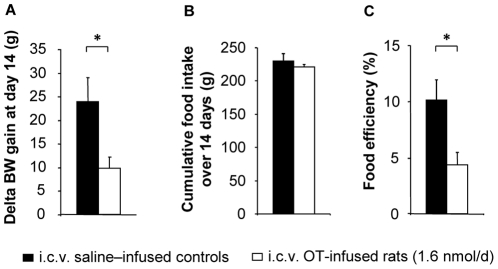
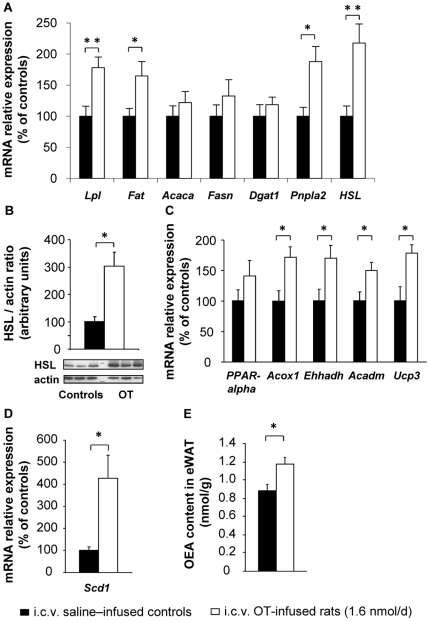
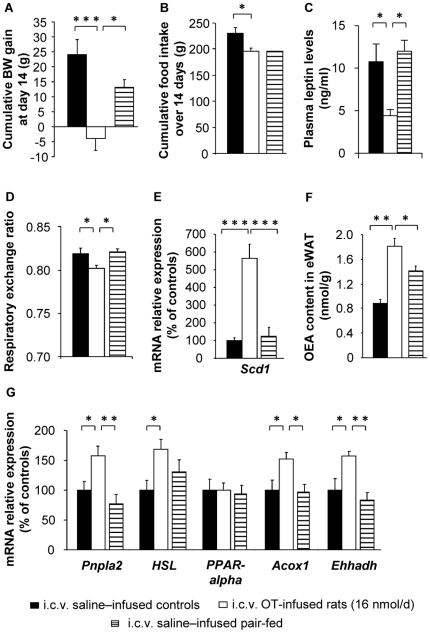
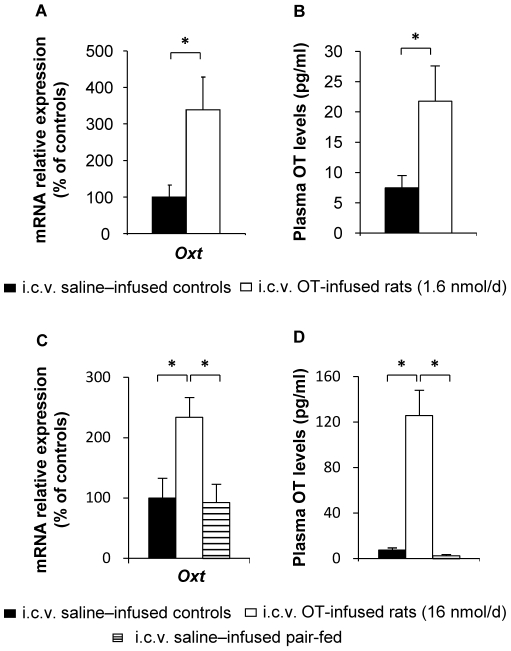
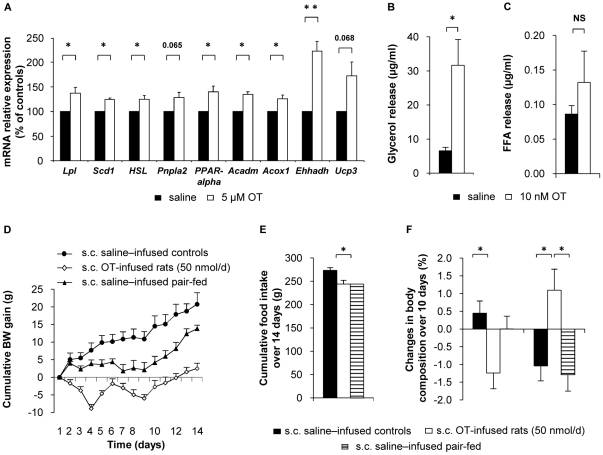
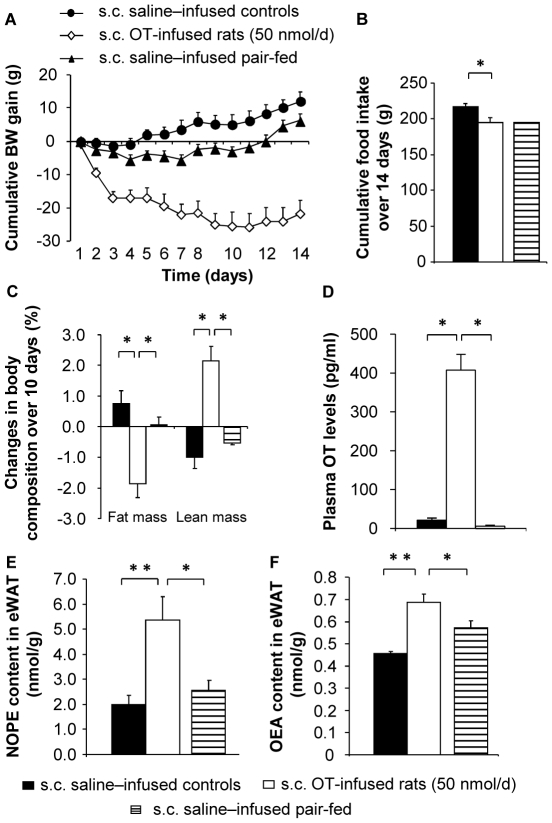
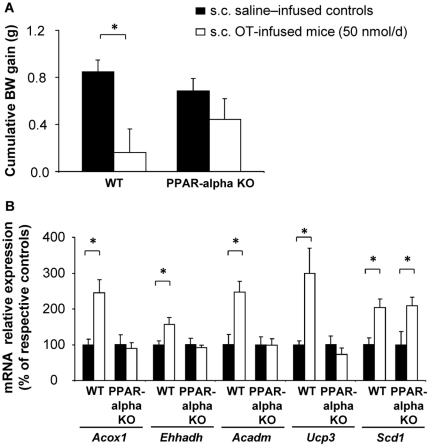
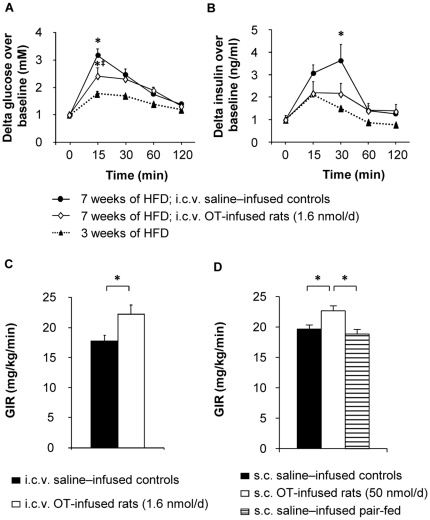
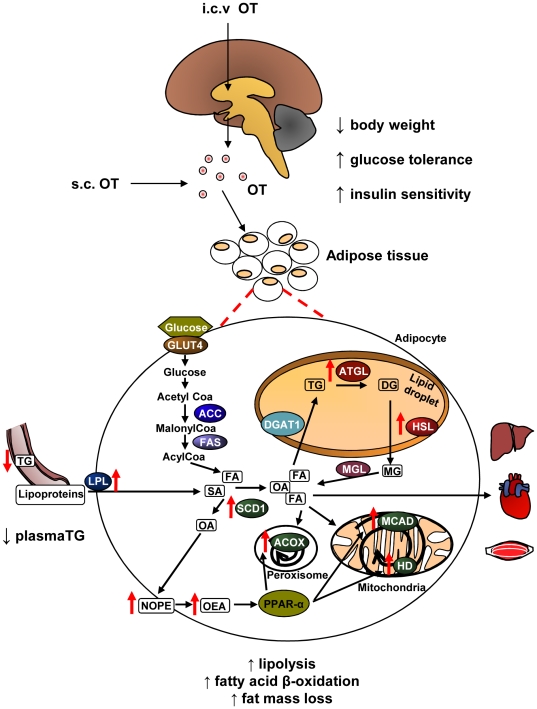
Apart from its role during labor and lactation, oxytocin is involved in several other functions. Interestingly, oxytocin- and oxytocin receptor-deficient mice develop late-onset obesity with normal food intake, suggesting that the hormone might exert a series of beneficial metabolic effects. This was recently confirmed by data showing that central oxytocin infusion causes weight loss in diet-induced obese mice. The aim of the present study was to unravel the mechanisms underlying such beneficial effects of oxytocin. Chronic central oxytocin infusion was carried out in high fat diet-induced obese rats. Its impact on body weight, lipid metabolism and insulin sensitivity was determined. We observed a dose-dependent decrease in body weight gain, increased adipose tissue lipolysis and fatty acid β-oxidation, as well as reduced glucose intolerance and insulin resistance. The additional observation that plasma oxytocin levels increased upon central infusion suggested that the hormone might affect adipose tissue metabolism by direct action. This was demonstrated using in vitro, ex vivo, as well as in vivo experiments. With regard to its mechanism of action in adipose tissue, oxytocin increased the expression of stearoyl-coenzyme A desaturase 1, as well as the tissue content of the phospholipid precursor, N-oleoyl-phosphatidylethanolamine, the biosynthetic precursor of the oleic acid-derived PPAR-alpha activator, oleoylethanolamide. Because PPAR-alpha regulates fatty acid β-oxidation, we hypothesized that this transcription factor might mediate the oxytocin effects. This was substantiated by the observation that, in contrast to its effects in wild-type mice, oxytocin infusion failed to induce weight loss and fat oxidation in PPAR-alpha-deficient animals. Altogether, these results suggest that oxytocin administration could represent a promising therapeutic approach for the treatment of human obesity and type 2 diabetes.
Overview
The claims and statistics of this paper haven’t been checked yet.
Run the check — free, no account needed. It reads the open-access text and checks the sources it cites.
Integrity signals
Registry
Cites
Statistics
Figures
Verification
Claims the paper makes
The claims and statistics of this paper haven’t been checked yet.
Run the check — free, no account needed. It reads the open-access text and checks the sources it cites.
Claims other papers make about this one
Each is checked against this paper’s own text: does it say what the citing paper says it does?
In the citing paper
“These studies suggest that oxytocin promotes energy expenditure.”
From Oxytocin reduces caloric intake in men (2015) · cites this paper as [7]
In the citing paper
“Oxytocin induces weight loss in rodents, and this effect may be related to increased energy expenditure and lipolyis in addition to appetite suppression(6, 7, 8, 9, 10, 11).”
From Oxytocin reduces caloric intake in men (2015) · cites this paper as [7]
In the citing paper
“In vitro and in vivo experiments have demonstrated that oxytocin inhibits adipogenesis and promotes lipolytic pathways and fatty acid oxidation(7, 37).”
From Oxytocin reduces caloric intake in men (2015) · cites this paper as [7]
In the citing paper
“In an investigation of rats receiving a high fat diet, central oxytocin attenuated weight gain without changing food intake(7).”
From Oxytocin reduces caloric intake in men (2015) · cites this paper as [7]
In the citing paper
“Although this conclusion is in need of corroboration in experiments focusing on glucose homeostasis, it is in line with findings that oxytocin enhances insulin sensitivity and glucose tolerance in a rodent model of diet-induced obesity independent of its effects on body weight (7,50).”
From Oxytocin Reduces Reward-Driven Food Intake in Humans (2013) · cites this paper as [50]
In the citing paper
“similar anti-obesity effects of OXT were reported to occur in rat models [16], [17].”
From Treatment of obesity and diabetes using oxytocin or analogs in patients and mouse models (2013) · cites this paper as [17]
Self-check
Percentages, sums and reported differences re-computed from the paper’s own numbers.
The self-check needs the paper’s full text.
Citations
Cites
The oxytocin receptor system: structure, function, and regulation
Gimpl, G., & Fahrenholz, F. (2001) · Physiological Reviews · doi:10.1152/physrev.2001.81.2.629 · Cited by 3,089
The endogenous cannabinoid system controls extinction of aversive memories
Marsicano, G., Wotjak, C. T., Azad, S. C., Bisogno, T., Rammes, G., Cascio, M. G., Hermann, H., Tang, J., Hofmann, C., Zieglgänsberger, W., et al. (2002) · Nature · doi:10.1038/nature00839 · Cited by 1,728
Lee, S. S. T., Pineau, T., Drago, J., Lee, E. J., Owens, J. W., Kroetz, D. L., Fernández‐Salguero, P. M., Westphal, H., & Gonzalez, F. J. (1995) · Molecular and Cellular Biology · doi:10.1128/mcb.15.6.3012 · Cited by 1,652
Fu, J., Gaetani, S., Oveisi, F., Verme, J., Serrano, A., de Fonseca, F. D., Rosengarth, A., Luecke, H., Giacomo, B. D., Tarzia, G., et al. (2003) · Nature · doi:10.1038/nature01921 · Cited by 1,113
Oxytocin Receptors and Human Parturition: A Dual Role for Oxytocin in the Initiation of Labor
Fuchs, A., Fuchs, F., Husslein, P. W., Soloff, M. S., & Fernström, M. J. (1982) · Science · doi:10.1126/science.6278592 · Cited by 494
Swaab, D. F., Purba, J. S., & Hofman, M. A. (1995) · The Journal of Clinical Endocrinology & Metabolism · doi:10.1210/jcem.80.2.7852523 · Cited by 421
The expectant brain: adapting for motherhood
Brunton, P. J., & Russell, J. A. (2008) · Nature Reviews Neuroscience · doi:10.1038/nrn2280 · Cited by 407
Guzmán, M., Lo Verme, J., Fu, J., Oveisi, F., Blázquez, C., & Piomelli, D. (2004) · Journal of Biological Chemistry · doi:10.1074/jbc.m404087200 · Cited by 328
Influence of oxytocin on feeding behavior in the rat
Arletti, R., Benelli, A., & Bertolini, A. (1989) · Peptides · doi:10.1016/0196-9781(89)90082-x · Cited by 328
Role of stearoyl-coenzyme A desaturase in lipid metabolism
Miyazaki, M., & Ntambi, J. M. (2003) · Prostaglandins Leukotrienes and Essential Fatty Acids · doi:10.1016/s0952-3278(02)00261-2 · Cited by 296
Cited by
Sorted by citations
The oxytocin receptor: from intracellular signaling to behavior
Jurek, B., & Neumann, I. D. (2018) · Physiological Reviews · doi:10.1152/physrev.00031.2017 · Cited by 999
The Role of Placental Hormones in Mediating Maternal Adaptations to Support Pregnancy and Lactation
Napso, T., Yong, H. E. J., Lopez-Tello, J., & Sferruzzi-Perri, A. N. (2018) · Frontiers in Physiology · doi:10.3389/fphys.2018.01091 · Cited by 470
Oxytocin and Vasopressin Agonists and Antagonists as Research Tools and Potential Therapeutics
Manning, M., Misicka, A., Olma, A., Bankowski, K., Stoev, S., Chini, B., Durroux, T., Mouillac, B., Corbani, M., & Guillon, G. (2012) · Journal of Neuroendocrinology · doi:10.1111/j.1365-2826.2012.02303.x · Cited by 423
Problems with measuring peripheral oxytocin: can the data on oxytocin and human behavior be trusted?
McCullough, M. E., Churchland, P. S., & Mendez, A. J. (2013) · Neuroscience & Biobehavioral Reviews · doi:10.1016/j.neubiorev.2013.04.018 · Cited by 416
Elabd, C., Cousin, W., Upadhyayula, P., Chen, R. Y., Chooljian, M. S., Li, J., Kung, S., Jiang, K. P., & Conboy, I. M. (2014) · Nature Communications · doi:10.1038/ncomms5082 · Cited by 411
A single heterochronic blood exchange reveals rapid inhibition of multiple tissues by old blood
Rebo, J., Mehdipour, M., Gathwala, R., Causey, K., Liu, Y., Conboy, M. J., & Conboy, I. M. (2016) · Nature Communications · doi:10.1038/ncomms13363 · Cited by 291
Oxytocin Reduces Reward-Driven Food Intake in Humans
Ott, V., Finlayson, G., Lehnert, H., Heitmann, B., Heinrichs, M., Born, J., & Hallschmid, M. (2013) · Diabetes · doi:10.2337/db13-0663 · Cited by 226
Treatment of obesity and diabetes using oxytocin or analogs in patients and mouse models
Zhang, H., Wu, C., Chen, Q., Chen, X., Xu, Z., Wu, J., & Cai, D. (2013) · PLoS ONE · doi:10.1371/journal.pone.0061477 · Cited by 224
Peripheral oxytocin treatment ameliorates obesity by reducing food intake and visceral fat mass
Maejima, Y., Iwasaki, Y., Yamahara, Y., Kodaira, M., Sedbazar, U., & Yada, T. (2011) · Aging · doi:10.18632/aging.100408 · Cited by 220
Oxytocin reduces caloric intake in men
Lawson, E. A., Marengi, D. A., DeSanti, R. L., Holmes, T. M., Schoenfeld, D. A., & Tolley, C. J. (2015) · Obesity · doi:10.1002/oby.21069 · Cited by 208
The effects of oxytocin on eating behaviour and metabolism in humans
Lawson, E. A. (2017) · Nature Reviews Endocrinology · doi:10.1038/nrendo.2017.115 · Cited by 196
Blevins, J. E., Graham, J. L., Morton, G. J., Bales, K. L., Schwartz, M. W., Baskin, D. G., & Havel, P. J. (2014) · American Journal of Physiology-Regulatory, Integrative and Comparative Physiology · doi:10.1152/ajpregu.00441.2014 · Cited by 191
An obligate role of oxytocin neurons in diet induced energy expenditure
Wu, Z., Xu, Y., Zhu, Y., Sutton, A. K., Zhao, R., Lowell, B. B., Olson, D. P., & Tong, Q. (2012) · PLoS ONE · doi:10.1371/journal.pone.0045167 · Cited by 181
The role of oxytocin in male and female reproductive behavior
Veening, J. G., A, T. R. D. J., Waldinger, M. D., Korte, S. M., & Olivier, B. (2014) · European Journal of Pharmacology · doi:10.1016/j.ejphar.2014.07.045 · Cited by 156
Sarcopenic obesity: molecular clues to a better understanding of its pathogenesis?
Kob, R., Bollheimer, L. C., Bertsch, T., Fellner, C., Djukic, M., Sieber, C. C., & Fischer, B. E. (2015) · Biogerontology · doi:10.1007/s10522-014-9539-7 · Cited by 151
Oxytocin, feeding, and satiety
Sabatier, N., Leng, G., & Menzies, J. (2013) · Frontiers in Endocrinology · doi:10.3389/fendo.2013.00035 · Cited by 149
Decreased Circulating Levels of Oxytocin in Obesity and Newly Diagnosed Type 2 Diabetic Patients
Qian, W., Zhu, T., Tang, B., Yu, S., Hu, H., Sun, W., Pan, R., Wang, J., Wang, D., Yang, L., et al. (2014) · The Journal of Clinical Endocrinology & Metabolism · doi:10.1210/jc.2014-2206 · Cited by 149
Iwasaki, Y., Maejima, Y., Suyama, S., Yoshida, M., Arai, T., Katsurada, K., Kumari, P., Nakabayashi, H., Kakei, M., & Yada, T. (2015) · American Journal of Physiology-Regulatory, Integrative and Comparative Physiology · doi:10.1152/ajpregu.00344.2014 · Cited by 148
McCormack, S. E., Blevins, J. E., & Lawson, E. A. (2019) · Endocrine Reviews · doi:10.1210/endrev/bnz012 · Cited by 148
Blevins, J. E., & Baskin, D. G. (2015) · Physiology & Behavior · doi:10.1016/j.physbeh.2015.05.023 · Cited by 135
Appetite Regulation: Hormones, Peptides, and Neurotransmitters and Their Role in Obesity
Miller, G. D. (2017) · American Journal of Lifestyle Medicine · doi:10.1177/1559827617716376 · Cited by 132
Oleic acid-derived oleoylethanolamide: A nutritional science perspective
Bowen, K. J., Kris‐Etherton, P. M., Shearer, G. C., West, S. G., Reddivari, L., & Jones, P. J. H. (2017) · Progress in Lipid Research · doi:10.1016/j.plipres.2017.04.001 · Cited by 120
Oxytocin in metabolic homeostasis: implications for obesity and diabetes management
Ding, C., Leow, M. K., & Magkos, F. (2018) · Obesity Reviews · doi:10.1111/obr.12757 · Cited by 115
Postolache, T. T., del Bosque‐Plata, L., Jabbour, S. A., Vergare, M. J., Wu, R., & Gragnoli, C. (2019) · American Journal of Medical Genetics Part B Neuropsychiatric Genetics · doi:10.1002/ajmg.b.32712 · Cited by 110
Divergent Effects of Oxytocin Treatment of Obese Diabetic Mice on Adiposity and Diabetes
Altirriba, J., Poher, A.-L., Caillon, A., Arsenijevic, D., Veyrat‐Durebex, C., Lyautey, J., Dulloo, A. G., & Rohner‐Jeanrenaud, F. (2014) · Endocrinology · doi:10.1210/en.2014-1466 · Cited by 113
Self-citationNonsocial Functions of Hypothalamic Oxytocin
Yang, H.-P., Wang, L., Han, L., & Wang, S. C. (2013) · ISRN Neuroscience · doi:10.1155/2013/179272 · Cited by 116
Role of oxytocin signaling in the regulation of body weight
Blevins, J. E., & Ho, J. M. (2013) · Reviews in Endocrine and Metabolic Disorders · doi:10.1007/s11154-013-9260-x · Cited by 108
Oxytocin Treatment Prevents the Cardiomyopathy Observed in Obese Diabetic Male db/db Mice
Plante, É., Ménaouar, A., Danalache, B. A., Yip, D., Broderick, T. L., Chiasson, J., Jankowski, M., & Gutkowska, J. (2015) · Endocrinology · doi:10.1210/en.2014-1718 · Cited by 107
Blevins, J. E., Thompson, B. W., Anekonda, V. T., Ho, J. M., Graham, J. L., Roberts, Z. S., Hwang, B. H., Ogimoto, K., Wolden‐Hanson, T., Nelson, J. T., et al. (2016) · American Journal of Physiology-Regulatory, Integrative and Comparative Physiology · doi:10.1152/ajpregu.00220.2015 · Cited by 109
Lefevre, A., Mottolese, R., Dirheimer, M., Mottolese, C., Duhamel, J.-R., & Sirigu, A. (2017) · Scientific Reports · doi:10.1038/s41598-017-17674-7 · Cited by 105
A brief history of oxytocin and its role in modulating psychostimulant effects
Carson, D. S., Guastella, A. J., Taylor, E. R., & McGregor, I. S. (2013) · Journal of Psychopharmacology · doi:10.1177/0269881112473788 · Cited by 105
Noble, E. E., Billington, C. J., Kotz, C. M., & Wang, C. (2014) · American Journal of Physiology-Regulatory, Integrative and Comparative Physiology · doi:10.1152/ajpregu.00118.2014 · Cited by 102
From Autism to Eating Disorders and More: The Role of Oxytocin in Neuropsychiatric Disorders
Romano, A., Tempesta, B., Bonaventura, M. V. M. D., & Gaetani, S. (2016) · Frontiers in Neuroscience · doi:10.3389/fnins.2015.00497 · Cited by 106
Kong, L., Chen, X., Gissler, M., & Lavebratt, C. (2020) · International Journal of Obesity · doi:10.1038/s41366-020-0609-4 · Cited by 105
The role of oxytocin in regulation of appetitive behaviour, body weight and glucose homeostasis
Lawson, E. A., Olszewski, P. K., Weller, A., & Blevins, J. E. (2019) · Journal of Neuroendocrinology · doi:10.1111/jne.12805 · Cited by 100
Kasahara, Y., Sato, K., Takayanagi, Y., Mizukami, H., Ozawa, K., Hidema, S., So, K.-H., Kawada, T., Inoue, N., Ikeda, I., et al. (2013) · Endocrinology · doi:10.1210/en.2012-2206 · Cited by 96
The Effects of Oxytocin on Appetite Regulation, Food Intake and Metabolism in Humans
Kerem, L., & Lawson, E. A. (2021) · International Journal of Molecular Sciences · doi:10.3390/ijms22147737 · Cited by 104
Role of oxytocin in energy metabolism
Chaves, V. E., Tilelli, C. Q., Brito, N. A., & Brito, M. N. (2013) · Peptides · doi:10.1016/j.peptides.2013.04.010 · Cited by 90
Hsu, E. A., Miller, J. L., Perez, F. A., & Roth, C. L. (2017) · The Journal of Clinical Endocrinology & Metabolism · doi:10.1210/jc.2017-02080 · Cited by 87
Kim, Y., Eom, J.-S., Yang, J., Kang, J., & Treasure, J. L. (2015) · PLoS ONE · doi:10.1371/journal.pone.0137514 · Cited by 85
Narmaki, E., Borazjani, M., Ataie‐Jafari, A., Hariri, N., Doost, A. H., Qorbani, M., & Saidpour, A. (2020) · Nutritional Neuroscience · doi:10.1080/1028415x.2020.1826763 · Cited by 85
Ho, J. M., Anekonda, V. T., Thompson, B. W., Zhu, M., Curry, R. W., Hwang, B. H., Morton, G. J., Schwartz, M. W., Baskin, D. G., Appleyard, S. M., et al. (2014) · Endocrinology · doi:10.1210/en.2014-1148 · Cited by 74
Spetter, M. S., Feld, G. B., Thienel, M., Preissl, H. T., Hege, M. A., & Hallschmid, M. (2018) · Scientific Reports · doi:10.1038/s41598-018-20963-4 · Cited by 73
Dombret, C., Nguyen, T., Schakman, O., Michaud, J. L., Hardin‐Pouzet, H., Bertrand, M. J. M., & Backer, O. D. (2012) · Human Molecular Genetics · doi:10.1093/hmg/dds310 · Cited by 74
Tan, C. K., Zhuang, Y., & Wahli, W. (2017) · Expert Opinion on Therapeutic Targets · doi:10.1080/14728222.2017.1280467 · Cited by 74
Self-citationRoberts, Z. S., Wolden‐Hanson, T., Matsen, M. E., Ryu, V., Vaughan, C. H., Graham, J. L., Havel, P. J., Chukri, D. W., Schwartz, M. W., Morton, G. J., et al. (2017) · American Journal of Physiology-Regulatory, Integrative and Comparative Physiology · doi:10.1152/ajpregu.00169.2017 · Cited by 70
Oxytocin Improves β-Cell Responsivity and Glucose Tolerance in Healthy Men
Klement, J., Ott, V., Rapp, K., Brede, S., Piccinini, F., Cobelli, C., Lehnert, H., & Hallschmid, M. (2016) · Diabetes · doi:10.2337/db16-0569 · Cited by 75
Haines, M. S., Marengi, D. A., Pulumo, R., Yu, E. W.-Y., Eddy, K. T., Klibanski, A., Miller, K. K., & Lawson, E. A. (2017) · The Journal of Clinical Endocrinology & Metabolism · doi:10.1210/jc.2016-3963 · Cited by 68
Coming Full Circle: Contributions of Central and Peripheral Oxytocin Actions to Energy Balance
Ho, J. M., & Blevins, J. E. (2012) · Endocrinology · doi:10.1210/en.2012-1751 · Cited by 67
Oxytocin Reverses Ovariectomy-Induced Osteopenia and Body Fat Gain
Béranger, G. E., Pisani, D. F., Castel, J., Djedaini, M., Battaglia, S., Amiaud, J., Boukhechba, F., Ailhaud, G. P., Michiels, J., Heymann, D., et al. (2014) · Endocrinology · doi:10.1210/en.2013-1688 · Cited by 67
Erdman, S. E., & Poutahidis, T. (2016) · International review of neurobiology · doi:10.1016/bs.irn.2016.07.004 · Cited by 69
Buemann, B., & Uvnäs-Moberg, K. (2020) · Medical Hypotheses · doi:10.1016/j.mehy.2020.109597 · Cited by 66
Systemic problems: a perspective on stem cell aging and rejuvenation.
Conboy, I. M., Conboy, M. J., & Rebo, J. (2015) · Aging · doi:10.18632/aging.100819 · Cited by 58
The Anorexigenic Neural Pathways of Oxytocin and Their Clinical Implication
Maejima, Y., Yokota, S., Nishimori, K., & Shimomura, K. (2018) · Neuroendocrinology · doi:10.1159/000489263 · Cited by 68
Horta, M., Kaylor, K., Feifel, D., & Ebner, N. C. (2019) · Neuroscience & Biobehavioral Reviews · doi:10.1016/j.neubiorev.2019.10.012 · Cited by 63
Zierer, J., Pallister, T., Tsai, P.-C., Krumsiek, J., Bell, J. T., Lauc, G., Spector, T. D., Menni, C., & Kastenmüller, G. (2016) · Scientific Reports · doi:10.1038/srep37646 · Cited by 63
Altirriba, J., Poher, A.-L., & Rohner‐Jeanrenaud, F. (2015) · Frontiers in Endocrinology · doi:10.3389/fendo.2015.00119 · Cited by 67
Self-citationOng, Z. Y., Alhadeff, A. L., & Grill, H. J. (2015) · American Journal of Physiology-Regulatory, Integrative and Comparative Physiology · doi:10.1152/ajpregu.00534.2014 · Cited by 62
Speakman, J. R. (2013) · Human Heredity · doi:10.1159/000353585 · Cited by 61
A systematic review and quantitative meta‐analysis of the effects of oxytocin on feeding
Leslie, M. R., Silva, P., Paloyelis, Y., Blevins, J. E., & Treasure, J. L. (2018) · Journal of Neuroendocrinology · doi:10.1111/jne.12584 · Cited by 60
Brain to bone: What is the contribution of the brain to skeletal homeostasis?
Idelevich, A., & Baron, R. (2018) · Bone · doi:10.1016/j.bone.2018.05.018 · Cited by 62
Oxytocin and cardioprotection in diabetes and obesity
Jankowski, M., Broderick, T. L., & Gutkowska, J. (2016) · BMC Endocrine Disorders · doi:10.1186/s12902-016-0110-1 · Cited by 61
Supraoptic oxytocin and vasopressin neurons function as glucose and metabolic sensors
Song, Z., Levin, B. E., Stevens, W., & Sladek, C. D. (2014) · American Journal of Physiology-Regulatory, Integrative and Comparative Physiology · doi:10.1152/ajpregu.00520.2013 · Cited by 58
Current findings on the role of oxytocin in the regulation of food intake
Spetter, M. S., & Hallschmid, M. (2017) · Physiology & Behavior · doi:10.1016/j.physbeh.2017.03.007 · Cited by 61
Impact of sex, fat distribution and initial body weight on oxytocin’s body weight regulation
Maejima, Y., Aoyama, M., Sakamoto, K., Jojima, T., Aso, Y., Takasu, K., Takenosihita, S., & Shimomura, K. (2017) · Scientific Reports · doi:10.1038/s41598-017-09318-7 · Cited by 61
Hypooxytocinaemia in obese Zucker rats relates to oxytocin degradation in liver and adipose tissue
Balážová, L., Kršková, K., Segarra, A. B., Špolcová, A., Suski, M., Olszanecki, R., & Zórad, Š. (2014) · Journal of Endocrinology · doi:10.1530/joe-13-0417 · Cited by 57
Actions of pituitary hormones beyond traditional targets
Zaidi, M., New, M. I., Blair, H. C., Zallone, A. Z., Baliram, R., Davies, T. F., Cardozo, C. P., Iqbal, J., Sun, L., Rosen, C. J., et al. (2018) · Journal of Endocrinology · doi:10.1530/joe-17-0680 · Cited by 63
Oxytocin regulates body composition
Sun, L., Lizneva, D., Ji, Y., Colaianni, G., Hadelia, E., Gumerova, A. A., Ievleva, K., Kuo, T., Korkmaz, F., Ryu, V., et al. (2019) · Proceedings of the National Academy of Sciences · doi:10.1073/pnas.1913611116 · Cited by 61
Olszewski, P. K., Klockars, A., & Levine, A. S. (2016) · Journal of Neuroendocrinology · doi:10.1111/jne.12376 · Cited by 56
Chen, S., Xu, H., Dong, S., & Xiao, L. (2022) · Journal of Neuroscience · doi:10.1523/jneurosci.2494-21.2022 · Cited by 58
Oxytocin and Food Intake Control: Neural, Behavioral, and Signaling Mechanisms
Liu, C. M., Spaulding, M. O., Rea, J. J., Noble, E. E., & Kanoski, S. E. (2021) · International Journal of Molecular Sciences · doi:10.3390/ijms221910859 · Cited by 60
Oxytocin and Eating Disorders: A Narrative Review on Emerging Findings and Perspectives
Giel, K. E., Zipfel, S., & Hallschmid, M. (2018) · Current Neuropharmacology · doi:10.2174/1570159x15666171128143158 · Cited by 58
Classical endocannabinoid‐like compounds and their regulation by nutrients
Kleberg, K., Hassing, H. A., & Hansen, H. S. (2014) · BioFactors · doi:10.1002/biof.1158 · Cited by 51
The Regulation of Oxytocin Receptor Gene Expression during Adipogenesis
Yi, K., So, K., Hata, Y., Suzuki, Y., Kato, D., Watanabe, K., Aso, H., Kasahara, Y., Nishimori, K., Chen, C., et al. (2015) · Journal of neuroendocrinology · doi:10.1111/jne.12268 · Cited by 51
Vargas-Martínez, F., Uvnäs-Moberg, K., Petersson, M., Olausson, H. A., & Jiménez-Estrada, I. (2014) · Progress in Neurobiology · doi:10.1016/j.pneurobio.2014.10.001 · Cited by 51
Control of lipolysis by a population of oxytocinergic sympathetic neurons
Li, E., Wang, L., Wang, D., Chi, J., Lin, Z., Smith, G. I., Klein, S., Cohen, P., & Rosen, E. D. (2023) · Nature · doi:10.1038/s41586-023-06830-x · Cited by 49
Banerjee, P., Joy, K. P., & Chaube, R. (2016) · General and Comparative Endocrinology · doi:10.1016/j.ygcen.2016.04.025 · Cited by 55
Oxytocin Secretion Is Related to Measures of Energy Homeostasis in Young Amenorrheic Athletes
Lawson, E. A., Ackerman, K. E., Slattery, M. J., Marengi, D. A., Clarke, H., & Misra, M. (2014) · The Journal of Clinical Endocrinology & Metabolism · doi:10.1210/jc.2013-4136 · Cited by 48
Elabd, S., & Sabry, I. (2015) · Frontiers in Endocrinology · doi:10.3389/fendo.2015.00121 · Cited by 47
Central Oxytocin and Food Intake: Focus on Macronutrient-Driven Reward
Klockars, A., Levine, A. S., & Olszewski, P. K. (2015) · Frontiers in Endocrinology · doi:10.3389/fendo.2015.00065 · Cited by 46
Oxytocin: Potential to mitigate cardiovascular risk
Reiss, A. B., Glass, D. S., Lam, E., Glass, A. D., Leon, J. D., & Kasselman, L. J. (2019) · Peptides · doi:10.1016/j.peptides.2019.05.001 · Cited by 45
Old Paradoxes and New Opportunities for Appetite Control in Obesity
Montégut, L., López-Otín, C., Magnan, C., & Kroemer, G. (2021) · Trends in Endocrinology and Metabolism · doi:10.1016/j.tem.2021.02.005 · Cited by 48
Matarazzo, V. A., Schaller, F., Nédélec, E., Bénani, A., Pénicaud, L., Muscatelli, F., Moyse, E., & Bauer, Š. (2012) · Journal of Neuroscience · doi:10.1523/jneurosci.1669-12.2012 · Cited by 45
Yuan, J., Zhang, R., Wu, R., Gu, Y., & Lu, Y. (2020) · Molecular and Cellular Endocrinology · doi:10.1016/j.mce.2020.110903 · Cited by 45
Oxytocin and Related Peptide Hormones: Candidate Anti-Inflammatory Therapy in Early Stages of Sepsis
Mehdi, S. F., Pusapati, S., Khenhrani, R. R., Farooqi, M. S., Sarwar, S., Alnasarat, A., Mathur, N., Metz, C. N., LeRoith, D., Tracey, K. J., et al. (2022) · Frontiers in Immunology · doi:10.3389/fimmu.2022.864007 · Cited by 46
Espinoza, S. E., Lee, J. L., Wang, C.-P., Ganapathy, V., MacCarthy, D., Pascucci, C., Musi, N., & Volpi, E. (2021) · Journal of the American Medical Directors Association · doi:10.1016/j.jamda.2021.04.015 · Cited by 44
Peptides in the regulation of glucagon secretion
Andersen, D. B., & Holst, J. J. (2021) · Peptides · doi:10.1016/j.peptides.2021.170683 · Cited by 50
Relay of peripheral oxytocin to central oxytocin neurons via vagal afferents for regulating feeding
Iwasaki, Y., Parmila, K., Wang, L. A., Hidema, S., Nishimori, K., & Yada, T. (2019) · Biochemical and Biophysical Research Communications · doi:10.1016/j.bbrc.2019.09.039 · Cited by 41
Quintana, D. S., Dieset, I., Elvsåshagen, T., Westlye, L. T., & Andreassen, O. A. (2017) · Frontiers in Neuroendocrinology · doi:10.1016/j.yfrne.2016.12.004 · Cited by 39
Pituitary crosstalk with bone, adipose tissue and brain
Zaidi, M., Yuen, T., & Kim, S. (2023) · Nature Reviews Endocrinology · doi:10.1038/s41574-023-00894-5 · Cited by 44
Colaianni, G., Sun, L., Zaidi, M., & Zallone, A. Z. (2014) · American Journal of Physiology-Regulatory, Integrative and Comparative Physiology · doi:10.1152/ajpregu.00040.2014 · Cited by 41
A new horizon: oxytocin as a novel therapeutic option for obesity and diabetes
Cai, D., & Purkayastha, S. (2013) · Drug Discovery Today Disease Mechanisms · doi:10.1016/j.ddmec.2013.05.006 · Cited by 39
Inhibitory role of oxytocin on TNFα expression assessed in vitro and in vivo
Garrido‐Urbani, S., Deblon, N., Poher, A.-L., Caillon, A., Ropraz, P., Rohner‐Jeanrenaud, F., & Altirriba, J. (2017) · Diabetes & Metabolism · doi:10.1016/j.diabet.2017.10.004 · Cited by 38
Self-citationOxytocin Signaling Pathway: From Cell Biology to Clinical Implications
Iovino, M., Messana, T., Tortora, A., Giusti, C., Lisco, G., Giagulli, V. A., Guastamacchia, E., Pergola, G. D., & Triggiani, V. (2020) · Endocrine Metabolic & Immune Disorders - Drug Targets · doi:10.2174/1871530320666200520093730 · Cited by 39
Sensory Circumventricular Organs, Neuroendocrine Control, and Metabolic Regulation
Jeong, J. K., Dow, S. A., & Young, C. N. (2021) · Metabolites · doi:10.3390/metabo11080494 · Cited by 41
Freeman, S. M., Ngo, J., Singh, B., Masnaghetti, M., Bales, K. L., & Blevins, J. E. (2018) · Neuroscience · doi:10.1016/j.neuroscience.2018.07.037 · Cited by 37
The localization of oxytocin receptors in the islets of Langerhans in the rat pancreas
Suzuki, M., Honda, Y., Li, M., Masuko, S., & Murata, Y. (2013) · Regulatory Peptides · doi:10.1016/j.regpep.2013.03.019 · Cited by 36
An oxytocinergic neural pathway that stimulates thermogenic and cardiac sympathetic outflow
Fukushima, A., Kataoka, N., & Nakamura, K. (2022) · Cell Reports · doi:10.1016/j.celrep.2022.111380 · Cited by 41
Intranasal Neuropeptide Administration To Target the Human Brain in Health and Disease
Spetter, M. S., & Hallschmid, M. (2015) · Molecular Pharmaceutics · doi:10.1021/acs.molpharmaceut.5b00047 · Cited by 35
Akour, A. A., Kasabri, V. N., Bulatova, N., AlMuhaissen, S. A., Naffa, R. G., Fahmawi, H. A., Momani, M. S., Zayed, A. A., & Bustanji, Y. K. (2017) · The Review of Diabetic Studies · doi:10.1900/rds.2017.14.364 · Cited by 35
Metadata
- Authors
- Deblon, N., Veyrat-Durebex, C., Bourgoin, L., Caillon, A., Bussier, A.-L., Petrosino, S., Piscitelli, F., Legros, J.-J., Geenen, V., Foti, M., Wahli, W., Di Marzo, V., & Rohner-Jeanrenaud, F.
- Affiliations
- University of Geneva (CH)
- Istituto di Chimica Biomolecolare (IT)
- University of Liège (BE)
- University of Lausanne (CH)
- Venue
- PLoS ONE
- Publisher
- Public Library of Science (PLoS)
- Published
- 2011-09-27
- Volume
- 6
- Issue
- 9
- Pages
- e25565
- ISSN
- 1932-6203 (ISSN-L)
- PMC
- PMC3181274
- OpenAlex
- W2161253360
- Cited by
- 254
- References
- 42
- Citations by year
- 2026: 7 · 2025: 11 · 2024: 20 · 2023: 12 · 2022: 18 · 2021: 25 · 2020: 16 · 2019: 23 · 2018: 22 · 2017: 22 · 2016: 19 · 2015: 17 · 2014: 20 · 2013: 16 · 2012: 5
- FWCI
- 6.22
- Type
- journal article
- Language
- en
- Open access
- gold
- doi.org
- Locations
- PLoS ONE (publishedVersion, cc-by)
- Europe PMC (PubMed Central) (publishedVersion, cc-by)
- PubMed Central (publishedVersion, cc-by)
- PubMed (publishedVersion)
- Archive ouverte UNIGE (University of Geneva) (publishedVersion, other-oa)
- IRIS (submittedVersion)
- DOAJ (DOAJ: Directory of Open Access Journals) (submittedVersion, cc-by-sa)
- Figshare (submittedVersion, cc-by)
- Open Repository and Bibliography (University of Liège) (submittedVersion, other-oa)
- SERVAL (Université de Lausanne) (submittedVersion, other-oa)
- Archive ouverte UNIGE (University of Geneva) (submittedVersion, cc-by)
- Funders
- National Science Foundation (310030)
- Schweizerischer Nationalfonds zur Förderung der Wissenschaftlichen Forschung (120147, 128660, 135727, 31003A, 31003A-134919/1, 134919, 310000, 310030, 3100A0)
- National Institutes of Health (DA009789)
- National Institute on Drug Abuse (P01DA009789)
- Topics
- Life Sciences › Neuroscience › Endocrine and Autonomic Systems › Regulation of Appetite and Obesity
- Health Sciences › Medicine › Endocrinology, Diabetes and Metabolism › Adipokines, Inflammation, and Metabolic Diseases
- Life Sciences › Biochemistry, Genetics and Molecular Biology › Molecular Biology › Peroxisome Proliferator-Activated Receptors
- Keywords
- oxytocin, anti-obesity, diet-induced obesity, high-fat diet, adipose tissue lipolysis, fatty acid beta-oxidation, insulin resistance, impaired glucose tolerance, PPARα, stearoyl-CoA desaturase 1, oleoylethanolamide, type 2 diabetes
- MeSH terms
- Adipose Tissue, Animals, Body Weight, Diet, Dose-Response Relationship, Drug, Insulin Resistance, Male, Obesity, Oleic Acids, Oxytocin, Anti-Obesity Agents, PPAR alpha, Mice, Rats, Gene Knockout Techniques, Endocannabinoids
About these checks
Registry, retraction, Cites and statistics results are computed, not judged, with one exception: a printed reference that no index lists is read once by a model before it counts as a citation error. Claims are extracted by a model and kept only when their quote appears verbatim in the text; each cited source is then checked, with a model’s help, for whether it says what the claim relies on. Those verdicts can be wrong — read the claim’s quote and the cited source before relying on one.
Statistics and arithmetic are recomputed, not judged.
Confidence bands are shown only for fields calibrated on our annotated test set. None is calibrated yet, so no band is shown.
What counts as a claim ›How we measure confidence ›How we check this ›
Are you an author, or do you see a problem with this page? Request a review
