

The DOI matches its Crossref record; 53 of the 53 references it cites were found in a registry or an index.
Circadian Desynchrony Promotes Metabolic Disruption in a Mouse Model of Shiftwork
Open accessAbstract
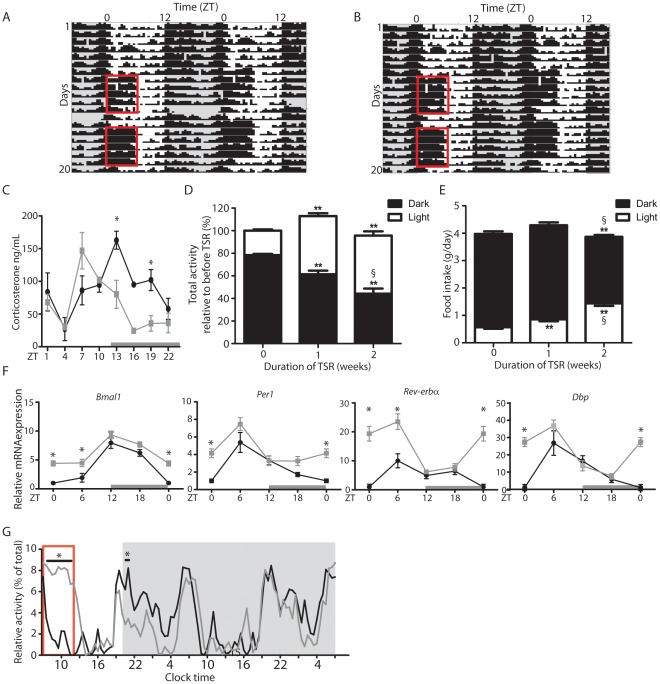
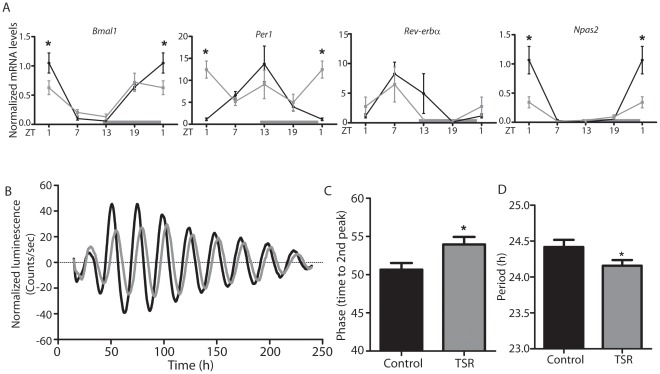
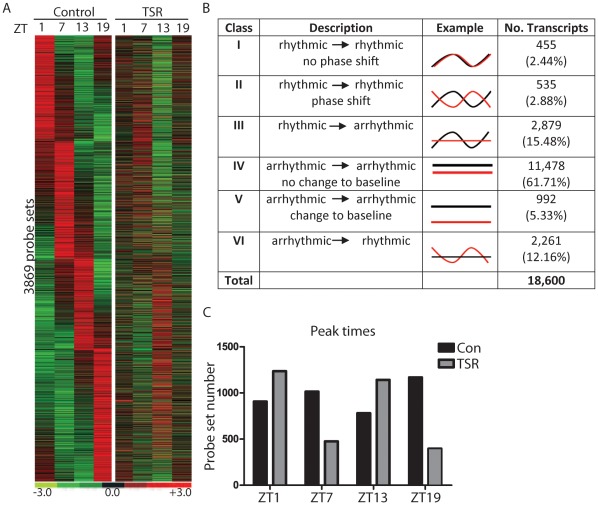
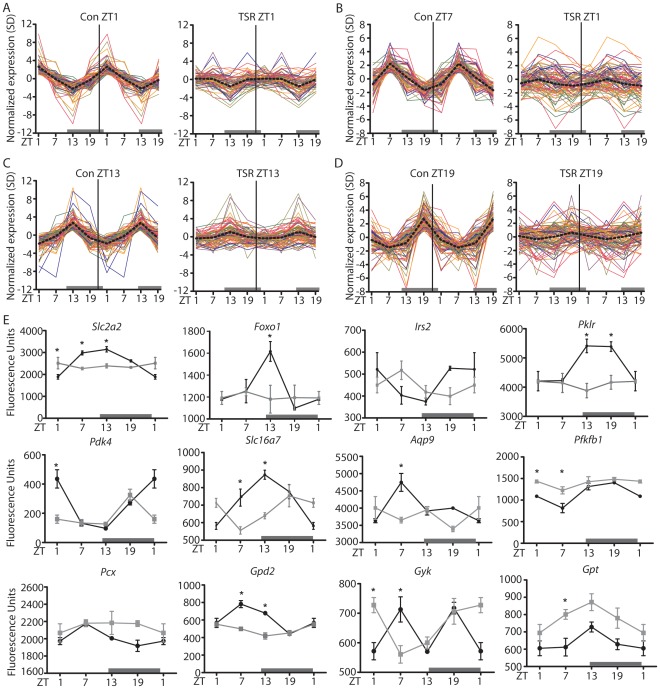
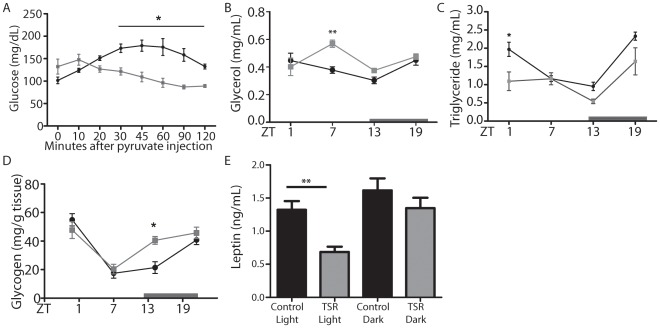
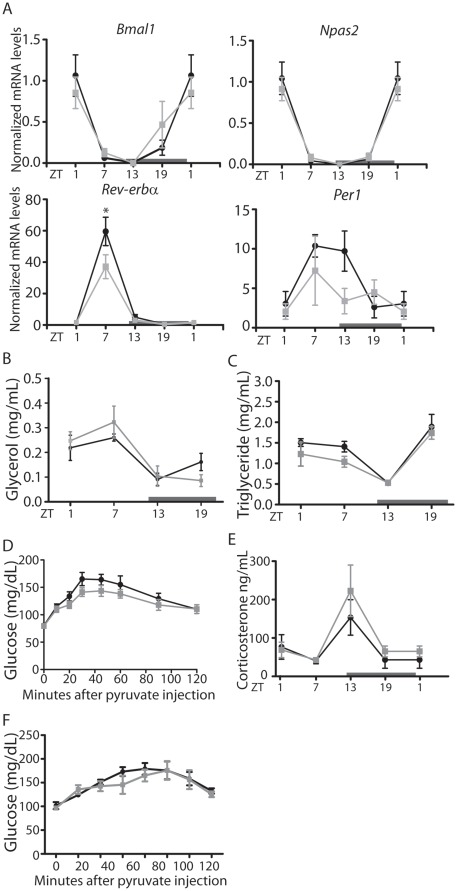
Shiftwork is associated with adverse metabolic pathophysiology, and the rising incidence of shiftwork in modern societies is thought to contribute to the worldwide increase in obesity and metabolic syndrome. The underlying mechanisms are largely unknown, but may involve direct physiological effects of nocturnal light exposure, or indirect consequences of perturbed endogenous circadian clocks. This study employs a two-week paradigm in mice to model the early molecular and physiological effects of shiftwork. Two weeks of timed sleep restriction has moderate effects on diurnal activity patterns, feeding behavior, and clock gene regulation in the circadian pacemaker of the suprachiasmatic nucleus. In contrast, microarray analyses reveal global disruption of diurnal liver transcriptome rhythms, enriched for pathways involved in glucose and lipid metabolism and correlating with first indications of altered metabolism. Although altered food timing itself is not sufficient to provoke these effects, stabilizing peripheral clocks by timed food access can restore molecular rhythms and metabolic function under sleep restriction conditions. This study suggests that peripheral circadian desynchrony marks an early event in the metabolic disruption associated with chronic shiftwork. Thus, strengthening the peripheral circadian system by minimizing food intake during night shifts may counteract the adverse physiological consequences frequently observed in human shift workers.
Overview
The claims and statistics of this paper haven’t been checked yet.
Run the check — free, no account needed. It reads the open-access text and checks the sources it cites.
Integrity signals
Registry
Cites
Statistics
Figures
Verification
Claims the paper makes
The claims and statistics of this paper haven’t been checked yet.
Run the check — free, no account needed. It reads the open-access text and checks the sources it cites.
Claims other papers make about this one
Each is checked against this paper’s own text: does it say what the citing paper says it does?
The cited source says what the claim attributes to it.
In the citing paper
“The night eating syndrome in humans (33,34) and a shift of food intake from the active phase to the rest phase in laboratory rodents (35,36) have been associated with adverse metabolic consequences.”
From Circadian Misalignment Augments Markers of Insulin Resistance and Inflammation, Independently of Sleep Loss (2014) · cites this paper as [36]
Self-check
Percentages, sums and reported differences re-computed from the paper’s own numbers.
The self-check needs the paper’s full text.
Citations
Cites
Systematic and integrative analysis of large gene lists using DAVID bioinformatics resources
Huang, D. W., Sherman, B. T., & Lempicki, R. A. (2009) · Nature Protocols · doi:10.1038/nprot.2008.211 · Cited by 35,890
Huang, D. W., Sherman, B. T., & Lempicki, R. A. (2009) · Nucleic Acids Research · doi:10.1093/nar/gkn923 · Cited by 14,108
Bioconductor: open software development for computational biology and bioinformatics
Gentleman, R. C., Carey, V. J., Bates, D. M., Bolstad, B., Dettling, M., Dudoit, S., Ellis, B., Gautier, L., Ge, Y., Gentry, J., et al. (2004) · Genome biology · doi:10.1186/gb-2004-5-10-r80 · Cited by 12,082
Model-based analysis of oligonucleotide arrays: Expression index computation and outlier detection.
Li, C., & Wong, W. H. (2001) · Proceedings of the National Academy of Sciences · doi:10.1073/pnas.98.1.31 · Cited by 3,133
More powerful procedures for multiple significance testing
Hochberg, Y., & Benjamini, Y. (1990) · Statistics in Medicine · doi:10.1002/sim.4780090710 · Cited by 2,715
Obesity and Metabolic Syndrome in Circadian Clock Mutant Mice
Turek, F. W., Joshu, C., Kohsaka, A., Lin, E., Ivanova, G., McDearmon, E., Laposky, A., Losee-Olson, S., Easton, A., Jensen, D. R., et al. (2005) · Science · doi:10.1126/science.1108750 · Cited by 2,485
Spiegel, K., Tasali, E., Penev, P., & Cauter, E. V. (2004) · Annals of Internal Medicine · doi:10.7326/0003-4819-141-11-200412070-00008 · Cited by 2,459
Damiola, F., Le Minh, N., Preitner, N., Kornmann, B., Fleury-Olela, F., & Schibler, U. (2000) · Genes & Development · doi:10.1101/gad.183500 · Cited by 2,394
Yoo, S.-H., Yamazaki, S., Lowrey, P. L., Shimomura, K., Ko, C. H., Buhr, E. D., Siepka, S. M., Hong, H.-K., Oh, W. J., Yoo, O. J., et al. (2004) · Proceedings of the National Academy of Sciences · doi:10.1073/pnas.0308709101 · Cited by 2,329
Coordinated Transcription of Key Pathways in the Mouse by the Circadian Clock
Panda, S., Antoch, M. P., Miller, B. H., Su, A. I., Schook, A. C., Straume, M., Schultz, P. G., Kay, S. A., Takahashi, J. S., & Hogenesch, J. B. (2002) · Cell · doi:10.1016/s0092-8674(02)00722-5 · Cited by 2,310
Research works printed but not linked: 1
- RD Rudic, 2004, BMAL1 and CLOCK, Two Essential Components of the Circadian Clock, Are Involved in Glucose Homeostasis., PLoS Biol, 2, e377, 10.1371/journal.pbio.0020377 · DOI · Paper page
Cited by
Sorted by citations
Chaix, A., Zarrinpar, A., Miu, P., & Panda, S. (2014) · Cell Metabolism · doi:10.1016/j.cmet.2014.11.001 · Cited by 956
Physiological and pathophysiological roles of NAMPT and NAD metabolism.
Garten, A., Schuster, S., Penke, M., Gorski, T., de Giorgis, T., & Kiess, W. (2015) · Nature Reviews Endocrinology · doi:10.1038/nrendo.2015.117 · Cited by 708
Leproult, R., Holmbäck, U., & Van Cauter, E. (2014) · Diabetes · doi:10.2337/db13-1546 · Cited by 607
“The night eating syndrome in humans (33,34) and a shift of food intake from the active phase to the rest phase in laboratory rodents (35,36) have been associated with adverse metabolic consequences.”
BackgroundRole of sleep deprivation in immune-related disease risk and outcomes
Garbarino, S., Lanteri, P., Bragazzi, N. L., Magnavita, N., & Scoditti, E. (2021) · Communications Biology · doi:10.1038/s42003-021-02825-4 · Cited by 665
Möller-Levet, C. S., Archer, S. N., Bucca, G., Laing, E. E., Slak, A., Kabiljo, R., Lo, J. C. Y., Santhi, N., von Schantz, M., Smith, C. P., et al. (2013) · Proceedings of the National Academy of Sciences · doi:10.1073/pnas.1217154110 · Cited by 576
The Functional and Clinical Significance of the 24-Hour Rhythm of Circulating Glucocorticoids
Oster, H., Challet, E., Ott, V., Arvat, E., de Kloet, E. R., Dijk, D.-J., Lightman, S., Vgontzas, A., & Van Cauter, E. (2017) · Endocrine Reviews · doi:10.1210/er.2015-1080 · Cited by 548
Self-citationCircadian clock control of endocrine factors
Gamble, K. L., Berry, R., Frank, S. J., & Young, M. E. (2014) · Nature Reviews Endocrinology · doi:10.1038/nrendo.2014.78 · Cited by 539
Metabolic Consequences of Sleep and Circadian Disorders
Depner, C. M., Stothard, E. R., & Wright, K. P. (2014) · Current Diabetes Reports · doi:10.1007/s11892-014-0507-z · Cited by 512
Circadian clock genes and the transcriptional architecture of the clock mechanism
Cox, K. H., & Takahashi, J. S. (2019) · Journal of Molecular Endocrinology · doi:10.1530/jme-19-0153 · Cited by 514
The Effects of Light at Night on Circadian Clocks and Metabolism
Fonken, L. K., & Nelson, R. J. (2014) · Endocrine Reviews · doi:10.1210/er.2013-1051 · Cited by 494
The circadian regulation of food intake
Challet, E. (2019) · Nature Reviews Endocrinology · doi:10.1038/s41574-019-0210-x · Cited by 428
Social jetlag, obesity and metabolic disorder: investigation in a cohort study
Parsons, M. J., Moffitt, T. E., Gregory, A. M., Goldman-Mellor, S., Nolan, P. M., Poulton, R., & Caspi, A. (2015) · International Journal of Obesity · doi:10.1038/ijo.2014.201 · Cited by 426
Time-Restricted Eating to Prevent and Manage Chronic Metabolic Diseases
Chaix, A., Manoogian, E. N. C., Melkani, G. C., & Panda, S. (2019) · Annual Review of Nutrition · doi:10.1146/annurev-nutr-082018-124320 · Cited by 424
Mistimed sleep disrupts circadian regulation of the human transcriptome
Archer, S. N., Laing, E. E., Möller-Levet, C. S., van der Veen, D. R., Bucca, G., Lazar, A. S., Santhi, N., Slak, A., Kabiljo, R., von Schantz, M., et al. (2014) · Proceedings of the National Academy of Sciences · doi:10.1073/pnas.1316335111 · Cited by 386
Dosing-Time Makes the Poison: Circadian Regulation and Pharmacotherapy
Dallmann, R., Okyar, A., & Lévi, F. (2016) · Trends in Molecular Medicine · doi:10.1016/j.molmed.2016.03.004 · Cited by 298
Health Consequences of Circadian Disruption in Humans and Animal Models
Evans, J. A., & Davidson, A. J. (2013) · Progress in Molecular Biology and Translational Science · doi:10.1016/b978-0-12-396971-2.00010-5 · Cited by 291
The Role of Microbiome in Insomnia, Circadian Disturbance and Depression
Li, Y., Hao, Y., Fan, F., & Zhang, B. (2018) · Frontiers in Psychiatry · doi:10.3389/fpsyt.2018.00669 · Cited by 296
Saenen, N. D., Martens, D. S., Neven, K. Y., Alfano, R., Bové, H., Janssen, B. G., Roels, H. A., Plusquin, M., Vrijens, K., & Nawrot, T. S. (2019) · Clinical Epigenetics · doi:10.1186/s13148-019-0688-z · Cited by 267
“Previous findings stipulated that dysfunctions in the clock mechanism are prevalent in a variety of diseases, such as cancer, metabolic conditions, and neurological disorders [43, 44].”
BackgroundInteraction between circadian rhythms and stress
Koch, C. E., Leinweber, B., Drengberg, B. C., Blaum, C. M., & Oster, H. (2016) · Neurobiology of Stress · doi:10.1016/j.ynstr.2016.09.001 · Cited by 281
Self-citationCircadian regulation of lipid mobilization in white adipose tissues
Shostak, A., Meyer-Kovac, J., & Oster, H. (2013) · Diabetes · doi:10.2337/db12-1449 · Cited by 243
Self-citationChronopharmacology: New Insights and Therapeutic Implications
Dallmann, R., Brown, S. A., & Gachon, F. (2013) · The Annual Review of Pharmacology and Toxicology · doi:10.1146/annurev-pharmtox-011613-135923 · Cited by 259
Circadian rhythms of liver physiology and disease: experimental and clinical evidence
Tahara, Y., & Shibata, S. (2016) · Nature Reviews Gastroenterology & Hepatology · doi:10.1038/nrgastro.2016.8 · Cited by 238
Tahara, Y., & Shibata, S. (2013) · Neuroscience · doi:10.1016/j.neuroscience.2013.08.049 · Cited by 198
Nutrients, Clock Genes, and Chrononutrition
Oike, H., Oishi, K., & Kobori, M. (2014) · Current Nutrition Reports · doi:10.1007/s13668-014-0082-6 · Cited by 198
Schroeder, A., & Colwell, C. S. (2013) · Trends in Pharmacological Sciences · doi:10.1016/j.tips.2013.09.002 · Cited by 201
Melatonin regulates mesenchymal stem cell differentiation: a review
Luchetti, F., Canonico, B., Bartolini, D., Arcangeletti, M., Ciffolilli, S., Murdolo, G., Piroddi, M., Papa, S., Reiter, R. J., & Galli, F. (2014) · Journal of Pineal Research · doi:10.1111/jpi.12133 · Cited by 175
The association between sleep patterns and obesity in older adults
Patel, S. R., Hayes, A. L., BLACKWELL, T. L., Evans, D. S., Ancoli‐Israel, S., Wing, Y. K., & Stone, K. L. (2014) · International Journal of Obesity · doi:10.1038/ijo.2014.13 · Cited by 174
Archer, S. N., & Oster, H. (2015) · Journal of Sleep Research · doi:10.1111/jsr.12307 · Cited by 176
Self-citationChronically Alternating Light Cycles Increase Breast Cancer Risk in Mice
Van Dycke, K. C. G., Rodenburg, W., van Oostrom, C. T. M., van Kerkhof, L. W. M., Pennings, J. L. A., Roenneberg, T., van Steeg, H., & van der Horst, G. T. J. (2015) · Current Biology · doi:10.1016/j.cub.2015.06.012 · Cited by 170
Circadian disruption and human health: A bidirectional relationship
Abbott, S. M., Malkani, R. G., & Zee, P. C. (2020) · European Journal of Neuroscience · doi:10.1111/ejn.14298 · Cited by 161
Salgado‐Delgado, R., Saderi, N., Basualdo, M. D. C., Guerrero‐Vargas, N. N., Escobar, C., & Buijs, R. M. (2013) · PLoS ONE · doi:10.1371/journal.pone.0060052 · Cited by 164
Physiological responses to food intake throughout the day
Johnston, J. D. (2014) · Nutrition Research Reviews · doi:10.1017/s0954422414000055 · Cited by 158
Husse, J., Gregor Eichele, C., & Oster, H. (2015) · BioEssays · doi:10.1002/bies.201500026 · Cited by 164
Self-citationKeeping circadian time with hormones
Challet, É. (2015) · Diabetes Obesity and Metabolism · doi:10.1111/dom.12516 · Cited by 160
Ramkisoensing, A., & Meijer, J. H. (2015) · Frontiers in Neurology · doi:10.3389/fneur.2015.00128 · Cited by 166
Circadian Rhythms in Diet-Induced Obesity
Engin, A. (2017) · Advances in experimental medicine and biology · doi:10.1007/978-3-319-48382-5_2 · Cited by 149
Circadian rhythms in liver metabolism and disease
Ferrell, J. M., & Chiang, J. Y. L. (2015) · Acta Pharmaceutica Sinica B · doi:10.1016/j.apsb.2015.01.003 · Cited by 151
Cell Injury and Repair Resulting from Sleep Loss and Sleep Recovery in Laboratory Rats
Everson, C. A., Henchen, C. J., Szabo, A., & Hogg, N. (2014) · Sleep · doi:10.5665/sleep.4244 · Cited by 136
Kervezee, L., Cuesta, M., Cermakian, N., & Boivin, D. B. (2018) · Proceedings of the National Academy of Sciences · doi:10.1073/pnas.1720719115 · Cited by 136
Shefer, G., Marcus, Y., & Stern, N. (2013) · Neuroscience & Biobehavioral Reviews · doi:10.1016/j.neubiorev.2013.07.015 · Cited by 128
Glucocorticoid-mediated Period2 induction delays the phase of circadian rhythm
Cheon, S., Park, N., Cho, S., & Kim, K. (2013) · Nucleic Acids Research · doi:10.1093/nar/gkt307 · Cited by 123
Interactions between endocrine and circadian systems
Tsang, A. H. K., Barclay, J. L., & Oster, H. (2013) · Journal of Molecular Endocrinology · doi:10.1530/jme-13-0118 · Cited by 130
Self-citationCistromic Reprogramming of the Diurnal Glucocorticoid Hormone Response by High-Fat Diet
Quagliarini, F., Mir, A. A., Balázs, K., Wierer, M., Dyar, K. A., Jouffe, C., Makris, K., Hawe, J. S., Heinig, M., Filipp, F. V., et al. (2019) · Molecular Cell · doi:10.1016/j.molcel.2019.10.007 · Cited by 116
Charlot, A., Hutt, F., Sabatier, E., & Zoll, J. (2021) · Nutrients · doi:10.3390/nu13051405 · Cited by 125
Khan, S., Duan, P., Yao, L., & Hou, H. (2018) · International Journal of Genomics · doi:10.1155/2018/8576890 · Cited by 120
Timing of food intake during simulated night shift impacts glucose metabolism: A controlled study
Grant, C. L., Coates, A. M., Dorrian, J., Kennaway, D. J., Wittert, G., Heilbronn, L. K., Pajcin, M., Vedova, C. B. D., Gupta, C. C., & Banks, S. (2017) · Chronobiology International · doi:10.1080/07420528.2017.1335318 · Cited by 105
A review of fundamental principles for animal models of DOHaD research: an Australian perspective
Dickinson, H., Moss, T. J. M., Gatford, K. L., Moritz, K. M., Akison, L. K., Fullston, T., Hryciw, D. H., Maloney, C., Morris, M. J., Wooldridge, A. L., et al. (2016) · Journal of Developmental Origins of Health and Disease · doi:10.1017/s2040174416000477 · Cited by 109
Oxyntomodulin regulates resetting of the liver circadian clock by food
Landgraf, D., Tsang, A. H. K., Leliavski, A., Koch, C. E., Barclay, J. L., Drucker, D. J., & Oster, H. (2015) · eLife · doi:10.7554/elife.06253 · Cited by 106
Self-citationThe LepR-mediated leptin transport across brain barriers controls food reward
Spiezio, A. D., Sandin, E. S., Dore, R., Müller‐Fielitz, H., Storck, S. E., Bernau, M., Mier, W., Oster, H., Jöhren, O., Pietrzik, C. U., et al. (2017) · Molecular Metabolism · doi:10.1016/j.molmet.2017.12.001 · Cited by 103
Self-citationSmall molecule modifiers of circadian clocks
Chen, Z., Yoo, S. H., & Takahashi, J. S. (2012) · Cellular and Molecular Life Sciences · doi:10.1007/s00018-012-1207-y · Cited by 103
Genomic aspects of NAFLD pathogenesis
Naik, A., Košir, R., & Rozman, D. (2013) · Genomics · doi:10.1016/j.ygeno.2013.03.007 · Cited by 108
Coupled network of the circadian clocks: a driving force of rhythmic physiology
Finger, A., Dibner, C., & Kramer, A. (2020) · FEBS Letters · doi:10.1002/1873-3468.13898 · Cited by 101
Circadian Clocks, Food Intake, and Metabolism
Challet, É. (2013) · Progress in molecular biology and translational science · doi:10.1016/b978-0-12-396971-2.00005-1 · Cited by 103
Chrono-biology, Chrono-pharmacology and Chrono-nutrition
Tahara, Y., & Shibata, S. (2014) · Journal of Pharmacological Sciences · doi:10.1254/jphs.13r06cr · Cited by 94
Circadian and Metabolic Effects of Light: Implications in Weight Homeostasis and Health
Plano, S. A., Casiraghi, L. P., Moro, P. G., Paladino, N., Golombek, D. A., & Chiesa, J. J. (2017) · Frontiers in Neurology · doi:10.3389/fneur.2017.00558 · Cited by 99
Circadian desynchrony and glucose metabolism
Speksnijder, E. M., Bisschop, P. H. L. T., Siegelaar, S. E., Stenvers, D. J., & Kalsbeek, A. (2024) · Journal of Pineal Research · doi:10.1111/jpi.12956 · Cited by 100
Complex physiology and clinical implications of time-restricted eating
Petersen, M. C., Gallop, M. R., Ramos, S. F., Zarrinpar, A., Broussard, J. L., Chondronikola, M., Chaix, A., & Klein, S. (2022) · Physiological Reviews · doi:10.1152/physrev.00006.2022 · Cited by 94
Rodent models to study the metabolic effects of shiftwork in humans
Opperhuizen, A., van Kerkhof, L. W. M., Proper, K. I., Rodenburg, W., & Kalsbeek, A. (2015) · Frontiers in Pharmacology · doi:10.3389/fphar.2015.00050 · Cited by 85
Borniger, J. C., Maurya, S. K., Periasamy, M., & Nelson, R. J. (2014) · Chronobiology International · doi:10.3109/07420528.2014.926911 · Cited by 92
Husse, J., Hintze, S. C., Gregor Eichele, C., Lehnert, H., & Oster, H. (2012) · PLoS ONE · doi:10.1371/journal.pone.0052983 · Cited by 84
Self-citationRole of Aryl Hydrocarbon Receptor in Circadian Clock Disruption and Metabolic Dysfunction
Jaeger, C., & Tischkau, S. A. (2016) · Environmental Health Insights · doi:10.4137/ehi.s38343 · Cited by 82
Endocrine regulation of circadian physiology
Tsang, A. H. K., Astiz, M., Friedrichs, M., & Oster, H. (2016) · Journal of Endocrinology · doi:10.1530/joe-16-0051 · Cited by 86
Self-citationPlacental circadian pathway methylation and in utero exposure to fine particle air pollution
Nawrot, T. S., Saenen, N. D., Schenk, J., Janssen, B. G., Motta, V., Tarantini, L., Cox, B., Lefebvre, W., Vanpoucke, C., Maggioni, C., et al. (2018) · Environment International · doi:10.1016/j.envint.2018.02.034 · Cited by 77
Disruption of Circadian Rhythms and Gut Motility
Duboc, H., Coffin, B., & Siproudhis, L. (2020) · Journal of Clinical Gastroenterology · doi:10.1097/mcg.0000000000001333 · Cited by 76
Mealtime: A circadian disruptor and determinant of energy balance?
Ruddick-Collins, L. C., Morgan, P. J., & Johnstone, A. M. (2020) · Journal of Neuroendocrinology · doi:10.1111/jne.12886 · Cited by 77
Circadian Clocks as Modulators of Metabolic Comorbidity in Psychiatric Disorders
Barandas, R., Landgraf, D., McCarthy, M. J., & Welsh, D. K. (2015) · Current Psychiatry Reports · doi:10.1007/s11920-015-0637-2 · Cited by 69
Honma, K., Hikosaka, M., Mochizuki, K., & Goda, T. (2015) · Metabolism · doi:10.1016/j.metabol.2015.12.003 · Cited by 71
Flexible clock systems: adjusting the temporal programme
van der Veen, D. R., Riede, S. J., Heideman, P. D., Hau, M., van der Vinne, V., & Hut, R. A. (2017) · Philosophical Transactions of the Royal Society B Biological Sciences · doi:10.1098/rstb.2016.0254 · Cited by 72
Gasmi, M., Sellami, M., Denham, J., Padulo, J., Kuvačić, G., Selmi, W., & Khalıfa, R. (2018) · Nutrition · doi:10.1016/j.nut.2017.12.014 · Cited by 68
Honma, A., Revell, V. L., Gunn, P. J., Davies, S. K., Middleton, B., Raynaud, F. I., & Skene, D. J. (2019) · European Journal of Neuroscience · doi:10.1111/ejn.14411 · Cited by 75
Curie, T., Maret, S., Emmenegger, Y., & Franken, P. (2015) · SLEEP · doi:10.5665/sleep.4974 · Cited by 71
Sunderram, J., Sofou, S., Kamisoglu, K., Karantza, V., & Androulakis, I. P. (2014) · Journal of Translational Medicine · doi:10.1186/1479-5876-12-79 · Cited by 70
Oike, H., Sakurai, M., Ippoushi, K., & Kobori, M. (2015) · Biochemical and Biophysical Research Communications · doi:10.1016/j.bbrc.2015.08.059 · Cited by 67
Effects of chronic forced circadian desynchronization on body weight and metabolism in male mice
Casiraghi, L. P., Alzamendi, A., Giovambattista, A., Chiesa, J. J., & Golombek, D. A. (2016) · Physiological Reports · doi:10.14814/phy2.12743 · Cited by 67
Metabolic implications of circadian disruption
Fatima, N., & Rana, S. (2020) · Pflügers Archiv - European Journal of Physiology · doi:10.1007/s00424-020-02381-6 · Cited by 74
Islam, Z., Akter, S., Kochi, T., Hu, H., Eguchi, M., Yamaguchi, M., Kuwahara, K., Kabe, I., & Mizoue, T. (2018) · Sleep Medicine · doi:10.1016/j.sleep.2018.07.003 · Cited by 66
Circadian regulation of adipose function
Shostak, A., Husse, J., & Oster, H. (2013) · Adipocyte · doi:10.4161/adip.26007 · Cited by 63
Self-citationCircadian desynchronization triggers premature cellular aging in a diurnal rodent
Grosbellet, E., Zahn, S., Arrivé, M., Dumont, S., Gourmelen, S., Pévet, P., Challet, É., & Criscuolo, F. (2015) · The FASEB Journal · doi:10.1096/fj.14-266817 · Cited by 61
Regulation effects of melatonin on bone marrow mesenchymal stem cell differentiation
Wang, B., Wen, H., Smith, W. W., Hao, D., He, B., & Kong, L. (2018) · Journal of Cellular Physiology · doi:10.1002/jcp.27090 · Cited by 57
Circadian Rhythms in Adipose Tissue Physiology
Kiehn, J., Tsang, A. H. K., Heyde, I., Leinweber, B., Kolbe, I., Leliavski, A., & Oster, H. (2017) · Comprehensive physiology · doi:10.1002/cphy.c160017 · Cited by 64
Self-citationWyse, C. A., Biello, S. M., & Gill, J. M. R. (2014) · Annals of Medicine · doi:10.3109/07853890.2014.913422 · Cited by 54
Shift-work: is time of eating determining metabolic health? Evidence from animal models
Guerrero‐Vargas, N. N., Espítia‐Bautista, E., Buijs, R. M., & Escobar, C. (2018) · Proceedings of The Nutrition Society · doi:10.1017/s0029665117004128 · Cited by 55
Serotonin, a possible intermediate between disturbed circadian rhythms and metabolic disease
Versteeg, R. I., Serlie, M. J. M., Kalsbeek, A., & la Fleur, S. E. (2015) · Neuroscience · doi:10.1016/j.neuroscience.2015.05.067 · Cited by 59
Shimizu, Y., Yamamura, R., Yokoi, Y., Ayabe, T., Ukawa, S., Nakamura, K., Okada, E., Imae, A., Nakagawa, T., Tamakoshi, A., et al. (2023) · Gut Microbes · doi:10.1080/19490976.2023.2190306 · Cited by 53
Changes of physiological functions induced by shift work
Herichová, I. (2013) · Endocrine Regulations · doi:10.4149/endo_2013_03_159 · Cited by 51
Health risks associated with genetic alterations in internal clock system by external factors
Khan, S., Nabi, G., Yao, L., Siddique, R., Sajjad, W., Kumar, S., Duan, P., & Hou, H. (2018) · International Journal of Biological Sciences · doi:10.7150/ijbs.23744 · Cited by 58
Leu, H., Chung, C., Lin, S., Chiang, K.-M., Yang, H., Ho, H., Ting, C.-T., Lin, T., Sheu, S., Tsai, W., et al. (2014) · Hypertension Research · doi:10.1038/hr.2014.152 · Cited by 52
Chen, H.-F., Huang, C.-Q., You, C., Wang, Z.-R., & Si-qing, H. (2013) · Archives of Medical Research · doi:10.1016/j.arcmed.2013.01.002 · Cited by 48
Woodruff, E. R., Chun, L. E., Hinds, L. R., & Spencer, R. L. (2016) · Endocrinology · doi:10.1210/en.2015-1884 · Cited by 54
Social jet-lag potentiates obesity and metabolic syndrome when combined with cafeteria diet in rats
Espítia‐Bautista, E., Velasco-Ramos, M., Osnaya-Ramírez, I., Castellanos, A., Buijs, R. M., & Escobar, C. (2017) · Metabolism · doi:10.1016/j.metabol.2017.04.006 · Cited by 49
Circadian regulation of hedonic appetite in mice by clocks in dopaminergic neurons of the VTA
Koch, C. E., Begemann, K., Kiehn, J., Griewahn, L., Mauer, J., Hess, M. E., Moser, A., Schmid, S. M., Brüning, J. C., & Oster, H. (2020) · Nature Communications · doi:10.1038/s41467-020-16882-6 · Cited by 50
Self-citationLiu, C., & Chung, M. (2015) · Neuroscience Bulletin · doi:10.1007/s12264-014-1495-3 · Cited by 50
Becker‐Krail, D. D., Walker, W. H., & Nelson, R. J. (2022) · Frontiers in Physiology · doi:10.3389/fphys.2022.886704 · Cited by 48
Santoso, P., Nakata, M., Ueta, Y., & Yada, T. (2017) · American Journal of Physiology-Endocrinology and Metabolism · doi:10.1152/ajpendo.00338.2016 · Cited by 46
Pundir, M., Papagerakis, S. M., Rosa, M. C. D., Chronis, N., Kurabayashi, K., Abdulmawjood, S., Prince, M. E. P., Lobanova, L., Chen, D., & Papagerakis, P. (2022) · Biotechnology Advances · doi:10.1016/j.biotechadv.2022.107961 · Cited by 45
Dankel, S. N., Degerud, E., Borkowski, K., Fjære, E., Midtbø, L. K., Haugen, C., Solsvik, M. H., Lavigne, A. M., Liaset, B., Sagen, J. V., et al. (2013) · American Journal of Physiology-Endocrinology and Metabolism · doi:10.1152/ajpendo.00188.2013 · Cited by 47
Bake, T., Murphy, M., Morgan, D. G. A., & Mercer, J. G. (2014) · Appetite · doi:10.1016/j.appet.2014.02.020 · Cited by 44
A rotating light cycle promotes weight gain and hepatic lipid storage in mice
Christie, S., Vincent, A. D., Li, H., Frisby, C. L., Kentish, S. J., O’Rielly, R., Wittert, G., & Page, A. J. (2018) · American Journal of Physiology-Gastrointestinal and Liver Physiology · doi:10.1152/ajpgi.00020.2018 · Cited by 41
Guerrero‐Vargas, N. N., Guzmán‐Ruiz, M. A., Fuentes, R., García, J., Salgado‐Delgado, R., Basualdo, M. D. C., Escobar, C., Markus, R. P., & Buijs, R. M. (2015) · Journal of Biological Rhythms · doi:10.1177/0748730415586482 · Cited by 43
Sleep Loss Disrupts Morning-to-Evening Differences in Human White Adipose Tissue Transcriptome
Wilms, B., Leineweber, E., Mölle, M., Chamorro, R., Pommerenke, C., Salinas, G., Sina, C., Lehnert, H., Oster, H., & Schmid, S. M. (2018) · The Journal of Clinical Endocrinology & Metabolism · doi:10.1210/jc.2018-01663 · Cited by 41
Self-citation
Metadata
- Authors
- Barclay, J. L., Husse, J., Bode, B., Naujokat, N., Meyer-Kovac, J., Schmid, S. M., Lehnert, H., & Oster, H.
- Affiliations
- Max Planck Institute for Biophysical Chemistry (DE)
- University of Lübeck (DE)
- Corresponding author
- Oster, Henrik
- Venue
- PLoS ONE
- Publisher
- Public Library of Science (PLoS)
- Published
- 2012-05-21
- Volume
- 7
- Issue
- 5
- Pages
- e37150
- ISSN
- 1932-6203 (ISSN-L)
- PMC
- PMC3357388
- OpenAlex
- W2104310168
- Cited by
- 259
- References
- 53
- Citations by year
- 2026: 9 · 2025: 11 · 2024: 15 · 2023: 13 · 2022: 15 · 2021: 19 · 2020: 19 · 2019: 18 · 2018: 21 · 2017: 21 · 2016: 20 · 2015: 24 · 2014: 26 · 2013: 24 · 2012: 4
- FWCI
- 11.13
- Type
- journal article
- Language
- en
- Open access
- gold
- doi.org
- Locations
- PLoS ONE (publishedVersion, cc-by)
- Europe PMC (PubMed Central) (publishedVersion, cc-by)
- PubMed Central (publishedVersion, cc-by)
- PubMed (publishedVersion)
- MPG.PuRe (Max Planck Society) (submittedVersion, other-oa)
- DOAJ (DOAJ: Directory of Open Access Journals) (submittedVersion, cc-by-sa)
- Figshare (submittedVersion, cc-by)
- Funders
- Deutsche Forschungsgemeinschaft (SFB654)
- Volkswagen Foundation
- Topics
- Life Sciences › Neuroscience › Endocrine and Autonomic Systems › Circadian rhythm and melatonin
- Social Sciences › Psychology › Experimental and Cognitive Psychology › Sleep and Work-Related Fatigue
- Health Sciences › Medicine › Physiology (medical) › Dietary Effects on Health
- Keywords
- shift work, circadian desynchrony, metabolic disruption, sleep restriction, peripheral circadian clock, suprachiasmatic nucleus, glucose metabolism, lipid metabolism, metabolic syndrome, obesity, nocturnal light exposure, feeding behavior
- MeSH terms
- Animals, Biological Clocks, Circadian Rhythm, Disease Models, Animal, Eating, Gene Expression Regulation, Liver, Male, Suprachiasmatic Nucleus, Sleep Disorders, Circadian Rhythm, Mice, Transcriptome
About these checks
Registry, retraction, Cites and statistics results are computed, not judged, with one exception: a printed reference that no index lists is read once by a model before it counts as a citation error. Claims are extracted by a model and kept only when their quote appears verbatim in the text; each cited source is then checked, with a model’s help, for whether it says what the claim relies on. Those verdicts can be wrong — read the claim’s quote and the cited source before relying on one.
Statistics and arithmetic are recomputed, not judged.
Confidence bands are shown only for fields calibrated on our annotated test set. None is calibrated yet, so no band is shown.
What counts as a claim ›How we measure confidence ›How we check this ›
Are you an author, or do you see a problem with this page? Request a review
