

The DOI matches its Crossref record; 111 of the 122 references it cites were found in a registry or an index, and 11 are not checked yet; none of the 103 sources its claims cite is checked for support yet.
Cigarette Smoking and Brain Regulation of Energy Homeostasis
Open accessAbstract
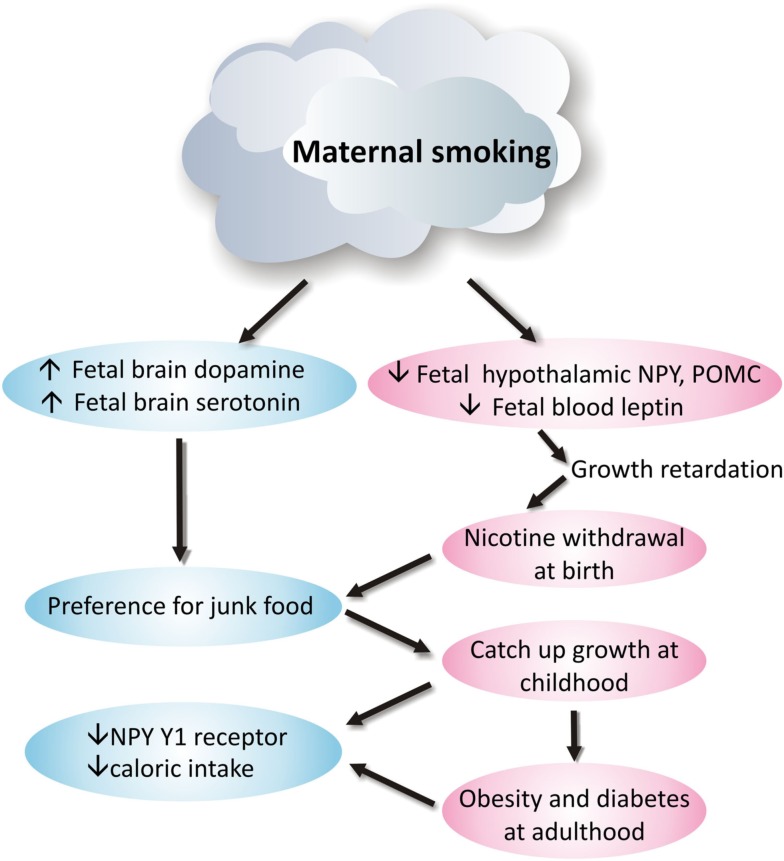
Cigarette smoking is an addictive behavior, and is the primary cause of cardiovascular and pulmonary disease, and cancer (among other diseases). Cigarette smoke contains thousands of components that may affect caloric intake and energy expenditure, although nicotine is the major addictive substance present, and has the best described actions. Nicotine exposure from cigarette smoke can change brain feeding regulation to reduce appetite via both energy homeostatic and reward mechanisms, causing a negative energy state which is characterized by reduced energy intake and increased energy expenditure that are linked to low body weight. These findings have led to the public perception that smoking is associated with weight loss. However, its effects at reducing abdominal fat mass (a predisposing factor for glucose intolerance and insulin resistance) are marginal, and its promotion of lean body mass loss in animal studies suggests a limited potential for treatment in obesity. Smoking during pregnancy puts pressure on the mother's metabolic system and is a significant contributor to adverse pregnancy outcomes. Smoking is a predictor of future risk for respiratory dysfunction, social behavioral problems, cardiovascular disease, obesity, and type-2 diabetes. Catch-up growth is normally observed in children exposed to intrauterine smoke, which has been linked to subsequent childhood obesity. Nicotine can have a profound impact on the developing fetal brain, via its ability to rapidly and fully pass the placenta. In animal studies this has been linked with abnormal hypothalamic gene expression of appetite regulators such as downregulation of NPY and POMC in the arcuate nucleus of the hypothalamus. Maternal smoking or nicotine replacement leads to unhealthy eating habits (such as junk food addiction) and other behavioral disorders in the offspring.
Checked 2026-11-13 · 11 references not checked yet
Overview
CoChat Summary
TL;DR
This narrative review argues that cigarette smoke/nicotine reduces appetite and body weight via hypothalamic energy-homeostatic and reward pathways, but has marginal effects on abdominal fat and may promote lean mass loss. It also reviews evidence that maternal smoking/nicotine exposure programs offspring for metabolic and behavioral disorders, while cautioning that nicotine’s fat-loss effects are unconfirmed in well-controlled human studies.
Key findings
- Smoking induces a negative energy state with reduced energy intake and body weight across species; >75% of former smokers gain weight after cessation, and globally there are >1 billion smokers with ∼6 million smoking-related deaths per year, projected to rise to ∼10 million per year in less than 40 years.
- In smoke-exposed mice, hypothalamic NPY was significantly suppressed compared with pair-fed animals, while UCP1 and UCP3 mRNA increased, suggesting increased energy expenditure despite reduced intake; nicotine-treated mice also showed increased CART and POMC-derived α-MSH with suppressed NPY and AgRP.
- Fat loss after smoke exposure occurred only with a low-fat balanced diet; with a high-fat cafeteria diet, smoke exposure failed to cause fat loss and lean body mass loss became prominent, with smoke-exposed mice consuming twice the recommended daily energy requirement.
- Maternal smoking is reported in ∼25–29% of pregnant women; fetal nicotine concentrations reach ∼115% of maternal levels, primate newborns from nicotine-treated mothers show ∼50% lower serum leptin, and intrauterine nicotine exposure downregulates NPY and POMC in the arcuate nucleus.
Methods
- Design: narrative review synthesizing animal and human studies on cigarette smoking/nicotine, brain regulation of energy homeostasis, and maternal smoking effects on offspring.
- Data/sample: cited literature including rodent, primate, and human observational/clinical studies; no new primary data are presented.
- Main analysis: qualitative synthesis of neurophysiological mechanisms and metabolic outcomes; no systematic review or meta-analysis is described.
Limitations
- Stated in the paper: the fat loss associated with nicotine has not been confirmed in human subjects under well-controlled experimental conditions; there is no direct data to support the hypothesis that NPY/POMC rebound causes later hyperphagia and obesity; and the impact of maternal smoking on offspring brain energy homeostatic pathways requires further study.
- Evident from the text: as a narrative review, it relies on selected cited studies rather than a systematic search, and several conclusions are explicitly speculative (“we speculate,” “can be suggested”).
- Evident from the text: many mechanistic conclusions derive from animal models, with limited well-controlled human intervention data.
Model-written summary. Check it against the paper before relying on it.
Integrity signals
Registry
Cites
Statistics
Figures
Verification
Claims the paper makes
0 Valid · 0 Not valid · 61 Not checked · 11 Own results and interpretations
A result the paper reports from its own data — it cites no other source for it, so there is none to check. The quote shows it is in the paper.
In the paper
“In a rodent model, we have shown that the reduction in fat mass after cigarette smoke exposure occurred only if the mice consumed a low-fat balanced diet.”
§ Cigarette Smoking and Brain Regulation of Energy Homeostasis > Cigarette Smoking and Adiposity
boostedstates a possible cause- Asserted: passes — The authors put it forward as true.
- Checkable: passes — It can be checked against evidence.
- Load-bearing: passes — The paper’s conclusions depend on it.
- Based: passes — The paper gives a reason why it holds.
None of the sources cited for this claim have been checked yet.
In the paper
“In addition, this weight loss was accompanied by lean body mass wasting, including that associated with some major organs such as liver, kidney, and skeletal muscle (Chen et al., 2005, 2006, 2008).”
§ Cigarette Smoking and Brain Regulation of Energy Homeostasis > Cigarette Smoking and Adiposity
What the sources say
plainstates an association- Asserted: passes — The authors put it forward as true.
- Checkable: passes — It can be checked against evidence.
- Load-bearing: passes — The paper’s conclusions depend on it.
- Based: passes — The paper gives a reason why it holds.
None of the sources cited for this claim have been checked yet.
In the paper
“Smoking induces a negative energy state, characterized by reduced energy intake and body weight, which has been well documented across species (Perkins, 1992; Strauss and Mir, 2001; Bellinger et al., 2003; Fulkerson and French, 2003; Chen et al., 2006, 2007, 2008).”
§ Cigarette Smoking and Brain Regulation of Energy Homeostasis > Cigarette Smoking and Weight Control
What the sources say
- Not matchedcites Perkins, 1992
Couldn’t be matched to a paper in Crossref, so it can’t be checked.
- Not checked yetcites Strauss and Mir, 2001 source
- Not matchedcites Bellinger et al., 2003
Couldn’t be matched to a paper in Crossref, so it can’t be checked.
boostedstates a cause- Asserted: passes — The authors put it forward as true.
- Checkable: passes — It can be checked against evidence.
- Load-bearing: passes — The paper’s conclusions depend on it.
- Based: passes — The paper gives a reason why it holds.
- Not matched
In the paper
“The lowered body weight has been shown to be independent of diet type, with a similar proportion of weight loss displayed in mice consuming a diet with either low or high-fat concentrations after 7 weeks of cigarette smoke exposure (Chen et al., 2007).”
§ Cigarette Smoking and Brain Regulation of Energy Homeostasis > Cigarette Smoking and Weight Control
What the sources say
- Not checked yetcites Chen et al., 2007 source
boosted- Asserted: passes — The authors put it forward as true.
- Checkable: passes — It can be checked against evidence.
- Load-bearing: unclear — It is unclear whether the paper’s conclusions depend on it.
- Based: passes — The paper gives a reason why it holds.
None of the sources cited for this claim have been checked yet.
In the paper
“with >75% of former smokers gaining weight after cessation (Williamson et al., 1991; Leischow et al., 1992).”
§ Cigarette Smoking and Brain Regulation of Energy Homeostasis > Cigarette Smoking and Weight Control
What the sources say
- Not checked yetcites Williamson et al., 1991 source
- Not matchedcites Leischow et al., 1992
Couldn’t be matched to a paper in Crossref, so it can’t be checked.
plainstates a cause- Asserted: passes — The authors put it forward as true.
- Checkable: passes — It can be checked against evidence.
- Load-bearing: unclear — It is unclear whether the paper’s conclusions depend on it.
- Based: passes — The paper gives a reason why it holds.
38 more claims
Create a free account to see all 72 claims and to verify the 83 references still open.
- It may state two separate claims as one. 26
- Probably not a substantial claim. 3
Citations
Cites
Positional cloning of the mouse obese gene and its human homologue
Zhang, Y., Proenca, R., Maffei, M., Barone, M., Leopold, L., & Friedman, J. M. (1994) · Nature · doi:10.1038/372425a0 · Cited by 13,419
Molecular Mechanisms of Depression: Perspectives on New Treatment Strategies
Lang, U. E., & Borgwardt, S. (2013) · Cellular Physiology and Biochemistry · doi:10.1159/000350094 · Cited by 8,528
Brown Adipose Tissue: Function and Physiological Significance
CANNON, B., & NEDERGAARD, J. (2004) · Physiological Reviews · doi:10.1152/physrev.00015.2003 · Cited by 6,433
Tatemoto, K., Carlquist, M., & Mutt, V. (1982) · Nature · doi:10.1038/296659a0 · Cited by 2,271
Benowitz, N. L. (2010) · New England Journal of Medicine · doi:10.1056/nejmra0809890 · Cited by 1,508
WHO Report on the Global Tobacco Epidemic, 2019
Alebshehy, R. (2019) · Cited by 1,331
NEUROPEPTIDE Y AND HUMAN PANCREATIC POLYPEPTIDE STIMULATE FEEDING BEHAVIOR IN RATS
Clark, J. T., Kalra, P. S., Crowley, W. R., & Kalra, S. P. (1984) · Endocrinology · doi:10.1210/endo-115-1-427 · Cited by 1,276
Trophic Action of Leptin on Hypothalamic Neurons That Regulate Feeding
Bouret, S. G., Draper, S. J., & Simerly, R. B. (2004) · Science · doi:10.1126/science.1095004 · Cited by 1,247
Coexpression of Agrp and NPY in fasting-activated hypothalamic neurons
Hahn, T. M., Breininger, J. F., Baskin, D. G., & Schwartz, M. W. (1998) · Nature Neuroscience · doi:10.1038/1082 · Cited by 1,164
Positional cloning of the mouse obese gene and its human homologue
Zhang, Y., Proenca, R., Maffei, M., Barone, M., Leopold, L., & Friedman, J. M. (1995) · Nature · doi:10.1038/374479a0 · Cited by 1,125
Saper, C. B., Chou, T. C., & Elmquist, J. K. (2002) · Neuron · doi:10.1016/s0896-6273(02)00969-8 · Cited by 1,120
Neuropeptide Y Distribution in the Rat Brain
Allen, Y. S., Adrian, T. E., Allen, J. M., Tatemoto, K., Crow, T. J., Bloom, S. R., & Polak, J. M. (1983) · Science · doi:10.1126/science.6136091 · Cited by 1,097
Phenotypes of Mouse diabetes and Rat fatty Due to Mutations in the OB (Leptin) Receptor
Chua, S. C., Chung, W. K., Wu-Peng, X. S., Zhang, Y., Liu, S.-M., Tartaglia, L. A., & Leibel, R. L. (1996) · Science · doi:10.1126/science.271.5251.994 · Cited by 1,083
Smoking Cessation and Severity of Weight Gain in a National Cohort
Williamson, D. F., Madans, J., Anda, R. F., Kleinman, J. C., Giovino, G. A., & Byers, T. (1991) · New England Journal of Medicine · doi:10.1056/nejm199103143241106 · Cited by 623
Behavioral and Neural Consequences of Prenatal Exposure to Nicotine
ERNST, M., MOOLCHAN, E. T., & ROBINSON, M. L. (2001) · Journal of the American Academy of Child & Adolescent Psychiatry · doi:10.1097/00004583-200106000-00007 · Cited by 590
Insulin resistance and cigarette smoking
Facchini, F. S., Hollenbeck, C. B., Jeppesen, J., Ida Chen, Y.-D., & Reaven, G. M. (1992) · The Lancet · doi:10.1016/0140-6736(92)90730-q · Cited by 545
Smoking cessation and weight gain
Filozof, C., Fernández Pinilla, M. C., & Fernández‐Cruz, A. (2004) · Obesity Reviews · doi:10.1111/j.1467-789x.2004.00131.x · Cited by 519
Genotoxicity of tobacco smoke and tobacco smoke condensate: a review
DeMarini, D. M. (2004) · Mutation Research/Reviews in Mutation Research · doi:10.1016/j.mrrev.2004.02.001 · Cited by 507
Effect of nicotine and nicotinic receptors on anxiety and depression
Picciotto, M. R., Brunzell, D. H., & Caldarone, B. J. (2002) · Neuroreport · doi:10.1097/00001756-200207020-00006 · Cited by 483
Huizink, A. C., & Mulder, E. J. H. (2006) · Neuroscience & Biobehavioral Reviews · doi:10.1016/j.neubiorev.2005.04.005 · Cited by 468
Effects of intracerebroventricular injection of neuropeptide Y on energy metabolism
Billington, C. J., Briggs, J. E., Grace, M. K., & Levine, A. S. (1991) · American Journal of Physiology-Regulatory, Integrative and Comparative Physiology · doi:10.1152/ajpregu.1991.260.2.r321 · Cited by 412
Heilig, M. A., S�derpalm, B., Engel, J. A., & Widerl�v, E. (1989) · Psychopharmacology · doi:10.1007/bf00441953 · Cited by 390
Nicotinic receptor‐mediated effects on appetite and food intake
Jo, Y., Talmage, D. A., & Role, L. W. (2002) · Journal of Neurobiology · doi:10.1002/neu.10147 · Cited by 323
Samec, S., Seydoux, J., & Dulloo, A. G. (1998) · The FASEB Journal · doi:10.1096/fasebj.12.9.715 · Cited by 304
Neuropeptide Y suppresses sympathetic activity to interscapular brown adipose tissue in rats
Egawa, M., Yoshimatsu, H., & Bray, G. A. (1991) · American Journal of Physiology-Regulatory, Integrative and Comparative Physiology · doi:10.1152/ajpregu.1991.260.2.r328 · Cited by 272
Fetal environment and subsequent obesity: a study of maternal smoking
Power, C. (2002) · International Journal of Epidemiology · doi:10.1093/ije/31.2.413 · Cited by 263
Invited Review: Uncoupling proteins and thermoregulation
Argyropoulos, G. A., & Harper, M. (2002) · Journal of Applied Physiology · doi:10.1152/japplphysiol.00994.2001 · Cited by 258
The relationship between body weight concerns and adolescent smoking.
Camp, D. E., Klesges, R. C., & Relyea, G. E. (1993) · Health Psychology · doi:10.1037//0278-6133.12.1.24 · Cited by 234
Smoking cessation and weight gain.
FILOZOF, C. M., Pinilla, M. C. F., & Fernández‐Cruz, A. (2005) · Obesity and metabolism · doi:10.14341/2071-8713-4806 · Cited by 233
Cigarette Smoking and Fat Distribution in 21, 828 British Men and Women: A Population‐based Study
Canoy, D., Wareham, N., Luben, R., Welch, A., Bingham, S., Day, N., & Khaw, K. (2005) · Obesity Research · doi:10.1038/oby.2005.177 · Cited by 231
Effects of nicotine on body weight and food consumption in rats
Grunberg, N. E., Bowen, D. J., & Morse, D. E. (1984) · Psychopharmacology · doi:10.1007/bf00427430 · Cited by 227
Dalgaard, L. T., & Pedersen, O. B. (2001) · Diabetologia · doi:10.1007/s001250100596 · Cited by 214
Breast-Feeding and Risk for Childhood Obesity
Mayer-Davis, E. J., Rifas-Shiman, S. L., Zhou, L., Hu, F. B., Colditz, G. A., & Gillman, M. W. (2006) · Diabetes Care · doi:10.2337/dc06-0974 · Cited by 212
Effects of anxiety on eating: Does palatability moderate distress-induced overeating in dieters?
Polivy, J., Herman, C. P., & McFarlane, T. (1994) · Journal of Abnormal Psychology · doi:10.1037//0021-843x.103.3.505 · Cited by 209
Associations of Maternal Prenatal Smoking with Child Adiposity and Blood Pressure
Oken, E., Huh, S. Y., Taveras, E. M., Rich‐Edwards, J. W., & Gillman, M. W. (2005) · Obesity Research · doi:10.1038/oby.2005.248 · Cited by 208
Molecular determinants of voltage-dependent inactivation in calcium channels
Zhang, J.-F., Ellinor, P. T., Aldrich, R. W., & Tsien, R. W. (1994) · Nature · doi:10.1038/372097a0 · Cited by 208
Wang, H., Storlien, L. H., & Huang, X.-F. (2002) · American Journal of Physiology-Endocrinology and Metabolism · doi:10.1152/ajpendo.00230.2001 · Cited by 201
Does maternal smoking during pregnancy cause childhood overweight?
Widerøe, M., Vik, T., Jacobsen, G., & Bakketeig, L. (2003) · Paediatric and Perinatal Epidemiology · doi:10.1046/j.1365-3016.2003.00481.x · Cited by 189
Burke, V., Beilin, L. J., Simmer, K. N., Oddy, W. H., Blake, K. V., Doherty, D. A., Kendall, G. E., Newnham, J. P., Landau, L. I., & Stanley, F. (2004) · International Journal of Obesity · doi:10.1038/sj.ijo.0802750 · Cited by 179
The relationship between body weight concerns and adolescent smoking.
Camp, D. E., Klesges, R. C., & Relyea, G. E. (1993) · Health Psychology · doi:10.1037/0278-6133.12.1.24 · Cited by 176
Lack of tolerance to nicotine-induced dopamine release in the nucleus accumbens
Damsma, G., Day, J. C., & Fibiger, H. C. (1989) · European Journal of Pharmacology · doi:10.1016/0014-2999(89)90798-x · Cited by 170
Effects of smoking cessation on weight gain, metabolic rate, caloric consumption, and blood lipids.
Stamford, B., Matter, S., Fell, R., & Papanek, P. (1986) · The American Journal of Clinical Nutrition · doi:10.1093/ajcn/43.4.486 · Cited by 166
Chen, H., Vlahos, R., Bozinovski, S., Jones, J., Anderson, G. P., & Morris, M. J. (2005) · Neuropsychopharmacology · doi:10.1038/sj.npp.1300597 · Cited by 165
Self-citationLeptin receptor, NPY, POMC mRNA expression in the diet-induced obese mouse brain
Lin, S., Storlien, L. H., & Huang, X.-F. (2000) · Brain Research · doi:10.1016/s0006-8993(00)02580-4 · Cited by 164
Early Intrauterine Exposure to Tobacco-inhaled Products and Obesity
Toschke, A. M. (2003) · American Journal of Epidemiology · doi:10.1093/aje/kwg258 · Cited by 163
Fulkerson, J. A., & French, S. (2003) · Journal of Adolescent Health · doi:10.1016/s1054-139x(02)00566-9 · Cited by 163
Effects of anxiety on eating: Does palatability moderate distress-induced overeating in dieters?
Polivy, J., Herman, C. P., & McFarlane, T. (1994) · Journal of Abnormal Psychology · doi:10.1037/0021-843x.103.3.505 · Cited by 158
Nicotine Induces Negative Energy Balance Through Hypothalamic AMP-Activated Protein Kinase
Martínez de Morentin, P. B., Whittle, A. J., Fernø, J., Nogueiras, R., Diéguez, C., Vidal-Puig, A., & López, M. (2012) · Diabetes · doi:10.2337/db11-1079 · Cited by 156
Lee, J. F. Y., Li, Y., Zhu, H., Yang, S., Lin, H. Z., Trush, M. A., & Diehl, A. M. (1999) · Hepatology · doi:10.1002/hep.510290320 · Cited by 155
Increased desire to smoke during acute stress
Perkins, K. A., & Grobe, J. E. (1992) · British Journal of Addiction · doi:10.1111/j.1360-0443.1992.tb03121.x · Cited by 155
Chen, M., Zhang, J., Li, N., Qian, Z., Zhu, M., Li, Q., Zheng, J., Wang, X., & Shi, G. (2011) · PLoS ONE · doi:10.1371/journal.pone.0025564 · Cited by 150
Diet, antioxidant status, and smoking habits in French men
Marangon, K., Herbeth, B., Lecomte, E., Paul-Dauphin, A., Grolier, P., Chancerelle, Y., Artur, Y., & Siest, G. (1998) · The American Journal of Clinical Nutrition · doi:10.1093/ajcn/67.2.231 · Cited by 146
Raposinho, P., Pierroz, D. D., Broqua, P., White, R. B., Pedrazzini, T., & Aubert, M. (2001) · Molecular and Cellular Endocrinology · doi:10.1016/s0303-7207(01)00620-7 · Cited by 143
Mantzoros, C. S. (1997) · The Journal of Clinical Endocrinology & Metabolism · doi:10.1210/jc.82.6.1845 · Cited by 142
Muscle Wasting and Changes in Muscle Protein Metabolism in Chronic Obstructive Pulmonary Disease
Jagoe, R. T., & Engelen, M. P. K. J. (2003) · European Respiratory Journal · doi:10.1183/09031936.03.00004608 · Cited by 134
The effect of parental smoking on lung function and development during infancy
STOCKS, J., & DEZATEUX, C. (2003) · Respirology · doi:10.1046/j.1440-1843.2003.00478.x · Cited by 134
Muneoka, K., Ogawa, T., Kamei, K., Muraoka, S., Tomiyoshi, R., Mimura, Y., Kato, H., Suzuki, M. R., & Takigawa, M. (1997) · Brain research. Developmental brain research · doi:10.1016/s0165-3806(97)00092-8 · Cited by 133
Gilbert, D. G., Robinson, J. H., Chamberlin, C. L., & Spielberger, C. D. (1989) · Psychophysiology · doi:10.1111/j.1469-8986.1989.tb01924.x · Cited by 133
Stannard, S. R., & Johnson, N. A. (2003) · The Journal of Physiology · doi:10.1113/jphysiol.2003.053926 · Cited by 130
Vettor, R., Zarjevski, N., Cusin, I., Rohner‐Jeanrenaud, F., & Jeanrenaud, B. (1994) · Diabetologia · doi:10.1007/bf00399793 · Cited by 129
Al Mamun, A., Lawlor, D. A., Alati, R., O'Callaghan, M. J., Williams, G. M., & Najman, J. M. (2006) · American Journal of Epidemiology · doi:10.1093/aje/kwj209 · Cited by 129
Smoking cessation improves insulin sensitivity in healthy middle‐aged men
ELIASSON, B., ATTVALL, S., TASKINEN, M. ‐., & SMITH, U. (1997) · European Journal of Clinical Investigation · doi:10.1046/j.1365-2362.1997.1330680.x · Cited by 122
Interleukins and tumor necrosis factor as inhibitors of food intake
Langhans, W., & Hrupka, B. (1999) · Neuropeptides · doi:10.1054/npep.1999.0048 · Cited by 120
Early influences on blood pressure: a study of children aged 5-7 years.
Whincup, P. H., Cook, D. G., & Shaper, A. G. (1989) · BMJ · doi:10.1136/bmj.299.6699.587 · Cited by 120
Effects of nicotine on body weight and food consumption in female rats
Grunberg, N., Bowen, D., & Winders, S. (1986) · Psychopharmacology · doi:10.1007/bf00172879 · Cited by 118
Effects of tobacco smoking on caloric intake
Perkins, K. A. (1992) · British Journal of Addiction · doi:10.1111/j.1360-0443.1992.tb02693.x · Cited by 113
Andersson, K., & Arner, P. (2001) · International Journal of Obesity · doi:10.1038/sj.ijo.0801654 · Cited by 112
Long-term Use of Nicotine Chewing Gum
Hájek, P. (1988) · JAMA · doi:10.1001/jama.260.11.1593 · Cited by 108
Maternal nicotine exposure increases oxidative stress in the offspring
Bruin, J. E., Petre, M. A., Lehman, M. A., Raha, S., Gerstein, H. C., Morrison, K. M., & Holloway, A. C. (2008) · Free Radical Biology and Medicine · doi:10.1016/j.freeradbiomed.2008.02.010 · Cited by 93
Smoking in early gestation or through pregnancy: A decision crucial to pregnancy outcome
Raatikainen, K., Huurinainen, P., & Heinonen, S. T. (2006) · Preventive Medicine · doi:10.1016/j.ypmed.2006.07.017 · Cited by 91
Morrison, W. L., Gibson, J. N. A., Scrimgeour, C., & Rennie, M. J. (1988) · Clinical Science · doi:10.1042/cs0750415 · Cited by 87
Bruin, J. E., Petre, M. A., Raha, S., Morrison, K. M., Gerstein, H. C., & Holloway, A. C. (2008) · PLoS ONE · doi:10.1371/journal.pone.0003371 · Cited by 86
Effects of prenatal nicotine exposure on rat striatal dopaminergic and nicotinic systems
Fung, Y. K., & Lau, Y.-S. (1989) · Pharmacology Biochemistry and Behavior · doi:10.1016/0091-3057(89)90419-x · Cited by 79
Inhibition of dopamine uptake by cocaine and nicotine: tolerance to chronic treatments
Izenwasser, S., & Cox, B. M. (1992) · Brain Research · doi:10.1016/0006-8993(92)90120-x · Cited by 79
Child Behavior Problems Increased by Maternal Smoking During Pregnancy
Orlebeke, J. F., Knol, D. L., & Verhulst, F. C. (1999) · Archives of Environmental Health: An International Journal · doi:10.1080/00039899909602231 · Cited by 79
Rogers, I., Emmett, P., & and the ALSPAC Study Team (2003) · European Journal of Clinical Nutrition · doi:10.1038/sj.ejcn.1601619 · Cited by 79
Chronic tolerance to nicotine in humans and its relationship to tobacco dependence
Perkins, K. A. (2002) · Nicotine & Tobacco Research · doi:10.1080/1462220021000018425 · Cited by 76
Cigarette Smoke Exposure Reprograms the Hypothalamic Neuropeptide Y Axis to Promote Weight Loss
Chen, H., Hansen, M. J., Jones, J. E., Vlahos, R., Bozinovski, S., Anderson, G. P., & Morris, M. J. (2006) · American Journal of Respiratory and Critical Care Medicine · doi:10.1164/rccm.200506-977oc · Cited by 76
Self-citationMaternal smoking predicts the risk of spontaneous abortion
Nielsen, A., Gerd Hannibal, C., Eriksen Lindekilde, B., Tolstrup, J., Frederiksen, K., Munk, C., Bergholt, T., Buss, L., Ottesen, B., Grønbaek, M., et al. (2006) · Acta Obstetricia et Gynecologica Scandinavica · doi:10.1080/00016340600589560 · Cited by 73
Champigny, O., & Ricquier, D. (1990) · The Journal of Nutrition · doi:10.1093/jn/120.12.1730 · Cited by 72
Brain Circuits Regulating Energy Homeostasis
Horváth, T. L., Diano, S., & Tschöp, M. H. (2004) · The Neuroscientist · doi:10.1177/1073858403262151 · Cited by 71
Long-term Use of Nicotine Chewing Gum
Hájek, P. (1988) · JAMA · doi:10.1001/jama.1988.03410110101035 · Cited by 70
Schrauwen, P., & Hesselink, M. K. C. (2003) · Proceedings of The Nutrition Society · doi:10.1079/pns2003277 · Cited by 66
Effects of cigarette smoke and nicotine on feeding and energy
Wager-Srdar, S. A., Levine, A. S., Morley, J. E., Hoidal, J. R., & Niewoehner, D. E. (1984) · Physiology & Behavior · doi:10.1016/0031-9384(84)90252-x · Cited by 65
Additional Minocycline Pleurodesis after Thoracoscopic Surgery for Primary Spontaneous Pneumothorax
Chen, J., Hsu, H., Chen, R. J., Kuo, S., Huang, P., Tsai, P.-R., Lee, J., & Lee, Y.-C. (2005) · American Journal of Respiratory and Critical Care Medicine · doi:10.1164/rccm.200509-1414oc · Cited by 65
Acute effects of nicotine on resting metabolic rate in cigarette smokers
Perkins, K. A., Epstein, L. H., Stiller, R. L., Marks, B. L., & Jacob, R. G. (1989) · The American Journal of Clinical Nutrition · doi:10.1093/ajcn/50.3.545 · Cited by 63
Meal patterns in male rats during and after intermittent nicotine administration
Bellinger, L. L., Cepeda‐Benito, A., & Wellman, P. J. (2002) · Pharmacology Biochemistry and Behavior · doi:10.1016/s0091-3057(02)01033-x · Cited by 62
Muneoka, K., Ogawa, T., Kamei, K., Mimura, Y., Kato, H., & Takigawa, M. (2001) · European Journal of Pharmacology · doi:10.1016/s0014-2999(00)00925-0 · Cited by 59 · cited 1×
“Studies of offspring from nicotine-treated animals show that dopamine receptor binding affinity is increased, despite reduced receptor density; while brain serotonin turnover was reduced, whilst its transporter was increased in such offspring (Fung and Lau, 1989; Muneoka et al., 1997, 2001).”
BackgroundChen, M., & Chen, C. (2004) · Neuropsychopharmacology · doi:10.1038/sj.npp.1300612 · Cited by 56
Tizabi, Y., Russell, L. T., Nespor, S. M., Perry, D. C., & Grunberg, N. E. (2000) · Pharmacology Biochemistry and Behavior · doi:10.1016/s0091-3057(00)00171-4 · Cited by 55
Grove, K. L., Sekhon, H. S., Brogan, R. S., Keller, J. A., Smith, M. S., & Spindel, E. R. (2001) · The Journal of Clinical Endocrinology & Metabolism · doi:10.1210/jcem.86.11.8033 · Cited by 54
Hypothalamic orexin-A binding sites are downregulated by chronic nicotine treatment in the rat
Kane, J. K., Parker, S. L., & Li, M. D. (2001) · Neuroscience Letters · doi:10.1016/s0304-3940(00)01730-4 · Cited by 54
Chen, H., Hansen, M. J., Jones, J. E., Vlahos, R., Anderson, G. P., & Morris, M. J. (2007) · American Journal of Physiology-Endocrinology and Metabolism · doi:10.1152/ajpendo.00442.2007 · Cited by 52
Self-citationEffects of smoking status and smoking cessation on leptin levels
Perkins, K. A., & Fonte, C. A. (2002) · Nicotine & Tobacco Research · doi:10.1080/1462220021000018434 · Cited by 52
Changes in food reward following smoking cessation: a pharmacogenetic investigation
Lerman, C., Berrettini, W., Pinto, A., Patterson, F., Crystal-Mansour, S., Wileyto, E. P., Restine, S., Leonard, D. B., Shields, P., & Epstein, L. (2004) · Psychopharmacology · doi:10.1007/s00213-004-1823-9 · Cited by 49
Effects of nicotine on body weight in rats with access to “junk” foods
Grunberg, N. E., Popp, K. A., & Winders, S. E. (1988) · Psychopharmacology · doi:10.1007/bf00212851 · Cited by 47
Smoking and weight loss attempts in overweight and normal-weight adolescents
Strauss, R., & Mir, H. (2001) · International Journal of Obesity · doi:10.1038/sj.ijo.0801683 · Cited by 47
Chen, H., Iglesias, M. A., Caruso, V., & Morris, M. J. (2011) · PLoS ONE · doi:10.1371/journal.pone.0027260 · Cited by 47
Self-citationClark, S. J., Ellis, N. F., Styne, D. M., Gluckman, P. D., Kaplan, S. L., & Grumbach, M. M. (1984) · Endocrinology · doi:10.1210/endo-115-5-1774 · Cited by 46
Marty, M. A., Erwin, V. G., Cornell, K., & Zgombick, J. M. (1985) · Pharmacology Biochemistry and Behavior · doi:10.1016/0091-3057(85)90397-1 · Cited by 45
Long-term cigarette smoke exposure increases uncoupling protein expression but reduces energy intake
Chen, H., Hansen, M. J., Jones, J. E., Vlahos, R., Anderson, G. P., & Morris, M. J. (2008) · Brain Research · doi:10.1016/j.brainres.2008.06.067 · Cited by 43
Self-citationNicotine induces uncoupling protein 1 in white adipose tissue of obese mice
Yoshida, T., Sakane, N., Umekawa, T., Kogure, A., Kondo, M., Kumamoto, K., Kawada, T., Nagase, I., & Saito, M. (1999) · International Journal of Obesity · doi:10.1038/sj.ijo.0800870 · Cited by 42
Shiraev, T. P., Chen, H., & Morris, M. J. (2009) · Journal of Neuroendocrinology · doi:10.1111/j.1365-2826.2009.01877.x · Cited by 42
Self-citationHormonal Changes Accompanying Cigarette Smoke-Induced Preterm Births in a Mouse Model
Ng, S. P., Steinetz, B. G., Lasano, S. G., & Zelikoff, J. T. (2006) · Experimental Biology and Medicine · doi:10.1177/153537020623100814 · Cited by 41
Fornari, A., Pedrazzi, P., Lippi, G., Picciotto, M. R., Zoli, M., & Zini, I. (2007) · Neuroscience Letters · doi:10.1016/j.neulet.2006.10.014 · Cited by 39
HUSSEIN, J., FARKAS, S., MACKINNON, Y., ARIANO, R., SITAR, D., & HASAN, S. (2007) · Toxicology and Applied Pharmacology · doi:10.1016/j.taap.2006.10.019 · Cited by 38
Nicotine infusion alters leptin and uncoupling protein 1 mRNA expression in adipose tissues of rats
Arai, K., Kim, K., Kaneko, K., Iketani, M., Otagiri, A., Yamauchi, N., & Shibasaki, T. (2001) · American Journal of Physiology-Endocrinology and Metabolism · doi:10.1152/ajpendo.2001.280.6.e867 · Cited by 38
Walker, A., Rosenberg, M., & Balaban-Gil, K. (1999) · Child and Adolescent Psychiatric Clinics of North America · doi:10.1016/s1056-4993(18)30157-3 · Cited by 36
Smoking, fat mass and activation of the tumor necrosis factor-α pathway
Fernandez-Real, J.-M., Broch, M., Vendrell, J., & Ricart, W. (2003) · International Journal of Obesity · doi:10.1038/sj.ijo.0802472 · Cited by 33
Kramer, P. R., Kramer, S. F., Marr, K., Guan, G., Wellman, P. J., & Bellinger, L. L. (2006) · Regulatory Peptides · doi:10.1016/j.regpep.2006.08.002 · Cited by 31
Effects of differing nicotine-replacement doses on weight gain after smoking cessation
Leischow, S. J. (1992) · Archives of Family Medicine · doi:10.1001/archfami.1.2.233 · Cited by 31
On the site and mechanism of action of the anti-obesity effects of interleukin-6
Jansson, J.-O., Wallenius, K., Wernstedt, I., Ohlsson, C., Dickson, S. L., & Wallenius, V. (2003) · Growth Hormone & IGF Research · doi:10.1016/s1096-6374(03)00051-0 · Cited by 28
Relation of maternal cigarette smoking, obesity, and energy consumption to infant size
Haworth, J. C., Ellestad-Sayed, J. J., King, J., & Dilling, L. A. (1980) · American Journal of Obstetrics and Gynecology · doi:10.1016/s0002-9378(16)32790-9 · Cited by 28
Parental smoking and the nutrient intake and food choice of British teenagers aged 16-17 years.
Crawley, H. F., & While, D. (1996) · Journal of Epidemiology and Community Health · doi:10.1136/jech.50.3.306 · Cited by 24
Effect of Smoking on Neonatal and Maternal Serum and Breast Milk Leptin Levels
Özkan, B., Ermiş, B., Taştekın, A., Döneray, H., Yıldırım, A., & Örs, R. (2005) · Endocrine Research · doi:10.1080/07435800500371748 · Cited by 22
Alterations of lipolysis and lipoprotein lipase in chronically nicotine-treated rats
Sztalryd, C., Hamilton, J., Horwitz, B. A., Johnson, P., & Kraemer, F. B. (1996) · American Journal of Physiology-Endocrinology and Metabolism · doi:10.1152/ajpendo.1996.270.2.e215 · Cited by 9
Aboriginal mothers, breastfeeding and smoking
Gilchrist, D., Woods, B., Binns, C. W., Scotth, J. A., & Gracey, M. (2004) · Australian and New Zealand Journal of Public Health · doi:10.1111/j.1467-842x.2004.tb00480.x · Cited by 8
Behavioural Studies in Humans: Anxiety, Stress and Smoking
Pomerleau, O. F., & Pomerleau, C. S. (2007) · Novartis Foundation Symposia · doi:10.1002/9780470513965.ch13 · Cited by 7
Conséquences du tabagisme in utero pour le nouveau-né
Contal, M., Masson, G., Boyer, C., Cazevielle, C., & Mares, P. (2005) · Journal de Gynécologie Obstétrique et Biologie de la Reproduction · doi:10.1016/s0368-2315(05)82989-8 · Cited by 1
Mantzoros, C. S., Varvarigou, A., Kaklamani, V. G., Beratis, N. G., & Flier, J. S. (1997) · The Journal of Clinical Endocrinology & Metabolism · doi:10.1210/jcem.82.9.4248 · Cited by 1
Evaluation of a computer-mediated eating disorder intervention program
Winzelberg, A. J., Taylor, C. B., Sharpe, T., Eldredge, K. L., Dev, P., & Constantinou, P. S. (1998) · International Journal of Eating Disorders · doi:10.1002/(sici)1098-108x(199812)24:4
(2005) · PubMed
Research works printed but not linked: 2
- Argyropoulos G. Harper M. E. (2002). Uncoupling proteins and thermoregulation. J. Appl. Physiol. 92, 2187– 2198 11960973
- Contal M. Masson G. Boyer C. Cazevielle C. Mares P. (2005). Neonatal consequences of maternal smoking during pregnancy. J. Gynecol. Obstet. Biol. Reprod. 34 3S215– S222 15980791
Cited by
Chan, Y. L., Saad, S., Pollock, C. A., Oliver, B. G. G., Al‐Odat, I., Zaky, A. A., Jones, N. M., & Chen, H. (2016) · Scientific Reports · doi:10.1038/srep25881 · Cited by 94
Self-citationEarly life factors and type 2 diabetes mellitus
Jiang, X., Ma, H., Wang, Y., & Liu, Y. (2013) · Journal of Diabetes Research · doi:10.1155/2013/485082 · Cited by 92
“have indicated that nicotine may also downregulate gene expression of appetite regulators neuropeptide Y and proopiomelanocortin in the arcuate nucleus of the hypothalamus in fetal brain, which may consequently lead to unhealthy eating habits in the offspring and predispose high risk of obesity or diabetes [54].”
BackgroundChao, A. M., White, M. A., Grilo, C. M., & Sinha, R. (2016) · Eating Behaviors · doi:10.1016/j.eatbeh.2016.12.009 · Cited by 76
Li, G., Saad, S., Oliver, B. G. G., & Chen, H. (2018) · Toxics · doi:10.3390/toxics6030043 · Cited by 67
Self-citationWang, Y., Gao, X., Pedram, P., Shahidi, M., Jian-ling, D., Yi, Y., Gulliver, W. P. F., Zhang, H., & Sun, G. (2016) · Nutrients · doi:10.3390/nu8010024 · Cited by 65
Metadata
- Authors
- Chen, H., Saad, S., Sandow, S. L., & Bertrand, P. P.
- Affiliations
- University of Technology Sydney (AU)
- The University of Sydney (AU)
- UNSW Sydney (AU)
- Corresponding author
- Chen, Hui
- Venue
- Frontiers in Pharmacology
- Publisher
- Frontiers Media SA
- Published
- 2012
- Volume
- 3
- Pages
- 147-147
- ISSN
- 1663-9812 (ISSN-L)
- PMC
- PMC3404499
- OpenAlex
- W1999975239
- Semantic Scholar
- 428c037acf4097ce1971475f44c25a65232c8dfd
- Cited by
- 69
- References
- 111
- Citations by year
- 2026: 4 · 2025: 1 · 2024: 4 · 2023: 8 · 2022: 3 · 2021: 4 · 2020: 3 · 2019: 5 · 2018: 10 · 2017: 2 · 2016: 5 · 2015: 3 · 2014: 8 · 2013: 9
- FWCI
- 2.43
- Type
- journal article
- Language
- en
- Open access
- gold
- doi.org
- Licence
- cc-by
- Locations
- Frontiers in Pharmacology (publishedVersion, cc-by)
- Europe PMC (PubMed Central) (publishedVersion)
- PubMed (publishedVersion)
- PubMed Central (publishedVersion)
- USC Research Bank (University of the Sunshine Coast) (submittedVersion, cc-by)
- RMIT Research Repository (RMIT University Library) (submittedVersion)
- DOAJ (DOAJ: Directory of Open Access Journals) (submittedVersion, cc-by-sa)
- Figshare (submittedVersion)
- UTS ePRESS (University of Technology Sydney) (submittedVersion)
- OPUS - Open Publications of UTS Scholars (University of Technology Sydney) (submittedVersion)
- Topics
- Life Sciences › Neuroscience › Endocrine and Autonomic Systems › Regulation of Appetite and Obesity
- Health Sciences › Medicine › Public Health, Environmental and Occupational Health › Smoking Behavior and Cessation
- Health Sciences › Medicine › Pediatrics, Perinatology and Child Health › Prenatal Substance Exposure Effects
- Keywords
- cigarette smoking, nicotine, energy homeostasis, appetite regulation, feeding behavior, energy expenditure, obesity, type 2 diabetes, insulin resistance, pregnancy, fetal brain development, placental transfer, hypothalamus, arcuate nucleus, neuropeptide Y, proopiomelanocortin, catch-up growth, childhood obesity, nicotine replacement therapy
About these checks
Registry, retraction, Cites and statistics results are computed, not judged, with one exception: a printed reference that no index lists is read once by a model before it counts as a citation error. Claims are extracted by a model and kept only when their quote appears verbatim in the text; each cited source is then checked, with a model’s help, for whether it says what the claim relies on. Those verdicts can be wrong — read the claim’s quote and the cited source before relying on one.
A language model drew the claims from the paper on 2026-11-13, under version 3 of the claim definition (model deepseek-v4.1-flash, prompt extract-v3).
A second model labelled each claim on 2026-11-13 (model jev-1.13-20260917, definition revision gold-guideline-v0.2).
Statistics and arithmetic are recomputed, not judged.
Confidence bands are shown only for fields calibrated on our annotated test set. None is calibrated yet, so no band is shown.
What counts as a claim ›How we measure confidence ›How we check this ›
Are you an author, or do you see a problem with this page? Request a review
Data sources
Bibliographic data: Semantic Scholar, OpenAlex, Crossref.
Contains information from the Semantic Scholar Academic Graph Datasets, made available under the ODC Attribution License (ODC-BY 1.0).
Semantic Scholar’s data is described in: Kinney, R., et al. (2023). The Semantic Scholar Open Data Platform. arXiv:2301.10140.
