

The Transformative Possibilities of the Microbiota and Mycobiota for Health, Disease, Aging, and Technological Innovation
Open accessThe DOI matches its Crossref record; 118 of the 118 references it cites were found in a registry or an index.
Abstract
The gut microbiota is extremely important for the health of the host across its lifespan. Recent studies have elucidated connections between the gut microbiota and neurological disease and disorders such as depression, anxiety, Alzheimer’s disease (AD), autism, and a host of other brain illnesses. Dysbiosis of the normal gut flora can have negative consequences for humans, especially throughout key periods during our lifespan as the gut microbes change with age in both phenotype and number of bacterial species. Neurologic diseases, mental disorders, and euthymic states are influenced by alterations in the metabolites produced by gut microbial milieu. We introduce a new concept, namely, the mycobiota and microbiota-gut-brain neuroendocrine axis and discuss co-metabolism with emphasis on means to influence or correct disruptions to normal gut flora throughout the lifespan from early development to old age. These changes involve inflammation and involve the permeability of barriers, such as the intestine blood barrier, the blood–brain barrier, and others. The mycobiota and microbiota–gut–brain axis offer new research horizons and represents a great potential target for new therapeutics, including approaches based around inflammatory disruptive process, genetically engineered drug delivery systems, diseased cell culling “kill switches”, phage-like therapies, medicinal chemistry, or microbial parabiosis to name a few.
Overview
The claims and statistics of this paper haven’t been checked yet.
Free: it reads the open-access text and checks the first 5 claims that cite a source we can check. Create a free account to check every claim.
Integrity signals
Registry
Cites
Statistics
Figures
Verification
Claims the paper makes
The claims and statistics of this paper haven’t been checked yet.
Free: it reads the open-access text and checks the first 5 claims that cite a source we can check. Create a free account to check every claim.
Self-check
Percentages, sums and reported differences re-computed from the paper’s own numbers.
The self-check needs the paper’s full text.
Citations
Cites
Multiplex Genome Engineering Using CRISPR/Cas Systems
Cong, L., Ran, F. A., Cox, D., Lin, S., Barretto, R., Habib, N., Hsu, P. D., Wu, X., Jiang, W., Marraffini, L. A., et al. (2013) · Science · doi:10.1126/science.1231143 · Cited by 15,339 · cited 1×
“Medications and dietary habits have been shown to cause changes in populations of microbiota [79].”
BackgroundA human gut microbial gene catalogue established by metagenomic sequencing
MetaHIT Consortium, Qin, J., Li, R., Raes, J., Arumugam, M., Burgdorf, K. S., Manichanh, C., Nielsen, T., Pons, N., Levenez, F., et al. (2010) · Nature · doi:10.1038/nature08821 · Cited by 11,624 · cited 10×
“tight junctions, and adherens junctions [10].”
BackgroundInfluentialDiet rapidly and reproducibly alters the human gut microbiome
David, L. A., Maurice, C. F., Carmody, R. N., Gootenberg, D. B., Button, J. E., Wolfe, B. E., Ling, A. V., Devlin, A. S., Varma, Y., Fischbach, M. A., et al. (2014) · Nature · doi:10.1038/nature12820 · Cited by 10,100 · cited 1×
“Aging is characterized by immunosenescence and thymus involution, which results in the loss of T-cell education and functional deterioration of the neuro-immune system [59].”
BackgroundRNA-Guided Human Genome Engineering via Cas9
Mali, P., Yang, L., Esvelt, K. M., Aach, J., Guell, M., DiCarlo, J. E., Norville, J. E., & Church, G. M. (2013) · Science · doi:10.1126/science.1232033 · Cited by 9,210 · cited 1×
“ecoli through horizontal gene transfer of plasmid containing dCas9 and appropriate short guide RNA (sgRNA) [80].”
BackgroundZFN, TALEN, and CRISPR/Cas-based methods for genome engineering
Gaj, T., Gersbach, C. A., & Barbas, C. F. (2013) · Trends in Biotechnology · doi:10.1016/j.tibtech.2013.04.004 · Cited by 3,820 · cited 1×
“This affords CRISPR genetic manipulation powerful control over bacterial genes and metabolism through target translational activation and inhibition [78].”
BackgroundMicrobial diversity in the deep sea and the underexplored “rare biosphere”
Sogin, M. L., Morrison, H. G., Huber, J. A., Welch, D. M., Huse, S. M., Neal, P. R., Arrieta, J. M., & Herndl, G. J. (2006) · Proceedings of the National Academy of Sciences · doi:10.1073/pnas.0605127103 · Cited by 3,701 · cited 2×
“One approach is to consider routes of infection within the nervous system, such as those from blood-borne infections with Candida albicans, which is an increasingly recognized modern problem and may help explain increased proliferation and age-related activation of microglia and astrocytes in neurodegeneration and agi…”
BackgroundDaneman, R., & Prat, A. (2015) · Cold Spring Harbor Perspectives in Biology · doi:10.1101/cshperspect.a020412 · Cited by 3,437 · cited 1×
“This could ultimately have negative consequences for patients with an infection that also have depression, anxiety, or another mental disorder due to alterations of gut produced metabolites and hormones [14].”
BackgroundDynamics and Stabilization of the Human Gut Microbiome during the First Year of Life
Bäckhed, F., Roswall, J., Peng, Y., Feng, Q., Jia, H., Kovatcheva-Datchary, P., Li, Y., Xia, Y., Xie, H., Zhong, H., et al. (2015) · Cell Host & Microbe · doi:10.1016/j.chom.2015.04.004 · Cited by 3,315
Hsiao, E. Y., McBride, S. W., Hsien, S., Sharon, G., Hyde, E. R., McCue, T., Codelli, J. A., Chow, J., Reisman, S. E., Petrosino, J. F., et al. (2013) · Cell · doi:10.1016/j.cell.2013.11.024 · Cited by 3,283
Development of the Human Infant Intestinal Microbiota
Palmer, C., Bik, E. M., DiGiulio, D. B., Relman, D. A., & Brown, P. O. (2007) · PLoS Biology · doi:10.1371/journal.pbio.0050177 · Cited by 2,877
Succession of microbial consortia in the developing infant gut microbiome
Koenig, J. E., Spor, A., Scalfone, N., Fricker, A. D., Stombaugh, J., Knight, R., Angenent, L. T., & Ley, R. E. (2011) · Proceedings of the National Academy of Sciences · doi:10.1073/pnas.1000081107 · Cited by 2,540 · cited 2×
“Metagenomic studies have elucidated reductions in the richness of microbial genes and alterations to the functional capabilities of the fecal microbiota [7] leading to hallmarks of obesity, liver disease, and type II diabetes, which can be modified by dietary interventions [8,9].”
BackgroundThe Placenta Harbors a Unique Microbiome
Aagaard, K., Ma, J., Antony, K. M., Ganu, R., Petrosino, J., & Versalovic, J. (2014) · Science Translational Medicine · doi:10.1126/scitranslmed.3008599 · Cited by 2,494 · cited 2×
“As Neu points out, the ramifications of the “milk microbiome” and in addition the milk mycobiome has yet to be fully explored [33].”
BackgroundRejuvenation of aged progenitor cells by exposure to a young systemic environment
Conboy, I. M., Conboy, M. J., Wagers, A. J., Girma, E. R., Weissman, I. L., & Rando, T. A. (2005) · Nature · doi:10.1038/nature03260 · Cited by 2,287
Intestinal barrier function: molecular regulation and disease pathogenesis
Groschwitz, K. R., & Hogan, S. P. (2009) · Journal of Allergy and Clinical Immunology · doi:10.1016/j.jaci.2009.05.038 · Cited by 1,775 · cited 3×
“Due to the high selectivity of this barrier, the transcellular and paracellular permeability’s are highly regulated and generally controlled by two transporters, the efflux transporters and the nutrient transporters [12].”
BackgroundInfluentialComposition, variability, and temporal stability of the intestinal microbiota of the elderly
Claesson, M. J., Cusack, S., O'Sullivan, O., Greene-Diniz, R., de Weerd, H., Flannery, E., Marchesi, J. R., Falush, D., Dinan, T., Fitzgerald, G., et al. (2011) · Proceedings of the National Academy of Sciences · doi:10.1073/pnas.1000097107 · Cited by 1,754 · cited 4×
“These authors characterized the young phenotype as overrepresentation of Exiguobacterium, Planococcus, Propionigenium, and Psychrobacter [60].”
BackgroundInfluentialDiet-induced extinctions in the gut microbiota compound over generations
Sonnenburg, E. D., Smits, S. A., Tikhonov, M., Higginbottom, S. K., Wingreen, N. S., & Sonnenburg, J. L. (2016) · Nature · doi:10.1038/nature16504 · Cited by 1,730 · cited 1×
“coli luxS gene which encodes for a synthase involved in AI-2 which guides biofilm formation [81].”
BackgroundBlood–brain barrier breakdown is an early biomarker of human cognitive dysfunction
Nation, D. A., Sweeney, M. D., Montagne, A., Sagare, A. P., D’Orazio, L. M., Pachicano, M., Sepehrband, F., Nelson, A. R., Buennagel, D. P., Harrington, M. G., et al. (2019) · Nature Medicine · doi:10.1038/s41591-018-0297-y · Cited by 1,728 · cited 1×
“Non-phage engineered approaches such as non-reproducing avidocins or bacteriosins, may offer superior utility and be able to safely eradicate infectious pathogens from food or hospitals without irradiation or harmful chemicals [15].”
BackgroundThrough Ageing, and Beyond: Gut Microbiota and Inflammatory Status in Seniors and Centenarians
Biagi, E., Nylund, L., Candela, M., Ostan, R., Bucci, L., Pini, E., Nikkïla, J., Monti, D., Satokari, R., Franceschi, C., et al. (2010) · PLoS ONE · doi:10.1371/journal.pone.0010667 · Cited by 1,483 · cited 1×
“Metagenomic studies have elucidated reductions in the richness of microbial genes and alterations to the functional capabilities of the fecal microbiota [7] leading to hallmarks of obesity, liver disease, and type II diabetes, which can be modified by dietary interventions [8,9].”
BackgroundRecent Advances in Petroleum Microbiology
Van Hamme, J. D., Singh, A., & Ward, O. P. (2003) · Microbiology and Molecular Biology Reviews · doi:10.1128/mmbr.67.4.503-549.2003 · Cited by 1,477
Chaperone Suppression of α-Synuclein Toxicity in a Drosophila Model for Parkinson's Disease
Auluck, P. K., Chan, H. Y. E., Trojanowski, J. Q., Lee, V. M.-Y., & Bonini, N. M. (2002) · Science · doi:10.1126/science.1067389 · Cited by 1,227 · cited 1×
“Because of their importance as signaling and receptor molecules, enhancing SCFA availability appears important in addressing neurodegenerative disease [92].”
BackgroundCharacterization of the oral fungal microbiome (mycobiome) in healthy individuals
Ghannoum, M. A., Jurevic, R. J., Mukherjee, P. K., Cui, F., Sikaroodi, M., Naqvi, A., & Gillevet, P. M. (2010) · PLoS Pathogens · doi:10.1371/journal.ppat.1000713 · Cited by 1,150 · cited 1×
“Some studies suggest that the fungi compete with these pathogenic species and perhaps even mitigate their potential for harm [26].”
BackgroundMicrobiota metabolite short chain fatty acids, GPCR, and inflammatory bowel diseases
Sun, M., Wu, W., Liu, Z., & Cong, Y. (2017) · Journal of Gastroenterology · doi:10.1007/s00535-016-1242-9 · Cited by 1,047 · cited 1×
“Because of their role on Lewy body formation, alpha-synuclein suppression has been an important approach for PD and AD therapeutics [90].”
BackgroundThe gut mycobiome of the Human Microbiome Project healthy cohort
Nash, A. K., Auchtung, T. A., Wong, M. C., Smith, D. P., Gesell, J. R., Ross, M. C., Stewart, C. J., Metcalf, G. A., Muzny, D. M., Gibbs, R. A., et al. (2017) · Microbiome · doi:10.1186/s40168-017-0373-4 · Cited by 980
From gut dysbiosis to altered brain function and mental illness: mechanisms and pathways
Rogers, G. B., Keating, D. J., Young, R. L., Wong, M.-L., Licinio, J., & Wesselingh, S. (2016) · Molecular Psychiatry · doi:10.1038/mp.2016.50 · Cited by 969
Early Life Programming and Neurodevelopmental Disorders
Bale, T. L., Baram, T. Z., Brown, A. S., Goldstein, J. M., Insel, T. R., McCarthy, M. M., Nemeroff, C. B., Reyes, T. M., Simerly, R. B., Susser, E. S., et al. (2010) · Biological Psychiatry · doi:10.1016/j.biopsych.2010.05.028 · Cited by 961 · cited 1×
“GI (gastrointestinal) phenotypes are also associated with altered microbiota and histone modification as well [40,45].”
BackgroundMicrobiota is essential for social development in the mouse
Desbonnet, L., Clarke, G., Shanahan, F., Dinan, T. G., & Cryan, J. F. (2014) · Molecular Psychiatry · doi:10.1038/mp.2013.65 · Cited by 866 · cited 1×
“Our team recently reported this marker (HPHPA) in human CSF (cereberal spinofluid, serum, and in urine [50], confirmed by previous studies [54,55].”
ResultNeurodevelopmental model of schizophrenia: update 2012
Rapoport, J. L., Giedd, J. N., & Gogtay, N. (2012) · Molecular Psychiatry · doi:10.1038/mp.2012.23 · Cited by 790
Characterization of the Diversity and Temporal Stability of Bacterial Communities in Human Milk
Hunt, K. M., Foster, J. A., Forney, L. J., Schütte, U. M. E., Beck, D. L., Abdo, Z., Fox, L. K., Williams, J. E., McGuire, M. K., & McGuire, M. A. (2011) · PLoS ONE · doi:10.1371/journal.pone.0021313 · Cited by 762 · cited 1×
“Ultimately, more studies are needed to evaluate the evolution and characteristics of our fungal mycobiome [37].”
BackgroundMedically important bacterial-fungal interactions
Peleg, A. Y., Hogan, D. A., & Mylonakis, E. (2010) · Nature Reviews Microbiology · doi:10.1038/nrmicro2313 · Cited by 619 · cited 1×
“One approach is to consider routes of infection within the nervous system, such as those from blood-borne infections with Candida albicans, which is an increasingly recognized modern problem and may help explain increased proliferation and age-related activation of microglia and astrocytes in neurodegeneration and agi…”
BackgroundThe emerging world of the fungal microbiome
Huffnagle, G. B., & Noverr, M. C. (2013) · Trends in Microbiology · doi:10.1016/j.tim.2013.04.002 · Cited by 567 · cited 1×
“We now know that no part of our development is truly sterile, even the womb, there are both inflammatory and infectious components that lead to outcomes like prematurity [31].”
BackgroundGhaisas, S., Maher, J., & Kanthasamy, A. (2016) · Pharmacology & Therapeutics · doi:10.1016/j.pharmthera.2015.11.012 · Cited by 521 · cited 1×
“Additionally, disruption of the microbiome can further propagate neurodegenerative disease pathobiology [83,84].”
BackgroundThe role of the gut microbiome in the healthy adult status
D’Argenio, V., & Salvatore, F. (2015) · Clinica Chimica Acta · doi:10.1016/j.cca.2015.01.003 · Cited by 492
Altered gut microbiota and activity in a murine model of autism spectrum disorders
de Theije, C. G. M., Wopereis, H., Ramadan, M., van Eijndthoven, T., Lambert, J., Knol, J., Garssen, J., Kraneveld, A. D., & Oozeer, R. (2014) · Brain Behavior and Immunity · doi:10.1016/j.bbi.2013.12.005 · Cited by 433
Regulation of life span by the gut microbiota in the short-lived African turquoise killifish
Smith, P., Willemsen, D., Popkes, M., Metge, F., Gandiwa, E., Reichard, M., & Valenzano, D. R. (2017) · eLife · doi:10.7554/elife.27014 · Cited by 423
MacFabe, D. F. (2012) · Microbial Ecology in Health & Disease · doi:10.3402/mehd.v23i0.19260 · Cited by 422 · cited 1×
“Though live culture dosing offers a simple and efficacious approach [95], new anaerobic bacterial probiotics are needed.”
BackgroundBacteriophage therapy: a revitalized therapy against bacterial infectious diseases
Matsuzaki, S., Rashel, M., Uchiyama, J., Sakurai, S., Ujihara, T., Kuroda, M., Imai, S., Ikeuchi, M., Tani, T., Fujieda, M., et al. (2005) · Journal of Infection and Chemotherapy · doi:10.1007/s10156-005-0408-9 · Cited by 409 · cited 2×
“Metagenomic studies have elucidated reductions in the richness of microbial genes and alterations to the functional capabilities of the fecal microbiota [7] leading to hallmarks of obesity, liver disease, and type II diabetes, which can be modified by dietary interventions [8,9].”
BackgroundDevelopment of the human gastrointestinal microbiota and insights from high-throughput sequencing
Dominguez-Bello, M. G., Blaser, M. J., Ley, R. E., & Knight, R. (2011) · Gastroenterology · doi:10.1053/j.gastro.2011.02.011 · Cited by 405 · cited 7×
“The primary function of the desmosome is to connect the intermediate filaments of neighboring cells to provide the extra strength and support to the epithelial layer [11].”
BackgroundInfluentialHo, L., Ono, K., Tsuji, M., Mazzola, P., Singh, R., & Pasinetti, G. M. (2018) · Expert Review of Neurotherapeutics · doi:10.1080/14737175.2018.1400909 · Cited by 376 · cited 1×
“In that regard, the prebiotics that include the short-chain fatty acids and bacterial products of fermentation are implicated in ASD and its treatment [93,94].”
BackgroundPrenatal exposure to drugs: effects on brain development and implications for policy and education
Thompson, B. L., Levitt, P., & Stanwood, G. D. (2009) · Nature Reviews Neuroscience · doi:10.1038/nrn2598 · Cited by 367 · cited 7×
“Many studies, support a role for the gut microbiota in the formation of the potential neuro-modulatory metabolite of phenylalanine and tyrosine, 3-(3-hydroxyphenyl) 3-hydroxypropionic acid (3-HPHPA) and possibly 4-(3-hydroxyphenyl) 3-hydroxypropionic acid (4-HPHPA), and others are involved in the pathogenesis of ASD,…”
ResultInfluentialAgeing of the human metaorganism: the microbial counterpart
Biagi, E., Candela, M., Fairweather-Tait, S., Franceschi, C., & Brigidi, P. (2012) · AGE · doi:10.1007/s11357-011-9217-5 · Cited by 365 · cited 1×
“Due to the stable phylogenic persistence through adulthood our focus switches from the phylogenic architecture to dysbiosis [38].”
BackgroundRadical Catalysis in Coenzyme B12-Dependent Isomerization (Eliminating) Reactions
Toraya, T. (2003) · Chemical Reviews · doi:10.1021/cr020428b · Cited by 359
Human milk: a source of more life than we imagine
Jeurink, P. V., van Bergenhenegouwen, J., Jiménez, E., Knippels, L. M. J., Fernández, L., Garssen, J., Knol, J., Rodríguez, J. M., & Martín, R. (2013) · Beneficial Microbes · doi:10.3920/bm2012.0040 · Cited by 354 · cited 1×
“did a study to characterize the skin, oral, and anal mycobiomes in 17 infants as well as the anal and vaginal mycobiomes of their moms by internal transcribed spacer 2 (ITS2) amplicon sequencing demonstrating that they differed by body site, mode of birthing and challenges the idea that transmission is exclusively ver…”
BackgroundBacterial Neuroactive Compounds Produced by Psychobiotics
Wall, R., Cryan, J. F., Ross, R. P., Fitzgerald, G. F., Dinan, T. G., & Stanton, C. (2014) · Advances in Experimental Medicine and Biology · doi:10.1007/978-1-4939-0897-4_10 · Cited by 353 · cited 1×
“While the degree to which intestinal microbiota affects dietary preference is not well defined; the converse is evident in that diet can rapidly change the microbiome [57].”
BackgroundCharlson, E. S., Diamond, J. M., Bittinger, K., Fitzgerald, A. S., Yadav, A., Haas, A. R., Bushman, F. D., & Collman, R. G. (2012) · American Journal of Respiratory and Critical Care Medicine · doi:10.1164/rccm.201204-0693oc · Cited by 348 · cited 1×
“Despite many studies about the vaginal microbiome, the fungal profile remains to be fully characterized [27,28].”
BackgroundBiagi, E., Nylund, L., Candela, M., Ostan, R., Bucci, L., Pini, E., Nikkïla, J., Monti, D., Satokari, R., Franceschi, C., et al. (2010) · PLoS ONE · doi:10.1371/annotation/df45912f-d15c-44ab-8312-e7ec0607604d · Cited by 345
Expression of the short-chain fatty acid receptor, GPR43, in the human colon
Karaki, S.-I., Tazoe, H., Hayashi, H., Kashiwabara, H., Tooyama, K., Suzuki, Y., & Kuwahara, A. (2008) · Journal of Molecular Histology · doi:10.1007/s10735-007-9145-y · Cited by 336 · cited 4×
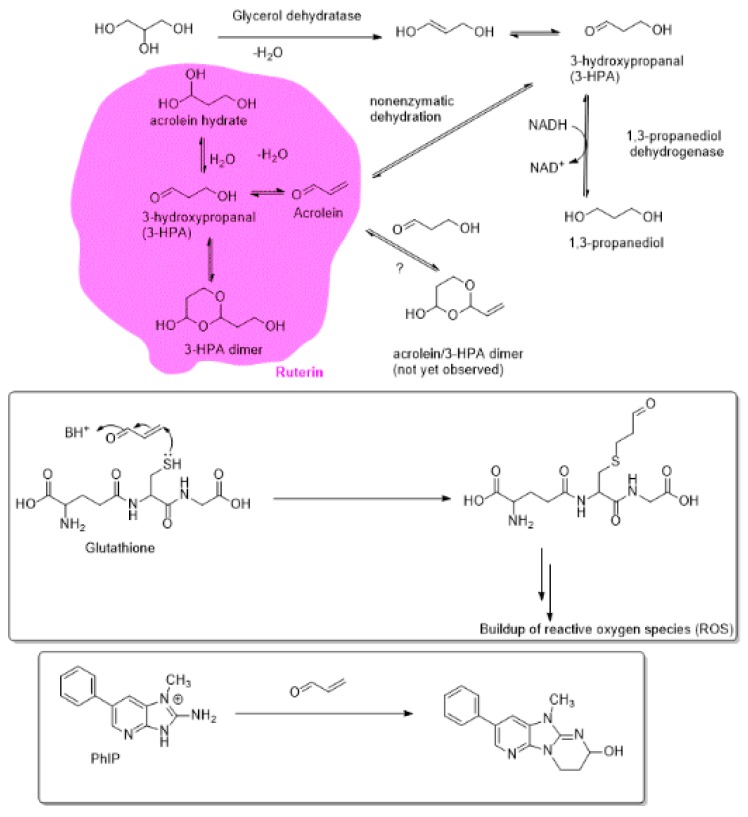
“Ruterin is a complex mixture of glycerol-derived products, consisting of acrolein, acrolein hydrate, 3-hydroxypropanal (3-HPA), and its dimerization product, 3-hydroxy-2-(3-hydroxypropyl)1,3-dioxolane among other not yet identified components [96,97].”
BackgroundMethodInfluentialEffect of probiotics on central nervous system functions in animals and humans: a systematic review
Wang, H., Lee, I.-S., Braun, C., & Enck, P. (2016) · Journal of Neurogastroenterology and Motility · doi:10.5056/jnm16018 · Cited by 334 · cited 1×
“Ruterin is a complex mixture of glycerol-derived products, consisting of acrolein, acrolein hydrate, 3-hydroxypropanal (3-HPA), and its dimerization product, 3-hydroxy-2-(3-hydroxypropyl)1,3-dioxolane among other not yet identified components [96,97].”
BackgroundHistone Acetylome-wide Association Study of Autism Spectrum Disorder
Sun, W., Poschmann, J., Cruz-Herrera del Rosario, R., Parikshak, N. N., Hajan, H. S., Kumar, V., Ramasamy, R., Belgard, T. G., Elanggovan, B., Wong, C. C. Y., et al. (2016) · Cell · doi:10.1016/j.cell.2016.10.031 · Cited by 306
Ageing and gut microbes: Perspectives for health maintenance and longevity
Biagi, E., Candela, M., Turroni, S., Garagnani, P., Franceschi, C., & Brigidi, P. (2013) · Pharmacological Research · doi:10.1016/j.phrs.2012.10.005 · Cited by 276 · cited 1×
“albicans are an increasing problem, with age and may be concomitant with immunosenescence [61,62].”
BackgroundUnhealthy gut, unhealthy brain: The role of the intestinal microbiota in neurodegenerative diseases
Spielman, L. J., Gibson, D. L., & Klegeris, A. (2018) · Neurochemistry International · doi:10.1016/j.neuint.2018.08.005 · Cited by 266 · cited 1×
“GPCRs, their cognate kinases and HDACs are implicated in the pathogenesis of neurodegenerative diseases [86,87].”
BackgroundCharacterization of the Vaginal Micro- and Mycobiome in Asymptomatic Reproductive-Age Estonian Women
Drell, T., Lillsaar, T., Tummeleht, L., Simm, J., Aaspõllu, A., Väin, E., Saarma, I., Salumets, A., Donders, G. G. G., & Metsis, M. (2013) · PLoS ONE · doi:10.1371/journal.pone.0054379 · Cited by 262 · cited 3×
“albicans was involved in transactivation of NF-κB and induced downstream production of interleukin-1β (IL-1β), IL-6, and tumor necrosis factor (TNF) [23].”
BackgroundInfluentialThe Gut Microbiome: A New Frontier in Autism Research
Mulle, J. G., Sharp, W. G., & Cubells, J. F. (2013) · Current Psychiatry Reports · doi:10.1007/s11920-012-0337-0 · Cited by 262 · cited 1×
“Shaw et al, has made the assertion that several Clostridia bacterial species are at the heart of the schizophrenia and autism connection [48].”
BackgroundA next-generation beneficial microbe: Akkermansia muciniphila
Naito, Y., Uchiyama, K., & Takagi, T. (2018) · Journal of Clinical Biochemistry and Nutrition · doi:10.3164/jcbn.18-57 · Cited by 262
Yuille, S., Reichardt, N., Panda, S., Dunbar, H., & Mulder, I. E. (2018) · PLOS ONE · doi:10.1371/journal.pone.0201073 · Cited by 257 · cited 1×
“SFCAs inhibit HDAC activity and can thereby modulate alpha-synuclein pathogenicity [91].”
BackgroundObrenovich, M. E. M. (2018) · Microorganisms · doi:10.3390/microorganisms6040107 · Cited by 255
Self-citationRozovsky, I., Finch, C. E., & Morgan, T. E. (1998) · Neurobiology of Aging · doi:10.1016/s0197-4580(97)00169-3 · Cited by 254 · cited 1×
“These are affected not only by the general state of health but also factors like demographics, racial, ethnic, and gender differences [24].”
BackgroundIntestinal microbial dysbiosis aggravates the progression of Alzheimer’s disease in Drosophila
Wu, S.-C., Cao, Z.-S., Chang, K.-M., & Juang, J.-L. (2017) · Nature Communications · doi:10.1038/s41467-017-00040-6 · Cited by 254 · cited 1×
“Prebiotics, such as, short chain fatty acids (SCFAs), are a bacterial metabolite of particular importance as they act as both signaling molecules and provide available energy from otherwise indigestible carbohydrates, and play a role in maintaining intestinal cell layer integrity [1,85].”
BackgroundProgression of Parkinson's disease is associated with gut dysbiosis: Two-year follow-up study
Minato, T., Maeda, T., Fujisawa, Y., Tsuji, H., Nomoto, K., Ohno, K., & Hirayama, M. (2017) · PLOS ONE · doi:10.1371/journal.pone.0187307 · Cited by 248 · cited 1×
“GPCRs, their cognate kinases and HDACs are implicated in the pathogenesis of neurodegenerative diseases [86,87].”
BackgroundMetabolic Perturbance in Autism Spectrum Disorders: A Metabolomics Study
Ming, X., Stein, T. P., Barnes, V., Rhodes, N., & Guo, L. (2012) · Journal of Proteome Research · doi:10.1021/pr300910n · Cited by 234
The Fungal Mycobiome and Its Interaction with Gut Bacteria in the Host
Sam, Q., Chang, M., & Chai, L. (2017) · International Journal of Molecular Sciences · doi:10.3390/ijms18020330 · Cited by 213 · cited 1×
“It is believed that the placenta mycobiome could be involved in immune responses impacting fetal immune system development, the course of maternal pregnancy and even future health outcomes for the newborn like diabetes and obesity [30].”
BackgroundEffect of Intestinal Microbial Ecology on the Developing Brain
Douglas-Escobar, M., Elliott, E., & Neu, J. (2013) · JAMA Pediatrics · doi:10.1001/jamapediatrics.2013.497 · Cited by 207 · cited 1×
“Our team recently reported this marker (HPHPA) in human CSF (cereberal spinofluid, serum, and in urine [50], confirmed by previous studies [54,55].”
ResultGene-Environment Interaction and Covariation in Schizophrenia: The Role of Obstetric Complications
Mittal, V. A., Ellman, L. M., & Cannon, T. D. (2008) · Schizophrenia Bulletin · doi:10.1093/schbul/sbn080 · Cited by 203
Development of the Human Mycobiome over the First Month of Life and across Body Sites
Ward, T. L., Dominguez-Bello, M. G., Heisel, T., Al-Ghalith, G., Knights, D., & Gale, C. A. (2018) · mSystems · doi:10.1128/msystems.00140-17 · Cited by 197 · cited 1×
“Microbial phylogenic architecture with aging has large inter-individual variability [4,7] and reduced biodiversity in older individuals, which compromises microbiota stability compared to younger individuals [4].”
BackgroundThe vaginal mycobiome: A contemporary perspective on fungi in women's health and diseases
Bradford, L. L., & Ravel, J. (2017) · Virulence · doi:10.1080/21505594.2016.1237332 · Cited by 191 · cited 1×
“It has been shown to survive on both living surfaces as well as artificial devices via its ability to form biofilms and adapt to its host [29].”
BackgroundMicrobiota-gut-brain axis and cognitive function
Gareau, M. G. (2014) · Advances in Experimental Medicine and Biology · doi:10.1007/978-1-4939-0897-4_16 · Cited by 189 · cited 4×
“Antibiotic interventions are very disruptive for the gut flora and lead to dysbiosis, which can impact the metabolites produced in the gut [2,5].”
BackgroundMethodInfluentialImmunosenescence and Immunogenetics of Human Longevity
Ostan, R., Bucci, L., Capri, M., Salvioli, S., Scurti, M., Pini, E., Monti, D., & Franceschi, C. (2008) · Neuroimmunomodulation · doi:10.1159/000156466 · Cited by 189 · cited 1×
“albicans are an increasing problem, with age and may be concomitant with immunosenescence [61,62].”
BackgroundThe developing gut microbiota and its consequences for health
Butel, M.-J., Waligora-Dupriet, A.-J., & Wydau-Dematteis, S. (2018) · Journal of Developmental Origins of Health and Disease · doi:10.1017/s2040174418000119 · Cited by 182 · cited 2×
“note, this dynamic environment may be altered by multiple factors, such as antibiotic exposure, allergens, and illnesses [32].”
BackgroundKnietsch, A., Bowien, S., Whited, G. M., Gottschalk, G., & Daniel, R. (2003) · Applied and Environmental Microbiology · doi:10.1128/aem.69.6.3048-3060.2003 · Cited by 181
Functional intestinal microbiome, new frontiers in prebiotic design
Candela, M., Maccaferri, S., Turroni, S., Carnevali, P., & Brigidi, P. (2010) · International Journal of Food Microbiology · doi:10.1016/j.ijfoodmicro.2010.04.017 · Cited by 177 · cited 1×
“The use of multiple recognition sequences on single crRNAs allow simultaneous editing of multiple sequences of interest [77].”
BackgroundThum, C., Cookson, A. L., Otter, D. E., McNabb, W. C., Hodgkinson, A. J., Dyer, J. M., & Roy, N. C. (2012) · Journal of Nutrition · doi:10.3945/jn.112.166231 · Cited by 174 · cited 1×
“It could be that this milk, which contains maternal bacteria and fungi, helps to build the micro and mycobiome of the growing baby [34].”
BackgroundShaw, W. (2010) · Nutritional Neuroscience · doi:10.1179/147683010x12611460763968 · Cited by 162 · cited 1×
“Our team recently reported this marker (HPHPA) in human CSF (cereberal spinofluid, serum, and in urine [50], confirmed by previous studies [54,55].”
ResultNeurotransmitter transporters: fruitful targets for CNS drug discovery
Iversen, L. L. (2000) · Molecular Psychiatry · doi:10.1038/sj.mp.4000728 · Cited by 151
Seed, P. C. (2015) · Cold Spring Harbor Perspectives in Medicine · doi:10.1101/cshperspect.a019810 · Cited by 145 · cited 1×
“Despite many studies about the vaginal microbiome, the fungal profile remains to be fully characterized [27,28].”
BackgroundWu, Y., Du, S., Johnson, J. L., Tung, H.-Y., Landers, C. T., Liu, Y., Seman, B. G., Wheeler, R. T., Costa-Mattioli, M., Kheradmand, F., et al. (2019) · Nature Communications · doi:10.1038/s41467-018-07991-4 · Cited by 143 · cited 1×
“, causesalterations in the oral fungal mycobiome between HIV positive and negative individuals as well asstudies involving the lung mycobiome between healthy and transplant patients [25].”
BackgroundPsychobiotics and the gut–brain axis: in the pursuit of happiness
Foster, J., & Zhou, L. (. (2015) · Neuropsychiatric Disease and Treatment · doi:10.2147/ndt.s61997 · Cited by 132 · cited 1×
“In healthy individuals the normal gut flora is composed primarily of members of the Firmicutes, however, other phyla including Bacteroidetes, Proteobacteria, and Actinobacteria, which combined with the Firmicutes comprise approximately 90 percent of the gut flora [58].”
BackgroundState of the art; microbiology in health and disease. Intestinal bacterial flora in autism
Finegold, S. M. (2011) · Anaerobe · doi:10.1016/j.anaerobe.2011.03.007 · Cited by 130
Engels, C., Schwab, C., Zhang, J., Stevens, M. J. A., Bieri, C., Ebert, M.-O., McNeill, K., Sturla, S. J., & Lacroix, C. (2016) · Scientific Reports · doi:10.1038/srep36246 · Cited by 129 · cited 1×
“Ruterin is a metabolic product of glycerol and is excreted as an antibacterial agent by many symbiotic gut-bacterial species and it exerts antibacterial effects against a broad variety of Gram-positive and Gram-negative bacteria, bacterial spores, and also has potential antifungal effectiveness [98].”
BackgroundA Fungal World: Could the Gut Mycobiome Be Involved in Neurological Disease?
Forbes, J. D., Bernstein, C. N., Tremlett, H., Van Domselaar, G., & Knox, N. C. (2019) · Frontiers in Microbiology · doi:10.3389/fmicb.2018.03249 · Cited by 117 · cited 2×
“More work is needed to understand the origin of our fungal mycobiome and the way it changes and evolves as we age [20,21].”
BackgroundThe role of GPCRs in neurodegenerative diseases: avenues for therapeutic intervention
Huang, Y., Todd, N., & Thathiah, A. (2017) · Current Opinion in Pharmacology · doi:10.1016/j.coph.2017.02.001 · Cited by 114 · cited 1×
“HDACs also play a role in neurological and inflammatory pathogenesis, particularly in alpha-synuclein toxicity [89].”
BackgroundThe Gut Microbiome as Therapeutic Target in Central Nervous System Diseases: Implications for Stroke
Winek, K., Dirnagl, U., & Meisel, A. (2016) · Neurotherapeutics · doi:10.1007/s13311-016-0475-x · Cited by 108 · cited 2×
“The effect of the aforementioned process, which we have used in human transplant [65] was long-lasting and systemic with beneficial effects including extended life span in this vertebrate model.”
BackgroundMethodProcess engineering for microbial production of 3-hydroxypropionic acid
de Fouchécour, F., Sánchez-Castañeda, A.-K., Saulou-Bérion, C., & Spinnler, H. É. (2018) · Biotechnology Advances · doi:10.1016/j.biotechadv.2018.03.020 · Cited by 105 · cited 1×
“Extracts of ruterin were also shown to be effective in the reducing plate counts of Enterobacteriaceae and yeasts in minimally processed fresh lettuce [110].”
BackgroundJansen, M. S., Nagel, S. C., Miranda, P. J., Lobenhofer, E. K., Afshari, C. A., & McDonnell, D. P. (2004) · Proceedings of the National Academy of Sciences · doi:10.1073/pnas.0402014101 · Cited by 104 · cited 1×
“In that regard, the prebiotics that include the short-chain fatty acids and bacterial products of fermentation are implicated in ASD and its treatment [93,94].”
BackgroundVimont, A., Fernandez, B., Ahmed, G., Fortin, H.-P., & Fliss, I. (2019) · International Journal of Food Microbiology · doi:10.1016/j.ijfoodmicro.2018.09.005 · Cited by 102
Purification and Characterization of Glycerol Dehydratase from Lactobacillus reuteri
Talarico, T. L., & Dobrogosz, W. J. (1990) · Applied and Environmental Microbiology · doi:10.1128/aem.56.4.1195-1197.1990 · Cited by 98 · cited 1×
“The involvement of free-radical mechanism for this dehydratase catalyzed formation of 3-HPA was shown by ESR techniques [101,102,105].”
MethodInfant fungal communities: current knowledge and research opportunities
Ward, T. L., Knights, D., & Gale, C. A. (2017) · BMC Medicine · doi:10.1186/s12916-017-0802-z · Cited by 94 · cited 3×
“Changes to the gut flora have an indirect impact on the behavior and brain physiology via metabolic signaling from the gut to the brain [1,3].”
BackgroundZuberi, A., Misba, L., & Khan, A. U. (2017) · Frontiers in Cellular and Infection Microbiology · doi:10.3389/fcimb.2017.00214 · Cited by 94
Obrenovich, M. E., Smith, M. A., Siedlak, S. L., Chen, S. G., de la Torre, J. C., Perry, G. L., & Aliev, G. (2006) · Neurotoxicity Research · doi:10.1007/bf03033333 · Cited by 84 · cited 1×
“Among other signaling effects, SFCAs modulate immune responses by activating GCPRs, which is a very common drug target, suppressing inflammatory responses [88].”
BackgroundSelf-citationElectron Spin Resonance Studies with Dioldehydrase
Finlay, T. H., Valinsky, J. E., Mildvan, A. S., & Abeles, R. H. (1973) · Journal of Biological Chemistry · doi:10.1016/s0021-9258(19)44295-6 · Cited by 83
Individualized medicine and the microbiome in reproductive tract
Braundmeier, A. G., Lenz, K., Inman, K. S., Chia, N., Jeraldo, P., Walther-Antonio, M. R. S., Miller, M. E. B., Yang, F., Creedon, D. J., Nelson, H. D., et al. (2015) · Frontiers in Physiology · doi:10.3389/fphys.2015.00097 · Cited by 69
Carter, C. J. (2017) · Journal of Alzheimer's Disease Reports · doi:10.3233/adr-170017 · Cited by 69
MORTALITY IN SYNGENEIC RAT PARABIONTS OF DIFFERENT CHRONOLOGICAL AGE*†
Ludwig, F. C., & Elashoff, R. M. (1972) · Transactions of the New York Academy of Sciences · doi:10.1111/j.2164-0947.1972.tb02712.x · Cited by 64 · cited 2×
“MTHFR is important to the methionine cycle and transsulfuration pathway that regulate SAM, an important methyl donor for histone methyltransferases (HMTs) and DNA methyltransferases (DNMTs) [70].”
BackgroundParabiosis between Old and Young Rats
McCay, C. M., Pope, F., Lunsford, W., Sperling, G. A., & Sambhavaphol, P. (2009) · Gerontologia · doi:10.1159/000210677 · Cited by 64 · cited 1×
“Mice administered NMN were found to live 20 percent longer and were able to run faster than the age matched control cohort [69].”
BackgroundThe Scientific Quest for Lasting Youth: Prospects for Curing Aging
de Magalhães, J. P. (2014) · Rejuvenation Research · doi:10.1089/rej.2014.1580 · Cited by 59
Specific Gene Repression by CRISPRi System Transferred through Bacterial Conjugation
Ji, W., Lee, D., Wong, E., Dadlani, P., Dinh, D., Huang, V., Kearns, K., Teng, S., Chen, S., Haliburton, J., et al. (2014) · ACS Synthetic Biology · doi:10.1021/sb500036q · Cited by 58 · cited 2×
“Probiotics and synbiotics have been proposed as potential solutions to dysbiosis and could restore microbial balance, eventually positively affecting metabolism and signal molecule production with respect to the gut–brain neuroendocrine axis [2,82].”
BackgroundNarrowing the spectrum: the new frontier of precision antimicrobials
Paharik, A. E., Schreiber, H. L., Spaulding, C. N., Dodson, K., & Hultgren, S. J. (2017) · Genome Medicine · doi:10.1186/s13073-017-0504-3 · Cited by 56
Gut Microbial Glycerol Metabolism as an Endogenous Acrolein Source
Zhang, J., Sturla, S. J., Lacroix, C., & Schwab, C. (2018) · mBio · doi:10.1128/mbio.01947-17 · Cited by 56
Troise, A. D., Buonanno, M., Fiore, A., Monti, S. M., & Fogliano, V. (2016) · Food Chemistry · doi:10.1016/j.foodchem.2016.06.037 · Cited by 55
Hecker, M. T., Obrenovich, M. E., Cadnum, J. L., Jencson, A. L., Jain, A. K., Ho, E. Y., & Donskey, C. J. (2016) · Open Forum Infectious Diseases · doi:10.1093/ofid/ofw091 · Cited by 54
Self-citationTranslational research into gut microbiota: new horizons on obesity treatment: updated 2014
Tsukumo, D. M. L., Carvalho, B. M., Filho, C., & Saad, M. J. A. (2015) · Archives of Endocrinology and Metabolism · doi:10.1590/2359-3997000000029 · Cited by 53
Navarro, J. B., Mashburn‐Warren, L., Bakaletz, L. O., Bailey, M. T., & Goodman, S. D. (2017) · Frontiers in Microbiology · doi:10.3389/fmicb.2017.00489 · Cited by 51 · cited 1×
“The observation of the acrolein conjugation of PhIP provides strong evidence of the potential antibacterial effects of the acrolein component of ruterin [96,109].”
BackgroundNeu, J. (2015) · Maternal Health, Neonatology and Perinatology · doi:10.1186/s40748-015-0007-4 · Cited by 49 · cited 1×
“While it is frequently noted that breast milk is tailored to fit the needs of the infant, in a broader context, this could be interpreted as reflective of the maternal micro and mycobiome that is laid out specifically for her infant to help the infant survive and thrive in their external environment [35].”
BackgroundThe role of the gut microbiome during host ageing
Seidel, J., & Valenzano, D. R. (2018) · F1000Research · doi:10.12688/f1000research.15121.1 · Cited by 42 · cited 1×
“How this finding in the short-lived African turquoise killifish (Nothobranchius furzeri) extrapolates to mechanisms of higher vertebrates is still unclear [64].”
BackgroundAsare, P. T., Greppi, A., Stettler, M., Schwab, C., Stevens, M. J. A., & Lacroix, C. (2018) · Frontiers in Microbiology · doi:10.3389/fmicb.2018.01421 · Cited by 41
Neuropaediatric and neuroarchaeology: understanding development to correct brain disorders
Ben‐Ari, Y. (2013) · Acta Paediatrica · doi:10.1111/apa.12161 · Cited by 40 · cited 1×
“GI (gastrointestinal) phenotypes are also associated with altered microbiota and histone modification as well [40,45].”
BackgroundShibata, N., Nakanishi, Y., Fukuoka, M., Yamanishi, M., Yasuoka, N., & Toraya, T. (2003) · Journal of Biological Chemistry · doi:10.1074/jbc.m301513200 · Cited by 39 · cited 1×
“The involvement of free-radical mechanism for this dehydratase catalyzed formation of 3-HPA was shown by ESR techniques [101,102,105].”
MethodRadical Mechanisms in Adenosylmethionine- and Adenosylcobalamin-Dependent Enzymatic Reactions
Frey, P. A., & Reed, G. H. (2000) · Archives of Biochemistry and Biophysics · doi:10.1006/abbi.2000.2010 · Cited by 38
Bertin, Y., Habouzit, C., Dunière, L., Laurier, M., Durand, A., Duchez, D., Segura, A., Thévenot-Sergentet, D., Baruzzi, F., Chaucheyras‐Durand, F., et al. (2017) · PLoS ONE · doi:10.1371/journal.pone.0187229 · Cited by 36 · cited 1×
“The abundant quantities of 3-HPA available from the biomass would also provide a source of value-added chemicals, possibly as alternatives to the fossil feedstocks [108].”
BackgroundZhang, J., Empl, M. T., Schwab, C., Fekry, M. I., Engels, C., Schneider, M., Lacroix, C., Steinberg, P., & Sturla, S. J. (2017) · Toxicological Sciences · doi:10.1093/toxsci/kfx132 · Cited by 35 · cited 1×
“after discovering this species could metabolize diesel fuel spills [111].”
BackgroundObrenovich, M. E., Donskey, C. J., Schiefer, I. T., Bongiovanni, R., Li, L., & Jaskiw, G. E. (2018) · Bioanalysis · doi:10.4155/bio-2018-0140 · Cited by 34
Self-citationDefects in amino acid catabolism and the urea cycle
Hoffmann, G. F., & Kölker, S. (2013) · Handbook of clinical neurology · doi:10.1016/b978-0-444-59565-2.00046-0 · Cited by 28
Fecal Microbiota Transplant: Benefits and Risks
Weil, A. A., & Hohmann, E. L. (2015) · Open Forum Infectious Diseases · doi:10.1093/ofid/ofv005 · Cited by 25 · cited 1×
“Nevertheless, it is inferred that the microbiota plays an important role in weight gain [74,75] and could help in treating obesity, diabetes, heart disease, and a host of other common illnesses.”
BackgroundToraya, T., Eda, M., Kamachi, T., & Yoshizawa, K. (2001) · The Journal of Biochemistry · doi:10.1093/oxfordjournals.jbchem.a003059 · Cited by 23 · cited 1×
“The involvement of free-radical mechanism for this dehydratase catalyzed formation of 3-HPA was shown by ESR techniques [101,102,105].”
MethodThe role of trace elements thiamin e and transketolase in autism and autistic spectrum disorder
Obrenovich, M. E., Shola, D. T. N., Schroedel, K., Agrahari, A., & Lonsdale, D. (2015) · Frontiers in Bioscience-Elite · doi:10.2741/730 · Cited by 20
Self-citationObrenovich, M. E., Flückiger, R., Sykes, L., & Donskey, C. J. (2016) · CNS & Neurological Disorders - Drug Targets · doi:10.2174/1871527315666160202123107 · Cited by 16 · cited 1×
“Once weaned a child’s microbiota is stabilized towards an adult-type phylogenetic architecture and remains relatively stable throughout adulthood [3,6].”
BackgroundSelf-citationLoop engineering of amadoriase II and mutational cooperativity
Qian, Y. X., Zheng, J., & Lin, Z. (2013) · Applied Microbiology and Biotechnology · doi:10.1007/s00253-013-4705-4 · Cited by 13
Collard, F., Fagan, R. L., Zhang, J., Nemet, I., Palfey, B. A., & Monnier, V. M. (2011) · Biochemistry · doi:10.1021/bi1020666 · Cited by 11
The role of trace elements thiamin e in autism and autistic spectrum disorder
Obrenovich, M. E. (2015) · Frontiers in Bioscience-Elite · doi:10.2741/e730 · Cited by 10
Self-citationEpigenetic Mechanisms as Key Regulators in Disease
Boukaba, A., Sanchis‐Gomar, F., & García‐Giménez, J. L. (2015) · Elsevier eBooks · doi:10.1016/b978-0-12-801899-6.00003-6 · Cited by 4 · cited 1×
“In this regard, a few concepts should be mentioned starting with Caleb “Tuck” Finch’s idea of negligible senescence, which was further refined by Aubrey de Grey as Strategies for Engineered Negligible Senescence (SENS), aimed at developing a better understanding or even “cure” for aging [72].”
Background
Research works printed but not linked: 2
- 2. Obrenovich M., Rai H., Mana T.S., Shola D., McCloskey B. Dietary Co-Metabolism within the Microbiota-Gut-Brain-Endocrine Metabolic Interactome. BAO Microbiol. 2017;2:22.
- 73. Hoffmann G.F., Kölker S. Defects of methionine and homocysteine metabolism. In: Olivier D., Maryse L., Harvey S., editors. Pediatric Neurology Part III in Handbook of Clinical Neurology. Elsevier; Amsterdam, The Netherlands: 2013. pp. 1755–1773.
Cited by
The role of gut dysbiosis in Parkinson’s disease: mechanistic insights and therapeutic options
Wang, Q., Luo, Y., Ray Chaudhuri, K., Reynolds, R., Tan, E.-K., & Pettersson, S. (2021) · Brain · doi:10.1093/brain/awab156 · Cited by 281
Intestinal mycobiota in health and diseases: from a disrupted equilibrium to clinical opportunities
Wu, X., Xia, Y., He, F., Zhu, C., & Ren, W. (2021) · Microbiome · doi:10.1186/s40168-021-01024-x · Cited by 162
The Impact of Gut Microbiota Disorders on the Blood–Brain Barrier
Tang, W., Zhu, H., Feng, Y., Guo, R., & Wan, D. (2020) · Infection and Drug Resistance · doi:10.2147/idr.s254403 · Cited by 161
Vemuri, R., Shankar, E. M., Chieppa, M., Eri, R., & Kavanagh, K. (2020) · Microorganisms · doi:10.3390/microorganisms8040483 · Cited by 162
“Several studies in recent years have detailed the importance of fungi within the human gut (Table 5) [82].”
BackgroundInfluentialZhang, X., Pan, L.-Y., Zhang, Z., Zhou, Y.-Y., Jiang, H.-Y., & Ruan, B. (2020) · Behavioural Brain Research · doi:10.1016/j.bbr.2019.112374 · Cited by 104
Metadata
- Authors
- Jones, L., Kumar, J., Mistry, A., Sankar Chittoor Mana, T., Perry, G., Reddy, V. P., & Obrenovich, M.
- Affiliations
- Case Western Reserve University (US)
- Geriatric Research, Education, and Clinical Center, Cleveland Veterans Affairs Medical Center, Cleveland, OH 44106, USA
- Cleveland State University (US)
- Division of Infectious Diseases and HIV Medicine, Case Western Reserve University, Cleveland, OH 44106, USA
- The University of Texas at San Antonio (US)
- Missouri University of Science and Technology (US)
- Corresponding author
- Reddy, V. Prakash
- Obrenovich, Mark
- Venue
- Biomedicines
- Publisher
- MDPI AG
- Published
- 2019-03-28
- Volume
- 7
- Issue
- 2
- Pages
- 24
- ISSN
- 2227-9059 (ISSN-L)
- PMC
- PMC6631383
- OpenAlex
- W2922968128
- Semantic Scholar
- 29c276c70a427cc4cdf0d6fa21313581c27a6f28
- Cited by
- 34
- References
- 118
- Citations by year
- 2026: 1 · 2025: 4 · 2024: 2 · 2023: 3 · 2022: 3 · 2021: 8 · 2020: 8 · 2019: 5
- FWCI
- 1.98
- Type
- journal article
- Language
- en
- Open access
- gold
- dx.doi.org
- Licence
- Locations
- Biomedicines (publishedVersion, cc-by)
- PubMed Central (publishedVersion, cc-by)
- PubMed (publishedVersion)
- DOAJ (DOAJ: Directory of Open Access Journals) (submittedVersion)
- Topics
- Life Sciences › Biochemistry, Genetics and Molecular Biology › Molecular Biology › Gut microbiota and health
- Health Sciences › Medicine › Gastroenterology › Gastrointestinal motility and disorders
- Life Sciences › Agricultural and Biological Sciences › Food Science › Probiotics and Fermented Foods
- Keywords
- gut microbiota, fungal communities, microbiota-gut-brain axis, dysbiosis, neuroendocrine axis, gut microbiota metabolites, aging, depression, anxiety, Alzheimer's disease, autism spectrum disorder, blood-brain barrier, inflammation, cometabolism, phage therapy, kill switch, therapeutics
About these checks
Registry, retraction, Cites and statistics results are computed, not judged, with one exception: a printed reference that no index lists is read once by a model before it counts as a citation error. Claims are extracted by a model and kept only when their quote appears verbatim in the text; each cited source is then checked, with a model’s help, for whether it says what the claim relies on. Those verdicts can be wrong — read the claim’s quote and the cited source before relying on one.
Statistics and arithmetic are recomputed, not judged.
Confidence bands are shown only for fields calibrated on our annotated test set. None is calibrated yet, so no band is shown.
What counts as a claim ›How we measure confidence ›How we check this ›
Are you an author, or do you see a problem with this page? Request a review
Data sources
Bibliographic data: Semantic Scholar, OpenAlex, Crossref.
Contains information from the Semantic Scholar Academic Graph Datasets, made available under the ODC Attribution License (ODC-BY 1.0).
Semantic Scholar’s data is described in: Kinney, R., et al. (2023). The Semantic Scholar Open Data Platform. arXiv:2301.10140.
