

The DOI matches its Crossref record; 78 of the 78 references it cites were found in a registry or an index; none of the 41 sources its claims cite is checked for support yet.
Phytochemical Analysis and Evaluation of Antioxidant and Antimicrobial Properties of Essential Oils and Seed Extracts of Anethum graveolens from Southern Morocco: In Vitro and In Silico Approach for a Natural Alternative to Synthetic Preservatives
Open accessAbstract
Anethum graveolens is an aromatic plant traditionally used as an antispasmodic and carminative. The objective of this study is to analyze the chemical composition of the essential oils and extracts obtained from seeds gathered in Errachidia, southern Morocco. Additionally, the antioxidant and antimicrobial properties of these oils and extracts will be evaluated. GC-MS analysis of the EO isolated by hydrodistillation revealed that its main compounds were E-anethole (38.13%), estragole (29.32%), fenchone (17.21%), and α-pinene (7.37%). The phenolic components were extracted using the methods of decoction and Soxhlet. The assay of the phenolic compounds showed that A. graveolens seeds contained considerable amounts of polyphenols, flavonoids, and condensed tannins, with variable levels depending on the extract analyzed. HPLC/UV-ESI-MS analyses performed on the decoction revealed a structural diversity of the molecules present in this extract, the most important of which were umbelliferone (12.35%), 3-hydroxyflavone (11.23%), rosmanol (8.95%), biotin (8.36%), emmotin H (4.91%), and coumarin (4.21%). The antioxidant activity, as determined by three techniques (DPPH•, FRAP, and CAT), demonstrated that the essential oils (EOs) and extracts had a potent capacity to counteract detrimental free radicals, control the generation of reactive oxygen species, and mitigate oxidative damages. The antimicrobial activity of the Eos and extracts was carried out in a liquid medium against five strains (E. cloacae, K. pneumoniae, E. coli, S. aureus, and S. epidermidis) and four candidiasis (C. albicans, C. dubliniensis, C. tropicalis, and C. parapsilosis) and Aspergillus niger. The results showed the effectiveness of the EOs compared to the aqueous, ethanolic, and decoction extracts against most of the microorganisms tested. In addition, the ethanolic extract showed antifungal activity that was distinguished from that of the other extracts. The antimicrobial efficacy of the essential oils under study can primarily be attributed to the synergistic interactions among its three principal constituents (E-anethole, estragole, and fenchone). Furthermore, molecular docking and molecular dynamics simulation results reveal significant interactions and stability between the selected bioactive compounds and different target proteins involved in antimicrobial and antioxidant activities. Compounds like 3-hydroxyflavone, emmotin H, trans-caftaric acid, methyl rosmarinate, 1-caffeoyl-beta-D-glucose, and kaempferol exhibited better binding energies with the explored proteins, indicating their potential as antimicrobial and antioxidant agents. Finally, our findings emphasize the significance of A. graveolens seeds as a promising reservoir of advantageous health compounds that can serve as organic substitutes for the presently employed synthetic preservatives.
Overview
CoChat Summary
Written by AI from the paper’s full text.
TL;DR
This study characterizes *Anethum graveolens* seed essential oil and extracts from southern Morocco and evaluates their antioxidant and antimicrobial potential in vitro and in silico. It reports (E)-anethole-rich essential oil, phenolic-rich ethanolic extract, broad antimicrobial activity, and docking/MD evidence for selected compounds as possible natural preservative candidates.
Key findings
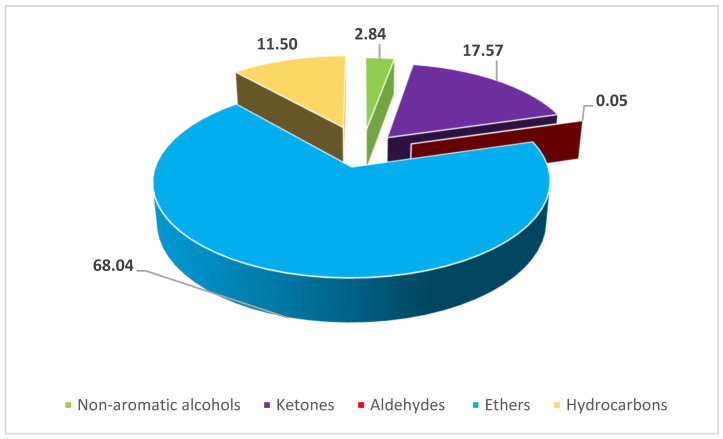
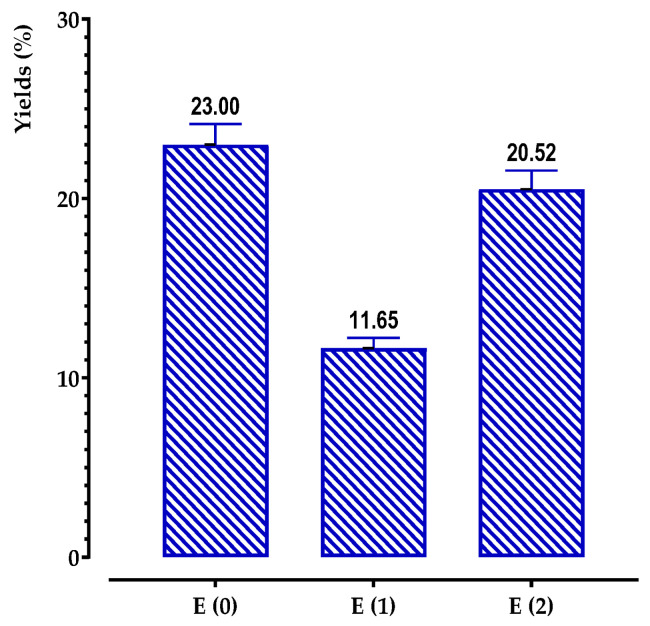
- GC-MS of the hydrodistilled seed essential oil identified (E)-anethole (38.13%), estragole (29.32%), fenchone (17.21%), and α-pinene (7.37%) as main compounds; oil yield was 2.73 ± 0.12% and density 0.9362 ± 0.0732 g/mL.
- HPLC/UV-ESI-MS of the decoction identified 38 compounds, including umbelliferone (12.35%), 3-hydroxyflavone (11.23%), rosmanol (8.95%), biotin (8.36%), emmotin H (4.91%), and coumarin (4.21%).
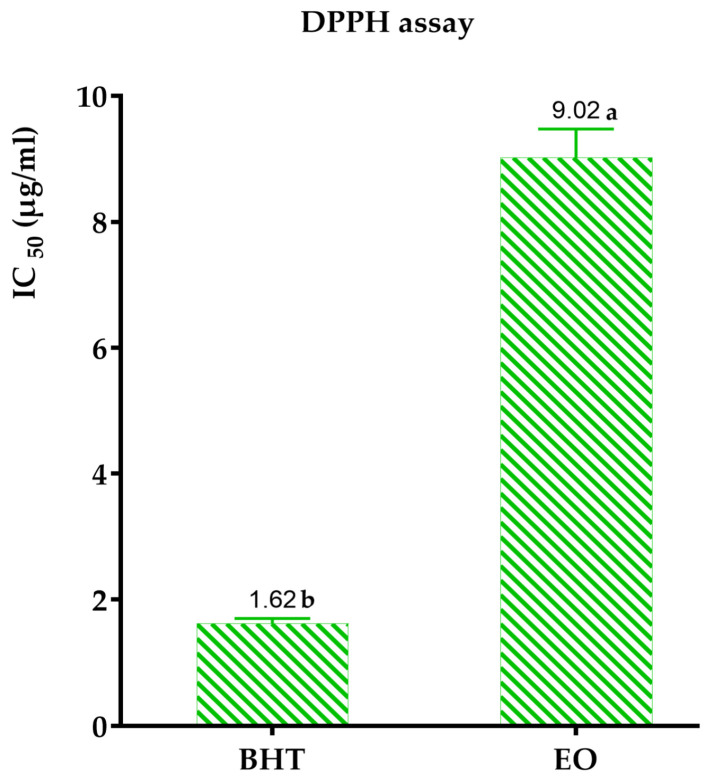
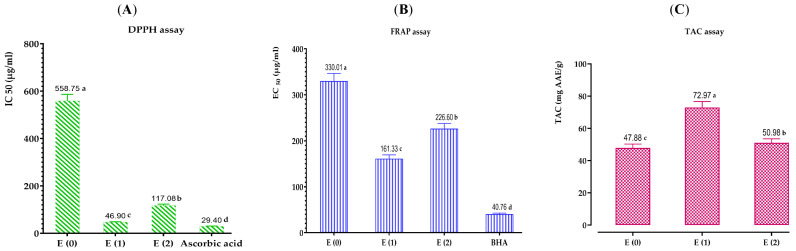
- Antioxidant activity was strongest in the ethanolic extract: DPPH IC50 = 46.90 ± 0.73 μg/mL, FRAP EC50 = 161.33 ± 6.18 μg/mL, and total antioxidant capacity = 72.97 ± 0.71 mg EAA/g E; the essential oil had a DPPH IC50 of 9.02 mg/mL.
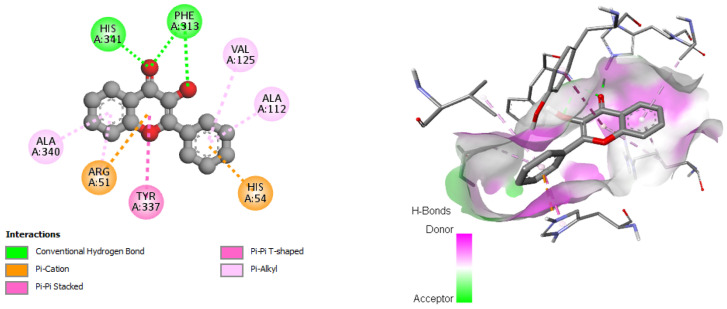
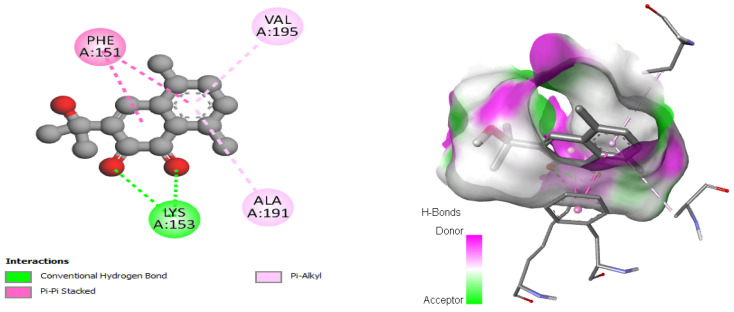
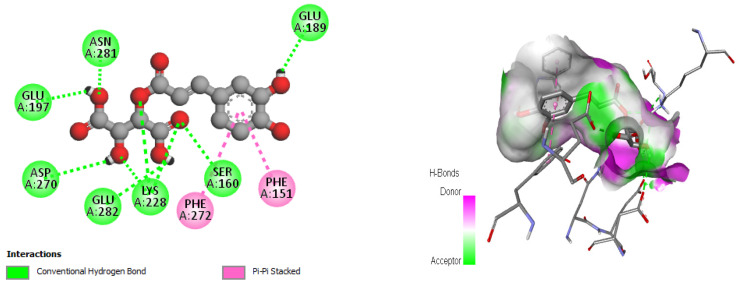
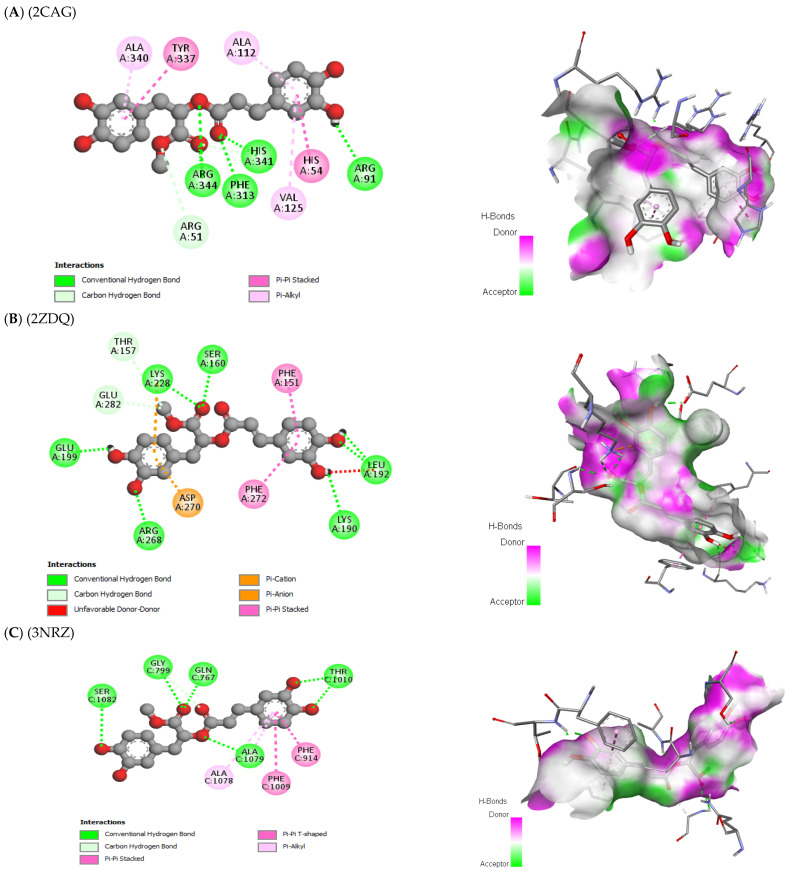
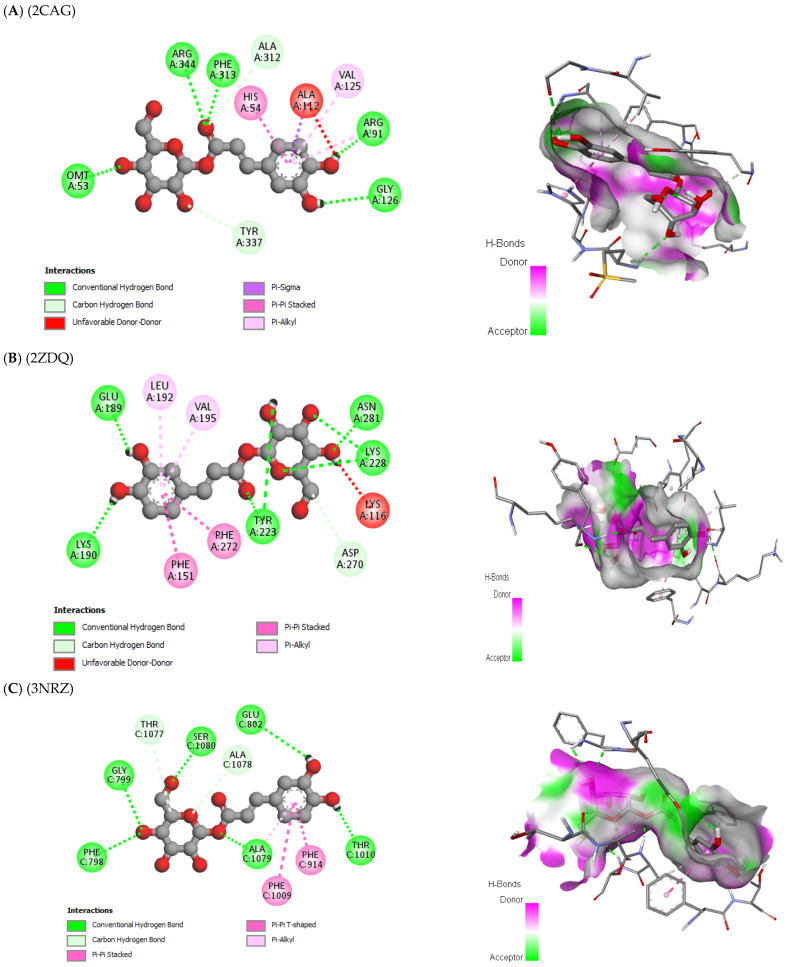
- Antimicrobial testing showed essential oil MIC/MFC values of 3.125–6.25 μL/mL, with *A. niger* and *C. dubliniensis* most sensitive at 3.13 μL/mL; extracts had MIC/MFC values of 0.78–50 mg/mL, with *A. niger* most sensitive at 0.78 mg/mL. Docking highlighted 3-hydroxyflavone, emmotin H, trans-caftaric acid, methyl rosmarinate, 1-caffeoyl-beta-D-glucose, and kaempferol, with binding energies such as methyl rosmarinate–2CAG (−10.2 kcal/mol) and 1-caffeoyl-beta-D-glucose–3NRZ (−10 kcal/mol).
Methods
- Seeds of *A. graveolens* from Errachidia, southern Morocco, were used; essential oil was obtained by hydrodistillation, and phenolic extracts by decoction and Soxhlet extraction with water or ethanol/water.
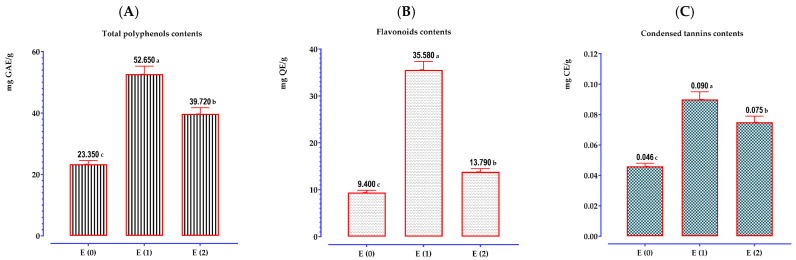
- Chemical profiling used GC-MS for the essential oil and HPLC/UV-ESI-MS for the decoction; total phenolics, flavonoids, and condensed tannins were quantified spectrophotometrically.
- Antioxidant activity was assessed by DPPH•, FRAP, and total antioxidant capacity assays; antimicrobial activity was tested in liquid medium against five bacterial and five fungal strains, with MIC, MBC, and MFC determination. In silico work used PASS, ADMET/ProTox II, molecular docking with AutoDock Vina, and 100 ns GROMACS molecular dynamics simulations.
Limitations
- The paper states that further research, including rigorous clinical trials, is necessary to conclusively verify no long-term risks to consumers, and that the compounds still require FDA approval for medical use.
- The text makes evident that the biological findings are based on in vitro assays and in silico predictions, with no human, animal, or food-matrix preservation trials reported.
- The antimicrobial evaluation is limited to specific hospital-derived strains, and the paper repeatedly notes that essential oil yield and composition vary with origin, extraction method, and environmental factors, which limits direct generalizability.
Model-written summary. Check it against the paper before relying on it.
Integrity signals
Registry
Cites
Statistics
Figures
Verification
Claims the paper makes
97 Own result · 34 Own interpretation · 8 Check pending · 8 Own method · 6 Not checked yet · 5 No full text of the sources · 2 Sources not found · 1 No basis given
A result the paper reports from its own data — it cites no other source for it, so there is none to check. The quote shows it is in the paper.
In the paper
“None of the chemical compounds of the studied essential oil act as inhibitors of P-gp I and P-gp II, and the main constituents of the essential oil are also not P-gp substrates.”
§ Phytochemical Analysis and Evaluation of Antioxidant and Antimicrobial Properties of Essential Oils and Seed Extracts of Anethum graveolens from Southern Morocco: In Vitro and In Silico Approach for a Natural Alternative to Synthetic Preservatives > 2. Results & Discussion > 2.11. Prediction of PASS Activity, ADME, Toxicity (ProTox II), and Efficacy for Potentially Active Compounds Isolated from the Essential Oil and Aqueous Extract of A. graveolens Seeds
plain- Asserted: passes — The authors put it forward as true.
- Checkable: passes — It can be checked against evidence.
- Load-bearing: unclear — It is unclear whether the paper’s conclusions depend on it.
- Based: passes — The paper gives a reason why it holds.
A result the paper reports from its own data — it cites no other source for it, so there is none to check. The quote shows it is in the paper.
In the paper
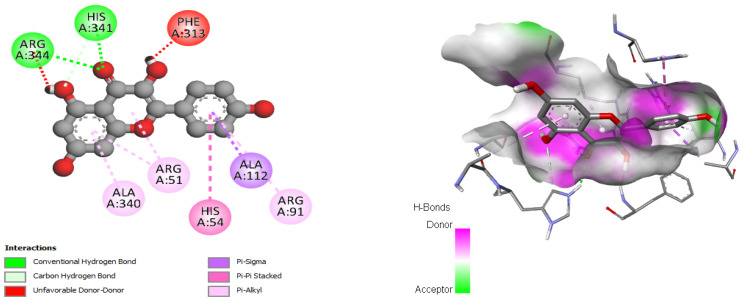
“The results of our study reveal that among the tested compounds, 3-hydroxyflavone, emmotin H, trans-caftaric acid, methyl rosmarinate, 1-caffeoyl-beta-D-glucose, and kaempferol presented the greatest binding energies with the exploratory proteins.”
- Also stated in: § 2.13. Molecular Dynamics Simulation · plain
“Among these compounds, 3-hydroxyflavone, emmotin H, trans-caftaric acid, methyl rosmarinate, 1-caffeoyl-beta-D-glucose, and kaempferol exhibited the highest binding energies with the explored proteins.”
§ Phytochemical Analysis and Evaluation of Antioxidant and Antimicrobial Properties of Essential Oils and Seed Extracts of Anethum graveolens from Southern Morocco: In Vitro and In Silico Approach for a Natural Alternative to Synthetic Preservatives > 2. Results & Discussion > 2.12. Molecular Docking
plainstates an association- Asserted: passes — The authors put it forward as true.
- Checkable: passes — It can be checked against evidence.
- Load-bearing: passes — The paper’s conclusions depend on it.
- Based: passes — The paper gives a reason why it holds.
- Also stated in: § 2.13. Molecular Dynamics Simulation · plain
A result the paper reports from its own data — it cites no other source for it, so there is none to check. The quote shows it is in the paper.
In the paper
“In contrast, for the studied compounds in the aqueous extract, we observed that compounds such as 3-hydroxyflavone, rosmanol, methyl rosmarinate, homovanillic acid, 1-caffeoyl-beta-D-glucose, and kaempferol can be P-gp substrates.”
§ Phytochemical Analysis and Evaluation of Antioxidant and Antimicrobial Properties of Essential Oils and Seed Extracts of Anethum graveolens from Southern Morocco: In Vitro and In Silico Approach for a Natural Alternative to Synthetic Preservatives > 2. Results & Discussion > 2.11. Prediction of PASS Activity, ADME, Toxicity (ProTox II), and Efficacy for Potentially Active Compounds Isolated from the Essential Oil and Aqueous Extract of A. graveolens Seeds
plain- Asserted: passes — The authors put it forward as true.
- Checkable: passes — It can be checked against evidence.
- Load-bearing: unclear — It is unclear whether the paper’s conclusions depend on it.
- Based: passes — The paper gives a reason why it holds.
A result the paper reports from its own data — it cites no other source for it, so there is none to check. The quote shows it is in the paper.
In the paper
“The majority of the isolated compounds studied, eight out of a total of sixteen, obtained an SNC score greater than -3.0, suggesting that they easily cross the blood-brain barrier (BBB).”
§ Phytochemical Analysis and Evaluation of Antioxidant and Antimicrobial Properties of Essential Oils and Seed Extracts of Anethum graveolens from Southern Morocco: In Vitro and In Silico Approach for a Natural Alternative to Synthetic Preservatives > 2. Results & Discussion > 2.11. Prediction of PASS Activity, ADME, Toxicity (ProTox II), and Efficacy for Potentially Active Compounds Isolated from the Essential Oil and Aqueous Extract of A. graveolens Seeds
plain- Asserted: passes — The authors put it forward as true.
- Checkable: passes — It can be checked against evidence.
- Load-bearing: unclear — It is unclear whether the paper’s conclusions depend on it.
- Based: passes — The paper gives a reason why it holds.
A result the paper reports from its own data — it cites no other source for it, so there is none to check. The quote shows it is in the paper.
In the paper
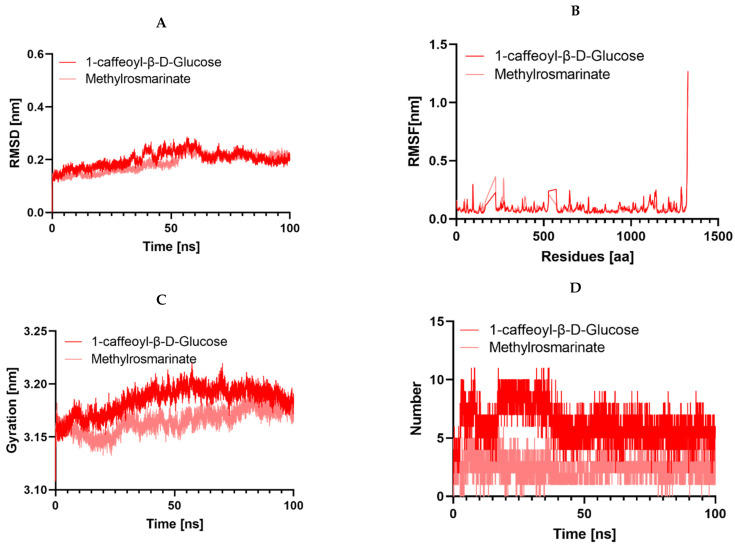
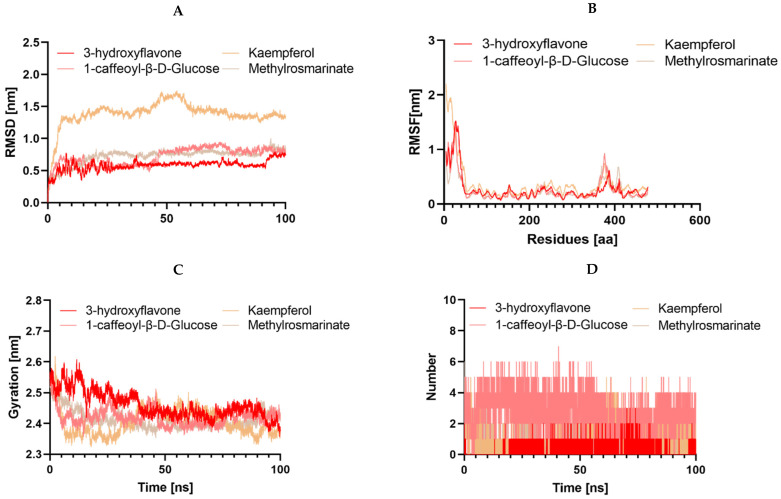
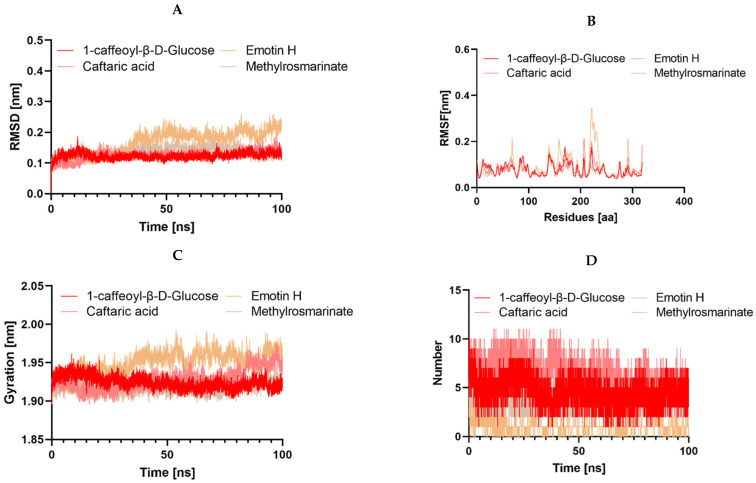
“Upon examining the RMSD graph displayed in Figure 12, it can be observed that all the protein–ligand entities had a reduced variation in their spectrum. This indicates that there was a minimal disturbance in their conformational dynamics over the whole simulation.”
§ Phytochemical Analysis and Evaluation of Antioxidant and Antimicrobial Properties of Essential Oils and Seed Extracts of Anethum graveolens from Southern Morocco: In Vitro and In Silico Approach for a Natural Alternative to Synthetic Preservatives > 2. Results & Discussion > 2.13. Molecular Dynamics Simulation
hedged- Asserted: passes — The authors put it forward as true.
- Checkable: passes — It can be checked against evidence.
- Load-bearing: unclear — It is unclear whether the paper’s conclusions depend on it.
- Based: passes — The paper gives a reason why it holds.
- It may state two separate claims as one. 52
- The quote only partly states this claim. 2
- Probably not a substantial claim. 27
Create a free account to see these claims.
Create a free account to see these assumptions.
81 more claims
Create a free account to see all 161 claims and to verify the 20 references still open.
Claims other papers make about this one
Each is checked against this paper’s own text: does it say what the citing paper says it does?
In the citing paper
“A. graveolens has been reported in the literature to exhibit various biological activities, including antimicrobial, antifungal, antioxidant, insecticidal, antiinflammatory, antispasmodic, antidiabetic, anticancer and antihypercholesterolemic properties6,9.”
From Synergistic and antagonistic contributions of main components to the bioactivity profile of Anethum graveolens extract (2025) · cites this paper as [6]
In the citing paper
“The TPC values range between 169.4 ± 0.5 and 177.3 ± 0.5 mg GAE/g extract were higher than those previously reported for A. graveolens preparations, including values of 7.06–19.09 mg GAE/g dry extract [31] and 23.35–52.65 mg GAE/g extract [32].”
From Maceration, Soxhlet Extraction, and Steam Hydrodistillation of Anethum graveolens Seeds: Phytochemical Profiles and Cytotoxic Effects (2026) · cites this paper as [32]
Self-check
Percentages, sums and reported differences re-computed from the paper’s own numbers.
Each contradiction between two passages listed here was confirmed by an independent check.
Rated major: it would touch a result — a value a result rests on, reported and recomputed p-values on opposite sides of the significance level, two passages that conflict with no sign which is right, or a cited work retracted before this paper was published.
In the paper
§ Phytochemical Analysis and Evaluation of Antioxidant and Antimicrobial Properties of Essential Oils and Seed Extracts of Anethum graveolens from Southern Morocco: In Vitro and In Silico Approach for a Natural Alternative to Synthetic Preservatives > 2. Results & Discussion > 2.1. Quality Control of Plant Material
“we utilized atomic absorption spectrophotometry to analyze the concentration of six specific heavy metals”
§ Phytochemical Analysis and Evaluation of Antioxidant and Antimicrobial Properties of Essential Oils and Seed Extracts of Anethum graveolens from Southern Morocco: In Vitro and In Silico Approach for a Natural Alternative to Synthetic Preservatives > 3. Materials and Methods > 3.3. Quality Control of Plant Material
“The analysis of the heavy metals in A. graveolens seeds was conducted using the technique of Inductively Coupled Plasma Atomic Emission Spectrometry”
Rated major: it would touch a result — a value a result rests on, reported and recomputed p-values on opposite sides of the significance level, two passages that conflict with no sign which is right, or a cited work retracted before this paper was published.
In the paper
§ Phytochemical Analysis and Evaluation of Antioxidant and Antimicrobial Properties of Essential Oils and Seed Extracts of Anethum graveolens from Southern Morocco: In Vitro and In Silico Approach for a Natural Alternative to Synthetic Preservatives > 2. Results & Discussion > 2.10. Antimicrobial Activity
“Regarding the essential oil, the MICs and MFCs ranged between 3.125 and 6.25 μL/mL.”
§ Phytochemical Analysis and Evaluation of Antioxidant and Antimicrobial Properties of Essential Oils and Seed Extracts of Anethum graveolens from Southern Morocco: In Vitro and In Silico Approach for a Natural Alternative to Synthetic Preservatives > 2. Results & Discussion > 2.10. Antimicrobial Activity
“The highest MICs and MFCs of 50 μL/mL were observed in Candida tropicalis and Candida parapsilosis.”
Rated major: it would touch a result — a value a result rests on, reported and recomputed p-values on opposite sides of the significance level, two passages that conflict with no sign which is right, or a cited work retracted before this paper was published.
In the paper
§ Phytochemical Analysis and Evaluation of Antioxidant and Antimicrobial Properties of Essential Oils and Seed Extracts of Anethum graveolens from Southern Morocco: In Vitro and In Silico Approach for a Natural Alternative to Synthetic Preservatives > 2. Results & Discussion > 2.10. Antimicrobial Activity
“the ethanolic extract exhibited a similar action on all the tested bacterial strains except for the Enterobacter cloacae strain, where it was inactive.”
§ Phytochemical Analysis and Evaluation of Antioxidant and Antimicrobial Properties of Essential Oils and Seed Extracts of Anethum graveolens from Southern Morocco: In Vitro and In Silico Approach for a Natural Alternative to Synthetic Preservatives > 2. Results & Discussion > 2.10. Antimicrobial Activity
“Additionally, the three tested extracts did not exert any power on wild-type E. coli and S. epidermidis.”
Rated minor: it would not touch a result — a value no result rests on, a p-value that stays on the same side of the significance level, or a conflict that is clerical, resolved elsewhere in the paper, or outside its own findings.
In the paper
§ Phytochemical Analysis and Evaluation of Antioxidant and Antimicrobial Properties of Essential Oils and Seed Extracts of Anethum graveolens from Southern Morocco: In Vitro and In Silico Approach for a Natural Alternative to Synthetic Preservatives > 2. Results & Discussion > 2.7. Chromatographic Analysis by HPLC/UV-ESI-MS of the Extracts
“biotin was detected by an [M+H]+ ion at m/z = 243”
§ Phytochemical Analysis and Evaluation of Antioxidant and Antimicrobial Properties of Essential Oils and Seed Extracts of Anethum graveolens from Southern Morocco: In Vitro and In Silico Approach for a Natural Alternative to Synthetic Preservatives > 2. Results & Discussion > 2.7. Chromatographic Analysis by HPLC/UV-ESI-MS of the Extracts
“The ion at m/z = 297 could result from the loss of a part of the biotin’s side structure”
Rated minor: it would not touch a result — a value no result rests on, a p-value that stays on the same side of the significance level, or a conflict that is clerical, resolved elsewhere in the paper, or outside its own findings.
In the paper
§ Phytochemical Analysis and Evaluation of Antioxidant and Antimicrobial Properties of Essential Oils and Seed Extracts of Anethum graveolens from Southern Morocco: In Vitro and In Silico Approach for a Natural Alternative to Synthetic Preservatives > 2. Results & Discussion > 2.13. Molecular Dynamics Simulation
“The antifungal and antibacterial activities of the extracts and essential oils were observed to have minimum inhibitory concentrations (MICs) and minimum bactericidal concentrations (MBCs) ranging from 0.78 to 50 mg/mL and 3.125 to 6.25 μL/mL, respectively.”
§ Phytochemical Analysis and Evaluation of Antioxidant and Antimicrobial Properties of Essential Oils and Seed Extracts of Anethum graveolens from Southern Morocco: In Vitro and In Silico Approach for a Natural Alternative to Synthetic Preservatives > 2. Results & Discussion > 2.10. Antimicrobial Activity
“the essential oil inhibited and destroyed the E. cloacae, K. pneumoniae, and wild-type E. coli strains at a concentration of 25 μL/mL. Meanwhile, S. aureus and S. epidermidis appeared to be less sensitive, with higher MBCs of 50 μL/mL.”
4 more findings
Create a free account to see every finding of this check.
Cited works that were retracted
Works this paper cites that were later retracted, from the retraction notices publishers deposit. Major when the notice came out before this paper was published.
A note, not an issue: for example, a cited work that was retracted only after this paper was published, which its authors could not have known.
In the paper
“Balahbib, 2023, Fenchone and Camphor: Main Natural Compounds from Lavandula stoechas, L., Expediting Multiple In Vitro Biological Activities, Heliyon, 9, e21222, 10.1016/j.heliyon.2023.e21222”
Cited work 10.1016/j.heliyon.2023.e21222 · retracted 2025-12-21 · notice 10.1016/j.heliyon.2025.e44400 · this paper published 2024-07-01
Citations
Cites
1 retracted
Omari, N. E., Balahbib, A., Bakrim, S., Benali, T., Ullah, R., Alotaibi, A., Mrabti, H. N., Goh, B. H., Ong, S., Ming, L. C., et al. (2023) · Heliyon · doi:10.1016/j.heliyon.2023.e21222 · Cited by 44
RetractedColorimetry of Total Phenolics with Phosphomolybdic-Phosphotungstic Acid Reagents
Singleton, V. L., & Rossi, J. A. (1965) · American Journal of Enology and Viticulture · doi:10.5344/ajev.1965.16.3.144 · Cited by 24,852
GROMACS: Fast, flexible, and free
van der Spoel, D., Lindahl, E. R., Hess, B., Groenhof, G., Mark, A. E., & Berendsen, H. J. C. (2005) · Journal of Computational Chemistry · doi:10.1002/jcc.20291 · Cited by 19,466
Daina, A., Michielin, O., & Zoete, V. (2017) · Scientific Reports · doi:10.1038/srep42717 · Cited by 18,367
Oyaizu, M. (1986) · The Japanese Journal of Nutrition and Dietetics · doi:10.5264/eiyogakuzashi.44.307 · Cited by 7,826
ProTox-II: a webserver for the prediction of toxicity of chemicals
Banerjee, P., Eckert, A. P., Schrey, A. K., & Preißner, R. (2018) · Nucleic Acids Research · doi:10.1093/nar/gky318 · Cited by 3,312
Antioxidant activity of some algerian medicinal plants extracts containing phenolic compounds
Djeridane, A., Yousfi, M., Nadjemi, B., Boutassouna, D., Stocker, P., & Vidal, N. (2006) · Food Chemistry · doi:10.1016/j.foodchem.2005.04.028 · Cited by 1,792 · cited 1×
“The method by Djeridane and colleagues was used to determine the flavonoid content of our samples using aluminum trichloride as a reagent [83].”
MethodFilimonov, D. A., Lagunin, A. A., Gloriozova, T. A., Rudik, A. V., Druzhilovskiy, D. S., Pogodin, P. V., & Poroikov, V. (2014) · Chemistry of Heterocyclic Compounds · doi:10.1007/s10593-014-1496-1 · Cited by 1,359
A Critical Evaluation of the Vanillin Reaction as an Assay for Tannin in Sorghum Grain
Price, M. L., Van Scoyoc, S., & Butler, L. G. (1978) · Journal of Agricultural and Food Chemistry · doi:10.1021/jf60219a031 · Cited by 1,317
Retention Indices for Frequently Reported Compounds of Plant Essential Oils
Babushok, V. I., Linstrom, P. J., & Zenkevich, I. G. (2011) · Journal of Physical and Chemical Reference Data · doi:10.1063/1.3653552 · Cited by 878
Chen, S., Wang, X., Cheng, Y., Gao, H., & Chen, X. (2023) · Molecules · doi:10.3390/molecules28134982 · Cited by 548
Cinnamic Acid Derivatives and Their Biological Efficacy
Ruwizhi, N., & Aderibigbe, B. A. (2020) · International Journal of Molecular Sciences · doi:10.3390/ijms21165712 · Cited by 484
Studies on Antioxidants: Their Carcinogenic and Modifying Effects on Chemical Carcinogenesis
Ito, N., Hirose, M., Fukushima, S., Tsuda, H., Shirai, T., & Tatematsu, M. (1986) · Food and Chemical Toxicology · doi:10.1016/0278-6915(86)90291-7 · Cited by 401
Kaur, G. J., & Arora, D. S. (2009) · BMC Complementary and Alternative Medicine · doi:10.1186/1472-6882-9-30 · Cited by 394
López-Romero, J. C., González‐Ríos, H., Borges, A. D. S., & Simões, M. V. (2015) · Evidence-based Complementary and Alternative Medicine · doi:10.1155/2015/795435 · Cited by 365
Li, Z., Wan, H., Shi, Y., & Ouyang, P. (2004) · Journal of Chemical Information and Computer Sciences · doi:10.1021/ci049794h · Cited by 336
Natural Coumarins: Exploring the Pharmacological Complexity and Underlying Molecular Mechanisms
Sharifi‐Rad, J., Martins, N. A., López‐Jornet, P., Pons-Fuster, E., Harun, N., Yeskaliyeva, B. K., Beyatlı, A., Sytar, O., Shaheen, S., Sharopov, F. S., et al. (2021) · Oxidative Medicine and Cellular Longevity · doi:10.1155/2021/6492346 · Cited by 327
Anethum graveolens: An Indian traditional medicinal herb and spice
Shekhawat, G., & Jana, S. (2010) · Pharmacognosy Reviews · doi:10.4103/0973-7847.70915 · Cited by 269
Umbelliferone: Sources, chemistry and bioactivities review
Mazimba, O. (2017) · Bulletin of Faculty of Pharmacy Cairo University · doi:10.1016/j.bfopcu.2017.05.001 · Cited by 207
N’Guessan, K., Kadja, A. B., Zirihi, G. N., Traoré, D., & Ake-Assi, L. (2009) · Sciences & Nature · doi:10.4314/scinat.v6i1.48575 · Cited by 177
Senatore, F., Oliviero, F., Scandolera, E., Taglialatela‐Scafati, O., Roscigno, G., Zaccardelli, M., & Falco, E. D. (2013) · Fitoterapia · doi:10.1016/j.fitote.2013.07.021 · Cited by 142
Antioxidative constituents fromlycopus lucidus
Woo, E.-R., & Piao, M. S. (2004) · Archives of Pharmacal Research · doi:10.1007/bf02980102 · Cited by 103
Lin, L., Dong, Y., Zhao, H., Wen, L., Yang, B., & Zhao, M. (2011) · Food Chemistry · doi:10.1016/j.foodchem.2011.05.039 · Cited by 101
Mezzoug, N., Elhadri, A., Dallouh, A., Amkiss, S., Skali, N. S., Abrini, J., Zhiri, A., Baudoux, D., Diallo, B., El Jaziri, M., et al. (2007) · Mutation Research/Genetic Toxicology and Environmental Mutagenesis · doi:10.1016/j.mrgentox.2007.01.011 · Cited by 97
Khiya, Z., Oualcadi, Y., Gamar, A., Berrekhis, F., Zair, T., & Hilali, F. E. (2021) · Journal of Chemistry · doi:10.1155/2021/8585313 · Cited by 95
Self-citationJirovetz, L., Buchbauer, G., Stoyanova, A. S., Georgiev, E. V., & Damianova, S. T. (2003) · Journal of Agricultural and Food Chemistry · doi:10.1021/jf030004y · Cited by 94
Abid, R., Ghazanfar, S., Farid, A., Sulaman, S. M., Idrees, M., Amen, R. A., Muzammal, M., Shahzad, M. K., Mohamed, M. O., Khaled, A. A., et al. (2022) · Molecules · doi:10.3390/molecules27134304 · Cited by 87
Pharmacological and Molecular Insight on the Cardioprotective Role of Apigenin
Thomas, S. D., Jha, N. K., Jha, S. K., Sadek, B. S., & Ojha, S. K. (2023) · Nutrients · doi:10.3390/nu15020385 · Cited by 83
Donati, M., Mondin, A., Chen, Z., Miranda, F. M., do Nascimento, B. B., Schirato, G., Pastore, P., & Froldi, G. (2014) · Natural Product Research · doi:10.1080/14786419.2014.964709 · Cited by 82
Snuossi, M., Trabelsi, N., Ben Taleb, S., Dehmeni, A., Flamini, G., & De Feo, V. (2016) · Molecules · doi:10.3390/molecules21101414 · Cited by 71
Liu, M.-H., Otsuka, N., Noyori, K., Shiota, S., Ogawa, W., Kuroda, T., Hatano, T., & Tsuchiya, T. (2009) · Biological and Pharmaceutical Bulletin · doi:10.1248/bpb.32.489 · Cited by 68
The Role of Anethum graveolens L. (Dill) in the Management of Diabetes
Goodarzi, M. T., Khodadadi, I., Tavilani, H., & Abbasi Oshaghi, E. (2016) · Journal of Tropical Medicine · doi:10.1155/2016/1098916 · Cited by 68
Luís, Â., Sousa, S., Wackerlig, J., Dobusch, D., Duarte, A. P., Pereira, L. C., & Domingues, F. (2019) · Flavour and Fragrance Journal · doi:10.1002/ffj.3498 · Cited by 66
Analysis of the essential oil of Artemisia campestris L.
Akrout, A., Chemli, R., Chreïf, I., & Hammami, M. (2001) · Flavour and Fragrance Journal · doi:10.1002/ffj.1006 · Cited by 65
Babaeenezhad, E., Nouryazdan, N., Nasri, M., Ahmadvand, H., & Sarabi, M. M. (2021) · Heliyon · doi:10.1016/j.heliyon.2021.e07465 · Cited by 65
Alam, A., Jawaid, T., & Alam, P. (2021) · Journal of Taibah University for Science · doi:10.1080/16583655.2021.2002550 · Cited by 65
A review of the occurrence, metabolites and health risks of butylated hydroxyanisole (BHA)
Zhang, X., Diao, M., & Zhang, Y. (2023) · Journal of the Science of Food and Agriculture · doi:10.1002/jsfa.12676 · Cited by 65
Erdogan Orhan, I., Senol, F. S., Ozturk, N., Celik, S. A., Pulur, A., & Kan, Y. (2013) · Food and Chemical Toxicology · doi:10.1016/j.fct.2013.05.053 · Cited by 60
Application of cinnamic acid in the structural modification of natural products: A review
Deng, H., Xu, Q., Guo, H.-Y., Huang, X., Chen, F., Jin, L., Quan, Z., & Shen, Q. (2022) · Phytochemistry · doi:10.1016/j.phytochem.2022.113532 · Cited by 60
Kaur, N., Chahal, K. K., Kumar, A., Singh, R., & Bhardwaj, U. (2019) · Journal of Food Biochemistry · doi:10.1111/jfbc.12782 · Cited by 57
Noumi, E., Ahmad, I., Adnan, M., Merghni, A., Patel, H., Haddaji, N., Bouali, N., Alabbosh, K. F., Ghannay, S., Aouadi, K., et al. (2023) · Plants · doi:10.3390/plants12101997 · Cited by 51
Mahran, G. H., Kadry, H. A., Isaac, Z. G., Thabet, C. K., Al‐Azizi, M. M., & El‐Olemy, M. M. (1991) · Phytotherapy Research · doi:10.1002/ptr.2650050406 · Cited by 50
Drioiche, A., Baammi, S., Zibouh, K., Kamaly, O. M. A., Alnakhli, A. M., Remok, F., Saidi, S., Amaiach, R., Makhoukhi, F. E., Elomri, A., et al. (2024) · Metabolites · doi:10.3390/metabo14040210 · Cited by 44
Self-citationGladikostić, N., Ikonić, B., Teslić, N., Zeković, Z. P., Božović, D., Putnik, P., Kovačević, D. B., & Pavlić, B. (2023) · Plants · doi:10.3390/plants12040745 · Cited by 43
Stanojevic, L. P., Radulović, N. S., Djokić, T. M., Stanković, B. M., Ilić, D., Cakic, M. D., & Nikolić, V. D. (2014) · Industrial Crops and Products · doi:10.1016/j.indcrop.2014.10.067 · Cited by 41
Maneesai, P., Potue, P., Khamseekaew, J., Sangartit, W., Rattanakanokchai, S., Poasakate, A., & Pakdeechote, P. (2023) · European Journal of Pharmacology · doi:10.1016/j.ejphar.2023.176112 · Cited by 39
Rabeh, N. M., & Aboraya, A. O. (2014) · Pakistan Journal of Nutrition · doi:10.3923/pjn.2014.303.309 · Cited by 38
Aati, H. Y., Perveen, S., Aati, S. Y., Orfali, R. S., Alqahtani, J., Al‐Taweel, A. M., Wanner, J., & Aati, A. (2022) · Heliyon · doi:10.1016/j.heliyon.2022.e09051 · Cited by 38
Galicka, A., Krętowski, R., Nazaruk, J., & Cechowska-Pasko, M. (2014) · Molecular and Cellular Biochemistry · doi:10.1007/s11010-014-2097-0 · Cited by 36
Yuan, H., Lu, W., Wang, L., Shan, L., Li, H., Huang, J., Sun, Q., & Zhang, W. (2013) · European Journal of Medicinal Chemistry · doi:10.1016/j.ejmech.2012.09.047 · Cited by 35
Coêlho, M. L., Islam, M. T., Oliveira, G. L. D. S., de Alencar, M. V. O. B., Santos, J. V. D. O., dos Reis, A. C., da Mata, A. M. O. F., Paz, M. F. C. J., Docea, A. O., Călina, D. C., et al. (2022) · Advances in Pharmacological and Pharmaceutical Sciences · doi:10.1155/2022/8002766 · Cited by 35
Koczurkiewicz, P., Klaś, K., Gunia‐Krzyżak, A., Piska, K., Andrysiak, K., Stępniewski, J., Lasota, S., Wójcik‐Pszczoła, K., Dulak, J., Madeja, Z., et al. (2021) · International Journal of Molecular Sciences · doi:10.3390/ijms22126217 · Cited by 31
Hirano, Y., Okimoto, N., Fujita, S., & Taiji, M. (2021) · ACS Omega · doi:10.1021/acsomega.1c02159 · Cited by 31
Potential of Essential Oils from Anise, Dill and Fennel Seeds for the Gypsy Moth Control
Kostić, I., Lazarević, J., Šešlija Jovanović, D., Kostić, M., Marković, T., & Milanović, S. (2021) · Plants · doi:10.3390/plants10102194 · Cited by 30
Slriyarak, S., Bayrasy, C., Schmidt, H., Villenelve, P., & Weiss, J. (2013) · Journal of Food Protection · doi:10.4315/0362-028x.jfp-12-254 · Cited by 29
(2020) · Biointerface Research in Applied Chemistry · doi:10.33263/briac103.616623 · Cited by 29
Kaempferol and its derivatives: Biological activities and therapeutic potential
Parveen, S., Bhat, I. U. H., & Bhat, R. (2023) · Asian Pacific Journal of Tropical Biomedicine · doi:10.4103/2221-1691.387747 · Cited by 29
Ozliman, S., Yaldiz, G., Camlica, M., & Ozsoy, N. (2021) · Chemical and Biological Technologies in Agriculture · doi:10.1186/s40538-021-00224-9 · Cited by 28
Mehdizadeh, T., Langroodi, A. M., Shakouri, R., & Khorshidi, S. (2019) · Journal of Food Safety · doi:10.1111/jfs.12683 · Cited by 22
Nam, H.-H., Nan, L., & Choo, B.-K. (2021) · Foods · doi:10.3390/foods10102500 · Cited by 22
Al-Oqail, M. M., & Farshori, N. N. (2021) · BioMed Research International · doi:10.1155/2021/5535570 · Cited by 18
Li, H., Zhou, W., Hu, Y., Mo, H., Wang, J., & Hu, L. (2021) · Tropical Journal of Pharmaceutical Research · doi:10.4314/tjpr.v18i6.21 · Cited by 16
Mashraqi, A. (2023) · Frontiers in Microbiology · doi:10.3389/fmicb.2023.1209524 · Cited by 16
Mota, A. S., Martins, M. R., Arantes, S., Lopes, V. R., Bettencourt, E., Pombal, S., Gomes, A. C., & Silva, L. A. (2015) · Natural Product Communications · doi:10.1177/1934578x1501000437 · Cited by 15
Singh, S., Ss, D., Singh, G., Perotti, M., Schuff, C., & Catalán, C. A. N. (2017) · Toxicology Open Access · doi:10.4172/2476-2067.1000119 · Cited by 15
Osanloo, M., Ghanbariasad, A., & Taghinezhad, A. (2022) · Traditional and Integrative Medicine · doi:10.18502/tim.v6i4.8266 · Cited by 14
Anvar, N., Nateghi, L., Shariatifar, N., & Mousavi, S. A. (2023) · Food Chemistry: X · doi:10.1016/j.fochx.2023.100842 · Cited by 11
Najafzadeh, R., Ghasemzadeh, S., & Mirfakhraie, S. (2019) · Journal of Medicinal plants and By-product · doi:10.22092/jmpb.2019.120494 · Cited by 9
Bota, S. R., Stanasel, O. D., Blidar, C. F., & Serban, G. (2021) · Journal of Pharmaceutical Research International · doi:10.9734/jpri/2021/v33i54b33777 · Cited by 9
Farmanpour Kalalagh, K., Mohebodini, M., Fattahi, R., Beyraghdar Kashkooli, A., Davarpanah Dizaj, S., Salehifar, F., & Mokhtari, A. M. (2023) · Frontiers in Plant Science · doi:10.3389/fpls.2023.1137840 · Cited by 9
ANETHUM GRAVEOLENS - AN IMPORTANT SOURCE OF ANTIOXIDANT COMPOUNDS FOR FOOD INDUSTRY
Paven, C. (2018) · International Multidisciplinary Scientific GeoConference SGEM ... · doi:10.5593/sgem2018/6.2/s25.002 · Cited by 8
Medicinal and therapeutic uses of Dill (Anethum graveolens L.) - A review
Meena, S., Lal, G., Dubey, P., Meena, M. D., & Ravi, Y. (2019) · Cited by 6
Bioactivity and Phytochemical Studies of Seed Extracts of Anethum graveolens Linn.
(2021) · Letters in Applied NanoBioScience · doi:10.33263/lianbs112.35603572 · Cited by 5
El-Sayed, K. K., El-Sheikh, E.-S. A., Sherif, R., & Gouhar, K. A. (2021) · Journal of Essential Oil Bearing Plants · doi:10.1080/0972060x.2021.2016498 · Cited by 4
Bioactivity of Anethum graveolens – An in silico Approach
Madhuri, J. V. (2022) · New Visions in Biological Science Vol. 8 · doi:10.9734/bpi/nvbs/v8/1582b · Cited by 1
(2003) · Bulletin de la Société de pharmacie de Bordeaux
(1965) · Medical Entomology and Zoology
(2022) · DOAJ (DOAJ: Directory of Open Access Journals)
Research works printed but not linked: 7
- Znini, 2019, Experimental, Quantum Chemical and Molecular Dynamic Simulations Studies on the Corrosion Inhibition of C38 Steel in 1M HCl by Anethum graveolens Essential Oil, Anal. Bioanal. Electrochem, 11, 1426
- Bousta, 2016, Antioxidant Activity of Aqueous Seed Extract of Anethum graveolens, L., Int. J. Pharm. Sci. Res., 7, 1219
- Singh, 2020, Assessment of Antioxidant Activity of Foeniculum Vulgare Seed Extract Using Fenton Reaction, Res. J. Med. Plants Ayurveda, 1, 1
- Preedy, V.R. (2016). Dill (Anethum graveolens, L.) Oils. Essential Oils in Food Preservation, Flavor and Safety, Academic Press.
- Tekade, 2021, Chapter 4—Pharmacokinetics Aspects of Structural Modifications in Drug Design and Therapy, Biopharmaceutics and Pharmacokinetics Considerations, Volume 1, 83
- Mogode, D.J. (2005). Etude Phytochimique et Pharmacologique de Cassia Nigricans Vahl (Caesalpiniaceae) Utilisé Dans Le Traitement Des Dermatoses Au Tchad. [Ph.D. Thesis, Université de N’Djaména].
- Bekro, 2007, Étude Ethnobotanique et Screening Phytochimique de Caesalpinia benthamiana (Baill.) Herend. et Zarucchi (Caesalpiniaceae), Sci. Nat., 4, 217
Cited by
Bamagous, G. A., Ibrahim, I. A. A., Alzahrani, A. R., Shahid, I., Shahzad, N., Falemban, A. H., Alanazi, I. M., Hussein‐Al‐Ali, S. H., Arulselvan, P., & Thangavelu, I. (2024) · Journal of Inorganic and Organometallic Polymers and Materials · doi:10.1007/s10904-024-03447-z · Cited by 42
Kesti Usta, S., Yalçın, E., & Çavuşoğlu, K. (2025) · Scientific Reports · doi:10.1038/s41598-025-07297-8 · Cited by 10
Nastić, N., Lončarić, A., Simić, S., Pastor, K., Banožic, M., Jokić, S., Aladić, K., & Vladić, J. (2025) · Journal of Food Science · doi:10.1111/1750-3841.17664 · Cited by 7
Zatla, A. T., Hammoudi, A., Fellah, M., Mohammed, D. Z., Pérard‐Viret, J., & El-Hiti, G. A.-R. (2024) · Journal of Engineering Research · doi:10.1016/j.jer.2024.12.007 · Cited by 8
Metabolomic analysis of bioactive compounds in dill (Anethum graveolens L.) extracts
Thanuma, J., Phetcharaburanin, J., Dokduang, H., Loilome, W., Klanrit, P., Wangwiwatsin, A., & Namwat, N. (2025) · PeerJ · doi:10.7717/peerj.19567 · Cited by 5
Metadata
- Authors
- Hadi, N., Drioiche, A., Bouchra, E. M., Baammi, S., Abdelaziz Shahat, A., Tagnaout, I., Radi, M., Remok, F., Bouzoubaa, A., & Zair, T.
- Affiliations
- Université Moulay Ismail de Meknes (MA)
- Research Team of Chemistry of Bioactive Molecules and the Environment, Laboratory of Innovative Materials and Biotechnology of Natural Resources, Faculty of Sciences, Moulay Ismaïl University, B.P. 11201, Zitoune, Meknes 50070, Morocco
- Université Mohammed VI Polytechnique (MA)
- Pharmacognosy Department, College of Pharmacy, King Saud University, Riyadh 11451, Saudi Arabia
- Corresponding author
- Drioiche, Aziz
- Zair, Touriya
- Venue
- Pharmaceuticals
- Publisher
- MDPI AG
- Published
- 2024-07-01
- Volume
- 17
- Issue
- 7
- Pages
- 862
- ISSN
- 1424-8247 (ISSN-L)
- PMC
- PMC11280095
- OpenAlex
- W4400292961
- Cited by
- 30
- References
- 78
- Citations by year
- 2026: 12 · 2025: 14 · 2024: 4
- FWCI
- 4.97
- Type
- journal article
- Language
- en
- Open access
- gold
- doi.org
- Licence
- Locations
- Pharmaceuticals (publishedVersion, cc-by)
- PubMed Central (publishedVersion, cc-by)
- PubMed (publishedVersion)
- DOAJ (DOAJ: Directory of Open Access Journals) (submittedVersion, cc-by-sa)
- Funders
- King Saud University, Riyadh, Saudi Arabia (RSPD2024R1057)
- Topics
- Life Sciences › Agricultural and Biological Sciences › Food Science › Essential Oils and Antimicrobial Activity
- Life Sciences › Agricultural and Biological Sciences › Plant Science › Plant chemical constituents analysis
- Life Sciences › Agricultural and Biological Sciences › Plant Science › Medicinal Plant Research
- Keywords
- dill, seed extract, phytochemical composition, antioxidant activity, antimicrobial activity, antifungal activity, antibacterial activity, (E)-anethole, estragole, fenchone, phenolic compounds, flavonoids, proanthocyanidins, coumarins, umbelliferone, natural preservatives, food preservatives
About these checks
Registry, retraction, Cites and statistics results are computed, not judged, with one exception: a printed reference that no index lists is read once by a model before it counts as a citation error. Claims are extracted by a model and kept only when their quote appears verbatim in the text; each cited source is then checked, with a model’s help, for whether it says what the claim relies on. Those verdicts can be wrong — read the claim’s quote and the cited source before relying on one.
A language model drew the claims from the paper on 2026-11-12, under version 3 of the claim definition (model deepseek-v4.1-flash, prompt extract-v3).
A second model labelled each claim on 2026-11-12 (model jev-1.13-20260917, definition revision gold-guideline-v0.2).
Statistics and arithmetic are recomputed, not judged.
Confidence bands are shown only for fields calibrated on our annotated test set. None is calibrated yet, so no band is shown.
What counts as a claim ›How we measure confidence ›How we check this ›
Are you an author, or do you see a problem with this page? Request a review
