

The DOI matches its Crossref record; 171 of the 172 references it cites were found in a registry or an index.
Oral microbiome: possible harbinger for children’s health
Open accessAbstract
The human microbiome functions as an intricate and coordinated microbial network, residing throughout the mucosal surfaces of the skin, oral cavity, gastrointestinal tract, respiratory tract, and reproductive system. The oral microbiome encompasses a highly diverse microbiota, consisting of over 700 microorganisms, including bacteria, fungi, and viruses. As our understanding of the relationship between the oral microbiome and human health has evolved, we have identified a diverse array of oral and systemic diseases associated with this microbial community, including but not limited to caries, periodontal diseases, oral cancer, colorectal cancer, pancreatic cancer, and inflammatory bowel syndrome. The potential predictive relationship between the oral microbiota and these human diseases suggests that the oral cavity is an ideal site for disease diagnosis and development of rapid point-of-care tests. The oral cavity is easily accessible with a non-invasive collection of biological samples. We can envision a future where early life salivary diagnostic tools will be used to predict and prevent future disease via analyzing and shaping the infant’s oral microbiome. In this review, we present evidence for the establishment of the oral microbiome during early childhood, the capability of using childhood oral microbiome to predict future oral and systemic diseases, and the limitations of the current evidence.
Overview
The claims and statistics of this paper haven’t been checked yet.
Run the check — free, no account needed. It reads the open-access text and checks the sources it cites.
Integrity signals
Registry
Cites
Statistics
Figures
Verification
Claims the paper makes
The claims and statistics of this paper haven’t been checked yet.
Run the check — free, no account needed. It reads the open-access text and checks the sources it cites.
Claims other papers make about this one
Each is checked against this paper’s own text: does it say what the citing paper says it does?
In the citing paper
“The mucosal surfaces serve as the chief substrata available for microbial colonization in the infant oral cavity.141”
From The oral microbiome: Role of key organisms and complex networks in oral health and disease (2021) · cites this paper as [141]
In the citing paper
“Additional early colonizers, such as Gemella, Rothia, Granulicatella, and Haemophilus, present at 3‐6 months of age and increase in abundance with time.141, 142”
From The oral microbiome: Role of key organisms and complex networks in oral health and disease (2021) · cites this paper as [141]
Self-check
Percentages, sums and reported differences re-computed from the paper’s own numbers.
The self-check needs the paper’s full text.
Citations
Cites
Vos, T., Abajobir, A. A., Abate, K. H., Abbafati, C., Abbas, K. M., Abd-Allah, F., Abdulkader, R. S., Abdulle, A. M., Abebo, T. A., Abera, S. F., et al. (2017) · The Lancet · doi:10.1016/s0140-6736(17)32154-2 · Cited by 13,220
Structure, function and diversity of the healthy human microbiome
The Human Microbiome Project Consortium (2012) · Nature · doi:10.1038/nature11234 · Cited by 11,726
Human gut microbiome viewed across age and geography
Yatsunenko, T., Rey, F. E., Manary, M. J., Trehan, I., Dominguez-Bello, M. G., Contreras, M., Magris, M., Hidalgo, G., Baldassano, R. N., Anokhin, A. P., et al. (2012) · Nature · doi:10.1038/nature11053 · Cited by 7,815
Dominguez-Bello, M. G., Costello, E. K., Contreras, M., Magris, M., Hidalgo, G., Fierer, N., & Knight, R. (2010) · Proceedings of the National Academy of Sciences · doi:10.1073/pnas.1002601107 · Cited by 4,774
Sokol, H., Pigneur, B., Watterlot, L., Lakhdari, O., Bermúdez-Humarán, L. G., Gratadoux, J.-J., Blugeon, S., Bridonneau, C., Furet, J.-P., Corthier, G., et al. (2008) · Proceedings of the National Academy of Sciences · doi:10.1073/pnas.0804812105 · Cited by 4,413
Liu, L., Oza, S., Hogan, D., Chu, Y., Perin, J., Zhu, J., Lawn, J. E., Cousens, S., Mathers, C., & Black, R. E. (2016) · The Lancet · doi:10.1016/s0140-6736(16)31593-8 · Cited by 3,453
The human microbiome: at the interface of health and disease
Cho, I., & Blaser, M. J. (2012) · Nature Reviews Genetics · doi:10.1038/nrg3182 · Cited by 3,449
Dynamics and Stabilization of the Human Gut Microbiome during the First Year of Life
Bäckhed, F., Roswall, J., Peng, Y., Feng, Q., Jia, H., Kovatcheva-Datchary, P., Li, Y., Xia, Y., Xie, H., Zhong, H., et al. (2015) · Cell Host & Microbe · doi:10.1016/j.chom.2015.04.004 · Cited by 3,315
Bacterial Community Variation in Human Body Habitats Across Space and Time
Costello, E. K., Lauber, C. L., Hamady, M., Fierer, N., Gordon, J. I., & Knight, R. (2009) · Science · doi:10.1126/science.1177486 · Cited by 3,231
Development of the Human Infant Intestinal Microbiota
Palmer, C., Bik, E. M., DiGiulio, D. B., Relman, D. A., & Brown, P. O. (2007) · PLoS Biology · doi:10.1371/journal.pbio.0050177 · Cited by 2,877
Succession of microbial consortia in the developing infant gut microbiome
Koenig, J. E., Spor, A., Scalfone, N., Fricker, A. D., Stombaugh, J., Knight, R., Angenent, L. T., & Ley, R. E. (2011) · Proceedings of the National Academy of Sciences · doi:10.1073/pnas.1000081107 · Cited by 2,540
The Placenta Harbors a Unique Microbiome
Aagaard, K., Ma, J., Antony, K. M., Ganu, R., Petrosino, J., & Versalovic, J. (2014) · Science Translational Medicine · doi:10.1126/scitranslmed.3008599 · Cited by 2,494 · cited 1×
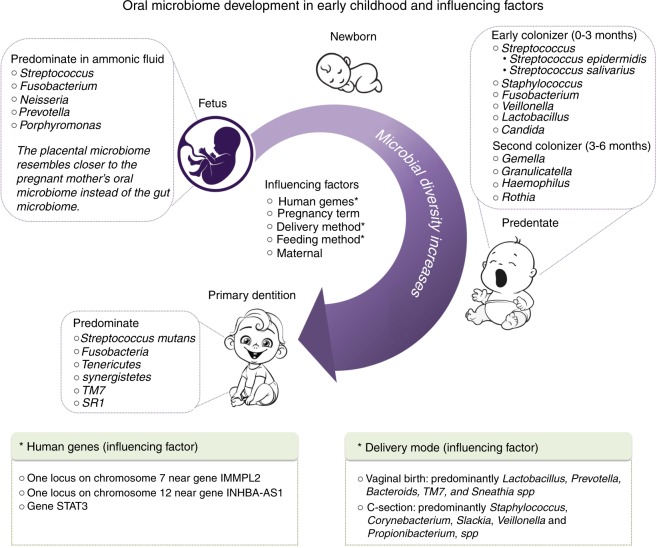
“Studies reported the presence of microorganisms in amniotic fluid in up to 70% of the pregnant women, and particularly the presence of several oral microorganisms, such as Streptococcus, Fusobacterium, Neisseria, Prevotella, and Porphyromonas, in the human placenta.(53,54) To assess the possible origin of the placenta…”
BackgroundTHE EPIDEMIOLOGY OF APPENDICITIS AND APPENDECTOMY IN THE UNITED STATES
Addiss, D. G., Shaffer, N., FOWLER, B. S., & Tauxe, R. V. (1990) · American Journal of Epidemiology · doi:10.1093/oxfordjournals.aje.a115734 · Cited by 2,254
Machiels, K., Joossens, M., Sabino, J., De Preter, V., Arijs, I., Eeckhaut, V., Ballet, V., Claes, K., Van Immerseel, F., Verbeke, K., et al. (2014) · Gut · doi:10.1136/gutjnl-2013-304833 · Cited by 1,904
Kaser, A., Zeissig, S., & Blumberg, R. S. (2010) · Annual Review of Immunology · doi:10.1146/annurev-immunol-030409-101225 · Cited by 1,806 · cited 1×
“Inflammatory bowel disease (IBD) is a chronic inflammatory disease of the gastrointestinal tract, likely caused by an aberrant immune response to the microbiota and other environmental challenges in genetically susceptible individuals.(155) Oral mucosal inflammation is commonly noted in patients with IBD, particularly…”
BackgroundKelly, J. R., Borre, Y., O' Brien, C., Patterson, E., El Aidy, S., Deane, J., Kennedy, P. J., Beers, S., Scott, K., Moloney, G., et al. (2016) · Journal of Psychiatric Research · doi:10.1016/j.jpsychires.2016.07.019 · Cited by 1,683
Microbiota-mediated colonization resistance against intestinal pathogens
Buffie, C. G., & Pamer, E. G. (2013) · Nature reviews. Immunology · doi:10.1038/nri3535 · Cited by 1,564
Ferretti, P., Pasolli, E., Tett, A., Asnicar, F., Gorfer, V., Fedi, S., Armanini, F., Truong, D. T., Manara, S., Zolfo, M., et al. (2018) · Cell Host & Microbe · doi:10.1016/j.chom.2018.06.005 · Cited by 1,292
STAT3 Mutations in the Hyper-IgE Syndrome
Holland, S. M., DeLeo, F. R., Elloumi, H. Z., Hsu, A. P., Uzel, G., Brodsky, N. N., Freeman, A. F., Demidowich, A. P., Davis, J., Turner, M. L. C., et al. (2007) · New England Journal of Medicine · doi:10.1056/nejmoa073687 · Cited by 1,233
Fusobacterium nucleatum — symbiont, opportunist and oncobacterium
Brennan, C. A., & Garrett, W. S. (2019) · Nature Reviews Microbiology · doi:10.1038/s41579-018-0129-6 · Cited by 1,205
Standards and Indications for Cardiopulmonary Sleep Studies in Children. American Thoracic Society
(1996) · American Journal of Respiratory and Critical Care Medicine · doi:10.1164/ajrccm.153.2.8564147 · Cited by 1,176
Characterization of the oral fungal microbiome (mycobiome) in healthy individuals
Ghannoum, M. A., Jurevic, R. J., Mukherjee, P. K., Cui, F., Sikaroodi, M., Naqvi, A., & Gillevet, P. M. (2010) · PLoS Pathogens · doi:10.1371/journal.ppat.1000713 · Cited by 1,150
Cohabiting family members share microbiota with one another and with their dogs
Song, S. J., Lauber, C. L., Costello, E. K., Lozupone, C., Humphrey, G., Berg-Lyons, D., Caporaso, J. G., Knights, D., Clemente, J. C., Nakielny, S., et al. (2013) · eLife · doi:10.7554/elife.00458 · Cited by 1,120
Bowen, W. H., & Koo, H. (2011) · Caries Research · doi:10.1159/000324598 · Cited by 1,085
Dominant-negative mutations in the DNA-binding domain of STAT3 cause hyper-IgE syndrome
Minegishi, Y., Saitō, M., Tsuchiya, S., Tsuge, I., Takada, H., Hara, T., Kawamura, N., Ariga, T., Pašić, S., Stojković, O., et al. (2007) · Nature · doi:10.1038/nature06096 · Cited by 1,075
Chu, D. M., Ma, J., Prince, A. L., Antony, K. M., Seferovic, M. D., & Aagaard, K. M. (2017) · Nature Medicine · doi:10.1038/nm.4272 · Cited by 1,063
Lockhart, P. B., Bolger, A. F., Papapanou, P. N., Osinbowale, O., Trevisan, M., Levison, M. E., Taubert, K. A., Newburger, J. W., Gornik, H. L., Gewitz, M. H., et al. (2012) · Circulation · doi:10.1161/cir.0b013e31825719f3 · Cited by 1,038
Gupta, V. K., Paul, S., & Dutta, C. (2017) · Frontiers in Microbiology · doi:10.3389/fmicb.2017.01162 · Cited by 1,019
Grölund, M., Lehtonen, O. ‐., Eerola, E., & Kero, P. O. (1999) · Journal of Pediatric Gastroenterology and Nutrition · doi:10.1097/00005176-199901000-00007 · Cited by 873
Maternal Alloantigens Promote the Development of Tolerogenic Fetal Regulatory T Cells in Utero
Mold, J. E., Michaëlsson, J., Burt, T. D., Muench, M. O., Beckerman, K., Busch, M. P., Lee, T., Nixon, D. F., & McCune, J. M. (2008) · Science · doi:10.1126/science.1164511 · Cited by 840
Oral microbiomes: more and more importance in oral cavity and whole body
Gao, L., Xu, T., Huang, G., Jiang, S., Gu, Y., & Chen, F. (2018) · Protein & Cell · doi:10.1007/s13238-018-0548-1 · Cited by 770 · cited 2×
“These influencing factors contribute to shaping both bacterial and fungal communities.(78,79) The summary in Fig.”
BackgroundHost genetic variation impacts microbiome composition across human body sites
Blekhman, R., Goodrich, J. K., Huang, K., Sun, Q., Bukowski, R., Bell, J. T., Spector, T. D., Keinan, A., Ley, R. E., Gevers, D., et al. (2015) · Genome Biology · doi:10.1186/s13059-015-0759-1 · Cited by 745
Dynamics and stabilization of the human gut microbiome during the first year of life
Bäckhed, F., Roswall, J., Peng, Y., Feng, Q., Jia, H., Kovatcheva-Datchary, P., Li, Y., Xia, Y., Xie, H., Zhong, H., et al. (2015) · Cell Host & Microbe · doi:10.1016/j.chom.2015.05.012 · Cited by 738
Initial Acquisition of Mutans Streptococci by Infants: Evidence for a Discrete Window of Infectivity
Caufield, P. W., Cutter, G., & Dasanayake, A. P. (1993) · Journal of Dental Research · doi:10.1177/00220345930720010501 · Cited by 717
Microbial Changes during Pregnancy, Birth, and Infancy
Nuriel‐Ohayon, M., Neuman, H., & Koren, O. (2016) · Frontiers in Microbiology · doi:10.3389/fmicb.2016.01031 · Cited by 647
Adler, C. J., Dobney, K., Weyrich, L. S., Kaidonis, J., Walker, A. W., Haak, W., Bradshaw, C. J. A., Townsend, G., Sołtysiak, A., Alt, K. W., et al. (2013) · Nature Genetics · doi:10.1038/ng.2536 · Cited by 621
Escapa, I. F., Chen, T., Huang, Y., Gajare, P., Dewhirst, F. E., & Lemon, K. P. (2018) · mSystems · doi:10.1128/msystems.00187-18 · Cited by 615
Patterned progression of bacterial populations in the premature infant gut
Rosa, P. S. L., Warner, B. B., Zhou, Y., Weinstock, G. M., Sodergren, E. J., Hall-Moore, C. M., Stevens, H. J., Bennett, W. E., Shaikh, N., Linneman, L. A., et al. (2014) · Proceedings of the National Academy of Sciences · doi:10.1073/pnas.1409497111 · Cited by 586
Mucin-bacterial interactions in the human oral cavity and digestive tract
Derrien, M., van Passel, M. W. J., van de Bovenkamp, J. H. B., Schipper, R., de Vos, W., & Dekker, J. (2010) · Gut Microbes · doi:10.4161/gmic.1.4.12778 · Cited by 556
A randomized synbiotic trial to prevent sepsis among infants in rural India
Panigrahi, P., Parida, S., Nanda, N. C., Satpathy, R., Pradhan, L., Chandel, D. S., Baccaglini, L., Mohapatra, A., Mohapatra, S. S., Misra, P. R., et al. (2017) · Nature · doi:10.1038/nature23480 · Cited by 526
Gross, E. L., Beall, C. J., Kutsch, S. R., Firestone, N. D., Leys, E. J., & Griffen, A. L. (2012) · PLoS ONE · doi:10.1371/journal.pone.0047722 · Cited by 508
Natural History of Neonatal Herpes Simplex Virus Infections in the Acyclovir Era
Kimberlin, D. W., Lin, C.-Y., Jacobs, R. F., Powell, D. A., Frenkel, L. M., Gruber, W. C., Rathore, M., Bradley, J. S., Diaz, P. S., Kumar, M., et al. (2001) · Pediatrics · doi:10.1542/peds.108.2.223 · Cited by 507
Role of gut microbiota and nutrients in amyloid formation and pathogenesis of Alzheimer disease
Pistollato, F., Sumalla Cano, S., Elio, I., Masias Vergara, M., Giampieri, F., & Battino, M. (2016) · Nutrition Reviews · doi:10.1093/nutrit/nuw023 · Cited by 496
Malamud, D. (2010) · Dental Clinics of North America · doi:10.1016/j.cden.2010.08.004 · Cited by 489
The Vaginal Microbiota: What Have We Learned after a Decade of Molecular Characterization?
van de Wijgert, J. H. H. M., Borgdorff, H., Verhelst, R., Crucitti, T., Francis, S. C., Verstraelen, H., & Jespers, V. (2014) · PLoS ONE · doi:10.1371/journal.pone.0105998 · Cited by 480
Oral Microbiome Composition Reflects Prospective Risk for Esophageal Cancers
Peters, B. A., Wu, J., Pei, Z., Yang, L., Purdue, M. P., Freedman, N. D., Jacobs, E. J., Gapstur, S. M., Hayes, R. B., & Ahn, J. (2017) · Cancer Research · doi:10.1158/0008-5472.can-17-1296 · Cited by 423
Saliva microbiomes distinguish caries-active from healthy human populations
Yang, F., Zeng, X., Ning, K., Liu, K.-L., Lo, C., Wang, W., Chen, J., Wang, D., Huang, R., Chang, X., et al. (2011) · The ISME Journal · doi:10.1038/ismej.2011.71 · Cited by 371
Candida and Oral Candidosis: A Review
Scully, C., EI-Kabir, M., & Samaranayake, L. P. (1994) · Critical Reviews in Oral Biology & Medicine · doi:10.1177/10454411940050020101 · Cited by 365
Malamud, D. (1992) · BMJ · doi:10.1136/bmj.305.6847.207 · Cited by 363 · cited 1×
“The oral cavity serves an initial entry point for colonization of the oral and gut microbiota(39,40) and therefore is an easily accessed body site for assessment of the microbial community, and biologic markers used to diagnose, predict, and monitor both oral and systemic diseases.(41) Similar to reported associations…”
The development of the bacterial flora in normal neonates
Rotimi, V. O., & Duerden, B. I. (1981) · Journal of Medical Microbiology · doi:10.1099/00222615-14-1-51 · Cited by 362
Pride, D. T., Salzman, J., Haynes, M., Rohwer, F., Davis-Long, C., White, R. A., Loomer, P., Armitage, G. C., & Relman, D. A. (2012) · The ISME Journal · doi:10.1038/ismej.2011.169 · Cited by 335
De Palma, G., Nadal, I., Medina, M., Donat, E., Ribes-Koninckx, C., Calabuig, M., & Sanz, Y. (2010) · BMC Microbiology · doi:10.1186/1471-2180-10-63 · Cited by 330
Crielaard, W., Zaura, E., Schuller, A. A., Huse, S. M., Montijn, R. C., & Keijser, B. J. F. (2011) · BMC Medical Genomics · doi:10.1186/1755-8794-4-22 · Cited by 330
The oral microbiome diversity and its relation to human diseases
He, J., Li, Y., Cao, Y., Xue, J., & Zhou, X. (2015) · Folia Microbiologica · doi:10.1007/s12223-014-0342-2 · Cited by 314
Possible association between amniotic fluid micro-organism infection and microflora in the mouth
Bearfield, C., Davenport, E. S., Sivapathasundaram, V., & Allaker, R. P. (2002) · BJOG An International Journal of Obstetrics & Gynaecology · doi:10.1111/j.1471-0528.2002.01349.x · Cited by 306
Innate Immunity of Neonates and Infants
Yu, J. C., Khodadadi, H., Malik, A., Davidson, B., Salles, É. D. S. L., Bhatia, J., Hale, V. L., & Baban, B. (2018) · Frontiers in Immunology · doi:10.3389/fimmu.2018.01759 · Cited by 292
Childhood Obesity and Obstructive Sleep Apnea
Narang, I., & Mathew, J. L. (2012) · Journal of Nutrition and Metabolism · doi:10.1155/2012/134202 · Cited by 284
Boix-Amorós, A., Collado, M. C., & Mira, A. (2016) · Frontiers in Microbiology · doi:10.3389/fmicb.2016.00492 · Cited by 283
Dzidic, M., Collado, M. C., Abrahamsson, T., Artacho, A., Stensson, M., Jenmalm, M. C., & Mira, A. (2018) · The ISME Journal · doi:10.1038/s41396-018-0204-z · Cited by 279
Targeting the gut microbiome to treat the osteoarthritis of obesity
Schott, E. M., Farnsworth, C. W., Grier, A., Lillis, J. A., Soniwala, S., Dadourian, G. H., Bell, R. D., Doolittle, M. L., Villani, D. A., Awad, H. A., et al. (2018) · JCI Insight · doi:10.1172/jci.insight.95997 · Cited by 277 · cited 1×
“The loss of beneficial Bifidobacteria while an increased abundance of key proinflammatory species in the gut microbiome is found to be associated with obesity; this microbial imbalance event is further linked with a downstream of systematic inflammation that could accelerate knee osteoarthritis.(8) Associations betwee…”
BackgroundSelf-citationBorgdorff, H., Gautam, R., Armstrong, S. D., Xia, D., Ndayisaba, G. F., van Teijlingen, N. H., Geijtenbeek, T. B. H., Wastling, J. M., & van de Wijgert, J. H. H. M. (2016) · Mucosal Immunology · doi:10.1038/mi.2015.86 · Cited by 253
Lewis, F. M. T., Bernstein, K. T., & Aral, S. O. (2017) · Obstetrics & Gynecology · doi:10.1097/aog.0000000000001932 · Cited by 248
Caufield, P. W., Dasanayake, A. P., Li, Y., Pan, Y., Hsu, J. C., & Hardin, J. M. (2000) · Infection and Immunity · doi:10.1128/iai.68.7.4018-4023.2000 · Cited by 242
The Microbiome in Populations with a Low and High Prevalence of Caries
Johansson, I., Witkowska, E., Kaveh, B., Holgerson, P. L., & Tanner, A. C. R. (2015) · Journal of Dental Research · doi:10.1177/0022034515609554 · Cited by 227
Enrichment of oral microbiota in early cystic precursors to invasive pancreatic cancer
Gaiser, R. A., Halimi, A., Alkharaan, H., Lu, L., Davanian, H., Healy, K., Hugerth, L. W., Ateeb, Z., Valente, R., Fernández Moro, C., et al. (2019) · Gut · doi:10.1136/gutjnl-2018-317458 · Cited by 227
Frequency, intensity, species, and strains of oral Candida vary as a function of host age
Kleinegger, C. L., Lockhart, S. R., Vargas, K. G., & Soll, D. R. (1996) · Journal of Clinical Microbiology · doi:10.1128/jcm.34.9.2246-2254.1996 · Cited by 214
Host Genetic Control of the Oral Microbiome in Health and Disease
Gomez, A. M., Espinoza, J. L., Harkins, D. M., Leong, P., Saffery, R., Bockmann, M. R., Torralba, M., Kuelbs, C., Kodukula, R., Inman, J. M., et al. (2017) · Cell Host & Microbe · doi:10.1016/j.chom.2017.08.013 · Cited by 213
Appendicitis in the young child: A continuing diagnostic challenge
Nance, M. L., Adamson, W. T., & Hedrick, H. L. (2000) · Pediatric Emergency Care · doi:10.1097/00006565-200006000-00005 · Cited by 211
Microbiomes of Site-Specific Dental Plaques from Children with Different Caries Status
Richards, V. P., Alvarez, A. J., Luce, A. R., Bedenbaugh, M., Mitchell, M. L., Burne, R. A., & Nascimento, M. M. (2017) · Infection and Immunity · doi:10.1128/iai.00106-17 · Cited by 207
The global health impact of vaginal dysbiosis
van de Wijgert, J. H. H. M., & Jespers, V. (2017) · Research in Microbiology · doi:10.1016/j.resmic.2017.02.003 · Cited by 199
Dye, B. A., Li, X., & Thorton-Evans, G. (2012) · PubMed · Cited by 198
Mode of Birth Delivery Affects Oral Microbiota in Infants
Holgerson, P. L., Harnevik, L., Hernell, O., Tanner, A. C. R., & Johansson, I. (2011) · Journal of Dental Research · doi:10.1177/0022034511418973 · Cited by 198
Oral Microbial Profile Discriminates Breast‐fed From Formula‐fed Infants
Holgerson, P. L., Vestman, N. R., Claesson, R., Öhman, C., Domellöf, M., Tanner, A. C. R., Hernell, O., & Johansson, I. (2012) · Journal of Pediatric Gastroenterology and Nutrition · doi:10.1097/mpg.0b013e31826f2bc6 · Cited by 198
Candida albicans and Early Childhood Caries: A Systematic Review and Meta-Analysis
Xiao, J., Huang, X., Alkhers, N., Alzamil, H., Alzoubi, S., Wu, T. T., Castillo, D. A., Campbell, F., Davis, J., Herzog, K., et al. (2018) · Caries Research · doi:10.1159/000481833 · Cited by 197
Self-citationMicrobiota of Severe Early Childhood Caries before and after Therapy
Tanner, A. C. R., Kent, R., Holgerson, P. L., Hughes, C. V., Loo, C. Y., Kanasi, E., Chalmers, N. I., & Johansson, I. (2011) · Journal of Dental Research · doi:10.1177/0022034511421201 · Cited by 196
Development of the Human Mycobiome over the First Month of Life and across Body Sites
Ward, T., Domínguez-Bello, M. G., Heisel, T. J., Al‐Ghalith, G. A., Knights, D., & Gale, C. A. (2018) · mSystems · doi:10.1128/msystems.00140-17 · Cited by 196 · cited 7×
“Most recently, the skin, oral, and anal mycobiomes were analyzed by Ward et al.(32) among an infant cohort from birth through 30 days of life, using amplicon sequencing of internal transcribed spacer 2 (ITS2).”
BackgroundMethodInfluentialObstructive sleep apnea syndrome in children: Epidemiology, pathophysiology, diagnosis and sequelae
Chang, S. J., & Chae, K. Y. (2010) · Korean Journal of Pediatrics · doi:10.3345/kjp.2010.53.10.863 · Cited by 195
Breast and Bottle Feeding as Risk Factors for Dental Caries: A Systematic Review and Meta-Analysis
Avila, W. M., Pordeus, I. A., Paiva, S. M., & Martins, C. C. (2015) · PLoS ONE · doi:10.1371/journal.pone.0142922 · Cited by 184
Li, Y., Caufield, P. W., Dasanayake, A. P., Wiener, H. W., & Vermund, S. H. (2005) · Journal of Dental Research · doi:10.1177/154405910508400905 · Cited by 176
The Oral Microbiome of Children: Development, Disease, and Implications Beyond Oral Health
Gomez, A., & Nelson, K. E. (2017) · Microbial Ecology · doi:10.1007/s00248-016-0854-1 · Cited by 175
Vertical and Horizontal Transmission of Unique Candida Species to Premature Newborns
Waggoner-Fountain, L. A., Walker, M. W., Hollis, R. J., Pfaller, M. A., Ferguson, J. E., II, Wenzel, R. P., & Donowitz, L. G. (1996) · Clinical Infectious Diseases · doi:10.1093/clinids/22.5.803 · Cited by 172
The mucosal immune system in the oral cavity—an orchestra of T cell diversity
Wu, R.-Q., Zhang, D.-F., Tu, E., Chen, Q.-M., & Chen, W. (2014) · International Journal of Oral Science · doi:10.1038/ijos.2014.48 · Cited by 171
A Prospective Study of the Oral Manifestations of Crohn’s Disease
Harty, S., Fleming, P., Rowland, M., Crushell, E., McDermott, M., Drumm, B., & Bourke, B. (2005) · Clinical Gastroenterology and Hepatology · doi:10.1016/s1542-3565(05)00424-6 · Cited by 171
Gomez-Arango, L. F., Barrett, H. L., McIntyre, H. D., Callaway, L. K., Morrison, M., & Nitert, M. D. (2017) · Scientific Reports · doi:10.1038/s41598-017-03066-4 · Cited by 168 · cited 6×
“Studies have shown the association between neonatal antibiotics use and decreased levels of Clostridial colonization in infants’ gut when administered in a prolonged period.96 Intriguingly, a study by Gomez-Arango et al.97 indicated that maternal antibiotics use during delivery also impacts the infant oral microbiome…”
BackgroundMethodInfluentialNeonatal herpes simplex virus infections
Pinninti, S. G., & Kimberlin, D. W. (2018) · Seminars in Perinatology · doi:10.1053/j.semperi.2018.02.004 · Cited by 165
The oral cavity in Crohn’s disease
Pittock, S. T., Drumm, B., Fleming, P., McDermott, M., Imrie, C., Flint, S. R., & Bourke, B. (2001) · The Journal of Pediatrics · doi:10.1067/mpd.2001.113008 · Cited by 158
Cephas, K., Kim, J., Mathai, R. A., Barry, K. A., Dowd, S. E., Meline, B. S., & Swanson, K. S. (2011) · PLoS ONE · doi:10.1371/journal.pone.0023503 · Cited by 158
Bacterial Diversity in Two Neonatal Intensive Care Units (NICUs)
Hewitt, K. M., Mannino, F. L., Gonzalez, A., Chase, J., Caporaso, J. G., Knight, R. D., & Kelley, S. T. (2013) · PLoS ONE · doi:10.1371/journal.pone.0054703 · Cited by 156
Bliss, J. M., Basavegowda, K. P., Watson, W. J., Sheikh, A. U., & Ryan, R. M. (2008) · The Pediatric Infectious Disease Journal · doi:10.1097/inf.0b013e31815bb69d · Cited by 154
Impact of prematurity and nutrition on the developing gut microbiome and preterm infant growth
Grier, A., Qiu, X., Bandyopadhyay, S., Holden‐Wiltse, J., Kessler, H. A., Gill, A. L., Hamilton, B., Huyck, H. L., Misra, S. K., Mariani, T. J., et al. (2017) · Microbiome · doi:10.1186/s40168-017-0377-0 · Cited by 154
Self-citationThe advent of genome-wide association studies for bacteria
Chen, P. E., & Shapiro, B. J. (2015) · Current Opinion in Microbiology · doi:10.1016/j.mib.2015.03.002 · Cited by 154
Alterations in diversity of the oral microbiome in pediatric inflammatory bowel disease
Docktor, M., Paster, B. J., Abramowicz, S., Ingram, J., Wang, Y. E., Correll, M., Jiang, H., Cotton, S. L., Kokaras, A. S., & Bousvaros, A. (2011) · Inflammatory Bowel Diseases · doi:10.1002/ibd.21874 · Cited by 149
Association between Oral Candida and Bacteriome in Children with Severe ECC
Xiao, J., Grier, A., Faustoferri, R. C., Alzoubi, S., Gill, A. L., Feng, C., Liu, Y., Quivey, R. G., Kopycka‐Kędzierawski, D. T., Koo, H., et al. (2018) · Journal of Dental Research · doi:10.1177/0022034518790941 · Cited by 148
Self-citationYost, S., Stashenko, P., Choi, Y., Kukuruzinska, M., Genco, C. A., Salama, A., Weinberg, E. O., Kramer, C. D., & Frias-Lopez, J. (2018) · International Journal of Oral Science · doi:10.1038/s41368-018-0037-7 · Cited by 144
Characterizing oral microbial communities across dentition states and colonization niches
Mason, M. R., Chambers, S., Dabdoub, S. M., Thikkurissy, S., & Kumar, P. S. (2018) · Microbiome · doi:10.1186/s40168-018-0443-2 · Cited by 142 · cited 10×
“Interestingly, these core species only accounted for 45% (23%–61%) of the total oral microbiota of each infant.(29) Out of the 178 identified species, only 33 were shared by ≥75% of infants.”
BackgroundInfluentialGut Microflora Associated Characteristics in Children with Celiac Disease
Tjellström, B., Stenhammar, L., Högberg, L., Fälth‐Magnusson, K., Magnusson, K., Midtvedt, T., Sundqvist, T., & Norin, E. L. (2005) · The American Journal of Gastroenterology · doi:10.1111/j.1572-0241.2005.00313.x · Cited by 137
Yang, Y., Cai, Q., Shu, X., Steinwandel, M. D., Blot, W. J., Zheng, W., & Long, J. (2019) · International Journal of Cancer · doi:10.1002/ijc.31941 · Cited by 135
Corstjens, P. L. A. M., Abrams, W. R., & Malamud, D. (2015) · Periodontology 2000 · doi:10.1111/prd.12112 · Cited by 133 · cited 2×
“including herpesvirus HPV7 and Anelloviruses, as well as some RNA viruses, are also permanent constituents of human mouth.(72,73) Several viral agents can infect oral mucosal cells; however, only a few cause clinical manifestations.”
BackgroundXiao, J., Moon, Y., Li, L., Rustchenko, E. P., Wakabayashi, H., Zhao, X., Feng, C., Gill, S. R., McLaren, S. W., Malmström, H., et al. (2016) · PLoS ONE · doi:10.1371/journal.pone.0164242 · Cited by 132
Self-citationEarly childhood caries and mutans streptococci: a systematic review.
Parisotto, T. M., Steiner‐Oliveira, C., Silva, C. M., Rodrigues, L. K. A., & Nobre‐dos‐Santos, M. (2010) · PubMed · Cited by 131
Lee, S. A., Lim, J. Y., Kim, B. S., Cho, S. J., Kim, N. Y., Kim, O. B., & Kim, Y. (2015) · Nutrition Research and Practice · doi:10.4162/nrp.2015.9.3.242 · Cited by 123
The Microbiota of the Extremely Preterm Infant
Underwood, M. A., & Sohn, K. (2017) · Clinics in Perinatology · doi:10.1016/j.clp.2017.01.005 · Cited by 123
Microbial Risk Markers for Childhood Caries in Pediatricians’ Offices
Kanasi, E., Johansson, I., Lu, S. C., Kressin, N. R., Nunn, M. E., Kent, R., & Tanner, A. C. R. (2010) · Journal of Dental Research · doi:10.1177/0022034509360010 · Cited by 116
Potential NICU Environmental Influences on the Neonate's Microbiome
Hartz, L. E., Bradshaw, W. T., & Brandon, D. (2015) · Advances in Neonatal Care · doi:10.1097/anc.0000000000000220 · Cited by 116
Salivary Microbiota and Metabolome Associated with Celiac Disease
Francavilla, R., Ercolini, D., Piccolo, M., Vannini, L., Siragusa, S., De Filippis, F., De Pasquale, I., Di Cagno, R., Di Toma, M., Gozzi, G., et al. (2014) · Applied and Environmental Microbiology · doi:10.1128/aem.00362-14 · Cited by 111
Klein, M. I., Flório, F. M., Pereira, A. C., Höfling, J. F., & Gonçalves, R. B. (2004) · Journal of Clinical Microbiology · doi:10.1128/jcm.42.10.4620-4626.2004 · Cited by 110
Smith, S. C., Jr. (2019) · Carolina Digital Repository (University of North Carolina at Chapel Hill) · doi:10.17615/7cvf-cs53 · Cited by 108
van de Wijgert, J. H. H. M. (2017) · PLoS Medicine · doi:10.1371/journal.pmed.1002478 · Cited by 107
Buccal administration of human colostrum: impact on the oral microbiota of premature infants
Sohn, K., Kalanetra, K. M., Mills, D. A., & Underwood, M. A. (2015) · Journal of Perinatology · doi:10.1038/jp.2015.157 · Cited by 103
Looking in the mouth for Crohnʼs disease
Rowland, M., Fleming, P., & Bourke, B. (2009) · Inflammatory Bowel Diseases · doi:10.1002/ibd.20983 · Cited by 102
Genetic influences on the human oral microbiome
Demmitt, B. A., Corley, R. P., Huibregtse, B. M., Keller, M. C., Hewitt, J. K., McQueen, M. B., Knight, R. D., McDermott, I., & Krauter, K. S. (2017) · BMC Genomics · doi:10.1186/s12864-017-4008-8 · Cited by 101
Infant fungal communities: current knowledge and research opportunities
Ward, T., Knights, D., & Gale, C. A. (2017) · BMC Medicine · doi:10.1186/s12916-017-0802-z · Cited by 98
Guthery, S. L., Hutchings, C., Dean, J. M., & Hoff, C. J. (2004) · The Journal of Pediatrics · doi:10.1016/j.jpeds.2004.02.029 · Cited by 97
Antibiotic treatment at delivery shapes the initial oral microbiome in neonates
Gómez-Arango, L. F., Barrett, H. L., McIntyre, D. H., Callaway, L. K., Morrison, M., & Nitert, M. D. (2017) · Scientific Reports · doi:10.1038/srep43481 · Cited by 97 · cited 4×
“In this study where the infant oral swabs were sampled in the first three days after delivery, the study results showed that Proteobacteria were abundant in infants with maternal intrapartum antibiotics exposure while Streptococcaceae, Gemellaceae, and Lactobacillales were dominant in unexposed neonates.(97)”
BackgroundResultInfluentialEarly-life skin microbiota in hospitalized preterm and full-term infants
Younge, N. E., Araújo-Pérez, F., Brandon, D., & Seed, P. C. (2018) · Microbiome · doi:10.1186/s40168-018-0486-4 · Cited by 96
Drell, T., Štšepetova, J., Simm, J., Rull, K., Aleksejeva, A., Antson, A., Tillmann, V., METSIS, M. L., Sepp, E., Salumets, A., et al. (2017) · Scientific Reports · doi:10.1038/s41598-017-09278-y · Cited by 95
Neonatal gut and respiratory microbiota: coordinated development through time and space
Grier, A., McDavid, A., Wang, B., Qiu, X., Java, J., Bandyopadhyay, S., Yang, H., Holden‐Wiltse, J., Kessler, H. A., Gill, A. L., et al. (2018) · Microbiome · doi:10.1186/s40168-018-0566-5 · Cited by 94
Self-citationA screening method for gastric cancer by oral microbiome detection
Sun, J., Li, X., Yin, J., Li, Y., Ben-xiang, H., & Zhang, Z. (2018) · Oncology Reports · doi:10.3892/or.2018.6286 · Cited by 93
Identification of Caries Risk Factors in Toddlers
Fontana, M., Jackson, R. D., Eckert, G. J., Swigonski, N. L., Chin, J. R., Zandoná, A. F., Ando, M., Stookey, G. K., Downs, S. M., & Zero, D. T. (2010) · Journal of Dental Research · doi:10.1177/0022034510385458 · Cited by 91
Oral microbiome, periodontitis and risk of head and neck cancer
Galvão-Moreira, L. V., & da Cruz, M. C. F. N. (2015) · Oral Oncology · doi:10.1016/j.oraloncology.2015.11.013 · Cited by 91
Ma, C., Chen, F., Zhang, Y., Sun, X., Tong, P., Si, Y., & Zheng, S. (2015) · PLoS ONE · doi:10.1371/journal.pone.0122075 · Cited by 87
Oral microbiome activity in children with autism spectrum disorder
Hicks, S. D., Uhlig, R., Afshari, P., Williams, J. R., Chroneos, M. Z., Tierney‐Aves, C., Wagner, K. E., & Middleton, F. A. (2018) · Autism Research · doi:10.1002/aur.1972 · Cited by 86
White, R. A., Bjørnholt, J. V., Baird, D. D., Midtvedt, T., Harris, J. R., Pagano, M., Hide, W. A., Rudi, K., Moen, B., Iszatt, N., et al. (2013) · PLoS Computational Biology · doi:10.1371/journal.pcbi.1003042 · Cited by 85
Niemi, L. D., Hernell, O., & Johansson, I. (2009) · Caries Research · doi:10.1159/000213888 · Cited by 84
Dental Caries and Microbial Acid Production in Twins
Bretz, W. A., Corby, P. M. A., Hart, T. C., Costa, S., Coelho, M. Q., Weyant, R. J., Robinson, M., & Schork, N. J. (2005) · Caries Research · doi:10.1159/000084793 · Cited by 82
Surface Microbes in the Neonatal Intensive Care Unit: Changes with Routine Cleaning and over Time
Bokulich, N. A., Mills, D. A., & Underwood, M. A. (2013) · Journal of Clinical Microbiology · doi:10.1128/jcm.00898-13 · Cited by 81
Host responses to the human microbiome
Bäckhed, F. (2012) · Nutrition Reviews · doi:10.1111/j.1753-4887.2012.00496.x · Cited by 81
Ferraris, L., Butel, M. J., Campeotto, F., Vodovar, M., Rozé, J., & Aires, J. (2012) · PLoS ONE · doi:10.1371/journal.pone.0030594 · Cited by 78
Asymptomatic Inflammatory Bowel Disease Presenting With Mucocutaneous Findings
Galbraith, S. S., Drolet, B. A., Kugathasan, S., Paller, A. S., & Esterly, N. B. (2005) · PEDIATRICS · doi:10.1542/peds.2004-2281 · Cited by 76
Oral candidal flora in healthy infants
Darwazeh, A. M.-G., & Al‐Bashir, A. (1995) · Journal of Oral Pathology and Medicine · doi:10.1111/j.1600-0714.1995.tb01200.x · Cited by 73
Bacteria Interfere with A. actinomycetemcomitans Colonization
Teughels, W., Haake, S. K., Sliepen, I., Pauwels, M., Eldere, J. V., Cassiman, J.-J., & Quirynen, M. (2007) · Journal of Dental Research · doi:10.1177/154405910708600706 · Cited by 73
Barrett's esophagus is associated with a distinct oral microbiome
Snider, E. J., Compres, G., Freedberg, D. E., Giddins, M. J., Khiabanian, H., Lightdale, C. J., Nobel, Y. R., Toussaint, N. C., Uhlemann, A.-C., & Abrams, J. A. (2018) · Clinical and Translational Gastroenterology · doi:10.1038/s41424-018-0005-8 · Cited by 72
Human defects in STAT3 promote oral mucosal fungal and bacterial dysbiosis
Abusleme, L., Diaz, P. I., Freeman, A. F., Greenwell‐Wild, T., Brenchley, L., Desai, J. V., Ng, W.-I., Holland, S. M., Lionakis, M. S., Segre, J. A., et al. (2018) · JCI Insight · doi:10.1172/jci.insight.122061 · Cited by 69 · cited 5×
“albicans and minimal representation of health-associated fungi.(85) The STAT3 defect in participants with AD-HIES was also associated with distinctive bacterial communities, particularly with a reduced microbial diversity and an enrichment of Streptococcus oralis and S.”
BackgroundInfluentialOral Bacterial and Fungal Microbiome Impacts Colorectal Carcinogenesis
Klimesova, K., Jiraskova Zakostelska, Z., & Tlaskalova-Hogenova, H. (2018) · Frontiers in Microbiology · doi:10.3389/fmicb.2018.00774 · Cited by 67
Child Weight Gain Trajectories Linked To Oral Microbiota Composition
Craig, S. J. C., Blankenberg, D. J., Parodi, A., Paul, I. M., Birch, L. L., Savage, J. S., Marini, M. E., Stokes, J. L., Nekrutenko, A., Reimherr, M. L., et al. (2018) · Scientific Reports · doi:10.1038/s41598-018-31866-9 · Cited by 67 · cited 4×
“The study results suggest for the first time that the association between the oral microbiota and the temporal pattern of weight gain in early childhood might be stronger and more consequential than previously thought, and thus requires further characterization.(40) However, the mechanism underlying these associations…”
BackgroundMethodResultInfluentialOral Microbiota Development in Early Childhood
Kennedy, B., Peura, S., Hammar, U., Vicenzi, S., Hedman, A. M., Almqvist, C., Andolf, E. G., Pershagen, G., Dicksved, J., Bertilsson, S., et al. (2019) · Scientific Reports · doi:10.1038/s41598-019-54702-0 · Cited by 66
Timby, N., Domellöf, M., Holgerson, P. L., West, C. E., Lönnerdal, B. L., Hernell, O., & Johansson, I. (2017) · PLoS ONE · doi:10.1371/journal.pone.0169831 · Cited by 64
Xu, H., Li, X., Zheng, X., Xia, Y., Fu, Y., Li, X., Qian, Y., Zou, J., Zhao, A., Guan, J., et al. (2018) · Journal of Clinical Sleep Medicine · doi:10.5664/jcsm.7336 · Cited by 64
Dynamics of Microbial Colonization of the Oral Cavity in Newborns
Nelson-Filho, P., Borba, I. G., Mesquita, K. S. F. D., Silva, R. A. B., Queiroz, A. M. D., & Silva, L. A. B. (2013) · Brazilian Dental Journal · doi:10.1590/0103-6440201302266 · Cited by 60
Borgdorff, H., Gautam, R., Armstrong, S., Xia, D., Ndayisaba, G., van Teijlingen, N. H., Geijtenbeek, T. B. H., Wastling, J. M., & van de Wijgert, J. H. H. M. (2015) · Sexually Transmitted Infections · doi:10.1136/sextrans-2015-052270.150 · Cited by 58
Jimenez, J., Loveridge‐Lenza, B., & Horváth, K. (2021) · Pediatric Clinics of North America · doi:10.1016/j.pcl.2021.07.007 · Cited by 58
Obstructive sleep apnea in children
Marcus, C. L., & Loughlin, G. M. (1996) · Seminars in Pediatric Neurology · doi:10.1016/s1071-9091(96)80025-8 · Cited by 55
Lactation and Intestinal Microbiota: How Early Diet Shapes the Infant Gut
Goldsmith, F., O’Sullivan, A. M., Smilowitz, J. T., & Freeman, S. L. (2015) · Journal of Mammary Gland Biology and Neoplasia · doi:10.1007/s10911-015-9335-2 · Cited by 54
Immunopathogenesis of celiac disease
Tye–Din, J. A., & Anderson, R. P. (2008) · Current Gastroenterology Reports · doi:10.1007/s11894-008-0085-9 · Cited by 53
The microbiome of the oral mucosa in irritable bowel syndrome
Fourie, N. H., Wang, D., Abey, S. K., Sherwin, L. B., Joseph, P. V., Rahim-Williams, B., Ferguson, E. G., & Henderson, W. A. (2016) · Gut Microbes · doi:10.1080/19490976.2016.1162363 · Cited by 53
Oral Health and the Oral Microbiome in Pancreatic Cancer
Bracci, P. M. (2017) · The Cancer Journal · doi:10.1097/ppo.0000000000000287 · Cited by 53
Klinke, T. U., Urban, M., Lück, C., Hannig, C., Kühn, M., & Krämer, N. (2013) · Caries Research · doi:10.1159/000351673 · Cited by 52
The effect of maternal flora on C andida colonisation in the neonate
Filippidi, A., Galanakis, E., Maraki, S., Galani, I., Drogari‐Apiranthitou, M., Kalmanti, M., Mantadakis, E., & Samonis, G. (2013) · Mycoses · doi:10.1111/myc.12100 · Cited by 50
Garnier‐Lengliné, H., Cerf–Bensussan, N., & Ruemmele, F. M. (2015) · Clinics and Research in Hepatology and Gastroenterology · doi:10.1016/j.clinre.2015.05.024 · Cited by 47
Sweeney, E. L., Al‐Shehri, S. S., Cowley, D. M., Liley, H. G., Bansal, N., Charles, B. G., Shaw, P. N., Duley, J. A., & Knox, C. L. (2018) · Scientific Reports · doi:10.1038/s41598-018-33519-3 · Cited by 47
Autism Spectrum Disorder - A Complex Genetic Disorder
Ivanov, H. Y., Stoyanova, V. K., Popov, N. T., & Vachev, T. I. (2015) · Folia Medica · doi:10.1515/folmed-2015-0015 · Cited by 46
PLONKA, K. A., Pukallus, M., Barnett, A. G., Walsh, L. J., Holcombe, T. H., & Seow, W. K. (2012) · Caries Research · doi:10.1159/000337353 · Cited by 44
Prevalence of oral Candida in the first year of life
STECKSÉN‐BLICKS, C., Granström, E., Silfverdal, S., & West, C. E. (2015) · Mycoses · doi:10.1111/myc.12355 · Cited by 44
Hurley, E., Mullins, D., Barrett, M., O'Shea, C., Kinirons, M. J., Ryan, C. A., Stanton, C., Whelton, H. P., Harris, H. M. B., & O’Toole, P. W. (2019) · Journal of Oral Microbiology · doi:10.1080/20002297.2019.1599652 · Cited by 41
Manipulating the Human Microbiome to Manage Disease
Harkins, C. P., Kong, H. H., & Segre, J. A. (2020) · JAMA · doi:10.1001/jama.2019.19602 · Cited by 38
The oral microbiome—the relevant reservoir for acute pediatric appendicitis?
Blod, C., Schlichting, N. S., Schülin, S., Suttkus, A., Peukert, N., Stîngu, C. S., Hirsch, C., Elger, W., Lacher, M., Bühligen, U., et al. (2017) · International Journal of Colorectal Disease · doi:10.1007/s00384-017-2948-8 · Cited by 37
Effects of Human Milk on Adhesion of Streptococcus mutans to Saliva-Coated Hydroxyapatite in vitro
Wernersson, J., Niemi, L. D., Einarson, S., Hernell, O., & Johansson, I. (2006) · Caries Research · doi:10.1159/000094287 · Cited by 34
Oral microbiota dysbiosis and its association with Henoch‐Schönlein Purpura in children
Chen, B., Wang, J., Wang, Y., Zhang, J., Zhao, C., Shen, N., Yang, J., Gai, Z., & Zhang, L. (2018) · International Immunopharmacology · doi:10.1016/j.intimp.2018.10.017 · Cited by 33 · cited 9×
“The more prolonged hospital stay was associated with a lower abundance of Butyrivibrio sp, but a higher abundance of Haemophilus sp.(151) Haemophilus sp was also negatively correlated to the amount of IgE and IgM.”
BackgroundMethodInfluentialPLONKA, K. A., Pukallus, M., Barnett, A. G., Walsh, L. J., HOLCOMBE, T. F., & Seow, W. K. (2012) · Caries Research · doi:10.1159/000339089 · Cited by 32
Oral viral infections of children
Sällberg, M. (2008) · Periodontology 2000 · doi:10.1111/j.1600-0757.2008.00277.x · Cited by 32
A Longitudinal Study of Early Childhood Caries and Associated Factors in Brazilian Children
Piva, F., Pereira, J. T., Luz, P. B., Hashizume, L. N., Hugo, F. N., & de Araújo, F. B. (2017) · Brazilian Dental Journal · doi:10.1590/0103-6440201701237 · Cited by 32 · cited 2×
“Piva et al.141 evaluated a cohort of 163 Brazilian children (3–4 years old) in a 2-year prospective period, and found higher S. mutans counts were associated with caries progression.”
BackgroundThe incidence of neonatal herpes infection
Mahnert, N. D., Roberts, S. W., Laibl, V. R., Sheffield, J. S., & Wendel, G. D. (2007) · American Journal of Obstetrics and Gynecology · doi:10.1016/j.ajog.2006.10.911 · Cited by 31
Influence of the maternal vaginal microbiota on the oral microbiota of the newborn.
Hegde, S., & Munshi, A. (1998) · PubMed · Cited by 30
Al-Rusan, R. M., Darwazeh, A. M. G., & Lataifeh, I. M. (2017) · Oral Surgery, Oral Medicine, Oral Pathology and Oral Radiology · doi:10.1016/j.oooo.2017.01.003 · Cited by 28
Factors related to maternal transmission of mutans streptococci in high-risk children-pilot study.
Zhan, L., Tan, S., Besten, P. K. D., Featherstone, J. D. B., & Hoover, C. I. (2012) · PubMed · Cited by 24
Merglová, V., & Polenik, P. (2016) · Folia Microbiologica · doi:10.1007/s12223-016-0453-z · Cited by 20 · cited 1×
“For instance, in the first several months of an infant’s life, before tooth eruption, Escherichia coli, Pseudomonas, Staphylococcus, along with the lactic acid-producing bacteria such as Lactobacillus gasseri, Lactobacillus crispatus, and Streptococcus spp are highly prevalent.(61,63,64) Along with the tooth eruption…”
BackgroundShillitoe, E. J. (2018) · Critical Reviews™ in Oncogenesis · doi:10.1615/critrevoncog.2018027422 · Cited by 17
Slayton, R. L. (2011) · Journal of Evidence Based Dental Practice · doi:10.1016/j.jebdp.2010.11.014 · Cited by 14
Genome Sequence of Two Novel Species of Torque Teno Minivirus from the Human Oral Cavity
Parras-Moltó, M., Suárez-Rodríguez, P., Eguia, A., Urízar, J. M. A., & López-Bueno, A. (2014) · Genome Announcements · doi:10.1128/genomea.00868-14 · Cited by 9 · cited 1×
“including herpesvirus HPV7 and Anelloviruses, as well as some RNA viruses, are also permanent constituents of human mouth.(72,73) Several viral agents can infect oral mucosal cells; however, only a few cause clinical manifestations.”
BackgroundIerardo, G., Luzzi, V., & Polimeni, A. (2017) · La Medicina del lavoro · doi:10.23749/mdl.v108i4.6232 · Cited by 5
Corticosteroid therapy in Henoch-Schönlein gastritis
Pavlović, M., Radlović, N., Leković, Z., Berenji, K., & Novak, A. (2007) · Srpski arhiv za celokupno lekarstvo · doi:10.2298/sarh0704208p · Cited by 2 · cited 2×
“As the most common form of vasculitis in children, HenochSchönlein Purpura (HSP) causes inflammation and bleeding in the small blood vessels of the skin, joints, intestines, and kidney.(150) Over 75% of children diagnosed with HSP were younger than 10 years old, with a peak incidence at 4–6 years of age.”
Background
Research works printed but not linked: 1
- Ierardo, G., Luzzi, V. & Polimeni, A. Obstructive Sleep Apnea Syndrome (OSAS): evaluation and treatment of odontostomatological problems. Med Lav. 108, 293–296 (2017).
Cited by
Sorted by citations
The oral microbiome: Role of key organisms and complex networks in oral health and disease
Sedghi, L., DiMassa, V., Harrington, A., Lynch, S. V., & Kapila, Y. L. (2021) · Periodontology 2000 · doi:10.1111/prd.12393 · Cited by 755
Oral microbiota in human systematic diseases
Peng, X., Cheng, L., You, Y., Tang, C., Ren, B., Li, Y., Xu, X., & Zhou, X. (2022) · International Journal of Oral Science · doi:10.1038/s41368-022-00163-7 · Cited by 707
Microbiota succession throughout life from the cradle to the grave
Martino, C., Dilmore, A. H., Burcham, Z. M., Metcalf, J. L., Jeste, D., & Knight, R. (2022) · Nature Reviews Microbiology · doi:10.1038/s41579-022-00768-z · Cited by 275
The Relationship Between Breast Milk Components and the Infant Gut Microbiota
Boudry, G., Charton, E., Huërou‐Luron, I. L., Ferret‐Bernard, S., Gall, S. L., Even, S., & Blat, S. (2021) · Frontiers in Nutrition · doi:10.3389/fnut.2021.629740 · Cited by 165
Oral microflora and pregnancy: a systematic review and meta-analysis
Jang, H., Patoine, A., Wu, T. T., Castillo, D. A., & Xiao, J. (2021) · Scientific Reports · doi:10.1038/s41598-021-96495-1 · Cited by 165
Self-citation
Metadata
- Authors
- Xiao, J., Fiscella, K. A., & Gill, S. R.
- Affiliations
- University of Rochester Medicine (US)
- Corresponding author
- Xiao, Jin
- Gill, Steven R.
- Venue
- International Journal of Oral Science
- Published
- 2020-04-30
- Volume
- 12
- Issue
- 1
- Pages
- 12-12
- ISSN
- 1674-2818 (ISSN-L)
- 2049-3169
- PMC
- PMC7190716
- OpenAlex
- W3022810381
- Cited by
- 223
- References
- 172
- Citations by year
- 2026: 27 · 2025: 40 · 2024: 39 · 2023: 41 · 2022: 44 · 2021: 26 · 2020: 6
- FWCI
- 4.79
- Type
- journal article
- Language
- en
- Open access
- gold
- doi.org
- Locations
- International Journal of Oral Science (publishedVersion, cc-by)
- PubMed Central (publishedVersion, cc-by)
- PubMed (publishedVersion)
- Funders
- U.S. Department of Health & Human Services | NIH | National Institute of Dental and Craniofacial Research (K23 DE027412)
- Topics
- Health Sciences › Dentistry › Periodontics › Oral microbiology and periodontitis research
- Life Sciences › Biochemistry, Genetics and Molecular Biology › Molecular Biology › Gut microbiota and health
- Health Sciences › Dentistry › General Dentistry › Dental Health and Care Utilization
- Keywords
- oral microbiota, early childhood, salivary diagnostics, disease prediction, oral diseases, systemic disease, dental caries, periodontal disease, oral cancer, colorectal cancer, pancreatic cancer, inflammatory bowel disease, point-of-care testing, infant oral microbiota
- MeSH terms
- Child Health, Child, Humans, Infant, Mouth, Microbiota
About these checks
Registry, retraction, Cites and statistics results are computed, not judged, with one exception: a printed reference that no index lists is read once by a model before it counts as a citation error. Claims are extracted by a model and kept only when their quote appears verbatim in the text; each cited source is then checked, with a model’s help, for whether it says what the claim relies on. Those verdicts can be wrong — read the claim’s quote and the cited source before relying on one.
Statistics and arithmetic are recomputed, not judged.
Confidence bands are shown only for fields calibrated on our annotated test set. None is calibrated yet, so no band is shown.
What counts as a claim ›How we measure confidence ›How we check this ›
Are you an author, or do you see a problem with this page? Request a review
