

Turning microplastics into nanoplastics through digestive fragmentation by Antarctic krill
Open accessThe DOI matches its Crossref record; 52 of the 52 references it cites were found in a registry or an index.
Abstract
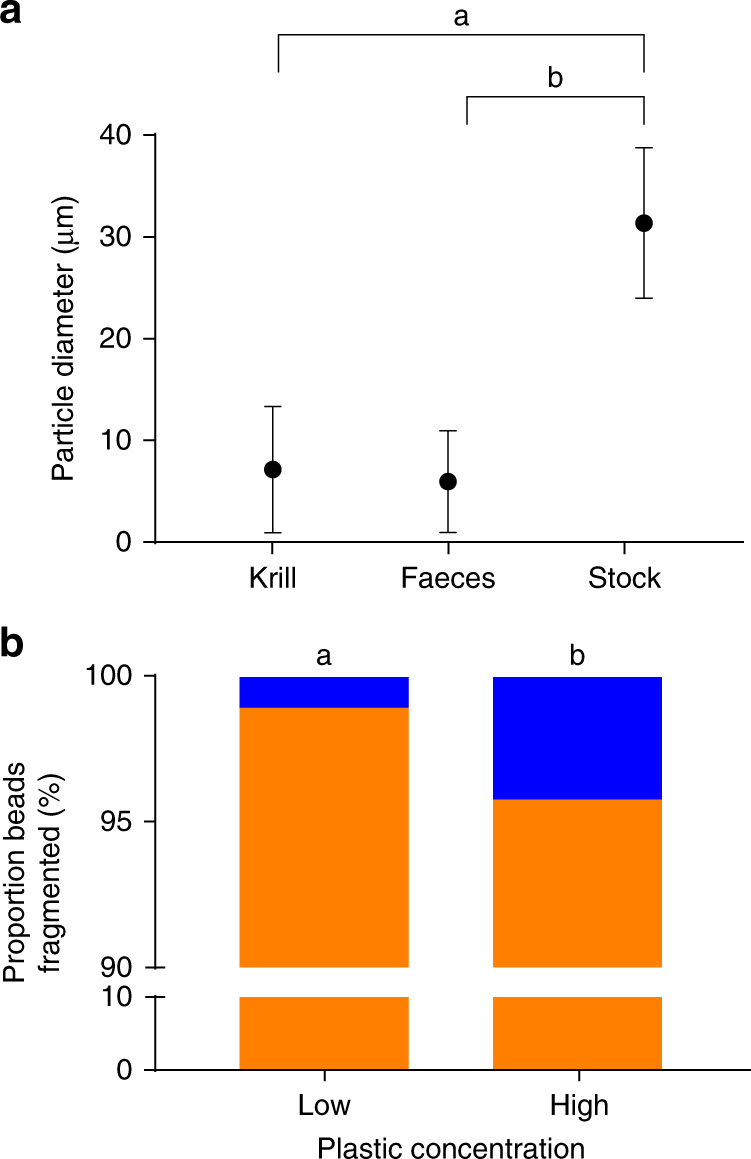
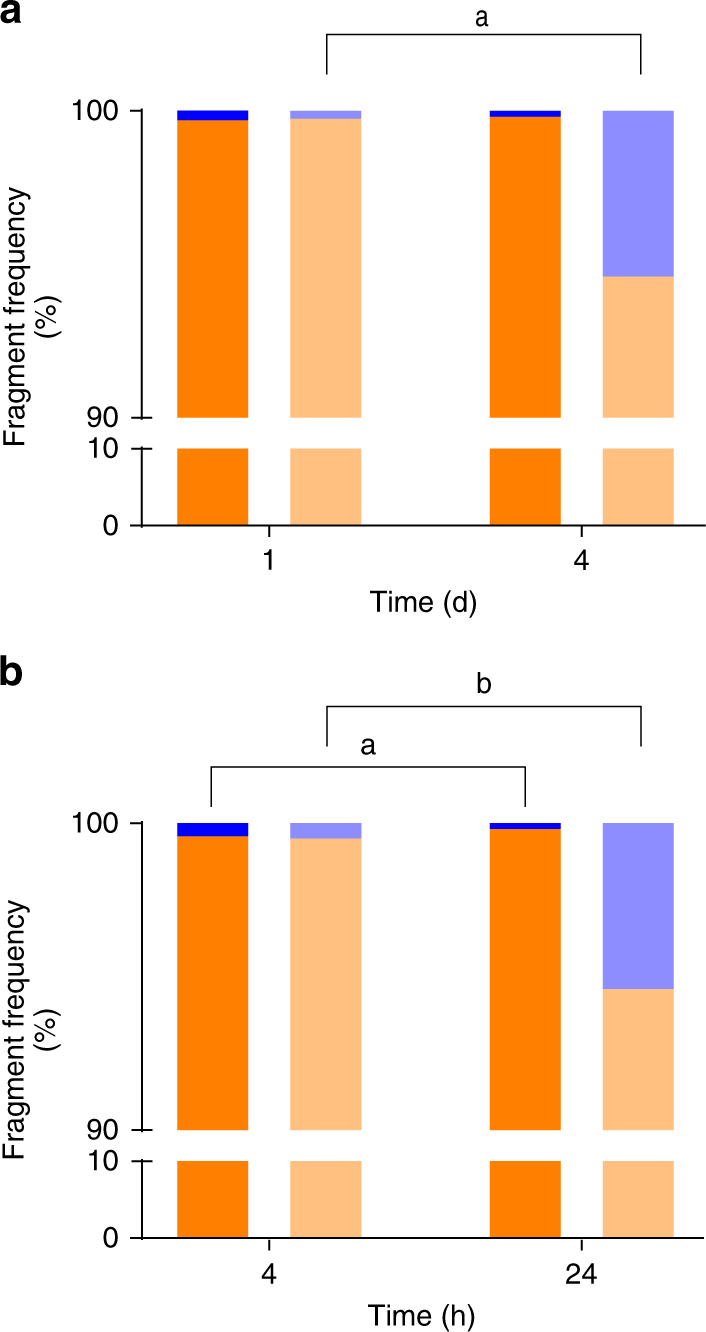
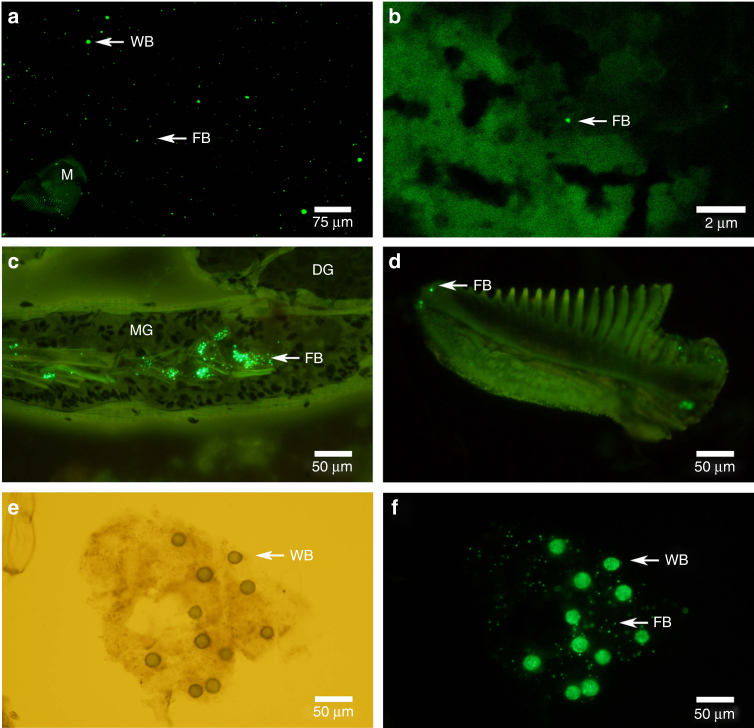
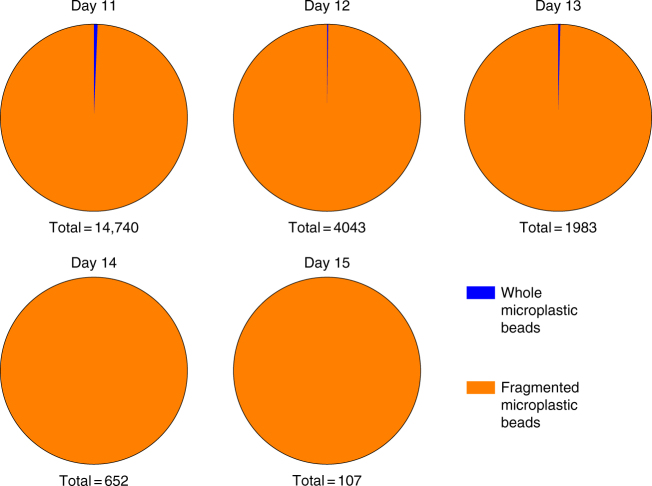
Microplastics (plastics <5 mm diameter) are at the forefront of current environmental pollution research, however, little is known about the degradation of microplastics through ingestion. Here, by exposing Antarctic krill ( Euphausia superba ) to microplastics under acute static renewal conditions, we present evidence of physical size alteration of microplastics ingested by a planktonic crustacean. Ingested microplastics (31.5 µm) are fragmented into pieces less than 1 µm in diameter. Previous feeding studies have shown spherical microplastics either; pass unaffected through an organism and are excreted, or are sufficiently small for translocation to occur. We identify a new pathway; microplastics are fragmented into sizes small enough to cross physical barriers, or are egested as a mixture of triturated particles. These findings suggest that current laboratory-based feeding studies may be oversimplifying interactions between zooplankton and microplastics but also introduces a new role of Antarctic krill, and potentially other species, in the biogeochemical cycling and fate of plastic.
Overview
The claims and statistics of this paper haven’t been checked yet.
Free: it reads the open-access text and checks the first 5 claims that cite a source we can check. Create a free account to check every claim.
Integrity signals
Registry
Cites
Statistics
Figures
Verification
Claims the paper makes
The claims and statistics of this paper haven’t been checked yet.
Free: it reads the open-access text and checks the first 5 claims that cite a source we can check. Create a free account to check every claim.
Claims other papers make about this one
Each is checked against this paper’s own text: does it say what the citing paper says it does?
The source backs part of the claim, not all of it — or backs it for a different population, condition or comparison.
In the citing paper
“PMD fragmentation also leads to the formation of particle sizes <1 mm, i.e. nanoplastics.This has been documented as a result of shear forces in the digestive tracts of krill and perhaps other crustaceans, 96 due to abrasion in a mill 106 or blender, 94 and even as a result of turbulence 95”
From The fate of plastic in the ocean environment – a minireview (2021) · cites this paper as [96]
Experimental — accuracy not yet measuredThe source backs part of the claim, not all of it — or backs it for a different population, condition or comparison.
In the citing paper
“At the nanoscale, optical and chemical methods conventionally used for microplastic analysis are not suitable because of sensitivity issues as well as physical and optical limits.13,40,67,68,96”
From The fate of plastic in the ocean environment – a minireview (2021) · cites this paper as [96]
Experimental — accuracy not yet measuredThe cited source says what the claim attributes to it.
In the citing paper
“Furthermore, the digestive action of marine invertebrates has been demonstrated to facilitate fragmentation of plastic particles to smaller size ranges 37,38 and to provide a pathway for sinking by the excretion of faecal matter aggregates.”
From Weathering plastics as a planetary boundary threat: exposure, fate, and hazards (2021) · cites this paper as [38]
The cited source says what the claim attributes to it.
In the citing paper
“For Antarctic krill, the fragmentation of 31.5 μ m MPs to < 1 μ m mimics this process (Dawson et al., 2018).”
From Trophic transfer of polyester microfibres across a multi-level marine food web. (2025) · cites this paper as Dawson et al., 2018
The check wasn’t confident either way, so it gives no verdict — never disputed.
In the citing paper
“While this is the first report of detailed depuration rates for mysid shrimp, rates calculated here are higher than those reported for similar organisms (i.e., Antarctic krill Euphausia superba , 0.22 h 1 (Dawson et al., 2018)), potentially a consequence of their smaller size.”
From Trophic transfer of polyester microfibres across a multi-level marine food web. (2025) · cites this paper as Dawson et al., 2018
Experimental — accuracy not yet measured
Self-check
Percentages, sums and reported differences re-computed from the paper’s own numbers.
The self-check needs the paper’s full text.
Citations
Cites
Fiji: an open-source platform for biological-image analysis
Schindelin, J., Arganda-Carreras, I., Frise, E., Kaynig, V., Longair, M., Pietzsch, T., Preibisch, S., Rueden, C., Saalfeld, S., Schmid, B., et al. (2012) · Nature Methods · doi:10.1038/nmeth.2019 · Cited by 66,890
Microplastics in the marine environment
Andrady, A. L. (2011) · Marine Pollution Bulletin · doi:10.1016/j.marpolbul.2011.05.030 · Cited by 8,105
Odian, G. (2004) · doi:10.1002/047147875x · Cited by 7,158
Eriksen, M., Lebreton, L. C. M., Carson, H. S., Thiel, M., Moore, C. J., Borerro, J. C., Galgani, F., Ryan, P. G., & Reisser, J. (2014) · PLoS ONE · doi:10.1371/journal.pone.0111913 · Cited by 4,710
(2015) · Springer eBooks · doi:10.1007/978-3-319-16510-3 · Cited by 3,502
Plastic debris in the open ocean
Cózar, A., Echevarría, F., González-Gordillo, J. I., Irigoien, X., Úbeda, B., Hernández-León, S., Palma, Á. T., Navarro, S., García-de-Lomas, J., Ruiz, A., et al. (2014) · Proceedings of the National Academy of Sciences · doi:10.1073/pnas.1314705111 · Cited by 3,133
Microplastic ingestion by zooplankton
Cole, M., Lindeque, P., Fileman, E., Halsband, C., Goodhead, R., Moger, J., & Galloway, T. S. (2013) · Environmental Science & Technology · doi:10.1021/es400663f · Cited by 2,763
The plastic in microplastics: A review
Andrady, A. L. (2017) · Marine Pollution Bulletin · doi:10.1016/j.marpolbul.2017.01.082 · Cited by 2,372
Browne, M. A., Dissanayake, A., Galloway, T. S., Lowe, D. M., & Thompson, R. C. (2008) · Environmental Science & Technology · doi:10.1021/es800249a · Cited by 2,263
Microplastics in bivalves cultured for human consumption
Van Cauwenberghe, L., & Janssen, C. R. (2014) · Environmental Pollution · doi:10.1016/j.envpol.2014.06.010 · Cited by 2,074
Research works printed but not linked: 1
- Rocha-Santos, T. A. P. & Duarte, A. C. Characterization and Analysis of Microplastics Vol. 75 (Elsevier Science, Amsterdam, 2017).
Cited by
The global threat from plastic pollution
MacLeod, M., Arp, H. P. H., Tekman, M. B., & Jahnke, A. (2021) · Science · doi:10.1126/science.abg5433 · Cited by 2,951
Understanding plastic degradation and microplastic formation in the environment: A review
Zhang, K., Hamidian, A. H., Tubić, A., Zhang, Y., Fang, J. K. H., Wu, C., & Lam, P. K. S. (2021) · Environmental Pollution · doi:10.1016/j.envpol.2021.116554 · Cited by 1,539
A Global Perspective on Microplastics
Hale, R. C., Seeley, M. E., La Guardia, M. J., Mai, L., & Zeng, E. Y. (2020) · Journal of Geophysical Research: Oceans · doi:10.1029/2018jc014719 · Cited by 1,338
“Many used fluorescently labeled plastics to track their distribution through tissues (e.g., Browne et al., 2008; Choi et al., 2018; Ding et al., 2018; Dawson et al., 2018; Greven et al., 2016; Jin et al., 2018; Lu et al., 2016; Veneman et al., 2017; Wan et al., 2019; Y Wang, Zhang, et al., 2019).”
BackgroundDifferentially charged nanoplastics demonstrate distinct accumulation in Arabidopsis thaliana
Sun, X.-D., Yuan, X.-Z., Jia, Y., Feng, L.-J., Zhu, F.-P., Dong, S.-S., Liu, J., Kong, X., Tian, H., Duan, J.-L., et al. (2020) · Nature Nanotechnology · doi:10.1038/s41565-020-0707-4 · Cited by 1,213
Chemical Analysis of Microplastics and Nanoplastics: Challenges, Advanced Methods, and Perspectives
Ivleva, N. P. (2021) · Chemical Reviews · doi:10.1021/acs.chemrev.1c00178 · Cited by 1,172
Risk assessment of microplastic particles
Koelmans, A. A., Redondo-Hasselerharm, P. E., Nor, N. H. M., de Ruijter, V. N., Mintenig, S. M., & Kooi, M. (2022) · Nature Reviews Materials · doi:10.1038/s41578-021-00411-y · Cited by 1,140
The physical oceanography of the transport of floating marine debris
van Sebille, E., Aliani, S., Law, K. L., Maximenko, N., Alsina, J. M., Bagaev, A., Bergmann, M., Chapron, B., Chubarenko, I., Cózar, A., et al. (2020) · Environmental Research Letters · doi:10.1088/1748-9326/ab6d7d · Cited by 982
“Some of these processes are not only physical or chemical, but alsomediated by biological activity (Zettler et al 2013, Dawson et al 2018).”
BackgroundNanoplastics are neither microplastics nor engineered nanoparticles
Gigault, J., El Hadri, H., Nguyen, B., Grassl, B., Rowenczyk, L., Tufenkji, N., Feng, S., & Wiesner, M. (2021) · Nature Nanotechnology · doi:10.1038/s41565-021-00886-4 · Cited by 954
Barboza, L. G. A., Lopes, C., Oliveira, P., Bessa, F., Otero, V., Henriques, B., Raimundo, J., Caetano, M., Vale, C., & Guilhermino, L. (2020) · Science of The Total Environment · doi:10.1016/j.scitotenv.2019.134625 · Cited by 951
“Also, in the digestive system of aquatic animals, microplastics can be fragmented into smaller particles (Dawson et al., 2018) facilitating internalization.”
Alimba, C. G., & Faggio, C. (2019) · Environmental Toxicology and Pharmacology · doi:10.1016/j.etap.2019.03.001 · Cited by 822
Huang, W., Song, B., Liang, J., Niu, Q., Zeng, G., Shen, M., Deng, J., Luo, Y., Wen, X., & Zhang, Y. (2021) · Journal of Hazardous Materials · doi:10.1016/j.jhazmat.2020.124187 · Cited by 792
Micro- and nano-plastics in marine environment: Source, distribution and threats — A review
Peng, L., Fu, D., Qi, H., Lan, C. Q., Yu, H., & Ge, C. (2020) · Science of The Total Environment · doi:10.1016/j.scitotenv.2019.134254 · Cited by 790
Yuan, Z., Nag, R., & Cummins, E. (2022) · Science of The Total Environment · doi:10.1016/j.scitotenv.2022.153730 · Cited by 789
Removal of microplastics from the environment. A review
Padervand, M., Lichtfouse, E., Robert, D., & Wang, C. (2020) · Environmental Chemistry Letters · doi:10.1007/s10311-020-00983-1 · Cited by 759
Plastic Pollution and Potential Solutions
Rhodes, C. J. (2018) · Science Progress · doi:10.3184/003685018x15294876706211 · Cited by 663
Duan, J., Bolan, N., Li, Y., Ding, S., Atugoda, T., Vithanage, M., Sarkar, B., Tsang, D. C. W., & Kirkham, M. B. (2021) · Water Research · doi:10.1016/j.watres.2021.117011 · Cited by 653
Wang, L., Wu, W.-M., Bolan, N. S., Tsang, D. C. W., Li, Y., Qin, M., & Hou, D. (2021) · Journal of Hazardous Materials · doi:10.1016/j.jhazmat.2020.123415 · Cited by 646
“After ingestion, NPs of 150−500 nm size were formed, which were found in the digestive gland (Dawson et al., 2018).”
Microplastics and seafood: lower trophic organisms at highest risk of contamination
Walkinshaw, C., Lindeque, P. K., Thompson, R., Tolhurst, T., & Cole, M. (2020) · Ecotoxicology and Environmental Safety · doi:10.1016/j.ecoenv.2019.110066 · Cited by 592
“However, biologically-facilitated fragmentation of microplastics to nanometre-sized fragments has been reported to occur through microplastic ingestion by Antarctic krill ( Euphausia superba , Dawson et al. , 2018).”
Degradation of Cosmetic Microplastics via Functionalized Carbon Nanosprings
Kang, J., Zhou, L., Duan, X., Sun, H., Ao, Z., & Wang, S. (2019) · Matter · doi:10.1016/j.matt.2019.06.004 · Cited by 551
Methods for the analysis of submicrometer- and nanoplastic particles in the environment
Schwaferts, C., Niessner, R., Elsner, M., & Ivleva, N. P. (2019) · TrAC Trends in Analytical Chemistry · doi:10.1016/j.trac.2018.12.014 · Cited by 522
Micro- and nanoplastic toxicity on aquatic life: Determining factors
Kögel, T., Bjorøy, Ø., Toto, B., Bienfait, A. M., & Sanden, M. (2020) · Science of The Total Environment · doi:10.1016/j.scitotenv.2019.136050 · Cited by 518
High concentrations of plastic hidden beneath the surface of the Atlantic Ocean
Pabortsava, K., & Lampitt, R. S. (2020) · Nature Communications · doi:10.1038/s41467-020-17932-9 · Cited by 499
Primpke, S., Christiansen, S. H., Cowger, W., De Frond, H., Deshpande, A., Fischer, M., Holland, E. B., Meyns, M., O'Donnell, B. A., Ossmann, B. E., et al. (2020) · Applied Spectroscopy · doi:10.1177/0003702820921465 · Cited by 488
Yin, L., Chen, B., Xia, B., Shi, X., & Qu, K. (2018) · Journal of Hazardous Materials · doi:10.1016/j.jhazmat.2018.07.110 · Cited by 478
Marine Microbial Assemblages on Microplastics: Diversity, Adaptation, and Role in Degradation
Oberbeckmann, S., & Labrenz, M. (2020) · Annual Review of Marine Science · doi:10.1146/annurev-marine-010419-010633 · Cited by 471
The Minderoo-Monaco Commission on Plastics and Human Health
Landrigan, P. J., Raps, H., Cropper, M., Bald, C., Brunner, M., Canonizado, E. M., Charles, D., Chiles, T. C., Donohue, M. J., Enck, J., et al. (2023) · Annals of Global Health · doi:10.5334/aogh.4056 · Cited by 471
Examination of the ocean as a source for atmospheric microplastics
Allen, S., Allen, D., Moss, K., Le Roux, G., Phoenix, V. R., & Sonke, J. E. (2020) · PLOS ONE · doi:10.1371/journal.pone.0232746 · Cited by 471
“Plankton such as Antarctic Krill have been shown to cause MP degradation to NP by their digestion processes [44], Zalerion maritimum (a marine fungus) in laboratory conditions were found to decrease both the mass and size of MP (PE pellets 250–1000μm).”
BackgroundWang, Y., Yang, Y., Liu, X., Zhao, J., Liu, R., & Xing, B. (2021) · Environmental Science & Technology · doi:10.1021/acs.est.1c04509 · Cited by 449
Analysis of environmental nanoplastics: Progress and challenges
Cai, H., Xu, E. G., Du, F., Li, R., Liu, J., & Shi, H. (2021) · Chemical Engineering Journal · doi:10.1016/j.cej.2020.128208 · Cited by 444
Microplastics in the environment: Interactions with microbes and chemical contaminants
Mammo, F. K., Amoah, I. D., Gani, K. M., Pillay, L., Ratha, S. K., Bux, F., & Kumari, S. (2020) · Science of The Total Environment · doi:10.1016/j.scitotenv.2020.140518 · Cited by 444
Wu, P., Lin, S., Cao, G., Wu, J., Jin, H., Wang, C., Wong, M. H., Yang, Z., & Cai, Z. (2022) · Journal of Hazardous Materials · doi:10.1016/j.jhazmat.2022.129361 · Cited by 428
Andrady, A. L., Barnes, P. W., Bornman, J. F., Gouin, T., Madronich, S., White, C. C., Zepp, R. G., & Jansen, M. A. K. (2022) · Science of The Total Environment · doi:10.1016/j.scitotenv.2022.158022 · Cited by 422
“Dawson et al. (2018) first reported fragmentation of pristine plastics ingested by Antarctic krill.”
BackgroundPlastic Debris in the Marine Environment: History and Future Challenges
Napper, I. E., & Thompson, R. C. (2020) · Global Challenges · doi:10.1002/gch2.201900081 · Cited by 420
The potential impacts of micro-and-nano plastics on various organ systems in humans
Ali, N., Katsouli, J., Marczylo, E. L., Gant, T. W., Wright, S., & Bernardino de la Serna, J. (2024) · eBioMedicine · doi:10.1016/j.ebiom.2023.104901 · Cited by 407
“69 MNPs in the gut can be internalized in cells through endocytotic processes.”
BackgroundMetabolomics Reveal Nanoplastic-Induced Mitochondrial Damage in Human Liver and Lung Cells
Lin, S., Zhang, H., Wang, C., Su, X.-L., Song, Y., Wu, P., Yang, Z., Wong, M.-H., Cai, Z., & Zheng, C. (2022) · Environmental Science & Technology · doi:10.1021/acs.est.2c03980 · Cited by 391
“6,7 The widespread application and secondary production of NPs have resulted in environmental contamination with a measurable concentration of 0.04 mg/mL in the aquatic environment.”
InfluentialDas, A. (2023) · Science of The Total Environment · doi:10.1016/j.scitotenv.2023.165076 · Cited by 379
Microplastics and the gut microbiome: How chronically exposed species may suffer from gut dysbiosis
Fackelmann, G., & Sommer, S. (2019) · Marine Pollution Bulletin · doi:10.1016/j.marpolbul.2019.04.030 · Cited by 376
Kwak, J. I., & An, Y.-J. (2021) · Journal of Hazardous Materials · doi:10.1016/j.jhazmat.2020.124034 · Cited by 359
Raman Tweezers for Small Microplastics and Nanoplastics Identification in Seawater
Gillibert, R., Balakrishnan, G., Deshoules, Q., Tardivel, M., Magazzù, A., Donato, M. G., Maragò, O. M., Lamy de La Chapelle, M., Colas, F., Lagarde, F., et al. (2019) · Environmental Science & Technology · doi:10.1021/acs.est.9b03105 · Cited by 348
Microplastic fibres from synthetic textiles: Environmental degradation and additive chemical content
Sait, S. T. L., Sørensen, L., Kubowicz, S., Vike-Jonas, K., Gonzalez, S. V., Asimakopoulos, A. G., & Booth, A. M. (2021) · Environmental Pollution · doi:10.1016/j.envpol.2020.115745 · Cited by 344
Membrane Processes for Microplastic Removal
Poerio, T., Piacentini, E., & Mazzei, R. (2019) · Molecules · doi:10.3390/molecules24224148 · Cited by 343
Upcycling and catalytic degradation of plastic wastes
Hou, Q., Zhen, M., Qian, H., Nie, Y., Bai, X., Xia, T., Laiq Ur Rehman, M., Li, Q., & Ju, M. (2021) · Cell Reports Physical Science · doi:10.1016/j.xcrp.2021.100514 · Cited by 335
Microplastic contamination in east Antarctic sea ice
Kelly, A., Lannuzel, D., Rodemann, T., Meiners, K. M., & Auman, H. J. (2020) · Marine Pollution Bulletin · doi:10.1016/j.marpolbul.2020.111130 · Cited by 329
The fate of plastic in the ocean environment – a minireview
Wayman, C., & Niemann, H. (2021) · Environmental Science: Processes & Impacts · doi:10.1039/d0em00446d · Cited by 325
Microplastic ingestion ubiquitous in marine turtles
Duncan, E. M., Broderick, A. C., Fuller, W. J., Galloway, T. S., Godfrey, M. H., Hamann, M., Limpus, C. J., Lindeque, P. K., Mayes, A. G., Omeyer, L. C. M., et al. (2019) · Global Change Biology · doi:10.1111/gcb.14519 · Cited by 325
“Laboratory studies have shown trophic transfer of microplastics between invertebrates and within planktonic food webs (Dawson et al., 2018; Farrell & Nelson, 2013; Macali et al., 2018; Setälä et al., 2014).”
BackgroundWeathering plastics as a planetary boundary threat: exposure, fate, and hazards
Arp, H. P. H., Kühnel, D., Rummel, C., MacLeod, M., Potthoff, A., Reichelt, S., Rojo-Nieto, E., Schmitt-Jansen, M., Sonnenberg, J., Toorman, E., et al. (2021) · Environmental Science & Technology · doi:10.1021/acs.est.1c01512 · Cited by 322
Mercogliano, R., Avio, C. G., Regoli, F., Anastasio, A., Colavita, G., & Santonicola, S. (2020) · Journal of Agricultural and Food Chemistry · doi:10.1021/acs.jafc.0c01209 · Cited by 321
Nanoplastics Disturb Nitrogen Removal in Constructed Wetlands: Responses of Microbes and Macrophytes
Yang, X., He, Q., Guo, F., Sun, X., Zhang, J., Chen, M., Vymazal, J., & Chen, Y. (2020) · Environmental Science & Technology · doi:10.1021/acs.est.0c03324 · Cited by 316
Wu, J., Jiang, R., Lin, W., & Ouyang, G. (2019) · Environmental Pollution · doi:10.1016/j.envpol.2018.11.055 · Cited by 309
“, 2009) and further nanosized plastics called nanoplastics (NPs) (Dawson et al., 2018).”
BackgroundMicroplastics in Food: A Review on Analytical Methods and Challenges
Kwon, J.-H., Kim, J.-W., Pham, T. D., Tarafdar, A., Hong, S., Chun, S.-H., Lee, S.-H., Kang, D.-Y., Kim, J.-Y., Kim, S.-B., et al. (2020) · International Journal of Environmental Research and Public Health · doi:10.3390/ijerph17186710 · Cited by 308
van Emmerik, T., Mellink, Y., Hauk, R., Waldschläger, K., & Schreyers, L. (2022) · Frontiers in Water · doi:10.3389/frwa.2021.786936 · Cited by 301
“, 2009) but also chewing and digestive fragmentation through organisms (Dawson et al., 2018; Mateos-Cárdenas et al., 2020).”
BackgroundNanoplastics impaired oyster free living stages, gametes and embryos
Tallec, K., Huvet, A., Di Poi, C., González-Fernández, C., Lambert, C., Petton, B., Le Goïc, N., Berchel, M., Soudant, P., & Paul-Pont, I. (2018) · Environmental Pollution · doi:10.1016/j.envpol.2018.08.020 · Cited by 295
Khan, A., & Jia, Z. (2023) · iScience · doi:10.1016/j.isci.2023.106061 · Cited by 252
“Antarctic krill, making absorption and bioaccumulation more probable.(78) Even though food and water quality is closely monitored, it is estimated that every US resident consumes 39,000–52,000 M-NPLs particles per year.”
BackgroundEnvironmental toxicity and decomposition of polyethylene
Yao, Z., Seong, H. J., & Jang, Y.-S. (2022) · Ecotoxicology and Environmental Safety · doi:10.1016/j.ecoenv.2022.113933 · Cited by 287
Nanoplastics measurements in Northern and Southern polar ice
Materić, D., Kjær, H. A., Vallelonga, P., Tison, J.-L., Röckmann, T., & Holzinger, R. (2022) · Environmental Research · doi:10.1016/j.envres.2022.112741 · Cited by 286
Subaramaniyam, U., Allimuthu, R. S., Vappu, S., Ramalingam, D., Balan, R., Paital, B., Panda, N., Rath, P. K., Ramalingam, N., & Sahoo, D. K. (2023) · Frontiers in Physiology · doi:10.3389/fphys.2023.1217666 · Cited by 245
“Studies show that when fish ingest microplastics, the particles can deposit in their organs and tissues, causing various adverse health effects (Dawson et al., 2018).”
BackgroundSuaria, G., Perold, V., Lee, J. R., Lebouard, F., Aliani, S., & Ryan, P. G. (2020) · Environment International · doi:10.1016/j.envint.2020.105494 · Cited by 282
Wu, P., Tang, Y., Dang, M., Wang, S., Jin, H., Liu, Y., Jing, H., Zheng, C., Yi, S., & Cai, Z. (2020) · Science of The Total Environment · doi:10.1016/j.scitotenv.2019.135187 · Cited by 280
A scientific perspective on microplastics in nature and society: Evidence review report
Koelmans, B., Pahl, S., Backhaus, T., Bessa, F., CALSTER, G. V., Contzen, N., Cronin, R. J. F., Galloway, T. S., Hart, A., Henderson, L., et al. (2019) · RUCforsk (Roskilde University) · doi:10.26356/microplastics · Cited by 279
Nanoplastics and Human Health: Hazard Identification and Biointerface
Lai, H., Liu, X., & Qu, M. (2022) · Nanomaterials · doi:10.3390/nano12081298 · Cited by 248
“Notably, microplastic particles are not the end products of plastic waste as they decompose into nanoplastics [6,7].”
BackgroundThe ocean’s ultimate trashcan: Hadal trenches as major depositories for plastic pollution
Peng, G., Bellerby, R., Zhang, F., Sun, X., & Li, D. (2020) · Water Research · doi:10.1016/j.watres.2019.115121 · Cited by 274
“3) and shows attached organic matter and apparent signs of degradation, suggesting that plastic particles may sink due to biofouling and continue to fragment intomicroplastics through ingestion (Dawson et al., 2018) even in the deep-sea floor.”
BackgroundMicroplastics in gentoo penguins from the Antarctic region
Bessa, F., Ratcliffe, N., Otero, V., Sobral, P., Marques, J. C., Waluda, C. M., Trathan, P. N., & Xavier, J. C. (2019) · Scientific Reports · doi:10.1038/s41598-019-50621-2 · Cited by 274
Adsorption of polyethylene microbeads and physiological effects on hydroponic maize
Urbina, M. A., Correa, F., Aburto, F., & Ferrio, J. P. (2020) · Science of The Total Environment · doi:10.1016/j.scitotenv.2020.140216 · Cited by 273
Paul-Pont, I., Tallec, K., Gonzalez-Fernandez, C., Lambert, C., Vincent, D., Mazurais, D., Zambonino-Infante, J.-L., Brotons, G., Lagarde, F., Fabioux, C., et al. (2018) · Frontiers in Marine Science · doi:10.3389/fmars.2018.00252 · Cited by 271
Nan, B., Su, L., Kellar, C., Craig, N. J., Keough, M. J., & Pettigrove, V. (2020) · Environmental Pollution · doi:10.1016/j.envpol.2019.113865 · Cited by 270
“Several studies have shown that marine crustaceans are potentially ideal for assessing the occurrence of microplastics due to their filter, suspension, and/or depositfeeding strategies (Abbasi et al., 2018; Dawson et al., 2018).”
BackgroundResultDing, J., Huang, Y., Liu, S., Zhang, S., Zou, H., Wang, Z., Zhu, W., & Geng, J. (2020) · Journal of Hazardous Materials · doi:10.1016/j.jhazmat.2020.122693 · Cited by 269
Wang, M., Li, Q., Shi, C., Lv, J., Xu, Y., Yang, J., Chua, S. L., Jia, L., Chen, H., Liu, Q., et al. (2023) · Nature Nanotechnology · doi:10.1038/s41565-023-01329-y · Cited by 263
Biodegradable and re-usable sponge materials made from chitin for efficient removal of microplastics
Sun, C., Wang, Z., Zheng, H., Chen, L., & Li, F. (2021) · Journal of Hazardous Materials · doi:10.1016/j.jhazmat.2021.126599 · Cited by 261
Zhao, J., Lan, R., Wang, Z., Su, W., Song, D., Xue, R., Liu, Z., Liu, X., Dai, Y., Yue, T., et al. (2024) · Nature Nanotechnology · doi:10.1038/s41565-023-01534-9 · Cited by 238
“PE microplastics are not very rigid, and other commonly used polymer types (for example, polystyrene (PS)) are much more rigid to withstand external mechanical stress than PE 12 , but their biological fragmentation is unknown.”
InfluentialEl Hadri, H., Gigault, J., Maxit, B., Grassl, B., & Reynaud, S. (2020) · NanoImpact · doi:10.1016/j.impact.2019.100206 · Cited by 258
Nanoplastics Promote Microcystin Synthesis and Release from Cyanobacterial Microcystis aeruginosa
Feng, L.-J., Sun, X.-D., Zhu, F.-P., Feng, Y., Duan, J.-L., Xiao, F., Li, X.-Y., Shi, Y., Wang, Q., Sun, J.-W., et al. (2020) · Environmental Science & Technology · doi:10.1021/acs.est.9b06085 · Cited by 246
Genotoxic and cytotoxic effects of polyethylene microplastics on human peripheral blood lymphocytes
Çobanoğlu, H., Belivermiş, M., Sıkdokur, E., Kılıç, Ö., & Çayır, A. (2021) · Chemosphere · doi:10.1016/j.chemosphere.2021.129805 · Cited by 238
Superimposed microplastic pollution in a coastal metropolis
Su, L., Sharp, S. M., Pettigrove, V. J., Craig, N. J., Nan, B., Du, F., & Shi, H. (2020) · Water Research · doi:10.1016/j.watres.2019.115140 · Cited by 244
“Little is known about those plastic particles that are consumed or destroyed by organisms (Dawson et al., 2018; Gigault et al., 2018).”
BackgroundBiodegradation and disintegration of expanded polystyrene by land snails Achatina fulica
Song, Y., Qiu, R., Hu, J., Li, X., Zhang, X., Chen, Y., Wu, W.-M., & He, D. (2020) · Science of The Total Environment · doi:10.1016/j.scitotenv.2020.141289 · Cited by 240
Brun, N. R., van Hage, P., Hunting, E. R., Haramis, A.-P. G., Vink, S. C., Vijver, M. G., Schaaf, M. J. M., & Tudorache, C. (2019) · Communications Biology · doi:10.1038/s42003-019-0629-6 · Cited by 246
Horton, A. A., & Barnes, D. K. A. (2020) · Science of The Total Environment · doi:10.1016/j.scitotenv.2020.140349 · Cited by 226
Su, Y., Hu, X., Tang, H., Lu, K., Li, H., Liu, S., Xing, B., & Ji, R. (2022) · Nature Nanotechnology · doi:10.1038/s41565-021-00998-x · Cited by 234
Microplastics in the coral reefs and their potential impacts on corals: A mini-review
Huang, W., Chen, M., Song, B., Deng, J., Shen, M., Chen, Q., Zeng, G., & Liang, J. (2021) · Science of The Total Environment · doi:10.1016/j.scitotenv.2020.143112 · Cited by 227
Nanoplastics in aquatic systems - are they more hazardous than microplastics?
Gaylarde, C. C., Baptista Neto, J. A., & da Fonseca, E. M. (2021) · Environmental Pollution · doi:10.1016/j.envpol.2020.115950 · Cited by 238
Microplastics in the edible tissues of shellfishes sold for human consumption
Daniel, D. B., Ashraf, P. M., Thomas, S. N., & Thomson, K. T. (2021) · Chemosphere · doi:10.1016/j.chemosphere.2020.128554 · Cited by 226
Cole, M., Liddle, C., Consolandi, G., Drago, C., Hird, C., Lindeque, P. K., & Galloway, T. S. (2020) · Marine Pollution Bulletin · doi:10.1016/j.marpolbul.2020.111552 · Cited by 238
“Numerous field-studies have demonstrated that mussels can readily consume microplastic debris under environmental conditions (De Witte et al., 2014; Li et al., 2018; Li et al., 2015; Rochman et al., 2015; Santana et al., 2016; Van Cauwenberghe and Janssen, 2014; Zhao et al., 2018).”
BackgroundNanoplastic concentrations across the North Atlantic
ten Hietbrink, S., Materić, D., Holzinger, R., Groeskamp, S., & Niemann, H. (2025) · Nature · doi:10.1038/s41586-025-09218-1 · Cited by 198
“…contributing to nanoplastic production could be mechanical stress 49 , although to a lesser extent than for the mixed layer, and biodegradation, including microbial degradation of macroplastics and microplastics 48,50 , as well ingestion or digestion of microplastics by macrofauna 51,52 .”
Recent trends in degradation of microplastics in the environment: A state-of-the-art review
Sutkar, P. R., Gadewar, R. D., & Dhulap, V. P. (2023) · Journal of Hazardous Materials Advances · doi:10.1016/j.hazadv.2023.100343 · Cited by 215
Yin, L., Liu, H., Cui, H., Chen, B., Li, L., & Wu, F. (2019) · Journal of Hazardous Materials · doi:10.1016/j.jhazmat.2019.120861 · Cited by 223
Jiao, H., Ali, S. S., Alsharbaty, M. H. M., Elsamahy, T., Abdelkarim, E., Schagerl, M., Al-Tohamy, R., & Sun, J. (2024) · Ecotoxicology and Environmental Safety · doi:10.1016/j.ecoenv.2024.115942 · Cited by 191
Between source and sea: The role of wastewater treatment in reducing marine microplastics
Freeman, S., Booth, A. M., Sabbah, I., Tiller, R., Dierking, J., Klun, K., Rotter, A., Ben-David, E., Javidpour, J., & Angel, D. L. (2020) · Journal of Environmental Management · doi:10.1016/j.jenvman.2020.110642 · Cited by 214
Potent Impact of Plastic Nanomaterials and Micromaterials on the Food Chain and Human Health
Wang, Y.-L., Lee, Y.-H., Chiu, I.-J., Lin, Y.-F., & Chiu, H.-W. (2020) · International Journal of Molecular Sciences · doi:10.3390/ijms21051727 · Cited by 204
“For example, UV degradation of microplastics has been shown to generate nanoplastics [13,50], and digestive fragmentation has been proposed as a means by which nanoplastics can be generated from microplastics [51].”
BackgroundLi, Z., Yi, X., Zhou, H., Chi, T., Li, W., & Yang, K. (2020) · Environmental Pollution · doi:10.1016/j.envpol.2019.113604 · Cited by 209
A review on microplastics separation techniques from environmental media
Nabi, I., Bacha, A.-U.-R., & Zhang, L. (2022) · Journal of Cleaner Production · doi:10.1016/j.jclepro.2022.130458 · Cited by 204
Challenges and opportunities in bioremediation of micro-nano plastics: A review
Zhou, Y., Kumar, M., Sarsaiya, S., Sirohi, R., Awasthi, S. K., Sindhu, R., Binod, P., Pandey, A., Bolan, N. S., Zhang, Z., et al. (2022) · Science of The Total Environment · doi:10.1016/j.scitotenv.2021.149823 · Cited by 206
Scopetani, C., Chelazzi, D., Mikola, J., Leiniö, V., Heikkinen, R., Cincinelli, A., & Pellinen, J. (2020) · Science of The Total Environment · doi:10.1016/j.scitotenv.2020.139338 · Cited by 195
Yang, T., Luo, J., & Nowack, B. (2021) · Environmental Science & Technology · doi:10.1021/acs.est.1c04826 · Cited by 199
Hasan Anik, A., Hossain, S., Alam, M., Binte Sultan, M., Hasnine, M. T., & Rahman, M. M. (2021) · Environmental Nanotechnology, Monitoring & Management · doi:10.1016/j.enmm.2021.100530 · Cited by 190
Global transportation of plastics and microplastics: A critical review of pathways and influences
Su, L., Xiong, X., Zhang, Y., Wu, C., Xu, X., Sun, C., & Shi, H. (2022) · Science of The Total Environment · doi:10.1016/j.scitotenv.2022.154884 · Cited by 191
Laganà, P., Caruso, G., Corsi, I., Bergami, E., Venuti, V., Majolino, D., La Ferla, R., Azzaro, M., & Cappello, S. (2019) · International Journal of Hygiene and Environmental Health · doi:10.1016/j.ijheh.2018.08.009 · Cited by 199
Presence of nanoplastics in rural and remote surface waters
Materić, D., Peacock, M., Dean, J., Futter, M., Maximov, T., Moldan, F., Röckmann, T., & Holzinger, R. (2022) · Environmental Research Letters · doi:10.1088/1748-9326/ac68f7 · Cited by 194
Microplastics: A major source of phthalate esters in aquatic environments
Cao, Y., Lin, H., Zhang, K., Xu, S., Yan, M., Leung, K. M. Y., & Lam, P. K. S. (2022) · Journal of Hazardous Materials · doi:10.1016/j.jhazmat.2022.128731 · Cited by 200
Reddy, A. S., & Nair, A. T. (2022) · Environmental Technology & Innovation · doi:10.1016/j.eti.2022.102815 · Cited by 184
Rapid fragmentation of microplastics by the freshwater amphipod Gammarus duebeni (Lillj.)
Mateos-Cárdenas, A., O’Halloran, J., van Pelt, F. N. A. M., & Jansen, M. A. K. (2020) · Scientific Reports · doi:10.1038/s41598-020-69635-2 · Cited by 183
Mechanisms and the Engineering Approaches for the Degradation of Microplastics
Bacha, A.-U.-R., Nabi, I., & Zhang, L. (2021) · ACS ES&T Engineering · doi:10.1021/acsestengg.1c00216 · Cited by 193
Metadata
- Authors
- Dawson, A. L., Kawaguchi, S., King, C. K., Townsend, K. A., King, R., Huston, W. M., & Bengtson Nash, S. M.
- Affiliations
- Griffith University (AU)
- Australian Antarctic Division (AU)
- The University of Queensland (AU)
- University of Technology Sydney (AU)
- Corresponding author
- Dawson, Amanda L.
- ORCID
- Venue
- Nature Communications
- Published
- 2018-03-08
- Volume
- 9
- Issue
- 1
- Pages
- 1001-1001
- ISSN
- 2041-1723 (ISSN-L)
- PMC
- PMC5843626
- OpenAlex
- W2794249619
- Cited by
- 1,023
- References
- 52
- Citations by year
- 2026: 99 · 2025: 133 · 2024: 151 · 2023: 176 · 2022: 165 · 2021: 126 · 2020: 102 · 2019: 54 · 2018: 16
- FWCI
- 27.95
- Type
- journal article
- Language
- en
- Open access
- gold
- doi.org
- Licence
- cc-by
- creativecommons.org/licenses/by/4.0 (tdm)
- creativecommons.org/licenses/by/4.0 (vor)
- Locations
- Nature Communications (publishedVersion, cc-by)
- PubMed Central (publishedVersion, cc-by)
- PubMed (publishedVersion)
- RePEc: Research Papers in Economics (submittedVersion)
- DOAJ (DOAJ: Directory of Open Access Journals) (submittedVersion)
- DOAJ (DOAJ: Directory of Open Access Journals) (submittedVersion, cc-by-sa)
- UTS ePRESS (University of Technology Sydney) (submittedVersion)
- Griffith Research Online (submittedVersion, cc-by)
- Funders
- QIMR Berghofer Medical Research Institute
- Australian Antarctic Division
- Topics
- Physical Sciences › Environmental Science › Pollution › Microplastics and Plastic Pollution
- Physical Sciences › Environmental Science › Health, Toxicology and Mutagenesis › Environmental Toxicology and Ecotoxicology
- Physical Sciences › Environmental Science › Pollution › Pharmaceutical and Antibiotic Environmental Impacts
- Keywords
- microplastics, nanoplastics, Antarctic krill, ingestion, zooplankton, plastic degradation, particle size reduction
- MeSH terms
- Animals, Digestion, Feces, Water Pollutants, Chemical, Polyethylene, Euphausiacea, Nanoparticles
About these checks
Registry, retraction, Cites and statistics results are computed, not judged, with one exception: a printed reference that no index lists is read once by a model before it counts as a citation error. Claims are extracted by a model and kept only when their quote appears verbatim in the text; each cited source is then checked, with a model’s help, for whether it says what the claim relies on. Those verdicts can be wrong — read the claim’s quote and the cited source before relying on one.
Statistics and arithmetic are recomputed, not judged.
Confidence bands are shown only for fields calibrated on our annotated test set. None is calibrated yet, so no band is shown.
What counts as a claim ›How we measure confidence ›How we check this ›
Are you an author, or do you see a problem with this page? Request a review
Data sources
Bibliographic data: Semantic Scholar, OpenAlex, Crossref.
Contains information from the Semantic Scholar Academic Graph Datasets, made available under the ODC Attribution License (ODC-BY 1.0).
Semantic Scholar’s data is described in: Kinney, R., et al. (2023). The Semantic Scholar Open Data Platform. arXiv:2301.10140.
