

A pneumonia outbreak associated with a new coronavirus of probable bat origin
Open accessPublished version of a preprint
The DOI matches its Crossref record; 21 of the 21 references it cites were found in a registry or an index.
Abstract
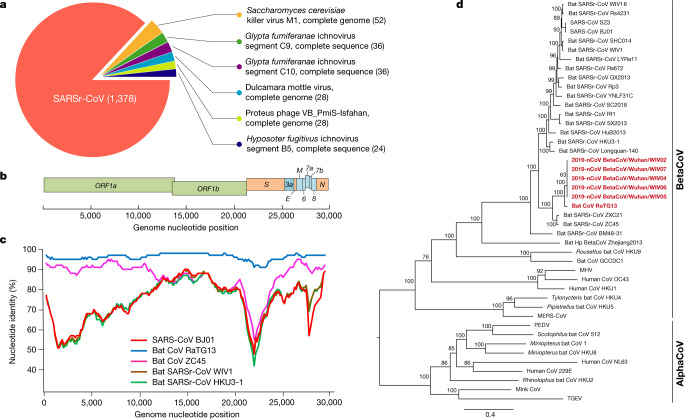
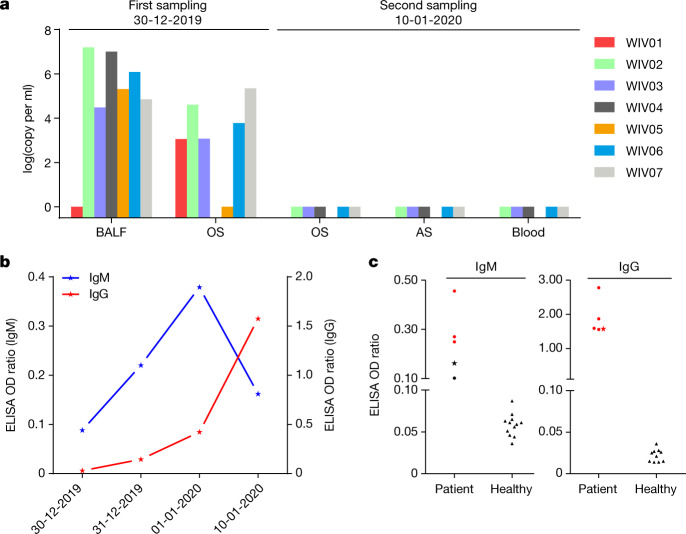
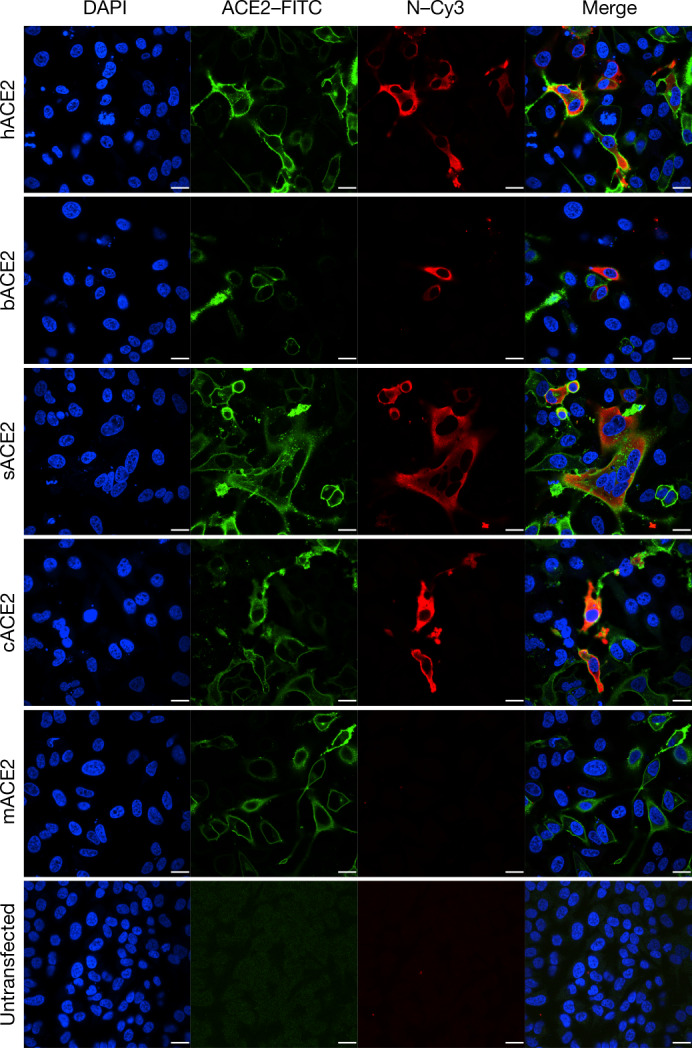
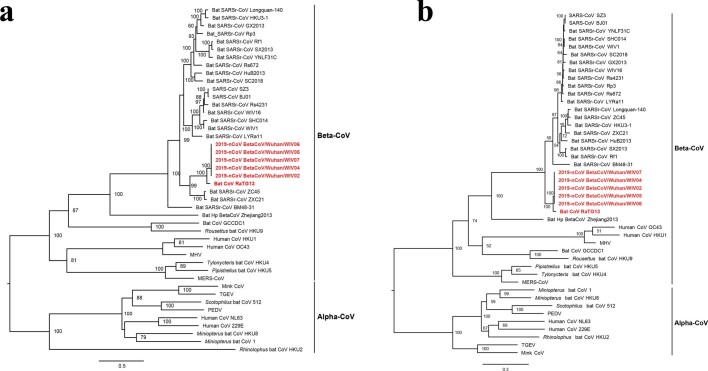
Since the outbreak of severe acute respiratory syndrome (SARS) 18 years ago, a large number of SARS-related coronaviruses (SARSr-CoVs) have been discovered in their natural reservoir host, bats 1–4 . Previous studies have shown that some bat SARSr-CoVs have the potential to infect humans 5–7 . Here we report the identification and characterization of a new coronavirus (2019-nCoV), which caused an epidemic of acute respiratory syndrome in humans in Wuhan, China. The epidemic, which started on 12 December 2019, had caused 2,794 laboratory-confirmed infections including 80 deaths by 26 January 2020. Full-length genome sequences were obtained from five patients at an early stage of the outbreak. The sequences are almost identical and share 79.6% sequence identity to SARS-CoV. Furthermore, we show that 2019-nCoV is 96% identical at the whole-genome level to a bat coronavirus. Pairwise protein sequence analysis of seven conserved non-structural proteins domains show that this virus belongs to the species of . In addition, 2019-nCoV virus isolated from the bronchoalveolar lavage fluid of a critically ill patient could be neutralized by sera from several patients. Notably, we confirmed that 2019-nCoV uses the same cell entry receptor—angiotensin converting enzyme II (ACE2)—as SARS-CoV.
Overview
The claims and statistics of this paper haven’t been checked yet.
Free: it reads the open-access text and checks the first 5 claims that cite a source we can check. Create a free account to check every claim.
Integrity signals
Registry
Cites
Statistics
Figures
Verification
Claims the paper makes
The claims and statistics of this paper haven’t been checked yet.
Free: it reads the open-access text and checks the first 5 claims that cite a source we can check. Create a free account to check every claim.
Claims other papers make about this one
Each is checked against this paper’s own text: does it say what the citing paper says it does?
The source backs part of the claim, not all of it — or backs it for a different population, condition or comparison.
In the citing paper
“SARS-CoV-2 is an enveloped, single-stranded positive-sense RNA virus with the highest, i.e. 96% of genome identity with horseshoe bat virus RaTG13 Rhinolophus affinis [3].”
From Waves and variants of SARS-CoV-2: understanding the causes and effect of the COVID-19 catastrophe (2022) · cites this paper as [3]
Experimental — accuracy not yet measuredThe source backs part of the claim, not all of it — or backs it for a different population, condition or comparison.
In the citing paper
“The disease is estimated to have originated from a seafood market in Wuhan where wild animals were traded such as marmots, bats, snakes and birds (Zhou et al., 2020).”
From How energy innovation in indoor vertical farming can improve food security, sustainability, and food safety? (2020) · cites this paper as Zhou et al., 2020
Experimental — accuracy not yet measuredThe source backs part of the claim, not all of it — or backs it for a different population, condition or comparison.
In the citing paper
“Genome sequencing demonstrated that SARS-CoV-2 shares 79.5% sequence identity with SARS-CoV (Zhou et al., 2020)”
From Oral Microbiome and SARS-CoV-2: Beware of Lung Co-infection (2020) · cites this paper as Zhou et al., 2020
Experimental — accuracy not yet measuredThe source backs part of the claim, not all of it — or backs it for a different population, condition or comparison.
In the citing paper
“This interaction requires cleavage of the S protein, likely by the cell surface protease TMPRSS2, although other proteases (such as Cathepsin B and L, CTSB/CTSL) may also be involved (4-6, 22-25).”
From Non-neuronal expression of SARS-CoV-2 entry genes in the olfactory system suggests mechanisms underlying COVID-19-associated anosmia (2020) · cites this paper as [4]
Experimental — accuracy not yet measuredThe source backs part of the claim, not all of it — or backs it for a different population, condition or comparison.
In the citing paper
“Bats (Chiroptera), representing ~22% of all mammalian species, are natural reservoirs for a wide range of zoonotic viruses, including coronaviruses, rhabdoviruses, and paramyxoviruses ( 1 – 3 ).”
From Ecological vaccination: A strategy to prevent zoonotic spillover from bats (2026) · cites this paper as [1]
Experimental — accuracy not yet measured
8 more claims about this paper
Create a free account to see every claim other papers make about this one.
Self-check
Percentages, sums and reported differences re-computed from the paper’s own numbers.
The self-check needs the paper’s full text.
Citations
Cites
Coronaviridae Study Group of the International Committee on Taxonomy of Viruses, Gorbalenya, A. E., Baker, S. C., Baric, R. S., de Groot, R. J., Drosten, C., Gulyaeva, A. A., Haagmans, B. L., Lauber, C., Leontovich, A. M., et al. (2020) · Nature Microbiology · doi:10.1038/s41564-020-0695-z · Cited by 8,403
Angiotensin-converting enzyme 2 is a functional receptor for the SARS coronavirus
Li, W., Moore, M. J., Vasilieva, N., Sui, J., Wong, S. K., Berne, M. A., Somasundaran, M., Sullivan, J. L., Luzuriaga, K., Greenough, T. C., et al. (2003) · Nature · doi:10.1038/nature02145 · Cited by 5,923
Isolation of a Novel Coronavirus from a Man with Pneumonia in Saudi Arabia
Zaki, A. M., van Boheemen, S., Bestebroer, T. M., Osterhaus, A. D. M. E., & Fouchier, R. A. M. (2012) · New England Journal of Medicine · doi:10.1056/nejmoa1211721 · Cited by 5,735
Origin and evolution of pathogenic coronaviruses
Cui, J., Li, F., & Shi, Z.-L. (2019) · Nature Reviews Microbiology · doi:10.1038/s41579-018-0118-9 · Cited by 5,515
Self-citationIdentification of a novel coronavirus in patients with severe acute respiratory syndrome
Drosten, C., Günther, S., Preiser, W., van der Werf, S., Brodt, H.-R., Becker, S., Rabenau, H., Panning, M., Kolesnikova, L., Fouchier, R. A. M., et al. (2003) · New England Journal of Medicine · doi:10.1056/nejmoa030747 · Cited by 4,574
Bats Are Natural Reservoirs of SARS-Like Coronaviruses
Li, W., Shi, Z., Yu, M., Ren, W., Smith, C., Epstein, J. H., Wang, H., Crameri, G., Hu, Z., Zhang, H., et al. (2005) · Science · doi:10.1126/science.1118391 · Cited by 2,560
Self-citationIsolation and characterization of a bat SARS-like coronavirus that uses the ACE2 receptor
Ge, X.-Y., Li, J.-L., Yang, X.-L., Chmura, A. A., Zhu, G., Epstein, J. H., Mazet, J. K., Hu, B., Zhang, W., Peng, C., et al. (2013) · Nature · doi:10.1038/nature12711 · Cited by 1,778
Self-citationGorbalenya, A. E., Baker, S. C., Baric, R. S., et al. (2020) · bioRxiv (Cold Spring Harbor Laboratory) · doi:10.1101/2020.02.07.937862 · Cited by 1,408
Al-Hanawi, M. K., Angawi, K., Alshareef, N., Qattan, A. M. N., Helmy, H. Z., Abudawood, Y., Alqurashi, M., Kattan, W. M., Kadasah, N. A., Chirwa, G. C., et al. (2020) · Frontiers in Public Health · doi:10.3389/fpubh.2020.00217 · Cited by 967
Hu, B., Zeng, L.-P., Yang, X.-L., Ge, X.-Y., Zhang, W., Li, B., Xie, J.-Z., Shen, X.-R., Zhang, Y.-Z., Wang, N., et al. (2017) · PLOS Pathogens · doi:10.1371/journal.ppat.1006698 · Cited by 950
Self-citation
Cited by
Items 901–1,000 of 1,212
A smartphone-read ultrasensitive and quantitative saliva test for COVID-19
Ning, B., Yu, T., Zhang, S., Huang, Z., Tian, D., Lin, Z., Niu, A., Golden, N., Hensley, K., Threeton, B., et al. (2021) · Science Advances · doi:10.1126/sciadv.abe3703 · Cited by 248
SARS-CoV-2 spreads through cell-to-cell transmission
Zeng, C., Evans, J. P., King, T., Zheng, Y.-M., Oltz, E. M., Whelan, S. P. J., Saif, L. J., Peeples, M. E., & Liu, S.-L. (2022) · Proceedings of the National Academy of Sciences · doi:10.1073/pnas.2111400119 · Cited by 246
Simmonds, P. (2020) · mSphere · doi:10.1128/msphere.00408-20 · Cited by 245
Growth, detection, quantification, and inactivation of SARS-CoV-2
Case, J. B., Bailey, A. L., Kim, A. S., Chen, R. E., & Diamond, M. S. (2020) · Virology · doi:10.1016/j.virol.2020.05.015 · Cited by 245
Han, L., Zhuang, M., Deng, J., Zheng, Y., Zhang, J., Nan, M., Zhang, X., Gao, C., & Wang, P. (2021) · Journal of Medical Virology · doi:10.1002/jmv.27050 · Cited by 245
Lipid nanoparticles in the development of mRNA vaccines for COVID-19
Wilson, B., & Geetha, K. M. (2022) · Journal of Drug Delivery Science and Technology · doi:10.1016/j.jddst.2022.103553 · Cited by 245
“Lipid nanoparticles COVID-19 Nanotechnology mRNA Vaccines BNT162b2 mRNA-1273 A B S T R A C T Coronavirus disease (COVID-19) was first reported in December 2019, Hubei Province, China.”
BackgroundWang, R., Zhang, Q., Ge, J., Ren, W., Zhang, R., Lan, J., Ju, B., Su, B., Yu, F., Chen, P., et al. (2021) · Immunity · doi:10.1016/j.immuni.2021.06.003 · Cited by 240
“Current neutralizing antibody and vaccine strategies against severe acute respiratory syndrome coronavirus 2 (SARS-CoV-2), the causative agent of coronavirus disease 2019 (COVID-19), were developed by targeting the prototype SARS-CoV-2 strain identified during the early phase of the pandemic (Cao et al., 2020; Corbett…”
Self-citationCholesterol 25-hydroxylase suppresses SARS-CoV-2 replication by blocking membrane fusion
Zang, R., Case, J. B., Yutuc, E., Ma, X., Shen, S., Gomez Castro, M. F., Liu, Z., Zeng, Q., Zhao, H., Son, J., et al. (2020) · Proceedings of the National Academy of Sciences · doi:10.1073/pnas.2012197117 · Cited by 240
“The novel severe acute respiratory syndrome coronavirus-2 (SARS-CoV-2), the etiological agent of coronavirus disease-2019 (COVID-19)1, 2, has infected millions of people worldwide and caused hundreds of thousands of deaths, with a case fatality rate as high as 5%3.”
BackgroundInfluentialSelf-citationSARS-CoV-2 Vaccines Based on the Spike Glycoprotein and Implications of New Viral Variants
Martínez-Flores, D., Zepeda-Cervantes, J., Cruz-Reséndiz, A., Aguirre-Sampieri, S., Sampieri, A., & Vaca, L. (2021) · Frontiers in Immunology · doi:10.3389/fimmu.2021.701501 · Cited by 240
“The sequence of this protein was published on January 10, 2020 (60).”
BackgroundEfficacy and Safety of a Recombinant Plant-Based Adjuvanted Covid-19 Vaccine
Hager, K. J., Pérez Marc, G., Gobeil, P., Diaz, R. S., Heizer, G., Llapur, C., Makarkov, A. I., Vasconcellos, E., Pillet, S., Riera, F., et al. (2022) · New England Journal of Medicine · doi:10.1056/nejmoa2201300 · Cited by 240
IoMT amid COVID-19 pandemic: Application, architecture, technology, and security
Mohd Aman, A. H., Hassan, W. H., Sameen, S., Attarbashi, Z. S., Alizadeh, M., & Latiff, L. A. (2021) · Journal of Network and Computer Applications · doi:10.1016/j.jnca.2020.102886 · Cited by 237
“However, during Severe Acute Respiratory Syndrome (SARS-CoV), Middle East Respiratory Syndrome Coronavirus (MERS-CoV), and Ebola epidemic, the IoT technology had not yet matured; hence it could be the reason why few approaches were made to use it to combat the epidemics.”
InfluentialEvolutionary Trajectory for the Emergence of Novel Coronavirus SARS-CoV-2
Rehman, S. U., Shafique, L., Ihsan, A., & Liu, Q. (2020) · Pathogens · doi:10.3390/pathogens9030240 · Cited by 237
“For this purpose, it required a large population density for natural selection to attain an ACE2-encoding gene that is akin to the human ortholog [40, 41] .”
BackgroundIs the kidney a target of SARS-CoV-2?
Martinez-Rojas, M. A., Vega-Vega, O., & Bobadilla, N. A. (2020) · American Journal of Physiology-Renal Physiology · doi:10.1152/ajprenal.00160.2020 · Cited by 237
Giani, P., Castruccio, S., Anav, A., Howard, D., Hu, W., & Crippa, P. (2020) · The Lancet Planetary Health · doi:10.1016/s2542-5196(20)30224-2 · Cited by 237
Microbiota Modulation of the Gut-Lung Axis in COVID-19
de Oliveira, G. L. V., Oliveira, C. N. S., Pinzan, C. F., de Salis, L. V. V., & Cardoso, C. R. D. B. (2021) · Frontiers in Immunology · doi:10.3389/fimmu.2021.635471 · Cited by 237
“The crucial step of the virus entry into the host organism is through the angiotensin converting enzyme 2 (ACE2) cell receptor (39, 40) and the successful infection also requires the transmembrane protease serine 2 (TMPRSS2), in a cleavage step of the viral Sprotein on the host cell membrane, thus allowing efficient v…”
BackgroundMonoclonal antibodies for COVID-19 therapy and SARS-CoV-2 detection
Hwang, Y.-C., Lu, R.-M., Su, S.-C., Chiang, P.-Y., Ko, S.-H., Ke, F.-Y., Liang, K.-H., Hsieh, T.-Y., & Wu, H.-C. (2022) · Journal of Biomedical Science · doi:10.1186/s12929-021-00784-w · Cited by 237
“The first critical point is when the virus S protein binds to a host cell receptor, such as ACE2 [12] or cluster of differentiation 147 (CD147) [13].”
BackgroundThe development of COVID-19 treatment
Yuan, Y., Jiao, B., Qu, L., Yang, D., & Liu, R. (2023) · Frontiers in Immunology · doi:10.3389/fimmu.2023.1125246 · Cited by 237
“The COVID-19, caused by SARS-CoV-2, led to an outbreak of unusual viral pneumonia that has spread worldwide and becomes the greatest global public health crisis of this century (7, 8).”
BackgroundSARS-CoV-2 cell tropism and multiorgan infection
Liu, J., Li, Y., Liu, Q., Yao, Q., Wang, X., Zhang, H., Chen, R., Ren, L., Min, J., Deng, F., et al. (2021) · Cell Discovery · doi:10.1038/s41421-021-00249-2 · Cited by 235
Self-citationUnraveling the Mystery Surrounding Post-Acute Sequelae of COVID-19
Ramakrishnan, R. K., Kashour, T., Hamid, Q., Halwani, R., & Tleyjeh, I. M. (2021) · Frontiers in Immunology · doi:10.3389/fimmu.2021.686029 · Cited by 235
“org 4 SARS-CoV-2 (34), and to the indirect effects of the inflammatory mediators triggered by the virus.”
BackgroundGreen finance and sustainable development in Europe
Afzal, A., Rasoulinezhad, E., & Malik, Z. (2022) · Economic Research-Ekonomska Istraživanja · doi:10.1080/1331677x.2021.2024081 · Cited by 235
“A novel corona-virus struck China, at the end of 2019, and spread across the world (Zhou et al., 2020).”
Use of Neutrophil-to-Lymphocyte and Platelet-to-Lymphocyte Ratios in COVID-19
Chan, A. S., & Rout, A. (2020) · Journal of Clinical Medicine Research · doi:10.14740/jocmr4240 · Cited by 233
“The different mechanisms of lymphopenia in COVID-19 patients have been linked to the virus’s ability to infect T cells through the angiotensin-converting enzyme 2 (ACE2) receptors and cluster of differentiation (CD)147-spike proteins [38, 39].”
BackgroundHorby, P., Mafham, M., Linsell, L., Bell, J. L., Staplin, N., Emberson, J. R., Wiselka, M., Ustianowski, A., Elmahi, E., Prudon, B., et al. (2020) · medRxiv · doi:10.1101/2020.07.15.20151852 · Cited by 233
SARS-CoV-2 Epitopes Are Recognized by a Public and Diverse Repertoire of Human T Cell Receptors
Shomuradova, A. S., Vagida, M. S., Sheetikov, S. A., Zornikova, K. V., Kiryukhin, D., Titov, A., Peshkova, I. O., Khmelevskaya, A., Dianov, D. V., Malasheva, M., et al. (2020) · Immunity · doi:10.1016/j.immuni.2020.11.004 · Cited by 233
Anti-inflammatory potential of Quercetin in COVID-19 treatment
Saeedi-Boroujeni, A., & Mahmoudian-Sani, M.-R. (2021) · Journal of Inflammation · doi:10.1186/s12950-021-00268-6 · Cited by 233
“Based on the sequencing of viruses isolated from five patients, the SARS-CoV-2 genome sequence was 96% similar to bat coronavirus [1, 4].”
Hayn, M., Hirschenberger, M., Koepke, L., Nchioua, R., Straub, J. H., Klute, S., Hunszinger, V., Zech, F., Prelli Bozzo, C., Aftab, W., et al. (2021) · Cell Reports · doi:10.1016/j.celrep.2021.109126 · Cited by 233
Immune responses to two and three doses of the BNT162b2 mRNA vaccine in adults with solid tumors
Shroff, R. T., Chalasani, P., Wei, R., Pennington, D., Quirk, G., Schoenle, M. V., Peyton, K. L., Uhrlaub, J. L., Ripperger, T. J., Jergović, M., et al. (2021) · Nature Medicine · doi:10.1038/s41591-021-01542-z · Cited by 233
Structural basis of RNA cap modification by SARS-CoV-2
Viswanathan, T., Arya, S., Chan, S.-H., Qi, S., Dai, N., Misra, A., Park, J.-G., Oladunni, F., Kovalskyy, D., Hromas, R. A., et al. (2020) · Nature Communications · doi:10.1038/s41467-020-17496-8 · Cited by 231
Dynamics of the ACE2–SARS-CoV-2/SARS-CoV spike protein interface reveal unique mechanisms
Ali, A., & Vijayan, R. (2020) · Scientific Reports · doi:10.1038/s41598-020-71188-3 · Cited by 231
COVID-19 pandemic: A pragmatic plan for ayurveda intervention
Rastogi, S., Pandey, D. N., & Singh, R. H. (2022) · Journal of Ayurveda and Integrative Medicine · doi:10.1016/j.jaim.2020.04.002 · Cited by 229
“It is named as Severe Acute Respiratory Syndrome Coronavirus 2 (SARSCoV-2) [1,2].”
Stanley, K. E., Thomas, E., Leaver, M., & Wells, D. (2020) · Fertility and Sterility · doi:10.1016/j.fertnstert.2020.05.001 · Cited by 229
“Viral entry requires the binding of SARS-CoV-2 spike (S) glycoprotein to the host receptor angiotensin-converting enzyme 2 (ACE2; [2] [3] [4] .”
Wang, M., Fu, A., Hu, B., Tong, Y., Liu, R., Liu, Z., Gu, J., Xiang, B., Liu, J., Jiang, W., et al. (2020) · Small · doi:10.1002/smll.202002169 · Cited by 229
Self-citationIwasaki, M., Saito, J., Zhao, H., Sakamoto, A., Hirota, K., & Ma, D. (2021) · Inflammation · doi:10.1007/s10753-020-01337-3 · Cited by 229
Defining the Syrian hamster as a highly susceptible preclinical model for SARS-CoV-2 infection
Rosenke, K., Meade-White, K., Letko, M., Clancy, C., Hansen, F., Liu, Y., Okumura, A., Tang-Huau, T.-L., Li, R., Saturday, G., et al. (2020) · Emerging Microbes & Infections · doi:10.1080/22221751.2020.1858177 · Cited by 229
Pediatric Emergency Department Visits at US Children’s Hospitals During the COVID-19 Pandemic
DeLaroche, A. M., Rodean, J., Aronson, P. L., Fleegler, E. W., Florin, T. A., Goyal, M., Hirsch, A. W., Jain, S., Kornblith, A. E., Sills, M. R., et al. (2021) · Pediatrics · doi:10.1542/peds.2020-039628 · Cited by 229
“28 ED management included: (1) laboratory testing or diagnostic imaging performed; (2) medications (other than ibuprofen or acetaminophen) administered; and (3) procedures performed.”
MethodRebendenne, A., Chaves Valadão, A. L., Tauziet, M., Maarifi, G., Bonaventure, B., McKellar, J., Planès, R., Nisole, S., Arnaud-Arnould, M., Moncorgé, O., et al. (2021) · Journal of Virology · doi:10.1128/jvi.02415-20 · Cited by 229
“3 2019 (1, 2) and has, since then, dramatically spread across the world.”
BackgroundLamers, M. M., van der Vaart, J., Knoops, K., Riesebosch, S., Breugem, T. I., Mykytyn, A. Z., Beumer, J., Schipper, D., Bezstarosti, K., Koopman, C. D., et al. (2021) · The EMBO Journal · doi:10.15252/embj.2020105912 · Cited by 227
“In the lungs, angiotensin-converting enzyme 2 (ACE2), the SARS-CoV-2 receptor (Hoffmann et al , 2020; Walls et al , 2020; Wrapp et al , 2020; Zhou et al , 2020), is expressed mainly in ciliated cells and alveolar type II cells (Jia et al , 2005; Hikmet et al , 2020; Qi et al , 2020).”
Manchikanti, L. (2020) · Pain Physician · doi:10.36076/ppj.2020/23/e71 · Cited by 227
“The S protein on Coronavirus surface specifically recognizes the spike protein in the angiotensin I converting enzyme 2 receptor (ACE2) of the exposed cell and after binding, the virus enters the cell thereby infecting it (1,3,47-53).”
BackgroundHuang, S., Wang, J., Liu, F., Liu, J., Cao, G., Yang, C., Liu, W., Tu, C., Zhu, M., & Xiong, B. (2020) · Hypertension Research · doi:10.1038/s41440-020-0485-2 · Cited by 227
“Angiotensin-converting enzyme 2 (ACE2) is considered to be the receptor for SARS-COV-2 to enter human cells [5].”
BackgroundStructural basis for enhanced infectivity and immune evasion of SARS-CoV-2 variants
Cai, Y., Zhang, J., Xiao, T., Lavine, C. L., Rawson, S., Peng, H., Zhu, H., Anand, K., Tong, P., Gautam, A., et al. (2021) · Science · doi:10.1126/science.abi9745 · Cited by 227
“, the strain Wuhan-Hu-1; ref(1)), but also are more resistant to immunity elicited by the Wuhan-Hu-1 strain in the setting of either natural infection or vaccination (6-8).”
BackgroundZhang, M., Wang, P., Luo, R., Wang, Y., Li, Z., Guo, Y., Yao, Y., Li, M., Tao, T., Chen, W., et al. (2021) · Advanced Science · doi:10.1002/advs.202002928 · Cited by 236
Self-citationRecurrent emergence and transmission of a SARS-CoV-2 spike deletion H69/V70
Kemp, S. A., Meng, B., Ferriera, I. A., Datir, R., Harvey, W. T., Papa, G., Lytras, S., Collier, D. A., Mohamed, A., Gallo, G., et al. (2020) · doi:10.1101/2020.12.14.422555 · Cited by 252
The MERS-CoV Receptor DPP4 as a Candidate Binding Target of the SARS-CoV-2 Spike
Li, Y., Zhang, Z., Yang, L., Lian, X., Xie, Y., Li, S., Xin, S., Cao, P., & Lu, J. (2020) · iScience · doi:10.1016/j.isci.2020.101400 · Cited by 224
Ultrasensitive detection of pathogenic viruses with electrochemical biosensor: State of the art
Khan, M. Z. H., Hasan, M. R., Hossain, S. I., Ahommed, M. S., & Daizy, M. (2020) · Biosensors and Bioelectronics · doi:10.1016/j.bios.2020.112431 · Cited by 224
Traditional Chinese medicine in COVID-19
Lyu, M., Fan, G., Xiao, G., Wang, T., Xu, D., Gao, J., Ge, S., Li, Q., Ma, Y., Zhang, H., et al. (2021) · Acta Pharmaceutica Sinica B · doi:10.1016/j.apsb.2021.09.008 · Cited by 224
Self-citationShen, Z., Ratia, K., Cooper, L., Kong, D., Lee, H., Kwon, Y., Li, Y., Alqarni, S., Huang, F., Dubrovskyi, O., et al. (2022) · Journal of Medicinal Chemistry · doi:10.1021/acs.jmedchem.1c01307 · Cited by 224
Rokni, M., Ghasemi, V., & Tavakoli, Z. (2020) · Reviews in Medical Virology · doi:10.1002/rmv.2107 · Cited by 219
Leroy, E. M., Ar Gouilh, M., & Brugère-Picoux, J. (2020) · One Health · doi:10.1016/j.onehlt.2020.100133 · Cited by 219
“Infection with the new coronavirus, Severe Acute Respiratory Syndrome Coronavirus 2 (SARS-CoV-2), termed coronavirus infectious disease , came to the attention of health workers in December 2019 when a cluster of people who attended the seafood and animal market in Wuhan, Hubei Province, China presented with a severe…”
BackgroundSARS-CoV-2 and ORF3a: Nonsynonymous Mutations, Functional Domains, and Viral Pathogenesis
Issa, E., Merhi, G., Panossian, B., Salloum, T., & Tokajian, S. (2020) · mSystems · doi:10.1128/msystems.00266-20 · Cited by 219
“The rapid spread of coronavirus (CoV) disease 2019 (COVID-19), caused by severe acute respiratory syndrome CoV 2 (SARS-CoV-2), caused a major global concern (1).”
Natural history of COVID-19 and current knowledge on treatment therapeutic options
dos Santos, W. G. (2020) · Biomedicine & Pharmacotherapy · doi:10.1016/j.biopha.2020.110493 · Cited by 219
“Recently a new clinical trial to test high-dose vitamin C in patients with COVID-19 (Identifier: NCT04264533) has begun in Wuhan, China.”
InfluentialSteardo, L., Steardo, L., & Verkhratsky, A. (2020) · Translational Psychiatry · doi:10.1038/s41398-020-00949-5 · Cited by 219
Wu, F., Liu, M., Wang, A., Lu, L., Wang, Q., Gu, C., Chen, J., Wu, Y., Xia, S., Ling, Y., et al. (2020) · JAMA Internal Medicine · doi:10.1001/jamainternmed.2020.4616 · Cited by 219
Self-citationWeston, S., Coleman, C. M., Haupt, R., Logue, J., Matthews, K., Li, Y., Reyes, H. M., Weiss, S. R., & Frieman, M. B. (2020) · Journal of Virology · doi:10.1128/jvi.01218-20 · Cited by 219
Xie, X., Muruato, A. E., Zhang, X., Lokugamage, K. G., Fontes-Garfias, C. R., Zou, J., Liu, J., Ren, P., Balakrishnan, M., Cihlar, T., et al. (2020) · Nature Communications · doi:10.1038/s41467-020-19055-7 · Cited by 219
COVID-19 Antibody Tests and Their Limitations
Liu, G., & Rusling, J. F. (2021) · ACS Sensors · doi:10.1021/acssensors.0c02621 · Cited by 219
Wang, K., Long, Q.-X., Deng, H.-J., Hu, J., Gao, Q.-Z., Zhang, G.-J., He, C.-L., Huang, L.-Y., Hu, J.-L., Chen, J., et al. (2021) · Clinical Infectious Diseases · doi:10.1093/cid/ciaa1143 · Cited by 218
“Since the outbreak of SARS-CoV-2 last year, it has spread rapidly and caused a global pandemic [1].”
Self-citationA new threat from an old enemy: Re‑emergence of coronavirus (Review)
Docea, A., Tsatsakis, A., Albulescu, D., Cristea, O., Zlatian, O., Vinceti, M., Moschos, S., Tsoukalas, D., Goumenou, M., Drakoulis, N., et al. (2020) · International Journal of Molecular Medicine · doi:10.3892/ijmm.2020.4555 · Cited by 218
“The primary receptor used by coronaviruses to enter into target cells is the angiotensin-converting-enzyme II (AcE2) receptor (21,40), although some strains also use other alternative receptors, such as cd209L, for which they have a lower affinity (41).”
InfluentialApplication of Next Generation Sequencing in Laboratory Medicine
Zhong, Y., Xu, F., Wu, J., Schubert, J., & Li, M. M. (2021) · Annals of Laboratory Medicine · doi:10.3343/alm.2021.41.1.25 · Cited by 215
A single dose of recombinant VSV-∆G-spike vaccine provides protection against SARS-CoV-2 challenge
Yahalom-Ronen, Y., Tamir, H., Melamed, S., Politi, B., Shifman, O., Achdout, H., Vitner, E. B., Israeli, O., Milrot, E., Stein, D., et al. (2020) · Nature Communications · doi:10.1038/s41467-020-20228-7 · Cited by 215
“While early in the process no significant variations were detected, the emergence of three mutations was evident at passage 9 (Table 1): (1) a synonymous mutation at position 507, (2) a nonsynonymous mutation R685G—this mutation is located at the multibasic motif of the S1/S2 cleavage site of the S protein— RRAR, thus…”
BackgroundMethodInfluentialHigh genetic barrier to SARS-CoV-2 polyclonal neutralizing antibody escape
Schmidt, F., Weisblum, Y., Rutkowska, M., Poston, D., DaSilva, J., Zhang, F., Bednarski, E., Cho, A., Schaefer-Babajew, D. J., Gaebler, C., et al. (2021) · Nature · doi:10.1038/s41586-021-04005-0 · Cited by 215
Liu, H., Wu, N. C., Yuan, M., Bangaru, S., Torres, J. L., Caniels, T. G., van Schooten, J., Zhu, X., Lee, C.-C. D., Brouwer, P. J. M., et al. (2020) · Immunity · doi:10.1016/j.immuni.2020.10.023 · Cited by 214
Identification of SARS-CoV-2 inhibitors targeting Mpro and PLpro using in-cell-protease assay
Narayanan, A., Narwal, M., Majowicz, S. A., Varricchio, C., Toner, S. A., Ballatore, C., Brancale, A., Murakami, K. S., & Jose, J. (2022) · Communications Biology · doi:10.1038/s42003-022-03090-9 · Cited by 214
“c Predicted binding mode for (1) BMS-707035, and (2) Lycorine HCl in the”
BackgroundOral Microbiome and SARS-CoV-2: Beware of Lung Co-infection
Bao, L., Zhang, C., Dong, J., Zhao, L., Li, Y., & Sun, J. (2020) · Frontiers in Microbiology · doi:10.3389/fmicb.2020.01840 · Cited by 207
Brief Review on COVID-19: The 2020 Pandemic Caused by SARS-CoV-2
Valencia, D. N. (2020) · Cureus · doi:10.7759/cureus.7386 · Cited by 208
Modeling the Spread of COVID-19 Infection Using a Multilayer Perceptron
Car, Z., Baressi Šegota, S., Anđelić, N., Lorencin, I., & Mrzljak, V. (2020) · Computational and Mathematical Methods in Medicine · doi:10.1155/2020/5714714 · Cited by 206
“It is thought that the virus outbreak has animal origins, and it was fi rst transmitted to humans in Wuhan province China, in November/December 2019 [3 – 5].”
BackgroundXiao, S., Wu, Y., & Liu, H. (2020) · Journal of Medical Virology · doi:10.1002/jmv.25702 · Cited by 205
“5% to severe acute respiratory syndrome (SARS)‐CoV and 85% to 96% to a bat SARS‐like coronavirus (bat‐SL‐CoVZC45) at the whole genome level.(4) The outbreak thus represents a newly emerging viral disease due to species jumping of a virus to humans.”
BackgroundMethodInfluentialHydroxychloroquine and COVID-19
Sinha, N., & Balayla, G. (2020) · Postgraduate Medical Journal · doi:10.1136/postgradmedj-2020-137785 · Cited by 205
Nair, A., Gandhi, R., & Natarajan, S. (2020) · Indian Journal of Ophthalmology · doi:10.4103/ijo.ijo_797_20 · Cited by 205
“uses this as a cell entry receptor to invade respiratory and lung epithelium through the spike (S) protein.[15] ACE2 is mainly expressed in posterior tissues of the eye, namely, the retina and the retinal pigment epithelium.”
BackgroundFignani, D., Licata, G., Brusco, N., Nigi, L., Grieco, G. E., Marselli, L., Overbergh, L., Gysemans, C., Colli, M. L., Marchetti, P., et al. (2020) · Frontiers in Endocrinology · doi:10.3389/fendo.2020.596898 · Cited by 205
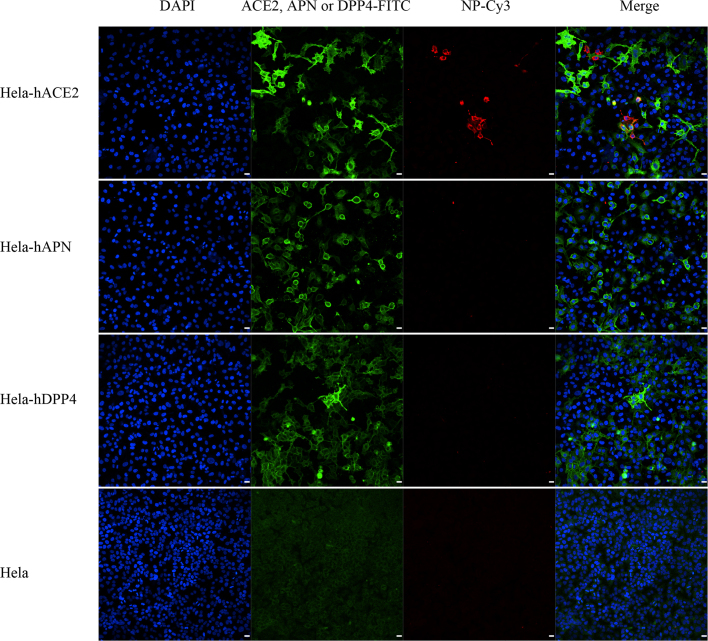
“SARS-CoV-2 does not enter cells that do not express ACE2 and does not use other coronavirus receptors, such as aminopeptidase N (APN) and dipeptidyl peptidase 4 (DPP4), thus being fully dependent on ACE2 presence in host cells (5).”
BackgroundNguyen-Contant, P., Embong, A. K., Kanagaiah, P., Chaves, F. A., Yang, H., Branche, A. R., Topham, D. J., & Sangster, M. Y. (2020) · mBio · doi:10.1128/mbio.01991-20 · Cited by 204
“The betacoronavirus severe acute respiratory syndrome coronavirus 2 (SARS-CoV-2), the causative agent of a respiratory disease termed coronavirus disease 2019 (COVID-19), emerged in China in late 2019 and rapidly spread worldwide (1).”
BackgroundLu, R., Wu, X., Wan, Z., Li, Y., Jin, X., & Zhang, C. (2020) · International Journal of Molecular Sciences · doi:10.3390/ijms21082826 · Cited by 204
“Funding: This research was funded by the grants from the National Science and Technology Major Project of China (2019YFC1200603 and 2017ZX10103009-002), and Natural Science Research Project of Nantong Science and Technology Bureau (MS12019048).”
InfluentialAnalyzing the spatial determinants of local Covid-19 transmission in the United States
Andersen, L. M., Harden, S. R., Sugg, M. M., Runkle, J. D., & Lundquist, T. E. (2021) · Science of The Total Environment · doi:10.1016/j.scitotenv.2020.142396 · Cited by 204
“The virus is believed to originate from bats (Zhou et al., 2020), similar to the 2002 Severe Acute Respiratory Syndrome (SARS) and 2012 Middle East Respiratory Syndrome (MERS) outbreaks (Wu and McGoogan, 2020).”
Review of COVID-19 Variants and COVID-19 Vaccine Efficacy: What the Clinician Should Know?
Vasireddy, D., Vanaparthy, R., Mohan, G., Malayala, S. V., & Atluri, P. (2021) · Journal of Clinical Medicine Research · doi:10.14740/jocmr4518 · Cited by 197
Dipeptidyl peptidase-4 (DPP4) inhibition in COVID-19
Solerte, S. B., Di Sabatino, A., Galli, M., & Fiorina, P. (2020) · Acta Diabetologica · doi:10.1007/s00592-020-01539-z · Cited by 203
COVID-19 lockdowns highlight a risk of increasing ozone pollution in European urban areas
Grange, S. K., Lee, J. D., Drysdale, W. S., Lewis, A. C., Hueglin, C., Emmenegger, L., & Carslaw, D. C. (2021) · Atmospheric Chemistry and Physics · doi:10.5194/acp-21-4169-2021 · Cited by 203
Su, C.-M., Wang, L., & Yoo, D. (2021) · Scientific Reports · doi:10.1038/s41598-021-92941-2 · Cited by 203
Evidence of recombination in coronaviruses implicating pangolin origins of nCoV-2019
Wong, M. C., Javornik Cregeen, S. J., Ajami, N. J., & Petrosino, J. F. (2020) · bioRxiv (Cold Spring Harbor Laboratory) · doi:10.1101/2020.02.07.939207 · Cited by 202
“Zhou et al. (2020)2 have reported noticeable decreased amino acid homology between the RBD of the spike protein in RaTG13 and nCoV-2019.”
BackgroundHorowitz, J. E., Kosmicki, J. A., Damask, A., Sharma, D., Roberts, G. H. L., Justice, A. E., Banerjee, N., Coignet, M. V., Yadav, A., Leader, J. B., et al. (2022) · Nature Genetics · doi:10.1038/s41588-021-01006-7 · Cited by 202
Antinori, S., Cossu, M. V., Ridolfo, A. L., Rech, R., Bonazzetti, C., Pagani, G., Gubertini, G., Coen, M., Magni, C., Castelli, A., et al. (2020) · Pharmacological Research · doi:10.1016/j.phrs.2020.104899 · Cited by 202
Cytokine storm syndrome in coronavirus disease 2019: A narrative review
Gao, Y. ‐., Xu, G., Wang, B., & Liu, B. ‐. (2021) · Journal of Internal Medicine · doi:10.1111/joim.13144 · Cited by 202
Being a front-line dentist during the Covid-19 pandemic: a literature review
Fallahi, H. R., Keyhan, S. O., Zandian, D., Kim, S.-G., & Cheshmi, B. (2020) · Maxillofacial Plastic and Reconstructive Surgery · doi:10.1186/s40902-020-00256-5 · Cited by 201
“Since 2019-nCoV effectively uses ACE2 receptor for cell invasion, it can promote human-tohuman transmission [50] .”
BackgroundUncanny similarity of unique inserts in the 2019-nCoV spike protein to HIV-1 gp120 and Gag
Pradhan, P., Pandey, A. K., Mishra, A., Gupta, P., Tripathi, P. K., Menon, M. B., Gomes, J., Vivekanandan, P., & Kundu, B. (2020) · doi:10.1101/2020.01.30.927871 · Cited by 198
RetractedRecognition of the SARS-CoV-2 receptor binding domain by neutralizing antibodies
Yuan, M., Liu, H., Wu, N. C., & Wilson, I. A. (2021) · Biochemical and Biophysical Research Communications · doi:10.1016/j.bbrc.2020.10.012 · Cited by 196
“SARS-CoV-2 is genetically related to SARS-CoV (~80% sequence identity at the nucleotide level [3]), which caused an epidemic in 2003 with more than 8000 cases in 26 countries (www.who.int).”
Hatmal, M. M., Alshaer, W., Al-Hatamleh, M. A. I., Hatmal, M., Smadi, O., Taha, M. O., Oweida, A. J., Boer, J. C., Mohamud, R., & Plebanski, M. (2020) · Cells · doi:10.3390/cells9122638 · Cited by 196
“In addition, a single mutation in Asn501 position has been found to enhance the binding capacity of the SARS-CoV-2 RBD with the human ACE2 and this evolution in infected patients should be monitored [38,44,105].”
Discovery and functional interrogation of SARS-CoV-2 RNA-host protein interactions
Flynn, R. A., Belk, J. A., Qi, Y., Yasumoto, Y., Wei, J., Alfajaro, M. M., Shi, Q., Mumbach, M. R., Limaye, A., DeWeirdt, P. C., et al. (2021) · Cell · doi:10.1016/j.cell.2021.03.012 · Cited by 196
Waves and variants of SARS-CoV-2: understanding the causes and effect of the COVID-19 catastrophe
Thakur, V., Bhola, S., Thakur, P., Patel, S. K. S., Kulshrestha, S., Ratho, R. K., & Kumar, P. (2022) · Infection · doi:10.1007/s15010-021-01734-2 · Cited by 195
“96% of genome identity with horseshoe bat virus RaTG13 Rhinolophus affinis [3].”
Background(2020) · PubMed · Cited by 195
Islam, M. S., Rahman, K. M., Sun, Y., Qureshi, M. O., Abdi, I., Chughtai, A. A., & Seale, H. (2020) · Infection Control & Hospital Epidemiology · doi:10.1017/ice.2020.237 · Cited by 195
COVID-19 and Asthma: Reflection During the Pandemic
Liu, S., Zhi, Y., & Ying, S. (2020) · Clinical Reviews in Allergy & Immunology · doi:10.1007/s12016-020-08797-3 · Cited by 195
“6% sequence identity with SARS-CoV and 96% with a bat CoV [1], belongs to the beta-coronavirus family, which also includes SARS-CoV and MERS-CoV.”
BackgroundCOVID-19: clinical and laboratory manifestations in novel coronavirus infection
Xavier, A. R., Silva, J. S., Almeida, J. P. C. L., Conceição, J. F. F., Lacerda, G. S., & Kanaan, S. (2020) · Jornal Brasileiro de Patologia e Medicina Laboratorial · doi:10.5935/1676-2444.20200049 · Cited by 195
“The transmission of viral particles between individuals is related to the viral load in the upper respiratory tract((15)), and it may occur through droplets from coughing, sneezing and saliva, handshake, or fomites, such as cellphones, door handles, cups, and keys, with subsequent contact with mucous membranes 16, .”
BackgroundBera, B., Bhattacharjee, S., Shit, P. K., Sengupta, N., & Saha, S. (2021) · Environment, Development and Sustainability · doi:10.1007/s10668-020-00898-5 · Cited by 195
Bchetnia, M., Girard, C., Duchaine, C., & Laprise, C. (2020) · Journal of Infection and Public Health · doi:10.1016/j.jiph.2020.07.011 · Cited by 195
Dhama, K., Patel, S. K., Pathak, M., Yatoo, M. I., Tiwari, R., Malik, Y. S., Singh, R., Sah, R., Rabaan, A. A., Bonilla-Aldana, D. K., et al. (2020) · Travel Medicine and Infectious Disease · doi:10.1016/j.tmaid.2020.101755 · Cited by 192
Chronic pain after COVID-19: implications for rehabilitation
Kemp, H. I., Corner, E., & Colvin, L. A. (2020) · British Journal of Anaesthesia · doi:10.1016/j.bja.2020.05.021 · Cited by 192
Obesity as a risk factor for COVID-19: an overview
Alberca, R. W., Oliveira, L. D. M., Branco, A. C. C. C., Pereira, N. Z., & Sato, M. N. (2021) · Critical Reviews in Food Science and Nutrition · doi:10.1080/10408398.2020.1775546 · Cited by 192
COVID-19 and the Digestive System
Ma, C., Cong, Y., & Zhang, H. (2020) · American Journal of Gastroenterology · doi:10.14309/ajg.0000000000000691 · Cited by 192
Medicinal Plants as Sources of Active Molecules Against COVID-19
Benarba, B., & Pandiella, A. (2020) · Frontiers in Pharmacology · doi:10.3389/fphar.2020.01189 · Cited by 192
“Actually, the Severe Acute Respiratory Syndrome-related Coronavirus 2 (SARS-CoV-2) was shown to share 96% of the genomic identity with the related bat coronavirus (Zhou et al., 2020).”
BackgroundDual nature of human ACE2 glycosylation in binding to SARS-CoV-2 spike
Mehdipour, A. R., & Hummer, G. (2021) · Proceedings of the National Academy of Sciences · doi:10.1073/pnas.2100425118 · Cited by 192
“S1) and are among the species where SARS-CoV-2 and SARS-CoV do not bind via the ACE2 receptor (6, 21, 26).”
Pathogenicity, transmissibility, and fitness of SARS-CoV-2 Omicron in Syrian hamsters
Yuan, S., Ye, Z.-W., Liang, R., Tang, K., Zhang, A. J., Lu, G., Ong, C. P., Man Poon, V. K., Chan, C. C.-S., Mok, B. W.-Y., et al. (2022) · Science · doi:10.1126/science.abn8939 · Cited by 191
Self-citationComputational analysis of microRNA-mediated interactions in SARS-CoV-2 infection
Saçar Demirci, M. D., & Adan, A. (2020) · PeerJ · doi:10.7717/peerj.9369 · Cited by 190
Bohn, M. K., Lippi, G., Horvath, A., Sethi, S., Koch, D., Ferrari, M., Wang, C.-B., Mancini, N., Steele, S., & Adeli, K. (2020) · Clinical Chemistry and Laboratory Medicine (CCLM) · doi:10.1515/cclm-2020-0722 · Cited by 189
“A common concern in serological testing is cross-reactivity, an aspect magnified by the evidence that SARS-CoV-2 and SARS-CoV-1 share almost 80% genetic identity [51, 52] and common proteins show structural homology with SARS-CoV-1 which caused SARS in 2002–2003 [53].”
Background
Metadata
- Authors
- Zhou, P., Yang, X.-L., Wang, X.-G., Hu, B., Zhang, L., Zhang, W., Si, H.-R., Zhu, Y., Li, B., Huang, C.-L., Chen, H.-D., Chen, J., Luo, Y., Guo, H., Jiang, R.-D., Liu, M.-Q., Chen, Y., Shen, X.-R., Wang, X., Zheng, X.-S., Zhao, K., Chen, Q.-J., Deng, F., Liu, L.-L., Yan, B., Zhan, F.-X., Wang, Y.-Y., Xiao, G.-F., & Shi, Z.-L.
- Affiliations
- Chinese Academy of Sciences (CN)
- Jinyintan Hospital (CN)
- Hubei Provincial Center for Disease Control and Prevention (CN)
- Corresponding author
- Shi, Zheng-Li
- Venue
- Nature
- Published
- 2020-02-03
- Volume
- 579
- Issue
- 7798
- Pages
- 270-273
- ISSN
- 0028-0836 (ISSN-L)
- 1476-4687
- PMC
- PMC7095418
- OpenAlex
- W3004280078
- Cited by
- 21,969
- References
- 19
- Citations by year
- 2026: 363 · 2025: 769 · 2024: 1366 · 2023: 2080 · 2022: 3751 · 2021: 6147 · 2020: 7448
- FWCI
- 638.99
- Type
- journal article
- Language
- en
- Update notices
- addendum (2020-11-17)
- Open access
- hybrid
- doi.org
- Licence
- cc-by
- creativecommons.org/licenses/by/4.0 (tdm)
- creativecommons.org/licenses/by/4.0 (vor)
- Locations
- Nature (publishedVersion, cc-by)
- bioRxiv (Cold Spring Harbor Laboratory) (acceptedVersion)
- PubMed Central (publishedVersion, cc-by)
- PubMed (publishedVersion)
- LA Referencia (Red Federada de Repositorios Institucionales de Publicaciones Científicas) (publishedVersion, cc-by)
- Digital Commons - University of South Florida (University of South Florida) (submittedVersion)
- RePEc: Research Papers in Economics (submittedVersion)
- LA Referencia (Red Federada de Repositorios Institucionales de Publicaciones Científicas) (submittedVersion, cc-by)
- Funders
- Chinese Academy of Sciences (XDB29010101, 2019328)
- Youth Innovation Promotion Association
- Topics
- Health Sciences › Medicine › Infectious Diseases › SARS-CoV-2 and COVID-19 Research
- Life Sciences › Agricultural and Biological Sciences › Animal Science and Zoology › Animal Virus Infections Studies
- Health Sciences › Medicine › Infectious Diseases › COVID-19 Clinical Research Studies
- Keywords
- SARS-CoV-2, coronavirus outbreak, bat coronaviruses, zoonotic transmission, SARS-related coronaviruses, complete genome sequence, neutralizing antibodies, ACE2 receptor
- MeSH terms
- Betacoronavirus, Angiotensin-Converting Enzyme 2, COVID-19, SARS-CoV-2, Animals, Antibodies, Viral, Cell Line, Chlorocebus aethiops, China, Chiroptera, Disease Outbreaks, Female, Humans, Peptidyl-Dipeptidase A, Male, Phylogeny, Pneumonia, Viral, Sequence Homology, Nucleic Acid, Vero Cells, Genome, Viral, Coronavirus Infections, Severe Acute Respiratory Syndrome, Severe acute respiratory syndrome-related coronavirus
About these checks
Registry, retraction, Cites and statistics results are computed, not judged, with one exception: a printed reference that no index lists is read once by a model before it counts as a citation error. Claims are extracted by a model and kept only when their quote appears verbatim in the text; each cited source is then checked, with a model’s help, for whether it says what the claim relies on. Those verdicts can be wrong — read the claim’s quote and the cited source before relying on one.
Statistics and arithmetic are recomputed, not judged.
Confidence bands are shown only for fields calibrated on our annotated test set. None is calibrated yet, so no band is shown.
What counts as a claim ›How we measure confidence ›How we check this ›
Are you an author, or do you see a problem with this page? Request a review
Data sources
Bibliographic data: Semantic Scholar, OpenAlex, Crossref.
Contains information from the Semantic Scholar Academic Graph Datasets, made available under the ODC Attribution License (ODC-BY 1.0).
Semantic Scholar’s data is described in: Kinney, R., et al. (2023). The Semantic Scholar Open Data Platform. arXiv:2301.10140.
