

A pneumonia outbreak associated with a new coronavirus of probable bat origin
Open accessPublished version of a preprint
The DOI matches its Crossref record; 21 of the 21 references it cites were found in a registry or an index.
Abstract
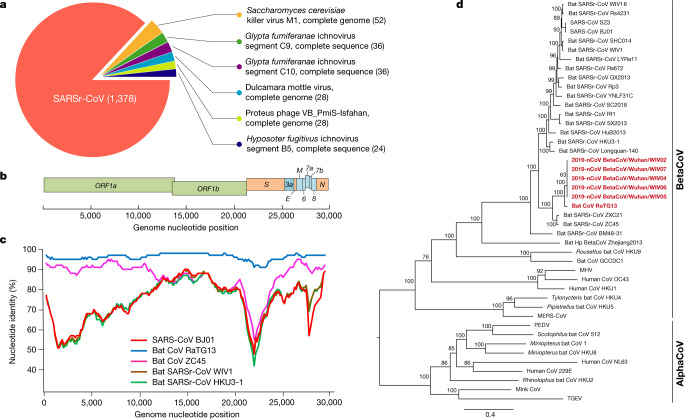
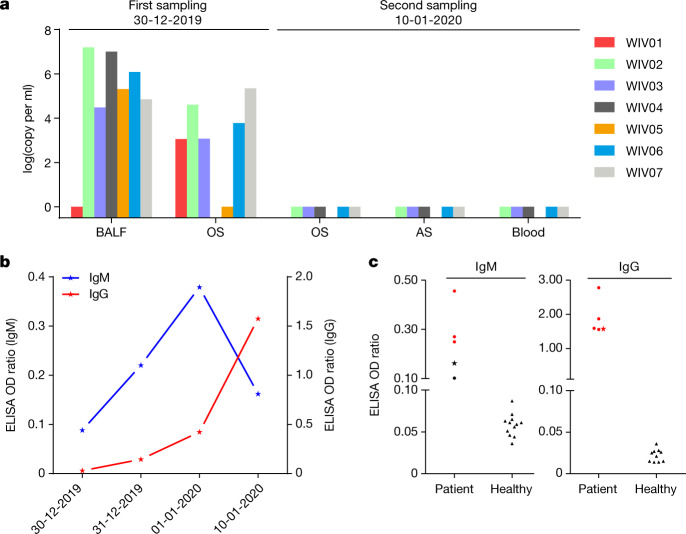
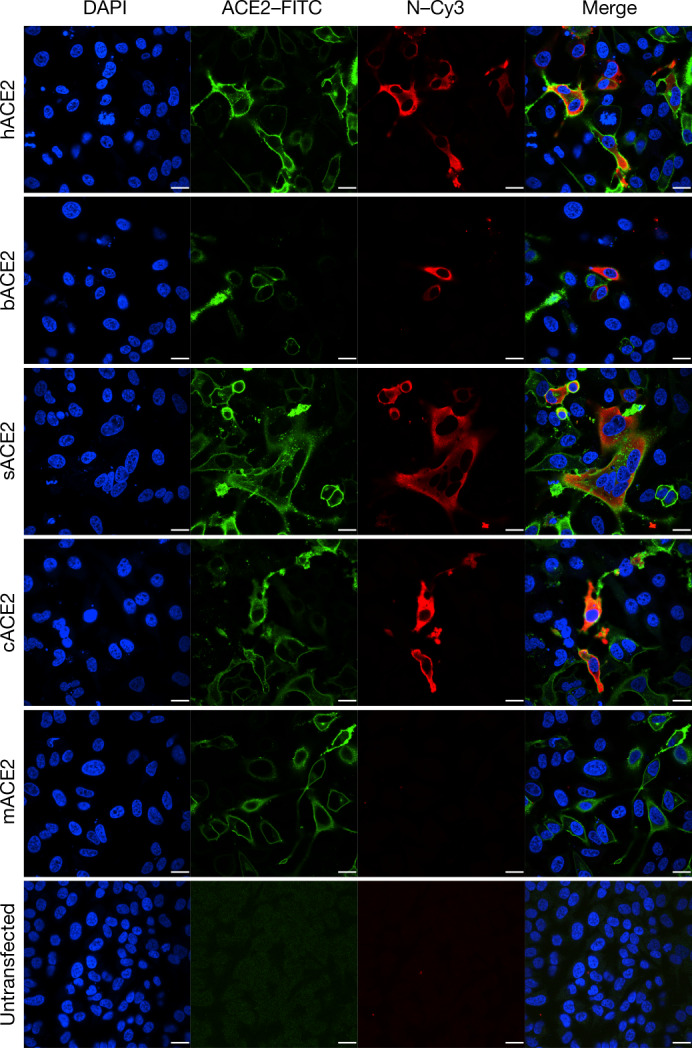
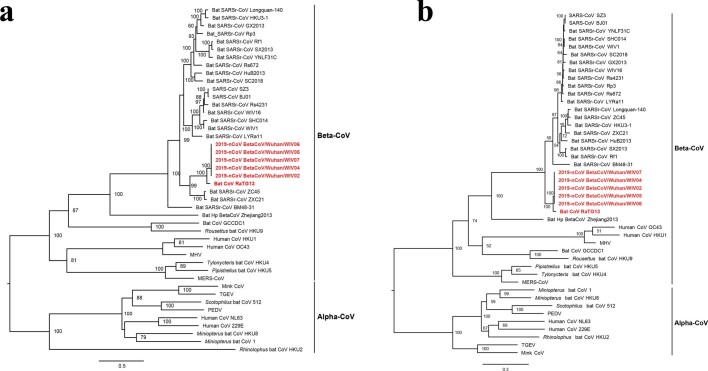
Since the outbreak of severe acute respiratory syndrome (SARS) 18 years ago, a large number of SARS-related coronaviruses (SARSr-CoVs) have been discovered in their natural reservoir host, bats 1–4 . Previous studies have shown that some bat SARSr-CoVs have the potential to infect humans 5–7 . Here we report the identification and characterization of a new coronavirus (2019-nCoV), which caused an epidemic of acute respiratory syndrome in humans in Wuhan, China. The epidemic, which started on 12 December 2019, had caused 2,794 laboratory-confirmed infections including 80 deaths by 26 January 2020. Full-length genome sequences were obtained from five patients at an early stage of the outbreak. The sequences are almost identical and share 79.6% sequence identity to SARS-CoV. Furthermore, we show that 2019-nCoV is 96% identical at the whole-genome level to a bat coronavirus. Pairwise protein sequence analysis of seven conserved non-structural proteins domains show that this virus belongs to the species of . In addition, 2019-nCoV virus isolated from the bronchoalveolar lavage fluid of a critically ill patient could be neutralized by sera from several patients. Notably, we confirmed that 2019-nCoV uses the same cell entry receptor—angiotensin converting enzyme II (ACE2)—as SARS-CoV.
Overview
The claims and statistics of this paper haven’t been checked yet.
Free: it reads the open-access text and checks the first 5 claims that cite a source we can check. Create a free account to check every claim.
Integrity signals
Registry
Cites
Statistics
Figures
Verification
Claims the paper makes
The claims and statistics of this paper haven’t been checked yet.
Free: it reads the open-access text and checks the first 5 claims that cite a source we can check. Create a free account to check every claim.
Claims other papers make about this one
Each is checked against this paper’s own text: does it say what the citing paper says it does?
The source backs part of the claim, not all of it — or backs it for a different population, condition or comparison.
In the citing paper
“SARS-CoV-2 is an enveloped, single-stranded positive-sense RNA virus with the highest, i.e. 96% of genome identity with horseshoe bat virus RaTG13 Rhinolophus affinis [3].”
From Waves and variants of SARS-CoV-2: understanding the causes and effect of the COVID-19 catastrophe (2022) · cites this paper as [3]
Experimental — accuracy not yet measuredThe source backs part of the claim, not all of it — or backs it for a different population, condition or comparison.
In the citing paper
“The disease is estimated to have originated from a seafood market in Wuhan where wild animals were traded such as marmots, bats, snakes and birds (Zhou et al., 2020).”
From How energy innovation in indoor vertical farming can improve food security, sustainability, and food safety? (2020) · cites this paper as Zhou et al., 2020
Experimental — accuracy not yet measuredThe source backs part of the claim, not all of it — or backs it for a different population, condition or comparison.
In the citing paper
“Genome sequencing demonstrated that SARS-CoV-2 shares 79.5% sequence identity with SARS-CoV (Zhou et al., 2020)”
From Oral Microbiome and SARS-CoV-2: Beware of Lung Co-infection (2020) · cites this paper as Zhou et al., 2020
Experimental — accuracy not yet measuredThe source backs part of the claim, not all of it — or backs it for a different population, condition or comparison.
In the citing paper
“This interaction requires cleavage of the S protein, likely by the cell surface protease TMPRSS2, although other proteases (such as Cathepsin B and L, CTSB/CTSL) may also be involved (4-6, 22-25).”
From Non-neuronal expression of SARS-CoV-2 entry genes in the olfactory system suggests mechanisms underlying COVID-19-associated anosmia (2020) · cites this paper as [4]
Experimental — accuracy not yet measuredThe source backs part of the claim, not all of it — or backs it for a different population, condition or comparison.
In the citing paper
“Bats (Chiroptera), representing ~22% of all mammalian species, are natural reservoirs for a wide range of zoonotic viruses, including coronaviruses, rhabdoviruses, and paramyxoviruses ( 1 – 3 ).”
From Ecological vaccination: A strategy to prevent zoonotic spillover from bats (2026) · cites this paper as [1]
Experimental — accuracy not yet measured
8 more claims about this paper
Create a free account to see every claim other papers make about this one.
Self-check
Percentages, sums and reported differences re-computed from the paper’s own numbers.
The self-check needs the paper’s full text.
Citations
Cites
Coronaviridae Study Group of the International Committee on Taxonomy of Viruses, Gorbalenya, A. E., Baker, S. C., Baric, R. S., de Groot, R. J., Drosten, C., Gulyaeva, A. A., Haagmans, B. L., Lauber, C., Leontovich, A. M., et al. (2020) · Nature Microbiology · doi:10.1038/s41564-020-0695-z · Cited by 8,403
Angiotensin-converting enzyme 2 is a functional receptor for the SARS coronavirus
Li, W., Moore, M. J., Vasilieva, N., Sui, J., Wong, S. K., Berne, M. A., Somasundaran, M., Sullivan, J. L., Luzuriaga, K., Greenough, T. C., et al. (2003) · Nature · doi:10.1038/nature02145 · Cited by 5,923
Isolation of a Novel Coronavirus from a Man with Pneumonia in Saudi Arabia
Zaki, A. M., van Boheemen, S., Bestebroer, T. M., Osterhaus, A. D. M. E., & Fouchier, R. A. M. (2012) · New England Journal of Medicine · doi:10.1056/nejmoa1211721 · Cited by 5,735
Origin and evolution of pathogenic coronaviruses
Cui, J., Li, F., & Shi, Z.-L. (2019) · Nature Reviews Microbiology · doi:10.1038/s41579-018-0118-9 · Cited by 5,515
Self-citationIdentification of a novel coronavirus in patients with severe acute respiratory syndrome
Drosten, C., Günther, S., Preiser, W., van der Werf, S., Brodt, H.-R., Becker, S., Rabenau, H., Panning, M., Kolesnikova, L., Fouchier, R. A. M., et al. (2003) · New England Journal of Medicine · doi:10.1056/nejmoa030747 · Cited by 4,574
Bats Are Natural Reservoirs of SARS-Like Coronaviruses
Li, W., Shi, Z., Yu, M., Ren, W., Smith, C., Epstein, J. H., Wang, H., Crameri, G., Hu, Z., Zhang, H., et al. (2005) · Science · doi:10.1126/science.1118391 · Cited by 2,560
Self-citationIsolation and characterization of a bat SARS-like coronavirus that uses the ACE2 receptor
Ge, X.-Y., Li, J.-L., Yang, X.-L., Chmura, A. A., Zhu, G., Epstein, J. H., Mazet, J. K., Hu, B., Zhang, W., Peng, C., et al. (2013) · Nature · doi:10.1038/nature12711 · Cited by 1,778
Self-citationGorbalenya, A. E., Baker, S. C., Baric, R. S., et al. (2020) · bioRxiv (Cold Spring Harbor Laboratory) · doi:10.1101/2020.02.07.937862 · Cited by 1,408
Al-Hanawi, M. K., Angawi, K., Alshareef, N., Qattan, A. M. N., Helmy, H. Z., Abudawood, Y., Alqurashi, M., Kattan, W. M., Kadasah, N. A., Chirwa, G. C., et al. (2020) · Frontiers in Public Health · doi:10.3389/fpubh.2020.00217 · Cited by 967
Hu, B., Zeng, L.-P., Yang, X.-L., Ge, X.-Y., Zhang, W., Li, B., Xie, J.-Z., Shen, X.-R., Zhang, Y.-Z., Wang, N., et al. (2017) · PLOS Pathogens · doi:10.1371/journal.ppat.1006698 · Cited by 950
Self-citation
Cited by
Items 301–400 of 1,208
Association of inflammatory markers with the severity of COVID-19: A meta-analysis
Zeng, F., Huang, Y., Guo, Y., Yin, M., Chen, X., Xiao, L., & Deng, G. (2020) · International Journal of Infectious Diseases · doi:10.1016/j.ijid.2020.05.055 · Cited by 669
How COVID-19 induces cytokine storm with high mortality
Hojyo, S., Uchida, M., Tanaka, K., Hasebe, R., Tanaka, Y., Murakami, M., & Hirano, T. (2020) · Inflammation and Regeneration · doi:10.1186/s41232-020-00146-3 · Cited by 663
“As mentioned above, excessive IL-6 levels are highly correlated with the lethal complications of COVID-19 patients [16, 64, 65].”
BackgroundRunfeng, L., Yunlong, H., Jicheng, H., Weiqi, P., Qinhai, M., Yongxia, S., Chufang, L., Jin, Z., Zhenhua, J., Haiming, J., et al. (2020) · Pharmacological Research · doi:10.1016/j.phrs.2020.104761 · Cited by 660
Zhang, H., Kang, Z., Gong, H., Xu, D., Wang, J., Li, Z., Cui, X., Xiao, J., Meng, T., Zhou, W., et al. (2020) · doi:10.1101/2020.01.30.927806 · Cited by 658
SARS-CoV-2 binds platelet ACE2 to enhance thrombosis in COVID-19
Zhang, S., Liu, Y., Wang, X., Yang, L., Li, H., Wang, Y., Liu, M., Zhao, X., Xie, Y., Yang, Y., et al. (2020) · Journal of Hematology & Oncology · doi:10.1186/s13045-020-00954-7 · Cited by 657
Self-citationAttenuated replication and pathogenicity of SARS-CoV-2 B.1.1.529 Omicron
Shuai, H., Chan, J. F.-W., Hu, B., Chai, Y., Yuen, T. T.-T., Yin, F., Huang, X., Yoon, C., Hu, J.-C., Liu, H., et al. (2022) · Nature · doi:10.1038/s41586-022-04442-5 · Cited by 654
Self-citationThe coding capacity of SARS-CoV-2
Finkel, Y., Mizrahi, O., Nachshon, A., Weingarten-Gabbay, S., Morgenstern, D., Yahalom-Ronen, Y., Tamir, H., Achdout, H., Stein, D., Israeli, O., et al. (2021) · Nature · doi:10.1038/s41586-020-2739-1 · Cited by 644
“Severe acute respiratory syndrome coronavirus 2 (SARS-CoV-2) is the cause of the ongoing Coronavirus disease 19 (COVID-19) pandemic (Zhou et al., 2020; Zhu et al., 2020).”
BackgroundChou, R., Dana, T., Buckley, D. I., Selph, S., Fu, R., & Totten, A. M. (2020) · Annals of Internal Medicine · doi:10.7326/m20-1632 · Cited by 644
Song, G., Liang, G., & Liu, W. (2020) · Mycopathologia · doi:10.1007/s11046-020-00462-9 · Cited by 644
Circular RNA Vaccines against SARS-CoV-2 and Emerging Variants
Qu, L., Yi, Z., Shen, Y., Lin, L., Chen, F., Xu, Y., Wu, Z., Tang, H., Zhang, X., Tian, F., et al. (2021) · doi:10.1101/2021.03.16.435594 · Cited by 636
“Coronavirus disease 2019 (COVID-19) is a serious worldwide public health emergency caused by 35 a novel severe acute respiratory syndrome coronavirus (SARS-CoV-2) (1, 2).”
Self-citationDamas, J., Hughes, G. M., Keough, K. C., Painter, C. A., Persky, N. S., Corbo, M., Hiller, M., Koepfli, K.-P., Pfenning, A. R., Zhao, H., et al. (2020) · Proceedings of the National Academy of Sciences · doi:10.1073/pnas.2010146117 · Cited by 633
Kang, S., Yang, M., Hong, Z., Zhang, L., Huang, Z., Chen, X., He, S., Zhou, Z., Zhou, Z., Chen, Q., et al. (2020) · Acta Pharmaceutica Sinica B · doi:10.1016/j.apsb.2020.04.009 · Cited by 632
“After Ni column chromatography followed 102 by Ulp1 protease digestion for tag removal, SARS-CoV-2 N-NTD (41-174) proteins were further 103 purified via size-exclusion chromatography (with buffer consisting of 20 mM Tris-HCl (pH 8.”
Self-citationEngineering human ACE2 to optimize binding to the spike protein of SARS coronavirus 2
Chan, K. K., Dorosky, D., Sharma, P., Abbasi, S. A., Dye, J. M., Kranz, D. M., Herbert, A. S., & Procko, E. (2020) · Science · doi:10.1126/science.abc0870 · Cited by 632
Liu, W., Liu, L., Kou, G., Zheng, Y., Ding, Y., Ni, W., Wang, Q., Tan, L., Wu, W., Tang, S., et al. (2020) · Journal of Clinical Microbiology · doi:10.1128/jcm.00461-20 · Cited by 630
“The S protein is important for attachment to host cells, where the RBD of S protein mediates the interaction with angiotensin-converting enzyme 2 (ACE2) (6).”
BackgroundSelf-citationUltrapotent human antibodies protect against SARS-CoV-2 challenge via multiple mechanisms
Tortorici, M. A., Beltramello, M., Lempp, F. A., Pinto, D., Dang, H. V., Rosen, L. E., McCallum, M., Bowen, J., Minola, A., Jaconi, S., et al. (2020) · Science · doi:10.1126/science.abe3354 · Cited by 510
2019 Novel coronavirus: where we are and what we know
Cheng, Z. J., & Shan, J. (2020) · Infection · doi:10.1007/s15010-020-01401-y · Cited by 629
Wu, J., Liu, J., Zhao, X., Liu, C., Wang, W., Wang, D., Xu, W., Zhang, C., Yu, J., Jiang, B., et al. (2020) · Clinical Infectious Diseases · doi:10.1093/cid/ciaa199 · Cited by 626
“1 They have enveloped virions that appear as round or oval, often polymorphous, with a diameter of 60-140nm.”
BackgroundWang, Y., Liu, S., Liu, H., Li, W., Lin, F., Jiang, L., Li, X., Xu, P., Zhang, L., Zhao, L., et al. (2020) · Journal of Hepatology · doi:10.1016/j.jhep.2020.05.002 · Cited by 626
“Angiotensin-converting enzyme 2 (ACE2) is known as cell entry receptor of both SARS-CoV and SARS-CoV-2 [2, 11] .”
Self-citationLiu, J., Zheng, X., Tong, Q., Li, W., Wang, B., Sutter, K., Trilling, M., Lu, M., Dittmer, U., & Yang, D. (2020) · Journal of Medical Virology · doi:10.1002/jmv.25709 · Cited by 620
Self-citationMeng, J., Xiao, G., Zhang, J., He, X., Ou, M., Bi, J., Yang, R., Di, W., Wang, Z., Li, Z., et al. (2020) · Emerging Microbes & Infections · doi:10.1080/22221751.2020.1746200 · Cited by 619
“SARS-CoV infections reduce ACE2 expression, resulting in an imbalance between the ACE/Ang II/ AT1R axis and the ACE2/Ang (1-7)/Mas receptor axis [5] .”
BackgroundSelf-citationInnate immunity: the first line of defense against SARS-CoV-2
Diamond, M. S., & Kanneganti, T.-D. (2022) · Nature Immunology · doi:10.1038/s41590-021-01091-0 · Cited by 618
A Mouse Model of SARS-CoV-2 Infection and Pathogenesis
Sun, S.-H., Chen, Q., Gu, H.-J., Yang, G., Wang, Y.-X., Huang, X.-Y., Liu, S.-S., Zhang, N.-N., Li, X.-F., Xiong, R., et al. (2020) · Cell Host & Microbe · doi:10.1016/j.chom.2020.05.020 · Cited by 617
Self-citationThe Natural History, Pathobiology, and Clinical Manifestations of SARS-CoV-2 Infections
Machhi, J., Herskovitz, J., Senan, A. M., Dutta, D., Nath, B., Oleynikov, M. D., Blomberg, W. R., Meigs, D. D., Hasan, M., Patel, M., et al. (2020) · Journal of Neuroimmune Pharmacology · doi:10.1007/s11481-020-09944-5 · Cited by 617
“To this end, emerging case reports and series have documented various neurological disorders with SARS-CoV-2 infection (Helms et al. 2020; Mao et al. 2020a; Moriguchi et al. 2020; Toscano et al. 2020; Zhou et al. 2020a).”
BackgroundInfluentialMolecular interaction and inhibition of SARS-CoV-2 binding to the ACE2 receptor
Yang, J., Petitjean, S. J. L., Koehler, M., Zhang, Q., Dumitru, A. C., Chen, W., Derclaye, S., Vincent, S. P., Soumillion, P., & Alsteens, D. (2020) · Nature Communications · doi:10.1038/s41467-020-18319-6 · Cited by 615
Chen, R., Liang, W., Jiang, M., Guan, W., Zhan, C., Wang, T., Tang, C., Sang, L., Liu, J., Ni, Z., et al. (2020) · Chest · doi:10.1016/j.chest.2020.04.010 · Cited by 614
“As the functional receptor of SARS-CoV-2, ACE2 is mainly expressed not only in lung alveolar type II epithelial cells but also in blood vessels.(16,17)ACE2 also serves as a negative regulatory factor for the renin-angiotensin system (RAS) via the ACE2/angiotensin-(1-7) axis.”
BackgroundSelf-citationZhu, Z., Lian, X., Su, X., Wu, W., Marraro, G. A., & Zeng, Y. (2020) · Respiratory Research · doi:10.1186/s12931-020-01479-w · Cited by 614
A Mouse-Adapted SARS-CoV-2 Induces Acute Lung Injury and Mortality in Standard Laboratory Mice
Leist, S. R., Dinnon, K. H., Schäfer, A., Tse, L. V., Okuda, K., Hou, Y. J., West, A., Edwards, C. E., Sanders, W., Fritch, E. J., et al. (2020) · Cell · doi:10.1016/j.cell.2020.09.050 · Cited by 613
“…clinical syndrome, designated Coronavirus Disease 2019 ( COVID-19 COVID-19), that SARS-CoV-2 uses the human angiotensin-converting enzyme 2 (hACE2) as a receptor for docking and entry into cells but is incapable of using the murine ortholog (mACE2) receptor (Letko et al., 2020; Zhou et al., 2020b).”
Mofijur, M., Fattah, I. M. R., Alam, M. A., Islam, A. B. M. S., Ong, H. C., Rahman, S. M. A., Najafi, G., Ahmed, S. F., Uddin, M. A., & Mahlia, T. M. I. (2021) · Sustainable Production and Consumption · doi:10.1016/j.spc.2020.10.016 · Cited by 613
Structural Basis for Potent Neutralization of Betacoronaviruses by Single-Domain Camelid Antibodies
Wrapp, D., De Vlieger, D., Corbett, K. S., Torres, G. M., Wang, N., Van Breedam, W., Roose, K., van Schie, L., Hoffmann, M., Pöhlmann, S., et al. (2020) · Cell · doi:10.1016/j.cell.2020.04.031 · Cited by 610
“several structures of this complex have already been reported (Hoffmann et al., 2020; Lan et al., 2020; Wan et al., 2020; Yan et al., 2020; Zhou et al., 2020).”
COVID-19 infection: an overview on cytokine storm and related interventions
Montazersaheb, S., Hosseiniyan Khatibi, S. M., Hejazi, M. S., Tarhriz, V., Farjami, A., Ghasemian Sorbeni, F., Farahzadi, R., & Ghasemnejad, T. (2022) · Virology Journal · doi:10.1186/s12985-022-01814-1 · Cited by 610
Artificial intelligence and machine learning to fight COVID-19
Alimadadi, A., Aryal, S., Manandhar, I., Munroe, P. B., Joe, B., & Cheng, X. (2020) · Physiological Genomics · doi:10.1152/physiolgenomics.00029.2020 · Cited by 608
Gut microbiota and Covid-19- possible link and implications
Dhar, D., & Mohanty, A. (2020) · Virus Research · doi:10.1016/j.virusres.2020.198018 · Cited by 608
Immunity, endothelial injury and complement-induced coagulopathy in COVID-19
Perico, L., Benigni, A., Casiraghi, F., Ng, L. F. P., Renia, L., & Remuzzi, G. (2021) · Nature Reviews Nephrology · doi:10.1038/s41581-020-00357-4 · Cited by 607
Immunogenicity of a DNA vaccine candidate for COVID-19
Smith, T. R. F., Patel, A., Ramos, S., Elwood, D., Zhu, X., Yan, J., Gary, E. N., Walker, S. N., Schultheis, K., Purwar, M., et al. (2020) · Nature Communications · doi:10.1038/s41467-020-16505-0 · Cited by 601
“)); SARS-COV antigens: Spike S1 protein (Sino Biological 40150-V08B1), S (1-1190) (Immune Tech IT-002-001P) and Spike C-terminal (Meridian Life Science R18572).”
BackgroundToward Nanotechnology-Enabled Approaches against the COVID-19 Pandemic
Weiss, C., Carriere, M., Fusco, L., Capua, I., Regla-Nava, J. A., Pasquali, M., Scott, J. A., Vitale, F., Unal, M. A., Mattevi, C., et al. (2020) · ACS Nano · doi:10.1021/acsnano.0c03697 · Cited by 601
Diarrhea During COVID-19 Infection: Pathogenesis, Epidemiology, Prevention, and Management
D’Amico, F., Baumgart, D. C., Danese, S., & Peyrin-Biroulet, L. (2020) · Clinical Gastroenterology and Hepatology · doi:10.1016/j.cgh.2020.04.001 · Cited by 599
An Update on Current Therapeutic Drugs Treating COVID-19
Wu, R., Wang, L., Kuo, H.-C. D., Shannar, A., Peter, R., Chou, P. J., Li, S., Hudlikar, R., Liu, X., Liu, Z., et al. (2020) · Current Pharmacology Reports · doi:10.1007/s40495-020-00216-7 · Cited by 599
Sardu, C., Gambardella, J., Morelli, M. B., Wang, X., Marfella, R., & Santulli, G. (2020) · Journal of Clinical Medicine · doi:10.3390/jcm9051417 · Cited by 592
Self-citationThe Emerging Threat of (Micro)Thrombosis in COVID-19 and Its Therapeutic Implications
McFadyen, J. D., Stevens, H., & Peter, K. (2020) · Circulation Research · doi:10.1161/circresaha.120.317447 · Cited by 592
Vojdani, A., & Kharrazian, D. (2020) · Clinical Immunology · doi:10.1016/j.clim.2020.108480 · Cited by 588
Han, C., Duan, C., Zhang, S., Spiegel, B., Shi, H., Wang, W., Zhang, L., Lin, R., Liu, J., Ding, Z., et al. (2020) · American Journal of Gastroenterology · doi:10.14309/ajg.0000000000000664 · Cited by 587
SARS-CoV-2 spike L452R variant evades cellular immunity and increases infectivity
Motozono, C., Toyoda, M., Zahradnik, J., Saito, A., Nasser, H., Tan, T. S., Ngare, I., Kimura, I., Uriu, K., Kosugi, Y., et al. (2021) · Cell Host & Microbe · doi:10.1016/j.chom.2021.06.006 · Cited by 586
“Since an unusual outbreak in Wuhan, Hubei Province, China, in December 2019 (Wu et al., 2020; Zhou et al., 2020), SARS-CoV-2 has rapidly spread worldwide, and as of May 2021, COVID-19 remains an ongoing pandemic:”
Stroke in COVID-19: A systematic review and meta-analysis
Nannoni, S., de Groot, R., Bell, S., & Markus, H. S. (2021) · International Journal of Stroke · doi:10.1177/1747493020972922 · Cited by 584
“enter the cells.(43) This receptor is expressed in the lungs, heart, kidneys, and vascular endothelium.”
BackgroundCOVID-19: A Global Challenge with Old History, Epidemiology and Progress So Far
Khan, M., Adil, S. F., Alkhathlan, H. Z., Tahir, M. N., Saif, S., Khan, M., & Khan, S. T. (2020) · Molecules · doi:10.3390/molecules26010039 · Cited by 584
Shi, Y., Wang, G., Cai, X.-P., Deng, J.-W., Zheng, L., Zhu, H.-H., Zheng, M., Yang, B., & Chen, Z. (2020) · Journal of Zhejiang University-SCIENCE B · doi:10.1631/jzus.b2000083 · Cited by 580
COVID-19 pandemic – an African perspective
Lone, S. A., & Ahmad, A. (2020) · Emerging Microbes & Infections · doi:10.1080/22221751.2020.1775132 · Cited by 579
“with a coronavirus isolated from a bat (BetaCoV/ RaTG13/2013) [21].”
InfluentialMechanism of thrombocytopenia in COVID-19 patients
Xu, P., Zhou, Q., & Xu, J. (2020) · Annals of Hematology · doi:10.1007/s00277-020-04019-0 · Cited by 578
A Single-Dose Intranasal ChAd Vaccine Protects Upper and Lower Respiratory Tracts against SARS-CoV-2
Hassan, A. O., Kafai, N. M., Dmitriev, I. P., Fox, J. M., Smith, B. K., Harvey, I. B., Chen, R. E., Winkler, E. S., Wessel, A. W., Case, J. B., et al. (2020) · Cell · doi:10.1016/j.cell.2020.08.026 · Cited by 578
“Safety, tolerability, and immunogenicity of a recombinant adenovirus type-5 vectored COVID-19 vaccine: a doseescalation, open-label, non-randomised, first-in-human trial.”
InfluentialActer, T., Uddin, N., Das, J., Akhter, A., Choudhury, T. R., & Kim, S. (2020) · Science of The Total Environment · doi:10.1016/j.scitotenv.2020.138996 · Cited by 575
Identification of Required Host Factors for SARS-CoV-2 Infection in Human Cells
Daniloski, Z., Jordan, T. X., Wessels, H.-H., Hoagland, D. A., Kasela, S., Legut, M., Maniatis, S., Mimitou, E. P., Lu, L., Geller, E., et al. (2021) · Cell · doi:10.1016/j.cell.2020.10.030 · Cited by 573
“For example, thewell-established entry receptor angiotensin-converting enzyme 2 (ACE2) receptor was ranked as the 8 most-enriched gene in the low MOI screen and 12 in the high MOI screen (Table S1; Hoffmann et al., 2020a; Zhou et al., 2020).”
The N501Y spike substitution enhances SARS-CoV-2 infection and transmission
Liu, Y., Liu, J., Plante, K. S., Plante, J. A., Xie, X., Zhang, X., Ku, Z., An, Z., Scharton, D., Schindewolf, C., et al. (2022) · Nature · doi:10.1038/s41586-021-04245-0 · Cited by 572
Fang, Y., Nie, Y., & Penny, M. (2020) · Journal of Medical Virology · doi:10.1002/jmv.25750 · Cited by 570
“The species that harbored the SARS‐CoV‐2 was probably bat, containing 96% identical at the whole‐genome level.(4) The COVID‐19 may include signs of fever, cough, shortness of breath and general breathing difficulties, organ failures or even death, posing a severe threat to the whole society.”
Association of respiratory allergy, asthma, and expression of the SARS-CoV-2 receptor ACE2
Jackson, D. J., Busse, W. W., Bacharier, L. B., Kattan, M., O’Connor, G. T., Wood, R. A., Visness, C. M., Durham, S. R., Larson, D., Esnault, S., et al. (2020) · Journal of Allergy and Clinical Immunology · doi:10.1016/j.jaci.2020.04.009 · Cited by 568
Pathogenesis of SARS-CoV-2 in Transgenic Mice Expressing Human Angiotensin-Converting Enzyme 2
Jiang, R.-D., Liu, M.-Q., Chen, Y., Shan, C., Zhou, Y.-W., Shen, X.-R., Li, Q., Zhang, L., Zhu, Y., Si, H.-R., et al. (2020) · Cell · doi:10.1016/j.cell.2020.05.027 · Cited by 568
Self-citationFantini, J., Di Scala, C., Chahinian, H., & Yahi, N. (2020) · International Journal of Antimicrobial Agents · doi:10.1016/j.ijantimicag.2020.105960 · Cited by 561
“The recent emergence of the novel pathogenic SARS-coronavirus (SARS-CoV-2) is responsible for a global pandemic [1] , and there s an urgent need to identify active antiviral agents.”
Stamatatos, L., Czartoski, J., Wan, Y.-H., Homad, L. J., Rubin, V., Glantz, H., Neradilek, M., Seydoux, E., Jennewein, M. F., MacCamy, A. J., et al. (2021) · doi:10.1101/2021.02.05.21251182 · Cited by 559
“351, albeit the neutralizing titers were significantly (2-3) fold lower”
BackgroundmRNA vaccination boosts cross-variant neutralizing antibodies elicited by SARS-CoV-2 infection
Stamatatos, L., Czartoski, J., Wan, Y.-H., Homad, L. J., Rubin, V., Glantz, H., Neradilek, M., Seydoux, E., Jennewein, M. F., MacCamy, A. J., et al. (2021) · Science · doi:10.1126/science.abg9175 · Cited by 557
Nicolai, L., Leunig, A., Brambs, S., Kaiser, R., Weinberger, T., Weigand, M., Muenchhoff, M., Hellmuth, J. C., Ledderose, S., Schulz, H., et al. (2020) · Circulation · doi:10.1161/circulationaha.120.048488 · Cited by 557
A systematic review of racial/ethnic and socioeconomic disparities in COVID-19
Khanijahani, A., Iezadi, S., Gholipour, K., Azami-Aghdash, S., & Naghibi, D. (2021) · International Journal for Equity in Health · doi:10.1186/s12939-021-01582-4 · Cited by 556
Pang, J., Wang, M. X., Ang, I. Y. H., Tan, S. H. X., Lewis, R. F., Chen, J. I.-P., Gutierrez, R. A., Gwee, S. X. W., Chua, P. E. Y., Yang, Q., et al. (2020) · Journal of Clinical Medicine · doi:10.3390/jcm9030623 · Cited by 553
Self-citationZhou, H., Chen, X., Hu, T., Li, J., Song, H., Liu, Y., Wang, P., Liu, D., Yang, J., Holmes, E. C., et al. (2020) · Current Biology · doi:10.1016/j.cub.2020.05.023 · Cited by 553
Bat-borne virus diversity, spillover and emergence
Letko, M., Seifert, S. N., Olival, K. J., Plowright, R. K., & Munster, V. J. (2020) · Nature Reviews Microbiology · doi:10.1038/s41579-020-0394-z · Cited by 553
“Ancestral variants of zoonotic coronaviruses similar to SARS-CoV, MERS-CoV and SARS-CoV-2 have been identified from bats, with some viruses related to SARS-CoV even being capable of using the human receptor ACE2 (reFs 14,63,72,114,140 ) .”
Gruber, C. N., Patel, R. S., Trachtman, R., Lepow, L., Amanat, F., Krammer, F., Wilson, K. M., Onel, K., Geanon, D., Tuballes, K., et al. (2020) · Cell · doi:10.1016/j.cell.2020.09.034 · Cited by 551
“The rapid spread of severe acute respiratory syndrome coronavirus 2 (SARS-CoV-2) across the globe has led to an outbreak of life-threatening respiratory disease, termed COVID-19 (Zhou et al., 2020; Zhu et al., 2020).”
Ogando, N. S., Dalebout, T. J., Zevenhoven-Dobbe, J. C., Limpens, R. W. A. L., van der Meer, Y., Caly, L., Druce, J., de Vries, J. J. C., Kikkert, M., Bárcena, M., et al. (2020) · Journal of General Virology · doi:10.1099/jgv.0.001453 · Cited by 551
Wrobel, A. G., Benton, D. J., Xu, P., Roustan, C., Martin, S. R., Rosenthal, P. B., Skehel, J. J., & Gamblin, S. J. (2020) · Nature Structural & Molecular Biology · doi:10.1038/s41594-020-0468-7 · Cited by 544
Cheng, H., Wang, Y., & Wang, G. (2020) · Journal of Medical Virology · doi:10.1002/jmv.25785 · Cited by 548
“The recent outbreak‐ causing novel coronavirus pneumonia (COVID‐19) virus (2019‐ nCoV, SARS‐CoV‐2) has also been shown to invade human alveolar epithelial cells through mainly ACE2.”
BackgroundInfluentialSelf-citationThrombocytopenia and its association with mortality in patients with COVID‐19
Yang, X., Yang, Q., Wang, Y., Wu, Y., Xu, J., Yu, Y., & Shang, Y. (2020) · Journal of Thrombosis and Haemostasis · doi:10.1111/jth.14848 · Cited by 546
Self-citationA systematic review of SARS-CoV-2 vaccine candidates
Dong, Y., Dai, T., Wei, Y., Zhang, L., Zheng, M., & Zhou, F. (2020) · Signal Transduction and Targeted Therapy · doi:10.1038/s41392-020-00352-y · Cited by 545
Self-citationYoshimoto, F. K. (2020) · The Protein Journal · doi:10.1007/s10930-020-09901-4 · Cited by 543
ACE2 Expression in Kidney and Testis May Cause Kidney and Testis Infection in COVID-19 Patients
Fan, C., Lu, W., Li, K., Ding, Y., & Wang, J. (2021) · Frontiers in Medicine · doi:10.3389/fmed.2020.563893 · Cited by 542
Kinetics of viral load and antibody response in relation to COVID-19 severity
Wang, Y., Zhang, L., Sang, L., Ye, F., Ruan, S., Zhong, B., Song, T., Alshukairi, A. N., Chen, R., Zhang, Z., et al. (2020) · Journal of Clinical Investigation · doi:10.1172/jci138759 · Cited by 541
“SARS-CoV-2 belongs to the lineage B betacoronavirus and has high nucleotide homology with bat SARS-like CoV and SARS-CoV (11).”
MethodSelf-citationImpaired immune cell cytotoxicity in severe COVID-19 is IL-6 dependent
Mazzoni, A., Salvati, L., Maggi, L., Capone, M., Vanni, A., Spinicci, M., Mencarini, J., Caporale, R., Peruzzi, B., Antonelli, A., et al. (2020) · Journal of Clinical Investigation · doi:10.1172/jci138554 · Cited by 502
SARS-CoV-2 spike D614G change enhances replication and transmission
Zhou, B., Thao, T. T. N., Hoffmann, D., Taddeo, A., Ebert, N., Labroussaa, F., Pohlmann, A., King, J., Steiner, S., Kelly, J. N., et al. (2021) · Nature · doi:10.1038/s41586-021-03361-1 · Cited by 538
Maternal death due to COVID-19
Hantoushzadeh, S., Shamshirsaz, A. A., Aleyasin, A., Seferovic, M. D., Aski, S. K., Arian, S. E., Pooransari, P., Ghotbizadeh, F., Aalipour, S., Soleimani, Z., et al. (2020) · American Journal of Obstetrics and Gynecology · doi:10.1016/j.ajog.2020.04.030 · Cited by 537
Cytokine storm induced by SARS-CoV-2
Song, P., Li, W., Xie, J., Hou, Y., & You, C. (2020) · Clinica Chimica Acta · doi:10.1016/j.cca.2020.06.017 · Cited by 537
Infection of bat and human intestinal organoids by SARS-CoV-2
Zhou, J., Li, C., Liu, X., Chiu, M. C., Zhao, X., Wang, D., Wei, Y., Lee, A., Zhang, A. J., Chu, H., et al. (2020) · Nature Medicine · doi:10.1038/s41591-020-0912-6 · Cited by 535
Self-citationSARS-CoV-2 D614G spike mutation increases entry efficiency with enhanced ACE2-binding affinity
Ozono, S., Zhang, Y., Ode, H., Sano, K., Tan, T. S., Imai, K., Miyoshi, K., Kishigami, S., Ueno, T., Iwatani, Y., et al. (2021) · Nature Communications · doi:10.1038/s41467-021-21118-2 · Cited by 535
Coronavirus: the spread of misinformation
Mian, A., & Khan, S. (2020) · BMC Medicine · doi:10.1186/s12916-020-01556-3 · Cited by 534
Walls, A. C., Fiala, B., Schäfer, A., Wrenn, S., Pham, M. N., Murphy, M., Tse, L. V., Shehata, L., O’Connor, M. A., Chen, C., et al. (2020) · Cell · doi:10.1016/j.cell.2020.10.043 · Cited by 532
COVID-19: The Inflammation Link and the Role of Nutrition in Potential Mitigation
Zabetakis, I., Lordan, R., Norton, C., & Tsoupras, A. (2020) · Nutrients · doi:10.3390/nu12051466 · Cited by 532
Acute SARS-CoV-2 Infection Impairs Dendritic Cell and T Cell Responses
Zhou, R., To, K. K.-W., Wong, Y.-C., Liu, L., Zhou, B., Li, X., Huang, H., Mo, Y., Luk, T.-Y., Lau, T. T.-K., et al. (2020) · Immunity · doi:10.1016/j.immuni.2020.07.026 · Cited by 531
“Several elegant studies demonstrated that SARS-CoV-2 and SARS-CoV use the same cellular entry receptor angiotensinconverting enzyme 2 (ACE2) to initiate infection, despite that only 40% amino acids are identical in the receptor binding domain (RBD) external subdomain (Chan et al., 2020; Lan et al., 2020; Wan et al., 2…”
InfluentialSelf-citationChan, J. F.-W., Yuan, S., Zhang, A. J., Poon, V. K.-M., Chan, C. C.-S., Lee, A. C.-Y., Fan, Z., Li, C., Liang, R., Cao, J., et al. (2020) · Clinical Infectious Diseases · doi:10.1093/cid/ciaa644 · Cited by 530
Boopathi, S., Poma, A. B., & Kolandaivel, P. (2020) · Journal of Biomolecular Structure and Dynamics · doi:10.1080/07391102.2020.1758788 · Cited by 529
“The COVID-19 replicase gene encoded two polyproteins, pp1a and pp1ab with molecular weight 450 and 750 KD respectively, these polyproteins are required for viral replication and transcription (Wu et al., 2020; Zhou et al., 2020) .”
BackgroundBoth Boceprevir and GC376 efficaciously inhibit SARS-CoV-2 by targeting its main protease
Fu, L., Ye, F., Feng, Y., Yu, F., Wang, Q., Wu, Y., Zhao, C., Sun, H., Huang, B., Niu, P., et al. (2020) · Nature Communications · doi:10.1038/s41467-020-18233-x · Cited by 529
Bat coronaviruses related to SARS-CoV-2 and infectious for human cells
Temmam, S., Vongphayloth, K., Baquero, E., Munier, S., Bonomi, M., Regnault, B., Douangboubpha, B., Karami, Y., Chrétien, D., Sanamxay, D., et al. (2022) · Nature · doi:10.1038/s41586-022-04532-4 · Cited by 528
Romano, M., Ruggiero, A., Squeglia, F., Maga, G., & Berisio, R. (2020) · Cells · doi:10.3390/cells9051267 · Cited by 527
SARS-CoV-2 Orf6 hijacks Nup98 to block STAT nuclear import and antagonize interferon signaling
Miorin, L., Kehrer, T., Sanchez-Aparicio, M. T., Zhang, K., Cohen, P., Patel, R. S., Cupic, A., Makio, T., Mei, M., Moreno, E., et al. (2020) · Proceedings of the National Academy of Sciences · doi:10.1073/pnas.2016650117 · Cited by 527
The molecular virology of coronaviruses
Hartenian, E., Nandakumar, D., Lari, A., Ly, M., Tucker, J. M., & Glaunsinger, B. A. (2020) · Journal of Biological Chemistry · doi:10.1074/jbc.rev120.013930 · Cited by 525
Safety of foods, food supply chain and environment within the COVID-19 pandemic
Rizou, M., Galanakis, I. M., Aldawoud, T. M. S., & Galanakis, C. M. (2020) · Trends in Food Science & Technology · doi:10.1016/j.tifs.2020.06.008 · Cited by 524
“Besides, recent findings suggest that the SARS-CoV-2 is capable of infecting human and bat intestinal organoids (Zhou et al., 2020).”
InfluentialSun, P., Qie, S., Liu, Z., Ren, J., Li, K., & Xi, J. (2020) · Journal of Medical Virology · doi:10.1002/jmv.25735 · Cited by 523
Kakodkar, P., Kaka, N., & Baig, M. (2020) · Cureus · doi:10.7759/cureus.7560 · Cited by 523
“Interestingly, the SARS-CoV-2 whole-genome aligned with the genomes of viruses (Bat-CoV and Bat-CoV RaTG13) in Rhinolophus affinis species of Yunnan province with 96% similarity [6].”
BackgroundCaution on Kidney Dysfunctions of COVID-19 Patients
Li, Z., Wu, M., Yao, J., Guo, J., Liao, X., Song, S., Li, J., Duan, G., Zhou, Y., Wu, X., et al. (2020) · SSRN Electronic Journal · doi:10.2139/ssrn.3559601 · Cited by 522
Omics-Driven Systems Interrogation of Metabolic Dysregulation in COVID-19 Pathogenesis
Song, J.-W., Lam, S. M., Fan, X., Cao, W.-J., Wang, S.-Y., Tian, H., Chua, G. H., Zhang, C., Meng, F.-P., Xu, Z., et al. (2020) · Cell Metabolism · doi:10.1016/j.cmet.2020.06.016 · Cited by 520
Self-citationThe impact of ethnicity on clinical outcomes in COVID-19: A systematic review
Pan, D., Sze, S., Minhas, J. S., Bangash, M. N., Pareek, N., Divall, P., Williams, C. M., Oggioni, M. R., Squire, I. B., Nellums, L. B., et al. (2020) · EClinicalMedicine · doi:10.1016/j.eclinm.2020.100404 · Cited by 519
“ACE2 receptor has been identified as the main functional entry receptor for SARS-CoV-2 [39].”
BackgroundMontopoli, M., Zumerle, S., Vettor, R., Rugge, M., Zorzi, M., Catapano, C. V., Carbone, G. M., Cavalli, A., Pagano, F., Ragazzi, E., et al. (2020) · Annals of Oncology · doi:10.1016/j.annonc.2020.04.479 · Cited by 518
Shen, Z., Xiao, Y., Kang, L., Ma, W., Shi, L., Zhang, L., Zhou, Z., Yang, J., Zhong, J., Yang, D., et al. (2020) · Clinical Infectious Diseases · doi:10.1093/cid/ciaa203 · Cited by 513
“CoV-2, and the virus likely uses the same cell surface receptor as SARS–CoV [4], namely, angiotensin-converting enzyme 2.”
BackgroundZhao, M.-M., Yang, W.-L., Yang, F.-Y., Zhang, L., Huang, W.-J., Hou, W., Fan, C.-F., Jin, R.-H., Feng, Y.-M., Wang, Y.-C., et al. (2021) · Signal Transduction and Targeted Therapy · doi:10.1038/s41392-021-00558-8 · Cited by 515
Self-citationColunga Biancatelli, R. M. L., Berrill, M., Catravas, J. D., & Marik, P. E. (2020) · Frontiers in Immunology · doi:10.3389/fimmu.2020.01451 · Cited by 512
The SARS-CoV-2 Vaccine Pipeline: an Overview
Chen, W.-H., Strych, U., Hotez, P. J., & Bottazzi, M. E. (2020) · Current Tropical Medicine Reports · doi:10.1007/s40475-020-00201-6 · Cited by 511
Pruijssers, A. J., George, A. S., Schäfer, A., Leist, S. R., Gralinksi, L. E., Dinnon, K. H., Yount, B. L., Agostini, M. L., Stevens, L. J., Chappell, J. D., et al. (2020) · Cell Reports · doi:10.1016/j.celrep.2020.107940 · Cited by 510
Metadata
- Authors
- Zhou, P., Yang, X.-L., Wang, X.-G., Hu, B., Zhang, L., Zhang, W., Si, H.-R., Zhu, Y., Li, B., Huang, C.-L., Chen, H.-D., Chen, J., Luo, Y., Guo, H., Jiang, R.-D., Liu, M.-Q., Chen, Y., Shen, X.-R., Wang, X., Zheng, X.-S., Zhao, K., Chen, Q.-J., Deng, F., Liu, L.-L., Yan, B., Zhan, F.-X., Wang, Y.-Y., Xiao, G.-F., & Shi, Z.-L.
- Affiliations
- Chinese Academy of Sciences (CN)
- Jinyintan Hospital (CN)
- Hubei Provincial Center for Disease Control and Prevention (CN)
- Corresponding author
- Shi, Zheng-Li
- Venue
- Nature
- Published
- 2020-02-03
- Volume
- 579
- Issue
- 7798
- Pages
- 270-273
- ISSN
- 0028-0836 (ISSN-L)
- 1476-4687
- PMC
- PMC7095418
- OpenAlex
- W3004280078
- Cited by
- 21,969
- References
- 19
- Citations by year
- 2026: 363 · 2025: 769 · 2024: 1366 · 2023: 2080 · 2022: 3751 · 2021: 6147 · 2020: 7448
- FWCI
- 638.99
- Type
- journal article
- Language
- en
- Update notices
- addendum (2020-11-17)
- Open access
- hybrid
- doi.org
- Licence
- cc-by
- creativecommons.org/licenses/by/4.0 (tdm)
- creativecommons.org/licenses/by/4.0 (vor)
- Locations
- Nature (publishedVersion, cc-by)
- bioRxiv (Cold Spring Harbor Laboratory) (acceptedVersion)
- PubMed Central (publishedVersion, cc-by)
- PubMed (publishedVersion)
- LA Referencia (Red Federada de Repositorios Institucionales de Publicaciones Científicas) (publishedVersion, cc-by)
- Digital Commons - University of South Florida (University of South Florida) (submittedVersion)
- RePEc: Research Papers in Economics (submittedVersion)
- LA Referencia (Red Federada de Repositorios Institucionales de Publicaciones Científicas) (submittedVersion, cc-by)
- Funders
- Chinese Academy of Sciences (XDB29010101, 2019328)
- Youth Innovation Promotion Association
- Topics
- Health Sciences › Medicine › Infectious Diseases › SARS-CoV-2 and COVID-19 Research
- Life Sciences › Agricultural and Biological Sciences › Animal Science and Zoology › Animal Virus Infections Studies
- Health Sciences › Medicine › Infectious Diseases › COVID-19 Clinical Research Studies
- Keywords
- SARS-CoV-2, coronavirus outbreak, bat coronaviruses, zoonotic transmission, SARS-related coronaviruses, complete genome sequence, neutralizing antibodies, ACE2 receptor
- MeSH terms
- Betacoronavirus, Angiotensin-Converting Enzyme 2, COVID-19, SARS-CoV-2, Animals, Antibodies, Viral, Cell Line, Chlorocebus aethiops, China, Chiroptera, Disease Outbreaks, Female, Humans, Peptidyl-Dipeptidase A, Male, Phylogeny, Pneumonia, Viral, Sequence Homology, Nucleic Acid, Vero Cells, Genome, Viral, Coronavirus Infections, Severe Acute Respiratory Syndrome, Severe acute respiratory syndrome-related coronavirus
About these checks
Registry, retraction, Cites and statistics results are computed, not judged, with one exception: a printed reference that no index lists is read once by a model before it counts as a citation error. Claims are extracted by a model and kept only when their quote appears verbatim in the text; each cited source is then checked, with a model’s help, for whether it says what the claim relies on. Those verdicts can be wrong — read the claim’s quote and the cited source before relying on one.
Statistics and arithmetic are recomputed, not judged.
Confidence bands are shown only for fields calibrated on our annotated test set. None is calibrated yet, so no band is shown.
What counts as a claim ›How we measure confidence ›How we check this ›
Are you an author, or do you see a problem with this page? Request a review
Data sources
Bibliographic data: Semantic Scholar, OpenAlex, Crossref.
Contains information from the Semantic Scholar Academic Graph Datasets, made available under the ODC Attribution License (ODC-BY 1.0).
Semantic Scholar’s data is described in: Kinney, R., et al. (2023). The Semantic Scholar Open Data Platform. arXiv:2301.10140.
