

A pneumonia outbreak associated with a new coronavirus of probable bat origin
Open accessPublished version of a preprint
The DOI matches its Crossref record; 21 of the 21 references it cites were found in a registry or an index.
Abstract
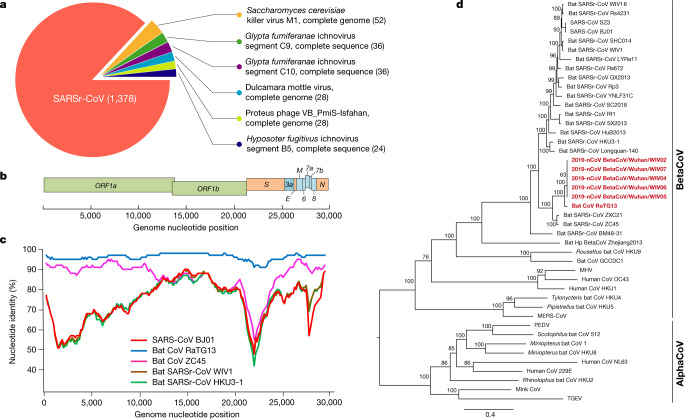
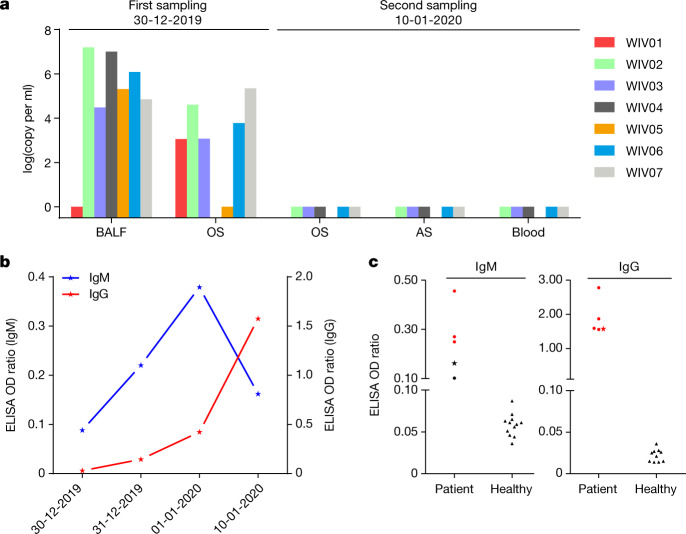
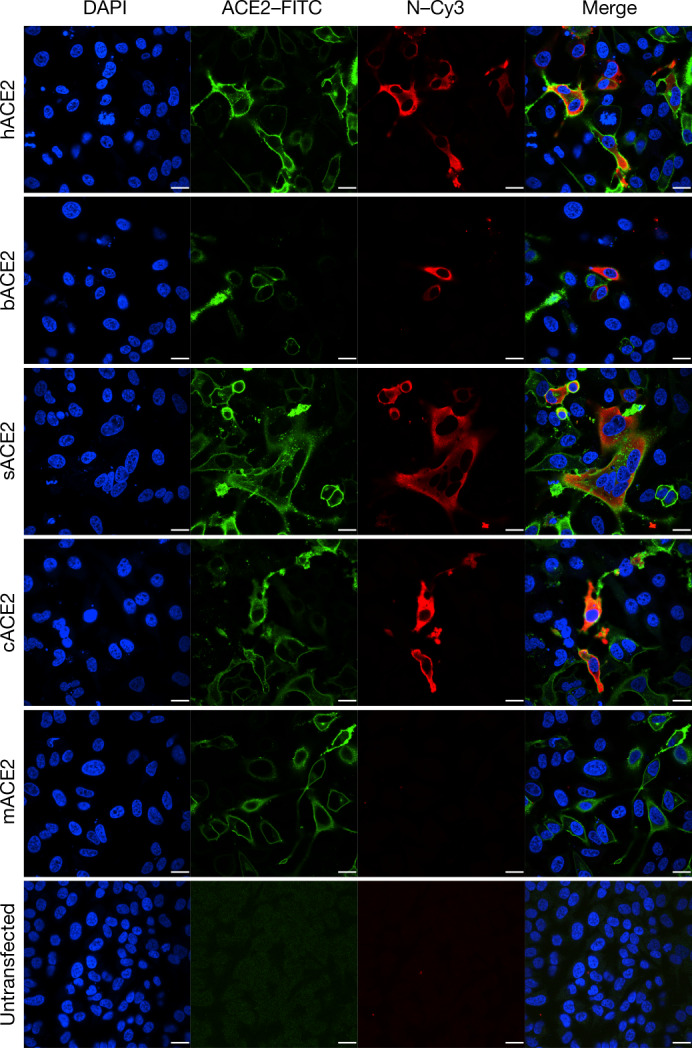
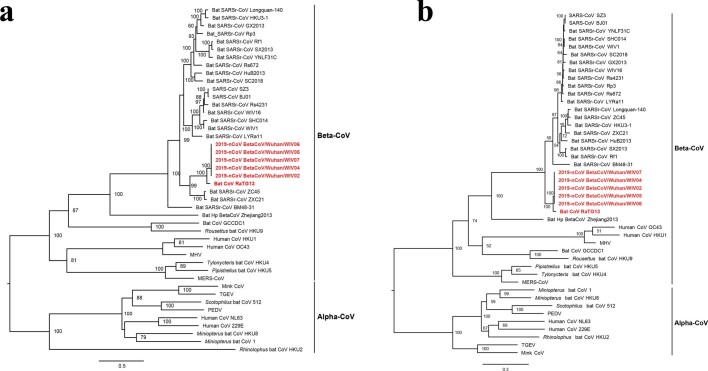
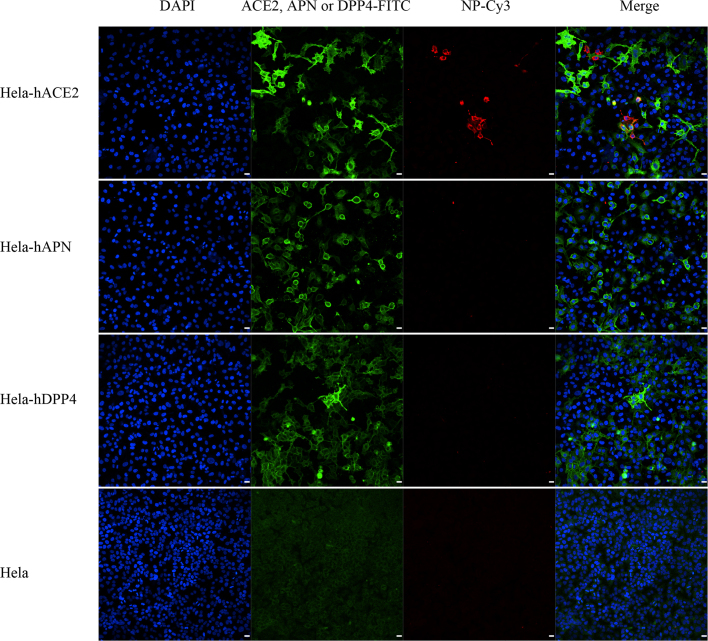
Since the outbreak of severe acute respiratory syndrome (SARS) 18 years ago, a large number of SARS-related coronaviruses (SARSr-CoVs) have been discovered in their natural reservoir host, bats 1–4 . Previous studies have shown that some bat SARSr-CoVs have the potential to infect humans 5–7 . Here we report the identification and characterization of a new coronavirus (2019-nCoV), which caused an epidemic of acute respiratory syndrome in humans in Wuhan, China. The epidemic, which started on 12 December 2019, had caused 2,794 laboratory-confirmed infections including 80 deaths by 26 January 2020. Full-length genome sequences were obtained from five patients at an early stage of the outbreak. The sequences are almost identical and share 79.6% sequence identity to SARS-CoV. Furthermore, we show that 2019-nCoV is 96% identical at the whole-genome level to a bat coronavirus. Pairwise protein sequence analysis of seven conserved non-structural proteins domains show that this virus belongs to the species of . In addition, 2019-nCoV virus isolated from the bronchoalveolar lavage fluid of a critically ill patient could be neutralized by sera from several patients. Notably, we confirmed that 2019-nCoV uses the same cell entry receptor—angiotensin converting enzyme II (ACE2)—as SARS-CoV.
Overview
The claims and statistics of this paper haven’t been checked yet.
Free: it reads the open-access text and checks the first 5 claims that cite a source we can check. Create a free account to check every claim.
Integrity signals
Registry
Cites
Statistics
Figures
Verification
Claims the paper makes
The claims and statistics of this paper haven’t been checked yet.
Free: it reads the open-access text and checks the first 5 claims that cite a source we can check. Create a free account to check every claim.
Claims other papers make about this one
Each is checked against this paper’s own text: does it say what the citing paper says it does?
The source backs part of the claim, not all of it — or backs it for a different population, condition or comparison.
In the citing paper
“SARS-CoV-2 is an enveloped, single-stranded positive-sense RNA virus with the highest, i.e. 96% of genome identity with horseshoe bat virus RaTG13 Rhinolophus affinis [3].”
From Waves and variants of SARS-CoV-2: understanding the causes and effect of the COVID-19 catastrophe (2022) · cites this paper as [3]
Experimental — accuracy not yet measuredThe source backs part of the claim, not all of it — or backs it for a different population, condition or comparison.
In the citing paper
“The disease is estimated to have originated from a seafood market in Wuhan where wild animals were traded such as marmots, bats, snakes and birds (Zhou et al., 2020).”
From How energy innovation in indoor vertical farming can improve food security, sustainability, and food safety? (2020) · cites this paper as Zhou et al., 2020
Experimental — accuracy not yet measuredThe source backs part of the claim, not all of it — or backs it for a different population, condition or comparison.
In the citing paper
“Genome sequencing demonstrated that SARS-CoV-2 shares 79.5% sequence identity with SARS-CoV (Zhou et al., 2020)”
From Oral Microbiome and SARS-CoV-2: Beware of Lung Co-infection (2020) · cites this paper as Zhou et al., 2020
Experimental — accuracy not yet measuredThe source backs part of the claim, not all of it — or backs it for a different population, condition or comparison.
In the citing paper
“This interaction requires cleavage of the S protein, likely by the cell surface protease TMPRSS2, although other proteases (such as Cathepsin B and L, CTSB/CTSL) may also be involved (4-6, 22-25).”
From Non-neuronal expression of SARS-CoV-2 entry genes in the olfactory system suggests mechanisms underlying COVID-19-associated anosmia (2020) · cites this paper as [4]
Experimental — accuracy not yet measuredThe source backs part of the claim, not all of it — or backs it for a different population, condition or comparison.
In the citing paper
“Bats (Chiroptera), representing ~22% of all mammalian species, are natural reservoirs for a wide range of zoonotic viruses, including coronaviruses, rhabdoviruses, and paramyxoviruses ( 1 – 3 ).”
From Ecological vaccination: A strategy to prevent zoonotic spillover from bats (2026) · cites this paper as [1]
Experimental — accuracy not yet measured
8 more claims about this paper
Create a free account to see every claim other papers make about this one.
Self-check
Percentages, sums and reported differences re-computed from the paper’s own numbers.
The self-check needs the paper’s full text.
Citations
Cites
Coronaviridae Study Group of the International Committee on Taxonomy of Viruses, Gorbalenya, A. E., Baker, S. C., Baric, R. S., de Groot, R. J., Drosten, C., Gulyaeva, A. A., Haagmans, B. L., Lauber, C., Leontovich, A. M., et al. (2020) · Nature Microbiology · doi:10.1038/s41564-020-0695-z · Cited by 8,403
Angiotensin-converting enzyme 2 is a functional receptor for the SARS coronavirus
Li, W., Moore, M. J., Vasilieva, N., Sui, J., Wong, S. K., Berne, M. A., Somasundaran, M., Sullivan, J. L., Luzuriaga, K., Greenough, T. C., et al. (2003) · Nature · doi:10.1038/nature02145 · Cited by 5,923
Isolation of a Novel Coronavirus from a Man with Pneumonia in Saudi Arabia
Zaki, A. M., van Boheemen, S., Bestebroer, T. M., Osterhaus, A. D. M. E., & Fouchier, R. A. M. (2012) · New England Journal of Medicine · doi:10.1056/nejmoa1211721 · Cited by 5,735
Origin and evolution of pathogenic coronaviruses
Cui, J., Li, F., & Shi, Z.-L. (2019) · Nature Reviews Microbiology · doi:10.1038/s41579-018-0118-9 · Cited by 5,515
Self-citationIdentification of a novel coronavirus in patients with severe acute respiratory syndrome
Drosten, C., Günther, S., Preiser, W., van der Werf, S., Brodt, H.-R., Becker, S., Rabenau, H., Panning, M., Kolesnikova, L., Fouchier, R. A. M., et al. (2003) · New England Journal of Medicine · doi:10.1056/nejmoa030747 · Cited by 4,574
Bats Are Natural Reservoirs of SARS-Like Coronaviruses
Li, W., Shi, Z., Yu, M., Ren, W., Smith, C., Epstein, J. H., Wang, H., Crameri, G., Hu, Z., Zhang, H., et al. (2005) · Science · doi:10.1126/science.1118391 · Cited by 2,560
Self-citationIsolation and characterization of a bat SARS-like coronavirus that uses the ACE2 receptor
Ge, X.-Y., Li, J.-L., Yang, X.-L., Chmura, A. A., Zhu, G., Epstein, J. H., Mazet, J. K., Hu, B., Zhang, W., Peng, C., et al. (2013) · Nature · doi:10.1038/nature12711 · Cited by 1,778
Self-citationGorbalenya, A. E., Baker, S. C., Baric, R. S., et al. (2020) · bioRxiv (Cold Spring Harbor Laboratory) · doi:10.1101/2020.02.07.937862 · Cited by 1,408
Al-Hanawi, M. K., Angawi, K., Alshareef, N., Qattan, A. M. N., Helmy, H. Z., Abudawood, Y., Alqurashi, M., Kattan, W. M., Kadasah, N. A., Chirwa, G. C., et al. (2020) · Frontiers in Public Health · doi:10.3389/fpubh.2020.00217 · Cited by 967
Hu, B., Zeng, L.-P., Yang, X.-L., Ge, X.-Y., Zhang, W., Li, B., Xie, J.-Z., Shen, X.-R., Zhang, Y.-Z., Wang, N., et al. (2017) · PLOS Pathogens · doi:10.1371/journal.ppat.1006698 · Cited by 950
Self-citation
Cited by
Items 501–600 of 1,178
Subunit Vaccines Against Emerging Pathogenic Human Coronaviruses
Wang, N., Shang, J., Jiang, S., & Du, L. (2020) · Frontiers in Microbiology · doi:10.3389/fmicb.2020.00298 · Cited by 425
Bivins, A., North, D., Ahmad, A., Ahmed, W., Alm, E., Been, F., Bhattacharya, P., Bijlsma, L., Boehm, A. B., Brown, J., et al. (2020) · Environmental Science & Technology · doi:10.1021/acs.est.0c02388 · Cited by 425
Bosco-Lauth, A. M., Hartwig, A. E., Porter, S. M., Gordy, P. W., Nehring, M., Byas, A. D., VandeWoude, S., Ragan, I. K., Maison, R. M., & Bowen, R. A. (2020) · Proceedings of the National Academy of Sciences · doi:10.1073/pnas.2013102117 · Cited by 424
“As with SARS-CoV-1 and MERS-CoV, SARS-CoV-2 is of probable bat origin based on phylogenetic analysis (2), but unlike its predecessors, SARS-CoV-2 has rapidly evolved for highly efficient human-to-human transmission (21).”
BackgroundInfluentialRisk of COVID‐19 for patients with obesity
Kassir, R. (2020) · Obesity Reviews · doi:10.1111/obr.13034 · Cited by 423
“ACE2 has been shown to be the putative receptor for the entry of COVID-19 into host cells.(7) Tissue expression of ACE2 differs in kidneys, heart, and lungs of healthy patients and coronavirus-infected patients.”
BackgroundAsselta, R., Paraboschi, E. M., Mantovani, A., & Duga, S. (2020) · Aging · doi:10.18632/aging.103415 · Cited by 422
“7,8 While ACE2 is the main receptor for the spike (S) protein of both SARS-CoV and SARS-CoV-2, mediating viral attachment to target cells, TMPRSS2 cleaves protein S at the S1/S2 and the S2 sites, allowing fusion of viral and cellular membranes.”
Fecal specimen diagnosis 2019 novel coronavirus–infected pneumonia
Zhang, J., Wang, S., & Xue, Y. (2020) · Journal of Medical Virology · doi:10.1002/jmv.25742 · Cited by 420
COVID-19 and the elderly: insights into pathogenesis and clinical decision-making
Perrotta, F., Corbi, G., Mazzeo, G., Boccia, M., Aronne, L., D’Agnano, V., Komici, K., Mazzarella, G., Parrella, R., & Bianco, A. (2020) · Aging Clinical and Experimental Research · doi:10.1007/s40520-020-01631-y · Cited by 420
Favipiravir: Pharmacokinetics and Concerns About Clinical Trials for 2019‐nCoV Infection
Du, Y., & Chen, X. (2020) · Clinical Pharmacology & Therapeutics · doi:10.1002/cpt.1844 · Cited by 418
Thrombocytopathy and endotheliopathy: crucial contributors to COVID-19 thromboinflammation
Gu, S. X., Tyagi, T., Jain, K., Gu, V. W., Lee, S. H., Hwa, J. M., Kwan, J. M., Krause, D. S., Lee, A. I., Halene, S., et al. (2021) · Nature Reviews Cardiology · doi:10.1038/s41569-020-00469-1 · Cited by 418
Nucleocapsid protein of SARS-CoV-2 phase separates into RNA-rich polymerase-containing condensates
Savastano, A., Ibáñez de Opakua, A., Rankovic, M., & Zweckstetter, M. (2020) · Nature Communications · doi:10.1038/s41467-020-19843-1 · Cited by 417
Nemati, M., Ebrahimi, B., & Nemati, F. (2020) · Archives of Clinical Infectious Diseases · doi:10.5812/archcid.102848 · Cited by 416
COVID19 coagulopathy in Caucasian patients
Fogarty, H., Townsend, L., Ni Cheallaigh, C., Bergin, C., Martin‐Loeches, I., Browne, P., Bacon, C. L., Gaule, R., Gillett, A., Byrne, M., et al. (2020) · British Journal of Haematology · doi:10.1111/bjh.16749 · Cited by 416
Versatile and multivalent nanobodies efficiently neutralize SARS-CoV-2
Xiang, Y., Nambulli, S., Xiao, Z., Liu, H., Sang, Z., Duprex, W. P., Schneidman-Duhovny, D., Zhang, C., & Shi, Y. (2020) · Science · doi:10.1126/science.abe4747 · Cited by 416
Smith, J. C., Sausville, E. L., Girish, V., Yuan, M. L., Vasudevan, A., John, K. M., & Sheltzer, J. M. (2020) · Developmental Cell · doi:10.1016/j.devcel.2020.05.012 · Cited by 415
Characteristics of Household Transmission of COVID-19
Li, W., Zhang, B., Lu, J., Liu, S., Chang, Z., Peng, C., Liu, X., Zhang, P., Ling, Y., Tao, K., et al. (2020) · Clinical Infectious Diseases · doi:10.1093/cid/ciaa450 · Cited by 414
Self-citationThe use of mobile phone data to inform analysis of COVID-19 pandemic epidemiology
Grantz, K. H., Meredith, H. R., Cummings, D. A. T., Metcalf, C. J. E., Grenfell, B. T., Giles, J. R., Mehta, S., Solomon, S., Labrique, A., Kishore, N., et al. (2020) · Nature Communications · doi:10.1038/s41467-020-18190-5 · Cited by 413
Lessons from the host defences of bats, a unique viral reservoir
Irving, A. T., Ahn, M., Goh, G., Anderson, D. E., & Wang, L.-F. (2021) · Nature · doi:10.1038/s41586-020-03128-0 · Cited by 413
“Both NLRP3 and AIM2 converge on their downstream effector caspase-1, which is responsible for cleavage of the inflammatory cytokines IL-1β and IL-18, and simultaneously unleashes inflammatory cell death (pyroptosis) through GSDMD129,130.”
BackgroundInfluentialThe emergence, genomic diversity and global spread of SARS-CoV-2
Li, J., Lai, S., Gao, G. F., & Shi, W. (2021) · Nature · doi:10.1038/s41586-021-04188-6 · Cited by 413
Targeting the Endocytic Pathway and Autophagy Process as a Novel Therapeutic Strategy in COVID-19
Yang, N., & Shen, H.-M. (2020) · International Journal of Biological Sciences · doi:10.7150/ijbs.45498 · Cited by 412
“Since SARS-CoV-2 also binds to the same ACE2 receptor as SARS-CoV [5] and SARS-CoV-2 is also susceptible to the inhibitory effect of chloroquine (CQ), a lysosomotropic agent [43], it is highly possible that this new CoV utilizes the same endocytic pathway for entry into the host cells.”
BackgroundWang, C., Xie, J., Zhao, L., Fei, X., Zhang, H., Tan, Y., Nie, X., Zhou, L., Liu, Z., Ren, Y., et al. (2020) · EBioMedicine · doi:10.1016/j.ebiom.2020.102833 · Cited by 412
“5b), suggesting SARS-CoV-2 could enter into the alveolar macrophage via the interaction between S protein and ACE2 receptor [7].”
Self-citationCardiovascular manifestations and treatment considerations in COVID-19
Kang, Y., Chen, T., Mui, D., Ferrari, V., Jagasia, D., Scherrer-Crosbie, M., Chen, Y., & Han, Y. (2020) · Heart · doi:10.1136/heartjnl-2020-317056 · Cited by 411
Self-citationCase, J. B., Rothlauf, P. W., Chen, R. E., Liu, Z., Zhao, H., Kim, A. S., Bloyet, L.-M., Zeng, Q., Tahan, S., Droit, L., et al. (2020) · Cell Host & Microbe · doi:10.1016/j.chom.2020.06.021 · Cited by 410
Are pangolins the intermediate host of the 2019 novel coronavirus (SARS-CoV-2)?
Liu, P., Jiang, J.-Z., Wan, X.-F., Hua, Y., Li, L., Zhou, J., Wang, X., Hou, F., Chen, J., Zou, J., et al. (2020) · PLOS Pathogens · doi:10.1371/journal.ppat.1008421 · Cited by 410
“Bat-CoV-RaTG13 was 96% identical at the whole genome level to the SARS-CoV-2, suggesting the SARS-CoV-2 could be of bat origin [1].”
BackgroundSelf-citationChallenges in Laboratory Diagnosis of the Novel Coronavirus SARS-CoV-2
Younes, N., Al-Sadeq, D. W., AL-Jighefee, H., Younes, S., Al-Jamal, O., Daas, H. I., Yassine, H. M., & Nasrallah, G. K. (2020) · Viruses · doi:10.3390/v12060582 · Cited by 410
The Nucleocapsid Protein of SARS–CoV-2: a Target for Vaccine Development
Dutta, N. K., Mazumdar, K., & Gordy, J. T. (2020) · Journal of Virology · doi:10.1128/jvi.00647-20 · Cited by 410
“6% identity to SARS–CoV (1, 2), the infectious virus that caused an epidemic in 2003 (2, 3).”
BackgroundEfficiency of flipped classroom with online-based teaching under COVID-19
Tang, T., Abuhmaid, A. M., Olaimat, M., Oudat, D. M., Aldhaeebi, M., & Bamanger, E. (2023) · Interactive Learning Environments · doi:10.1080/10494820.2020.1817761 · Cited by 410
“Since the end of 2019 to the beginning of 2020, a new generation of coronavirus (COVID-19) began to spread globally (Du Toit, 2020; Zhou et al., 2020).”
BackgroundMosaic nanoparticles elicit cross-reactive immune responses to zoonotic coronaviruses in mice
Cohen, A. A., Gnanapragasam, P. N. P., Lee, Y. E., Hoffman, P. R., Ou, S., Kakutani, L. M., Keeffe, J. R., Wu, H.-J., Howarth, M., West, A. P., et al. (2021) · Science · doi:10.1126/science.abf6840 · Cited by 410
Turakhia, Y., Thornlow, B., Hinrichs, A. S., De Maio, N., Gozashti, L., Lanfear, R., Haussler, D., & Corbett-Detig, R. (2021) · Nature Genetics · doi:10.1038/s41588-021-00862-7 · Cited by 410
2019 novel coronavirus of pneumonia in Wuhan, China: emerging attack and management strategies
She, J., Jiang, J., Ye, L., Hu, L., Bai, C., & Song, Y. (2020) · Clinical and Translational Medicine · doi:10.1186/s40169-020-00271-z · Cited by 409
Potential influence of COVID-19/ACE2 on the female reproductive system
Jing, Y., Run-Qian, L., Hao-Ran, W., Hao-Ran, C., Ya-Bin, L., Yang, G., & Fei, C. (2020) · Molecular Human Reproduction · doi:10.1093/molehr/gaaa030 · Cited by 409
Duan, L., Zheng, Q., Zhang, H., Niu, Y., Lou, Y., & Wang, H. (2020) · Frontiers in Immunology · doi:10.3389/fimmu.2020.576622 · Cited by 408
Systemic and mucosal antibody responses specific to SARS-CoV-2 during mild versus severe COVID-19
Cervia, C., Nilsson, J., Zurbuchen, Y., Valaperti, A., Schreiner, J., Wolfensberger, A., Raeber, M. E., Adamo, S., Weigang, S., Emmenegger, M., et al. (2021) · Journal of Allergy and Clinical Immunology · doi:10.1016/j.jaci.2020.10.040 · Cited by 408
“5 days after symptom onset; and (3) symptomatic, PCR-positive (n 5 11), sampled on average 26.”
BackgroundMethodInfluentialCross-reactive Antibody Response between SARS-CoV-2 and SARS-CoV Infections
Lv, H., Wu, N. C., Tsang, O. T.-Y., Yuan, M., Perera, R. A. P. M., Leung, W. S., So, R. T. Y., Chan, J. M. C., Yip, G. K., Chik, T. S. H., et al. (2020) · Cell Reports · doi:10.1016/j.celrep.2020.107725 · Cited by 407
Self-citationEl Zowalaty, M. E., & Järhult, J. D. (2020) · One Health · doi:10.1016/j.onehlt.2020.100124 · Cited by 405
SARS-CoV-2: a potential novel etiology of fulminant myocarditis
Chen, C., Zhou, Y., & Wang, D. W. (2020) · Herz · doi:10.1007/s00059-020-04909-z · Cited by 405
Assessment of SARS-CoV-2 in human semen—a cohort study
Holtmann, N., Edimiris, P., Andree, M., Doehmen, C., Baston-Buest, D., Adams, O., Kruessel, J.-S., & Bielfeld, A. P. (2020) · Fertility and Sterility · doi:10.1016/j.fertnstert.2020.05.028 · Cited by 405
Targeting the NLRP3 Inflammasome in Severe COVID-19
Freeman, T. L., & Swartz, T. H. (2020) · Frontiers in Immunology · doi:10.3389/fimmu.2020.01518 · Cited by 405
“Since that time, a global expansion of the infection has occurred with widespread dissemination of coronavirus disease 2019 (COVID-19) (2, 3).”
BackgroundRapid electrochemical detection of coronavirus SARS-CoV-2
Chaibun, T., Puenpa, J., Ngamdee, T., Boonapatcharoen, N., Athamanolap, P., O’Mullane, A. P., Vongpunsawad, S., Poovorawan, Y., Lee, S. Y., & Lertanantawong, B. (2021) · Nature Communications · doi:10.1038/s41467-021-21121-7 · Cited by 405
Safiabadi Tali, S. H., LeBlanc, J. J., Sadiq, Z., Oyewunmi, O. D., Camargo, C., Nikpour, B., Armanfard, N., Sagan, S. M., & Jahanshahi-Anbuhi, S. (2021) · Clinical Microbiology Reviews · doi:10.1128/cmr.00228-20 · Cited by 405
Recurrent emergence of SARS-CoV-2 spike deletion H69/V70 and its role in the Alpha variant B.1.1.7
Meng, B., Kemp, S. A., Papa, G., Datir, R., Ferreira, I. A. T. M., Marelli, S., Harvey, W. T., Lytras, S., Mohamed, A., Gallo, G., et al. (2021) · Cell Reports · doi:10.1016/j.celrep.2021.109292 · Cited by 405
Park, G.-S., Ku, K., Baek, S.-H., Kim, S.-J., Kim, S. I., Kim, B.-T., & Maeng, J.-S. (2020) · The Journal of Molecular Diagnostics · doi:10.1016/j.jmoldx.2020.03.006 · Cited by 404
Lanzoni, G., Linetsky, E., Correa, D., Messinger Cayetano, S., Alvarez, R. A., Kouroupis, D., Alvarez Gil, A., Poggioli, R., Ruiz, P., Marttos, A. C., et al. (2021) · Stem Cells Translational Medicine · doi:10.1002/sctm.20-0472 · Cited by 404
Self-citationEvidence for SARS-CoV-2 related coronaviruses circulating in bats and pangolins in Southeast Asia
Wacharapluesadee, S., Tan, C. W., Maneeorn, P., Duengkae, P., Zhu, F., Joyjinda, Y., Kaewpom, T., Chia, W. N., Ampoot, W., Lim, B. L., et al. (2021) · Nature Communications · doi:10.1038/s41467-021-21240-1 · Cited by 403
Human recombinant soluble ACE2 in severe COVID-19
Zoufaly, A., Poglitsch, M., Aberle, J. H., Hoepler, W., Seitz, T., Traugott, M., Grieb, A., Pawelka, E., Laferl, H., Wenisch, C., et al. (2020) · The Lancet Respiratory Medicine · doi:10.1016/s2213-2600(20)30418-5 · Cited by 402
Xu, C., Wang, Y., Liu, C., Zhang, C., Han, W., Hong, X., Wang, Y., Hong, Q., Wang, S., Zhao, Q., et al. (2021) · Science Advances · doi:10.1126/sciadv.abe5575 · Cited by 402
Self-citationInfluenza virus and SARS-CoV-2: pathogenesis and host responses in the respiratory tract
Flerlage, T., Boyd, D. F., Meliopoulos, V., Thomas, P. G., & Schultz-Cherry, S. (2021) · Nature Reviews Microbiology · doi:10.1038/s41579-021-00542-7 · Cited by 402
Berenguer, J., Ryan, P., Rodríguez-Baño, J., Jarrín, I., Carratalà, J., Pachón, J., Yllescas, M., Arriba, J. R., Aznar Muñoz, E., Gil Divasson, P., et al. (2020) · Clinical Microbiology and Infection · doi:10.1016/j.cmi.2020.07.024 · Cited by 401
“The novel severe acute respiratory syndrome coronavirus 2 (SARS-CoV-2)-associated coronavirus disease 2019 (COVID-19) emerged in China in December 2019 and has spread globally, creating a worldwide pandemic and a public health crisis of historic dimensions [1].”
Emergence of SARS-CoV-2 through recombination and strong purifying selection
Li, X., Giorgi, E. E., Marichannegowda, M. H., Foley, B., Xiao, C., Kong, X.-P., Chen, Y., Gnanakaran, S., Korber, B., & Gao, F. (2020) · Science Advances · doi:10.1126/sciadv.abb9153 · Cited by 400
Self-citationGenome-Scale Identification of SARS-CoV-2 and Pan-coronavirus Host Factor Networks
Schneider, W. M., Luna, J. M., Hoffmann, H.-H., Sánchez-Rivera, F. J., Leal, A. A., Ashbrook, A. W., Le Pen, J., Ricardo-Lax, I., Michailidis, E., Peace, A., et al. (2021) · Cell · doi:10.1016/j.cell.2020.12.006 · Cited by 400
Elevated Plasmin(ogen) as a Common Risk Factor for COVID-19 Susceptibility
Ji, H.-L., Zhao, R., Matalon, S., & Matthay, M. A. (2020) · Physiological Reviews · doi:10.1152/physrev.00013.2020 · Cited by 399
“These coronavirus strains have a similar receptor-binding domain structure in the Spike (S) protein for host angiotensin converting enzyme 2 (ACE2) proteins (47, 90, 102).”
BackgroundRecapitulation of SARS-CoV-2 infection and cholangiocyte damage with human liver ductal organoids
Zhao, B., Ni, C., Gao, R., Wang, Y., Yang, L., Wei, J., Lv, T., Liang, J., Zhang, Q., Xu, W., et al. (2020) · Protein & Cell · doi:10.1007/s13238-020-00718-6 · Cited by 399
Self-citationJin, Y., Ji, W., Yang, H., Chen, S., Zhang, W., & Duan, G. (2020) · Signal Transduction and Targeted Therapy · doi:10.1038/s41392-020-00454-7 · Cited by 399
Self-citationDetection of IgM and IgG antibodies in patients with coronavirus disease 2019
Hou, H., Wang, T., Zhang, B., Luo, Y., Mao, L., Wang, F., Wu, S., & Sun, Z. (2020) · Clinical & Translational Immunology · doi:10.1002/cti2.1136 · Cited by 398
“Similar serological responses have been observed in COVID-19 patients, and the dynamic pattern of these responses is consistent with acute viral infection.(14) Testing antibodies against SARS-CoV-2 is rapid and sensitive for the auxiliary diagnosis of COVID-19.”
BackgroundResultSelf-citationSARS-CoV-2 spike protein induces inflammation via TLR2-dependent activation of the NF-κB pathway
Khan, S., Shafiei, M. S., Longoria, C., Schoggins, J. W., Savani, R. C., & Zaki, H. (2021) · eLife · doi:10.7554/elife.68563 · Cited by 398
Wang, D., Yin, Y., Hu, C., Liu, X., Zhang, X., Zhou, S., Jian, M., Xu, H., Prowle, J., Hu, B., et al. (2020) · Critical Care · doi:10.1186/s13054-020-02895-6 · Cited by 397
“SARS-CoV-2 is 96% identical at the whole-genome level to a bat coronavirus, suggesting that bats are the primary source [3, 4].”
BackgroundSelf-citationPathophysiological mechanisms of liver injury in COVID‐19
Nardo, A. D., Schneeweiss‐Gleixner, M., Bakail, M., Dixon, E. D., Lax, S. F., & Trauner, M. (2021) · Liver International · doi:10.1111/liv.14730 · Cited by 397
Diarrhoea may be underestimated: a missing link in 2019 novel coronavirus
Liang, W., Feng, Z., Rao, S., Xiao, C., Xue, X., Lin, Z., Zhang, Q., & Qi, W. (2020) · Gut · doi:10.1136/gutjnl-2020-320832 · Cited by 396
SARS-CoV-2 triggers inflammatory responses and cell death through caspase-8 activation
Li, S., Zhang, Y., Guan, Z., Li, H., Ye, M., Chen, X., Shen, J., Zhou, Y., Shi, Z.-L., Zhou, P., et al. (2020) · Signal Transduction and Targeted Therapy · doi:10.1038/s41392-020-00334-0 · Cited by 365
Self-citationSaliva: potential diagnostic value and transmission of 2019-nCoV
Xu, R., Cui, B., Duan, X., Zhang, P., Zhou, X., & Yuan, Q. (2020) · International Journal of Oral Science · doi:10.1038/s41368-020-0080-z · Cited by 394
“[17] [18] [19] [20] [21] In another word, cells expressing cell surface receptor ACE2 are susceptible to 2019-nCoV, similar to SARS-CoV.”
BackgroundImmunological and inflammatory profiles in mild and severe cases of COVID-19
Song, J.-W., Zhang, C., Fan, X., Meng, F.-P., Xu, Z., Xia, P., Cao, W.-J., Yang, T., Dai, X.-P., Wang, S.-Y., et al. (2020) · Nature Communications · doi:10.1038/s41467-020-17240-2 · Cited by 394
Clinical manifestations of COVID-19 in the general population: systematic review
da Rosa Mesquita, R., Francelino Silva Junior, L. C., Santos Santana, F. M., Farias de Oliveira, T., Campos Alcântara, R., Monteiro Arnozo, G., Rodrigues da Silva Filho, E., Galdino dos Santos, A. G., Oliveira da Cunha, E. J., Salgueiro de Aquino, S. H., et al. (2021) · Wiener klinische Wochenschrift · doi:10.1007/s00508-020-01760-4 · Cited by 394
Cheng, M. H., Zhang, S., Porritt, R. A., Noval Rivas, M., Paschold, L., Willscher, E., Binder, M., Arditi, M., & Bahar, I. (2020) · Proceedings of the National Academy of Sciences · doi:10.1073/pnas.2010722117 · Cited by 393
Neutralization of SARS-CoV-2 spike pseudotyped virus by recombinant ACE2-Ig
Lei, C., Qian, K., Li, T., Zhang, S., Fu, W., Ding, M., & Hu, S. (2020) · Nature Communications · doi:10.1038/s41467-020-16048-4 · Cited by 392
COVID-19 pandemic—a focused review for clinicians
Cevik, M., Bamford, C. G. G., & Ho, A. (2020) · Clinical Microbiology and Infection · doi:10.1016/j.cmi.2020.04.023 · Cited by 392
“(IgM and IgG) from cases neutralized SARS-CoV-2 in cell culture and detected virus-infected cells by 74 indirect immunofluorescence [3].”
InfluentialPinto, B. G. G., Oliveira, A. E. R., Singh, Y., Jimenez, L., Gonçalves, A. N. A., Ogava, R. L. T., Creighton, R., Schatzmann Peron, J. P., & Nakaya, H. I. (2020) · The Journal of Infectious Diseases · doi:10.1093/infdis/jiaa332 · Cited by 391
From People to Panthera : Natural SARS-CoV-2 Infection in Tigers and Lions at the Bronx Zoo
McAloose, D., Laverack, M., Wang, L., Killian, M. L., Caserta, L. C., Yuan, F., Mitchell, P. K., Queen, K., Mauldin, M. R., Cronk, B. D., et al. (2020) · mBio · doi:10.1128/mbio.02220-20 · Cited by 391
“Genome sequence analysis has shown SARS-CoV-2 to be most closely related to a bat coronavirus (RaTG13-2013), and horseshoe bats are currently considered the likely source of the ancestral virus from which the currently circulating SARS-CoV-2 virus was derived (4, 5).”
BackgroundBhattacharya, M., Sharma, A. R., Patra, P., Ghosh, P., Sharma, G., Patra, B. C., Lee, S., & Chakraborty, C. (2020) · Journal of Medical Virology · doi:10.1002/jmv.25736 · Cited by 389
Molecular Diagnosis of COVID-19: Challenges and Research Needs
Feng, W., Newbigging, A. M., Le, C., Pang, B., Peng, H., Cao, Y., Wu, J., Abbas, G., Song, J., Wang, D.-B., et al. (2020) · Analytical Chemistry · doi:10.1021/acs.analchem.0c02060 · Cited by 389
Meredith, L. W., Hamilton, W. L., Warne, B., Houldcroft, C. J., Hosmillo, M., Jahun, A. S., Curran, M. D., Parmar, S., Caller, L. G., Caddy, S. L., et al. (2020) · The Lancet Infectious Diseases · doi:10.1016/s1473-3099(20)30562-4 · Cited by 389
Evidence of exposure to SARS-CoV-2 in cats and dogs from households in Italy
Patterson, E. I., Elia, G., Grassi, A., Giordano, A., Desario, C., Medardo, M., Smith, S. L., Anderson, E. R., Prince, T., Patterson, G. T., et al. (2020) · Nature Communications · doi:10.1038/s41467-020-20097-0 · Cited by 388
Wang, X., Fang, X., Cai, Z., Wu, X., Gao, X., Min, J., & Wang, F. (2020) · Research · doi:10.34133/2020/2402961 · Cited by 387
“Recent evidence suggests that the novel SARS-CoV-2 virus and the original SARS-CoV virus use the same cell entry receptor, the ACE2 protein [37], which is expressed at high levels on the surface of pulmonary epithelial cells, myocardial cells, and arterial smooth muscle cells [38].”
BackgroundSelf-citationFerritin in the coronavirus disease 2019 (COVID‐19): A systematic review and meta‐analysis
Cheng, L., Li, H., Li, L., Liu, C., Yan, S., Chen, H., & Li, Y. (2020) · Journal of Clinical Laboratory Analysis · doi:10.1002/jcla.23618 · Cited by 387
“The exclusion criteria were as follows: (1) review articles; (2) case reports; (3) studies without available laboratory data; (4) pre-printed articles without peer review; (5) incorrect study design or simple data presentation; and (6) patients age no more than 18 years.”
BackgroundSelf-citationTesting at scale during the COVID-19 pandemic
Mercer, T. R., & Salit, M. (2021) · Nature Reviews Genetics · doi:10.1038/s41576-021-00360-w · Cited by 387
COVID-19: A Multidisciplinary Review
Chams, N., Chams, S., Badran, R., Shams, A., Araji, A., Raad, M., Mukhopadhyay, S., Stroberg, E., Duval, E. J., Barton, L. M., et al. (2020) · Frontiers in Public Health · doi:10.3389/fpubh.2020.00383 · Cited by 386
“April 15, 2020 Magro C (USA) (48) Limited autopsies (2), skin”
BackgroundMethodResultInfluentialStructural basis for neutralization of SARS-CoV-2 and SARS-CoV by a potent therapeutic antibody
Lv, Z., Deng, Y.-Q., Ye, Q., Cao, L., Sun, C.-Y., Fan, C., Huang, W., Sun, S., Sun, Y., Zhu, L., et al. (2020) · Science · doi:10.1126/science.abc5881 · Cited by 386
Self-citationOpportunities and Challenges for Biosensors and Nanoscale Analytical Tools for Pandemics: COVID-19
Bhalla, N., Pan, Y., Yang, Z., & Payam, A. F. (2020) · ACS Nano · doi:10.1021/acsnano.0c04421 · Cited by 385
Nanotechnology for COVID-19: Therapeutics and Vaccine Research
Chauhan, G., Madou, M. J., Kalra, S., Chopra, V., Ghosh, D., & Martinez-Chapa, S. O. (2020) · ACS Nano · doi:10.1021/acsnano.0c04006 · Cited by 385
Zhu, L., Yang, P., Zhao, Y., Zhuang, Z., Wang, Z., Song, R., Zhang, J., Liu, C., Gao, Q., Xu, Q., et al. (2020) · Immunity · doi:10.1016/j.immuni.2020.07.009 · Cited by 385
“In addition, IFNg and granulocytemacrophage colony-stimulating factor (GM-CSF) coexpressing Th1 cells were only found in intensive care unit (ICU) patients infected by SARS-CoV-2 compared to healthy controls (Zhou et al., 2020c).”
Self-citationAndrographolide as a potential inhibitor of SARS-CoV-2 main protease: an in silico approach
Enmozhi, S. K., Raja, K., Sebastine, I., & Joseph, J. (2020) · Journal of Biomolecular Structure and Dynamics · doi:10.1080/07391102.2020.1760136 · Cited by 384
“And the virus might have been transferred to humans as their intermediate host by binding to ACE-2 Receptor (Angiotensin Converting Enzyme-2 Receptor) (Zhou et al., 2020) .”
BackgroundParasa, S., Desai, M., Thoguluva Chandrasekar, V., Patel, H. K., Kennedy, K. F., Roesch, T., Spadaccini, M., Colombo, M., Gabbiadini, R., Artifon, E. L. A., et al. (2020) · JAMA Network Open · doi:10.1001/jamanetworkopen.2020.11335 · Cited by 384
Qian, G. Q., Yang, N. B., Ding, F., Ma, A. H. Y., Wang, Z. Y., Shen, Y. F., Shi, C. W., Lian, X., Chu, J. G., Chen, L., et al. (2020) · QJM: An International Journal of Medicine · doi:10.1093/qjmed/hcaa089 · Cited by 382
Henry, B. M., Vikse, J., Benoit, S., Favaloro, E. J., & Lippi, G. (2020) · Clinica Chimica Acta · doi:10.1016/j.cca.2020.04.027 · Cited by 383
Detection of COVID-19: A review of the current literature and future perspectives
Ji, T., Liu, Z., Wang, G., Guo, X., Akbar khan, S., Lai, C., Chen, H., Huang, S., Xia, S., Chen, B., et al. (2020) · Biosensors and Bioelectronics · doi:10.1016/j.bios.2020.112455 · Cited by 383
Self-citationMDA5 Governs the Innate Immune Response to SARS-CoV-2 in Lung Epithelial Cells
Yin, X., Riva, L., Pu, Y., Martin-Sancho, L., Kanamune, J., Yamamoto, Y., Sakai, K., Gotoh, S., Miorin, L., De Jesus, P. D., et al. (2021) · Cell Reports · doi:10.1016/j.celrep.2020.108628 · Cited by 383
Zhang, D., Guo, R., Lei, L., Liu, H., Wang, Y., Wang, Y., Qian, H., Dai, T., Zhang, T., Lai, Y., et al. (2021) · Journal of Leukocyte Biology · doi:10.1002/jlb.4hi0720-470r · Cited by 383
Self-citationTackling COVID-19 with neutralizing monoclonal antibodies
Corti, D., Purcell, L. A., Snell, G., & Veesler, D. (2021) · Cell · doi:10.1016/j.cell.2021.05.005 · Cited by 383
Covid‐19 vaccines and variants of concern: A review
Hadj Hassine, I. (2022) · Reviews in Medical Virology · doi:10.1002/rmv.2313 · Cited by 383
Broadly neutralizing antibodies to SARS-CoV-2 and other human coronaviruses
Chen, Y., Zhao, X., Zhou, H., Zhu, H., Jiang, S., & Wang, P. (2023) · Nature Reviews Immunology · doi:10.1038/s41577-022-00784-3 · Cited by 383
Self-citationNovel human coronavirus (SARS-CoV-2): A lesson from animal coronaviruses
Decaro, N., & Lorusso, A. (2020) · Veterinary Microbiology · doi:10.1016/j.vetmic.2020.108693 · Cited by 382
Fung, S.-Y., Yuen, K.-S., Ye, Z.-W., Chan, C.-P., & Jin, D.-Y. (2020) · Emerging Microbes & Infections · doi:10.1080/22221751.2020.1736644 · Cited by 381
Computational Design of ACE2-Based Peptide Inhibitors of SARS-CoV-2
Han, Y., & Král, P. (2020) · ACS Nano · doi:10.1021/acsnano.0c02857 · Cited by 381
Hess, D. C., Eldahshan, W., & Rutkowski, E. (2020) · Translational Stroke Research · doi:10.1007/s12975-020-00818-9 · Cited by 381
“The SARS-CoV-2 virus binds to the angiotensin-converting enzyme 2 (ACE2) via its spike (S) protein [9].”
BackgroundPathology and Pathogenesis of SARS-CoV-2 Associated with Fatal Coronavirus Disease, United States
Martines, R. B., Ritter, J. M., Matkovic, E., Gary, J., Bollweg, B. C., Bullock, H., Goldsmith, C. S., Silva-Flannery, L., Seixas, J. N., Reagan-Steiner, S., et al. (2020) · Emerging Infectious Diseases · doi:10.3201/eid2609.202095 · Cited by 381
“, hypertension, COPD) are associated with upregulation of ACE2 receptors; possible correlation of these conditions with COVID-19 severity warrants further exploration (5,28,37).”
BackgroundInfluentialZhou, H., Ji, J., Chen, X., Bi, Y., Li, J., Wang, Q., Hu, T., Song, H., Zhao, R., Chen, Y., et al. (2021) · Cell · doi:10.1016/j.cell.2021.06.008 · Cited by 380
Self-citationVulnerabilities in coronavirus glycan shields despite extensive glycosylation
Watanabe, Y., Berndsen, Z. T., Raghwani, J., Seabright, G. E., Allen, J. D., Pybus, O. G., McLellan, J. S., Wilson, I. A., Bowden, T. A., Ward, A. B., et al. (2020) · Nature Communications · doi:10.1038/s41467-020-16567-0 · Cited by 379
Detectable 2019-nCoV viral RNA in blood is a strong indicator for the further clinical severity
Chen, W., Lan, Y., Yuan, X., Deng, X., Li, Y., Cai, X., Li, L., He, R., Tan, Y., Deng, X., et al. (2020) · Emerging Microbes & Infections · doi:10.1080/22221751.2020.1732837 · Cited by 378
Luan, J., Lu, Y., Jin, X., & Zhang, L. (2020) · Biochemical and Biophysical Research Communications · doi:10.1016/j.bbrc.2020.03.047 · Cited by 378
Self-citationPatel, A. B., & Verma, A. (2020) · JAMA · doi:10.1001/jama.2020.4812 · Cited by 378
“As ACE generates angiotensin II from angiotensin I, ACE2 generates angiotensin (1-7) from angiotensin II which, after binding to the Mas receptor broadly, shifts the balance from vasoconstriction with angiotensin II to vasodilation with Mas receptor activation in the effected vascular bed.”
BackgroundPhysiological and pathological regulation of ACE2, the SARS-CoV-2 receptor
Li, Y., Zhou, W., Yang, L., & You, R. (2020) · Pharmacological Research · doi:10.1016/j.phrs.2020.104833 · Cited by 378
Recent advances in siRNA delivery mediated by lipid-based nanoparticles
Yonezawa, S., Koide, H., & Asai, T. (2020) · Advanced Drug Delivery Reviews · doi:10.1016/j.addr.2020.07.022 · Cited by 378
Metadata
- Authors
- Zhou, P., Yang, X.-L., Wang, X.-G., Hu, B., Zhang, L., Zhang, W., Si, H.-R., Zhu, Y., Li, B., Huang, C.-L., Chen, H.-D., Chen, J., Luo, Y., Guo, H., Jiang, R.-D., Liu, M.-Q., Chen, Y., Shen, X.-R., Wang, X., Zheng, X.-S., Zhao, K., Chen, Q.-J., Deng, F., Liu, L.-L., Yan, B., Zhan, F.-X., Wang, Y.-Y., Xiao, G.-F., & Shi, Z.-L.
- Affiliations
- Chinese Academy of Sciences (CN)
- Jinyintan Hospital (CN)
- Hubei Provincial Center for Disease Control and Prevention (CN)
- Corresponding author
- Shi, Zheng-Li
- Venue
- Nature
- Published
- 2020-02-03
- Volume
- 579
- Issue
- 7798
- Pages
- 270-273
- ISSN
- 0028-0836 (ISSN-L)
- 1476-4687
- PMC
- PMC7095418
- OpenAlex
- W3004280078
- Cited by
- 21,969
- References
- 19
- Citations by year
- 2026: 363 · 2025: 769 · 2024: 1366 · 2023: 2080 · 2022: 3751 · 2021: 6147 · 2020: 7448
- FWCI
- 638.99
- Type
- journal article
- Language
- en
- Update notices
- addendum (2020-11-17)
- Open access
- hybrid
- doi.org
- Licence
- cc-by
- creativecommons.org/licenses/by/4.0 (tdm)
- creativecommons.org/licenses/by/4.0 (vor)
- Locations
- Nature (publishedVersion, cc-by)
- bioRxiv (Cold Spring Harbor Laboratory) (acceptedVersion)
- PubMed Central (publishedVersion, cc-by)
- PubMed (publishedVersion)
- LA Referencia (Red Federada de Repositorios Institucionales de Publicaciones Científicas) (publishedVersion, cc-by)
- Digital Commons - University of South Florida (University of South Florida) (submittedVersion)
- RePEc: Research Papers in Economics (submittedVersion)
- LA Referencia (Red Federada de Repositorios Institucionales de Publicaciones Científicas) (submittedVersion, cc-by)
- Funders
- Chinese Academy of Sciences (XDB29010101, 2019328)
- Youth Innovation Promotion Association
- Topics
- Health Sciences › Medicine › Infectious Diseases › SARS-CoV-2 and COVID-19 Research
- Life Sciences › Agricultural and Biological Sciences › Animal Science and Zoology › Animal Virus Infections Studies
- Health Sciences › Medicine › Infectious Diseases › COVID-19 Clinical Research Studies
- Keywords
- SARS-CoV-2, coronavirus outbreak, bat coronaviruses, zoonotic transmission, SARS-related coronaviruses, complete genome sequence, neutralizing antibodies, ACE2 receptor
- MeSH terms
- Betacoronavirus, Angiotensin-Converting Enzyme 2, COVID-19, SARS-CoV-2, Animals, Antibodies, Viral, Cell Line, Chlorocebus aethiops, China, Chiroptera, Disease Outbreaks, Female, Humans, Peptidyl-Dipeptidase A, Male, Phylogeny, Pneumonia, Viral, Sequence Homology, Nucleic Acid, Vero Cells, Genome, Viral, Coronavirus Infections, Severe Acute Respiratory Syndrome, Severe acute respiratory syndrome-related coronavirus
About these checks
Registry, retraction, Cites and statistics results are computed, not judged, with one exception: a printed reference that no index lists is read once by a model before it counts as a citation error. Claims are extracted by a model and kept only when their quote appears verbatim in the text; each cited source is then checked, with a model’s help, for whether it says what the claim relies on. Those verdicts can be wrong — read the claim’s quote and the cited source before relying on one.
Statistics and arithmetic are recomputed, not judged.
Confidence bands are shown only for fields calibrated on our annotated test set. None is calibrated yet, so no band is shown.
What counts as a claim ›How we measure confidence ›How we check this ›
Are you an author, or do you see a problem with this page? Request a review
Data sources
Bibliographic data: Semantic Scholar, OpenAlex, Crossref.
Contains information from the Semantic Scholar Academic Graph Datasets, made available under the ODC Attribution License (ODC-BY 1.0).
Semantic Scholar’s data is described in: Kinney, R., et al. (2023). The Semantic Scholar Open Data Platform. arXiv:2301.10140.
