

A pneumonia outbreak associated with a new coronavirus of probable bat origin
Open accessPublished version of a preprint
The DOI matches its Crossref record; 21 of the 21 references it cites were found in a registry or an index.
Abstract
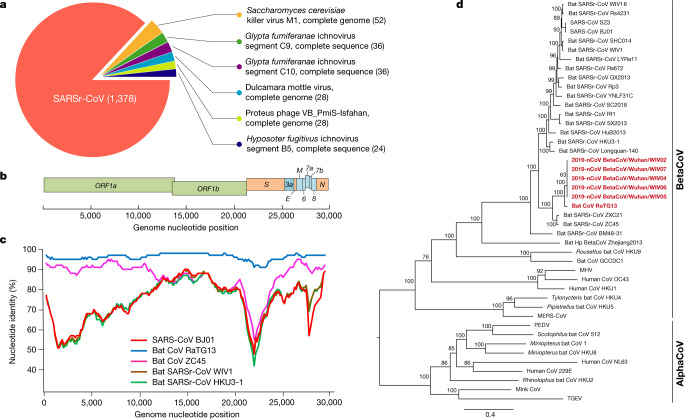
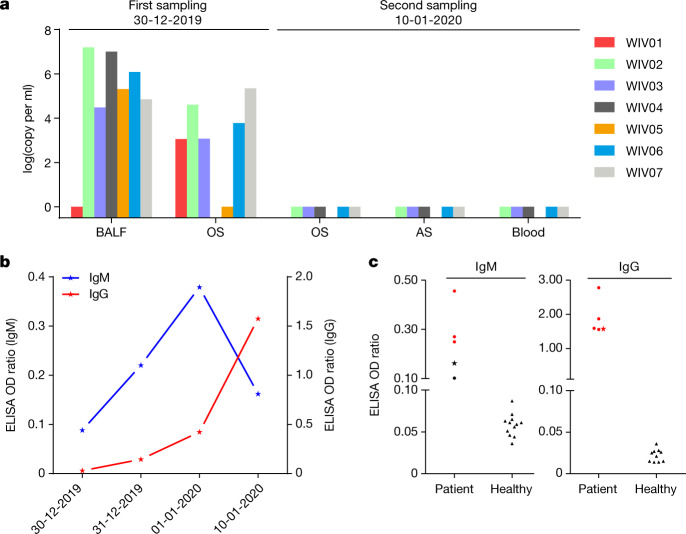
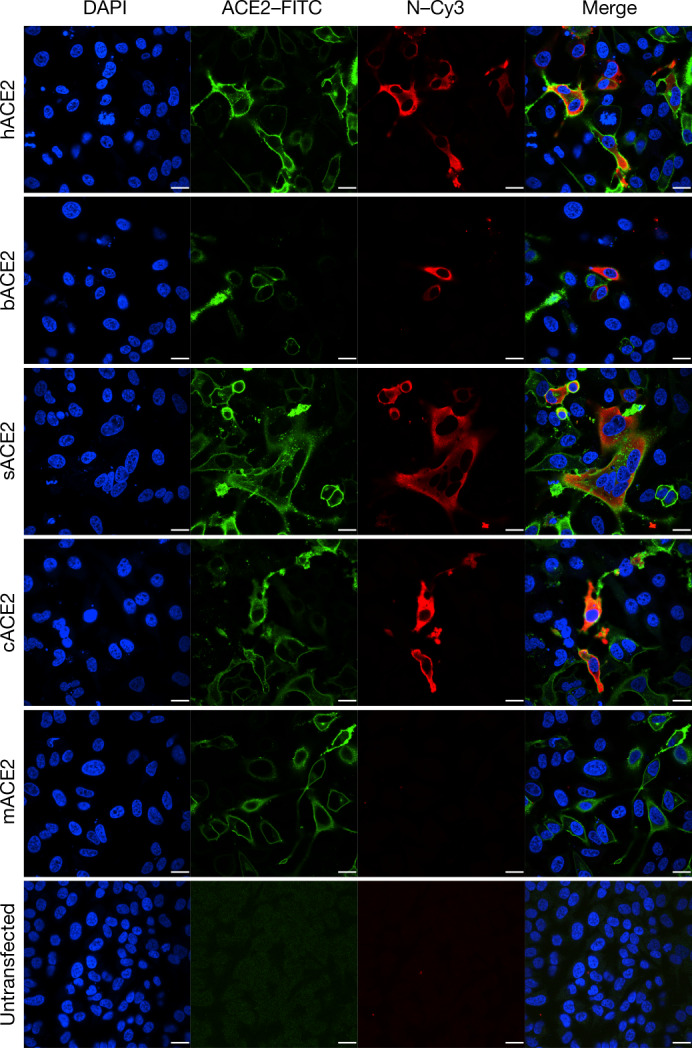
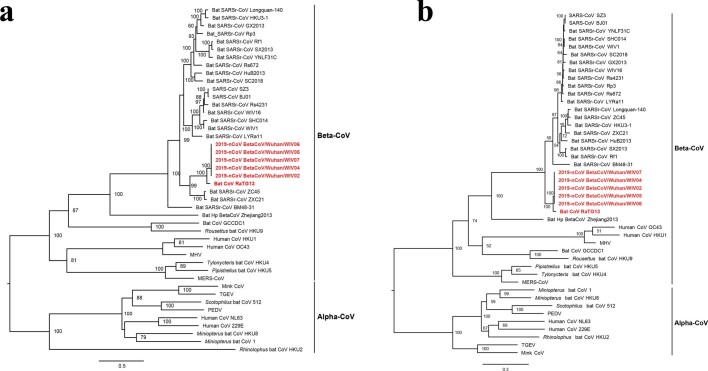
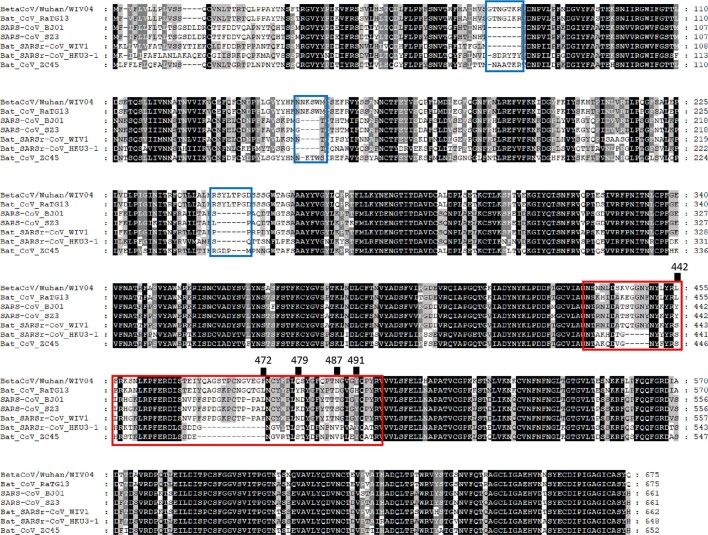
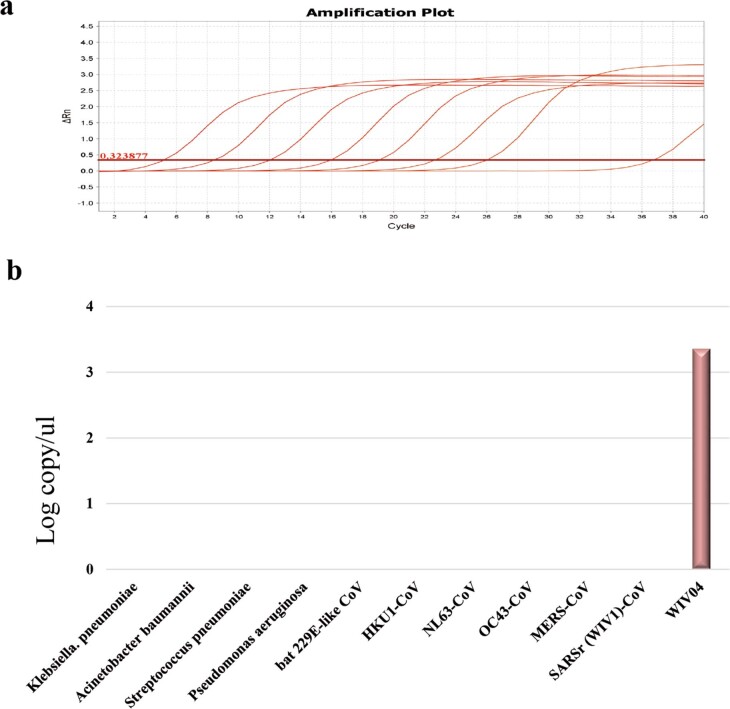
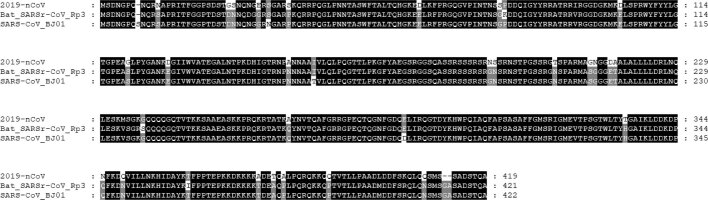
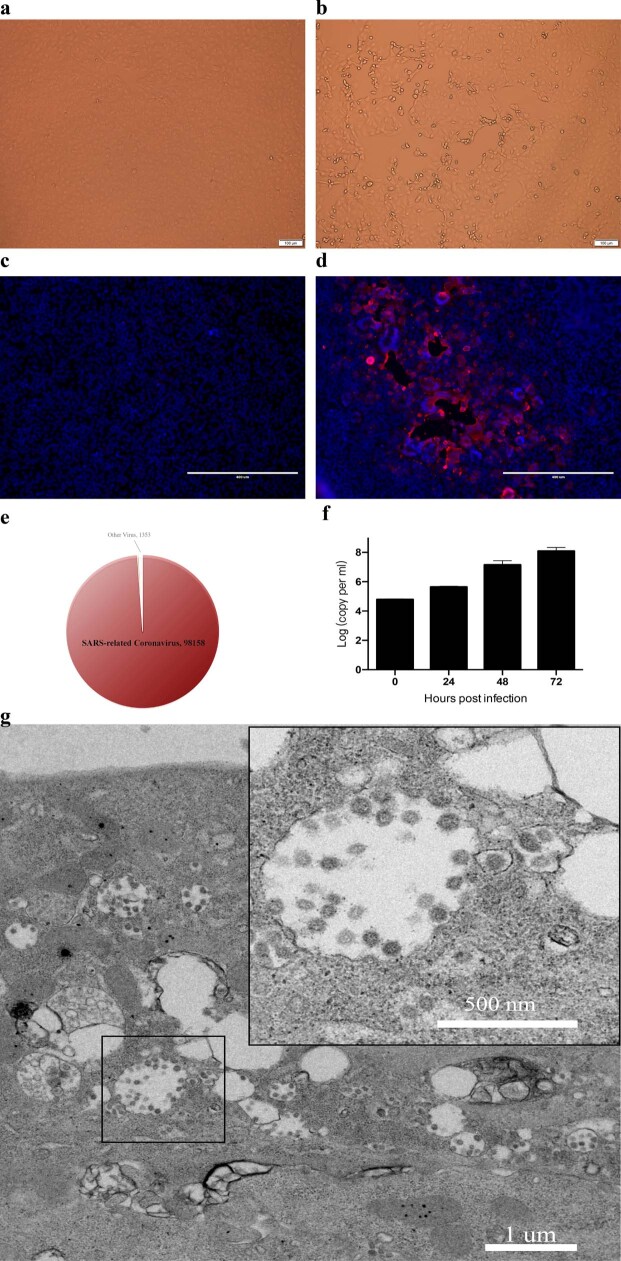
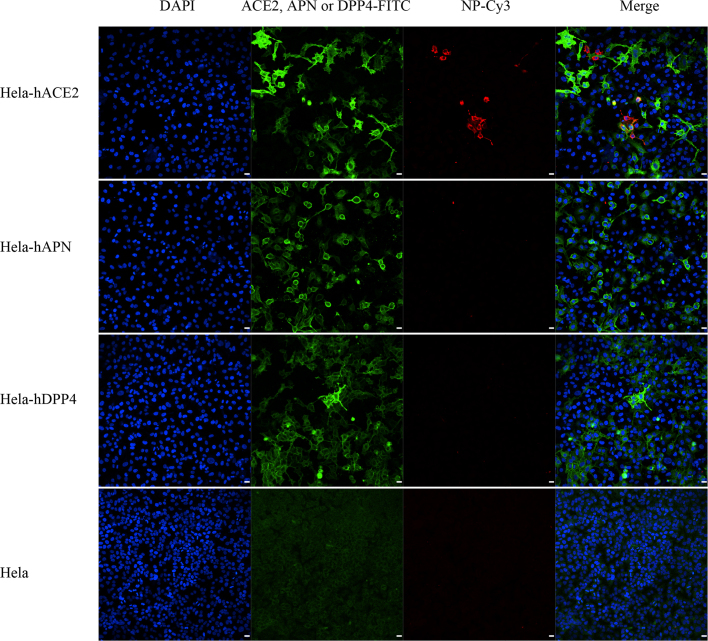
Since the outbreak of severe acute respiratory syndrome (SARS) 18 years ago, a large number of SARS-related coronaviruses (SARSr-CoVs) have been discovered in their natural reservoir host, bats 1–4 . Previous studies have shown that some bat SARSr-CoVs have the potential to infect humans 5–7 . Here we report the identification and characterization of a new coronavirus (2019-nCoV), which caused an epidemic of acute respiratory syndrome in humans in Wuhan, China. The epidemic, which started on 12 December 2019, had caused 2,794 laboratory-confirmed infections including 80 deaths by 26 January 2020. Full-length genome sequences were obtained from five patients at an early stage of the outbreak. The sequences are almost identical and share 79.6% sequence identity to SARS-CoV. Furthermore, we show that 2019-nCoV is 96% identical at the whole-genome level to a bat coronavirus. Pairwise protein sequence analysis of seven conserved non-structural proteins domains show that this virus belongs to the species of . In addition, 2019-nCoV virus isolated from the bronchoalveolar lavage fluid of a critically ill patient could be neutralized by sera from several patients. Notably, we confirmed that 2019-nCoV uses the same cell entry receptor—angiotensin converting enzyme II (ACE2)—as SARS-CoV.
Overview
The claims and statistics of this paper haven’t been checked yet.
Free: it reads the open-access text and checks the first 5 claims that cite a source we can check. Create a free account to check every claim.
Integrity signals
Registry
Cites
Statistics
Figures
Verification
Claims the paper makes
The claims and statistics of this paper haven’t been checked yet.
Free: it reads the open-access text and checks the first 5 claims that cite a source we can check. Create a free account to check every claim.
Claims other papers make about this one
Each is checked against this paper’s own text: does it say what the citing paper says it does?
The source backs part of the claim, not all of it — or backs it for a different population, condition or comparison.
In the citing paper
“SARS-CoV-2 is an enveloped, single-stranded positive-sense RNA virus with the highest, i.e. 96% of genome identity with horseshoe bat virus RaTG13 Rhinolophus affinis [3].”
From Waves and variants of SARS-CoV-2: understanding the causes and effect of the COVID-19 catastrophe (2022) · cites this paper as [3]
Experimental — accuracy not yet measuredThe source backs part of the claim, not all of it — or backs it for a different population, condition or comparison.
In the citing paper
“The disease is estimated to have originated from a seafood market in Wuhan where wild animals were traded such as marmots, bats, snakes and birds (Zhou et al., 2020).”
From How energy innovation in indoor vertical farming can improve food security, sustainability, and food safety? (2020) · cites this paper as Zhou et al., 2020
Experimental — accuracy not yet measuredThe source backs part of the claim, not all of it — or backs it for a different population, condition or comparison.
In the citing paper
“Genome sequencing demonstrated that SARS-CoV-2 shares 79.5% sequence identity with SARS-CoV (Zhou et al., 2020)”
From Oral Microbiome and SARS-CoV-2: Beware of Lung Co-infection (2020) · cites this paper as Zhou et al., 2020
Experimental — accuracy not yet measuredThe source backs part of the claim, not all of it — or backs it for a different population, condition or comparison.
In the citing paper
“This interaction requires cleavage of the S protein, likely by the cell surface protease TMPRSS2, although other proteases (such as Cathepsin B and L, CTSB/CTSL) may also be involved (4-6, 22-25).”
From Non-neuronal expression of SARS-CoV-2 entry genes in the olfactory system suggests mechanisms underlying COVID-19-associated anosmia (2020) · cites this paper as [4]
Experimental — accuracy not yet measuredThe source backs part of the claim, not all of it — or backs it for a different population, condition or comparison.
In the citing paper
“Bats (Chiroptera), representing ~22% of all mammalian species, are natural reservoirs for a wide range of zoonotic viruses, including coronaviruses, rhabdoviruses, and paramyxoviruses ( 1 – 3 ).”
From Ecological vaccination: A strategy to prevent zoonotic spillover from bats (2026) · cites this paper as [1]
Experimental — accuracy not yet measured
8 more claims about this paper
Create a free account to see every claim other papers make about this one.
Self-check
Percentages, sums and reported differences re-computed from the paper’s own numbers.
The self-check needs the paper’s full text.
Citations
Cites
Coronaviridae Study Group of the International Committee on Taxonomy of Viruses, Gorbalenya, A. E., Baker, S. C., Baric, R. S., de Groot, R. J., Drosten, C., Gulyaeva, A. A., Haagmans, B. L., Lauber, C., Leontovich, A. M., et al. (2020) · Nature Microbiology · doi:10.1038/s41564-020-0695-z · Cited by 8,403
Angiotensin-converting enzyme 2 is a functional receptor for the SARS coronavirus
Li, W., Moore, M. J., Vasilieva, N., Sui, J., Wong, S. K., Berne, M. A., Somasundaran, M., Sullivan, J. L., Luzuriaga, K., Greenough, T. C., et al. (2003) · Nature · doi:10.1038/nature02145 · Cited by 5,923
Isolation of a Novel Coronavirus from a Man with Pneumonia in Saudi Arabia
Zaki, A. M., van Boheemen, S., Bestebroer, T. M., Osterhaus, A. D. M. E., & Fouchier, R. A. M. (2012) · New England Journal of Medicine · doi:10.1056/nejmoa1211721 · Cited by 5,735
Origin and evolution of pathogenic coronaviruses
Cui, J., Li, F., & Shi, Z.-L. (2019) · Nature Reviews Microbiology · doi:10.1038/s41579-018-0118-9 · Cited by 5,515
Self-citationIdentification of a novel coronavirus in patients with severe acute respiratory syndrome
Drosten, C., Günther, S., Preiser, W., van der Werf, S., Brodt, H.-R., Becker, S., Rabenau, H., Panning, M., Kolesnikova, L., Fouchier, R. A. M., et al. (2003) · New England Journal of Medicine · doi:10.1056/nejmoa030747 · Cited by 4,574
Bats Are Natural Reservoirs of SARS-Like Coronaviruses
Li, W., Shi, Z., Yu, M., Ren, W., Smith, C., Epstein, J. H., Wang, H., Crameri, G., Hu, Z., Zhang, H., et al. (2005) · Science · doi:10.1126/science.1118391 · Cited by 2,560
Self-citationIsolation and characterization of a bat SARS-like coronavirus that uses the ACE2 receptor
Ge, X.-Y., Li, J.-L., Yang, X.-L., Chmura, A. A., Zhu, G., Epstein, J. H., Mazet, J. K., Hu, B., Zhang, W., Peng, C., et al. (2013) · Nature · doi:10.1038/nature12711 · Cited by 1,778
Self-citationGorbalenya, A. E., Baker, S. C., Baric, R. S., et al. (2020) · bioRxiv (Cold Spring Harbor Laboratory) · doi:10.1101/2020.02.07.937862 · Cited by 1,408
Al-Hanawi, M. K., Angawi, K., Alshareef, N., Qattan, A. M. N., Helmy, H. Z., Abudawood, Y., Alqurashi, M., Kattan, W. M., Kadasah, N. A., Chirwa, G. C., et al. (2020) · Frontiers in Public Health · doi:10.3389/fpubh.2020.00217 · Cited by 967
Hu, B., Zeng, L.-P., Yang, X.-L., Ge, X.-Y., Zhang, W., Li, B., Xie, J.-Z., Shen, X.-R., Zhang, Y.-Z., Wang, N., et al. (2017) · PLOS Pathogens · doi:10.1371/journal.ppat.1006698 · Cited by 950
Self-citation
Cited by
Items 701–800 of 1,208
Feng, Z., Yu, Q., Yao, S., Luo, L., Zhou, W., Mao, X., Li, J., Duan, J., Yan, Z., Yang, M., et al. (2020) · Nature Communications · doi:10.1038/s41467-020-18786-x · Cited by 318
Lessons for COVID-19 immunity from other coronavirus infections
Sariol, A., & Perlman, S. (2020) · Immunity · doi:10.1016/j.immuni.2020.07.005 · Cited by 317
Saheb Sharif-Askari, N., Saheb Sharif-Askari, F., Alabed, M., Temsah, M.-H., Al Heialy, S., Hamid, Q., & Halwani, R. (2020) · Molecular Therapy - Methods & Clinical Development · doi:10.1016/j.omtm.2020.05.013 · Cited by 317
Wang, Y., Liu, M., & Gao, J. (2020) · Proceedings of the National Academy of Sciences · doi:10.1073/pnas.2008209117 · Cited by 316
Self-citationDaher, A., Balfanz, P., Cornelissen, C., Müller, A., Bergs, I., Marx, N., Müller-Wieland, D., Hartmann, B., Dreher, M., & Müller, T. (2020) · Respiratory Medicine · doi:10.1016/j.rmed.2020.106197 · Cited by 316
SARS-CoV-2-related atypical thyroiditis
Muller, I., Cannavaro, D., Dazzi, D., Covelli, D., Mantovani, G., Muscatello, A., Ferrante, E., Orsi, E., Resi, V., Longari, V., et al. (2020) · The Lancet Diabetes & Endocrinology · doi:10.1016/s2213-8587(20)30266-7 · Cited by 315
COVID-19 Transmission, Current Treatment, and Future Therapeutic Strategies
Salian, V. S., Wright, J. A., Vedell, P. T., Nair, S., Li, C., Kandimalla, M., Tang, X., Carmona Porquera, E. M., Kalari, K. R., & Kandimalla, K. K. (2021) · Molecular Pharmaceutics · doi:10.1021/acs.molpharmaceut.0c00608 · Cited by 315
A potential role for integrins in host cell entry by SARS-CoV-2
Sigrist, C. J., Bridge, A., & Le Mercier, P. (2020) · Antiviral Research · doi:10.1016/j.antiviral.2020.104759 · Cited by 314
Collapsing Glomerulopathy in a Patient With COVID-19
Larsen, C. P., Bourne, T. D., Wilson, J. D., Saqqa, O., & Sharshir, M. A. (2020) · Kidney International Reports · doi:10.1016/j.ekir.2020.04.002 · Cited by 314
Baek, Y. H., Um, J., Antigua, K. J. C., Park, J.-H., Kim, Y., Oh, S., Kim, Y.-I., Choi, W.-S., Kim, S. G., Jeong, J. H., et al. (2020) · Emerging Microbes & Infections · doi:10.1080/22221751.2020.1756698 · Cited by 314
A thermostable, closed SARS-CoV-2 spike protein trimer
Xiong, X., Qu, K., Ciazynska, K. A., Hosmillo, M., Carter, A. P., Ebrahimi, S., Ke, Z., Scheres, S. H. W., Bergamaschi, L., Grice, G. L., et al. (2020) · Nature Structural & Molecular Biology · doi:10.1038/s41594-020-0478-5 · Cited by 313
Self-citationSex differences in severity and mortality from COVID-19: are males more vulnerable?
Pradhan, A., & Olsson, P.-E. (2020) · Biology of Sex Differences · doi:10.1186/s13293-020-00330-7 · Cited by 313
ACE2: Evidence of role as entry receptor for SARS-CoV-2 and implications in comorbidities
Zamorano Cuervo, N., & Grandvaux, N. (2020) · eLife · doi:10.7554/elife.61390 · Cited by 313
Autoinflammatory and autoimmune conditions at the crossroad of COVID-19
Rodríguez, Y., Novelli, L., Rojas, M., De Santis, M., Acosta-Ampudia, Y., Monsalve, D. M., Ramírez-Santana, C., Costanzo, A., Ridgway, W. M., Ansari, A. A., et al. (2020) · Journal of Autoimmunity · doi:10.1016/j.jaut.2020.102506 · Cited by 312
Structures of the SARS ‐CoV‐2 nucleocapsid and their perspectives for drug design
Peng, Y., Du, N., Lei, Y., Dorje, S., Qi, J., Luo, T., Gao, G. F., & Song, H. (2020) · The EMBO Journal · doi:10.15252/embj.2020105938 · Cited by 312
“%) with the bat SARS-like coronavirus RaTG13 (Lu et al , 2020; Zhou et al , 2020a, b), but the origin of this virus is more than likely the bat; what remains to be identified is a possible intermediate host.”
Lipid droplets fuel SARS-CoV-2 replication and production of inflammatory mediators
Dias, S. S. G., Soares, V. C., Ferreira, A. C., Sacramento, C. Q., Fintelman-Rodrigues, N., Temerozo, J. R., Teixeira, L., Nunes da Silva, M. A., Barreto, E., Mattos, M., et al. (2020) · PLOS Pathogens · doi:10.1371/journal.ppat.1009127 · Cited by 312
Kruse, R. L. (2020) · F1000Research · doi:10.12688/f1000research.22211.1 · Cited by 311
Oral Manifestations in Patients with COVID-19: A Living Systematic Review
Amorim dos Santos, J., Normando, A. G. C., Carvalho da Silva, R. L., Acevedo, A. C., De Luca Canto, G., Sugaya, N., Santos-Silva, A. R., & Guerra, E. N. S. (2021) · Journal of Dental Research · doi:10.1177/0022034520957289 · Cited by 311
Grzelak, L., Temmam, S., Planchais, C., Demeret, C., Tondeur, L., Huon, C., Guivel-Benhassine, F., Staropoli, I., Chazal, M., Dufloo, J., et al. (2020) · Science Translational Medicine · doi:10.1126/scitranslmed.abc3103 · Cited by 310
iSCAN: An RT-LAMP-coupled CRISPR-Cas12 module for rapid, sensitive detection of SARS-CoV-2
Ali, Z., Aman, R., Mahas, A., Rao, G. S., Tehseen, M., Marsic, T., Salunke, R., Subudhi, A. K., Hala, S. M., Hamdan, S. M., et al. (2020) · Virus Research · doi:10.1016/j.virusres.2020.198129 · Cited by 310
SARS-CoV-2 501Y.V2 escapes neutralization by South African COVID-19 donor plasma
Wibmer, C. K., Ayres, F., Hermanus, T., Madzivhandila, M., Kgagudi, P., Oosthuysen, B., Lambson, B. E., de Oliveira, T., Vermeulen, M., van der Berg, K., et al. (2021) · doi:10.1101/2021.01.18.427166
Kreer, C., Zehner, M., Weber, T., Ercanoglu, M. S., Gieselmann, L., Rohde, C., Halwe, S., Korenkov, M., Schommers, P., Vanshylla, K., et al. (2020) · Cell · doi:10.1016/j.cell.2020.06.044 · Cited by 309
Coronavirus 2019-nCoV: A brief perspective from the front line
Han, Q., Lin, Q., Jin, S., & You, L. (2020) · Journal of Infection · doi:10.1016/j.jinf.2020.02.010 · Cited by 308
“9 The S gene of the 2019-nCoV has less than 75% sequence identity to those of the two CoVs, bat SARS-like CoVs (SL-CoVZXC21 and ZC45) and human SARS-CoV. 14 Similarly, the spike glycoprotein encoded by the S genes of the 2019-nCoV was longer than that of the SARS-CoV. 12 , 14 The spike protein, composed of S1 and S2 d…”
BackgroundPrevalence and characterization of asthma in hospitalized and nonhospitalized patients with COVID-19
Chhiba, K. D., Patel, G. B., Vu, T. H. T., Chen, M. M., Guo, A., Kudlaty, E., Mai, Q., Yeh, C., Muhammad, L. N., Harris, K. E., et al. (2020) · Journal of Allergy and Clinical Immunology · doi:10.1016/j.jaci.2020.06.010 · Cited by 308
An Update on Vitamin D Metabolism
Saponaro, F., Saba, A., & Zucchi, R. (2020) · International Journal of Molecular Sciences · doi:10.3390/ijms21186573 · Cited by 308
Song, X., Fu, W., Liu, X., Luo, Z., Wang, R., Zhou, N., Yan, S., & Lv, C. (2020) · Brain Behavior and Immunity · doi:10.1016/j.bbi.2020.06.002 · Cited by 309
Khan, S., Siddique, R., Shereen, M. A., Ali, A., Liu, J., Bai, Q., Bashir, N., & Xue, M. (2020) · Journal of Clinical Microbiology · doi:10.1128/jcm.00187-20 · Cited by 307
“seafood market might represent an intermediate host facilitating the emergence of the virus in humans (12, 31).”
BackgroundDrug Development and Medicinal Chemistry Efforts toward SARS‐Coronavirus and Covid‐19 Therapeutics
Ghosh, A. K., Brindisi, M., Shahabi, D., Chapman, M. E., & Mesecar, A. D. (2020) · ChemMedChem · doi:10.1002/cmdc.202000223 · Cited by 306
Kirtipal, N., Bharadwaj, S., & Kang, S. G. (2020) · Infection, Genetics and Evolution · doi:10.1016/j.meegid.2020.104502 · Cited by 306
“…to be established in SARS-CoV-2 but based on previous study on SARS-CoV, SARSCoV-2 has been predicted with translation of 4 structural proteins (Yoshimoto, 2020) and at least 6 or 9 accessory proteins (3, 6, 7a, 7b, 8, 9b, 10b, 13, 14) (Liu et al., 2014; Wu et al., 2020c; Zhou et al., 2020b).”
InfluentialSalivaDirect: A simplified and flexible platform to enhance SARS-CoV-2 testing capacity
Vogels, C. B. F., Watkins, A. E., Harden, C. A., Brackney, D. E., Shafer, J., Wang, J., Caraballo, C., Kalinich, C. C., Ott, I. M., Fauver, J. R., et al. (2021) · Med · doi:10.1016/j.medj.2020.12.010 · Cited by 306
“SARS-CoV-2, a novel beta-coronavirus, emerged in late 2019 in Wuhan, China, and the subsequent COVID-19 pandemic rapidly followed (Wu et al., 2020; Zhou et al., 2020).”
Schäfer, A., Muecksch, F., Lorenzi, J. C. C., Leist, S. R., Cipolla, M., Bournazos, S., Schmidt, F., Maison, R. M., Gazumyan, A., Martinez, D. R., et al. (2021) · Journal of Experimental Medicine · doi:10.1084/jem.20201993 · Cited by 305
“Indeed, in the last 20 yr, three novel human CoVs have emerged, causing epidemic and pandemic diseases most recently exemplified by SARS-CoV-2, the causative agent of COVID-19 (de Wit et al., 2016; Zhou et al., 2020).”
BackgroundResultPerico, L., Benigni, A., & Remuzzi, G. (2020) · Nephron · doi:10.1159/000507305 · Cited by 305
“[14] reported that the sequence similarity in the SARS-CoV-2 virus and the coronavirus isolated from Rhinolophus affinis is 96%.”
BackgroundCaly, L., Druce, J., Roberts, J., Bond, K., Tran, T., Kostecki, R., Yoga, Y., Naughton, W., Taiaroa, G., Seemann, T., et al. (2020) · Medical Journal of Australia · doi:10.5694/mja2.50569 · Cited by 305
Zhang, H., Li, H.-B., Lyu, J.-R., Lei, X.-M., Li, W., Wu, G., Lyu, J., & Dai, Z.-M. (2020) · International Journal of Infectious Diseases · doi:10.1016/j.ijid.2020.04.027 · Cited by 305
Calabrese, F., Pezzuto, F., Fortarezza, F., Hofman, P., Kern, I., Panizo, A., von der Thüsen, J., Timofeev, S., Gorkiewicz, G., & Lunardi, F. (2020) · Virchows Archiv · doi:10.1007/s00428-020-02886-6 · Cited by 305
An update on COVID-19 pandemic: the epidemiology, pathogenesis, prevention and treatment strategies
Tsang, H. F., Chan, L. W. C., Cho, W. C. S., Yu, A. C. S., Yim, A. K. Y., Chan, A. K. C., Ng, L. P. W., Wong, Y. K. E., Pei, X. M., Li, M. J. W., et al. (2021) · Expert Review of Anti-infective Therapy · doi:10.1080/14787210.2021.1863146 · Cited by 305
Fan, H.-H., Wang, L.-Q., Liu, W.-L., An, X.-P., Liu, Z.-D., He, X.-Q., Song, L.-H., & Tong, Y.-G. (2020) · Chinese Medical Journal · doi:10.1097/cm9.0000000000000797 · Cited by 304
A genome-wide CRISPR screen identifies host factors that regulate SARS-CoV-2 entry
Zhu, Y., Feng, F., Hu, G., Wang, Y., Yu, Y., Zhu, Y., Xu, W., Cai, X., Sun, Z., Han, W., et al. (2021) · Nature Communications · doi:10.1038/s41467-021-21213-4 · Cited by 304
Self-citationPotential intestinal infection and faecal–oral transmission of SARS-CoV-2
Guo, M., Tao, W., Flavell, R. A., & Zhu, S. (2021) · Nature Reviews Gastroenterology & Hepatology · doi:10.1038/s41575-021-00416-6 · Cited by 304
Treatment of severe COVID-19 with human umbilical cord mesenchymal stem cells
Shu, L., Niu, C., Li, R., Huang, T., Wang, Y., Huang, M., Ji, N., Zheng, Y., Chen, X., Shi, L., et al. (2020) · Stem Cell Research & Therapy · doi:10.1186/s13287-020-01875-5 · Cited by 303
Self-citationBaker, A. N., Richards, S.-J., Guy, C. S., Congdon, T. R., Hasan, M., Zwetsloot, A. J., Gallo, A., Lewandowski, J. R., Stansfeld, P. J., Straube, A., et al. (2020) · ACS Central Science · doi:10.1021/acscentsci.0c00855 · Cited by 303
Zheng, Y., Zhuang, M.-W., Han, L., Zhang, J., Nan, M.-L., Zhan, P., Kang, D., Liu, X., Gao, C., & Wang, P.-H. (2020) · Signal Transduction and Targeted Therapy · doi:10.1038/s41392-020-00438-7 · Cited by 302
COVID-19 and immunomodulation in IBD
Neurath, M. F. (2020) · Gut · doi:10.1136/gutjnl-2020-321269 · Cited by 302
K18-hACE2 mice develop respiratory disease resembling severe COVID-19
Yinda, C. K., Port, J. R., Bushmaker, T., Offei Owusu, I., Purushotham, J. N., Avanzato, V. A., Fischer, R. J., Schulz, J. E., Holbrook, M. G., Hebner, M. J., et al. (2021) · PLOS Pathogens · doi:10.1371/journal.ppat.1009195 · Cited by 302
Type I and Type III Interferons Restrict SARS-CoV-2 Infection of Human Airway Epithelial Cultures
Vanderheiden, A., Ralfs, P., Chirkova, T., Upadhyay, A. A., Zimmerman, M. G., Bedoya, S., Aoued, H., Tharp, G. M., Pellegrini, K. L., Manfredi, C., et al. (2020) · Journal of Virology · doi:10.1128/jvi.00985-20 · Cited by 301
“In December 2019, a novel human coronavirus, severe acute respiratory syndrome coronavirus 2 (SARS-CoV-2), emerged in Wuhan, China, causing an outbreak of severe respiratory disease (1, 2).”
BackgroundSARS-CoV-2 Mpro inhibitors and activity-based probes for patient-sample imaging
Rut, W., Groborz, K., Zhang, L., Sun, X., Zmudzinski, M., Pawlik, B., Wang, X., Jochmans, D., Neyts, J., Młynarski, W., et al. (2021) · Nature Chemical Biology · doi:10.1038/s41589-020-00689-z · Cited by 301
Self-citationNundy, S., Ghosh, A., Mesloub, A., Albaqawy, G. A., & Alnaim, M. M. (2021) · Journal of Cleaner Production · doi:10.1016/j.jclepro.2021.127705 · Cited by 301
Overview of lethal human coronaviruses
Chen, B., Tian, E.-K., He, B., Tian, L., Han, R., Wang, S., Xiang, Q., Zhang, S., El Arnaout, T., & Cheng, W. (2020) · Signal Transduction and Targeted Therapy · doi:10.1038/s41392-020-0190-2 · Cited by 300
“Several strategies have been investigated to identify specific antivirals targeting the S protein, including MERS-RBD-targeted nAbs that block viral attachment, peptide inhibitors targeting S2 to prevent the formation of the fusion core, and small molecules without defined mechanisms.110 sDPP4 has been found to bind M…”
BackgroundMethodInfluentialCOVID-19: a novel coronavirus and a novel challenge for critical care
Arabi, Y. M., Murthy, S., & Webb, S. (2020) · Intensive Care Medicine · doi:10.1007/s00134-020-05955-1 · Cited by 299
Kim, E. S., Chin, B. S., Kang, C. K., Kim, N. J., Kang, Y. M., Choi, J.-P., Oh, D. H., Kim, J.-H., Koh, B., Kim, S. E., et al. (2020) · Journal of Korean Medical Science · doi:10.3346/jkms.2020.35.e142 · Cited by 299
XU, B., FAN, C.-Y., WANG, A.-L., ZOU, Y.-L., YU, Y.-H., HE, C., XIA, W.-G., ZHANG, J.-X., & MIAO, Q. (2020) · Journal of Infection · doi:10.1016/j.jinf.2020.04.012 · Cited by 299
Human ACE2 receptor polymorphisms and altered susceptibility to SARS-CoV-2
Suryamohan, K., Diwanji, D., Stawiski, E. W., Gupta, R., Miersch, S., Liu, J., Chen, C., Jiang, Y.-P., Fellouse, F. A., Sathirapongsasuti, J. F., et al. (2021) · Communications Biology · doi:10.1038/s42003-021-02030-3 · Cited by 299
Prolonged viral shedding in feces of pediatric patients with coronavirus disease 2019
Xing, Y.-H., Ni, W., Wu, Q., Li, W.-J., Li, G.-J., Wang, W.-D., Tong, J.-N., Song, X.-F., Wing-Kin Wong, G., & Xing, Q.-S. (2020) · Journal of Microbiology, Immunology and Infection · doi:10.1016/j.jmii.2020.03.021 · Cited by 298
Zhang, L.-K., Sun, Y., Zeng, H., Wang, Q., Jiang, X., Shang, W.-J., Wu, Y., Li, S., Zhang, Y.-L., Hao, Z.-N., et al. (2020) · Cell Discovery · doi:10.1038/s41421-020-00235-0 · Cited by 298
Self-citationCorrelates of protection against SARS‐CoV‐2 infection and COVID‐19 disease
Goldblatt, D., Alter, G., Crotty, S., & Plotkin, S. A. (2022) · Immunological Reviews · doi:10.1111/imr.13091 · Cited by 298
“Antibodies are bifunctional molecules, comprised of (1) two antigen- binding domains (2× Fabs) that provide specificity and can block infection and (2) a constant domain (Fc) involved in directing immune clearing effects via the recruitment of the immune system (Figure 5).”
BackgroundLee, R. A., Herigon, J. C., Benedetti, A., Pollock, N. R., & Denkinger, C. M. (2021) · Journal of Clinical Microbiology · doi:10.1128/jcm.02881-20 · Cited by 297
Sustainable development must account for pandemic risk
Di Marco, M., Baker, M. L., Daszak, P., De Barro, P., Eskew, E. A., Godde, C. M., Harwood, T. D., Herrero, M., Hoskins, A. J., Johnson, E., et al. (2020) · Proceedings of the National Academy of Sciences · doi:10.1073/pnas.2001655117 · Cited by 296
Can angiotensin receptor-blocking drugs perhaps be harmful in the COVID-19 pandemic?
Esler, M., & Esler, D. (2020) · Journal of Hypertension · doi:10.1097/hjh.0000000000002450 · Cited by 296
Zhang, C., Zheng, W., Huang, X., Bell, E. W., Zhou, X., & Zhang, Y. (2020) · Journal of Proteome Research · doi:10.1021/acs.jproteome.0c00129 · Cited by 296
Severe air pollution links to higher mortality in COVID-19 patients: The “double-hit” hypothesis.
Frontera, A., Cianfanelli, L., Vlachos, K., Landoni, G., & Cremona, G. (2020) · Journal of Infection · doi:10.1016/j.jinf.2020.05.031 · Cited by 296
A serological survey of SARS-CoV-2 in cat in Wuhan
Zhang, Q., Zhang, H., Gao, J., Huang, K., Yang, Y., Hui, X., He, X., Li, C., Gong, W., Zhang, Y., et al. (2020) · Emerging Microbes & Infections · doi:10.1080/22221751.2020.1817796 · Cited by 296
“that SARS-CoV-2 could also originate from bats [9].”
BackgroundMethodSelf-citationMembrane fusion and immune evasion by the spike protein of SARS-CoV-2 Delta variant
Zhang, J., Xiao, T., Cai, Y., Lavine, C. L., Peng, H., Zhu, H., Anand, K., Tong, P., Gautam, A., Mayer, M. L., et al. (2021) · Science · doi:10.1126/science.abl9463 · Cited by 296
“Severe acute respiratory syndrome coronavirus 2 (SARS-CoV-2) is the causative agent of the COVID-19 pandemic (1).”
BackgroundThe Role and Therapeutic Potential of NF-kappa-B Pathway in Severe COVID-19 Patients
Hariharan, A., Hakeem, A. R., Radhakrishnan, S., Reddy, M. S., & Rela, M. (2021) · Inflammopharmacology · doi:10.1007/s10787-020-00773-9 · Cited by 295
“The structure of the receptor-binding gene region is very similar to that of the SARS coronavirus; and the virus uses the same receptor, the angiotensin-1-converting enzyme 2 (ACE2), for cell entry (Zhou et al. 2020).”
MethodCoinfection with influenza A virus enhances SARS-CoV-2 infectivity
Bai, L., Zhao, Y., Dong, J., Liang, S., Guo, M., Liu, X., Wang, X., Huang, Z., Sun, X., Zhang, Z., et al. (2021) · Cell Research · doi:10.1038/s41422-021-00473-1 · Cited by 295
Self-citationHagar, M., Ahmed, H. A., Aljohani, G., & Alhaddad, O. A. (2020) · International Journal of Molecular Sciences · doi:10.3390/ijms21113922 · Cited by 294
“The incubation period of COVID-19 ranges from 2 to 14 days.”
BackgroundInfluentialInnate immune and inflammatory responses to SARS-CoV-2: Implications for COVID-19
Lowery, S. A., Sariol, A., & Perlman, S. (2021) · Cell Host & Microbe · doi:10.1016/j.chom.2021.05.004 · Cited by 294
Radiochemistry for positron emission tomography
Rong, J., Haider, A., Jeppesen, T. E., Josephson, L., & Liang, S. H. (2023) · Nature Communications · doi:10.1038/s41467-023-36377-4 · Cited by 294
Abnormal Liver Function Tests in Patients With COVID‐19: Relevance and Potential Pathogenesis
Bertolini, A., van de Peppel, I. P., Bodewes, F. A. J. A., Moshage, H., Fantin, A., Farinati, F., Fiorotto, R., Jonker, J. W., Strazzabosco, M., Verkade, H. J., et al. (2020) · Hepatology · doi:10.1002/hep.31480 · Cited by 293
FXR inhibition may protect from SARS-CoV-2 infection by reducing ACE2
Brevini, T., Maes, M., Webb, G. J., John, B. V., Fuchs, C. D., Buescher, G., Wang, L., Griffiths, C., Brown, M. L., Scott, W. E., et al. (2023) · Nature · doi:10.1038/s41586-022-05594-0 · Cited by 293
Nguyen, T., Duong Bang, D., & Wolff, A. (2020) · Micromachines · doi:10.3390/mi11030306 · Cited by 291
Attenuated SARS-CoV-2 variants with deletions at the S1/S2 junction
Lau, S.-Y., Wang, P., Mok, B. W.-Y., Zhang, A. J., Chu, H., Lee, A. C.-Y., Deng, S., Chen, P., Chan, K.-H., Song, W., et al. (2020) · Emerging Microbes & Infections · doi:10.1080/22221751.2020.1756700 · Cited by 291
“Illustration of nucleotide (A) and amino acid (B) sequence alignments of the S1/S2 junction regions of wild type SARSCoV-2 (Wuhan-1), 30-bp deleted mutant (Del-mut-1) (EPI_ISL_417443) and the bat coronavirus, RaTG13 [5].”
BackgroundInfluentialSelf-citationAlanagreh, L., Alzoughool, F., & Atoum, M. (2020) · Pathogens · doi:10.3390/pathogens9050331 · Cited by 291
Chen, R., Zhang, Y., Huang, L., Cheng, B.-H., Xia, Z.-Y., & Meng, Q.-T. (2020) · Canadian Journal of Anesthesia/Journal canadien d'anesthésie · doi:10.1007/s12630-020-01630-7 · Cited by 290
Assessing ACE2 expression patterns in lung tissues in the pathogenesis of COVID-19
Li, G., He, X., Zhang, L., Ran, Q., Wang, J., Xiong, A., Wu, D., Chen, F., Sun, J., & Chang, C. (2020) · Journal of Autoimmunity · doi:10.1016/j.jaut.2020.102463 · Cited by 290
Self-citationYu, R., Chen, L., Lan, R., Shen, R., & Li, P. (2020) · International Journal of Antimicrobial Agents · doi:10.1016/j.ijantimicag.2020.106012 · Cited by 290
COVID-19 pandemic: Insights into structure, function, and hACE2 receptor recognition by SARS-CoV-2
Mittal, A., Manjunath, K., Ranjan, R. K., Kaushik, S., Kumar, S., & Verma, V. (2020) · PLOS Pathogens · doi:10.1371/journal.ppat.1008762 · Cited by 290
“Viruses were isolated from these clinical samples, and their genomes were analyzed by deep sequencing [30,31,32].”
MethodGenetic and structural basis for SARS-CoV-2 variant neutralization by a two-antibody cocktail
Dong, J., Zost, S. J., Greaney, A. J., Starr, T. N., Dingens, A. S., Chen, E. C., Chen, R. E., Case, J. B., Sutton, R. E., Gilchuk, P., et al. (2021) · Nature Microbiology · doi:10.1038/s41564-021-00972-2 · Cited by 285
Calisher, C., Carroll, D., Colwell, R., Corley, R. B., Daszak, P., Drosten, C., Enjuanes, L., Farrar, J., Field, H., Golding, J., et al. (2020) · The Lancet · doi:10.1016/s0140-6736(20)30418-9 · Cited by 289
Coronavirus endoribonuclease targets viral polyuridine sequences to evade activating host sensors
Hackbart, M., Deng, X., & Baker, S. C. (2020) · Proceedings of the National Academy of Sciences · doi:10.1073/pnas.1921485117 · Cited by 289
“The current outbreak of 2019-nCoV and the associated morbidity and 2% mortality highlight the importance of developing effective vaccines against CoVs (55) (56) (57) .”
BackgroundInterferon regulatory factor 1 (IRF1) and anti-pathogen innate immune responses
Feng, H., Zhang, Y.-B., Gui, J.-F., Lemon, S. M., & Yamane, D. (2021) · PLOS Pathogens · doi:10.1371/journal.ppat.1009220 · Cited by 289
Rahman, S., Montero, M. T. V., Rowe, K., Kirton, R., & Kunik, F. (2021) · Expert Review of Clinical Pharmacology · doi:10.1080/17512433.2021.1902303 · Cited by 289
Critical Determinants of Cytokine Storm and Type I Interferon Response in COVID-19 Pathogenesis
Ramasamy, S., & Subbian, S. (2021) · Clinical Microbiology Reviews · doi:10.1128/cmr.00299-20 · Cited by 289
“However, in severe COVID-19 cases, significant lung injury and respiratory failure are noted (8, 44, 89).”
BackgroundAn Update on Self-Amplifying mRNA Vaccine Development
Blakney, A. K., Ip, S., & Geall, A. J. (2021) · Vaccines · doi:10.3390/vaccines9020097 · Cited by 288
“In December 2019, the SARS-CoV-2 (severe acute respiratory syndrome coronavirus 2) virus emerged, causing a respiratory illness, coronavirus disease 2019 (COVID-19), in Hubei province, China [1,2].”
BackgroundAntibody Tests in Detecting SARS-CoV-2 Infection: A Meta-Analysis
Kontou, P. I., Braliou, G. G., Dimou, N. L., Nikolopoulos, G., & Bagos, P. G. (2020) · Diagnostics · doi:10.3390/diagnostics10050319 · Cited by 288
Molecular basis of immune evasion by the Delta and Kappa SARS-CoV-2 variants
McCallum, M., Walls, A. C., Sprouse, K. R., Bowen, J. E., Rosen, L. E., Dang, H. V., De Marco, A., Franko, N., Tilles, S. W., Logue, J., et al. (2021) · Science · doi:10.1126/science.abl8506 · Cited by 288
Evidence for a mouse origin of the SARS-CoV-2 Omicron variant
Wei, C., Shan, K.-J., Wang, W., Zhang, S., Huan, Q., & Qian, W. (2021) · Journal of Genetics and Genomics · doi:10.1016/j.jgg.2021.12.003 · Cited by 288
Possible Bat Origin of Severe Acute Respiratory Syndrome Coronavirus 2
Lau, S. K. P., Luk, H. K. H., Wong, A. C. P., Li, K. S. M., Zhu, L., He, Z., Fung, J., Chan, T. T. Y., Fung, K. S. C., & Woo, P. C. Y. (2020) · Emerging Infectious Diseases · doi:10.3201/eid2607.200092 · Cited by 287
“SARS-CoV-2 was demonstrated to use the same receptor, human angiotensin-converting enzyme 2 (hACE2), as does SARS-CoV (7).”
BackgroundWang, N., Zhan, Y., Zhu, L., Hou, Z., Liu, F., Song, P., Qiu, F., Wang, X., Zou, X., Wan, D., et al. (2020) · Cell Host & Microbe · doi:10.1016/j.chom.2020.07.005 · Cited by 287
“Because patients were re-tested for SARS-CoV-2 nucleic acids only when symptoms and CT scans were improving, the length from admission to negative nucleic acids test, which represents viral shedding period, could not be precisely determined in this study.”
InfluentialSelf-citationFrederiksen, L. S. F., Zhang, Y., Foged, C., & Thakur, A. (2020) · Frontiers in Immunology · doi:10.3389/fimmu.2020.01817 · Cited by 287
Leung, J. M., Niikura, M., Yang, C. W. T., & Sin, D. D. (2020) · European Respiratory Journal · doi:10.1183/13993003.02108-2020 · Cited by 287
Fodoulian, L., Tuberosa, J., Rossier, D., Boillat, M., Kan, C., Pauli, V., Egervari, K., Lobrinus, J. A., Landis, B. N., Carleton, A., et al. (2020) · doi:10.1101/2020.03.31.013268 · Cited by 286
“2 Infection by this RNA virus is associated with a severe respiratory syndrome called COVID-19, and is characterized by a significant mortality rate 1, 3, 4 .”
BackgroundBlockchain and AI-Based Solutions to Combat Coronavirus (COVID-19)-Like Epidemics: A Survey
Nguyen, D. C., Ding, M., Pathirana, P. N., & Seneviratne, A. (2021) · IEEE Access · doi:10.1109/access.2021.3093633 · Cited by 286
“The coronavirus (COVID-19) outbreak in late 2019 comprises a serious threat around the world [1].”
BackgroundRespiratory Virus Infections: Understanding COVID-19
Subbarao, K., & Mahanty, S. (2020) · Immunity · doi:10.1016/j.immuni.2020.05.004 · Cited by 286
“Human angiotensin-converting enzyme 2 (ACE2) is the receptor for SARS-CoV and SARSCoV-2 (Zhou et al., 2020) as well as for human coronavirus NL63.”
BackgroundAn infectivity-enhancing site on the SARS-CoV-2 spike protein targeted by antibodies
Liu, Y., Soh, W. T., Kishikawa, J.-I., Hirose, M., Nakayama, E. E., Li, S., Sasai, M., Suzuki, T., Tada, A., Arakawa, A., et al. (2021) · Cell · doi:10.1016/j.cell.2021.05.032 · Cited by 285
Xie, H., Zhao, J., Lian, N., Lin, S., Xie, Q., & Zhuo, H. (2020) · Liver International · doi:10.1111/liv.14449 · Cited by 284
“Onset time (d) 12 (10-15) 11 (8-15) 12 (10-15) .”
Risk Factors for Mortality in Patients with COVID-19 in New York City
Mikami, T., Miyashita, H., Yamada, T., Harrington, M., Steinberg, D., Dunn, A., & Siau, E. (2021) · Journal of General Internal Medicine · doi:10.1007/s11606-020-05983-z · Cited by 284
Explaining among-country variation in COVID-19 case fatality rate
Sorci, G., Faivre, B., & Morand, S. (2020) · Scientific Reports · doi:10.1038/s41598-020-75848-2 · Cited by 284
“In particular, we used different metrics to describe comorbidities: (1) disability-adjusted life years (DALYs); (2) share of total disease burden; (3) age-standardized death rates per 100,000; (4) share of deaths.”
MethodThe COVID-19 pandemic and global environmental change: Emerging research needs
Barouki, R., Kogevinas, M., Audouze, K., Belesova, K., Bergman, A., Birnbaum, L., Boekhold, S., Denys, S., Desseille, C., Drakvik, E., et al. (2021) · Environment International · doi:10.1016/j.envint.2020.106272 · Cited by 284
Ecology, evolution and spillover of coronaviruses from bats
Ruiz-Aravena, M., McKee, C., Gamble, A., Lunn, T., Morris, A., Snedden, C. E., Yinda, C. K., Port, J. R., Buchholz, D. W., Yeo, Y. Y., et al. (2022) · Nature Reviews Microbiology · doi:10.1038/s41579-021-00652-2 · Cited by 284
How to risk-stratify elective surgery during the COVID-19 pandemic?
Stahel, P. F. (2020) · Patient Safety in Surgery · doi:10.1186/s13037-020-00235-9 · Cited by 283
Metadata
- Authors
- Zhou, P., Yang, X.-L., Wang, X.-G., Hu, B., Zhang, L., Zhang, W., Si, H.-R., Zhu, Y., Li, B., Huang, C.-L., Chen, H.-D., Chen, J., Luo, Y., Guo, H., Jiang, R.-D., Liu, M.-Q., Chen, Y., Shen, X.-R., Wang, X., Zheng, X.-S., Zhao, K., Chen, Q.-J., Deng, F., Liu, L.-L., Yan, B., Zhan, F.-X., Wang, Y.-Y., Xiao, G.-F., & Shi, Z.-L.
- Affiliations
- Chinese Academy of Sciences (CN)
- Jinyintan Hospital (CN)
- Hubei Provincial Center for Disease Control and Prevention (CN)
- Corresponding author
- Shi, Zheng-Li
- Venue
- Nature
- Published
- 2020-02-03
- Volume
- 579
- Issue
- 7798
- Pages
- 270-273
- ISSN
- 0028-0836 (ISSN-L)
- 1476-4687
- PMC
- PMC7095418
- OpenAlex
- W3004280078
- Cited by
- 21,969
- References
- 19
- Citations by year
- 2026: 363 · 2025: 769 · 2024: 1366 · 2023: 2080 · 2022: 3751 · 2021: 6147 · 2020: 7448
- FWCI
- 638.99
- Type
- journal article
- Language
- en
- Update notices
- addendum (2020-11-17)
- Open access
- hybrid
- doi.org
- Licence
- cc-by
- creativecommons.org/licenses/by/4.0 (tdm)
- creativecommons.org/licenses/by/4.0 (vor)
- Locations
- Nature (publishedVersion, cc-by)
- bioRxiv (Cold Spring Harbor Laboratory) (acceptedVersion)
- PubMed Central (publishedVersion, cc-by)
- PubMed (publishedVersion)
- LA Referencia (Red Federada de Repositorios Institucionales de Publicaciones Científicas) (publishedVersion, cc-by)
- Digital Commons - University of South Florida (University of South Florida) (submittedVersion)
- RePEc: Research Papers in Economics (submittedVersion)
- LA Referencia (Red Federada de Repositorios Institucionales de Publicaciones Científicas) (submittedVersion, cc-by)
- Funders
- Chinese Academy of Sciences (XDB29010101, 2019328)
- Youth Innovation Promotion Association
- Topics
- Health Sciences › Medicine › Infectious Diseases › SARS-CoV-2 and COVID-19 Research
- Life Sciences › Agricultural and Biological Sciences › Animal Science and Zoology › Animal Virus Infections Studies
- Health Sciences › Medicine › Infectious Diseases › COVID-19 Clinical Research Studies
- Keywords
- SARS-CoV-2, coronavirus outbreak, bat coronaviruses, zoonotic transmission, SARS-related coronaviruses, complete genome sequence, neutralizing antibodies, ACE2 receptor
- MeSH terms
- Betacoronavirus, Angiotensin-Converting Enzyme 2, COVID-19, SARS-CoV-2, Animals, Antibodies, Viral, Cell Line, Chlorocebus aethiops, China, Chiroptera, Disease Outbreaks, Female, Humans, Peptidyl-Dipeptidase A, Male, Phylogeny, Pneumonia, Viral, Sequence Homology, Nucleic Acid, Vero Cells, Genome, Viral, Coronavirus Infections, Severe Acute Respiratory Syndrome, Severe acute respiratory syndrome-related coronavirus
About these checks
Registry, retraction, Cites and statistics results are computed, not judged, with one exception: a printed reference that no index lists is read once by a model before it counts as a citation error. Claims are extracted by a model and kept only when their quote appears verbatim in the text; each cited source is then checked, with a model’s help, for whether it says what the claim relies on. Those verdicts can be wrong — read the claim’s quote and the cited source before relying on one.
Statistics and arithmetic are recomputed, not judged.
Confidence bands are shown only for fields calibrated on our annotated test set. None is calibrated yet, so no band is shown.
What counts as a claim ›How we measure confidence ›How we check this ›
Are you an author, or do you see a problem with this page? Request a review
Data sources
Bibliographic data: Semantic Scholar, OpenAlex, Crossref.
Contains information from the Semantic Scholar Academic Graph Datasets, made available under the ODC Attribution License (ODC-BY 1.0).
Semantic Scholar’s data is described in: Kinney, R., et al. (2023). The Semantic Scholar Open Data Platform. arXiv:2301.10140.
