

A pneumonia outbreak associated with a new coronavirus of probable bat origin
Open accessPublished version of a preprint
The DOI matches its Crossref record; 21 of the 21 references it cites were found in a registry or an index.
Abstract
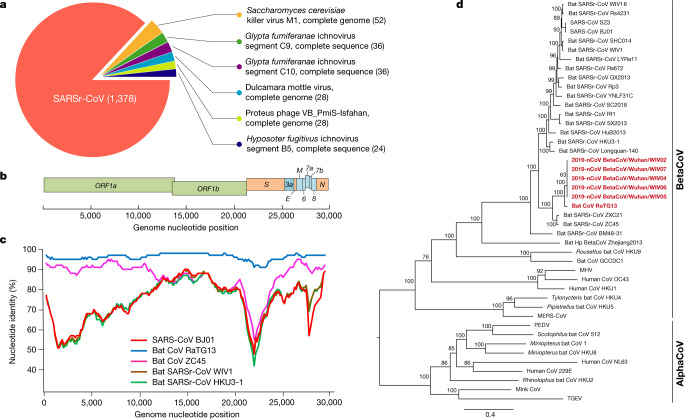
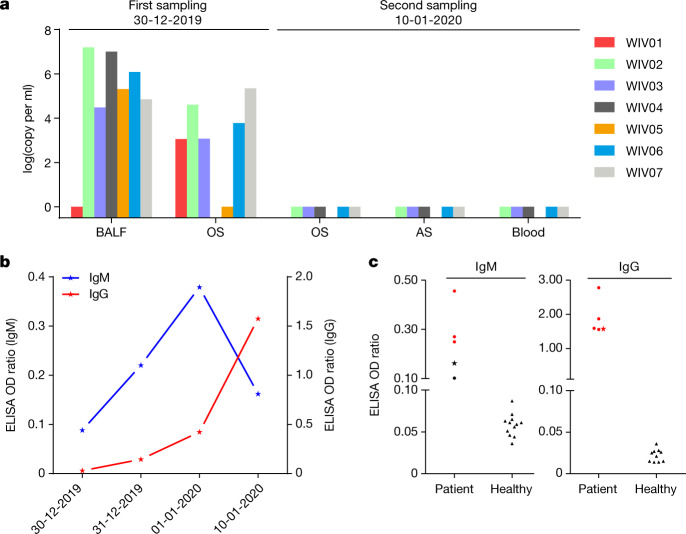
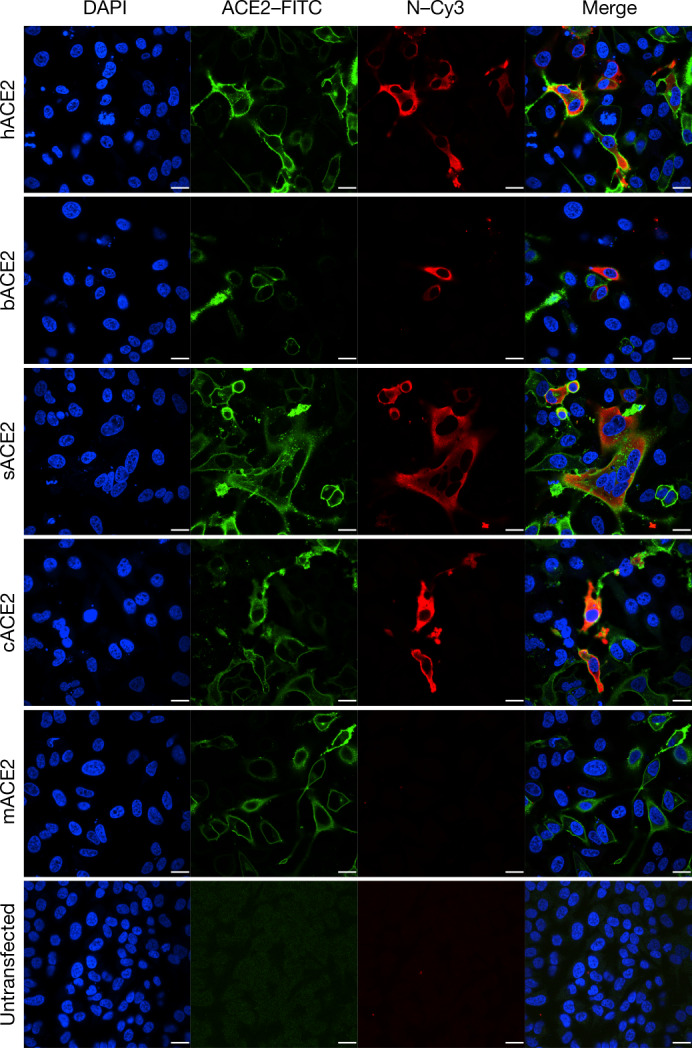
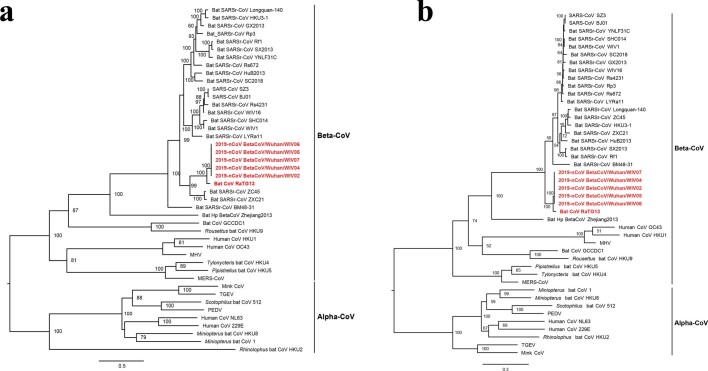
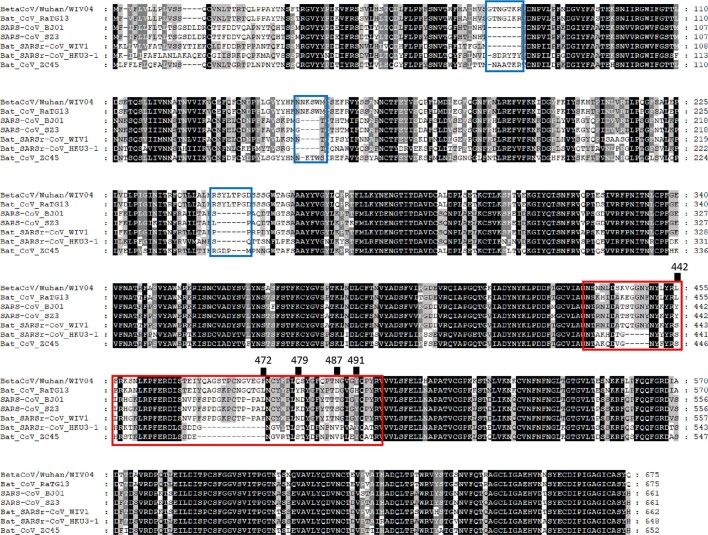
Since the outbreak of severe acute respiratory syndrome (SARS) 18 years ago, a large number of SARS-related coronaviruses (SARSr-CoVs) have been discovered in their natural reservoir host, bats 1–4 . Previous studies have shown that some bat SARSr-CoVs have the potential to infect humans 5–7 . Here we report the identification and characterization of a new coronavirus (2019-nCoV), which caused an epidemic of acute respiratory syndrome in humans in Wuhan, China. The epidemic, which started on 12 December 2019, had caused 2,794 laboratory-confirmed infections including 80 deaths by 26 January 2020. Full-length genome sequences were obtained from five patients at an early stage of the outbreak. The sequences are almost identical and share 79.6% sequence identity to SARS-CoV. Furthermore, we show that 2019-nCoV is 96% identical at the whole-genome level to a bat coronavirus. Pairwise protein sequence analysis of seven conserved non-structural proteins domains show that this virus belongs to the species of . In addition, 2019-nCoV virus isolated from the bronchoalveolar lavage fluid of a critically ill patient could be neutralized by sera from several patients. Notably, we confirmed that 2019-nCoV uses the same cell entry receptor—angiotensin converting enzyme II (ACE2)—as SARS-CoV.
Overview
The claims and statistics of this paper haven’t been checked yet.
Free: it reads the open-access text and checks the first 5 claims that cite a source we can check. Create a free account to check every claim.
Integrity signals
Registry
Cites
Statistics
Figures
Verification
Claims the paper makes
The claims and statistics of this paper haven’t been checked yet.
Free: it reads the open-access text and checks the first 5 claims that cite a source we can check. Create a free account to check every claim.
Claims other papers make about this one
Each is checked against this paper’s own text: does it say what the citing paper says it does?
The source backs part of the claim, not all of it — or backs it for a different population, condition or comparison.
In the citing paper
“SARS-CoV-2 is an enveloped, single-stranded positive-sense RNA virus with the highest, i.e. 96% of genome identity with horseshoe bat virus RaTG13 Rhinolophus affinis [3].”
From Waves and variants of SARS-CoV-2: understanding the causes and effect of the COVID-19 catastrophe (2022) · cites this paper as [3]
Experimental — accuracy not yet measuredThe source backs part of the claim, not all of it — or backs it for a different population, condition or comparison.
In the citing paper
“The disease is estimated to have originated from a seafood market in Wuhan where wild animals were traded such as marmots, bats, snakes and birds (Zhou et al., 2020).”
From How energy innovation in indoor vertical farming can improve food security, sustainability, and food safety? (2020) · cites this paper as Zhou et al., 2020
Experimental — accuracy not yet measuredThe source backs part of the claim, not all of it — or backs it for a different population, condition or comparison.
In the citing paper
“Genome sequencing demonstrated that SARS-CoV-2 shares 79.5% sequence identity with SARS-CoV (Zhou et al., 2020)”
From Oral Microbiome and SARS-CoV-2: Beware of Lung Co-infection (2020) · cites this paper as Zhou et al., 2020
Experimental — accuracy not yet measuredThe source backs part of the claim, not all of it — or backs it for a different population, condition or comparison.
In the citing paper
“This interaction requires cleavage of the S protein, likely by the cell surface protease TMPRSS2, although other proteases (such as Cathepsin B and L, CTSB/CTSL) may also be involved (4-6, 22-25).”
From Non-neuronal expression of SARS-CoV-2 entry genes in the olfactory system suggests mechanisms underlying COVID-19-associated anosmia (2020) · cites this paper as [4]
Experimental — accuracy not yet measuredThe source backs part of the claim, not all of it — or backs it for a different population, condition or comparison.
In the citing paper
“Bats (Chiroptera), representing ~22% of all mammalian species, are natural reservoirs for a wide range of zoonotic viruses, including coronaviruses, rhabdoviruses, and paramyxoviruses ( 1 – 3 ).”
From Ecological vaccination: A strategy to prevent zoonotic spillover from bats (2026) · cites this paper as [1]
Experimental — accuracy not yet measured
8 more claims about this paper
Create a free account to see every claim other papers make about this one.
Self-check
Percentages, sums and reported differences re-computed from the paper’s own numbers.
The self-check needs the paper’s full text.
Citations
Cites
Coronaviridae Study Group of the International Committee on Taxonomy of Viruses, Gorbalenya, A. E., Baker, S. C., Baric, R. S., de Groot, R. J., Drosten, C., Gulyaeva, A. A., Haagmans, B. L., Lauber, C., Leontovich, A. M., et al. (2020) · Nature Microbiology · doi:10.1038/s41564-020-0695-z · Cited by 8,403
Angiotensin-converting enzyme 2 is a functional receptor for the SARS coronavirus
Li, W., Moore, M. J., Vasilieva, N., Sui, J., Wong, S. K., Berne, M. A., Somasundaran, M., Sullivan, J. L., Luzuriaga, K., Greenough, T. C., et al. (2003) · Nature · doi:10.1038/nature02145 · Cited by 5,923
Isolation of a Novel Coronavirus from a Man with Pneumonia in Saudi Arabia
Zaki, A. M., van Boheemen, S., Bestebroer, T. M., Osterhaus, A. D. M. E., & Fouchier, R. A. M. (2012) · New England Journal of Medicine · doi:10.1056/nejmoa1211721 · Cited by 5,735
Origin and evolution of pathogenic coronaviruses
Cui, J., Li, F., & Shi, Z.-L. (2019) · Nature Reviews Microbiology · doi:10.1038/s41579-018-0118-9 · Cited by 5,515
Self-citationIdentification of a novel coronavirus in patients with severe acute respiratory syndrome
Drosten, C., Günther, S., Preiser, W., van der Werf, S., Brodt, H.-R., Becker, S., Rabenau, H., Panning, M., Kolesnikova, L., Fouchier, R. A. M., et al. (2003) · New England Journal of Medicine · doi:10.1056/nejmoa030747 · Cited by 4,574
Bats Are Natural Reservoirs of SARS-Like Coronaviruses
Li, W., Shi, Z., Yu, M., Ren, W., Smith, C., Epstein, J. H., Wang, H., Crameri, G., Hu, Z., Zhang, H., et al. (2005) · Science · doi:10.1126/science.1118391 · Cited by 2,560
Self-citationIsolation and characterization of a bat SARS-like coronavirus that uses the ACE2 receptor
Ge, X.-Y., Li, J.-L., Yang, X.-L., Chmura, A. A., Zhu, G., Epstein, J. H., Mazet, J. K., Hu, B., Zhang, W., Peng, C., et al. (2013) · Nature · doi:10.1038/nature12711 · Cited by 1,778
Self-citationGorbalenya, A. E., Baker, S. C., Baric, R. S., et al. (2020) · bioRxiv (Cold Spring Harbor Laboratory) · doi:10.1101/2020.02.07.937862 · Cited by 1,408
Al-Hanawi, M. K., Angawi, K., Alshareef, N., Qattan, A. M. N., Helmy, H. Z., Abudawood, Y., Alqurashi, M., Kattan, W. M., Kadasah, N. A., Chirwa, G. C., et al. (2020) · Frontiers in Public Health · doi:10.3389/fpubh.2020.00217 · Cited by 967
Hu, B., Zeng, L.-P., Yang, X.-L., Ge, X.-Y., Zhang, W., Li, B., Xie, J.-Z., Shen, X.-R., Zhang, Y.-Z., Wang, N., et al. (2017) · PLOS Pathogens · doi:10.1371/journal.ppat.1006698 · Cited by 950
Self-citation
Cited by
Items 1,101–1,200 of 1,208
Casanova, M., Pagani Bagliacca, E., Silva, M., Patriarca, C., Veneroni, L., Clerici, C. A., Spreafico, F., Luksch, R., Terenziani, M., Meazza, C., et al. (2020) · Pediatric Blood & Cancer · doi:10.1002/pbc.28318 · Cited by 104
Variant SARS-CoV-2 mRNA vaccines confer broad neutralization as primary or booster series in mice
(2021) · doi:10.1016/j.vaccine.2021.11.001 · Cited by 101
Variant SARS-CoV-2 mRNA vaccines confer broad neutralization as primary or booster series in mice
Wu, K., Choi, A., Koch, M., Elbashir, S., Ma, L., Lee, D., Woods, A., Henry, C., Palandjian, C., Hill, A., et al. (2021) · doi:10.1101/2021.04.13.439482 · Cited by 101
COVID-19: Review of a 21st Century Pandemic from Etiology to Neuro-psychiatric Implications
Yamamoto, V., Bolanos, J. F., Fiallos, J., Strand, S. E., Morris, K., Shahrokhinia, S., Cushing, T. R., Hopp, L., Tiwari, A., Hariri, R., et al. (2020) · Journal of Alzheimer's Disease · doi:10.3233/jad-200831 · Cited by 100
COVID-19 Compared to Other Pandemic Diseases
Pitlik, S. D. (2020) · Rambam Maimonides Medical Journal · doi:10.5041/rmmj.10418 · Cited by 100
Current Status of COVID-19 Therapies and Drug Repositioning Applications
Altay, O., Mohammadi, E., Lam, S., Turkez, H., Boren, J., Nielsen, J., Uhlen, M., & Mardinoglu, A. (2020) · iScience · doi:10.1016/j.isci.2020.101303 · Cited by 98
“Tocilizumab can diminish the effect of cytokine storming, including IL-6, which is associated with severe outcomes in patients with COVID-19 (Zhou et al., 2020a).”
Sharma, R., Agarwal, M., Gupta, M., Somendra, S., & Saxena, S. K. (2020) · Medical Virology: From Pathogenesis to Disease Control · doi:10.1007/978-981-15-4814-7_6 · Cited by 97
Cellular senescence as a potential mediator of COVID‐19 severity in the elderly
Nehme, J., Borghesan, M., Mackedenski, S., Bird, T. G., & Demaria, M. (2020) · Aging Cell · doi:10.1111/acel.13237 · Cited by 94
“During the 2003 SARS outbreak evidence of neural tissue infection was found (Hamming et al., 2004; Xu et al., 2005; Zhou et al., 2020).”
BackgroundCOVID-19: neonatal–perinatal perspectives
On behalf of the Harvard Neonatal-Perinatal Fellowship COVID-19 Working Group, Barrero-Castillero, A., Beam, K. S., Bernardini, L. B., Ramos, E. G. C., Davenport, P. E., Duncan, A. R., Fraiman, Y. S., Frazer, L. C., Healy, H., et al. (2021) · Journal of Perinatology · doi:10.1038/s41372-020-00874-x · Cited by 92
“onavirus spike protein located on the viral capsid evolved to enable binding to the human cell-surface protein angiotensin-converting enzyme 2 (ACE2) and initiate viral entry [2, 6].”
BackgroundWu, Z., Han, Y., Liu, B., Li, H., Zhu, G., Latinne, A., Dong, J., Sun, L., Su, H., Liu, L., et al. (2021) · Microbiome · doi:10.1186/s40168-020-00965-z · Cited by 92
“Instead of identifying the pathogens for diseases that have already emerged, virome surveillance provides abundant data to help understand the existing viral population and their ecology in ecosystems before they emerge into human populations causing large-scale outbreaks, to eventually prevent the zoonotic emerging i…”
BackgroundSelf-citationLung Surfactant for Pulmonary Barrier Restoration in Patients With COVID-19 Pneumonia
Mirastschijski, U., Dembinski, R., & Maedler, K. (2020) · Frontiers in Medicine · doi:10.3389/fmed.2020.00254 · Cited by 90
“As they enter through the respiratory tract, SARS-CoV, and SARS-CoV-2 may specifically destroy cells, which predominantly express the ACE2 receptor on their surfaces, namely the type II alveolar cells (2, 3).”
BackgroundAsymptomatic and symptomatic SARS-CoV-2 infections elicit polyfunctional antibodies
Dufloo, J., Grzelak, L., Staropoli, I., Madec, Y., Tondeur, L., Anna, F., Pelleau, S., Wiedemann, A., Planchais, C., Buchrieser, J., et al. (2021) · Cell Reports Medicine · doi:10.1016/j.xcrm.2021.100275 · Cited by 89
“The severe acute respiratory syndrome coronavirus 2 (SARSCoV-2) emerged in 2019 and became pandemic in 2020.(1,2) SARS-CoV-2 is responsible for the coronavirus disease 2019 (COVID-19).”
COVID-19: Gastrointestinal symptoms and potential sources of SARS-CoV-2 transmission
Kotfis, K., & Skonieczna-Żydecka, K. (2020) · Anaesthesiology Intensive Therapy · doi:10.5114/ait.2020.93867 · Cited by 87
“key receptor-binding domains occur [9, 10].”
Antibody Responses to SARS-CoV-2: Let’s Stick to Known Knowns
Baumgarth, N., Nikolich-Žugich, J., Lee, F. E.-H., & Bhattacharya, D. (2020) · The Journal of Immunology · doi:10.4049/jimmunol.2000839 · Cited by 84
“Given that the virus was first reported in December 2019 (1, 2), the pace of investigation and publications makes SARS-CoV-2 the most-studied virus in history.”
BackgroundSARS-CoV-2 Nsp16 activation mechanism and a cryptic pocket with pan-coronavirus antiviral potential
Vithani, N., Ward, M. D., Zimmerman, M. I., Novak, B., Borowsky, J. H., Singh, S., & Bowman, G. R. (2021) · Biophysical Journal · doi:10.1016/j.bpj.2021.03.024 · Cited by 84
Shah, H., Khan, M. S. H., Dhurandhar, N. V., & Hegde, V. (2021) · Acta Diabetologica · doi:10.1007/s00592-020-01636-z · Cited by 80
Tackling COVID-19 with neutralizing monoclonal antibodies
Corti, D., Purcell, L. A., Snell, G., & Veesler, D. (2021) · Cell · doi:10.1016/j.cell.2021.07.027 · Cited by 78
“All mAbs authorized or in development are directed to the RBD, which interacts with the target receptor angiotensin-converting enzyme 2 (ACE2) (Hoffmann et al., 2020; Letko et al., 2020; Walls et al., 2020b; Zhou et al., 2020).”
Matyášek, R., & Kovařík, A. (2020) · Genes · doi:10.3390/genes11070761 · Cited by 78
Presence of antibody-dependent cellular cytotoxicity (ADCC) against SARS-CoV-2 in COVID-19 plasma
Tso, F. Y., Lidenge, S. J., Poppe, L. K., Peña, P. B., Privatt, S. R., Bennett, S. J., Ngowi, J. R., Mwaiselage, J., Belshan, M., Siedlik, J. A., et al. (2021) · PLOS ONE · doi:10.1371/journal.pone.0247640 · Cited by 68
“The coronavirus disease of 2019 (COVID-19) pandemic is caused by the novel SARS-CoV-2 virus [1, 2].”
BackgroundPredicting mammalian hosts in which novel coronaviruses can be generated
Wardeh, M., Baylis, M., & Blagrove, M. S. C. (2021) · Nature Communications · doi:10.1038/s41467-021-21034-5 · Cited by 76
Sequence signatures of two public antibody clonotypes that bind SARS-CoV-2 receptor binding domain
Tan, T. J. C., Yuan, M., Kuzelka, K., Padron, G. C., Beal, J. R., Chen, X., Wang, Y., Rivera-Cardona, J., Zhu, X., Stadtmueller, B. M., et al. (2021) · Nature Communications · doi:10.1038/s41467-021-24123-7 · Cited by 75
Self-citationProgressive assembly of multi-domain protein structures from cryo-EM density maps
Zhou, X., Li, Y., Zhang, C., Zheng, W., Zhang, G., & Zhang, Y. (2022) · Nature Computational Science · doi:10.1038/s43588-022-00232-1 · Cited by 75
Host Immune Response Driving SARS-CoV-2 Evolution
Wang, R., Hozumi, Y., Zheng, Y.-H., Yin, C., & Wei, G.-W. (2020) · Viruses · doi:10.3390/v12101095 · Cited by 74
Liu, S., Hossinger, A., Heumüller, S.-E., Hornberger, A., Buravlova, O., Konstantoulea, K., Müller, S. A., Paulsen, L., Rousseau, F., Schymkowitz, J., et al. (2021) · Nature Communications · doi:10.1038/s41467-021-25855-2 · Cited by 72
A public vaccine-induced human antibody protects against SARS-CoV-2 and emerging variants
Schmitz, A. J., Turner, J. S., Liu, Z., Aziati, I. D., Chen, R. E., Joshi, A., Bricker, T. L., Darling, T. L., Adelsberg, D. C., Alsoussi, W. B., et al. (2021) · doi:10.1101/2021.03.24.436864 · Cited by 72
Identification of a novel lineage bat SARS-related coronaviruses that use bat ACE2 receptor
Guo, H., Hu, B., Si, H.-R., Zhu, Y., Zhang, W., Li, B., Li, A., Geng, R., Lin, H.-F., Yang, X.-L., et al. (2021) · Emerging Microbes & Infections · doi:10.1080/22221751.2021.1956373 · Cited by 71
Self-citationWang, Y., Zheng, J., Islam, M. S., Yang, Y., Hu, Y., & Chen, X. (2021) · International Journal of Biological Sciences · doi:10.7150/ijbs.59534 · Cited by 71
Self-citationPotential mechanisms of hemorrhagic stroke in elderly COVID-19 patients
Wang, H., Tang, X., Fan, H., Luo, Y., Song, Y., Xu, Y., & Chen, Y. (2020) · Aging · doi:10.18632/aging.103335 · Cited by 69
“provided the first evidence that COVID-19 is associated with a novel coronavirus strain [12].”
BackgroundZang, J., Gu, C., Zhou, B., Zhang, C., Yang, Y., Xu, S., Bai, L., Zhang, R., Deng, Q., Yuan, Z., et al. (2020) · Cell Discovery · doi:10.1038/s41421-020-00199-1 · Cited by 67
Urine proteome of COVID-19 patients
(2020) · doi:10.1016/j.urine.2021.02.001 · Cited by 68
Emergence of bat-related betacoronaviruses: hazard and risks
Frutos, R., Serra-Cobo, J., Pinault, L., Lopez Roig, M., & Devaux, C. A. (2021) · Frontiers in Microbiology · doi:10.3389/fmicb.2021.591535 · Cited by 66
(2022) · doi:10.1016/j.chempr.2022.07.012 · Cited by 64
Molecular mechanisms and epidemiology of COVID-19 from an allergist’s perspective
Hosoki, K., Chakraborty, A., & Sur, S. (2020) · Journal of Allergy and Clinical Immunology · doi:10.1016/j.jaci.2020.05.033 · Cited by 63
“The SARS-CoV-2 and bat SARS-CoVlike CoVs share approximately 96% sequence similarities.(86) Likewise, CoVs in Malayan pangolins (Manis javanica) have a high degree of similarity in all 6 residues of the receptorbinding domain (RBD) site of SARS-CoV-2.”
Meixner, O., & Katt, F. (2020) · Sustainability · doi:10.3390/su12187270 · Cited by 62
“With COVID-19 caused by the SARS-CoV-2 virus, probably originating from bats [7] with a suspected animal-to-human transmission in the context of a wet market [2], creating a pandemic of proportions unseen since the Spanish flu, we seek to examine what impact this pandemic may have on food safety perceptions.”
BackgroundSoh, W. T., Liu, Y., Nakayama, E. E., Ono, C., Torii, S., Nakagami, H., Matsuura, Y., Shioda, T., & Arase, H. (2020) · doi:10.1101/2020.11.05.369264 · Cited by 61
Jiang, Z., Zhu, P., Wang, L., Hu, Y., Pang, M., Ma, S., & Tang, X. (2021) · Journal of Psychiatric Research · doi:10.1016/j.jpsychires.2020.10.034 · Cited by 60
Molecular architecture and dynamics of SARS-CoV-2 envelope by integrative modeling
Pezeshkian, W., Grünewald, F., Narykov, O., Lu, S., Arkhipova, V., Solodovnikov, A., Wassenaar, T. A., Marrink, S. J., & Korkin, D. (2023) · Structure · doi:10.1016/j.str.2023.02.006 · Cited by 60
Molecular architecture and dynamics of SARS-CoV-2 envelope by integrative modeling
Pezeshkian, W., Grünewald, F., Narykov, O., Lu, S., Arkhipova, V., Solodovnikov, A., Wassenaar, T. A., Marrink, S. J., & Korkin, D. (2021) · doi:10.1101/2021.09.15.459697 · Cited by 60
“packaged dimer located on the envelope surface, (2) the orientation of the monomers in the membrane, and (3) the approximate dimensions of the transmembrane domain (TMD) of a single packaged M dimer defined by the envelope membrane’s thickness.”
InfluentialLu, R. X. Z., Lai, B. F. L., Rafatian, N., Gustafson, D., Campbell, S. B., Banerjee, A., Kozak, R., Mossman, K., Mubareka, S., Howe, K. L., et al. (2022) · Lab on a Chip · doi:10.1039/d1lc00817j · Cited by 58
Evaluation of nutritional behaviour related to COVID-19
Elmacıoğlu, F., Emiroğlu, E., Ülker, M. T., Özyılmaz Kırcali, B., & Oruç, S. (2021) · Public Health Nutrition · doi:10.1017/s1368980020004140 · Cited by 58
Preclinical evaluation of a SARS-CoV-2 mRNA vaccine PTX-COVID19-B
Liu, J., Budylowski, P., Samson, R., Griffin, B. D., Babuadze, G., Rathod, B., Colwill, K., Abioye, J. A., Schwartz, J. A., Law, R., et al. (2022) · Science Advances · doi:10.1126/sciadv.abj9815 · Cited by 56
Virological characteristics of SARS-CoV-2 vaccine breakthrough infections in health care workers
Shamier, M. C., Tostmann, A., Bogers, S., de Wilde, J., IJpelaar, J., van der Kleij, W. A., de Jager, H., Haagmans, B. L., Molenkamp, R., Oude Munnink, B. B., et al. (2021) · doi:10.1101/2021.08.20.21262158 · Cited by 56
Genetic and structural basis for recognition of SARS-CoV-2 spike protein by a two-antibody cocktail
Dong, J., Zost, S. J., Greaney, A. J., Starr, T. N., Dingens, A. S., Chen, E. C., Chen, R. E., Case, J. B., Sutton, R. E., Gilchuk, P., et al. (2021) · doi:10.1101/2021.01.27.428529 · Cited by 55
mRNA vaccine CVnCoV protects non-human primates from SARS-CoV-2 challenge infection
Rauch, S., Gooch, K., Hall, Y., Salguero, F. J., Dennis, M. J., Gleeson, F. V., Harris, D., Ho, C., Humphries, H. E., Longet, S., et al. (2020) · doi:10.1101/2020.12.23.424138 · Cited by 48
Influence of NAD+ as an ageing-related immunomodulator on COVID 19 infection: A hypothesis
Omran, H. M., & Almaliki, M. S. (2020) · Journal of Infection and Public Health · doi:10.1016/j.jiph.2020.06.004 · Cited by 45
“SARS-CoV-2 likewise SARS-CoV, uses the envelope spike (S) glyoprotein binding to the angiotensin-converting enzyme 2 (ACE2) s a receptor to enter the cells [8,9].”
The Human Leukocyte Antigen Class II Immunopeptidome of the SARS-CoV-2 Spike Glycoprotein
Knierman, M. D., Lannan, M. B., Spindler, L. J., McMillian, C. L., Konrad, R. J., & Siegel, R. W. (2020) · Cell Reports · doi:10.1016/j.celrep.2020.108454 · Cited by 46
Optimal, near-optimal, and robust epidemic control
Morris, D. H., Rossine, F. W., Plotkin, J. B., & Levin, S. (2020) · doi:10.31219/osf.io/9gr7q · Cited by 41
DNA damage response at telomeres boosts the transcription of SARS‐CoV‐2 receptor ACE2 during aging
Sepe, S., Rossiello, F., Cancila, V., Iannelli, F., Matti, V., Cicio, G., Cabrini, M., Marinelli, E., Alabi, B. R., di Lillo, A., et al. (2022) · The EMBO Reports · doi:10.15252/embr.202153658 · Cited by 42
“This mechanism is conserved in other viruses, including the closely related SARS-CoV, although SARS-CoV-2 has a ten times higher affinity to ACE2, which is consistent with its higher infectiousness (Hoffmann et al , 2020; Zhou et al , 2020).”
Karki, N., Verma, N., Trozzi, F., Tao, P., Kraka, E., & Zoltowski, B. (2021) · International Journal of Molecular Sciences · doi:10.3390/ijms22041573 · Cited by 43
Universal features of Nsp1-mediated translational shutdown by coronaviruses
Schubert, K., Karousis, E. D., Ban, I., Lapointe, C. P., Leibundgut, M., Bäumlin, E., Kummerant, E., Scaiola, A., Schönhut, T., Ziegelmüller, J., et al. (2023) · Molecular Cell · doi:10.1016/j.molcel.2023.09.002 · Cited by 41
Muecksch, F., Weisblum, Y., Barnes, C. O., Schmidt, F., Schaefer-Babajew, D., Lorenzi, J. C. C., Flyak, A. I., DeLaitsch, A. T., Huey-Tubman, K. E., Hou, S., et al. (2021) · doi:10.1101/2021.03.07.434227 · Cited by 39
“SARS-CoV-2 is closely related to the horseshoe bat (Rinolophus affinis) coronavirus bCoV-RaTG13 (97.4% amino acid identity in spike) (Zhou et al., 2020), but the SARS-CoV-2 RBD diverges from bCoV-RaTG13 (89.3% identity) and is more closely related (97.4% identity) to pangolin (Manis javanica)…”
BackgroundInfluentialAre Older People Really More Susceptible to SARS-CoV-2?
Zhang, S., Yang, Z., Li, Z.-N., Chen, Z.-L., Yue, S.-J., Fu, R.-J., Xu, D.-Q., Zhang, S., & Tang, Y.-P. (2022) · Aging and disease · doi:10.14336/ad.2022.0130 · Cited by 39
“ACE2 is the main determinant of SARS-CoV-2 entry and transmission [15].”
BackgroundSimonetti, B., Daly, J. L., & Cullen, P. J. (2023) · Traffic · doi:10.1111/tra.12885 · Cited by 39
Imaging Features of Acute Encephalopathy in Patients with COVID-19: A Case Series
Kihira, S., Delman, B. N., Belani, P., Stein, L., Aggarwal, A., Rigney, B., Schefflein, J., Doshi, A. H., & Pawha, P. S. (2020) · American Journal of Neuroradiology · doi:10.3174/ajnr.a6715 · Cited by 38
“a cytokine cascade through angiotensin-converting enzyme 2 receptor binding, which leads to blood-brain barrier breakdown.(17) Angiotensin-converting enzyme 2 is widely expressed in the glial”
Kruglova, N., Siniavin, A., Gushchin, V., & Mazurov, D. (2021) · Viruses · doi:10.3390/v13061133 · Cited by 37
“The main receptor for SARS-CoV-2, angiotensin-converting enzyme 2 (ACE2) [1,5,6], determines the viral tropism, which is not restricted to the respiratory epithelium and in certain cases can infect enterocytes, as well as kidney, heart, brain, and other cell types [7,8].”
Background(2020) · doi:10.1371/journal.pone.0238342 · Cited by 35
“Phylogenetic analyses of severe acute respiratory syndrome coronavirus 2 (SARS-CoV-2), the causative agent of COVID-19, suggest zoonotic origin [2], with subsequent rapid spread indicative of person-to-person transmission [3, 4].”
BackgroundMediators of SARS-CoV-2 entry are preferentially enriched in cardiomyocytes
Yang, J., Chen, T., & Zhou, Y. (2021) · Hereditas · doi:10.1186/s41065-020-00168-4 · Cited by 35
Coincident rapid expansion of two SARS-CoV-2 lineages with enhanced infectivity in Nigeria
Ozer, E. A., Simons, L. M., Adewumi, O. M., Fowotade, A. A., Omoruyi, E. C., Adeniji, J. A., Dean, T. J., Zayas, J., Bhimalli, P. P., Ash, M. K., et al. (2021) · doi:10.1101/2021.04.09.21255206 · Cited by 34
Global Diversification and Distribution of Coronaviruses With Furin Cleavage Sites
Liu, X., Wu, Q., & Zhang, Z. (2021) · Frontiers in Microbiology · doi:10.3389/fmicb.2021.649314 · Cited by 32
A 3D structural SARS-CoV-2–human interactome to explore genetic and drug perturbations
Wierbowski, S. D., Liang, S., Liu, Y., Chen, Y., Gupta, S., Andre, N. M., Lipkin, S. M., Whittaker, G. R., & Yu, H. (2021) · Nature Methods · doi:10.1038/s41592-021-01318-w · Cited by 32
“This interaction mediates viral entry into human cells 3 and is among the only viral–human interactions solved in both SARS-CoV-1 (ref.”
BackgroundSelf-citationCoronaviruses closely related to the pandemic virus discovered in Japan and Cambodia
Mallapaty, S. (2020) · Nature · doi:10.1038/d41586-020-03217-0 · Cited by 31
Latil, M., Camelo, S., Veillet, S., Lafont, R., & Dilda, P. J. (2021) · Drug Discovery Today · doi:10.1016/j.drudis.2021.02.010 · Cited by 31
Can N95 respirators be reused after disinfection? And for how many times?
Liao, L., Xiao, W., Zhao, M., Yu, X., Wang, H., Wang, Q., Chu, S., & Cui, Y. (2020) · doi:10.1101/2020.04.01.20050443 · Cited by 433
“Another disadvantage is that UVGI was reported to significantly impact the mechanical strength of some FFRs with doses of around 1000 J/cm 2, 38 .”
BackgroundHennrich, A. A., Sawatsky, B., Santos-Mandujano, R., Banda, D. H., Oberhuber, M., Schopf, A., Pfaffinger, V., Wittwer, K., Riedel, C., Pfaller, C. K., et al. (2021) · PLOS Pathogens · doi:10.1371/journal.ppat.1009064 · Cited by 30
Shooting at a Moving Target—Effectiveness and Emerging Challenges for SARS-CoV-2 Vaccine Development
Günl, F., Mecate-Zambrano, A., Rehländer, S., Hinse, S., Ludwig, S., & Brunotte, L. (2021) · Vaccines · doi:10.3390/vaccines9101052 · Cited by 27
“The genome sequence of SARS-CoV-2 suggests a close relation to the sarbecovirus genomes RaTG13 and RmYN02 from bats [2,3].”
BackgroundLai, A., Chang, M. L., O'Donnell, R. P., Zhou, C., Sumner, J. A., & Hsiai, T. K. (2021) · Science of The Total Environment · doi:10.1016/j.scitotenv.2021.146464 · Cited by 25
Ma, Y., Lu, D., Bao, L., Qu, Y., Liu, J., Qi, X., Yu, L., Zhang, X., Qi, F., Lv, Q., et al. (2021) · Animal Models and Experimental Medicine · doi:10.1002/ame2.12155 · Cited by 25
Muslim, S., Nasrin, N., Alotaibi, F. O., Prasad, G., Singh, S. K., Alam, I., & Mustafa, G. (2020) · SN Comprehensive Clinical Medicine · doi:10.1007/s42399-020-00407-9 · Cited by 25
“SARS-CoV-2 like SARS-CoV uses ACE2 as receptor for infecting human cells [30].”
BackgroundSarbecovirus RBD indels and specific residues dictating multi-species ACE2 adaptiveness
Si, J.-Y., Chen, Y.-M., Sun, Y.-H., Gu, M.-X., Huang, M.-L., Shi, L.-L., Yu, X., Yang, X., Xiong, Q., Ma, C.-B., et al. (2024) · Nature Communications · doi:10.1038/s41467-024-53029-3 · Cited by 25
“The Severe Acute Respiratory Syndrome (SARS) outbreak and COVID-19 pandemic signi fi cantly raised global awareness of the zoonotic risks posed by sarbecoviruses 1,2 .”
Self-citationTherapeutic and Nutritional Potential of Spirulina in Combating COVID-19 Infection
Singh, S., Dwivedi, V., Sanyal, D., & Dasgupta, S. (2020) · doi:10.21467/preprints.49 · Cited by 25
“The virus is zoonotic in origin and was transmitted to humans through yet unknown intermediary animals (Zhou et al. 2020).”
BackgroundReport 5: Phylogenetic analysis of SARS-CoV-2
Volz, E., Baguelin, M., Bhatia, S., Boonyasiri, A., Cori, A., Cucunuba Perez, Z., Cuomo-Dannenburg, G., Donnelly, C., Dorigatti, I., Fitzjohn, R., et al. (2020) · Imperial College London · doi:10.25561/77169 · Cited by 25
Self-citationSARS-CoV-2's origin should be investigated worldwide for pandemic prevention
Wu, Z., Jin, Q., Wu, G., Lu, J., Li, M., Guo, D., Lan, K., Feng, L., Qian, Z., Ren, L., et al. (2021) · The Lancet · doi:10.1016/s0140-6736(21)02020-1 · Cited by 23
Devaux, C. A., & Camoin-Jau, L. (2022) · Frontiers in Microbiology · doi:10.3389/fmicb.2022.1042200 · Cited by 20
“Particular attention was drawn to polymorphism of ACE2 in bat (considered to be a reservoir of SARS-CoV-related virus; Zhou et al., 2020; Wacharapluesadee et al., 2021) this species, and in minks (because they have been shown to be susceptible to infection by SARS-CoV-2 from humans and then to be a source of the virus…”
BackgroundLi, X., Pan, Y., Yin, Q., Wang, Z., Shan, S., Zhang, L., Yu, J., Qu, Y., Sun, L., Gui, F., et al. (2022) · Cell Discovery · doi:10.1038/s41421-022-00449-4 · Cited by 20
Self-citationChen, H., Peng, J., Wang, T., Wen, J., Chen, S., Huang, Y., & Zhang, Y. (2023) · Biochemical Pharmacology · doi:10.1016/j.bcp.2022.115370 · Cited by 19
“CoV-2 has been confirmed to bind to ACE2 as a cellular receptor in a similar way but with a 10- to 20-fold higher binding affinity than SARSCoV, which leads to a higher pathogenic effect [179,180].”
BackgroundSelf-citationDu, W., Debski-Antoniak, O., Drabek, D., van Haperen, R., van Dortmondt, M., van der Lee, J., Drulyte, I., van Kuppeveld, F. J. M., Grosveld, F., Hurdiss, D. L., et al. (2024) · Nature Communications · doi:10.1038/s41467-024-49693-0 · Cited by 19
“The virus is closely related to bat coronaviruses 15 – 20 and is thought to have jumped to humans through an intermediate animal host 21,22 , although the exact host remains uncertain 23 .”
BackgroundBeyond dexamethasone, emerging immuno‐thrombotic therapies for COVID‐19
Jensen, M. P., George, M., Gilroy, D., & Sofat, R. (2021) · British Journal of Clinical Pharmacology · doi:10.1111/bcp.14540 · Cited by 17
“the novel severe acute respiratory syndrome coronavirus (SARS-CoV2), emerged.(1) Unlike other epidemics of novel viruses (e.”
BackgroundMolecular epidemiology of SARS CoV-2: a review of current data on genetic variability of the virus
Parczewski, M., & Ciechanowicz, A. (2020) · Polish Archives of Internal Medicine · doi:10.20452/pamw.15550 · Cited by 17
Guillet, H., Gallet, R., Pham, V., D’Humières, T., Huguet, R., Lim, P., Michel, M., & Khellaf, M. (2021) · European Heart Journal - Case Reports · doi:10.1093/ehjcr/ytaa488 · Cited by 17
Samsudin, F., Gan, S. K.-E., & Bond, P. J. (2021) · Computational and Structural Biotechnology Journal · doi:10.1016/j.csbj.2020.12.022 · Cited by 16
Wang, C., van Haperen, R., Gutiérrez-Álvarez, J., Li, W., Okba, N. M. A., Albulescu, I., Widjaja, I., van Dieren, B., Fernandez-Delgado, R., Sola, I., et al. (2020) · doi:10.1101/2020.10.20.346916 · Cited by 15
Pathogen and Antibody Identification in Children with Encephalitis in Myanmar
Galardi, M. M., Sowa, G. M., Crockett, C. D., Rudock, R., Smith, A. E., Shwe, E. E., San, T., Linn, K., Aye, A. M. M., Ramachandran, P. S., et al. (2023) · Annals of Neurology · doi:10.1002/ana.26560 · Cited by 14
Coelho Paraguassu, E., Chen, H., Zhou, F., Xu, Z., & Wang, M. (2020) · Brazilian Journal of Implantology and Health Sciences · doi:10.36557/2674-8169.2020v2n3p96-109 · Cited by 14
Environmental health, COVID-19, and the syndemic: Internal medicine facing the challenge
Di Ciaula, A., Moshammer, H., Lauriola, P., & Portincasa, P. (2022) · Internal and Emergency Medicine · doi:10.1007/s11739-022-03107-5 · Cited by 12
“Climate change increases the risk for infectious disease transmission since decades [27], and the onset and spread of the SARS-CoV-2, a zoonotic coronavirus with a possible origin in bats and an inter-species transmission from bats to humans [28], should not be an exception to this trend.”
BackgroundLin, E.-C., Tu, H.-P., & Hong, C.-H. (2023) · Respiratory Research · doi:10.1186/s12931-023-02365-x · Cited by 13
Engone-Ondo, J. D., Mouinga-Ondémé, A., Lékana-Douki, S. E., Diané, A., Mamimandjiami, A. I., Banga, O., Ndong-Atome, G.-R., & Aghokeng, A. F. (2021) · Journal of Antimicrobial Chemotherapy · doi:10.1093/jac/dkaa537 · Cited by 15
Li, C., Yu, D., Wu, X., Liang, H., Zhou, Z., Xie, Y., Li, T., Wu, J., Lu, F., Feng, L., et al. (2021) · doi:10.1101/2021.04.05.437224 · Cited by 73
Self-citationBursky, M., Kosuri, M., Walsh Carson, K., Babad, S., Iskhakova, A., & Nikulina, V. (2023) · Psychological Reports · doi:10.1177/00332941211048734 · Cited by 13
Kaushik, R., Kumar, N., Zhang, K. Y. J., Srivastava, P., Bhatia, S., & Malik, Y. S. (2022) · Environmental Research · doi:10.1016/j.envres.2022.113303 · Cited by 13
Aljuhani, A., Albalawi, O., Albalawi, R., Alsalama, R., Alatawi, S., Altemani, R., Abdel‐Maksoud, M. S., & Elsherbiny, N. (2023) · Cell Biology International · doi:10.1002/cbin.12014 · Cited by 12
FARİZ, S., KADAKAL, A., & FARİZ, G. (2021) · Balıkesır Health Sciences Journal · doi:10.53424/balikesirsbd.947458 · Cited by 12
AI-driven prediction of SARS-CoV-2 variant binding trends from atomistic simulations
Capponi, S., Wang, S., Navarro, E. J., & Bianco, S. (2021) · The European Physical Journal E · doi:10.1140/epje/s10189-021-00119-5 · Cited by 12
(2022) · doi:10.1098/rsos.220600 · Cited by 12
Bera, B., Bhattacharjee, S., Shit, P. K., Sengupta, N., & Saha, S. (2022) · Stochastic Environmental Research and Risk Assessment · doi:10.1007/s00477-021-02033-w · Cited by 10
Park, S. C., Won, S. Y., Kim, N. H., Choi, H., Youk, T. M., Lee, H. J., & Jeon, H. H. (2021) · Annals of Translational Medicine · doi:10.21037/atm-20-5958 · Cited by 10
“The coronavirus disease 2019 (COVID-19) is an infectious respiratory syndrome that displays a wide spectrum of clinical presentations and outcomes (1,2).”
Ruiz, F., Foreman, W. B., Lilly, M., Baharani, V. A., Depierreux, D. M., Chohan, V., Taylor, A. L., Guenthoer, J., Ralph, D., Matsen IV, F. A., et al. (2024) · PLOS Pathogens · doi:10.1371/journal.ppat.1012650 · Cited by 7
Overcoming COVID-19 in China despite shortcomings of the public health system: what can we learn?
Wang, M. M., & Fleßa, S. (2021) · Health Economics Review · doi:10.1186/s13561-021-00319-x · Cited by 6
“On January 7, 2020, the China Centers for Disease Control and Prevention (CDC) detected a new human coronavirus and sequenced the whole genome of the virus [2, 3], which was subsequently identified as the pathogen of the disease [4, 5].”
BackgroundAlkasir, E., Masjedi-Arani, A., Bakhtiyari, M., & Isfeedvajani, M. S. (2024) · Journal of Education and Health Promotion · doi:10.4103/jehp.jehp_1372_23 · Cited by 6
Ali, M. A., & Caetano-Anollés, G. (2024) · Viruses · doi:10.3390/v16091358 · Cited by 6
“The virus has a 79.6% sequence similarity to SARS-CoV-1, the causative agent of the first SARS outbreak [13].”
BackgroundInfluentialPiccoli, L., Park, Y.-J., Tortorici, M. A., Czudnochowski, N., Walls, A. C., Beltramello, M., Silacci-Fregni, C., Pinto, D., Rosen, L. E., Bowen, J. E., et al. (2020) · Cell · doi:10.1016/j.cell.2020.09.037 · Cited by 1,395
“Consistent with a recent report that the closed S state is favored at endosomal pH (Zhou et al., 2020b), we found that binding of all mAbs to the S ectodomain was dampened at pH 5.4, except for S309 and S2H13, whereas binding of all these mAbs to the free RBD was not affected at pH 5.4 (Figures S5A…”
Influential
Metadata
- Authors
- Zhou, P., Yang, X.-L., Wang, X.-G., Hu, B., Zhang, L., Zhang, W., Si, H.-R., Zhu, Y., Li, B., Huang, C.-L., Chen, H.-D., Chen, J., Luo, Y., Guo, H., Jiang, R.-D., Liu, M.-Q., Chen, Y., Shen, X.-R., Wang, X., Zheng, X.-S., Zhao, K., Chen, Q.-J., Deng, F., Liu, L.-L., Yan, B., Zhan, F.-X., Wang, Y.-Y., Xiao, G.-F., & Shi, Z.-L.
- Affiliations
- Chinese Academy of Sciences (CN)
- Jinyintan Hospital (CN)
- Hubei Provincial Center for Disease Control and Prevention (CN)
- Corresponding author
- Shi, Zheng-Li
- Venue
- Nature
- Published
- 2020-02-03
- Volume
- 579
- Issue
- 7798
- Pages
- 270-273
- ISSN
- 0028-0836 (ISSN-L)
- 1476-4687
- PMC
- PMC7095418
- OpenAlex
- W3004280078
- Cited by
- 21,969
- References
- 19
- Citations by year
- 2026: 363 · 2025: 769 · 2024: 1366 · 2023: 2080 · 2022: 3751 · 2021: 6147 · 2020: 7448
- FWCI
- 638.99
- Type
- journal article
- Language
- en
- Update notices
- addendum (2020-11-17)
- Open access
- hybrid
- doi.org
- Licence
- cc-by
- creativecommons.org/licenses/by/4.0 (tdm)
- creativecommons.org/licenses/by/4.0 (vor)
- Locations
- Nature (publishedVersion, cc-by)
- bioRxiv (Cold Spring Harbor Laboratory) (acceptedVersion)
- PubMed Central (publishedVersion, cc-by)
- PubMed (publishedVersion)
- LA Referencia (Red Federada de Repositorios Institucionales de Publicaciones Científicas) (publishedVersion, cc-by)
- Digital Commons - University of South Florida (University of South Florida) (submittedVersion)
- RePEc: Research Papers in Economics (submittedVersion)
- LA Referencia (Red Federada de Repositorios Institucionales de Publicaciones Científicas) (submittedVersion, cc-by)
- Funders
- Chinese Academy of Sciences (XDB29010101, 2019328)
- Youth Innovation Promotion Association
- Topics
- Health Sciences › Medicine › Infectious Diseases › SARS-CoV-2 and COVID-19 Research
- Life Sciences › Agricultural and Biological Sciences › Animal Science and Zoology › Animal Virus Infections Studies
- Health Sciences › Medicine › Infectious Diseases › COVID-19 Clinical Research Studies
- Keywords
- SARS-CoV-2, coronavirus outbreak, bat coronaviruses, zoonotic transmission, SARS-related coronaviruses, complete genome sequence, neutralizing antibodies, ACE2 receptor
- MeSH terms
- Betacoronavirus, Angiotensin-Converting Enzyme 2, COVID-19, SARS-CoV-2, Animals, Antibodies, Viral, Cell Line, Chlorocebus aethiops, China, Chiroptera, Disease Outbreaks, Female, Humans, Peptidyl-Dipeptidase A, Male, Phylogeny, Pneumonia, Viral, Sequence Homology, Nucleic Acid, Vero Cells, Genome, Viral, Coronavirus Infections, Severe Acute Respiratory Syndrome, Severe acute respiratory syndrome-related coronavirus
About these checks
Registry, retraction, Cites and statistics results are computed, not judged, with one exception: a printed reference that no index lists is read once by a model before it counts as a citation error. Claims are extracted by a model and kept only when their quote appears verbatim in the text; each cited source is then checked, with a model’s help, for whether it says what the claim relies on. Those verdicts can be wrong — read the claim’s quote and the cited source before relying on one.
Statistics and arithmetic are recomputed, not judged.
Confidence bands are shown only for fields calibrated on our annotated test set. None is calibrated yet, so no band is shown.
What counts as a claim ›How we measure confidence ›How we check this ›
Are you an author, or do you see a problem with this page? Request a review
Data sources
Bibliographic data: Semantic Scholar, OpenAlex, Crossref.
Contains information from the Semantic Scholar Academic Graph Datasets, made available under the ODC Attribution License (ODC-BY 1.0).
Semantic Scholar’s data is described in: Kinney, R., et al. (2023). The Semantic Scholar Open Data Platform. arXiv:2301.10140.
