

A pneumonia outbreak associated with a new coronavirus of probable bat origin
Open accessPublished version of a preprint
The DOI matches its Crossref record; 21 of the 21 references it cites were found in a registry or an index.
Abstract
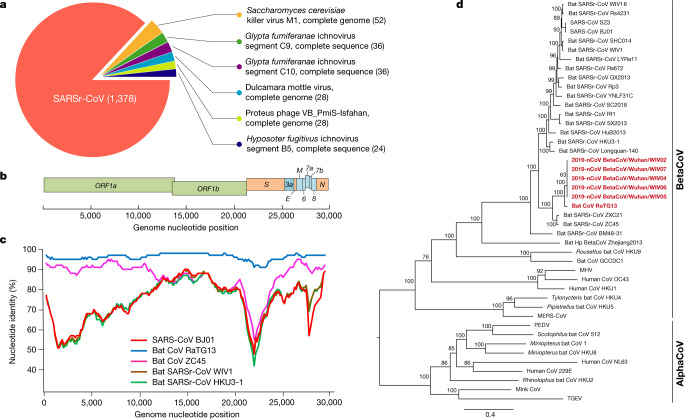
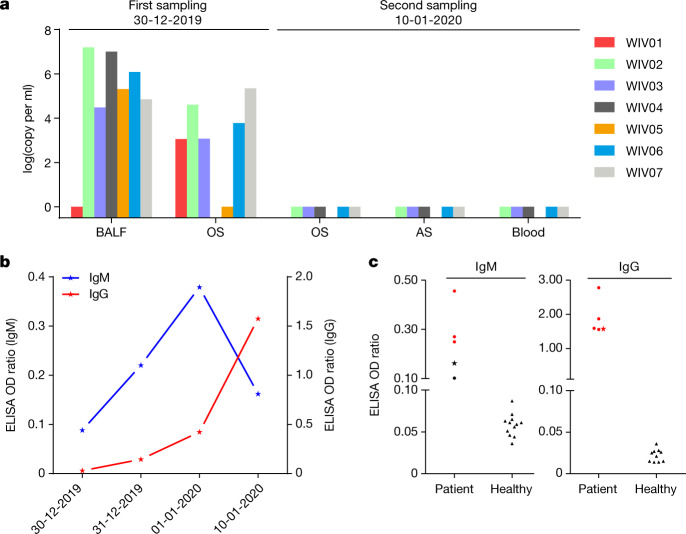
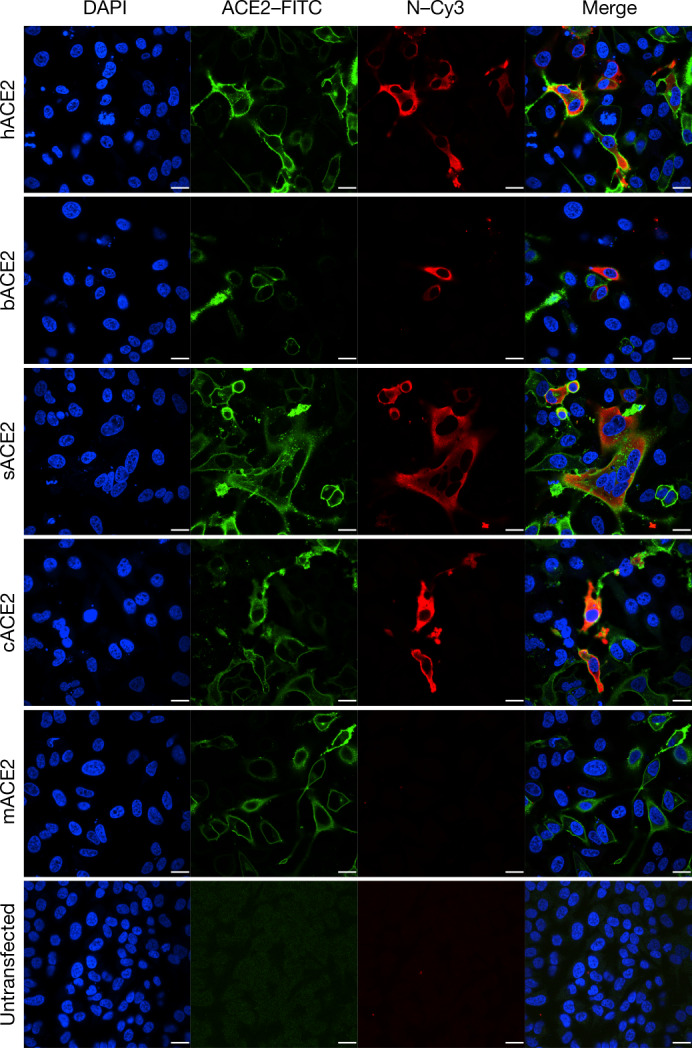
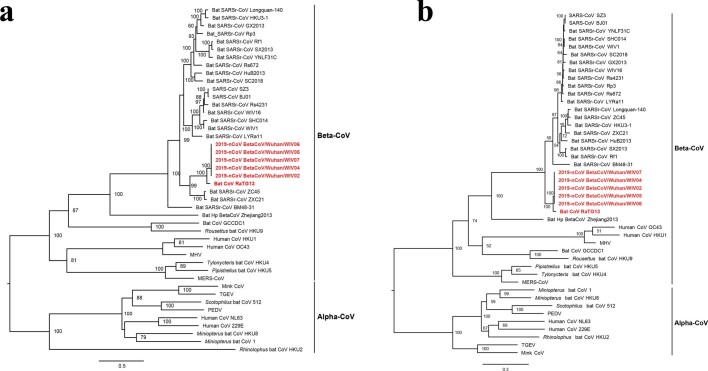
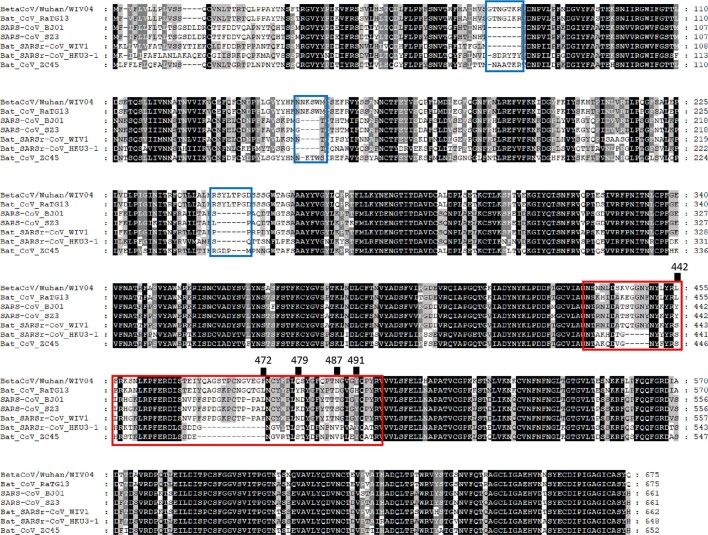
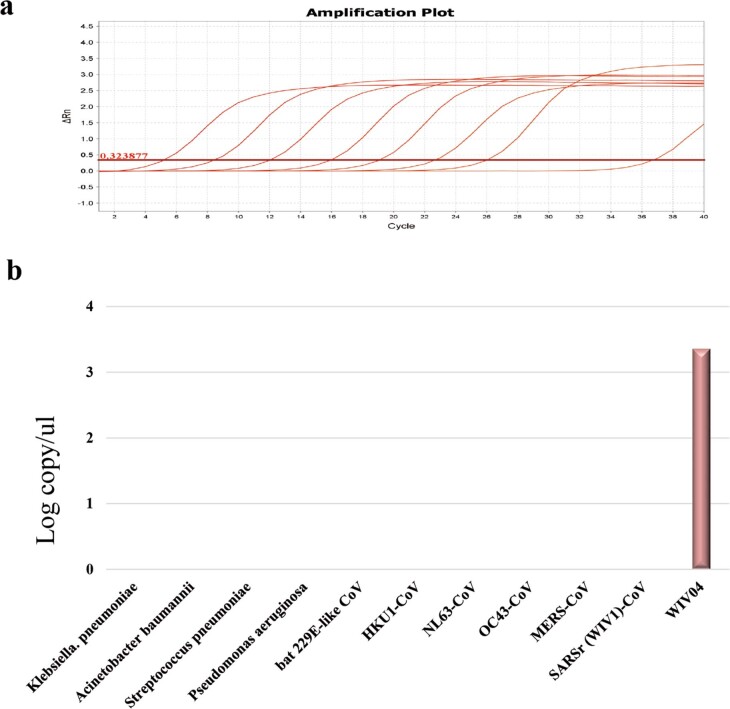
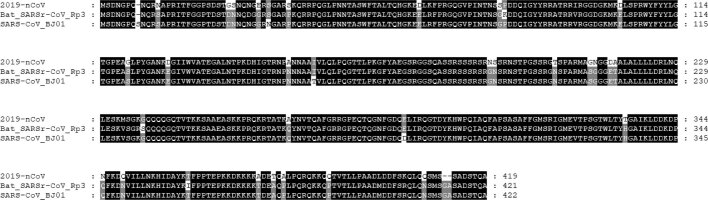
Since the outbreak of severe acute respiratory syndrome (SARS) 18 years ago, a large number of SARS-related coronaviruses (SARSr-CoVs) have been discovered in their natural reservoir host, bats 1–4 . Previous studies have shown that some bat SARSr-CoVs have the potential to infect humans 5–7 . Here we report the identification and characterization of a new coronavirus (2019-nCoV), which caused an epidemic of acute respiratory syndrome in humans in Wuhan, China. The epidemic, which started on 12 December 2019, had caused 2,794 laboratory-confirmed infections including 80 deaths by 26 January 2020. Full-length genome sequences were obtained from five patients at an early stage of the outbreak. The sequences are almost identical and share 79.6% sequence identity to SARS-CoV. Furthermore, we show that 2019-nCoV is 96% identical at the whole-genome level to a bat coronavirus. Pairwise protein sequence analysis of seven conserved non-structural proteins domains show that this virus belongs to the species of . In addition, 2019-nCoV virus isolated from the bronchoalveolar lavage fluid of a critically ill patient could be neutralized by sera from several patients. Notably, we confirmed that 2019-nCoV uses the same cell entry receptor—angiotensin converting enzyme II (ACE2)—as SARS-CoV.
Overview
The claims and statistics of this paper haven’t been checked yet.
Free: it reads the open-access text and checks the first 5 claims that cite a source we can check. Create a free account to check every claim.
Integrity signals
Registry
Cites
Statistics
Figures
Verification
Claims the paper makes
The claims and statistics of this paper haven’t been checked yet.
Free: it reads the open-access text and checks the first 5 claims that cite a source we can check. Create a free account to check every claim.
Claims other papers make about this one
Each is checked against this paper’s own text: does it say what the citing paper says it does?
The source backs part of the claim, not all of it — or backs it for a different population, condition or comparison.
In the citing paper
“SARS-CoV-2 is an enveloped, single-stranded positive-sense RNA virus with the highest, i.e. 96% of genome identity with horseshoe bat virus RaTG13 Rhinolophus affinis [3].”
From Waves and variants of SARS-CoV-2: understanding the causes and effect of the COVID-19 catastrophe (2022) · cites this paper as [3]
Experimental — accuracy not yet measuredThe source backs part of the claim, not all of it — or backs it for a different population, condition or comparison.
In the citing paper
“The disease is estimated to have originated from a seafood market in Wuhan where wild animals were traded such as marmots, bats, snakes and birds (Zhou et al., 2020).”
From How energy innovation in indoor vertical farming can improve food security, sustainability, and food safety? (2020) · cites this paper as Zhou et al., 2020
Experimental — accuracy not yet measuredThe source backs part of the claim, not all of it — or backs it for a different population, condition or comparison.
In the citing paper
“Genome sequencing demonstrated that SARS-CoV-2 shares 79.5% sequence identity with SARS-CoV (Zhou et al., 2020)”
From Oral Microbiome and SARS-CoV-2: Beware of Lung Co-infection (2020) · cites this paper as Zhou et al., 2020
Experimental — accuracy not yet measuredThe source backs part of the claim, not all of it — or backs it for a different population, condition or comparison.
In the citing paper
“This interaction requires cleavage of the S protein, likely by the cell surface protease TMPRSS2, although other proteases (such as Cathepsin B and L, CTSB/CTSL) may also be involved (4-6, 22-25).”
From Non-neuronal expression of SARS-CoV-2 entry genes in the olfactory system suggests mechanisms underlying COVID-19-associated anosmia (2020) · cites this paper as [4]
Experimental — accuracy not yet measuredThe source backs part of the claim, not all of it — or backs it for a different population, condition or comparison.
In the citing paper
“Bats (Chiroptera), representing ~22% of all mammalian species, are natural reservoirs for a wide range of zoonotic viruses, including coronaviruses, rhabdoviruses, and paramyxoviruses ( 1 – 3 ).”
From Ecological vaccination: A strategy to prevent zoonotic spillover from bats (2026) · cites this paper as [1]
Experimental — accuracy not yet measured
8 more claims about this paper
Create a free account to see every claim other papers make about this one.
Self-check
Percentages, sums and reported differences re-computed from the paper’s own numbers.
The self-check needs the paper’s full text.
Citations
Cites
Coronaviridae Study Group of the International Committee on Taxonomy of Viruses, Gorbalenya, A. E., Baker, S. C., Baric, R. S., de Groot, R. J., Drosten, C., Gulyaeva, A. A., Haagmans, B. L., Lauber, C., Leontovich, A. M., et al. (2020) · Nature Microbiology · doi:10.1038/s41564-020-0695-z · Cited by 8,403
Angiotensin-converting enzyme 2 is a functional receptor for the SARS coronavirus
Li, W., Moore, M. J., Vasilieva, N., Sui, J., Wong, S. K., Berne, M. A., Somasundaran, M., Sullivan, J. L., Luzuriaga, K., Greenough, T. C., et al. (2003) · Nature · doi:10.1038/nature02145 · Cited by 5,923
Isolation of a Novel Coronavirus from a Man with Pneumonia in Saudi Arabia
Zaki, A. M., van Boheemen, S., Bestebroer, T. M., Osterhaus, A. D. M. E., & Fouchier, R. A. M. (2012) · New England Journal of Medicine · doi:10.1056/nejmoa1211721 · Cited by 5,735
Origin and evolution of pathogenic coronaviruses
Cui, J., Li, F., & Shi, Z.-L. (2019) · Nature Reviews Microbiology · doi:10.1038/s41579-018-0118-9 · Cited by 5,515
Self-citationIdentification of a novel coronavirus in patients with severe acute respiratory syndrome
Drosten, C., Günther, S., Preiser, W., van der Werf, S., Brodt, H.-R., Becker, S., Rabenau, H., Panning, M., Kolesnikova, L., Fouchier, R. A. M., et al. (2003) · New England Journal of Medicine · doi:10.1056/nejmoa030747 · Cited by 4,574
Bats Are Natural Reservoirs of SARS-Like Coronaviruses
Li, W., Shi, Z., Yu, M., Ren, W., Smith, C., Epstein, J. H., Wang, H., Crameri, G., Hu, Z., Zhang, H., et al. (2005) · Science · doi:10.1126/science.1118391 · Cited by 2,560
Self-citationIsolation and characterization of a bat SARS-like coronavirus that uses the ACE2 receptor
Ge, X.-Y., Li, J.-L., Yang, X.-L., Chmura, A. A., Zhu, G., Epstein, J. H., Mazet, J. K., Hu, B., Zhang, W., Peng, C., et al. (2013) · Nature · doi:10.1038/nature12711 · Cited by 1,778
Self-citationGorbalenya, A. E., Baker, S. C., Baric, R. S., et al. (2020) · bioRxiv (Cold Spring Harbor Laboratory) · doi:10.1101/2020.02.07.937862 · Cited by 1,408
Al-Hanawi, M. K., Angawi, K., Alshareef, N., Qattan, A. M. N., Helmy, H. Z., Abudawood, Y., Alqurashi, M., Kattan, W. M., Kadasah, N. A., Chirwa, G. C., et al. (2020) · Frontiers in Public Health · doi:10.3389/fpubh.2020.00217 · Cited by 967
Hu, B., Zeng, L.-P., Yang, X.-L., Ge, X.-Y., Zhang, W., Li, B., Xie, J.-Z., Shen, X.-R., Zhang, Y.-Z., Wang, N., et al. (2017) · PLOS Pathogens · doi:10.1371/journal.ppat.1006698 · Cited by 950
Self-citation
Cited by
Items 401–500 of 1,208
Streamlined inactivation, amplification, and Cas13-based detection of SARS-CoV-2
Arizti-Sanz, J., Freije, C. A., Stanton, A. C., Petros, B. A., Boehm, C. K., Siddiqui, S., Shaw, B. M., Adams, G., Kosoko-Thoroddsen, T.-S. F., Kemball, M. E., et al. (2020) · Nature Communications · doi:10.1038/s41467-020-19097-x · Cited by 509
The origins of SARS-CoV-2: A critical review
Holmes, E. C., Goldstein, S. A., Rasmussen, A. L., Robertson, D. L., Crits-Christoph, A., Wertheim, J. O., Anthony, S. J., Barclay, W. S., Boni, M. F., Doherty, P. C., et al. (2021) · Cell · doi:10.1016/j.cell.2021.08.017 · Cited by 509
Mackenzie, J. S., & Smith, D. W. (2020) · Microbiology Australia · doi:10.1071/ma20013 · Cited by 507
“Phylogenetic studies of the new virus showed it shared about 79% nucleotide homology with SARS-CoV 4-7 , as well as to two SARS-like coronaviruses isolated from Chinese horseshoe bats (Rhinolophus sinicus) in Zhoushan, with which it shared 89% nucleotide homology 3, [5] [6] [7] [8] , and to a third SARS-like coronavir…”
BackgroundHoffman, R. L., Kania, R. S., Brothers, M. A., Davies, J. F., Ferre, R. A., Gajiwala, K. S., He, M., Hogan, R. J., Kozminski, K., Li, L. Y., et al. (2020) · Journal of Medicinal Chemistry · doi:10.1021/acs.jmedchem.0c01063 · Cited by 507
Hui, K. P. Y., Cheung, M.-C., Perera, R. A. P. M., Ng, K.-C., Bui, C. H. T., Ho, J. C. W., Ng, M. M. T., Kuok, D. I. T., Shih, K. C., Tsao, S.-W., et al. (2020) · The Lancet Respiratory Medicine · doi:10.1016/s2213-2600(20)30193-4 · Cited by 506
Deng, L., Li, C., Zeng, Q., Liu, X., Li, X., Zhang, H., Hong, Z., & Xia, J. (2020) · Journal of Infection · doi:10.1016/j.jinf.2020.03.002 · Cited by 505
Xu, K., Chen, Y., Yuan, J., Yi, P., Ding, C., Wu, W., Li, Y., Ni, Q., Zou, R., Li, X., et al. (2020) · Clinical Infectious Diseases · doi:10.1093/cid/ciaa351 · Cited by 501
Self-citationNeutralizing nanobodies bind SARS-CoV-2 spike RBD and block interaction with ACE2
Huo, J., Le Bas, A., Ruza, R. R., Duyvesteyn, H. M. E., Mikolajek, H., Malinauskas, T., Tan, T. K., Rijal, P., Dumoux, M., Ward, P. N., et al. (2020) · Nature Structural & Molecular Biology · doi:10.1038/s41594-020-0469-6 · Cited by 500
COVID-19 treatments and pathogenesis including anosmia in K18-hACE2 mice
Zheng, J., Wong, L.-Y. R., Li, K., Verma, A. K., Ortiz, M. E., Wohlford-Lenane, C., Leidinger, M. R., Knudson, C. M., Meyerholz, D. K., McCray, P. B., et al. (2021) · Nature · doi:10.1038/s41586-020-2943-z · Cited by 500
SARS-CoV-2 infects cells after viral entry via clathrin-mediated endocytosis
Bayati, A., Kumar, R., Francis, V., & McPherson, P. S. (2021) · Journal of Biological Chemistry · doi:10.1016/j.jbc.2021.100306 · Cited by 499
Wang, S., Qiu, Z., Hou, Y., Deng, X., Xu, W., Zheng, T., Wu, P., Xie, S., Bian, W., Zhang, C., et al. (2021) · Cell Research · doi:10.1038/s41422-020-00460-y · Cited by 499
The role of interleukin‐6 in monitoring severe case of coronavirus disease 2019
Liu, T., Zhang, J., Yang, Y., Ma, H., Li, Z., Zhang, J., Cheng, J., Zhang, X., Zhao, Y., Xia, Z., et al. (2020) · EMBO Molecular Medicine · doi:10.15252/emmm.202012421 · Cited by 498
“…by fullgenome sequencing and is named severe acute respiratory syndrome coronavirus 2 (SARS-CoV-2) which shares phylogenetic similarity with severe acute respiratory syndrome coronavirus (SARS-CoV) that caused the outbreak of SARS in 2003 (Luk et al, 2019; Guan et al, 2020; Zhou et al, 2020a).”
BackgroundZhang, H., Kang, Z., Gong, H., Xu, D., Wang, J., Li, Z., Li, Z., Cui, X., Xiao, J., Zhan, J., et al. (2020) · Gut · doi:10.1136/gutjnl-2020-320953 · Cited by 498
Phase-adjusted estimation of the number of Coronavirus Disease 2019 cases in Wuhan, China
Wang, H., Wang, Z., Dong, Y., Chang, R., Xu, C., Yu, X., Zhang, S., Tsamlag, L., Shang, M., Huang, J., et al. (2020) · Cell Discovery · doi:10.1038/s41421-020-0148-0 · Cited by 496
Self-citationCOVID-19, immune system response, hyperinflammation and repurposing antirheumatic drugs
TUFAN, A., AVANOĞLU GÜLER, A., & MATUCCI-CERINIC, M. (2020) · TURKISH JOURNAL OF MEDICAL SCIENCES · doi:10.3906/sag-2004-168 · Cited by 495
The Human Pangenome Project: a global resource to map genomic diversity
Wang, T., Antonacci-Fulton, L., Howe, K., Lawson, H. A., Lucas, J. K., Phillippy, A. M., Popejoy, A. B., Asri, M., Carson, C., Chaisson, M. J. P., et al. (2022) · Nature · doi:10.1038/s41586-022-04601-8 · Cited by 494
The establishment of reference sequence for SARS‐CoV‐2 and variation analysis
Wang, C., Liu, Z., Chen, Z., Huang, X., Xu, M., He, T., & Zhang, Z. (2020) · Journal of Medical Virology · doi:10.1002/jmv.25762 · Cited by 494
“This study showed that its homology with the Bat coronavirus isolate RaTG13 strain (MN996532) was 96%, but has no more than 80% homology with other isolates of bat SARS‐like coronavirus (Table S4), which is similar to the results from other studies.(18) Recent studies have shown that the homology with a coronavirus st…”
ResultThe SARS-CoV-2 as an instrumental trigger of autoimmunity
Dotan, A., Muller, S., Kanduc, D., David, P., Halpert, G., & Shoenfeld, Y. (2021) · Autoimmunity Reviews · doi:10.1016/j.autrev.2021.102792 · Cited by 494
“The ACE-2 receptor, crucial viral fusion proteins of the SARS-CoV-2 and abundantly seen in the nasal mucosa, is known to take on a part in the inflammatory response in the respiratory system, such as partly controlling the bradykinin levels [107,108].”
BackgroundJaimes, J. A., André, N. M., Chappie, J. S., Millet, J. K., & Whittaker, G. R. (2020) · Journal of Molecular Biology · doi:10.1016/j.jmb.2020.04.009 · Cited by 491
“The receptor for SARS-CoV has been identified as angiotensin converting enzyme 2 (ACE2), similar to what has been recently identified with SARS-CoV-2 [9, 14, 25].”
BackgroundMethodResultInfluentialDeducing the N- and O-glycosylation profile of the spike protein of novel coronavirus SARS-CoV-2
Shajahan, A., Supekar, N. T., Gleinich, A. S., & Azadi, P. (2020) · Glycobiology · doi:10.1093/glycob/cwaa042 · Cited by 488
Choudhury, A., & Mukherjee, S. (2020) · Journal of Medical Virology · doi:10.1002/jmv.25987 · Cited by 488
Yi, C., Sun, X., Ye, J., Ding, L., Liu, M., Yang, Z., Lu, X., Zhang, Y., Ma, L., Gu, W., et al. (2020) · Cellular & Molecular Immunology · doi:10.1038/s41423-020-0458-z · Cited by 486
Self-citationPan, F., Xiao, X., Guo, J., Song, Y., Li, H., Patel, D. P., Spivak, A. M., Alukal, J. P., Zhang, X., Xiong, C., et al. (2020) · Fertility and Sterility · doi:10.1016/j.fertnstert.2020.04.024 · Cited by 485
“Angiotensin-converting enzyme 2 is expressed inmultiple organ systems including type II alveolar cells of the lungs, intestine, heart, kidney, and the testis (4, 5).”
Type I Interferon Susceptibility Distinguishes SARS-CoV-2 from SARS-CoV
Lokugamage, K. G., Hage, A., de Vries, M., Valero-Jimenez, A. M., Schindewolf, C., Dittmann, M., Rajsbaum, R., & Menachery, V. D. (2020) · Journal of Virology · doi:10.1128/jvi.01410-20 · Cited by 483
Regional and global contributions of air pollution to risk of death from COVID-19
Pozzer, A., Dominici, F., Haines, A., Witt, C., Münzel, T., & Lelieveld, J. (2020) · Cardiovascular Research · doi:10.1093/cvr/cvaa288 · Cited by 463
Zhang, D.-H., Wu, K.-L., Zhang, X., Deng, S.-Q., & Peng, B. (2020) · Journal of Integrative Medicine · doi:10.1016/j.joim.2020.02.005 · Cited by 482
Drug repurposing approach to fight COVID-19
Singh, T. U., Parida, S., Lingaraju, M. C., Kesavan, M., Kumar, D., & Singh, R. K. (2020) · Pharmacological Reports · doi:10.1007/s43440-020-00155-6 · Cited by 480
Biochemical characterization of SARS-CoV-2 nucleocapsid protein
Zeng, W., Liu, G., Ma, H., Zhao, D., Yang, Y., Liu, M., Mohammed, A., Zhao, C., Yang, Y., Xie, J., et al. (2020) · Biochemical and Biophysical Research Communications · doi:10.1016/j.bbrc.2020.04.136 · Cited by 479
“They are well-separated with other coronaviruses, which is generally in agreement with the evolution tree of these coronaviruses [18].”
BackgroundSelf-citationIdentification of Coronavirus Isolated from a Patient in Korea with COVID-19
Kim, J.-M., Chung, Y.-S., Jo, H. J., Lee, N.-J., Kim, M. S., Woo, S. H., Park, S., Kim, J. W., Kim, H. M., & Han, M.-G. (2020) · Osong Public Health and Research Perspectives · doi:10.24171/j.phrp.2020.11.1.02 · Cited by 477
SARS-CoV-2 in fruit bats, ferrets, pigs, and chickens: an experimental transmission study
Schlottau, K., Rissmann, M., Graaf, A., Schön, J., Sehl, J., Wylezich, C., Höper, D., Mettenleiter, T. C., Balkema-Buschmann, A., Harder, T., et al. (2020) · The Lancet Microbe · doi:10.1016/s2666-5247(20)30089-6 · Cited by 477
Coronavirus disease 2019 (COVID-19): a clinical update
Zhou, M., Zhang, X., & Qu, J. (2020) · Frontiers of Medicine · doi:10.1007/s11684-020-0767-8 · Cited by 476
Devaux, C. A., Rolain, J.-M., & Raoult, D. (2020) · Journal of Microbiology, Immunology and Infection · doi:10.1016/j.jmii.2020.04.015 · Cited by 476
Chen, J., Malone, B., Llewellyn, E., Grasso, M., Shelton, P. M. M., Olinares, P. D. B., Maruthi, K., Eng, E. T., Vatandaslar, H., Chait, B. T., et al. (2020) · Cell · doi:10.1016/j.cell.2020.07.033 · Cited by 476
Self-citationEnhanced SARS-CoV-2 neutralization by dimeric IgA
Wang, Z., Lorenzi, J. C. C., Muecksch, F., Finkin, S., Viant, C., Gaebler, C., Cipolla, M., Hoffmann, H.-H., Oliveira, T. Y., Oren, D. A., et al. (2021) · Science Translational Medicine · doi:10.1126/scitranslmed.abf1555 · Cited by 475
Overview of Immune Response During SARS-CoV-2 Infection: Lessons From the Past
Shah, V. K., Firmal, P., Alam, A., Ganguly, D., & Chattopadhyay, S. (2020) · Frontiers in Immunology · doi:10.3389/fimmu.2020.01949 · Cited by 475
Histopathologic Changes and SARS-CoV-2 Immunostaining in the Lung of a Patient With COVID-19
Zhang, H., Zhou, P., Wei, Y., Yue, H., Wang, Y., Hu, M., Zhang, S., Cao, T., Yang, C., Li, M., et al. (2020) · Annals of Internal Medicine · doi:10.7326/m20-0533 · Cited by 474
Self-citationKneller, D. W., Phillips, G., O’Neill, H. M., Jedrzejczak, R., Stols, L., Langan, P., Joachimiak, A., Coates, L., & Kovalevsky, A. (2020) · Nature Communications · doi:10.1038/s41467-020-16954-7 · Cited by 474
Zhang, Y., Zheng, L., Liu, L., Zhao, M., Xiao, J., & Zhao, Q. (2020) · Liver International · doi:10.1111/liv.14455 · Cited by 471
Self-citationBurbelo, P. D., Riedo, F. X., Morishima, C., Rawlings, S., Smith, D., Das, S., Strich, J. R., Chertow, D. S., Davey, R. T., & Cohen, J. I. (2020) · The Journal of Infectious Diseases · doi:10.1093/infdis/jiaa273 · Cited by 471
Yao, T., Qian, J., Zhu, W., Wang, Y., & Wang, G. (2020) · Journal of Medical Virology · doi:10.1002/jmv.25729 · Cited by 469
Self-citationComparison of seven commercial RT-PCR diagnostic kits for COVID-19
van Kasteren, P. B., van der Veer, B., van den Brink, S., Wijsman, L., de Jonge, J., van den Brandt, A., Molenkamp, R., Reusken, C. B. E. M., & Meijer, A. (2020) · Journal of Clinical Virology · doi:10.1016/j.jcv.2020.104412 · Cited by 469
“This virus emerged in the human population in the final months of 2019 from a, so far unidentified, animal reservoir and has since spread across the globe [1].”
Jothimani, D., Venugopal, R., Abedin, M. F., Kaliamoorthy, I., & Rela, M. (2020) · Journal of Hepatology · doi:10.1016/j.jhep.2020.06.006 · Cited by 469
Chloroquine for the 2019 novel coronavirus SARS-CoV-2
Colson, P., Rolain, J.-M., & Raoult, D. (2020) · International Journal of Antimicrobial Agents · doi:10.1016/j.ijantimicag.2020.105923 · Cited by 468
The emergence and epidemic characteristics of the highly mutated SARS‐CoV‐2 Omicron variant
Tian, D., Sun, Y., Xu, H., & Ye, Q. (2022) · Journal of Medical Virology · doi:10.1002/jmv.27643 · Cited by 468
COVID-19, cytokines and immunosuppression: what can we learn from severe acute respiratory syndrome?
Sarzi-Puttini, P., Giorgi, V., Sirotti, S., Marotto, D., Ardizzone, S., Rizzardini, G., Antinori, S., & Galli, M. (2020) · Clinical and Experimental Rheumatology · doi:10.55563/clinexprheumatol/xcdary · Cited by 466
Mutations Strengthened SARS-CoV-2 Infectivity
Chen, J., Wang, R., Wang, M., & Wei, G.-W. (2020) · Journal of Molecular Biology · doi:10.1016/j.jmb.2020.07.009 · Cited by 466
Self-citationSARS-CoV-2 M pro inhibitors with antiviral activity in a transgenic mouse model
Qiao, J., Li, Y.-S., Zeng, R., Liu, F.-L., Luo, R.-H., Huang, C., Wang, Y.-F., Zhang, J., Quan, B., Shen, C., et al. (2021) · Science · doi:10.1126/science.abf1611 · Cited by 465
Self-citationLu, S., Ye, Q., Singh, D., Cao, Y., Diedrich, J. K., Yates, J. R., Villa, E., Cleveland, D. W., & Corbett, K. D. (2021) · Nature Communications · doi:10.1038/s41467-020-20768-y · Cited by 462
Sama, I. E., Ravera, A., Santema, B. T., van Goor, H., ter Maaten, J. M., Cleland, J. G. F., Rienstra, M., Friedrich, A. W., Samani, N. J., Ng, L. L., et al. (2020) · European Heart Journal · doi:10.1093/eurheartj/ehaa373 · Cited by 460
“There is an increased susceptibility of elderly people with chronic comorbidities to SARS coronaviruses, and men appear to be especially vulnerable to SARS-CoV-2.(1,2,19) Given that a typical heart failure patient belongs to this high-risk group, we sought to uncover factors that could explain the sex-based susceptibi…”
BackgroundEffects of temperature and humidity on the spread of COVID-19: A systematic review
Mecenas, P., Bastos, R. T. D. R. M., Vallinoto, A. C. R., & Normando, D. (2020) · PLOS ONE · doi:10.1371/journal.pone.0238339 · Cited by 460
“An outbreak of atypical pneumonia named COVID-19 caused by this virus has been reported [4, 5], and the pattern of human-to-human transmissibility of the virus has occurred nationally and internationally [6, 7].”
BackgroundOrtiz-Prado, E., Simbaña-Rivera, K., Gómez- Barreno, L., Rubio-Neira, M., Guaman, L. P., Kyriakidis, N. C., Muslin, C., Jaramillo, A. M. G., Barba-Ostria, C., Cevallos-Robalino, D., et al. (2020) · Diagnostic Microbiology and Infectious Disease · doi:10.1016/j.diagmicrobio.2020.115094 · Cited by 458
“The SARS-CoV2 genome has similarities to other viruses: approximately 96% similarity to the bat coronavirus BatCoV RaTH13; an estimated 80% similarity with SARS-CoV [12], and an estimated 50% identity with MERS-CoV [13, 14].”
InfluentialThe effect of smoking on COVID‐19 severity: A systematic review and meta‐analysis
Reddy, R. K., Charles, W. N., Sklavounos, A., Dutt, A., Seed, P. T., & Khajuria, A. (2021) · Journal of Medical Virology · doi:10.1002/jmv.26389 · Cited by 458
Davidson, A. D., Williamson, M. K., Lewis, S., Shoemark, D., Carroll, M. W., Heesom, K. J., Zambon, M., Ellis, J., Lewis, P. A., Hiscox, J. A., et al. (2020) · Genome Medicine · doi:10.1186/s13073-020-00763-0 · Cited by 457
Danser, A. H. J., Epstein, M., & Batlle, D. (2020) · Hypertension · doi:10.1161/hypertensionaha.120.15082 · Cited by 457
Anti-SARS-CoV-2 activities in vitro of Shuanghuanglian preparations and bioactive ingredients
Su, H.-X., Yao, S., Zhao, W.-F., Li, M.-J., Liu, J., Shang, W.-J., Xie, H., Ke, C.-Q., Hu, H.-C., Gao, M.-N., et al. (2020) · Acta Pharmacologica Sinica · doi:10.1038/s41401-020-0483-6 · Cited by 456
Self-citationCOVID-19 infection and rheumatoid arthritis: Faraway, so close
Favalli, E. G., Ingegnoli, F., De Lucia, O., Cincinelli, G., Cimaz, R., & Caporali, R. (2020) · Autoimmunity Reviews · doi:10.1016/j.autrev.2020.102523 · Cited by 454
Development of a portable MIP-based electrochemical sensor for detection of SARS-CoV-2 antigen
Raziq, A., Kidakova, A., Boroznjak, R., Reut, J., Öpik, A., & Syritski, V. (2021) · Biosensors and Bioelectronics · doi:10.1016/j.bios.2021.113029 · Cited by 454
“The ongoing outbreak of COVID-19 experienced around the globe was discovered in December 2019 in Wuhan, China (Zhou et al., 2020).”
Röltgen, K., Powell, A. E., Wirz, O. F., Stevens, B. A., Hogan, C. A., Najeeb, J., Hunter, M., Wang, H., Sahoo, M. K., Huang, C., et al. (2020) · Science Immunology · doi:10.1126/sciimmunol.abe0240 · Cited by 452
Self-citationCOVID-19: a new challenge for human beings
Yang, P., & Wang, X. (2020) · Cellular & Molecular Immunology · doi:10.1038/s41423-020-0407-x · Cited by 452
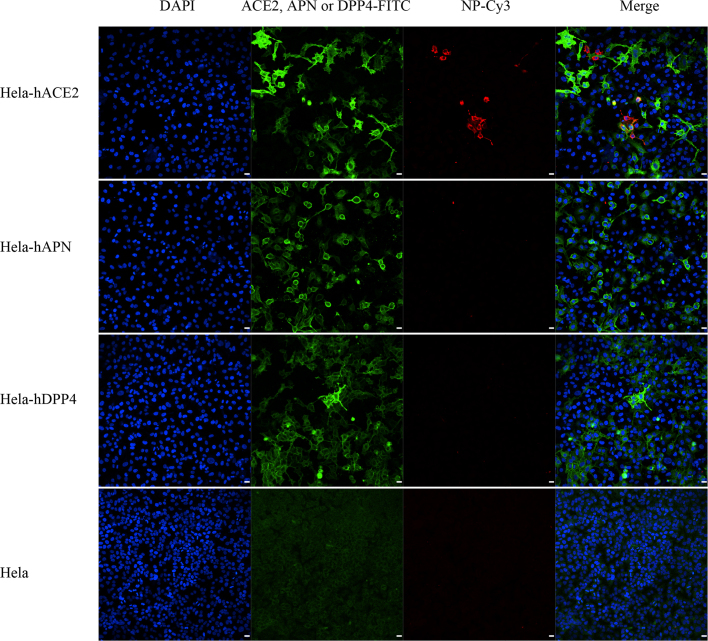
“It has been indicated that aminopeptidase N and DPP4 are not receptors of SARS-CoV-2 and that ACE2 can be used as its receptor.(5) The pathogenicity of HCoV-229E, HCoV-OC43, HCoV-NL63, and HCoVHKU1 is relatively low, generally only causing slight respiratory symptoms.”
InfluentialSelf-citationWang, L., Li, X., Chen, H., Yan, S., Li, D., Li, Y., & Gong, Z. (2020) · American Journal of Nephrology · doi:10.1159/000507471 · Cited by 452
Self-citationHu, K., Guan, W.-J., Bi, Y., Zhang, W., Li, L., Zhang, B., Liu, Q., Song, Y., Li, X., Duan, Z., et al. (2021) · Phytomedicine · doi:10.1016/j.phymed.2020.153242 · Cited by 452
Self-citationZost, S. J., Gilchuk, P., Chen, R. E., Case, J. B., Reidy, J. X., Trivette, A., Nargi, R. S., Sutton, R. E., Suryadevara, N., Chen, E. C., et al. (2020) · Nature Medicine · doi:10.1038/s41591-020-0998-x · Cited by 452
SARS-CoV-2 is transmitted via contact and via the air between ferrets
Richard, M., Kok, A., de Meulder, D., Bestebroer, T. M., Lamers, M. M., Okba, N. M. A., Fentener van Vlissingen, M., Rockx, B., Haagmans, B. L., Koopmans, M. P. G., et al. (2020) · Nature Communications · doi:10.1038/s41467-020-17367-2 · Cited by 452
Role of Structural and Non-Structural Proteins and Therapeutic Targets of SARS-CoV-2 for COVID-19
Yadav, R., Chaudhary, J. K., Jain, N., Chaudhary, P. K., Khanra, S., Dhamija, P., Sharma, A., Kumar, A., & Handu, S. (2021) · Cells · doi:10.3390/cells10040821 · Cited by 451
“However, after genomic analysis of respiratory samples from patients, it was revealed as novel coronavirus (2019-nCoV) pneumonia [1].”
BackgroundEvaluation of COVID-19 RT-qPCR Test in Multi sample Pools
Yelin, I., Aharony, N., Tamar, E. S., Argoetti, A., Messer, E., Berenbaum, D., Shafran, E., Kuzli, A., Gandali, N., Shkedi, O., et al. (2020) · Clinical Infectious Diseases · doi:10.1093/cid/ciaa531 · Cited by 450
Advance in peptide-based drug development: delivery platforms, therapeutics and vaccines
Xiao, W., Jiang, W., Chen, Z., Huang, Y., Mao, J., Zheng, W., Hu, Y., & Shi, J. (2025) · Signal Transduction and Targeted Therapy · doi:10.1038/s41392-024-02107-5 · Cited by 449
An ultrapotent synthetic nanobody neutralizes SARS-CoV-2 by stabilizing inactive Spike
Schoof, M., Faust, B., Saunders, R. A., Sangwan, S., Rezelj, V., Hoppe, N., Boone, M., Billesbølle, C. B., Puchades, C., Azumaya, C. M., et al. (2020) · Science · doi:10.1126/science.abe3255 · Cited by 449
Self-citationLai, X., Wang, M., Qin, C., Tan, L., Ran, L., Chen, D., Zhang, H., Shang, K., Xia, C., Wang, S., et al. (2020) · JAMA Network Open · doi:10.1001/jamanetworkopen.2020.9666 · Cited by 448
Lifting the mask on neurological manifestations of COVID-19
Pezzini, A., & Padovani, A. (2020) · Nature Reviews Neurology · doi:10.1038/s41582-020-0398-3 · Cited by 447
The hallmarks of COVID-19 disease
Tang, D., Comish, P., & Kang, R. (2020) · PLOS Pathogens · doi:10.1371/journal.ppat.1008536 · Cited by 447
Generation of a Broadly Useful Model for COVID-19 Pathogenesis, Vaccination, and Treatment
Sun, J., Zhuang, Z., Zheng, J., Li, K., Wong, R. L.-Y., Liu, D., Huang, J., He, J., Zhu, A., Zhao, J., et al. (2020) · Cell · doi:10.1016/j.cell.2020.06.010 · Cited by 447
Self-citationVascular occlusion by neutrophil extracellular traps in COVID-19
Leppkes, M., Knopf, J., Naschberger, E., Lindemann, A., Singh, J., Herrmann, I., Stürzl, M., Staats, L., Mahajan, A., Schauer, C., et al. (2020) · EBioMedicine · doi:10.1016/j.ebiom.2020.102925 · Cited by 446
COVID-19: Drug Targets and Potential Treatments
Gil, C., Ginex, T., Maestro, I., Nozal, V., Barrado-Gil, L., Cuesta-Geijo, M. Á., Urquiza, J., Ramírez, D., Alonso, C., Campillo, N. E., et al. (2020) · Journal of Medicinal Chemistry · doi:10.1021/acs.jmedchem.0c00606 · Cited by 445
Compounds with Therapeutic Potential against Novel Respiratory 2019 Coronavirus
Martinez, M. A. (2020) · Antimicrobial Agents and Chemotherapy · doi:10.1128/aac.00399-20 · Cited by 444
COVID-19 and E-Learning: the Challenges of Students in Tertiary Institutions
Aboagye, E., Yawson, J. A., & Appiah, K. N. (2020) · Social Education Research · doi:10.37256/ser.212021422 · Cited by 444
“The disease was discovered through whole-genome sequencing, polymerase chain reaction and bronchoalveolar fluid from infected persons (Zhou et al., 2020; Zhu et al., 2020).”
BackgroundThe first 12 months of COVID-19: a timeline of immunological insights
Carvalho, T., Krammer, F., & Iwasaki, A. (2021) · Nature Reviews Immunology · doi:10.1038/s41577-021-00522-1 · Cited by 443
Reduced Neutralization of SARS-CoV-2 Omicron Variant by Vaccine Sera and Monoclonal Antibodies
Wilhelm, A., Widera, M., Grikscheit, K., Toptan, T., Schenk, B., Pallas, C., Metzler, M., Kohmer, N., Hoehl, S., Helfritz, F. A., et al. (2021) · doi:10.1101/2021.12.07.21267432 · Cited by 440
Zhao, S., Musa, S. S., Lin, Q., Ran, J., Yang, G., Wang, W., Lou, Y., Yang, L., Gao, D., He, D., et al. (2020) · Journal of Clinical Medicine · doi:10.3390/jcm9020388 · Cited by 439
A mathematical model for the novel coronavirus epidemic in Wuhan, China
Yang, C., Department of Mathematics, U. O. T. A. C., & Wang, J. (2020) · Mathematical Biosciences and Engineering · doi:10.3934/mbe.2020148 · Cited by 439
COVID-19 in Children, Pregnancy and Neonates: A Review of Epidemiologic and Clinical Features
Zimmermann, P., & Curtis, N. (2020) · Pediatric Infectious Disease Journal · doi:10.1097/inf.0000000000002700 · Cited by 439
Zhang, L., Feng, X., Zhang, D., Jiang, C., Mei, H., Wang, J., Zhang, C., Li, H., Xia, X., Kong, S., et al. (2020) · Circulation · doi:10.1161/circulationaha.120.046702 · Cited by 439
Self-citationVirus-Receptor Interactions of Glycosylated SARS-CoV-2 Spike and Human ACE2 Receptor
Zhao, P., Praissman, J. L., Grant, O. C., Cai, Y., Xiao, T., Rosenbalm, K. E., Aoki, K., Kellman, B. P., Bridger, R., Barouch, D. H., et al. (2020) · Cell Host & Microbe · doi:10.1016/j.chom.2020.08.004 · Cited by 439
“The SARS-CoV-2 coronavirus, a positive-sense single-stranded RNA virus, is responsible for the severe acute respiratory syndrome referred to as COVID-19 that was first reported in China in December 2019 (Zhou et al., 2020).”
Evans, P. C., Rainger, G. E., Mason, J. C., Guzik, T. J., Osto, E., Stamataki, Z., Neil, D., Hoefer, I. E., Fragiadaki, M., Waltenberger, J., et al. (2020) · Cardiovascular Research · doi:10.1093/cvr/cvaa230 · Cited by 437
“gain-of-function mutation in the spike (S) protein that allows infection of human cells.(1) Though primarily known as a disease affecting the respiratory system, cardiovascular complications are common in COVID-19.”
BackgroundCOVID-19: Discovery, diagnostics and drug development
Asselah, T., Durantel, D., Pasmant, E., Lau, G., & Schinazi, R. F. (2021) · Journal of Hepatology · doi:10.1016/j.jhep.2020.09.031 · Cited by 437
Individual variation of the SARS‐CoV‐2 receptor ACE2 gene expression and regulation
Chen, J., Jiang, Q., Xia, X., Liu, K., Yu, Z., Tao, W., Gong, W., & Han, J. J. (2020) · Aging Cell · doi:10.1111/acel.13168 · Cited by 436
“3 Zhou, P. et al. A pneumonia outbreak associated with a new coronavirus of probable bat origin. Nature, doi:10.1038/s41586-020-2012-7 (2020). 4 Crackower, M. A. et al. Angiotensin-converting enzyme 2 is an essential regulator of heart function. Nature 417, 822-828, doi:10.1038/nature00786 (2002). 5 Boehm, M. & Nabel,…”
InfluentialSelf-citationGao, T., Zhu, L., Liu, H., Zhang, X., Wang, T., Fu, Y., Li, H., Dong, Q., Hu, Y., Zhang, Z., et al. (2022) · Signal Transduction and Targeted Therapy · doi:10.1038/s41392-022-01133-5 · Cited by 436
Self-citationClinical value of immune-inflammatory parameters to assess the severity of coronavirus disease 2019
Zhu, Z., Cai, T., Fan, L., Lou, K., Hua, X., Huang, Z., & Gao, G. (2020) · International Journal of Infectious Diseases · doi:10.1016/j.ijid.2020.04.041 · Cited by 435
COVID-19 surveillance in Southeastern Virginia using wastewater-based epidemiology
Gonzalez, R., Curtis, K., Bivins, A., Bibby, K., Weir, M. H., Yetka, K., Thompson, H., Keeling, D., Mitchell, J., & Gonzalez, D. (2020) · Water Research · doi:10.1016/j.watres.2020.116296 · Cited by 435
Evolutionary history, potential intermediate animal host, and cross‐species analyses of SARS‐CoV‐2
Li, X., Zai, J., Zhao, Q., Nie, Q., Li, Y., Foley, B. T., & Chaillon, A. (2020) · Journal of Medical Virology · doi:10.1002/jmv.25731 · Cited by 434
Konno, Y., Kimura, I., Uriu, K., Fukushi, M., Irie, T., Koyanagi, Y., Sauter, D., Gifford, R. J., Nakagawa, S., & Sato, K. (2020) · Cell Reports · doi:10.1016/j.celrep.2020.108185 · Cited by 433
Li, J.-Y., You, Z., Wang, Q., Zhou, Z.-J., Qiu, Y., Luo, R., & Ge, X.-Y. (2020) · Microbes and Infection · doi:10.1016/j.micinf.2020.02.002 · Cited by 433
Free fatty acid binding pocket in the locked structure of SARS-CoV-2 spike protein
Toelzer, C., Gupta, K., Yadav, S. K. N., Borucu, U., Davidson, A. D., Kavanagh Williamson, M., Shoemark, D. K., Garzoni, F., Staufer, O., Milligan, R., et al. (2020) · Science · doi:10.1126/science.abd3255 · Cited by 433
Epidemiology and clinical features of COVID-19: A review of current literature
Siordia, J. A. (2020) · Journal of Clinical Virology · doi:10.1016/j.jcv.2020.104357 · Cited by 431
Can N95 Respirators Be Reused after Disinfection? How Many Times?
Liao, L., Xiao, W., Zhao, M., Yu, X., Wang, H., Wang, Q., Chu, S., & Cui, Y. (2020) · ACS Nano · doi:10.1021/acsnano.0c03597 · Cited by 431
Structural impact on SARS-CoV-2 spike protein by D614G substitution
Zhang, J., Cai, Y., Xiao, T., Lu, J., Peng, H., Sterling, S. M., Walsh, R. M., Rits-Volloch, S., Zhu, H., Woosley, A. N., et al. (2021) · Science · doi:10.1126/science.abf2303 · Cited by 430
Quantification of SARS-CoV-2 neutralizing antibody by a pseudotyped virus-based assay
Nie, J., Li, Q., Wu, J., Zhao, C., Hao, H., Liu, H., Zhang, L., Nie, L., Qin, H., Wang, M., et al. (2020) · Nature Protocols · doi:10.1038/s41596-020-0394-5 · Cited by 429
Self-citationChen, Z., Zhang, Z., Zhai, X., Li, Y., Lin, L., Zhao, H., Bian, L., Li, P., Yu, L., Wu, Y., et al. (2020) · Analytical Chemistry · doi:10.1021/acs.analchem.0c00784 · Cited by 428
Kai, H., & Kai, M. (2020) · Hypertension Research · doi:10.1038/s41440-020-0455-8 · Cited by 426
Antiviral activities of type I interferons to SARS-CoV-2 infection
Mantlo, E., Bukreyeva, N., Maruyama, J., Paessler, S., & Huang, C. (2020) · Antiviral Research · doi:10.1016/j.antiviral.2020.104811 · Cited by 426
Self-citationStructural basis for the inhibition of SARS-CoV-2 main protease by antineoplastic drug carmofur
Jin, Z., Zhao, Y., Sun, Y., Zhang, B., Wang, H., Wu, Y., Zhu, Y., Zhu, C., Hu, T., Du, X., et al. (2020) · Nature Structural & Molecular Biology · doi:10.1038/s41594-020-0440-6 · Cited by 426
Self-citation
Metadata
- Authors
- Zhou, P., Yang, X.-L., Wang, X.-G., Hu, B., Zhang, L., Zhang, W., Si, H.-R., Zhu, Y., Li, B., Huang, C.-L., Chen, H.-D., Chen, J., Luo, Y., Guo, H., Jiang, R.-D., Liu, M.-Q., Chen, Y., Shen, X.-R., Wang, X., Zheng, X.-S., Zhao, K., Chen, Q.-J., Deng, F., Liu, L.-L., Yan, B., Zhan, F.-X., Wang, Y.-Y., Xiao, G.-F., & Shi, Z.-L.
- Affiliations
- Chinese Academy of Sciences (CN)
- Jinyintan Hospital (CN)
- Hubei Provincial Center for Disease Control and Prevention (CN)
- Corresponding author
- Shi, Zheng-Li
- Venue
- Nature
- Published
- 2020-02-03
- Volume
- 579
- Issue
- 7798
- Pages
- 270-273
- ISSN
- 0028-0836 (ISSN-L)
- 1476-4687
- PMC
- PMC7095418
- OpenAlex
- W3004280078
- Cited by
- 21,969
- References
- 19
- Citations by year
- 2026: 363 · 2025: 769 · 2024: 1366 · 2023: 2080 · 2022: 3751 · 2021: 6147 · 2020: 7448
- FWCI
- 638.99
- Type
- journal article
- Language
- en
- Update notices
- addendum (2020-11-17)
- Open access
- hybrid
- doi.org
- Licence
- cc-by
- creativecommons.org/licenses/by/4.0 (tdm)
- creativecommons.org/licenses/by/4.0 (vor)
- Locations
- Nature (publishedVersion, cc-by)
- bioRxiv (Cold Spring Harbor Laboratory) (acceptedVersion)
- PubMed Central (publishedVersion, cc-by)
- PubMed (publishedVersion)
- LA Referencia (Red Federada de Repositorios Institucionales de Publicaciones Científicas) (publishedVersion, cc-by)
- Digital Commons - University of South Florida (University of South Florida) (submittedVersion)
- RePEc: Research Papers in Economics (submittedVersion)
- LA Referencia (Red Federada de Repositorios Institucionales de Publicaciones Científicas) (submittedVersion, cc-by)
- Funders
- Chinese Academy of Sciences (XDB29010101, 2019328)
- Youth Innovation Promotion Association
- Topics
- Health Sciences › Medicine › Infectious Diseases › SARS-CoV-2 and COVID-19 Research
- Life Sciences › Agricultural and Biological Sciences › Animal Science and Zoology › Animal Virus Infections Studies
- Health Sciences › Medicine › Infectious Diseases › COVID-19 Clinical Research Studies
- Keywords
- SARS-CoV-2, coronavirus outbreak, bat coronaviruses, zoonotic transmission, SARS-related coronaviruses, complete genome sequence, neutralizing antibodies, ACE2 receptor
- MeSH terms
- Betacoronavirus, Angiotensin-Converting Enzyme 2, COVID-19, SARS-CoV-2, Animals, Antibodies, Viral, Cell Line, Chlorocebus aethiops, China, Chiroptera, Disease Outbreaks, Female, Humans, Peptidyl-Dipeptidase A, Male, Phylogeny, Pneumonia, Viral, Sequence Homology, Nucleic Acid, Vero Cells, Genome, Viral, Coronavirus Infections, Severe Acute Respiratory Syndrome, Severe acute respiratory syndrome-related coronavirus
About these checks
Registry, retraction, Cites and statistics results are computed, not judged, with one exception: a printed reference that no index lists is read once by a model before it counts as a citation error. Claims are extracted by a model and kept only when their quote appears verbatim in the text; each cited source is then checked, with a model’s help, for whether it says what the claim relies on. Those verdicts can be wrong — read the claim’s quote and the cited source before relying on one.
Statistics and arithmetic are recomputed, not judged.
Confidence bands are shown only for fields calibrated on our annotated test set. None is calibrated yet, so no band is shown.
What counts as a claim ›How we measure confidence ›How we check this ›
Are you an author, or do you see a problem with this page? Request a review
Data sources
Bibliographic data: Semantic Scholar, OpenAlex, Crossref.
Contains information from the Semantic Scholar Academic Graph Datasets, made available under the ODC Attribution License (ODC-BY 1.0).
Semantic Scholar’s data is described in: Kinney, R., et al. (2023). The Semantic Scholar Open Data Platform. arXiv:2301.10140.
