

Extending and improving metagenomic taxonomic profiling with uncharacterized species using MetaPhlAn 4
Open accessThe DOI matches its Crossref record; 101 of the 101 references it cites were found in a registry or an index.
Abstract
Metagenomic assembly enables new organism discovery from microbial communities, but it can only capture few abundant organisms from most metagenomes. Here we present MetaPhlAn 4, which integrates information from metagenome assemblies and microbial isolate genomes for more comprehensive metagenomic taxonomic profiling. From a curated collection of 1.01 M prokaryotic reference and metagenome-assembled genomes, we define unique marker genes for 26,970 species-level genome bins, 4,992 of them taxonomically unidentified at the species level. MetaPhlAn 4 explains ~20% more reads in most international human gut microbiomes and >40% in less-characterized environments such as the rumen microbiome and proves more accurate than available alternatives on synthetic evaluations while also reliably quantifying organisms with no cultured isolates. Application of the method to >24,500 metagenomes highlights previously undetected species to be strong biomarkers for host conditions and lifestyles in human and mouse microbiomes and shows that even previously uncharacterized species can be genetically profiled at the resolution of single microbial strains.
Overview
The claims and statistics of this paper haven’t been checked yet.
Free: it reads the open-access text and checks the first 5 claims that cite a source we can check. Create a free account to check every claim.
Integrity signals
Registry
Cites
Statistics
Figures
Verification
Claims the paper makes
The claims and statistics of this paper haven’t been checked yet.
Free: it reads the open-access text and checks the first 5 claims that cite a source we can check. Create a free account to check every claim.
Claims other papers make about this one
Each is checked against this paper’s own text: does it say what the citing paper says it does?
The cited source says what the claim attributes to it.
In the citing paper
“we performed a meta-analysis and mega-analysis of stools taxonomically profiled with MetaPhlAn 4 (ref. 37) and from patients enrolled in 12 cohorts from eight published studies26,38–44 across three cancer types, and classified as responders (n = 248) or non-responders (n = 513) based on RECIST1.1 criteria response rates”
From Gut OncoMicrobiome Signatures (GOMS) as next-generation biomarkers for cancer immunotherapy (2023) · cites this paper as [37]
The cited source says what the claim attributes to it.
In the citing paper
“We further performed strain-level and strain-matching analysis via StrainPhlAn 4 84 (STAR Methods) and identified potential transmission patterns for some food-human overlapping SGBs (Figures 6 and S6).”
From Unexplored microbial diversity from 2,500 food metagenomes and links with the human microbiome. (2024) · cites this paper as [84]
The check wasn’t confident either way, so it gives no verdict — never disputed.
In the citing paper
“A meta- and mega-analysis of stools obtained from patients with cancer treated with ICIs showed that GOMS associated with ICI resistance comprised microorganisms affiliated with chronic inflammation and immunosuppression and oral genera, and were shared across various pathological disorders.22,155”
From Melanoma and microbiota: Current understanding and future directions (2024) · cites this paper as [155]
Experimental — accuracy not yet measuredIn the citing paper
“We used MetaPhlAn 4 (ref. 37) for microbiome taxonomic profiling of stool samples from 1,879 adults across eight different cancer types (included in 30 cohorts from 23 published studies)25–29,38–55 and from a control group comprising 5,341 individuals without cancer (included in 17 cohorts from 14 published studies)”
From Gut OncoMicrobiome Signatures (GOMS) as next-generation biomarkers for cancer immunotherapy (2023) · cites this paper as [37]
In the citing paper
“Taxonomic profiling was performed at the level of species-level genome bins (SGBs) using MetaPhlAn4, which represent both existing and yet-to-be-characterized microbial species17.”
From Longitudinal gut microbiome changes in immune checkpoint blockade-treated advanced melanoma (2024) · cites this paper as [17]
1 more claim about this paper
Create a free account to see every claim other papers make about this one.
Self-check
Percentages, sums and reported differences re-computed from the paper’s own numbers.
The self-check needs the paper’s full text.
Citations
Cites
The Sequence Alignment/Map format and SAMtools
Li, H., Handsaker, B., Wysoker, A., Fennell, T., Ruan, J., Homer, N., Marth, G., Abecasis, G., Durbin, R., & 1000 Genome Project Data Processing Subgroup (2009) · Bioinformatics · doi:10.1093/bioinformatics/btp352 · Cited by 62,041 · cited 1×
“For item (1), StrainPhlAn 4 considers as input the reads-to-markers alignment results (in SAM format 96 ) from the MetaPhlAn 4 profiling together with the MetaPhlAn 4 database.”
MethodFast gapped-read alignment with Bowtie 2
Langmead, B., & Salzberg, S. L. (2012) · Nature Methods · doi:10.1038/nmeth.1923 · Cited by 56,400 · cited 1×
“To detect the SGB-specific marker genes, each set of core genes was then aligned against the genomes of the other SGBs using Bowtie 2 (version 2.3.5.1; -- sensitive parameter) 83 .”
MethodInfluentialMAFFT Multiple Sequence Alignment Software Version 7: Improvements in Performance and Usability
Katoh, K., & Standley, D. M. (2013) · Molecular Biology and Evolution · doi:10.1093/molbev/mst010 · Cited by 46,209 · cited 2×
“By default, multiple-sequence alignment is performed by MAFFT 92 , gappy positions (that is, positions with more than 67% of gaps) are trimmed by trimAl 91 and phylogenetic trees are inferred by RAxML 97 .”
MethodInfluentialRAxML version 8: a tool for phylogenetic analysis and post-analysis of large phylogenies
Stamatakis, A. (2014) · Bioinformatics · doi:10.1093/bioinformatics/btu033 · Cited by 32,291 · cited 3×
“By default, multiple-sequence alignment is performed by MAFFT 92 , gappy positions (that is, positions with more than 67% of gaps) are trimmed by trimAl 91 and phylogenetic trees are inferred by RAxML 97 .”
MethodInfluentialIQ-TREE: A Fast and Effective Stochastic Algorithm for Estimating Maximum-Likelihood Phylogenies
Nguyen, L.-T., Schmidt, H. A., von Haeseler, A., & Minh, B. Q. (2015) · Molecular Biology and Evolution · doi:10.1093/molbev/msu300 · Cited by 26,046
Prokka: rapid prokaryotic genome annotation
Seemann, T. (2014) · Bioinformatics · doi:10.1093/bioinformatics/btu153 · Cited by 18,818
Fast and sensitive protein alignment using DIAMOND
Buchfink, B., Xie, C., & Huson, D. H. (2015) · Nature Methods · doi:10.1038/nmeth.3176 · Cited by 14,201
trimAl: a tool for automated alignment trimming in large-scale phylogenetic analyses
Capella-Gutiérrez, S., Silla-Martínez, J. M., & Gabaldón, T. (2009) · Bioinformatics · doi:10.1093/bioinformatics/btp348 · Cited by 12,751 · cited 1×
“By default, multiple-sequence alignment is performed by MAFFT 92 , gappy positions (that is, positions with more than 67% of gaps) are trimmed by trimAl 91 and phylogenetic trees are inferred by RAxML 97 .”
MethodParks, D. H., Imelfort, M., Skennerton, C. T., Hugenholtz, P., & Tyson, G. W. (2015) · Genome Research · doi:10.1101/gr.186072.114 · Cited by 12,496
Diet rapidly and reproducibly alters the human gut microbiome
David, L. A., Maurice, C. F., Carmody, R. N., Gootenberg, D. B., Button, J. E., Wolfe, B. E., Ling, A. V., Devlin, A. S., Varma, Y., Fischbach, M. A., et al. (2014) · Nature · doi:10.1038/nature12820 · Cited by 10,100
Li, D., Liu, C.-M., Luo, R., Sadakane, K., & Lam, T.-W. (2015) · Bioinformatics · doi:10.1093/bioinformatics/btv033 · Cited by 9,893 · cited 2×
“As metagenomic assembly and binning have improved dramatically in the last few years 31–35 , large-scale MAG catalogs have been compiled and comprise a vast amount of unknown and uncultivated microbial species populating diverse environments 37–46 .”
BackgroundHuman gut microbes associated with obesity
Ley, R. E., Turnbaugh, P. J., Klein, S., & Gordon, J. I. (2006) · Nature · doi:10.1038/4441022a · Cited by 8,785 · cited 2×
“Strain-level profiling with StrainPhlAn 4 was performed using parameters ‘ --marker_in_n_samples 70 —sam-ple_with_n_markers 10 ––phylophlan_mode accurate ’.”
MethodUniFrac: a New Phylogenetic Method for Comparing Microbial Communities
Lozupone, C., & Knight, R. (2005) · Applied and Environmental Microbiology · doi:10.1128/aem.71.12.8228-8235.2005 · Cited by 8,227
Improved metagenomic analysis with Kraken 2
Wood, D. E., Lu, J., & Langmead, B. (2019) · Genome Biology · doi:10.1186/s13059-019-1891-0 · Cited by 7,061
Changes of Intestinal Functions in Liver Cirrhosis
Fukui, H., & Wiest, R. (2016) · Inflammatory Intestinal Diseases · doi:10.1159/000444436 · Cited by 6,808
O'Leary, N. A., Wright, M. W., Brister, J. R., Ciufo, S., Haddad, D., McVeigh, R., Rajput, B., Robbertse, B., Smith-White, B., Ako-Adjei, D., et al. (2016) · Nucleic Acids Research · doi:10.1093/nar/gkv1189 · Cited by 6,357
High throughput ANI analysis of 90K prokaryotic genomes reveals clear species boundaries
Jain, C., Rodriguez-R, L. M., Phillippy, A. M., Konstantinidis, K. T., & Aluru, S. (2018) · Nature Communications · doi:10.1038/s41467-018-07641-9 · Cited by 5,748 · cited 2×
“Briefly, an SGB 42 delineates a microbial species purely based on the clustering of whole-genome genetic distances at 5% genomic identity 47 and a taxonomic label can then be assigned to the SGB based on the presence (or not) of characterized genomes from isolate sequencing.”
BackgroundRoary: rapid large-scale prokaryote pan genome analysis
Page, A. J., Cummins, C. A., Hunt, M., Wong, V. K., Reuter, S., Holden, M. T. G., Fookes, M., Falush, D., Keane, J. A., & Parkhill, J. (2015) · Bioinformatics · doi:10.1093/bioinformatics/btv421 · Cited by 5,736
Wright, S. (1943) · Genetics · doi:10.1093/genetics/28.2.114 · Cited by 5,479
GTDB-Tk: a toolkit to classify genomes with the Genome Taxonomy Database
Chaumeil, P.-A., Mussig, A. J., Hugenholtz, P., & Parks, D. H. (2020) · Bioinformatics · doi:10.1093/bioinformatics/btz848 · Cited by 5,259
MMseqs2 enables sensitive protein sequence searching for the analysis of massive data sets
Steinegger, M., & Söding, J. (2017) · Nature Biotechnology · doi:10.1038/nbt.3988 · Cited by 4,840
metaSPAdes: a new versatile metagenomic assembler
Nurk, S., Meleshko, D., Korobeynikov, A., & Pevzner, P. A. (2017) · Genome Research · doi:10.1101/gr.213959.116 · Cited by 4,496
Kang, D. D., Li, F., Kirton, E., Thomas, A., Egan, R., An, H., & Wang, Z. (2019) · PeerJ · doi:10.7717/peerj.7359 · Cited by 3,750
Self-citationMash: fast genome and metagenome distance estimation using MinHash
Ondov, B. D., Treangen, T. J., Melsted, P., Mallonee, A. B., Bergman, N. H., Koren, S., & Phillippy, A. M. (2016) · Genome biology · doi:10.1186/s13059-016-0997-x · Cited by 3,373 · cited 1×
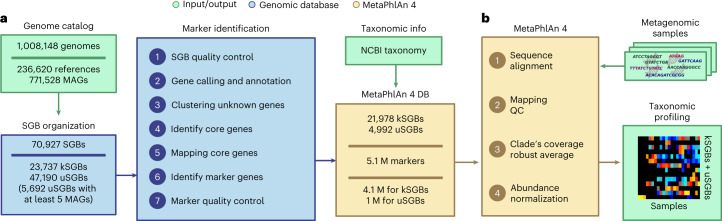
“…the most recent genome cata-logs 37–45 and additional newly assembled MAGs spanning multiple environments, we first expanded the definition of 54,596 SGBs and then defined SGB-specific unique marker genes (that is, genes uniquely characterizing each SGB) for 21,978 kSGBs and 4,992 uSGBs.”
BackgroundGut microbiota composition correlates with diet and health in the elderly
Claesson, M. J., Jeffery, I. B., Conde, S., Power, S. E., O’Connor, E. M., Cusack, S., Harris, H. M. B., Coakley, M., Lakshminarayanan, B., O’Sullivan, O., et al. (2012) · Nature · doi:10.1038/nature11319 · Cited by 3,314
Benson, D. A., Cavanaugh, M., Clark, K., Karsch-Mizrachi, I., Lipman, D. J., Ostell, J., & Sayers, E. W. (2012) · Nucleic Acids Research · doi:10.1093/nar/gks1195 · Cited by 3,261
Structure and function of the global ocean microbiome
Sunagawa, S., Coelho, L. P., Chaffron, S., Kultima, J. R., Labadie, K., Salazar, G., Djahanschiri, B., Zeller, G., Mende, D. R., Alberti, A., et al. (2015) · Science · doi:10.1126/science.1261359 · Cited by 2,921
MaxBin 2.0: an automated binning algorithm to recover genomes from multiple metagenomic datasets
Wu, Y.-W., Simmons, B. A., & Singer, S. W. (2016) · Bioinformatics · doi:10.1093/bioinformatics/btv638 · Cited by 2,793
NCBI Taxonomy: a comprehensive update on curation, resources and tools
Schoch, C. L., Ciufo, S., Domrachev, M., Hotton, C. L., Kannan, S., Khovanskaya, R., Leipe, D., Mcveigh, R., O’Neill, K., Robbertse, B., et al. (2020) · Database · doi:10.1093/database/baaa062 · Cited by 2,635 · cited 7×
“…of outlier labels resulting from misspellings or incorrect assignments by NCBI genome submitters (for example, the Staphylococcus epidermidis SGB7865 is composed of 700 reference genomes, 32 of which have different or unspecified species labels in the NCBI database 49 , Supplementary Table 1).”
BackgroundMethodInfluentialParks, D. H., Chuvochina, M., Rinke, C., Mussig, A. J., Chaumeil, P.-A., & Hugenholtz, P. (2022) · Nucleic Acids Research · doi:10.1093/nar/gkab776 · Cited by 2,402
Bracken: estimating species abundance in metagenomics data
(2016) · doi:10.7717/peerj-cs.104 · Cited by 2,333
Beghini, F., McIver, L. J., Blanco-Míguez, A., Dubois, L., Asnicar, F., Maharjan, S., Mailyan, A., Manghi, P., Scholz, M., Thomas, A. M., et al. (2021) · eLife · doi:10.7554/elife.65088 · Cited by 2,303
Self-citationShotgun metagenomics, from sampling to analysis
Quince, C., Walker, A. W., Simpson, J. T., Loman, N. J., & Segata, N. (2017) · Nature Biotechnology · doi:10.1038/nbt.3935 · Cited by 2,202
Self-citationMetaPhlAn2 for enhanced metagenomic taxonomic profiling
Truong, D. T., Franzosa, E. A., Tickle, T. L., Scholz, M., Weingart, G., Pasolli, E., Tett, A., Huttenhower, C., & Segata, N. (2015) · Nature Methods · doi:10.1038/nmeth.3589 · Cited by 2,185
Self-citationAlterations of the human gut microbiome in liver cirrhosis
Qin, N., Yang, F., Li, A., Prifti, E., Chen, Y., Shao, L., Guo, J., Le Chatelier, E., Yao, J., Wu, L., et al. (2014) · Nature · doi:10.1038/nature13568 · Cited by 2,177 · cited 1×
“This set of methods enabled deep exploration of human microbiomes and the discovery of microbial associations with multiple health conditions 10–18 and dietary patterns 19–23 , as well as the characterization of the evolution and transmission of microbial species and strains 24–29 .”
BackgroundUniRef clusters: a comprehensive and scalable alternative for improving sequence similarity searches
Suzek, B. E., Wang, Y., Huang, H., McGarvey, P. B., Wu, C. H., & the UniProt Consortium (2015) · Bioinformatics · doi:10.1093/bioinformatics/btu739 · Cited by 1,928 · cited 2×
“The pangenomes were built by categorizing the coding sequences of all the 729 k genomes into UniRef90 clusters 58 when a 90% amino acid identity match was found within the UniRef database, or by de novo clustering all remaining sequences at 90% amino acid identity following the Uniclust90 criteria…”
MethodMetagenomic microbial community profiling using unique clade-specific marker genes
Segata, N., Waldron, L., Ballarini, A., Narasimhan, V., Jousson, O., & Huttenhower, C. (2012) · Nature Methods · doi:10.1038/nmeth.2066 · Cited by 1,776 · cited 2×
“The resulting dataset expands the existing MetaPhlAn algorithm 2–4 to enable deeper and more accurate quantitative taxonomic analyses of human, host associated and environmental microbiomes and provides insights into a number of studies associating the microbiome with host conditions.”
MethodSelf-citationCheckV assesses the quality and completeness of metagenome-assembled viral genomes
Nayfach, S., Camargo, A. P., Schulz, F., Eloe-Fadrosh, E., Roux, S., & Kyrpides, N. C. (2021) · Nature Biotechnology · doi:10.1038/s41587-020-00774-7 · Cited by 1,750
Species-level functional profiling of metagenomes and metatranscriptomes
Franzosa, E. A., McIver, L. J., Rahnavard, G., Thompson, L. R., Schirmer, M., Weingart, G., Lipson, K. S., Knight, R., Caporaso, J. G., Segata, N., et al. (2018) · Nature Methods · doi:10.1038/s41592-018-0176-y · Cited by 1,693 · cited 1×
“…studies at a larger scale than what has been described so far 40–42 ,45, From this SGB genome catalog, we built the pangenome of each SGB (collection of all gene families found in at least one genome in identify and quantify the known taxa and genes present in a microbiome by homology instead 4–7 .”
MethodSelf-citationThe gut microbiome in atherosclerotic cardiovascular disease
Jie, Z., Xia, H., Zhong, S.-L., Feng, Q., Li, S., Liang, S., Zhong, H., Liu, Z., Gao, Y., Zhao, H., et al. (2017) · Nature Communications · doi:10.1038/s41467-017-00900-1 · Cited by 1,638
ART: a next-generation sequencing read simulator
Huang, W., Li, L., Myers, J. R., & Marth, G. T. (2012) · Bioinformatics · doi:10.1093/bioinformatics/btr708 · Cited by 1,596
Pasolli, E., Asnicar, F., Manara, S., Zolfo, M., Karcher, N., Armanini, F., Beghini, F., Manghi, P., Tett, A., Ghensi, P., et al. (2019) · Cell · doi:10.1016/j.cell.2019.01.001 · Cited by 1,591 · cited 9×
“SGBs represent both existing species (known or kSGBs) or yet-to-be-characterized species (unknown, uSGBs) defined solely based on the MAGs 42 .”
BackgroundMethodResultInfluentialSelf-citationA complete domain-to-species taxonomy for Bacteria and Archaea
Parks, D. H., Chuvochina, M., Chaumeil, P.-A., Rinke, C., Mussig, A. J., & Hugenholtz, P. (2020) · Nature Biotechnology · doi:10.1038/s41587-020-0501-8 · Cited by 1,530 · cited 1×
“This definition permits arbitrary microbial genomes to be organized in a manner not unlike amplicons into operational taxonomic units (OTUs) and matches remarkably well the expected boundaries of the existing taxonomy 42,47,48 .”
BackgroundDatabase resources of the National Center for Biotechnology Information
Coordinators, N. R., Agarwala, R., Barrett, T., Beck, J., Benson, D. A., Bollin, C., Bolton, E., Bourexis, D., Brister, J. R., Bryant, S. H., et al. (2018) · Nucleic Acids Research · doi:10.1093/nar/gkx1095 · Cited by 1,502 · cited 6×
“2a) computed based on the common reference NCBI taxonomy.”
MethodInfluentialA unified catalog of 204,938 reference genomes from the human gut microbiome
Almeida, A., Nayfach, S., Boland, M., Strozzi, F., Beracochea, M., Shi, Z. J., Pollard, K. S., Sakharova, E., Parks, D. H., Hugenholtz, P., et al. (2021) · Nature Biotechnology · doi:10.1038/s41587-020-0603-3 · Cited by 1,367 · cited 5×
“From a collection of 1.01 M bacterial and archeal MAGs and isolate genomes integrating the most recent genome cata-logs 37–45 and additional newly assembled MAGs spanning multiple environments, we first expanded the definition of 54,596 SGBs and then defined SGB-specific unique marker genes (that…”
BackgroundMethodResultInfluentialSelf-citationUpdate of the Healthy Eating Index: HEI-2010
Guenther, P. M., Casavale, K. O., Reedy, J., Kirkpatrick, S. I., Hiza, H. A. B., Kuczynski, K. J., Kahle, L. L., & Krebs-Smith, S. M. (2013) · Journal of the Academy of Nutrition and Dietetics · doi:10.1016/j.jand.2012.12.016 · Cited by 1,360
A new genomic blueprint of the human gut microbiota
Almeida, A., Mitchell, A. L., Boland, M., Forster, S. C., Gloor, G. B., Tarkowska, A., Lawley, T. D., & Finn, R. D. (2019) · Nature · doi:10.1038/s41586-019-0965-1 · Cited by 1,314
Ferretti, P., Pasolli, E., Tett, A., Asnicar, F., Gorfer, V., Fedi, S., Armanini, F., Truong, D. T., Manara, S., Zolfo, M., et al. (2018) · Cell Host & Microbe · doi:10.1016/j.chom.2018.06.005 · Cited by 1,292 · cited 1×
“StrainPhlAn 4 also allows the analysis of strain sharing and transmission between communities 4,25,28,73,77–79 for uncharacterized species, that is, uSGBs (see Methods).”
BackgroundSelf-citationStunted microbiota and opportunistic pathogen colonization in caesarean-section birth
Shao, Y., Forster, S. C., Tsaliki, E., Vervier, K., Strang, A., Simpson, N., Kumar, N., Stares, M. D., Rodger, A., Brocklehurst, P., et al. (2019) · Nature · doi:10.1038/s41586-019-1560-1 · Cited by 1,088 · cited 1×
“StrainPhlAn 4 also allows the analysis of strain sharing and transmission between communities 4,25,28,73,77–79 for uncharacterized species, that is, uSGBs (see Methods).”
BackgroundThomas, A. M., Manghi, P., Asnicar, F., Pasolli, E., Armanini, F., Zolfo, M., Beghini, F., Manara, S., Karcher, N., Pozzi, C., et al. (2019) · Nature Medicine · doi:10.1038/s41591-019-0405-7 · Cited by 1,030
Self-citationMicrobial community profiling for human microbiome projects: Tools, techniques, and challenges
Hamady, M., & Knight, R. (2009) · Genome Research · doi:10.1101/gr.085464.108 · Cited by 1,001 · cited 1×
“Interestingly, because SGBs represent essentially whole-genome OTU clusters 80 , many related downstream statistical challenges also remain to be addressed; for example, the tradeoff between sensitivity and specificity when applying quality control measures to identify real but rare taxa.”
BackgroundDiet-quality scores and plasma concentrations of markers of inflammation and endothelial dysfunction
Fung, T. T., McCullough, M. L., Newby, P., Manson, J. E., Meigs, J. B., Rifai, N., Willett, W. C., & Hu, F. B. (2005) · The American Journal of Clinical Nutrition · doi:10.1093/ajcn/82.1.163 · Cited by 1,001
Asnicar, F., Berry, S. E., Valdes, A. M., Nguyen, L. H., Piccinno, G., Drew, D. A., Leeming, E., Gibson, R., Le Roy, C., Khatib, H. A., et al. (2021) · Nature Medicine · doi:10.1038/s41591-020-01183-8 · Cited by 995 · cited 2×
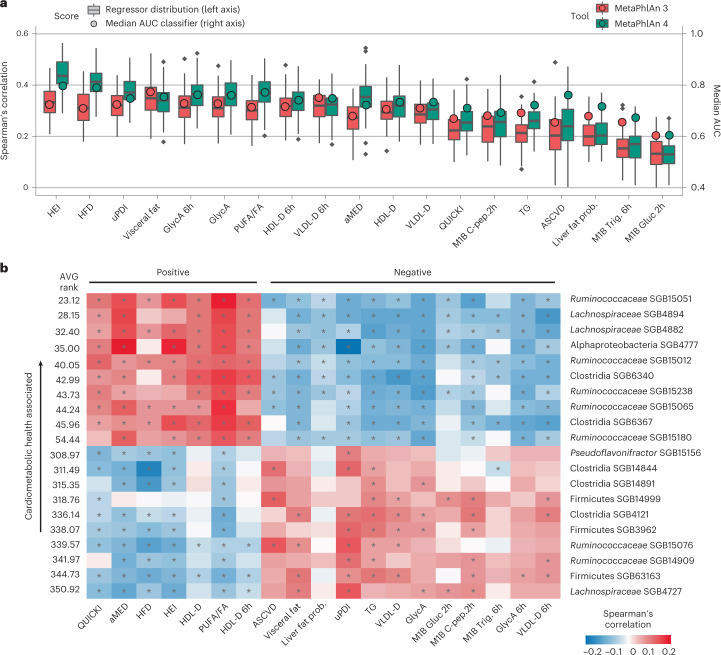
“Machine learning (ML) analyses were performed using the ‘ scikit-learn ’ Python package (version 0.22.2) on a panel of 19 representative nutritional and cardiometabolic markers described in the original study 22 .”
MethodInfluentialSelf-citationAn African origin for the intimate association between humans and Helicobacter pylori
Linz, B., Balloux, F., Moodley, Y., Manica, A., Liu, H., Roumagnac, P., Falush, D., Stamer, C., Prugnolle, F., van der Merwe, S. W., et al. (2007) · Nature · doi:10.1038/nature05562 · Cited by 978 · cited 1×
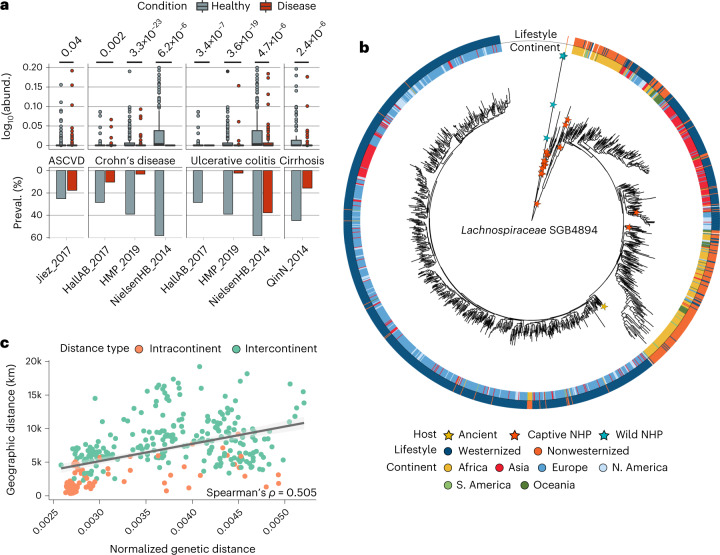
“…pairs of strains sampled in different countries, we found a correlation between geographic and median genetic distance (Spearman’s P = 0.505) that can be used to hypothesize isolation-by-distance effects 75 , as previously shown for Helicobacter pylori 76 and Eubacterium rectale 55 (Fig.”
ResultInfluentialAsnicar, F., Thomas, A. M., Beghini, F., Mengoni, C., Manara, S., Manghi, P., Zhu, Q., Bolzan, M., Cumbo, F., May, U., et al. (2020) · Nature Communications · doi:10.1038/s41467-020-16366-7 · Cited by 869 · cited 1×
“Finally, the remaining samples and markers are processed by Phy-loPhlAn 81 .”
BackgroundSelf-citationA genomic catalog of Earth’s microbiomes
Nayfach, S., Roux, S., Seshadri, R., Udwary, D., Varghese, N., Schulz, F., Wu, D., Paez-Espino, D., Chen, I.-M., Huntemann, M., et al. (2021) · Nature Biotechnology · doi:10.1038/s41587-020-0718-6 · Cited by 865
Microbial strain-level population structure and genetic diversity from metagenomes
Truong, D. T., Tett, A., Pasolli, E., Huttenhower, C., & Segata, N. (2017) · Genome Research · doi:10.1101/gr.216242.116 · Cited by 839 · cited 2×
“StrainPhlAn 4 also allows the analysis of strain sharing and transmission between communities 4,25,28,73,77–79 for uncharacterized species, that is, uSGBs (see Methods).”
BackgroundSelf-citationCompact graphical representation of phylogenetic data and metadata with GraPhlAn
Asnicar, F., Weingart, G., Tickle, T. L., Huttenhower, C., & Segata, N. (2015) · PeerJ · doi:10.7717/peerj.1029 · Cited by 817
Self-citationA novel Ruminococcus gnavus clade enriched in inflammatory bowel disease patients
Hall, A. B., Yassour, M., Sauk, J., Garner, A., Jiang, X., Arthur, T., Lagoudas, G. K., Vatanen, T., Fornelos, N., Wilson, R., et al. (2017) · Genome Medicine · doi:10.1186/s13073-017-0490-5 · Cited by 777
Self-citationUniclust databases of clustered and deeply annotated protein sequences and alignments
Mirdita, M., von den Driesch, L., Galiez, C., Martin, M. J., Söding, J., & Steinegger, M. (2017) · Nucleic Acids Research · doi:10.1093/nar/gkw1081 · Cited by 759 · cited 3×
“59 ) criteria (>90% identity and >80% coverage of the cluster centroid).”
BackgroundMethodInfluentialNew insights from uncultivated genomes of the global human gut microbiome
Nayfach, S., Shi, Z. J., Seshadri, R., Pollard, K. S., & Kyrpides, N. C. (2019) · Nature · doi:10.1038/s41586-019-1058-x · Cited by 737 · cited 3×
“While the repository can be used for genome-based studies at a larger scale than what has been described so far 40–42 ,45, From this SGB genome catalog, we built the pangenome of each SGB (collection of all gene families found in at least one genome in identify and quantify the known taxa and genes…”
BackgroundMethodInfluentialImproved metagenome binning and assembly using deep variational autoencoders
Nissen, J. N., Johansen, J., Allesøe, R. L., Sønderby, C. K., Armenteros, J. J. A., Grønbech, C. H., Jensen, L. J., Nielsen, H. B., Petersen, T. N., Winther, O., et al. (2021) · Nature Biotechnology · doi:10.1038/s41587-020-00777-4 · Cited by 649 · cited 2×
“As metagenomic assembly and binning have improved dramatically in the last few years 31–35 , large-scale MAG catalogs have been compiled and comprise a vast amount of unknown and uncultivated microbial species populating diverse environments 37–46 .”
BackgroundStewart, R. D., Auffret, M. D., Warr, A., Walker, A. W., Roehe, R., & Watson, M. (2019) · Nature Biotechnology · doi:10.1038/s41587-019-0202-3 · Cited by 604 · cited 1×
“A key advantage of reference-based metagenomic profiling as compared to assembly is its ability to detect low-abundant and hard-to-assemble genomes 37,39,40,42,43,45 .”
BackgroundLongitudinal multi-omics of host–microbe dynamics in prediabetes
Zhou, W., Sailani, M. R., Contrepois, K., Zhou, Y., Ahadi, S., Leopold, S. R., Zhang, M. J., Rao, V., Avina, M., Mishra, T., et al. (2019) · Nature · doi:10.1038/s41586-019-1236-x · Cited by 583
Dynamics of metatranscription in the inflammatory bowel disease gut microbiome
Schirmer, M., Franzosa, E. A., Lloyd-Price, J., McIver, L. J., Schwager, R., Poon, T. W., Ananthakrishnan, A. N., Andrews, E., Barron, G., Lake, K., et al. (2018) · Nature Microbiology · doi:10.1038/s41564-017-0089-z · Cited by 573
Self-citationA catalog of the mouse gut metagenome
Xiao, L., Feng, Q., Liang, S., Sonne, S. B., Xia, Z., Qiu, X., Li, X., Long, H., Zhang, J., Zhang, D., et al. (2015) · Nature Biotechnology · doi:10.1038/nbt.3353 · Cited by 520 · cited 2×
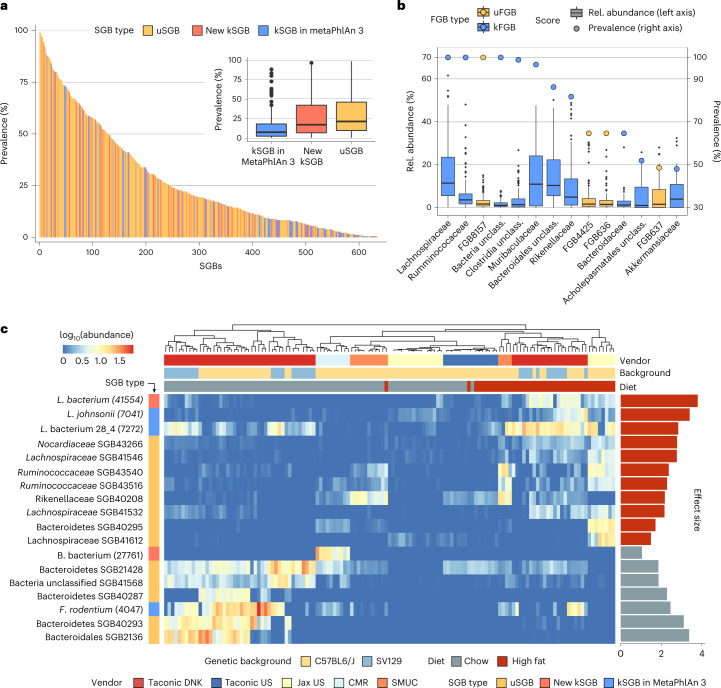
“…to a heterogeneous public dataset of 184 mouse gut microbiomes spanning eight genetic backgrounds and six different vendors (Supplementary Table 17) 65 , MetaPhlAn 4 detected 632 different SGBs, 45.57% of them that would not be detected using only MAGs reconstructed from the same samples’ set…”
BackgroundInfluentialAccessible, curated metagenomic data through ExperimentHub
Pasolli, E., Schiffer, L., Manghi, P., Renson, A., Obenchain, V., Truong, D. T., Beghini, F., Malik, F., Ramos, M., Dowd, J. B., et al. (2017) · Nature Methods · doi:10.1038/nmeth.4468 · Cited by 514
Self-citationThe reconstruction of 2,631 draft metagenome-assembled genomes from the global oceans
Tully, B. J., Graham, E. D., & Heidelberg, J. F. (2018) · Scientific Data · doi:10.1038/sdata.2017.203 · Cited by 508 · cited 4×
“As metagenomic assembly and binning have improved dramatically in the last few years 31–35 , large-scale MAG catalogs have been compiled and comprise a vast amount of unknown and uncultivated microbial species populating diverse environments 37–46 .”
BackgroundInfluentialTett, A., Huang, K. D., Asnicar, F., Fehlner-Peach, H., Pasolli, E., Karcher, N., Armanini, F., Manghi, P., Bonham, K., Zolfo, M., et al. (2019) · Cell Host & Microbe · doi:10.1016/j.chom.2019.08.018 · Cited by 476 · cited 1×
“…SGB. Conversely, species with subclades diverging for more than 5% genetic identity were split into multiple SGBs (for example, Prevotella copri is represented by four different SGBs 51 , or Faecalibacterium prausnitzii with SGBs representing its distinct (sub) species 52 ; Supplementary Table 1).”
BackgroundSelf-citationGenomics of the group of organisms
RASKO, D., ALTHERR, M., HAN, C., & RAVEL, J. (2005) · FEMS Microbiology Reviews · doi:10.1016/j.femsre.2004.12.005 · Cited by 470 · cited 1×
“…or impossible to distinguish (for example, species of the Bacillus cereus group, genetically differentiated only by their plasmidic sequences 50 ) and are thus clustered in the same SGB. Conversely, species with subclades diverging for more than 5% genetic identity were split into multiple…”
BackgroundStrain-Level Analysis of Mother-to-Child Bacterial Transmission during the First Few Months of Life
Yassour, M., Jason, E., Hogstrom, L. J., Arthur, T. D., Tripathi, S., Siljander, H., Selvenius, J., Oikarinen, S., Hyöty, H., Virtanen, S. M., et al. (2018) · Cell Host & Microbe · doi:10.1016/j.chom.2018.06.007 · Cited by 455
Self-citationMicrobial abundance, activity and population genomic profiling with mOTUs2
Milanese, A., Mende, D. R., Paoli, L., Salazar, G., Ruscheweyh, H.-J., Cuenca, M., Hingamp, P., Alves, R., Costea, P. I., Coelho, L. P., et al. (2019) · Nature Communications · doi:10.1038/s41467-019-08844-4 · Cited by 446
Asnicar, F., Manara, S., Zolfo, M., Truong, D. T., Scholz, M., Armanini, F., Ferretti, P., Gorfer, V., Pedrotti, A., Tett, A., et al. (2017) · mSystems · doi:10.1128/msystems.00164-16 · Cited by 445 · cited 1×
“This set of methods enabled deep exploration of human microbiomes and the discovery of microbial associations with multiple health conditions 10–18 and dietary patterns 19–23 , as well as the characterization of the evolution and transmission of microbial species and strains 24–29 .”
BackgroundSelf-citationMetagenome-wide association of gut microbiome features for schizophrenia
Zhu, F., Ju, Y., Wang, W., Wang, Q., Guo, R., Ma, Q., Sun, Q., Fan, Y., Xie, Y., Yang, Z., et al. (2020) · Nature Communications · doi:10.1038/s41467-020-15457-9 · Cited by 409 · cited 1×
“This set of methods enabled deep exploration of human microbiomes and the discovery of microbial associations with multiple health conditions 10–18 and dietary patterns 19–23 , as well as the characterization of the evolution and transmission of microbial species and strains 24–29 .”
BackgroundWang, D. D., Nguyen, L. H., Li, Y., Yan, Y., Ma, W., Rinott, E., Ivey, K. L., Shai, I., Willett, W. C., Hu, F. B., et al. (2021) · Nature Medicine · doi:10.1038/s41591-020-01223-3 · Cited by 386 · cited 2×
“This set of methods enabled deep exploration of human microbiomes and the discovery of microbial associations with multiple health conditions 10–18 and dietary patterns 19–23 , as well as the characterization of the evolution and transmission of microbial species and strains 24–29 .”
BackgroundMethodSelf-citationIaniro, G., Punčochář, M., Karcher, N., Porcari, S., Armanini, F., Asnicar, F., Beghini, F., Blanco-Míguez, A., Cumbo, F., Manghi, P., et al. (2022) · Nature Medicine · doi:10.1038/s41591-022-01964-3 · Cited by 366 · cited 1×
“StrainPhlAn 4 also allows the analysis of strain sharing and transmission between communities 4,25,28,73,77–79 for uncharacterized species, that is, uSGBs (see Methods).”
BackgroundSelf-citationbioBakery: a meta’omic analysis environment
McIver, L. J., Abu-Ali, G., Franzosa, E. A., Schwager, R., Morgan, X. C., Waldron, L., Segata, N., & Huttenhower, C. (2018) · Bioinformatics · doi:10.1093/bioinformatics/btx754 · Cited by 361
Self-citationThe long-term genetic stability and individual specificity of the human gut microbiome
Chen, L., Wang, D., Garmaeva, S., Kurilshikov, A., Vich Vila, A., Gacesa, R., Sinha, T., Segal, E., Weersma, R. K., Wijmenga, C., et al. (2021) · Cell · doi:10.1016/j.cell.2021.03.024 · Cited by 345
A metagenomic study of the gut microbiome in Behcet’s disease
Ye, Z., Zhang, N., Wu, C., Zhang, X., Wang, Q., Huang, X., Du, L., Cao, Q., Tang, J., Zhou, C., et al. (2018) · Microbiome · doi:10.1186/s40168-018-0520-6 · Cited by 272
Transmission of human-associated microbiota along family and social networks
Brito, I. L., Gurry, T., Zhao, S., Huang, K., Young, S. K., Shea, T. P., Naisilisili, W., Jenkins, A. P., Jupiter, S. D., Gevers, D., et al. (2019) · Nature Microbiology · doi:10.1038/s41564-019-0409-6 · Cited by 246
Self-citationDiversity and functional landscapes in the microbiota of animals in the wild
Levin, D., Raab, N., Pinto, Y., Rothschild, D., Zanir, G., Godneva, A., Mellul, N., Futorian, D., Gal, D., Leviatan, S., et al. (2021) · Science · doi:10.1126/science.abb5352 · Cited by 233 · cited 2×
“As metagenomic assembly and binning have improved dramatically in the last few years 31–35 , large-scale MAG catalogs have been compiled and comprise a vast amount of unknown and uncultivated microbial species populating diverse environments 37–46 .”
BackgroundNew approaches for metagenome assembly with short reads
Ayling, M., Clark, M. D., & Leggett, R. M. (2020) · Briefings in Bioinformatics · doi:10.1093/bib/bbz020 · Cited by 218 · cited 1×
“…techniques are typically able to capture only a limited fraction of the organisms in complex communities due to insufficient coverage for many taxa, the presence of genetically related taxa impeding or creating spurious assemblies and difficulties in quality control of the resulting MAGs 9 .”
BackgroundUnexplored diversity and strain-level structure of the skin microbiome associated with psoriasis
Tett, A., Pasolli, E., Farina, S., Truong, D. T., Asnicar, F., Zolfo, M., Beghini, F., Armanini, F., Jousson, O., De Sanctis, V., et al. (2017) · npj Biofilms and Microbiomes · doi:10.1038/s41522-017-0022-5 · Cited by 209
Self-citationKieser, S., Brown, J., Zdobnov, E. M., Trajkovski, M., & McCue, L. A. (2020) · BMC Bioinformatics · doi:10.1186/s12859-020-03585-4 · Cited by 209 · cited 2×
“As already noted in recent studies 66 employing a metagenomic-assembly-based workflow 67 , most of the detected SGBs in the mouse gut (60.8”
BackgroundResultInfluentialA low-gluten diet induces changes in the intestinal microbiome of healthy Danish adults
Hansen, L. B. S., Roager, H. M., Søndertoft, N. B., Gøbel, R. J., Kristensen, M., Vallès-Colomer, M., Vieira-Silva, S., Ibrügger, S., Lind, M. V., Mærkedahl, R. B., et al. (2018) · Nature Communications · doi:10.1038/s41467-018-07019-x · Cited by 189
Self-citationMultiple levels of the unknown in microbiome research
Thomas, A. M., & Segata, N. (2019) · BMC Biology · doi:10.1186/s12915-019-0667-z · Cited by 176 · cited 1×
“However, reference-based methods can only detect cataloged microbial species included in available reference databases, which typically only represent a fraction of the community members across environments, thus limiting the interpretation of shotgun metagenomes 30 .”
Self-citationNewly Explored Faecalibacterium Diversity Is Connected to Age, Lifestyle, Geography, and Disease
De Filippis, F., Pasolli, E., & Ercolini, D. (2020) · Current Biology · doi:10.1016/j.cub.2020.09.063 · Cited by 161 · cited 2×
“…SGB. Conversely, species with subclades diverging for more than 5% genetic identity were split into multiple SGBs (for example, Prevotella copri is represented by four different SGBs 51 , or Faecalibacterium prausnitzii with SGBs representing its distinct (sub) species 52 ; Supplementary Table 1).”
BackgroundSelf-citationKarcher, N., Nigro, E., Punčochář, M., Blanco-Míguez, A., Ciciani, M., Manghi, P., Zolfo, M., Cumbo, F., Manara, S., Golzato, D., et al. (2021) · Genome Biology · doi:10.1186/s13059-021-02427-7 · Cited by 159
Self-citationGhensi, P., Manghi, P., Zolfo, M., Armanini, F., Pasolli, E., Bolzan, M., Bertelle, A., Dell’Acqua, F., Dellasega, E., Waldner, R., et al. (2020) · npj Biofilms and Microbiomes · doi:10.1038/s41522-020-00155-7 · Cited by 150 · cited 1×
“In total, we analyzed 43 HF-fed mice and 88 mice fed with normal control chow, further stratified into two genetic backgrounds and five vendors (Supplementary Table 17).”
MethodSelf-citationIaniro, G., Rossi, E., Thomas, A. M., Schinzari, G., Masucci, L., Quaranta, G., Settanni, C. R., Lopetuso, L. R., Armanini, F., Blanco-Miguez, A., et al. (2020) · Nature Communications · doi:10.1038/s41467-020-18127-y · Cited by 139 · cited 1×
“StrainPhlAn 4 also allows the analysis of strain sharing and transmission between communities 4,25,28,73,77–79 for uncharacterized species, that is, uSGBs (see Methods).”
BackgroundSelf-citationAn Integrated Metagenome Catalog Reveals New Insights into the Murine Gut Microbiome
Lesker, T. R., Durairaj, A. C., Gálvez, E. J. C., Lagkouvardos, I., Baines, J. F., Clavel, T., Sczyrba, A., McHardy, A. C., & Strowig, T. (2020) · Cell Reports · doi:10.1016/j.celrep.2020.02.036 · Cited by 128 · cited 1×
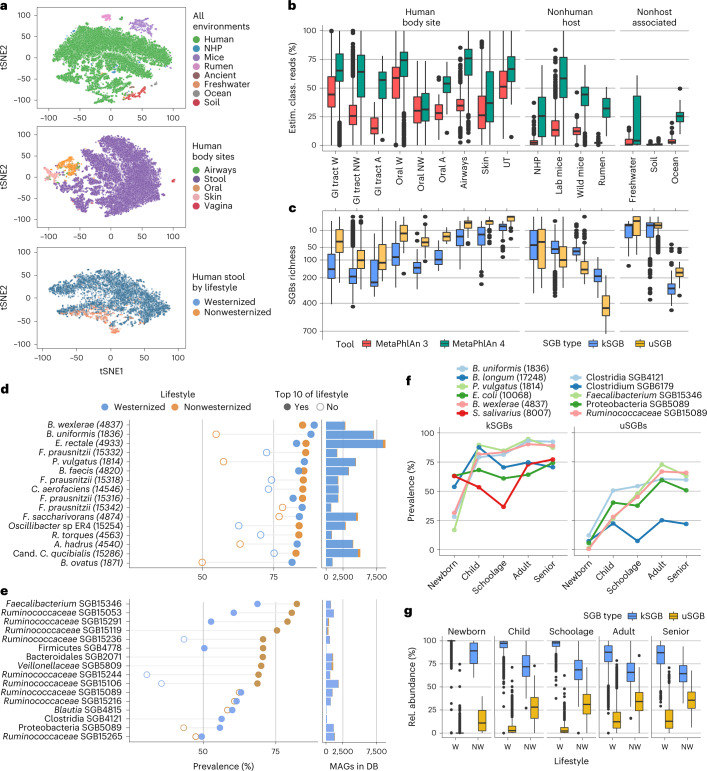
“SGB4894-specific marker genes were successfully reconstructed from 2,787 metagen-omes, of which 2,738 were from contemporary human gut microbiome samples, five from ancient gut microbiome samples, and 44 from NHP gut microbiome samples.”
BackgroundKarcher, N., Pasolli, E., Asnicar, F., Huang, K. D., Tett, A., Manara, S., Armanini, F., Bain, D., Duncan, S. H., Louis, P., et al. (2020) · Genome Biology · doi:10.1186/s13059-020-02042-y · Cited by 116
Self-citationComprehensive mouse microbiota genome catalog reveals major difference to its human counterpart
Kieser, S., Zdobnov, E. M., & Trajkovski, M. (2022) · PLOS Computational Biology · doi:10.1371/journal.pcbi.1009947 · Cited by 98 · cited 1×
“As already noted in recent studies 66 employing a metagenomic-assembly-based workflow 67 , most of the detected SGBs in the mouse gut (60.8”
ResultInfluentialManara, S., Asnicar, F., Beghini, F., Bazzani, D., Cumbo, F., Zolfo, M., Nigro, E., Karcher, N., Manghi, P., Metzger, M. I., et al. (2019) · Genome Biology · doi:10.1186/s13059-019-1923-9 · Cited by 95
Self-citationTutorial: assessing metagenomics software with the CAMI benchmarking toolkit
Meyer, F., Lesker, T.-R., Koslicki, D., Fritz, A., Gurevich, A. A., Darling, A. E., Sczyrba, A., Bremges, A., & McHardy, A. C. (2021) · Nature Protocols · doi:10.1038/s41596-020-00480-3 · Cited by 90 · cited 3×
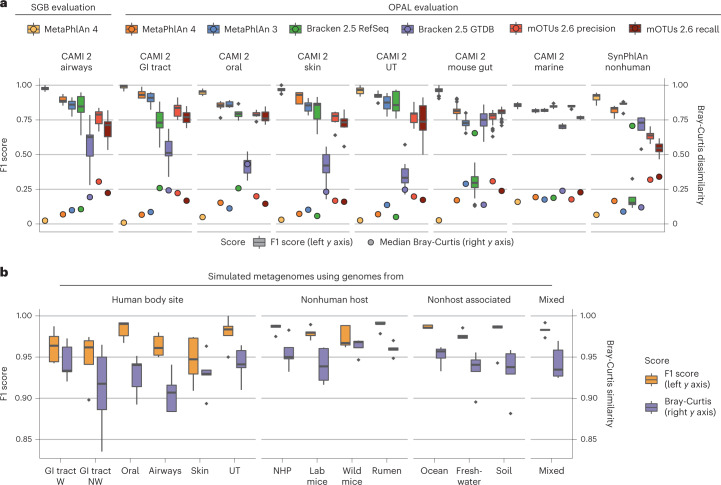
“Most of these synthetic samples (128) are from the CAMI 2 taxonomic profiling challenge 60 representing host-associated and marine communities, whereas the other five are additional nonhuman synthetic metagen-omes (derived from SynPhlAn; see Methods) representing more diverse environments than in…”
BackgroundMethodVariation and transmission of the human gut microbiota across multiple familial generations
Valles-Colomer, M., Bacigalupe, R., Vieira-Silva, S., Suzuki, S., Darzi, Y., Tito, R. Y., Yamada, T., Segata, N., Raes, J., & Falony, G. (2021) · Nature Microbiology · doi:10.1038/s41564-021-01021-8 · Cited by 90
Self-citationAssessing taxonomic metagenome profilers with OPAL
Meyer, F., Bremges, A., Belmann, P., Janssen, S., McHardy, A. C., & Koslicki, D. (2019) · Genome Biology · doi:10.1186/s13059-019-1646-y · Cited by 80 · cited 3×
“Species-level evaluation using the OPAL framework 61 shows that MetaPhlAn 4 is more accurate than the available alternatives in both the detection of which taxa are present (the F1 score is the harmonic mean of the precision and recall of detection) and their quantitative estimation (the BC…”
MethodRecovering prokaryotic genomes from host-associated, short-read shotgun metagenomic sequencing data
Kashaf, S. S., Almeida, A., Segre, J. A., & Finn, R. D. (2021) · Nature Protocols · doi:10.1038/s41596-021-00508-2 · Cited by 72 · cited 1×
“This allows recovery of microbial sequences that have not yet been isolated or characterized and are thus absent from reference databases 36 .”
BackgroundComparison of extraction methods for recovering ancient microbial DNA from paleofeces
Hagan, R. W., Hofman, C. A., Hübner, A., Reinhard, K., Schnorr, S., Lewis, C. M., Sankaranarayanan, K., & Warinner, C. G. (2020) · American Journal of Physical Anthropology · doi:10.1002/ajpa.23978 · Cited by 65
Nazeen, S., Yu, Y. W., & Berger, B. (2020) · Genome Biology · doi:10.1186/s13059-020-1933-7 · Cited by 23
Saenz, C., Nigro, E., Gunalan, V., & Arumugam, M. (2022) · Frontiers in Bioinformatics · doi:10.3389/fbinf.2022.846922 · Cited by 22
Cited by
Next-Generation Sequencing Technology: Current Trends and Advancements
Satam, H., Joshi, K., Mangrolia, U., Waghoo, S., Zaidi, G., Rawool, S., Thakare, R. P., Banday, S., Mishra, A. K., Das, G., et al. (2023) · Biology · doi:10.3390/biology12070997 · Cited by 1,299
Fecal microbiota transplantation plus anti-PD-1 immunotherapy in advanced melanoma: a phase I trial
Routy, B., Lenehan, J. G., Miller, W. H., Jamal, R., Messaoudene, M., Daisley, B. A., Hes, C., Al, K. F., Martinez-Gili, L., Punčochář, M., et al. (2023) · Nature Medicine · doi:10.1038/s41591-023-02453-x · Cited by 526
Self-citationA distinct Fusobacterium nucleatum clade dominates the colorectal cancer niche
Zepeda-Rivera, M., Minot, S. S., Bouzek, H., Wu, H., Blanco-Míguez, A., Manghi, P., Jones, D. S., LaCourse, K. D., Wu, Y., McMahon, E. F., et al. (2024) · Nature · doi:10.1038/s41586-024-07182-w · Cited by 451
Self-citationThe person-to-person transmission landscape of the gut and oral microbiomes
Valles-Colomer, M., Blanco-Míguez, A., Manghi, P., Asnicar, F., Dubois, L., Golzato, D., Armanini, F., Cumbo, F., Huang, K. D., Manara, S., et al. (2023) · Nature · doi:10.1038/s41586-022-05620-1 · Cited by 449
Self-citationIaniro, G., Punčochář, M., Karcher, N., Porcari, S., Armanini, F., Asnicar, F., Beghini, F., Blanco-Míguez, A., Cumbo, F., Manghi, P., et al. (2022) · Nature Medicine · doi:10.1038/s41591-022-01964-3 · Cited by 366
Self-citation
Metadata
- Authors
- Blanco-Míguez, A., Beghini, F., Cumbo, F., McIver, L. J., Thompson, K. N., Zolfo, M., Manghi, P., Dubois, L., Huang, K. D., Thomas, A. M., Nickols, W. A., Piccinno, G., Piperni, E., Punčochář, M., Valles-Colomer, M., Tett, A., Giordano, F., Davies, R., Wolf, J., Berry, S. E., Spector, T. D., Franzosa, E. A., Pasolli, E., Asnicar, F., Huttenhower, C., & Segata, N.
- Affiliations
- University of Trento (IT)
- Broad Institute (US)
- University of Vienna (AT)
- ZOE (United Kingdom) (GB)
- King's College London (GB)
- University of Naples Federico II (IT)
- Corresponding author
- Segata, Nicola
- ORCID
- Blanco-Míguez, Aitor
- Beghini, Francesco
- Cumbo, Fabio
- McIver, Lauren J.
- Thompson, Kelsey N.
- Zolfo, Moreno
- Manghi, Paolo
- Huang, Kun D.
- Thomas, Andrew Maltez
- Nickols, William A.
- Piccinno, Gianmarco
- Piperni, Elisa
- Punčochář, Michal
- Tett, Adrian
- Giordano, Francesca
- Davies, Richard
- Wolf, Jonathan
- Berry, Sarah E.
- Spector, Tim D.
- Franzosa, Eric A.
- Pasolli, Edoardo
- Asnicar, Francesco
- Huttenhower, Curtis
- Segata, Nicola
- Venue
- Nature Biotechnology
- Published
- 2023-02-23
- Volume
- 41
- Issue
- 11
- Pages
- 1633-1644
- ISSN
- 0733-222X (ISSN-L)
- 1087-0156
- 1546-1696
- PMC
- PMC10635831
- OpenAlex
- W4321611856
- Semantic Scholar
- e28eff291a1b5c8f0a98f826de240f846be03334
- Cited by
- 1,442
- References
- 101
- Citations by year
- 2026: 517 · 2025: 521 · 2024: 309 · 2023: 93
- FWCI
- 129.03
- Type
- journal article
- Language
- en
- Open access
- hybrid
- doi.org
- Licence
- cc-by
- creativecommons.org/licenses/by/4.0 (tdm)
- creativecommons.org/licenses/by/4.0 (vor)
- Locations
- Nature Biotechnology (publishedVersion, cc-by)
- PubMed Central (publishedVersion, cc-by)
- PubMed (publishedVersion)
- Iris (University of Trento) (submittedVersion, cc-by)
- Funders
- Harvard T.H. Chan School of Public Health
- Cancer Research UK (#C10674/A27140, A27140)
- National Institutes of Health (1u01ca230551-01a1, H2020, 1U01CA230551)
- Horizon 2020 Framework Programme (OncoBiome 825410, 818368, ONCOBIOME-825410 project, MASTER-818368 project, 825410)
- National Cancer Institute (1U01CA230551, U01 CA230551)
- National Institute of Allergy and Infectious Diseases (U19AI110820)
- National Institute of Diabetes and Digestive and Kidney Diseases (R24DK110499, P30DK043351)
- H2020 European Research Council (716575)
- HORIZON EUROPE European Research Council (101045015)
- Topics
- Life Sciences › Biochemistry, Genetics and Molecular Biology › Molecular Biology › Genomics and Phylogenetic Studies
- Life Sciences › Biochemistry, Genetics and Molecular Biology › Molecular Biology › Gut microbiota and health
- Physical Sciences › Environmental Science › Ecology › Microbial Community Ecology and Physiology
- Keywords
- metagenome-assembled genomes, marker genes, human gut microbiome, rumen microbiome, microbial biomarkers, metagenome assembly
- MeSH terms
- Gastrointestinal Microbiome, Animals, Humans, Phylogeny, Mice, Metagenome, Metagenomics, Microbiota
About these checks
Registry, retraction, Cites and statistics results are computed, not judged, with one exception: a printed reference that no index lists is read once by a model before it counts as a citation error. Claims are extracted by a model and kept only when their quote appears verbatim in the text; each cited source is then checked, with a model’s help, for whether it says what the claim relies on. Those verdicts can be wrong — read the claim’s quote and the cited source before relying on one.
Statistics and arithmetic are recomputed, not judged.
Confidence bands are shown only for fields calibrated on our annotated test set. None is calibrated yet, so no band is shown.
What counts as a claim ›How we measure confidence ›How we check this ›
Are you an author, or do you see a problem with this page? Request a review
Data sources
Bibliographic data: Semantic Scholar, OpenAlex, Crossref.
Contains information from the Semantic Scholar Academic Graph Datasets, made available under the ODC Attribution License (ODC-BY 1.0).
Semantic Scholar’s data is described in: Kinney, R., et al. (2023). The Semantic Scholar Open Data Platform. arXiv:2301.10140.
