

A standard procedure for creating a frailty index
Open accessThe DOI matches its Crossref record; 42 of the 43 references it cites were found in a registry or an index, and 1 are not checked yet; 8 of the 50 sources its claims cite were checked for support.
Abstract
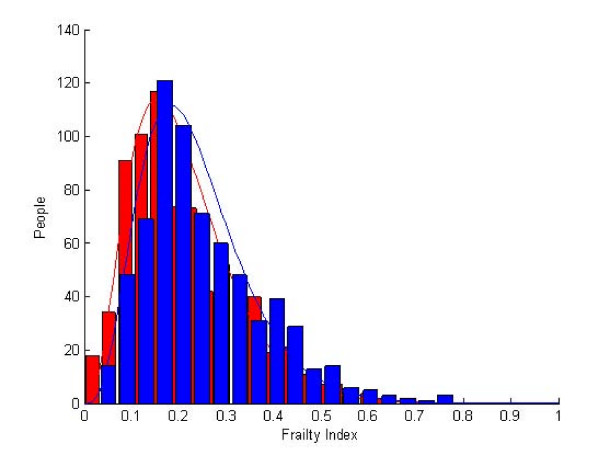
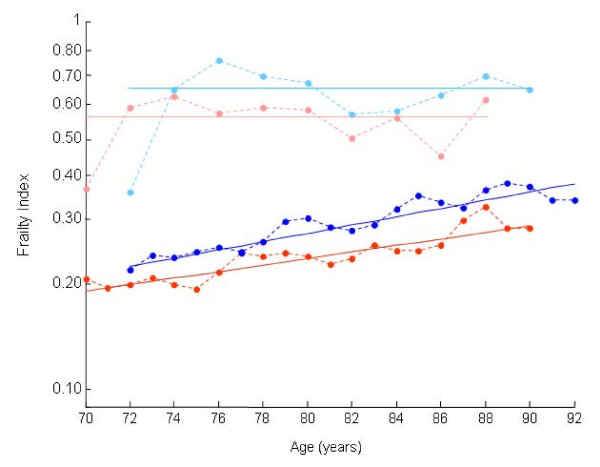
Background: Frailty can be measured in relation to the accumulation of deficits using a frailty index. A frailty index can be developed from most ageing databases. Our objective is to systematically describe a standard procedure for constructing a frailty index. Methods: This is a secondary analysis of the Yale Precipitating Events Project cohort study, based in New Haven CT. Non-disabled people aged 70 years or older (n = 754) were enrolled and re-contacted every 18 months. The database includes variables on function, cognition, co-morbidity, health attitudes and practices and physical performance measures. Data came from the baseline cohort and those available at the first 18-month follow-up assessment. Results: Procedures for selecting health variables as candidate deficits were applied to yield 40 deficits. Recoding procedures were applied for categorical, ordinal and interval variables such that they could be mapped to the interval 0–1, where 0 = absence of a deficit, and 1= full expression of the deficit. These individual deficit scores were combined in an index, where 0= no deficit present, and 1= all 40 deficits present. The values of the index were well fit by a gamma distribution. Between the baseline and follow-up cohorts, the age-related slope of deficit accumulation increased from 0.020 (95% confidence interval, 0.014–0.026) to 0.026 (0.020–0.032). The 99% limit to deficit accumulation was 0.6 in the baseline cohort and 0.7 in the follow-up cohort. Multivariate Cox analysis showed the frailty index, age and sex to be significant predictors of mortality. Conclusion: A systematic process for creating a frailty index, which relates deficit accumulation to the individual risk of death, showed reproducible properties in the Yale Precipitating Events Project cohort study. This method of quantifying frailty can aid our understanding of frailty-related health characteristics in older adults.
Verified 2026-10-11 · 1 reference not checked yet
Overview
CoChat Summary
## TL;DR
This paper presents a step-by-step procedure for constructing a frailty index from health deficits in older adults, using the Yale Precipitating Events Project cohort. In this cohort, a 40-deficit index showed a gamma-like distribution, an age-related deficit accumulation rate of 0.020/year at baseline and 0.026/year at follow-up, and significant prediction of mortality.
## Key findings
- The authors selected 40 deficits that met all frailty-index criteria at both baseline and 18-month follow-up.
- The frailty index distribution was well fit by a gamma distribution with r² > 0.90.
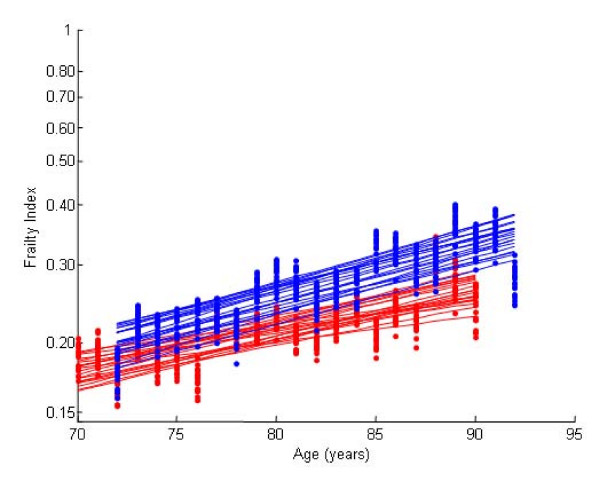
- The age-related slope of deficit accumulation was 0.020 per year at baseline (95% CI 0.014–0.026) and 0.026 per year at follow-up (95% CI 0.020–0.032).
- The 99% upper limit of the frailty index was about 0.6 at baseline and 0.7 at follow-up, and the frailty index, age, and sex were significant predictors of mortality in Cox models.
## Methods
- Secondary analysis of the Yale Precipitating Events Project (PEP) cohort in New Haven, CT; 754 community-dwelling, English-speaking, non-disabled adults aged 70+ were enrolled, with baseline and 18-month follow-up assessments.
- Candidate deficits were drawn from survey variables on function, cognition, comorbidity, attitudes/practices, physical performance, self-rated health, and mood; binary, ordinal, and continuous variables were recoded onto a 0–1 scale.
- Analysis included best-fit log(frailty index) vs age slopes, 1000 re-sampling (bootstrap-like) iterations using 80% of variables, comparison with a gamma distribution, 99th-percentile upper-limit plots, and bivariate and multivariable Cox regression for mortality.
## Limitations
- The paper states that not all items had established cut-points and that cut-points can be difficult to apply across a sample that covers many ages.
- The authors note the sample is small, so individual estimates can be unstable; they present re-sampling as a way to help with this.
- Evident from the text: the analysis is based on a single cohort and only baseline and 18-month follow-up data for constructing and comparing the indices, so generalizability beyond this dataset is not directly tested here.
Model-written summary. Check it against the paper before relying on it.
Integrity signals
Registry
Cites
Statistics
Figures
Verification
Claims the paper makes
6 Valid · 0 Not valid · 16 Not checked · 37 Own results and interpretations
The sources with a verdict support this claim; the rest weren’t checked yet, have no full text we could read, or their verdicts aren’t rated yet.
In the paper
“In each study, the frailer the person is (the higher the deficit count) the more vulnerable they are to adverse outcomes [5,8,11].”
§ A standard procedure for creating a frailty index > Background
What the sources say
- Not checked yetcites [5] Rockwood K, Mitnitski A: Frailty in relation to the accumulation of deficits. J Gerontol Biol Sci Med Sci. 2007, 62A: 722-727. source
- Supportedcites [8] Kulminski A, Yashin A, Arbeev K, Akushevich I, Ukraintseva S, Land K: Cumulative index of health disorders as an indicator of aging-associated processes in the elderly: Results from analyses of the National Long Term Care Survey. Mech Ageing Dev. 2007, 128: 250-258. 10.1016/j.mad.2006.12.004. source
The Results (3.3, p. n/a) state that 'individuals with smaller numbers of deficits live longer' and that 'having a large FI irrespective of age can be predictive of death', and Section 3.6 reports relative risks of death rising with each 1% increment in the FI (a deficit count/fraction). The Introduction also records that the FI is 'a robust concept predicting short- and long-term mortality outcomes and institutionalization' and permits stratification of health risks. Thus our copy supports the attributed point that greater deficit accumulation means greater frailty and greater vulnerability to adverse outcomes in this NLTCS elderly cohort; the 'in each study' framing belongs to the citing paper's pooling of several sources. (LLM, conf=0.85)
- Not checked yetcites [11] Woo J, Goggins W, Sham A, Ho SC: Social determinants of frailty. Gerontology. 2005, 51: 402-408. 10.1159/000088705. source
plainstates an association- Asserted: passes — The authors put it forward as true.
- Checkable: passes — It can be checked against evidence.
- Load-bearing: passes — The paper’s conclusions depend on it.
- Based: passes — The paper gives a reason why it holds.
Every source the paper cites for this claim was checked and supports it.
In the paper
“Frailty can be measured in relation to the accumulation of deficits using a frailty index.”
§ A standard procedure for creating a frailty index > Abstract > Background
What the sources say
- Supportedcites [4] Mitnitski AB, Mogilner AJ, Rockwood K: Accumulation of deficits as a proxy measure of aging. The Scientific World. 2001, 1: 323-336. source
The abstract (p. 1) states 'A frailty index was defined as the proportion of accumulated deficits (symptoms, signs, functional impairments, and laboratory abnormalities)', and METHODS defines the index as the proportion of deficits incurred by an individual, used as a measure of health status. The 'Frailty Index and Survival Probability' section explicitly links this accumulation-of-deficits index to the clinical syndrome of frailty ('We suggest that this correspond to the clinical syndrome of frailty'), and the CONCLUSIONS restate that the frailty index is the proportion of deficits present at the time of health appraisal. The paraphrase therefore matches what this paper does. (LLM, conf=0.92)
plainstates an association- Asserted: passes — The authors put it forward as true.
- Checkable: passes — It can be checked against evidence.
- Load-bearing: passes — The paper’s conclusions depend on it.
- Based: passes — The paper gives a reason why it holds.
- Supported
The cited sources support only part of this claim — read each source’s verdict below.
In the paper
“the results yielded by the frailty index have been consistent between surveys evaluated by our group [4-7] and by others [8-11] even though not every frailty index considers the same deficits, or even the same number of deficits.”
§ A standard procedure for creating a frailty index > Background
What the sources say
- Partly supportedcites [4] Mitnitski AB, Mogilner AJ, Rockwood K: Accumulation of deficits as a proxy measure of aging. The Scientific World. 2001, 1: 323-336. sourceExperimental — accuracy not yet measured
In “Accumulation of Deficits with Age” (page unavailable), the paper reports similar age-related results when the frailty index uses different selections and numbers of deficits. Its Methods describe data from the Canadian Study of Health and Aging; the paper does not establish consistency across surveys evaluated by the authors and by others. (LLM, conf=0.86)
- Not checked yetcites [5] Rockwood K, Mitnitski A: Frailty in relation to the accumulation of deficits. J Gerontol Biol Sci Med Sci. 2007, 62A: 722-727. source
- Not checked yetcites [6] Mitnitski A, Xiaowei S, Skoog I, Broe GA, Cox JL, Grunfeld E, Rockwood K: Relative fitness and frailty of elderly men and women in developed countries and their relationship with mortality. J Am Geriatr Soc. 2005, 53 (12): 2184-5189. 10.1111/j.1532-5415.2005.00506.x. source
- Not checked yetcites [7] Rockwood K, Andrew M, Mitnitski A: A Comparison of two approaches to measuring frailty in elderly people. J Gerontol A Biol Sci Med Sci. 2007, 62A (No 7): 738-743. source
- Partly supportedcites [8] Kulminski A, Yashin A, Arbeev K, Akushevich I, Ukraintseva S, Land K: Cumulative index of health disorders as an indicator of aging-associated processes in the elderly: Results from analyses of the National Long Term Care Survey. Mech Ageing Dev. 2007, 128: 250-258. 10.1016/j.mad.2006.12.004. sourceExperimental — accuracy not yet measured
The Introduction says the frailty-index approach works in various settings and depends on the aggregate of deficits rather than specific traits; Results §3.3 reports a similar age pattern in NLTCS and other data. But the paper does not establish consistency across surveys using different numbers of deficits, and the Introduction notes a difference between Canadian and Chinese findings about whether the index predicts death better than chronological age. (LLM, conf=0.84)
- Not checked yetcites [9] Kulminski A, Ukraintseva SV, Akushevich IV, Arbeev KG, Yashin AI: Cumulative index of health deficiencies as a characteristic of long life. J Am Geriatr Soc. 2007, 55 (6): 935-40. 10.1111/j.1532-5415.2007.01155.x. source
- Not checked yetcites [10] Goggins WB, Woo J, Sham A, Ho SC: Frailty index as a measure of personal biological age in a Chinese population. J Gerontol A Biol Sci Med Sci. 2005, 60A: 1046-1051. source
- Not checked yetcites [11] Woo J, Goggins W, Sham A, Ho SC: Social determinants of frailty. Gerontology. 2005, 51: 402-408. 10.1159/000088705. source
plain- Asserted: passes — The authors put it forward as true.
- Checkable: passes — It can be checked against evidence.
- Load-bearing: passes — The paper’s conclusions depend on it.
- Based: passes — The paper gives a reason why it holds.
- Partly supported
The cited sources support only part of this claim — read each source’s verdict below.
In the paper
“it does not matter if study A considered 40 deficits from set X of deficits and study B considered 60 deficits from set Y of deficits; the estimates from each (e.g. the rate of deficit accumulation, the relationship between deficit accumulation and mortality, or the limit to deficit accumulation) appear to be similar.”
§ A standard procedure for creating a frailty index > Background
What the sources say
- Partly supportedcites [4] Mitnitski AB, Mogilner AJ, Rockwood K: Accumulation of deficits as a proxy measure of aging. The Scientific World. 2001, 1: 323-336. sourceExperimental — accuracy not yet measured
In “Accumulation of Deficits with Age” (page not available), the paper reports similar age-related accumulation rates using randomly selected sets of 40 and 60 deficits. Its Conclusions report an association between the frailty index and survival, but do not show that the mortality relationship is similar across different deficit sets. The cited passages also do not establish a similar limit to deficit accumulation or compare independent studies. (LLM, conf=0.88)
- Not checked yetcites [5] Rockwood K, Mitnitski A: Frailty in relation to the accumulation of deficits. J Gerontol Biol Sci Med Sci. 2007, 62A: 722-727. source
- Not checked yetcites [6] Mitnitski A, Xiaowei S, Skoog I, Broe GA, Cox JL, Grunfeld E, Rockwood K: Relative fitness and frailty of elderly men and women in developed countries and their relationship with mortality. J Am Geriatr Soc. 2005, 53 (12): 2184-5189. 10.1111/j.1532-5415.2005.00506.x. source
- Not checked yetcites [7] Rockwood K, Andrew M, Mitnitski A: A Comparison of two approaches to measuring frailty in elderly people. J Gerontol A Biol Sci Med Sci. 2007, 62A (No 7): 738-743. source
- Partly supportedcites [8] Kulminski A, Yashin A, Arbeev K, Akushevich I, Ukraintseva S, Land K: Cumulative index of health disorders as an indicator of aging-associated processes in the elderly: Results from analyses of the National Long Term Care Survey. Mech Ageing Dev. 2007, 128: 250-258. 10.1016/j.mad.2006.12.004. sourceExperimental — accuracy not yet measured
The Introduction says frailty is characterized by the aggregate of deficits rather than the specific traits selected, and that this approach works in various settings. Methods §2.2 constructs an index from 32 questions, while Results §3.6 says its observed maximum is consistent with other studies. The paper does not establish that indices built from 40 versus 60 different deficits yield similar accumulation rates, mortality relationships, and limits. (LLM, conf=0.83)
- Not checked yetcites [9] Kulminski A, Ukraintseva SV, Akushevich IV, Arbeev KG, Yashin AI: Cumulative index of health deficiencies as a characteristic of long life. J Am Geriatr Soc. 2007, 55 (6): 935-40. 10.1111/j.1532-5415.2007.01155.x. source
- Not checked yetcites [10] Goggins WB, Woo J, Sham A, Ho SC: Frailty index as a measure of personal biological age in a Chinese population. J Gerontol A Biol Sci Med Sci. 2005, 60A: 1046-1051. source
- Not checked yetcites [11] Woo J, Goggins W, Sham A, Ho SC: Social determinants of frailty. Gerontology. 2005, 51: 402-408. 10.1159/000088705. source
hedged- Asserted: passes — The authors put it forward as true.
- Checkable: passes — It can be checked against evidence.
- Load-bearing: passes — The paper’s conclusions depend on it.
- Based: passes — The paper gives a reason why it holds.
- Partly supported
The cited sources support only part of this claim — read each source’s verdict below.
In the paper
“mortality exponentially increases with the accumulation of deficits [5,8,19].”
§ A standard procedure for creating a frailty index > Discussion
What the sources say
- Not checked yetcites [5] Rockwood K, Mitnitski A: Frailty in relation to the accumulation of deficits. J Gerontol Biol Sci Med Sci. 2007, 62A: 722-727. source
- Partly supportedcites [8] Kulminski A, Yashin A, Arbeev K, Akushevich I, Ukraintseva S, Land K: Cumulative index of health disorders as an indicator of aging-associated processes in the elderly: Results from analyses of the National Long Term Care Survey. Mech Ageing Dev. 2007, 128: 250-258. 10.1016/j.mad.2006.12.004. sourceExperimental — accuracy not yet measured
The Discussion and Conclusions (page unavailable) gives an approximate exponential relationship between mortality risk and the frailty index under a condition that approximately holds for males. But the Results, §3.5 (page unavailable), report that a logistic function fits the observed frailty-index-specific mortality rates better than an exponential function. The unqualified claim overstates the paper’s finding. (LLM, conf=0.84)
- Not checked yetcites [19] Rockwood K, Mitnitski A, Song X, Steen B, Skoog I: Long-term risks of death and institutionalization of elderly people in relation to deficit accumulation at age 70. J Am Geriatr Soc. 2006, 54 (6): 975-979. 10.1111/j.1532-5415.2006.00738.x. source
plainstates a cause- Asserted: passes — The authors put it forward as true.
- Checkable: passes — It can be checked against evidence.
- Load-bearing: passes — The paper’s conclusions depend on it.
- Based: passes — The paper gives a reason why it holds.
21 more claims
Create a free account to see all 59 claims and to verify the 42 references still open.
- Probably not a substantial claim. 16
- It may state two separate claims as one. 19
Claims other papers make about this one
Each is checked against this paper’s own text: does it say what the citing paper says it does?
In the citing paper
“The phenotype and cumulative deficit models demonstrate overlap in identification of frailty (82)”
From Frailty in elderly people (2013) · cites this paper as [82]
In the citing paper
“Frailty was assessed with the Frailty Index (FI), a commonly used tool which is based on the concept that frailty is the result of an accumulation of deficits during lifetime [3].”
From Frailty index predicts poor outcome in COVID-19 patients (2020) · cites this paper as [3]
In the citing paper
“Overall, we assessed 43 variables, which provided our index with a sufficient amount of robustness [3].”
From Frailty index predicts poor outcome in COVID-19 patients (2020) · cites this paper as [3]
In the citing paper
“Variables were selected because they are associated with health status, generally increase with age, are not universal in older age, and cover a range of systems (14).”
From Frailty as determined by a comprehensive geriatric assessment-derived deficit-accumulation index in older patients with cancer who receive chemotherapy (2016) · cites this paper as [14]
In the citing paper
“The Frailty Index was initially operationalized from a CGA by Jones et al and a standard procedure for creating a Frailty Index as described by Searle et al in 2008 (12,14), and shown to predict the risk of death, length of stay, and discharge to long term care in hospitalized older patients.(13)”
From Frailty as determined by a comprehensive geriatric assessment-derived deficit-accumulation index in older patients with cancer who receive chemotherapy (2016) · cites this paper as [14]
Citations
Cites
Folstein, M. F., Folstein, S. E., & McHugh, P. R. (1975) · Journal of Psychiatric Research · doi:10.1016/0022-3956(75)90026-6 · Cited by 88,282
An Introduction to the Bootstrap
Efron, B., & Tibshirani, R. J. (1994) · doi:10.1201/9780429246593 · Cited by 40,500
Frailty in Older Adults: Evidence for a Phenotype
Fried, L. P., Tangen, C. M., Walston, J., Newman, A. B., Hirsch, C., Gottdiener, J., Seeman, T., Tracy, R., Kop, W. J., Burke, G., et al. (2001) · The Journals of Gerontology Series A: Biological Sciences and Medical Sciences · doi:10.1093/gerona/56.3.m146 · Cited by 24,907
An Introduction to the Bootstrap
Efron, B., & Tibshirani, R. J. (1993) · doi:10.1007/978-1-4899-4541-9 · Cited by 21,230
Hirono, N., Mori, E., Ikejiri, Y., Imamura, T., Shimomura, T., Hashimoto, M., Yamashita, H., & Ikeda, M. (1997) · Brain and nerve · Cited by 21,039
Kok, J. S., Berg, I. J., & Scherder, E. J. A. (2013) · Dementia and Geriatric Cognitive Disorders Extra · doi:10.1159/000353441 · Cited by 20,589
Older Adults' Reasons for Using Technology while Aging in Place
Peek, S. T. M., Luijkx, K. G., Rijnaard, M. D., Nieboer, M. E., van der Voort, C. S., Aarts, S., van Hoof, J., Vrijhoef, H. J. M., & Wouters, E. J. M. (2016) · Gerontology · doi:10.1159/000430949 · Cited by 19,690
Sensitivity and False Alarm Rate of a Fall Sensor in Long-Term Fall Detection in the Elderly
Kangas, M., Korpelainen, R., Vikman, I., Nyberg, L., & Jämsä, T. (2015) · Gerontology · doi:10.1159/000362720 · Cited by 18,909
Health Measurement Scales: A Practical Guide to Their Development and Use
Streiner, D. L., Norman, G. R., & Cairney, J. (1989) · Cited by 9,595
Gompertz, B. (1825) · Philosophical Transactions of the Royal Society of London · doi:10.1098/rstl.1825.0026 · Cited by 3,816
Research works printed but not linked: 1
- Bergman H, Ferrucci L, Guralnik J, Hogan DB, Hummel S, Karunananthan S, Wolfson C: Frailty: an emerging research and clinical paradigm–issues and controversies. J Gerontol A Biol Sci Med Sci. 2007, 62 (7): 731-737. · DOI · Paper page
Cited by
Clegg, A., Young, J., Iliffe, S., Rikkert, M. O., & Rockwood, K. (2013) · The Lancet · doi:10.1016/s0140-6736(12)62167-9 · Cited by 9,503
Self-citationMottet, N., van den Bergh, R. C. N., Briers, E., Van den Broeck, T., Cumberbatch, M. G., De Santis, M., Fanti, S., Fossati, N., Gandaglia, G., Gillessen, S., et al. (2021) · European Urology · doi:10.1016/j.eururo.2020.09.042 · Cited by 2,802
2024 ESC Guidelines for the management of elevated blood pressure and hypertension
McEvoy, J. W., McCarthy, C. P., Bruno, R. M., Brouwers, S., Canavan, M. D., Ceconi, C., Christodorescu, R. M., Daskalopoulou, S. S., Ferro, C. J., Gerdts, E., et al. (2024) · European Heart Journal · doi:10.1093/eurheartj/ehae178 · Cited by 2,298
Clegg, A., Bates, C., Young, J., Ryan, R., Nichols, L., Ann Teale, E., Mohammed, M. A., Parry, J., & Marshall, T. (2016) · Age and Ageing · doi:10.1093/ageing/afw039 · Cited by 1,303
Frailty measurement in research and clinical practice: A review
Dent, E., Kowal, P., & Hoogendijk, E. O. (2016) · European Journal of Internal Medicine · doi:10.1016/j.ejim.2016.03.007 · Cited by 1,292
Cornford, P., van den Bergh, R. C. N., Briers, E., Van den Broeck, T., Brunckhorst, O., Darraugh, J., Eberli, D., De Meerleer, G., De Santis, M., Farolfi, A., et al. (2024) · European Urology · doi:10.1016/j.eururo.2024.03.027 · Cited by 1,246
Prevalence and 10‐Year Outcomes of Frailty in Older Adults in Relation to Deficit Accumulation
Song, X., Mitnitski, A., & Rockwood, K. (2010) · Journal of the American Geriatrics Society · doi:10.1111/j.1532-5415.2010.02764.x · Cited by 1,104
Self-citationNew 5-Factor Modified Frailty Index Using American College of Surgeons NSQIP Data
Subramaniam, S., Aalberg, J. J., Soriano, R. P., & Divino, C. M. (2018) · Journal of the American College of Surgeons · doi:10.1016/j.jamcollsurg.2017.11.005 · Cited by 1,070
Frailty Defined by Deficit Accumulation and Geriatric Medicine Defined by Frailty
Rockwood, K., & Mitnitski, A. (2011) · Clinics in Geriatric Medicine · doi:10.1016/j.cger.2010.08.008 · Cited by 994
Self-citationLeng, S., Chen, X., & Mao, G. (2014) · Clinical Interventions in Aging · doi:10.2147/cia.s45300 · Cited by 991
The Continuum of Aging and Age-Related Diseases: Common Mechanisms but Different Rates
Franceschi, C., Garagnani, P., Morsiani, C., Conte, M., Santoro, A., Grignolio, A., Monti, D., Capri, M., & Salvioli, S. (2018) · Frontiers in Medicine · doi:10.3389/fmed.2018.00061 · Cited by 945
Proton pump inhibitors alter the composition of the gut microbiota
Jackson, M. A., Goodrich, J. K., Maxan, M.-E., Freedberg, D. E., Abrams, J. A., Poole, A. C., Sutter, J. L., Welter, D., Ley, R. E., Bell, J. T., et al. (2016) · Gut · doi:10.1136/gutjnl-2015-310861 · Cited by 895
Measuring population ageing: an analysis of the Global Burden of Disease Study 2017
Chang, A. Y., Skirbekk, V. F., Tyrovolas, S., Kassebaum, N. J., & Dieleman, J. L. (2019) · The Lancet Public Health · doi:10.1016/s2468-2667(19)30019-2 · Cited by 820
The Identification of Frailty: A Systematic Literature Review
Sternberg, S. A., Schwartz, A. W., Karunananthan, S., Bergman, H., & Mark Clarfield, A. (2011) · Journal of the American Geriatrics Society · doi:10.1111/j.1532-5415.2011.03597.x · Cited by 703
Validity of the Kihon Checklist for assessing frailty status
Satake, S., Senda, K., Hong, Y., Miura, H., Endo, H., Sakurai, T., Kondo, I., & Toba, K. (2016) · Geriatrics & Gerontology International · doi:10.1111/ggi.12543 · Cited by 691
Sex differences in frailty: A systematic review and meta-analysis
Gordon, E. H., Peel, N. M., Samanta, M., Theou, O., Howlett, S. E., & Hubbard, R. E. (2017) · Experimental Gerontology · doi:10.1016/j.exger.2016.12.021 · Cited by 679
Association of frailty with survival: A systematic literature review
Shamliyan, T., Talley, K. M. C., Ramakrishnan, R., & Kane, R. L. (2013) · Ageing Research Reviews · doi:10.1016/j.arr.2012.03.001 · Cited by 666
Theou, O., Brothers, T. D., Mitnitski, A., & Rockwood, K. (2013) · Journal of the American Geriatrics Society · doi:10.1111/jgs.12420 · Cited by 665
Self-citationAging, frailty and age-related diseases
Fulop, T., Larbi, A., Witkowski, J. M., McElhaney, J., Loeb, M., Mitnitski, A., & Pawelec, G. (2010) · Biogerontology · doi:10.1007/s10522-010-9287-2 · Cited by 649
Self-citationThe Asia-Pacific Clinical Practice Guidelines for the Management of Frailty
Dent, E., Lien, C., Lim, W. S., Wong, W. C., Wong, C. H., Ng, T. P., Woo, J., Dong, B., de la Vega, S., Hua Poi, P. J., et al. (2017) · Journal of the American Medical Directors Association · doi:10.1016/j.jamda.2017.04.018 · Cited by 631
Self-citationGale, C. R., Westbury, L., & Cooper, C. (2018) · Age and Ageing · doi:10.1093/ageing/afx188 · Cited by 590
“It is recommended that at least 30 deficits are included [21].”
BackgroundRedefining Geriatric Preoperative Assessment Using Frailty, Disability and Co-Morbidity
Robinson, T. N., Eiseman, B., Wallace, J. I., Church, S. D., McFann, K. K., Pfister, S. M., Sharp, T. J., & Moss, M. (2009) · Annals of Surgery · doi:10.1097/sla.0b013e3181b45598 · Cited by 543
Farhat, J. S., Velanovich, V., Falvo, A. J., Horst, H. M., Swartz, A., Patton, J. H., & Rubinfeld, I. S. (2012) · Journal of Trauma and Acute Care Surgery · doi:10.1097/ta.0b013e3182542fab · Cited by 529
A Clinical Frailty Index in Aging Mice: Comparisons With Frailty Index Data in Humans
Whitehead, J. C., Hildebrand, B. A., Sun, M., Rockwood, M. R., Rose, R. A., Rockwood, K., & Howlett, S. E. (2014) · The Journals of Gerontology: Series A · doi:10.1093/gerona/glt136 · Cited by 511
Self-citationJoseph, B., Pandit, V., Zangbar, B., Kulvatunyou, N., Hashmi, A., Green, D. J., O’Keeffe, T., Tang, A., Vercruysse, G., Fain, M. J., et al. (2014) · JAMA Surgery · doi:10.1001/jamasurg.2014.296 · Cited by 493
Fan, J., Yu, C., Guo, Y., Bian, Z., Sun, Z., Yang, L., Chen, Y., Du, H., Li, Z., Lei, Y., et al. (2020) · The Lancet Public Health · doi:10.1016/s2468-2667(20)30113-4 · Cited by 479
Burden of frailty in the elderly population: perspectives for a public health challenge
Buckinx, F., Rolland, Y., Reginster, J.-Y., Ricour, C., Petermans, J., & Bruyère, O. (2015) · Archives of Public Health · doi:10.1186/s13690-015-0068-x · Cited by 465
Kojima, G. (2017) · Disability and Rehabilitation · doi:10.1080/09638288.2016.1212282 · Cited by 463
Frailty, Body Mass Index, and Abdominal Obesity in Older People
Hubbard, R. E., Lang, I. A., Llewellyn, D. J., & Rockwood, K. (2010) · The Journals of Gerontology Series A: Biological Sciences and Medical Sciences · doi:10.1093/gerona/glp186 · Cited by 460
Self-citationSex differences in biological aging with a focus on human studies
Hägg, S., & Jylhävä, J. (2021) · eLife · doi:10.7554/elife.63425 · Cited by 442
Signatures of early frailty in the gut microbiota
Jackson, M. A., Jeffery, I. B., Beaumont, M., Bell, J. T., Clark, A. G., Ley, R. E., O’Toole, P. W., Spector, T. D., & Steves, C. J. (2016) · Genome Medicine · doi:10.1186/s13073-016-0262-7 · Cited by 436
The Rotterdam Study: 2018 update on objectives, design and main results
Ikram, M. A., Brusselle, G. G. O., Murad, S. D., van Duijn, C. M., Franco, O. H., Goedegebure, A., Klaver, C. C. W., Nijsten, T. E. C., Peeters, R. P., Stricker, B. H., et al. (2017) · European Journal of Epidemiology · doi:10.1007/s10654-017-0321-4 · Cited by 434
Frailty in NHANES: Comparing the frailty index and phenotype
Blodgett, J., Theou, O., Kirkland, S., Andreou, P., & Rockwood, K. (2015) · Archives of Gerontology and Geriatrics · doi:10.1016/j.archger.2015.01.016 · Cited by 430
Self-citationCollerton, J., Martin-Ruiz, C., Davies, K., Hilkens, C. M., Isaacs, J., Kolenda, C., Parker, C., Dunn, M., Catt, M., Jagger, C., et al. (2012) · Mechanisms of Ageing and Development · doi:10.1016/j.mad.2012.05.005 · Cited by 420
“The Rockwood frailty index (RFI), a continuous variable with theoretical range 0–1, was computed from 40 potential deficits following the methodology reported by Searle et al. (2008).”
BackgroundMethodImpact of frailty on outcomes in surgical patients: A systematic review and meta-analysis
Panayi, A. C., Orkaby, A. R., Sakthivel, D., Endo, Y., Varon, D., Roh, D., Orgill, D. P., Neppl, R. L., Javedan, H., Bhasin, S., et al. (2019) · The American Journal of Surgery · doi:10.1016/j.amjsurg.2018.11.020 · Cited by 414
Exercise Attenuates the Major Hallmarks of Aging
Garatachea, N., Pareja-Galeano, H., Sanchis-Gomar, F., Santos-Lozano, A., Fiuza-Luces, C., Morán, M., Emanuele, E., Joyner, M. J., & Lucia, A. (2015) · Rejuvenation Research · doi:10.1089/rej.2014.1623 · Cited by 413
“The frailty index was developed on the basis of a comprehensive geriatric assessment by counting the number of deficits accumulated, including diseases, physical and cognitive impairments, psychosocial risk factors, and common geriatric syndromes other than frailty.(57,58) Whereas the frailty index may have clinical u…”
MethodAsadi Shahmirzadi, A., Edgar, D., Liao, C.-Y., Hsu, Y.-M., Lucanic, M., Asadi Shahmirzadi, A., Wiley, C. D., Gan, G., Kim, D. E., Kasler, H. G., et al. (2020) · Cell Metabolism · doi:10.1016/j.cmet.2020.08.004 · Cited by 410
Frailty syndrome: implications and challenges for health care policy
Kojima, G., Liljas, A., & Iliffe, S. (2019) · Risk Management and Healthcare Policy · doi:10.2147/rmhp.s168750 · Cited by 408
The senescence-associated secretome as an indicator of age and medical risk
Schafer, M. J., Zhang, X., Kumar, A., Atkinson, E. J., Zhu, Y., Jachim, S., Mazula, D. L., Brown, A. K., Berning, M., Aversa, Z., et al. (2020) · JCI Insight · doi:10.1172/jci.insight.133668 · Cited by 401
“We next examined associations between circulating SASP proteins and clinical manifestations of biological age using a frailty index (22) in 3 distinct cohorts of older adults.”
BackgroundMethodTheou, O., Cann, L., Blodgett, J., Wallace, L. M. K., Brothers, T. D., & Rockwood, K. (2015) · Ageing Research Reviews · doi:10.1016/j.arr.2015.04.001 · Cited by 398
Self-citationLi, X., Ploner, A., Wang, Y., Magnusson, P. K., Reynolds, C., Finkel, D., Pedersen, N. L., Jylhävä, J., & Hägg, S. (2020) · eLife · doi:10.7554/elife.51507 · Cited by 390
Changes in frailty and incident cardiovascular disease in three prospective cohorts
He, D., Wang, Z., Li, J., Yu, K., He, Y., He, X., Liu, Y., Li, Y., Fu, R., Zhou, D., et al. (2024) · European Heart Journal · doi:10.1093/eurheartj/ehad885 · Cited by 385
The Assessment of Frailty in Older Adults
van Kan, G. A., Rolland, Y., Houles, M., Gillette-Guyonnet, S., Soto, M., & Vellas, B. (2010) · Clinics in Geriatric Medicine · doi:10.1016/j.cger.2010.02.002 · Cited by 351
Frailty Is Intertwined With Heart Failure
Pandey, A., Kitzman, D., & Reeves, G. (2019) · JACC: Heart Failure · doi:10.1016/j.jchf.2019.10.005 · Cited by 343
The degree of frailty as a translational measure of health in aging
Howlett, S. E., Rutenberg, A. D., & Rockwood, K. (2021) · Nature Aging · doi:10.1038/s43587-021-00099-3 · Cited by 338
Self-citationLutz, C. T., & Quinn, L. S. (2012) · Aging · doi:10.18632/aging.100482 · Cited by 333
Warwick, J., Falaschetti, E., Rockwood, K., Mitnitski, A., Thijs, L., Beckett, N., Bulpitt, C., & Peters, R. (2015) · BMC Medicine · doi:10.1186/s12916-015-0328-1 · Cited by 329
Self-citationValidation of an index to estimate the prevalence of frailty among community-dwelling seniors.
Hoover, M., Rotermann, M., Sanmartin, C., & Bernier, J. (2013) · PubMed · Cited by 320
A genome‐wide association study of the frailty index highlights brain pathways in ageing
Atkins, J. L., Jylhävä, J., Pedersen, N. L., Magnusson, P. K., Lu, Y., Wang, Y., Hägg, S., Melzer, D., Williams, D. M., & Pilling, L. C. (2021) · Aging Cell · doi:10.1111/acel.13459 · Cited by 319
Wallace, L. M. K., Theou, O., Godin, J., Andrew, M. K., Bennett, D. A., & Rockwood, K. (2019) · The Lancet Neurology · doi:10.1016/s1474-4422(18)30371-5 · Cited by 310
Self-citationFrailty as a Predictor of Morbidity and Mortality in Inpatient Head and Neck Surgery
Adams, P., Ghanem, T., Stachler, R., Hall, F., Velanovich, V., & Rubinfeld, I. (2013) · JAMA Otolaryngology–Head & Neck Surgery · doi:10.1001/jamaoto.2013.3969 · Cited by 301
Garcia-Garcia, F. J., Gutierrez Avila, G., Alfaro-Acha, A., Amor Andres, M. S., De Los Angeles de la Torre Lanza, M., Escribano Aparicio, M. V., Humanes Aparicio, S., Larrion Zugasti, J. L., Gomez-Serranillo Reus, M., Rodriguez-Artalejo, F., et al. (2011) · The Journal of nutrition, health and aging · doi:10.1007/s12603-011-0075-8 · Cited by 299
Frailty for Perioperative Clinicians: A Narrative Review
McIsaac, D. I., MacDonald, D. B., & Aucoin, S. D. (2020) · Anesthesia & Analgesia · doi:10.1213/ane.0000000000004602 · Cited by 297
Frailty is associated with the epigenetic clock but not with telomere length in a German cohort
Breitling, L. P., Saum, K.-U., Perna, L., Schöttker, B., Holleczek, B., & Brenner, H. (2016) · Clinical Epigenetics · doi:10.1186/s13148-016-0186-5 · Cited by 296
Yang, X., Lupón, J., Vidán, M. T., Ferguson, C., Gastelurrutia, P., Newton, P. J., Macdonald, P. S., Bueno, H., Bayés‐Genís, A., Woo, J., et al. (2018) · Journal of the American Heart Association · doi:10.1161/jaha.117.008251 · Cited by 292
Kim, D. H., Glynn, R. J., Avorn, J., Lipsitz, L. A., Rockwood, K., Pawar, A., & Schneeweiss, S. (2019) · The Journals of Gerontology: Series A · doi:10.1093/gerona/gly197 · Cited by 285
“In developing our CFI, we applied a deficit-accumulation approach (13) that assigns equal weights to the 56 items in the Medicare Current Beneficiary Survey to calculate a survey-based frailty index; a penalized regression was used to model the survey-based frailty index using claims data (9).”
MethodSelf-citationAge-related frailty and its association with biological markers of ageing
Mitnitski, A., Collerton, J., Martin-Ruiz, C., Jagger, C., von Zglinicki, T., Rockwood, K., & Kirkwood, T. B. L. (2015) · BMC Medicine · doi:10.1186/s12916-015-0400-x · Cited by 279
Self-citationStandard laboratory tests to identify older adults at increased risk of death
Howlett, S. E., Rockwood, M. R., Mitnitski, A., & Rockwood, K. (2014) · BMC Medicine · doi:10.1186/s12916-014-0171-9 · Cited by 268
Self-citationFrailty and the endocrine system
Clegg, A., & Hassan-Smith, Z. (2018) · The Lancet Diabetes & Endocrinology · doi:10.1016/s2213-8587(18)30110-4 · Cited by 266
Agreement Between 35 Published Frailty Scores in the General Population
Aguayo, G. A., Donneau, A.-F., Vaillant, M. T., Schritz, A., Franco, O. H., Stranges, S., Malisoux, L., Guillaume, M., & Witte, D. R. (2017) · American Journal of Epidemiology · doi:10.1093/aje/kwx061 · Cited by 264
The impact of frailty and delirium on mortality in older inpatients
Eeles, E. M. P., White, S. V., O'Mahony, S. M., Bayer, A. J., & Hubbard, R. E. (2012) · Age and Ageing · doi:10.1093/ageing/afs021 · Cited by 251
Yuan, L., Chang, M., & Wang, J. (2021) · Age and Ageing · doi:10.1093/ageing/afab039 · Cited by 250
Blodgett, J., Theou, O., Kirkland, S., Andreou, P., & Rockwood, K. (2015) · Maturitas · doi:10.1016/j.maturitas.2014.11.010 · Cited by 248
Self-citationFagard, K., Leonard, S., Deschodt, M., Devriendt, E., Wolthuis, A., Prenen, H., Flamaing, J., Milisen, K., Wildiers, H., & Kenis, C. (2016) · Journal of Geriatric Oncology · doi:10.1016/j.jgo.2016.06.001 · Cited by 242
A Frailty Index Based On Deficit Accumulation Quantifies Mortality Risk in Humans and in Mice
Rockwood, K., Blodgett, J. M., Theou, O., Sun, M. H., Feridooni, H. A., Mitnitski, A., Rose, R. A., Godin, J., Gregson, E., & Howlett, S. E. (2017) · Scientific Reports · doi:10.1038/srep43068 · Cited by 237
Self-citationGet a grip: individual variations in grip strength are a marker of brain health
Carson, R. G. (2018) · Neurobiology of Aging · doi:10.1016/j.neurobiolaging.2018.07.023 · Cited by 237
Frailty in primary care: a review of its conceptualization and implications for practice
Lacas, A., & Rockwood, K. (2012) · BMC Medicine · doi:10.1186/1741-7015-10-4 · Cited by 237
Self-citationDifferences in frailty in older men and women
Gordon, E. H., & Hubbard, R. E. (2020) · Medical Journal of Australia · doi:10.5694/mja2.50466 · Cited by 235
Hoogendijk, E. O., van Hout, H. P. J., Heymans, M. W., van der Horst, H. E., Frijters, D. H. M., Broese van Groenou, M. I., Deeg, D. J. H., & Huisman, M. (2014) · Annals of Epidemiology · doi:10.1016/j.annepidem.2014.05.002 · Cited by 233
Disability and co-morbidity in relation to frailty: How much do they overlap?
Theou, O., Rockwood, M. R. H., Mitnitski, A., & Rockwood, K. (2012) · Archives of Gerontology and Geriatrics · doi:10.1016/j.archger.2012.03.001 · Cited by 232
Self-citationMedication prescribing in frail older people
Hubbard, R. E., O’Mahony, M. S., & Woodhouse, K. W. (2013) · European Journal of Clinical Pharmacology · doi:10.1007/s00228-012-1387-2 · Cited by 229
Frailty and chronic kidney disease: current evidence and continuing uncertainties
Nixon, A. C., Bampouras, T. M., Pendleton, N., Woywodt, A., Mitra, S., & Dhaygude, A. (2018) · Clinical Kidney Journal · doi:10.1093/ckj/sfx134 · Cited by 229
An overview of osteoporosis and frailty in the elderly
Li, G., Thabane, L., Papaioannou, A., Ioannidis, G., Levine, M. A. H., & Adachi, J. D. (2017) · BMC Musculoskeletal Disorders · doi:10.1186/s12891-017-1403-x · Cited by 222
Multidisciplinary Cardiac Rehabilitation and Long-Term Prognosis in Patients With Heart Failure
Kamiya, K., Sato, Y., Takahashi, T., Tsuchihashi-Makaya, M., Kotooka, N., Ikegame, T., Takura, T., Yamamoto, T., Nagayama, M., Goto, Y., et al. (2020) · Circulation: Heart Failure · doi:10.1161/circheartfailure.119.006798 · Cited by 222
Nontraditional risk factors combine to predict Alzheimer disease and dementia
Song, X., Mitnitski, A., & Rockwood, K. (2011) · Neurology · doi:10.1212/wnl.0b013e318225c6bc · Cited by 220
Self-citationAssociation Between Oral Health and Frailty Among American Older Adults
Hakeem, F. F., Bernabé, E., & Sabbah, W. (2021) · Journal of the American Medical Directors Association · doi:10.1016/j.jamda.2020.07.023 · Cited by 220
Evans, S. J., Sayers, M., Mitnitski, A., & Rockwood, K. (2014) · Age and Ageing · doi:10.1093/ageing/aft156 · Cited by 219
Self-citationChimukangara, M., Helm, M. C., Frelich, M. J., Bosler, M. E., Rein, L. E., Szabo, A., & Gould, J. C. (2017) · Surgical Endoscopy · doi:10.1007/s00464-016-5253-7 · Cited by 219
The frailty index in Europeans: association with age and mortality
Romero-Ortuno, R., & Kenny, R. A. (2012) · Age and Ageing · doi:10.1093/ageing/afs051 · Cited by 215
Leven, D. M., Lee, N. J., Kothari, P., Steinberger, J., Guzman, J., Skovrlj, B., Shin, J. I., Caridi, J. M., & Cho, S. K. (2016) · Spine · doi:10.1097/brs.0000000000001886 · Cited by 210
Identifying Common Characteristics of Frailty Across Seven Scales
Theou, O., Brothers, T. D., Peña, F. G., Mitnitski, A., & Rockwood, K. (2014) · Journal of the American Geriatrics Society · doi:10.1111/jgs.12773 · Cited by 209
Self-citationAllostatic Load and Frailty in Older Adults
Gruenewald, T. L., Seeman, T. E., Karlamangla, A. S., & Sarkisian, C. A. (2009) · Journal of the American Geriatrics Society · doi:10.1111/j.1532-5415.2009.02389.x · Cited by 208
Association between Frailty and Dementia: A Population-Based Study
Kulmala, J., Nykänen, I., Mänty, M., & Hartikainen, S. (2014) · Gerontology · doi:10.1159/000353859 · Cited by 207
Krishnan, M., Beck, S., Havelock, W., Eeles, E., Hubbard, R. E., & Johansen, A. (2014) · Age and Ageing · doi:10.1093/ageing/aft084 · Cited by 206
Cohen, H. J., Smith, D., Sun, C., Tew, W., Mohile, S. G., Owusu, C., Klepin, H. D., Gross, C. P., Lichtman, S. M., Gajra, A., et al. (2016) · Cancer · doi:10.1002/cncr.30269 · Cited by 203
Mueller, N., Murthy, S., Tainter, C. R., Lee, J., Riddell, K., Fintelmann, F. J., Grabitz, S. D., Timm, F. P., Levi, B., Kurth, T., et al. (2016) · Annals of Surgery · doi:10.1097/sla.0000000000001546 · Cited by 203
Davies, K., Maharani, A., Chandola, T., Todd, C., & Pendleton, N. (2021) · The Lancet Healthy Longevity · doi:10.1016/s2666-7568(20)30038-6 · Cited by 203
The Burden of Frailty Among U.S. Veterans and Its Association With Mortality, 2002–2012
Orkaby, A. R., Nussbaum, L., Ho, Y.-L., Gagnon, D., Quach, L., Ward, R., Quaden, R., Yaksic, E., Harrington, K., Paik, J. M., et al. (2019) · The Journals of Gerontology: Series A · doi:10.1093/gerona/gly232 · Cited by 202
Blodgett, J. M., Theou, O., Howlett, S. E., & Rockwood, K. (2017) · GeroScience · doi:10.1007/s11357-017-9993-7 · Cited by 200
Self-citationAge-related deficit accumulation and the diseases of ageing
Rockwood, K., & Howlett, S. E. (2019) · Mechanisms of Ageing and Development · doi:10.1016/j.mad.2019.04.005 · Cited by 198
Self-citationGómez‐Batiste, X., Martínez-Muñoz, M., Blay, C., Espinosa, J., Contel, J. C., & Ledesma, A. (2012) · Current Opinion in Supportive and Palliative Care · doi:10.1097/spc.0b013e328356aaed · Cited by 198
A Frailty Index for UK Biobank Participants
Williams, D. M., Jylhävä, J., Pedersen, N. L., & Hägg, S. (2019) · The Journals of Gerontology: Series A · doi:10.1093/gerona/gly094 · Cited by 197
A Procedure for Creating a Frailty Index Based on Deficit Accumulation in Aging Mice
Parks, R. J., Fares, E., MacDonald, J. K., Ernst, M. C., Sinal, C. J., Rockwood, K., & Howlett, S. E. (2012) · The Journals of Gerontology: Series A · doi:10.1093/gerona/glr193 · Cited by 194
Self-citationGait speed, grip strength, and clinical outcomes in older patients with hematologic malignancies
Liu, M. A., DuMontier, C., Murillo, A., Hshieh, T. T., Bean, J. F., Soiffer, R. J., Stone, R. M., Abel, G. A., & Driver, J. A. (2019) · Blood · doi:10.1182/blood.2019000758 · Cited by 194
An assessment of frailty as a tool for risk stratification in adult spinal deformity surgery
Miller, E. K., Neuman, B. J., Jain, A., Daniels, A. H., Ailon, T., Sciubba, D. M., Kebaish, K. M., Lafage, V., Scheer, J. K., Smith, J. S., et al. (2017) · Neurosurgical Focus · doi:10.3171/2017.10.focus17472 · Cited by 193
Sheppard, J. P., Burt, J., Lown, M., Temple, E., Lowe, R., Fraser, R., Allen, J., Ford, G. A., Heneghan, C., Hobbs, F. D. R., et al. (2020) · JAMA · doi:10.1001/jama.2020.4871 · Cited by 192
The impact of frailty on postoperative delirium in cardiac surgery patients
Jung, P., Pereira, M. A., Hiebert, B., Song, X., Rockwood, K., Tangri, N., & Arora, R. C. (2015) · The Journal of Thoracic and Cardiovascular Surgery · doi:10.1016/j.jtcvs.2014.10.118 · Cited by 191
Self-citationHow to construct a frailty index from an existing dataset in 10 steps
Theou, O., Haviva, C., Wallace, L., Searle, S. D., & Rockwood, K. (2023) · Age and Ageing · doi:10.1093/ageing/afad221 · Cited by 189
Self-citationFrailty and outcomes after implantation of left ventricular assist device as destination therapy
Dunlay, S. M., Park, S. J., Joyce, L. D., Daly, R. C., Stulak, J. M., McNallan, S. M., Roger, V. L., & Kushwaha, S. S. (2014) · The Journal of Heart and Lung Transplantation · doi:10.1016/j.healun.2013.12.014 · Cited by 189
Biritwum, R. B., Minicuci, N., Yawson, A. E., Theou, O., Mensah, G. P., Naidoo, N., Wu, F., Guo, Y., Zheng, Y., Jiang, Y., et al. (2016) · Maturitas · doi:10.1016/j.maturitas.2016.05.012 · Cited by 189
Self-citation
Metadata
- Authors
- Searle, S. D., Mitnitski, A., Gahbauer, E. A., Gill, T. M., & Rockwood, K.
- Affiliations
- Dalhousie University (CA)
- Yale University (US)
- Corresponding author
- Rockwood, Kenneth
- Venue
- BMC Geriatrics
- Published
- 2008-09-30
- Volume
- 8
- Issue
- 1
- Pages
- 24-24
- ISSN
- 1471-2318 (ISSN-L)
- PMC
- PMC2573877
- OpenAlex
- W2105092978
- Cited by
- 3,568
- References
- 42
- Citations by year
- 2026: 373 · 2025: 411 · 2024: 408 · 2023: 379 · 2022: 367 · 2021: 324 · 2020: 288 · 2019: 227 · 2018: 169 · 2017: 167 · 2016: 127 · 2015: 91 · 2014: 80 · 2013: 60 · 2012: 40
- FWCI
- 7.68
- Type
- journal article
- Language
- en
- Open access
- gold
- doi.org
- Licence
- Locations
- BMC Geriatrics (publishedVersion, cc-by)
- PubMed Central (publishedVersion, cc-by)
- PubMed (publishedVersion)
- DOAJ (DOAJ: Directory of Open Access Journals) (submittedVersion, cc-by-sa)
- Research Explorer (The University of Manchester) (submittedVersion)
- Funders
- Robert Wood Johnson Foundation
- American Federation for Aging Research
- Patrick and Catherine Weldon Donaghue Medical Research Foundation
- Dalhousie Medical Research Foundation
- Dalhousie University
- Canadian Institutes of Health Research
- National Institute on Aging (R01AG022993, R37AG017560, K24AG021507)
- Topics
- Health Sciences › Medicine › Geriatrics and Gerontology › Frailty in Older Adults
- Health Sciences › Medicine › Epidemiology › Chronic Disease Management Strategies
- Health Sciences › Medicine › Public Health, Environmental and Occupational Health › Aging, Health, and Disability
- Keywords
- frailty index, frailty assessment, deficit accumulation, older adults, mortality risk, health deficits, gamma distribution
- MeSH terms
- Activities of Daily Living, Age Factors, Aged, Aged, 80 and over, Attitude to Health, Cognition Disorders, Disability Evaluation, Health Status Indicators, Humans, Male, Mortality, Physical Fitness, Probability, Sensitivity and Specificity, Sex Factors, Cohort Studies, Geriatric Assessment, Prevalence, Multivariate Analysis, Proportional Hazards Models, Frail Elderly, Vulnerable Populations
About these checks
Registry, retraction, Cites and statistics results are computed, not judged, with one exception: a printed reference that no index lists is read once by a model before it counts as a citation error. Claims are extracted by a model and kept only when their quote appears verbatim in the text; each cited source is then checked, with a model’s help, for whether it says what the claim relies on. Those verdicts can be wrong — read the claim’s quote and the cited source before relying on one.
The claim verdicts this report counts are experimental: their accuracy is not yet measured.
A language model drew the claims from the paper on 2026-10-11, under version 3 of the claim definition (model deepseek-v4.1-flash, prompt extract-v3).
A second model labelled each claim on 2026-10-11 (model jev-1.13-20260917, definition revision gold-guideline-v0.2).
Cited sources are checked with a language model’s help (qwen3.8-omni-flash and gpt-6-sol).
Statistics and arithmetic are recomputed, not judged.
Confidence bands are shown only for fields calibrated on our annotated test set. None is calibrated yet, so no band is shown.
What counts as a claim ›How we measure confidence ›How we check this ›
Are you an author, or do you see a problem with this page? Request a review
Data sources
Bibliographic data: Semantic Scholar, OpenAlex, Crossref.
Contains information from the Semantic Scholar Academic Graph Datasets, made available under the ODC Attribution License (ODC-BY 1.0).
Semantic Scholar’s data is described in: Kinney, R., et al. (2023). The Semantic Scholar Open Data Platform. arXiv:2301.10140.
