

The effects of 8 weeks of whey or rice protein supplementation on body composition and exercise performance
Open accessThe DOI matches its Crossref record; 29 of the 29 references it cites were found in a registry or an index.
Abstract
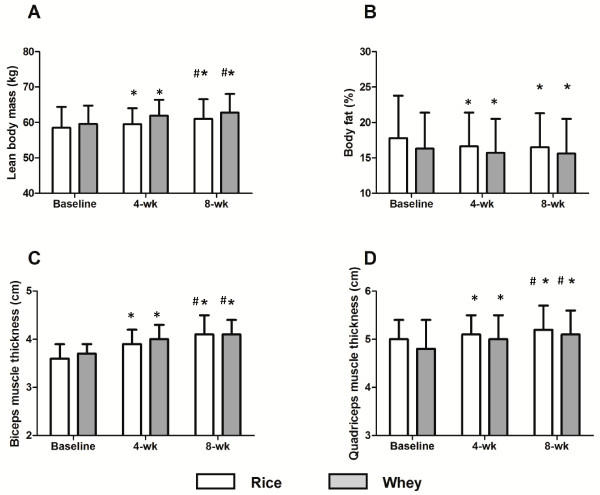
Background: Consumption of moderate amounts of animal-derived protein has been shown to differently influence skeletal muscle hypertrophy during resistance training when compared with nitrogenous and isoenergetic amounts of plant-based protein administered in small to moderate doses. Therefore, the purpose of the study was to determine if the post-exercise consumption of rice protein isolate could increase recovery and elicit adequate changes in body composition compared to equally dosed whey protein isolate if given in large, isocaloric doses. Methods 24 college-aged, resistance trained males were recruited for this study. Subjects were randomly and equally divided into two groups, either consuming 48 g of rice or whey protein isolate (isocaloric and isonitrogenous) on training days. Subjects trained 3 days per week for 8 weeks as a part of a daily undulating periodized resistance-training program. The rice and whey protein supplements were consumed immediately following exercise. Ratings of perceived recovery, soreness, and readiness to train were recorded prior to and following the first training session. Ultrasonography determined muscle thickness, dual emission x-ray absorptiometry determined body composition, and bench press and leg press for upper and lower body strength were recorded during weeks 0, 4, and 8. An ANOVA model was used to measure group, time, and group by time interactions. If any main effects were observed, a Tukey post-hoc was employed to locate where differences occurred. Results No detectable differences were present in psychometric scores of perceived recovery, soreness, or readiness to train (p > 0.05). Significant time effects were observed in which lean body mass, muscle mass, strength and power all increased and fat mass decreased; however, no condition by time interactions were observed (p > 0.05). Conclusion Both whey and rice protein isolate administration post resistance exercise improved indices of body composition and exercise performance; however, there were no differences between the two groups.
Overview
The claims and statistics of this paper haven’t been checked yet.
Free: it reads the open-access text and checks the first 5 claims that cite a source we can check. Create a free account to check every claim.
Integrity signals
Registry
Cites
Statistics
Figures
Verification
Claims the paper makes
The claims and statistics of this paper haven’t been checked yet.
Free: it reads the open-access text and checks the first 5 claims that cite a source we can check. Create a free account to check every claim.
Claims other papers make about this one
Each is checked against this paper’s own text: does it say what the citing paper says it does?
The cited source says what the claim attributes to it.
In the citing paper
“Preliminary findings suggest that rice [98] and pea protein [103] may be able to stimulate similar changes in fat-free mass and strength as whey protein, although the reader should understand that many other factors (dose provided, training status of participants, duration of training and supplementation, etc.) will ultimately impact these outcomes and consequently more research is needed.”
From ISSN exercise & sports nutrition review update: research & recommendations (2018) · cites this paper as [98]
The cited source says what the claim attributes to it.
In the citing paper
“In what is still an emerging area of research, various plant sources of protein have been examined for their ability to stimulate increases in muscle protein synthesis [77, 97] and promote exercise training adaptations [98].”
From ISSN exercise & sports nutrition review update: research & recommendations (2018) · cites this paper as [98]
The cited source says what the claim attributes to it.
In the citing paper
“rice protein may be a suitable alternative to whey protein at promoting resistance training adaptations.”
From International Society of Sports Nutrition Position Stand: protein and exercise (2017) · cites this paper as [89]
The cited source says what the claim attributes to it.
In the citing paper
“demonstrated that rice protein stimulated similar increases in body composition adaptations to whey protein.”
From International Society of Sports Nutrition Position Stand: protein and exercise (2017) · cites this paper as [89]
In the citing paper
“Joy et al. [121] reported that 48 g/day of rice or whey protein isolate on training days during an eight-week resistance training program in college-aged adults caused similar improvements in body composition and bench and leg press strength.”
From Plant Proteins: Assessing Their Nutritional Quality and Effects on Health and Physical Function (2020) · cites this paper as [121]
2 more claims about this paper
Create a free account to see every claim other papers make about this one.
Self-check
Percentages, sums and reported differences re-computed from the paper’s own numbers.
The self-check needs the paper’s full text.
Citations
Cites
Tang, J. E., Moore, D. R., Kujbida, G. W., Tarnopolsky, M. A., & Phillips, S. M. (2009) · Journal of Applied Physiology · doi:10.1152/japplphysiol.00076.2009 · Cited by 998
Moore, D. R., Robinson, M. J., Fry, J. L., Tang, J. E., Glover, E. I., Wilkinson, S. B., Prior, T., Tarnopolsky, M. A., & Phillips, S. M. (2009) · The American Journal of Clinical Nutrition · doi:10.3945/ajcn.2008.26401 · Cited by 973 · cited 2×
“Data is displayed as mean ± standard deviation, * denotes significant change from in prior research [25,26].”
MethodResultAn abundant supply of amino acids enhances the metabolic effect of exercise on muscle protein
Biolo, G., Tipton, K. D., Klein, S., & Wolfe, R. R. (1997) · American Journal of Physiology-Endocrinology and Metabolism · doi:10.1152/ajpendo.1997.273.1.e122 · Cited by 825 · cited 1×
“In support, the consumption of a protein or EAA complex that contains sufficient leucine has been shown to shift protein balance to a net positive state after intense exercise training [6,13].”
BackgroundInternational Society of Sports Nutrition position stand: protein and exercise
Campbell, B., Kreider, R. B., Ziegenfuss, T., La Bounty, P., Roberts, M., Burke, D., Landis, J., Lopez, H., & Antonio, J. (2007) · Journal of the International Society of Sports Nutrition · doi:10.1186/1550-2783-4-8 · Cited by 716
Postexercise net protein synthesis in human muscle from orally administered amino acids
Tipton, K. D., Ferrando, A. A., Phillips, S. M., Doyle, D., & Wolfe, R. R. (1999) · American Journal of Physiology-Endocrinology and Metabolism · doi:10.1152/ajpendo.1999.276.4.e628 · Cited by 616 · cited 14×
“After consumption of the supplement, MPS rates were monitored for four hours.”
Influential(2008) · Nutrition & Food Science · doi:10.1108/nfs.2008.01738aab.008 · Cited by 611
Branched-Chain Amino Acids: Enzyme and Substrate Regulation
Brosnan, J. T., & Brosnan, M. E. (2006) · The Journal of Nutrition · doi:10.1093/jn/136.1.207s · Cited by 577 · cited 1×
“The BCAAs are unique among the essential amino acids (EAAs) for their roles in protein metabolism [6], neural function [7-9], and blood glucose and insulin regulation [10].”
BackgroundWilkinson, S. B., Tarnopolsky, M. A., MacDonald, M. J., MacDonald, J. R., Armstrong, D., & Phillips, S. M. (2007) · The American Journal of Clinical Nutrition · doi:10.1093/ajcn/85.4.1031 · Cited by 530 · cited 1×
“Plant-based proteins contain approximately 6–8% leucine, and in low doses, they do not increase MPS compared to animal-based proteins, which contain approximately 8–11% leucine [18,19].”
BackgroundHartman, J. W., Tang, J. E., Wilkinson, S. B., Tarnopolsky, M. A., Lawrence, R. L., Fullerton, A. V., & Phillips, S. M. (2007) · The American Journal of Clinical Nutrition · doi:10.1093/ajcn/86.2.373 · Cited by 498
Amino acid ingestion improves muscle protein synthesis in the young and elderly
Paddon-Jones, D., Sheffield-Moore, M., Zhang, X.-J., Volpi, E., Wolf, S. E., Aarsland, A., Ferrando, A. A., & Wolfe, R. R. (2004) · American Journal of Physiology-Endocrinology and Metabolism · doi:10.1152/ajpendo.00368.2003 · Cited by 467
Research works printed but not linked: 1
- Norton L Wilson GJ Optimal protein intake to maximize muscle protein synthesis AgroFood industry hi-tech 2009 20 54 57
Cited by
Protein content and amino acid composition of commercially available plant-based protein isolates
Gorissen, S. H. M., Crombag, J. J. R., Senden, J. M. G., Waterval, W. A. H., Bierau, J., Verdijk, L. B., & van Loon, L. J. C. (2018) · Amino Acids · doi:10.1007/s00726-018-2640-5 · Cited by 1,169
ISSN exercise & sports nutrition review update: research & recommendations
Kerksick, C. M., Wilborn, C. D., Roberts, M. D., Smith-Ryan, A., Kleiner, S. M., Jäger, R., Collins, R., Cooke, M., Davis, J. N., Galvan, E., et al. (2018) · Journal of the International Society of Sports Nutrition · doi:10.1186/s12970-018-0242-y · Cited by 945
Self-citationInternational Society of Sports Nutrition Position Stand: protein and exercise
Jäger, R., Kerksick, C. M., Campbell, B. I., Cribb, P. J., Wells, S. D., Skwiat, T. M., Purpura, M., Ziegenfuss, T. N., Ferrando, A. A., Arent, S. M., et al. (2017) · Journal of the International Society of Sports Nutrition · doi:10.1186/s12970-017-0177-8 · Cited by 873
“One study conducted by Joy and investigators [89] compared the effect of supplementing a high-dose (48 g/”
BackgroundSelf-citationThe Skeletal Muscle Anabolic Response to Plant- versus Animal-Based Protein Consumption
van Vliet, S., Burd, N. A., & van Loon, L. J. (2015) · The Journal of Nutrition · doi:10.3945/jn.114.204305 · Cited by 651
“(33) recently observed that the ingestion of either 48 g rice protein or”
BackgroundPlant Proteins: Assessing Their Nutritional Quality and Effects on Health and Physical Function
Hertzler, S. R., Lieblein-Boff, J. C., Weiler, M., & Allgeier, C. (2020) · Nutrients · doi:10.3390/nu12123704 · Cited by 594
Microalgae as a future food source
Torres-Tiji, Y., Fields, F. J., & Mayfield, S. P. (2020) · Biotechnology Advances · doi:10.1016/j.biotechadv.2020.107536 · Cited by 559
Berrazaga, I., Micard, V., Gueugneau, M., & Walrand, S. (2019) · Nutrients · doi:10.3390/nu11081825 · Cited by 477
“Studies have found that a plant-based protein diet could be an efficient strategy to enhance body lean mass, especially muscle mass, during a prolonged resistance exercise training when the amount of plant-based proteins consumed is 30 g/meal or greater [53,99,100].”
BackgroundSupplemental Protein in Support of Muscle Mass and Health: Advantage Whey
Devries, M. C., & Phillips, S. M. (2015) · Journal of Food Science · doi:10.1111/1750-3841.12802 · Cited by 330
Vegan diets: practical advice for athletes and exercisers
Rogerson, D. (2017) · Journal of the International Society of Sports Nutrition · doi:10.1186/s12970-017-0192-9 · Cited by 228
“plant and dairy proteins on body composition and exercise performance as part of a training programme [48], contrasting previously-reported data [45].”
Pasiakos, S. M., McLellan, T. M., & Lieberman, H. R. (2015) · Sports Medicine · doi:10.1007/s40279-014-0242-2 · Cited by 202
“In addition, several studies assessed various functions of muscle performance including tests of aerobic and anaerobic power alone [117, 118] or in combination with tests of muscle strength [70, 108, 109, 112, 119, 120] and it is unclear whether sensitivity of these various test metrics are similar.”
BackgroundResultInfluentialThe anabolic response to plant-based protein ingestion
Pinckaers, P. J. M., Trommelen, J., Snijders, T., & van Loon, L. J. C. (2021) · Sports Medicine · doi:10.1007/s40279-021-01540-8 · Cited by 170
Functional food relevance of whey protein: A review of recent findings and scopes ahead
Patel, S. (2015) · Journal of Functional Foods · doi:10.1016/j.jff.2015.09.040 · Cited by 169
The impact of protein quality on the promotion of resistance exercise-induced changes in muscle mass
Phillips, S. M. (2016) · Nutrition & Metabolism · doi:10.1186/s12986-016-0124-8 · Cited by 168
“Thus, given the saturable dose-response nature of MPS [52, 65, 66], and the subsequent hypertrophy, the results from this study [64] are not Fig.”
InfluentialLim, M. T., Pan, B. J., Toh, D. W. K., Sutanto, C. N., & Kim, J. E. (2021) · Nutrients · doi:10.3390/nu13020661 · Cited by 164
“(2013), USA [39] 8 weeks Healthy, trained young men Whey protein isolate: 48 g Rice protein isolate: 48 g 12M 12M 21.”
BackgroundInfluentialKalman, D. (2014) · Foods · doi:10.3390/foods3030394 · Cited by 145
“Moreover, a recent study comparing the effects of rice or whey protein isolate in male athletes immediately post exercise found no differences in perceived recovery or soreness between the two isolates [12].”
BackgroundSelf-citationChalvon‐Demersay, T., Azzout‐Marniche, D., Arfsten, J., Egli, L., Gaudichon, C., Karagounis, L. G., & Tomé, D. (2017) · Journal of Nutrition · doi:10.3945/jn.116.239574 · Cited by 163
Protein Considerations for Optimising Skeletal Muscle Mass in Healthy Young and Older Adults
Witard, O., Wardle, S., Macnaughton, L., Hodgson, A., & Tipton, K. (2016) · Nutrients · doi:10.3390/nu8040181 · Cited by 132
“A smaller-scale (n = 12 per condition) well-controlled (administration of meal plans) study that compared whey and rice protein isolate supplementation observed similar gains in LBM between conditions during an eight-week training period [25].”
BackgroundHevia-Larraín, V., Gualano, B., Longobardi, I., Gil, S., Fernandes, A. L., Costa, L. A. R., Pereira, R. M. R., Artioli, G. G., Phillips, S. M., & Roschel, H. (2021) · Sports Medicine · doi:10.1007/s40279-021-01434-9 · Cited by 132
Reidy, P. T., & Rasmussen, B. B. (2016) · The Journal of Nutrition · doi:10.3945/jn.114.203208 · Cited by 128
Jäger, R., Zaragoza, J., Purpura, M., Iametti, S., Marengo, M., Tinsley, G. M., Anzalone, A. J., Oliver, J. M., Fiore, W., Biffi, A., et al. (2020) · Probiotics and Antimicrobial Proteins · doi:10.1007/s12602-020-09656-5 · Cited by 126
Self-citationAntonio, J., Peacock, C. A., Ellerbroek, A., Fromhoff, B., & Silver, T. (2014) · Journal of the International Society of Sports Nutrition · doi:10.1186/1550-2783-11-19 · Cited by 121
“On the other hand, 48 grams of both whey and rice protein isolate consumed post resistance exercise improved indices of body composition and exercise performance similarly [42].”
BackgroundWhey Protein Improves Exercise Performance and Biochemical Profiles in Trained Mice
CHEN, W.-C., HUANG, W.-C., CHIU, C.-C., CHANG, Y.-K., & HUANG, C.-C. (2014) · Medicine & Science in Sports & Exercise · doi:10.1249/mss.0000000000000272 · Cited by 114
Banaszek, A., Townsend, J. R., Bender, D., Vantrease, W. C., Marshall, A. C., & Johnson, K. D. (2019) · Sports · doi:10.3390/sports7010012 · Cited by 113
“, [34] found that providing 48 g doses of whey and rice protein, theoretically maximizing MPS with each dose, lead to similar increases in 1RM bench press and leg press, and increases in peak power in a Wingate test.”
BackgroundResultJäger, R., Shields, K. A., Lowery, R. P., De Souza, E. O., Partl, J. M., Hollmer, C., Purpura, M., & Wilson, J. M. (2016) · PeerJ · doi:10.7717/peerj.2276 · Cited by 111
“in amino acid composition, bioavailability and absorption kinetics (Joy et al., 2013).”
BackgroundSelf-citationNaclerio, F., & Larumbe-Zabala, E. (2016) · Sports Medicine · doi:10.1007/s40279-015-0403-y · Cited by 106
“Regarding the distribution and timing, two studies considered a single daily postworkout intake [12, 16]; three studies divided the total dosages into two equal servings ingested at breakfast and post-workout [13, 18] or along the day [29]; the other four studies evaluated three [14, 28] or four [2, 27] servings per d…”
BackgroundMethodInfluentialProtein Source and Muscle Health in Older Adults: A Literature Review
Putra, C., Konow, N., Gage, M. J., York, C., & Mangano, K. M. (2021) · Nutrients · doi:10.3390/nu13030743 · Cited by 104
Benefits of a plant-based diet and considerations for the athlete
Shaw, K. A., Zello, G. A., Rodgers, C. D., Warkentin, T. D., Baerwald, A., & Chilibeck, P. D. (2022) · European Journal of Applied Physiology · doi:10.1007/s00421-022-04902-w · Cited by 96
Reidy, P. T., Borack, M. S., Markofski, M. M., Dickinson, J. M., Deer, R. R., Husaini, S. H., Walker, D. K., Igbinigie, S., Robertson, S. M., Cope, M. B., et al. (2016) · The Journal of Nutrition · doi:10.3945/jn.116.231803 · Cited by 67
“WP 14 (7, 20) 22 (16, 29) 28 (21, 35) 34 (27, 41)”
InfluentialNutrition recommendations for bodybuilders in the off-season: a narrative review
Iraki, J., Fitschen, P., Espinar, S., & Helms, E. (2019) · Sports · doi:10.3390/sports7070154 · Cited by 67
Monteyne, A. J., Coelho, M. O. C., Murton, A. J., Abdelrahman, D. R., Blackwell, J. R., Koscien, C. P., Knapp, K. M., Fulford, J., Finnigan, T. J. A., Dirks, M. L., et al. (2023) · The Journal of Nutrition · doi:10.1016/j.tjnut.2023.02.023 · Cited by 64
PINCKAERS, P. J. M., HENDRIKS, F. K., HERMANS, W. J. H., GOESSENS, J. P. B., SENDEN, J. M., VAN KRANENBURG, J. M. X., WODZIG, W. K. H. W., SNIJDERS, T., & VAN LOON, L. J. C. (2022) · Medicine & Science in Sports & Exercise · doi:10.1249/mss.0000000000002937 · Cited by 58
Guo, X. J., Wang, Q., Wu, Y., Liu, X., & Gong, Z. (2024) · Food Hydrocolloids · doi:10.1016/j.foodhyd.2024.110112 · Cited by 62
Lynch, H. M., Buman, M. P., Dickinson, J. M., Ransdell, L. B., Johnston, C. S., & Wharton, C. M. (2020) · International Journal of Environmental Research and Public Health · doi:10.3390/ijerph17113871 · Cited by 56
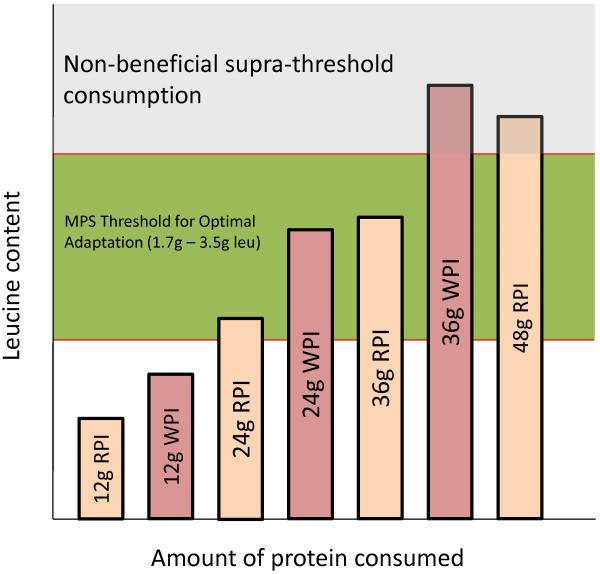
“These results are consistent with studies in which participants have been provided with protein in amounts containing more than two g of leucine, regardless of protein source [39,42,43].”
ResultMorgan, P. T., Harris, D. O., Marshall, R. N., Quinlan, J. I., Edwards, S. J., Allen, S. L., & Breen, L. (2021) · The Journal of Nutrition · doi:10.1093/jn/nxab055 · Cited by 53
Lonnie, M., Laurie, I., Myers, M., Horgan, G., Russell, W., & Johnstone, A. (2020) · Nutrients · doi:10.3390/nu12082291 · Cited by 53
“(2013) [55] Rice protein isolate + PA 24 males, mean age: 21.”
BackgroundMethodResultInfluentialZare, R., Devrim-Lanpir, A., Guazzotti, S., Redha, A. A., Prokopidis, K., Spadaccini, D., Cannataro, R., Cione, E., Henselmans, M., & Aragon, A. A. (2023) · Sports Medicine · doi:10.1007/s40279-023-01899-w · Cited by 68
Exercise, fitness, and the gut
Cronin, O., Molloy, M. G., & Shanahan, F. (2016) · Current Opinion in Gastroenterology · doi:10.1097/mog.0000000000000240 · Cited by 47
Alternative dietary protein sources to support healthy and active skeletal muscle aging
van der Heijden, I., Monteyne, A. J., Stephens, F. B., & Wall, B. T. (2023) · Nutrition Reviews · doi:10.1093/nutrit/nuac049 · Cited by 45
Animal, Plant, Collagen and Blended Dietary Proteins: Effects on Musculoskeletal Outcomes
Deane, C., Bass, J., Crossland, H., Phillips, B., & Atherton, P. (2020) · Nutrients · doi:10.3390/nu12092670 · Cited by 43
“, 2013 [23] Randomised, double-blind, parallel intervention design Rice protein vs.”
BackgroundMethodNutritional Considerations for the Vegan Athlete
West, S., Monteyne, A. J., van der Heijden, I., Stephens, F. B., & Wall, B. T. (2023) · Advances in Nutrition · doi:10.1016/j.advnut.2023.04.012 · Cited by 42
Plant Proteins and Exercise: What Role Can Plant Proteins Have in Promoting Adaptations to Exercise?
Kerksick, C. M., Jagim, A., Hagele, A., & Jäger, R. (2021) · Nutrients · doi:10.3390/nu13061962 · Cited by 41
“[53] 24 healthy males (18–30) RCT (2 groups) Rice (n = 12) Whey (n = 12) 8 weeks 48 g rice/day (Post-workout) RT 3×/week Body comp Strength Power ↑ Fat-free mass ↑ Strength ↑Wingate power”
BackgroundSelf-citationEnhancing health benefits of milled rice: current status and future perspectives
Kasote, D. M., Sreenivasulu, N., Acuin, C. S., & Regina, A. (2021) · Critical Reviews in Food Science and Nutrition · doi:10.1080/10408398.2021.1925629 · Cited by 51
“An 8-week trial of whey vs. rice protein involving randomly allocated athletes showed no significant differences in psychometric scores of perceived recovery, soreness, or readiness to train, nor in main outcome indices of body composition and exercise performance (Joy et al. 2013).”
BackgroundModification of rice protein with glutaminase for improved structural and sensory properties
Yang, H., Sun‐Waterhouse, D., Liu, P., Cui, C., & Wang, W. (2019) · International Journal of Food Science & Technology · doi:10.1111/ijfs.14161 · Cited by 40
Protein Supplements: Pros and Cons
Samal, J. R. K., & Samal, I. R. (2017) · Journal of Dietary Supplements · doi:10.1080/19390211.2017.1353567 · Cited by 58
“Twenty-four college-aged men who consumed 48 g of whey isolate every day showed that lean body mass, muscle mass, strength, and power all increased and fat mass decreased (Joy et al., 2013).”
BackgroundOlaniyan, E. T., O’Halloran, F., & McCarthy, A. L. (2020) · Nutrition Research Reviews · doi:10.1017/s0954422420000219 · Cited by 48
“This was demonstrated in a study by Joy et al.(64) who observed that 48 g rice protein decreased fat mass, increased lean body mass, skeletal muscle hypertrophy and muscle strength to a comparable degree as an equivalent amount of whey protein during an 8-week intervention study in healthy young men.”
BackgroundResultDavis, J.-K., Oikawa, S. Y., Halson, S. L., Stephens, J., O’Riordan, S. F., Luhrs, K., Sopeña, B. C., & Baker, L. B. (2021) · Sports Medicine · doi:10.1007/s40279-021-01606-7 · Cited by 95
“4 g) [170], adaptations to exercise with plant protein supplementation have been shown to be similar to supplementation with animal-based protein sources [171].”
BackgroundValenzuela, P. L., Ordóñez, F. M., Morales, J. S., Castillo‐García, A., & Lucía, A. (2019) · Nutrients · doi:10.3390/nu11061429 · Cited by 52
“In this regard, numerous protein sources have been investigated for their effect on muscle anabolism, including milk [5], eggs [6], soy [7], rice [8] or bovine colostrum [9].”
BackgroundReid-McCann, R., Brennan, S., Ward, N. A., Logan, D., McKinley, M. C., & McEvoy, C. T. (2025) · Nutrition Reviews · doi:10.1093/nutrit/nuae200 · Cited by 52
“Figure S1 17,32,35,36,38,40–42, 46 , 51”
Dietary Fuels in Athletic Performance
Fritzen, A. M., Lundsgaard, A.-M., & Kiens, B. (2019) · Annual Review of Nutrition · doi:10.1146/annurev-nutr-082018-124337 · Cited by 35
Synergistic effects of resistance training and protein intake: Practical aspects
Guimarães-Ferreira, L., Cholewa, J. M., Naimo, M. A., Zhi, X. I. A., Magagnin, D., Dal Ponte de Sá, R. B., Streck, E. L., da Silva Teixeira, T., & Zanchi, N. E. (2014) · Nutrition · doi:10.1016/j.nut.2013.12.017 · Cited by 34
Dimopoulou, M., Kolonas, A., Stagos, D., & Gortzi, O. (2025) · Biomass · doi:10.3390/biomass5010011 · Cited by 34
Joy, J. M., Vogel, R. M., Shane Broughton, K., Kudla, U., Kerr, N. Y., Davison, J. M., Wildman, R. E. C., & DiMarco, N. M. (2018) · Journal of the International Society of Sports Nutrition · doi:10.1186/s12970-018-0228-9 · Cited by 32
“As protein and its constituent amino acid, leucine, are believed to maximally stimulate protein synthesis at a certain threshold (e.g., 2.5-3 g leucine), it is conceivable that DT participants individual meals consumed up to 6–7 h following casein ingestion had a cumulative effect on amino acid and leucine concentrati…”
BackgroundSelf-citationDurkalec‐Michalski, K., Domagalski, A., Główka, N., Kamińska, J., Szymczak, D., & Podgórski, T. (2022) · Nutrients · doi:10.3390/nu14040894 · Cited by 45
The VegPlate for Sports: A Plant-Based Food Guide for Athletes
Baroni, L., Pelosi, E., Giampieri, F., & Battino, M. A. (2023) · Nutrients · doi:10.3390/nu15071746 · Cited by 37
Brennan, J. L., Keerati-u-rai, M., Yin, H., Daoust, J., Nonnotte, E., Quinquis, L., St-Denis, T., & Bolster, D. R. (2019) · Nutrients · doi:10.3390/nu11122987 · Cited by 29
Ogutu, F. O., Okiko, G., Wanjala, G. W., Luvitaa, S. K., Obong’o, B. O., Vriesekoop, F., & Munialo, C. D. (2024) · International Journal of Food Science & Technology · doi:10.1111/ijfs.17327 · Cited by 31
Lam, F.-C., Bukhsh, A., Rehman, H., Waqas, M. K., Shahid, N., Khaliel, A. M., Elhanish, A. A. S., Karoud, M., Telb, A., & Khan, T. M. (2019) · Frontiers in Pharmacology · doi:10.3389/fphar.2019.00317 · Cited by 36
“According to the included studies, WPS is comparable as ergogenic aids in strength for athletes as there are only slight differences between WPS and the comparators (Coombes et al., 2002; Hoffman et al., 2009; Joy et al., 2013; Hansen et al., 2016).”
BackgroundResultAntonio, J., Evans, C., Ferrando, A. A., Stout, J. R., Antonio, B., Cintineo, H. P., Harty, P., Arent, S. M., Candow, D. G., Forbes, S. C., et al. (2024) · Journal of the International Society of Sports Nutrition · doi:10.1080/15502783.2024.2341903 · Cited by 27
“…sources can favorably impact body composition and exercise training adaptions when 1) the total daily intake of protein equates to ≈ 1.4–2.0 g/kg/d, 2) the plant protein source delivers ≥ 8–10 g/d of EAA, and 3) the plant protein source delivers ≈2.0 g of leucine [98,100,118–122 , 124– 129 ].”
BackgroundInfluentialArciero, P., Edmonds, R., Bunsawat, K., Gentile, C., Ketcham, C., Darin, C., Renna, M., Zheng, Q., Zhang, J., & Ormsbee, M. (2016) · Nutrients · doi:10.3390/nu8050288 · Cited by 25
“Some [15,16], but not all [17], studies have reported that whey protein is more effective at improving body composition and disease risk than other protein sources (e.”
BackgroundZhang, H., Yu, C., Hou, D., Liu, H., Zhang, H., Tao, R., Cai, H., Gu, J., Liu, L., Zhang, Z., et al. (2017) · Journal of the Science of Food and Agriculture · doi:10.1002/jsfa.8446 · Cited by 25
Vegan Nutrition: Latest Boom in Health and Exercise
Wirnitzer, K. (2018) · Elsevier eBooks · doi:10.1016/b978-0-12-814625-5.00020-0 · Cited by 33
Moon, J. M., Ratliff, K. M., Blumkaitis, J. C., Harty, P. S., Zabriskie, H. A., Stecker, R. A., Currier, B. S., Jagim, A. R., Jäger, R., Purpura, M., et al. (2020) · Journal of the International Society of Sports Nutrition · doi:10.1186/s12970-020-00394-1 · Cited by 33
Self-citationSalles, J., Guillet, C., Bacquer, O. L., Malnero-Fernandez, C., Giraudet, C., Patrac, V., Berry, A., Denis, P., Pouyet, C., Gueugneau, M., et al. (2021) · Nutrients · doi:10.3390/nu13124234 · Cited by 31
“, >30 g/meal), should be able to maintain lean and muscle mass, and therefore increase the potential to mitigate sarcopenia in older subjects [5,36,37].”
Bull, C. F., Belobrajdic, D. P., Hamzelou, S., Jones, D., Leifert, W. R., Reyes, R. P., Terefe, N. S., Williams, G., & Colgrave, M. L. (2022) · Foods · doi:10.3390/foods11040528 · Cited by 29
“A study by Joy et al. (2013) aimed to determine if the post-exercise consumption of rice protein isolate could increase recovery and elicit adequate changes in body composition compared to an equally dosed whey protein isolate if given in large, isocaloric doses.”
BackgroundAllahdad, Z., Manus, J., Aguilar‐Uscanga, B. R., Salmieri, S., Millette, M., & Lacroix, M. (2022) · Plant Foods for Human Nutrition · doi:10.1007/s11130-021-00944-1 · Cited by 27
Teixeira, F. J., Matias, C. N., Faleiro, J., Giro, R., Pires, J., Figueiredo, H., Carvalhinho, R., Monteiro, C. P., Reis, J. F., Valamatos, M. J., et al. (2022) · Frontiers in Nutrition · doi:10.3389/fnut.2022.934438 · Cited by 28
“Several research studies have compared whey protein with plant-based proteins such as rice (26, 27), pea (28), and soy (29, 30), with no differences in body composition or strength observed between groups.”
BackgroundResultWhey protein supplementation and muscle mass: current perspectives
Naclerio, F., & Seijo, M. (2019) · Nutrition and Dietary Supplements · doi:10.2147/nds.s166195 · Cited by 29
Jadczak, A. D., Visvanathan, R., Barnard, R., & Luscombe‐Marsh, N. D. (2021) · Journal of Nutrition in Gerontology and Geriatrics · doi:10.1080/21551197.2021.1886222 · Cited by 22
“In addition, Joy et al.54 also suggest that the difference in protein quality (i.e., plant vs. animal sources) becomes less critical if an omnivorous diet is consumed, which has been the case for all our study participants.”
BackgroundCustodio, G. R., de Souza, L. F. G., Nitz, M., & Andreola, K. (2020) · Advanced Powder Technology · doi:10.1016/j.apt.2020.07.001 · Cited by 22
Brown rice proteins as delivery system of phenolic and volatile compounds of raspberry juice
Kelemen, V., Pichler, A., Ivić, I., Buljeta, I., Šimunović, J., & Kopjar, M. (2021) · International Journal of Food Science & Technology · doi:10.1111/ijfs.15023 · Cited by 24
Devcic, S., Bednarik, J., Marić, D., Veršić, Š., Sekulić, D., Kutleša, Z., Bianco, A., Rođek, J., & Lipošek, S. (2018) · International Journal of Environmental Research and Public Health · doi:10.3390/ijerph15081720 · Cited by 20
Lorinczova, H. T., Deb, S. K., Begum, G., Renshaw, D. W., & Zariwala, M. G. (2021) · Nutrients · doi:10.3390/nu13072157 · Cited by 29
“52, respectively [3]; although, comparisons of whey protei and brown rice protein su plementation on indi es of body c mposition and exercise performance in resistance-trai ed males found no significant differ nces in ostexercise recovery and cha ges in body compo ition [47].”
BackgroundResultZaky, A. A., Witrowa‐Rajchert, D., & Nowacka, M. (2025) · International Journal of Peptide Research and Therapeutics · doi:10.1007/s10989-024-10684-w · Cited by 21
“In contrast, rice protein is typically considered to have lower bioavailability than soy or pea protein due to lower digestibility and limitations in its amino acid composition, as reported by Joy et al. (2013).”
M, P., RP, L., JM, J., EO, D. S., DS, K., R, J., & JM, W. (2014) · Journal of Nutrition and Health Sciences · doi:10.15744/2393-9060.1.306 · Cited by 18
“that 8 weeks of high-dose WPI or RPI supplementation in combination with resistance exercise did not result in significant differences in body composition and exercise performance [19].”
BackgroundSelf-citationAnuntagool, J., & Soonthonsun, S. (2023) · LWT · doi:10.1016/j.lwt.2023.115418 · Cited by 23
Jacinto, J. L., Nunes, J. P., Gorissen, S. H. M., Capel, D. M. G., Bernardes, A. G., Ribeiro, A. S., Cyrino, E. S., Phillips, S. M., & Aguiar, A. F. (2022) · International Journal of Sport Nutrition and Exercise Metabolism · doi:10.1123/ijsnem.2021-0265 · Cited by 23
Association Between Fish Consumption and Muscle Mass and Function in Middle-Age and Older Adults
Alhussain, M. H., & ALshammari, M. M. (2021) · Frontiers in Nutrition · doi:10.3389/fnut.2021.746880 · Cited by 20
“Calculation of Sample Size A study (21) has demonstrated that muscle mass increases after an 8-week intervention with whey protein supplementation (from 59.”
BackgroundZhao, S., Xu, Y., Liu, J., & Ning, Z. (2024) · Nutrients · doi:10.3390/nu16162748 · Cited by 23
D’Hulst, G., Masschelein, E., & Bock, K. D. (2021) · Nutrients · doi:10.3390/nu13051396 · Cited by 17
Protein quality of a probiotic beverage enriched with pea and rice protein
Manus, J., Millette, M., Dridi, C., Salmieri, S., Aguilar‐Uscanga, B. R., & Lacroix, M. (2021) · Journal of Food Science · doi:10.1111/1750-3841.15838 · Cited by 18
Minevich, J., Olson, M. A., Mannion, J. P., Boublik, J. H., McPherson, J. O., Lowery, R. P., Shields, K., Sharp, M., De Souza, E. O., Wilson, J. M., et al. (2015) · Journal of the International Society of Sports Nutrition · doi:10.1186/1550-2783-12-s1-p26 · Cited by 14
“Rice protein has been shown to promote muscle hypertrophy with resistance training comparable to whey protein [2].”
BackgroundSelf-citationEffect of Whey Protein in Conjunction With a Caloric-Restricted Diet and Resistance Training
Dudgeon, W. D., Kelley, E. P., & Scheett, T. P. (2017) · Journal of Strength and Conditioning Research · doi:10.1519/jsc.0000000000001196 · Cited by 14
“(9) found that a WHEY supplement, in addition to a resistance training program, in resistance-trained males was effective in optimizing muscle protein accretion and muscle fitness.”
BackgroundSpoelder, M., Koopmans, L., Hartman, Y., Bongers, C. C. W. G., Schoofs, M. C. A., Eijsvogels, T. M. H., & Hopman, M. T. E. (2023) · Nutrients · doi:10.3390/nu15020342 · Cited by 13
Chen, S.-H., Li, P., Chan, Y., Cheng, Y., Lin, H.-Y., Lee, S.-C., Lu, W., Ma, Y.-X., Li, M.-Y., & Song, T. (2023) · Agriculture · doi:10.3390/agriculture13010209 · Cited by 13
Naclerio, F., Seijo, M., Earnest, C. P., Puente-Fernández, J., & Larumbe‐Zabala, E. (2020) · Journal of Dietary Supplements · doi:10.1080/19390211.2020.1832640 · Cited by 17
“…et al. 2019) or by a blend admixture fortified with EAA, similar effects to optimize exercise-induced outcomes (e.g. increase of post-exercise muscle protein synthesis and promotion of post-workout tissue remodeling and recovery), are observed between plant and animal proteins (Joy et al. 2013).”
BackgroundPettersson, S., Edin, F., Hjelte, C., Scheinost, D., Wagner, S., Ekblom, B. T., Jessen, N., Madsen, K., & Andersson-Hall, U. K. (2021) · Frontiers in Nutrition · doi:10.3389/fnut.2021.617344 · Cited by 13
“In an 8-week training intervention, post-resistance exercise supplementation of both whey and rice protein isolate improved indices of body composition and performance in college-aged men, but no differences between the two groups were observed (28).”
BackgroundNutritional Supplements for Muscle Hypertrophy: Mechanisms and Morphology—Focused Evidence
Mănescu, A. M., Hangu, S. Ș., & Mănescu, D. C. (2025) · Nutrients · doi:10.3390/nu17223603 · Cited by 18
Importance of Cheese Whey Processing: Supplements for Sports Activities – a Review
Fassina, P., Nunes, G. Q., Adami, F. S., Goettert, M. I., & de Souza, C. F. V. (2019) · Polish Journal of Food and Nutrition Sciences · doi:10.31883/pjfns-2019-0008 · Cited by 14
He, L., Zhang, Y., Ru, D., Xue, B., Wen, S., & Zhou, H. (2020) · Annals of Palliative Medicine · doi:10.21037/apm.2020.03.02 · Cited by 10
“One meta-analysis did find that daily iron supplementation effectively improves exercise performance and symptomatic fatigue (13).”
BackgroundGrdeń, A. S., & Sołowiej, B. G. (2022) · Applied Sciences · doi:10.3390/app122412831 · Cited by 12
Obradović, J., Jurišić, M. V., & Rakonjac, D. (2020) · The Journal of Sports Medicine and Physical Fitness · doi:10.23736/s0022-4707.20.09742-x · Cited by 11
Hudson, J., Bergia, R. E., & Campbell, W. W. (2018) · Nutrition Reviews · doi:10.1093/nutrit/nuy012 · Cited by 10
Sports and Exercise Supplements
Ali, A., Lee, S. J., & Rutherfurd-Markwick, K. J. (2018) · Elsevier eBooks · doi:10.1016/b978-0-12-812124-5.00017-5 · Cited by 14
Effectiveness of Whey Protein Supplement in Resistance Trained Individuals
Naclerio, F. (2013) · Journal of Sports Medicine & Doping Studies · doi:10.4172/2161-0673.1000130 · Cited by 10
“Although several studies have analysed the effect of whey protein supplementation on resistance training performance and outcomes only some of them have focused on resistance trained individuals [12,17,23,24,26,38,52,53].”
BackgroundMethodInfluentialNo Difference between Spray Dried Milk and Native Whey Supplementation with Strength Training
Hamarsland, H., Handegard, V., KÅSHAGEN, M., Benestad, H. B., & Raastad, T. (2018) · Medicine & Science in Sports & Exercise · doi:10.1249/mss.0000000000001758 · Cited by 12
Zbinden‐Foncea, H., Ramos-Navarro, C., Hevia-Larraín, V., Castro‐Sepúlveda, M., Saúl, M. J., Rosales, C. A. K., & Deldicque, L. (2023) · Nutrients · doi:10.3390/nu15061365 · Cited by 11
“In response to an 8-week resistance training program, no additional effect of 48 g/day pea protein [22] or 48 g rice protein after each of the 3 training sessions per week was found on FFM and strength gains compared to whey protein [23].”
BackgroundBuckner, S. L., Moreno, E. N., & Baxter, H. T. (2023) · Journal of Trainology · doi:10.17338/trainology.12.2_29 · Cited by 10
Ibrahim, R. M. (2022) · Food and Nutrition Sciences · doi:10.4236/fns.2022.133023 · Cited by 16
Ham, H., Kim, S., & Ha, K. (2025) · Nutrition Journal · doi:10.1186/s12937-025-01131-7 · Cited by 10
“An RCT conducted on 24 adults in the United States found that both whey protein and rice protein reduced fat mass and increased LBM and skeletal muscle hypertrophy following periodic resistance exercise [49].”
Samadi, M., Bagheri, A., Pasdar, Y., Hozoori, M., Moradi, S., Karimi, S., & Chaghazardi, M. (2019) · Asian Journal of Sports Medicine · doi:10.5812/asjsm.85697 · Cited by 10
Metadata
- Authors
- Joy, J. M., Lowery, R. P., Wilson, J. M., Purpura, M., De Souza, E. O., Wilson, S. M., Kalman, D. S., Dudeck, J. E., & Jäger, R.
- Affiliations
- Northeastern University (US)
- University of Tampa (US)
- Increnovo LLC (United States) (US)
- Corresponding author
- Jäger, Ralf
- Venue
- Nutrition Journal
- Published
- 2013-06-20
- Volume
- 12
- Issue
- 1
- Pages
- 86-86
- ISSN
- 1475-2891 (ISSN-L)
- PMC
- PMC3698202
- OpenAlex
- W2138747913
- Cited by
- 179
- References
- 28
- Citations by year
- 2026: 10 · 2025: 11 · 2024: 14 · 2023: 14 · 2022: 16 · 2021: 26 · 2020: 16 · 2019: 18 · 2018: 12 · 2017: 13 · 2016: 8 · 2015: 10 · 2014: 8 · 2013: 2
- FWCI
- 5.42
- Type
- journal article
- Language
- en
- Open access
- gold
- doi.org
- Licence
- Locations
- Nutrition Journal (publishedVersion, cc-by)
- Europe PMC (PubMed Central) (publishedVersion, cc-by)
- PubMed Central (publishedVersion, cc-by)
- PubMed (publishedVersion)
- Topics
- Health Sciences › Nursing › Nutrition and Dietetics › Muscle metabolism and nutrition
- Health Sciences › Medicine › Orthopedics and Sports Medicine › Sports Performance and Training
- Life Sciences › Biochemistry, Genetics and Molecular Biology › Molecular Biology › Muscle Physiology and Disorders
- Keywords
- whey protein isolate, rice protein isolate, plant proteins, animal protein, resistance training, body composition, lean body mass, fat mass, muscle strength, power, perceived recovery, muscle soreness
- MeSH terms
- Whey Proteins, Body Composition, Dietary Proteins, Double-Blind Method, Humans, Male, Milk Proteins, Plant Proteins, Oryza, Muscle, Skeletal, Dietary Supplements, Resistance Training, Young Adult
About these checks
Registry, retraction, Cites and statistics results are computed, not judged, with one exception: a printed reference that no index lists is read once by a model before it counts as a citation error. Claims are extracted by a model and kept only when their quote appears verbatim in the text; each cited source is then checked, with a model’s help, for whether it says what the claim relies on. Those verdicts can be wrong — read the claim’s quote and the cited source before relying on one.
Statistics and arithmetic are recomputed, not judged.
Confidence bands are shown only for fields calibrated on our annotated test set. None is calibrated yet, so no band is shown.
What counts as a claim ›How we measure confidence ›How we check this ›
Are you an author, or do you see a problem with this page? Request a review
Data sources
Bibliographic data: Semantic Scholar, OpenAlex, Crossref.
Contains information from the Semantic Scholar Academic Graph Datasets, made available under the ODC Attribution License (ODC-BY 1.0).
Semantic Scholar’s data is described in: Kinney, R., et al. (2023). The Semantic Scholar Open Data Platform. arXiv:2301.10140.
