

Randomized, double-blind, placebo-controlled, crossover study of the efficacy and safety of lisdexamfetamine dimesylate in adults with attention-deficit/hyperactivity disorder: novel findings using a simulated adult workplace environment design
Open accessThe DOI matches its Crossref record; 34 of the 34 references it cites were found in a registry or an index; 1 of the 27 sources its claims cite were checked for support.
Abstract
BACKGROUND: Duration of efficacy and safety of lisdexamfetamine dimesylate (LDX) was assessed in adults (18-55 years) with attention-deficit/hyperactivity disorder (ADHD) using the simulated adult workplace environment. METHODS: After open-label dose optimization (4-week) with LDX, 30-70 mg/d, subjects entered a 2-week randomized, double-blind, placebo-controlled crossover phase. Efficacy assessments included the Permanent Product Measure of Performance (PERMP) total score (attempted+correct) measured predose and from 2 to 14 hours postdose, averaged across postdose sessions (primary) and at each time point vs placebo (secondary), and ADHD Rating Scale IV (ADHD-RS-IV) with adult prompts at baseline and crossover visits. Safety assessments included treatment-emergent adverse events (TEAEs), vital signs, and electrocardiograms. RESULTS: Of 127 randomized subjects, 105 were in the intention-to-treat population and 103 completed the study. While receiving LDX vs placebo, adults had greater improvement (P < .0001) in average PERMP total scores as measured by difference in least squares (LS) mean (95% CI): 23.4 (15.6, 31.2). Absolute (P or=10%) during dose optimization were decreased appetite, dry mouth, headache, and insomnia; no TEAEs >or=5% were reported during crossover phase for adults receiving LDX. CONCLUSIONS: LDX significantly improved PERMP scores vs placebo and maintained improvement throughout the day from the first (2 hours) to last (14 hours) postdose time point vs placebo in adults with ADHD. TRIAL REGISTRATION: ClinicalTrials.gov Identifier: NCT00697515. Safety and Efficacy Workplace Environment Study of Lisdexamfetamine Dimesylate (LDX) in Adults With Attention-Deficit Hyperactivity Disorder (ADHD) http://www.clinicaltrials.gov/ct2/show/NCT00697515?term=NCT00697515&rank=1.
Overview
CoChat Summary
TL;DR
In adults with ADHD, lisdexamfetamine dimesylate (LDX) significantly improved simulated workplace performance and ADHD symptoms versus placebo across the day. Efficacy was demonstrated from 2 to 14 hours postdose, with a safety profile consistent with long-acting stimulants.
Key findings
- On the primary endpoint, average postdose PERMP total score was significantly greater with LDX vs placebo: difference in LS mean (95% CI) 23.4 (15.6, 31.2), P < .0001.
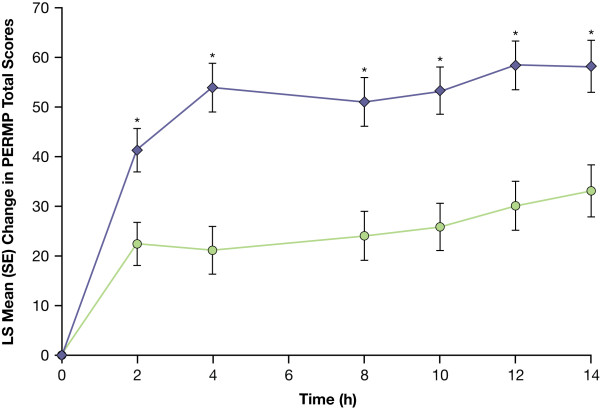
- LDX improved PERMP total scores at every postdose time point from 2 to 14 hours versus placebo (absolute values P ≤ .0017; change from predose P < .001 for each time point).
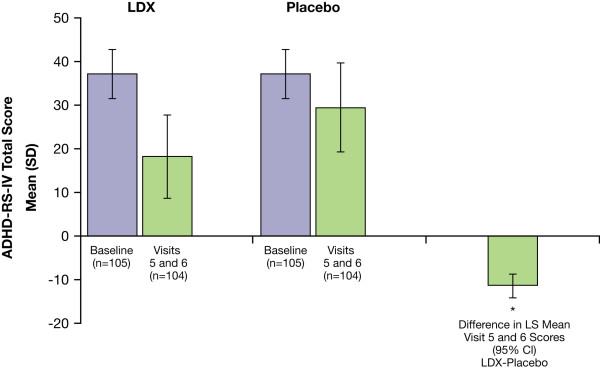
- ADHD-RS-IV total scores improved significantly with LDX vs placebo: difference in LS mean (95% CI) −11.5 (−14.2, −8.9), P < .0001; CGI-I also favored LDX (P < .0001 by Prescott’s test).
- During dose optimization, common TEAEs (≥10%) were decreased appetite (36.6%), dry mouth (30.3%), headache (19.7%), and insomnia (18.3%); during crossover, no TEAEs were reported by ≥5% of subjects receiving LDX.
Methods
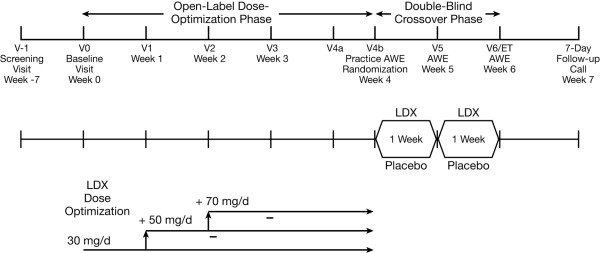
- Randomized, double-blind, placebo-controlled, 2-way crossover study with an open-label dose-optimization phase, conducted at 5 US centers in adults aged 18–55 years with ADHD.
- After 4-week open-label LDX dose optimization (30–70 mg/d), 127 subjects were randomized; 105 were in the intention-to-treat population and 103 completed the study.
- Efficacy was assessed in a simulated adult workplace environment using PERMP at predose and 2, 4, 8, 10, 12, and 14 hours postdose, plus ADHD-RS-IV with adult prompts and CGI; primary analysis used a linear mixed-effects ANOVA with treatment, period, and sequence as fixed effects and subject as random effect.
Limitations
- The paper states the study duration was relatively short; the PERMP setting may increase testing-related arousal, though the simulated AWE includes practice and repeated testing to dampen this; the AWE is only analogous to real-world employment in requiring attention, mental effort, and quantifiable written work.
- The paper states exclusions of subjects with active cardiovascular conditions, other unstable medical conditions, or comorbid psychiatric disorders may limit applicability to clinically encountered populations; the expected 15% dropout rate was exceeded because a hurricane closed one study site.
- Evident from the text: all randomized subjects first underwent open-label dose optimization, so the double-blind comparison was conducted in subjects who tolerated and responded adequately to LDX, which may limit generalizability.
Model-written summary. Check it against the paper before relying on it.
Integrity signals
Registry
Cites
Statistics
Figures
Verification
Claims the paper makes
1 Valid · 0 Not valid · 15 Not checked · 79 Own results and interpretations
A result the paper reports from its own data — it cites no other source for it, so there is none to check. The quote shows it is in the paper.
In the paper
“LDX demonstrated efficacy vs placebo (P < .0001) by the difference in LS mean (95% CI) for ADHD-RS-IV total scores: -11.5 (-14.2, -8.9).”
§ Randomized, double-blind, placebo-controlled, crossover study of the efficacy and safety of lisdexamfetamine dimesylate in adults with attention-deficit/hyperactivity disorder: novel findings using a simulated adult workplace environment design > Abstract > Results
boostedstates a causen = 127 ·- Asserted: passes — The authors put it forward as true.
- Checkable: passes — It can be checked against evidence.
- Load-bearing: passes — The paper’s conclusions depend on it.
- Based: passes — The paper gives a reason why it holds.
- Rests on 4 assumptions not shown here.
A result the paper reports from its own data — it cites no other source for it, so there is none to check. The quote shows it is in the paper.
In the paper
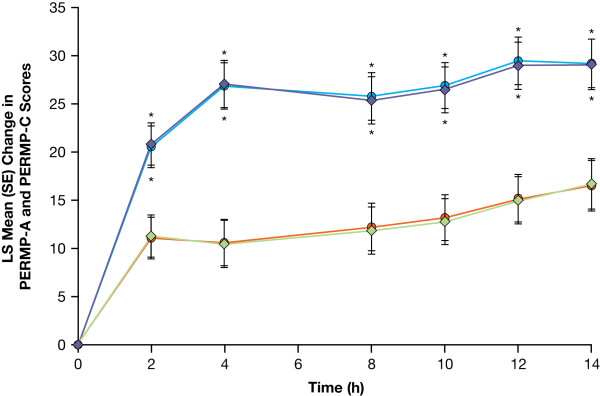
“Improvement in average postdose scores was also significantly greater (P < .0001) for adults receiving LDX vs placebo for PERMP-A and PERMP-C scores as measured by the difference in LS mean (Table 3).”
§ Randomized, double-blind, placebo-controlled, crossover study of the efficacy and safety of lisdexamfetamine dimesylate in adults with attention-deficit/hyperactivity disorder: novel findings using a simulated adult workplace environment design > Results > Efficacy
plainstates a causen = 105 ·- Asserted: passes — The authors put it forward as true.
- Checkable: passes — It can be checked against evidence.
- Load-bearing: passes — The paper’s conclusions depend on it.
- Based: passes — The paper gives a reason why it holds.
- Rests on 4 assumptions not shown here.
A result the paper reports from its own data — it cites no other source for it, so there is none to check. The quote shows it is in the paper.
In the paper
“Figure 3 LS mean (SE) change from predose in PERMP-A and PERMP-C scores from 2 to 14 hours postdose (n = 104/104). (LDX = lisdexamfetamine dimesylate; LS = least squares; PERMP-A/-C = Permanent Product Measure of Performance-Attempted/-Correct). PERMP-A: LDX-purple diamonds; Placebo-green diamonds; PERMP-C: LDX-blue circles; Placebo-orange circles.* P < .001 LDX vs placebo.”
§ Randomized, double-blind, placebo-controlled, crossover study of the efficacy and safety of lisdexamfetamine dimesylate in adults with attention-deficit/hyperactivity disorder: novel findings using a simulated adult workplace environment design > Results > Efficacy
plainstates a causen = 104 ·- Asserted: passes — The authors put it forward as true.
- Checkable: passes — It can be checked against evidence.
- Load-bearing: passes — The paper’s conclusions depend on it.
- Based: passes — The paper gives a reason why it holds.
A result the paper reports from its own data — it cites no other source for it, so there is none to check. The quote shows it is in the paper.
In the paper
“Absolute (P ≤ .0017 for each time point) and change from predose (P < .001 for each time point) PERMP total scores were greater at all postdose time points from 2 to 14 h for adults while receiving LDX vs placebo.”
- Also stated in: § Efficacy · boosted
“Analysis of absolute values of total PERMP scores at postdose time points demonstrated significant efficacy for adults while receiving LDX vs placebo at each time point (P ≤ .0017).”
§ Randomized, double-blind, placebo-controlled, crossover study of the efficacy and safety of lisdexamfetamine dimesylate in adults with attention-deficit/hyperactivity disorder: novel findings using a simulated adult workplace environment design > Abstract > Results
boostedstates a causen = 105 ·- Asserted: passes — The authors put it forward as true.
- Checkable: passes — It can be checked against evidence.
- Load-bearing: passes — The paper’s conclusions depend on it.
- Based: passes — The paper gives a reason why it holds.
- Rests on 4 assumptions not shown here.
- Also stated in: § Efficacy · boosted
A result the paper reports from its own data — it cites no other source for it, so there is none to check. The quote shows it is in the paper.
In the paper
“TEAEs (≥ 10%) during dose optimization were decreased appetite, dry mouth, headache, and insomnia; no TEAEs ≥ 5% were reported during crossover phase for adults receiving LDX.”
§ Randomized, double-blind, placebo-controlled, crossover study of the efficacy and safety of lisdexamfetamine dimesylate in adults with attention-deficit/hyperactivity disorder: novel findings using a simulated adult workplace environment design > Abstract > Results
plainstates a cause- Asserted: passes — The authors put it forward as true.
- Checkable: passes — It can be checked against evidence.
- Load-bearing: unclear — It is unclear whether the paper’s conclusions depend on it.
- Based: passes — The paper gives a reason why it holds.
- Rests on 4 assumptions not shown here.
48 more claims
Create a free account to see all 95 claims and every source verdict.
- Probably not a substantial claim. 29
- The quote only partly states this claim. 3
- It may state two separate claims as one. 18
Claims other papers make about this one
Each is checked against this paper’s own text: does it say what the citing paper says it does?
The source backs part of the claim, not all of it — or backs it for a different population, condition or comparison.
In the citing paper
“The profile of d-amphetamine delivery by LDX underlies the long daily duration of action of LDX in relieving the hyperactive, inattentive, and impulsive symptoms experienced by patients with ADHD.3,4”
From Lisdexamfetamine prodrug activation by peptidase-mediated hydrolysis in the cytosol of red blood cells (2014) · cites this paper as [4]
Experimental — accuracy not yet measuredThe source backs part of the claim, not all of it — or backs it for a different population, condition or comparison.
In the citing paper
“Improvements observed from LDX versus placebo in this trial were comparable to those observed in LDX interventions for adults with ADHD [16,27–29].”
From Treating new-onset cognitive complaints after risk-reducing salpingo-oophorectomy: A randomized controlled crossover trial of lisdexamfetamine (2024) · cites this paper as [28]
Experimental — accuracy not yet measuredThe source backs part of the claim, not all of it — or backs it for a different population, condition or comparison.
In the citing paper
“in placebo-controlled LDX trials in ADHD, participants were considered treatment “responders” if they had a ≥ 30% reduction in ADHD symptoms using a standardized scale [27–29].”
From Treating new-onset cognitive complaints after risk-reducing salpingo-oophorectomy: A randomized controlled crossover trial of lisdexamfetamine (2024) · cites this paper as [28]
Experimental — accuracy not yet measuredThe cited source says what the claim attributes to it.
In the citing paper
“The safety and tolerability profile of LDX observed regarding overall TEAEs, TEAEs leading to discontinuation, vital signs, and ECGs were consistent with published reports in adults with BED (McElroy et al, 2015) or attention-deficit/hyperactivity disorder (Adler et al, 2008; Wigal et al, 2010).”
From Lisdexamfetamine Dimesylate for Adults with Moderate to Severe Binge Eating Disorder: Results of Two Pivotal Phase 3 Randomized Controlled Trials (2016) · cites this paper as Wigal et al, 2010
The cited source says what the claim attributes to it.
In the citing paper
“Discontinuations due to TEAEs with LDX in these studies (6.3% and 3.9%) are comparable to a published phase 2 study of LDX in BED (McElroy et al, 2015), to other clinical studies of LDX for which LDX is indicated (Adler et al, 2008; Wigal et al, 2010), and to other BED pharmacotherapy trials with other agents (Claudino et al, 2007; McElroy et al, 2003, 2007a, b).”
From Lisdexamfetamine Dimesylate for Adults with Moderate to Severe Binge Eating Disorder: Results of Two Pivotal Phase 3 Randomized Controlled Trials (2016) · cites this paper as Wigal et al, 2010
15 more claims about this paper
Create a free account to see every claim other papers make about this one.
Self-check
Percentages, sums and reported differences re-computed from the paper’s own numbers.
Rated minor: it would not touch a result — a value no result rests on, a p-value that stays on the same side of the significance level, or a conflict that is clerical, resolved elsewhere in the paper, or outside its own findings.
In the paper
“| Body mass index (lb/in2) | 28.2 (5.45) | 26.6 (4.79) | 27.4 (5.10) | 27.2 (5.02) |”
§ Randomized, double-blind, placebo-controlled, crossover study of the efficacy and safety of lisdexamfetamine dimesylate in adults with attention-deficit/hyperactivity disorder: novel findings using a simulated adult workplace environment design > Results > Demographics and disposition
Reported 174.7 · recomputed 122095.848
Citations
Cites
(1976) · Medical Entomology and Zoology · Cited by 8,899
Kessler, R. C., Adler, L., Barkley, R., Biederman, J., Conners, C. K., Demler, O., Faraone, S. V., Greenhill, L. L., Howes, M. J., Secnik, K., et al. (2006) · American Journal of Psychiatry · doi:10.1176/ajp.2006.163.4.716 · Cited by 3,886 · cited 1×
“Adults with ADHD experience significant impairment [1,3] in multiple domains of daily living, including the workplace, home, and various social settings [3,4].”
Background(1998) · Cited by 2,026
(2025) · Springer Reference Medizin · doi:10.1007/978-3-662-65186-5_300379 · Cited by 1,445
Cross-national prevalence and correlates of adult attention-deficit hyperactivity disorder
Fayyad, J., De Graaf, R., Kessler, R., Alonso, J., Angermeyer, M., Demyttenaere, K., De Girolamo, G., Haro, J. M., Karam, E. G., Lara, C., et al. (2007) · British Journal of Psychiatry · doi:10.1192/bjp.bp.106.034389 · Cited by 1,321 · cited 1×
“Attention-deficit/hyperactivity disorder (ADHD) in adults has an estimated prevalence of 4.4% in the United States and 3.4% worldwide [1, 2 ].”
BackgroundInfluentialKaufman Brief Intelligence Test
(2012) · SpringerReference · doi:10.1007/springerreference_183806 · Cited by 1,077
Greenhill, L. L., Pliszka, S., & Dulcan, M. K. (2002) · Journal of the American Academy of Child & Adolescent Psychiatry · doi:10.1097/00004583-200202001-00003 · Cited by 927
Biederman, J., Faraone, S. V., Spencer, T. J., Mick, E., Monuteaux, M. C., & Aleardi, M. (2006) · The Journal of Clinical Psychiatry · doi:10.4088/jcp.v67n0403 · Cited by 565 · cited 1×
“Adults with ADHD experience significant impairment [1,3] in multiple domains of daily living, including the workplace, home, and various social settings [3,4].”
BackgroundBiederman, J., Krishnan, S., Zhang, Y., McGough, J. J., & Findling, R. L. (2007) · Clinical Therapeutics · doi:10.1016/s0149-2918(07)80083-x · Cited by 404 · cited 2×
“In these studies, LDX demonstrated a safety profile consistent with long-acting stimulant use [15-17].”
BackgroundSpencer, T. (1995) · Archives of General Psychiatry · doi:10.1001/archpsyc.1995.03950180020004 · Cited by 402 · cited 1×
“[6-8] have demonstrated efficacy in managing ADHD symptoms in adults [7,9-12].”
Background
Cited by
Updated European Consensus Statement on diagnosis and treatment of adult ADHD
Kooij, J. J. S., Bijlenga, D., Salerno, L., Jaeschke, R., Bitter, I., Balázs, J., Thome, J., Dom, G., Kasper, S., Nunes Filipe, C., et al. (2019) · European Psychiatry · doi:10.1016/j.eurpsy.2018.11.001 · Cited by 686
Amphetamine, past and present – a pharmacological and clinical perspective
Heal, D. J., Smith, S. L., Gosden, J., & Nutt, D. J. (2013) · Journal of Psychopharmacology · doi:10.1177/0269881113482532 · Cited by 617
“A post-hoc analysis of the data also showed that the sex and age of the subjects had no significant influence on the efficacy of lisdexamfetamine (Wigal et al., 2010b).”
BackgroundMethodMcElroy, S. L., Hudson, J. I., Mitchell, J. E., Wilfley, D., Ferreira-Cornwell, M. C., Gao, J., Wang, J., Whitaker, T., Jonas, J., & Gasior, M. (2015) · JAMA Psychiatry · doi:10.1001/jamapsychiatry.2014.2162 · Cited by 322
Self-citationBolea-Alamañac, B., Nutt, D. J., Adamou, M., Asherson, P., Bazire, S., Coghill, D., Heal, D., Müller, U., Nash, J., Santosh, P., et al. (2014) · Journal of Psychopharmacology · doi:10.1177/0269881113519509 · Cited by 287
“Lisdexamfetamine, an inactive prodrug for dexamfetamine with limited abuse potential that is licensed for use in adults in the USA and other countries, and in the UK in adolescents whose symptoms persist into adulthood and who have shown clear benefit from treatment showed higher effects sizes in one study (Wigal et a…”
McElroy, S. L., Hudson, J., Ferreira-Cornwell, M. C., Radewonuk, J., Whitaker, T., & Gasior, M. (2016) · Neuropsychopharmacology · doi:10.1038/npp.2015.275 · Cited by 254
Self-citationAmphetamines for attention deficit hyperactivity disorder (ADHD) in adults
Castells, X., Blanco-Silvente, L., & Cunill, R. (2018) · Cochrane Database of Systematic Reviews · doi:10.1002/14651858.cd007813.pub3 · Cited by 209
Distinguishing comorbidity and successful management of adult ADHD
Kooij, J. J. S., Huss, M., Asherson, P., Akehurst, R., Beusterien, K., French, A., Sasané, R., & Hodgkins, P. (2012) · Journal of Attention Disorders · doi:10.1177/1087054711435361 · Cited by 172
“This range is consistent with more recent studies (e.g., Adler, Goodman, et al., 2008; Wigal et al., 2010).”
ResultKüpper, T., Haavik, J., Drexler, H., Ramos-Quiroga, J. A., Wermelskirchen, D., Prutz, C., & Schauble, B. (2012) · International Archives of Occupational and Environmental Health · doi:10.1007/s00420-012-0794-0 · Cited by 152
“…cross-over study of lisdexamfetamine in 127 adults with ADHD in a simulated work environment, treatment significantly improved work performance (using the Permanent Product Measure of Performance) and maintained improvements throughout the day from 2 to 4 h after dosing (Wigal et al. 2010).”
BackgroundMethodBond, D. J., Hadjipavlou, G., Lam, R. W., McIntyre, R. S., Beaulieu, S., Schaffer, A., & Weiss, M. (2012) · Annals of Clinical Psychiatry · doi:10.1177/104012371202400104 · Cited by 133
Coghill, D., Banaschewski, T., Lecendreux, M., Soutullo, C., Johnson, M., Zuddas, A., Anderson, C., Civil, R., Higgins, N., Lyne, A., et al. (2013) · European Neuropsychopharmacology · doi:10.1016/j.euroneuro.2012.11.012 · Cited by 123
“Studies in a laboratory school setting and in a simulated adult workplace environment have demonstrated that the therapeutic benefits of LDX are ongoing at 13 h post-dose in children (Wigal et al., 2009) and 14 h post-dose in adults (Wigal et al., 2010).”
BackgroundSelf-citationAmphetamines for attention deficit hyperactivity disorder (ADHD) in children and adolescents
Punja, S., Shamseer, L., Hartling, L., Urichuk, L., Vandermeer, B., Nikles, J., & Vohra, S. (2016) · Cochrane Database of Systematic Reviews · doi:10.1002/14651858.cd009996.pub2 · Cited by 122
An update on the pharmacotherapy of attention-deficit/hyperactivity disorder in adults
Wilens, T. E., Morrison, N. R., & Prince, J. (2011) · Expert Review of Neurotherapeutics · doi:10.1586/ern.11.137 · Cited by 112
Aliko, A., Wolff, Ä., Dawes, C., Aframian, D. J., Proctor, G., Ekström, J., Narayana, N., Villa, A., Sia, Y. W., Joshi, R. K., et al. (2015) · Oral Surgery Oral Medicine Oral Pathology and Oral Radiology · doi:10.1016/j.oooo.2014.10.027 · Cited by 115
Zalsman, G., & Shilton, T. (2016) · International Journal of Psychiatry in Clinical Practice · doi:10.3109/13651501.2016.1149197 · Cited by 84
“The onset of clinical effects is usually noticeable 2 h following LDX administration, last for up to 14 h and is comparable to the clinical effect seen with administration of MAS-XR (Biederman et al. 2007; Wigal et al. 2010).”
BackgroundA Systematic Review of the Safety of Lisdexamfetamine Dimesylate
Coghill, D. R., Caballero, B., Sorooshian, S., & Civil, R. (2014) · CNS Drugs · doi:10.1007/s40263-014-0166-2 · Cited by 89
Dittmann, R. W., Cardo, E., Nagy, P., Anderson, C. S., Bloomfield, R., Caballero, B., Higgins, N., Hodgkins, P., Lyne, A., Civil, R., et al. (2013) · CNS Drugs · doi:10.1007/s40263-013-0104-8 · Cited by 88
“Multiple randomized, double-blind, placebo-controlled trials have shown LDX to be an effective treatment for children, adolescents and adults with ADHD, with a tolerability and safety profile consistent with the known effects of psychostimulant therapy [9–15].”
BackgroundDuPaul, G. J., Weyandt, L. L., Rossi, J. S., Vilardo, B. A., O’Dell, S. M., Carson, K. M., Verdi, G., & Swentosky, A. (2012) · Journal of Attention Disorders · doi:10.1177/1087054711427299 · Cited by 94
“…results of open-label (Brown, Brams, Gao, Gasior, & Childress, 2010; Krishnan, Pennick, & Stark, 2008) and placebo-controlled (Adler et al., 2008; Wigal et al., 2010) studies have found that LDX usage is associated with reductions in ADHD symptoms among adults with ADHD as well as improved…”
BackgroundMethodHepark, S., Janssen, L., de Vries, A., Schoenberg, P. L. A., Donders, R., Kan, C. C., & Speckens, A. E. M. (2019) · Journal of Attention Disorders · doi:10.1177/1087054715613587 · Cited by 84
“…stimulant medication has been effective in reducing ADHD symptoms (Faraone & Glatt, 2010; Meszaros et al., 2009; Wilens, Morrison, & Prince, 2011), improving work productivity, efficacy (Wigal et al., 2010), and improving driving performance (Verster et al., 2008), there is room for improvement.”
Childress, A. C., & Sallee, F. R. (2014) · CNS Drugs · doi:10.1007/s40263-013-0130-6 · Cited by 98
Elliott, J., Johnston, A., Husereau, D., Kelly, S., Eagles, C., Charach, A., Hsieh, S., Bai, Z., Hossain, A., Skidmore, B., et al. (2020) · PLoS ONE · doi:10.1371/journal.pone.0240584 · Cited by 115
The Transition of Youth with ADHD into the Workforce: Review and Future Directions
Gordon, C. T., & Fabiano, G. A. (2019) · Clinical Child and Family Psychology Review · doi:10.1007/s10567-019-00274-4 · Cited by 119
Meinzer, M. C., Pettit, J. W., Waxmonsky, J. G., Gnagy, E. M., Molina, B. S. G., & Pelham, W. E. (2015) · Research on Child and Adolescent Psychopathology · doi:10.1007/s10802-015-0065-0 · Cited by 87
“Multiple FDA approved pharmacological treatments exist for the treatment of ADHD in adults and treatment has been found to reduce disease related disability (Waxmonsky et al. 2014; Wigal et al., 2010).”
BackgroundMcElroy, S. L., Mitchell, J. E., Wilfley, D., Gasior, M., Ferreira‐Cornwell, M. C., McKay, M., Wang, J., Whitaker, T., & Hudson, J. I. (2016) · European Eating Disorders Review · doi:10.1002/erv.2418 · Cited by 76
Self-citationMadhoo, M., Keefe, R. S., Roth, R. M., Sambunaris, A., Wu, J., Trivedi, M. H., Anderson, C. S., & Lasser, R. (2014) · Neuropsychopharmacology · doi:10.1038/npp.2013.334 · Cited by 74
“The safety profile was similar to that observed in studies of LDX in adults with ADHD (Weisler et al, 2009; Wigal et al, 2010) and MDD (Trivedi et al, 2013) and was consistent with those of other long-acting stimulants (Medori et al, 2008; Reimherr et al, 2007).”
ResultLisdexamfetamine Dimesylate: Prodrug Delivery, Amphetamine Exposure and Duration of Efficacy
Ermer, J. C., Pennick, M., & Frick, G. (2016) · Clinical Drug Investigation · doi:10.1007/s40261-015-0354-y · Cited by 67
“Post hoc analyses showed that effect sizes in favour of LDX over placebo remained large from 2.5 h until at least 13 h post-dose (range 0.84–1.11) for SKAMP total and PERMP Attempted and Correct scores (Fig.”
BackgroundMethodInfluentialRowley, H. L., Kulkarni, R., Gosden, J., Brammer, R., Hackett, D., & Heal, D. J. (2012) · Neuropharmacology · doi:10.1016/j.neuropharm.2012.07.008 · Cited by 64
Banaschewski, T., Soutullo, C., Lecendreux, M., Johnson, M., Zuddas, A., Hodgkins, P., Adeyi, B., A. Squires, L., & Coghill, D. (2013) · CNS Drugs · doi:10.1007/s40263-013-0095-5 · Cited by 63
“Therapeutic benefits in simulated school or workplace environments were sustained for at least 13 h in children [22] and 14 h in adults [23] following an early-morning dose of LDX.”
BackgroundSelf-citationCoghill, D. R., Banaschewski, T., Lecendreux, M., Johnson, M., Zuddas, A., Anderson, C. S., Civil, R., Dauphin, M., Higgins, N., Lyne, A., et al. (2014) · Journal of the American Academy of Child & Adolescent Psychiatry · doi:10.1016/j.jaac.2014.01.017 · Cited by 57
Self-citationLisdexamfetamine: A Review in Binge Eating Disorder
Heo, Y., & Duggan, S. T. (2017) · CNS Drugs · doi:10.1007/s40263-017-0477-1 · Cited by 66
“Consistent with observations in patients with ADHD, lisdexamfetamine was associated with small increases in pulse rate and BP in patients with moderate to severe BED [16, 17, 19].”
ResultInfluentialGeissler, J., & Lesch, K.-P. (2011) · Expert Review of Neurotherapeutics · doi:10.1586/ern.11.136 · Cited by 53
Adler, L. A., Adams, J., Madera‐McDonough, J., Kohegyi, E., Hobart, M., Chang, D., Angelicola, M., McQuade, R. D., & Liebowitz, M. R. (2022) · Journal of Clinical Psychopharmacology · doi:10.1097/jcp.0000000000001575 · Cited by 63
Alternative pharmacological strategies for adult ADHD treatment: a systematic review
Buoli, M., Serati, M., & Cahn, W. (2016) · Expert Review of Neurotherapeutics · doi:10.1586/14737175.2016.1135735 · Cited by 46
“A first paper demonstrated very acute improvement of attention and overall ADHD symptoms till 14 h after administration of lisdexamfetamine (30–70 mg/day) versus placebo in a sample of adult ADHD patients.[19] Two”
BackgroundThe Pharmacology and Clinical Outcomes of Amphetamines to Treat ADHD: Does Composition Matter?
Hodgkins, P., Shaw, M., McCarthy, S., & Sallee, F. R. (2012) · CNS Drugs · doi:10.2165/11599630-000000000-00000 · Cited by 59
Mooney, M. E., Herin, D. V., Specker, S., Babb, D., Levin, F. R., & Grabowski, J. (2015) · Drug and Alcohol Dependence · doi:10.1016/j.drugalcdep.2015.05.042 · Cited by 45
“…exposure, longer duration of action, and lowered plasma concentrations, along with longer time to peak concentration compared to immediate release dextroamphetamine, notably when delivered by routes other than oral (e.g., IV; Ermer et al., 2010; Jasinski and Krishnan, 2009a, b; Wigal et al., 2010).”
BackgroundSoutullo, C., Banaschewski, T., Lecendreux, M., Johnson, M., Zuddas, A., Anderson, C., Civil, R., Higgins, N., Bloomfield, R., Squires, L. A., et al. (2013) · CNS Drugs · doi:10.1007/s40263-013-0086-6 · Cited by 44
“These pharmacokinetic properties are reflected in the clinical duration of action of lisdexamfetamine, which extends to at least 13 h post-dose in children and 14 h post-dose in adults [10, 11].”
BackgroundSelf-citationLópez, F. A., & Leroux, J. R. (2013) · ADHD Attention Deficit and Hyperactivity Disorders · doi:10.1007/s12402-013-0106-x · Cited by 43
“In a simulated adult workplace environment study, the therapeutic effects of LDX were maintained from 2 to 14 h postdose (the first and last time points measured) in adults with ADHD, as shown by improvements in PERMP scores versus placebo (Wigal et al. 2010).”
BackgroundMethodBanaschewski, T., Johnson, M., Lecendreux, M., Zuddas, A., Adeyi, B., Hodgkins, P., Squires, L. A., & Coghill, D. R. (2014) · CNS Drugs · doi:10.1007/s40263-014-0193-z · Cited by 41
Self-citationTramontana, M. G., Cowan, R. L., Zald, D. H., Prokop, J. W., & Guillamondegui, O. D. (2014) · Brain Injury · doi:10.3109/02699052.2014.930179 · Cited by 44
Lisdexamfetamine: A Review in ADHD in Adults
Frampton, J. E. (2016) · CNS Drugs · doi:10.1007/s40263-016-0327-6 · Cited by 37
Lauder, K., McDowall, A., & Tenenbaum, H. R. (2022) · Frontiers in Psychology · doi:10.3389/fpsyg.2022.893469 · Cited by 36
Coghill, D. R., Banaschewski, T., Lecendreux, M., Zuddas, A., Dittmann, R. W., Otero, I. H., Civil, R., Bloomfield, R., & Squires, L. A. (2014) · European Child & Adolescent Psychiatry · doi:10.1007/s00787-013-0421-y · Cited by 33
Self-citationCurrent Investigational Drugs for the Treatment of Attention-Deficit/Hyperactivity Disorder
Childress, A. C., & Tran, C. (2016) · Expert Opinion on Investigational Drugs · doi:10.1517/13543784.2016.1147558 · Cited by 33
“Page 4 of 40 lisdexamfetamine (Vyvanse) has the longest duration of 14 hours.[10,11] Stimulants have significant side effects, including decreased appetite and insomnia, and a high”
BackgroundDiagnosis and management of adult attention-deficit/hyperactivity disorder.
Post, R. E., & Kurlansik, S. L. (2012) · PubMed · Cited by 48
Wigal, S. B., Wigal, T. L., Childress, A. C., Donnelly, G. A. E., & Reiz, J. L. (2016) · Journal of Attention Disorders · doi:10.1177/1087054716672335 · Cited by 35
“Treatment with PRC-063 was generally well tolerated and similar to other long-acting stimulants (McCracken et al., 2003; Swanson et al., 2004; Wigal et al., 2010; Wilens et al., 2008).”
BackgroundMethodSelf-citationWard, K., & Citrome, L. (2018) · Expert Opinion on Drug Metabolism & Toxicology · doi:10.1080/17425255.2018.1420163 · Cited by 32
Dittmann, R., Cardo, E., Nagy, P., Anderson, C. S., Adeyi, B. A., Caballero, B., Hodgkins, P., Civil, R. H., & Coghill, D. (2014) · CNS Drugs · doi:10.1007/s40263-014-0188-9 · Cited by 35
“The prodrug stimulant lisdexamfe-tamine dimesylate (LDX) is an effective treatment for ADHD in children, adolescents and adults [7–13] and is currently licensed as a first-line pharmacological therapy for ADHD in the US, Canada, Brazil and Australia.”
BackgroundJanssen, L., Kan, C. C., Carpentier, P. J., Sizoo, B., Hepark, S., Grutters, J., Donders, R., Buitelaar, J. K., & Speckens, A. E. M. (2015) · BMC Psychiatry · doi:10.1186/s12888-015-0591-x · Cited by 31
“Stimulants demonstrated efficacy and they seemed to improve work productivity [9].”
BackgroundLisdexamfetamine Dimesylate: A New Therapeutic Option for Attention-Deficit Hyperactivity Disorder
Steer, C., Froelich, J., Soutullo, C. A., Johnson, M., & Shaw, M. (2012) · CNS Drugs · doi:10.2165/11634340-000000000-00000 · Cited by 30
“001).([46]) Furthermore, medium-to-large effect sizes based on PERMP scales were maintained until 14 hours post-dose.”
BackgroundDuration of effect of oral long-acting stimulant medications for ADHD throughout the day
Brams, M., Moon, E., Pucci, M., & López, F. A. (2010) · Current Medical Research and Opinion · doi:10.1185/03007995.2010.488553 · Cited by 30
Self-citationBrown, T. E., Brams, M., Gao, J., Gasior, M., & Childress, A. (2010) · Postgraduate Medicine · doi:10.3810/pgm.2010.09.2196 · Cited by 29
“The study comprised 4 phases: screening and washout, open-label dose optimization (4 weeks), double-blind crossover (2 weeks; AWE sessions 1 and 2), and 7-day safety follow-up (Figure 1).(22) The primary effi cacy measure in this study was the Permanent Product Measure of Performance (PERMP), derived from math tests g…”
BackgroundMethodInfluentialSelf-citationJanssen, L., de Vries, A. M., Hepark, S., & Speckens, A. E. M. (2020) · Journal of Attention Disorders · doi:10.1177/1087054717727350 · Cited by 28
Exploratory meta-analysis on lisdexamfetamine versus placebo in adult ADHD
Maneeton, B., Maneeton, N., Suttajit, S., Reungyos, J., Srisurapanont, M., & Martin, S. (2014) · Drug Design, Development and Therapy · doi:10.2147/dddt.s68393 · Cited by 30
“18,20 An intention-to-treat analysis was applied in two studies.”
InfluentialBabinski, D. E., Waxmonsky, J. G., & Pelham, W. E. (2014) · Research on Child and Adolescent Psychopathology · doi:10.1007/s10802-014-9864-y · Cited by 36
Murkett, K., Sharman, J., & Pennick, M. (2014) · Neuropsychiatric Disease and Treatment · doi:10.2147/ndt.s70382 · Cited by 27
“The absorption and subsequent hydrolysis of LDX to release the active d-amphetamine moiety are clinically significant because these processes underlie the low interpatient and intrapatient variability in active drug exposure(2) and the long duration of efficacy necessary in a once-daily ADHD medication.(3,4) Following…”
InfluentialJain, R., Babcock, T., Burtea, T., Dirks, B., Adeyi, B., Scheckner, B., & Lasser, R. (2011) · Child and Adolescent Psychiatry and Mental Health · doi:10.1186/1753-2000-5-35 · Cited by 26
Waxmonsky, J. G., Waschbusch, D. A., Babinski, D. E., Humphrey, H. H., Alfonso, A., Crum, K. I., Bernstein, M., Slavec, J., Augustus, J. N., & Pelham, W. E. (2014) · CNS Drugs · doi:10.1007/s40263-014-0165-3 · Cited by 26
Ginsberg, L., Katic, A., Adeyi, B., Dirks, B., Babcock, T., Lasser, R., Scheckner, B., & Adler, L. A. (2011) · Current Medical Research and Opinion · doi:10.1185/03007995.2011.567256 · Cited by 26
Pharmacological Management of Narcolepsy and Cataplexy in Pediatric Patients
Lecendreux, M. (2014) · Pediatric Drugs · doi:10.1007/s40272-014-0083-3 · Cited by 29
“It undergoes a rate-limiting enzymatic bioconversion to d-amfetamine in the bloodstream [59] and was shown to provide a daily duration of efficacy of at least 13 h post-dose in children in a laboratory school study [60, 61].”
Brown, T. E., Brams, M., Gasior, M., Adeyi, B., Babcock, T., Dirks, B., Scheckner, B., & Wigal, T. (2011) · Current Medical Research and Opinion · doi:10.1185/03007995.2011.605441 · Cited by 24
Self-citationImmediate-release methylphenidate for attention deficit hyperactivity disorder (ADHD) in adults
Cândido, R. C. F., de Padua, C. A. M., Golder, S., & Junqueira, D. R. (2021) · Cochrane Database of Systematic Reviews · doi:10.1002/14651858.cd013011.pub2 · Cited by 44
Attention-deficit/hyperactivity disorder in adults: update on clinical presentation and care
Asherson, P. J., Manor, I., & Huß, M. (2014) · Neuropsychiatry · doi:10.2217/npy.14.16 · Cited by 30
Effectiveness and Duration of Effect of Open-Label Lisdexamfetamine Dimesylate in Adults With ADHD
Adler, L. A., Lynch, L. R., Shaw, D. M., Wallace, S. P., O’Donnell, K. E., Ciranni, M. A., Briggie, A. M., & Faraone, S. V. (2017) · Journal of Attention Disorders · doi:10.1177/1087054713485421 · Cited by 23
“ADHD, adult ADHD treatment, LDX has a duration of effect of 13 to 14 hr and its pharmacokinetics profile resembles that of sustained-release stimulants (T. Wigal et al., 2010; S. B. Wigal, Kollins, Childress, Squires, & 311 Study Group, 2009).”
BackgroundGutiérrez-Casares, J. R., Quintero, J., Jorba, G., Junet, V., Martínez, V., Pozo-Rubio, T., Oliva, B., Daura, X., Mas, J. M., & Montoto, C. (2021) · Frontiers in Psychiatry · doi:10.3389/fpsyt.2021.741170 · Cited by 28
Ermer, J. C., Haffey, M. B., Doll, W. J., Martin, P., Sandefer, E. P., Dennis, K., Corcoran, M., Trespidi, L., & Page, R. C. (2012) · Drug Metabolism and Disposition · doi:10.1124/dmd.111.040691 · Cited by 22
“…data in this study suggest that there were no safety findings of clinical concern, and these data were consistent with previously published safety data in children, adolescents, and adults for LDX (Adler et al., 2008; Findling et al., 2008, 2009, 2011; Weisler et al., 2009; Wigal et al., 2010).”
BackgroundResultFried, R. S., Surman, C. B. H., Hammerness, P. G., Petty, C. R., Faraone, S. V., Hyder, L. L., Westerberg, D., Small, J., Corkum, L., Claudat, K., et al. (2012) · Psychiatry Research · doi:10.1016/j.psychres.2012.04.020 · Cited by 30
Immediate-release methylphenidate for attention deficit hyperactivity disorder (ADHD) in adults
Cândido, R. C. F., Menezes de Padua, C. A., Golder, S., & Junqueira, D. R. (2021) · White Rose Research Online (University of Leeds, The University of Sheffield, University of York) · Cited by 20
Richards, C., McIntyre, R. S., Weisler, R., Sambunaris, A., Brawman-Mintzer, O., Gao, J., Geibel, B., Dauphin, M., & Madhoo, M. (2016) · Journal of Affective Disorders · doi:10.1016/j.jad.2016.07.006 · Cited by 20
Self-citationUpdate on optimal use of lisdexamfetamine in the treatment of ADHD
Madaan, V., Kolli, V., Bestha, D., & Shah, M. (2013) · Neuropsychiatric Disease and Treatment · doi:10.2147/ndt.s34092 · Cited by 19
Ermer, J., Richards, Lasseter, K., Adeyi, Corcoran, Martin, P., & Stanton, B. (2013) · Neuropsychiatric Disease and Treatment · doi:10.2147/ndt.s38377 · Cited by 19
Weiss, M. D., Childress, A. C., & Donnelly, G. A. E. (2020) · Journal of Attention Disorders · doi:10.1177/1087054719896853 · Cited by 23
“In an adult workplace environment study of lisdexamfetamine, effects were noted from 2 hr after taking medication, up to 14 hr postdose (T. Wigal et al., 2010).”
BackgroundChildress, A. C., Brams, M. N., Cutler, A. J., Donnelly, G. A. E., & Bhaskar, S. (2020) · Journal of Child and Adolescent Psychopharmacology · doi:10.1089/cap.2020.0109 · Cited by 22
“Adult workplace environment studies have demonstrated a duration of action longer than 13 hours among adults treated with PRC-063 (Wigal et al. 2020) and other ADHD stimulants (Wigal et al. 2010).”
BackgroundSelf-citationPharmacological treatment of adult ADHD
Bitter, I., Angyalosi, A., & Czobor, P. (2012) · Current Opinion in Psychiatry · doi:10.1097/yco.0b013e328356f87f · Cited by 21
The use of lisdexamfetamine dimesylate for the treatment of ADHD
Childress, A. C., & Sallee, F. R. (2012) · Expert Review of Neurotherapeutics · doi:10.1586/ern.11.175 · Cited by 18
Effect Size of Lisdexamfetamine Dimesylate in Adults with Attention-Deficit/Hyperactivity Disorder
Wigal, T., Brams, M., Gasior, M., Gao, J., & Giblin, J. (2011) · Postgraduate Medicine · doi:10.3810/pgm.2011.03.2275 · Cited by 16
“Materials and Methods Study Design The full methodology of the study design and primary endpoints have been previously reported.(21) This study included a screening and washout period, a 4-week open-label doseoptimization phase, and randomized, placebo-controlled, double-blind, 2-way crossover phase to evaluate safety…”
BackgroundMethodResultInfluentialSelf-citationReview of Lisdexamfetamine Dimesylate in Adults With Attention-Deficit/Hyperactivity Disorder
Najib, J., Wimer, D., Zeng, J., Lam, K. W., Romanyak, N., Paige Morgan, E., & Thadavila, A. (2017) · Journal of Central Nervous System Disease · doi:10.1177/1179573517728090 · Cited by 19
Silczuk, A., Lewandowska, A., Filip, M., Atroszko, P. A., Podolec, J., Gałecka, M., Madejek, R., & Czyżewski, Ł. (2025) · Pharmacological Reports · doi:10.1007/s43440-025-00763-0 · Cited by 31
“For example, in a randomized, double-blind, placebo-controlled crossover study utilizing a simulated adult workplace environment (AWE), Wigal et al. (2010) demonstrated that lisdexamfetamine dimesylate significantly improved attention and executive functioning in adults with ADHD.”
Weisler, R., Childress, A., Adler, L., Kollins, S., Goodman, D., Hamdani, & Dirks, B. (2013) · Neuropsychiatric Disease and Treatment · doi:10.2147/ndt.s47087 · Cited by 16
Martin, P. T., Corcoran, M., Zhang, P., & Katic, A. (2014) · Clinical Drug Investigation · doi:10.1007/s40261-013-0156-z · Cited by 16
Safety of Stimulants Across Patient Populations: A Meta-Analysis
Oliva, H. N. P., Prudente, T. P., Mayerson, T. F., Mignosa, M. M., Oliva, I. O., Potenza, M. N., Jegede, O. O., & Angarita, G. A. (2025) · JAMA Network Open · doi:10.1001/jamanetworkopen.2025.9492 · Cited by 27
Carton, L., Icick, R., Weibel, S., Demattéis, M., Kammerer, E., Batisse, A., & Rolland, B. (2022) · Expert Review of Clinical Pharmacology · doi:10.1080/17512433.2022.2112950 · Cited by 17
Brams, M., Giblin, J., Gasior, M., Gao, J., & Wigal, T. (2011) · Postgraduate Medicine · doi:10.3810/pgm.2011.05.2288 · Cited by 15
Self-citationDiagnóstico y tratamiento del trastorno por déficit de atención/hiperactividad en adultos
Ramos‐Quiroga, J. A., Chalita, P. J., Vidal, R., Bosch, R., Palomar, G., Torres, L. P., & Casas, M. (2012) · Revista de Neurología · doi:10.33588/rn.54s01.2012009 · Cited by 23
“Este fármaco mostró eficacia en un estudio doble ciego controlado por placebo (n = 127) realizado por Wigal et al con datos significativos (p < 0,0001), con comunicación de efectos adversos como disminución del apetito, boca seca, cefalea e insomnio (≥ 10%) en fase de optimización y (≥ 5%) durante el cruce de fases [4…”
BackgroundLisdexamfetamine dimesylate: a new option in stimulant treatment for ADHD
Dew, R. E., & Kollins, S. H. (2010) · Expert Opinion on Pharmacotherapy · doi:10.1517/14656566.2010.531009 · Cited by 14
“Pivotal trial(s) [22,30,33,36] Lisdexamfetamine dimesylate”
MethodBabcock, T., Dirks, B., Adeyi, B., & Scheckner, B. (2012) · BMC Pharmacology and Toxicology · doi:10.1186/2050-6511-13-18 · Cited by 14
Scott, D. A., Gignac, M., Kronfli, R. N., Ocana, A., & Lorberg, G. W. (2015) · Journal of Correctional Health Care · doi:10.1177/1078345815618392 · Cited by 15
Wigal, T. L., Childress, A. C., Frick, G. S., Yan, B. M., Wigal, S. B., & Madhoo, M. (2017) · Postgraduate Medicine · doi:10.1080/00325481.2018.1389227 · Cited by 15
“However, methodological differences (including differences in baseline ADHD-RS-IV total scores and the use of open-label dose-optimization phases) among studies limit the ability to make direct comparisons between LDX, MLR-MPH, and SHP465 MAS, so any comparisons should be interpreted with caution.”
BackgroundResultInfluentialSelf-citationNovel Formulations of ADHD Medications: Stimulant Selection and Management
Childress, A. C. (2021) · FOCUS The Journal of Lifelong Learning in Psychiatry · doi:10.1176/appi.focus.20200032 · Cited by 18
Childress, A. C. (2022) · Child and Adolescent Psychiatric Clinics of North America · doi:10.1016/j.chc.2022.03.001 · Cited by 16
Zimovetz, E. A., Joseph, A., Ayyagari, R., & Mauskopf, J. A. (2018) · The European Journal of Health Economics · doi:10.1007/s10198-016-0864-4 · Cited by 13
“In a randomized, double-blind, placebo-controlled, two-way crossover study conducted in a simulated adult workplace environment, LDX significantly improved the Permanent Product Measure of Performance scores versus placebo and maintained improvement throughout the day from the first (2 h) to last (14 h) postdose time…”
BackgroundDevelopment of the Korean Practice Parameter for Adult Attention-Deficit/Hyperactivity Disorder
Bahn, G. H., Lee, Y. S., Yoo, H. K., Kim, E., Park, S., Han, D. H., Hong, M., Kim, B., Lee, S. I., Bhang, S., et al. (2019) · Journal of korean Academy of Child and Adolescent Psychiatry · doi:10.5765/jkacap.190030 · Cited by 15
Optimizing Clinical Outcomes Across Domains of Life in Adolescents and Adults With ADHD
Adler, L. A., Mattingly, G. W., Montano, C. B., & Newcorn, J. H. (2011) · The Journal of Clinical Psychiatry · doi:10.4088/jcp.10063ah1 · Cited by 12
“39,41 Dosing.”
Pharmacotherapy of ADHD in adults
Prince, J. B., Morrison, N. R., & Wilens, T. E. (2014) · Cambridge University Press eBooks · doi:10.1017/cbo9781139035491.023 · Cited by 22
López, F. A., Childress, A., Adeyi, B., Dirks, B., Babcock, T., Scheckner, B., Lasser, R. A., Shepski, J., & Arnold, V. (2017) · Journal of Attention Disorders · doi:10.1177/1087054712474685 · Cited by 11
Cheng, Y., Shyu, Y., Lee, S.-Y., Yuan, S., Yang, C., Yang, K., Lee, T., & Wang, L. (2017) · Neuropsychiatric Disease and Treatment · doi:10.2147/ndt.s126438 · Cited by 12
Treating Attention-Deficit/Hyperactivity Disorder in Adults: Focus on Once-Daily Medications
Weisler, R. H., & Childress, A. C. (2011) · The Primary Care Companion For CNS Disorders · doi:10.4088/pcc.11r01168 · Cited by 11
Wigal, T. L., Brams, M. N., Frick, G. S., Yan, B. M., & Madhoo, M. (2018) · Postgraduate Medicine · doi:10.1080/00325481.2018.1481712 · Cited by 10
“6%; MLR-MPH, 6%) in adults with ADHD within the AWE model [13,23].”
BackgroundResultInfluentialSelf-citationErmer, J. C., Martin, P. T., Corcoran, M., & Matsuo, Y. (2019) · Neuropsychopharmacology Reports · doi:10.1002/npr2.12082 · Cited by 9
Wigal, S. B., Raja, P., & Shukla, A. (2012) · Expert Opinion on Pharmacotherapy · doi:10.1517/14656566.2013.754013 · Cited by 9
“Also, LDX participants averaged twice as well on PERMP-A (attempted) and PERMPC (correct), thereby maintaining functionality throughout the day with LDX (Table 4; [34]).”
BackgroundPerrotte, G., Moreira, M. M. G., de Vargas, A., Filho, A. T., & Castaldelli-Maia, J. M. (2023) · Brain Sciences · doi:10.3390/brainsci13091304 · Cited by 8
“Nonetheless, it commonly presents side effects such as appetite suppression, weight loss, insomnia, irritability, dizziness, possible growth reduction, exacerbation of tics, and increased blood pressure [26].”
Babinski, D. E., Waxmonsky, J. G., Waschbusch, D. A., Humphrey, H., Alfonso, A., Crum, K. I., Bernstein, M., Slavec, J., Augustus, J. N., & Pelham, W. E. (2014) · Journal of Child and Adolescent Psychopharmacology · doi:10.1089/cap.2014.0092 · Cited by 7
“Assessments were completed 2–10 hours post dosing, when LDX has been demonstrated to be efficacious (Wigal et al. 2010).”
Background
Metadata
- Authors
- Wigal, T., Brams, M., Gasior, M., Gao, J., Squires, L., Giblin, J., & 316 Study Group
- Affiliations
- University of California, Irvine (US)
- Corresponding author
- Wigal, Timothy
- Venue
- Behavioral and Brain Functions
- Published
- 2010
- Volume
- 6
- Issue
- 1
- Pages
- 34
- ISSN
- 1744-9081 (ISSN-L)
- PMC
- PMC2908054
- OpenAlex
- W2127512142
- Cited by
- 136
- References
- 34
- Citations by year
- 2026: 2 · 2025: 4 · 2024: 2 · 2023: 7 · 2022: 4 · 2021: 6 · 2020: 5 · 2019: 4 · 2018: 4 · 2017: 7 · 2016: 8 · 2015: 13 · 2014: 19 · 2013: 14 · 2012: 18
- FWCI
- 10.90
- Type
- journal article
- Language
- en
- Open access
- gold
- doi.org
- Licence
- cc-by
- Locations
- Behavioral and Brain Functions (publishedVersion, cc-by)
- PubMed Central (publishedVersion, cc-by)
- PubMed (publishedVersion)
- DOAJ (DOAJ: Directory of Open Access Journals) (submittedVersion, cc-by-sa)
- eScholarship (California Digital Library) (submittedVersion)
- eScholarship (California Digital Library) (submittedVersion, cc-by)
- Topics
- Health Sciences › Medicine › Psychiatry and Mental health › Attention Deficit Hyperactivity Disorder
- Health Sciences › Medicine › Pharmacology (medical) › Pharmacology and Obesity Treatment
- Social Sciences › Arts and Humanities › Philosophy › Neuroethics, Human Enhancement, Biomedical Innovations
- Keywords
- lisdexamfetamine dimesylate, attention deficit hyperactivity disorder, adult ADHD, sustained attention, ADHD-RS-IV, treatment-emergent adverse events, stimulant efficacy
- MeSH terms
- Lisdexamfetamine Dimesylate, Adolescent, Adult, Attention Deficit Disorder with Hyperactivity, Dextroamphetamine, Double-Blind Method, Female, Humans, Male, Middle Aged, Psychiatric Status Rating Scales, Psychotropic Drugs, Time Factors, Work, Treatment Outcome, Cross-Over Studies, Young Adult
About these checks
Registry, retraction, Cites and statistics results are computed, not judged, with one exception: a printed reference that no index lists is read once by a model before it counts as a citation error. Claims are extracted by a model and kept only when their quote appears verbatim in the text; each cited source is then checked, with a model’s help, for whether it says what the claim relies on. Those verdicts can be wrong — read the claim’s quote and the cited source before relying on one.
A language model drew the claims from the paper on 2026-10-16, under version 3 of the claim definition (model deepseek-v4.1-flash, prompt extract-v3).
A second model labelled each claim on 2026-10-16 (model jev-1.13-20260917, definition revision gold-guideline-v0.2).
Statistics and arithmetic are recomputed, not judged.
Confidence bands are shown only for fields calibrated on our annotated test set. None is calibrated yet, so no band is shown.
What counts as a claim ›How we measure confidence ›How we check this ›
Are you an author, or do you see a problem with this page? Request a review
Data sources
Bibliographic data: Semantic Scholar, OpenAlex, Crossref.
Contains information from the Semantic Scholar Academic Graph Datasets, made available under the ODC Attribution License (ODC-BY 1.0).
Semantic Scholar’s data is described in: Kinney, R., et al. (2023). The Semantic Scholar Open Data Platform. arXiv:2301.10140.
