

Exploring immunotherapy in colorectal cancer
Open accessThe DOI matches its Crossref record; 225 of the 225 references it cites were found in a registry or an index.
Abstract
Chemotherapy combined with or without targeted therapy is the fundamental treatment for metastatic colorectal cancer (mCRC). Due to the adverse effects of chemotherapeutic drugs and the biological characteristics of the tumor cells, it is difficult to make breakthroughs in traditional strategies. The immune checkpoint blockades (ICB) therapy has made significant progress in the treatment of advanced malignant tumors, and patients who benefit from this therapy may obtain a long-lasting response. Unfortunately, immunotherapy is only effective in a limited number of patients with microsatellite instability—high (MSI-H), and segment initial responders can subsequently develop acquired resistance. From September 4, 2014, the first anti-PD-1/PD-L1 drug Pembrolizumab was approved by the FDA for the second-line treatment of advanced malignant melanoma. Subsequently, it was approved for mCRC second-line treatment in 2017. Immunotherapy has rapidly developed in the past 7 years. The in-depth research of the ICB treatment indicated that the mechanism of colorectal cancer immune-resistance has become gradually clear, and new predictive biomarkers are constantly emerging. Clinical trials examining the effect of immune checkpoints are actively carried out, in order to produce long-lasting effects for mCRC patients. This review summarizes the treatment strategies for mCRC patients, discusses the mechanism and application of ICB in mCRC treatment, outlines the potential markers of the ICB efficacy, lists the key results of the clinical trials, and collects the recent basic research results, in order to provide a theoretical basis and practical direction for immunotherapy strategies.
Overview
The claims and statistics of this paper haven’t been checked yet.
Free: it reads the open-access text and checks the first 5 claims that cite a source we can check. Create a free account to check every claim.
Integrity signals
Registry
Cites
Statistics
Figures
Verification
Claims the paper makes
The claims and statistics of this paper haven’t been checked yet.
Free: it reads the open-access text and checks the first 5 claims that cite a source we can check. Create a free account to check every claim.
Claims other papers make about this one
Each is checked against this paper’s own text: does it say what the citing paper says it does?
In the citing paper
“MSI-high or dMMR mCRC patients favorably respond to immune checkpoint blockade (ICB), and this is now the preferred front-line treatment [129].”
From Recent Advances in Therapeutic Strategies to Improve Colorectal Cancer Treatment (2024) · cites this paper as [129]
In the citing paper
“Immune checkpoint blockade (ICB) therapy with anti-PD-1 drug Pembrolizumab or Nivolumab is the approved first-line treatment for mCRC that is dMMR or MSI-high; however, this is only <5% of mCRC, and some estimates indicate that only 2% of mCRC patients are candidates for successful therapy with ICB therapy [129].”
From Recent Advances in Therapeutic Strategies to Improve Colorectal Cancer Treatment (2024) · cites this paper as [129]
Self-check
Percentages, sums and reported differences re-computed from the paper’s own numbers.
The self-check needs the paper’s full text.
Citations
Cites
1 retracted
Liu, Y., Liang, X., Yin, X., Lv, J., Tang, K., Ma, J., Ji, T., Zhang, H., Dong, W., Jin, X., et al. (2017) · Nature Communications · doi:10.1038/ncomms15207 · Cited by 212
RetractedPD-1 and PD-L1 Immune Checkpoint Blockade to Treat Breast Cancer
Hartkopf, A. D., Taran, F.-A., Wallwiener, M., Walter, C. B., Krämer, B., Grischke, E.-M., & Brucker, S. Y. (2016) · Breast Care · doi:10.1159/000453569 · Cited by 30,845
Siegel, R. L., Miller, K. D., & Jemal, A. (2019) · CA: A Cancer Journal for Clinicians · doi:10.3322/caac.21551 · Cited by 20,160
The National Comprehensive Cancer Network: Present and future directions
McGivney, W. T. (1998) · Cancer · doi:10.1002/(sici)1097-0142(19980515)82:10+<2057::aid-cncr14>3.0.co;2-a · Cited by 16,766
Adverse Renal Effects of Immune Checkpoint Inhibitors: A Narrative Review
Wanchoo, R., Karam, S., Uppal, N. N., Barta, V. S., Deray, G., Devoe, C., Launay-Vacher, V., Jhaveri, K. D., & on behalf of Cancer and Kidney International Network Workgroup on Immune Checkpoint Inhibitors (2017) · American Journal of Nephrology · doi:10.1159/000455014 · Cited by 15,256
Pembrolizumab versus Chemotherapy for PD-L1-Positive Non-Small-Cell Lung Cancer
Reck, M., Rodríguez-Abreu, D., Robinson, A. G., Hui, R., Csőszi, T., Fülöp, A., Gottfried, M., Peled, N., Tafreshi, A., Cuffe, S., et al. (2016) · New England Journal of Medicine · doi:10.1056/nejmoa1606774 · Cited by 10,089
PD-1 Blockade in Tumors with Mismatch-Repair Deficiency
Le, D. T., Uram, J. N., Wang, H., Bartlett, B. R., Kemberling, H., Eyring, A. D., Skora, A. D., Luber, B. S., Azad, N. S., Laheru, D., et al. (2015) · New England Journal of Medicine · doi:10.1056/nejmoa1500596 · Cited by 9,377
Nivolumab versus docetaxel in advanced nonsquamous non-small-cell lung cancer
Borghaei, H., Paz-Ares, L., Horn, L., Spigel, D. R., Steins, M., Ready, N. E., Chow, L. Q., Vokes, E. E., Felip, E., Holgado, E., et al. (2015) · New England Journal of Medicine · doi:10.1056/nejmoa1507643 · Cited by 9,335
Comprehensive molecular characterization of human colon and rectal cancer
The Cancer Genome Atlas Network (2012) · Nature · doi:10.1038/nature11252 · Cited by 8,499
Nivolumab versus Docetaxel in Advanced Squamous-Cell Non–Small-Cell Lung Cancer
Brahmer, J., Reckamp, K. L., Baas, P., Crinò, L., Eberhardt, W. E. E., Poddubskaya, E., Antonia, S., Pluzanski, A., Vokes, E. E., Holgado, E., et al. (2015) · New England Journal of Medicine · doi:10.1056/nejmoa1504627 · Cited by 8,447 · cited 5×
“It has been approved for the use in melanoma, NSCLC, head and neck squamous cell carcinoma and other malignant tumors and results in optimal clinical effects [22, 41–43].”
BackgroundInfluentialMismatch repair deficiency predicts response of solid tumors to PD-1 blockade
Le, D. T., Durham, J. N., Smith, K. N., Wang, H., Bartlett, B. R., Aulakh, L. K., Lu, S., Kemberling, H., Wilt, C., Luber, B. S., et al. (2017) · Science · doi:10.1126/science.aan6733 · Cited by 6,645 · cited 1×
“surprisingly found that this patient had a loss of β2M biallelic genes, which may be an important reason for his primary resistance to ICB treatment [10].”
BackgroundPembrolizumab for the Treatment of Non–Small-Cell Lung Cancer
Garon, E. B., Rizvi, N. A., Hui, R., Leighl, N., Balmanoukian, A. S., Eder, J. P., Patnaik, A., Aggarwal, C., Gubens, M., Horn, L., et al. (2015) · New England Journal of Medicine · doi:10.1056/nejmoa1501824 · Cited by 6,198 · cited 1×
“In addition to MSI, numerous biomarkers have been discovered and have been used to guide tumor immunotherapy, such as tumor mutation burden (TMB) [19, 20] and PD-L1 expression [21, 22].”
BackgroundDarnell, J. E., Kerr, L. M., & Stark, G. R. (1994) · Science · doi:10.1126/science.8197455 · Cited by 6,080 · cited 5×
“It was further suggested that activating mutations were present in protein tyrosine phosphatase non-receptor type 2 (PTPN2), which negatively regulated JAK1 and STAT1 signaling.”
BackgroundInfluentialGut microbiome influences efficacy of PD-1-based immunotherapy against epithelial tumors
Routy, B., Le Chatelier, E., Derosa, L., Duong, C. P. M., Alou, M. T., Daillère, R., Fluckiger, A., Messaoudene, M., Rauber, C., Roberti, M. P., et al. (2018) · Science · doi:10.1126/science.aan3706 · Cited by 5,671 · cited 1×
“demonstrated that Akkermansia muciniphila existed in the majority of patients who were treated with ICB and could achieve remission [92].”
BackgroundSipuleucel-T Immunotherapy for Castration-Resistant Prostate Cancer
Kantoff, P. W., Higano, C. S., Shore, N. D., Berger, E. R., Small, E. J., Penson, D. F., Redfern, C. H., Ferrari, A. C., Dreicer, R., Sims, R. B., et al. (2010) · New England Journal of Medicine · doi:10.1056/nejmoa1001294 · Cited by 5,572 · cited 1×
“PROVENGE® became the first and, to date, the only therapeutic cancer vaccine [51].”
BackgroundThe consensus molecular subtypes of colorectal cancer
Guinney, J., Dienstmann, R., Wang, X., de Reyniès, A., Schlicker, A., Soneson, C., Marisa, L., Roepman, P., Nyamundanda, G., Angelino, P., et al. (2015) · Nature Medicine · doi:10.1038/nm.3967 · Cited by 5,170 · cited 2×
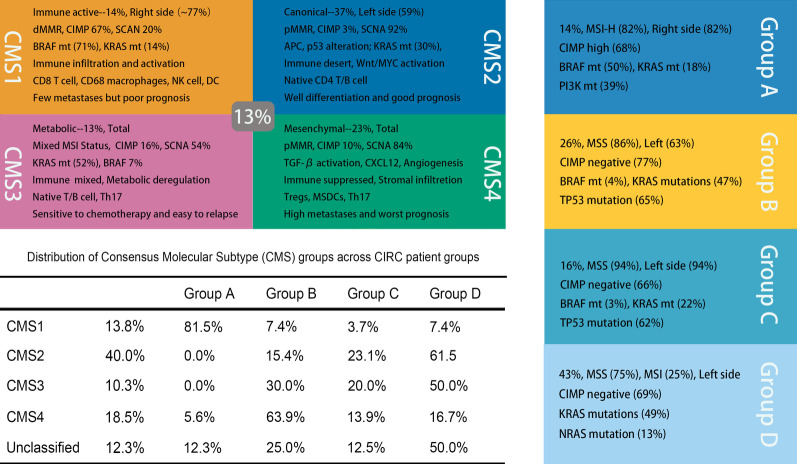
“Finally, 13% of the cases cannot be classified alone into any of the aforementioned categories and are classified as mixed type [24].”
BackgroundTumor-associated B7-H1 promotes T-cell apoptosis: A potential mechanism of immune evasion
Dong, H., Strome, S. E., Salomao, D. R., Tamura, H., Hirano, F., Flies, D. B., Roche, P. C., Lu, J., Zhu, G., Tamada, K., et al. (2002) · Nature Medicine · doi:10.1038/nm730 · Cited by 5,025 · cited 1×
“ICB therapy can activate the immune response of tumor lesions and repair the existing immune response by targeting the tumor-induced immune deficiency [39, 40].”
BackgroundGut microbiome modulates response to anti-PD-1 immunotherapy in melanoma patients
Gopalakrishnan, V., Spencer, C. N., Nezi, L., Reuben, A., Andrews, M. C., Karpinets, T. V., Prieto, P. A., Vicente, D., Hoffman, K., Wei, S. C., et al. (2018) · Science · doi:10.1126/science.aan4236 · Cited by 4,812 · cited 1×
“Their study showed that the 30 patients who responded to ICB treatment exhibited a significantly different microflora from the 13 patients who did not respond, and the two specific bacteria, faecalibacterium and clostridiales, were prevalent in progression-free survival (PFS) patients [93, 94].”
BackgroundRittmeyer, A., Barlesi, F., Waterkamp, D., Park, K., Ciardiello, F., von Pawel, J., Gadgeel, S. M., Hida, T., Kowalski, D. M., Dols, M. C., et al. (2017) · The Lancet · doi:10.1016/s0140-6736(16)32517-x · Cited by 4,675
Durvalumab after chemoradiotherapy in stage III non–small-cell lung cancer
Antonia, S. J., Villegas, A., Daniel, D., Vicente, D., Murakami, S., Hui, R., Yokoi, T., Chiappori, A., Lee, K. H., de Wit, M., et al. (2017) · New England Journal of Medicine · doi:10.1056/nejmoa1709937 · Cited by 4,593
Ipilimumab plus Dacarbazine for Previously Untreated Metastatic Melanoma
Robert, C., Thomas, L., Bondarenko, I., O'Day, S., Weber, J., Garbe, C., Lebbe, C., Baurain, J.-F., Testori, A., Grob, J.-J., et al. (2011) · New England Journal of Medicine · doi:10.1056/nejmoa1104621 · Cited by 4,496 · cited 5×
“It has been approved for the use in melanoma, NSCLC, head and neck squamous cell carcinoma and other malignant tumors and results in optimal clinical effects [22, 41–43].”
BackgroundInfluentialGenetic Basis for Clinical Response to CTLA-4 Blockade in Melanoma
Snyder, A., Makarov, V., Merghoub, T., Yuan, J., Zaretsky, J. M., Desrichard, A., Walsh, L. A., Postow, M. A., Wong, P., Ho, T. S., et al. (2014) · New England Journal of Medicine · doi:10.1056/nejmoa1406498 · Cited by 4,286
Boland, C. R., Thibodeau, S. N., Hamilton, S. R., Sidransky, D., Eshleman, J. R., Burt, R. W., Meltzer, S. J., Rodrı́guez-Bigas, M. A., Fodde, R., Ranzani, G. N., et al. (1998) · PubMed · Cited by 4,087
Tumor mutational load predicts survival after immunotherapy across multiple cancer types
Samstein, R. M., Lee, C.-H., Shoushtari, A. N., Hellmann, M. D., Shen, R., Janjigian, Y. Y., Barron, D. A., Zehir, A., Jordan, E. J., Omuro, A., et al. (2019) · Nature Genetics · doi:10.1038/s41588-018-0312-8 · Cited by 4,071 · cited 24×
“This evidence suggests that bTMB may be an efficacy predictor in the MSS mCRC population, although the specific cutoff value required further exploration and validation.”
BackgroundInfluentialCommensal Bifidobacterium promotes antitumor immunity and facilitates anti–PD-L1 efficacy
Sivan, A., Corrales, L., Hubert, N., Williams, J. B., Aquino-Michaels, K., Earley, Z. M., Benyamin, F. W., Man Lei, Y., Jabri, B., Alegre, M.-L., et al. (2015) · Science · doi:10.1126/science.aac4255 · Cited by 3,888 · cited 1×
“In 2015, two articles were simultaneously published in the journal Science to discuss the use of ICB in melanoma [90, 91].”
BackgroundAnticancer immunotherapy by CTLA-4 blockade relies on the gut microbiota
Vétizou, M., Pitt, J. M., Daillère, R., Lepage, P., Waldschmitt, N., Flament, C., Rusakiewicz, S., Routy, B., Roberti, M. P., Duong, C. P. M., et al. (2015) · Science · doi:10.1126/science.aad1329 · Cited by 3,488 · cited 1×
“In 2015, two articles were simultaneously published in the journal Science to discuss the use of ICB in melanoma [90, 91].”
BackgroundGenomic and Transcriptomic Features of Response to Anti-PD-1 Therapy in Metastatic Melanoma
Hugo, W., Zaretsky, J. M., Sun, L., Song, C., Moreno, B. H., Hu-Lieskovan, S., Berent-Maoz, B., Pang, J., Chmielowski, B., Cherry, G., et al. (2016) · Cell · doi:10.1016/j.cell.2016.02.065 · Cited by 3,448
ESMO consensus guidelines for the management of patients with metastatic colorectal cancer
Van Cutsem, E., Cervantes, A., Adam, R., Sobrero, A., Van Krieken, J. H., Aderka, D., Aranda Aguilar, E., Bardelli, A., Benson, A., Bodoky, G., et al. (2016) · Annals of Oncology · doi:10.1093/annonc/mdw235 · Cited by 3,421
Mutations Associated with Acquired Resistance to PD-1 Blockade in Melanoma
Zaretsky, J. M., Garcia-Diaz, A., Shin, D. S., Escuin-Ordinas, H., Hugo, W., Hu-Lieskovan, S., Torrejon, D. Y., Abril-Rodriguez, G., Sandoval, S., Barthly, L., et al. (2016) · New England Journal of Medicine · doi:10.1056/nejmoa1604958 · Cited by 3,237 · cited 1×
“The loss of heterozygosity of β2M can affect the antigen presentation of MHC-I, which leads to melanoma resistance to T cell infiltration and induces primary and acquired ICB resistance [59, 60].”
BackgroundTumor mutational burden and response rate to PD-1 inhibition
Yarchoan, M., Hopkins, A., & Jaffee, E. M. (2017) · New England Journal of Medicine · doi:10.1056/nejmc1713444 · Cited by 3,230
Genomic classification of cutaneous melanoma
Akbani, R., Akdemir, K. C., Aksoy, B. A., Albert, M., Ally, A., Amin, S. B., Arachchi, H., Arora, A., Auman, J. T., Ayala, B., et al. (2015) · Cell · doi:10.1016/j.cell.2015.05.044 · Cited by 3,151
Pembrolizumab in Microsatellite-Instability-High Advanced Colorectal Cancer
André, T., Shiu, K.-K., Kim, T. W., Jensen, B. V., Jensen, L. H., Punt, C., Smith, D., Garcia-Carbonero, R., Benavides, M., Gibbs, P., et al. (2020) · New England Journal of Medicine · doi:10.1056/nejmoa2017699 · Cited by 3,099 · cited 1×
“Of note, Nivolumab and Pembrolizumab have been approved by the FDA for the treatment of mCRC [33, 34], due to their excellent performance [27].”
BackgroundOverman, M. J., McDermott, R., Leach, J. L., Lonardi, S., Lenz, H.-J., Morse, M. A., Desai, J., Hill, A., Axelson, M., Moss, R. A., et al. (2017) · The Lancet Oncology · doi:10.1016/s1470-2045(17)30422-9 · Cited by 2,836 · cited 1×
“The results showed that there was no significant correlation between PD-L1 expression on tumor cells and immunotherapy response, but it was found that ORR with numerous expressions on immune cells was significantly improved [29].”
BackgroundFehrenbacher, L., Spira, A., Ballinger, M., Kowanetz, M., Vansteenkiste, J., Mazieres, J., Park, K., Smith, D., Artal-Cortes, A., Lewanski, C., et al. (2016) · The Lancet · doi:10.1016/s0140-6736(16)00587-0 · Cited by 2,756
Clues to the Pathogenesis of Familial Colorectal Cancer
Aaltonen, L. A., Peltomäki, P., Leach, F. S., Sistonen, P., Pylkkänen, L., Mecklin, J.-P., Järvinen, H., Powell, S. M., Jen, J., Hamilton, S. R., et al. (1993) · Science · doi:10.1126/science.8484121 · Cited by 2,710
Ionov, Y., Peinado, M. A., Malkhosyan, S., Shibata, D., & Perucho, M. (1993) · Nature · doi:10.1038/363558a0 · Cited by 2,708 · cited 2×
“Defects in DNA mismatch repair system can cause MSI [111].”
BackgroundDendritic cells in cancer immunology and immunotherapy
Wculek, S. K., Cueto, F. J., Mujal, A. M., Melero, I., Krummel, M. F., & Sancho, D. (2020) · Nature Reviews Immunology · doi:10.1038/s41577-019-0210-z · Cited by 2,574 · cited 1×
“the antigen is directly presented by the tumor cells so that the activated CD8+ T cells can recognize and kill them [54].”
BackgroundMarabelle, A., Fakih, M., Lopez, J., Shah, M., Shapira-Frommer, R., Nakagawa, K., Chung, H. C., Kindler, H. L., Lopez-Martin, J. A., Miller, W. H., et al. (2020) · The Lancet Oncology · doi:10.1016/s1470-2045(20)30445-9 · Cited by 2,552 · cited 25×
“This evidence suggests that bTMB may be an efficacy predictor in the MSS mCRC population, although the specific cutoff value required further exploration and validation.”
BackgroundInfluentialT cell exclusion, immune privilege, and the tumor microenvironment
Joyce, J. A., & Fearon, D. T. (2015) · Science · doi:10.1126/science.aaa6204 · Cited by 2,473 · cited 1×
“Of note, a deficiency in T lymphocytes has been noted in the TME, which is termed T lymphocyte exclusion [65].”
BackgroundMicrosatellite Instability in Colorectal Cancer
Boland, C. R., & Goel, A. (2010) · Gastroenterology · doi:10.1053/j.gastro.2009.12.064 · Cited by 2,456 · cited 1×
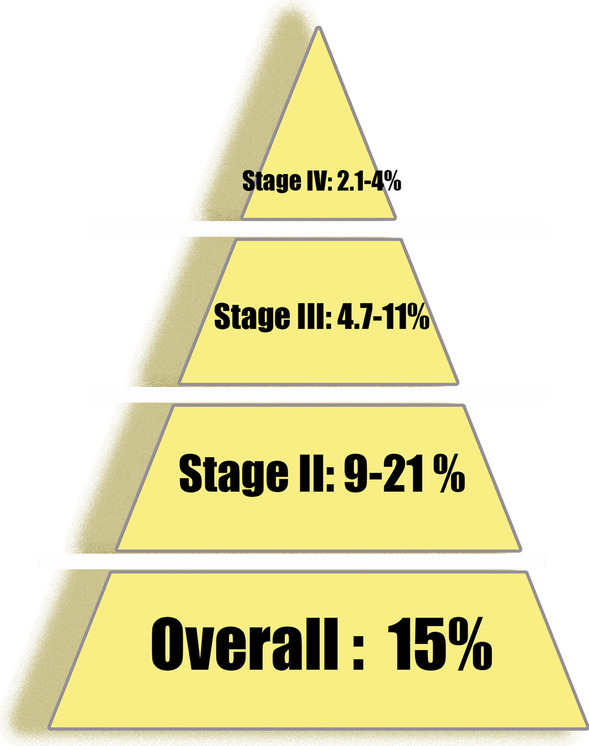
“Approximately 15% of CRCs are caused due to activation of the MSI pathway [38, 111, 114, 115].”
BackgroundTumor and Microenvironment Evolution during Immunotherapy with Nivolumab
Riaz, N., Havel, J. J., Makarov, V., Desrichard, A., Urba, W. J., Sims, J. S., Hodi, F. S., Martín-Algarra, S., Mandal, R., Sharfman, W. H., et al. (2017) · Cell · doi:10.1016/j.cell.2017.09.028 · Cited by 2,401
Pan-tumor genomic biomarkers for PD-1 checkpoint blockade–based immunotherapy
Cristescu, R., Mogg, R., Ayers, M., Albright, A., Murphy, E., Yearley, J., Sher, X., Liu, X. Q., Lu, H., Nebozhyn, M., et al. (2018) · Science · doi:10.1126/science.aar3593 · Cited by 2,301 · cited 1×
“In addition to MSI, numerous biomarkers have been discovered and have been used to guide tumor immunotherapy, such as tumor mutation burden (TMB) [19, 20] and PD-L1 expression [21, 22].”
BackgroundTopalian, S. L., Sznol, M., McDermott, D. F., Kluger, H. M., Carvajal, R. D., Sharfman, W. H., Brahmer, J. R., Lawrence, D. P., Atkins, M. B., Powderly, J. D., et al. (2014) · Journal of Clinical Oncology · doi:10.1200/jco.2013.53.0105 · Cited by 2,222
Chemokines in the cancer microenvironment and their relevance in cancer immunotherapy
Nagarsheth, N., Wicha, M. S., & Zou, W. (2017) · Nature Reviews Immunology · doi:10.1038/nri.2017.49 · Cited by 2,206
Fusobacterium nucleatum Promotes Chemoresistance to Colorectal Cancer by Modulating Autophagy
Yu, T., Guo, F., Yu, Y., Sun, T., Ma, D., Han, J., Qian, Y., Kryczek, I., Sun, D., Nagarsheth, N., et al. (2017) · Cell · doi:10.1016/j.cell.2017.07.008 · Cited by 2,198 · cited 1×
“Its presence was significantly associated with poor prognosis [97].”
BackgroundSchadendorf, D., Hodi, F. S., Robert, C., Weber, J. S., Margolin, K., Hamid, O., Patt, D., Chen, T.-T., Berman, D. M., & Wolchok, J. D. (2015) · Journal of Clinical Oncology · doi:10.1200/jco.2014.56.2736 · Cited by 2,141
Natural Innate and Adaptive Immunity to Cancer
Vesely, M. D., Kershaw, M. H., Schreiber, R. D., & Smyth, M. J. (2011) · Annual Review of Immunology · doi:10.1146/annurev-immunol-031210-101324 · Cited by 2,101 · cited 1×
“Any defect in these processes can lead to primary or acquired immune resistance [44].”
BackgroundOverman, M. J., Lonardi, S., Wong, K. Y. M., Lenz, H.-J., Gelsomino, F., Aglietta, M., Morse, M. A., Van Cutsem, E., McDermott, R., Hill, A., et al. (2018) · Journal of Clinical Oncology · doi:10.1200/jco.2017.76.9901 · Cited by 2,079
The Intestinal Microbiota Modulates the Anticancer Immune Effects of Cyclophosphamide
Viaud, S., Saccheri, F., Mignot, G., Yamazaki, T., Daillère, R., Hannani, D., Enot, D. P., Pfirschke, C., Engblom, C., Pittet, M. J., et al. (2013) · Science · doi:10.1126/science.1240537 · Cited by 2,050 · cited 1×
“suggested that the metabolic functions of bacteria present in tumor cells may be responsible for the immune resistance of mice with colon cancer [98].”
BackgroundCheckpoint blockade cancer immunotherapy targets tumour-specific mutant antigens
Gubin, M. M., Zhang, X., Schuster, H., Caron, E., Ward, J. P., Noguchi, T., Ivanova, Y., Hundal, J., Arthur, C. D., Krebber, W.-J., et al. (2014) · Nature · doi:10.1038/nature13988 · Cited by 1,974 · cited 2×
“Its structure is different from that expressed by normal cells [45, 46].”
BackgroundInterferon Receptor Signaling Pathways Regulating PD-L1 and PD-L2 Expression
Garcia-Diaz, A., Shin, D. S., Moreno, B. H., Saco, J., Escuin-Ordinas, H., Rodriguez, G. A., Zaretsky, J. M., Sun, L., Hugo, W., Wang, X., et al. (2017) · Cell Reports · doi:10.1016/j.celrep.2017.04.031 · Cited by 1,942
Fecal microbiota transplant promotes response in immunotherapy-refractory melanoma patients
Baruch, E. N., Youngster, I., Ben-Betzalel, G., Ortenberg, R., Lahat, A., Katz, L., Adler, K., Dick-Necula, D., Raskin, S., Bloch, N., et al. (2021) · Science · doi:10.1126/science.abb5920 · Cited by 1,757 · cited 1×
“PFS crossed the 6-month milestone in all responders [95].”
BackgroundSTK11/LKB1 Mutations and PD-1 Inhibitor Resistance in KRAS -Mutant Lung Adenocarcinoma
Skoulidis, F., Goldberg, M. E., Greenawalt, D. M., Hellmann, M. D., Awad, M. M., Gainor, J. F., Schrock, A. B., Hartmaier, R. J., Trabucco, S. E., Gay, L., et al. (2018) · Cancer Discovery · doi:10.1158/2159-8290.cd-18-0099 · Cited by 1,641
Saxena, M., van der Burg, S. H., Melief, C. J. M., & Bhardwaj, N. (2021) · Nature reviews. Cancer · doi:10.1038/s41568-021-00346-0 · Cited by 1,581 · cited 1×
“The purpose is to introduce tumor antigens (including tumor cells, tumorrelated proteins or peptides, and genes expressing tumor antigens) into patients, enhance immunogenicity, activate the patient’s own immune system, and induce the body’s immune response, so as to control or eliminate the tumors [50].”
BackgroundKoyama, S., Akbay, E. A., Li, Y. Y., Herter-Sprie, G. S., Buczkowski, K. A., Richards, W. G., Gandhi, L., Redig, A. J., Rodig, S. J., Asahina, H., et al. (2016) · Nature Communications · doi:10.1038/ncomms10501 · Cited by 1,580
Loss of PTEN Promotes Resistance to T Cell–Mediated Immunotherapy
Peng, W., Chen, J. Q., Liu, C., Malu, S., Creasy, C., Tetzlaff, M. T., Xu, C., McKenzie, J. A., Zhang, C., Liang, X., et al. (2016) · Cancer Discovery · doi:10.1158/2159-8290.cd-15-0283 · Cited by 1,539
Llosa, N. J., Cruise, M., Tam, A., Wicks, E. C., Hechenbleikner, E. M., Taube, J. M., Blosser, R. L., Fan, H., Wang, H., Luber, B. S., et al. (2015) · Cancer Discovery · doi:10.1158/2159-8290.cd-14-0863 · Cited by 1,487
Screening for the Lynch syndrome (hereditary nonpolyposis colorectal cancer)
Hampel, H., Frankel, W. L., Martin, E., Arnold, M., Khanduja, K., Kuebler, P., Nakagawa, H., Sotamaa, K., Prior, T. W., Westman, J., et al. (2005) · New England Journal of Medicine · doi:10.1056/nejmoa043146 · Cited by 1,408
The Influence of the Gut Microbiome on Cancer, Immunity, and Cancer Immunotherapy
Gopalakrishnan, V., Helmink, B. A., Spencer, C. N., Reuben, A., & Wargo, J. A. (2018) · Cancer Cell · doi:10.1016/j.ccell.2018.03.015 · Cited by 1,392 · cited 1×
“Their study showed that the 30 patients who responded to ICB treatment exhibited a significantly different microflora from the 13 patients who did not respond, and the two specific bacteria, faecalibacterium and clostridiales, were prevalent in progression-free survival (PFS) patients [93, 94].”
BackgroundChemotherapy, Bevacizumab, and Cetuximab in Metastatic Colorectal Cancer
Tol, J., Koopman, M., Cats, A., Rodenburg, C. J., Creemers, G. J. M., Schrama, J. G., Erdkamp, F. L. G., Vos, A. H., van Groeningen, C. J., Sinnige, H. A. M., et al. (2009) · New England Journal of Medicine · doi:10.1056/nejmoa0808268 · Cited by 1,341 · cited 1×
“Regrettably, the large randomized phase III trial found that chemotherapy combined with two targeted drugs cannot further improve survival, but increase intolerable toxicity [31, 32].”
BackgroundMolecular and Biochemical Aspects of the PD-1 Checkpoint Pathway
Boussiotis, V. A. (2016) · New England Journal of Medicine · doi:10.1056/nejmra1514296 · Cited by 1,339 · cited 1×
“ICB therapy can activate the immune response of tumor lesions and repair the existing immune response by targeting the tumor-induced immune deficiency [39, 40].”
BackgroundPrimary Resistance to PD-1 Blockade Mediated by JAK1/2 Mutations
Shin, D. S., Zaretsky, J. M., Escuin-Ordinas, H., Garcia-Diaz, A., Hu-Lieskovan, S., Kalbasi, A., Grasso, C. S., Hugo, W., Sandoval, S., Torrejon, D. Y., et al. (2017) · Cancer Discovery · doi:10.1158/2159-8290.cd-16-1223 · Cited by 1,337 · cited 1×
“However, genetic mutations in IFN-γ signaling genes are uncommon in CRC patients and occur in less than 10% of patients with colorectal adenocarcinoma [84].”
BackgroundLoss of IFN-γ pathway genes in tumor cells as a mechanism of resistance to anti-CTLA-4 therapy
Gao, J., Shi, L. Z., Zhao, H., Chen, J., Xiong, L., He, Q., Chen, T., Roszik, J., Bernatchez, C., Woodman, S. E., et al. (2016) · Cell · doi:10.1016/j.cell.2016.08.069 · Cited by 1,300 · cited 1×
“However, shortage or excess of IFN-γ signaling may also lead to immune resistance [81, 150].”
BackgroundTumor Interferon Signaling Regulates a Multigenic Resistance Program to Immune Checkpoint Blockade
Benci, J. L., Xu, B., Qiu, Y., Wu, T. J., Dada, H., Twyman-Saint Victor, C., Cucolo, L., Lee, D. S. M., Pauken, K. E., Huang, A. C., et al. (2016) · Cell · doi:10.1016/j.cell.2016.11.022 · Cited by 1,216
Marcus, L., Lemery, S. J., Keegan, P., & Pazdur, R. (2019) · Clinical Cancer Research · doi:10.1158/1078-0432.ccr-18-4070 · Cited by 1,176 · cited 1×
“Of note, Nivolumab and Pembrolizumab have been approved by the FDA for the treatment of mCRC [33, 34], due to their excellent performance [27].”
BackgroundMarincola, F. M., Jaffee, E. M., Hicklin, D. J., & Ferrone, S. (1999) · Advances in Immunology · doi:10.1016/s0065-2776(08)60911-6 · Cited by 1,174 · cited 1×
“Various mechanisms have been proposed that disrupt antigen presentation in CRC, including interference with the process of proteasome processing of antigens, regulation of the function of transporter associated with antigen processing (TAPs), and obstruction of the expression of MHC structural components through gene…”
BackgroundMelief, C. J. M., van Hall, T., Arens, R., Ossendorp, F., & van der Burg, S. H. (2015) · Journal of Clinical Investigation · doi:10.1172/jci80009 · Cited by 1,164
Roth, A. D., Tejpar, S., Delorenzi, M., Yan, P., Fiocca, R., Klingbiel, D., Dietrich, D., Biesmans, B., Bodoky, G., Barone, C., et al. (2010) · Journal of Clinical Oncology · doi:10.1200/jco.2009.23.3452 · Cited by 1,158
In vivo CRISPR screening identifies Ptpn2 as a cancer immunotherapy target
Manguso, R. T., Pope, H. W., Zimmer, M. D., Brown, F. D., Yates, K. B., Miller, B. C., Collins, N. B., Bi, K., LaFleur, M. W., Juneja, V. R., et al. (2017) · Nature · doi:10.1038/nature23270 · Cited by 1,147 · cited 1×
“Conversely, CRISPRCas9 genome editing can restore melanoma resistance to IFN-γ sensitivity owing to PTPN2 loss [83].”
BackgroundAdvances in the development of personalized neoantigen-based therapeutic cancer vaccines
Blass, E., & Ott, P. A. (2021) · Nature Reviews Clinical Oncology · doi:10.1038/s41571-020-00460-2 · Cited by 1,042 · cited 1×
“It is also a transition from a general tumor vaccine to a tumor personalized vaccine for precise treatment, as well as the transition from TAA to tumor-specific antigens (TSAs) [53].”
BackgroundLiver metastasis restrains immunotherapy efficacy via macrophage-mediated T cell elimination
Yu, J., Green, M. D., Li, S., Sun, Y., Journey, S. N., Choi, J. E., Rizvi, S. M., Qin, A., Waninger, J. J., Lang, X., et al. (2021) · Nature Medicine · doi:10.1038/s41591-020-1131-x · Cited by 1,001
Self-citationDiem, S., Schmid, S., Krapf, M., Flatz, L., Born, D., Jochum, W., Templeton, A. J., & Früh, M. (2017) · Lung Cancer · doi:10.1016/j.lungcan.2017.07.024 · Cited by 986
Dong, Z.-Y., Zhong, W.-Z., Zhang, X.-C., Su, J., Xie, Z., Liu, S.-Y., Tu, H.-Y., Chen, H.-J., Sun, Y.-L., Zhou, Q., et al. (2017) · Clinical Cancer Research · doi:10.1158/1078-0432.ccr-16-2554 · Cited by 959
Skoulidis, F., Byers, L. A., Diao, L., Papadimitrakopoulou, V. A., Tong, P., Izzo, J., Behrens, C., Kadara, H., Parra, E. R., Canales, J. R., et al. (2015) · Cancer Discovery · doi:10.1158/2159-8290.cd-14-1236 · Cited by 936
Fukuoka, S., Hara, H., Takahashi, N., Kojima, T., Kawazoe, A., Asayama, M., Yoshii, T., Kotani, D., Tamura, H., Mikamoto, Y., et al. (2020) · Journal of Clinical Oncology · doi:10.1200/jco.19.03296 · Cited by 890
Identification of essential genes for cancer immunotherapy
Patel, S. J., Sanjana, N. E., Kishton, R. J., Eidizadeh, A., Vodnala, S. K., Cam, M., Gartner, J. J., Jia, L., Steinberg, S. M., Yamamoto, T. N., et al. (2017) · Nature · doi:10.1038/nature23477 · Cited by 870 · cited 1×
“Moreover, a CRISPR screen assay found that apelin receptor interacted with JAK1 and regulated IFN-γ response [82].”
Bouffet, E., Larouche, V., Campbell, B. B., Merico, D., de Borja, R., Aronson, M., Durno, C., Krueger, J., Cabric, V., Ramaswamy, V., et al. (2016) · Journal of Clinical Oncology · doi:10.1200/jco.2016.66.6552 · Cited by 857
Hecht, J. R., Mitchell, E., Chidiac, T., Scroggin, C., Hagenstad, C., Spigel, D., Marshall, J., Cohn, A., McCollum, D., Stella, P., et al. (2009) · Journal of Clinical Oncology · doi:10.1200/jco.2008.19.8135 · Cited by 850 · cited 1×
“Regrettably, the large randomized phase III trial found that chemotherapy combined with two targeted drugs cannot further improve survival, but increase intolerable toxicity [31, 32].”
BackgroundMassard, C., Gordon, M. S., Sharma, S., Rafii, S., Wainberg, Z. A., Luke, J., Curiel, T. J., Colon-Otero, G., Hamid, O., Sanborn, R. E., et al. (2016) · Journal of Clinical Oncology · doi:10.1200/jco.2016.67.9761 · Cited by 840
(2017) · doi:10.1158/1078-0432.ccr-16-3133 · Cited by 831
Apoptosis and interferons: role of interferon-stimulated genes as mediators of apoptosis
Chawla-Sarkar, M., Lindner, D. J., Liu, Y.-F., Williams, B. R., Sen, G. C., Silverman, R. H., & Borden, E. C. (2003) · Apoptosis · doi:10.1023/a:1023668705040 · Cited by 829
Present yourself! by MHC class I and MHC class II molecules
Rock, K. L., Reits, E., & Neefjes, J. (2016) · Trends in Immunology · doi:10.1016/j.it.2016.08.010 · Cited by 814 · cited 1×
“Lost or low expression of MHC-I molecules has been reported on the surface of tumor cells, which results in the obstacle of tumor antigen presentation and the inability to provide the first signal for T cell activation [55].”
BackgroundVenderbosch, S., Nagtegaal, I. D., Maughan, T. S., Smith, C. G., Cheadle, J. P., Fisher, D., Kaplan, R., Quirke, P., Seymour, M. T., Richman, S. D., et al. (2014) · Clinical Cancer Research · doi:10.1158/1078-0432.ccr-14-0332 · Cited by 772
Lenz, H.-J., Van Cutsem, E., Luisa Limon, M., Wong, K. Y. M., Hendlisz, A., Aglietta, M., García-Alfonso, P., Neyns, B., Luppi, G., Cardin, D. B., et al. (2022) · Journal of Clinical Oncology · doi:10.1200/jco.21.01015 · Cited by 728
Chow, M. T., Ozga, A. J., Servis, R. L., Frederick, D. T., Lo, J. A., Fisher, D. E., Freeman, G. J., Boland, G. M., & Luster, A. D. (2019) · Immunity · doi:10.1016/j.immuni.2019.04.010 · Cited by 716 · cited 1×
“In particular, CXCR3 has been identified as a chemokine receptor critical for T cell infiltration [67].”
BackgroundAndré, T., de Gramont, A., Vernerey, D., Chibaudel, B., Bonnetain, F., Tijeras-Raballand, A., Scriva, A., Hickish, T., Tabernero, J., Van Laethem, J. L., et al. (2015) · Journal of Clinical Oncology · doi:10.1200/jco.2015.63.4238 · Cited by 683
Sharma, P., Callahan, M. K., Bono, P., Kim, J., Spiliopoulou, P., Calvo, E., Pillai, R. N., Ott, P. A., de Braud, F., Morse, M., et al. (2016) · The Lancet Oncology · doi:10.1016/s1470-2045(16)30496-x · Cited by 678
Impact of oncogenic pathways on evasion of antitumour immune responses
Spranger, S., & Gajewski, T. F. (2018) · Nature Reviews Cancer · doi:10.1038/nrc.2017.117 · Cited by 665
First FDA Approval Agnostic of Cancer Site — When a Biomarker Defines the Indication
Lemery, S., Keegan, P., & Pazdur, R. (2017) · New England Journal of Medicine · doi:10.1056/nejmp1709968 · Cited by 664
Koyama, S., Akbay, E. A., Li, Y. Y., Aref, A. R., Skoulidis, F., Herter-Sprie, G. S., Buczkowski, K. A., Liu, Y., Awad, M. M., Denning, W. L., et al. (2016) · Cancer Research · doi:10.1158/0008-5472.can-15-1439 · Cited by 640
Schrock, A. B., Ouyang, C., Sandhu, J., Sokol, E., Jin, D., Ross, J. S., Miller, V. A., Lim, D., Amanam, I., Chao, J., et al. (2019) · Annals of Oncology · doi:10.1093/annonc/mdz134 · Cited by 617
Inactivation of CDK12 Delineates a Distinct Immunogenic Class of Advanced Prostate Cancer
Wu, Y.-M., Cieślik, M., Lonigro, R. J., Vats, P., Reimers, M. A., Cao, X., Ning, Y., Wang, L., Kunju, L. P., de Sarkar, N., et al. (2018) · Cell · doi:10.1016/j.cell.2018.04.034 · Cited by 598
Eng, C., Kim, T. W., Bendell, J., Argilés, G., Tebbutt, N. C., Di Bartolomeo, M., Falcone, A., Fakih, M., Kozloff, M., Segal, N. H., et al. (2019) · The Lancet Oncology · doi:10.1016/s1470-2045(19)30027-0 · Cited by 577
Improved antitumor activity of immunotherapy with BRAF and MEK inhibitors in BRAF V600E melanoma
Hu-Lieskovan, S., Mok, S., Homet Moreno, B., Tsoi, J., Robert, L., Goedert, L., Pinheiro, E. M., Koya, R. C., Graeber, T. G., Comin-Anduix, B., et al. (2015) · Science Translational Medicine · doi:10.1126/scitranslmed.aaa4691 · Cited by 563 · cited 2×
“Inhibition of the MAPK cascade improves CD8+ T cell infiltration and may also sensitize tumors to ICB therapy [75].”
BackgroundThe Wnt signaling pathway in cancer
Duchartre, Y., Kim, Y.-M., & Kahn, M. (2016) · Critical Reviews in Oncology/Hematology · doi:10.1016/j.critrevonc.2015.12.005 · Cited by 548 · cited 1×
“Inhibitors of the Wnt/β-catenin pathway are intensively investigated in clinical trials and can be combined with ICB to overcome this pattern of primary resistance [72].”
BackgroundStem-like CD8 T cells mediate response of adoptive cell immunotherapy against human cancer
Krishna, S., Lowery, F. J., Copeland, A. R., Bahadiroglu, E., Mukherjee, R., Jia, L., Anibal, J. T., Sachs, A., Adebola, S. O., Gurusamy, D., et al. (2020) · Science · doi:10.1126/science.abb9847 · Cited by 547
Teo, M. Y., Seier, K., Ostrovnaya, I., Regazzi, A. M., Kania, B. E., Moran, M. M., Cipolla, C. K., Bluth, M. J., Chaim, J., Al-Ahmadie, H., et al. (2018) · Journal of Clinical Oncology · doi:10.1200/jco.2017.75.7740 · Cited by 544
Benci, J. L., Johnson, L. R., Choa, R., Xu, Y., Qiu, J., Zhou, Z., Xu, B., Ye, D., Nathanson, K. L., June, C. H., et al. (2019) · Cell · doi:10.1016/j.cell.2019.07.019 · Cited by 541
Loi, S., Dushyanthen, S., Beavis, P. A., Salgado, R., Denkert, C., Savas, P., Combs, S., Rimm, D. L., Giltnane, J. M., Estrada, M. V., et al. (2016) · Clinical Cancer Research · doi:10.1158/1078-0432.ccr-15-1125 · Cited by 536 · cited 1×
“The mitogen-activated protein kinase (MAPK) signaling cascades upregulate the expression levels of the immunosuppressive cytokines vascular endothelial growth factor (VEGF) and interleukin 8 (IL-8), which inhibit T cell function and recruitment into the tumors [73, 74].”
BackgroundKulangara, K., Zhang, N., Corigliano, E., Guerrero, L., Waldroup, S., Jaiswal, D., MS, M. J., Shah, S., Hanks, D., Wang, J., et al. (2019) · Archives of Pathology & Laboratory Medicine · doi:10.5858/arpa.2018-0043-oa · Cited by 536
Genetic Mechanisms of Immune Evasion in Colorectal Cancer
Grasso, C. S., Giannakis, M., Wells, D. K., Hamada, T., Mu, X. J., Quist, M., Nowak, J. A., Nishihara, R., Qian, Z. R., Inamura, K., et al. (2018) · Cancer Discovery · doi:10.1158/2159-8290.cd-17-1327 · Cited by 535
Innate lymphoid cells sustain colon cancer through production of interleukin-22 in a mouse model
Kirchberger, S., Royston, D. J., Boulard, O., Thornton, E., Franchini, F., Szabady, R. L., Harrison, O., & Powrie, F. (2013) · Journal of Experimental Medicine · doi:10.1084/jem.20122308 · Cited by 529
Deficient mismatch repair system in patients with sporadic advanced colorectal cancer
Koopman, M., Kortman, G. A. M., Mekenkamp, L., Ligtenberg, M. J. L., Hoogerbrugge, N., Antonini, N. F., Punt, C. J. A., & van Krieken, J. H. J. M. (2009) · British Journal of Cancer · doi:10.1038/sj.bjc.6604867 · Cited by 515
Targeted Next Generation Sequencing Identifies Markers of Response to PD-1 Blockade
Johnson, D. B., Frampton, G. M., Rioth, M. J., Yusko, E., Xu, Y., Guo, X., Ennis, R. C., Fabrizio, D., Chalmers, Z. R., Greenbowe, J., et al. (2016) · Cancer Immunology Research · doi:10.1158/2326-6066.cir-16-0143 · Cited by 481
Genetic absence of PD-1 promotes accumulation of terminally differentiated exhausted CD8+ T cells
Odorizzi, P. M., Pauken, K. E., Paley, M. A., Sharpe, A., & Wherry, E. J. (2015) · Journal of Experimental Medicine · doi:10.1084/jem.20142237 · Cited by 467
The biology of Hepatocellular carcinoma: implications for genomic and immune therapies
Khemlina, G., Ikeda, S., & Kurzrock, R. (2017) · Molecular Cancer · doi:10.1186/s12943-017-0712-x · Cited by 464
CMScaller: an R package for consensus molecular subtyping of colorectal cancer pre-clinical models
Eide, P. W., Bruun, J., Lothe, R. A., & Sveen, A. (2017) · Scientific Reports · doi:10.1038/s41598-017-16747-x · Cited by 437 · cited 1×
“Recently, a clinical trial based on the CMS principle is ready to be performed for the assessment of the clinical application and prediction value [104, 105].”
BackgroundWang, F., Zhao, Q., Wang, Y.-N., Jin, Y., He, M.-M., Liu, Z.-X., & Xu, R.-H. (2019) · JAMA Oncology · doi:10.1001/jamaoncol.2019.2963 · Cited by 436
Arce Vargas, F., Furness, A. J. S., Solomon, I., Joshi, K., Mekkaoui, L., Lesko, M. H., Miranda Rota, E., Dahan, R., Georgiou, A., Sledzinska, A., et al. (2017) · Immunity · doi:10.1016/j.immuni.2017.03.013 · Cited by 418
Chen, E. X., Jonker, D. J., Loree, J. M., Kennecke, H. F., Berry, S. R., Couture, F., Ahmad, C. E., Goffin, J. R., Kavan, P., Harb, M., et al. (2020) · JAMA Oncology · doi:10.1001/jamaoncol.2020.0910 · Cited by 392
Kopetz, S., Guthrie, K. A., Morris, V. K., Lenz, H.-J., Magliocco, A. M., Maru, D., Yan, Y., Lanman, R., Manyam, G., Hong, D. S., et al. (2021) · Journal of Clinical Oncology · doi:10.1200/jco.20.01994 · Cited by 389 · cited 1×
“BRAF mutation was found to be a negative prognostic marker in CRC, and it could promote the development of TME [107, 108].”
BackgroundLiu, C., Peng, W., Xu, C., Lou, Y., Zhang, M., Wargo, J. A., Chen, J. Q., Li, H. S., Watowich, S. S., Yang, Y., et al. (2013) · Clinical Cancer Research · doi:10.1158/1078-0432.ccr-12-1626 · Cited by 381 · cited 1×
“The mitogen-activated protein kinase (MAPK) signaling cascades upregulate the expression levels of the immunosuppressive cytokines vascular endothelial growth factor (VEGF) and interleukin 8 (IL-8), which inhibit T cell function and recruitment into the tumors [73, 74].”
BackgroundSelf-citationImmune activation and response to pembrolizumab in POLE-mutant endometrial cancer
Mehnert, J. M., Panda, A., Zhong, H., Hirshfield, K., Damare, S., Lane, K., Sokol, L., Stein, M. N., Rodriguez-Rodriquez, L., Kaufman, H. L., et al. (2016) · Journal of Clinical Investigation · doi:10.1172/jci84940 · Cited by 380
Microsatellite instability and colorectal cancer prognosis
Benatti, P., Gafà, R., Barana, D., Marino, M., Scarselli, A., Pedroni, M., Maestri, I., Guerzoni, L., Roncucci, L., Menigatti, M., et al. (2005) · Clinical Cancer Research · doi:10.1158/1078-0432.ccr-05-1030 · Cited by 379
Right Versus Left Colon Cancer Biology: Integrating the Consensus Molecular Subtypes
Lee, M. S., Menter, D. G., & Kopetz, S. (2017) · Journal of the National Comprehensive Cancer Network · doi:10.6004/jnccn.2017.0038 · Cited by 379
Polymerase Dynamics at the Eukaryotic DNA Replication Fork
Burgers, P. M. J. (2009) · Journal of Biological Chemistry · doi:10.1074/jbc.r800062200 · Cited by 338
Ennishi, D., Takata, K., Béguelin, W., Duns, G., Mottok, A., Farinha, P., Bashashati, A., Saberi, S., Boyle, M., Meissner, B., et al. (2019) · Cancer Discovery · doi:10.1158/2159-8290.cd-18-1090 · Cited by 318 · cited 1×
“In addition, the EZH2 inhibitor can overcome ICB treatment resistance by reducing the histone H3K27me3 modification on the β2M promoter [61, 62].”
BackgroundLoree, J. M., Pereira, A. A. L., Lam, M., Willauer, A. N., Raghav, K., Dasari, A., Morris, V. K., Advani, S., Menter, D. G., Eng, C., et al. (2018) · Clinical Cancer Research · doi:10.1158/1078-0432.ccr-17-2484 · Cited by 316
D'Urso, C. M., Wang, Z. G., Cao, Y., Tatake, R., Zeff, R. A., & Ferrone, S. (1991) · Journal of Clinical Investigation · doi:10.1172/jci114984 · Cited by 309 · cited 1×
“The loss of heterozygosity of β2M can affect the antigen presentation of MHC-I, which leads to melanoma resistance to T cell infiltration and induces primary and acquired ICB resistance [59, 60].”
BackgroundDomingo, E., Freeman-Mills, L., Rayner, E., Glaire, M., Briggs, S., Vermeulen, L., Fessler, E., Medema, J. P., Boot, A., Morreau, H., et al. (2016) · The Lancet Gastroenterology & Hepatology · doi:10.1016/s2468-1253(16)30014-0 · Cited by 308
Microsatellite-Stable Tumors with High Mutational Burden Benefit from Immunotherapy
Goodman, A. M., Sokol, E. S., Frampton, G. M., Lippman, S. M., & Kurzrock, R. (2019) · Cancer Immunology Research · doi:10.1158/2326-6066.cir-19-0149 · Cited by 306
Immunotherapy of colorectal cancer: Challenges for therapeutic efficacy
Ciardiello, D., Vitiello, P. P., Cardone, C., Martini, G., Troiani, T., Martinelli, E., & Ciardiello, F. (2019) · Cancer Treatment Reviews · doi:10.1016/j.ctrv.2019.04.003 · Cited by 304
O’Neil, B. H., Wallmark, J. M., Lorente, D., Elez, E., Raimbourg, J., Gomez-Roca, C., Ejadi, S., Piha-Paul, S. A., Stein, M. N., Abdul Razak, A. R., et al. (2017) · PLOS ONE · doi:10.1371/journal.pone.0189848 · Cited by 296
Unique Neoantigens Arise from Somatic Mutations in Patients with Gastrointestinal Cancers
Parkhurst, M. R., Robbins, P. F., Tran, E., Prickett, T. D., Gartner, J. J., Jia, L., Ivey, G., Li, Y. F., El-Gamil, M., Lalani, A., et al. (2019) · Cancer Discovery · doi:10.1158/2159-8290.cd-18-1494 · Cited by 291 · cited 1×
“Its structure is different from that expressed by normal cells [45, 46].”
BackgroundFusobacterium nucleatum enhances the efficacy of PD-L1 blockade in colorectal cancer
Gao, Y., Bi, D., Xie, R., Li, M., Guo, J., Liu, H., Guo, X., Fang, J., Ding, T., Zhu, H., et al. (2021) · Signal Transduction and Targeted Therapy · doi:10.1038/s41392-021-00795-x · Cited by 290
Multiple Myeloma, Version 3.2021, NCCN Clinical Practice Guidelines in Oncology
Kumar, S. K., Callander, N. S., Adekola, K., Anderson, L., Baljevic, M., Campagnaro, E., Castillo, J. J., Chandler, J. C., Costello, C., Efebera, Y., et al. (2020) · Journal of the National Comprehensive Cancer Network · doi:10.6004/jnccn.2020.0057 · Cited by 277
Zhou, L., Mudianto, T., Ma, X., Riley, R., & Uppaluri, R. (2020) · Clinical Cancer Research · doi:10.1158/1078-0432.ccr-19-1351 · Cited by 269 · cited 1×
“In addition, the EZH2 inhibitor can overcome ICB treatment resistance by reducing the histone H3K27me3 modification on the β2M promoter [61, 62].”
BackgroundFabrizio, D. A., George Jr, T. J., Dunne, R. F., Frampton, G., Sun, J., Gowen, K., Kennedy, M., Greenbowe, J., Schrock, A. B., Hezel, A. F., et al. (2018) · Journal of Gastrointestinal Oncology · doi:10.21037/jgo.2018.05.06 · Cited by 260
Watson, N. F. S., Ramage, J. M., Madjd, Z., Spendlove, I., Ellis, I. O., Scholefield, J. H., & Durrant, L. G. (2006) · International Journal of Cancer · doi:10.1002/ijc.21303 · Cited by 254 · cited 1×
“CRC patients with TAPs and MHC-I positive expression were accompanied by increased infiltration of CTLs, leading to subsequent tumor response [58].”
BackgroundMaby, P., Tougeron, D., Hamieh, M., Mlecnik, B., Kora, H., Bindea, G., Angell, H. K., Fredriksen, T., Elie, N., Fauquembergue, E., et al. (2015) · Cancer Research · doi:10.1158/0008-5472.can-14-3051 · Cited by 249
Wang, Z., Zhao, J., Wang, G., Zhang, F., Zhang, Z., Zhang, F., Zhang, Y., Dong, H., Zhao, X., Duan, J., et al. (2018) · Cancer Research · doi:10.1158/0008-5472.can-18-1814 · Cited by 241
Serrano, A., Tanzarella, S., Lionello, I., Mendez, R., Traversari, C., Ruiz-Cabello, F., & Garrido, F. (2001) · International Journal of Cancer · doi:10.1002/ijc.1452 · Cited by 239 · cited 1×
“In lymphoma and melanoma models, both demethylating agents and histone deacetylating agents can increase MHC expression, resulting in increased infiltration of CD8+ T cells and subsequent induction of the antitumor response [63, 64].”
BackgroundStadler, Z. K., Battaglin, F., Middha, S., Hechtman, J. F., Tran, C., Cercek, A., Yaeger, R., Segal, N. H., Varghese, A. M., Reidy-Lagunes, D. L., et al. (2016) · Journal of Clinical Oncology · doi:10.1200/jco.2015.65.1067 · Cited by 234
Chen, Y.-P., Zhang, Y., Lv, J.-W., Li, Y.-Q., Wang, Y.-Q., He, Q.-M., Yang, X.-J., Sun, Y., Mao, Y.-P., Yun, J.-P., et al. (2017) · Theranostics · doi:10.7150/thno.21471 · Cited by 232
Haas, L., Elewaut, A., Gerard, C. L., Umkehrer, C., Leiendecker, L., Pedersen, M., Krecioch, I., Hoffmann, D., Novatchkova, M., Kuttke, M., et al. (2021) · Nature Cancer · doi:10.1038/s43018-021-00221-9 · Cited by 223
Ge, P., Wang, W., Li, L., Zhang, G., Gao, Z., Tang, Z., Dang, X., & Wu, Y. (2019) · Biomedicine & Pharmacotherapy · doi:10.1016/j.biopha.2019.109228 · Cited by 222 · cited 1×
“Several factors in the TME act to suppress immune function, including regulatory T cells (Tregs), IL-10, tumor-associated macrophages (TAMs), myeloidderived suppressor cells (MDSCs), and related cytokines, which can affect ICB therapy and lead to drug resistance [76].”
BackgroundGong, J., Wang, C., Lee, P. P., Chu, P., & Fakih, M. (2017) · Journal of the National Comprehensive Cancer Network · doi:10.6004/jnccn.2017.0016 · Cited by 207 · cited 2×
“Notably, MSS CRC patients with POLE mutations exhibit durable clinical responses from ICB therapy [23, 160].”
BackgroundThe prognostic value of neutrophil‐to‐lymphocyte ratio in colorectal cancer: A systematic review
Haram, A., Boland, M. R., Kelly, M. E., Bolger, J. C., Waldron, R. M., & Kerin, M. J. (2017) · Journal of Surgical Oncology · doi:10.1002/jso.24523 · Cited by 197
Andre, T., Shiu, K.-K., Kim, T. W., Jensen, B. V., Jensen, L. H., Punt, C. J. A., Smith, D. M., Garcia-Carbonero, R., Benavides, M., Gibbs, P., et al. (2020) · Journal of Clinical Oncology · doi:10.1200/jco.2020.38.18_suppl.lba4 · Cited by 194
Qian, S., Golubnitschaja, O., & Zhan, X. (2019) · EPMA Journal · doi:10.1007/s13167-019-00194-x · Cited by 193
Duraiswamy, J., Turrini, R., Minasyan, A., Barras, D., Crespo, I., Grimm, A. J., Casado, J., Genolet, R., Benedetti, F., Wicky, A., et al. (2021) · Cancer Cell · doi:10.1016/j.ccell.2021.10.008 · Cited by 190
Kloor, M., Becker, C., Benner, A., Woerner, S. M., Gebert, J., Ferrone, S., & von Knebel Doeberitz, M. (2005) · Cancer Research · doi:10.1158/0008-5472.can-05-0044 · Cited by 178 · cited 1×
“Various mechanisms have been proposed that disrupt antigen presentation in CRC, including interference with the process of proteasome processing of antigens, regulation of the function of transporter associated with antigen processing (TAPs), and obstruction of the expression of MHC structural components through gene…”
BackgroundMunari, E., Zamboni, G., Lunardi, G., Marchionni, L., Marconi, M., Sommaggio, M., Brunelli, M., Martignoni, G., Netto, G. J., Hoque, M. O., et al. (2018) · Journal of Thoracic Oncology · doi:10.1016/j.jtho.2018.04.017 · Cited by 170
Tabernero, J., Melero, I., Ros, W., Argiles, G., Marabelle, A., Rodriguez-Ruiz, M. E., Albanell, J., Calvo, E., Moreno, V., Cleary, J. M., et al. (2017) · Journal of Clinical Oncology · doi:10.1200/jco.2017.35.15_suppl.3002 · Cited by 170 · cited 1×
“In a phase I trial (NCT02650713), combination of CEA-TCB with ICB in CEA-positive solid tumors indicated a partial response (PR) of 20% (MSS status) and a stable disease (SD) of 50% [49].”
BackgroundWang, F., He, M.-M., Yao, Y.-C., Zhao, X., Wang, Z.-Q., Jin, Y., Luo, H.-Y., Li, J.-B., Wang, F.-H., Qiu, M.-Z., et al. (2021) · Cell Reports Medicine · doi:10.1016/j.xcrm.2021.100383 · Cited by 167 · cited 2×
“The ORR of patients with only lung metastasis (3/3, 100%) was considerably higher than that of those with liver metastasis alone (0/4, 0%), suggesting that ICB combined with TKI is an option for refractory MSS mCRC, notably for patients without liver metastasis or lung metastasis alone [96].”
BackgroundTreg depletion potentiates checkpoint inhibition in claudin-low breast cancer
Taylor, N., Vick, S. C., Iglesia, M. D., Brickey, W. J., Midkiff, B. R., McKinnon, K. P., Reisdorf, S., Anders, C. K., Carey, L., Parker, J. S., et al. (2017) · Journal of Clinical Investigation · doi:10.1172/jci90499 · Cited by 163
DNA polymerase delta in dna replication and genome maintenance
Prindle, M. J., & Loeb, L. A. (2012) · Environmental and Molecular Mutagenesis · doi:10.1002/em.21745 · Cited by 158
Wang, P., Chen, Y., & Wang, C. (2021) · Frontiers in Oncology · doi:10.3389/fonc.2021.672677 · Cited by 156
Lal, N., White, B. S., Goussous, G., Pickles, O., Mason, M. J., Beggs, A. D., Taniere, P., Willcox, B. E., Guinney, J., & Middleton, G. W. (2018) · Clinical Cancer Research · doi:10.1158/1078-0432.ccr-17-1090 · Cited by 155
Li, P., Du, Q., Cao, Z., Guo, Z., Evankovich, J., Yan, W., Chang, Y., Shao, L., Stolz, D. B., Tsung, A., et al. (2012) · Cancer Letters · doi:10.1016/j.canlet.2011.09.031 · Cited by 155
CheckMate 067: 6.5-year outcomes in patients (pts) with advanced melanoma.
Wolchok, J. D., Chiarion‐Sileni, V., Gonzalez, R. C., Grob, J., Rutkowski, P. L., Lao, C. D., Cowey, C. L., Schadendorf, D., Wagstaff, J., Dummer, R., et al. (2021) · Journal of Clinical Oncology · doi:10.1200/jco.2021.39.15_suppl.9506 · Cited by 153 · cited 5×
“1 months with Nivolumab plus Ipilimumab [8].”
BackgroundInfluentialRecurrent SERPINB3 and SERPINB4 mutations in patients who respond to anti-CTLA4 immunotherapy
Riaz, N., Havel, J. J., Kendall, S. M., Makarov, V., Walsh, L. A., Desrichard, A., Weinhold, N., & Chan, T. A. (2016) · Nature Genetics · doi:10.1038/ng.3677 · Cited by 150
Cicek, M. S., Lindor, N. M., Gallinger, S., Bapat, B. V., Hopper, J. L., Jenkins, M. A., Young, J. P., Buchanan, D. D., Walsh, M. D., Marchand, L. L., et al. (2011) · Journal of Molecular Diagnostics · doi:10.1016/j.jmoldx.2010.12.004 · Cited by 148 · cited 1×
“Clinically, dMMR is equivalent to MSI-H, pMMR to MSI-L or MSS [113].”
BackgroundFoon, K. A., Chakraborty, M., John, W. J., Sherratt, A., Köhler, H., & Bhattacharya‐Chatterjee, M. (1995) · Journal of Clinical Investigation · doi:10.1172/jci118039 · Cited by 147 · cited 1×
“It induces immune tolerance owing to its occurrence in the embryonic stage [48].”
BackgroundIFNγ signaling integrity in colorectal cancer immunity and immunotherapy
Du, W., Frankel, T. L., Green, M., & Zou, W. (2022) · Cellular & Molecular Immunology · doi:10.1038/s41423-021-00735-3 · Cited by 143
Pai, C.-C. S., Huang, J. T., Lu, X., Simons, D. M., Park, C., Chang, A., Tamaki, W., Liu, E., Roybal, K. T., Seagal, J., et al. (2019) · Immunity · doi:10.1016/j.immuni.2019.01.006 · Cited by 141
Vo, D. D., Prins, R. M., Begley, J. L., Donahue, T. R., Morris, L. F., Bruhn, K. W., de la Rocha, P., Yang, M.-Y., Mok, S., Garban, H. J., et al. (2009) · Cancer Research · doi:10.1158/0008-5472.can-09-1456 · Cited by 137 · cited 1×
“In lymphoma and melanoma models, both demethylating agents and histone deacetylating agents can increase MHC expression, resulting in increased infiltration of CD8+ T cells and subsequent induction of the antitumor response [63, 64].”
BackgroundWagner, N. B., Forschner, A., Leiter, U., Garbe, C., & Eigentler, T. (2018) · British Journal of Cancer · doi:10.1038/s41416-018-0167-x · Cited by 137
Cytokine and Chemokine Signals of T‐Cell Exclusion in Tumors
Zhang, Y., Guan, X.-Y., & Jiang, P. (2020) · Frontiers in Immunology · doi:10.3389/fimmu.2020.594609 · Cited by 133 · cited 1×
“Differential expression of chemokine receptors is required for efficient T cell homing and recruitment in the TME [66].”
BackgroundAnti-PD-1/L1 lead-in before MAPK inhibitor combination maximizes antitumor immunity and efficacy
Wang, Y., Liu, S., Yang, Z., Algazi, A. P., Lomeli, S. H., Wang, Y., Othus, M., Hong, A., Wang, X., Randolph, C. E., et al. (2021) · Cancer Cell · doi:10.1016/j.ccell.2021.07.023 · Cited by 132
Marisa, L., Svrcek, M., Collura, A., Becht, E., Cervera, P., Wanherdrick, K., Buhard, O., Goloudina, A., Jonchère, V., Selves, J., et al. (2018) · JNCI: Journal of the National Cancer Institute · doi:10.1093/jnci/djx136 · Cited by 127 · cited 1×
“By contrast, mismatch repair-proficient (pMMR) colorectal tumor cells express weak immunogenicity and infiltrate a limited number immune cells, which makes it difficult to induce an adequate immune response [17, 18].”
BackgroundIFN-γ orchestrates tumor elimination, tumor dormancy, tumor escape, and progression
Aqbi, H. F., Wallace, M., Sappal, S., Payne, K. K., & Manjili, M. H. (2018) · Journal of Leukocyte Biology · doi:10.1002/jlb.5mir0917-351r · Cited by 126
Albacker, L. A., Wu, J., Smith, P., Warmuth, M., Stephens, P. J., Zhu, P., Yu, L., & Chmielecki, J. (2017) · PLOS ONE · doi:10.1371/journal.pone.0176181 · Cited by 126 · cited 1×
“Loss of function alteration including JAK1 frameshift is noted in lower than 3% in MSS colon adenocarcinoma samples [85].”
BackgroundReplicative DNA polymerase mutations in cancer
Heitzer, E., & Tomlinson, I. (2014) · Current Opinion in Genetics & Development · doi:10.1016/j.gde.2013.12.005 · Cited by 121
Kelly, R. J., Zaidi, A. H., Smith, M. A., Omstead, A. N., Kosovec, J. E., Matsui, D., Martin, S. A., DiCarlo, C. M., Werts, E. D., Silverman, J. F., et al. (2017) · Annals of Surgery · doi:10.1097/sla.0000000000002410 · Cited by 119
Boutsikou, E., Domvri, K., Hardavella, G., Tsiouda, D., Zarogoulidis, K., & Kontakiotis, T. (2018) · Therapeutic Advances in Medical Oncology · doi:10.1177/1758835918768238 · Cited by 115
Lal, N., Beggs, A. D., Willcox, B. E., & Middleton, G. W. (2015) · OncoImmunology · doi:10.4161/2162402x.2014.976052 · Cited by 112 · cited 2×
“3), which primarily divides CRC patients into four groups, including groups A, B, C, and D, based on cluster expression of a gene set (Table 1) [25].”
BackgroundFriedman, C. F., Hainsworth, J. D., Kurzrock, R., Spigel, D. R., Burris, H. A., Sweeney, C. J., Meric‐Bernstam, F., Wang, Y., Levy, J., Grindheim, J. M., et al. (2021) · Cancer Discovery · doi:10.1158/2159-8290.cd-21-0450 · Cited by 112
PD-L1 expression in non-small cell lung cancer: correlations with genetic alterations
Scheel, A. H., Ansén, S., Schultheis, A. M., Scheffler, M., Fischer, R. N., Michels, S., Hellmich, M., George, J., Zander, T., Brockmann, M., et al. (2016) · OncoImmunology · doi:10.1080/2162402x.2015.1131379 · Cited by 111
Bosserhoff, A., Kortylewski, M., Komyod, W., Kauffmann, M.-E., Heinrich, P. C., & Behrmann, I. (2004) · Journal of Investigative Dermatology · doi:10.1046/j.0022-202x.2004.22237.x · Cited by 103
Immunotherapy and patients treated for cancer with microsatellite instability
Colle, R., Cohen, R., Cochereau, D., Duval, A., Lascols, O., López‐Trabada, D., Afchain, P., Trouilloud, I., Parc, Y. R., Lefèvre, J. H., et al. (2016) · Bulletin du Cancer · doi:10.1016/j.bulcan.2016.11.006 · Cited by 103 · cited 2×
“Approximately 15% of CRCs are caused due to activation of the MSI pathway [38, 111, 114, 115].”
BackgroundAggarwal, C., Thompson, J. C., Chien, A. L., Quinn, K. J., Hwang, W.-T., Black, T. A., Yee, S. S., Christensen, T. E., LaRiviere, M. J., Silva, B. A., et al. (2020) · Clinical Cancer Research · doi:10.1158/1078-0432.ccr-19-3663 · Cited by 102
Kim, Y., Kim, C. H., Lee, H. Y., Lee, S., Kim, H. S., Lee, S., Cha, H., Hong, S., Kim, K., Seo, S. W., et al. (2019) · Journal of Thoracic Oncology · doi:10.1016/j.jtho.2019.05.033 · Cited by 102
Garralda, E., Sukari, A., Lakhani, N. J., Patnaik, A., Lou, Y., Im, S.-A., Golan, T., Geva, R., Wermke, M., de Miguel, M., et al. (2022) · ESMO Open · doi:10.1016/j.esmoop.2022.100639 · Cited by 101
Steinberg, S. M., Shabaneh, T. B., Zhang, P., Martyanov, V., Li, Z., Malik, B. T., Wood, T. A., Boni, A., Molodtsov, A., Angeles, C. V., et al. (2017) · Cancer Research · doi:10.1158/0008-5472.can-16-1755 · Cited by 100
Xiong, D., Wang, Y., Singavi, A. K., Mackinnon, A. C., George, B., & You, M. (2018) · iScience · doi:10.1016/j.isci.2018.10.021 · Cited by 100
Back to the Colorectal Cancer Consensus Molecular Subtype Future
Menter, D. G., Davis, J. S., Broom, B. M., Overman, M. J., Morris, J. S., & Kopetz, S. (2019) · Current Gastroenterology Reports · doi:10.1007/s11894-019-0674-9 · Cited by 98
Arasanz, H., Zuazo, M., Bocanegra, A., Gato, M., Martínez-Aguillo, M., Morilla, I., Fernández, G., Hernández, B., López, P., Alberdi, N., et al. (2020) · Cancers · doi:10.3390/cancers12020344 · Cited by 97
Tumor CDKN2A-Associated JAK2 Loss and Susceptibility to Immunotherapy Resistance
Horn, S., Leonardelli, S., Sucker, A., Schadendorf, D., Griewank, K., & Paschen, A. (2017) · JNCI Journal of the National Cancer Institute · doi:10.1093/jnci/djx271 · Cited by 87
CMS-dependent prognostic impact of KRAS and BRAFV600E mutations in primary colorectal cancer
Smeby, J., Sveen, A., Merok, M. A., Danielsen, S. A., Eilertsen, I. A., Guren, M. G., Dienstmann, R., Nesbakken, A., & Lothe, R. A. (2018) · Annals of Oncology · doi:10.1093/annonc/mdy085 · Cited by 84 · cited 1×
“Recently, a clinical trial based on the CMS principle is ready to be performed for the assessment of the clinical application and prediction value [104, 105].”
BackgroundYeong, J., Suteja, L., Simoni, Y., Lau, K. W., Tan, A. C., Li, H. H., Lim, S., Loh, J. H., Wee, F. Y. T., Nerurkar, S. N., et al. (2021) · Journal of Thoracic Oncology · doi:10.1016/j.jtho.2021.04.016 · Cited by 83
Therapeutic strategy in unresectable metastatic colorectal cancer: an updated review
Chibaudel, B., Tournigand, C., Bonnetain, F., Richa, H., Benetkiewicz, M., André, T., & de Gramont, A. (2015) · Therapeutic Advances in Medical Oncology · doi:10.1177/1758834015572343 · Cited by 82 · cited 2×
“Then, combined with targeted drug (anti-VEGF, anti-EGFR or TKI), the median survival surpassed 2 years [5].”
BackgroundUbink, I., van Eden, W. J., Snaebjornsson, P., Kok, N. F. M., van Kuik, J., van Grevenstein, W. M. U., Laclé, M. M., Sanders, J., Fijneman, R. J. A., Elias, S. G., et al. (2018) · British Journal of Surgery · doi:10.1002/bjs.10788 · Cited by 79
Takamochi, K., Takahashi, F., Suehara, Y., Sato, E., Kohsaka, S., Hayashi, T., Kitano, S., Uneno, T., Kojima, S., Takeuchi, K., et al. (2017) · Lung Cancer · doi:10.1016/j.lungcan.2017.05.016 · Cited by 78
Asaka, S.-I., Arai, Y., Nishimura, Y., Yamaguchi, K., Ishikubo, T., Yatsuoka, T., Tanaka, Y., & Akagi, K. (2009) · Carcinogenesis · doi:10.1093/carcin/bgp017 · Cited by 76
Morris, V. K., Parseghian, C. M., Escano, M., Johnson, B., Raghav, K. P. S., Dasari, A., Huey, R., Overman, M. J., Willis, J., Lee, M. S., et al. (2022) · Journal of Clinical Oncology · doi:10.1200/jco.2022.40.4_suppl.012 · Cited by 76
Cao, D., Xu, H., Xu, X., Guo, T., & Ge, W. (2018) · OncoImmunology · doi:10.1080/2162402x.2018.1507262 · Cited by 73
Fakih, M., Raghav, K. P. S., Chang, D. Z., Bendell, J. C., Larson, T., Cohn, A. L., Huyck, T. K., Cosgrove, D., Fiorillo, J. A., Garbo, L. E., et al. (2021) · Journal of Clinical Oncology · doi:10.1200/jco.2021.39.15_suppl.3560 · Cited by 72
Mettu, N. B., Twohy, E., Ou, F.-S., Halfdanarson, T. R., Lenz, H. J., Breakstone, R., Boland, P. M., Crysler, O., Wu, C., Grothey, A., et al. (2019) · Annals of Oncology · doi:10.1093/annonc/mdz246.011 · Cited by 72
A Blueprint to Advance Colorectal Cancer Immunotherapies
Le, D. T., Hubbard-Lucey, V. M., Morse, M. A., Heery, C. R., Dwyer, A., Marsilje, T. H., Brodsky, A. N., Chan, E., Deming, D. A., Diaz, L. A., et al. (2017) · Cancer Immunology Research · doi:10.1158/2326-6066.cir-17-0375 · Cited by 69
Lombardi, G., Barresi, V., Indraccolo, S., Simbolo, M., Fassan, M., Mandruzzato, S., Simonelli, M., Caccese, M., Pizzi, M., Fassina, A., et al. (2020) · Cancers · doi:10.3390/cancers12082283 · Cited by 66
Sui, Q., Liu, D., Jiang, W., Tang, J., Kong, L., Han, K., Liao, L., Li, Y., Ou, Q., Xiao, B., et al. (2021) · Journal for ImmunoTherapy of Cancer · doi:10.1136/jitc-2020-001498 · Cited by 66
Fan, X., Wang, D., Zhang, W., Liu, J., Liu, C., Li, Q., Ma, Z., Li, H., Guan, X., Bai, Y., et al. (2021) · Frontiers in Cell and Developmental Biology · doi:10.3389/fcell.2021.638312 · Cited by 66
Self-citationDynamics of Neutrophils-to-Lymphocyte Ratio Predict Outcomes of PD-1/PD-L1 Blockade
Moschetta, M., Uccello, M., Kasenda, B., Mak, G., McClelland, A., Boussios, S., Forster, M., & Arkenau, H.-T. (2017) · BioMed Research International · doi:10.1155/2017/1506824 · Cited by 66
Alexander, P. G., McMillan, D., & Park, J. H. (2020) · Critical Reviews in Oncology/Hematology · doi:10.1016/j.critrevonc.2020.103147 · Cited by 55
Jiang, X., Wu, H., Zhao, W., Ding, X., You, Q., Zhu, F., Qian, M., & Yu, P. (2019) · Cancer Cell International · doi:10.1186/s12935-019-0789-y · Cited by 50
Lee, K. S., Kim, B. H., Oh, H., Kim, D., Kang, S., Kim, H., & Shin, E. H. (2018) · Cancer Science · doi:10.1111/cas.13716 · Cited by 50
Alternative Splicing in Tumors — A Path to Immunogenicity?
Slansky, J. E., & Spellman, P. T. (2019) · New England Journal of Medicine · doi:10.1056/nejmcibr1814237 · Cited by 48
Tumor immunogenicity and responsiveness to cancer vaccine therapy: The state of the art
Schreiber, T. H., Raez, L., Rosenblatt, J. D., & Podack, E. R. (2010) · Seminars in Immunology · doi:10.1016/j.smim.2010.02.001 · Cited by 46 · cited 1×
“However, the majority of the phase III clinical trials ended in failure due to nonsignificant improvement in the OS of the patients [52].”
BackgroundBarzi, A., Azad, N. S., Yang, Y., Tsao-Wei, D. D., Rehman, R., Fakih, M., Iqbal, S., El-Khoueiry, A. B., Millstein, J., Jayachandran, P., et al. (2022) · Journal of Clinical Oncology · doi:10.1200/jco.2022.40.4_suppl.015 · Cited by 46
Self-citation
Research works printed but not linked: 1
- Kim R 493P - Pembrolizumab (pembro) plus mFOLFOX7 or FOLFIRI in patients (pts) with metastatic colorectal cancer (mCRC): updated results from KEYNOTE-651 cohorts B and D Ann Oncol 2020 suppl_4 S409 S461
Cited by
Metastatic colorectal cancer: mechanisms and emerging therapeutics
Shin, A. E., Giancotti, F. G., & Rustgi, A. K. (2023) · Trends in Pharmacological Sciences · doi:10.1016/j.tips.2023.01.003 · Cited by 669
Targeting cytokine and chemokine signaling pathways for cancer therapy
Yi, M., Li, T., Niu, M., Zhang, H., Wu, Y., Wu, K., & Dai, Z. (2024) · Signal Transduction and Targeted Therapy · doi:10.1038/s41392-024-01868-3 · Cited by 455
Liga, S., Paul, C., Moacă, E.-A., & Péter, F. (2024) · Pharmaceutics · doi:10.3390/pharmaceutics16020223 · Cited by 187
The role of RNA methylation in tumor immunity and its potential in immunotherapy
Li, Y., Jin, H., Li, Q., Shi, L., Mao, Y., & Zhao, L. (2024) · Molecular Cancer · doi:10.1186/s12943-024-02041-8 · Cited by 185
Exosomal circular RNAs: A chief culprit in cancer chemotherapy resistance
Guo, X., Gao, C., Yang, D., & Li, S. (2023) · Drug Resistance Updates · doi:10.1016/j.drup.2023.100937 · Cited by 156
Self-citation
Metadata
- Authors
- Weng, J., Li, S., Zhu, Z., Liu, Q., Zhang, R., Yang, Y., & Li, X.
- Affiliations
- Fudan University Shanghai Cancer Center (CN)
- Shanghai Jiao Tong University (CN)
- Corresponding author
- Li, Xinxiang
- Venue
- Journal of Hematology & Oncology
- Published
- 2022-07-16
- Volume
- 15
- Issue
- 1
- Pages
- 95-95
- ISSN
- 1756-8722 (ISSN-L)
- PMC
- PMC9288068
- OpenAlex
- W4285587152
- Cited by
- 355
- References
- 224
- Citations by year
- 2026: 62 · 2025: 93 · 2024: 127 · 2023: 61 · 2022: 12
- FWCI
- 8.97
- Type
- journal article
- Language
- en
- Open access
- gold
- doi.org
- Licence
- cc-by
- creativecommons.org/licenses/by/4.0 (tdm)
- creativecommons.org/licenses/by/4.0 (vor)
- Locations
- Journal of Hematology & Oncology (publishedVersion, cc-by)
- PubMed Central (publishedVersion, cc-by)
- PubMed (publishedVersion)
- DOAJ (DOAJ: Directory of Open Access Journals) (submittedVersion, cc-by-sa)
- Funders
- National Natural Science Foundation of China (82003060, 81772599)
- Topics
- Health Sciences › Medicine › Oncology › Cancer Immunotherapy and Biomarkers
- Health Sciences › Medicine › Oncology › Colorectal Cancer Treatments and Studies
- Health Sciences › Medicine › Pathology and Forensic Medicine › Genetic factors in colorectal cancer
- Keywords
- immunotherapy, metastatic colorectal cancer, immune checkpoint blockade, pembrolizumab, PD-1/PD-L1, microsatellite instability-high, acquired resistance, predictive biomarkers, immune resistance mechanisms, second-line therapy, clinical trials
- MeSH terms
- Humans, Immunologic Factors, Immunotherapy, Colorectal Neoplasms, Microsatellite Instability
About these checks
Registry, retraction, Cites and statistics results are computed, not judged, with one exception: a printed reference that no index lists is read once by a model before it counts as a citation error. Claims are extracted by a model and kept only when their quote appears verbatim in the text; each cited source is then checked, with a model’s help, for whether it says what the claim relies on. Those verdicts can be wrong — read the claim’s quote and the cited source before relying on one.
Statistics and arithmetic are recomputed, not judged.
Confidence bands are shown only for fields calibrated on our annotated test set. None is calibrated yet, so no band is shown.
What counts as a claim ›How we measure confidence ›How we check this ›
Are you an author, or do you see a problem with this page? Request a review
Data sources
Bibliographic data: Semantic Scholar, OpenAlex, Crossref.
Contains information from the Semantic Scholar Academic Graph Datasets, made available under the ODC Attribution License (ODC-BY 1.0).
Semantic Scholar’s data is described in: Kinney, R., et al. (2023). The Semantic Scholar Open Data Platform. arXiv:2301.10140.
