

Mindfulness-based treatment of addiction: current state of the field and envisioning the next wave of research
Open accessThe DOI matches its Crossref record; 89 of the 91 references it cites were found in a registry or an index; 18 of the 105 sources its claims cite were checked for support.
Abstract
Contemporary advances in addiction neuroscience have paralleled increasing interest in the ancient mental training practice of mindfulness meditation as a potential therapy for addiction. In the past decade, mindfulness-based interventions (MBIs) have been studied as a treatment for an array addictive behaviors, including drinking, smoking, opioid misuse, and use of illicit substances like cocaine and heroin. This article reviews current research evaluating MBIs as a treatment for addiction, with a focus on findings pertaining to clinical outcomes and biobehavioral mechanisms. Studies indicate that MBIs reduce substance misuse and craving by modulating cognitive, affective, and psychophysiological processes integral to self-regulation and reward processing. This integrative review provides the basis for manifold recommendations regarding the next wave of research needed to firmly establish the efficacy of MBIs and elucidate the mechanistic pathways by which these therapies ameliorate addiction. Issues pertaining to MBI treatment optimization and sequencing, dissemination and implementation, dose-response relationships, and research rigor and reproducibility are discussed.
Overview
CoChat Summary
TL;DR
This integrative review concludes that mindfulness-based interventions (MBIs) are promising treatments for addiction, reducing substance misuse and craving by modulating cognitive, affective, and psychophysiological self-regulation and reward processes. It also outlines a next-wave research agenda focused on rigor, mechanisms, treatment sequencing, dose–response, dissemination, and mindfulness as a long-term recovery lifestyle.
Key findings
- In the only published meta-analysis solely focused on MBIs for substance misuse, Li et al. identified 34 randomized controlled trials and concluded that “virtually all studies found that mindfulness treatments were associated with superior treatment outcomes at posttreatment and follow-up assessments compared to comparison conditions.” Pooled effects ranged from moderate to large: substance use d = 0.33, cigarette smoking OR = 1.76 (p = 0.056), craving d = 0.68 (p < 0.01), and stress d = 1.12 (p < 0.05).
- MBIs increased Five Factor Mindfulness Questionnaire scores in all eight studies using that measure (d = 0.62, p = 0.057), and individual studies reported increases in emotion regulation, substance-related self-efficacy, and positive emotions, plus decreases in attentional bias, addictive automaticity, dysphoric affect, and pain severity/interference.
- Subgroup analyses indicated that MORE was associated with larger effects than other MBIs for substance use, craving, stress, and mindfulness measures; studies comprised entirely of men also reported larger effects for MBIs across craving, stress, and mindfulness measures.
- Mechanistic evidence reviewed includes MBI-related reductions in cue-reactivity and craving, increased heart rate variability and stress recovery, altered reward-circuit responses to natural versus drug cues, and mediation of outcomes by increases in dispositional mindfulness.
Methods
- Design: integrative/narrative review of current research on MBIs as addiction treatment, with a focus on clinical outcomes and biobehavioral mechanisms.
- Data: synthesized prior systematic reviews, meta-analyses, and randomized controlled trials, including Li et al.’s meta-analysis of 34 RCTs and studies of MBRP, MORE, mindfulness training for smokers, and related interventions.
- Analysis: qualitative synthesis of clinical and mechanistic findings; no new primary data are reported, and pooled effect sizes are drawn from the cited meta-analysis.
Limitations
- Stated in the paper: few psychophysiological and neuroimaging studies of MBIs for addiction exist, so little data support or refute proposed neural mechanistic models; little is known about neurobiological mechanisms, mediators, and moderators; few long-term follow-ups assess durability; many studies have small samples; and dissemination/implementation questions remain unresolved.
- Stated in the paper: the Li et al. meta-analysis did not include a formal search for gray literature, though funnel plots and Egger’s test suggested findings were not likely due to publication bias.
- Evident from the text: as an integrative review, this paper does not report a systematic search strategy, inclusion/exclusion criteria, or formal risk-of-bias assessment for the literature it summarizes.
Model-written summary. Check it against the paper before relying on it.
Integrity signals
Registry
Cites
Statistics
Figures
Verification
Claims the paper makes
13 Valid · 2 Not valid · 66 Not checked · 29 Own results and interpretations
Every source the paper cites for this claim was checked and supports it.
In the paper
“increases in the trajectory of state mindfulness produced over time through meditation predicts increases in trait mindfulness [11]”
§ Mindfulness-based treatment of addiction: current state of the field and envisioning the next wave of research > Mindfulness as a means of targeting mechanisms of addiction > Mindfulness operationalized
What the sources say
- Supportedcites [11] Kiken LG Garland EL Bluth K Palsson OS Gaylord SA From a state to a trait: trajectories of state mindfulness in meditation during intervention predict changes in trait mindfulness Pers Individ Dif 2015 81 41 46 10.1016/j.paid.2014.12.044 25914434 PMC4404745 source
The Discussion reports that participants with greater rates of increase in state mindfulness during repeated meditation practice increased more in trait mindfulness. The claim describes this as a prediction, consistent with the study’s finding; the Discussion also cautions that the observational design cannot establish causation. (LLM, conf=0.92)
plainstates a cause- Asserted: passes — The authors put it forward as true.
- Checkable: passes — It can be checked against evidence.
- Load-bearing: passes — The paper’s conclusions depend on it.
- Based: passes — The paper gives a reason why it holds.
- Supported
Every source the paper cites for this claim was checked and supports it.
In the paper
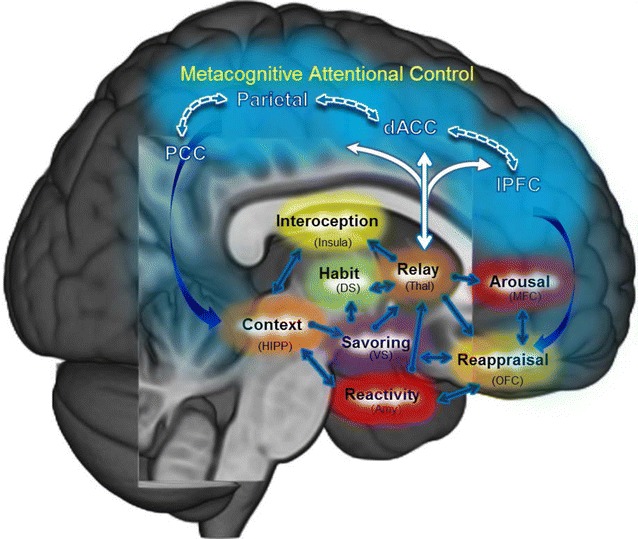
“Garland, Froeliger, & Howard conceptualized MBIs as means of mental training designed to exercise a number of neurocognitive processes that become dysregulated during the process of addiction [22].”
§ Mindfulness-based treatment of addiction: current state of the field and envisioning the next wave of research > Mindfulness as a means of targeting mechanisms of addiction > Therapeutic mechanisms of mindfulness as a treatment for addiction
What the sources say
- Supportedcites [22] Garland EL, Froeliger B, Howard MO. Mindfulness training targets neurocognitive mechanisms of addiction at the attention-appraisal-emotion interface. Front Psychiatry [Internet]. 2013 [cited 2017 Sep 27];4. https://www.ncbi.nlm.nih.gov/pmc/articles/PMC3887509/. PMC3887509 24454293 source
The section “Mindfulness Training Ameliorates Addiction by Targeting Neurocognitive Mechanisms” explicitly says that MBIs exercise neurocognitive processes believed to go awry in addiction and conceptualizes them as training cognitive-control networks. This directly supports the citing sentence’s characterization of the authors’ framework. (LLM, conf=0.95)
plain- Asserted: passes — The authors put it forward as true.
- Checkable: passes — It can be checked against evidence.
- Load-bearing: passes — The paper’s conclusions depend on it.
- Based: passes — The paper gives a reason why it holds.
- Supported
Every source the paper cites for this claim was checked and supports it.
In the paper
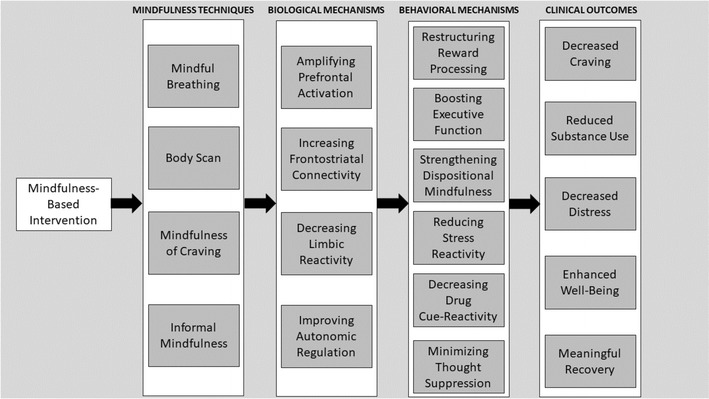
“As adaptive cognitive control is restored through mindfulness exercises, MBIs may increase functional connectivity between these top-down prefrontal networks and bottom-up limbic-striatal brain circuitry involved in reward processing and motivated behavior [22].”
§ Mindfulness-based treatment of addiction: current state of the field and envisioning the next wave of research > Mindfulness as a means of targeting mechanisms of addiction > Therapeutic mechanisms of mindfulness as a treatment for addiction
What the sources say
- Supportedcites [22] Garland EL, Froeliger B, Howard MO. Mindfulness training targets neurocognitive mechanisms of addiction at the attention-appraisal-emotion interface. Front Psychiatry [Internet]. 2013 [cited 2017 Sep 27];4. https://www.ncbi.nlm.nih.gov/pmc/articles/PMC3887509/. PMC3887509 24454293 source
The main section 'MINDFULNESS TRAINING AMELIORATES ADDICTION BY TARGETING NEUROCOGNITIVE MECHANISMS' states that MBIs train/exercise 'prefrontally mediated cognitive control networks which have become atrophied or usurped in the service of drug seeking and use' and 'may restructure dysregulated processes by strengthening functional connectivity and efficiency of prefrontally mediated self-regulatory circuits'. The 'SUMMARY OF THE NEUROCOGNITIVE MODEL' and 'HABIT RESPONSES' sections supply the bottom-up limbic-striatal side: fronto-parietal top-down modulation of amygdala and ventral striatum 'during reward processing', and enhanced functional connectivity in a cortico-thalamic loop 'providing feedback to the striatum'. The claim's hedge ('may') matches the source's own hypothetical framing, and motivated behavior corresponds to the drug-seeking/urge-motivation circuitry the paper describes. (LLM, conf=0.88)
hedgedstates a possible cause- Asserted: passes — The authors put it forward as true.
- Checkable: passes — It can be checked against evidence.
- Load-bearing: passes — The paper’s conclusions depend on it.
- Based: passes — The paper gives a reason why it holds.
- Supported
Every source the paper cites for this claim was checked and supports it.
In the paper
“a mindfulness training intervention based on MBRP for individuals with alcohol and/or cocaine use disorders was associated with significantly attenuated sympathovagal HRV ratio during stress exposure [46].”
§ Mindfulness-based treatment of addiction: current state of the field and envisioning the next wave of research > Mindfulness as a means of targeting mechanisms of addiction > Therapeutic mechanisms of mindfulness as a treatment for addiction
What the sources say
- Supportedcites [46] Brewer JA Sinha R Chen JA Michalsen RN Babuscio TA Nich C Mindfulness training and stress reactivity in substance abuse: results from a randomized, controlled stage I pilot study Subst Abus 2009 30 306 317 10.1080/08897070903250241 19904666 PMC3045038 source
The Methods describe an intervention adapted from MBRP for participants with alcohol and/or cocaine use disorders. The Results report a significantly lower sympathetic/vagal heart-rate-variability ratio in the mindfulness group than in the CBT group during the stress-reactivity assessment (p = 0.02). (LLM, conf=0.94)
plainstates an association- Asserted: passes — The authors put it forward as true.
- Checkable: passes — It can be checked against evidence.
- Load-bearing: passes — The paper’s conclusions depend on it.
- Based: passes — The paper gives a reason why it holds.
- Supported
Every source the paper cites for this claim was checked and supports it.
In the paper
“A mindfulness-based smoking cessation intervention derived from MBRP significantly reduced the association between craving and cigarette smoking [57].”
§ Mindfulness-based treatment of addiction: current state of the field and envisioning the next wave of research > Mindfulness as a means of targeting mechanisms of addiction > Therapeutic mechanisms of mindfulness as a treatment for addiction
What the sources say
- Supportedcites [57] Elwafi HM Witkiewitz K Mallik S Thornhill TA IV Brewer JA Mindfulness training for smoking cessation: moderation of the relationship between craving and cigarette use Drug Alcohol Depend 2013 130 1 222 229 10.1016/j.drugalcdep.2012.11.015 23265088 PMC3619004 source
The Methods (2.3 Intervention) say the smoking-cessation training was adapted from a mindfulness-training manual for drug relapse prevention. The Results (3.2) report that the craving–smoking correlation fell from r=0.582 at baseline to r=0.126 at the end of treatment, with a significant difference between the correlations (p=0.04). (LLM, conf=0.93)
plainstates a cause- Asserted: passes — The authors put it forward as true.
- Checkable: passes — It can be checked against evidence.
- Load-bearing: passes — The paper’s conclusions depend on it.
- Based: passes — The paper gives a reason why it holds.
- Supported
64 more claims · 5 with their cited sources checked
Create a free account to see all 110 claims and to verify the 87 references still open.
- It may state two separate claims as one. 31
- Probably not a substantial claim. 11
Claims other papers make about this one
Each is checked against this paper’s own text: does it say what the citing paper says it does?
The source backs part of the claim, not all of it — or backs it for a different population, condition or comparison.
In the citing paper
“MBIs show promise as a treatment for SUDs, possibly because they develop mindfulness, self-compassion, and interoceptive awareness – three key processes involved in coping with pain and anxiety, and healthy emotion regulation 9,10.”
From Effects of a trauma-informed mindful recovery program on comorbid pain, anxiety, and substance use during primary care buprenorphine treatment: A proof-of-concept study (2023) · cites this paper as [10]
Experimental — accuracy not yet measuredThe source backs part of the claim, not all of it — or backs it for a different population, condition or comparison.
In the citing paper
“As the positive association between problematic use level and mental health (i.e., loneliness, anxiety and stress) has been established [46,47].”
From Comparative effectiveness of mind-body exercise versus cognitive behavioral therapy for college students with problematic smartphone use: A randomized controlled trial (2020) · cites this paper as [47]
Experimental — accuracy not yet measuredThe cited source says what the claim attributes to it.
In the citing paper
“Mindfulness-based interventions have also shown promise in behavior change and addiction treatment [15].”
From Mindfulness meditation and psychedelics: potential synergies and commonalities (2023) · cites this paper as [15]
The cited source says what the claim attributes to it.
In the citing paper
“They help develop a greater awareness of addiction triggers and automatic reactions, enabling practitioners to respond more skillfully to challenging situations [15].”
From Mindfulness meditation and psychedelics: potential synergies and commonalities (2023) · cites this paper as [15]
Self-check
Percentages, sums and reported differences re-computed from the paper’s own numbers.
Each contradiction between two passages listed here was confirmed by an independent check.
Rated minor: it would not touch a result — a value no result rests on, a p-value that stays on the same side of the significance level, or a conflict that is clerical, resolved elsewhere in the paper, or outside its own findings.
In the paper
§ Mindfulness-based treatment of addiction: current state of the field and envisioning the next wave of research > Mindfulness as a means of targeting mechanisms of addiction > Therapeutic mechanisms of mindfulness as a treatment for addiction
“Garland et al. [20] model of mindfulness-centered regulation”
§ Mindfulness-based treatment of addiction: current state of the field and envisioning the next wave of research > References
“20. Langer EJ Matters of mind: mindfulness/mindlessness in perspective”
Rated minor: it would not touch a result — a value no result rests on, a p-value that stays on the same side of the significance level, or a conflict that is clerical, resolved elsewhere in the paper, or outside its own findings.
In the paper
§ Mindfulness-based treatment of addiction: current state of the field and envisioning the next wave of research > Current state of the field: a review of clinical outcomes of mindfulness-based treatments for addiction
“MBIs produced significant increases on the Five Factor Mindfulness Questionnaires in all eight studies that used this measure”
§ Mindfulness-based treatment of addiction: current state of the field and envisioning the next wave of research > Current state of the field: a review of clinical outcomes of mindfulness-based treatments for addiction
“(d = 0.62, − 0.02 to 1.26, p = 0.057)”
Rated minor: it would not touch a result — a value no result rests on, a p-value that stays on the same side of the significance level, or a conflict that is clerical, resolved elsewhere in the paper, or outside its own findings.
In the paper
§ Mindfulness-based treatment of addiction: current state of the field and envisioning the next wave of research > Current state of the field: a review of clinical outcomes of mindfulness-based treatments for addiction
“stress (d = 1.12, − 2.24 to –0.01, p < 0.05)”
§ Mindfulness-based treatment of addiction: current state of the field and envisioning the next wave of research > Current state of the field: a review of clinical outcomes of mindfulness-based treatments for addiction
“Effects (Cohen’s d/odds ratios) ranged from moderate-to-large across the synthesized effect sizes”
Citations
Cites
Using Self-Report Assessment Methods to Explore Facets of Mindfulness
Baer, R. A., Smith, G. T., Hopkins, J., Krietemeyer, J., & Toney, L. (2006) · Assessment · doi:10.1177/1073191105283504 · Cited by 7,511 · cited 1×
“According to operationalizations of the construct derived from factor analytic research, dispositional or trait mindfulness is characterized by the capacity to remain nonreactive to and accepting of distressing thoughts and emotions; observe interoceptive and exteroceptive experience; discriminate emotional states; an…”
MethodKabat-Zinn, J. (1982) · General Hospital Psychiatry · doi:10.1016/0163-8343(82)90026-3 · Cited by 4,255 · cited 10×
“Such tailoring is presumed necessary for maximizing clinical effects of MBIs as treatments for addiction, though no quantitative comparisons of tailored (e.g., MBRP) versus general (e.g., MBSR) MBIs have been conducted for individuals with substance use disorders.”
BackgroundInfluentialNeurobiology of addiction: a neurocircuitry analysis
Koob, G. F., & Volkow, N. D. (2016) · The Lancet Psychiatry · doi:10.1016/s2215-0366(16)00104-8 · Cited by 3,698 · cited 1×
“This large body of research suggests that addiction is best regarded as a cycle of compulsive substance use subserved by dysregulation in neural circuitry governing motivation and hedonic experience, habit behavior, and executive function [1].”
BackgroundA model of neurovisceral integration in emotion regulation and dysregulation
Thayer, J. F., & Lane, R. D. (2000) · Journal of Affective Disorders · doi:10.1016/s0165-0327(00)00338-4 · Cited by 3,092
The Neuroscience of Mindfulness Meditation
Tang, Y.-Y., Hölzel, B. K., & Posner, M. I. (2015) · Nature reviews. Neuroscience · doi:10.1038/nrn3916 · Cited by 2,889
Attention regulation and monitoring in meditation
Lutz, A., Slagter, H. A., Dunne, J. D., & Davidson, R. J. (2008) · Trends in Cognitive Sciences · doi:10.1016/j.tics.2008.01.005 · Cited by 2,659 · cited 2×
“Focused attention practices often precede the practice of open monitoring, in which one observes both the arising of mental contents as well as the field of awareness in which those contents arise [7].”
Chronic stress, drug use, and vulnerability to addiction
Sinha, R. (2008) · Annals of the New York Academy of Sciences · doi:10.1196/annals.1441.030 · Cited by 1,904
Gu, J., Strauss, C., Bond, R., & Cavanagh, K. (2015) · Clinical Psychology Review · doi:10.1016/j.cpr.2015.01.006 · Cited by 1,712 · cited 1×
“In partial support of this hypothesis, increases in the trajectory of state mindfulness produced over time through meditation predicts increases in trait mindfulness [11], and meta-analysis demonstrates that the effects of MBIs on clinical outcomes are mediated by increases in trait mindfulness [12].”
BackgroundA cognitive model of drug urges and drug-use behavior: role of automatic and nonautomatic processes
Tiffany, S. T. (1990) · Psychological Review · doi:10.1037/0033-295x.97.2.147 · Cited by 1,554
Mindfulness-based cognitive therapy for depression
(2006) · Buddhist Thought and Applied Psychological Research · doi:10.4324/9780203098899-33 · Cited by 1,324
Vago, D. R., & Silbersweig, D. A. (2012) · Frontiers in Human Neuroscience · doi:10.3389/fnhum.2012.00296 · Cited by 1,310
(1990) · Cited by 1,282
Mindfulness-based interventions for psychiatric disorders: A systematic review and meta-analysis
Goldberg, S. B., Tucker, R. P., Greene, P. A., Davidson, R. J., Wampold, B. E., Kearney, D. J., & Simpson, T. L. (2018) · Clinical Psychology Review · doi:10.1016/j.cpr.2017.10.011 · Cited by 1,145 · cited 2×
“More recently, a meta-analysis focused on the broad clinical efficacy of MBIs for a range pf psychiatric disorders conducted subgroup analyses to examine the effects of MBIs on addiction/smoking and found MBIs to be superior to active control conditions and comparable to other evidence-based treatments [4].”
ResultA Role for Brain Stress Systems in Addiction
Koob, G. F. (2008) · Neuron · doi:10.1016/j.neuron.2008.06.012 · Cited by 1,056 · cited 1×
“Stress reactivity and stress recovery Given known linkages between stress and addiction [42, 43], MBIs might ameliorate addictive behavior by attenuating stress reactivity and augmenting stress recovery.”
BackgroundMindfulness-Based Cognitive Therapy for Depression
Segal, Z. (2023) · PsycTHERAPY Dataset · doi:10.1037/v00751-001 · Cited by 1,029
What Is Recovery? A Conceptual Model and Explication
Jacobson, N., & Greenley, D. (2001) · Psychiatric Services · doi:10.1176/appi.ps.52.4.482 · Cited by 888 · cited 1×
“With regard to the latter, shifting from an addiction-oriented lifestyle to adoption of a wellness lifestyle is conceptualized as integral to the recovery model [87].”
BackgroundReenvisioning Clinical Science: Unifying the Discipline to Improve the Public Health
Onken, L. S., Carroll, K. M., Shoham, V., Cuthbert, B. N., & Riddle, M. (2014) · Clinical Psychological Science · doi:10.1177/2167702613497932 · Cited by 872 · cited 1×
“At this juncture in the development of the field, additional Stage III and IV clinical trials (for a review of the NIH Stage Model, see [71]) are needed to replicate these promising findings via gold-standard research design features including the use of active control conditions, detailed fidelity monitoring procedur…”
Garland, E. L., Farb, N. A., R. Goldin, P., & Fredrickson, B. L. (2015) · Psychological Inquiry · doi:10.1080/1047840x.2015.1064294 · Cited by 810
Self-citationFox, K. C. R., Nijeboer, S., Dixon, M. L., Floman, J. L., Ellamil, M., Rumak, S. P., Sedlmeier, P., & Christoff, K. (2014) · Neuroscience & Biobehavioral Reviews · doi:10.1016/j.neubiorev.2014.03.016 · Cited by 804
Kiken, L. G., Garland, E. L., Bluth, K., Palsson, O. S., & Gaylord, S. A. (2015) · Personality and Individual Differences · doi:10.1016/j.paid.2014.12.044 · Cited by 717
Self-citationBowen, S., Witkiewitz, K., Clifasefi, S. L., Grow, J., Chawla, N., Hsu, S. H., Carroll, H. A., Harrop, E., Collins, S. E., Lustyk, M. K., et al. (2014) · JAMA Psychiatry · doi:10.1001/jamapsychiatry.2013.4546 · Cited by 701 · cited 1×
“, [40, 91, 92]), few studies of MBIs for addiction have had large enough sample sizes to ensure the robustness and reproducibility of clinical outcomes.”
BackgroundParsons, C. E., Crane, C., Parsons, L. J., Fjorback, L. O., & Kuyken, W. (2017) · Behaviour Research and Therapy · doi:10.1016/j.brat.2017.05.004 · Cited by 550 · cited 1×
“Given meta-analytic findings that extent of mindfulness practice is significantly associated with treatment outcomes [80], different doses of mindfulness practice might produce different therapeutic effect sizes or different durations of therapeutic effects for addicted populations.”
BackgroundA conceptual framework for transferring research to practice
Simpson, D. D. (2002) · Journal of Substance Abuse Treatment · doi:10.1016/s0740-5472(02)00231-3 · Cited by 538 · cited 1×
“Successful transfer of research to practice involves programmatic change in the form of activities including exposure, adoption, implementation, and practice of new empiricallysupported approaches [83].”
BackgroundWitkiewitz, K., & Bowen, S. (2010) · Journal of Consulting and Clinical Psychology · doi:10.1037/a0019172 · Cited by 453
Mindfulness treatment for substance misuse: A systematic review and meta-analysis
Li, W., Howard, M. O., Garland, E. L., McGovern, P., & Lazar, M. (2017) · Journal of Substance Abuse Treatment · doi:10.1016/j.jsat.2017.01.008 · Cited by 446 · cited 6×
“[64] also reported findings from a random effects meta-regression analysis examining effects of MBI type, primary type of substance misused, study sample size, sample age and gender distributions, type of comparison group, treatment dosage in hours, and study methodological rigor on effect sizes by domain.”
BackgroundInfluentialSelf-citationMatters of mind: Mindfulness/mindlessness in perspective
Langer, E. J. (1992) · Consciousness and Cognition · doi:10.1016/1053-8100(92)90066-j · Cited by 443 · cited 1×
“In contrast to trait mindfulness, which is associated with cognitive and behavioral flexibility, addiction may be characterized by mindlessness [20], i.”
BackgroundGeschwind, N., Peeters, F., Drukker, M., van Os, J., & Wichers, M. (2011) · Journal of Consulting and Clinical Psychology · doi:10.1037/a0024595 · Cited by 433 · cited 1×
“Indeed, brief mindfulness practice while eating increased ratings of subsequent food liking and enjoyment [26, 27], and 8-weeks of mindfulness training increased the experience of reward derived from pleasant daily life activities [28].”
BackgroundGarland, E. L., Manusov, E. G., Froeliger, B., Kelly, A., Williams, J. M., & Howard, M. O. (2014) · Journal of Consulting and Clinical Psychology · doi:10.1037/a0035798 · Cited by 431 · cited 3×
“2 months following treatment, which in turn predicted reduced substance use at 4-months follow-up [41, 56].”
BackgroundSelf-citationFixing our focus: Training attention to regulate emotion
Wadlinger, H. A., & Isaacowitz, D. M. (2011) · Personality and Social Psychology Review · doi:10.1177/1088868310365565 · Cited by 396 · cited 1×
“Though not the explicit aim of most MBIs, by virtue of their effects on enhancing attention regulation and positive affect, mindfulness training might nonetheless increase pleasure from perceptual and sensorimotor experiences in a fashion similar to sensate-focus techniques [24] and promote positive emotion regulation…”
BackgroundMindfulness training for smoking cessation: Results from a randomized controlled trial
Brewer, J. A., Mallik, S., Babuscio, T. A., Nich, C., Johnson, H. E., Deleone, C. M., Minnix-Cotton, C. A., Byrne, S. A., Kober, H., Weinstein, A. J., et al. (2011) · Drug and Alcohol Dependence · doi:10.1016/j.drugalcdep.2011.05.027 · Cited by 383
Chiesa, A., & Serretti, A. (2014) · Substance Use & Misuse · doi:10.3109/10826084.2013.770027 · Cited by 348
Mindfulness meditation for substance use disorders: a systematic review
Zgierska, A., Rabago, D., Chawla, N., Kushner, K., Koehler, R., & Marlatt, A. (2009) · Substance Abuse · doi:10.1080/08897070903250019 · Cited by 348
Mindfulness-Based Relapse Prevention for substance craving
Witkiewitz, K., Bowen, S., Douglas, H., & Hsu, S. H. (2013) · Addictive Behaviors · doi:10.1016/j.addbeh.2012.04.001 · Cited by 337 · cited 1×
“In a RCT of MBRP among a heterogenous sample of individuals with various substance use disorders, increases in dispositional mindfulness facets like acceptance, awareness, and nonjudgment significantly mediated the effect of MBRP on decreasing craving following treatment [39].”
BackgroundGarland, E. L., Gaylord, S. A., Boettiger, C. A., & Howard, M. O. (2010) · Journal of Psychoactive Drugs · doi:10.1080/02791072.2010.10400690 · Cited by 319 · cited 2×
“In a pilot RCT, compared to an active control group, participation in MORE was associated with significantly greater HRV recovery from stress-primed alcohol cues that were coupled with significantly greater reductions in cue-induced distress over the recovery period [48].”
BackgroundSelf-citationSurfing the urge: Brief mindfulness-based intervention for college student smokers
Bowen, S., & Marlatt, A. (2009) · Psychology of Addictive Behaviors · doi:10.1037/a0017127 · Cited by 316 · cited 1×
“For example, brief instruction in mindfulness as a means of coping with urges to smoke attenuated the association between negative affect and smoking urges [55].”
BackgroundThe Multiphase Optimization Strategy for Engineering Effective Tobacco Use Interventions
Collins, L. M., Baker, T. B., Mermelstein, R. J., Piper, M. E., Jorenby, D. E., Smith, S. S., Christiansen, B. A., Schlam, T. R., Cook, J. W., & Fiore, M. C. (2011) · Annals of Behavioral Medicine · doi:10.1007/s12160-010-9253-x · Cited by 300 · cited 1×
“Finally, given that many MBIs are multimodal in nature and combine various mindfulness meditation practices and psychoeducational modules, studies that employ the multiphase optimization strategy (MOST) could also be used to examine the independent and additive effects of various MBI treatment components on addictive…”
BackgroundThe Cybernetics of “Self”: A Theory of Alcoholism†
Bateson, G. (1971) · Psychiatry · doi:10.1080/00332747.1971.11023653 · Cited by 299
Prospects for a clinical science of mindfulness-based intervention
Dimidjian, S., & Segal, Z. V. (2015) · American Psychologist · doi:10.1037/a0039589 · Cited by 291
Brewer, J. A., Sinha, R., Chen, J. A., Michalsen, R. N., Babuscio, T. A., Nich, C., Grier, A., Bergquist, K. L., Reis, D. L., Potenza, M. N., et al. (2009) · Substance Abuse · doi:10.1080/08897070903250241 · Cited by 286 · cited 1×
“Similarly, a mindfulness training intervention based on MBRP for individuals with alcohol and/or cocaine use disorders was associated with significantly attenuated sympathovagal HRV ratio during stress exposure [46].”
MethodMindful attention reduces neural and self-reported cue-induced craving in smokers
Westbrook, C., Creswell, J. D., Tabibnia, G., Julson, E., Kober, H., & Tindle, H. A. (2013) · Social Cognitive and Affective Neuroscience · doi:10.1093/scan/nsr076 · Cited by 278
Garland, E. L., Froeliger, B., & Howard, M. O. (2014) · Frontiers in Psychiatry · doi:10.3389/fpsyt.2013.00173 · Cited by 268
Self-citationGarland, E. L., Froeliger, B., & Howard, M. O. (2014) · Psychopharmacology · doi:10.1007/s00213-014-3504-7 · Cited by 216 · cited 3×
“In addition to the aforementioned smoking cessation study in which MORE reduced striatal responses to cigarette cues [34], decreased cue-reactivity was observed in an RCT in which MORE was shown to significantly reduce attentional bias toward opioid cues [52] and decrease subjective craving responses during an opioid…”
BackgroundSelf-citationGarland, E. L., Gaylord, S. A., Palsson, O., Faurot, K., Douglas Mann, J., & Whitehead, W. E. (2012) · Journal of Behavioral Medicine · doi:10.1007/s10865-011-9391-z · Cited by 210 · cited 1×
“Following the first trial of MORE, it was found that mindfulness reduces pain severity by fostering a shift from affective to sensory processing of pain as innocuous sensory information [74].”
BackgroundSelf-citationWitkiewitz, K., Lustyk, M. K. B., & Bowen, S. (2013) · Psychology of Addictive Behaviors · doi:10.1037/a0029258 · Cited by 207
Alfonso, J. P., Caracuel, A., Delgado-Pastor, L. C., & Verdejo-García, A. (2011) · Drug and Alcohol Dependence · doi:10.1016/j.drugalcdep.2010.12.025 · Cited by 204
Brief meditation training induces smoking reduction
Tang, Y.-Y., Tang, R., & Posner, M. I. (2013) · Proceedings of the National Academy of Sciences · doi:10.1073/pnas.1311887110 · Cited by 202
The role of thought suppression in the relationship between mindfulness meditation and alcohol use
Bowen, S., Witkiewitz, K., Dillworth, T. M., & Marlatt, G. A. (2007) · Addictive Behaviors · doi:10.1016/j.addbeh.2007.01.025 · Cited by 197
Collins, L. M., Nahum-Shani, I., & Almirall, D. (2014) · Clinical Trials · doi:10.1177/1740774514536795 · Cited by 197
Lifestyle modification with heavy alcohol drinkers: Effects of aerobic exercise and meditation
Murphy, T. J., Pagano, R. R., & Marlatt, G. A. (1986) · Addictive Behaviors · doi:10.1016/0306-4603(86)90043-2 · Cited by 184
Garland, E. L., Roberts-Lewis, A., Tronnier, C. D., Graves, R., & Kelley, K. (2016) · Behaviour Research and Therapy · doi:10.1016/j.brat.2015.11.012 · Cited by 173
Self-citationElwafi, H. M., Witkiewitz, K., Mallik, S., IV, T. A. T., & Brewer, J. A. (2013) · Drug and Alcohol Dependence · doi:10.1016/j.drugalcdep.2012.11.015 · Cited by 161 · cited 1×
“A mindfulness-based smoking cessation intervention derived from MBRP significantly reduced the association between craving and cigarette smoking [57].”
MethodA meta-analysis of the relationship between trait mindfulness and substance use behaviors
Karyadi, K. A., VanderVeen, J. D., & Cyders, M. A. (2014) · Drug and Alcohol Dependence · doi:10.1016/j.drugalcdep.2014.07.014 · Cited by 158 · cited 1×
“These mindful qualities may serve as antidotes to addictive behavior; indeed, trait mindfulness, which has been correlated with enhanced cognitive control capacities [15], is significantly inversely associated with substance use [16] and craving [17], and positively associated with the ability to disengage attention a…”
BackgroundMindfulness-Oriented Recovery Enhancement Reduces Pain Attentional Bias in Chronic Pain Patients
Garland, E. L., & Howard, M. O. (2013) · Psychotherapy and Psychosomatics · doi:10.1159/000348868 · Cited by 141
Self-citationGarland, E. L. (2016) · Annals of the New York Academy of Sciences · doi:10.1111/nyas.13034 · Cited by 137 · cited 3×
“Though various conceptual models have been advanced [22, 23, 73], few tests of these specific neural hypotheses have been conducted.”
BackgroundSelf-citationGarland, E. L., Froeliger, B., & Howard, M. O. (2015) · Journal of Behavioral Medicine · doi:10.1007/s10865-014-9607-0 · Cited by 136 · cited 1×
“turn, associated with decreases in opioid craving [30, 31], suggesting that MBI may restructure reward processing.”
BackgroundSelf-citationKatz, D., & Toner, B. (2013) · Mindfulness · doi:10.1007/s12671-012-0132-3 · Cited by 131
Anicha, C. L., Ode, S., Moeller, S. K., & Robinson, M. D. (2012) · Journal of Personality · doi:10.1111/j.1467-6494.2011.00722.x · Cited by 111 · cited 1×
“These mindful qualities may serve as antidotes to addictive behavior; indeed, trait mindfulness, which has been correlated with enhanced cognitive control capacities [15], is significantly inversely associated with substance use [16] and craving [17], and positively associated with the ability to disengage attention a…”
BackgroundMindfulness-Based Relapse Prevention for Addictive Behaviors
Bowen, S. W., Chawla, N., & Witkiewitz, K. A. (2014) · Elsevier eBooks · doi:10.1016/b978-0-12-416031-6.00007-4 · Cited by 111
Change in stress levels following mindfulness-based stress reduction in a therapeutic community
Marcus, M. T., Fine, P. M., Moeller, F. G., Khan, M. M., Pitts, K., Swank, P. R., & Liehr, P. (2003) · Addictive Disorders & Their Treatment · doi:10.1097/00132576-200302030-00001 · Cited by 106
Garland, E. L., Boettiger, C. A., Gaylord, S., Chanon, V. W., & Howard, M. O. (2012) · Cognitive Therapy and Research · doi:10.1007/s10608-011-9378-7 · Cited by 106 · cited 1×
“These mindful qualities may serve as antidotes to addictive behavior; indeed, trait mindfulness, which has been correlated with enhanced cognitive control capacities [15], is significantly inversely associated with substance use [16] and craving [17], and positively associated with the ability to disengage attention a…”
BackgroundSelf-citationChawla, N., Collins, S., Bowen, S., Hsu, S., Grow, J., Douglass, A., & Marlatt, G. A. (2010) · Psychotherapy Research · doi:10.1080/10503300903544257 · Cited by 97
Roos, C. R., Bowen, S., & Witkiewitz, K. (2017) · Journal of Consulting and Clinical Psychology · doi:10.1037/ccp0000249 · Cited by 92 · cited 1×
“The only study of MBI moderators for addiction outcomes is a secondary analysis of data from two RCTs of MBRP, which found that patients with greater substance use disorder severity and more affective symptoms received significantly greater benefit from mindfulness training than patients with low levels of substance u…”
BackgroundA brief mindfulness intervention for college student binge drinkers: A pilot study.
Mermelstein, L. C., & Garske, J. P. (2015) · Psychology of Addictive Behaviors · doi:10.1037/adb0000040 · Cited by 90 · cited 1×
“In individual studies, MBIs produced a host of other significant salutary effects including increases in emotion regulation [41, 54], substance-related selfefficacy [65, 66], and positive emotions [33], as well as decreases in attentional bias [52, 66, 67], addictive automaticity [66], dysphoric affect [40, 66], and p…”
BackgroundValls-Serrano, C., Caracuel, A., & Verdejo-Garcia, A. (2016) · Drug and Alcohol Dependence · doi:10.1016/j.drugalcdep.2016.04.040 · Cited by 89 · cited 1×
“RCT with a sample of polysubstance users replicated these effects of combined goal management and mindfulness training in laboratory-based tasks and ecologically valid measures of decision-making [36].”
Backgroundvan Lutterveld, R., Houlihan, S. D., Pal, P., Sacchet, M. D., McFarlane-Blake, C., Patel, P. R., Sullivan, J. S., Ossadtchi, A., Druker, S., Bauer, C., et al. (2017) · NeuroImage · doi:10.1016/j.neuroimage.2016.02.047 · Cited by 88
Motivational and mindfulness intervention for young adult female marijuana users
de Dios, M. A., Herman, D. S., Britton, W. B., Hagerty, C. E., Anderson, B. J., & Stein, M. D. (2012) · Journal of Substance Abuse Treatment · doi:10.1016/j.jsat.2011.08.001 · Cited by 86
Froeliger, B., Mathew, A. R., McConnell, P. A., Eichberg, C., Saladin, M. E., Carpenter, M. J., & Garland, E. L. (2017) · Evidence-Based Complementary and Alternative Medicine · doi:10.1155/2017/7018014 · Cited by 83
Self-citationRandomized trial comparing mindfulness training for smokers to a matched control
Davis, J. M., Manley, A. R., Goldberg, S. B., Smith, S. S., & Jorenby, D. E. (2014) · Journal of Substance Abuse Treatment · doi:10.1016/j.jsat.2014.04.005 · Cited by 83 · cited 2×
“In individual studies, MBIs produced a host of other significant salutary effects including increases in emotion regulation [41, 54], substance-related selfefficacy [65, 66], and positive emotions [33], as well as decreases in attentional bias [52, 66, 67], addictive automaticity [66], dysphoric affect [40, 66], and p…”
BackgroundSpears, C. A., Hedeker, D., Li, L., Wu, C., Anderson, N. K., Houchins, S. C., Vinci, C., Hoover, D. S., Vidrine, J. I., Cinciripini, P. M., et al. (2017) · Journal of Consulting and Clinical Psychology · doi:10.1037/ccp0000229 · Cited by 80
Hong, P. Y., Lishner, D. A., & Han, K. H. (2014) · Mindfulness · doi:10.1007/s12671-012-0154-x · Cited by 79 · cited 1×
“Indeed, brief mindfulness practice while eating increased ratings of subsequent food liking and enjoyment [26, 27], and 8-weeks of mindfulness training increased the experience of reward derived from pleasant daily life activities [28].”
BackgroundTrait mindfulness predicts attentional and autonomic regulation of alcohol cue-reactivity
Garland, E. L. (2011) · Journal of Psychophysiology · doi:10.1027/0269-8803/a000060 · Cited by 78
Self-citationKober, H., Brewer, J. A., Height, K. L., & Sinha, R. (2017) · NeuroImage · doi:10.1016/j.neuroimage.2016.09.042 · Cited by 75
Garland, E. L., Bryan, C. J., Finan, P. H., Thomas, E. A., Priddy, S. E., Riquino, M. R., & Howard, M. O. (2017) · Drug and Alcohol Dependence · doi:10.1016/j.drugalcdep.2016.07.033 · Cited by 71
Self-citationThe application of faradic aversion conditioning in a case of transvestism
Blakemore, C. B., Thorpe, J., Barker, J., Conway, C. G., & Lavin, N. I. (1963) · Behaviour Research and Therapy · doi:10.1016/0005-7967(63)90005-6 · Cited by 63
Garland, E. L., Carter, K., Ropes, K., & Howard, M. O. (2012) · Biological Psychology · doi:10.1016/j.biopsycho.2011.09.010 · Cited by 62
Self-citationBiobehavioral Mechanisms of Mindfulness as a Treatment for Chronic Stress: An RDoC Perspective
Garland, E. L., Hanley, A. W., Baker, A. K., & Howard, M. O. (2017) · Chronic Stress · doi:10.1177/2470547017711912 · Cited by 60
Self-citationGarland, E. L., Roberts-Lewis, A., Kelley, K., Tronnier, C., & Hanley, A. (2014) · Substance Use & Misuse · doi:10.3109/10826084.2014.850309 · Cited by 59
Self-citationThe Positive Impact of Mindful Eating on Expectations of Food Liking
Hong, P. Y., Lishner, D. A., Han, K. H., & Huss, E. A. (2011) · Mindfulness · doi:10.1007/s12671-011-0048-3 · Cited by 53 · cited 1×
“Indeed, brief mindfulness practice while eating increased ratings of subsequent food liking and enjoyment [26, 27], and 8-weeks of mindfulness training increased the experience of reward derived from pleasant daily life activities [28].”
BackgroundHair Cortisol as a Biomarker of Stress in Mindfulness Training for Smokers
Goldberg, S. B., Manley, A. R., Smith, S. S., Greeson, J. M., Russell, E., Van Uum, S., Koren, G., & Davis, J. M. (2014) · The Journal of Alternative and Complementary Medicine · doi:10.1089/acm.2014.0080 · Cited by 51 · cited 1×
“With regard to stress biomarker measures, one study found that mindfulness training for smokers was associated with significant within-group decreases in hair cortisol measures [49], and an nonexperimental study of MBSR found significant within-group decreases in awakening salivary cortisol levels among participants r…”
Are there risks associated with using mindfulness in the treatment of psychopathology?
Shonin, E., Gordon, W. V., & Griffiths, M. D. (2014) · Clinical Practice · doi:10.2217/cpr.14.23 · Cited by 51
Garland, E. L., Howard, M. O., Zubieta, J.-K., & Froeliger, B. (2017) · Psychotherapy and Psychosomatics · doi:10.1159/000453400 · Cited by 50 · cited 1×
“Similarly, evidence that increasing physiological responsiveness to natural rewards via mindful savoring predicts decreased prescription opioid misuse [75] and craving [30] has led to an enriched emphasis on mindful savoring practice in the MORE intervention.”
BackgroundSelf-citationGarland, E. L., Baker, A. K., & Howard, M. O. (2017) · Journal of the Society for Social Work and Research · doi:10.1086/694324 · Cited by 47 · cited 2×
“In addition to the aforementioned smoking cessation study in which MORE reduced striatal responses to cigarette cues [34], decreased cue-reactivity was observed in an RCT in which MORE was shown to significantly reduce attentional bias toward opioid cues [52] and decrease subjective craving responses during an opioid…”
BackgroundSelf-citationPaz, R., Zvielli, A., Goldstein, P., & Bernstein, A. (2017) · Behaviour Research and Therapy · doi:10.1016/j.brat.2017.05.017 · Cited by 39 · cited 1×
“Among nicotine-deprived smokers, brief mindfulness training was associated with significantly greater HRV during stress exposure than a control condition [47].”
BackgroundCarroll, H., & Lustyk, M. K. B. (2018) · Mindfulness · doi:10.1007/s12671-017-0791-1 · Cited by 35
Dissemination of evidence‐based practices: how far we've come, and how much further we've got to go
CARROLL, K. M. (2012) · Addiction · doi:10.1111/j.1360-0443.2011.03755.x · Cited by 35 · cited 1×
“The challenge of dissemination/implementation One of the greatest challenges confronting the movement towards evidence-based practice in addictions treatment is the research-to-practice gap: that is, empiricallysupported therapies with proven efficacy as revealed by Stage II randomized clinical trials are often not su…”
BackgroundMindfulness-Based Relapse Prevention for addictive behaviors
Somohano, V., Shank, T., & Bowen, S. (2019) · Handbook of Mindfulness-Based Programmes · doi:10.4324/9781315265438-27 · Cited by 33
Moss, A. C., Erskine, J. A. K., Albery, I. P., Allen, J. R., & Georgiou, G. J. (2015) · Addictive Behaviors · doi:10.1016/j.addbeh.2015.01.029 · Cited by 32 · cited 1×
“Thought suppression Finally, given that suppression of addictive urges exhausts autonomic resources for self-control [58] and paradoxically amplifies craving [59], MBIs may reduce addictive behavior by providing an effective alternative to thought suppression.”
BackgroundTraits and States in Mindfulness Meditation
Tang, Y.-Y. (2017) · The Neuroscience of Mindfulness Meditation · doi:10.1007/978-3-319-46322-3_4 · Cited by 30
Mindfulness for Chronic Pain and Prescription Opioid Misuse: Novel Mechanisms and Unresolved Issues
Garland, E. L., & Black, D. S. (2014) · Substance Use & Misuse · doi:10.3109/10826084.2014.852801 · Cited by 14
Self-citation
Research works printed but not linked: 3
- Garland EL Mindfulness-oriented recovery enhancement for addiction, stress, and pain 2013 Washington, DC NASW Press
- Garland EL Mindfulness-oriented recovery enhancement modulates neurocognitive mechanisms and reward system function in addiction, stress, and pain 2015 New York, NY In Sloan Kettering Memorial Hospital
- Spears CA, Hedeker D, Li L, Wu C, Anderson NK, Houchins SC, et al. Mechanisms underlying mindfulness-based addiction treatment versus cognitive behavioral therapy and usual care for smoking cessation. J Consult Clin Psychol [Internet]. 2017 [cited 2017 Aug 7]. https://www.ncbi.nlm.nih.gov/pubmed/28650195. PMC5662477 28650195
Cited by
Mindfulness Meditation and Psychopathology
Wielgosz, J., Goldberg, S. B., Kral, T. R. A., Dunne, J. D., & Davidson, R. J. (2019) · Annual Review of Clinical Psychology · doi:10.1146/annurev-clinpsy-021815-093423 · Cited by 435
“A uthor M anuscript A uthor M anuscript A uthor M anuscript A uthor M anuscript changes in reward processing (Garland & Howard 2018).”
BackgroundMindfulness and Behavior Change
Schuman-Olivier, Z., Trombka, M., Lovas, D. A., Brewer, J. A., Vago, D. R., Gawande, R., Dunne, J. P., Lazar, S. W., Loucks, E. B., & Fulwiler, C. (2020) · Harvard Review of Psychiatry · doi:10.1097/hrp.0000000000000277 · Cited by 435
Ceceli, A. O., Bradberry, C. W., & Goldstein, R. Z. (2022) · Neuropsychopharmacology · doi:10.1038/s41386-021-01153-9 · Cited by 150
The role of stress in drug addiction. An integrative review
Ruisoto, P., & Contador, I. (2019) · Physiology & Behavior · doi:10.1016/j.physbeh.2019.01.022 · Cited by 140
Priddy, S. E., Howard, M. O., Hanley, A. W., Riquino, M. R., Friberg-Felsted, K., & Garland, E. L. (2018) · Substance Abuse and Rehabilitation · doi:10.2147/sar.s145201 · Cited by 101
“103 Mindfulness might be integrated into standard cognitive-behavioral interventions for addiction, indeed Bowen et al 43 found that MBRP is superior to relapse prevention without mindfulness.”
BackgroundSelf-citation
Metadata
- Authors
- Garland, E. L., & Howard, M. O.
- Affiliations
- University of Utah (US)
- University of North Carolina at Chapel Hill (US)
- Corresponding author
- Garland, Eric L.
- Venue
- Addiction Science & Clinical Practice
- Published
- 2018-04-18
- Volume
- 13
- Issue
- 1
- Pages
- 14-14
- ISSN
- 1940-0632 (ISSN-L)
- 1940-0640
- PMC
- PMC5907295
- OpenAlex
- W2804135251
- Cited by
- 300
- References
- 91
- Citations by year
- 2026: 23 · 2025: 32 · 2024: 51 · 2023: 42 · 2022: 35 · 2021: 29 · 2020: 69 · 2019: 11 · 2018: 8
- FWCI
- 4.93
- Type
- journal article
- Language
- en
- Open access
- gold
- doi.org
- Licence
- cc-by
- creativecommons.org/licenses/by/4.0/ (tdm)
- creativecommons.org/licenses/by/4.0/ (vor)
- Locations
- Addiction Science & Clinical Practice (publishedVersion, cc-by)
- Europe PMC (PubMed Central) (publishedVersion, other-oa)
- PubMed Central (publishedVersion, cc-by)
- PubMed (publishedVersion)
- Carolina Digital Repository (University of North Carolina at Chapel Hill) (submittedVersion)
- DOAJ (DOAJ: Directory of Open Access Journals) (submittedVersion, cc-by-sa)
- UNC Libraries
- Funders
- National Institute on Drug Abuse (R01DA042033)
- National Center for Complementary and Integrative Health (R61AT009296)
- Topics
- Social Sciences › Psychology › Clinical Psychology › Mindfulness and Compassion Interventions
- Health Sciences › Medicine › Epidemiology › Substance Abuse Treatment and Outcomes
- Health Sciences › Medicine › Public Health, Environmental and Occupational Health › Opioid Use Disorder Treatment
- Keywords
- mindfulness-based interventions, addiction treatment, substance use disorders, craving reduction, neurobiology of addiction, self-regulation, reward processing, alcohol consumption, smoking cessation, opioid misuse, cocaine use, heroin use, treatment sequencing, dissemination and implementation, dose-response relationship, research reproducibility
- MeSH terms
- Data Accuracy, Mentalization, Attention, Combined Modality Therapy, Humans, Research Design, Reward, Socioeconomic Factors, Stress, Psychological, Reproducibility of Results, Behavior, Addictive, Executive Function, Mindfulness, Craving
About these checks
Registry, retraction, Cites and statistics results are computed, not judged, with one exception: a printed reference that no index lists is read once by a model before it counts as a citation error. Claims are extracted by a model and kept only when their quote appears verbatim in the text; each cited source is then checked, with a model’s help, for whether it says what the claim relies on. Those verdicts can be wrong — read the claim’s quote and the cited source before relying on one.
The claim verdicts this report counts are experimental: their accuracy is not yet measured.
A language model drew the claims from the paper on 2026-10-05, under version 3 of the claim definition (model deepseek-v4.1-flash, prompt extract-v3).
A second model labelled each claim on 2026-10-05 (model jev-1.13-20260917, definition revision gold-guideline-v0.2).
Cited sources are checked with a language model’s help (gpt-6-sol and qwen3.8-omni-flash).
Statistics and arithmetic are recomputed, not judged.
Confidence bands are shown only for fields calibrated on our annotated test set. None is calibrated yet, so no band is shown.
What counts as a claim ›How we measure confidence ›How we check this ›
Are you an author, or do you see a problem with this page? Request a review
Data sources
Bibliographic data: Semantic Scholar, OpenAlex, Crossref.
Contains information from the Semantic Scholar Academic Graph Datasets, made available under the ODC Attribution License (ODC-BY 1.0).
Semantic Scholar’s data is described in: Kinney, R., et al. (2023). The Semantic Scholar Open Data Platform. arXiv:2301.10140.
