

The DOI matches its Crossref record; 94 of the 94 references it cites were found in a registry or an index; 3 of the 152 sources its claims cite were checked for support.
Advances in green-synthesized magnetic nanoparticles for targeted cancer therapy: mechanisms, applications, and future perspectives
Open accessAbstract
Magnetic nanoparticles (MNP) have gained significant attention for their potential in cancer therapy, particularly in targeted drug delivery, imaging, and hyperthermia treatments due to their unique magnetic properties, biological compatibility and applicability. This literature review focuses on recent progress in the green-synthesized MNP, explores their mechanisms of drug delivery, and critically evaluates their clinical applicability. The gaps in the literature that this review addresses include the inconsistency in nanoparticle size and surface properties, the limitations in achieving sustained and predictable drug release, and the difficulties in maintaining long-term stability in physiological conditions. It also discusses potential future development, including smart nanotechnology, individual medicine, and AI-acquired platforms. These findings show how MNPs can increase precise oncology by increasing medical effect, reducing toxicity and lightweight real-time monitoring of treatments.
Overview
AI snapshot
Written from the paper’s full text.
TL;DR
This narrative review surveys green-synthesized magnetic nanoparticles (MNPs) for cancer therapy, covering synthesis routes, magnetic and biocompatibility properties, passive/active/magnetic targeting mechanisms, and preclinical case studies. It argues MNPs offer multifunctional theranostic potential but that reproducibility, stability, controlled release, and scalability remain unresolved barriers to clinical translation.
Key findings
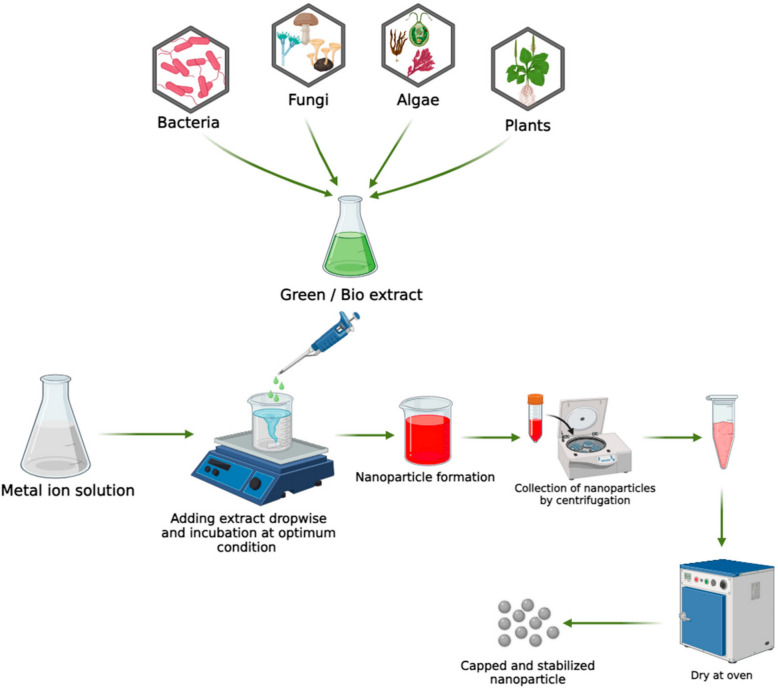
- Green synthesis using plant phytochemicals (polyphenols, flavonoids, terpenoids, alkaloids, tannins) or microorganisms (e.g., *Bacillus subtilis*, *Aspergillus niger*) reduces Fe³⁺ salts to magnetite (Fe₃O₄) or maghemite (γ-Fe₂O₃) under mild conditions, with the biomolecules acting as both reducing and capping agents.
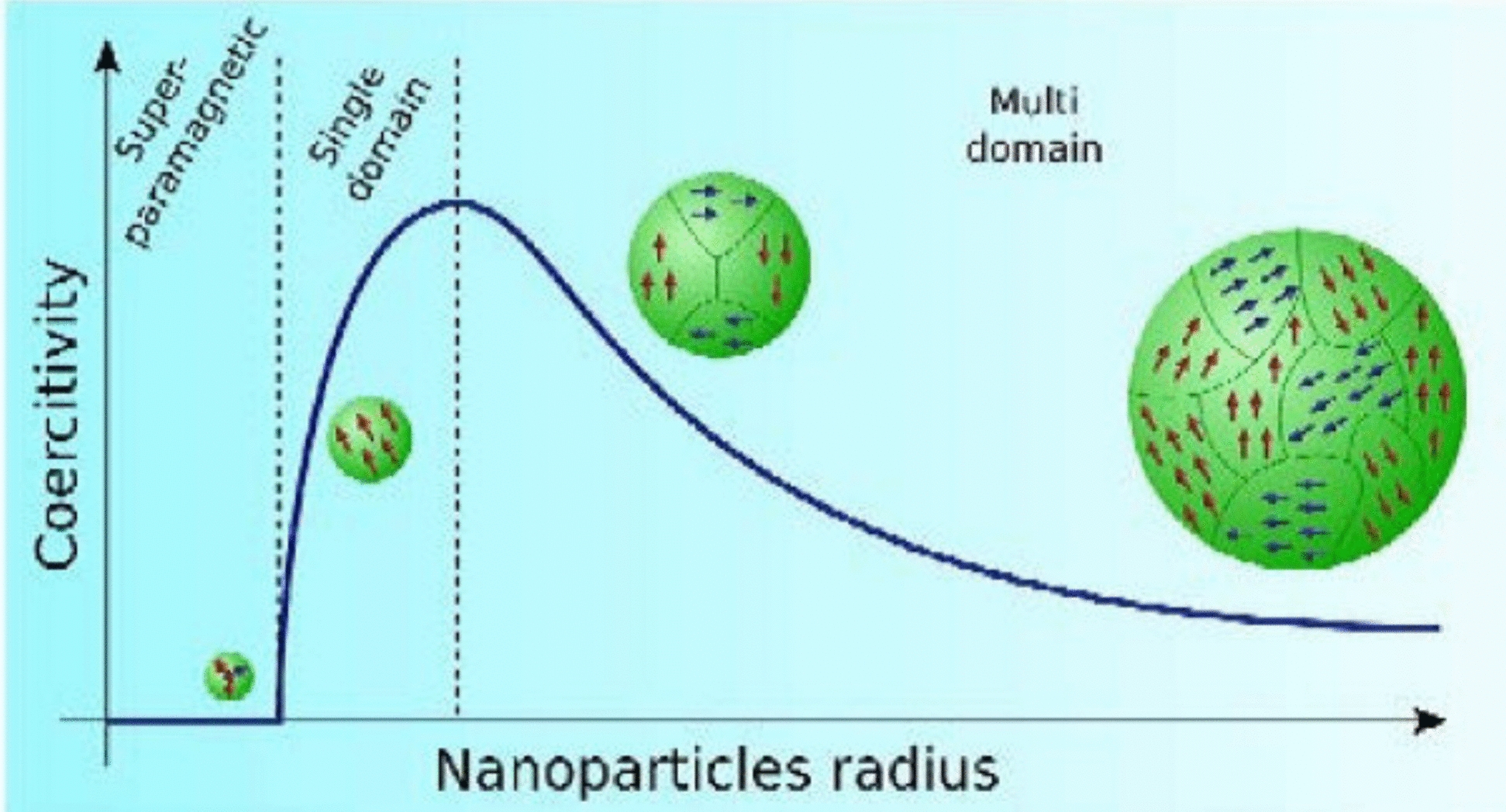
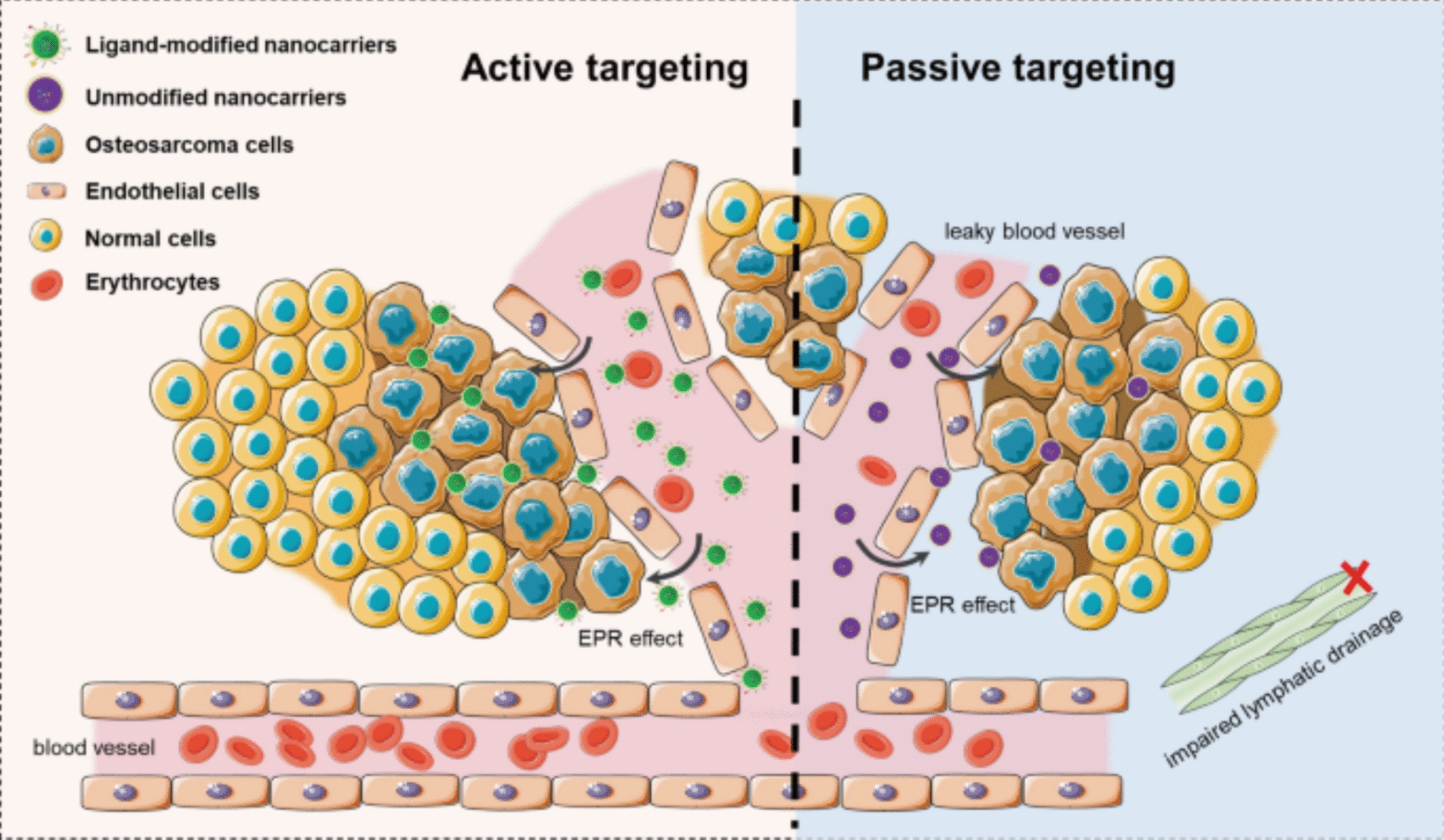
- Superparamagnetism emerges below a critical diameter of typically 20–30 nm, eliminating residual magnetism that would otherwise drive aggregation; suitable EPR-based passive accumulation is cited at 10–200 nm.
- Green-synthesized MNPs reportedly show "more than 90% of the cell's viability at high concentrations" in in vitro cytotoxicity assays, attributed to the absence of harmful chemicals.
- Case studies: folate-targeted doxorubicin-loaded MNPs (25 nm, 10 mg/mL loading) gave a 60% tumor volume reduction versus controls with ~85% drug released over 48 h and no cardiotoxicity; PEG-coated, CA-125-antibody-conjugated paclitaxel MNPs (30 nm, 15 mg/mL) reduced tumor volume by 75% after two weeks, with 90% survival versus 50% in controls and release over 72 h.
Methods
- Design: literature review (narrative) of green-synthesized MNPs for cancer therapy, organized around cancer therapy challenges, drug delivery systems, green synthesis, MNP characteristics, targeting mechanisms, case studies, comparative studies, challenges, and future perspectives.
- Data: no primary data; evidence drawn from cited published studies, including the doxorubicin breast cancer and paclitaxel ovarian cancer preclinical examples, plus comparative tables of MNP versus traditional carriers.
- Analysis: qualitative synthesis with descriptive tables (Table 1 targeting mechanisms; Table 2 comparative features) and adapted schematic figures; no systematic search strategy, inclusion criteria, or quantitative meta-analysis is described.
Limitations
- Stated by the paper: batch-to-batch reproducibility is limited because size, shape, surface charge, and magnetic behavior are highly sensitive to temperature, pH, and precursor concentration; MNPs aggregate in physiological media via van der Waals and magnetic dipole interactions; long-term toxicity and clearance of degradation products (free iron ions) are only partially resolved; green synthesis is not yet optimized for industrial scale and may be costly; drug release rates vary with coating, particle size, drug hydrophobicity, and tumor microenvironment stimuli; and targeting performance is inconsistent across tumor types due to heterogeneity.
- Evident from the text: the review states no systematic search or selection methodology, so coverage and conclusions may reflect selective citation; the two headline case studies are drawn from other groups' work and the paper itself notes that "further studies with larger sample sizes and varied tumor types are needed to validate the reproducibility and generalizability of these findings"; several claims are asserted without accompanying quantitative data (e.g., long-term excretion in animal models), and some reference attributions appear mismatched to the described studies.
Model-written summary. Check it against the paper before relying on it.
Integrity signals
Registry
Cites
Statistics
Figures
Verification
Claims the paper makes
60 Not checked yet · 49 No full text of the sources · 19 Sources not found · 7 Own interpretation · 2 Partly supported · 1 Supported · accuracy not yet measured
Every source the paper cites for this claim was checked and supports it.
In the paper
“The composition of MNP plays an important role in his compatibility [70].”
§ Advances in green-synthesized magnetic nanoparticles for targeted cancer therapy: mechanisms, applications, and future perspectives > The main characteristics of magnetic nanoparticles > Biocompatibility and safety profiles
What the sources say
- Supportedcites [70] Thirumalai A, et al. 8-anilino-1-naphthalenesulfonate-conjugated carbon-coated ferrite nanodots for fluoromagnetic imaging, smart drug delivery, and biomolecular sensing. Pharmaceutics. 2024;16:1378. https://doi.org/10.3390/pharmaceutics16111378. source
The Results and Discussion (§3.10) compare ANS-conjugated and unconjugated magnetic nanodots in A375 cells and report higher viability with ANS conjugation. The Conclusions (§4) likewise state that adding ANS improved the particles’ biocompatibility. These findings support the broad claim that particle composition affects compatibility, within the study’s in vitro setting. (LLM, conf=0.90)
plaincorrelational- Asserted: passes — The authors put it forward as true.
- Checkable: passes — It can be checked against evidence.
- Load-bearing: unclear — It is unclear whether the paper’s conclusions depend on it.
- Based: passes — The paper gives a reason why it holds.
- Supported
The cited sources support only part of this claim — read each source’s verdict below.
In the paper
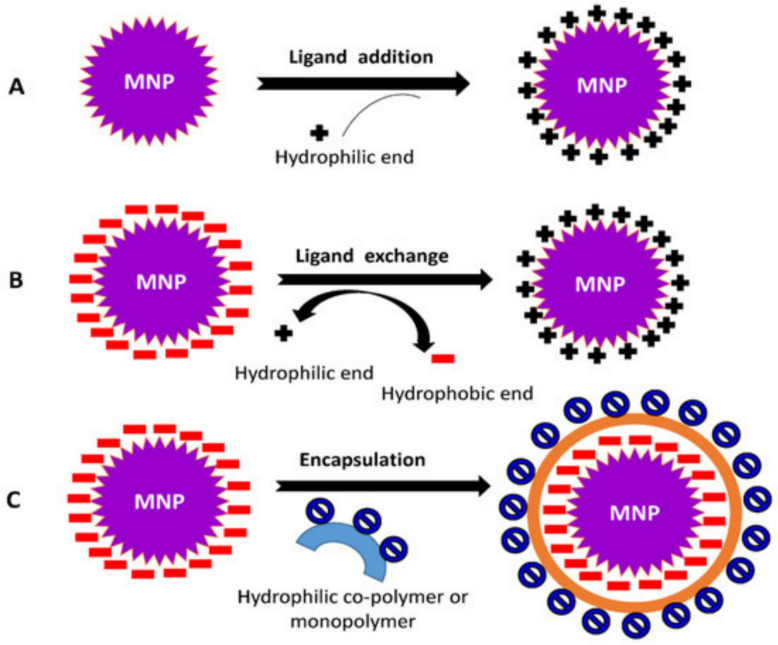
“In addition, surface modification enables ligand, antibodies, or aptamer active targeting of specific cancer cell markers, which further improves selectivity [32].”
§ Advances in green-synthesized magnetic nanoparticles for targeted cancer therapy: mechanisms, applications, and future perspectives > Role of drug delivery systems in cancer treatment
What the sources say
- Partly supportedcites [32] Mercier M-C, Dontenwill M, Choulier L. Selection of nucleic acid aptamers targeting tumor cell-surface protein biomarkers. Cancers. 2017;9(6):69. sourceExperimental — accuracy not yet measured
Section 4.2 (page not provided) says aptamers can be associated with nanoparticles for targeted therapeutic delivery, and the Introduction describes aptamers targeting cancer-cell surface receptors. The copy does not establish that surface modification of magnetic nanoparticles with ligands or antibodies improves selectivity; it supports only the aptamer-targeting part of the claim. (LLM, conf=0.86)
plaindirect- Asserted: passes — The authors put it forward as true.
- Checkable: passes — It can be checked against evidence.
- Load-bearing: passes — The paper’s conclusions depend on it.
- Based: passes — The paper gives a reason why it holds.
- Partly supported
None of the sources cited for this claim have been checked yet.
In the paper
“With MNP, it can be achieved by optimizing temperature, pH or enzyme-sensitive coating that releases the substance in response to specific stimuli found in tumor microelements. This ensures that the substance remains preserved during circulation and is released only when it reaches cancerous tissue [31].”
§ Advances in green-synthesized magnetic nanoparticles for targeted cancer therapy: mechanisms, applications, and future perspectives > Role of drug delivery systems in cancer treatment
What the sources say
- Not checked yetcites [31] Adepu S, Ramakrishna S. Controlled drug delivery systems: current status and future directions. Molecules. 2021;26(19):5905. source
Checked before — its earlier verdict is held back until a new check runs.
plaindirect- Asserted: passes — The authors put it forward as true.
- Checkable: passes — It can be checked against evidence.
- Load-bearing: passes — The paper’s conclusions depend on it.
- Based: passes — The paper gives a reason why it holds.
- Not checked yet
None of the sources cited for this claim have been checked yet.
In the paper
“Moreover, the surface functionalization of MNPs with targeting ligands, such as antibodies or peptides, has been shown to further enhance this effect, ensuring that drugs are delivered specifically to cancer cells [35, 36].”
§ Advances in green-synthesized magnetic nanoparticles for targeted cancer therapy: mechanisms, applications, and future perspectives > Role of drug delivery systems in cancer treatment
What the sources say
- Not checked — no full text of the sourcecites [35] Saifullah S, et al., Surface functionalized magnetic nanoparticles for targeted cancer therapy and diagnosis. 2020. 215–236. source
- Not matchedcites [36] Jadhav, NV, Kumar A, Pandey B.N. Magnetic nanoparticles for targeted-drug delivery: a combinatorial approach of hyperthermia and radiation for the improvement of cancer therapy. 2013.
Couldn’t be matched to a paper in Crossref, so it can’t be checked.
boosteddirect- Asserted: passes — The authors put it forward as true.
- Checkable: passes — It can be checked against evidence.
- Load-bearing: passes — The paper’s conclusions depend on it.
- Based: passes — The paper gives a reason why it holds.
None of the sources cited for this claim have been checked yet.
In the paper
“Another significant problem that must be addressed before DDS can be extensively utilized in medicine is the development of a cost-effective and manufacturable solution [40].”
§ Advances in green-synthesized magnetic nanoparticles for targeted cancer therapy: mechanisms, applications, and future perspectives > Role of drug delivery systems in cancer treatment
What the sources say
- Not checked yetcites [40] Liu JF, et al. Use of magnetic fields and nanoparticles to trigger drug release and improve tumor targeting. WIREs Nanomed Nanobiotechnol. 2019;11(6):e1571. source
Checked before — its earlier verdict is held back until a new check runs.
plain- Asserted: passes — The authors put it forward as true.
- Checkable: passes — It can be checked against evidence.
- Load-bearing: unclear — It is unclear whether the paper’s conclusions depend on it.
- Based: passes — The paper gives a reason why it holds.
- Not checked yet
In the paper
“MNPs also exhibit favorable optical and electrical properties, which can be harnessed for biosensing and thermal ablation therapies [58].”
§ Advances in green-synthesized magnetic nanoparticles for targeted cancer therapy: mechanisms, applications, and future perspectives > The main characteristics of magnetic nanoparticles
What the sources say
- Not checked — no full text of the sourcecites [58] Lou W, et al. Present and future of metal nanoparticles in tumor ablation therapy. Nanoscale. 2023;15(44):17698–726. source
plaindirect- Asserted: passes — The authors put it forward as true.
- Checkable: passes — It can be checked against evidence.
- Load-bearing: unclear — It is unclear whether the paper’s conclusions depend on it.
- Based: passes — The paper gives a reason why it holds.
None of the sources cited for this claim have been checked yet.
In the paper
“Studies have demonstrated that MNPs can significantly improve the accumulation of therapeutic agents within tumors, thereby increasing the local concentration of drugs while minimizing side effects in healthy tissues [33, 34].”
§ Advances in green-synthesized magnetic nanoparticles for targeted cancer therapy: mechanisms, applications, and future perspectives > Role of drug delivery systems in cancer treatment
What the sources say
- Not checked — no full text of the sourcecites [33] Chen W, et al. One-step green synthesis of hybrid Fe-Mn nanoparticles: methodology, characterization and mechanism. J Clean Prod. 2022;363:132406. source
- Not matchedcites [34] Rarokar N, et al. Magnetic nanosystem a tool for targeted delivery and diagnostic application: current challenges and recent advancement. Int J Pharmaceutics: X. 2024;7:100231.
Couldn’t be matched to a paper in Crossref, so it can’t be checked.
boosteddirect- Asserted: passes — The authors put it forward as true.
- Checkable: passes — It can be checked against evidence.
- Load-bearing: passes — The paper’s conclusions depend on it.
- Based: passes — The paper gives a reason why it holds.
In the paper
“MNPs can also be modified through surface decoration to allow for long circulation time, bioavailability, and targeted interaction to specific cells/tissues [57].”
§ Advances in green-synthesized magnetic nanoparticles for targeted cancer therapy: mechanisms, applications, and future perspectives > The main characteristics of magnetic nanoparticles
What the sources say
- Not checked yetcites [57] Zhuo Y, Zhao Y-G, Zhang Y. Enhancing drug solubility, bioavailability, and targeted therapeutic applications through magnetic nanoparticles. Molecules. 2024;29(20):4854. source
plaindirect- Asserted: passes — The authors put it forward as true.
- Checkable: passes — It can be checked against evidence.
- Load-bearing: passes — The paper’s conclusions depend on it.
- Based: passes — The paper gives a reason why it holds.
In the paper
“Despite the environmental advantages of green synthesis methods, the production of reliable and reproducible MNPs remains challenging [53].”
§ Advances in green-synthesized magnetic nanoparticles for targeted cancer therapy: mechanisms, applications, and future perspectives > Green synthesis of magnetic nanoparticles
What the sources say
- Not checked — no full text of the sourcecites [53] Kirubakaran D, et al. A comprehensive review on the green synthesis of nanoparticles: advancements in biomedical and environmental applications. Biomed Mat Devices. 2026;4(1):388–413. source
plain- Asserted: passes — The authors put it forward as true.
- Checkable: passes — It can be checked against evidence.
- Load-bearing: passes — The paper’s conclusions depend on it.
- Based: passes — The paper gives a reason why it holds.
In the paper
“When particle sizes fall below a certain critical diameter—usually 20–30 nm—they show super paramagnetism [64].”
§ Advances in green-synthesized magnetic nanoparticles for targeted cancer therapy: mechanisms, applications, and future perspectives > The main characteristics of magnetic nanoparticles > Structural and magnetic properties
What the sources say
- Not checked — no full text of the sourcecites [64] Serdaroğlu G. Nanoparticles Unveiled: Key Characteristics and Properties of Multifunctional Magnetic Nanoparticles. 2025. source
plaindirect- Asserted: passes — The authors put it forward as true.
- Checkable: passes — It can be checked against evidence.
- Load-bearing: unclear — It is unclear whether the paper’s conclusions depend on it.
- Based: passes — The paper gives a reason why it holds.
In the paper
“Microbial synthesis is another green passage that uses bacteria, fungi, and algae to convey the production of MNP [47].”
§ Advances in green-synthesized magnetic nanoparticles for targeted cancer therapy: mechanisms, applications, and future perspectives > Green synthesis of magnetic nanoparticles
What the sources say
- Not checked — no full text of the sourcecites [47] Purohit J, Chattopadhyay A, Singh NK. Green synthesis of microbial nanoparticle: approaches to application. In: Microbial nanobionics: Volume 2, basic research and applications. Springer; 2019. p. 35–60. source
plaindirect- Asserted: passes — The authors put it forward as true.
- Checkable: passes — It can be checked against evidence.
- Load-bearing: unclear — It is unclear whether the paper’s conclusions depend on it.
- Based: passes — The paper gives a reason why it holds.
A conclusion the paper draws from its own results — it cites no other source for it, so there is none to check. The quote shows it is in the paper.
In the paper
“MNPs are ideal candidates for a range of biomedical applications due to their superparamagnetic nature, customizable surfaces, and excellent biocompatibility.”
§ Advances in green-synthesized magnetic nanoparticles for targeted cancer therapy: mechanisms, applications, and future perspectives > The main characteristics of magnetic nanoparticles
plaindirect- Asserted: passes — The authors put it forward as true.
- Checkable: passes — It can be checked against evidence.
- Load-bearing: passes — The paper’s conclusions depend on it.
- Based: passes — The paper gives a reason why it holds.
None of the sources cited for this claim have been checked yet.
In the paper
“These properties of superparamagnetic nanoparticles are advantageous for medical applications such as temporary magnetic targeting which can be advantageous in both therapeutic administration and in magnetic resonance imaging (MRI) detection [56].”
§ Advances in green-synthesized magnetic nanoparticles for targeted cancer therapy: mechanisms, applications, and future perspectives > The main characteristics of magnetic nanoparticles
What the sources say
- Not checked yetcites [56] Ahmed MM, Abu-Elsaad N Exploring the Magnetic behavior of ferrites: from diamagnetism to superparamagnetism. arXiv preprint arXiv:2406.10599. 2024. source
Checked before — its earlier verdict is held back until a new check runs.
plaindirect- Asserted: passes — The authors put it forward as true.
- Checkable: passes — It can be checked against evidence.
- Load-bearing: passes — The paper’s conclusions depend on it.
- Based: passes — The paper gives a reason why it holds.
- Not checked yet
None of the sources cited for this claim have been checked yet.
In the paper
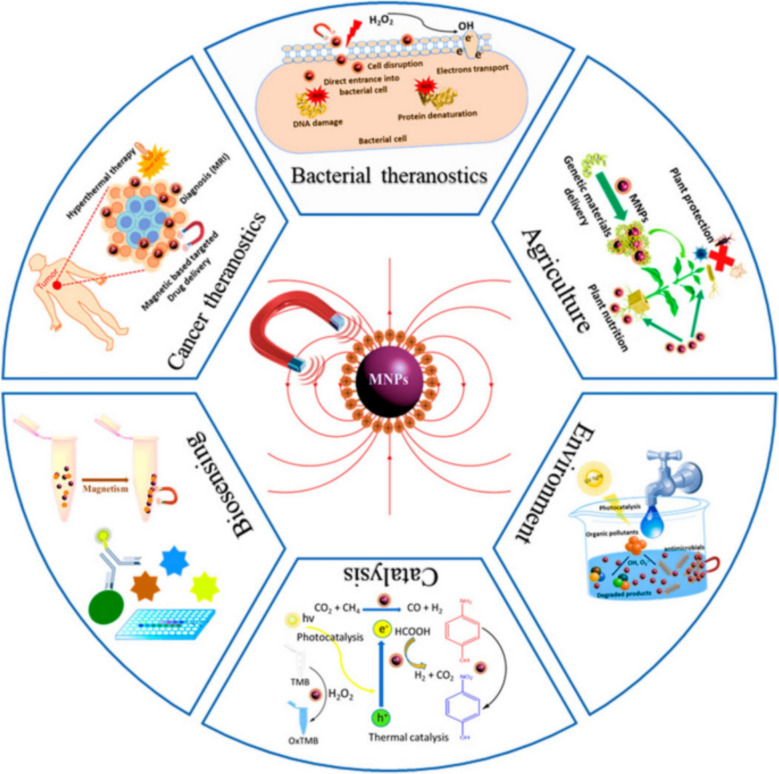
“As a result, green-synthesized MNPs are quickly assessed for applications in drug distribution, diagnosis, imaging, and hyperthermia [50].”
§ Advances in green-synthesized magnetic nanoparticles for targeted cancer therapy: mechanisms, applications, and future perspectives > Green synthesis of magnetic nanoparticles
What the sources say
- Not checked yetcites [50] Rohani R, et al. Green approaches, potentials, and applications of zinc oxide nanoparticles in surface coatings and films. Bioinorg Chem Appl. 2022;2022(1):3077747. source
Checked before — its earlier verdict is held back until a new check runs.
plaindirect- Asserted: passes — The authors put it forward as true.
- Checkable: passes — It can be checked against evidence.
- Load-bearing: unclear — It is unclear whether the paper’s conclusions depend on it.
- Based: passes — The paper gives a reason why it holds.
- Not checked yet
In the paper
“One major concern in current cancer therapies is lack of selectivity, and hence, healthy cells are included as targets alongside malignant cells [14].”
§ Advances in green-synthesized magnetic nanoparticles for targeted cancer therapy: mechanisms, applications, and future perspectives > Overview of cancer therapy challenges
What the sources say
- Not matchedcites [14] Ibrahim, N.A., et al. Heme oxygenase – 1 Expression in Liver and Colon of Rats Exposed to Oxidative stress and Dysplasia by a Carcinogen Diethylnitrosamine and the Possible Therapeutic Effects of Probiotic Versus Pyridazine Derivative and Chemotherapy. Egypt J Chem. 2022; 65(4): 249-268.
Couldn’t be matched to a paper in Crossref, so it can’t be checked.
plaindirect- Asserted: passes — The authors put it forward as true.
- Checkable: passes — It can be checked against evidence.
- Load-bearing: passes — The paper’s conclusions depend on it.
- Based: passes — The paper gives a reason why it holds.
- Not matched
In the paper
“Drug delivery is also possible by functionalization of the surface of the nanoparticle with ligands, antibodies, or polymers allowing active targeting and controlled drug release [12].”
§ Advances in green-synthesized magnetic nanoparticles for targeted cancer therapy: mechanisms, applications, and future perspectives > Introduction
What the sources say
- Not checked — no full text of the sourcecites [12] Abd Ellah NH, Abouelmagd SA. Surface functionalization of polymeric nanoparticles for tumor drug delivery: approaches and challenges. Expert Opin Drug Deliv. 2017;14(2):201–14. source
hedgeddirect- Asserted: passes — The authors put it forward as true.
- Checkable: passes — It can be checked against evidence.
- Load-bearing: passes — The paper’s conclusions depend on it.
- Based: passes — The paper gives a reason why it holds.
In the paper
“Plant mediation synthesis is particularly attractive due to its simplicity and abundance of phytochemicals, such as polyphenols, flavonoids, terpenoids, alkaloids, and tannins [44].”
§ Advances in green-synthesized magnetic nanoparticles for targeted cancer therapy: mechanisms, applications, and future perspectives > Green synthesis of magnetic nanoparticles
What the sources say
- Not checked — no full text of the sourcecites [44] Ovais M, et al. Role of plant phytochemicals and microbial enzymes in biosynthesis of metallic nanoparticles. Appl Microbiol Biotechnol. 2018;102(16):6799–814. source
plain- Asserted: passes — The authors put it forward as true.
- Checkable: passes — It can be checked against evidence.
- Load-bearing: unclear — It is unclear whether the paper’s conclusions depend on it.
- Based: passes — The paper gives a reason why it holds.
None of the sources cited for this claim have been checked yet.
In the paper
“These properties are affected by many factors, including particle size, shape, crystallinity, and types of iron oxides used [63].”
§ Advances in green-synthesized magnetic nanoparticles for targeted cancer therapy: mechanisms, applications, and future perspectives > The main characteristics of magnetic nanoparticles > Structural and magnetic properties
What the sources say
- Not checked yetcites [63] Anik MI, et al. Recent progress of magnetic nanoparticles in biomedical applications: a review. Nano Select. 2021;2(6):1146–86. source
Checked before — its earlier verdict is held back until a new check runs.
plaindirect- Asserted: passes — The authors put it forward as true.
- Checkable: passes — It can be checked against evidence.
- Load-bearing: unclear — It is unclear whether the paper’s conclusions depend on it.
- Based: passes — The paper gives a reason why it holds.
- Not checked yet
None of the sources cited for this claim have been checked yet.
In the paper
“For example, the Bacillus subtilis and Aspergillus niger have been used with success to biosynthesized iron-oxide NPs [48, 49].”
§ Advances in green-synthesized magnetic nanoparticles for targeted cancer therapy: mechanisms, applications, and future perspectives > Green synthesis of magnetic nanoparticles
What the sources say
- Not checked yetcites [48] Khan S, et al. Bacillus subtilis synthesized iron oxide nanoparticles (Fe3O4 NPs) induced metabolic and anti-oxidative response in rice (Oryza sativa L.) under arsenic stress. Toxics. 2022;10(10):618. source
Checked before — its earlier verdict is held back until a new check runs.
- Not checked yetcites [49] Kamal A, et al. Bioinspired green synthesis of bimetallic iron and zinc oxide nanoparticles using mushroom extract and use against Aspergillus niger; the most devastating fungi of the green world. Catalysts. 2023;13(2):400. source
Checked before — its earlier verdict is held back until a new check runs.
plaindirect- Asserted: passes — The authors put it forward as true.
- Checkable: passes — It can be checked against evidence.
- Load-bearing: unclear — It is unclear whether the paper’s conclusions depend on it.
- Based: passes — The paper gives a reason why it holds.
- Not checked yet
In the paper
“Chemotherapy, in particular, is known for its systemic toxicity. Although chemotherapeutic agents are designed to target rapidly dividing cells, many normal cells such as those in the gastrointestinal tract, bone marrow, and hair follicles also divide rapidly and become unintended targets [16].”
§ Advances in green-synthesized magnetic nanoparticles for targeted cancer therapy: mechanisms, applications, and future perspectives > Overview of cancer therapy challenges
What the sources say
- Not checked — no full text of the sourcecites [16] Lowenthal RM, Eaton K. Toxicity of chemotherapy. Hematol Oncol Clin North Am. 1996;10(4):967–90. source
boosteddirect- Asserted: passes — The authors put it forward as true.
- Checkable: passes — It can be checked against evidence.
- Load-bearing: passes — The paper’s conclusions depend on it.
- Based: passes — The paper gives a reason why it holds.
None of the sources cited for this claim have been checked yet.
In the paper
“MDR is, most frequently, meditatively limited by potent pumps such as P-glycoprotein, which actively extrude therapeutic drugs from cancer cells to lower intracellular levels to below the effective concentration [24].”
§ Advances in green-synthesized magnetic nanoparticles for targeted cancer therapy: mechanisms, applications, and future perspectives > Overview of cancer therapy challenges
What the sources say
- Not checked yetcites [24] Catalano A, et al. Multidrug resistance (MDR): a widespread phenomenon in pharmacological therapies. Molecules. 2022;27(3):616. source
Checked before — its earlier verdict is held back until a new check runs.
plaindirect- Asserted: passes — The authors put it forward as true.
- Checkable: passes — It can be checked against evidence.
- Load-bearing: passes — The paper’s conclusions depend on it.
- Based: passes — The paper gives a reason why it holds.
- Not checked yet
In the paper
“Structural and magnetic properties of MNPs play an important role in determining their performance in biomedical applications [62].”
§ Advances in green-synthesized magnetic nanoparticles for targeted cancer therapy: mechanisms, applications, and future perspectives > The main characteristics of magnetic nanoparticles > Structural and magnetic properties
What the sources say
- Not checked — no full text of the sourcecites [62] Harini K, et al. Advancement of magnetic particle imaging in diagnosis and therapy. Adv Nat Sci Nanosci Nanotechnol. 2024;15(2):023002. source
plaindirect- Asserted: passes — The authors put it forward as true.
- Checkable: passes — It can be checked against evidence.
- Load-bearing: passes — The paper’s conclusions depend on it.
- Based: passes — The paper gives a reason why it holds.
None of the sources cited for this claim have been checked yet.
In the paper
“Tumor heterogeneity—both within a single tumor (intra-tumoral) and between patients (inter-patient)—affects how cancers respond to therapy [21].”
§ Advances in green-synthesized magnetic nanoparticles for targeted cancer therapy: mechanisms, applications, and future perspectives > Overview of cancer therapy challenges
What the sources say
- Not checked yetcites [21] Menzies AM, et al. Inter-and intra-patient heterogeneity of response and progression to targeted therapy in metastatic melanoma. PLoS ONE. 2014;9(1):e85004. source
Checked before — its earlier verdict is held back until a new check runs.
plaindirect- Asserted: passes — The authors put it forward as true.
- Checkable: passes — It can be checked against evidence.
- Load-bearing: unclear — It is unclear whether the paper’s conclusions depend on it.
- Based: passes — The paper gives a reason why it holds.
- Not checked yet
In the paper
“Concerns also exist regarding biocompatibility, toxicity, and systemic adverse effects that may arise due to immunological responses and coagulation [39].”
§ Advances in green-synthesized magnetic nanoparticles for targeted cancer therapy: mechanisms, applications, and future perspectives > Role of drug delivery systems in cancer treatment
What the sources say
- Not checked — no full text of the sourcecites [39] Yaşayan G et al. 2024, Chapter 27-Biocompatibility and toxicity challenges of nanomaterials, in Functionalized Nanomaterials for Cancer Research, Barabadi H, Mostafavi E, Mustansar Hussain C, Editors. Academic Press. London source
hedgedconditional- Asserted: passes — The authors put it forward as true.
- Checkable: passes — It can be checked against evidence.
- Load-bearing: unclear — It is unclear whether the paper’s conclusions depend on it.
- Based: passes — The paper gives a reason why it holds.
In the paper
“This function eliminates the risk of particle aggregation due to remaining magnetism, especially to avoid obstacles in capillaries or cause long-term tissue accumulation [65].”
§ Advances in green-synthesized magnetic nanoparticles for targeted cancer therapy: mechanisms, applications, and future perspectives > The main characteristics of magnetic nanoparticles > Structural and magnetic properties
What the sources say
- Not matchedcites [65] Schyck S.N. Anisotropic and Magnetic Microparticles: Preparation and Out-of-Equilibrium Assembly. 2023.
Couldn’t be matched to a paper in Crossref, so it can’t be checked.
plaindirect- Asserted: passes — The authors put it forward as true.
- Checkable: passes — It can be checked against evidence.
- Load-bearing: unclear — It is unclear whether the paper’s conclusions depend on it.
- Based: passes — The paper gives a reason why it holds.
- Not matched
None of the sources cited for this claim have been checked yet.
In the paper
“Contrary to this, green tanks appoint synthesis extracts, bacteria, fungi, and other biological systems to facilitate the formation of NPs under mild conditions [43].”
§ Advances in green-synthesized magnetic nanoparticles for targeted cancer therapy: mechanisms, applications, and future perspectives > Green synthesis of magnetic nanoparticles
What the sources say
- Not checked yetcites [43] El-Khawaga AM, et al. Green synthesized ZnO nanoparticles by Saccharomyces cerevisiae and their antibacterial activity and photocatalytic degradation. Biomass Convers Biorefin. 2025;15(2):2673–84. source
Checked before — its earlier verdict is held back until a new check runs.
plaindirect- Asserted: passes — The authors put it forward as true.
- Checkable: passes — It can be checked against evidence.
- Load-bearing: passes — The paper’s conclusions depend on it.
- Based: passes — The paper gives a reason why it holds.
- Not checked yet
In the paper
“Following a fortnight of treatment, the tumor volume was diminished by 75%.”
§ Advances in green-synthesized magnetic nanoparticles for targeted cancer therapy: mechanisms, applications, and future perspectives > Mechanisms of targeted drug delivery > Case studies of magnetic nanoparticles in targeted therapy
What the sources say
- Not matchedcites [83] Ejeta BM, Das MK, Das S. Recent advances in Paclitaxel drug delivery: challenges, innovations, and future directions. Integr Biomed Res. 2024;8(8):1–13.
Couldn’t be matched to a paper in Crossref, so it can’t be checked.
plaindirect- Asserted: passes — The authors put it forward as true.
- Checkable: passes — It can be checked against evidence.
- Load-bearing: passes — The paper’s conclusions depend on it.
- Based: passes — The paper gives a reason why it holds.
- Not matched
None of the sources cited for this claim have been checked yet.
In the paper
“However, unanswered questions regarding limited targeting ability, premature drug release, lack of stability in circulation, and imaging capabilities completely abolish its possible use to any other systems [25, 85].”
§ Advances in green-synthesized magnetic nanoparticles for targeted cancer therapy: mechanisms, applications, and future perspectives > Mechanisms of targeted drug delivery > Comparative studies with traditional drug carriers
What the sources say
- Not checked yetcites [25] Manzari MT, et al. Targeted drug delivery strategies for precision medicines. Nat Rev Mater. 2021;6(4):351–70. source
Checked before — its earlier verdict is held back until a new check runs.
- Not checked — no full text of the sourcecites [85] Qian L, et al. The dawn of a new era: targeting the “undruggables” with antibody-based therapeutics. Chem Rev. 2023;123(12):7782–853. source
plaindirect- Asserted: passes — The authors put it forward as true.
- Checkable: passes — It can be checked against evidence.
- Load-bearing: unclear — It is unclear whether the paper’s conclusions depend on it.
- Based: passes — The paper gives a reason why it holds.
- Not checked yet
In the paper
“Another concern is particle aggregation.”
§ Advances in green-synthesized magnetic nanoparticles for targeted cancer therapy: mechanisms, applications, and future perspectives > Challenges and limitations
What the sources say
- Not checked — no full text of the sourcecites [95] Karvelas EG, et al. On the magnetic aggregation of Fe3O4 nanoparticles. Comput Methods Programs Biomed. 2021;198:105778. source
plain- Asserted: passes — The authors put it forward as true.
- Checkable: passes — It can be checked against evidence.
- Load-bearing: unclear — It is unclear whether the paper’s conclusions depend on it.
- Based: passes — The paper gives a reason why it holds.
None of the sources cited for this claim have been checked yet.
In the paper
“These case studies demonstrate the potential of MNPs for targeted drug delivery, but the results also underscore the need for precise control over nanoparticle characteristics, including size, surface functionalization, and drug-loading concentration, to achieve optimal therapeutic outcomes.”
§ Advances in green-synthesized magnetic nanoparticles for targeted cancer therapy: mechanisms, applications, and future perspectives > Mechanisms of targeted drug delivery > Case studies of magnetic nanoparticles in targeted therapy
What the sources say
- Not checked — no full text of the sourcecites [82] El-Readi MZ, et al. Doxorubicin-sanguinarine nanoparticles: formulation and evaluation of breast cancer cell apoptosis and cell cycle. Drug Dev Ind Pharm. 2025;51(9):987–1001. source
- Not matchedcites [83] Ejeta BM, Das MK, Das S. Recent advances in Paclitaxel drug delivery: challenges, innovations, and future directions. Integr Biomed Res. 2024;8(8):1–13.
Couldn’t be matched to a paper in Crossref, so it can’t be checked.
plaindirect- Asserted: passes — The authors put it forward as true.
- Checkable: passes — It can be checked against evidence.
- Load-bearing: passes — The paper’s conclusions depend on it.
- Based: passes — The paper gives a reason why it holds.
In the paper
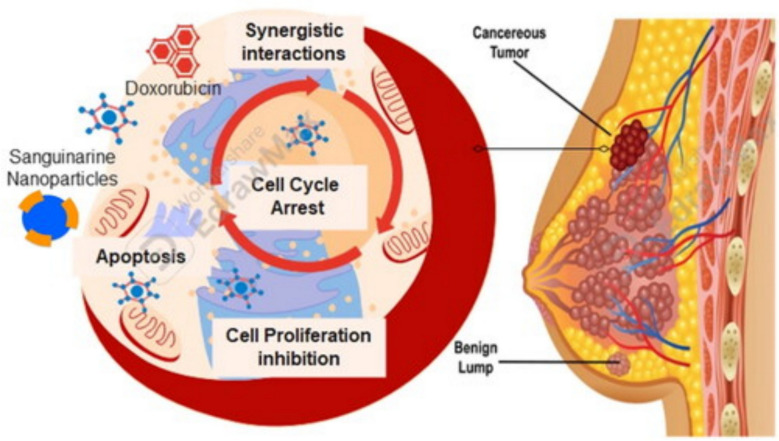
“Histological analysis verified no cardiotoxicity, a significant disadvantage of unencapsulated doxorubicin [82].”
§ Advances in green-synthesized magnetic nanoparticles for targeted cancer therapy: mechanisms, applications, and future perspectives > Mechanisms of targeted drug delivery > Case studies of magnetic nanoparticles in targeted therapy
What the sources say
- Not checked — no full text of the sourcecites [82] El-Readi MZ, et al. Doxorubicin-sanguinarine nanoparticles: formulation and evaluation of breast cancer cell apoptosis and cell cycle. Drug Dev Ind Pharm. 2025;51(9):987–1001. source
plaindirectSingle case- Asserted: passes — The authors put it forward as true.
- Checkable: passes — It can be checked against evidence.
- Load-bearing: passes — The paper’s conclusions depend on it.
- Based: passes — The paper gives a reason why it holds.
In the paper
“MNPs tend to aggregate in physiological environments due to van der Waals and magnetic dipole interactions [95].”
§ Advances in green-synthesized magnetic nanoparticles for targeted cancer therapy: mechanisms, applications, and future perspectives > Challenges and limitations
What the sources say
- Not checked — no full text of the sourcecites [95] Karvelas EG, et al. On the magnetic aggregation of Fe3O4 nanoparticles. Comput Methods Programs Biomed. 2021;198:105778. source
plaindirect- Asserted: passes — The authors put it forward as true.
- Checkable: passes — It can be checked against evidence.
- Load-bearing: passes — The paper’s conclusions depend on it.
- Based: passes — The paper gives a reason why it holds.
In the paper
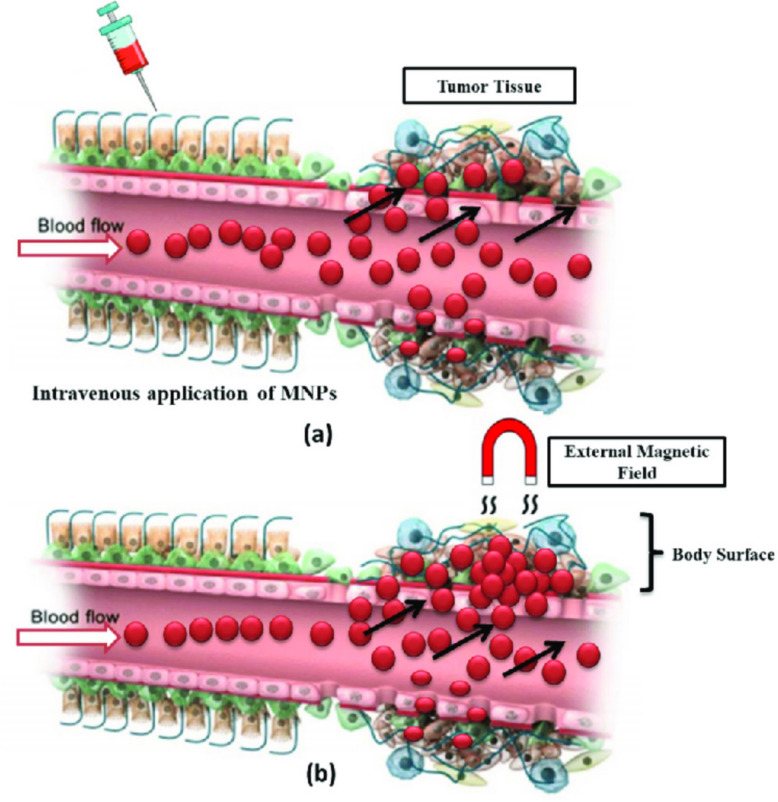
“When the medication was exposed to an external magnetic field, the accumulation at the tumor site significantly increased.”
§ Advances in green-synthesized magnetic nanoparticles for targeted cancer therapy: mechanisms, applications, and future perspectives > Mechanisms of targeted drug delivery > Case studies of magnetic nanoparticles in targeted therapy
What the sources say
- Not matchedcites [83] Ejeta BM, Das MK, Das S. Recent advances in Paclitaxel drug delivery: challenges, innovations, and future directions. Integr Biomed Res. 2024;8(8):1–13.
Couldn’t be matched to a paper in Crossref, so it can’t be checked.
plaindirectSingle case- Asserted: passes — The authors put it forward as true.
- Checkable: passes — It can be checked against evidence.
- Load-bearing: passes — The paper’s conclusions depend on it.
- Based: passes — The paper gives a reason why it holds.
- Not matched
None of the sources cited for this claim have been checked yet.
In the paper
“These limitations span across synthesis, scalability, reproducibility, regulatory compliance, and long-term safety [93].”
§ Advances in green-synthesized magnetic nanoparticles for targeted cancer therapy: mechanisms, applications, and future perspectives > Challenges and limitations
What the sources say
- Not checked yetcites [93] Aram E, et al. Smart and multi-functional magnetic nanoparticles for cancer treatment applications: clinical challenges and future prospects. Nanomaterials. 2022;12(20):3567. source
Checked before — its earlier verdict is held back until a new check runs.
plain- Asserted: passes — The authors put it forward as true.
- Checkable: passes — It can be checked against evidence.
- Load-bearing: passes — The paper’s conclusions depend on it.
- Based: passes — The paper gives a reason why it holds.
- Not checked yet
In the paper
“Aggregation not only alters biodistribution but also reduces therapeutic efficiency and can cause embolism or unwanted accumulation in non-target organs [96].”
§ Advances in green-synthesized magnetic nanoparticles for targeted cancer therapy: mechanisms, applications, and future perspectives > Challenges and limitations
What the sources say
- Not checked — no full text of the sourcecites [96] Cabral H, et al. Controlling the biodistribution and clearance of nanomedicines. Nat Rev Bioeng. 2024;2(3):214–32. source
plaindirect- Asserted: passes — The authors put it forward as true.
- Checkable: passes — It can be checked against evidence.
- Load-bearing: unclear — It is unclear whether the paper’s conclusions depend on it.
- Based: passes — The paper gives a reason why it holds.
In the paper
“Studies using animal models have shown that surface-modified MNPs degrade over time and are gradually excreted without notable toxicity [74].”
§ Advances in green-synthesized magnetic nanoparticles for targeted cancer therapy: mechanisms, applications, and future perspectives > The main characteristics of magnetic nanoparticles > Biocompatibility and safety profiles
What the sources say
- Not checked — no full text of the sourcecites [74] Chrishtop VV, et al. Organ-specific toxicity of magnetic iron oxide-based nanoparticles. Nanotoxicology. 2021;15(2):167–204. source
plain- Asserted: passes — The authors put it forward as true.
- Checkable: passes — It can be checked against evidence.
- Load-bearing: unclear — It is unclear whether the paper’s conclusions depend on it.
- Based: passes — The paper gives a reason why it holds.
None of the sources cited for this claim have been checked yet.
In the paper
“Different types of drugs, such as doxorubicin, paclitaxel, and cisplatin, have been successful incorporated MNPs for targeted site-specific cancer therapy.”
§ Advances in green-synthesized magnetic nanoparticles for targeted cancer therapy: mechanisms, applications, and future perspectives > Mechanisms of targeted drug delivery > Case studies of magnetic nanoparticles in targeted therapy
What the sources say
- Not checked — no full text of the sourcecites [82] El-Readi MZ, et al. Doxorubicin-sanguinarine nanoparticles: formulation and evaluation of breast cancer cell apoptosis and cell cycle. Drug Dev Ind Pharm. 2025;51(9):987–1001. source
- Not matchedcites [83] Ejeta BM, Das MK, Das S. Recent advances in Paclitaxel drug delivery: challenges, innovations, and future directions. Integr Biomed Res. 2024;8(8):1–13.
Couldn’t be matched to a paper in Crossref, so it can’t be checked.
plaindirect- Asserted: passes — The authors put it forward as true.
- Checkable: passes — It can be checked against evidence.
- Load-bearing: passes — The paper’s conclusions depend on it.
- Based: passes — The paper gives a reason why it holds.
In the paper
“The MNPs in this study exhibited an average particle size of 25 nm and a drug-loading concentration of 10 mg/mL.”
§ Advances in green-synthesized magnetic nanoparticles for targeted cancer therapy: mechanisms, applications, and future perspectives > Mechanisms of targeted drug delivery > Case studies of magnetic nanoparticles in targeted therapy
What the sources say
- Not checked — no full text of the sourcecites [82] El-Readi MZ, et al. Doxorubicin-sanguinarine nanoparticles: formulation and evaluation of breast cancer cell apoptosis and cell cycle. Drug Dev Ind Pharm. 2025;51(9):987–1001. source
plainSingle case- Asserted: passes — The authors put it forward as true.
- Checkable: passes — It can be checked against evidence.
- Load-bearing: unclear — It is unclear whether the paper’s conclusions depend on it.
- Based: passes — The paper gives a reason why it holds.
In the paper
“The drug release properties are more personalized due to its stimuli-responsive coatings in MNP that are triggered by pH, temperature, or enzymes [88].”
§ Advances in green-synthesized magnetic nanoparticles for targeted cancer therapy: mechanisms, applications, and future perspectives > Mechanisms of targeted drug delivery > Comparative studies with traditional drug carriers
What the sources say
- Not matchedcites [88] Ghosh N, et al. Natural nanoparticles aid in the treatment of diabetes and cancer: a review.
Couldn’t be matched to a paper in Crossref, so it can’t be checked.
plaindirect- Asserted: passes — The authors put it forward as true.
- Checkable: passes — It can be checked against evidence.
- Load-bearing: passes — The paper’s conclusions depend on it.
- Based: passes — The paper gives a reason why it holds.
- Not matched
In the paper
“The medication was administered over a period of 72 h and remained effective long after the treatment concluded [83].”
§ Advances in green-synthesized magnetic nanoparticles for targeted cancer therapy: mechanisms, applications, and future perspectives > Mechanisms of targeted drug delivery > Case studies of magnetic nanoparticles in targeted therapy
What the sources say
- Not matchedcites [83] Ejeta BM, Das MK, Das S. Recent advances in Paclitaxel drug delivery: challenges, innovations, and future directions. Integr Biomed Res. 2024;8(8):1–13.
Couldn’t be matched to a paper in Crossref, so it can’t be checked.
plainSingle case- Asserted: passes — The authors put it forward as true.
- Checkable: passes — It can be checked against evidence.
- Load-bearing: unclear — It is unclear whether the paper’s conclusions depend on it.
- Based: passes — The paper gives a reason why it holds.
- Not matched
None of the sources cited for this claim have been checked yet.
In the paper
“Toxicity and clearance remain partially unresolved.”
§ Advances in green-synthesized magnetic nanoparticles for targeted cancer therapy: mechanisms, applications, and future perspectives > Challenges and limitations
What the sources say
- Not checked yetcites [69] Nowak-Jary J, Machnicka B. Comprehensive analysis of the potential toxicity of magnetic iron oxide nanoparticles for medical applications: cellular mechanisms and systemic effects. Int J Mol Sci. 2024;25(22):12013. source
Checked before — its earlier verdict is held back until a new check runs.
- Not checked yetcites [98] Nowak-Jary J, Machnicka B. Toxicity of magnetic nanoparticles in medicine: contributing factors and modern assessment methods. Int J Mol Sci. 2025;26(17):8586. source
Checked before — its earlier verdict is held back until a new check runs.
plain- Asserted: passes — The authors put it forward as true.
- Checkable: passes — It can be checked against evidence.
- Load-bearing: passes — The paper’s conclusions depend on it.
- Based: passes — The paper gives a reason why it holds.
- Not checked yet
None of the sources cited for this claim have been checked yet.
In the paper
“These coatings confirm that the material is released in the tumor microenvironment, while traditional carriers would have the potential for leaks and off-target effects [89].”
§ Advances in green-synthesized magnetic nanoparticles for targeted cancer therapy: mechanisms, applications, and future perspectives > Mechanisms of targeted drug delivery > Comparative studies with traditional drug carriers
What the sources say
- Not checked yetcites [89] Wang L, et al. Micro-nanocarriers based drug delivery technology for blood-brain barrier crossing and brain tumor targeting therapy. Small. 2022;18(45):2203678. source
Checked before — its earlier verdict is held back until a new check runs.
plaindirect- Asserted: passes — The authors put it forward as true.
- Checkable: passes — It can be checked against evidence.
- Load-bearing: passes — The paper’s conclusions depend on it.
- Based: passes — The paper gives a reason why it holds.
- Not checked yet
None of the sources cited for this claim have been checked yet.
In the paper
“These case studies illustrate (1) the potential to obtain site-specific therapy, (2) reduced systemic exposure, and (3) enhanced therapeutic efficacy for MNP-based systems.”
§ Advances in green-synthesized magnetic nanoparticles for targeted cancer therapy: mechanisms, applications, and future perspectives > Mechanisms of targeted drug delivery > Case studies of magnetic nanoparticles in targeted therapy
What the sources say
- Not checked — no full text of the sourcecites [82] El-Readi MZ, et al. Doxorubicin-sanguinarine nanoparticles: formulation and evaluation of breast cancer cell apoptosis and cell cycle. Drug Dev Ind Pharm. 2025;51(9):987–1001. source
- Not matchedcites [83] Ejeta BM, Das MK, Das S. Recent advances in Paclitaxel drug delivery: challenges, innovations, and future directions. Integr Biomed Res. 2024;8(8):1–13.
Couldn’t be matched to a paper in Crossref, so it can’t be checked.
plaindirect- Asserted: passes — The authors put it forward as true.
- Checkable: passes — It can be checked against evidence.
- Load-bearing: passes — The paper’s conclusions depend on it.
- Based: passes — The paper gives a reason why it holds.
None of the sources cited for this claim have been checked yet.
In the paper
“Despite the considerable potential of magnetic nanoparticles (MNPs) in cancer therapy, several challenges and limitations must be addressed before they can be widely adopted in clinical practice.”
§ Advances in green-synthesized magnetic nanoparticles for targeted cancer therapy: mechanisms, applications, and future perspectives > Challenges and limitations
What the sources say
- Not checked yetcites [93] Aram E, et al. Smart and multi-functional magnetic nanoparticles for cancer treatment applications: clinical challenges and future prospects. Nanomaterials. 2022;12(20):3567. source
Checked before — its earlier verdict is held back until a new check runs.
plain- Asserted: passes — The authors put it forward as true.
- Checkable: passes — It can be checked against evidence.
- Load-bearing: passes — The paper’s conclusions depend on it.
- Based: passes — The paper gives a reason why it holds.
- Not checked yet
None of the sources cited for this claim have been checked yet.
In the paper
“These case studies illustrate (1) the potential to obtain site-specific therapy, (2) reduced systemic exposure, and (3) enhanced therapeutic efficacy for MNP-based systems.”
§ Advances in green-synthesized magnetic nanoparticles for targeted cancer therapy: mechanisms, applications, and future perspectives > Mechanisms of targeted drug delivery > Case studies of magnetic nanoparticles in targeted therapy
What the sources say
- Not checked — no full text of the sourcecites [82] El-Readi MZ, et al. Doxorubicin-sanguinarine nanoparticles: formulation and evaluation of breast cancer cell apoptosis and cell cycle. Drug Dev Ind Pharm. 2025;51(9):987–1001. source
- Not matchedcites [83] Ejeta BM, Das MK, Das S. Recent advances in Paclitaxel drug delivery: challenges, innovations, and future directions. Integr Biomed Res. 2024;8(8):1–13.
Couldn’t be matched to a paper in Crossref, so it can’t be checked.
hedgedconditional- Asserted: passes — The authors put it forward as true.
- Checkable: passes — It can be checked against evidence.
- Load-bearing: passes — The paper’s conclusions depend on it.
- Based: passes — The paper gives a reason why it holds.
In the paper
“The mean particle size of these MNPs was 30 nm, and they contained 15 mg/mL of paclitaxel.”
§ Advances in green-synthesized magnetic nanoparticles for targeted cancer therapy: mechanisms, applications, and future perspectives > Mechanisms of targeted drug delivery > Case studies of magnetic nanoparticles in targeted therapy
What the sources say
- Not matchedcites [83] Ejeta BM, Das MK, Das S. Recent advances in Paclitaxel drug delivery: challenges, innovations, and future directions. Integr Biomed Res. 2024;8(8):1–13.
Couldn’t be matched to a paper in Crossref, so it can’t be checked.
plain- Asserted: passes — The authors put it forward as true.
- Checkable: passes — It can be checked against evidence.
- Load-bearing: unclear — It is unclear whether the paper’s conclusions depend on it.
- Based: passes — The paper gives a reason why it holds.
- Not matched
None of the sources cited for this claim have been checked yet.
In the paper
“Surface coatings, such as PEG and dextran, help improve stability but add complexity to the formulation [97].”
§ Advances in green-synthesized magnetic nanoparticles for targeted cancer therapy: mechanisms, applications, and future perspectives > Challenges and limitations
What the sources say
- Not checked yetcites [97] Petrovici AR, Pinteala M, Simionescu N. Dextran formulations as effective delivery systems of therapeutic agents. Molecules. 2023;28(3):1086. source
Checked before — its earlier verdict is held back until a new check runs.
plaindirect- Asserted: passes — The authors put it forward as true.
- Checkable: passes — It can be checked against evidence.
- Load-bearing: unclear — It is unclear whether the paper’s conclusions depend on it.
- Based: passes — The paper gives a reason why it holds.
- Not checked yet
None of the sources cited for this claim have been checked yet.
In the paper
“Ensuring batch-to-batch uniformity is critical for reproducibility and regulatory approval [94].”
§ Advances in green-synthesized magnetic nanoparticles for targeted cancer therapy: mechanisms, applications, and future perspectives > Challenges and limitations
What the sources say
- Not checked yetcites [94] Ali A, et al. Review on recent progress in magnetic nanoparticles: synthesis, characterization, and diverse applications. Front Chem. 2021;9:629054. source
Checked before — its earlier verdict is held back until a new check runs.
plaindirect- Asserted: passes — The authors put it forward as true.
- Checkable: passes — It can be checked against evidence.
- Load-bearing: unclear — It is unclear whether the paper’s conclusions depend on it.
- Based: passes — The paper gives a reason why it holds.
- Not checked yet
None of the sources cited for this claim have been checked yet.
In the paper
“Another advantage of MNPs lies in their imaging capability [90].”
§ Advances in green-synthesized magnetic nanoparticles for targeted cancer therapy: mechanisms, applications, and future perspectives > Mechanisms of targeted drug delivery > Comparative studies with traditional drug carriers
What the sources say
- Not checked yetcites [90] Ko MJ, et al. Multifunctional magnetic nanoparticles for dynamic imaging and therapy. Adv NanoBiomed Res. 2022;2(11):2200053. source
Checked before — its earlier verdict is held back until a new check runs.
plain- Asserted: passes — The authors put it forward as true.
- Checkable: passes — It can be checked against evidence.
- Load-bearing: unclear — It is unclear whether the paper’s conclusions depend on it.
- Based: passes — The paper gives a reason why it holds.
- Not checked yet
In the paper
“Upon intravenous administration, MNPs are subject to aggregation due to van der Waals forces and magnetic interactions.”
§ Advances in green-synthesized magnetic nanoparticles for targeted cancer therapy: mechanisms, applications, and future perspectives > Challenges and limitations
What the sources say
- Not checked — no full text of the sourcecites [101] Obasi CC, Banigo AT, Chapter 10-Surface modifications of nanoparticles and their suitability for studying gastrointestinal diseases, in Nano-Bio-Medicine for Gastrointestinal Diseases, Chaturvedi V et al. Editors. 2026. Academic Press. 293–310. source
plaindirect- Asserted: passes — The authors put it forward as true.
- Checkable: passes — It can be checked against evidence.
- Load-bearing: passes — The paper’s conclusions depend on it.
- Based: passes — The paper gives a reason why it holds.
In the paper
“Doxorubicin-loaded magnetic nanoparticles were designed with folic acid to preferentially target folate receptors that are overexpressed in cancer cells.”
§ Advances in green-synthesized magnetic nanoparticles for targeted cancer therapy: mechanisms, applications, and future perspectives > Mechanisms of targeted drug delivery > Case studies of magnetic nanoparticles in targeted therapy
What the sources say
- Not checked — no full text of the sourcecites [82] El-Readi MZ, et al. Doxorubicin-sanguinarine nanoparticles: formulation and evaluation of breast cancer cell apoptosis and cell cycle. Drug Dev Ind Pharm. 2025;51(9):987–1001. source
plaindirectSingle case- Asserted: passes — The authors put it forward as true.
- Checkable: passes — It can be checked against evidence.
- Load-bearing: passes — The paper’s conclusions depend on it.
- Based: passes — The paper gives a reason why it holds.
In the paper
“Green synthesis methods, though eco-friendly, are not yet optimized for industrial-scale production.”
§ Advances in green-synthesized magnetic nanoparticles for targeted cancer therapy: mechanisms, applications, and future perspectives > Challenges and limitations
What the sources say
- Not checked — no full text of the sourcecites [99] Ejairu U, et al. Eco-friendly wastewater treatment technologies (concept): conceptualizing advanced, sustainable wastewater treatment designs for industrial and municipal applications. Compr Res Rev Eng Technol. 2024;2(1):083–104. source
plain- Asserted: passes — The authors put it forward as true.
- Checkable: passes — It can be checked against evidence.
- Load-bearing: unclear — It is unclear whether the paper’s conclusions depend on it.
- Based: passes — The paper gives a reason why it holds.
In the paper
“The MNPs retained the medication at the tumor site significantly more effectively when an external magnetic field was applied.”
§ Advances in green-synthesized magnetic nanoparticles for targeted cancer therapy: mechanisms, applications, and future perspectives > Mechanisms of targeted drug delivery > Case studies of magnetic nanoparticles in targeted therapy
What the sources say
- Not checked — no full text of the sourcecites [82] El-Readi MZ, et al. Doxorubicin-sanguinarine nanoparticles: formulation and evaluation of breast cancer cell apoptosis and cell cycle. Drug Dev Ind Pharm. 2025;51(9):987–1001. source
plaindirectSingle case- Asserted: passes — The authors put it forward as true.
- Checkable: passes — It can be checked against evidence.
- Load-bearing: passes — The paper’s conclusions depend on it.
- Based: passes — The paper gives a reason why it holds.
None of the sources cited for this claim have been checked yet.
In the paper
“The diversity is made worse by the fact that it is hard to change the size and surface properties of MNPs to make sure that drugs are given out evenly across different forms of cancer [80].”
§ Advances in green-synthesized magnetic nanoparticles for targeted cancer therapy: mechanisms, applications, and future perspectives > Mechanisms of targeted drug delivery
What the sources say
- Not checked yetcites [80] Chandrakala V, Aruna V, Angajala G. Review on metal nanoparticles as nanocarriers: current challenges and perspectives in drug delivery systems. Emergent Mater. 2022;5(6):1593–615. source
Checked before — its earlier verdict is held back until a new check runs.
plaindirect- Asserted: passes — The authors put it forward as true.
- Checkable: passes — It can be checked against evidence.
- Load-bearing: unclear — It is unclear whether the paper’s conclusions depend on it.
- Based: passes — The paper gives a reason why it holds.
- Not checked yet
In the paper
“The quantity of doxorubicin in the MNP formulation was modified to ensure a gradual release over 48 h, with approximately 85% being dispensed over this timeframe.”
§ Advances in green-synthesized magnetic nanoparticles for targeted cancer therapy: mechanisms, applications, and future perspectives > Mechanisms of targeted drug delivery > Case studies of magnetic nanoparticles in targeted therapy
What the sources say
- Not checked — no full text of the sourcecites [82] El-Readi MZ, et al. Doxorubicin-sanguinarine nanoparticles: formulation and evaluation of breast cancer cell apoptosis and cell cycle. Drug Dev Ind Pharm. 2025;51(9):987–1001. source
plainSingle case- Asserted: passes — The authors put it forward as true.
- Checkable: passes — It can be checked against evidence.
- Load-bearing: unclear — It is unclear whether the paper’s conclusions depend on it.
- Based: passes — The paper gives a reason why it holds.
In the paper
“MNPs with polymer or lipid-based coatings often show controlled release, but the release rate can be influenced by factors like the hydrophobicity of the drug and the stability of the coating under physiological conditions.”
§ Advances in green-synthesized magnetic nanoparticles for targeted cancer therapy: mechanisms, applications, and future perspectives > Challenges and limitations
What the sources say
- Not checked — no full text of the sourcecites [100] Kianfar, E., W.R. Kadhum, and Z.H. Mahmoud, Hydrogel Nanoparticles in Drug Delivery: A Review. Intelligent Pharmacy. 2025. source
plaincorrelational- Asserted: passes — The authors put it forward as true.
- Checkable: passes — It can be checked against evidence.
- Load-bearing: unclear — It is unclear whether the paper’s conclusions depend on it.
- Based: passes — The paper gives a reason why it holds.
In the paper
“Instability in Blood Circulation remains a significant issue.”
§ Advances in green-synthesized magnetic nanoparticles for targeted cancer therapy: mechanisms, applications, and future perspectives > Challenges and limitations
What the sources say
- Not checked — no full text of the sourcecites [101] Obasi CC, Banigo AT, Chapter 10-Surface modifications of nanoparticles and their suitability for studying gastrointestinal diseases, in Nano-Bio-Medicine for Gastrointestinal Diseases, Chaturvedi V et al. Editors. 2026. Academic Press. 293–310. source
plain- Asserted: passes — The authors put it forward as true.
- Checkable: passes — It can be checked against evidence.
- Load-bearing: passes — The paper’s conclusions depend on it.
- Based: passes — The paper gives a reason why it holds.
None of the sources cited for this claim have been checked yet.
In the paper
“Tumor vasculature, genetic anomalies, and varying quantities of extracellular matrix (ECM) components can all make it harder for MNPs to accurately target certain tumor locations [79].”
§ Advances in green-synthesized magnetic nanoparticles for targeted cancer therapy: mechanisms, applications, and future perspectives > Mechanisms of targeted drug delivery
What the sources say
- Not checked yetcites [79] Cassani M, et al. Unraveling the role of the tumor extracellular matrix to inform nanoparticle design for nanomedicine. Adv Sci. 2025;12(2):2409898. source
Checked before — its earlier verdict is held back until a new check runs.
plaindirect- Asserted: passes — The authors put it forward as true.
- Checkable: passes — It can be checked against evidence.
- Load-bearing: unclear — It is unclear whether the paper’s conclusions depend on it.
- Based: passes — The paper gives a reason why it holds.
- Not checked yet
None of the sources cited for this claim have been checked yet.
In the paper
“MNPs have proven to be adaptable, heterogeneous drug delivery vectors that can cross multiple barriers for traditional drug carriers [84].”
§ Advances in green-synthesized magnetic nanoparticles for targeted cancer therapy: mechanisms, applications, and future perspectives > Mechanisms of targeted drug delivery > Comparative studies with traditional drug carriers
What the sources say
- Not checked yetcites [84] Varalli L, et al. Applications and efficacy of iron oxide nanoparticles in the treatment of brain tumors. Pharmaceutics. 2025;17(4):499. source
Checked before — its earlier verdict is held back until a new check runs.
plaindirect- Asserted: passes — The authors put it forward as true.
- Checkable: passes — It can be checked against evidence.
- Load-bearing: passes — The paper’s conclusions depend on it.
- Based: passes — The paper gives a reason why it holds.
- Not checked yet
In the paper
“The mean particle size of these MNPs was 30 nm, and they contained 15 mg/mL of paclitaxel.”
§ Advances in green-synthesized magnetic nanoparticles for targeted cancer therapy: mechanisms, applications, and future perspectives > Mechanisms of targeted drug delivery > Case studies of magnetic nanoparticles in targeted therapy
What the sources say
- Not matchedcites [83] Ejeta BM, Das MK, Das S. Recent advances in Paclitaxel drug delivery: challenges, innovations, and future directions. Integr Biomed Res. 2024;8(8):1–13.
Couldn’t be matched to a paper in Crossref, so it can’t be checked.
plain- Asserted: passes — The authors put it forward as true.
- Checkable: passes — It can be checked against evidence.
- Load-bearing: unclear — It is unclear whether the paper’s conclusions depend on it.
- Based: passes — The paper gives a reason why it holds.
- Not matched
None of the sources cited for this claim have been checked yet.
In the paper
“While MNPs are often considered biocompatible, their long-term accumulation and degradation products (e.g., free iron ions) may induce oxidative stress or interfere with normal cellular processes.”
§ Advances in green-synthesized magnetic nanoparticles for targeted cancer therapy: mechanisms, applications, and future perspectives > Challenges and limitations
What the sources say
- Not checked yetcites [69] Nowak-Jary J, Machnicka B. Comprehensive analysis of the potential toxicity of magnetic iron oxide nanoparticles for medical applications: cellular mechanisms and systemic effects. Int J Mol Sci. 2024;25(22):12013. source
Checked before — its earlier verdict is held back until a new check runs.
- Not checked yetcites [98] Nowak-Jary J, Machnicka B. Toxicity of magnetic nanoparticles in medicine: contributing factors and modern assessment methods. Int J Mol Sci. 2025;26(17):8586. source
Checked before — its earlier verdict is held back until a new check runs.
hedgedconditional- Asserted: passes — The authors put it forward as true.
- Checkable: passes — It can be checked against evidence.
- Load-bearing: passes — The paper’s conclusions depend on it.
- Based: passes — The paper gives a reason why it holds.
- Not checked yet
None of the sources cited for this claim have been checked yet.
In the paper
“Multiple preclinical and clinical studies have established the success of magnetic nanoparticles (MNPs) for site-specific delivery of chemotherapeutic agents to tumor sites.”
§ Advances in green-synthesized magnetic nanoparticles for targeted cancer therapy: mechanisms, applications, and future perspectives > Mechanisms of targeted drug delivery > Case studies of magnetic nanoparticles in targeted therapy
What the sources say
- Not checked — no full text of the sourcecites [82] El-Readi MZ, et al. Doxorubicin-sanguinarine nanoparticles: formulation and evaluation of breast cancer cell apoptosis and cell cycle. Drug Dev Ind Pharm. 2025;51(9):987–1001. source
- Not matchedcites [83] Ejeta BM, Das MK, Das S. Recent advances in Paclitaxel drug delivery: challenges, innovations, and future directions. Integr Biomed Res. 2024;8(8):1–13.
Couldn’t be matched to a paper in Crossref, so it can’t be checked.
boosteddirect- Asserted: passes — The authors put it forward as true.
- Checkable: passes — It can be checked against evidence.
- Load-bearing: passes — The paper’s conclusions depend on it.
- Based: passes — The paper gives a reason why it holds.
In the paper
“MNPs with polymer or lipid-based coatings often show controlled release, but the release rate can be influenced by factors like the hydrophobicity of the drug and the stability of the coating under physiological conditions.”
§ Advances in green-synthesized magnetic nanoparticles for targeted cancer therapy: mechanisms, applications, and future perspectives > Challenges and limitations
What the sources say
- Not checked — no full text of the sourcecites [100] Kianfar, E., W.R. Kadhum, and Z.H. Mahmoud, Hydrogel Nanoparticles in Drug Delivery: A Review. Intelligent Pharmacy. 2025. source
plainconditional- Asserted: passes — The authors put it forward as true.
- Checkable: passes — It can be checked against evidence.
- Load-bearing: unclear — It is unclear whether the paper’s conclusions depend on it.
- Based: passes — The paper gives a reason why it holds.
None of the sources cited for this claim have been checked yet.
In the paper
“These case studies illustrate (1) the potential to obtain site-specific therapy, (2) reduced systemic exposure, and (3) enhanced therapeutic efficacy for MNP-based systems.”
§ Advances in green-synthesized magnetic nanoparticles for targeted cancer therapy: mechanisms, applications, and future perspectives > Mechanisms of targeted drug delivery > Case studies of magnetic nanoparticles in targeted therapy
What the sources say
- Not checked — no full text of the sourcecites [82] El-Readi MZ, et al. Doxorubicin-sanguinarine nanoparticles: formulation and evaluation of breast cancer cell apoptosis and cell cycle. Drug Dev Ind Pharm. 2025;51(9):987–1001. source
- Not matchedcites [83] Ejeta BM, Das MK, Das S. Recent advances in Paclitaxel drug delivery: challenges, innovations, and future directions. Integr Biomed Res. 2024;8(8):1–13.
Couldn’t be matched to a paper in Crossref, so it can’t be checked.
plaindirect- Asserted: passes — The authors put it forward as true.
- Checkable: passes — It can be checked against evidence.
- Load-bearing: passes — The paper’s conclusions depend on it.
- Based: passes — The paper gives a reason why it holds.
In the paper
“Cost and scalability are also limiting factors.”
§ Advances in green-synthesized magnetic nanoparticles for targeted cancer therapy: mechanisms, applications, and future perspectives > Challenges and limitations
What the sources say
- Not checked — no full text of the sourcecites [99] Ejairu U, et al. Eco-friendly wastewater treatment technologies (concept): conceptualizing advanced, sustainable wastewater treatment designs for industrial and municipal applications. Compr Res Rev Eng Technol. 2024;2(1):083–104. source
plaindirect- Asserted: passes — The authors put it forward as true.
- Checkable: passes — It can be checked against evidence.
- Load-bearing: unclear — It is unclear whether the paper’s conclusions depend on it.
- Based: passes — The paper gives a reason why it holds.
None of the sources cited for this claim have been checked yet.
In the paper
“These case studies demonstrate the potential of MNPs for targeted drug delivery, but the results also underscore the need for precise control over nanoparticle characteristics, including size, surface functionalization, and drug-loading concentration, to achieve optimal therapeutic outcomes.”
§ Advances in green-synthesized magnetic nanoparticles for targeted cancer therapy: mechanisms, applications, and future perspectives > Mechanisms of targeted drug delivery > Case studies of magnetic nanoparticles in targeted therapy
What the sources say
- Not checked — no full text of the sourcecites [82] El-Readi MZ, et al. Doxorubicin-sanguinarine nanoparticles: formulation and evaluation of breast cancer cell apoptosis and cell cycle. Drug Dev Ind Pharm. 2025;51(9):987–1001. source
- Not matchedcites [83] Ejeta BM, Das MK, Das S. Recent advances in Paclitaxel drug delivery: challenges, innovations, and future directions. Integr Biomed Res. 2024;8(8):1–13.
Couldn’t be matched to a paper in Crossref, so it can’t be checked.
boosted- Asserted: passes — The authors put it forward as true.
- Checkable: passes — It can be checked against evidence.
- Load-bearing: passes — The paper’s conclusions depend on it.
- Based: passes — The paper gives a reason why it holds.
None of the sources cited for this claim have been checked yet.
In the paper
“One major challenge is the reproducibility of synthesis.”
§ Advances in green-synthesized magnetic nanoparticles for targeted cancer therapy: mechanisms, applications, and future perspectives > Challenges and limitations
What the sources say
- Not checked yetcites [94] Ali A, et al. Review on recent progress in magnetic nanoparticles: synthesis, characterization, and diverse applications. Front Chem. 2021;9:629054. source
Checked before — its earlier verdict is held back until a new check runs.
plain- Asserted: passes — The authors put it forward as true.
- Checkable: passes — It can be checked against evidence.
- Load-bearing: unclear — It is unclear whether the paper’s conclusions depend on it.
- Based: passes — The paper gives a reason why it holds.
- Not checked yet
In the paper
“Aggregation not only alters biodistribution but also reduces therapeutic efficiency and can cause embolism or unwanted accumulation in non-target organs [96].”
§ Advances in green-synthesized magnetic nanoparticles for targeted cancer therapy: mechanisms, applications, and future perspectives > Challenges and limitations
What the sources say
- Not checked — no full text of the sourcecites [96] Cabral H, et al. Controlling the biodistribution and clearance of nanomedicines. Nat Rev Bioeng. 2024;2(3):214–32. source
plaindirect- Asserted: passes — The authors put it forward as true.
- Checkable: passes — It can be checked against evidence.
- Load-bearing: passes — The paper’s conclusions depend on it.
- Based: passes — The paper gives a reason why it holds.
In the paper
“Drug release efficiency varies significantly depending on factors, such as the type of coating, particle size, and the external stimuli used to trigger drug release.”
§ Advances in green-synthesized magnetic nanoparticles for targeted cancer therapy: mechanisms, applications, and future perspectives > Challenges and limitations
What the sources say
- Not checked — no full text of the sourcecites [100] Kianfar, E., W.R. Kadhum, and Z.H. Mahmoud, Hydrogel Nanoparticles in Drug Delivery: A Review. Intelligent Pharmacy. 2025. source
plaincorrelational- Asserted: passes — The authors put it forward as true.
- Checkable: passes — It can be checked against evidence.
- Load-bearing: unclear — It is unclear whether the paper’s conclusions depend on it.
- Based: passes — The paper gives a reason why it holds.
None of the sources cited for this claim have been checked yet.
In the paper
“The physicochemical properties of MNPs, including size, shape, surface charge, and magnetic behavior, are highly sensitive to synthesis conditions.”
§ Advances in green-synthesized magnetic nanoparticles for targeted cancer therapy: mechanisms, applications, and future perspectives > Challenges and limitations
What the sources say
- Not checked yetcites [94] Ali A, et al. Review on recent progress in magnetic nanoparticles: synthesis, characterization, and diverse applications. Front Chem. 2021;9:629054. source
Checked before — its earlier verdict is held back until a new check runs.
plaindirect- Asserted: passes — The authors put it forward as true.
- Checkable: passes — It can be checked against evidence.
- Load-bearing: passes — The paper’s conclusions depend on it.
- Based: passes — The paper gives a reason why it holds.
- Not checked yet
In the paper
“The MNPs in this study exhibited an average particle size of 25 nm and a drug-loading concentration of 10 mg/mL.”
§ Advances in green-synthesized magnetic nanoparticles for targeted cancer therapy: mechanisms, applications, and future perspectives > Mechanisms of targeted drug delivery > Case studies of magnetic nanoparticles in targeted therapy
What the sources say
- Not checked — no full text of the sourcecites [82] El-Readi MZ, et al. Doxorubicin-sanguinarine nanoparticles: formulation and evaluation of breast cancer cell apoptosis and cell cycle. Drug Dev Ind Pharm. 2025;51(9):987–1001. source
plainSingle case- Asserted: passes — The authors put it forward as true.
- Checkable: passes — It can be checked against evidence.
- Load-bearing: unclear — It is unclear whether the paper’s conclusions depend on it.
- Based: passes — The paper gives a reason why it holds.
None of the sources cited for this claim have been checked yet.
In the paper
“Minor variations in temperature, pH, or precursor concentration can lead to significant inconsistencies.”
§ Advances in green-synthesized magnetic nanoparticles for targeted cancer therapy: mechanisms, applications, and future perspectives > Challenges and limitations
What the sources say
- Not checked yetcites [94] Ali A, et al. Review on recent progress in magnetic nanoparticles: synthesis, characterization, and diverse applications. Front Chem. 2021;9:629054. source
Checked before — its earlier verdict is held back until a new check runs.
plaindirect- Asserted: passes — The authors put it forward as true.
- Checkable: passes — It can be checked against evidence.
- Load-bearing: passes — The paper’s conclusions depend on it.
- Based: passes — The paper gives a reason why it holds.
- Not checked yet
In the paper
“The pH-responsive polymer coating on the MNPs regulated the rate of paclitaxel release.”
§ Advances in green-synthesized magnetic nanoparticles for targeted cancer therapy: mechanisms, applications, and future perspectives > Mechanisms of targeted drug delivery > Case studies of magnetic nanoparticles in targeted therapy
What the sources say
- Not matchedcites [83] Ejeta BM, Das MK, Das S. Recent advances in Paclitaxel drug delivery: challenges, innovations, and future directions. Integr Biomed Res. 2024;8(8):1–13.
Couldn’t be matched to a paper in Crossref, so it can’t be checked.
plaindirectSingle case- Asserted: passes — The authors put it forward as true.
- Checkable: passes — It can be checked against evidence.
- Load-bearing: unclear — It is unclear whether the paper’s conclusions depend on it.
- Based: passes — The paper gives a reason why it holds.
- Not matched
In the paper
“Histological analysis verified no cardiotoxicity, a significant disadvantage of unencapsulated doxorubicin [82].”
§ Advances in green-synthesized magnetic nanoparticles for targeted cancer therapy: mechanisms, applications, and future perspectives > Mechanisms of targeted drug delivery > Case studies of magnetic nanoparticles in targeted therapy
What the sources say
- Not checked — no full text of the sourcecites [82] El-Readi MZ, et al. Doxorubicin-sanguinarine nanoparticles: formulation and evaluation of breast cancer cell apoptosis and cell cycle. Drug Dev Ind Pharm. 2025;51(9):987–1001. source
plainSingle case- Asserted: passes — The authors put it forward as true.
- Checkable: passes — It can be checked against evidence.
- Load-bearing: passes — The paper’s conclusions depend on it.
- Based: passes — The paper gives a reason why it holds.
In the paper
“Additionally, the inconsistency in release rates due to pH, temperature, and enzyme variations in the tumor microenvironment further complicates the reliability of MNPs as drug carriers [100].”
§ Advances in green-synthesized magnetic nanoparticles for targeted cancer therapy: mechanisms, applications, and future perspectives > Challenges and limitations
What the sources say
- Not checked — no full text of the sourcecites [100] Kianfar, E., W.R. Kadhum, and Z.H. Mahmoud, Hydrogel Nanoparticles in Drug Delivery: A Review. Intelligent Pharmacy. 2025. source
plaindirect- Asserted: passes — The authors put it forward as true.
- Checkable: passes — It can be checked against evidence.
- Load-bearing: unclear — It is unclear whether the paper’s conclusions depend on it.
- Based: passes — The paper gives a reason why it holds.
In the paper
“The quantity of doxorubicin in the MNP formulation was modified to ensure a gradual release over 48 h, with approximately 85% being dispensed over this timeframe.”
§ Advances in green-synthesized magnetic nanoparticles for targeted cancer therapy: mechanisms, applications, and future perspectives > Mechanisms of targeted drug delivery > Case studies of magnetic nanoparticles in targeted therapy
What the sources say
- Not checked — no full text of the sourcecites [82] El-Readi MZ, et al. Doxorubicin-sanguinarine nanoparticles: formulation and evaluation of breast cancer cell apoptosis and cell cycle. Drug Dev Ind Pharm. 2025;51(9):987–1001. source
plaindirectSingle case- Asserted: passes — The authors put it forward as true.
- Checkable: passes — It can be checked against evidence.
- Load-bearing: unclear — It is unclear whether the paper’s conclusions depend on it.
- Based: passes — The paper gives a reason why it holds.
None of the sources cited for this claim have been checked yet.
In the paper
“Surface coatings, such as PEG and dextran, help improve stability but add complexity to the formulation [97].”
§ Advances in green-synthesized magnetic nanoparticles for targeted cancer therapy: mechanisms, applications, and future perspectives > Challenges and limitations
What the sources say
- Not checked yetcites [97] Petrovici AR, Pinteala M, Simionescu N. Dextran formulations as effective delivery systems of therapeutic agents. Molecules. 2023;28(3):1086. source
Checked before — its earlier verdict is held back until a new check runs.
plaindirect- Asserted: passes — The authors put it forward as true.
- Checkable: passes — It can be checked against evidence.
- Load-bearing: unclear — It is unclear whether the paper’s conclusions depend on it.
- Based: passes — The paper gives a reason why it holds.
- Not checked yet
In the paper
“The rats administered paclitaxel-loaded MNPs had a markedly higher survival rate (90%) in contrast to the control group (50%).”
§ Advances in green-synthesized magnetic nanoparticles for targeted cancer therapy: mechanisms, applications, and future perspectives > Mechanisms of targeted drug delivery > Case studies of magnetic nanoparticles in targeted therapy
What the sources say
- Not matchedcites [83] Ejeta BM, Das MK, Das S. Recent advances in Paclitaxel drug delivery: challenges, innovations, and future directions. Integr Biomed Res. 2024;8(8):1–13.
Couldn’t be matched to a paper in Crossref, so it can’t be checked.
plaindirect- Asserted: passes — The authors put it forward as true.
- Checkable: passes — It can be checked against evidence.
- Load-bearing: passes — The paper’s conclusions depend on it.
- Based: passes — The paper gives a reason why it holds.
- Not matched
In the paper
“The MNPs containing paclitaxel were conjugated to antibodies that specifically target the CA-125 antigen, an indicator of ovarian cancer.”
§ Advances in green-synthesized magnetic nanoparticles for targeted cancer therapy: mechanisms, applications, and future perspectives > Mechanisms of targeted drug delivery > Case studies of magnetic nanoparticles in targeted therapy
What the sources say
- Not matchedcites [83] Ejeta BM, Das MK, Das S. Recent advances in Paclitaxel drug delivery: challenges, innovations, and future directions. Integr Biomed Res. 2024;8(8):1–13.
Couldn’t be matched to a paper in Crossref, so it can’t be checked.
plain- Asserted: passes — The authors put it forward as true.
- Checkable: passes — It can be checked against evidence.
- Load-bearing: passes — The paper’s conclusions depend on it.
- Based: passes — The paper gives a reason why it holds.
- Not matched
In the paper
“High production costs and the need for advanced facilities may hinder widespread application in low-resource settings [99].”
§ Advances in green-synthesized magnetic nanoparticles for targeted cancer therapy: mechanisms, applications, and future perspectives > Challenges and limitations
What the sources say
- Not checked — no full text of the sourcecites [99] Ejairu U, et al. Eco-friendly wastewater treatment technologies (concept): conceptualizing advanced, sustainable wastewater treatment designs for industrial and municipal applications. Compr Res Rev Eng Technol. 2024;2(1):083–104. source
hedgedconditional- Asserted: passes — The authors put it forward as true.
- Checkable: passes — It can be checked against evidence.
- Load-bearing: unclear — It is unclear whether the paper’s conclusions depend on it.
- Based: passes — The paper gives a reason why it holds.
In the paper
“This resulted in a 60% reduction in tumor volume relative to control groups.”
§ Advances in green-synthesized magnetic nanoparticles for targeted cancer therapy: mechanisms, applications, and future perspectives > Mechanisms of targeted drug delivery > Case studies of magnetic nanoparticles in targeted therapy
What the sources say
- Not checked — no full text of the sourcecites [82] El-Readi MZ, et al. Doxorubicin-sanguinarine nanoparticles: formulation and evaluation of breast cancer cell apoptosis and cell cycle. Drug Dev Ind Pharm. 2025;51(9):987–1001. source
plaindirectSingle case- Asserted: passes — The authors put it forward as true.
- Checkable: passes — It can be checked against evidence.
- Load-bearing: passes — The paper’s conclusions depend on it.
- Based: passes — The paper gives a reason why it holds.
In the paper
“The presence of proteins in the blood can cause nonspecific binding to nanoparticles, reducing their stability and effectiveness.”
§ Advances in green-synthesized magnetic nanoparticles for targeted cancer therapy: mechanisms, applications, and future perspectives > Challenges and limitations
What the sources say
- Not checked — no full text of the sourcecites [101] Obasi CC, Banigo AT, Chapter 10-Surface modifications of nanoparticles and their suitability for studying gastrointestinal diseases, in Nano-Bio-Medicine for Gastrointestinal Diseases, Chaturvedi V et al. Editors. 2026. Academic Press. 293–310. source
plaindirect- Asserted: passes — The authors put it forward as true.
- Checkable: passes — It can be checked against evidence.
- Load-bearing: passes — The paper’s conclusions depend on it.
- Based: passes — The paper gives a reason why it holds.
A conclusion the paper draws from its own results — it cites no other source for it, so there is none to check. The quote shows it is in the paper.
In the paper
“These unique multifunctional properties, with magnetic responsiveness, biocompatibility, and surface functionalization, provided support for drug delivery, hyperthermia, and theranostics.”
§ Advances in green-synthesized magnetic nanoparticles for targeted cancer therapy: mechanisms, applications, and future perspectives > Conclusion
plaindirect- Asserted: passes — The authors put it forward as true.
- Checkable: passes — It can be checked against evidence.
- Load-bearing: passes — The paper’s conclusions depend on it.
- Based: passes — The paper gives a reason why it holds.
- Rests on an assumption: MNPs are biocompatible.
A conclusion the paper draws from its own results — it cites no other source for it, so there is none to check. The quote shows it is in the paper.
In the paper
“Magnetic nanoparticles made using green synthesis showed great potential to enhance cancer therapy.”
§ Advances in green-synthesized magnetic nanoparticles for targeted cancer therapy: mechanisms, applications, and future perspectives > Conclusion
boostedconditional- Asserted: passes — The authors put it forward as true.
- Checkable: passes — It can be checked against evidence.
- Load-bearing: passes — The paper’s conclusions depend on it.
- Based: passes — The paper gives a reason why it holds.
- Rests on an assumption: Green synthesis methods are eco-friendly.
In the paper
“Despite the theoretical advantages of the enhanced permeability and retention (EPR) effect, tumor heterogeneity can significantly impact nanoparticle accumulation and drug delivery efficiency.”
§ Advances in green-synthesized magnetic nanoparticles for targeted cancer therapy: mechanisms, applications, and future perspectives > Challenges and limitations
What the sources say
- Not checked — no full text of the sourcecites [102] Imtiaz S, et al. Mechanistic study of cancer drug delivery: current techniques, limitations, and future prospects. Eur J Med Chem. 2025;290:117535. source
plaindirect- Asserted: passes — The authors put it forward as true.
- Checkable: passes — It can be checked against evidence.
- Load-bearing: unclear — It is unclear whether the paper’s conclusions depend on it.
- Based: passes — The paper gives a reason why it holds.
In the paper
“Moreover, inconsistent targeting performance is another challenge for MNPs in clinical applications.”
§ Advances in green-synthesized magnetic nanoparticles for targeted cancer therapy: mechanisms, applications, and future perspectives > Challenges and limitations
What the sources say
- Not checked — no full text of the sourcecites [102] Imtiaz S, et al. Mechanistic study of cancer drug delivery: current techniques, limitations, and future prospects. Eur J Med Chem. 2025;290:117535. source
plain- Asserted: passes — The authors put it forward as true.
- Checkable: passes — It can be checked against evidence.
- Load-bearing: unclear — It is unclear whether the paper’s conclusions depend on it.
- Based: passes — The paper gives a reason why it holds.
In the paper
“Variations in tumor vascularization and the microenvironment can hinder the precise targeting of MNPs, leading to suboptimal therapeutic outcomes.”
§ Advances in green-synthesized magnetic nanoparticles for targeted cancer therapy: mechanisms, applications, and future perspectives > Challenges and limitations
What the sources say
- Not checked — no full text of the sourcecites [102] Imtiaz S, et al. Mechanistic study of cancer drug delivery: current techniques, limitations, and future prospects. Eur J Med Chem. 2025;290:117535. source
plaindirect- Asserted: passes — The authors put it forward as true.
- Checkable: passes — It can be checked against evidence.
- Load-bearing: passes — The paper’s conclusions depend on it.
- Based: passes — The paper gives a reason why it holds.
- It may state two separate claims as one. 45
- Probably not a substantial claim. 7
The cited sources support only part of this claim — read each source’s verdict below.
In the paper
“DDS have been specifically established to tackle these issues, as it utilizes these issues as means of targeting tumor sites, which provides efficiency, safety, and site-specific drug delivery [28]. It brings about high local drug concentrations, extended drug retention on tumors, and minimal off-target side effects.”
§ Advances in green-synthesized magnetic nanoparticles for targeted cancer therapy: mechanisms, applications, and future perspectives > Role of drug delivery systems in cancer treatment
What the sources say
- Not checked yetcites [26] Ezike TC, et al. Advances in drug delivery systems, challenges and future directions. Heliyon. 2023. https://doi.org/10.1016/j.heliyon.2023.e17488. source
Checked before — its earlier verdict is held back until a new check runs.
- Not checked yetcites [27] Crawford S. Is it time for a new paradigm for systemic cancer treatment? Lessons from a century of cancer chemotherapy. Front Pharmacol. 2013;4:68. source
Checked before — its earlier verdict is held back until a new check runs.
- Partly supportedcites [28] Liu D, et al. The smart drug delivery system and its clinical potential. Theranostics. 2016;6(9):1306. sourceExperimental — accuracy not yet measured
The Introduction (page not provided) says advanced controlled DDSs are developed to release drugs at target sites, maintain drug concentrations there longer, and reduce toxicity. The claim applies these benefits to DDSs generally and presents minimal off-target effects as an outcome, whereas the paper says conventional DDSs often cause systemic side effects and describes the benefits chiefly for advanced or smart systems. (LLM, conf=0.84)
plaindirect- Asserted: passes — The authors put it forward as true.
- Checkable: passes — It can be checked against evidence.
- Load-bearing: passes — The paper’s conclusions depend on it.
- Based: passes — The paper gives a reason why it holds.
It may state two separate claims as one.
- Not checked yet
A claim is checked only against the cited paper’s full text, never its abstract, and none is available for its sources.
In the paper
“This decreases the environmental burden for nanoparticle production and improves biocompatibility making them more suitable than synthesis processes [6, 9].”
§ Advances in green-synthesized magnetic nanoparticles for targeted cancer therapy: mechanisms, applications, and future perspectives > Introduction
What the sources say
- Not checked — no full text of the sourcecites [6] Kirubakaran D, et al. A comprehensive review on the green synthesis of nanoparticles: advancements in biomedical and environmental applications. Biomed Mater Devices. 2025. https://doi.org/10.1007/s44174-025-00295-4. source
- Not checked — no full text of the sourcecites [9] Reddy LH, et al. Magnetic nanoparticles: design and characterization, toxicity and biocompatibility, pharmaceutical and biomedical applications. Chem Rev. 2012;112(11):5818–78. source
plaindirect- Asserted: passes — The authors put it forward as true.
- Checkable: passes — It can be checked against evidence.
- Load-bearing: passes — The paper’s conclusions depend on it.
- Based: passes — The paper gives a reason why it holds.
It may state two separate claims as one.
None of the sources cited for this claim have been checked yet.
In the paper
“Green synthesis utilizes biological agents, such as plant extracts, microorganisms, and natural enzymes that can produce nanoparticles over mild, environmentally friendly conditions [8].”
§ Advances in green-synthesized magnetic nanoparticles for targeted cancer therapy: mechanisms, applications, and future perspectives > Introduction
What the sources say
- Not checked — no full text of the sourcecites [6] Kirubakaran D, et al. A comprehensive review on the green synthesis of nanoparticles: advancements in biomedical and environmental applications. Biomed Mater Devices. 2025. https://doi.org/10.1007/s44174-025-00295-4. source
- Not checked — no full text of the sourcecites [7] Getahun YW, et al. Green synthesized superparamagnetic iron oxide nanoparticles for water treatment with alternative recyclability. J Mol Liq. 2022;356:118983. source
- Not checked yetcites [8] Bhardwaj B, et al. Eco-friendly greener synthesis of nanoparticles. Adv Pharm Bull. 2020;10(4):566. source
Checked before — its earlier verdict is held back until a new check runs.
plaindirect- Asserted: passes — The authors put it forward as true.
- Checkable: passes — It can be checked against evidence.
- Load-bearing: passes — The paper’s conclusions depend on it.
- Based: passes — The paper gives a reason why it holds.
Probably not a substantial claim.
None of the sources cited for this claim have been checked yet.
In the paper
“magnetic nanoparticles (MNPs) are of particular interest because of their unique magnetic properties, surface modifiability, and the ability to interact with external magnetic fields [3]. These factors also make MNPs suitable for many applications, such as targeted drug delivery, imaging, diagnostics, and hyperthermia treatments [4].”
§ Advances in green-synthesized magnetic nanoparticles for targeted cancer therapy: mechanisms, applications, and future perspectives > Introduction
What the sources say
- Not checked yetcites [3] Wong IY, Bhatia SN, Toner M. Nanotechnology: emerging tools for biology and medicine. Genes Dev. 2013;27(22):2397–408. source
Checked before — its earlier verdict is held back until a new check runs.
- Not checked yetcites [4] Comanescu C. Recent advances in surface functionalization of magnetic nanoparticles. Coatings. 2023;13(10):1772. source
Checked before — its earlier verdict is held back until a new check runs.
plaindirect- Asserted: passes — The authors put it forward as true.
- Checkable: passes — It can be checked against evidence.
- Load-bearing: passes — The paper’s conclusions depend on it.
- Based: passes — The paper gives a reason why it holds.
It may state two separate claims as one.
- Not checked yet
None of the sources cited for this claim have been checked yet.
In the paper
“Iron-oxide NPs (Fe3O4 or γ-Fe2O3) are generally recognized as safe (GRAS) by the FDA when produced under controlled conditions. They degrade to natural iron ions that can be included in the normal metabolic processes in the body [71].”
§ Advances in green-synthesized magnetic nanoparticles for targeted cancer therapy: mechanisms, applications, and future perspectives > The main characteristics of magnetic nanoparticles > Biocompatibility and safety profiles
What the sources say
- Not checked yetcites [71] Vasić K, Knez Ž, Leitgeb M. Multifunctional iron oxide nanoparticles as promising magnetic biomaterials in drug delivery: a review. J Funct Biomater. 2024;15(8):227. source
Checked before — its earlier verdict is held back until a new check runs.
plaindirect- Asserted: passes — The authors put it forward as true.
- Checkable: passes — It can be checked against evidence.
- Load-bearing: passes — The paper’s conclusions depend on it.
- Based: passes — The paper gives a reason why it holds.
It may state two separate claims as one.
- Not checked yet
In the paper
“MNP synthesized through green methods has shown excellent performance in such tests, usually more than 90% of the cell's viability at high concentrations. This low toxicity is attributed to the lack of harmful chemicals and the lack of natural detergents used in the synthesis process [33].”
§ Advances in green-synthesized magnetic nanoparticles for targeted cancer therapy: mechanisms, applications, and future perspectives > The main characteristics of magnetic nanoparticles > Biocompatibility and safety profiles
What the sources say
- Not checked — no full text of the sourcecites [33] Chen W, et al. One-step green synthesis of hybrid Fe-Mn nanoparticles: methodology, characterization and mechanism. J Clean Prod. 2022;363:132406. source
plaindirect- Asserted: passes — The authors put it forward as true.
- Checkable: passes — It can be checked against evidence.
- Load-bearing: unclear — It is unclear whether the paper’s conclusions depend on it.
- Based: passes — The paper gives a reason why it holds.
It may state two separate claims as one.
In the paper
“Drug delivery systems (DDS), including magnetic nanoparticles (MNPs), possess inherent limitations that diminish their efficacy as therapeutic options. Challenges include unpredictable pharmacokinetics, rapid elimination, and nonspecific distribution [37].”
§ Advances in green-synthesized magnetic nanoparticles for targeted cancer therapy: mechanisms, applications, and future perspectives > Role of drug delivery systems in cancer treatment
What the sources say
- Not matchedcites [37] Prieložná J, Mikušová V, Mikuš P. Advances in the delivery of anticancer drugs by nanoparticles and chitosan-based nanoparticles. Int J Pharmaceutics: X. 2024;8:100281.
Couldn’t be matched to a paper in Crossref, so it can’t be checked.
plaindirect- Asserted: passes — The authors put it forward as true.
- Checkable: passes — It can be checked against evidence.
- Load-bearing: passes — The paper’s conclusions depend on it.
- Based: passes — The paper gives a reason why it holds.
It may state two separate claims as one.
- Not matched
In the paper
“Nonselective activity leads to side effects, including fatigue, nausea, immunosuppression, alopecia, and opportunistic infections. Such side effects not only reduce the patient’s quality of life but may also limit the dose and duration of treatment, compromising its overall effectiveness [15].”
§ Advances in green-synthesized magnetic nanoparticles for targeted cancer therapy: mechanisms, applications, and future perspectives > Overview of cancer therapy challenges
What the sources say
- Not matchedcites [15] Cairo AN, et al. Nonspecific prophylaxis of influenza. Non-specific prevention of influenza and SARS What is non-specific prevention Nonspecific prevention of influenza and acute respiratory viral infections with Anaferon in the Moscow region.
Couldn’t be matched to a paper in Crossref, so it can’t be checked.
plaindirect- Asserted: passes — The authors put it forward as true.
- Checkable: passes — It can be checked against evidence.
- Load-bearing: passes — The paper’s conclusions depend on it.
- Based: passes — The paper gives a reason why it holds.
It may state two separate claims as one.
- Not matched
None of the sources cited for this claim have been checked yet.
In the paper
“Resistance to chemotherapy, both intrinsic and acquired, is another major hurdle [17]. Tumor cells may develop mechanisms to pump out drugs (efflux), repair DNA damage, or activate survival pathways, making them less responsive to treatment [18].”
§ Advances in green-synthesized magnetic nanoparticles for targeted cancer therapy: mechanisms, applications, and future perspectives > Overview of cancer therapy challenges
What the sources say
- Not checked yetcites [17] Gu Y, et al. Molecular mechanisms and therapeutic strategies in overcoming chemotherapy resistance in cancer. Mol Biomed. 2025;6(1):2. source
Checked before — its earlier verdict is held back until a new check runs.
- Not checked — no full text of the sourcecites [18] Haider T, et al. Drug resistance in cancer: mechanisms and tackling strategies. Pharmacol Rep. 2020;72(5):1125–51. source
plainconditional- Asserted: passes — The authors put it forward as true.
- Checkable: passes — It can be checked against evidence.
- Load-bearing: passes — The paper’s conclusions depend on it.
- Based: passes — The paper gives a reason why it holds.
It may state two separate claims as one.
- Not checked yet
None of the sources cited for this claim have been checked yet.
In the paper
“With MNPs, the surface-to-volume ratio will increase also increasing its reactivity, allowing for easy surface behavior and increasing the number of functional groups on the surface making MNP settling a versatile platform for biomedical applications [56].”
§ Advances in green-synthesized magnetic nanoparticles for targeted cancer therapy: mechanisms, applications, and future perspectives > The main characteristics of magnetic nanoparticles
What the sources say
- Not checked yetcites [56] Ahmed MM, Abu-Elsaad N Exploring the Magnetic behavior of ferrites: from diamagnetism to superparamagnetism. arXiv preprint arXiv:2406.10599. 2024. source
Checked before — its earlier verdict is held back until a new check runs.
plaindirect- Asserted: passes — The authors put it forward as true.
- Checkable: passes — It can be checked against evidence.
- Load-bearing: unclear — It is unclear whether the paper’s conclusions depend on it.
- Based: passes — The paper gives a reason why it holds.
It may state two separate claims as one.
- Not checked yet
In the paper
“With iron-oxide-based materials, we typically expect to be able to synthesize materials like iron oxides magnetite (Fe3O4) or maghemite (γ-Fe2O3) [55].”
§ Advances in green-synthesized magnetic nanoparticles for targeted cancer therapy: mechanisms, applications, and future perspectives > The main characteristics of magnetic nanoparticles
What the sources say
- Not checked — no full text of the sourcecites [55] Busti ND, Parra R, Sousa M. Góes, Synthesis, properties, and applications of iron oxides: versatility and challenges. In: Functional properties of advanced engineering materials and biomolecules. Springer; 2021. p. 349–85. source
plain- Asserted: passes — The authors put it forward as true.
- Checkable: passes — It can be checked against evidence.
- Load-bearing: fails — The paper’s conclusions may not depend on it.
- Based: passes — The paper gives a reason why it holds.
Probably not a substantial claim. The paper’s conclusions may not depend on it.
None of the sources cited for this claim have been checked yet.
In the paper
“Their magnetic core provides an external field-guided navigation which can facilitate selective targeting of the tumor and delivery of chemotherapeutic agents directly to the tumor area while limiting exposure to the body which minimizes side effects [11].”
§ Advances in green-synthesized magnetic nanoparticles for targeted cancer therapy: mechanisms, applications, and future perspectives > Introduction
What the sources say
- Not checked yetcites [11] Huang J, et al. Magnetic nanoparticle facilitated drug delivery for cancer therapy with targeted and image-guided approaches. Adv Funct Mater. 2016;26(22):3818–36. source
Checked before — its earlier verdict is held back until a new check runs.
plaindirect- Asserted: passes — The authors put it forward as true.
- Checkable: passes — It can be checked against evidence.
- Load-bearing: passes — The paper’s conclusions depend on it.
- Based: passes — The paper gives a reason why it holds.
It may state two separate claims as one.
- Not checked yet
In the paper
“The benefits include low costs, ambient temperature operations, and minimum processing after hypothesis [45].”
§ Advances in green-synthesized magnetic nanoparticles for targeted cancer therapy: mechanisms, applications, and future perspectives > Green synthesis of magnetic nanoparticles
What the sources say
- Not matchedcites [45] Yusoff AHM, Salimi MN, Jamlos MF. A review: synthetic strategy control of magnetite nanoparticles production. Adv Nano Res. 2018;6(1):1.
Couldn’t be matched to a paper in Crossref, so it can’t be checked.
plaindirect- Asserted: passes — The authors put it forward as true.
- Checkable: passes — It can be checked against evidence.
- Load-bearing: unclear — It is unclear whether the paper’s conclusions depend on it.
- Based: passes — The paper gives a reason why it holds.
It may state two separate claims as one.
- Not matched
In the paper
“High crystallinity ensures uniformity in magnetic reaction, which is important for frequent performance in applications, such as MRI contrast improvement or magnetic drug correction [66].”
§ Advances in green-synthesized magnetic nanoparticles for targeted cancer therapy: mechanisms, applications, and future perspectives > The main characteristics of magnetic nanoparticles > Structural and magnetic properties
What the sources say
- Not checked — no full text of the sourcecites [66] Wang S, et al. Magnetic nanostructures: rational design and fabrication strategies toward diverse applications. Chem Rev. 2022;122(6):5411–75. source
plaindirect- Asserted: passes — The authors put it forward as true.
- Checkable: passes — It can be checked against evidence.
- Load-bearing: unclear — It is unclear whether the paper’s conclusions depend on it.
- Based: passes — The paper gives a reason why it holds.
It may state two separate claims as one.
None of the sources cited for this claim have been checked yet.
In the paper
“Moreover, some tumors are radioresistant and may not respond adequately even at high radiation doses, increasing the risk of recurrence [19].”
§ Advances in green-synthesized magnetic nanoparticles for targeted cancer therapy: mechanisms, applications, and future perspectives > Overview of cancer therapy challenges
What the sources say
- Not checked yetcites [19] Wu Y, et al. Molecular mechanisms of tumor resistance to radiotherapy. Mol Cancer. 2023;22(1):96. source
Checked before — its earlier verdict is held back until a new check runs.
hedgeddirect- Asserted: passes — The authors put it forward as true.
- Checkable: passes — It can be checked against evidence.
- Load-bearing: unclear — It is unclear whether the paper’s conclusions depend on it.
- Based: passes — The paper gives a reason why it holds.
It may state two separate claims as one.
- Not checked yet
None of the sources cited for this claim have been checked yet.
In the paper
“Nanoparticles exhibit diverse dimensions, possess distinct surface characteristics, and deliver pharmaceuticals at various rates. This complicates the attainment of consistent outcomes and hinders the replication and regulation of drug release [38].”
§ Advances in green-synthesized magnetic nanoparticles for targeted cancer therapy: mechanisms, applications, and future perspectives > Role of drug delivery systems in cancer treatment
What the sources say
- Not checked yetcites [38] Khan I, Saeed K, Khan I. Nanoparticles: properties, applications and toxicities. Arab J Chem. 2019;12(7):908–31. source
Checked before — its earlier verdict is held back until a new check runs.
plaindirect- Asserted: passes — The authors put it forward as true.
- Checkable: passes — It can be checked against evidence.
- Load-bearing: unclear — It is unclear whether the paper’s conclusions depend on it.
- Based: passes — The paper gives a reason why it holds.
It may state two separate claims as one.
- Not checked yet
In the paper
“Their stability in biological environments is improved through coatings, such as polyethylene glycol (PEG), dextran, or silica, which prevent aggregation and improve dispersion. These coatings further help in reducing immunogenic responses [59].”
§ Advances in green-synthesized magnetic nanoparticles for targeted cancer therapy: mechanisms, applications, and future perspectives > The main characteristics of magnetic nanoparticles
What the sources say
- Not matchedcites [59] Chen Y, Su YC, Roffler SR. Polyethylene glycol immunogenicity in nanomedicine. Nat Rev Bioeng. 2025;10:1–9.
Couldn’t be matched to a paper in Crossref, so it can’t be checked.
plaindirect- Asserted: passes — The authors put it forward as true.
- Checkable: passes — It can be checked against evidence.
- Load-bearing: unclear — It is unclear whether the paper’s conclusions depend on it.
- Based: passes — The paper gives a reason why it holds.
It may state two separate claims as one.
- Not matched
In the paper
“Hypoxic regions within tumors, for example, are less susceptible to radiation and certain chemotherapies, leading to incomplete eradication and eventual relapse [22].”
§ Advances in green-synthesized magnetic nanoparticles for targeted cancer therapy: mechanisms, applications, and future perspectives > Overview of cancer therapy challenges
What the sources say
- Not checked yetcites [22] Jing X, et al. Role of hypoxia in cancer therapy by regulating the tumor microenvironment. Mol Cancer. 2019;18(1):157. source
plaindirect- Asserted: passes — The authors put it forward as true.
- Checkable: passes — It can be checked against evidence.
- Load-bearing: unclear — It is unclear whether the paper’s conclusions depend on it.
- Based: passes — The paper gives a reason why it holds.
It may state two separate claims as one.
In the paper
“Another essential attribute of MNP-DDS is its multipurpose. Aside from drug delivery, MNP can also be used for clinic imaging such magnetic resonance imaging (MRI) and magnetic hyperthermia. This double role of therapy and diagnosis is known as 'Therrnostics', which is a rapidly growing area in personal medicine [30].”
§ Advances in green-synthesized magnetic nanoparticles for targeted cancer therapy: mechanisms, applications, and future perspectives > Role of drug delivery systems in cancer treatment
What the sources say
- Not checked yetcites [30] Estelrich J, et al. Iron oxide nanoparticles for magnetically-guided and magnetically-responsive drug delivery. Int J Mol Sci. 2015;16(4):8070–101. source
plain- Asserted: passes — The authors put it forward as true.
- Checkable: passes — It can be checked against evidence.
- Load-bearing: unclear — It is unclear whether the paper’s conclusions depend on it.
- Based: passes — The paper gives a reason why it holds.
It may state two separate claims as one.
In the paper
“In addition, the plant-based synthesis methods are easily scalable and compatible with industrial needs [46].”
§ Advances in green-synthesized magnetic nanoparticles for targeted cancer therapy: mechanisms, applications, and future perspectives > Green synthesis of magnetic nanoparticles
What the sources say
- Not checked — no full text of the sourcecites [46] Yoon TP, Ischay MA, Du J. Visible light photocatalysis as a greener approach to photochemical synthesis. Nat Chem. 2010;2(7):527–32. source
plain- Asserted: passes — The authors put it forward as true.
- Checkable: passes — It can be checked against evidence.
- Load-bearing: unclear — It is unclear whether the paper’s conclusions depend on it.
- Based: passes — The paper gives a reason why it holds.
It may state two separate claims as one.
None of the sources cited for this claim have been checked yet.
In the paper
“Biocompatibility is one of the most important criteria for clinical use of MNP. Since these particles intend to be used in biological systems, their interaction with cells, tissues, and organs should not induce side effects, such as inflammation, toxicity, or immune rejection [69].”
§ Advances in green-synthesized magnetic nanoparticles for targeted cancer therapy: mechanisms, applications, and future perspectives > The main characteristics of magnetic nanoparticles > Biocompatibility and safety profiles
What the sources say
- Not checked yetcites [69] Nowak-Jary J, Machnicka B. Comprehensive analysis of the potential toxicity of magnetic iron oxide nanoparticles for medical applications: cellular mechanisms and systemic effects. Int J Mol Sci. 2024;25(22):12013. source
Checked before — its earlier verdict is held back until a new check runs.
plain- Asserted: passes — The authors put it forward as true.
- Checkable: passes — It can be checked against evidence.
- Load-bearing: passes — The paper’s conclusions depend on it.
- Based: passes — The paper gives a reason why it holds.
It may state two separate claims as one.
- Not checked yet
None of the sources cited for this claim have been checked yet.
In the paper
“Due to the superparamagnetic properties of these types of materials, they will respond to an external magnetic field (i.e., show magnetism) but will not possess any magnetism once removed.”
§ Advances in green-synthesized magnetic nanoparticles for targeted cancer therapy: mechanisms, applications, and future perspectives > The main characteristics of magnetic nanoparticles
What the sources say
- Not checked yetcites [56] Ahmed MM, Abu-Elsaad N Exploring the Magnetic behavior of ferrites: from diamagnetism to superparamagnetism. arXiv preprint arXiv:2406.10599. 2024. source
Checked before — its earlier verdict is held back until a new check runs.
plaindirect- Asserted: passes — The authors put it forward as true.
- Checkable: passes — It can be checked against evidence.
- Load-bearing: passes — The paper’s conclusions depend on it.
- Based: passes — The paper gives a reason why it holds.
It may state two separate claims as one.
- Not checked yet
None of the sources cited for this claim have been checked yet.
In the paper
“Diverse biological factors, such as plant extracts or microbes, can influence the size, charge, and stability of particles. These discrepancies can alter the drug's release and efficacy, so it is crucial to standardize green synthesis methodologies for medicinal applications [54].”
§ Advances in green-synthesized magnetic nanoparticles for targeted cancer therapy: mechanisms, applications, and future perspectives > Green synthesis of magnetic nanoparticles
What the sources say
- Not checked yetcites [54] Jahangirian H, et al. A review of drug delivery systems based on nanotechnology and green chemistry: green nanomedicine. Int J Nanomed. 2017. https://doi.org/10.2147/IJN.S127683. source
Checked before — its earlier verdict is held back until a new check runs.
plaindirect- Asserted: passes — The authors put it forward as true.
- Checkable: passes — It can be checked against evidence.
- Load-bearing: passes — The paper’s conclusions depend on it.
- Based: passes — The paper gives a reason why it holds.
It may state two separate claims as one.
- Not checked yet
None of the sources cited for this claim have been checked yet.
In the paper
“When it comes to synthesis, parameters, such as temperature, pH, precursor initial concentration, and response time, can be good for controlling these structural properties. Techniques, such as coprecipitation, thermal decomposition, and hydrothermal synthesis, are widely used to achieve the desired structural and magnetic features [67].”
§ Advances in green-synthesized magnetic nanoparticles for targeted cancer therapy: mechanisms, applications, and future perspectives > The main characteristics of magnetic nanoparticles > Structural and magnetic properties
What the sources say
- Not checked yetcites [67] Li Z, et al. An overview of synthesis and structural regulation of magnetic nanomaterials prepared by chemical coprecipitation. Metals. 2023;13(1):152. source
Checked before — its earlier verdict is held back until a new check runs.
plaindirect- Asserted: passes — The authors put it forward as true.
- Checkable: passes — It can be checked against evidence.
- Load-bearing: unclear — It is unclear whether the paper’s conclusions depend on it.
- Based: passes — The paper gives a reason why it holds.
It may state two separate claims as one.
- Not checked yet
None of the sources cited for this claim have been checked yet.
In the paper
“Bioactive compounds not only reduce ions but also cap particles to prevent agglomeration and improve stability. It is consistent with the principles of green chemistry and provides benefits in terms of safety, costs, and purposes in biomedical regions [52].”
§ Advances in green-synthesized magnetic nanoparticles for targeted cancer therapy: mechanisms, applications, and future perspectives > Green synthesis of magnetic nanoparticles
What the sources say
- Not checked yetcites [52] Zabot GL, et al. Encapsulation of bioactive compounds for food and agricultural applications. Polymers. 2022;14(19):4194. source
Checked before — its earlier verdict is held back until a new check runs.
plaindirect- Asserted: passes — The authors put it forward as true.
- Checkable: passes — It can be checked against evidence.
- Load-bearing: passes — The paper’s conclusions depend on it.
- Based: passes — The paper gives a reason why it holds.
It may state two separate claims as one.
- Not checked yet
None of the sources cited for this claim have been checked yet.
In the paper
“Surgical intervention, while effective in removing localized tumors, is limited by tumor accessibility and the risk of incomplete resection. In cases of metastatic disease, surgery is often not viable, and recurrence is common due to residual cancer cells or micrometastases that evade detection [20].”
§ Advances in green-synthesized magnetic nanoparticles for targeted cancer therapy: mechanisms, applications, and future perspectives > Overview of cancer therapy challenges
What the sources say
- Not checked yetcites [20] O’Sullivan GC, et al. Micrometastases: marker of metastatic potential or evidence of residual disease? Gut. 1997;40(4):512–5. source
Checked before — its earlier verdict is held back until a new check runs.
plaindirect- Asserted: passes — The authors put it forward as true.
- Checkable: passes — It can be checked against evidence.
- Load-bearing: passes — The paper’s conclusions depend on it.
- Based: passes — The paper gives a reason why it holds.
It may state two separate claims as one.
- Not checked yet
None of the sources cited for this claim have been checked yet.
In the paper
“High-energy radiation can damage surrounding healthy tissues and cause long-term side effects, such as fibrosis, secondary malignancies, and organ dysfunction.”
§ Advances in green-synthesized magnetic nanoparticles for targeted cancer therapy: mechanisms, applications, and future perspectives > Overview of cancer therapy challenges
What the sources say
- Not checked yetcites [19] Wu Y, et al. Molecular mechanisms of tumor resistance to radiotherapy. Mol Cancer. 2023;22(1):96. source
Checked before — its earlier verdict is held back until a new check runs.
plaindirect- Asserted: passes — The authors put it forward as true.
- Checkable: passes — It can be checked against evidence.
- Load-bearing: unclear — It is unclear whether the paper’s conclusions depend on it.
- Based: passes — The paper gives a reason why it holds.
It may state two separate claims as one.
- Not checked yet
None of the sources cited for this claim have been checked yet.
In the paper
“Traditional chemical and physical methods often require high temperatures, dangerous reagents, and detailed layouts, which can be energy-intensive and environmentally harmful [42].”
§ Advances in green-synthesized magnetic nanoparticles for targeted cancer therapy: mechanisms, applications, and future perspectives > Green synthesis of magnetic nanoparticles
What the sources say
- Not checked yetcites [42] Dallinger D, Gutmann B, Kappe CO. The concept of chemical generators: on-site on-demand production of hazardous reagents in continuous flow. Acc Chem Res. 2020;53(7):1330–41. source
Checked before — its earlier verdict is held back until a new check runs.
plaindirect- Asserted: passes — The authors put it forward as true.
- Checkable: passes — It can be checked against evidence.
- Load-bearing: passes — The paper’s conclusions depend on it.
- Based: passes — The paper gives a reason why it holds.
It may state two separate claims as one.
- Not checked yet
In the paper
“Because of their small size, they can penetrate tissues deeply allowing for accumulation to the tumor site by enhanced permeability and retention effect (EPR) [10].”
§ Advances in green-synthesized magnetic nanoparticles for targeted cancer therapy: mechanisms, applications, and future perspectives > Introduction
What the sources say
- Not checked — no full text of the sourcecites [10] De Matteis V, et al. Green synthesis of nanoparticles and their application in cancer therapy. In: Green synthesis of nanoparticles: applications and prospects. Springer; 2020. p. 163–97. source
plaindirect- Asserted: passes — The authors put it forward as true.
- Checkable: passes — It can be checked against evidence.
- Load-bearing: passes — The paper’s conclusions depend on it.
- Based: passes — The paper gives a reason why it holds.
It may state two separate claims as one.
In the paper
“Green synthesis of MNPs has proven to be a permanent and environmentally friendly approach in nanotechnology. It benefits from naturally derived materials and biological processes to produce nanoparticles with toxicity and increased biocompatibility [41].”
§ Advances in green-synthesized magnetic nanoparticles for targeted cancer therapy: mechanisms, applications, and future perspectives > Green synthesis of magnetic nanoparticles
What the sources say
- Not checked — no full text of the sourcecites [41] El-Khawaga AM, Zidan A, El-Mageed AIAA. Preparation methods of different nanomaterials for various potential applications: a review. J Mol Struct. 2023;1281:135148. source
boosteddirect- Asserted: passes — The authors put it forward as true.
- Checkable: passes — It can be checked against evidence.
- Load-bearing: passes — The paper’s conclusions depend on it.
- Based: passes — The paper gives a reason why it holds.
It may state two separate claims as one.
None of the sources cited for this claim have been checked yet.
In the paper
“Cytotoxicity is often evaluated through in vitro analyses using human and animal cell lines. These tests consider viability, oxidative stress, apoptosis, and membrane integrity after exposure to nanoparticles [72].”
§ Advances in green-synthesized magnetic nanoparticles for targeted cancer therapy: mechanisms, applications, and future perspectives > The main characteristics of magnetic nanoparticles > Biocompatibility and safety profiles
What the sources say
- Not checked yetcites [72] Awashra M, Młynarz P. The toxicity of nanoparticles and their interaction with cells: an in vitro metabolomic perspective. Nanoscale Adv. 2023;5(10):2674–723. source
Checked before — its earlier verdict is held back until a new check runs.
plain- Asserted: passes — The authors put it forward as true.
- Checkable: passes — It can be checked against evidence.
- Load-bearing: fails — The paper’s conclusions may not depend on it.
- Based: passes — The paper gives a reason why it holds.
Probably not a substantial claim. The paper’s conclusions may not depend on it.
- Not checked yet
In the paper
“One challenge in clinical translation is the long-term fate of nanoparticles. Biodegradation rates, excretion pathways, and possible interactions with other medications must be fully understood [73].”
§ Advances in green-synthesized magnetic nanoparticles for targeted cancer therapy: mechanisms, applications, and future perspectives > The main characteristics of magnetic nanoparticles > Biocompatibility and safety profiles
What the sources say
- Not checked — no full text of the sourcecites [73] Zheng C, Li M, Ding J. Challenges and opportunities of nanomedicines in clinical translation. Bio Integr. 2021;2(2):57. source
plain- Asserted: passes — The authors put it forward as true.
- Checkable: passes — It can be checked against evidence.
- Load-bearing: unclear — It is unclear whether the paper’s conclusions depend on it.
- Based: passes — The paper gives a reason why it holds.
It may state two separate claims as one.
None of the sources cited for this claim have been checked yet.
In the paper
“Traditional carriers lack intrinsic imaging properties and often require separate agents for diagnostics [91].”
§ Advances in green-synthesized magnetic nanoparticles for targeted cancer therapy: mechanisms, applications, and future perspectives > Mechanisms of targeted drug delivery > Comparative studies with traditional drug carriers
What the sources say
- Not checked yetcites [91] Woźniak M, et al. Molecular imaging and nanotechnology—emerging tools in diagnostics and therapy. Int J Mol Sci. 2022;23(5):2658. source
Checked before — its earlier verdict is held back until a new check runs.
plain- Asserted: passes — The authors put it forward as true.
- Checkable: passes — It can be checked against evidence.
- Load-bearing: passes — The paper’s conclusions depend on it.
- Based: passes — The paper gives a reason why it holds.
It may state two separate claims as one.
- Not checked yet
None of the sources cited for this claim have been checked yet.
In the paper
“These coatings confirm that the material is released in the tumor microenvironment, while traditional carriers would have the potential for leaks and off-target effects [89].”
§ Advances in green-synthesized magnetic nanoparticles for targeted cancer therapy: mechanisms, applications, and future perspectives > Mechanisms of targeted drug delivery > Comparative studies with traditional drug carriers
What the sources say
- Not checked yetcites [89] Wang L, et al. Micro-nanocarriers based drug delivery technology for blood-brain barrier crossing and brain tumor targeting therapy. Small. 2022;18(45):2203678. source
Checked before — its earlier verdict is held back until a new check runs.
hedgedconditional- Asserted: passes — The authors put it forward as true.
- Checkable: passes — It can be checked against evidence.
- Load-bearing: passes — The paper’s conclusions depend on it.
- Based: passes — The paper gives a reason why it holds.
It may state two separate claims as one.
- Not checked yet
None of the sources cited for this claim have been checked yet.
In the paper
“MNPs, particularly iron-oxide nanoparticles, provide contrast for magnetic resonance imaging (MRI), enabling simultaneous therapy and monitoring—known as theranostics [92].”
§ Advances in green-synthesized magnetic nanoparticles for targeted cancer therapy: mechanisms, applications, and future perspectives > Mechanisms of targeted drug delivery > Comparative studies with traditional drug carriers
What the sources say
- Not checked yetcites [92] Rahman M. Magnetic resonance imaging and iron-oxide nanoparticles in the era of personalized medicine. Nanotheranostics. 2023;7(4):424. source
Checked before — its earlier verdict is held back until a new check runs.
plaindirect- Asserted: passes — The authors put it forward as true.
- Checkable: passes — It can be checked against evidence.
- Load-bearing: passes — The paper’s conclusions depend on it.
- Based: passes — The paper gives a reason why it holds.
It may state two separate claims as one.
- Not checked yet
In the paper
“To mitigate this, surface modifications such as PEGylation or the use of stabilizing agents like dextran have been employed, but these solutions are not universally effective [101].”
§ Advances in green-synthesized magnetic nanoparticles for targeted cancer therapy: mechanisms, applications, and future perspectives > Challenges and limitations
What the sources say
- Not checked — no full text of the sourcecites [101] Obasi CC, Banigo AT, Chapter 10-Surface modifications of nanoparticles and their suitability for studying gastrointestinal diseases, in Nano-Bio-Medicine for Gastrointestinal Diseases, Chaturvedi V et al. Editors. 2026. Academic Press. 293–310. source
plaindirect- Asserted: passes — The authors put it forward as true.
- Checkable: passes — It can be checked against evidence.
- Load-bearing: unclear — It is unclear whether the paper’s conclusions depend on it.
- Based: passes — The paper gives a reason why it holds.
It may state two separate claims as one.
A conclusion the paper draws from its own results — it cites no other source for it, so there is none to check. The quote shows it is in the paper.
In the paper
“MNPs impart a multimodal mechanism of action in cancer cells, that is, delivery of drugs, apoptosis induction, cellular homeostasis disruption, and thermal ablation as an agent. These mechanisms can occur individually and/or in concert to improve efficiency and limit drug resistance.”
§ Advances in green-synthesized magnetic nanoparticles for targeted cancer therapy: mechanisms, applications, and future perspectives > Mechanisms of targeted drug delivery > Concept of targeted therapy and mechanisms of action in cancer cells
plaindirect- Asserted: passes — The authors put it forward as true.
- Checkable: passes — It can be checked against evidence.
- Load-bearing: passes — The paper’s conclusions depend on it.
- Based: passes — The paper gives a reason why it holds.
It may state two separate claims as one.
- Rests on an assumption: The most prominent route of MNP internalization is receptor-mediated endocytosis; functionalized nanoparticles interact and bind with specific receptors on cancer cell surface and are engulfed into endosomes; intracellular environment has variations in pH or enzyme activity to trigger drug release; higher drug concentration within cancer cell has greater cytotoxic effect while protecting body'ssur
- Rests on an assumption: Iron-oxide cores can produce reactive oxygen species (ROS) through Fenton-like reactions, causing oxidative stress and damage to DNA, proteins, and lipids; oxidative damage can induce mitochondrial dysfunction and loss of membrane potential, followed by activation of apoptotic pathways.
- Rests on an assumption: In the presence of an alternating magnetic field, MNPs can generate localized heat (magnetic hyperthermia), increasing tumor tissue temperature up to a level that causes protein denaturation and ultimately cell death; hyperthermia can provide a synergistic effect on chemotherapy or radiation, enhancing therapeutic effect.
A conclusion the paper draws from its own results — it cites no other source for it, so there is none to check. The quote shows it is in the paper.
In the paper
“These findings show how MNPs can increase precise oncology by increasing medical effect, reducing toxicity and lightweight real-time monitoring of treatments.”
§ Advances in green-synthesized magnetic nanoparticles for targeted cancer therapy: mechanisms, applications, and future perspectives > Abstract
plaindirect- Asserted: passes — The authors put it forward as true.
- Checkable: passes — It can be checked against evidence.
- Load-bearing: passes — The paper’s conclusions depend on it.
- Based: passes — The paper gives a reason why it holds.
It may state two separate claims as one.
- Rests on an assumption: The gaps in the literature that this review addresses include inconsistency in nanoparticle size and surface properties, limitations in achieving sustained and predictable drug release, and difficulties in maintaining long-term stability in physiological conditions.
In the paper
“In another study investigating paclitaxel-conjugated magnetic nanoparticles (MNPs) for the treatment of ovarian cancer, polyethylene glycol (PEG) was utilized to coat the MNPs. This prolonged their presence in the body and prevented premature excretion.”
§ Advances in green-synthesized magnetic nanoparticles for targeted cancer therapy: mechanisms, applications, and future perspectives > Mechanisms of targeted drug delivery > Case studies of magnetic nanoparticles in targeted therapy
What the sources say
- Not matchedcites [83] Ejeta BM, Das MK, Das S. Recent advances in Paclitaxel drug delivery: challenges, innovations, and future directions. Integr Biomed Res. 2024;8(8):1–13.
Couldn’t be matched to a paper in Crossref, so it can’t be checked.
plaindirectSingle case- Asserted: passes — The authors put it forward as true.
- Checkable: passes — It can be checked against evidence.
- Load-bearing: passes — The paper’s conclusions depend on it.
- Based: passes — The paper gives a reason why it holds.
It may state two separate claims as one.
- Not matched
In the paper
“The medication was administered over a period of 72 h and remained effective long after the treatment concluded [83].”
§ Advances in green-synthesized magnetic nanoparticles for targeted cancer therapy: mechanisms, applications, and future perspectives > Mechanisms of targeted drug delivery > Case studies of magnetic nanoparticles in targeted therapy
What the sources say
- Not matchedcites [83] Ejeta BM, Das MK, Das S. Recent advances in Paclitaxel drug delivery: challenges, innovations, and future directions. Integr Biomed Res. 2024;8(8):1–13.
Couldn’t be matched to a paper in Crossref, so it can’t be checked.
plain- Asserted: passes — The authors put it forward as true.
- Checkable: passes — It can be checked against evidence.
- Load-bearing: fails — The paper’s conclusions may not depend on it.
- Based: passes — The paper gives a reason why it holds.
Probably not a substantial claim. The paper’s conclusions may not depend on it.
- Not matched
In the paper
“The MNPs containing paclitaxel were conjugated to antibodies that specifically target the CA-125 antigen, an indicator of ovarian cancer.”
§ Advances in green-synthesized magnetic nanoparticles for targeted cancer therapy: mechanisms, applications, and future perspectives > Mechanisms of targeted drug delivery > Case studies of magnetic nanoparticles in targeted therapy
What the sources say
- Not matchedcites [83] Ejeta BM, Das MK, Das S. Recent advances in Paclitaxel drug delivery: challenges, innovations, and future directions. Integr Biomed Res. 2024;8(8):1–13.
Couldn’t be matched to a paper in Crossref, so it can’t be checked.
plaincorrelational- Asserted: passes — The authors put it forward as true.
- Checkable: passes — It can be checked against evidence.
- Load-bearing: passes — The paper’s conclusions depend on it.
- Based: passes — The paper gives a reason why it holds.
Probably not a substantial claim.
- Not matched
In the paper
“When a magnetic field is used, MNPs can be moved to a specific area. This makes it easier to deliver drugs to the tumor and lessens the risk of harming healthy tissues. This process makes MNPs work better as a treatment by letting more of the drug build up at the tumor site. This improves treatment results and lowers systemic toxicity.”
§ Advances in green-synthesized magnetic nanoparticles for targeted cancer therapy: mechanisms, applications, and future perspectives > Mechanisms of targeted drug delivery
What the sources say
- Not matchedcites [77] Koca E. New approaches in treatment of acute myeloid leukemia. Medicine. 2022;11:914.
Couldn’t be matched to a paper in Crossref, so it can’t be checked.
plaindirect- Asserted: passes — The authors put it forward as true.
- Checkable: passes — It can be checked against evidence.
- Load-bearing: passes — The paper’s conclusions depend on it.
- Based: passes — The paper gives a reason why it holds.
It may state two separate claims as one.
- Not matched
None of the sources cited for this claim have been checked yet.
In the paper
“Comprehensive toxicological evaluations are necessary to ensure safety over extended periods, especially for repeated dosing regimens [69, 98].”
§ Advances in green-synthesized magnetic nanoparticles for targeted cancer therapy: mechanisms, applications, and future perspectives > Challenges and limitations
What the sources say
- Not checked yetcites [69] Nowak-Jary J, Machnicka B. Comprehensive analysis of the potential toxicity of magnetic iron oxide nanoparticles for medical applications: cellular mechanisms and systemic effects. Int J Mol Sci. 2024;25(22):12013. source
Checked before — its earlier verdict is held back until a new check runs.
- Not checked yetcites [98] Nowak-Jary J, Machnicka B. Toxicity of magnetic nanoparticles in medicine: contributing factors and modern assessment methods. Int J Mol Sci. 2025;26(17):8586. source
Checked before — its earlier verdict is held back until a new check runs.
plain- Asserted: passes — The authors put it forward as true.
- Checkable: fails — It may be too vague to check against evidence.
- Load-bearing: passes — The paper’s conclusions depend on it.
- Based: passes — The paper gives a reason why it holds.
Probably not a substantial claim. It may be too vague to check against evidence.
- Not checked yet
None of the sources cited for this claim have been checked yet.
In the paper
“Once inside, MNPs can let out drugs in response to changes in the environment, like changes in pH or enzyme activity. MNPs can also make reactive oxygen species (ROS), which cause oxidative stress and damage DNA, which leads to apoptosis. The figure also shows that when MNPs are exposed to an alternating magnetic field, they can cause thermal damage through magnetic hyperthermia, which works with”
§ Advances in green-synthesized magnetic nanoparticles for targeted cancer therapy: mechanisms, applications, and future perspectives > Mechanisms of targeted drug delivery > Concept of targeted therapy and mechanisms of action in cancer cells
What the sources say
- Not checked yetcites [81] Roshani M, et al. Metal nanoparticles as a potential technique for the diagnosis and treatment of gastrointestinal cancer: a comprehensive review. Cancer Cell Int. 2023. https://doi.org/10.1186/s12935-023-03115-1. source
Checked before — its earlier verdict is held back until a new check runs.
plaindirect- Asserted: passes — The authors put it forward as true.
- Checkable: passes — It can be checked against evidence.
- Load-bearing: passes — The paper’s conclusions depend on it.
- Based: passes — The paper gives a reason why it holds.
It may state two separate claims as one.
- Rests on an assumption: The most prominent route of MNP internalization is receptor-mediated endocytosis; functionalized nanoparticles interact and bind with specific receptors on cancer cell surface and are engulfed into endosomes; intracellular environment has variations in pH or enzyme activity to trigger drug release; higher drug concentration within cancer cell has greater cytotoxic effect while protecting body'ssur
- Rests on an assumption: Iron-oxide cores can produce reactive oxygen species (ROS) through Fenton-like reactions, causing oxidative stress and damage to DNA, proteins, and lipids; oxidative damage can induce mitochondrial dysfunction and loss of membrane potential, followed by activation of apoptotic pathways.
- Rests on an assumption: In the presence of an alternating magnetic field, MNPs can generate localized heat (magnetic hyperthermia), increasing tumor tissue temperature up to a level that causes protein denaturation and ultimately cell death; hyperthermia can provide a synergistic effect on chemotherapy or radiation, enhancing therapeutic effect.
- Not checked yet
In the paper
“Aggregation not only alters biodistribution but also reduces therapeutic efficiency and can cause embolism or unwanted accumulation in non-target organs [96].”
§ Advances in green-synthesized magnetic nanoparticles for targeted cancer therapy: mechanisms, applications, and future perspectives > Challenges and limitations
What the sources say
- Not checked — no full text of the sourcecites [96] Cabral H, et al. Controlling the biodistribution and clearance of nanomedicines. Nat Rev Bioeng. 2024;2(3):214–32. source
plaindirect- Asserted: passes — The authors put it forward as true.
- Checkable: passes — It can be checked against evidence.
- Load-bearing: unclear — It is unclear whether the paper’s conclusions depend on it.
- Based: passes — The paper gives a reason why it holds.
It may state two separate claims as one.
A conclusion the paper draws from its own results — it cites no other source for it, so there is none to check. The quote shows it is in the paper.
In the paper
“Targeted drug delivery represents a major progress in oncology, aimed at increasing medical effect by reducing side effects. MNPs have proven to be effective carriers in this context because of their ability to locate in tumor tissue under the guidance of external magnetic fields.”
§ Advances in green-synthesized magnetic nanoparticles for targeted cancer therapy: mechanisms, applications, and future perspectives > Mechanisms of targeted drug delivery
boosteddirect- Asserted: passes — The authors put it forward as true.
- Checkable: passes — It can be checked against evidence.
- Load-bearing: passes — The paper’s conclusions depend on it.
- Based: passes — The paper gives a reason why it holds.
It may state two separate claims as one.
None of the sources cited for this claim have been checked yet.
In the paper
“Once a primary tumor cell engulfs MNP(s), they can induce release of cytotoxic agents, cause intracellular signaling disruption, induce oxidative stress, and induce programmed cell death (apoptosis).”
§ Advances in green-synthesized magnetic nanoparticles for targeted cancer therapy: mechanisms, applications, and future perspectives > Mechanisms of targeted drug delivery > Concept of targeted therapy and mechanisms of action in cancer cells
What the sources say
- Not checked yetcites [81] Roshani M, et al. Metal nanoparticles as a potential technique for the diagnosis and treatment of gastrointestinal cancer: a comprehensive review. Cancer Cell Int. 2023. https://doi.org/10.1186/s12935-023-03115-1. source
Checked before — its earlier verdict is held back until a new check runs.
plaindirect- Asserted: passes — The authors put it forward as true.
- Checkable: passes — It can be checked against evidence.
- Load-bearing: passes — The paper’s conclusions depend on it.
- Based: passes — The paper gives a reason why it holds.
It may state two separate claims as one.
- Rests on an assumption: The most prominent route of MNP internalization is receptor-mediated endocytosis; functionalized nanoparticles interact and bind with specific receptors on cancer cell surface and are engulfed into endosomes; intracellular environment has variations in pH or enzyme activity to trigger drug release; higher drug concentration within cancer cell has greater cytotoxic effect while protecting body'ssur
- Rests on an assumption: Iron-oxide cores can produce reactive oxygen species (ROS) through Fenton-like reactions, causing oxidative stress and damage to DNA, proteins, and lipids; oxidative damage can induce mitochondrial dysfunction and loss of membrane potential, followed by activation of apoptotic pathways.
- Rests on an assumption: In the presence of an alternating magnetic field, MNPs can generate localized heat (magnetic hyperthermia), increasing tumor tissue temperature up to a level that causes protein denaturation and ultimately cell death; hyperthermia can provide a synergistic effect on chemotherapy or radiation, enhancing therapeutic effect.
- Not checked yet
In the paper
“This aggregation leads to inconsistent biodistribution and affects their ability to effectively target tumor sites.”
§ Advances in green-synthesized magnetic nanoparticles for targeted cancer therapy: mechanisms, applications, and future perspectives > Challenges and limitations
What the sources say
- Not checked — no full text of the sourcecites [101] Obasi CC, Banigo AT, Chapter 10-Surface modifications of nanoparticles and their suitability for studying gastrointestinal diseases, in Nano-Bio-Medicine for Gastrointestinal Diseases, Chaturvedi V et al. Editors. 2026. Academic Press. 293–310. source
plaindirect- Asserted: passes — The authors put it forward as true.
- Checkable: passes — It can be checked against evidence.
- Load-bearing: passes — The paper’s conclusions depend on it.
- Based: passes — The paper gives a reason why it holds.
It may state two separate claims as one.
In the paper
“Enhanced permeability and retention (EPR) effects are potentially beneficial; nevertheless, the targeted efficiency of magnetic nanoparticles (MNPs) may vary due to the heterogeneity of malignancies [78].”
§ Advances in green-synthesized magnetic nanoparticles for targeted cancer therapy: mechanisms, applications, and future perspectives > Mechanisms of targeted drug delivery
What the sources say
- Not checked — no full text of the sourcecites [78] Riaz S, et al. Multifunctional Magnetic Nanoparticles for Targeted Drug Delivery Against Cancer: a review of mechanisms, applications, consequences, limitations, and tailoring strategies. Ann Biomed Eng. 2025;53(6):1291–327. source
hedgedconditional- Asserted: passes — The authors put it forward as true.
- Checkable: passes — It can be checked against evidence.
- Load-bearing: unclear — It is unclear whether the paper’s conclusions depend on it.
- Based: passes — The paper gives a reason why it holds.
It may state two separate claims as one.
In the paper
“Active targeting strategies, such as ligand–receptor interactions, show promise in increasing selectivity, but challenges persist in achieving consistent targeting across different cancer types [102].”
§ Advances in green-synthesized magnetic nanoparticles for targeted cancer therapy: mechanisms, applications, and future perspectives > Challenges and limitations
What the sources say
- Not checked — no full text of the sourcecites [102] Imtiaz S, et al. Mechanistic study of cancer drug delivery: current techniques, limitations, and future prospects. Eur J Med Chem. 2025;290:117535. source
plainconditional- Asserted: passes — The authors put it forward as true.
- Checkable: passes — It can be checked against evidence.
- Load-bearing: unclear — It is unclear whether the paper’s conclusions depend on it.
- Based: passes — The paper gives a reason why it holds.
It may state two separate claims as one.
A conclusion the paper draws from its own results — it cites no other source for it, so there is none to check. The quote shows it is in the paper.
In the paper
“While there has been a lot of positive progress, there still remain challenges related to large-scale fabrication, stability, controlled drug release, and regulatory approval.”
§ Advances in green-synthesized magnetic nanoparticles for targeted cancer therapy: mechanisms, applications, and future perspectives > Conclusion
plain- Asserted: passes — The authors put it forward as true.
- Checkable: passes — It can be checked against evidence.
- Load-bearing: passes — The paper’s conclusions depend on it.
- Based: passes — The paper gives a reason why it holds.
Probably not a substantial claim. It may state two separate claims as one.
The paper relies on this without support.
Magnetic targeting has obstacles related to insufficient tissue penetration and difficulty in accurately locating the desired site.
“Magnetic targeting has obstacles related to insufficient tissue penetration and difficulty in accurately locating the desired site.”
The paper relies on this without support.
Phytochemicals act as both reductants and stabilizers, converting metal salts such as iron chloride into magnetite (Fe3O4) or maghemite (γ-Fe2O3) NPs.
“These compounds act as both reduced and stabilizers, which convert the metal salts such as iron chloride into magnetite (Fe3O4) or maghemite (γ-Fe2O3) NPs.”
The paper relies on this without support.
Microorganisms have enzymatic systems and metabolic pathways that enable them to reduce metal ions and control particle size.
“Microorganisms have enzymatic systems and metabolic passages that enable them to reduce metal ions and control the particle size and size.”
The paper relies on this without support.
Surface modifications are necessary to prevent aggregation and increase stability of MNPs in the physical environment.
“However, surface modifications are necessary to prevent aggregation and increase the stability of the physical environment as indicated in Fig. 4.”
The paper relies on this without support.
Passive targeting is based on the EPR effect; tumor tissue contains blood vessels dripping and poor lymphatic drainage, allowing appropriate NPs (usually 10–200 nm) to accumulate at the tumor site.
“Passive targeting is based on the enhanced permeability and retention (EPR) effect observed in tumor vasculature. Tumor tissue contains blood vessels dripping and poor lymphatic drainage, which allows appropriate NPs (usually 10–200 nm), preferably at the tumor site.”
The paper relies on this without support.
Active targeting involves functionalization of MNP surfaces with specific ligands, antibodies, peptides, or aptamers that recognize and bind molecular markers overexpressed on cancer cells; this selective bond increases cellular uptake through receptor-mediated endocytosis and improves drug accumulation at the target site.
“Active targeting involves functionalization of MNP surfaces with specific ligands, antibodies, peptides, or aptamers that recognize and bind molecular markers that are large over the cancer cells. General goals include folate receptors, HER2/NEU, and transferrin receptors. This selective bond increases cellular recording through the receptor-medieval endocytosis and improves drug accumulation at”
The paper relies on this without support.
When biodegradable coatings and stimulation are connected with mechanism of post-release (e.g., pH-sensitive polymer), MNPs may release medications specifically within tumor microenvironment.
“When biodegradable coatings and stimulation are connected with the mechanism of post-release (e.g., pH-sensitive polymer), MNPs may release medications specifically within tumor microenvironment.”
The paper relies on this without support.
When cancer cells are inner, MNPs usually leave their medical cargo either through environmental trigger (e.g., acidic pH, enzyme) or through decline of nanoparticles; this localized release increases intracellular drug concentrations and can start apoptosis or prevent proliferative pathways.
“When the cancer cells are inner, MNPs usually leave its medical cargo either through the environmental trigger (e.g., acidic pH, enzyme) or through the decline of nanoparticles. This localized release increases intracellular drug concentrations and can start apoptosis or prevent proliferative pathways.”
The paper relies on this without support.
The most prominent route of MNP internalization is receptor-mediated endocytosis; functionalized nanoparticles interact and bind with specific receptors on cancer cell surface and are engulfed into endosomes; intracellular environment has variations in pH or enzyme activity to trigger drug release; higher drug concentration within cancer cell has greater cytotoxic effect while protecting body'ssur
“The most prominent route of MNP’s internalization is with receptor-mediated endocytosis. Functionalized nanoparticles interact and bind with specific receptors on the cancer cell surface and will be engulfed into endosomes. The intracellular environment has variations in pH or enzyme activity to trigger drug release from the nanoparticle to elicit a local effect. The higher drug concentration”
The paper relies on this without support.
Iron-oxide cores can produce reactive oxygen species (ROS) through Fenton-like reactions, causing oxidative stress and damage to DNA, proteins, and lipids; oxidative damage can induce mitochondrial dysfunction and loss of membrane potential, followed by activation of apoptotic pathways.
“Iron-oxide cores can produce reactive oxygen species (ROS) through Fenton-like reactions, which can cause oxidative stress and damage components of the cell, such as DNA, proteins, and lipids. Oxidative damage can induce mitochondrial dysfunction and loss of membrane potential, followed by activation of apoptotic pathways.”
The paper relies on this without support.
In the presence of an alternating magnetic field, MNPs can generate localized heat (magnetic hyperthermia), increasing tumor tissue temperature up to a level that causes protein denaturation and ultimately cell death; hyperthermia can provide a synergistic effect on chemotherapy or radiation, enhancing therapeutic effect.
“In the presence of an alternating magnetic field, MNPs can generate localized heat (magnetic hyperthermia), which increases the tumor tissue temperature up to a level that causes protein denaturation and ultimately cell death. Hyperthermia can also provide a synergistic effect on chemotherapy or radiation, thereby enhancing the therapeutic effect.”
The paper relies on this without support.
The gaps in the literature that this review addresses include inconsistency in nanoparticle size and surface properties, limitations in achieving sustained and predictable drug release, and difficulties in maintaining long-term stability in physiological conditions.
“The gaps in the literature that this review addresses include the inconsistency in nanoparticle size and surface properties, the limitations in achieving sustained and predictable drug release, and the difficulties in maintaining long-term stability in physiological conditions.”
The paper relies on this without support.
MNPs are biocompatible.
“While MNPs are often considered biocompatible, their long-term accumulation and degradation products (e.g., free iron ions) may induce oxidative stress or interfere with normal cellular processes.”
The paper relies on this without support.
Green synthesis methods are eco-friendly.
“Green synthesis methods, though eco-friendly, are not yet optimized for industrial-scale production.”
Self-check
Percentages, sums and reported differences re-computed from the paper’s own numbers.
Each contradiction between two passages listed here was confirmed by an independent check.
Rated minor: it would not touch a result — a value no result rests on, a p-value that stays on the same side of the significance level, or a conflict that is clerical, resolved elsewhere in the paper, or outside its own findings.
In the paper
§ Advances in green-synthesized magnetic nanoparticles for targeted cancer therapy: mechanisms, applications, and future perspectives > Overview of cancer therapy challenges
“This advancement can improve the therapeutic index by lowering drug specificity, decreasing side effects, and increasing the therapeutic index by avoiding the drug resistance mechanisms.”
§ Advances in green-synthesized magnetic nanoparticles for targeted cancer therapy: mechanisms, applications, and future perspectives > Mechanisms of targeted drug delivery
“Active targeting, on the other hand, uses surface changes like ligands or antibodies to bind specifically to cancer cell receptors, which makes the targeting more selective [76].”
Cited works that were retracted
Works this paper cites that were later retracted, from the retraction notices publishers deposit. Major when the notice came out before this paper was published.
A note, not an issue: for example, a cited work that was retracted only after this paper was published, which its authors could not have known.
In the paper
“Sabir F, et al. DNA based and stimuli-responsive smart nanocarrier for diagnosis and treatment of cancer: applications and challenges. Cancers. 2021;13(14):3396.”
Cited work 10.3390/cancers13143396 · retracted 2026-06-30 · notice 10.3390/cancers18132119 · this paper published 2026-02-07
Citations
Cites
1 retracted
Sabir, F., Zeeshan, M., Laraib, U., Barani, M., Rahdar, A., Cucchiarini, M., & Pandey, S. (2021) · Cancers · doi:10.3390/cancers13143396 · Cited by 86
RetractedNanoparticles: Properties, applications and toxicities
Khan, I., Saeed, K., & Khan, I. (2019) · Arabian Journal of Chemistry · doi:10.1016/j.arabjc.2017.05.011 · Cited by 6,244
Visible light photocatalysis as a greener approach to photochemical synthesis
Yoon, T. P., Ischay, M. A., & Du, J. (2010) · Nature Chemistry · doi:10.1038/nchem.687 · Cited by 2,657
Role of hypoxia in cancer therapy by regulating the tumor microenvironment
Jing, X., Yang, F., Shao, C., Wei, K., Xie, M., Shen, H., & Shu, Y. (2019) · Molecular Cancer · doi:10.1186/s12943-019-1089-9 · Cited by 2,054
Reddy, L. H., Arias, J. L., Nicolas, J., & Couvreur, P. (2012) · Chemical Reviews · doi:10.1021/cr300068p · Cited by 2,010
Controlled Drug Delivery Systems: Current Status and Future Directions
Adepu, S., & Ramakrishna, S. (2021) · Molecules · doi:10.3390/molecules26195905 · Cited by 1,691
Green chemistry for nanoparticle synthesis
Duan, H., Wang, D. S., & Li, Y. (2015) · Chemical Society Reviews · doi:10.1039/c4cs00363b · Cited by 1,281
Magnetic nanoparticles: preparation, physical properties, and applications in biomedicine
Akbarzadeh, A., Samiei, M., & Davaran, S. (2012) · Nanoscale Research Letters · doi:10.1186/1556-276x-7-144 · Cited by 1,271
Targeted drug delivery strategies for precision medicines
Manzari, M. T., Shamay, Y., Kiguchi, H., Rosen, N., Scaltriti, M., & Heller, D. A. (2021) · Nature Reviews Materials · doi:10.1038/s41578-020-00269-6 · Cited by 1,183
The Smart Drug Delivery System and Its Clinical Potential
Liu, D., Yang, F., Xiong, F., & Gu, N. (2016) · Theranostics · doi:10.7150/thno.14858 · Cited by 1,066
Research works printed but not linked: 11
- Bray F, et al. Global cancer statistics 2018: GLOBOCAN estimates of incidence and mortality worldwide for 36 cancers in 185 countries. CA Cancer J Clin. 2018;68(6):394–424.
- Ibrahim, N.A., et al. Heme oxygenase – 1 Expression in Liver and Colon of Rats Exposed to Oxidative stress and Dysplasia by a Carcinogen Diethylnitrosamine and the Possible Therapeutic Effects of Probiotic Versus Pyridazine Derivative and Chemotherapy. Egypt J Chem. 2022; 65(4): 249-268.
- Rarokar N, et al. Magnetic nanosystem a tool for targeted delivery and diagnostic application: current challenges and recent advancement. Int J Pharmaceutics: X. 2024;7:100231.
- Prieložná J, Mikušová V, Mikuš P. Advances in the delivery of anticancer drugs by nanoparticles and chitosan-based nanoparticles. Int J Pharmaceutics: X. 2024;8:100281.
- Yusoff AHM, Salimi MN, Jamlos MF. A review: synthetic strategy control of magnetite nanoparticles production. Adv Nano Res. 2018;6(1):1.
- Kirubakaran D, et al. A comprehensive review on the green synthesis of nanoparticles: advancements in biomedical and environmental applications. Biomed Mat Devices. 2026;4(1):388–413. · DOI · Paper page
- Chen Y, Su YC, Roffler SR. Polyethylene glycol immunogenicity in nanomedicine. Nat Rev Bioeng. 2025;10:1–9.
- Stiufiuc G, Stiufiuc R. Magnetic nanoparticles: synthesis, characterization, and their use in biomedical field. Appl Sci. 2024;14:1623. · DOI
- Koca E. New approaches in treatment of acute myeloid leukemia. Medicine. 2022;11:914.
- Ejeta BM, Das MK, Das S. Recent advances in Paclitaxel drug delivery: challenges, innovations, and future directions. Integr Biomed Res. 2024;8(8):1–13.
- Ghosh N, et al. Natural nanoparticles aid in the treatment of diabetes and cancer: a review.
Cited by
Sorted by citations
Recent Advances in Ferrite‐Based Materials for Biomedical Applications: A Comprehensive Review
Mhase, P. D., Pujari, V. C., Fulari, A. V., Patange, S. M., Li, S., Wang, D., & Shirsath, S. E. (2026) · Advanced Materials · doi:10.1002/adma.74149 · Cited by 23
Segneanu, A., Mogoşanu, G. D., Bejenaru, C., Kostici, R., & Bejenaru, L. E. (2026) · Plants · doi:10.3390/plants15060908 · Cited by 9
Skeletal muscle tissue engineering using magnetic nanoparticles: a comprehensive review
Jain, N., Datta, S., Singh, P., Pathote, D., Das, S., Barua, D. R., & Player, D. J. (2026) · Journal of Materials Chemistry B · doi:10.1039/d5tb02777b · Cited by 2
Wadan, A. S., gemaie, D. S. A. E. E., Bayoumi, A. M., Zein, M. M., Ahmed, M. A. E. S., El‐Khawaga, A. M., & Nagy, M. M. (2026) · Journal of Nanobiotechnology · doi:10.1186/s12951-026-04410-5 · Cited by 1
Self-citationFluorescent Gd2O3/Yb2O3 nanomaterials: From synthesis to sensing potential
Kumar, D. S., Chaudhary, S., & Chaudhary, G. R. (2026) · Materials Research Bulletin · doi:10.1016/j.materresbull.2026.114191
Metadata
- Authors
- El-khawaga, A. M., Youssef, O. I., El-dydamoni, O. A., Ragab, W. M., & Mohammed, R. A. E.
- Affiliations
- Ibn Sina National College for Medical Studies (SA)
- Al-Azhar University (EG)
- Galala University (EG)
- Venue
- European Journal of Medical Research
- Published
- 2026-02-07
- Volume
- 31
- Issue
- 1
- ISSN
- 0949-2321 (ISSN-L)
- 2047-783X
- PMC
- PMC12930719
- OpenAlex
- W7128299787
- Cited by
- 14
- References
- 94
- Citations by year
- 2026: 14
- FWCI
- 5.02
- Type
- journal article
- Language
- en
- Open access
- gold
- doi.org
- Licence
- Locations
- European journal of medical research (publishedVersion, cc-by)
- PubMed (publishedVersion)
- PubMed Central (publishedVersion, cc-by)
- DOAJ (DOAJ: Directory of Open Access Journals) (submittedVersion)
- Funders
- Galala University
- Topics
- Physical Sciences › Materials Science › Biomaterials › Nanoparticle-Based Drug Delivery
- Physical Sciences › Engineering › Biomedical Engineering › Characterization and Applications of Magnetic Nanoparticles
- Physical Sciences › Materials Science › Materials Chemistry › Nanoparticles: synthesis and applications
- Keywords
- magnetic nanoparticles, green synthesis, targeted cancer therapy, targeted drug delivery, hyperthermia, magnetic resonance imaging, nanoparticle stability, controlled drug release, personalized medicine
About these checks
Registry, retraction, Cites and statistics results are computed, not judged, with one exception: a printed reference that no index lists is read once by a model before it counts as a citation error. Claims are extracted by a model and kept only when their quote appears verbatim in the text; each cited source is then checked, with a model’s help, for whether it says what the claim relies on. Those verdicts can be wrong — read the claim’s quote and the cited source before relying on one.
A language model drew the claims from the paper on 2026-11-10, under version 3 of the claim definition (model deepseek-v4.1-flash, prompt extract-v3).
A second model labelled each claim on 2026-11-10 (model jev-1.13-20260917, definition revision gold-guideline-v0.2).
Cited sources are checked with a language model’s help (gpt-6-sol).
Statistics and arithmetic are recomputed, not judged.
Confidence bands are shown only for fields calibrated on our annotated test set. None is calibrated yet, so no band is shown.
What counts as a claim ›How we measure confidence ›How we check this ›
Are you an author, or do you see a problem with this page? Request a review
