

Current update on malaria in pregnancy: a systematic review
Open accessThe DOI matches its Crossref record; 190 of the 190 references it cites were found in a registry or an index; 201 of the 294 sources its claims cite were checked for support.
Abstract
BACKGROUND: Malaria during pregnancy poses significant risks to both the mother and the developing fetus. For pregnant women, the infection can result in severe illness and even death. Parasite sequestration in the placenta can cause maternal anemia and increase the risk of mortality both during and after childbirth. Malaria is also a major contributor to stillbirths and preterm births. Infected placental tissue can impede fetal growth, resulting in low birth weight, which is linked to delayed growth and cognitive development in the child. Furthermore, malaria during pregnancy remains a major contributor to perinatal, neonatal, and infant mortality. OBJECTIVES: To review the epidemiological patterns of malaria in pregnancy and its impact on maternal and neonatal health, and to analyze the availability and effectiveness of drug treatment options. METHODS: Relevant articles published only in English were searched using electronic databases such as PubMed, Web of Science, Scopus, and Pro-Quest. Keywords including "'malaria in pregnancy", "placental malaria", "congenital malaria", "treatment options", and "nutrition intervention and intermittent preventive treatment" were used in combination. Of the total of 4,486 articles identified, 139 articles were ultimately included. Whereas, others were excluded due to duplication, irrelevant abstract, title, and quality assessment. RESULTS: From 139 included studies, 47 focused on epidemiology of malaria in pregnancy, 58 on its impact and 16 on treatment options and 18 on nutrition intervention and intermittent treatment. Plasmodium falciparum is the leading cause of complications in pregnant women and is primarily found in Africa, while P.vivax is recognized as an emerging global threat, and causing serious consequences. Other species, such as P.knowlesi, P.ovale, and P.malariae are less common. Malaria prevalence in pregnancy can reach 60% in sub-Saharan Africa and 36% globally, with placental malaria affecting up to 28% of cases. The disease causes serious complications such as maternal anemia, premature birth, and low birth weight, severe anemia and increased maternal and infant mortality. Prevention strategies like intermittent preventive treatment (IPTp), insecticide-treated nets (ITNs) and Indoor residual spray (IRS) are essential. Early diagnosis and treatment can reverse adverse effects on placental and congenital function. Artesunate is recommended for severe malaria in all trimesters. Even resistance to chloroquine reported in some areas, it is the drug of choice for uncomplicated P.vivax infections. CONCLUSIONS: Malaria during pregnancy significantly impacts maternal and fetal health, leading to anemia, growth restriction, preterm birth, and neonatal death. Infants born to mothers with malaria are more likely to contract the disease. Further research and improved treatment strategies are needed to address this issue effectively.
Overview
CoChat Summary
TL;DR
This systematic review synthesizes 139 studies on malaria in pregnancy, covering epidemiology, maternal and neonatal impacts, treatment, and prevention. It reports that *P. falciparum* drives severe complications mainly in Africa while *P. vivax* is an emerging global threat, and that artesunate, IPTp-SP, ITNs, IRS, and nutritional supplementation are central management strategies.
Key findings
- From 139 included studies, 47 addressed epidemiology, 58 addressed impact, 16 addressed treatment options, and 18 addressed nutrition intervention and intermittent preventive treatment. Malaria prevalence in pregnancy can reach 60% in sub-Saharan Africa and 36% globally, with placental malaria affecting up to 28% of cases.
- *P. falciparum* is the leading cause of complications in pregnant women and is primarily found in Africa; *P. vivax* is recognized as an emerging global threat. Other species, such as *P. knowlesi*, *P. ovale*, and *P. malariae*, are less common.
- Adverse outcomes include maternal anemia, premature birth, low birth weight, severe anemia, and increased maternal and infant mortality. Congenital malaria prevalence varied, for example Niger recorded 26.5% for *P. falciparum*, Uganda 6.1%, and Sudan 18.6–56.8% by PCR of cord blood samples.
- Artesunate is recommended for severe malaria in all trimesters; chloroquine remains the drug of choice for uncomplicated *P. vivax* in some areas despite reported resistance. IPTp-SP with three or more doses reduced the risk of low birth weight by 56% compared with fewer than three doses in HIV-negative women.
Methods
- PRISMA-based systematic review; searched PubMed, Web of Science, Scopus, and Pro-Quest using MeSH terms and text words including “malaria in pregnancy,” “placental malaria,” “congenital malaria,” “treatment options,” “nutrition interventions,” and “intermittent preventive treatment,” with filters English, Humans, female, from 2000/1/1 to 2024/12/12.
- Two authors independently extracted data using a standardized JBI-modified form; two authors independently assessed quality with a nine-criterion JBI checklist adapted for prevalence studies. Studies scoring above 50% were included, while those scoring 50% or below were excluded.
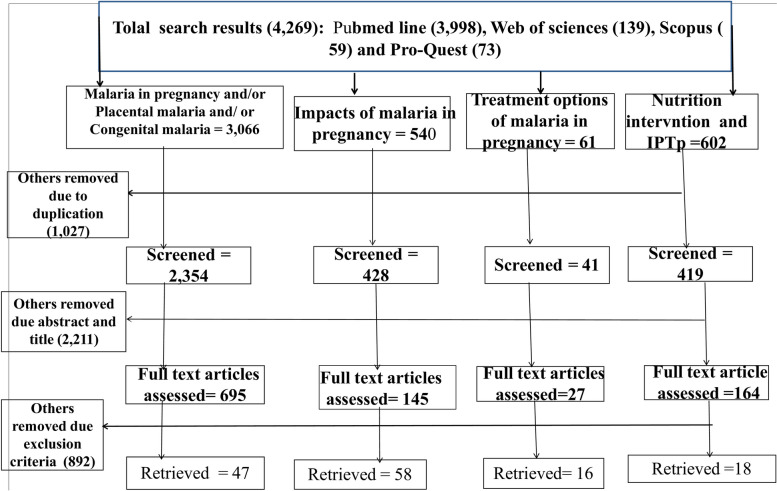
- The abstract reports 4,486 articles identified and 139 ultimately included; the results section reports an initial search yielding 4,269 publications, with 1,027 duplicates removed, 2,211 excluded on title/abstract, 892 removed after further screening, leaving 139 articles.
Limitations
- Stated: only articles published exclusively in English peer-reviewed, open-access journals were included, potentially excluding relevant studies from non-peer-reviewed sources or grey literature. Exclusion of articles without full-text access, focusing on non-pregnant populations or non-malaria conditions, or lacking sufficient data may have omitted valuable data. These inclusion and exclusion criteria may have led to selection bias, limiting generalizability.
- Evident: the abstract and results report different initial article counts (4,486 vs. 4,269), and the review presents a narrative/tabular synthesis without a meta-analysis.
Model-written summary. Check it against the paper before relying on it.
Integrity signals
Registry
Cites
Statistics
Figures
Verification
Claims the paper makes
105 Valid · 18 Not valid · 47 Not checked · 69 Own results and interpretations
At least one cited source doesn’t support this claim or points to a different paper, and none confirmed it — see the verdicts below.
In the paper
“Currently, RTS, S/AS01 (RTS, S) is the only malaria vaccine specifically recommended for use in pregnant women.”
§ Current update on malaria in pregnancy: a systematic review > Discussion
What the sources say
- Disputedcites [218] Mumtaz H, Nadeem A, Bilal W, Ansar F, Saleem S, Khan QA, et al. Acceptance, availability, and feasibility of RTS, S/AS01 malaria vaccine: a review. Immun Inflam Dis. 2023;11(6):e899. PMC10266133 37382251 sourceExperimental — accuracy not yet measured
The Discussion (page unavailable) describes the WHO-recommended RTS,S/AS01 regimen as beginning at about five months of age, with the third dose completed by nine months. The “Mode of administration, dosage, and side effects” section likewise describes it as a childhood vaccine. The source thus describes a recommendation for children, not one specifically for pregnant women. (LLM, conf=0.88)
Checked by a reasoning model — may be wrong.
- Disputedcites [219] Ogieuhi IJ, Ajekiigbe VO, Kolo-Manma K, Akingbola A, Odeniyi TA, Soyemi TS, et al. A narrative review of the RTS S AS01 malaria vaccine and its implementation in Africa to reduce the global malaria burden. Discover Public Health. 2024;21(1):1–13. sourceExperimental — accuracy not yet measured
Section 1.1, “RTS, S/AS01 vaccine: an overview” (page not provided), says WHO recommends four doses for children, beginning at five months of age. It does not describe a recommendation for pregnant women; the population it identifies is contrary to the claim. (LLM, conf=0.88)
Checked by a reasoning model — may be wrong.
plain- Asserted: passes — The authors put it forward as true.
- Checkable: passes — It can be checked against evidence.
- Load-bearing: unclear — It is unclear whether the paper’s conclusions depend on it.
- Based: passes — The paper gives a reason why it holds.
- Disputed
At least one cited source doesn’t support this claim or points to a different paper, and none confirmed it — see the verdicts below.
In the paper
“Several studies have confirmed that infections with P.knowlesi, P.malariae and P.ovale in pregnant women can lead to adverse maternal and pregnancy outcomes.”
§ Current update on malaria in pregnancy: a systematic review > Result > Effects of malaria during pregnancy
What the sources say
- Not checked — no full text of the sourcecites [25] Barber BE, Bird E, Wilkes CS, William T, Grigg MJ, Paramaswaran U, et al. Plasmodium knowlesi malaria during pregnancy. J Infect Dis. 2015;211(7):1104–10. 25301955 source
- Disputedcites [27] Doritchamou JY, Akuffo RA, Moussiliou A, Luty AJ, Massougbodji A, Deloron P, et al. Submicroscopic placental infection by non-falciparum Plasmodium spp. PLoS Negl Trop Dis. 2018;12(2):e0006279. 29432484 PMC5825172 sourceExperimental — accuracy not yet measured
The Abstract’s Conclusions state that the study found no association between non-falciparum infections and adverse pregnancy outcomes. The Results likewise report no relationship with low birth weight or maternal anemia at delivery; the study detected P. malariae and P. ovale but does not report outcome findings for P. knowlesi. It therefore does not confirm the attributed claim. (LLM, conf=0.90)
Checked by a reasoning model — may be wrong.
boostedstates a cause- Asserted: passes — The authors put it forward as true.
- Checkable: passes — It can be checked against evidence.
- Load-bearing: passes — The paper’s conclusions depend on it.
- Based: passes — The paper gives a reason why it holds.
At least one cited source doesn’t support this claim or points to a different paper, and none confirmed it — see the verdicts below.
In the paper
“Accordingly, Lopez-Perez et al. (2018) conducted a study in Colombia and found that men and children often have high levels of functional VAR2CSA-specific IgG.”
§ Current update on malaria in pregnancy: a systematic review > Result > Effects of malaria during pregnancy
What the sources say
- Disputedcites Lopez-Perez et al. (2018) matched to “IgG Responses to the Plasmodium falciparum Antigen VAR2CSA in Colombia Are Restricted to Pregnancy and Are Not Induced by Exposure to Plasmodium vivax” (2018) sourceExperimental — accuracy not yet measured
The Results (page not provided) found frequent IgG reactivity in Colombian men and children to an insect-cell-produced recombinant protein, but only 7% of their samples had IgG to its native counterpart above the cutoff. The Discussion (page not provided) cautions that recombinant-protein reactivity need not reflect recognition of native VAR2CSA. The paper therefore does not find that men and children often have high levels of functional VAR2CSA-specific IgG; it argues against that interpretation. (LLM, conf=0.91)
Checked by a reasoning model — may be wrong.
plain- Asserted: passes — The authors put it forward as true.
- Checkable: passes — It can be checked against evidence.
- Load-bearing: unclear — It is unclear whether the paper’s conclusions depend on it.
- Based: passes — The paper gives a reason why it holds.
- Disputed
At least one cited source doesn’t support this claim or points to a different paper, and none confirmed it — see the verdicts below.
In the paper
“A study by Barnadas et al. (2007) found that sulfadoxine-pyrimethamine (SP) is effective as monotherapy, for intermittent preventive treatment of pregnant women or children [144] (Additional file 5:Table S5).”
§ Current update on malaria in pregnancy: a systematic review > Result > Antimalarial treatment for malaria during pregnancy
What the sources say
- Not matchedcites Barnadas et al. (2007)
An author–year citation the paper’s reference list doesn’t settle. We don’t search these by name.
- Disputedcites [144] Barnadas C, Tichit M, Bouchier C, Ratsimbasoa A, Randrianasolo L, Raherinjafy R, et al. Plasmodium vivax dhfr and dhps mutations in isolates from Madagascar and therapeutic response to sulphadoxine-pyrimethamine. Malar J. 2008;7:1–11. 18302746 PMC2268703 sourceExperimental — accuracy not yet measured
The Conclusion says SP will not be completely effective for intermittent preventive treatment during pregnancy in Madagascar and raises concern about using it as monotherapy for pregnant women or children. The Results report a 19% treatment-failure rate after adjustment by genotyping; the study does not find the claimed effectiveness for preventive treatment. (LLM, conf=0.92)
Checked by a reasoning model — may be wrong.
plainstates a cause- Asserted: passes — The authors put it forward as true.
- Checkable: passes — It can be checked against evidence.
- Load-bearing: unclear — It is unclear whether the paper’s conclusions depend on it.
- Based: passes — The paper gives a reason why it holds.
- Not matched
Some cited sources support this claim and some don’t — read each source’s verdict below.
In the paper
“Although P.falciparum and P.vivax infections during pregnancy have been extensively studied, non-falciparum infections in women infected with these parasites also have a significant impact on pregnancy outcomes [27, 68].”
§ Current update on malaria in pregnancy: a systematic review > Discussion
What the sources say
- Partly supportedcites [27] Doritchamou JY, Akuffo RA, Moussiliou A, Luty AJ, Massougbodji A, Deloron P, et al. Submicroscopic placental infection by non-falciparum Plasmodium spp. PLoS Negl Trop Dis. 2018;12(2):e0006279. 29432484 PMC5825172 sourceExperimental — accuracy not yet measured
The Results section reports that mixed infections at enrolment were significantly associated with premature delivery (p = 0.037), supporting an effect on one pregnancy outcome. But non-falciparum infections alone were not significantly associated with prematurity, low birth weight, or maternal anaemia; the claim overstates the evidence for non-falciparum infections generally. Page numbers are unavailable in our copy. (LLM, conf=0.88)
- Disputedcites [68] Williams J, Njie F, Cairns M, Bojang K, Coulibaly SO, Kayentao K, et al. Non-falciparum malaria infections in pregnant women in West Africa. Malar J. 2016;15:53. 26823277 PMC4731909 sourceExperimental — accuracy not yet measured
The Discussion reports no association between non-falciparum infection at first antenatal visit and adverse pregnancy outcomes. The Abstract Conclusions say these infections were unlikely to have had an important impact on pregnancy outcomes in the communities studied, while noting that few women were infected. (LLM, conf=0.90)
Checked by a reasoning model — may be wrong.
plainstates an association- Asserted: passes — The authors put it forward as true.
- Checkable: passes — It can be checked against evidence.
- Load-bearing: unclear — It is unclear whether the paper’s conclusions depend on it.
- Based: passes — The paper gives a reason why it holds.
- Partly supported
102 more claims · 45 with their cited sources checked
Create a free account to see all 239 claims and to verify the 6 references still open.
- It may state two separate claims as one. 98
- Probably not a substantial claim. 53
- The quote only partly states this claim. 2
Self-check
Percentages, sums and reported differences re-computed from the paper’s own numbers.
Each contradiction between two passages listed here was confirmed by an independent check.
Rated major: it would touch a result — a value a result rests on, reported and recomputed p-values on opposite sides of the significance level, two passages that conflict with no sign which is right, or a cited work retracted before this paper was published.
In the paper
§ Current update on malaria in pregnancy: a systematic review > Conclusion
“Artesunate is the drug of choice for all forms of malaria at any stage of pregnancy.”
§ Current update on malaria in pregnancy: a systematic review > Conclusion
“ACTs, such as artemether-lumefantrine (AL, Coartem), are the preferred treatment for uncomplicated P.falciparum cases at all stages of pregnancy.”
Rated minor: it would not touch a result — a value no result rests on, a p-value that stays on the same side of the significance level, or a conflict that is clerical, resolved elsewhere in the paper, or outside its own findings.
In the paper
§ Current update on malaria in pregnancy: a systematic review > Result > Epidemiology of malaria in pregnancy: a global perspective
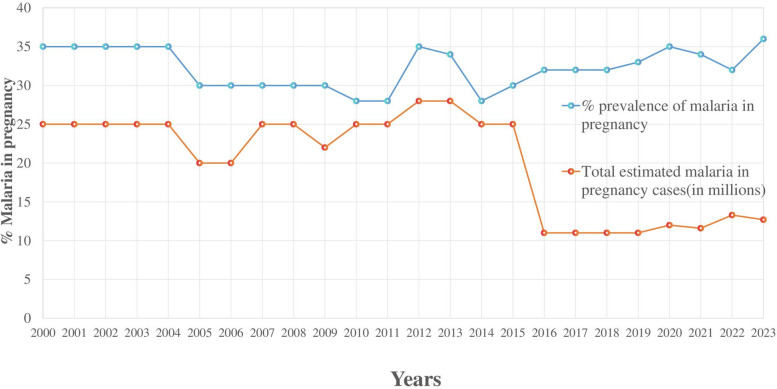
“In general, the data indicate a decline in malaria in pregnancy over time, reflecting the impact of improved prevention measures and treatment strategies.”
§ Current update on malaria in pregnancy: a systematic review > Result > Epidemiology of malaria in pregnancy: a global perspective
“From 2000 to 2023, the global trend shows an overall increase in the prevalence and burden of malaria in pregnancy but decline in estimation of malaria in pregnancy cases, due to interventions such as IPTp, ITNs, and better treatment protocols.”
Rated minor: it would not touch a result — a value no result rests on, a p-value that stays on the same side of the significance level, or a conflict that is clerical, resolved elsewhere in the paper, or outside its own findings.
In the paper
§ Current update on malaria in pregnancy: a systematic review > Result > Congenital malaria
“Sudan exhibited a wide range of prevalence, with figures between 18.6% and 56.8% determined through PCR analyses of cord blood samples.”
§ Current update on malaria in pregnancy: a systematic review > Result > Epidemiology of malaria in pregnancy: a global perspective
“| Omer et al.(2020) | Sudan | *56.8 | NA | 0 | NA | 0 | NA | [41] |”
Rated minor: it would not touch a result — a value no result rests on, a p-value that stays on the same side of the significance level, or a conflict that is clerical, resolved elsewhere in the paper, or outside its own findings.
In the paper
“| Mean | India | 19.5 | NA | 13.6 | - | 4.6 | NA | |”
§ Current update on malaria in pregnancy: a systematic review > Result > Epidemiology of malaria in pregnancy: a global perspective
Reported 19.5 · recomputed 17.983333
Rated minor: it would not touch a result — a value no result rests on, a p-value that stays on the same side of the significance level, or a conflict that is clerical, resolved elsewhere in the paper, or outside its own findings.
In the paper
“| Mean | Colombia | 0.82 | 0.82 | 8.2 | 2.3 | 2.3 | 5.1 | 0 | 0.8 | |”
§ Current update on malaria in pregnancy: a systematic review > Result > Epidemiology of malaria in pregnancy: a global perspective
Reported 2.3 · recomputed 1.4
2 more findings
Create a free account to see every finding of this check.
Citations
Cites
Liberati, A., Altman, D. G., Tetzlaff, J., Mulrow, C., Gøtzsche, P. C., Ioannidis, J. P. A., Clarke, M., Devereaux, P. J., Kleijnen, J., & Moher, D. (2009) · Annals of Internal Medicine · doi:10.7326/0003-4819-151-4-200908180-00136 · Cited by 10,349
Every Newborn: progress, priorities, and potential beyond survival
Lawn, J. E., Blencowe, H., Oza, S., You, D., Lee, A. C., Waiswa, P., Lalli, M., Bhutta, Z., Barros, A. J., Christian, P., et al. (2014) · The Lancet · doi:10.1016/s0140-6736(14)60496-7 · Cited by 1,929
Epidemiology and burden of malaria in pregnancy
Desai, M., ter Kuile, F. O., Nosten, F., McGready, R., Asamoa, K., Brabin, B., & Newman, R. D. (2007) · The Lancet Infectious Diseases · doi:10.1016/s1473-3099(07)70021-x · Cited by 1,432
Adherence of Plasmodium falciparum to Chondroitin Sulfate A in the Human Placenta
Fried, M., & Duffy, P. E. (1996) · Science · doi:10.1126/science.272.5267.1502 · Cited by 1,108
Malaria in pregnancy: pathogenesis and immunity
Rogerson, S. J., Hviid, L., Duffy, P. E., Leke, R. F., & Taylor, D. W. (2007) · The Lancet Infectious Diseases · doi:10.1016/s1473-3099(07)70022-1 · Cited by 628 · cited 2×
“Asymptomatic infections show no obvious symptoms but can still pose a significant risk to fetal development [15].”
The consequences of fetal growth restriction on brain structure and neurodevelopmental outcome
Miller, S. L., Huppi, P. S., & Mallard, C. (2016) · The Journal of Physiology · doi:10.1113/jp271402 · Cited by 620 · cited 1×
“Intrauterine growth restriction, low birth weight and reduced fetal viability, including stunted growth and cognitive development in children, have been observed in association with chronic disease in adult-hood [176, 177].”
Quantifying the Number of Pregnancies at Risk of Malaria in 2007: A Demographic Study
Dellicour, S., Tatem, A. J., Guerra, C. A., Snow, R. W., & ter Kuile, F. O. (2010) · PLoS Medicine · doi:10.1371/journal.pmed.1000221 · Cited by 490 · cited 1×
“Therefore, implementing strategies to mitigate the risk of malaria during pregnancy remains critically important [162–164].”
Neonatal Morbidities of Fetal Growth Restriction: Pathophysiology and Impact
Malhotra, A., Allison, B. J., Castillo-Melendez, M., Jenkin, G., Polglase, G. R., & Miller, S. L. (2019) · Frontiers in Endocrinology · doi:10.3389/fendo.2019.00055 · Cited by 453 · cited 2×
“This can lead to fetal hypoxia, growth restriction and developmental problems [176].”
Murphy, S., & Breman, J. (2001) · The American Journal of Tropical Medicine and Hygiene · doi:10.4269/ajtmh.2001.64.57 · Cited by 451
Evidence and Implications of Mortality Associated with Acute Plasmodium vivax Malaria
Baird, J. K. (2013) · Clinical Microbiology Reviews · doi:10.1128/cmr.00074-12 · Cited by 398 · cited 1×
“Although the reasons for this are not fully understood, P.vivax malaria is increasingly recognized as a cause of severe malaria [132].”
Effects of Plasmodium vivax malaria in pregnancy.
Nosten, F., McGready, R., Simpson, J., Thwai, K., Balkan, S., Cho, T., Hkirijaroen, L., Looareesuwan, S., & White, N. (1999) · The Lancet · doi:10.1016/s0140-6736(98)09247-2 · Cited by 381 · cited 2×
“A single episode of P.falciparum or P.vivax malaria during the first trimester of pregnancy can lead to miscarriage [134].”
Estimating the Global Clinical Burden of Plasmodium falciparum Malaria in 2007
Hay, S. I., Okiro, E. A., Gething, P. W., Patil, A. P., Tatem, A. J., Guerra, C. A., & Snow, R. W. (2010) · PLoS Medicine · doi:10.1371/journal.pmed.1000290 · Cited by 374 · cited 1×
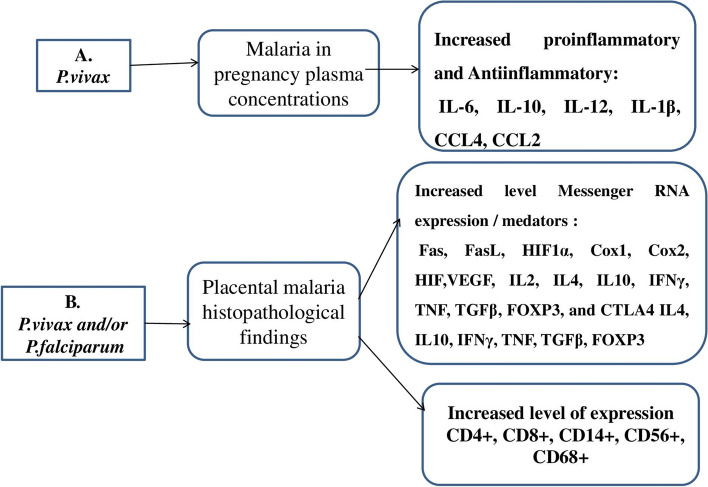
“The available articles indicate that pregnant women infected with P.falciparum and P.vivax have higher plasma concentrations of pro-inflammatory cytokines than their uninfected counterparts [117, 118].”
Burden, pathology, and costs of malaria in pregnancy: new developments for an old problem
Rogerson, S. J., Desai, M., Mayor, A., Sicuri, E., Taylor, S. M., & van Eijk, A. M. (2018) · The Lancet Infectious Diseases · doi:10.1016/s1473-3099(18)30066-5 · Cited by 306 · cited 9×
“Consequently, this cascade of events can lead to impaired fetal growth and development, ultimately contributing to an unfavorable pregnancy outcome [10, 16, 181].”
InfluentialOn the Cytoadhesion of Plasmodium vivax –Infected Erythrocytes
Carvalho, B. O., Lopes, S. C. P., Nogueira, P. A., Orlandi, P. P., Bargieri, D. Y., Blanco, Y. C., Mamoni, R., Leite, J. A., Rodrigues, M. M., Soares, I. S., et al. (2010) · The Journal of Infectious Diseases · doi:10.1086/654815 · Cited by 299
Malaria and pregnancy: a global health perspective.
(2009) · PubMed Central · Cited by 278
ROGERSON, S. J., POLLINA, E., GETACHEW, A., TADESSE, E., LEMA, V. M., & MOLYNEUX, M. E. (2003) · The American Journal of Tropical Medicine and Hygiene · doi:10.4269/ajtmh.2003.68.1.0680115 · Cited by 275 · cited 1×
“Sequestration of infected red blood cells in the placenta, facilitated by specific parasite ligands such as VAR2CSA, triggers placental inflammation, reduced blood flow and impaired nutrient exchange [19, 182, 183].”
Placental Responses to Changes in the Maternal Environment Determine Fetal Growth
Dimasuay, K. G., Boeuf, P., Powell, T. L., & Jansson, T. (2016) · Frontiers in Physiology · doi:10.3389/fphys.2016.00012 · Cited by 258 · cited 1×
“Effective case management includes timely diagnosis and treat-ment with antimalarial drugs that are considered safe for use during pregnancy, taking into account the potential development of drug resistance and the special needs of pregnant women [22].”
Eisele, T. P., Larsen, D. A., Anglewicz, P. A., Keating, J., Yukich, J., Bennett, A., Hutchinson, P., & Steketee, R. W. (2012) · The Lancet Infectious Diseases · doi:10.1016/s1473-3099(12)70222-0 · Cited by 253 · cited 2×
“IPTp has been shown to significantly reduce malaria prevalence and improve pregnancy-related outcomes [203, 204].”
McGready, R., Lee, S., Wiladphaingern, J., Ashley, E., Rijken, M., Boel, M., Simpson, J., Paw, M., Pimanpanarak, M., Mu, O., et al. (2012) · The Lancet Infectious Diseases · doi:10.1016/s1473-3099(11)70339-5 · Cited by 228
Bruneel, F., Hocqueloux, L., Alberti, C., Wolff, M., Chevret, S., Bédos, J.-P., Durand, R., Le Bras, J., Régnier, B., & Vachon, F. (2003) · American Journal of Respiratory and Critical Care Medicine · doi:10.1164/rccm.200206-631oc · Cited by 207 · cited 1×
“The treatment of severe P.vivax malaria is similar to that of severe P.falciparum malaria [92, 133].”
Fried, M., & Duffy, P. E. (2017) · Cold Spring Harbor Perspectives in Medicine · doi:10.1101/cshperspect.a025551 · Cited by 202 · cited 3×
“Therefore, the management of malaria in pregnancy encompasses a multifaceted approach that includes preventive and therapeutic strategies [20].”
Malaria in pregnancy: small babies, big problem
Umbers, A. J., Aitken, E. H., & Rogerson, S. J. (2011) · Trends in Parasitology · doi:10.1016/j.pt.2011.01.007 · Cited by 200 · cited 1×
“Sequestration of infected red blood cells in the placenta, facilitated by specific parasite ligands such as VAR2CSA, triggers placental inflammation, reduced blood flow and impaired nutrient exchange [19, 182, 183].”
Takem, E. N., & D'Alessandro, U. (2013) · Mediterranean Journal of Hematology and Infectious Diseases · doi:10.4084/mjhid.2013.010 · Cited by 185
Malaria in pregnancy in the Asia-Pacific region
Rijken, M. J., McGready, R., Boel, M. E., Poespoprodjo, R., Singh, N., Syafruddin, D., Rogerson, S., & Nosten, F. (2012) · The Lancet Infectious Diseases · doi:10.1016/s1473-3099(11)70315-2 · Cited by 181
An overview of malaria in pregnancy
Bauserman, M., Conroy, A. L., North, K., Patterson, J., Bose, C., & Meshnick, S. (2019) · Seminars in Perinatology · doi:10.1053/j.semperi.2019.03.018 · Cited by 167 · cited 2×
“This suggests that the physiological changes in the first pregnancy, which affect immune function and increase susceptibility to Plasmodium infection, make primigravidae particularly vulnerable to this disease and its complications [13].”
Suguitan, Jr., Leke, R. G. F., Fouda, G., Zhou, A., Thuita, L., Metenou, S., Fogako, J., Megnekou, R., & Taylor, D. W. (2003) · The Journal of Infectious Diseases · doi:10.1086/378500 · Cited by 161
van Eijk, A. M., Hill, J., Alegana, V. A., Kirui, V., Gething, P. W., ter Kuile, F. O., & Snow, R. W. (2011) · The Lancet Infectious Diseases · doi:10.1016/s1473-3099(10)70295-4 · Cited by 159
Lacerda, M. V., Mourão, M. P., Alexandre, M. A., Siqueira, A. M., Magalhães, B. M., Martinez-Espinosa, F. E., Santana Filho, F. S., Brasil, P., Ventura, A. M., Tada, M. S., et al. (2012) · Malaria Journal · doi:10.1186/1475-2875-11-12 · Cited by 158
Prevention of malaria in pregnancy
Desai, M., Hill, J., Fernandes, S., Walker, P., Pell, C., Gutman, J., Kayentao, K., Gonzalez, R., Webster, J., Greenwood, B., et al. (2018) · The Lancet Infectious Diseases · doi:10.1016/s1473-3099(18)30064-1 · Cited by 153
Poespoprodjo, J. R., Fobia, W., Kenangalem, E., Lampah, D. A., Warikar, N., Seal, A., McGready, R., Sugiarto, P., Tjitra, E., Anstey, N. M., et al. (2008) · Clinical Infectious Diseases · doi:10.1086/586743 · Cited by 148 · cited 2×
“Severe cases may progress to life-threatening complications such as severe malaria both the mother and the fetus [40, 43, 84].”
Epidemiology of malaria in pregnancy in central India.
(1999) · Europe PMC (PubMed Central) · Cited by 140
Bekele, G., Wolde, H. F., & Baraki, A. G. (2020) · BMC Infectious Diseases · doi:10.1186/s12879-020-05289-9 · Cited by 138
McGready, R., Tan, S. O., Ashley, E. A., Pimanpanarak, M., Viladpai-nguen, J., Phaiphun, L., Wüstefeld, K., Barends, M., Laochan, N., Keereecharoen, L., et al. (2008) · PLoS Medicine · doi:10.1371/journal.pmed.0050253 · Cited by 136
Malaria Prevention with IPTp during Pregnancy Reduces Neonatal Mortality
Menéndez, C., Bardají, A., Sigauque, B., Sanz, S., Aponte, J. J., Mabunda, S., & Alonso, P. L. (2010) · PLoS ONE · doi:10.1371/journal.pone.0009438 · Cited by 135 · cited 1×
“…have demonstrated that IPTp-SP can reduce the prevalence of maternal P.falciparum infection, low birth weight and preterm birth, particularly in women in their first and second pregnancies [21, 145–147], and that it can reduce placental malaria parasitemia and maternal anemia [146, 148, 149].”
Chua, C. L. L., Hasang, W., Rogerson, S. J., & Teo, A. (2021) · Frontiers in Immunology · doi:10.3389/fimmu.2021.621382 · Cited by 114
Filler, S. J., Kazembe, P., Thigpen, M., Macheso, A., Parise, M. E., Newman, R. D., Steketee, R. W., & Hamel, M. (2006) · The Journal of Infectious Diseases · doi:10.1086/505080 · Cited by 108 · cited 2×
“…have demonstrated that IPTp-SP can reduce the prevalence of maternal P.falciparum infection, low birth weight and preterm birth, particularly in women in their first and second pregnancies [21, 145–147], and that it can reduce placental malaria parasitemia and maternal anemia [146, 148, 149].”
González-Pons, M., Szeto, A. C., González-Méndez, R., & Serrano, A. E. (2009) · Malaria Journal · doi:10.1186/1475-2875-8-1 · Cited by 101
New Insights into Acquisition, Boosting, and Longevity of Immunity to Malaria in Pregnant Women
Fowkes, F. J., McGready, R., Cross, N. J., Hommel, M., Simpson, J. A., Elliott, S. R., Richards, J. S., Lackovic, K., Viladpai-Nguen, J., Narum, D., et al. (2012) · The Journal of Infectious Diseases · doi:10.1093/infdis/jis566 · Cited by 101
Nega, D., Dana, D., Tefera, T., & Eshetu, T. (2015) · PLOS ONE · doi:10.1371/journal.pone.0123630 · Cited by 86 · cited 2×
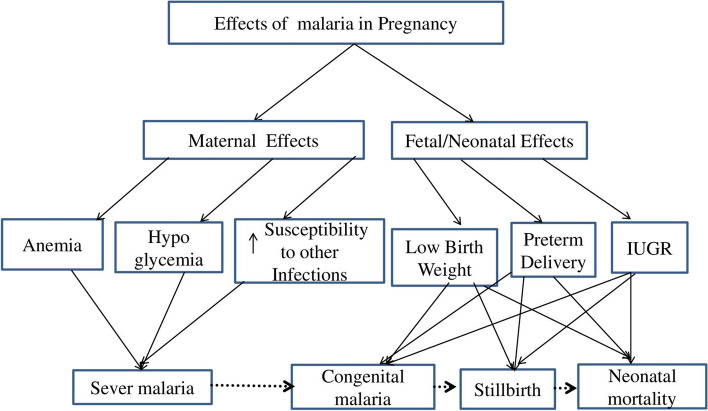
“Maternal effects include conditions such as hypo-glycemia and anemia, which compromise the mother’s health and increase susceptibility to secondary infections [6, 25, 40, 42, 43].”
Placental malaria and its effect on pregnancy outcomes in Sudanese women from Blue Nile State
Omer, S. A., Idress, H. E., Adam, I., Abdelrahim, M., Noureldein, A. N., Abdelrazig, A. M., Elhassan, M. O., & Sulaiman, S. M. (2017) · Malaria Journal · doi:10.1186/s12936-017-2028-0 · Cited by 83
Muehlenbachs, A., Fried, M., Lachowitzer, J., Mutabingwa, T. K., & Duffy, P. E. (2007) · The Journal of Immunology · doi:10.4049/jimmunol.179.1.557 · Cited by 81
Folate, vitamin D, and iron intakes are low among pregnant Finnish women
Erkkola, M., Karppinen, M., Järvinen, A., Knip, M., & Virtanen, S. (1998) · European Journal of Clinical Nutrition · doi:10.1038/sj.ejcn.1600638 · Cited by 81 · cited 1×
“Similarly, a balanced diet can generally meet increased nutrient requirements during pregnancy, but supplementation may be required for certain nutrients such as vitamin D, folic acid and iron [214].”
Ultrasound Evidence of Early Fetal Growth Restriction after Maternal Malaria Infection
Rijken, M. J., Papageorghiou, A. T., Thiptharakun, S., Kiricharoen, S., Dwell, S. L. M., Wiladphaingern, J., Pimanpanarak, M., Kennedy, S. H., Nosten, F., & McGready, R. (2012) · PLoS ONE · doi:10.1371/journal.pone.0031411 · Cited by 80 · cited 1×
“Strategies for the prevention of malaria in pregnancy should focus on early pregnancy [10, 186].”
Placental Histopathological Changes Associated with Plasmodium vivax Infection during Pregnancy
Souza, R. M., Ataíde, R., Dombrowski, J. G., Ippólito, V., Aitken, E. H., Valle, S. N., Álvarez, J. M., Epiphânio, S., & Marinho, C. R. F. (2013) · PLoS Neglected Tropical Diseases · doi:10.1371/journal.pntd.0002071 · Cited by 79 · cited 2×
“The researchers found that P.vivax infection was associated with syncytial nodules, increased thickness of the placental barrier, and a higher presence of mononuclear cells [105].”
Watson, J., Taylor, W. R. J., Bancone, G., Chu, C. S., Jittamala, P., & White, N. J. (2018) · PLOS Neglected Tropical Diseases · doi:10.1371/journal.pntd.0006440 · Cited by 77 · cited 1×
“Since primaquine and tafenoquine may only be used to a limited extent during pregnancy due to their possible hemolytic effects, recurrent malaria may occur after malaria treatment [198].”
Cohee, L. M., Kalilani-Phiri, L., Boudova, S., Joshi, S., Mukadam, R., Seydel, K. B., Mawindo, P., Thesing, P., Kamiza, S., Makwakwa, K., et al. (2014) · Malaria Journal · doi:10.1186/1475-2875-13-274 · Cited by 75 · cited 2×
“Future strategies may need to target women before their first antenatal care visit and effectively treat and prevent all malaria infections, including submicroscopic ones [154].”
Yimam, Y., Nateghpour, M., Mohebali, M., & Abbaszadeh Afshar, M. J. (2021) · PLOS ONE · doi:10.1371/journal.pone.0248245 · Cited by 75 · cited 3×
“Likewise, other studies reported that pregnant women, especially those in their first pregnancy (primigravidae), are at a higher risk of severe malaria and its complications [8–11].”
Lufele, E., Umbers, A., Ordi, J., Ome-Kaius, M., Wangnapi, R., Unger, H., Tarongka, N., Siba, P., Mueller, I., Robinson, L., et al. (2017) · Malaria Journal · doi:10.1186/s12936-017-2077-4 · Cited by 74
The effects of quinine and chloroquine antimalarial treatments in the first trimester of pregnancy
Mcgready, R., Thwai, K. L., Cho, T., Samuel, Looareesuwan, S., White, N. J., & Nosten, F. (2002) · Transactions of the Royal Society of Tropical Medicine and Hygiene · doi:10.1016/s0035-9203(02)90297-x · Cited by 73 · cited 1×
“Numerous studies have reported that malaria during pregnancy, caused by both P.falciparum and P.vivax, can lead to severe complications [10, 14, 88, 101].”
Vásquez, A. M., Medina, A. C., Tobón-Castaño, A., Posada, M., Tobón, G. J. V., Campillo, A., González, I. J., & Ding, X. C. (2018) · PLoS ONE · doi:10.1371/journal.pone.0201769 · Cited by 72
Burden and impact of Plasmodium vivax in pregnancy: A multi-centre prospective observational study
Bardají, A., Martínez-Espinosa, F. E., Arévalo-Herrera, M., Padilla, N., Kochar, S., Ome-Kaius, M., Bôtto-Menezes, C., Castellanos, M. E., Kochar, D. K., Kochar, S. K., et al. (2017) · PLOS Neglected Tropical Diseases · doi:10.1371/journal.pntd.0005606 · Cited by 72
VAR2CSA and protective immunity against pregnancy-associated Plasmodium falciparum malaria
HVIID, L., & SALANTI, A. (2007) · Parasitology · doi:10.1017/s0031182007000121 · Cited by 69
Reddy, V., Weiss, D. J., Rozier, J., ter Kuile, F. O., & Dellicour, S. (2023) · The Lancet Global Health · doi:10.1016/s2214-109x(22)00431-4 · Cited by 68 · cited 6×
“A brief timeline illustrating the prevalence of malaria in pregnancy, based on WHO malaria reports from 2000 to 2023, along with additional findings from references [8, 60] is shown in Fig.”
InfluentialBurden of malaria in pregnancy in Jharkhand State, India
Hamer, D. H., Singh, M. P., Wylie, B. J., Yeboah-Antwi, K., Tuchman, J., Desai, M., Udhayakumar, V., Gupta, P., Brooks, M. I., Shukla, M. M., et al. (2009) · Malaria Journal · doi:10.1186/1475-2875-8-210 · Cited by 67
Khan, W. A., Galagan, S. R., Prue, C. S., Khyang, J., Ahmed, S., Ram, M., Alam, M. S., Haq, M. Z., Akter, J., Glass, G., et al. (2014) · PLoS ONE · doi:10.1371/journal.pone.0098442 · Cited by 67
Treating Severe Malaria in Pregnancy: A Review of the Evidence
Kovacs, S. D., Rijken, M. J., & Stergachis, A. (2015) · Drug Safety · doi:10.1007/s40264-014-0261-9 · Cited by 66 · cited 2×
“Additionally, other studies have reported that severe maternal malaria can result in cerebral malaria, associated neurologic sequelae, malarial anemia, respiratory distress, hypoglycemia, and other pregnancy-related complications [131, 169, 171–173].”
Chaikitgosiyakul, S., Rijken, M. J., Muehlenbachs, A., Lee, S. J., Chaisri, U., Viriyavejakul, P., Turner, G. D., Pongponratn, E., Nosten, F., & McGready, R. (2014) · Malaria Journal · doi:10.1186/1475-2875-13-4 · Cited by 66 · cited 4×
“Maternal anemia and infections can impair the supply of oxygen and nutrients to the fetus [89], contributing to outcomes like intrauterine growth restriction and preterm delivery [90, 91].”
InfluentialMolecular interactions in the placenta during malaria infection
Mens, P. F., Bojtor, E. C., & Schallig, H. D. F. H. (2010) · European Journal of Obstetrics & Gynecology and Reproductive Biology · doi:10.1016/j.ejogrb.2010.05.013 · Cited by 65
Chloroquine resistant vivax malaria in a pregnant woman on the western border of Thailand
Rijken, M. J., Boel, M. E., Russell, B., Imwong, M., Leimanis, M. L., Phyo, A. P., Muehlenbachs, A., Lindegardh, N., McGready, R., Rénia, L., et al. (2011) · Malaria Journal · doi:10.1186/1475-2875-10-113 · Cited by 62 · cited 1×
“Similarly, Rijken et al. (2011) reported that a pregnant woman on the western border of Thai-land developed chloroquine-resistant vivax malaria despite adequate chloroquine treatment [139].”
Manyando, C., Kayentao, K., D’Alessandro, U., Okafor, H. U., Juma, E., & Hamed, K. (2012) · Malaria Journal · doi:10.1186/1475-2875-11-141 · Cited by 62
Martínez-Espinosa, F. E., Daniel-Ribeiro, C. T., & Alecrim, W. D. (2004) · Memórias do Instituto Oswaldo Cruz · doi:10.1590/s0074-02762004000100003 · Cited by 58
Brabin, B. J., Ginny, M., Alpers, M., Brabin, L., Eggelte, T., & Van Der Kaay, H. J. (1990) · Annals of Tropical Medicine & Parasitology · doi:10.1080/00034983.1990.11812428 · Cited by 58 · cited 1×
“Even with prompt treatment, one or more asymptomatic infections with P.falciparum or P.viva x during the first half of preg-nancymay result in a smaller-than-expected fetal head circumference in the middle trimester [185].”
Pincelli, A., Neves, P. A. R., Lourenço, B. H., Corder, R. M., Malta, M. B., Sampaio-Silva, J., de Souza, R. M., Cardoso, M. A., Castro, M. C., Ferreira, M. U., et al. (2018) · The American Journal of Tropical Medicine and Hygiene · doi:10.4269/ajtmh.18-0135 · Cited by 57 · cited 1×
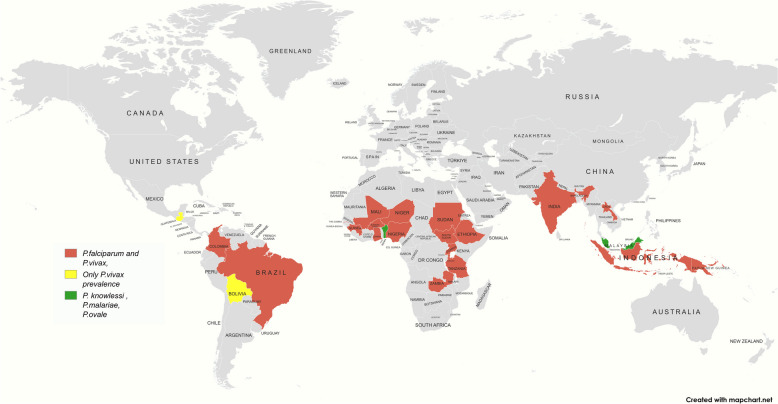
“Other Plasmodium species, such as P.knowlesi , P.ovale, and P.malariae , have also caused malaria in pregnancy in various countries, although less frequently [25–29] (Fig.”
Malaria in Pregnancy Before and After the Implementation of a National IPTp Program in Gabon
Ramharter, M., Schuster, K., Bouyou-Akotet, M. K., Adegnika, A. A., Schmits, K., Mombo-Ngoma, G., Agnandji, S. T., Nemeth, J., Afène, S. N., Issifou, S., et al. (2007) · The American Journal of Tropical Medicine and Hygiene · doi:10.4269/ajtmh.2007.77.418 · Cited by 56 · cited 1×
“…have demonstrated that IPTp-SP can reduce the prevalence of maternal P.falciparum infection, low birth weight and preterm birth, particularly in women in their first and second pregnancies [21, 145–147], and that it can reduce placental malaria parasitemia and maternal anemia [146, 148, 149].”
Titaley, C. R., Dibley, M. J., Roberts, C. L., & Agho, K. (2010) · The American Journal of Clinical Nutrition · doi:10.3945/ajcn.2009.29093 · Cited by 55 · cited 2×
“The combination of iron and folic acid supplements with SP-IPTp has been associated with a significant reduction in neonatal mortality in malaria-endemic countries in sub-Saharan Africa [161].”
Placental Infection With Plasmodium vivax: A Histopathological and Molecular Study
Mayor, A., Bardají, A., Felger, I., King, C. L., Cisteró, P., Dobaño, C., Stanisic, D. I., Siba, P., Wahlgren, M., del Portillo, H., et al. (2012) · The Journal of Infectious Diseases · doi:10.1093/infdis/jis614 · Cited by 53
Malaria Transmission and Fetal Growth
Macgregor, J. D., & Avery, J. G. (1974) · BMJ · doi:10.1136/bmj.3.5928.433 · Cited by 52 · cited 1×
“Malaria during pregnancy can exacerbate the condition of patients with drug-resistant parasites, anemia, endemic poverty, and malnutrition [87, 184].”
Barnadas, C., Tichit, M., Bouchier, C., Ratsimbasoa, A., Randrianasolo, L., Raherinjafy, R., Jahevitra, M., Picot, S., & Ménard, D. (2008) · Malaria Journal · doi:10.1186/1475-2875-7-35 · Cited by 50
Prevalence of malaria in pregnancy in southern Laos: a cross-sectional survey
Briand, V., Le Hesran, J.-Y., Mayxay, M., Newton, P. N., Bertin, G., Houzé, S., Keomany, S., Inthavong, Y., Vannavong, N., Chindavongsa, K., et al. (2016) · Malaria Journal · doi:10.1186/s12936-016-1492-2 · Cited by 46
Prevalence of gestational, placental and congenital malaria in north-west Colombia
Agudelo, O., Arango, E., Maestre, A., & Carmona-Fonseca, J. (2013) · Malaria Journal · doi:10.1186/1475-2875-12-341 · Cited by 44
Feleke, D. G., Adamu, A., Gebreweld, A., Tesfaye, M., Demisiss, W., & Molla, G. (2020) · Malaria Journal · doi:10.1186/s12936-020-3152-9 · Cited by 44
Dombrowski, J. G., Souza, R. M. D., Silva, N. R. M., Barateiro, A., Epiphanio, S., Gonçalves, L. A., & Marinho, C. R. F. (2018) · PLOS ONE · doi:10.1371/journal.pone.0199415 · Cited by 43 · cited 4×
“For the fetus or neonate, malaria poses risks such as low birth weight, preterm delivery, and growth restriction [10, 85], all of which are critical predictors of neonatal survival and long-term health including the maternal health [6, 32, 40, 43, 86–88].”
InfluentialDoes Malaria Affect Placental Development? Evidence from In Vitro Models
Umbers, A. J., Stanisic, D. I., Ome, M., Wangnapi, R., Hanieh, S., Unger, H. W., Robinson, L. J., Lufele, E., Baiwog, F., Siba, P. M., et al. (2013) · PLoS ONE · doi:10.1371/journal.pone.0055269 · Cited by 43
Dombrowski, J. G., Barateiro, A., Peixoto, E. P. M., Barros, A. B. C. D. S., Souza, R. M. D., Clark, T. G., Campino, S., Wrenger, C., Wunderlich, G., Palmisano, G., et al. (2021) · PLOS Neglected Tropical Diseases · doi:10.1371/journal.pntd.0009390 · Cited by 42 · cited 1×
“Additionally, a study conducted in Brazil by Dombrowski et al. (2021) found that IgG against the P.vivax MSP 119 protein was used as a marker for exposure during pregnancy [96].”
Acceptance, availability, and feasibility of RTS, S/AS01 malaria vaccine: A review
Mumtaz, H., Nadeem, A., Bilal, W., Ansar, F., Saleem, S., Khan, Q. A., Tango, T., Farkouh, C., Belay, N. F., Verma, R., et al. (2023) · Immunity, Inflammation and Disease · doi:10.1002/iid3.899 · Cited by 42
Non-falciparum malaria infections in pregnant women in West Africa
Williams, J., Njie, F., Cairns, M., Bojang, K., Coulibaly, S. O., Kayentao, K., Abubakar, I., Akor, F., Mohammed, K., Bationo, R., et al. (2016) · Malaria Journal · doi:10.1186/s12936-016-1092-1 · Cited by 42 · cited 1×
“Although P.falciparum and P.vivax infections during pregnancy have been extensively studied, non-falciparum infections in women infected with these parasites also have a significant impact on pregnancy outcomes [27, 68].”
Carmona-Fonseca, J., Arango, E., & Maestre, A. (2013) · The American Society of Tropical Medicine and Hygiene · doi:10.4269/ajtmh.12-0363 · Cited by 42
The impact of gravidity, symptomatology and timing of infection on placental malaria
Tran, E. E., Cheeks, M. L., Kakuru, A., Muhindo, M. K., Natureeba, P., Nakalembe, M., Ategeka, J., Nayebare, P., Kamya, M., Havlir, D., et al. (2020) · Malaria Journal · doi:10.1186/s12936-020-03297-3 · Cited by 40
Bôtto-Menezes, C., Bardají, A., Campos, G. D. S., Fernandes, S., Hanson, K., Martínez-Espinosa, F. E., Menéndez, C., & Sicuri, E. (2016) · PLoS neglected tropical diseases · doi:10.1371/journal.pntd.0004494 · Cited by 40
Kakuru, A., Staedke, S. G., Dorsey, G., Rogerson, S. J., & Chandramohan, D. (2019) · Malaria Journal · doi:10.1186/s12936-019-2943-3 · Cited by 39
Drug treatment and prevention of malaria in pregnancy: a critical review of the guidelines
Al Khaja, K. A. J., & Sequeira, R. P. (2021) · Malaria Journal · doi:10.1186/s12936-020-03565-2 · Cited by 39
Intermittent preventive treatment of malaria in pregnancy: at the crossroads of public health policy
Chico, R. M., & Chandramohan, D. (2011) · Tropical Medicine & International Health · doi:10.1111/j.1365-3156.2011.02765.x · Cited by 38
Kalinjuma, A. V., Darling, A. M., Mugusi, F. M., Abioye, A. I., Okumu, F. O., Aboud, S., Masanja, H., Hamer, D. H., Hertzmark, E., & Fawzi, W. W. (2020) · BMC Infectious Diseases · doi:10.1186/s12879-020-05521-6 · Cited by 37
Natama, H. M., Ouedraogo, D. F., Sorgho, H., Rovira-Vallbona, E., Serra-Casas, E., Somé, M. A., Coulibaly-Traoré, M., Mens, P. F., Kestens, L., Tinto, H., et al. (2017) · Scientific Reports · doi:10.1038/s41598-017-02173-6 · Cited by 37
Malaria in Pregnancy Interacts with and Alters the Angiogenic Profiles of the Placenta
Ataíde, R., Murillo, O., Dombrowski, J. G., Souza, R. M., Lima, F. A., Lima, G. F. M. C., Hristov, A. D., Valle, S. C. N., Di Santi, S. M., Epiphanio, S., et al. (2015) · PLOS Neglected Tropical Diseases · doi:10.1371/journal.pntd.0003824 · Cited by 37 · cited 1×
“According to Ataíde et al. (2015), women who contracted malaria during pregnancy had lower levels of angiopoietin-1, a vital regulator of angiogenesis, leading to specific changes in the structure and function of the placenta, which could explain the pathological changes observed [104].”
Nutritional supplements in pregnancy: commercial push or evidence based?
Glenville, M. (2006) · Current Opinion in Obstetrics & Gynecology · doi:10.1097/gco.0b013e328010214e · Cited by 36 · cited 1×
“Taking nutritional supplements during pregnancy can have a positive effect on the health of the mother, the course of the pregnancy, and the health of the child [157].”
Unger, H. W., Rosanas-Urgell, A., Robinson, L. J., Ome-Kaius, M., Jally, S., Umbers, A. J., Pomat, W., Mueller, I., Kattenberg, E., & Rogerson, S. J. (2019) · Malaria Journal · doi:10.1186/s12936-019-2931-7 · Cited by 35 · cited 8×
“More severe outcomes, including stillbirth, congenital malaria, and neonatal mortality, underscore the grave consequences of inadequate malaria management during pregnancy [6, 32, 40, 43, 86–88].”
InfluentialAhmed, R., Singh, N., ter Kuile, F. O., Bharti, P. K., Singh, P. P., Desai, M., Udhayakumar, V., & Terlouw, D. J. (2014) · Malaria Journal · doi:10.1186/1475-2875-13-232 · Cited by 35 · cited 1×
“Malaria-associated stillbirths and low birth weight have been observed in women with low protec - tive immunity, possibly because acute infection causes a shortened pregnancy [179, 180].”
Rupérez, M., González, R., Mombo‐Ngoma, G., Kabanywanyi, A. M., Sevene, E., Ouédraogo, S., Kakolwa, M. A., Valá, A., Accrombessi, M., Briand, V., et al. (2016) · PLoS Medicine · doi:10.1371/journal.pmed.1001964 · Cited by 35
Plasmodium vivax Malaria during Pregnancy, Bolivia
Brutus, L., Santalla, J., Schneider, D., Avila, J. C., & Deloron, P. (2013) · Emerging Infectious Diseases · doi:10.3201/eid1910.130308 · Cited by 34
Congenital malaria in Urabá, Colombia
Piñeros-Jiménez, J. G., Álvarez, G., Tobón, A., Arboleda, M., Carrero, S., & Blair, S. (2011) · Malaria Journal · doi:10.1186/1475-2875-10-239 · Cited by 33
Darling, A. M., Mugusi, F. M., Etheredge, A. J., Gunaratna, N. S., Abioye, A. I., Aboud, S., Duggan, C., Mongi, R., Spiegelman, D., Roberts, D., et al. (2017) · The American Society of Tropical Medicine and Hygiene · doi:10.4269/ajtmh.16-0599 · Cited by 33 · cited 1×
“Another study showed that vitamin A and zinc supplementation prevented placental malaria in pregnant women [159].”
Gutman, J. R., Khairallah, C., Stepniewska, K., Tagbor, H., Madanitsa, M., Cairns, M., L'lanziva, A. J., Kalilani, L., Otieno, K., Mwapasa, V., et al. (2021) · eClinicalMedicine · doi:10.1016/j.eclinm.2021.101160 · Cited by 33 · cited 1×
“To support this, in areas of high seasonal malaria transmission, seasonal malaria chemoprevention with a combination of mefloquine, or amodiaquine and SP is being used as a strategy to reduce the incidence of malaria in pregnancy [206, 211–213].”
Cot, M., & Deloron, P. (2003) · British Medical Bulletin · doi:10.1093/bmb/ldg003 · Cited by 33
Thanapongpichat, S., McGready, R., Luxemburger, C., Day, N. P., White, N. J., Nosten, F., Snounou, G., & Imwong, M. (2013) · Malaria Journal · doi:10.1186/1475-2875-12-275 · Cited by 32 · cited 1×
“This may be due to the fact that a febrile episode triggers activation of hypnozoites (dormant liver stages) and increased allelic diversity during relapse [100].”
Ragonnet, R., Trauer, J. M., McBryde, E. S., Houben, R. M. G. J., Denholm, J. T., Handel, A., & Sumner, T. (2017) · The International Journal of Tuberculosis and Lung Disease · doi:10.5588/ijtld.16.0297 · Cited by 31 · cited 1×
“However, some countries are now exploring alternative drugs or com - bination therapies for IPT [209–211].”
Dombrowski, J. G., Souza, R. M. D., Lima, F. A., Bandeira, C. L., Murillo, O., Costa, D. D. S., Peixoto, E. P. M., Cunha, M. D. P., Zanotto, P. M. D. A., Bevilacqua, E., et al. (2019) · JAMA Network Open · doi:10.1001/jamanetworkopen.2019.3300 · Cited by 31 · cited 1×
“On the other hand, Dombrowski et al. (2019) found that the histological findings in the placentas in P.falciparum - infected pregnant women included increased syncytial nuclear aggregates and inflammatory infiltrates in the placentas of newborns with reduced head circumference [108].”
Malaria in pregnancy: Meta-analyses of prevalence and associated complications
Das, J. K., Lakhani, S., Rahman, A. R., Siddiqui, F., Ali Padhani, Z., Rashid, Z., Mahmud, O., Naqvi, S. K., Amir Naseem, H., Jehanzeb, H., et al. (2024) · Epidemiology and Infection · doi:10.1017/s0950268824000177 · Cited by 31
Varo, R., Chaccour, C., & Bassat, Q. (2020) · Medicina Clínica (English Edition) · doi:10.1016/j.medcle.2020.05.024 · Cited by 31
Malaria in pregnancy: adverse pregnancy outcomes and the future of prevention
Berhe, A. D., Doritchamou, J. Y. A., & Duffy, P. E. (2023) · Frontiers in Tropical Diseases · doi:10.3389/fitd.2023.1229735 · Cited by 30 · cited 3×
“Moreover, infants born to mothers with malaria have a higher risk of malaria infection and morbidity in early life [16–18].”
Olofin, I. O., Spiegelman, D., Aboud, S., Duggan, C., Danaei, G., & Fawzi, W. W. (2014) · JAIDS Journal of Acquired Immune Deficiency Syndromes · doi:10.1097/qai.0000000000000375 · Cited by 30 · cited 2×
“These measures include IPTp-SP, the use of ITNs and the use of IRS in conjunction with nutritional interventions [130, 160, 181, 194].”
Gore-Langton, G. R., Cano, J., Simpson, H., Tatem, A., Tejedor-Garavito, N., Wigley, A., Carioli, A., Gething, P., Weiss, D. J., Chandramohan, D., et al. (2022) · PLOS Global Public Health · doi:10.1371/journal.pgph.0001061 · Cited by 30 · cited 1×
“Therefore, implementing strategies to mitigate the risk of malaria during pregnancy remains critically important [162–164].”
Gemechu, T., Dedecha, W., Gelchu, M., Husen, O., & Jarso, H. (2023) · Infection and Drug Resistance · doi:10.2147/idr.s431877 · Cited by 30
Cytokine signatures of Plasmodium vivax infection during pregnancy and delivery outcomes
Dobaño, C., Bardají, A., Arévalo-Herrera, M., Martínez-Espinosa, F. E., Bôtto-Menezes, C., Padilla, N., Menegon, M., Kochar, S., Kochar, S. K., Unger, H., et al. (2020) · PLOS Neglected Tropical Diseases · doi:10.1371/journal.pntd.0008155 · Cited by 28
Prevention and control of malaria in pregnancy – new threats, new opportunities?
Rogerson, S. J., & Unger, H. W. (2016) · Expert Review of Anti-infective Therapy · doi:10.1080/14787210.2017.1272411 · Cited by 28
McGready, R., Wongsaen, K., Chu, C. S., Tun, N. W., Chotivanich, K., White, N. J., & Nosten, F. (2014) · Malaria Journal · doi:10.1186/1475-2875-13-191 · Cited by 27 · cited 2×
“Maternal anemia and infections can impair the supply of oxygen and nutrients to the fetus [89], contributing to outcomes like intrauterine growth restriction and preterm delivery [90, 91].”
Almaw, A., Yimer, M., Alemu, M., & Tegegne, B. (2022) · PLOS ONE · doi:10.1371/journal.pone.0266477 · Cited by 27
Effects of Vivax Malaria Acquired Before 20 Weeks of Pregnancy on Subsequent Changes in Fetal Growth
Machado Filho, A. C., da Costa, E. P., da Costa, E. P., Reis, I. S., Fernandes, E. A. C., Paim, B. V., & Martinez-Espinosa, F. E. (2014) · The American Society of Tropical Medicine and Hygiene · doi:10.4269/ajtmh.13-0285 · Cited by 26 · cited 1×
“In contrast, Machado Filho et al. (2014) point out that P.vivax infections in early gestation do not affect blood flow in the umbilical artery, but do affect fetal biometry in the second trimester and at birth [106].”
Gavina, K., Gnidehou, S., Arango, E., Hamel-Martineau, C., Mitran, C., Agudelo, O., Lopez, C., Karidio, A., Banman, S., Carmona-Fonseca, J., et al. (2018) · Infection and Immunity · doi:10.1128/iai.00797-17 · Cited by 26 · cited 1×
“Another study found that mixed Plasmodium infections were associated with a higher risk of preterm birth but did not result in lower birth weight compared to single-species infections [97].”
Mlugu, E. M., Minzi, O., Asghar, M., Färnert, A., Kamuhabwa, A. A. R., & Aklillu, E. (2020) · Pathogens · doi:10.3390/pathogens9030207 · Cited by 25 · cited 3×
“…have demonstrated that IPTp-SP can reduce the prevalence of maternal P.falciparum infection, low birth weight and preterm birth, particularly in women in their first and second pregnancies [21, 145–147], and that it can reduce placental malaria parasitemia and maternal anemia [146, 148, 149].”
Saito, M., Carrara, V. I., Gilder, M. E., Min, A. M., Tun, N. W., Pimanpanarak, M., Viladpai-nguen, J., Paw, M. K., Haohankhunnatham, W., Konghahong, K., et al. (2021) · BMC Medicine · doi:10.1186/s12916-021-02002-8 · Cited by 25
Submicroscopic placental infection by non-falciparum Plasmodium spp.
Doritchamou, J. Y. A., Akuffo, R. A., Moussiliou, A., Luty, A. J. F., Massougbodji, A., Deloron, P., & Tuikue Ndam, N. G. (2018) · PLOS Neglected Tropical Diseases · doi:10.1371/journal.pntd.0006279 · Cited by 25 · cited 3×
“However, these infections appear to have milder consequences for those affected compared to the more severe effects of P.falciparum and P.vivax [25, 27].”
Lopez-Perez, M., Larsen, M. D., Bayarri-Olmos, R., Ampomah, P., Stevenson, L., Arévalo-Herrera, M., Herrera, S., & Hviid, L. (2018) · Infection and Immunity · doi:10.1128/iai.00136-18 · Cited by 24
Requena, P., Rui, E., Padilla, N., Martínez-Espinosa, F. E., Castellanos, M. E., Bôtto-Menezes, C., Malheiro, A., Arévalo-Herrera, M., Kochar, S., Kochar, S. K., et al. (2016) · PLOS Neglected Tropical Diseases · doi:10.1371/journal.pntd.0005009 · Cited by 24
Plasmodium knowlesi Malaria During Pregnancy
Barber, B. E., Bird, E., Wilkes, C. S., William, T., Grigg, M. J., Paramaswaran, U., Menon, J., Jelip, J., Yeo, T. W., & Anstey, N. M. (2015) · Journal of Infectious Diseases · doi:10.1093/infdis/jiu562 · Cited by 24
Hidden burden of malaria in Indian women
Sharma, V. P. (2009) · Malaria Journal · doi:10.1186/1475-2875-8-281 · Cited by 24 · cited 1×
“Malaria during pregnancy can exacerbate the condition of patients with drug-resistant parasites, anemia, endemic poverty, and malnutrition [87, 184].”
Ballard, S.-B., Salinger, A., MPHc, Arguin, P. M., Desai, M., & Tan, K. R. (2018) · MMWR. Morbidity and Mortality Weekly Report · doi:10.15585/mmwr.mm6714a4 · Cited by 24
Solomon, A., Kahase, D., & Alemayhu, M. (2020) · Tropical Diseases Travel Medicine and Vaccines · doi:10.1186/s40794-020-00121-3 · Cited by 24
Charnaud, S. C., McGready, R., Herten-Crabb, A., Powell, R., Guy, A., Langer, C., Richards, J. S., Gilson, P. R., Chotivanich, K., Tsuboi, T., et al. (2016) · Scientific Reports · doi:10.1038/srep20859 · Cited by 23 · cited 2×
“Transfer of IgG peaks in the final weeks of pregnancy, which has implications for the timing of future malaria vaccination strategies in pregnant women [115].”
Agudelo-García, O. M., Arango-Flórez, E. M., & Carmona-Fonseca, J. (2017) · Journal of Tropical Medicine · doi:10.1155/2017/3680758 · Cited by 23
Vivax malaria and chloroquine resistance: a neglected disease as an emerging threat
Waheed, A. A., Ghanchi, N. K., Rehman, K. A., Raza, A., Mahmood, S. F., & Beg, M. A. (2015) · Malaria Journal · doi:10.1186/s12936-015-0660-0 · Cited by 23 · cited 1×
“Conversely, Waheed et al. (2015) documented the case of a pregnant woman with P.vivax infection in Pakistan who showed chloroquine resistance despite appropriate treatment [138].”
Kayiba, N. K., Yobi, D. M., Tchakounang, V. R. K., Mvumbi, D. M., Kabututu, P. Z., Devleesschauwer, B., Mukomena, E. S., DeMol, P., Hayette, M.-P., Mvumbi, G. L., et al. (2021) · Infection, Genetics and Evolution · doi:10.1016/j.meegid.2021.105009 · Cited by 22
Subussa, B. W., Eshetu, T., Degefa, T., & Ali, M. M. (2021) · PLoS ONE · doi:10.1371/journal.pone.0248074 · Cited by 22
Gnidehou, S., Mitran, C. J., Arango, E., Banman, S. L., Mena, A., Medawar, E., Lima, B. A. S., Doritchamou, J., Rajwani, J., Jin, A., et al. (2018) · The Journal of Infectious Diseases · doi:10.1093/infdis/jiy467 · Cited by 22
Transmission of Plasmodium vivax in South-Western Uganda: Report of Three Cases in Pregnant Women
Dhorda, M., Nyehangane, D., Rénia, L., Piola, P., Guerin, P. J., & Snounou, G. (2011) · PLoS ONE · doi:10.1371/journal.pone.0019801 · Cited by 22
Warrell, D. A. (2017) · doi:10.1201/9780203756621 · Cited by 21
Ameyaw, E. K. (2022) · Malaria Journal · doi:10.1186/s12936-022-04299-z · Cited by 21
Malaria in pregnancy complications in Southern Venezuela
Romero, M., Leiba, E., Carrión-Nessi, F. S., Freitas-De Nobrega, D. C., Kaid-Bay, S., Gamardo, Á. F., Chavero, M., Figuera, L., Camejo-Ávila, N. A., Marcano, M. V., et al. (2021) · Malaria Journal · doi:10.1186/s12936-021-03728-9 · Cited by 21 · cited 4×
“For the fetus or neonate, malaria poses risks such as low birth weight, preterm delivery, and growth restriction [10, 85], all of which are critical predictors of neonatal survival and long-term health including the maternal health [6, 32, 40, 43, 86–88].”
InfluentialPathophysiology of Severe Malaria Infection
Ohiagu, F. O., Chikezie, P. C., Ahaneku, C. C., Chikezie, C. M., & Law-Obi, F. C. (2021) · Asian Journal of Health Sciences · doi:10.15419/ajhs.v7i2.492 · Cited by 21 · cited 2×
“Additionally, other studies have reported that severe maternal malaria can result in cerebral malaria, associated neurologic sequelae, malarial anemia, respiratory distress, hypoglycemia, and other pregnancy-related complications [131, 169, 171–173].”
Dharmaratne, A. D. V. T. T., Dini, S., O’Flaherty, K., Price, D. J., Beeson, J., McGready, R., Nosten, F., Fowkes, F. J. I., Simpson, J. A., & Zaloumis, S. G. (2022) · Malaria Journal · doi:10.1186/s12936-022-04111-y · Cited by 20
Laochan, N., Zaloumis, S. G., Imwong, M., Lek-Uthai, U., Brockman, A., Sriprawat, K., Wiladphaingern, J., White, N. J., Nosten, F., & McGready, R. (2015) · Malaria Journal · doi:10.1186/s12936-015-0745-9 · Cited by 20
Bôtto-Menezes, C., Silva dos Santos, M. C., Lopes Simplício, J., Menezes de Medeiros, J., Barroso Gomes, K. C., de Carvalho Costa, I. C., Batista-Silva, E., Teixeira do Nascimento, C., da Silva Chagas, E. C., Jardim Sardinha, J. F., et al. (2015) · PLOS ONE · doi:10.1371/journal.pone.0144399 · Cited by 20 · cited 1×
“Additionally, Bôtto-Menezes et al. (2015) conducted a study in the Brazilian Amazon, which showed that clinical P.vivax malaria has serious health consequences for mothers and their babies, particularly in adolescents, primigravidae, and women with limited pre-natal care [99].”
Berchie, G. O., Doe, P. F., Azu, T. D., Agyeiwaa, J., Owusu, G., Boso, C. M., Yeboa, N. K., Agyare, D. F., Aboh, I. K., Nabe, B., et al. (2024) · Diseases · doi:10.3390/diseases12090203 · Cited by 20
Intermittent preventive treatment regimens for malaria in HIV-positive pregnant women
Mathanga, D. P., Uthman, O. A., & Chinkhumba, J. (2011) · Cochrane Database of Systematic Reviews · doi:10.1002/14651858.cd006689.pub2 · Cited by 19 · cited 2×
“Additionally, SP cannot be administered concomitantly with co-trimoxazole, a drug often recommended for infection prophylaxis in HIV-positive pregnant women [152].”
Maternal Clinical Findings in Malaria in Pregnancy in a Region of Northwestern Colombia
Piñeros, J. G., Tobon-Castaño, A., Álvarez, G., Portilla, C., & Blair, S. (2013) · The American Society of Tropical Medicine and Hygiene · doi:10.4269/ajtmh.12-0205 · Cited by 19 · cited 2×
“In particular, the authors reported that P.vivax infections in pregnant women frequently lead to organ-specific complications, with liver dysfunction being the most important complication observed [109].”
Singh, K. P., Shakeel, S., Naskar, N., Bharti, A., Kaul, A., Anwar, S., Kumari, S., Kumar, A., Singh, J. K., Kumari, N., et al. (2018) · Molecular Immunology · doi:10.1016/j.molimm.2018.03.019 · Cited by 19
Thrombocytopenia a predictor of malaria: how far?
Tiiba, J.-D. I., Ahmadu, P. U., Naamawu, A., Fuseini, M., Raymond, A., Osei-Amoah, E., Bobrtaa, P. C., Bacheyie, P. P., Abdulai, M. A., Alidu, I., et al. (2023) · Journal of Parasitic Diseases · doi:10.1007/s12639-022-01557-4 · Cited by 19
Yeboah, D. F., Afoakwah, R., Nwaefuna, E. K., Orish, V. N., & Boampong, J. N. (2016) · Journal of Parasitology Research · doi:10.1155/2016/9231946 · Cited by 19
Arango, E. M., Samuel, R., Agudelo, O. M., Carmona-Fonseca, J., Maestre, A., & Yanow, S. K. (2012) · Malaria Journal · doi:10.1186/1475-2875-11-392 · Cited by 18 · cited 1×
“A phylogenetic analysis examining the evolutionary relationships between the organisms shows that the P.vivax population is globally distributed among pregnant women [163–166].”
Malaria in Pregnancy: Update on Emergency Management
Smereck, J. (2011) · The Journal of Emergency Medicine · doi:10.1016/j.jemermed.2010.04.029 · Cited by 18 · cited 1×
“Nevertheless, the altered immune response associated with pregnancy can lead to atypical symptoms or even an asymptomatic course, posing a challenge for accurate diagnosis and treatment [181, 189, 190].”
Manore, C. A., Teboh-Ewungkem, M. I., Prosper, O., Peace, A., Gurski, K., & Feng, Z. (2019) · Bulletin of Mathematical Biology · doi:10.1007/s11538-018-0524-1 · Cited by 18 · cited 2×
“However, some countries are now exploring alternative drugs or com - bination therapies for IPT [209–211].”
Akinnawo, A., Kaali, S., Boamah-Kaali, E. A., Harrison, S., Dosoo, D., Cairns, M. E., & Asante, K. P. (2022) · Malaria Journal · doi:10.1186/s12936-022-04252-0 · Cited by 18
Age-modified factors associated with placental malaria in rural Burkina Faso
Bihoun, B., Zango, S. H., Traoré‐Coulibaly, M., Valéa, I., Ravinetto, R., Geertruyden, J. V., D’Alessandro, U., Tinto, H., & Robert, A. R. (2022) · BMC Pregnancy and Childbirth · doi:10.1186/s12884-022-04568-4 · Cited by 18
Zambare, K. K., Thalkari, A. B., & Tour, N. S. (2019) · Asian Journal of Research in Pharmaceutical Science · doi:10.5958/2231-5659.2019.00035.3 · Cited by 16
Prevalence of Malaria and Associated Factors among Delivering Mothers in Northwest Ethiopia
Limenih, A., Gelaye, W., & Alemu, G. (2021) · BioMed Research International · doi:10.1155/2021/2754407 · Cited by 16
Kamga, S. L. S., Ali, I. M., Ngangnang, G. R., Ulucesme, M. C., Keptcheu, L. T. D., Keming, E. M., Tchuenkam, V.-P. K., Foyet, J. V., Aktas, M., Noubom, M., et al. (2024) · Malaria Journal · doi:10.1186/s12936-023-04816-8 · Cited by 15
Predictors of placental malaria in Upper West Regional Hospital-Ghana
Mwin, P. K., Kuffuor, A., Nuhu, K., Okine, R. N. A., Kubio, C., Wurapa, F., Osei, F., & Afari, E. A. (2021) · BMC Pregnancy and Childbirth · doi:10.1186/s12884-021-03861-y · Cited by 15
Severe falciparum malaria in pregnancy in Southeast Asia: a multi-centre retrospective cohort study
Saito, M., Phyo, A. P., Chu, C., Proux, S., Rijken, M. J., Beau, C., Win, H. H., Archasuksan, L., Wiladphaingern, J., Phu, N. H., et al. (2023) · BMC Medicine · doi:10.1186/s12916-023-02991-8 · Cited by 14 · cited 1×
“Moreover, infants born to mothers with malaria have a higher risk of malaria infection and morbidity in early life [16–18].”
Apinjoh, T. O., Ntui, V. N., Chi, H. F., Moyeh, M. N., Toussi, C. T., Mayaba, J. M., Tangi, L. N., Kwi, P. N., Anchang-Kimbi, J. K., Dionne-Odom, J., et al. (2022) · PLOS ONE · doi:10.1371/journal.pone.0275370 · Cited by 13
Requena, P., Arévalo-Herrera, M., Menegon, M., Martínez-Espinosa, F. E., Padilla, N., Bôtto-Menezes, C., Malheiro, A., Hans, D., Castellanos, M. E., Robinson, L., et al. (2017) · Frontiers in Immunology · doi:10.3389/fimmu.2017.00163 · Cited by 13 · cited 2×
“…believed that P.vivax infection was not observed in Duffy-negative populations because the red blood cell surface antigen is required for parasite invasion [127], a study by Dhorda et al. (2011) in Uganda reported three P.vivax -positive cases in Duffy-negative African pregnant women [128].”
Diagnosis and Treatment of Malaria in Pregnancy
Ades, V. (2013) · Springer eBooks · doi:10.1007/978-1-4419-8258-2_4 · Cited by 13
Aurélio, F. S., Dutra, Í. P., Silva, V. B. D., Sampaio, A. L. L., & Oliveira, C. A. C. P. (2014) · The International Tinnitus Journal · doi:10.5935/0946-5448.20140010 · Cited by 13 · cited 1×
“In addition, a 3% prevalence of hearing loss was observed in newborns of mothers who had contracted P.viva x malaria and had taken chloroquine during pregnancy [140].”
Pregnancy-associated Malaria, Challenges and Prospects in Sub-Saharan Africa
Aguzie, I. O. N. (2018) · Clinics in Mother and Child Health · doi:10.4172/2090-7214.1000282 · Cited by 13
Ogieuhi, I. J., Ajekiigbe, V. O., Kolo-Manma, K., Akingbola, A., Odeniyi, T. A., Soyemi, T. S., Ayomide, J. H., Thiyagarajan, B., & Awolola, B. D. (2024) · Discover Public Health · doi:10.1186/s12982-024-00284-w · Cited by 13 · cited 1×
“There are no other vaccines available at this time for the prevention of malaria in pregnancy, apart from RTS, S, which is used in malaria-endemic regions, particularly during the second or third trimester of pregnancy [218, 219].”
Hangi, M., Achan, J., Saruti, A., Quinlan, J., & Idro, R. (2019) · American Journal of Tropical Medicine and Hygiene · doi:10.4269/ajtmh.17-0341 · Cited by 12
Eisenberg, S.-L., & Krieger, A. E. (2023) · Global Health Action · doi:10.1080/16549716.2023.2231257 · Cited by 12
No Association of Phenotypic ABO Blood Group and Malaria during Pregnancy
Boel, M. E., Rijken, M. J., Pimanpanarak, M., Keereecharoen, N. L., Proux, S., Nosten, F., & McGready, R. (2012) · The American Society of Tropical Medicine and Hygiene · doi:10.4269/ajtmh.2012.12-0129 · Cited by 11 · cited 1×
“Similarly, a study conducted by Boel et al. (2012) on the western border of Thailand analyzed the association between blood group and malaria in pregnancy and found that one-third of women (447 of 1,468) had at least one malaria infection during pregnancy.”
Lack of influence of red palm oil on severity of malaria infection in pre-school Nigerian children
Cooper, K. A., Adelekan, D. A., Esimai, A. O., Northrop-Clewes, C. A., & Thurnham, D. I. (2002) · Transactions of the Royal Society of Tropical Medicine and Hygiene · doi:10.1016/s0035-9203(02)90312-3 · Cited by 11 · cited 1×
“For example, red palm oil (RPO), a good source of vitamin A, has been associated with some protection against malaria in children over 36 months of age, and vitamin A reduced febrile malaria episodes and parasite counts, particularly in children aged 12 to 36 months [158].”
Congenital Malaria and Its Associated Factors at Issaka Gazobi Maternity of Niamey in Niger
Tahirou, I., Zara, M. O., Moustapha, M., Kamayé, M., Doutchi, M., Ibrahim, A. F., Daou, M., Soumana, A., & Ibrahim, M. L. (2020) · International Journal of Pediatrics · doi:10.1155/2020/7802560 · Cited by 11
Congenital malaria: Frequency and epidemiology in Colombia, 2009-2020
Cardona‐Arias, J. A., & Carmona‐Fonseca, J. (2022) · PLoS ONE · doi:10.1371/journal.pone.0263451 · Cited by 10
Owalla, T. J., Hergott, D. E. B., Seilie, A. M., Staubus, W., Chavtur, C., Chang, M., Kublin, J. G., Egwang, T. G., & Murphy, S. C. (2022) · Frontiers in Immunology · doi:10.3389/fimmu.2022.1003452 · Cited by 9
(2010) · PubMed · Cited by 9
Placental impression smears is a good indicator of placental malaria in sub-Saharan Africa
Ouédraogo, S., Accrombessi, M., Diallo, I., Codo, G. R., Ouattara, A., Ouedraogo, L. T., Massougbodji, A., & Cot, M. (2019) · Pan African Medical Journal · doi:10.11604/pamj.2019.34.30.20013 · Cited by 9
Gbaguidi, M. L. E., Adamou, R., Edslev, S. M., Hansen, A., Domingo, N. D., Dechavanne, C., Massougbodji, A., Garcia, A., Theisen, M., Milet, J., et al. (2024) · Malaria Journal · doi:10.1186/s12936-024-04970-7 · Cited by 9
Cardona-Arias, J. A., Higuita-Gutiérrez, L. F., & Carmona-Fonseca, J. (2023) · Tropical Medicine and Infectious Disease · doi:10.3390/tropicalmed8060292 · Cited by 8 · cited 1×
“In addition, reduced birth weight and head circumference have been associated with P.vivax infections and gestational, placental, and congenital malaria [178].”
Prospective study of malaria in pregnancy, placental and congenital malaria in Northwest Colombia
Cardona-Arias, J. A., & Carmona-Fonseca, J. (2024) · Malaria Journal · doi:10.1186/s12936-024-04948-5 · Cited by 8
Umemmuo, M. U., Agboghoroma, C. O., & Iregbu, K. C. (2019) · International Journal of Gynecology & Obstetrics · doi:10.1002/ijgo.13085 · Cited by 7
Iyamu, U., Vinals, D. F., Tornyigah, B., Arango, E., Bhat, R., Adra, T. R., Grewal, S., Martin, K., Maestre, A., Overduin, M., et al. (2023) · Frontiers in Cellular and Infection Microbiology · doi:10.3389/fcimb.2023.1202276 · Cited by 7 · cited 2×
“…pregnancy, and antibodies directed against the P.vivax Duffy Binding Protein (PvDBP) were found to cross-react with VAR2CSA due to the presence of an epitope in the CRP1 domain, suggesting that CRP1 is a potential vaccine candidate that could target a specific CSA binding site within VAR2CSA [113].”
Aung, P. P., Han, K. T., Groot, W., Biesma, R., Thein, Z. W., Htay, T., Lin, Z., Aye, K. H., Adams, M., & Pavlova, M. (2024) · Tropical Medicine and Health · doi:10.1186/s41182-024-00577-5 · Cited by 7
Carmona-Fonseca, J., & Cardona-Arias, J. A. (2022) · PLOS ONE · doi:10.1371/journal.pone.0263092 · Cited by 7 · cited 3×
“In addition, the histopathological features and CD + cell profiles of infected placentas showed statistically significant differences compared to non-placental malaria cases [119– 121], as summarized in Fig.”
Cardona-Arias, J. A., Higuita Gutiérrez, L. F., & Carmona-Fonseca, J. (2023) · Tropical Medicine and Infectious Disease · doi:10.3390/tropicalmed8020119 · Cited by 6 · cited 1×
“High prevalence rates in regions such as Niger and Sudan underscore. the need for improved maternal screening and preventive measures, while the absence of congenital malaria in India may be due to effective control measures or underreporting associated with diagnostic limitations [191–193].”
Dombrowski, J. G., Acford-Palmer, H., Campos, M., Separovic, E. P. M., Epiphanio, S., Clark, T. G., Campino, S., & Marinho, C. R. F. (2023) · The Lancet Regional Health - Americas · doi:10.1016/j.lana.2022.100407 · Cited by 5
Pathogenesis and Clinical Features of Malaria
Chen, H. (2023) · Parasitology Research Monographs · doi:10.1007/978-3-031-32902-9_5 · Cited by 5
Cardona-Arias, J. A., & Carmona-Fonseca, J. (2022) · PLOS ONE · doi:10.1371/journal.pone.0268949 · Cited by 5 · cited 1×
“A ten-year review conducted by Cardona-Arias and Carmona-Fonseca (2022) in Colombia underscores this observation [175].”
Carrión-Nessi, F. S., Castro, M. P., Freitas-De Nobrega, D. C., Moncada-Ortega, A., Omaña-Ávila, Ó. D., Mendoza-Millán, D. L., Marcano-Rojas, M. V., Trejo, N. J., Virriel, I. V., Chavero, M., et al. (2022) · BMC Pregnancy and Childbirth · doi:10.1186/s12884-022-05253-2 · Cited by 5 · cited 1×
“Furthermore, co-infection with COVID-19 and malaria can exacerbate the severity of morbidity and mortality [103].”
Asante, K. P., Wylie, B. J., Oppong, F. B., Quinn, A., Gyaase, S., Lee, A., Ae-Ngibise, K. A., Burkart, K. G., Boamah-Kaali, E. A., Kaali, S., et al. (2023) · Malaria Journal · doi:10.1186/s12936-022-04431-z · Cited by 5
Malaria in the Intensive Care Unit
(2021) · Indian Journal of Critical Care Medicine · doi:10.5005/jp-journals-10071-23871 · Cited by 4
Sharma, R. (2017) · JOURNAL OF CLINICAL AND DIAGNOSTIC RESEARCH · doi:10.7860/jcdr/2017/25529.9710 · Cited by 4
McLean, A. R. D., Boel, M., McGready, R., Ataide, R., Drew, D., Tsuboi, T., Beeson, J. G., Nosten, F., Simpson, J. A., & Fowkes, F. J. I. (2017) · The American Society of Tropical Medicine and Hygiene · doi:10.4269/ajtmh.16-0690 · Cited by 3
Do Blood group and Sickle cell trait protect against placental malaria?
Luuse, A. T., Alidu, H. W., Mawuli, M. A., Mubarak, A.-R., & Gyan, B. A. (2023) · Journal of Public Health in Africa · doi:10.4081/jphia.2023.2817 · Cited by 3
Singh, A., Mohan, K., Omar, B. J., Chacham, S., Chaturvedi, J., Basu, S., & Bhakat, R. (2021) · Current Pediatric Reviews · doi:10.2174/1573396317666211102093324 · Cited by 3
Castro-Cavadía, C. J., & Carmona-Fonseca, J. (2020) · Revista Colombiana de Obstetricia y Ginecología · doi:10.18597/rcog.3370 · Cited by 3
Pulmonary and Critical Care Aspects of Severe Malaria
Talwar, A., Fein, A., & Ahluwalia, G. (2005) · Lung Biology in Health and Disease · doi:10.1201/b14118-12 · Cited by 3 · cited 1×
“Additionally, other studies have reported that severe maternal malaria can result in cerebral malaria, associated neurologic sequelae, malarial anemia, respiratory distress, hypoglycemia, and other pregnancy-related complications [131, 169, 171–173].”
Prasetyorini, N., Erwan, N., Utomo, R., Nugraha, R., & Fitri, L. (2021) · Medical Archives · doi:10.5455/medarh.2021.75.291-296 · Cited by 2 · cited 1×
“Prasetyorini et al. (2021) reported in Maumere, Nusa Tenggara Timur, that P.vivax infection can cause acute, sub-acute, and chronic placental malaria in subclinically infected pregnant women, resulting in low birth weight in the infant [107].”
Prevalence of pregnant women with malaria in Aceh, symptoms and fetomaternal outcome
Maharani, C. R., Yeni, C. M., & Ayu, D. M. (2021) · Bali Medical Journal · doi:10.15562/bmj.v10i2.2388 · Cited by 2 · cited 1×
“Nevertheless, the altered immune response associated with pregnancy can lead to atypical symptoms or even an asymptomatic course, posing a challenge for accurate diagnosis and treatment [181, 189, 190].”
Complicated Malaria in Pregnancy
Prabhat, D. P., Waghmare, T. P., & Vaideeswar, P. (2022) · Maternal Mortality - Lessons Learnt from Autopsy · doi:10.1007/978-981-19-3420-9_22 · Cited by 2
Bhandari, V., Sharma, K., Pannu, H. S., Chhina, R. S., Taneja, A., Desai, H. D., Patel, N. N., Patel, K. N., Bhalla, S., & Patel, H. Y. (2021) · Cureus · doi:10.7759/cureus.13405 · Cited by 1 · cited 1×
“Complementing these findings, Bhandari et al. (2021) conducted a study in India that showed liver disease is common in pregnant women and that the presence of malaria can exacerbate the severity of this disease [110].”
Malaria – Current Treatment Options
Virginia, D. M., Shegokar, R., & Pathak, Y. (2023) · Malarial Drug Delivery Systems · doi:10.1007/978-3-031-15848-3_4 · Cited by 1
Omole Ohonsi, A. (2014) · Gynecology & Obstetrics · doi:10.4172/2161-0932.1000231 · Cited by 1
Gavina, K., Gnidehou, S., Arango, E., Hamel-Martineau, C., Mitran, C., Agudelo, O., Lopez, C., Karidio, A., Banman, S., Carmona-Fonseca, J., et al. (2018) · Infection and Immunity · doi:10.1128/iai.00366-18
Research works printed but not linked: 26
- Obeagu E, Obeagu G. Neonatal outcomes in children born to mothers with severe Malaria, HIV, and transfusion history: a review. Elite J Nurs Health Sci. 2024;2(3):38–58.
- Bôtto-Menezes C, Bardají A, Campos GDS, Fernandes S, Hanson K, Martínez-Espinosa FE, et al. Costs associated with malaria in pregnancy in the brazilian amazon, a low endemic area where Plasmodium vivax predominates. PLoS Negl Trop Dis. 2016;10(3):e0004494. 27031515 PMC4816546 · DOI
- Dombrowski JGR, Souza RMD, Regina NR, Silva M, Barateiro A, Epiphanio S, et al. Malaria during pregnancy and newborn outcome in an unstable transmission area in Brazil: a population-based record linkage study. PLoS ONE. 2018;13(6):e0199415. 29928025 PMC6013245 · DOI · Paper page
- Agudelo O, Arango E, Maestre A, Carmona-Fonseca J. Prevalence of gestational, placental and congenital malaria in north-west Colombia. Malar J. 2013;12:341. 24053184 PMC3849150 · DOI · Paper page
- Hamer DH, Singh MP, Wylie BJ, Antwi KY, Tuchman J, Desai M, et al. Burden of malaria in pregnancy in Jharkhand State. India Malaria Journal. 2009;8:210. 19728882 PMC2744702 · DOI · Paper page
- Khan WA, Galagan SR, Prue CS, Khyang J, Ahmed S, Ram M, et al. Asymptomatic Plasmodium falciparum Malaria in Pregnant Women in the Chittagong Hill Districts of Bangladesh. PLoS ONE. 2014;9(5):e9844. PMC4032281 24858193 · DOI · Paper page
- Briand V, Hesran JYL, Mayxay M, Newton PN, Bertin G, Houzé S, et al. Prevalence of malaria in pregnancy in southern Laos: a cross-sectional survey. Malar J. 2016;15:436. 27566274 PMC5002160 · DOI · Paper page
- Williams J, Njie F, Cairns M, Bojang K, Coulibaly SO, Kayentao K, et al. Non-falciparum malaria infections in pregnant women in West Africa. Malar J. 2016;15:53. 26823277 PMC4731909 · DOI · Paper page
- Unger HW, Rosanas-Urgell A, Robinson LJ, Ome-Kaius M, Jally S, Umbers AJ, et al. Microscopic and submicroscopic Plasmodium falciparum infection, maternal anaemia and adverse pregnancy outcomes in Papua New Guinea: a cohort study. Malarria J. 2019;18:302. PMC6720091 31477117 · DOI · Paper page
- Gontie GB, Wolde HF, Baraki AG. Prevalence and associated factors of malaria among pregnant women in Sherkole district, Benishangul Gumuz regional state West Ethiopia BMC. Infect Dis. 2020;20:573. PMC7405459 32758164
- Feleke DG, Adamu A, Gebreweld A, Tesfaye M, Demisiss W, Molla G. Asymptomatic malaria infection among pregnant women attending antenatal care in malaria endemic areas of North-Shoa, Ethiopia: a cross-sectional study. Malar J. 2020;19:67. 32046733 PMC7014710 · DOI · Paper page
- Solomon A, Kahase D, Alemayhu M. Prevalence of placental malaria among asymptomatic pregnant women in Wolkite health center, Gurage zone, Southern Ethiopia. Trop Dis Travel Med Vacc. 2020;6:20. PMC7552502 33062290 · DOI
- Limenih A, Gelaye W, Alemu G. Prevalence of Malaria and associated factors among delivering mothers in Northwest Ethiopia. Hindawi BioMed Res Int. 2021;2021:7. PMC8670928 34917681
- Gemechu T, Dedecha W, Gelchu M, Husen O, Jarso H. Asymptomatic Malaria during pregnancy: prevalence, influence on anemia and associated factors in West Guji Zone, Ethiopia – a community-based study. Infect Drug Resist. 2023;16:6747–55. 37876858 PMC10591643 · DOI
- Carmona-Fonseca J, Eliana A, Maestre A. Placental Malaria in Colombia: histopathologic findings in plasmodium vivax and P. falciparum infections. Am J Trop Med Hyg. 2013;88(6):1093–101. 23546807 PMC3752808 · DOI · Paper page
- Poespoprodjo ER, Fobia W, Kenangalem E, Lampah DA, Warikar N, Seal A, et al. Adverse pregnancy outcomes in an area where multidrug resistant Plasmodium vivax and Plasmodium falciparum infections are endemic. Clin Infect Dis. 2008;46(9):1374–81. 18419439 PMC2875100 · DOI · Paper page
- Hegde A. Malaria in the intensive care Unit. Indian J Crit Care Med. 2021. 10.5005/jp-journals:10071-23871. 34345125 PMC8327785 · doi:10.5005/jp-journals:10071-23871
- Dombrowski JGR, Barateiro A, Peixoto EPM, Barros ABCudS, Souza MD, Clark TG, et al. Adverse pregnancy outcomes are associated with Plasmodium vivax malaria in a prospective cohort of women from the Brazilian Amazon. PLoS Negl Trop Dis. 2021;15(4):e0009390. 33914739 PMC8112668 · DOI · Paper page
- Dobaño C, Bardajı´ A, Are´valo-Herrera M, Espinosa FEMn, Boˆtto-Menezes C, Padilla N, et al. Cytokine signatures of Plasmodium vivax infection during pregnancy and delivery outcomes. PLoS Neglected Trop Dis 2020;14(5):e0008155. PMC7224570 32365058 · DOI · Paper page
- Requena P, Rui E, Padilla N, MartõÂnez-Espinosa FE, Castellanos ME, tto-Menezes CB, et al. Plasmodium vivax VIR Proteins Are Targets of Naturally-Acquired Antibody and T Cell Immune Responses to Malaria in Pregnant Women. PLoS Neglected Tropical Diseases. 2016;10(10):e0005009. PMC5053494 27711158 · DOI · Paper page
- Nosten F, McGready R, Simpson J, Thwai KL, Balkan S, Cho T, et al. Effects of Plasmodium vivax malaria in pregnancy. The Lancet. 1999;354(9178):546–9. 10470698 · DOI · Paper page
- Barnadas C, Tichit M, Bouchier C, Ratsimbasoa A, Randrianasolo L, Raherinjafy R, et al. Plasmodium vivax dhfr and dhps mutations in isolates from Madagascar and therapeutic response to sulphadoxine-pyrimethamine. Malar J. 2008;7:1–11. 18302746 PMC2268703 · DOI · Paper page
- Dellicour S, Tatem AJ, Guerra CA, Snow RW, Kuile FOT. Quantifying the number of pregnancies at risk of Malaria in 2007: a demographic study. PLoS Med. 2010;7(1):e1000221. 20126256 PMC2811150 · DOI · Paper page
- Dellicour S, Tatem AJ, Guerra CA, Snow RW, Kuile FOT. Quantifying the number of pregnancies at risk of Malaria in 2007: a demographic study. PLoS Med. 2007;7(1):e1000221. PMC2811150 20126256 · DOI · Paper page
- Reddy V, Weiss DJ, Rozier J, Kuile FOT, Dellicou S. Global estimates of the number of pregnancies at risk of malaria from 2007 to 2020: a demographic study. Lancet Glob Health. 2023;11:e40-7. 36521951 PMC9764451 · DOI · Paper page
- Laochan N, Zaloumis SG, Imwong M, Lek-Uthai U, Brockman A, Sriprawat K, et al. Intervals to Plasmodium falciparum recurrence after anti-malarial treatment in pregnancy: a longitudinal prospective cohort. Malar J. 2015;14:1–9. 26017553 PMC4449611 · DOI · Paper page
Cited by
Sargsyan, T. H., Stepanyan, L., Tsaturyan, A., Palumbo, R., Vicidomini, C., & Roviello, G. N. (2025) · Vaccines · doi:10.3390/vaccines13111082 · Cited by 11
Scott, R. K., Nachman, S., Weld, E. D., Daley, R., Atoyebi, S., Bies, R. R., Waitt, C. J., & Olagunju, A. (2026) · Clinical Pharmacology & Therapeutics · doi:10.1002/cpt.70224 · Cited by 7
Sex in Immune Cells and Parasitic Diseases — A Complex Relationship
Honecker, B., Hansen, C. S., & Lotter, H. (2026) · Immunological Reviews · doi:10.1111/imr.70097 · Cited by 8
Lawal, O. P., Stephen, J., David, V. O., Ajayi, T. C., Okunola, P., Atiku, N., Sone, P. E., Motilewa, O. O., Panwal, N. E., & Emenekwe, O. U. (2025) · Epidemiology and Health Data Insights · doi:10.63946/ehdi/16655 · Cited by 8
Burden and determinants of diabetes in sub-Saharan Africa
Agyemang, C. O., Tetteh, J., Mbaye, M. N., Lamptey, R., Seidu, S., Khunti, K., & Kengne, A. P. (2026) · The Lancet Diabetes & Endocrinology · doi:10.1016/s2213-8587(26)00065-3 · Cited by 8
Metadata
- Authors
- Minwuyelet, A., Yewhalaw, D., Siferih, M., & Atenafu, G.
- Affiliations
- Debre Markos University (ET)
- Jimma University (ET)
- Corresponding author
- Minwuyelet, Awoke
- Venue
- Tropical Diseases, Travel Medicine and Vaccines
- Published
- 2025-05-22
- Volume
- 11
- Issue
- 1
- Pages
- 14-14
- ISSN
- 2055-0936 (ISSN-L)
- PMC
- PMC12096600
- OpenAlex
- W4410553944
- Cited by
- 49
- References
- 186
- Citations by year
- 2026: 40 · 2025: 8
- FWCI
- 9.12
- Type
- journal article
- Language
- en
- Open access
- gold
- doi.org
- Licence
- cc-by-nc-nd
- creativecommons.org/licenses/by-nc-nd/4.0 (tdm)
- creativecommons.org/licenses/by-nc-nd/4.0 (vor)
- Locations
- Tropical Diseases Travel Medicine and Vaccines (publishedVersion, cc-by-nc-nd)
- PubMed Central (publishedVersion, cc-by-nc-nd)
- PubMed (publishedVersion)
- DOAJ (DOAJ: Directory of Open Access Journals) (submittedVersion, cc-by-sa)
- Topics
- Health Sciences › Medicine › Public Health, Environmental and Occupational Health › Malaria Research and Control
- Health Sciences › Medicine › Pediatrics, Perinatology and Child Health › Global Maternal and Child Health
- Health Sciences › Medicine › Obstetrics and Gynecology › Pregnancy and preeclampsia studies
- Keywords
- malaria in pregnancy, placental malaria, congenital malaria, Plasmodium falciparum, Plasmodium vivax, anemia in pregnancy, low birth weight, preterm birth, stillbirth, neonatal mortality, intermittent preventive treatment, insecticide-treated nets, indoor residual spraying, artemisinin-based combination therapy, chloroquine resistance, malaria treatment, nutrition interventions
About these checks
Registry, retraction, Cites and statistics results are computed, not judged, with one exception: a printed reference that no index lists is read once by a model before it counts as a citation error. Claims are extracted by a model and kept only when their quote appears verbatim in the text; each cited source is then checked, with a model’s help, for whether it says what the claim relies on. Those verdicts can be wrong — read the claim’s quote and the cited source before relying on one.
The claim verdicts this report counts are experimental: their accuracy is not yet measured.
A language model drew the claims from the paper on 2026-10-10, under version 3 of the claim definition (model deepseek-v4.1-flash, prompt extract-v3).
A second model labelled each claim on 2026-10-10 (model jev-1.13-20260917, definition revision gold-guideline-v0.2).
Cited sources are checked with a language model’s help (gpt-6-sol).
Statistics and arithmetic are recomputed, not judged.
Confidence bands are shown only for fields calibrated on our annotated test set. None is calibrated yet, so no band is shown.
What counts as a claim ›How we measure confidence ›How we check this ›
Are you an author, or do you see a problem with this page? Request a review
Data sources
Bibliographic data: Semantic Scholar, OpenAlex, Crossref.
Contains information from the Semantic Scholar Academic Graph Datasets, made available under the ODC Attribution License (ODC-BY 1.0).
Semantic Scholar’s data is described in: Kinney, R., et al. (2023). The Semantic Scholar Open Data Platform. arXiv:2301.10140.
