

American College of Sports Medicine Position Stand. Resistance Training Prescription for Muscle Function, Hypertrophy, and Physical Performance in Healthy Adults: An Overview of Reviews
Open accessThe DOI matches its Crossref record; 185 of the 202 references it cites were found in a registry or an index, and 7 are not checked yet; 145 of the 303 sources its claims cite were checked for support.
Abstract
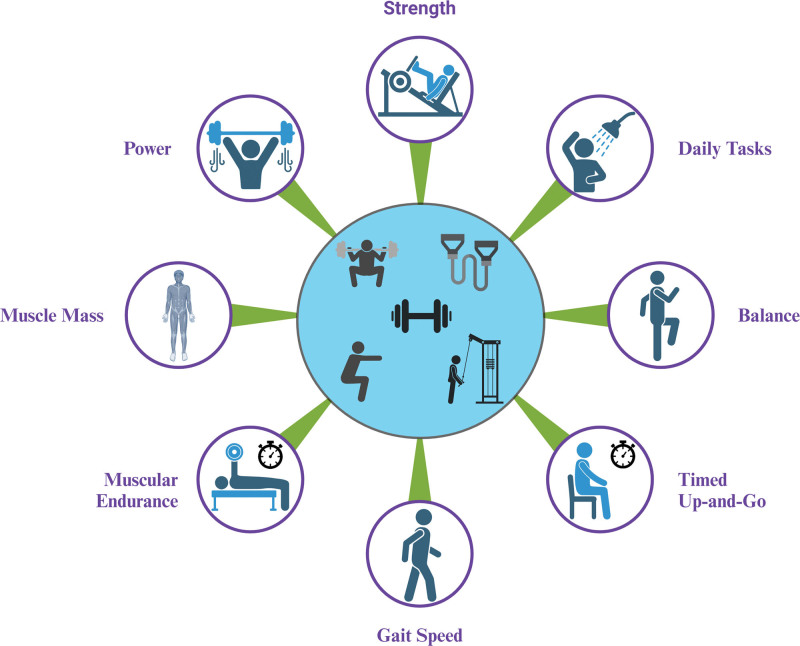
Purpose: The aim of this overview of reviews was to determine the impact of resistance training (RT) prescription on muscle function and hypertrophy, utilizing evidence synthesis methods. It updates the American College of Sports Medicine 2009 Position Stand, “Progression models in resistance training for healthy adults.” Data sources: Ovid MEDLINE(R) ALL, Ovid Emcare, Ovid Embase, Cochrane Database of Systematic Reviews, EBSCOhost SPORTDiscus, and Web of Science Core Collection current to October 2024. Eligibility criteria: Eligible systematic reviews synthesized randomized trials of healthy adults (≥18 yr) who completed RT (≥6 wk; range: 6–52 wk), compared with a group that completed no exercise or an alternative RT program, and reported the change in muscle function, size, or physical performance. Results: We synthesized data from 137 systematic reviews (>30,000 participants). Compared with no exercise (control), RT significantly improved muscle strength, size (hypertrophy), power, endurance, contraction velocity, gait speed, balance, and multiple physical function outcomes. Few RT prescription (RTx) variables affected primary adaptations. However, voluntary strength was enhanced by lifting heavier loads (≥80% one-repetition maximum), through a complete range of motion, for 2–3 sets, at the beginning of training sessions, and ≥2 sessions/wk. Muscle hypertrophy was enhanced by higher volumes (≥10 sets/wk) and eccentric overload. Power was enhanced by moderate loads (30%–70% one-repetition maximum), low-to-moderate volume (≤24 repetitions⋅sets), Olympic-style weightlifting, and power RT (fast concentric phase). Power RT enhanced physical function. Training to momentary muscle fatigue, equipment type, exercise complexity, set structure, time under tension, blood flow restriction, and periodization did not consistently impact training outcomes. Conclusions: Healthy adults should perform progressive RT, with variable prescription consistent with our findings, to improve muscle function, size, and physical performance. Muscle strength, hypertrophy, power, and certain components of physical function can be enhanced by manipulating the RT variables highlighted.
Verified 2026-11-25 · 7 references not checked yet
Overview
CoChat Summary
TL;DR
This ACSM position stand is an overview of 137 systematic reviews (>30,000 participants) updating the 2009 resistance training progression guidance for healthy adults. It concludes that many forms of resistance training improve strength, hypertrophy, power, endurance, contraction velocity, and physical function versus no exercise, while only selected prescription variables consistently enhance specific adaptations.
Key findings
- Compared with no exercise, resistance training significantly improved muscle strength, size (hypertrophy), power, endurance, contraction velocity, gait speed, balance, and multiple physical function outcomes; evidence came from 137 systematic reviews with >30,000 participants.
- Strength was enhanced by heavier loads (≥80% one-repetition maximum), complete range of motion, 2–3 sets, performing resistance training at the beginning of sessions, and ≥2 sessions/wk.
- Hypertrophy was enhanced by higher volumes (≥10 sets/wk) and eccentric overload; power was enhanced by moderate loads (30%–70% one-repetition maximum), low-to-moderate volume (≤24 repetitions⋅sets), Olympic-style weightlifting, and power resistance training with a fast concentric phase.
- Training to momentary muscle fatigue, equipment type, exercise complexity, set structure, time under tension, blood flow restriction, and periodization did not consistently impact training outcomes.
Methods
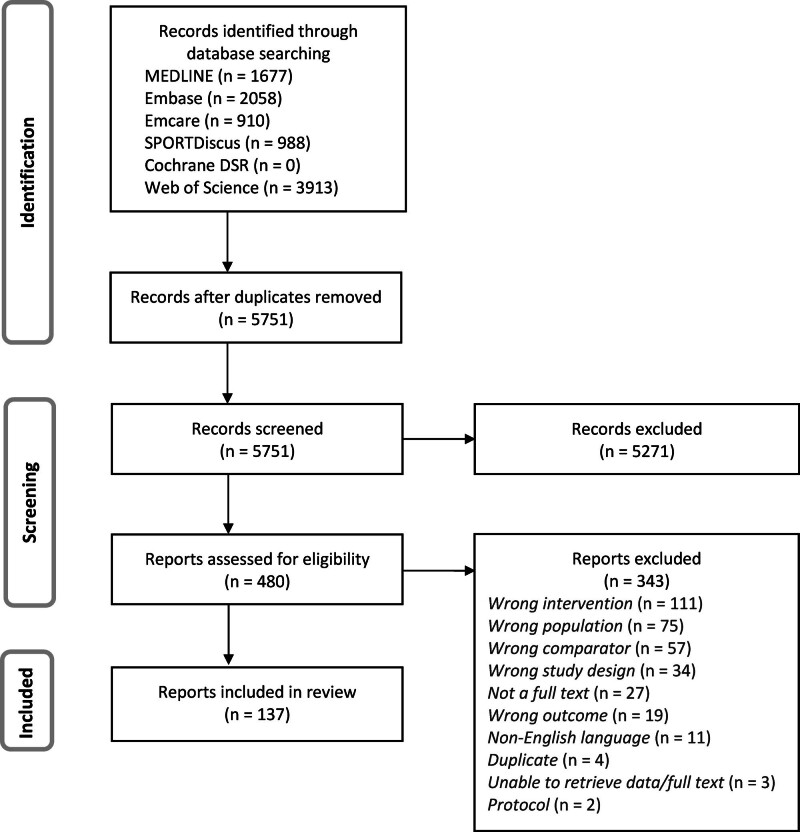
- Design: overview of reviews (umbrella review), prospectively registered (INPLASY202360071) and reported per PRIOR, updating the ACSM 2009 Position Stand.
- Data/sample: searches in Ovid MEDLINE, Ovid Emcare, Ovid Embase, Cochrane Database of Systematic Reviews, EBSCOhost SPORTDiscus, and Web of Science Core Collection current to October 2024; eligible reviews synthesized randomized trials of healthy adults ≥18 yr completing resistance training ≥6 wk versus no exercise or an alternative resistance training program; 137 systematic reviews were included.
- Analysis: data extracted in duplicate; methodological quality assessed with AMSTAR (scores ranged from 1 to 9 out of 11); outcome-level quality of evidence calculated using a GRADE-based approach; heterogeneity reported as I² or fraction of reviews showing significant effect; corrected covered area used to quantify overlap for strength only; no sensitivity analyses were conducted.
Limitations
- The paper states that overviews of reviews are limited to interventions and outcomes summarized by systematic reviews; for example, only two eligible reviews synthesized Short Physical Performance Battery results, so the null conclusion likely reflects sparse evidence rather than a true null effect.
- The paper states that overlap was estimated with corrected covered area only for strength, not other variables; overviews of reviews do not permit inferences about comparative effectiveness of different interventions, and evidence was limited to healthy adults, with insufficient evidence for emerging strategies such as minimal-dose resistance training.
- The paper also notes that randomized trials in sports and exercise medicine are often poor quality with small samples, poor randomization, lack of preregistration, and poor adverse-event reporting; evident from the text, included reviews had AMSTAR scores as low as 1, no sensitivity analyses were conducted, and no standardized method exists to evaluate certainty of evidence in overviews of reviews.
Model-written summary. Check it against the paper before relying on it.
Integrity signals
Registry
Cites
Statistics
Figures
Verification
Claims the paper makes
60 Valid · 15 Not valid · 41 Not checked · 56 Own results and interpretations
At least one cited source doesn’t support this claim or points to a different paper, and none confirmed it — see the verdicts below.
In the paper
“There were insufficient data to determine if eccentric flywheel RT (67), Nordic hamstring RT (68), Olympic-style weightlifting (69), and unstable surface RT (70) impacted strength compared with CTRL.”
§ American College of Sports Medicine Position Stand. Resistance Training Prescription for Muscle Function, Hypertrophy, and Physical Performance in Healthy Adults: An Overview of Reviews > RESULTS > Strength
What the sources say
- Disputedcites [70] Behm DG Muehlbauer T Kibele A Granacher U. Effects of strength training using unstable surfaces on strength, power and balance performance across the lifespan: a systematic review and meta-analysis. Sports Med. 2015; 45(12): 1645– 69. 26359066 PMC4656700 sourceExperimental — accuracy not yet measured
The Results section reports five studies comparing unstable-surface training with control and finds a large overall effect on muscle strength, including a medium effect on maximal strength in young adults. The Discussion calls the evidence preliminary for adolescents and older adults because few studies were available, but it does not say the data were insufficient to determine an effect on strength compared with control. Page numbers are unavailable in our copy. (LLM, conf=0.88)
Checked by a reasoning model — may be wrong.
plain- Asserted: passes — The authors put it forward as true.
- Checkable: passes — It can be checked against evidence.
- Load-bearing: passes — The paper’s conclusions depend on it.
- Based: passes — The paper gives a reason why it holds.
- Disputed
At least one cited source doesn’t support this claim or points to a different paper, and none confirmed it — see the verdicts below.
In the paper
“In comparisons between distinct RTx, walking performance was positively affected by power training (106,157).”
§ American College of Sports Medicine Position Stand. Resistance Training Prescription for Muscle Function, Hypertrophy, and Physical Performance in Healthy Adults: An Overview of Reviews > RESULTS > Walking Performance
What the sources say
- Not checked yetcites [106] Pearson LT Behm DG Goodall S Mason R Stuart S Barry G. Effects of maximal-versus submaximal-intent resistance training on functional capacity and strength in community-dwelling older adults: a systematic review and meta-analysis. BMC Sports Sci Med Rehabil. 2022; 14(1): 129. 35842655 PMC9287903 source
- Disputedcites [157] da Rosa Orssatto LB de la Rocha Freitas C Shield AJ Silveira Pinto R Trajano GS. Effects of resistance training concentric velocity on older adults’ functional capacity: a systematic review and meta-analysis of randomised trials. Exp Gerontol. 2019; 127: 110731. 31505227 sourceExperimental — accuracy not yet measured
The Results (§3.6; page unavailable) found no statistically significant difference between fast-intended-velocity and moderate-velocity resistance training for short walks (p = 0.952) or long walks (p = 0.243). The Summary of main results (§4.1; page unavailable) says the two approaches produced similar improvements in both walking tests, contrary to the claimed comparative advantage for power training. (LLM, conf=0.89)
Checked by a reasoning model — may be wrong.
plainstates a cause- Asserted: passes — The authors put it forward as true.
- Checkable: passes — It can be checked against evidence.
- Load-bearing: passes — The paper’s conclusions depend on it.
- Based: passes — The paper gives a reason why it holds.
At least one cited source doesn’t support this claim or points to a different paper, and none confirmed it — see the verdicts below.
In the paper
“There were insufficient data to determine if muscular endurance was affected by load (82), unstable surfaces (70), power training (82), volume (82), or set structure (107,108).”
§ American College of Sports Medicine Position Stand. Resistance Training Prescription for Muscle Function, Hypertrophy, and Physical Performance in Healthy Adults: An Overview of Reviews > RESULTS > Muscular Endurance
What the sources say
- Not checked — no full text of the sourcecites [82] Steib S Schoene D Pfeifer K. Dose-response relationship of resistance training in older adults: a meta-analysis. Med Sci Sports Exerc. 2010; 42(5): 902– 14. 19996996 source
- Disputedcites [70] Behm DG Muehlbauer T Kibele A Granacher U. Effects of strength training using unstable surfaces on strength, power and balance performance across the lifespan: a systematic review and meta-analysis. Sports Med. 2015; 45(12): 1645– 69. 26359066 PMC4656700 sourceExperimental — accuracy not yet measured
The citation to this paper is attached to “unstable surfaces.” In Results (Effectiveness of Strength Training on Unstable Versus Stable Surfaces; page unavailable), the review reports a quantified strength-endurance effect in young adults, rather than saying data were insufficient to assess it. Its Conclusions (page unavailable) describe the comparisons as inconsistent and call for more research in other age groups, but that is narrower than the attributed claim. (LLM, conf=0.78)
Checked by a reasoning model — may be wrong.
- Not checked — no full text of the sourcecites [107] Davies TB Tran DL Hogan CM Haff GG Latella C. Chronic effects of altering resistance training set configurations using cluster sets: a systematic review and meta-analysis. Sports Med. 2021; 51(4): 707– 36. 33475986 source
- Not checked — no full text of the sourcecites [108] Jukic I Van Hooren B Ramos AG Helms ER McGuigan MR Tufano JJ. The effects of set structure manipulation on chronic adaptations to resistance training: a systematic review and meta-analysis. Sports Med. 2021; 51(5): 1061– 86. 33417154 source
plain- Asserted: passes — The authors put it forward as true.
- Checkable: passes — It can be checked against evidence.
- Load-bearing: passes — The paper’s conclusions depend on it.
- Based: passes — The paper gives a reason why it holds.
At least one cited source doesn’t support this claim or points to a different paper, and none confirmed it — see the verdicts below.
In the paper
“Compared with CTRL, there were insufficient data to determine whether standard RT (154) impacted functional reach performance.”
§ American College of Sports Medicine Position Stand. Resistance Training Prescription for Muscle Function, Hypertrophy, and Physical Performance in Healthy Adults: An Overview of Reviews > RESULTS > Functional Reach Test
What the sources say
- Disputedcites [154] Howe TE Rochester L Neil F Skelton DA Ballinger C. Exercise for improving balance in older people. Cochrane Database Syst Rev. 2011; 2011(11): CD004963. 22071817 PMC11493176 sourceExperimental — accuracy not yet measured
In “2. Strengthening exercise versus control” (page unavailable), the review reports a statistically significant improvement in functional reach compared with controls (MD 3.27 cm; 95% CI 1.39–5.15), rather than insufficient data to determine an effect. The Discussion (page unavailable) likewise identifies functional reach as an outcome with enough data for meta-analysis of strengthening exercise. (LLM, conf=0.88)
Checked by a reasoning model — may be wrong.
plain- Asserted: passes — The authors put it forward as true.
- Checkable: passes — It can be checked against evidence.
- Load-bearing: unclear — It is unclear whether the paper’s conclusions depend on it.
- Based: passes — The paper gives a reason why it holds.
- Disputed
At least one cited source doesn’t support this claim or points to a different paper, and none confirmed it — see the verdicts below.
In the paper
“Compared with CTRL, there were insufficient data to determine whether standard RT (69) or eccentric flywheel RT (162) impacted the ability to change direction.”
§ American College of Sports Medicine Position Stand. Resistance Training Prescription for Muscle Function, Hypertrophy, and Physical Performance in Healthy Adults: An Overview of Reviews > RESULTS > Change of Direction (Agility)
What the sources say
- Not checked yetcites [69] Morris SJ Oliver JL Pedley JS Haff GG Lloyd RS. Comparison of weightlifting, traditional resistance training and plyometrics on strength, power and speed: a systematic review with meta-analysis. Sports Med. 2022; 52(7): 1533– 54. 35025093 PMC9213388 source
- Disputedcites [162] Raya-Gonzalez J Prat-Luri A Lopez-Valenciano A Sabido R Hernández-Davó JL. Effects of flywheel resistance training on sport actions. A systematic review and meta-analysis. J Hum Kinet. 2021; 77(1): 191– 204. 34168704 PMC8008299 sourceExperimental — accuracy not yet measured
The Results (Change of direction; page not provided) pool three flywheel-training studies and report a large, statistically significant effect on change-of-direction ability, contrary to the claim that data were insufficient to determine an effect. The paper does note a small evidence base in its Limitations, but says positive effects were found. This source does not establish the claim's separate point about standard resistance training. (LLM, conf=0.82)
Checked by a reasoning model — may be wrong.
plain- Asserted: passes — The authors put it forward as true.
- Checkable: passes — It can be checked against evidence.
- Load-bearing: passes — The paper’s conclusions depend on it.
- Based: passes — The paper gives a reason why it holds.
120 more claims · 46 with their cited sources checked
Create a free account to see all 172 claims and to verify the 56 references still open.
- The quote only partly states this claim. 4
- It may state two separate claims as one. 22
- Probably not a substantial claim. 24
Self-check
Percentages, sums and reported differences re-computed from the paper’s own numbers.
Each contradiction between two passages listed here was confirmed by an independent check.
Rated major: it would touch a result — a value a result rests on, reported and recomputed p-values on opposite sides of the significance level, two passages that conflict with no sign which is right, or a cited work retracted before this paper was published.
In the paper
§ American College of Sports Medicine Position Stand. Resistance Training Prescription for Muscle Function, Hypertrophy, and Physical Performance in Healthy Adults: An Overview of Reviews > DISCUSSION
“Completing sets to fatigue (momentary muscular failure) does not enhance gains in strength, hypertrophy, and power, and so is not necessary for benefits to occur.”
§ American College of Sports Medicine Position Stand. Resistance Training Prescription for Muscle Function, Hypertrophy, and Physical Performance in Healthy Adults: An Overview of Reviews > RESULTS > Power
“There were insufficient data to determine if power was affected by fatigue/failure (99), unstable surfaces (70), or concurrent training (123,124,151).”
Rated minor: it would not touch a result — a value no result rests on, a p-value that stays on the same side of the significance level, or a conflict that is clerical, resolved elsewhere in the paper, or outside its own findings.
In the paper
§ American College of Sports Medicine Position Stand. Resistance Training Prescription for Muscle Function, Hypertrophy, and Physical Performance in Healthy Adults: An Overview of Reviews > RESULTS > Power
“low-to-moderate volume (repetitions⋅set < 24).”
§ American College of Sports Medicine Position Stand. Resistance Training Prescription for Muscle Function, Hypertrophy, and Physical Performance in Healthy Adults: An Overview of Reviews > RESULTS > Hypertrophy
“Volume: Low-moderate (repetitions ⋅ sets ≤24)”
Citations
Cites
Garber, C. E., Blissmer, B., Deschenes, M. R., Franklin, B. A., Lamonte, M. J., Lee, I.-M., Nieman, D. C., & Swain, D. P. (2011) · Medicine & Science in Sports & Exercise · doi:10.1249/mss.0b013e318213fefb · Cited by 9,319 · cited 13×
“Exercise programs are generally constructed by manipulating six factors comprising the framework FITT-VP: Frequency, Intensity, Time, Type, Volume, Pattern, and Progression (10).”
InfluentialDevelopment of AMSTAR: A measurement tool to assess the methodological quality of systematic reviews
Shea, B. J., Grimshaw, J. M., Wells, G. A., Boers, M., Andersson, N., Hamel, C., Porter, A. C., Tugwell, P., Moher, D., & Bouter, L. M. (2007) · BMC Medical Research Methodology · doi:10.1186/1471-2288-7-10 · Cited by 4,374
Progression Models in Resistance Training for Healthy Adults
(2009) · Medicine & Science in Sports & Exercise · doi:10.1249/mss.0b013e3181915670 · Cited by 4,332 · cited 11×
“The current document updates the ACSM 2009 Position Stand entitled “Progression Models in Resistance Training for Healthy Adults” (11).”
InfluentialProgression Models in Resistance Training for Healthy Adults
(2002) · Medicine and Science in Sports and Exercise · doi:10.1097/00005768-200202000-00027 · Cited by 2,979 · cited 2×
“Individualized programs can increase exercise adoption and adherence (10), but individualization has been scarcely discussed in previous Position Stands (11,12).”
Systematic review finds overlapping reviews were not mentioned in every other overview
Pieper, D., Antoine, S.-L., Mathes, T., Neugebauer, E. A. M., & Eikermann, M. (2014) · Journal of Clinical Epidemiology · doi:10.1016/j.jclinepi.2013.11.007 · Cited by 1,318
Consensus on Exercise Reporting Template (CERT): Explanation and elaboration statement
Slade, S. C., Dionne, C. E., Underwood, M., & Buchbinder, R. (2016) · British Journal of Sports Medicine · doi:10.1136/bjsports-2016-096651 · Cited by 961 · cited 1×
“Guidelines have been developed to improve the reporting of exercise trials, and we would encourage their adoption (202).”
Gates, M., Gates, A., Pieper, D., Fernandes, R. M., Tricco, A. C., Moher, D., Brennan, S. E., Li, T., Pollock, M., Lunny, C., et al. (2022) · BMJ · doi:10.1136/bmj-2022-070849 · Cited by 856 · cited 2×
“This review was prospectively registered on the International Platform of Registered Systematic Review and Meta-analysis Protocols (INPLASY202360071; https://inplasy.com/inplasy-2023-6-0071/) and conducted in alignment with the Preferred Reporting Items for Overviews of Reviews (PRIOR) (16).”
Schoenfeld, B. J., Grgic, J., Ogborn, D., & Krieger, J. W. (2017) · Journal of Strength and Conditioning Research · doi:10.1519/jsc.0000000000002200 · Cited by 851 · cited 2×
“In comparisons between distinct RTx, muscle hypertrophy was positively affected by contraction type (24,104,128,129) and volume (24,91,128,130–133), but muscle hypertrophy was not affected by frequency (24,73,74,128,131,134,135), load (24,78–81, 83, Improving hypertrophy.”
Self-citationExercise for improving balance in older people
Howe, T. E., Rochester, L., Neil, F., Skelton, D. A., & Ballinger, C. (2011) · Cochrane Database of Systematic Reviews · doi:10.1002/14651858.cd004963.pub3 · Cited by 809
Borde, R., Hortobágyi, T., & Granacher, U. (2015) · Sports Medicine · doi:10.1007/s40279-015-0385-9 · Cited by 737
Schoenfeld, B. J., Ogborn, D., & Krieger, J. W. (2017) · Journal of Sports Sciences · doi:10.1080/02640414.2016.1210197 · Cited by 671 · cited 3×
“Increasing the number of sets (volume) per exercise positively impacted strength (88–93) and hypertrophy (24,128,131–133), which aligns with a recent analysis by Swinton et al. (184).”
Self-citationNutrition and physical activity in the prevention and treatment of sarcopenia: systematic review.
the IOF-ESCEO Sarcopenia Working Group, Beaudart, C., Dawson, A., Shaw, S. C., Harvey, N. C., Kanis, J. A., Binkley, N., Reginster, J. Y., Chapurlat, R., Chan, D. C., et al. (2017) · Osteoporosis International · doi:10.1007/s00198-017-3980-9 · Cited by 602 · cited 1×
“Compared with CTRL, multicomponent function was impacted by standard RT (17,24,42,45,159), elastic band RT (60,61), and home-based RT (64).”
Roig, M., O’Brien, K., Kirk, G., Murray, R., McKinnon, P., Shadgan, B., & Reid, W. D. (2009) · British Journal of Sports Medicine · doi:10.1136/bjsm.2008.051417 · Cited by 598 · cited 1×
“In comparisons between distinct RTx, muscle hypertrophy was positively affected by contraction type (24,104,128,129) and volume (24,91,128,130–133), but muscle hypertrophy was not affected by frequency (24,73,74,128,131,134,135), load (24,78–81, 83, Improving hypertrophy.”
Wilson, J. M., Marin, P. J., Rhea, M. R., Wilson, S. M., Loenneke, J. P., & Anderson, J. C. (2012) · Journal of Strength and Conditioning Research · doi:10.1519/jsc.0b013e31823a3e2d · Cited by 587
Lixandrão, M. E., Ugrinowitsch, C., Berton, R., Vechin, F. C., Conceição, M. S., Damas, F., Libardi, C. A., & Roschel, H. (2018) · Sports Medicine · doi:10.1007/s40279-017-0795-y · Cited by 554
Gordon, B. R., McDowell, C. P., Hallgren, M., Meyer, J. D., Lyons, M., & Herring, M. P. (2018) · JAMA Psychiatry · doi:10.1001/jamapsychiatry.2018.0572 · Cited by 498 · cited 1×
“Beyond the hallmark improvements in skeletal muscle mass and function, the benefits of engaging in RT include reduced mortality and risk for and management of cardiovascular disease, cancer, and diabetes (4–6), reduced depression (7,8), and improved sleep quality (9).”
Ardern, C. L., Büttner, F., Andrade, R., Weir, A., Ashe, M. C., Holden, S., Impellizzeri, F. M., Delahunt, E., Dijkstra, H. P., Mathieson, S., et al. (2022) · British Journal of Sports Medicine · doi:10.1136/bjsports-2021-103987 · Cited by 458
Physical activity programs for balance and fall prevention in elderly: A systematic review
Thomas, E., Battaglia, G., Patti, A., Brusa, J., Leonardi, V., Palma, A., & Bellafiore, M. (2019) · Medicine · doi:10.1097/md.0000000000016218 · Cited by 398
Centner, C., Wiegel, P., Gollhofer, A., & König, D. (2019) · Sports Medicine · doi:10.1007/s40279-018-0994-1 · Cited by 382
Dose-Response Relationship of Resistance Training in Older Adults: A Meta-Analysis
STEIB, S., SCHOENE, D., & PFEIFER, K. (2010) · Medicine & Science in Sports & Exercise · doi:10.1249/mss.0b013e3181c34465 · Cited by 378 · cited 3×
“In comparisons between distinct RTx, there were insufficient data to determine if TUG was affected by load (82) or power training versus standard RT (82,106,157).”
Grgic, J., Schoenfeld, B. J., Davies, T. B., Lazinica, B., Krieger, J. W., & Pedisic, Z. (2018) · Sports Medicine · doi:10.1007/s40279-018-0872-x · Cited by 365 · cited 1×
“For example, RT frequency was found to impact strength; however, there was insufficient evidence to conclude a dose-response relationship, and the impact is diminished when volume is equated (73,76,90).”
Self-citationAsikainen, T.-M., Kukkonen-Harjula, K., & Miilunpalo, S. (2004) · Sports Medicine · doi:10.2165/00007256-200434110-00004 · Cited by 355 · cited 1×
“Compared with CTRL, balance was impacted by standard RT (52,54,154) and home-based RT (63).”
Seitz, L. B., Reyes, A., Tran, T. T., de Villarreal, E. S., & Haff, G. G. (2014) · Sports Medicine · doi:10.1007/s40279-014-0227-1 · Cited by 346
LOPEZ, P., RADAELLI, R., TAAFFE, D. R., NEWTON, R. U., GALVÃO, D. A., TRAJANO, G. S., TEODORO, J. L., KRAEMER, W. J., HÄKKINEN, K., & PINTO, R. S. (2021) · Medicine & Science in Sports & Exercise · doi:10.1249/mss.0000000000002585 · Cited by 340
Schoenfeld, B. J., Grgic, J., Van Every, D. W., & Plotkin, D. L. (2021) · Sports · doi:10.3390/sports9020032 · Cited by 334 · cited 1×
“The method of testing muscular endurance (e.g., absolute vs relative, pre-vs postintervention strength) was not accounted for in the data synthesis and should be considered when designing future studies (196).”
Self-citationPhysical activity, injurious falls, and physical function in aging: an umbrella review.
DIPIETRO, L., CAMPBELL, W. W., BUCHNER, D. M., ERICKSON, K. I., POWELL, K. E., BLOODGOOD, B., HUGHES, T., DAY, K. R., PIERCY, K. L., VAUX-BJERKE, A., et al. (2019) · Medicine & Science in Sports & Exercise · doi:10.1249/mss.0000000000001942 · Cited by 331 · cited 1×
“Compared with CTRL, multicomponent function was impacted by standard RT (17,24,42,45,159), elastic band RT (60,61), and home-based RT (64).”
Exercise interventions for the prevention and treatment of sarcopenia. A systematic umbrella review.
Beckwée, D., Delaere, A., Aelbrecht, S., Baert, V., Beaudart, C., Bruyere, O., de Saint-Hubert, M., & Bautmans, I. (2019) · The Journal of nutrition, health and aging · doi:10.1007/s12603-019-1196-8 · Cited by 330 · cited 1×
“Compared with CTRL, multicomponent function was impacted by standard RT (17,24,42,45,159), elastic band RT (60,61), and home-based RT (64).”
Belbasis, L., Bellou, V., & Ioannidis, J. P. A. (2022) · BMJ Medicine · doi:10.1136/bmjmed-2021-000071 · Cited by 325 · cited 2×
“Provided ample systematic reviews and meta-analyses, an overview of reviews can systematically summarize an abundance of information (13).”
Schoenfeld, B. J., Ogborn, D., & Krieger, J. W. (2016) · Sports Medicine · doi:10.1007/s40279-016-0543-8 · Cited by 308 · cited 1×
“In comparisons between distinct RTx, muscle hypertrophy was positively affected by contraction type (24,104,128,129) and volume (24,91,128,130–133), but muscle hypertrophy was not affected by frequency (24,73,74,128,131,134,135), load (24,78–81, 83, Improving hypertrophy.”
Self-citationContralateral effects of unilateral resistance training: a meta-analysis.
Munn, J., Herbert, R. D., & Gandevia, S. C. (2004) · Journal of Applied Physiology · doi:10.1152/japplphysiol.00541.2003 · Cited by 296
Paluch, A. E., Boyer, W. R., Franklin, B. A., Laddu, D., Lobelo, F., Lee, D.-C., McDermott, M. M., Swift, D. L., Webel, A. R., Lane, A., et al. (2024) · Circulation · doi:10.1161/cir.0000000000001189 · Cited by 290
Helms, E. R., Cronin, J., Storey, A., & Zourdos, M. C. (2016) · Strength & Conditioning Journal · doi:10.1519/ssc.0000000000000218 · Cited by 280
Single vs. multiple sets of resistance exercise for muscle hypertrophy: a meta-analysis.
Krieger, J. W. (2010) · Journal of Strength and Conditioning Research · doi:10.1519/jsc.0b013e3181d4d436 · Cited by 276
Gielen, E., Beckwée, D., Delaere, A., De Breucker, S., Vandewoude, M., Bautmans, I., the Sarcopenia Guidelines Development Group of the Belgian Society of Gerontology and Geriatrics (BSGG), Bautmans, I., Beaudart, C., Beckwée, D., et al. (2021) · Nutrition Reviews · doi:10.1093/nutrit/nuaa011 · Cited by 269 · cited 2×
“This method has been used in previous overviews of reviews (18,20,23).”
Momma, H., Kawakami, R., Honda, T., & Sawada, S. S. (2022) · British Journal of Sports Medicine · doi:10.1136/bjsports-2021-105061 · Cited by 265 · cited 2×
“Beyond the hallmark improvements in skeletal muscle mass and function, the benefits of engaging in RT include reduced mortality and risk for and management of cardiovascular disease, cancer, and diabetes (4–6), reduced depression (7,8), and improved sleep quality (9).”
Muscle hypertrophy in men and women
CURETON, K. J., COLLINS, M. A., HILL, D. W., & MCELHANNON, F. M. (1988) · Medicine & Science in Sports & Exercise · doi:10.1249/00005768-198808000-00003 · Cited by 265 · cited 1×
“However, this recommendation was informed by only three studies (178–180) ( n = 59 total participants), and two of the studies did not investigate frequency (178,179).”
Lunny, C., Pieper, D., Thabet, P., & Kanji, S. (2021) · BMC Medical Research Methodology · doi:10.1186/s12874-021-01269-y · Cited by 252 · cited 1×
“An issue with overviews of reviews is the possibility of “double counting” (or more) papers that are included in more than one review (25).”
Muscular adaptations in low- versus high-load resistance training: a meta-analysis.
Schoenfeld, B. J., Wilson, J. M., Lowery, R. P., & Krieger, J. W. (2016) · European Journal of Sport Science · doi:10.1080/17461391.2014.989922 · Cited by 249
Self-citationThe effect of resistance exercise on sleep: A systematic review of randomized controlled trials
Kovacevic, A., Mavros, Y., Heisz, J. J., & Fiatarone Singh, M. A. (2018) · Sleep Medicine Reviews · doi:10.1016/j.smrv.2017.07.002 · Cited by 242
A descriptive analysis of overviews of reviews published between 2000 and 2011.
Hartling, L., Chisholm, A., Thomson, D., & Dryden, D. M. (2012) · PLoS ONE · doi:10.1371/journal.pone.0049667 · Cited by 241 · cited 2×
“…a systematic collection and assessment of available evidence that provides a comprehensive, user-friendly summary of a research topic, enabling practitioners and professionals to make evidence-based decisions without assimilating the results of numerous systematic reviews and meta-analyses (14,15).”
Csapo, R., & Alegre, L. M. (2016) · Scandinavian Journal of Medicine & Science in Sports · doi:10.1111/sms.12536 · Cited by 239
The Effect of Weekly Set Volume on Strength Gain: A Meta-Analysis
Ralston, G. W., Kilgore, L., Wyatt, F. B., & Baker, J. S. (2017) · Sports Medicine · doi:10.1007/s40279-017-0762-7 · Cited by 221
The General Adaptation Syndrome: A Foundation for the Concept of Periodization
Cunanan, A. J., DeWeese, B. H., Wagle, J. P., Carroll, K. M., Sausaman, R., Hornsby, W. G., Haff, G. G., Triplett, N. T., Pierce, K. C., & Stone, M. H. (2018) · Sports Medicine · doi:10.1007/s40279-017-0855-3 · Cited by 219 · cited 1×
“We also note that periodization and programming are often conflated (168), which may have been the case in some reviews.”
Self-citationOranchuk, D. J., Storey, A. G., Nelson, A. R., & Cronin, J. B. (2019) · Scandinavian Journal of Medicine & Science in Sports · doi:10.1111/sms.13375 · Cited by 210
Maroto-Izquierdo, S., García-López, D., Fernandez-Gonzalo, R., Moreira, O. C., González-Gallego, J., & de Paz, J. A. (2017) · Journal of Science and Medicine in Sport · doi:10.1016/j.jsams.2017.03.004 · Cited by 209
Behm, D. G., Muehlbauer, T., Kibele, A., & Granacher, U. (2015) · Sports Medicine · doi:10.1007/s40279-015-0384-x · Cited by 209
Grgic, J., Garofolini, A., Orazem, J., Sabol, F., Schoenfeld, B. J., & Pedisic, Z. (2020) · Sports Medicine · doi:10.1007/s40279-020-01331-7 · Cited by 208
Self-citationGrgic, J., Schoenfeld, B. J., Orazem, J., & Sabol, F. (2022) · Journal of Sport and Health Science · doi:10.1016/j.jshs.2021.01.007 · Cited by 206
Self-citationHortobágyi, T., Lesinski, M., Gäbler, M., VanSwearingen, J. M., Malatesta, D., & Granacher, U. (2015) · Sports Medicine · doi:10.1007/s40279-015-0371-2 · Cited by 204
Grgić, J., Schoenfeld, B. J., Skrepnik, M., Davies, T. B., & Mikulić, P. (2017) · Sports Medicine · doi:10.1007/s40279-017-0788-x · Cited by 190
Self-citationTschopp, M., Sattelmayer, M. K., & Hilfiker, R. (2011) · Age and Ageing · doi:10.1093/ageing/afr005 · Cited by 187 · cited 1×
“In comparisons between distinct RTx, multicomponent function was affected by elastic band RT (61) and power training (105,157,160), but was not affected by time under tension (24) or volume (91).”
A Meta-Analysis of Periodized versus Nonperiodized Strength and Power Training Programs
Rhea, M. R., & Alderman, B. L. (2004) · Research Quarterly for Exercise and Sport · doi:10.1080/02701367.2004.10609174 · Cited by 187
Davies, T., Orr, R., Halaki, M., & Hackett, D. (2016) · Sports Medicine · doi:10.1007/s40279-015-0451-3 · Cited by 184 · cited 2×
“…scales) can be accomplished by completing sets with various RTx and completion of “near-failure” or a target of 2–3 repetitions in reserve (RIR) (24,97–99, Blood flow restriction protocols often compare different loads (e.g., higher load RT versus BFR with lower load), so the individual effect of…”
CURRENT CONCEPTS IN PERIODIZATION OF STRENGTH AND CONDITIONING FOR THE SPORTS PHYSICAL THERAPIST.
Lorenz, D., & Morrison, S. (2015) · PubMed Central · Cited by 184
Schoenfeld, B. J., Ogborn, D. I., & Krieger, J. W. (2015) · Sports Medicine · doi:10.1007/s40279-015-0304-0 · Cited by 183
Self-citationSchoenfeld, B. J., Grgic, J., & Krieger, J. (2019) · Journal of Sports Sciences · doi:10.1080/02640414.2018.1555906 · Cited by 183 · cited 1×
“In comparisons between distinct RTx, muscle hypertrophy was positively affected by contraction type (24,104,128,129) and volume (24,91,128,130–133), but muscle hypertrophy was not affected by frequency (24,73,74,128,131,134,135), load (24,78–81, 83, Improving hypertrophy.”
Self-citationCurrier, B. S., Mcleod, J. C., Banfield, L., Beyene, J., Welton, N. J., D'Souza, A. C., Keogh, J. A. J., Lin, L., Coletta, G., Yang, A., et al. (2023) · British Journal of Sports Medicine · doi:10.1136/bjsports-2023-106807 · Cited by 179 · cited 7×
“Compared with CTRL, multicomponent function was impacted by standard RT (17,24,42,45,159), elastic band RT (60,61), and home-based RT (64).”
InfluentialSelf-citationChen, N., He, X., Feng, Y., Ainsworth, B. E., & Liu, Y. (2021) · European Review of Aging and Physical Activity · doi:10.1186/s11556-021-00277-7 · Cited by 178 · cited 2×
“Compared with CTRL, TUG was impacted by standard RT (30,32,33,36,38,47,50,152,154,156).”
Mcleod, J. C., Currier, B. S., Lowisz, C. V., & Phillips, S. M. (2024) · Journal of Sport and Health Science · doi:10.1016/j.jshs.2023.06.005 · Cited by 176 · cited 7×
“Compared with CTRL, multicomponent function was impacted by standard RT (17,24,42,45,159), elastic band RT (60,61), and home-based RT (64).”
InfluentialSelf-citationStone, M. H., Hornsby, W. G., Haff, G. G., Fry, A. C., Suarez, D. G., Liu, J., González‐Ravé, J. M., & Pierce, K. C. (2021) · The Journal of Strength and Conditioning Research · doi:10.1519/jsc.0000000000004050 · Cited by 173 · cited 1×
“We note, however, that definitions of periodization vary (166,167), but broadly involve the systematic manipulation of RTx variables with the goal of optimizing performance adaptations, managing fatigue, preventing overtraining/injury, and peaking for specific goals.”
Fyfe, J. J., Hamilton, D. L., & Daly, R. M. (2022) · Sports Medicine · doi:10.1007/s40279-021-01605-8 · Cited by 172 · cited 1×
“Research on RTx reveals that “minimal doses” of RT are able to bring about substantial strength, hypertrophy, and physical functional gains (177).”
Room, J., Hannink, E., Dawes, H., & Barker, K. (2017) · BMJ Open · doi:10.1136/bmjopen-2017-019221 · Cited by 163 · cited 1×
“Such considerations are beyond the scope of this review, but work has been done to examine this important area (191,192).”
Cross-education of muscular strength following unilateral resistance training: a meta-analysis.
Manca, A., Dragone, D., Dvir, Z., & Deriu, F. (2017) · European Journal of Applied Physiology · doi:10.1007/s00421-017-3720-z · Cited by 162
Straight, C. R., Lindheimer, J. B., Brady, A. O., Dishman, R. K., & Evans, E. M. (2016) · Sports Medicine · doi:10.1007/s40279-015-0418-4 · Cited by 162
Harries, S. K., Lubans, D. R., & Callister, R. (2015) · Journal of Strength and Conditioning Research · doi:10.1519/jsc.0000000000000712 · Cited by 157
Niemeijer, A., Lund, H., Stafne, S. N., Ipsen, T., Goldschmidt, C. L., Jørgensen, C. T., & Juhl, C. B. (2020) · British Journal of Sports Medicine · doi:10.1136/bjsports-2018-100461 · Cited by 157 · cited 1×
“The risk of nonserious adverse events (e.g., pain, fatigue, bursi-tis, and edema) was not different than aerobic exercise in terms of injury rate or risk (182).”
Single versus multiple sets of resistance exercise: a meta-regression.
Krieger, J. W. (2009) · Journal of Strength and Conditioning Research · doi:10.1519/jsc.0b013e3181b370be · Cited by 154 · cited 2×
“Increasing the number of sets (volume) per exercise positively impacted strength (88–93) and hypertrophy (24,128,131–133), which aligns with a recent analysis by Swinton et al. (184).”
van Abbema, R., de Greef, M., Crajé, C., Krijnen, W. P., Hobbelen, H. J. S. M., & van der Schans, C. P. (2015) · BMC Geriatrics · doi:10.1186/s12877-015-0061-9 · Cited by 154
Soriano, M. A., Jiménez‐Reyes, P., Rhea, M. R., & Marin, P. J. (2015) · Sports Medicine · doi:10.1007/s40279-015-0341-8 · Cited by 151
Murlasits, Z., Kneffel, Z., & Thalib, L. (2018) · Journal of Sports Sciences · doi:10.1080/02640414.2017.1364405 · Cited by 150
Hollings, M., Mavros, Y., Freeston, J., & Fiatarone Singh, M. (2017) · European Journal of Preventive Cardiology · doi:10.1177/2047487317713329 · Cited by 148 · cited 2×
“…with coronary heart disease, all 63 nonfatal cardiovascular complications occurred during aerobic training, and the 20 musculoskeletal complications that occurred during RT were caused by preexisting conditions (knee arthritis) and were resolved by changing RT intensity or body position (183).”
Self-citationGuizelini, P. C., de Aguiar, R. A., Denadai, B. S., Caputo, F., & Greco, C. C. (2018) · Experimental Gerontology · doi:10.1016/j.exger.2017.11.020 · Cited by 146
Chaabene, H., Prieske, O., Herz, M., Moran, J., Höhne, J., Kliegl, R., Ramirez-Campillo, R., Behm, D. G., Hortobágyi, T., & Granacher, U. (2021) · Ageing Research Reviews · doi:10.1016/j.arr.2021.101265 · Cited by 146
Beijersbergen, C. M. I., Granacher, U., Vandervoort, A. A., DeVita, P., & Hortobágyi, T. (2013) · Ageing Research Reviews · doi:10.1016/j.arr.2013.03.001 · Cited by 136
Silva, N. L., Oliveira, R. B., Fleck, S. J., Leon, A. C. M. P., & Farinatti, P. (2014) · Journal of Science and Medicine in Sport · doi:10.1016/j.jsams.2013.05.009 · Cited by 129
Schoenfeld, B. J., & Grgić, J. (2020) · SAGE Open Medicine · doi:10.1177/2050312120901559 · Cited by 126
Self-citationRamos‐Campo, D. J., Andreu‐Caravaca, L., Martínez-Rodríguez, A., & Rubio‐Arias, J. Á. (2021) · Biology · doi:10.3390/biology10050377 · Cited by 126
Grgic, J., Lazinica, B., Mikulic, P., Krieger, J. W., & Schoenfeld, B. J. (2017) · European Journal of Sport Science · doi:10.1080/17461391.2017.1340524 · Cited by 125
Self-citationSchoenfeld, B. J., Ogborn, D. I., Vigotsky, A. D., Franchi, M. V., & Krieger, J. W. (2017) · Journal of Strength and Conditioning Research · doi:10.1519/jsc.0000000000001983 · Cited by 122 · cited 1×
“In comparisons between distinct RTx, muscle hypertrophy was positively affected by contraction type (24,104,128,129) and volume (24,91,128,130–133), but muscle hypertrophy was not affected by frequency (24,73,74,128,131,134,135), load (24,78–81, 83, Improving hypertrophy.”
Self-citationFactors associated with participation in resistance training: a systematic review.
Rhodes, R. E., Lubans, D. R., Karunamuni, N., Kennedy, S., & Plotnikoff, R. (2017) · British Journal of Sports Medicine · doi:10.1136/bjsports-2016-096950 · Cited by 120 · cited 1×
“Such considerations are beyond the scope of this review, but work has been done to examine this important area (191,192).”
Blazevich, A. J., Wilson, C. J., Alcaraz, P. E., & Rubio-Arias, J. A. (2020) · Sports Medicine · doi:10.1007/s40279-019-01239-x · Cited by 119
Davies, T. B., Kuang, K., Orr, R., Halaki, M., & Hackett, D. (2017) · Sports Medicine · doi:10.1007/s40279-017-0676-4 · Cited by 117
Carvalho, L., Junior, R. M., Barreira, J., Schoenfeld, B. J., Orazem, J., & Barroso, R. (2022) · Applied Physiology, Nutrition, and Metabolism · doi:10.1139/apnm-2021-0515 · Cited by 116 · cited 1×
“In comparisons between distinct RTx, muscle hypertrophy was positively affected by contraction type (24,104,128,129) and volume (24,91,128,130–133), but muscle hypertrophy was not affected by frequency (24,73,74,128,131,134,135), load (24,78–81, 83, Improving hypertrophy.”
Self-citationWeekly training frequency effects on strength gain: a meta-analysis.
Ralston, G. W., Kilgore, L., Wyatt, F. B., Buchan, D., & Baker, J. S. (2018) · Sports Medicine - Open · doi:10.1186/s40798-018-0149-9 · Cited by 109
CANDOW, D. G., & BURKE, D. G. (2007) · Journal of Strength and Conditioning Research · doi:10.1519/00124278-200702000-00037 · Cited by 106
Home-based resistance training for older adults: a systematic review.
Thiebaud, R. S., Funk, M. D., & Abe, T. (2014) · Geriatrics & Gerontology International · doi:10.1111/ggi.12326 · Cited by 105 · cited 1×
“Compared with CTRL, multicomponent function was impacted by standard RT (17,24,42,45,159), elastic band RT (60,61), and home-based RT (64).”
Androulakis-Korakakis, P., Fisher, J. P., & Steele, J. (2020) · Sports Medicine · doi:10.1007/s40279-019-01236-0 · Cited by 105
Ferreira, M. L., Sherrington, C., Smith, K., Carswell, P., Bell, R., Bell, M., Nascimento, D. P., Máximo Pereira, L. S., & Vardon, P. (2012) · Journal of Physiotherapy · doi:10.1016/s1836-9553(12)70105-4 · Cited by 105 · cited 1×
“Compared with CTRL, balance was impacted by standard RT (52,54,154) and home-based RT (63).”
EL, C., & M, I. (2013) · AGE · doi:10.1007/s11357-012-9503-x · Cited by 105 · cited 1×
“There were insufficient data to determine if the multicomponent function was positively affected by load (24), range of motion (87), or concurrent training (119).”
Moesgaard, L., Beck, M. M., Christiansen, L., Aagaard, P., & Lundbye‐Jensen, J. (2022) · Sports Medicine · doi:10.1007/s40279-021-01636-1 · Cited by 104 · cited 1×
“The impact of periodization on strength could not be determined, although one review found that periodized programs were slightly favored over nonperiodized programs to maximize strength gains under volume-equated conditions (117).”
Morris, S. J., Oliver, J. L., Pedley, J. S., Haff, G. G., & Lloyd, R. S. (2022) · Sports Medicine · doi:10.1007/s40279-021-01627-2 · Cited by 103 · cited 1×
“Compared with CTRL, there were insufficient data to determine whether standard RT (48,69,161), eccentric flywheel RT (162), and velocity-based RT (66) impacted running performance compared with CTRL.”
Strength Training for Middle- and Long-Distance Performance: A Meta-Analysis
Berryman, N., Mujika, I., Arvisais, D., Roubeix, M., Binet, C., & Bosquet, L. (2018) · International Journal of Sports Physiology and Performance · doi:10.1123/ijspp.2017-0032 · Cited by 103
Zhao, H., Cheng, R., Song, G., Teng, J., Shen, S., Fu, X., Yan, Y., & Liu, C. (2022) · International Journal of Environmental Research and Public Health · doi:10.3390/ijerph192315491 · Cited by 102
Kirvalidze, M., Abbadi, A., Dahlberg, L., Sacco, L. B., Calderón‐Larrañaga, A., & Morin, L. (2023) · Research Synthesis Methods · doi:10.1002/jrsm.1658 · Cited by 102 · cited 2×
“CCA analysis of strength across all included reviews showed only “moderate” overlap, defined as between 6% and 10% of primary papers appearing in two or more reviews (27).”
Bennie, J. A., Lee, D.-C., Khan, A., Wiesner, G. H., Bauman, A. E., Stamatakis, E., & Biddle, S. J. H. (2018) · American Journal of Preventive Medicine · doi:10.1016/j.amepre.2018.07.022 · Cited by 102
Eddens, L., van Someren, K., & Howatson, G. (2018) · Sports Medicine · doi:10.1007/s40279-017-0784-1 · Cited by 100
Training for strength and hypertrophy: an evidence-based approach.
Morton, R. W., Colenso-Semple, L., & Phillips, S. M. (2019) · Current Opinion in Physiology · doi:10.1016/j.cophys.2019.04.006 · Cited by 100 · cited 1×
“Such adaptation would require increasing the stimulus, such as load, volume, training frequency, exercise selection, or duration (even if only slightly), as the muscle continues to adapt to produce further adaptations (164).”
Self-citationWang, H., Huang, W. Y., & Zhao, Y. (2022) · International Journal of Environmental Research and Public Health · doi:10.3390/ijerph19138212 · Cited by 99
RPE vs. percentage 1RM loading in periodized programs matched for sets and repetitions.
Helms, E. R., Byrnes, R. K., Cooke, D. M., Haischer, M. H., Carzoli, J. P., Johnson, T. K., Cross, M. R., Cronin, J. B., Storey, A. G., & Zourdos, M. C. (2018) · Frontiers in Physiology · doi:10.3389/fphys.2018.00247 · Cited by 99 · cited 1×
“to increase absolute load commensurate with strength gains (113,165).”
Vieira, A. F., Umpierre, D., Teodoro, J. L., Lisboa, S. C., Baroni, B. M., Izquierdo, M., & Cadore, E. L. (2021) · Journal of Strength & Conditioning Research · doi:10.1519/jsc.0000000000003936 · Cited by 94 · cited 2×
“…can be accomplished by completing sets with various RTx and completion of “near-failure” or a target of 2–3 repetitions in reserve (RIR) (24,97–99, Blood flow restriction protocols often compare different loads (e.g., higher load RT versus BFR with lower load), so the individual effect of BFR…”
Arnold, P., & Bautmans, I. (2014) · Experimental Gerontology · doi:10.1016/j.exger.2014.07.012 · Cited by 92
Sabag, A., Najafi, A., Michael, S., Esgin, T., Halaki, M., & Hackett, D. (2018) · Journal of Sports Sciences · doi:10.1080/02640414.2018.1464636 · Cited by 90
The Effect of Inter-Set Rest Intervals on Resistance Exercise-Induced Muscle Hypertrophy
Henselmans, M., & Schoenfeld, B. J. (2014) · Sports Medicine · doi:10.1007/s40279-014-0228-0 · Cited by 89
Self-citationHyde, E. T., Whitfield, G. P., Omura, J. D., Fulton, J. E., & Carlson, S. A. (2021) · Journal of Physical Activity and Health · doi:10.1123/jpah.2021-0077 · Cited by 87 · cited 2×
“Provided the strikingly low RT participation levels (169–173), individuals and practitioners alike should acknowledge the tremendous benefits of completing RT of various forms compared with no exercise.”
Nunes, J. P., Grgic, J., Cunha, P. M., Ribeiro, A. S., Schoenfeld, B. J., de Salles, B. F., & Cyrino, E. S. (2021) · European Journal of Sport Science · doi:10.1080/17461391.2020.1733672 · Cited by 86
Self-citationda Rosa Orssatto, L. B., de la Rocha Freitas, C., Shield, A. J., Silveira Pinto, R., & Trajano, G. S. (2019) · Experimental Gerontology · doi:10.1016/j.exger.2019.110731 · Cited by 86 · cited 6×
“In comparisons between distinct RTx, there were insufficient data to determine if chair stand performance was affected by load (82) or power training versus standard RT (82,106,157).”
InfluentialJukic, I., Van Hooren, B., Ramos, A. G., Helms, E. R., McGuigan, M. R., & Tufano, J. J. (2021) · Sports Medicine · doi:10.1007/s40279-020-01423-4 · Cited by 85
Nuzzo, J. L., Pinto, M. D., Nosaka, K., & Steele, J. (2024) · Sports Medicine · doi:10.1007/s40279-023-01937-7 · Cited by 85 · cited 1×
“Several methods have been used to convert loads between %1RM and repetition maximum (17,184,185), including a recent analysis that considered exercise-specific conversions and between-subject variability (186).”
Grgic, J., Lazinica, B., Garofolini, A., Schoenfeld, B. J., Saner, N. J., & Mikulic, P. (2019) · Chronobiology International · doi:10.1080/07420528.2019.1567524 · Cited by 83 · cited 1×
“Individual studies included in multiple eligible reviews could inflate the evidence supporting or refuting conclusions; for example, three reviews were included on the impact of RT time of day on hypertrophy (24,102,131), but two reviews (24,131) synthesized one original review (102).”
Self-citationA systematic review of the effects of different resistance training volumes on muscle hypertrophy.
Baz-Valle, E., Balsalobre-Fernández, C., Alix-Fages, C., & Santos-Concejero, J. (2022) · Journal of Human Kinetics · doi:10.2478/hukin-2022-0017 · Cited by 83 · cited 1×
“In comparisons between distinct RTx, muscle hypertrophy was positively affected by contraction type (24,104,128,129) and volume (24,91,128,130–133), but muscle hypertrophy was not affected by frequency (24,73,74,128,131,134,135), load (24,78–81, 83, Improving hypertrophy.”
Davies, T. B., Tran, D. L., Hogan, C. M., Haff, G. G., & Latella, C. (2021) · Sports Medicine · doi:10.1007/s40279-020-01408-3 · Cited by 82 · cited 1×
“In comparisons between distinct RTx, there were insufficient data to determine if contraction velocity was affected by cluster or rest-redistribution set structures (107,108).”
Pallarés, J. G., Hernández‐Belmonte, A., Martínez‐Cava, A., Vetrovsky, T., Steffl, M., & Courel‐Ibáñez, J. (2021) · Scandinavian Journal of Medicine & Science in Sports · doi:10.1111/sms.14006 · Cited by 80 · cited 1×
“There were insufficient data to determine if the multicomponent function was positively affected by load (24), range of motion (87), or concurrent training (119).”
de Mello, R. G. B., Dalla Corte, R. R., Gioscia, J., & Moriguchi, E. H. (2019) · Journal of Aging Research · doi:10.1155/2019/1959486 · Cited by 79 · cited 1×
“Compared with CTRL, TUG was impacted by standard RT (30,32,33,36,38,47,50,152,154,156).”
Hagstrom, A. D., Marshall, P. W., Halaki, M., & Hackett, D. A. (2020) · Sports Medicine · doi:10.1007/s40279-019-01247-x · Cited by 78
Does flywheel paradigm training improve muscle volume and force? A meta-analysis.
Nuñez Sanchez, F. J., & Sáez de Villarreal, E. (2017) · Journal of Strength and Conditioning Research · doi:10.1519/jsc.0000000000002095 · Cited by 77
Muñoz-Martínez, F. A., Rubio-Arias, J. Á., Ramos-Campo, D. J., & Alcaraz, P. E. (2017) · Sports Medicine · doi:10.1007/s40279-017-0773-4 · Cited by 77
Halperin, I., Malleron, T., Har-Nir, I., Androulakis-Korakakis, P., Wolf, M., Fisher, J., & Steele, J. (2022) · Sports Medicine · doi:10.1007/s40279-021-01559-x · Cited by 76 · cited 1×
“While training to failure is not obligatory for optimizing results, there is insufficient evidence to quantify exact RIR and perceived exertion targets (189,190,197,198).”
Huiberts, R. O., Wüst, R. C. I., & van der Zwaard, S. (2024) · Sports Medicine · doi:10.1007/s40279-023-01943-9 · Cited by 75
Larsen, S., Kristiansen, E. L., & van den Tillaar, R. (2021) · PeerJ · doi:10.7717/peerj.10663 · Cited by 75
Yagiz, G., Akaras, E., Kubis, H.-P., & Owen, J. A. (2022) · Applied Sciences · doi:10.3390/app12031593 · Cited by 72
Rodrigo-Mallorca, D., Loaiza-Betancur, A. F., Monteagudo, P., Blasco-Lafarga, C., & Chulvi‐Medrano, I. (2021) · International Journal of Environmental Research and Public Health · doi:10.3390/ijerph182111441 · Cited by 72
Petré, H., Hemmingsson, E., Rosdahl, H., & Psilander, N. (2021) · Sports Medicine · doi:10.1007/s40279-021-01426-9 · Cited by 71
Balachandran, A. T., Steele, J., Angielczyk, D., Belio, M., Schoenfeld, B. J., Quiles, N., Askin, N., & Abou-Setta, A. M. (2022) · JAMA Network Open · doi:10.1001/jamanetworkopen.2022.11623 · Cited by 70 · cited 1×
“In comparisons between distinct RTx, multicomponent function was affected by elastic band RT (61) and power training (105,157,160), but was not affected by time under tension (24) or volume (91).”
Self-citationResistance training variables for optimization of muscle hypertrophy: an umbrella review.
Bernárdez-Vázquez, R., Raya-González, J., Castillo, D., & Beato, M. (2022) · Frontiers in Sports and Active Living · doi:10.3389/fspor.2022.949021 · Cited by 67 · cited 4×
“Increasing the number of sets (volume) per exercise positively impacted strength (88–93) and hypertrophy (24,128,131–133), which aligns with a recent analysis by Swinton et al. (184).”
InfluentialSkeletal muscle fiber type, resistance training, and strength-related performance
HICKSON, R. C., HIDAKA, K., & FOSTER, C. (1994) · Medicine & Science in sports & Exercise · doi:10.1249/00005768-199405000-00011 · Cited by 66
Marshall, J., Bishop, C., Turner, A., & Haff, G. G. (2021) · Sports Medicine · doi:10.1007/s40279-021-01430-z · Cited by 64
Hickmott, L. M., Chilibeck, P. D., Shaw, K. A., & Butcher, S. J. (2022) · Sports Medicine - Open · doi:10.1186/s40798-021-00404-9 · Cited by 64 · cited 1×
“to increase absolute load commensurate with strength gains (113,165).”
Cuthbert, M., Haff, G. G., Arent, S. M., Ripley, N., McMahon, J. J., Evans, M., & Comfort, P. (2021) · Sports Medicine · doi:10.1007/s40279-021-01460-7 · Cited by 63
Robinson, Z. P., Pelland, J. C., Remmert, J. F., Refalo, M. C., Jukic, I., Steele, J., & Zourdos, M. C. (2024) · Sports Medicine · doi:10.1007/s40279-024-02069-2 · Cited by 63 · cited 1×
“While training to failure is not obligatory for optimizing results, there is insufficient evidence to quantify exact RIR and perceived exertion targets (189,190,197,198).”
Refalo, M. C., Helms, E. R., Trexler, E. T., Hamilton, D. L., & Fyfe, J. J. (2023) · Sports Medicine · doi:10.1007/s40279-022-01784-y · Cited by 61
Soriano, M. A., Suchomel, T. J., & Marín, P. J. (2017) · Sports Medicine · doi:10.1007/s40279-016-0626-6 · Cited by 61
Abildso, C. G., Daily, S. M., Umstattd Meyer, M. R., Perry, C. K., & Eyler, A. (2023) · MMWR. Morbidity and Mortality Weekly Report · doi:10.15585/mmwr.mm7204a1 · Cited by 61
de Oliveira, P. A., Blasczyk, J. C., Junior, G. S., Lagoa, K. F., Soares, M., de Oliveira, R. J., Filho, P. J. B. G., Carregaro, R. L., & Martins, W. R. (2017) · Journal of Physical Activity and Health · doi:10.1123/jpah.2016-0415 · Cited by 60 · cited 2×
“Compared with CTRL, multicomponent function was impacted by standard RT (17,24,42,45,159), elastic band RT (60,61), and home-based RT (64).”
Kassiano, W., Nunes, J. P., Costa, B. D. D. V., Ribeiro, A. S., Schoenfeld, B. J., & Cyrino, E. S. (2022) · The Journal of Strength and Conditioning Research · doi:10.1519/jsc.0000000000004258 · Cited by 59
Self-citationAustin, T. M., Richter, R. R., & Sebelski, C. A. (2014) · Physical Therapy · doi:10.2522/ptj.20130627 · Cited by 56 · cited 1×
“Outcome-level quality of evidence (QoE) was calculated using a method based on the Grading of Recommendations Assessment, Development and Evaluation approach for primary evidence (21).”
Nuzzo, J. L., Pinto, M. D., Kirk, B. J. C., & Nosaka, K. (2024) · Sports Medicine · doi:10.1007/s40279-024-02009-0 · Cited by 56 · cited 1×
“There was insufficient evidence to form recommendations on emerging RTx strategies; for example, various minimal-dose RT programs warrant further investigation and consideration when individualizing RT programs (195).”
González-Rocha, A., Mendez-Sanchez, L., Ortiz-Rodríguez, M. A., & Denova‐Gutiérrez, E. (2022) · Aging and Disease · doi:10.14336/ad.2022.0215 · Cited by 55 · cited 3×
“Compared with CTRL, TUG was impacted by standard RT (30,32,33,36,38,47,50,152,154,156).”
Trowell, D., Vicenzino, B., Saunders, N., Fox, A., & Bonacci, J. (2020) · Sports Medicine · doi:10.1007/s40279-019-01184-9 · Cited by 54
Contralateral Effects After Unilateral Strength Training: A Meta-Analysis Comparing Training Loads.
(2017) · Europe PMC (PubMed Central) · Cited by 54
ccaR: A package for assessing primary study overlap across systematic reviews in overviews
Bougioukas, K., Diakonidis, T., Mavromanoli, A., & Haidich, A. (2022) · Research Synthesis Methods · doi:10.1002/jrsm.1610 · Cited by 52 · cited 1×
“To obtain an estimate of the degree of publication overlap, we calculated the CCA for strength using the ccaR package (28), arguably the most relevant outcome of our analysis.”
Medeiros, D. M., Marchiori, C., & Baroni, B. M. (2021) · Journal of Sport Rehabilitation · doi:10.1123/jsr.2019-0388 · Cited by 52
Hackett, D. A., Davies, T. B., Orr, R., Kuang, K., & Halaki, M. (2018) · European Journal of Sport Science · doi:10.1080/17461391.2018.1434563 · Cited by 52
The effects of exercise interventions on health and fitness of firefighters: A meta‐analysis
Andrews, K. L., Gallagher, S., & Herring, M. P. (2019) · Scandinavian Journal of Medicine & Science in Sports · doi:10.1111/sms.13411 · Cited by 51
Swinton, P. A., Schoenfeld, B. J., & Murphy, A. (2024) · Sports Medicine · doi:10.1007/s40279-024-02006-3 · Cited by 51 · cited 3×
“Several methods have been used to convert loads between %1RM and repetition maximum (17,184,185), including a recent analysis that considered exercise-specific conversions and between-subject variability (186).”
Self-citationRefalo, M. C., Hamilton, D. L., Paval, D. R., Gallagher, I. J., Feros, S. A., & Fyfe, J. J. (2021) · Journal of Sports Sciences · doi:10.1080/02640414.2021.1898094 · Cited by 45 · cited 1×
“In comparisons between distinct RTx, muscle hypertrophy was positively affected by contraction type (24,104,128,129) and volume (24,91,128,130–133), but muscle hypertrophy was not affected by frequency (24,73,74,128,131,134,135), load (24,78–81, 83, Improving hypertrophy.”
Grgic, J. (2020) · Journal of Human Kinetics · doi:10.2478/hukin-2020-0013 · Cited by 45
Gluchowski, A., Bilsborough, H., McDermott, J., Hawley-Hague, H., & Todd, C. J. (2022) · International Journal of Environmental Research and Public Health · doi:10.3390/ijerph191610002 · Cited by 45
Phillips, S. M., Lau, K. J., D'Souza, A. C., & Nunes, E. A. (2022) · Journal of Cachexia, Sarcopenia and Muscle · doi:10.1002/jcsm.13030 · Cited by 42 · cited 2×
“An outcome-level (bottom-line) statement and standardized effectiveness statement (Supplemental Appendix 5, Supplemental Digital Content, https://links.lww.com/MSS/D323) were produced by considering the methodological quality and extracted data (20).”
Self-citationZhang, X., Feng, S., Peng, R., & Li, H. (2022) · International Journal of Environmental Research and Public Health · doi:10.3390/ijerph19159252 · Cited by 42
Sadoyu, S., Tanni, K. A., Punrum, N., Paengtrai, S., Kategaew, W., Promchit, N., Lai, N. M., Thakkinstian, A., Ngorsuraches, S., Bangpan, M., et al. (2022) · PLOS ONE · doi:10.1371/journal.pone.0269009 · Cited by 40 · cited 1×
“There remains no standardized method to evaluate the certainty of evidence in overviews of reviews (15,22), so a summary percentage scores were calculated to demonstrate the quality of evidence contributing to each conclusion.”
Effects of flywheel resistance training on sport actions. A systematic review and meta-analysis.
Raya-González, J., Prat-Luri, A., López-Valenciano, A., Sabido, R., & Hernández-Davó, J. (2021) · Journal of Human Kinetics · doi:10.2478/hukin-2021-0020 · Cited by 38
Lopez, P., Izquierdo, M., Radaelli, R., Sbruzzi, G., Grazioli, R., Pinto, R. S., & Cadore, E. L. (2018) · Journal of Aging and Physical Activity · doi:10.1123/japa.2017-0188 · Cited by 38 · cited 1×
“While training to failure is not obligatory for optimizing results, there is insufficient evidence to quantify exact RIR and perceived exertion targets (189,190,197,198).”
The Coming of Age of Resistance Exercise as a Primary Form of Exercise for Health
Phillips, S. M., Ma, J. K., & Rawson, E. S. (2023) · ACSMʼs Health & Fitness Journal · doi:10.1249/fit.0000000000000916 · Cited by 37 · cited 1×
“The benefits of RT are being increasingly appreciated as health-promoting behavior (1,2), but were perhaps first documented to be beneficial beyond personal strength development by Captain Thomas DeLorme, who recognized the benefits of RT in wounded soldiers (3).”
Self-citationBaena-Marín, M., Rojas-Jaramillo, A., González-Santamaría, J., Rodríguez-Rosell, D., Petro, J. L., Kreider, R. B., & Bonilla, D. A. (2022) · Sports · doi:10.3390/sports10010008 · Cited by 35
Chen, Y. C., Chen, W.-C., Liu, C.-W., Huang, W.-Y., Lu, I., Lin, C. W., Huang, R. Y., Chen, J. S., & Huang, C. H. (2023) · European Review of Aging and Physical Activity · doi:10.1186/s11556-023-00333-4 · Cited by 34 · cited 2×
“Compared with CTRL, TUG was impacted by standard RT (30,32,33,36,38,47,50,152,154,156).”
Geng, Q., Zhai, H., Wang, L., Wei, H., & Hou, S. (2023) · Medicine · doi:10.1097/md.0000000000034254 · Cited by 33 · cited 2×
“Compared with CTRL, TUG was impacted by standard RT (30,32,33,36,38,47,50,152,154,156).”
Haugen, M. E., Vårvik, F. T., Larsen, S., Haugen, A. S., van den Tillaar, R., & Bjørnsen, T. (2023) · BMC Sports Science, Medicine and Rehabilitation · doi:10.1186/s13102-023-00713-4 · Cited by 32
(2020) · Cultura, Ciencia y Deporte · doi:10.12800/ccd.v15i44.1458 · Cited by 32 · cited 1×
“Compared with CTRL, multicomponent function was impacted by standard RT (17,24,42,45,159), elastic band RT (60,61), and home-based RT (64).”
Carneiro, L., Afonso, J., Ramirez-Campillo, R., Murawska-Ciałowciz, E., Marques, A., & Clemente, F. M. (2020) · International Journal of Environmental Research and Public Health · doi:10.3390/ijerph17186715 · Cited by 31 · cited 1×
“Beyond the hallmark improvements in skeletal muscle mass and function, the benefits of engaging in RT include reduced mortality and risk for and management of cardiovascular disease, cancer, and diabetes (4–6), reduced depression (7,8), and improved sleep quality (9).”
Alcaraz-Ibañez, M., & Rodríguez-Pérez, M. (2018) · Journal of Sports Sciences · doi:10.1080/02640414.2017.1326618 · Cited by 31
Kneffel, Z., Murlasits, Z., Reed, J., & Krieger, J. (2021) · Journal of Sports Sciences · doi:10.1080/02640414.2020.1822595 · Cited by 29 · cited 1×
“In comparisons between distinct RTx, muscle hypertrophy was positively affected by contraction type (24,104,128,129) and volume (24,91,128,130–133), but muscle hypertrophy was not affected by frequency (24,73,74,128,131,134,135), load (24,78–81, 83, Improving hypertrophy.”
Refalo, M. C., Helms, E. R., Robinson, Z. P., Hamilton, D. L., & Fyfe, J. J. (2024) · Journal of Sports Sciences · doi:10.1080/02640414.2024.2321021 · Cited by 29
Effects of Drop Sets on Skeletal Muscle Hypertrophy: A Systematic Review and Meta-analysis
Sødal, L. K., Kristiansen, E. L., Larsen, S., & van den Tillaar, R. (2023) · Sports Medicine - Open · doi:10.1186/s40798-023-00620-5 · Cited by 28
Challenging the American College of Sports Medicine 2009 Position Stand on Resistance Training
Carpinelli, R. N. (2009) · Medicina Sportiva · doi:10.2478/v10036-009-0020-7 · Cited by 27 · cited 1×
“Notably, others have estimated that developing general muscular fitness (strength, hypertrophy, and power) according to previous ACSM guidelines may, in some cases, require training for 20 h or more per week (176).”
Amiri, N., Fathei, M., & Mosaferi Ziaaldini, M. (2021) · Hormones · doi:10.1007/s42000-020-00250-6 · Cited by 25
Martins, A. D., Fernandes, O., Pereira, A., Oliveira, R., Alderete Goñi, F. D., Leite, N. J. C., & Brito, J. P. (2022) · International Journal of Environmental Research and Public Health · doi:10.3390/ijerph19095390 · Cited by 24 · cited 1×
“Compared with CTRL, TUG was impacted by standard RT (30,32,33,36,38,47,50,152,154,156).”
Grgić, J., Lazinica, B., Mikulić, P., & Schoenfeld, B. J. (2017) · Science & Sports · doi:10.1016/j.scispo.2017.09.005 · Cited by 23
Self-citationRamos‐Campo, D. J., Andreu‐Caravaca, L., Poyatos, M. C., Benito, P. J., & Rubio‐Arias, J. Á. (2021) · Journal of Aging and Physical Activity · doi:10.1123/japa.2021-0204 · Cited by 23
Kamiya, M., Ihira, H., Taniguchi, Y., Matsumoto, D., Ishigaki, T., Okamae, A., Ogawa, T., Misu, S., Miyashita, T., Ohnuma, T., et al. (2023) · Experimental Gerontology · doi:10.1016/j.exger.2022.112041 · Cited by 18
Pelland, J. C., Remmert, J. F., Robinson, Z. P., Hinson, S. R., & Zourdos, M. C. (2026) · Sports Medicine · doi:10.1007/s40279-025-02344-w · Cited by 18
Bandeira-Guimarães, M., Blanco-Rambo, E., Vieira, A. F., Sáez de Asteasu, M. L., Pinto, R. S., Izquierdo, M., & Cadore, E. L. (2023) · Sports Medicine - Open · doi:10.1186/s40798-023-00646-9 · Cited by 17
Repeated sets or single set of resistance training—a systematic review.
Bågenhammar, S., & Ekvall Hansson, E. (2007) · Advances in Physiotherapy · doi:10.1080/14038190701554277 · Cited by 17 · cited 2×
“Increasing the number of sets (volume) per exercise positively impacted strength (88–93) and hypertrophy (24,128,131–133), which aligns with a recent analysis by Swinton et al. (184).”
Zeng, D., Ling, X.-Y., Fang, Z.-L., & Lu, Y.-F. (2023) · Geriatric Nursing · doi:10.1016/j.gerinurse.2023.06.005 · Cited by 16 · cited 2×
“Compared with CTRL, TUG was impacted by standard RT (30,32,33,36,38,47,50,152,154,156).”
Cordeiro, L. D. S., Linhares, D. G., dos Santos, A. O. B., dos Santos, L. L., de Castro, J. B. P., & Vale, R. G. D. S. (2023) · Archives of Gerontology and Geriatrics · doi:10.1016/j.archger.2023.105020 · Cited by 16
Polito, M. D., Dias, J. R., & Papst, R. R. (2021) · Clinical and Experimental Hypertension · doi:10.1080/10641963.2021.1901111 · Cited by 15
Ralston, G. W., Kilgore, L., Wyatt, F. B., Dutheil, F., Jaekel, P., Buchan, D. S., & Baker, J. S. (2019) · Frontiers in Physiology · doi:10.3389/fphys.2019.00864 · Cited by 15 · cited 1×
“For example, RT frequency was found to impact strength; however, there was insufficient evidence to conclude a dose-response relationship, and the impact is diminished when volume is equated (73,76,90).”
Rocha, J. N. D. S., Pereira-Monteiro, M. R., Vasconcelos, A. B. S., Pantoja-Cardoso, A., Aragão-Santos, J. C., & Da Silva-Grigoletto, M. E. (2024) · Archives of Gerontology and Geriatrics · doi:10.1016/j.archger.2023.105303 · Cited by 15
Polito, M. D., Papst, R. R., & Farinatti, P. (2021) · Journal of Sports Sciences · doi:10.1080/02640414.2021.1924978 · Cited by 14
Hyde, E. T., Brown, D. R., Webber, B. J., Piercy, K. L., Omura, J. D., Rose, K., & Whitfield, G. P. (2024) · Journal of Applied Gerontology · doi:10.1177/07334648241232930 · Cited by 14 · cited 1×
“We suspect that rates of participation among older persons for the types of RT programs we outline here are likely 10%–15% (175).”
(2022) · MMWR Morbidity and Mortality Weekly Report · doi:10.15585/mmwr.mm7118a6 · Cited by 14 · cited 2×
“Provided the strikingly low RT participation levels (169–173), individuals and practitioners alike should acknowledge the tremendous benefits of completing RT of various forms compared with no exercise.”
Rosa, A., Vazquez, G., Grgić, J., Balachandran, A. T., Orazem, J. P., & Schoenfeld, B. J. (2022) · Strength and conditioning journal · doi:10.1519/ssc.0000000000000720 · Cited by 13
Self-citationParas, T., Sabzevari, S., Solomon, D., Smith, C., McDonough, C., & Lin, A. (2022) · Orthopaedic Journal of Sports Medicine · doi:10.1177/23259671221121330 · Cited by 13 · cited 1×
“…sports and exercise medicine-related fields are often poor quality with small sample sizes, poor randomization methodology, lack of preregistration, poor reporting of adverse events, and other shortcomings (199), and much remains to be done in terms of the conduct of evidence syntheses (200,201).”
Internal validity in resistance training research: a systematic review.
Makaruk, H., Starzak, M., Płaszewski, M., & Winchester, J. B. (2022) · Journal of Sports Science and Medicine · doi:10.52082/jssm.2022.308 · Cited by 13 · cited 1×
“…sports and exercise medicine-related fields are often poor quality with small sample sizes, poor randomization methodology, lack of preregistration, poor reporting of adverse events, and other shortcomings (199), and much remains to be done in terms of the conduct of evidence syntheses (200,201).”
Shailendra, P., Baldock, K. L., Li, L. S. K., Gorzelitz, J., Matthews, C. E., Trabert, B. L., Bennie, J. A., & Boyle, T. (2024) · International Journal of Epidemiology · doi:10.1093/ije/dyae074 · Cited by 12 · cited 2×
“Beyond the hallmark improvements in skeletal muscle mass and function, the benefits of engaging in RT include reduced mortality and risk for and management of cardiovascular disease, cancer, and diabetes (4–6), reduced depression (7,8), and improved sleep quality (9).”
Pearson, L. T., Behm, D. G., Goodall, S., Mason, R., Stuart, S., & Barry, G. (2022) · BMC Sports Science, Medicine and Rehabilitation · doi:10.1186/s13102-022-00526-x · Cited by 12 · cited 4×
“In comparisons between distinct RTx, there were insufficient data to determine if TUG was affected by load (82) or power training versus standard RT (82,106,157).”
InfluentialMoreira, O. C., Oliveira, C. E. P. D., Maroto-Izquierdo, S., Cuevas, M. J., & De Paz, J. A. (2019) · Bioscience Journal · doi:10.14393/bj-v35n6a2019-42775 · Cited by 11 · cited 2×
“Compared with CTRL, TUG was impacted by standard RT (30,32,33,36,38,47,50,152,154,156).”
Trends in adherence to the muscle-strengthening activity guidelines in the US over a 20-year span
Calatayud, J., López‐Bueno, R., Núñez‐Cortés, R., Yang, L., Cruz, B. D. P., & Andersen, L. L. (2023) · General Hospital Psychiatry · doi:10.1016/j.genhosppsych.2023.06.016 · Cited by 11
Nunes, E. A., D'Souza, A. C., Steen, J. P., & Phillips, S. M. (2025) · Clinical Nutrition ESPEN · doi:10.1016/j.clnesp.2025.03.012 · Cited by 10 · cited 1×
“This method has been used in previous overviews of reviews (18,20,23).”
Self-citationFuentes-García, M. A., Malchrowicz-Mośko, E., & Castañeda-Babarro, A. (2024) · Sport Sciences for Health · doi:10.1007/s11332-023-01103-6 · Cited by 9
Martínez-Calderon, J. (2023) · British Journal of Sports Medicine · doi:10.1136/bjsports-2022-106635 · Cited by 9 · cited 1×
“Overlapping data are an issue in overviews of reviews, and methods are being developed to improve exercise-related overviews of reviews (193,194).”
Gutierrez-Arias, R., Pieper, D., Lunny, C., Torres-Castro, R., Aguilera-Eguía, R., & Seron, P. (2023) · BMJ Open · doi:10.1136/bmjopen-2022-069906 · Cited by 7 · cited 1×
“Overlapping data are an issue in overviews of reviews, and methods are being developed to improve exercise-related overviews of reviews (193,194).”
A Strong Approach for Overcoming the FoRE: Fear of Resistance Exercise
Faigenbaum, A. D., Kamis, D., & Rebullido, T. R. (2024) · ACSMʼs Health & Fitness Journal · doi:10.1249/fit.0000000000000958 · Cited by 6 · cited 1×
“Resistance training is safe for healthy adults of all ages (5), but many adults, particularly older adults, avoid RT due to misperceptions about safety and injury risks (181).”
MUSCLE STRENGTH TRAINING AND PRESCRIBING IN COMPETITIVE TENNIS PLAYERS: A SYSTEMATIC REVIEW
Miranda, J. M. D. Q., Polito, L. F. T., Rica, R. L., et al. (2020) · Revista Brasileira de Medicina do Esporte · doi:10.1590/1517-869220202601215924 · Cited by 5 · cited 1×
“Compared with CTRL, there were insufficient data to determine whether standard RT (48,69,161), eccentric flywheel RT (162), and velocity-based RT (66) impacted running performance compared with CTRL.”
Common issues of systematic reviews in the sports and exercise medicine field.
Memon, A. R., Owen, P. J., Anderson, N., Verhagen, E., Mundell, N. L., & Belavy, D. L. (2024) · BMJ Open Sport & Exercise Medicine · doi:10.1136/bmjsem-2023-001784 · Cited by 3 · cited 1×
“…sports and exercise medicine-related fields are often poor quality with small sample sizes, poor randomization methodology, lack of preregistration, poor reporting of adverse events, and other shortcomings (199), and much remains to be done in terms of the conduct of evidence syntheses (200,201).”
Kessinger, T. K., Melton, B., Miyashita, T., & Ryan, G. (2020) · Journal of Sport Rehabilitation · doi:10.1123/jsr.2019-0491 · Cited by 2 · cited 2×
“In comparisons between distinct RTx, muscle hypertrophy was positively affected by contraction type (24,104,128,129) and volume (24,91,128,130–133), but muscle hypertrophy was not affected by frequency (24,73,74,128,131,134,135), load (24,78–81, 83, Improving hypertrophy.”
Almeida, F. D. J., Melo, M. H., Nogueira, R., Prazeres, J., Costa, C., & Bavaresco Gambassi, B. (2020) · Asian Journal of Sports Medicine · doi:10.5812/asjsm.103000 · Cited by 2 · cited 2×
“Compared with CTRL, TUG was impacted by standard RT (30,32,33,36,38,47,50,152,154,156).”
(2004) · doi:10.1519/1533-4287(2004)018
Restoration of muscle power by heavy-resistance exercises.
Delorme (1945) · J Bone Joint Surg
UnresolvedImpact of elastic band training on functional outcomes and muscle mass in the elderly with sarcopenia: a meta-analysis.
Tsai (2022) · Int J Gerontol
UnresolvedContralateral effects after unilateral strength training: a meta-analysis comparing training loads.
Cirer-Sastre (2017) · J Sports Sci Med
UnresolvedTraining methods and nutritional aspects to increase muscle mass: a systematic review.
Raya-Gonzalez (2019) · Arch Med Deporte
UnresolvedMaximum based on reps.
Landers (1984) · J Strength Cond Res
Unresolved
Research works printed but not linked: 2
- World Health Organization. WHO Guidelines on Physical Activity and Sedentary Behaviour. World Health Organization; 2020. 33369898
- Pollock M Fernandes RM Becker LA Pieper D Hartling L. Chapter V: overviews of reviews. In: Higgins J Chandler J Cumpston M Li T Page MJ Welch VA, editors. Cochrane Handbook for Systematic Reviews of Interventions Version 6.4 (Updated August 2023): Cochrane Publishing; 2023.
Cited by
Martins, A. D., Fernandes, O., Brito, J. P., Gonçalves, B., Oliveira, R. F. S., & Batalha, N. M. P. (2026) · Research Quarterly for Exercise and Sport · doi:10.1080/02701367.2026.2661889 · Cited by 1
Rocco, F. D., Perazzetti, A., Festino, E., Papale, O., Ciaccioni, S., Fuchs, P. X., Duca, V. D., Chiodo, S., Capranica, L., Cortis, C., et al. (2026) · Frontiers in Aging · doi:10.3389/fragi.2026.1849400 · Cited by 2
“…and management of low-back pain, musculoskeletal injuries, and gait impairments, to maintaining mobility, balance, and overall physical function, to reduced risks of falls, and to an independent lifestyle (Rikli and Jones, 2013; Seco et al., 2013; Chodzko-Zajko et al., 2009; Currier et al., 2026).”
Lee, K. (2026) · International Journal of Medical Informatics · doi:10.1016/j.ijmedinf.2026.106594 · Cited by 1
Wen, H., Liu, Y., Huang, W., Ma, Z., & Zhao, H. (2026) · Frontiers in Cardiovascular Medicine · doi:10.3389/fcvm.2026.1815768 · Cited by 1
A Practical Guide to the Safe and Effective Use of Blood Flow Restriction During Resistance Training
Vehrs, P. R. (2026) · Strength and conditioning journal · doi:10.1519/ssc.0000000000000989 · Cited by 1
Metadata
- Authors
- CURRIER, B. S., D’SOUZA, A. C., SINGH, M. A. F., LOWISZ, C. V., RAWSON, E. S., SCHOENFELD, B. J., SMITH-RYAN, A. E., STEEN, J. P., THOMAS, G. A., TRIPLETT, N. T., WASHINGTON, T. A., WERNER, T. J., & PHILLIPS, S. M.
- Affiliations
- McMaster University (CA)
- School of Health Sciences and Sydney Medical School, Faculty of Medicine and Health, University of Sydney, Sydney, NSW, AUSTRALIA
- Messiah University (US)
- Lehman College (US)
- Department of Exercise and Sport Science, University of North Carolina, Chapel Hill, NC
- University of Toronto (CA)
- Pennsylvania State University (US)
- Appalachian State University (US)
- University of Arkansas at Fayetteville (US)
- Salisbury University (US)
- Corresponding author
- PHILLIPS, STUART M.
- ORCID
- Venue
- Medicine & Science in Sports & Exercise
- Published
- 2026-03-05
- Volume
- 58
- Issue
- 4
- Pages
- 851-872
- ISSN
- 0195-9131 (ISSN-L)
- 1530-0315
- PMC
- PMC12965823
- OpenAlex
- W7134130569
- Semantic Scholar
- 31adc2c65e28294b496a87121036381b91e9016b
- Cited by
- 105
- References
- 200
- Citations by year
- 2026: 105
- FWCI
- 128.25
- Type
- journal article
- Language
- en
- Open access
- hybrid
- doi.org
- Licence
- Locations
- Medicine & Science in Sports & Exercise (publishedVersion, cc-by-nc-nd)
- PubMed Central (publishedVersion, cc-by-nc-nd)
- PubMed (publishedVersion)
- Carolina Digital Repository (University of North Carolina at Chapel Hill) (submittedVersion, cc-by-nc-nd)
- UNC Libraries
- Funders
- U.S. Environmental Protection Agency
- Belgian American Educational Foundation
- Pennsylvania Department of Health
- Velux Stiftung
- National Foundation for Science and Technology Development
- Wenzhou Medical University
- Wellcome Trust
- POSCO TJ Park Foundation
- Key Research and Development Program of Heilongjiang
- Jiangsu Commission of Health
- Badan Riset dan Inovasi Nasional
- Royal College of Surgeons of England
- University of Cambridge
- Healthway
- National Research Foundation
- University of Capetown
- Department of Science and Technology, Ministry of Science and Technology, India
- Council of Scientific and Industrial Research, India
- Deutsche Forschungsgemeinschaft
- Institut National de la Santé et de la Recherche Médicale
- Schweizerischer Nationalfonds zur Förderung der Wissenschaftlichen Forschung
- Canada Research Chairs
- National Natural Science Foundation of China
- King Saud University
- China Postdoctoral Science Foundation
- Research Grants Council, University Grants Committee
- Nederlandse Organisatie voor Wetenschappelijk Onderzoek
- Innovation and Technology Commission
- National Research Foundation of Korea
- Ligue Contre le Cancer
- Vetenskapsrådet
- Türkiye Bilimsel ve Teknolojik Araştırma Kurumu
- Inyuvesi Yakwazulu-Natali
- Natural Science Foundation of Heilongjiang Province
- Bộ Giáo dục và Ðào tạo
- National Taiwan University Hospital
- Buddhist Tzu Chi Medical Foundation
- Natural Science Foundation of Henan Province
- Western Indian Ocean Marine Science Association
- Chengdu Science and Technology Bureau
- Science, Technology and Innovation Commission of Shenzhen Municipality
- Korea Institute of Marine Science and Technology promotion
- Fédération Enfants Cancers Santé
- Les 111 des Arts
- Ministry of SMEs and Startups
- Ministry of Science and ICT, South Korea
- Lembaga Pengelola Dana Pendidikan
- Jiaxing University
- Réseau Provincial de Recherche en Adaptation-Réadaptation
- Ministerie van Economische Zaken en Klimaat
- State Key Laboratory of Ophthalmology
- Schulich School of Medicine and Dentistry, Western University
- Max Planck School of Photonics
- National Institutes of Health
- U.S. Geological Survey
- National Institute of Food and Agriculture
- Wu Jieping Medical Foundation
- Smith and Nephew Orthopaedics
- Canadian Institutes of Health Research
- Natural Sciences and Engineering Research Council of Canada
- Engineering and Physical Sciences Research Council
- Biotechnology and Biological Sciences Research Council
- Science and Engineering Research Board
- National Key Research and Development Program of China
- NIHR Newcastle Biomedical Research Centre
- National College Students Innovation and Entrepreneurship Training Program
- Shenzhen Science and Technology Innovation Program
- Guangxi Innovation-Driven Development Project
- NIHR Cambridge Biomedical Research Centre
- National Institute on Aging
- National Institute of Mental Health
- National Institute on Drug Abuse
- National Institute of General Medical Sciences
- National Institute of Neurological Disorders and Stroke
- National Center for Complementary and Integrative Health
- Central Public-interest Scientific Institution Basal Research Fund, Chinese Academy of Fishery Sciences
- Natural Science Foundation of Zhejiang Province
- British Elbow and Shoulder Society
- Topics
- Health Sciences › Medicine › Orthopedics and Sports Medicine › Sports Performance and Training
- Health Sciences › Medicine › Physiology (medical) › Cardiovascular and exercise physiology
- Health Sciences › Nursing › Nutrition and Dietetics › Muscle metabolism and nutrition
- Keywords
- resistance training prescription, muscle hypertrophy, muscle strength, muscle power, physical performance, healthy adults, training load, training volume, eccentric overload, power training, blood flow restriction, periodization, progression model
- MeSH terms
- Physical Functional Performance, Skeletal Muscle Enlargement, Adaptation, Physiological, Adult, Humans, Hypertrophy, Physical Endurance, Muscle, Skeletal, Muscle Strength, Resistance Training
About these checks
Registry, retraction, Cites and statistics results are computed, not judged, with one exception: a printed reference that no index lists is read once by a model before it counts as a citation error. Claims are extracted by a model and kept only when their quote appears verbatim in the text; each cited source is then checked, with a model’s help, for whether it says what the claim relies on. Those verdicts can be wrong — read the claim’s quote and the cited source before relying on one.
The claim verdicts this report counts are experimental: their accuracy is not yet measured.
A language model drew the claims from the paper on 2026-10-05, under version 3 of the claim definition (model deepseek-v4.1-flash, prompt extract-v3).
A second model labelled each claim on 2026-10-05 (model jev-1.13-20260917, definition revision gold-guideline-v0.2).
Cited sources are checked with a language model’s help (gpt-6-sol).
Statistics and arithmetic are recomputed, not judged.
Confidence bands are shown only for fields calibrated on our annotated test set. None is calibrated yet, so no band is shown.
What counts as a claim ›How we measure confidence ›How we check this ›
Are you an author, or do you see a problem with this page? Request a review
Data sources
Bibliographic data: Semantic Scholar, OpenAlex, Crossref.
Contains information from the Semantic Scholar Academic Graph Datasets, made available under the ODC Attribution License (ODC-BY 1.0).
Semantic Scholar’s data is described in: Kinney, R., et al. (2023). The Semantic Scholar Open Data Platform. arXiv:2301.10140.
