

Inter-Brain Synchronization during Social Interaction
Open accessThe DOI matches its Crossref record; 67 of the 68 references it cites were found in a registry or an index.
Abstract
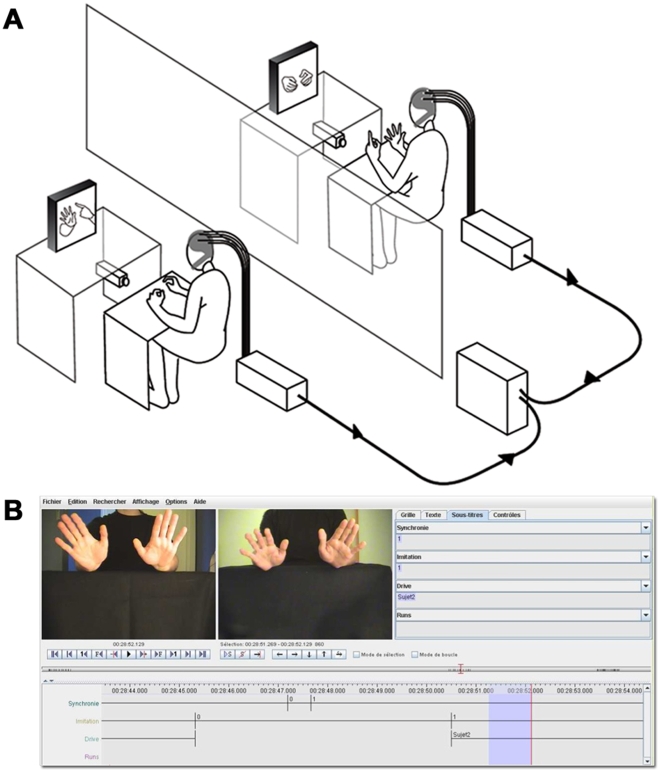
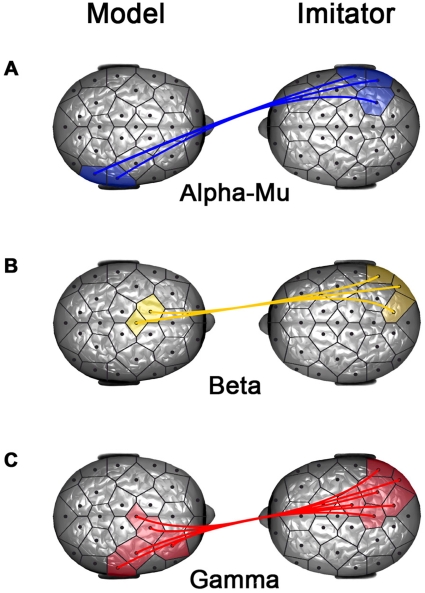
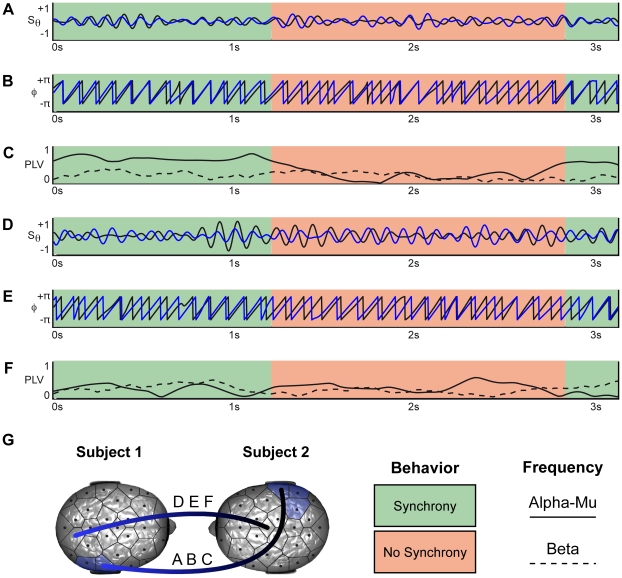
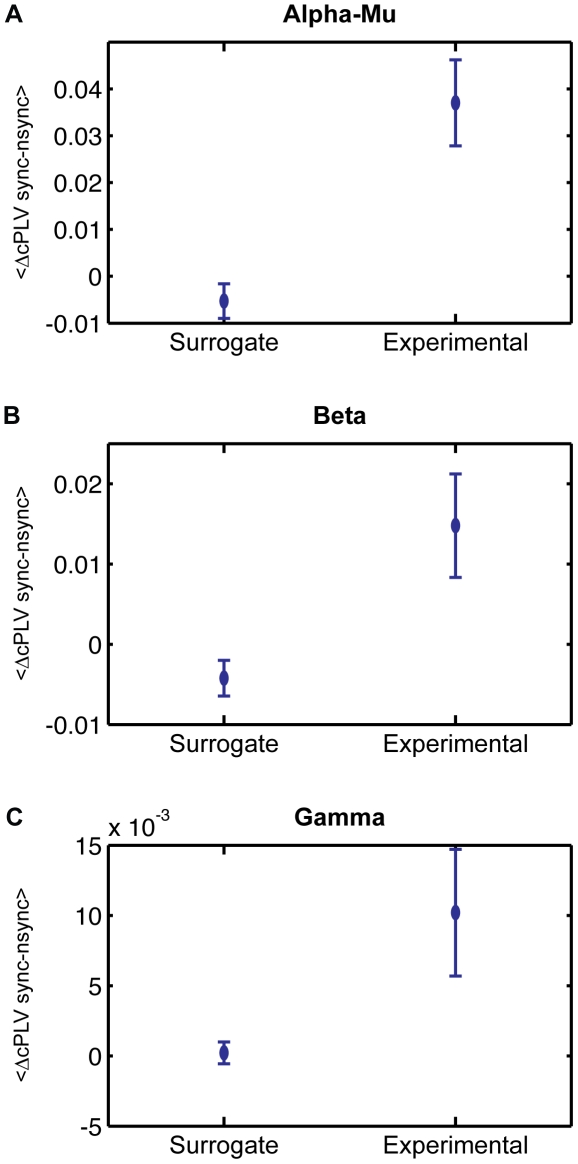
During social interaction, both participants are continuously active, each modifying their own actions in response to the continuously changing actions of the partner. This continuous mutual adaptation results in interactional synchrony to which both members contribute. Freely exchanging the role of imitator and model is a well-framed example of interactional synchrony resulting from a mutual behavioral negotiation. How the participants' brain activity underlies this process is currently a question that hyperscanning recordings allow us to explore. In particular, it remains largely unknown to what extent oscillatory synchronization could emerge between two brains during social interaction. To explore this issue, 18 participants paired as 9 dyads were recorded with dual-video and dual-EEG setups while they were engaged in spontaneous imitation of hand movements. We measured interactional synchrony and the turn-taking between model and imitator. We discovered by the use of nonlinear techniques that states of interactional synchrony correlate with the emergence of an interbrain synchronizing network in the alpha-mu band between the right centroparietal regions. These regions have been suggested to play a pivotal role in social interaction. Here, they acted symmetrically as key functional hubs in the interindividual brainweb. Additionally, neural synchronization became asymmetrical in the higher frequency bands possibly reflecting a top-down modulation of the roles of model and imitator in the ongoing interaction.
Overview
The claims and statistics of this paper haven’t been checked yet.
Free: it reads the open-access text and checks the first 5 claims that cite a source we can check. Create a free account to check every claim.
Integrity signals
Registry
Cites
Statistics
Figures

Verification
Claims the paper makes
The claims and statistics of this paper haven’t been checked yet.
Free: it reads the open-access text and checks the first 5 claims that cite a source we can check. Create a free account to check every claim.
Claims other papers make about this one
Each is checked against this paper’s own text: does it say what the citing paper says it does?
The check wasn’t confident either way, so it gives no verdict — never disputed.
In the citing paper
“The sample size was not determined a priori—each dataset's sample size was guided by prior work in their corresponding fields [38, 39, 40].”
From Interpersonal Synchronization of Autonomic Physiology via Mere Visual Contact (2026) · cites this paper as [38]
Experimental — accuracy not yet measured
Self-check
Percentages, sums and reported differences re-computed from the paper’s own numbers.
The self-check needs the paper’s full text.
Citations
Cites
A Mathematical Theory of Communication
Shannon, C. E. (1948) · Bell System Technical Journal · doi:10.1002/j.1538-7305.1948.tb01338.x · Cited by 88,486
The Mathematical Theory of Communication
Shannon, C. E., Weaver, W., & Wiener, N. (1950) · Physics Today · doi:10.1063/1.3067010 · Cited by 9,801
Nonparametric statistical testing of EEG- and MEG-data
Maris, E., & Oostenveld, R. (2007) · Journal of Neuroscience Methods · doi:10.1016/j.jneumeth.2007.03.024 · Cited by 8,496 · cited 1×
“Following previous studies [41,42], the resulting t-value matrices were then thresholded for absolute values larger than 2.”
The brainweb: phase synchronization and large-scale integration
Varela, F., Lachaux, J.-P., Rodriguez, E., & Martinerie, J. (2001) · Nature Reviews Neuroscience · doi:10.1038/35067550 · Cited by 4,761
Self-citationA mechanism for cognitive dynamics: neuronal communication through neuronal coherence.
Fries, P. (2005) · Trends in Cognitive Sciences · doi:10.1016/j.tics.2005.08.011 · Cited by 4,284 · cited 3×
“have been proposed as a key mechanism for information integration [28], temporal binding [51], flexible neuronal communication [34,52] and unified cognitive processes [45,53].”
InfluentialMeasuring phase synchrony in brain signals
Lachaux, J.-P., Rodriguez, E., Martinerie, J., & Varela, F. J. (1999) · Human Brain Mapping · doi:10.1002/(sici)1097-0193(1999)8:4<194::aid-hbm4>3.0.co;2-c · Cited by 3,798
Self-citationDynamic predictions: Oscillations and synchrony in top–down processing
Engel, A. K., Fries, P., & Singer, W. (2001) · Nature Reviews Neuroscience · doi:10.1038/35094565 · Cited by 3,454 · cited 1×
“Within one brain, synchronous neural oscillations have been previously observed in a range of processes such as conscious perception [44–46], working and long term memory [47,48], states of anticipation or attention [48,49] and empathy [50].”
Mathematical Theory of Communication
(2013) · Encyclopedia of Systems Biology · doi:10.1007/978-1-4419-9863-7_100015 · Cited by 3,290
Rizzolatti, G., & Arbib, M. A. (1998) · Trends in Neurosciences · doi:10.1016/s0166-2236(98)01260-0 · Cited by 2,858
Cortical mechanisms of human imitation
Iacoboni, M., Woods, R. P., Brass, M., Bekkering, H., Mazziotta, J. C., & Rizzolatti, G. (1999) · Science · doi:10.1126/science.286.5449.2526 · Cited by 2,683 · cited 1×
“Though imitation is commonly considered as a foundation for learning, socialization and communication [21,22], its use as a paradigm has been limited so far to test the direct matching hypothesis in an intraindividual perspective [23–27].”
Cited by
Toward a second-person neuroscience
Schilbach, L., Timmermans, B., Reddy, V., Costall, A., Bente, G., Schlicht, T., & Vogeley, K. (2013) · Behavioral and Brain Sciences · doi:10.1017/s0140525x12000660 · Cited by 1,510
Sensorimotor synchronization: a review of recent research (2006–2012).
Repp, B. H., & Su, Y.-H. (2013) · Psychonomic Bulletin & Review · doi:10.3758/s13423-012-0371-2 · Cited by 1,204
Brain-to-brain synchrony tracks real-world dynamic group interactions in the classroom
Dikker, S., Wan, L., Davidesco, I., Kaggen, L., Oostrik, M., McClintock, J., Rowland, J., Michalareas, G., Van Bavel, J. J., Ding, M., et al. (2017) · Current Biology · doi:10.1016/j.cub.2017.04.002 · Cited by 871
“…for social cognition in a range of social-psycho-logical contexts, including development [21, 23], and provides a plausible account for prior findings showing an increase in brain-to-brain synchrony during laboratory tasks that required dyads to coordinate visual attention (e.g., [3, 5, 8, 11]).”
The Neurobiology of Human Attachments
Feldman, R. (2017) · Trends in Cognitive Sciences · doi:10.1016/j.tics.2016.11.007 · Cited by 839
Cui, X., Bryant, D. M., & Reiss, A. L. (2012) · NeuroImage · doi:10.1016/j.neuroimage.2011.09.003 · Cited by 807
“EEG-based hyperscanning has enabled the study of social interaction in a more naturalistic environment (Astolfi et al., 2010; Dumas et al., 2010; Lindenberger et al., 2009), for example in poker playing (Babiloni et al.”
Using second-person neuroscience to elucidate the mechanisms of social interaction
Redcay, E., & Schilbach, L. (2019) · Nature Reviews Neuroscience · doi:10.1038/s41583-019-0179-4 · Cited by 738
Towards the utilization of EEG as a brain imaging tool
Michel, C. M., & Murray, M. M. (2012) · NeuroImage · doi:10.1016/j.neuroimage.2011.12.039 · Cited by 738
“Recently, such connectivity measures have also been used to study functional interactions between the brains of different subjects called “hyperscanning” (Astolfi et al., 2010; Dumas et al., 2010; Lindenberger et al., 2009).”
BackgroundSocial neuroscience and hyperscanning techniques: past, present and future.
Babiloni, F., & Astolfi, L. (2014) · Neuroscience & Biobehavioral Reviews · doi:10.1016/j.neubiorev.2012.07.006 · Cited by 573
“With the same sampling rate of 200–500Hz employed (Babiloni et al., 2006; 2011; Dumas et al., 2010) the EEG data are usually also synchronized to avoid the possible jitter introduced by the Local Area Networks (LAN).”
BackgroundMethodInfluentialMultistability and metastability: understanding dynamic coordination in the brain
Kelso, J. A. S. (2012) · Philosophical Transactions of the Royal Society B: Biological Sciences · doi:10.1098/rstb.2011.0351 · Cited by 558
Music and social bonding: “self-other†merging and neurohormonal mechanisms
Tarr, B., Launay, J., & Dunbar, R. I. M. (2014) · Frontiers in Psychology · doi:10.3389/fpsyg.2014.01096 · Cited by 548
“Indeed, behavioral synchrony has also been demonstrated to induce common neural signatures between interacting agents (Oullier et al., 2005; Tognoli et al., 2007; Lindenberger et al., 2009; Dumas et al., 2010).”
BackgroundHyperscanning: A Valid Method to Study Neural Inter-Brain Underpinnings of Social Interaction
Czeszumski, A., Eustergerling, S., Lang, A., Menrath, D., Gerstenberger, M., Schuberth, S., Schreiber, F., Rendon, Z. Z., & König, P. (2020) · Frontiers in Human Neuroscience · doi:10.3389/fnhum.2020.00039 · Cited by 511
“This was shown directly by interbrain coherence (Dumas et al., 2010; Schippers et al., 2010) as well as indirectly utilizing observation-related potentials and oscillatory patterns elicited during joint action contexts (Sebanz et al.”
MethodNeural Synchronization during Face-to-Face Communication
Jiang, J., Dai, B., Peng, D., Zhu, C., Liu, L., & Lu, C. (2012) · The Journal of Neuroscience · doi:10.1523/jneurosci.2926-12.2012 · Cited by 489
“Moreover, neural synchronization between brains was confirmed in nonverbal communication protocols (Dumas et al., 2010; De Vico Fallani et al., 2010; Schippers et al., 2010; Cui et al., 2012).”
BackgroundWhy Synchrony Matters during Mother-Child Interactions: A Systematic Review
Leclère, C., Viaux, S., Avril, M., Achard, C., Chetouani, M., Missonnier, S., & Cohen, D. (2014) · PLoS ONE · doi:10.1371/journal.pone.0113571 · Cited by 455
“The recent discovery of both biological correlates of behaviorally synchronic phenomena [27] and statistical learning [28, 29] has validated the crucial value of studying synchrony during child development [2, 26].”
BackgroundThe adaptive human parental brain: implications for children's social development
Feldman, R. (2015) · Trends in Neurosciences · doi:10.1016/j.tins.2015.04.004 · Cited by 419
Keller, P. E., Novembre, G., & Hove, M. J. (2014) · Philosophical Transactions of the Royal Society B: Biological Sciences · doi:10.1098/rstb.2013.0394 · Cited by 466
Measuring shared responses across subjects using intersubject correlation
Nastase, S. A., Gazzola, V., Hasson, U., & Keysers, C. (2019) · Social Cognitive and Affective Neuroscience · doi:10.1093/scan/nsz037 · Cited by 407
“…techniques (Montague etal., 2002;BabiloniandAstolfi,2014)toextendmeasurementsof brain-to-brain coupling to real-time social interactions (Dumas et al., 2010; Saito et al., 2010; Dumas, 2011; Cui et al., 2012; Jiang et al., 2012; Schilbach et al. , 2013), and in some cases going beyond…”
MethodBrain-to-Brain Synchrony during Naturalistic Social Interactions
Kinreich, S., Djalovski, A., Kraus, L., Louzoun, Y., & Feldman, R. (2017) · Scientific Reports · doi:10.1038/s41598-017-17339-5 · Cited by 402
Embodiment and sense-making in autism
De Jaegher, H. (2013) · Frontiers in Integrative Neuroscience · doi:10.3389/fnint.2013.00015 · Cited by 388
Interpersonal body and neural synchronization as a marker of implicit social interaction
Yun, K., Watanabe, K., & Shimojo, S. (2012) · Scientific Reports · doi:10.1038/srep00959 · Cited by 379
Centrality of social interaction in human brain function.
Hari, R., Henriksson, L., Malinen, S., & Parkkonen, L. (2015) · Neuron · doi:10.1016/j.neuron.2015.09.022 · Cited by 370
Bevilacqua, D., Davidesco, I., Wan, L., Chaloner, K., Rowland, J., Ding, M., Poeppel, D., & Dikker, S. (2019) · Journal of Cognitive Neuroscience · doi:10.1162/jocn_a_01274 · Cited by 312
“Hyperscan-ning neuroscience research has shown not only a relationship between synchrony at the motoric and neural levels (Dumas et al., 2010) but also that face-to-face interactions moderate the relationship between social factors and brain-to-brain synchrony (Dikker et al., 2017; Jiang et al.,…”
InfluentialThe interactive brain hypothesis
Di Paolo, E., & De Jaegher, H. (2012) · Frontiers in Human Neuroscience · doi:10.3389/fnhum.2012.00163 · Cited by 328
“…as a detached interpreter of social stimuli (see e.g., Van Overwalle, 2009) and to pay attention to neural mechanisms involved in embodied social interaction (Schilbach et al., 2006; Tognoli et al., 2007; Lindenberger et al., 2009; Dumas et al., 2010; Redcay et al., 2010; Pfeiffer et al., 2011).”
BackgroundInfluentialKonvalinka, I., & Roepstorff, A. (2012) · Frontiers in Human Neuroscience · doi:10.3389/fnhum.2012.00215 · Cited by 324
“Another dual EEG study that looked at inter-brain phase synchronization during a real-time, continuous interaction was carried out by Dumas et al. (2010).”
BackgroundCooperation in lovers: An fNIRS-based hyperscanning study
Pan, Y., Cheng, X., Zhang, Z., Li, X., & Hu, Y. (2017) · Human Brain Mapping · doi:10.1002/hbm.23421 · Cited by 307
“Previous studies using the hyperscanning technique during studies of cooperation found interpersonal brain synchronization (IBS) in right centroparietal regions (Dumas et al., 2010) and prefrontal cortex (McCabe et al., 2001).”
BackgroundBrain-to-brain coupling during handholding is associated with pain reduction
Goldstein, P., Weissman-Fogel, I., Dumas, G., & Shamay-Tsoory, S. G. (2018) · Proceedings of the National Academy of Sciences · doi:10.1073/pnas.1703643115 · Cited by 311
“Considering the high temporal resolution and low sensitivity to motion artifacts of EEG, hyperscanning studies with EEG have provided compelling evidence of interbrain synchronization during various cognitive tasks, such as during conversations (47), spontaneous gestural imitation (48, 49), prisoner’s dilemma game (50…”
BackgroundMethodInfluentialSelf-citationIntra- and interbrain synchronization and network properties when playing guitar in duets
Sänger, J., Müller, V., & Lindenberger, U. (2012) · Frontiers in Human Neuroscience · doi:10.3389/fnhum.2012.00312 · Cited by 305
“Dumas et al. (2010) observed coherent brain oscillations between electrodes of the model and the imitator during behaviorally synchronous sequences of a gestural imitation task.”
BackgroundReal-Life Neuroscience: An Ecological Approach to Brain and Behavior Research
Shamay-Tsoory, S. G., & Mendelsohn, A. (2019) · Perspectives on Psychological Science · doi:10.1177/1745691619856350 · Cited by 290
Herding Brains: A Core Neural Mechanism for Social Alignment
Shamay-Tsoory, S. G., Saporta, N., Marton-Alper, I. Z., & Gvirts, H. Z. (2019) · Trends in Cognitive Sciences · doi:10.1016/j.tics.2019.01.002 · Cited by 289
Sperduti, M., Delaveau, P., Fossati, P., & Nadel, J. (2011) · Brain Structure and Function · doi:10.1007/s00429-010-0298-1 · Cited by 287
“Two interesting candidates are: the ‘‘intentional binding’’ paradigm, adapted for neuroimaging studies, or other implicit measure of agency, that could confirm a direct role of the insula in this phenomenon, and spontaneous imitation, used in our team as a paradigm allowing interactants to synchronize actions while al…”
BackgroundSelf-citationOn the interpretation of synchronization in EEG hyperscanning studies: a cautionary note
Burgess, A. P. (2013) · Frontiers in Human Neuroscience · doi:10.3389/fnhum.2013.00881 · Cited by 270
“…al., 2007, 2011a,b; Chung et al., 2008; Tognoli, 2008; Yun et al., 2008; Astolfi et al., 2009, 2010a,b,c, 2011a,b, 2012; Lindenberger et al., 2009; Dumas et al., 2010, 2012a,b; Fallani et al., 2010; Dodel et al., 2011; Lachat et al., 2012; Naeem et al., 2012a,b; Sanger et al., 2012, 2013; Yun et…”
BackgroundMethodConsumer Grade EEG Measuring Sensors as Research Tools: A Review
Sawangjai, P., Hompoonsup, S., Leelaarporn, P., Kongwudhikunakorn, S., & Wilaiprasitporn, T. (2020) · IEEE Sensors Journal · doi:10.1109/jsen.2019.2962874 · Cited by 267
In and out of synchrony—Behavioral and physiological dynamics of dyadic interpersonal coordination
Mayo, O., & Gordon, I. (2020) · Psychophysiology · doi:10.1111/psyp.13574 · Cited by 255
Cheng, X., Li, X., & Hu, Y. (2015) · Human Brain Mapping · doi:10.1002/hbm.22754 · Cited by 253
“Hyperscanning has mainly been used with fMRI or EEG recording to studying multiagent games and social interactions [Babiloni and Astolfi, 2014; Duan et al., 2013; Dumas et al., 2010; Fliessbach et al., 2007; King-Casas et al., 2005; Koike et al., 2015; Scholkmann et al., 2013b].”
MethodHirsch, J., Zhang, X., Noah, J. A., & Ono, Y. (2017) · NeuroImage · doi:10.1016/j.neuroimage.2017.06.018 · Cited by 236
“Wavelet Analysis and Cross-Brain Coherence Cross-brain coherence using wavelet analysis and related correlation techniques have been applied in neuroimaging studies to confirm synchronous neural activation between two individuals and to analyze cross-brain synchrony during either live interpersonal interactions or del…”
Nozawa, T., Sasaki, Y., Sakaki, K., Yokoyama, R., & Kawashima, R. (2016) · NeuroImage · doi:10.1016/j.neuroimage.2016.03.059 · Cited by 235
“…al., 2010; Stephens et al., 2010; Tanabe et al., 2012) and electroencephalography (EEG) studies (Astolfi et al., 2010; De Vico Fallani et al., 2010; Dumas et al., 2010; Kawasaki et al., 2013; Konvalinka et al., 2014; Lindenberger et al., 2009; Sanger et al., 2012) have shown that verbal and…”
Interactional synchrony: signals, mechanisms and benefits
Hoehl, S., Fairhurst, M., & Schirmer, A. (2021) · Social Cognitive and Affective Neuroscience · doi:10.1093/scan/nsaa024 · Cited by 231
“, 2012), although mutual adaptation of neural activity has also been reported in gestural communication (Dumas et al., 2010; Schippers et al., 2010).”
BackgroundKawasaki, M., Yamada, Y., Ushiku, Y., Miyauchi, E., & Yamaguchi, Y. (2013) · Scientific Reports · doi:10.1038/srep01692 · Cited by 228
Konvalinka, I., Bauer, M., Stahlhut, C., Hansen, L. K., Roepstorff, A., & Frith, C. D. (2014) · NeuroImage · doi:10.1016/j.neuroimage.2014.03.003 · Cited by 228
“social interaction; dual EEG; interpersonal coordination; multivariate decoding; leader-follower dynamics”
BackgroundAre We Ready for Real-world Neuroscience?
Matusz, P. J., Dikker, S., Huth, A. G., & Perrodin, C. (2019) · Journal of Cognitive Neuroscience · doi:10.1162/jocn_e_01276 · Cited by 225
Pfeiffer, U. J., Vogeley, K., & Schilbach, L. (2013) · Neuroscience & Biobehavioral Reviews · doi:10.1016/j.neubiorev.2013.07.017 · Cited by 224
“Interestingly, however, these studies suggest that mu rhythm suppression is generally associated with inter-individual coordination in social interaction, for instance during spontaneous imitation (Dumas et al., 2010) or during the coordination of finger movements (Naeem et al.”
BackgroundAttention Strongly Modulates Reliability of Neural Responses to Naturalistic Narrative Stimuli
Ki, J. J., Kelly, S. P., & Parra, L. C. (2016) · The Journal of Neuroscience · doi:10.1523/jneurosci.2942-15.2016 · Cited by 221
“Inter-subject reliability of neural responses using fMRI has been associated with a variety of higherlevel processes such as memory encoding, emotional valence, language comprehension, temporal integration, level of consciousness, psychological state, or stimulus preference (Furman et al., 2007; Hasson et al., 2008a;…”
BackgroundDean, R. T., & Dunsmuir, W. T. M. (2016) · Behavior Research Methods · doi:10.3758/s13428-015-0611-2 · Cited by 215
Between-brain connectivity during imitation measured by fNIRS
Holper, L., Scholkmann, F., & Wolf, M. (2012) · NeuroImage · doi:10.1016/j.neuroimage.2012.06.028 · Cited by 207
“the model and the imitator, in an attempt to elucidate the between-individual neural mechanisms of human imitating interaction remains an open challenge and an objective of moving toward two-person neuroscience (Dumas et al., 2010; Hari and Kujala, 2009).”
BackgroundFunane, T., Kiguchi, M., Atsumori, H., Sato, H., Kubota, K., & Koizumi, H. (2011) · Journal of Biomedical Optics · doi:10.1117/1.3602853 · Cited by 198
Investigating Cooperative Behavior in Ecological Settings: An EEG Hyperscanning Study
Toppi, J., Borghini, G., Petti, M., He, E. J., De Giusti, V., He, B., Astolfi, L., & Babiloni, F. (2016) · PLOS ONE · doi:10.1371/journal.pone.0154236 · Cited by 198
“The studies of EEG-based interbrain connectivity between subjects simultaneously engaged in a card game [19] or in tasks related to game theory [20,21] demonstrated the feasibility in predicting cooperative or defective behaviors before being overtly expressed.”
BackgroundMusic and communication in music psychology
Cross, I. (2014) · Psychology of Music · doi:10.1177/0305735614543968 · Cited by 194
Sex differences in neural and behavioral signatures of cooperation revealed by fNIRS hyperscanning
Baker, J. M., Liu, N., Cui, X., Vrticka, P., Saggar, M., Hosseini, S. M. H., & Reiss, A. L. (2016) · Scientific Reports · doi:10.1038/srep26492 · Cited by 195
“Moreover, female/female dyads exhibited significant coherence increase within the right temporal cortex (t(36) = 3.”
Pan, Y., Novembre, G., Song, B., Li, X., & Hu, Y. (2018) · NeuroImage · doi:10.1016/j.neuroimage.2018.08.005 · Cited by 192
“Given that these temporal/temporo-parietal regions are also known to be crucial for successful social interaction (Dumas et al., 2010; Hasson et al., 2008; Frith and Frith, 2012; Novembre et al., 2016), it is likely that these were interacting with IFC in the context of our task as well.”
From social behaviour to brain synchronization: Review and perspectives in hyperscanning
Dumas, G., Lachat, F., Martinerie, J., Nadel, J., & George, N. (2011) · IRBM · doi:10.1016/j.irbm.2011.01.002 · Cited by 194
Self-citationCooperation makes two less-creative individuals turn into a highly-creative pair
Xue, H., Lu, K., & Hao, N. (2018) · NeuroImage · doi:10.1016/j.neuroimage.2018.02.007 · Cited by 190
Pan, Y., Dikker, S., Goldstein, P., Zhu, Y., Yang, C., & Hu, Y. (2020) · NeuroImage · doi:10.1016/j.neuroimage.2020.116657 · Cited by 187
Mobile cognition: imaging the human brain in the ‘real world’
Stangl, M., Maoz, S. L., & Suthana, N. (2023) · Nature Reviews Neuroscience · doi:10.1038/s41583-023-00692-y · Cited by 183
Interactive Brain Activity: Review and Progress on EEG-Based Hyperscanning in Social Interactions
Liu, D., Liu, S., Liu, X., Zhang, C., Li, A., Jin, C., Chen, Y., Wang, H., & Zhang, X. (2018) · Frontiers in Psychology · doi:10.3389/fpsyg.2018.01862 · Cited by 182
A Review of Issues Related to Data Acquisition and Analysis in EEG/MEG Studies
Puce, A., & Hämäläinen, M. (2017) · Brain Sciences · doi:10.3390/brainsci7060058 · Cited by 181
Brain-to-brain synchronization across two persons predicts mutual prosociality
Hu, Y., Hu, Y., Li, X., Pan, Y., & Cheng, X. (2017) · Social Cognitive and Affective Neuroscience · doi:10.1093/scan/nsx118 · Cited by 180
“…captured the synchronous oscillatory activities (in alpha, delta or theta frequency bands) across individuals in time counting (Mu et al., 2016), fingertip moving (Yun et al., 2012), gesture imitating (Dumas et al., 2010) and instrument playing (Lindenberger et al., 2009; Müller et al., 2013).”
BackgroundKoban, L., Ramamoorthy, A., & Konvalinka, I. (2019) · Social Neuroscience · doi:10.1080/17470919.2017.1400463 · Cited by 180
“has been reported in the alpha band over centroparietal regions of two participants when they engaged in synchronized behavior (Dumas et al., 2010), regions previously”
BackgroundOxytocin enhances inter-brain synchrony during social coordination in male adults
Mu, Y., Guo, C., & Han, S. (2016) · Social Cognitive and Affective Neuroscience · doi:10.1093/scan/nsw106 · Cited by 177
“Because the previous studies that 35 examined inter-brain (Dumas et al., 2010; Astolfi et al., 2012) and intra-brain (Tognoli et al.”
BackgroundMethodResultInfluentialThe human dynamic clamp as a paradigm for social interaction
Dumas, G., de Guzman, G. C., Tognoli, E., & Kelso, J. A. S. (2014) · Proceedings of the National Academy of Sciences · doi:10.1073/pnas.1407486111 · Cited by 175
Self-citationInter-brain synchrony in teams predicts collective performance
Reinero, D. A., Dikker, S., & Van Bavel, J. J. (2021) · Social Cognitive and Affective Neuroscience · doi:10.1093/scan/nsaa135 · Cited by 169
Interpersonal Neural Entrainment during Early Social Interaction
Wass, S. V., Whitehorn, M., Marriott Haresign, I., Phillips, E., & Leong, V. (2020) · Trends in Cognitive Sciences · doi:10.1016/j.tics.2020.01.006 · Cited by 167
Koike, T., Tanabe, H. C., Okazaki, S., Nakagawa, E., Sasaki, A. T., Shimada, K., Sugawara, S. K., Takahashi, H. K., Yoshihara, K., Bosch-Bayard, J., et al. (2016) · NeuroImage · doi:10.1016/j.neuroimage.2015.09.076 · Cited by 167
“…synchronization during social interaction tasks has been reported repeatedly (Astolfi et al., 2010; Cui et al., 2012; De Vico Fallani et al., 2010; Dumas et al., 2010; Jiang et al., 2012; Müller et al., 2013; Osaka et al., 2014; Saito et al., 2010; Sänger et al., 2012; Tanabe et al., 2012; Yun et…”
BackgroundImpairments of Social Motor Synchrony Evident in Autism Spectrum Disorder
Fitzpatrick, P., Frazier, J. A., Cochran, D. M., Mitchell, T., Coleman, C., & Schmidt, R. C. (2016) · Frontiers in Psychology · doi:10.3389/fpsyg.2016.01323 · Cited by 164
“…with autism spectrum disorders (ASD) exhibit numerous impairments in social interaction that typically persist throughout adolescence and adulthood (Ballaban-Gil et al., 1996; Howlin et al., 2004; Billstedt et al., 2005; Eaves and Ho, 2008; American Psychiatric Association [APA], 2013).”
BackgroundInter-brain synchrony and cooperation context in interactive decision making
Hu, Y., Pan, Y., Shi, X., Cai, Q., Li, X., & Cheng, X. (2018) · Biological Psychology · doi:10.1016/j.biopsycho.2017.12.005 · Cited by 166
Outline of a general theory of behavior and brain coordination
Kelso, J. A. S., Dumas, G., & Tognoli, E. (2013) · Neural Networks · doi:10.1016/j.neunet.2012.09.003 · Cited by 166
“…regardless of whether two hands, two people and two brains are interacting for social functions (Banerjee, Tognoli, Kelso, & Jirsa, 2012; Dumas et al., 2010; Naeem, Prasad, Watson, & Kelso, 2012; Tognoli, Lagarde, DeGuzman, & Kelso, 2007) or astrocytes and neurons are interacting for…”
InfluentialSelf-citationAutism as a Disorder of Biological and Behavioral Rhythms: Toward New Therapeutic Perspectives
Tordjman, S., Davlantis, K. S., Georgieff, N., Geoffray, M.-M., Speranza, M., Anderson, G. M., Xavier, J., Botbol, M., Oriol, C., Bellissant, E., et al. (2015) · Frontiers in Pediatrics · doi:10.3389/fped.2015.00001 · Cited by 162
“Dumas and colleagues’ study (53) was the first to record dual EEG activity in dyads of subjects during spontaneous non-verbal interaction.”
BackgroundIntra- and Inter-Brain Synchronization during Musical Improvisation on the Guitar
Müller, V., Sänger, J., & Lindenberger, U. (2013) · PLoS ONE · doi:10.1371/journal.pone.0073852 · Cited by 159
“Dumas and colleagues [3] investigated the”
BackgroundWhy is music therapeutic for neurological disorders? The Therapeutic Music Capacities Model
Brancatisano, O., Baird, A., & Thompson, W. F. (2020) · Neuroscience & Biobehavioral Reviews · doi:10.1016/j.neubiorev.2020.02.008 · Cited by 160
Pfeiffer, U. J., Schilbach, L., Timmermans, B., Kuzmanovic, B., Georgescu, A. L., Bente, G., & Vogeley, K. (2014) · NeuroImage · doi:10.1016/j.neuroimage.2014.06.061 · Cited by 155
“hyperscanning while participants perform spontaneous motor coordi- 73 nation tasks (e.g. Dumas et al., 2010; Tognoli et al., 2007), engage in 74 joint attention (Lachat et al., 2012) or play games together (Astolfi 75 et al., 2010; Babiloni et al., 2007).”
Dikker, S., Michalareas, G., Oostrik, M., Serafimaki, A., Kahraman, H. M., Struiksma, M. E., & Poeppel, D. (2020) · NeuroImage · doi:10.1016/j.neuroimage.2020.117436 · Cited by 185
Kelsen, B. A., Sumich, A., Kasabov, N., Liang, S. H. Y., & Wang, G. Y. (2022) · Neuroscience & Biobehavioral Reviews · doi:10.1016/j.neubiorev.2020.09.008 · Cited by 148
A Multi-Brain Framework for Social Interaction
Kingsbury, L., & Hong, W. (2020) · Trends in Neurosciences · doi:10.1016/j.tins.2020.06.008 · Cited by 167
“During behavior alignment tasks using rhythmic finger tapping [40,41], body movement [42], and gestural imitation [43], inter-brain synchrony has also been observed to predict coordinated behavior.”
BackgroundInfluentialHyperscanning neuroimaging technique to reveal the “two-in-one” system in social interactions
Koike, T., Tanabe, H. C., & Sadato, N. (2015) · Neuroscience Research · doi:10.1016/j.neures.2014.11.006 · Cited by 145
Cooperation Makes a Group be More Creative
Lu, K., Xue, H., Nozawa, T., & Hao, N. (2018) · Cerebral Cortex · doi:10.1093/cercor/bhy215 · Cited by 153
Correlated Neural Activity across the Brains of Socially Interacting Bats
Zhang, W., & Yartsev, M. M. (2019) · Cell · doi:10.1016/j.cell.2019.05.023 · Cited by 144
“Last, previous studies typically focused on artificial tasks, often involving instructed interactions between subjects (e.g., Dikker et al., 2014; Dumas et al., 2010; Kawasaki et al., 2013; Leong et al., 2017; Spiegelhalder et al., 2014; Tognoli et al., 2007; Tseng et al., 2018), where a single social behavior was rep…”
Fishburn, F. A., Murty, V. P., Hlutkowsky, C. O., MacGillivray, C. E., Bemis, L. M., Murphy, M. E., Huppert, T. J., & Perlman, S. B. (2018) · Social Cognitive and Affective Neuroscience · doi:10.1093/scan/nsy060 · Cited by 144
Wallot, S., Mitkidis, P., McGraw, J. J., & Roepstorff, A. (2016) · PLOS ONE · doi:10.1371/journal.pone.0168306 · Cited by 141
Interpersonal synchrony enhanced through 20 Hz phase-coupled dual brain stimulation
Novembre, G., Knoblich, G., Dunne, L., & Keller, P. E. (2017) · Social Cognitive and Affective Neuroscience · doi:10.1093/scan/nsw172 · Cited by 140
“Whether and how individuals reach a similar state of brain-to-brain phase coupling during real-life interactions is an issue that our study cannot address directly (but see EEG evidence from: Lindenberger et al., 2009; Dumas et al., 2010; S€anger et al., 2012; Yun et al., 2012).”
BackgroundResultInfluentialWallot, S., Roepstorff, A., & Mønster, D. (2016) · Frontiers in Psychology · doi:10.3389/fpsyg.2016.01835 · Cited by 140
“…motor, physiological, or neuro-physiological underpinnings of that behavior (e.g., Shockley et al., 2003; Richardson and Dale, 2005; Richardson D. C. et al., 2007; Richardson M. J. et al., 2007; Dumas et al., 2010; Konvalinka et al., 2011; Louwerse et al., 2012; Fusaroli and Tylén, 2016).”
BackgroundSzymanski, C., Pesquita, A., Brennan, A., Perdikis, D., Enns, J. T., Brick, T. R., Müller, V., & Lindenberger, U. (2017) · NeuroImage · doi:10.1016/j.neuroimage.2017.03.013 · Cited by 150
“In line with this assertion, studies of interacting individuals (Freundlieb et al., 2015; Lachat et al., 2012; Sebanz et al., 2006; Sebanz et al., 2003) have identified cognitive processes that would have gone unnoticed if individuals had been studied in isolation only.”
InfluentialCzeszumski, A., Liang, S. H.-Y., Dikker, S., König, P., Lee, C.-P., Koole, S. L., & Kelsen, B. (2022) · eneuro · doi:10.1523/eneuro.0268-21.2022 · Cited by 138
“Recent developments in neuroimaging have enabled so-called “hyperscanning,” whereby the activity of two or more brains can be assessed simultaneously while people are interacting (Dumas et al., 2010; Czeszumski et al., 2020).”
BackgroundHendrikse, S. C. F., Jan Treur, A., & Koole, S. L. (2023) · International Journal of Neural Systems · doi:10.1142/s0129065723500387 · Cited by 137
Information flow dynamics in the brain
Rabinovich, M. I., Afraimovich, V., Bick, C., & Varona, P. (2011) · Physics of Life Reviews · doi:10.1016/j.plrev.2011.11.002 · Cited by 151
Tordjman, S., Najjar, I., Bellissant, E., Anderson, G., Barburoth, M., Cohen, D., Jaafari, N., Schischmanoff, O., Fagard, R., Lagdas, E., et al. (2013) · International Journal of Molecular Sciences · doi:10.3390/ijms141020508 · Cited by 132
“[134] use hyper-scanning recordings to examine brain activity, including measures of neural synchronization between distant brain regions of interacting individuals through a free exchange of roles between the imitator and the model.”
Interbrain synchrony: on wavy ground
Holroyd, C. B. (2022) · Trends in Neurosciences · doi:10.1016/j.tins.2022.02.002 · Cited by 147
“, [38-40,92-100]), but these observations can be questioned.”
BackgroundThe body talks: Sensorimotor communication and its brain and kinematic signatures
Pezzulo, G., Donnarumma, F., Dindo, H., D'Ausilio, A., Konvalinka, I., & Castelfranchi, C. (2019) · Physics of Life Reviews · doi:10.1016/j.plrev.2018.06.014 · Cited by 130
“[35] employed a two-person hand imitation task, asking participants to spontaneously imitate their partner’s hand gestures, while recording dual EEG.”
MethodTowards a two-body neuroscience
Dumas, G. (2011) · Communicative & Integrative Biology · doi:10.4161/cib.4.3.15110 · Cited by 127
“fr Recent work from our interdisciplinary research group has revealed the emergence of inter-brain synchronization across multiple frequency bands during social interaction.(1) Our findings result from the close collaboration between experts who study neural dynamics and developmental psychology.”
BackgroundMethodSelf-citationRevisiting mu suppression in autism spectrum disorder
Dumas, G., Soussignan, R., Hugueville, L., Martinerie, J., & Nadel, J. (2014) · Brain Research · doi:10.1016/j.brainres.2014.08.035 · Cited by 120
Self-citationEmotional valence modulates the topology of the parent-infant inter-brain network
Santamaria, L., Noreika, V., Georgieva, S., Clackson, K., Wass, S. V., & Leong, V. (2019) · NeuroImage · doi:10.1016/j.neuroimage.2019.116341 · Cited by 131
Human attachments shape interbrain synchrony toward efficient performance of social goals
Djalovski, A., Dumas, G., Kinreich, S., & Feldman, R. (2021) · NeuroImage · doi:10.1016/j.neuroimage.2020.117600 · Cited by 123
Self-citationDirectionality in hyperbrain networks discriminates between leaders and followers in guitar duets
Sänger, J., Müller, V., & Lindenberger, U. (2013) · Frontiers in Human Neuroscience · doi:10.3389/fnhum.2013.00234 · Cited by 126
“On the one hand, these have been found to be functionally relevant for joint action in earlier studies (Babiloni et al., 2007; Tognoli et al., 2007; Astolfi et al., 2010; Dumas et al., 2010).”
BackgroundSocial Cognition in Schizophrenia: From Social Stimuli Processing to Social Engagement
Billeke, P., & Aboitiz, F. (2013) · Frontiers in Psychiatry · doi:10.3389/fpsyt.2013.00004 · Cited by 124
“For example, there is growing interest in studying how people coordinate their motor actions in social settings (Sebanz et al., 2006; Dumas et al., 2010; Schmidt et al., 2011a).”
BackgroundFroese, T., Iizuka, H., & Ikegami, T. (2014) · Scientific Reports · doi:10.1038/srep03672 · Cited by 124
Hakim, U., Felice, S. D., Pinti, P., Zhang, X., Noah, J. A., Ono, Y., Burgess, P. W., Hamilton, A. F. D. C., Hirsch, J., & Tachtsidis, I. (2023) · NeuroImage · doi:10.1016/j.neuroimage.2023.120354 · Cited by 160
Georgescu, A. L., Kuzmanovic, B., Roth, D., Bente, G., & Vogeley, K. (2014) · Frontiers in Human Neuroscience · doi:10.3389/fnhum.2014.00807 · Cited by 123
“It allows the simultaneous measurement of brain activity in two interacting individuals situated in different neuroimaging environments (electroencephalography: Astolfi et al., 2010; Dumas et al., 2010; Kourtis et al., 2010; Lachat et al., 2012; near-infrared spectroscopy: Cui et al., 2012; magnetoencephalography: Bae…”
BackgroundValencia, A. L., & Froese, T. (2020) · Neuroscience of Consciousness · doi:10.1093/nc/niaa010 · Cited by 150
“More importantly, inter-brain neural synchronization, as revealed through EEG-based hyperscanning studies, appears in all oscillatory frequency bands, including the faster gamma frequency (Astolfi et al. 2010; Dumas et al. 2010; Kinreich et al. 2017; Mu et al. 2017).”
BackgroundEmotion-Attention Interaction in the Right Hemisphere
Hartikainen, K. M. (2021) · Brain Sciences · doi:10.3390/brainsci11081006 · Cited by 152
“In addition to reorienting attention to salient stimuli within one person’s brain, the right TPJ (rTPJ) is also thought to underlie synchronization of activity between brains of two people and to allow for their shared attention [65,66].”
BackgroundElectrophysiological signatures of intentional social coordination in the 10–12Hz range
Naeem, M., Prasad, G., Watson, D. R., & Kelso, J. A. S. (2011) · NeuroImage · doi:10.1016/j.neuroimage.2011.08.010 · Cited by 130
“In real time social interactions, however, where perception of another's actions is combined with self-generated motor behavior, localized recruitment of right centro-parietal regions in the mu domain has been reported (Tognoli et al., 2007) and confirmed (Dumas et al., 2010).”
BackgroundBalconi, M., & Vanutelli, M. E. (2017) · Frontiers in Computational Neuroscience · doi:10.3389/fncom.2017.00086 · Cited by 131
“Similarly, Dumas et al. (2010) used a video feedback system and asked subjects to imitate the other’s hands movement.”
MethodAnatomical Connectivity Influences both Intra- and Inter-Brain Synchronizations
Dumas, G., Chavez, M., Nadel, J., & Martinerie, J. (2012) · PLoS ONE · doi:10.1371/journal.pone.0036414 · Cited by 117
“The experimental data used in this paper are taken from our former study about inter-brain synchronizations [27] where 18 participants paired as 9 dyads were recorded simultaneously with dual-video and dual-EEG setups while they were engaged in spontaneous imitation of hand movements.”
BackgroundMethodInfluentialSelf-citationOscillatory Brain Correlates of Live Joint Attention: A Dual-EEG Study
Lachat, F., Hugueville, L., Lemaréchal, J.-D., Conty, L., & George, N. (2012) · Frontiers in Human Neuroscience · doi:10.3389/fnhum.2012.00156 · Cited by 114
“More recently, inter-brain phase synchronizations have been observed in the same frequency range between pairs of subjects engaged in spontaneous reciprocal imitation (Dumas et al., 2010).”
BackgroundResult
Metadata
- Authors
- Dumas, G., Nadel, J., Soussignan, R., Martinerie, J., & Garnero, L.
- Affiliations
- Centre National de la Recherche Scientifique (FR)
- Corresponding author
- Dumas, Guillaume
- Venue
- PLoS ONE
- Publisher
- Public Library of Science (PLoS)
- Published
- 2010-08-17
- Volume
- 5
- Issue
- 8
- Pages
- e12166
- ISSN
- 1932-6203 (ISSN-L)
- PMC
- PMC2923151
- OpenAlex
- W1986163111
- Cited by
- 966
- References
- 68
- Citations by year
- 2026: 73 · 2025: 80 · 2024: 68 · 2023: 55 · 2022: 78 · 2021: 106 · 2020: 127 · 2019: 53 · 2018: 54 · 2017: 57 · 2016: 42 · 2015: 31 · 2014: 54 · 2013: 35 · 2012: 33
- FWCI
- 38.29
- Type
- journal article
- Language
- en
- Open access
- gold
- doi.org
- Locations
- PLoS ONE (publishedVersion, cc-by)
- PubMed Central (publishedVersion, cc-by)
- PubMed (publishedVersion)
- HAL (submittedVersion, other-oa)
- HAL (submittedVersion)
- RePEc: Research Papers in Economics (submittedVersion)
- DOAJ (DOAJ: Directory of Open Access Journals) (submittedVersion, cc-by-sa)
- Topics
- Social Sciences › Psychology › Social Psychology › Action Observation and Synchronization
- Life Sciences › Neuroscience › Cognitive Neuroscience › Neural dynamics and brain function
- Life Sciences › Neuroscience › Cognitive Neuroscience › EEG and Brain-Computer Interfaces
- Keywords
- inter-brain synchrony, social interaction, interactional synchrony, spontaneous imitation, turn-taking, hyperscanning, top-down modulation, mirror neuron system
- MeSH terms
- Behavior, Brain, Electroencephalography, Female, Humans, Imitative Behavior, Interpersonal Relations, Male, Young Adult
About these checks
Registry, retraction, Cites and statistics results are computed, not judged, with one exception: a printed reference that no index lists is read once by a model before it counts as a citation error. Claims are extracted by a model and kept only when their quote appears verbatim in the text; each cited source is then checked, with a model’s help, for whether it says what the claim relies on. Those verdicts can be wrong — read the claim’s quote and the cited source before relying on one.
Statistics and arithmetic are recomputed, not judged.
Confidence bands are shown only for fields calibrated on our annotated test set. None is calibrated yet, so no band is shown.
What counts as a claim ›How we measure confidence ›How we check this ›
Are you an author, or do you see a problem with this page? Request a review
Data sources
Bibliographic data: Semantic Scholar, OpenAlex, Crossref.
Contains information from the Semantic Scholar Academic Graph Datasets, made available under the ODC Attribution License (ODC-BY 1.0).
Semantic Scholar’s data is described in: Kinney, R., et al. (2023). The Semantic Scholar Open Data Platform. arXiv:2301.10140.
