

The DOI matches its Crossref record; 69 of the 69 references it cites were found in a registry or an index.
Gut Microbiota Composition Is Correlated to Grid Floor Induced Stress and Behavior in the BALB/c Mouse
Open accessAbstract
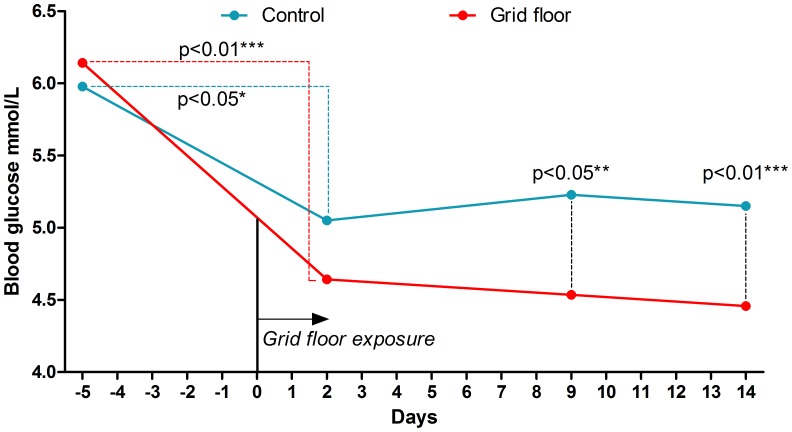
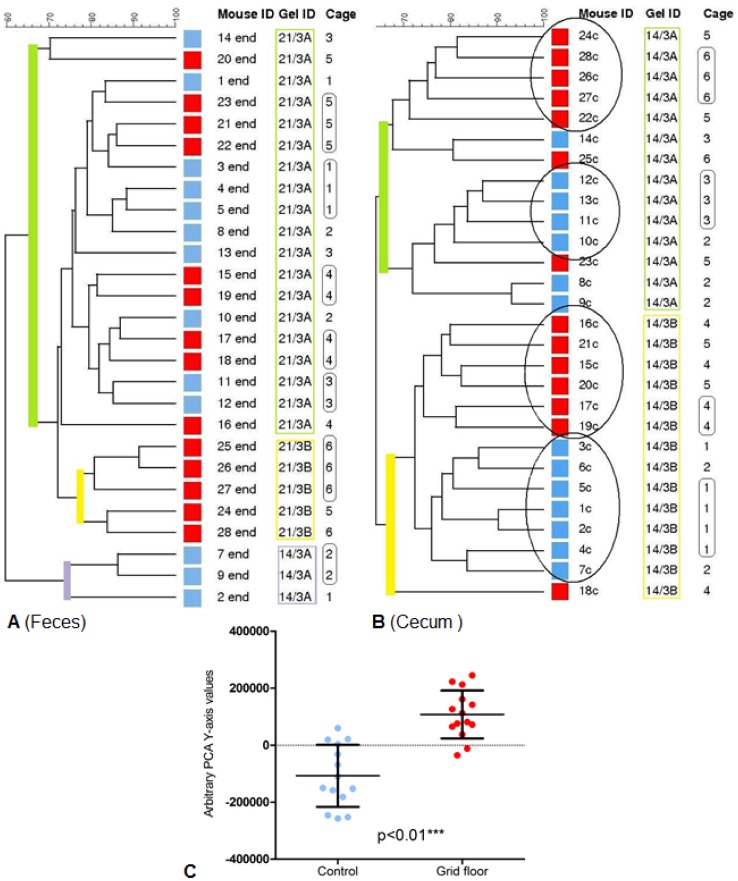
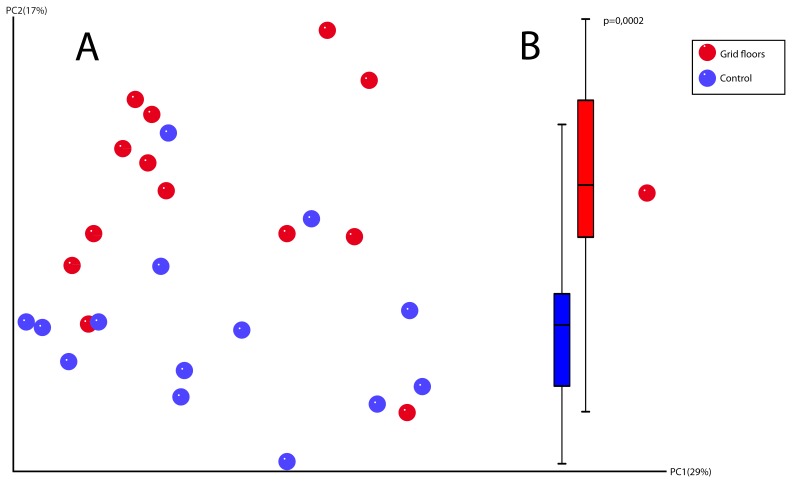
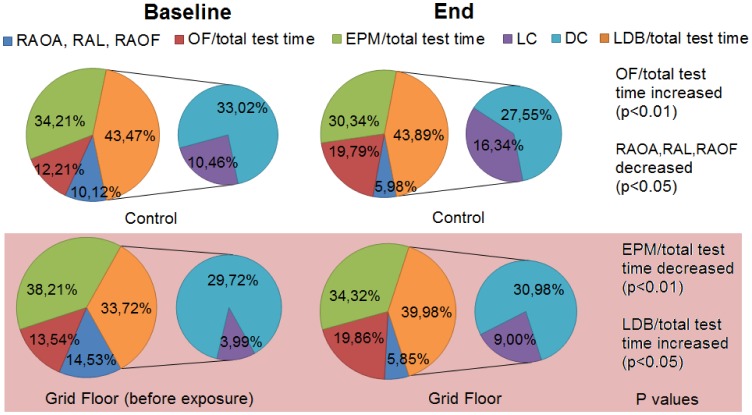
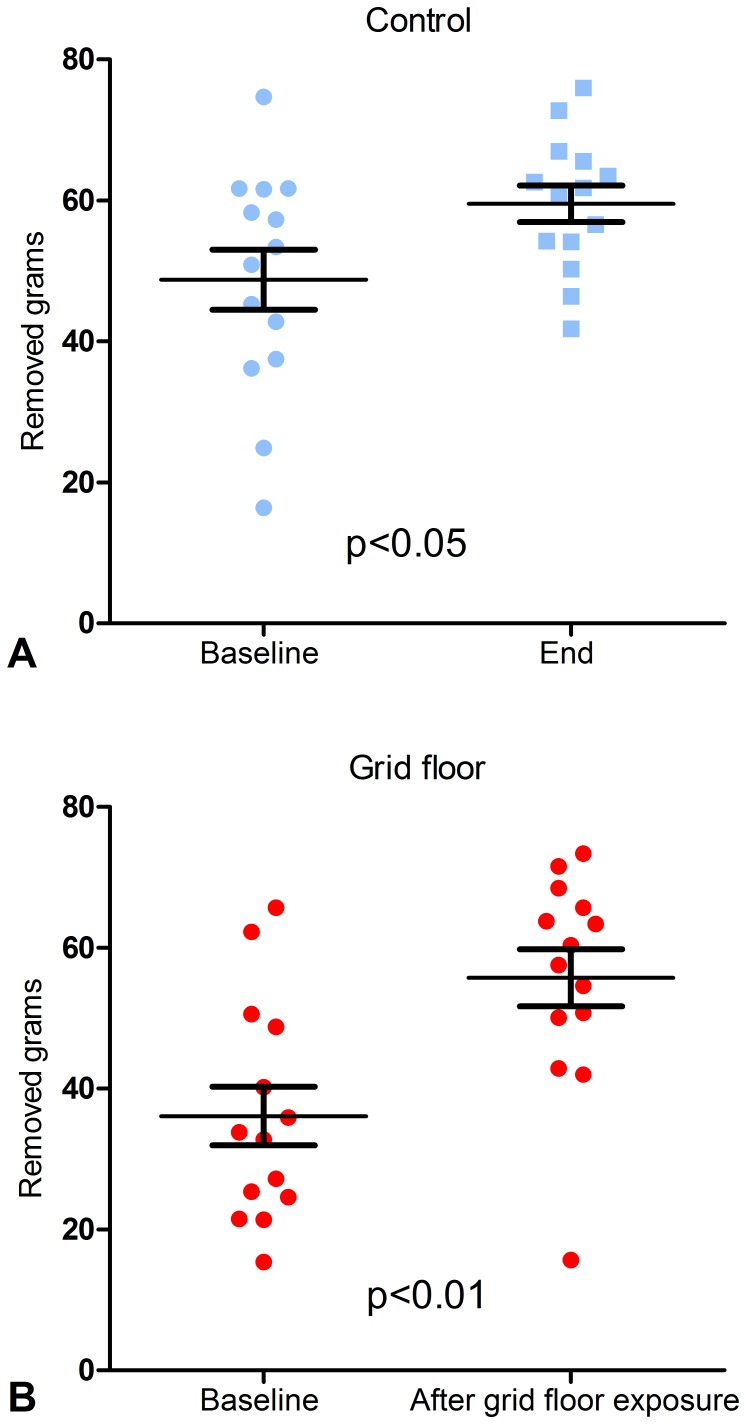
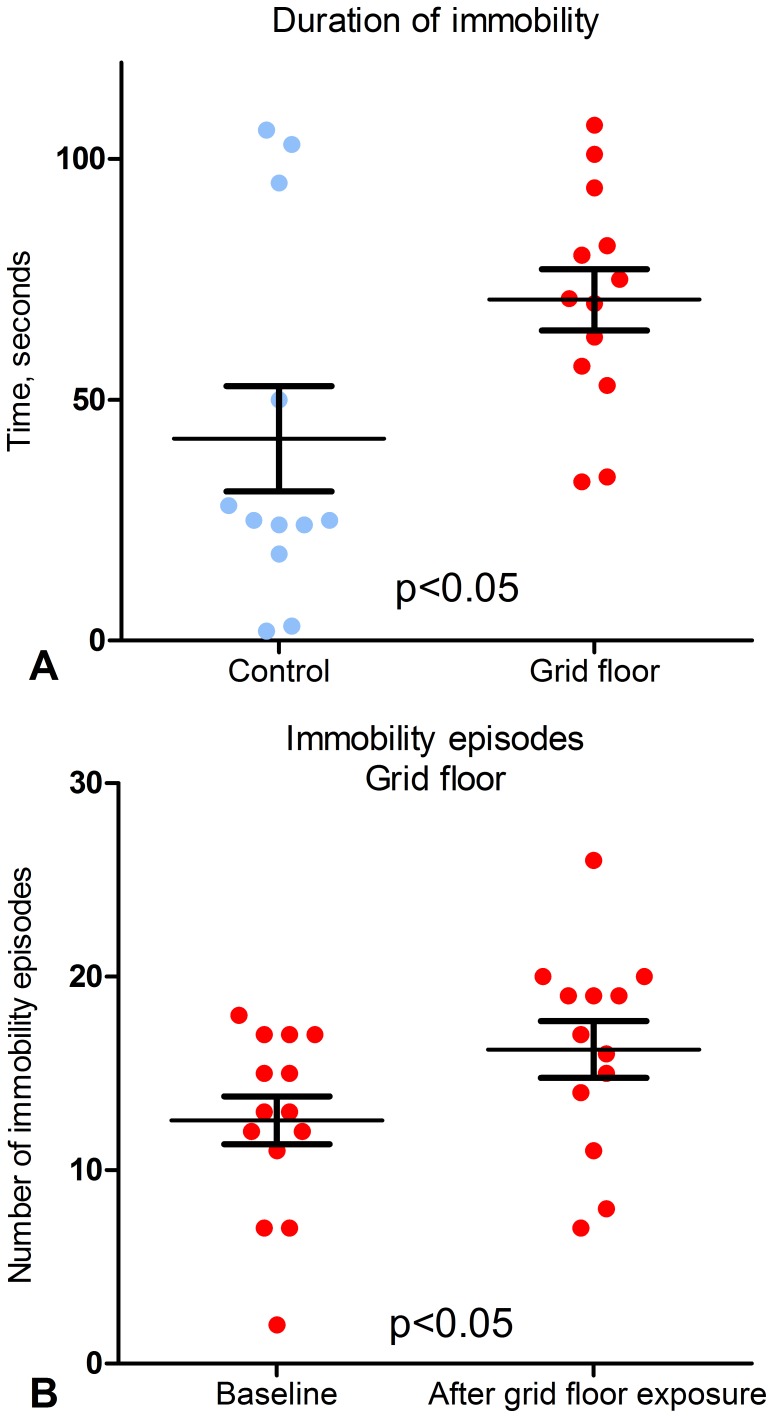
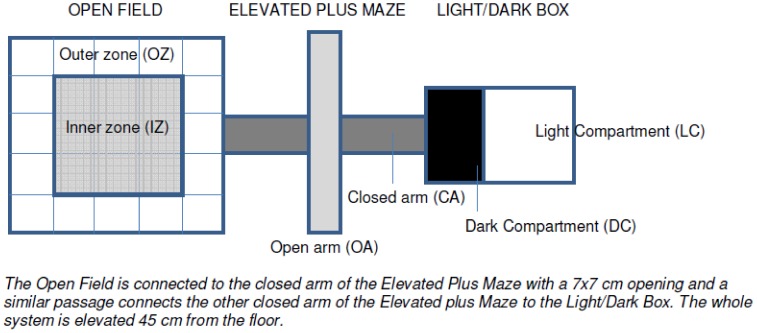
Stress has profound influence on the gastro-intestinal tract, the immune system and the behavior of the animal. In this study, the correlation between gut microbiota composition determined by Denaturing Grade Gel Electrophoresis (DGGE) and tag-encoded 16S rRNA gene amplicon pyrosequencing (454/FLX) and behavior in the Tripletest (Elevated Plus Maze, Light/Dark Box, and Open Field combined), the Tail Suspension Test, and Burrowing in 28 female BALB/c mice exposed to two weeks of grid floor induced stress was investigated. Cytokine and glucose levels were measured at baseline, during and after exposure to grid floor. Stressing the mice clearly changed the cecal microbiota as determined by both DGGE and pyrosequencing. Odoribacter, Alistipes and an unclassified genus from the Coriobacteriaceae family increased significantly in the grid floor housed mice. Compared to baseline, the mice exposed to grid floor housing changed the amount of time spent in the Elevated Plus Maze, in the Light/Dark Box, and burrowing behavior. The grid floor housed mice had significantly longer immobility duration in the Tail Suspension Test and increased their number of immobility episodes from baseline. Significant correlations were found between GM composition and IL-1α, IFN-γ, closed arm entries of Elevated Plus Maze, total time in Elevated Plus Maze, time spent in Light/Dark Box, and time spent in the inner zone of the Open Field as well as total time in the Open Field. Significant correlations were found to the levels of Firmicutes, e.g. various species of Ruminococccaceae and Lachnospiraceae. No significant difference was found for the evaluated cytokines, except an overall decrease in levels from baseline to end. A significant lower level of blood glucose was found in the grid floor housed mice, whereas the HbA1c level was significantly higher. It is concluded that grid floor housing changes the GM composition, which seems to influence certain anxiety-related parameters.
Overview
The claims and statistics of this paper haven’t been checked yet.
Run the check — free, no account needed. It reads the open-access text and checks the sources it cites.
Integrity signals
Registry
Cites
Statistics
Figures
Verification
Claims the paper makes
The claims and statistics of this paper haven’t been checked yet.
Run the check — free, no account needed. It reads the open-access text and checks the sources it cites.
Claims other papers make about this one
Each is checked against this paper’s own text: does it say what the citing paper says it does?
In the citing paper
“Other modifying factors (Figure 1) include psychological stress33,34, physical activity35, tobacco use36, alcohol consumption37, and antibiotic exposure38, 39,40.”
From The gut Microbiome in adult and pediatric functional gastrointestinal disorders (2019) · cites this paper as [33]
Self-check
Percentages, sums and reported differences re-computed from the paper’s own numbers.
The self-check needs the paper’s full text.
Citations
Cites
Muyzer, G., de Waal, E. C., & Uitterlinden, A. G. (1993) · Applied and Environmental Microbiology · doi:10.1128/aem.59.3.695-700.1993 · Cited by 11,490
Molecular Mechanisms of Depression: Perspectives on New Treatment Strategies
Lang, U. E., & Borgwardt, S. (2013) · Cellular Physiology and Biochemistry · doi:10.1159/000350094 · Cited by 8,526
Enterotypes of the human gut microbiome
MetaHIT Consortium (additional members), Arumugam, M., Raes, J., Pelletier, E., Le Paslier, D., Yamada, T., Mende, D. R., Fernandes, G. R., Tap, J., Bruls, T., et al. (2011) · Nature · doi:10.1038/nature09944 · Cited by 7,548
Obesity alters gut microbial ecology
Ley, R. E., Bäckhed, F., Turnbaugh, P., Lozupone, C. A., Knight, R. D., & Gordon, J. I. (2005) · Proceedings of the National Academy of Sciences · doi:10.1073/pnas.0504978102 · Cited by 6,176
Bravo, J. A., Forsythe, P., Chew, M. V., Escaravage, E., Savignac, H. M., Dinan, T. G., Bienenstock, J., & Cryan, J. F. (2011) · Proceedings of the National Academy of Sciences · doi:10.1073/pnas.1102999108 · Cited by 3,888
Chimeric 16S rRNA sequence formation and detection in Sanger and 454-pyrosequenced PCR ampliconsPreprint
Haas, B. J., Gevers, D., Earl, A. M., Feldgarden, M., Ward, D. V., Giannoukos, G., Ciulla, D., Tabbaa, D., Highlander, S. K., Sodergren, E. J., et al. (2011) · Genome Research · doi:10.1101/gr.112730.110 · Cited by 3,527
PyNAST: a flexible tool for aligning sequences to a template alignment
Caporaso, J. G., Bittinger, K. L., Bushman, F. D., DeSantis, T. Z., Andersen, G. L., & Knight, R. D. (2009) · Bioinformatics · doi:10.1093/bioinformatics/btp636 · Cited by 3,449
The open field as a paradigm to measure the effects of drugs on anxiety-like behaviors: a review.
Prut, L., & Belzung, C. (2003) · European Journal of Pharmacology · doi:10.1016/s0014-2999(03)01272-x · Cited by 3,190
Sudo, N., Chida, Y., Aiba, Y., Sonoda, J., Oyama, N., Yu, X., Kubo, C., & Koga, Y. (2004) · The Journal of Physiology · doi:10.1113/jphysiol.2004.063388 · Cited by 2,735
An overview of the immune system
Parkin, J., & Cohen, B. (2001) · The Lancet · doi:10.1016/s0140-6736(00)04904-7 · Cited by 1,593
Research works printed but not linked: 2
- [21]Stub C, Sorensen DB, Jegstrup IM, Ritskes-Hoitinga M, Hansen AK (2002) Fluctuating asymmetry of teeth is not a reliable indicator for assessing stress in rats. Scandinavian Journal of Laboratory Animal Science 29: 149– 153.
- [37]Hansen CHF, Nielsen DS, Kverka M, Zakostelka Z, Klimesova K, et al. (2012) Customizing laboratory mice by modifying gut microbiota and immune system development in the early postnatal period. PLoS One (In Press).
Cited by
Sorted by citations
Altered fecal microbiota composition in patients with major depressive disorder
Jiang, H., Ling, Z., Zhang, Y., Mao, H., Ma, Z., Yin, Y., Wang, W., Tang, W., Tan, Z., Shi, J., et al. (2015) · Brain, Behavior, and Immunity · doi:10.1016/j.bbi.2015.03.016 · Cited by 2,275
Zheng, P., Zeng, B., Zhou, C., Liu, M., Fang, Z., Xu, X., Zeng, L., Chen, J., Fan, S., Du, X., et al. (2016) · Molecular Psychiatry · doi:10.1038/mp.2016.44 · Cited by 2,023
Parker, B. J., Wearsch, P. A., Veloo, A. C. M., & Rodriguez‐Palacios, A. (2020) · Frontiers in Immunology · doi:10.3389/fimmu.2020.00906 · Cited by 1,771
Psychobiotics: A novel class of psychotropic
Dinan, T. G., Stanton, C., & Cryan, J. F. (2013) · Biological Psychiatry · doi:10.1016/j.biopsych.2013.05.001 · Cited by 1,287
Correlation between the human fecal microbiota and depression
Naseribafrouei, A., Hestad, K., Avershina, E., Sekelja, M., Linløkken, A., Wilson, R., & Rudi, K. (2014) · Neurogastroenterology & Motility · doi:10.1111/nmo.12378 · Cited by 1,044
Liang, S., Wang, T., Hu, X., Luo, J., Li, W., Wu, X., Duan, Y., & Jin, F. (2015) · Neuroscience · doi:10.1016/j.neuroscience.2015.09.033 · Cited by 651
The microbiome and host behavior
Vuong, H. E., Yano, J. M., Fung, T. C., & Hsiao, E. Y. (2017) · Annual Review of Neuroscience · doi:10.1146/annurev-neuro-072116-031347 · Cited by 537
Circadian disorganization alters intestinal microbiota
Voigt, R. M., Forsyth, C. B., Green, S. J., Mutlu, E., Engen, P., Vitaterna, M. H., Turek, F. W., & Keshavarzian, A. (2014) · PLoS ONE · doi:10.1371/journal.pone.0097500 · Cited by 439
Altered gut microbiota and activity in a murine model of autism spectrum disorders
de Theije, C. G. M., Wopereis, H., Ramadan, M., van Eijndthoven, T., Lambert, J., Knol, J., Garssen, J., Kraneveld, A. D., & Oozeer, R. (2014) · Brain Behavior and Immunity · doi:10.1016/j.bbi.2013.12.005 · Cited by 433
Burrowing and nest building behavior as indicators of well-being in mice
Jirkof, P. (2014) · Journal of Neuroscience Methods · doi:10.1016/j.jneumeth.2014.02.001 · Cited by 443
Xu, J. Y., Lian, F., Zhao, L., Zhao, Y., Chen, X., Zhang, X., Guo, Y., Zhang, C., Zhou, Q., Xue, Z., et al. (2014) · The ISME Journal · doi:10.1038/ismej.2014.177 · Cited by 425
The progress of gut microbiome research related to brain disorders
Zhu, S., Jiang, Y., Xu, K., Cui, M., Ye, W., Zhao, G., Jin, L., & Chen, X. (2020) · Journal of Neuroinflammation · doi:10.1186/s12974-020-1705-z · Cited by 419
Gut microbiota in autism and mood disorders
Mangiola, F. (2016) · World Journal of Gastroenterology · doi:10.3748/wjg.v22.i1.361 · Cited by 413
Gut microbiome and depression: what we know and what we need to know
Winter, G., Hart, R. A., Charlesworth, R. P. G., & Sharpley, C. F. (2018) · Reviews in the Neurosciences · doi:10.1515/revneuro-2017-0072 · Cited by 394
Galley, J. D., Nelson, M. C., Yu, Z., Dowd, S. E., Walter, J., Kumar, P., Lyte, M., & Bailey, M. T. (2014) · BMC Microbiology · doi:10.1186/1471-2180-14-189 · Cited by 411
Heterogeneity of the gut microbiome in mice: guidelines for optimizing experimental design
Laukens, D., Brinkman, B. M. N., Raes, J., Vos, M. D., & Vandenabeele, P. (2015) · FEMS Microbiology Reviews · doi:10.1093/femsre/fuv036 · Cited by 402
Kang, S. S., Jeraldo, P., Kurti, A., Miller, M. E. B., Cook, M. D., Whitlock, K. G., Goldenfeld, N. D., Woods, J. A., White, B. A., Chia, N., et al. (2014) · Molecular Neurodegeneration · doi:10.1186/1750-1326-9-36 · Cited by 331
Possible association of Firmicutes in the gut microbiota of patients with major depressive disorder
Huang, Y., Shi, X., Li, Z., Shen, Y., Shi, X., Wang, L., Li, G., Yuan, Y., Wang, J., Zhang, Y., et al. (2018) · Neuropsychiatric Disease and Treatment · doi:10.2147/ndt.s188340 · Cited by 316
Modulation of Gut Microbiota–Brain Axis by Probiotics, Prebiotics, and Diet
Liu, X., Cao, S., & Zhang, X. (2015) · Journal of Agricultural and Food Chemistry · doi:10.1021/acs.jafc.5b02404 · Cited by 304
Harshaw, C. (2015) · Psychological Bulletin · doi:10.1037/a0038101 · Cited by 302
Structural & functional consequences of chronic psychosocial stress on the microbiome & host
Bharwani, A., Mian, M. F., Foster, J. A., Surette, M. G., Bienenstock, J., & Forsythe, P. (2016) · Psychoneuroendocrinology · doi:10.1016/j.psyneuen.2015.10.001 · Cited by 293
Irritable bowel syndrome: a gut microbiota-related disorder?
Bhattarai, Y., Muniz Pedrogo, D. A., & Kashyap, P. C. (2017) · American Journal of Physiology-Gastrointestinal and Liver Physiology · doi:10.1152/ajpgi.00338.2016 · Cited by 294
Tarr, A. J., Galley, J. D., Fisher, S. E., Chichlowski, M., Berg, B. M., & Bailey, M. T. (2015) · Brain Behavior and Immunity · doi:10.1016/j.bbi.2015.06.025 · Cited by 284
Zhang, J., Song, L., Wang, Y., Liu, C., Zhang, L., Zhu, S., Liu, S., & Duan, L. (2018) · Journal of Gastroenterology and Hepatology · doi:10.1111/jgh.14536 · Cited by 301
Current Understanding of Gut Microbiota in Mood Disorders: An Update of Human Studies
Huang, T., Lai, J., Du, Y., Xu, Y., Ruan, L., & Hu, S. (2019) · Frontiers in Genetics · doi:10.3389/fgene.2019.00098 · Cited by 276
Krych, Ł., Hansen, C. H. F., Hansen, A. K., van den Berg, F. W. J., & Nielsen, D. S. (2013) · PLoS ONE · doi:10.1371/journal.pone.0062578 · Cited by 256
Self-citationGut microbiome composition and diversity are related to human personality traits
Johnson, K. V. ‐. (2019) · Human Microbiome Journal · doi:10.1016/j.humic.2019.100069 · Cited by 257
Bharwani, A., Mian, M. F., Surette, M. G., Bienenstock, J., & Forsythe, P. (2017) · BMC Medicine · doi:10.1186/s12916-016-0771-7 · Cited by 236
Vindigni, S. M., Zisman, T. L., Suskind, D. L., & Damman, C. J. (2016) · Therapeutic Advances in Gastroenterology · doi:10.1177/1756283x16644242 · Cited by 241
The role of the gut microbiota in dietary interventions for depression and anxiety
Bear, T. L. K., Dalziel, J. E., Coad, J., Roy, N. C., Butts, C. A., & Gopal, P. K. (2020) · Advances in Nutrition · doi:10.1093/advances/nmaa016 · Cited by 229
Chen, Y.-H., Bai, J., Wu, D., Yu, S.-F., Qiang, X.-L., Bai, H., Wang, H., & Peng, Z. (2019) · Journal of Affective Disorders · doi:10.1016/j.jad.2019.08.014 · Cited by 231
Nutrition and mental health: A review of current knowledge about the impact of diet on mental health
Grajek, M. K., Krupa-Kotara, K. H., Białek-Dratwa, A., Sobczyk, K., Grot, M., Kowalski, O., & Staśkiewicz‐Bartecka, W. (2022) · Frontiers in Nutrition · doi:10.3389/fnut.2022.943998 · Cited by 265
Revisiting Metchnikoff: Age-related alterations in microbiota-gut-brain axis in the mouse
Scott, K. A., Ida, M., Peterson, V. L., Prenderville, J. A., Moloney, G. M., Izumo, T., Murphy, K., Murphy, A., Ross, R. P., Stanton, C., et al. (2017) · Brain, Behavior, and Immunity · doi:10.1016/j.bbi.2017.02.004 · Cited by 202
A Review of Pain Assessment Methods in Laboratory Rodents
Turner, P. V., Pang, D., & Lofgren, J. L. S. (2019) · Comparative Medicine · doi:10.30802/aalas-cm-19-000042 · Cited by 196
Crosstalk between the microbiota-gut-brain axis and depression
Du, Y., Gao, X.-R., Peng, L., & Ge, J.-F. (2020) · Heliyon · doi:10.1016/j.heliyon.2020.e04097 · Cited by 191
Chen, Z., Li, J., Gui, S., Zhou, C., Chen, J., Yang, C., Hu, Z., Wang, H., Zhong, X., Zeng, L., et al. (2018) · Neuroreport · doi:10.1097/wnr.0000000000000985 · Cited by 180
Gut microbiome composition is associated with temperament during early childhood
Christian, L. M., Galley, J. D., Hade, E. M., Schoppe-Sullivan, S., Kamp Dush, C., & Bailey, M. T. (2015) · Brain, Behavior, and Immunity · doi:10.1016/j.bbi.2014.10.018 · Cited by 191
Stress and the gut microbiota-brain axis
Molina‐Torres, G., Rodríguez-Arrastia, M. J., Román, P., Sánchez‐Labraca, N., & Cardona, D. (2019) · Behavioural Pharmacology · doi:10.1097/fbp.0000000000000478 · Cited by 189
The gut Microbiome in adult and pediatric functional gastrointestinal disorders
Shin, A., Preidis, G. A., Shulman, R., & Kashyap, P. C. (2019) · Clinical Gastroenterology and Hepatology · doi:10.1016/j.cgh.2018.08.054 · Cited by 163
Zeng, X., Li, X., Li, X., Wei, C., Shi, C., Hu, K., Kong, D., Luo, Q., Xu, Y., Shan, W., et al. (2023) · Blood · doi:10.1182/blood.2022017514 · Cited by 157
Moody microbes or fecal phrenology: what do we know about the microbiota-gut-brain axis?
Forsythe, P., Kunze, W., & Bienenstock, J. (2016) · BMC Medicine · doi:10.1186/s12916-016-0604-8 · Cited by 162
Mechanistic Insights into the Link between Gut Dysbiosis and Major Depression: An Extensive Review
Sonali, S., Ray, B., Hediyal, T. A., Rathipriya, A. G., Sunanda, T., Mahalakshmi, A. M., Rungratanawanich, W., Essa, M. M., Qoronfleh, M. W., Chidambaram, S. B., et al. (2022) · Cells · doi:10.3390/cells11081362 · Cited by 166
A Possible Link between Food and Mood: Dietary Impact on Gut Microbiota and Behavior in BALB/c Mice
Jørgensen, B. P., Hansen, J. T., Krych, Ł., Larsen, C. S., Klein, A. B., Nielsen, D. S., Josefsen, K. E., Hansen, A. K., & Sørensen, D. B. (2014) · PLoS ONE · doi:10.1371/journal.pone.0103398 · Cited by 157
Self-citationJašarević, E., Rodgers, A. B., & Bale, T. L. (2014) · Neurobiology of Stress · doi:10.1016/j.ynstr.2014.10.005 · Cited by 152
Role of the intestinal microbiome, intestinal barrier and psychobiotics in depression
Trzeciak, P., & Herbet, M. (2021) · Nutrients · doi:10.3390/nu13030927 · Cited by 139
Bushyhead, D. W., & Quigley, E. M. M. (2022) · Gastroenterology · doi:10.1053/j.gastro.2022.04.002 · Cited by 151
Psychobiotics and the gut–brain axis: in the pursuit of happiness
Foster, J. A., & Zhou, L. (2015) · Neuropsychiatric Disease and Treatment · doi:10.2147/ndt.s61997 · Cited by 141
The Microbiome-Gut-Brain Axis and Resilience to Developing Anxiety or Depression under Stress
Bear, T., Dalziel, J. E., Coad, J., Roy, N. C., Butts, C. A., & Gopal, P. K. (2021) · Microorganisms · doi:10.3390/microorganisms9040723 · Cited by 136
The murine lung microbiome in relation to the intestinal and vaginal bacterial communities
Barfod, K. K., Roggenbuck, M., Hansen, L. H., Schjørring, S., Larsen, S. E., Sørensen, S. J., & Krogfelt, K. A. (2013) · BMC Microbiology · doi:10.1186/1471-2180-13-303 · Cited by 126
Self-citationHeat-killed lactobacilli alter both microbiota composition and behaviour
Warda, A. K., Rea, K., Fitzgerald, P., Hueston, C. M., González-Tortuero, E., Dinan, T. G., & Hill, C. (2018) · Behavioural Brain Research · doi:10.1016/j.bbr.2018.12.047 · Cited by 129
Jiang, P., Green, S. J., Chlipala, G. E., Turek, F. W., & Vitaterna, M. H. (2019) · Microbiome · doi:10.1186/s40168-019-0724-4 · Cited by 128
Can we ‘seize’ the gut microbiota to treat epilepsy?
De Caro, C., Iannone, L. F., Citraro, R., Striano, P., De Sarro, G., Constanti, A., Cryan, J. F., & Russo, E. (2019) · Neuroscience & Biobehavioral Reviews · doi:10.1016/j.neubiorev.2019.10.002 · Cited by 110
Knuesel, T., & Mohajeri, M. H. (2021) · Nutrients · doi:10.3390/nu14010037 · Cited by 121
The Role of the Microbiome-Brain-Gut Axis in the Pathogenesis of Depressive Disorder
Młynarska, E., Gadzinowska, J., Tokarek, J., Forycka, J., Szuman, A., Franczyk, B., & Rysz, J. (2022) · Nutrients · doi:10.3390/nu14091921 · Cited by 109
Dietary magnesium deficiency alters gut microbiota and leads to depressive-like behaviour
Winther, G., Jørgensen, B. M., Elfving, B., Nielsen, D. S., Kihl, P., Lund, S. A., Sørensen, D. B., & Wegener, G. (2015) · Acta Neuropsychiatrica · doi:10.1017/neu.2015.7 · Cited by 105
Self-citationLindenberg, F., Krych, Ł., Fielden, J., Kot, W., Frøkiær, H., van Galen, G., Nielsen, D. S., & Hansen, A. K. (2019) · Scientific Reports · doi:10.1038/s41598-019-49081-5 · Cited by 102
Self-citationEberl, C., Ring, D., Münch, P. C., Beutler, M., Basic, M., Slack, E. M. C., Schwarzer, M., Šrůtková, D., Lange, A., Frick, J.-S., et al. (2020) · Frontiers in Microbiology · doi:10.3389/fmicb.2019.02999 · Cited by 98
A Microbial Signature of Psychological Distress in Irritable Bowel Syndrome
Peter, J., Fournier, C., Durdević, M., Knoblich, L., Keip, B., Dejaco, C., Trauner, M., & Moser, G. (2018) · Psychosomatic Medicine · doi:10.1097/psy.0000000000000630 · Cited by 100
Bäuerl, C., Collado, M. C., Zúñiga, M., Blas, E., & Pérez‐Martínez, G. (2014) · PLoS ONE · doi:10.1371/journal.pone.0105707 · Cited by 98
The role of magnesium in different inflammatory diseases
Shahi, A., Aslani, S., Ataollahi, M. R., & Mahmoudi, M. (2019) · Inflammopharmacology · doi:10.1007/s10787-019-00603-7 · Cited by 98
Li, F., Wang, P., Chen, Z., Sui, X., Xie, X., & Zhang, J. (2019) · Neuroscience Letters · doi:10.1016/j.neulet.2019.134297 · Cited by 97
Gao, F., Guo, R., Ma, Q., Li, Y., Wang, W., Fan, Y., Ju, Y., Zhao, B., Gao, Y., Li, Q., et al. (2022) · Journal of Affective Disorders · doi:10.1016/j.jad.2022.02.024 · Cited by 92
Man and the Microbiome: A New Theory of Everything?
Butler, M., Cryan, J. F., & Dinan, T. G. (2019) · Annual Review of Clinical Psychology · doi:10.1146/annurev-clinpsy-050718-095432 · Cited by 96
The microbiome as a novel paradigm in studying stress and mental health.
Liu, R. T. (2017) · American Psychologist · doi:10.1037/amp0000058 · Cited by 96
Gut microbiota regulates key modulators of social behavior
Parashar, A., & Udayabanu, M. (2016) · European Neuropsychopharmacology · doi:10.1016/j.euroneuro.2015.11.002 · Cited by 88
Mouse Vendor Influence on the Bacterial and Viral Gut Composition Exceeds the Effect of Diet
Rasmussen, T. S., de Vries, L., Kot, W., Hansen, L. H., Castro-Mejía, J. L., Vogensen, F. K., Hansen, A. K., & Nielsen, D. S. (2019) · Viruses · doi:10.3390/v11050435 · Cited by 85
Self-citationCao, C., Liu, M., Qu, S., Huang, R., Qi, M.-Z., Zhu, Z., Zheng, J., Chen, Z., Wang, Z., Han, Z., et al. (2020) · Journal of Ethnopharmacology · doi:10.1016/j.jep.2020.113055 · Cited by 85
Kreisinger, J., Čížková, D., Schmiedová, L., & Albrecht, T. (2015) · PLoS ONE · doi:10.1371/journal.pone.0137401 · Cited by 85
Impact of the gut microbiota on rodent models of human disease
Hansen, A. K., Hansen, C. H. F., Krych, Ł., & Nielsen, D. S. (2014) · World Journal of Gastroenterology · doi:10.3748/wjg.v20.i47.17727 · Cited by 85
Self-citationSauer, A. K., & Grabrucker, A. M. (2019) · Frontiers in Neuroscience · doi:10.3389/fnins.2019.01295 · Cited by 87
Altered Fecal Microbiota Composition in Older Adults With Frailty
Xu, Y., Wang, Y., Li, H., Dai, Y., Chen, D., Wang, M., Jiang, X., Huang, Z., Yu, H., Huang, J., et al. (2021) · Frontiers in Cellular and Infection Microbiology · doi:10.3389/fcimb.2021.696186 · Cited by 82
Parker, K. D., Albeke, S. E., Gigley, J. P., Goldstein, A. M., & Ward, N. L. (2018) · Frontiers in Microbiology · doi:10.3389/fmicb.2018.01598 · Cited by 82
Probiotics as an Adjuvant Therapy in Major Depressive Disorder
Vlaini, J. V., Šuran, J., Vlaini, T., & Vukorep, A. L. (2016) · Current Neuropharmacology · doi:10.2174/1570159x14666160526120928 · Cited by 83
Mortaş, H., Bilici, S., & Karakan, T. (2020) · Chronobiology International · doi:10.1080/07420528.2020.1778717 · Cited by 79
Malan‐Müller, S., Valles‐Colomer, M., Foxx, C. L., Vieira‐Silva, S., van den Heuvel, L. L., Raes, J., Seedat, S., Lowry, C. A., & Hemmings, S. M. J. (2021) · European Neuropsychopharmacology · doi:10.1016/j.euroneuro.2021.11.009 · Cited by 84
The microbiota, the gut and the brain in eating and alcohol use disorders: A ‘Ménage à Trois’?
Temko, J. E., Bouhlal, S., Farokhnia, M., Lee, M. R., Cryan, J. F., & Leggio, L. (2017) · Alcohol and Alcoholism · doi:10.1093/alcalc/agx024 · Cited by 76
The gut microbiota in neuropsychiatric disorders
Grochowska, M., Wojnar, M., & Radkowski, M. (2018) · Acta Neurobiologiae Experimentalis · doi:10.21307/ane-2018-008 · Cited by 77
Agranyoni, O., Meninger-Mordechay, S., Uzan-Yulzari, A., Oren, Z., Salmon‐Divon, M., Rodin, D., Raz, O., Koman, I. E., Koren, O., Pinhasov, A., et al. (2021) · npj Biofilms and Microbiomes · doi:10.1038/s41522-021-00193-9 · Cited by 78
“WHAT'S BUGGING THE GUT IN OCD?” A REVIEW OF THE GUT MICROBIOME IN OBSESSIVE-COMPULSIVE DISORDER
Turna, J., Kaplan, K. G., Anglin, R., & Ameringen, M. V. (2015) · Depression and Anxiety · doi:10.1002/da.22454 · Cited by 76
Gao, K., Farzi, A., Ke, X., Yu, Y., Chen, C., Chen, S., Yu, T., Wang, H., & Li, Y. (2021) · Food & Function · doi:10.1039/d1fo03723d · Cited by 77
Slyepchenko, A., Carvalho, A. F., Cha, D. S., Kasper, S. F., & McIntyre, R. S. (2015) · CNS & Neurological Disorders - Drug Targets · doi:10.2174/1871527313666141130205242 · Cited by 73
Cui, C., Li, Y., Gao, H., Zhang, H., Han, J., Zhang, D., Li, Y., Zhou, J., Lu, C., & Su, X. (2017) · PLoS ONE · doi:10.1371/journal.pone.0186216 · Cited by 69
Beyond phylotyping: understanding the impact of gut microbiota on host biology
Reigstad, C. S., & Kashyap, P. C. (2013) · Neurogastroenterology & Motility · doi:10.1111/nmo.12134 · Cited by 66
Wang, M., Wang, B., Wang, S., Han, L., Wu, H., Ding, M., Ying, L., Mao, Y., & Li, Y. (2021) · Frontiers in Cell and Developmental Biology · doi:10.3389/fcell.2021.616219 · Cited by 72
Specificity and stability of the A cromyrmex– P seudonocardia symbiosis
Andersen, S. B., Hansen, L. H., Sapountzis, P., Sørensen, S. J., & Boomsma, J. J. (2013) · Molecular Ecology · doi:10.1111/mec.12380 · Cited by 65
Self-citationPyndt Jørgensen, B., Krych, L., Pedersen, T. B., Plath, N., Redrobe, J. P., Hansen, A. K., Nielsen, D. S., Pedersen, C. S., Larsen, C., & Sørensen, D. B. (2015) · Physiology & Behavior · doi:10.1016/j.physbeh.2014.12.042 · Cited by 62
Self-citationThe Murine Lung Microbiome Changes During Lung Inflammation and Intranasal Vancomycin Treatment
Barfod, K. K., Vrankx, K., Mirsepasi‐Lauridsen, H. C., Hansen, J. S., Hougaard, K. S., Larsen, S. T., Ouwenhand, A. C., & Krogfelt, K. A. (2015) · The Open Microbiology Journal · doi:10.2174/1874285801509010167 · Cited by 65
Increased anxiety-like behavior is associated with the metabolic syndrome in non-stressed rats
Rebolledo-Solleiro, D., Roldán-Roldán, G., Díaz, D., Velasco, M., Larqué, C., Rico-Rosillo, G., Vega-Robledo, G. B., Zambrano, E., Hiriart, M., & Pérez de la Mora, M. (2017) · PLoS ONE · doi:10.1371/journal.pone.0176554 · Cited by 64
The role of the commensal microbiota in adaptive and maladaptive stressor-induced immunomodulation
Mackos, A. R., Maltz, R. M., & Bailey, M. T. (2016) · Hormones and Behavior · doi:10.1016/j.yhbeh.2016.10.006 · Cited by 63
Sex-dependent associations between addiction-related behaviors and the microbiome in outbred rats
Peterson, V. L., Richards, J. B., Meyer, P., Cabrera‐Rubio, R., Tripi, J. A., King, C. P., Polesskaya, O., Baud, A., Chitre, A. S., Bastiaanssen, T. F. S., et al. (2020) · EBioMedicine · doi:10.1016/j.ebiom.2020.102769 · Cited by 63
Gut microbiota and neuropsychiatric disorders: Implications for neuroendocrine-immune regulation
Ge, T., Yao, X., Zhao, H., Yang, W., Zou, X., Peng, F., Li, B., & Cui, R. (2021) · Pharmacological Research · doi:10.1016/j.phrs.2021.105909 · Cited by 62
Gut Microbiota and Relevant Metabolites Analysis in Alcohol Dependent Mice
Wang, G., Liu, Q., Guo, L., Zeng, H., Ding, C., Zhang, W., Xu, D., Wang, X., Qiu, J., Dong, Q., et al. (2018) · Frontiers in Microbiology · doi:10.3389/fmicb.2018.01874 · Cited by 62
Altered fecal microbiota composition in the Flinders sensitive line rat model of depression
Tillmann, S., Abildgaard, A. M., Winther, G., & Wegener, G. (2018) · Psychopharmacology · doi:10.1007/s00213-018-5094-2 · Cited by 60
Dietary magnesium deficiency affects gut microbiota and anxiety-like behaviour in C57BL/6N mice
Jørgensen, B. P., Winther, G., Kihl, P., Nielsen, D. S., Wegener, G., Hansen, A. K., & Sørensen, D. B. (2015) · Acta Neuropsychiatrica · doi:10.1017/neu.2015.10 · Cited by 60
Self-citationOdamaki, T., Kato, K., Sugahara, H., Xiao, J., Abe, F., & Benno, Y. (2016) · Beneficial Microbes · doi:10.3920/bm2015.0173 · Cited by 61
Role of enteric neurotransmission in host defense and protection of the gastrointestinal tract
Sharkey, K. A., & Savidge, T. (2013) · Autonomic Neuroscience · doi:10.1016/j.autneu.2013.12.006 · Cited by 62
Cheng, L., Chou, P.-Y., Hou, A.-T., Huang, C.-L., Shiu, W.-L., & Wang, S. (2022) · Food & Function · doi:10.1039/d2fo00165a · Cited by 57
Association between gut microbiota and psychiatric disorders: a systematic review
Valle, C. G.-D., Fernández, J., Solá, E., Montoya‐Castilla, I., Morillas, C., & Bañuls, C. (2023) · Frontiers in Psychology · doi:10.3389/fpsyg.2023.1215674 · Cited by 66
Rawat, K., Singh, N., Kumari, P., & Saha, L. (2020) · Reviews in the Neurosciences · doi:10.1515/revneuro-2020-0078 · Cited by 61
Wang, Z., xu, X., liu, S., Xiao, Y., Yang, M., zhao, X., Jin, C., Hu, F., Yang, S., Tang, B., et al. (2022) · Frontiers in Cellular and Infection Microbiology · doi:10.3389/fcimb.2022.719829 · Cited by 57
Metadata
- Authors
- Bangsgaard Bendtsen, K. M., Krych, L., Sørensen, D. B., Pang, W., Nielsen, D. S., Josefsen, K., Hansen, L. H., Sørensen, S. J., & Hansen, A. K.
- Affiliations
- University of Copenhagen (DK)
- Rigshospitalet (DK)
- ORCID
- Venue
- PLoS ONE
- Publisher
- Public Library of Science (PLoS)
- Published
- 2012-10-02
- Volume
- 7
- Issue
- 10
- Pages
- e46231
- ISSN
- 1932-6203 (ISSN-L)
- PMC
- PMC3462757
- OpenAlex
- W2041032345
- Cited by
- 299
- References
- 69
- Citations by year
- 2026: 7 · 2025: 13 · 2024: 29 · 2023: 26 · 2022: 35 · 2021: 25 · 2020: 32 · 2019: 30 · 2018: 16 · 2017: 17 · 2016: 17 · 2015: 23 · 2014: 18 · 2013: 10
- FWCI
- 6.55
- Type
- journal article
- Language
- en
- Open access
- gold
- doi.org
- Locations
- PLoS ONE (publishedVersion, cc-by)
- PubMed Central (publishedVersion, cc-by)
- PubMed (publishedVersion)
- Research at the University of Copenhagen (University of Copenhagen) (submittedVersion, cc-by)
- DOAJ (DOAJ: Directory of Open Access Journals) (submittedVersion, cc-by-sa)
- Figshare (submittedVersion, cc-by)
- Funders
- Villum Fonden
- Copenhagen Graduate School for Nanoscience and Nanotechnology
- Topics
- Life Sciences › Biochemistry, Genetics and Molecular Biology › Molecular Biology › Gut microbiota and health
- Health Sciences › Medicine › Gastroenterology › Gastrointestinal motility and disorders
- Life Sciences › Neuroscience › Behavioral Neuroscience › Stress Responses and Cortisol
- Keywords
- gut microbiota, housing stress, anxiety-like behavior, cecal microbiota, cytokines, blood glucose, HbA1c, elevated plus maze, light-dark box, open field, tail suspension test, burrowing behavior, Odoribacter, Alistipes, Coriobacteriaceae, Firmicutes, Ruminococcaceae, Lachnospiraceae, BALB/c mice
- MeSH terms
- Animals, Behavior, Animal, Blood Glucose, Female, Hemoglobins, Intestines, Mice, Inbred BALB C, RNA, Ribosomal, 16S, Stress, Physiological, Cytokines, Maze Learning, Mice, Metagenome
About these checks
Registry, retraction, Cites and statistics results are computed, not judged, with one exception: a printed reference that no index lists is read once by a model before it counts as a citation error. Claims are extracted by a model and kept only when their quote appears verbatim in the text; each cited source is then checked, with a model’s help, for whether it says what the claim relies on. Those verdicts can be wrong — read the claim’s quote and the cited source before relying on one.
Statistics and arithmetic are recomputed, not judged.
Confidence bands are shown only for fields calibrated on our annotated test set. None is calibrated yet, so no band is shown.
What counts as a claim ›How we measure confidence ›How we check this ›
Are you an author, or do you see a problem with this page? Request a review
