

Polycystic Ovary Syndrome in Insulin-Resistant Adolescents with Obesity: The Role of Nutrition Therapy and Food Supplements as a Strategy to Protect Fertility
Open accessThe DOI matches its Crossref record; 234 of the 238 references it cites were found in a registry or an index.
Abstract
Polycystic ovary syndrome (PCOS) is the most common endocrine disorder in young reproductive-aged women. PCOS is often associated with obesity and impairs reproductive health. Even though several theories have been proposed to explain the pathogenic mechanism of PCOS, the role of insulin resistance (IR) as a key etiological component, independently of (but amplified by) obesity, is well recognized. The consequent hyperinsulinemia activates excessive ovarian androgen production, leading to PCOS. Additionally, the state of chronic inflammation related to obesity impacts ovarian physiology due to insulin sensitivity impairment. The first-line treatment for adolescents with obesity and PCOS includes lifestyle changes; personalized dietary interventions; and, when needed, weight loss. Medical nutrition therapy (MNT) and the use of specific food supplements in these patients aim at improving symptoms and signs, including insulin resistance and metabolic and reproductive functions. The purpose of this narrative review is to present and discuss PCOS in adolescents with obesity, its relationship with IR and the role of MNT and food supplements in treatment. Appropriate early dietary intervention for the management of adolescents with obesity and PCOS should be considered as the recommended approach to restore ovulation and to protect fertility.
Overview
The claims and statistics of this paper haven’t been checked yet.
Free: it reads the open-access text and checks the first 5 claims that cite a source we can check. Create a free account to check every claim.
Integrity signals
Registry
Cites
Statistics
Figures
Verification
Claims the paper makes
The claims and statistics of this paper haven’t been checked yet.
Free: it reads the open-access text and checks the first 5 claims that cite a source we can check. Create a free account to check every claim.
Claims other papers make about this one
Each is checked against this paper’s own text: does it say what the citing paper says it does?
The source backs part of the claim, not all of it — or backs it for a different population, condition or comparison.
In the citing paper
“Limited data are available regarding the diagnosis, assessment, treatment and prognosis of PCOS in the adolescent population, although early identification of the disease’s hallmarks may bring substantial benefit in terms of cardiovascular prognosis and fertility [4].”
From Low-Calorie Ketogenic Diet: Potential Application in the Treatment of Polycystic Ovary Syndrome in Adolescents (2023) · cites this paper as [4]
Experimental — accuracy not yet measuredThe source backs part of the claim, not all of it — or backs it for a different population, condition or comparison.
In the citing paper
“The Mediterranean diet (MD) is a dietary pattern rich in complex carbohydrates and fiber, and high in monounsaturated fat, that is closely associated with an improvement in low-grade chronic inflammation, IR, and hormonal derangements in PCOS [4].”
From Low-Calorie Ketogenic Diet: Potential Application in the Treatment of Polycystic Ovary Syndrome in Adolescents (2023) · cites this paper as [4]
Experimental — accuracy not yet measuredThe cited source says what the claim attributes to it.
In the citing paper
“In adolescence, the cornerstones of PCOS treatment are lifestyle and dietary interventions.”
From Low-Calorie Ketogenic Diet: Potential Application in the Treatment of Polycystic Ovary Syndrome in Adolescents (2023) · cites this paper as [4]
Self-check
Percentages, sums and reported differences re-computed from the paper’s own numbers.
The self-check needs the paper’s full text.
Citations
Cites
(2004) · Fertility and Sterility · doi:10.1016/j.fertnstert.2003.10.004 · Cited by 9,050
Linking long-term dietary patterns with gut microbial enterotypes
Wu, G. D., Chen, J., Hoffmann, C., Bittinger, K., Chen, Y.-Y., Keilbaugh, S. A., Bewtra, M., Knights, D., Walters, W. A., Knight, R., et al. (2011) · Science · doi:10.1126/science.1208344 · Cited by 6,513
The Diagnosis of Polycystic Ovary Syndrome during Adolescence
Witchel, S. F., Oberfield, S., Rosenfield, R. L., Codner, E., Bonny, A., Ibáñez, L., Pena, A., Horikawa, R., Gomez-Lobo, V., Joel, D., et al. (2015) · Hormone Research in Paediatrics · doi:10.1159/000375530 · Cited by 3,113 · cited 4×
“According to the latest criteria [19], mild hirsutism is sufficient clinical evidence of androgen excess, while the previous documents [17,18] consider moderate–severe hirsutism.”
BackgroundInfluentialThe Firmicutes/Bacteroidetes Ratio: A Relevant Marker of Gut Dysbiosis in Obese Patients?
Magne, F., Gotteland, M., Gauthier, L., Zazueta, A., Pesoa, S., Navarrete, P., & Balamurugan, R. (2020) · Nutrients · doi:10.3390/nu12051474 · Cited by 2,335
Microbiota-Generated Metabolites Promote Metabolic Benefits via Gut-Brain Neural Circuits
De Vadder, F., Kovatcheva-Datchary, P., Goncalves, D., Vinera, J., Zitoun, C., Duchampt, A., Bäckhed, F., & Mithieux, G. (2014) · Cell · doi:10.1016/j.cell.2013.12.016 · Cited by 2,200 · cited 2×
“Butyrate and propionate have been shown to stimulate intestinal hormones and reduce food intake [218].”
BackgroundAzziz, R., Carmina, E., Dewailly, D., Diamanti-Kandarakis, E., Escobar-Morreale, H. F., Futterweit, W., Janssen, O. E., Legro, R. S., Norman, R. J., Taylor, A. E., et al. (2009) · Fertility and Sterility · doi:10.1016/j.fertnstert.2008.06.035 · Cited by 2,132 · cited 4×
“Some patients with PCOS even have isolated increases in serum DHEAS [10,108].”
BackgroundInfluentialDiamanti-Kandarakis, E., & Dunaif, A. (2012) · Endocrine Reviews · doi:10.1210/er.2011-1034 · Cited by 1,947 · cited 10×
“It seems that the theca cells of women with PCOS are hyperresponsive to the androgen-stimulating action of insulin [10] and have increased expression of some steroidogenic enzymes.”
BackgroundInfluentialGarvey, W. T., Mechanick, J. I., Brett, E. M., Garber, A. J., Hurley, D. L., Jastreboff, A. M., Nadolsky, K., Pessah-Pollack, R., & Plodkowski, R. (2016) · Endocrine Practice · doi:10.4158/ep161365.gl · Cited by 1,914 · cited 1×
“Given the prevalence of overweight, obesity and insulin resistance, a relatively lowenergy diet, promoting from 5% to 15% reduction in weight, can improve insulin resistance, androgen concentration, reproductive system dysfunctions and fertility in these women [122].”
BackgroundTeede, H. J., Misso, M. L., Costello, M. F., Dokras, A., Laven, J., Moran, L., Piltonen, T., Norman, R. J., & the International PCOS Network (2018) · Clinical Endocrinology · doi:10.1111/cen.13795 · Cited by 1,823
Rosenfield, R. L., & Ehrmann, D. A. (2016) · Endocrine Reviews · doi:10.1210/er.2015-1104 · Cited by 1,603 · cited 3×
“Interestingly, these factors have been demonstrated to be correlated to hyperandrogenism, as increased androgen levels promote IR and hyperinsulinemia, which, in turn, promote androgen [8] and LH [5] secretion, respectively, by adipose tissue and the pituitary gland [5].”
BackgroundGut microbial metabolites in obesity, NAFLD and T2DM
Canfora, E. E., Meex, R. C. R., Venema, K., & Blaak, E. E. (2019) · Nature Reviews Endocrinology · doi:10.1038/s41574-019-0156-z · Cited by 1,493 · cited 1×
“Limitations are also reported, such as the poor heterogeneity between study subgroups of research conducted in children and the need for further large-scale RCTs in humans to assess the beneficial properties of probiotics, prebiotics, synbiotics and postbiotics in order to establish the ideal dose; the duration of sup…”
BackgroundThe pros, cons, and many unknowns of probiotics
Suez, J., Zmora, N., Segal, E., & Elinav, E. (2019) · Nature Medicine · doi:10.1038/s41591-019-0439-x · Cited by 1,398 · cited 1×
“Another promising postbiotic is KetoA, a metabolite produced from linoleic acid by lactic acid bacteria in the gut, with the potential to increase energy expenditure [221].”
BackgroundLin, H. V., Frassetto, A., Kowalik Jr, E. J., Nawrocki, A. R., Lu, M. M., Kosinski, J. R., Hubert, J. A., Szeto, D., Yao, X., Forrest, G., et al. (2012) · PLoS ONE · doi:10.1371/journal.pone.0035240 · Cited by 1,378 · cited 1×
“In particular, accurately designed studies using a specific and appropriate dose of probiotics or prebiotics and a controlled diet would be valuable in assessing individual responses to different types of intervention as well as the influence of genetic, environmental and microbial factors [215].”
BackgroundTeede, H. J., Misso, M. L., Costello, M. F., Dokras, A., Laven, J., Moran, L., Piltonen, T., Norman, R. J., Andersen, M., Azziz, R., et al. (2018) · Fertility and Sterility · doi:10.1016/j.fertnstert.2018.05.004 · Cited by 1,325 · cited 9×
“The guidelines do not agree on the timing of persistence of the menstrual irregularities after menarche—one [19] or two years [17,18]—but agree that following up those girls with menstrual irregularities in the cited period is necessary, as they are considered to be at risk of PCOS, eventually starting treatment to de…”
BackgroundInfluentialCena, H., & Calder, P. C. (2020) · Nutrients · doi:10.3390/nu12020334 · Cited by 1,130 · cited 1×
“Dietary changes recommended include balancing energy intake, limiting saturated and trans fats and shifting toward consumption of unsaturated fats, increasing intake of fruits and vegetables and limiting the intake of simple sugars and salt, which encompass the current concept of a “healthy diet” [147].”
BackgroundSelf-citationPostbiotics: An Evolving Term within the Functional Foods Field
Aguilar-Toalá, J. E., Garcia-Varela, R., Garcia, H. S., Mata-Haro, V., González-Córdova, A. F., Vallejo-Cordoba, B., & Hernández-Mendoza, A. (2018) · Trends in Food Science & Technology · doi:10.1016/j.tifs.2018.03.009 · Cited by 1,078 · cited 2×
“The most important SCFAs are acetate, propionate and butyrate [217].”
BackgroundDumesic, D. A., Oberfield, S. E., Stener-Victorin, E., Marshall, J. C., Laven, J. S., & Legro, R. S. (2015) · Endocrine Reviews · doi:10.1210/er.2015-1018 · Cited by 1,020 · cited 4×
“Up to 80% of women with PCOS in the United States and 30–50% in other countries are overweight or obese [9,47,48].”
BackgroundInfluentialEstrogen production and action
Nelson, L. R., & Bulun, S. E. (2001) · Journal of the American Academy of Dermatology · doi:10.1067/mjd.2001.117432 · Cited by 834 · cited 1×
“Adipose tissue has an aromatase capable of transforming androstenedione to estrone, and the amount of androstenedione converted to estrone increases in proportion to obesity and aging [102].”
BackgroundThe Insulin-Related Ovarian Regulatory System in Health and Disease
Poretsky, L., Cataldo, N. A., Rosenwaks, Z., & Giudice, L. C. (1999) · Endocrine Reviews · doi:10.1210/edrv.20.4.0374 · Cited by 818 · cited 2×
“In addition to the extensively known metabolic effects, insulin is involved in controlling growth processes (mitogenic action) and plays a role in ovarian physiology and pathophysiology [85,94,97].”
BackgroundWang, Y., & Lim, H. (2012) · International Review of Psychiatry · doi:10.3109/09540261.2012.688195 · Cited by 751 · cited 1×
“Obesity is extremely diffuse worldwide and represents a major public health problem in both childhood and adulthood [44,45].”
BackgroundObesity, adiponectin and vascular inflammatory disease
Ouchi, N., Kihara, S., Funahashi, T., Matsuzawa, Y., & Walsh, K. (2003) · Current Opinion in Lipidology · doi:10.1097/00041433-200312000-00003 · Cited by 740 · cited 1×
“Adiponectin plasma concentration correlates with the adipose tissue level [78]; in obese compared to control patients, adiponectin concentrations have consistently been found to be abnormally low [79,80].”
BackgroundObesity as disruptor of the female fertility
Silvestris, E., de Pergola, G., Rosania, R., & Loverro, G. (2018) · Reproductive Biology and Endocrinology · doi:10.1186/s12958-018-0336-z · Cited by 664 · cited 3×
“Excessive free fatty acids may exert a toxic effect in reproductive tissues, producing persistent cell damage and a chronic low-grade inflammatory state [75].”
BackgroundInsulin resistance: definition and consequences
Lebovitz, H. (2001) · Experimental and Clinical Endocrinology & Diabetes · doi:10.1055/s-2001-18576 · Cited by 664 · cited 4×
“IR is defined clinically as the inability of a known quantity of exogenous or endogenous insulin to increase glucose uptake and utilization in an individual as much as it does in a normal population [85].”
BackgroundInfluentialCurcumin Extract for Prevention of Type 2 Diabetes
Chuengsamarn, S., Rattanamongkolgul, S., Luechapudiporn, R., Phisalaphong, C., & Jirawatnotai, S. (2012) · Diabetes Care · doi:10.2337/dc12-0116 · Cited by 635 · cited 1×
“It acts as an insulin sensitizer in animal models [200], while in RCT studies on subjects supplemented with 1500 mg for 3 to 9 months, it was able to reduce the rate of T2D onset, besides impacting cytokine secretion, adiponectin increase and leptin decrease [201,202] and lowering plasma lipids through increased expre…”
BackgroundDay, F., Karaderi, T., Jones, M. R., Meun, C., He, C., Drong, A., Kraft, P., Lin, N., Huang, H., Broer, L., et al. (2018) · PLOS Genetics · doi:10.1371/journal.pgen.1007813 · Cited by 619 · cited 1×
“Moreover, childhood obesity has been correlated with increased PCOS risk as a genetic function [27].”
BackgroundNew Insight into Adiponectin Role in Obesity and Obesity-Related Diseases
Nigro, E., Scudiero, O., Monaco, M. L., Palmieri, A., Mazzarella, G., Costagliola, C., Bianco, A., & Daniele, A. (2014) · BioMed Research International · doi:10.1155/2014/658913 · Cited by 603 · cited 2×
“Adipokines are involved in the regulation of various homeostatic processes such as energy metabolism, hunger and satiety regulation, insulin sensitivity, inflammation, atherosclerosis, cell proliferation and reproduction [67].”
BackgroundDeUgarte, C. M., Bartolucci, A. A., & Azziz, R. (2005) · Fertility and Sterility · doi:10.1016/j.fertnstert.2004.11.070 · Cited by 589 · cited 1×
“Notably, patients with IR had higher BMIs, with a prevalent visceral fat distribution; a higher excess of androgens; and more severe clinical PCOS manifestations, such as hirsutism, acne and ovulatory dysfunction, compared to PCOS women without IR [90].”
BackgroundFollicle dynamics and anovulation in polycystic ovary syndrome
Franks, S., Stark, J., & Hardy, K. (2008) · Human Reproduction Update · doi:10.1093/humupd/dmn015 · Cited by 581 · cited 1×
“In adolescents with PCOS, an imbalance between androgens, anti-Müllerian hormone (AMH) and follicle-stimulating hormone (FSH) has been reported; the process of follicular development is characterized by relative luteinizing hormone (LH) increase, promoting androgen production [5,6] and inadequate FSH secretion, leadin…”
BackgroundPathophysiology of type 1 and type 2 diabetes mellitus: a 90-year perspective
Zaccardi, F., Webb, D. R., Yates, T., & Davies, M. J. (2016) · Postgraduate Medical Journal · doi:10.1136/postgradmedj-2015-133281 · Cited by 561 · cited 1×
“It has been estimated that obese euglycemic individuals have around 30% reduced insulin sensitivity compared to euglycemic subjects of normal weight [72].”
BackgroundDunaif, A., Xia, J., Book, C. B., Schenker, E., & Tang, Z. (1995) · Journal of Clinical Investigation · doi:10.1172/jci118126 · Cited by 561 · cited 5×
“A hypothesis that may explain this abnormal phosphorylation pattern involves either a serine kinase external to the insulin receptor responsible for the phosphorylation, or the kinases that constitute the MAPK/ERK pathway, whose constitutive activation may also contribute to the serine phosphorylation of insulin recep…”
BackgroundInfluentialPolycystic Ovarian Syndrome: Correlation Between Hyperandrogenism, Insulin Resistance and Obesity.
Zeng, X., Xie, Y.-J., Liu, Y.-T., Long, S.-L., & Mo, Z.-C. (2020) · Clinica Chimica Acta · doi:10.1016/j.cca.2019.11.003 · Cited by 525 · cited 6×
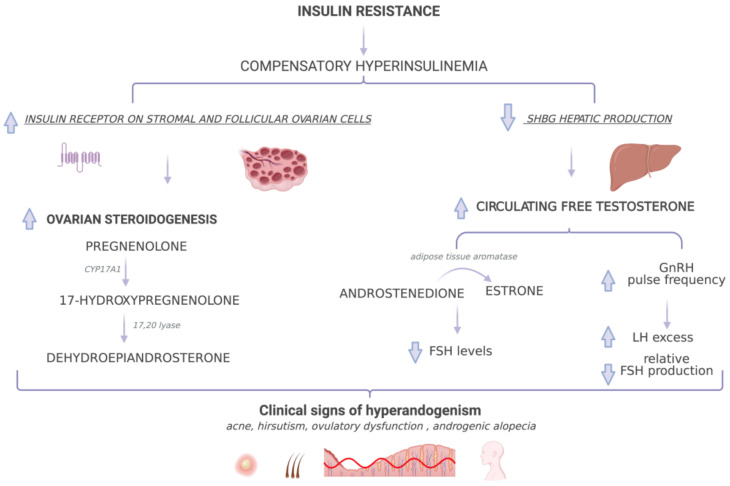
“CYP17A1 is an enzyme with both 17αhydroxylase and 17,20-lyase activities and mediates the conversion of pregnenolone by 17-hydroxylation to synthesize 17-hydroxypregnenolone, which is transformed by 17,20-lyase activity to dehydroepiandrosterone (DHEA) [101].”
BackgroundInfluentialIbanez, L. (1998) · Journal of Clinical Endocrinology & Metabolism · doi:10.1210/jc.83.10.3558 · Cited by 519 · cited 1×
“The mechanisms behind this association remain poorly known, and it is agreed that further studies should address the common origin among these conditions (during fetal life) rather than the direct impact later in life [29,30].”
BackgroundA journey into a Mediterranean diet and type 2 diabetes: a systematic review with meta-analyses
Esposito, K., Maiorino, M. I., Bellastella, G., Chiodini, P., Panagiotakos, D., & Giugliano, D. (2015) · BMJ Open · doi:10.1136/bmjopen-2015-008222 · Cited by 501 · cited 1×
“Women with PCOS and excessive body weight who performed physical activity consistently for at least 12 weeks experienced a significant reduction in central adiposity and insulin sensitivity [151], revealing further beneficial effects on a number of health measures, including glycemic control [152].”
BackgroundTang, J., Feng, Y., Tsao, S., Wang, N., Curtain, R., & Wang, Y. (2009) · Journal of Ethnopharmacology · doi:10.1016/j.jep.2009.08.009 · Cited by 491 · cited 1×
“Indeed, this substance, which is an isoquinoline alkaloid, is a main component of many commonly used botanicals, such as Coptis chinensis Franch [198].”
BackgroundAlisi, A., Bedogni, G., Baviera, G., Giorgio, V., Porro, E., Paris, C., Giammaria, P., Reali, L., Anania, F., & Nobili, V. (2014) · Alimentary Pharmacology & Therapeutics · doi:10.1111/apt.12758 · Cited by 471 · cited 6×
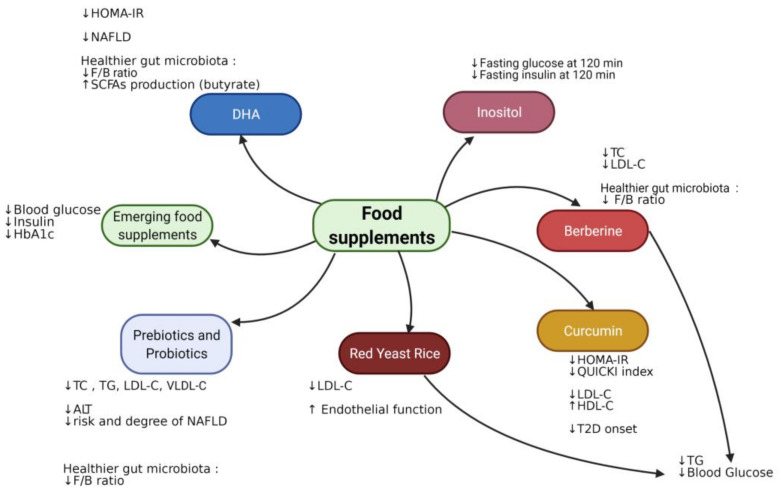
“In a triple-blind randomized trial with 64 obese children who received a probiotic capsule (with Lactobacillus acidophilus, Bifidobacterium lactis, Bifidobacterium bifidum and Lactobacillus rhamnosus) for 12 weeks, an improvement in the grading of NAFLD and a reduction in AST and ALT, total cholesterol, LDL and trigly…”
BackgroundInfluentialIbáñez, L., Oberfield, S. E., Witchel, S., Auchus, R. J., Chang, R. J., Codner, E., Dabadghao, P., Darendeliler, F., Elbarbary, N. S., Gambineri, A., et al. (2017) · Hormone Research in Paediatrics · doi:10.1159/000479371 · Cited by 463 · cited 12×
“The guidelines do not agree on the timing of persistence of the menstrual irregularities after menarche—one [19] or two years [17,18]—but agree that following up those girls with menstrual irregularities in the cited period is necessary, as they are considered to be at risk of PCOS, eventually starting treatment to de…”
BackgroundInfluentialGonzález, F., Rote, N. S., Minium, J., & Kirwan, J. P. (2006) · The Journal of Clinical Endocrinology & Metabolism · doi:10.1210/jc.2005-1696 · Cited by 458 · cited 1×
“Finally, as PCOS is characterized by systemic silent inflammation due to increased oxidative stress, DCI supplementation (1000 mg/day) led to decreased ROS production in follicular fluid and a consequent reduction in IR [177,178].”
BackgroundZhang, L. H., Rodriguez, H., Ohno, S., & Miller, W. L. (1995) · Proceedings of the National Academy of Sciences · doi:10.1073/pnas.92.23.10619 · Cited by 455 · cited 1×
“Lastly, it has also been described that the serine phosphorylation of P450c17, a central enzyme involved in ovarian and adrenal steroidogenesis with both 17α-hydroxylase and 17,20-lyase actions, increases its activity [121].”
BackgroundThe insulin receptor: structure, function, and signaling
Lee, J., & Pilch, P. F. (1994) · American Journal of Physiology-Cell Physiology · doi:10.1152/ajpcell.1994.266.2.c319 · Cited by 450 · cited 1×
“Insulin binding to the receptor induces autophosphorylation of the β subunit on specific tyrosine residues, triggering a complex intracellular cascade [111].”
BackgroundThe Gonadotropic Function of Insulin*
PORETSKY, L., & KALIN, M. F. (1987) · Endocrine Reviews · doi:10.1210/edrv-8-2-132 · Cited by 447
Characteristics of obesity in polycystic ovary syndrome: Etiology, treatment, and genetics
Glueck, C. J., & Goldenberg, N. (2019) · Metabolism · doi:10.1016/j.metabol.2018.11.002 · Cited by 442 · cited 1×
“Although neither necessary nor sufficient for PCOS development, obesity—especially visceral obesity—amplifies and worsens all metabolic and reproductive outcomes in PCOS [43].”
BackgroundInflamed Adipose Tissue: A Culprit Underlying the Metabolic Syndrome and Atherosclerosis
Gustafson, B., Hammarstedt, A., Andersson, C. X., & Smith, U. (2007) · Arteriosclerosis, Thrombosis, and Vascular Biology · doi:10.1161/atvbaha.107.147835 · Cited by 436 · cited 2×
“Immune cells, primarily macrophages, infiltrate adipose tissue, promoting both adipocyte hypertrophy and cytokine release [73].”
BackgroundRiva, A., Borgo, F., Lassandro, C., Verduci, E., Morace, G., Borghi, E., & Berry, D. (2017) · Environmental Microbiology · doi:10.1111/1462-2920.13463 · Cited by 426 · cited 1×
““Western-style” dietary patterns high in saturated fats and simple sugars and poor in fiber and bioactive molecules impair the gut microbiota composition and affect its metabolism, including reduced production of intestinal shortchain fatty acids (SCFAs), particularly butyrate, thus contributing to the development of…”
BackgroundSelf-citationThe gut microbiome and its role in obesity
Davis, C. D. (2016) · Nutrition Today · doi:10.1097/nt.0000000000000167 · Cited by 407
Tsilingiri, K., & Rescigno, M. (2013) · Beneficial Microbes · doi:10.3920/bm2012.0046 · Cited by 382
Mannerås-Holm, L., Leonhardt, H., Kullberg, J., Jennische, E., Odén, A., Holm, G., Hellström, M., Lönn, L., Olivecrona, G., Stener-Victorin, E., et al. (2011) · The Journal of Clinical Endocrinology & Metabolism · doi:10.1210/jc.2010-1290 · Cited by 369 · cited 2×
“The same study described lower serum adiponectin in patients with PCOS and a strongly positive association between adiponectin and insulin sensitivity [77].”
BackgroundGoodman, N. F., Cobin, R. H., Futterweit, W., Glueck, J. S., Legro, R. S., & Carmina, E. (2015) · Endocrine Practice · doi:10.4158/ep15748.dscpt2 · Cited by 359
Obesity, Polycystic Ovary Syndrome, and Infertility: A New Avenue for GLP-1 Receptor Agonists
Cena, H., Chiovato, L., & Nappi, R. E. (2020) · The Journal of Clinical Endocrinology & Metabolism · doi:10.1210/clinem/dgaa285 · Cited by 356 · cited 1×
“The emerging role of glucagon-like peptide-1 (GLP-1) receptor agonists (GLP-1 RAs) as a therapeutic option for obese women with PCOS has been reported in adult age, and the benefits in adolescents could be considered [40,41].”
BackgroundSelf-citationLongitudinal study of physiologic insulin resistance and metabolic changes of puberty
Hannon, T. S., Janosky, J., & Arslanian, S. A. (2006) · Pediatric Research · doi:10.1203/01.pdr.0000246097.73031.27 · Cited by 353 · cited 1×
“There is a reduction in insulin sensitivity of up to about 30–50%, even in conditions of normal weight, compensated for by a significant increase in insulin secretion [49], [58].”
BackgroundEffects of Lactobacillus rhamnosus Strain GG in Pediatric Obesity‐related Liver Disease
Vajro, P., Mandato, C., Licenziati, M. R., Franzese, A., Vitale, D. F., Lenta, S., Caropreso, M., Vallone, G., & Meli, R. (2011) · Journal of Pediatric Gastroenterology and Nutrition · doi:10.1097/mpg.0b013e31821f9b85 · Cited by 341 · cited 1×
“In another RCT, 22 obese children (8–12 years) with supplementation of Lactobacillus GG for 8 weeks showed a decrease in ammino transferase and changes in BMI z-score and visceral fat [214].”
BackgroundIbañez, L., Potau, N., Virdis, R., Zampolli, M., Terzi, C., Gussinyé, M., Carrascosa, A., & Vicens-Calvet, E. (1993) · The Journal of Clinical Endocrinology & Metabolism · doi:10.1210/jcem.76.6.8501168 · Cited by 341 · cited 2×
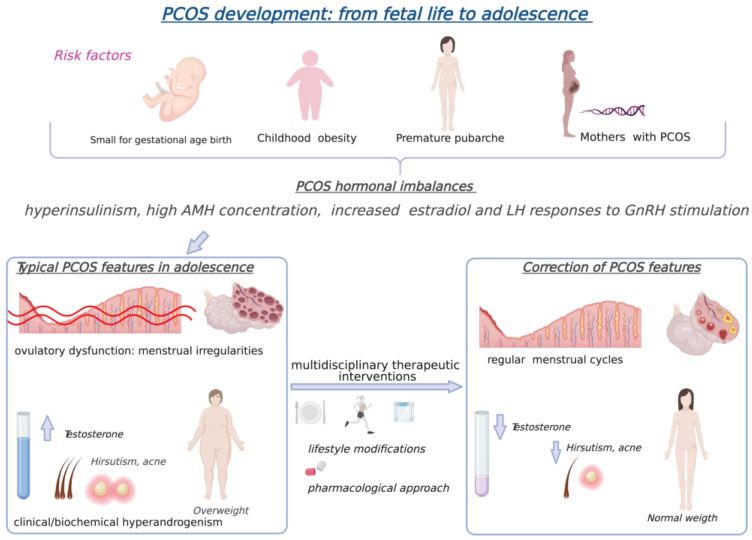
“Girls with PP, a hallmark of adrenarche, showed PCOS-like disturbances such as oligomenorrhea, hirsutism and biochemical and functional hyperandrogenism in response to acute GnRH stimulation across puberty and in the postpubertal period [20].”
BackgroundDefects in insulin receptor signaling in vivo in the polycystic ovary syndrome (PCOS)
Dunaif, A., Wu, X., Lee, A., & Diamanti-Kandarakis, E. (2001) · American Journal of Physiology-Endocrinology and Metabolism · doi:10.1152/ajpendo.2001.281.2.e392 · Cited by 337 · cited 2×
“The defect in insulin receptor signaling in PCOS seems to be intrinsic and independent of obesity and type 2 diabetes mellitus [118].”
BackgroundNaderpoor, N., Shorakae, S., de Courten, B., Misso, M. L., Moran, L. J., & Teede, H. J. (2015) · Human Reproduction Update · doi:10.1093/humupd/dmv025 · Cited by 334 · cited 1×
“Specifically, this agent promotes weight loss, menstrual cycle, acne and glycemic control [39]; thus, despite not being licensed for this syndrome, it is widely used.”
BackgroundSáez-Lara, M., Robles-Sanchez, C., Ruiz-Ojeda, F., Plaza-Diaz, J., & Gil, A. (2016) · International Journal of Molecular Sciences · doi:10.3390/ijms17060928 · Cited by 328 · cited 1×
“For example, inulin is known to stimulate the growth of bifidobacteria and can reduce energy intake and body fat mass [207].”
BackgroundBreton, J., Tennoune, N., Lucas, N., Francois, M., Legrand, R., Jacquemot, J., Goichon, A., Guérin, C., Peltier, J., Pestel-Caron, M., et al. (2016) · Cell Metabolism · doi:10.1016/j.cmet.2015.10.017 · Cited by 321 · cited 1×
“Propionate and butyrate can also induce the expression of gluconeogenesis-related genes by activating intestinal gluconeogenesis through various mechanisms, resulting in reduced body weight and adiposity [220].”
BackgroundLu, Z., Kou, W., Du, B., Wu, Y., Zhao, S., Brusco, O. A., Morgan, J. M., & Capuzzi, D. M. (2008) · The American Journal of Cardiology · doi:10.1016/j.amjcard.2008.02.056 · Cited by 315 · cited 4×
“In a prospective study of 5000 adult patients with myocardial infarction, supplementation with RYR also appeared to reduce the incidence of coronary events [194].”
BackgroundInfluentialRajkumar, H., Mahmood, N., Kumar, M., Varikuti, S. R., Challa, H. R., & Myakala, S. P. (2014) · Mediators of Inflammation · doi:10.1155/2014/348959 · Cited by 301 · cited 1×
“Indeed, a 6-week randomized controlled trial of 60 overweight Indian individuals found that the probiotic mixture VSL3 improved glucose balance [209].”
BackgroundEarly metabolic abnormalities in adolescent girls with polycystic ovarian syndrome
Lewy, V. D., Danadian, K., Witchel, S. F., & Arslanian, S. (2001) · The Journal of Pediatrics · doi:10.1067/mpd.2001.109603 · Cited by 298 · cited 2×
“The study findings indicated that adolescent girls with POCS and obesity had around a 50% decrease in peripheral insulin sensitivity, evidence of hepatic insulin resistance and compensatory hyperinsulinemia compared to non-PCOS girls with obesity (control group) [93].”
BackgroundKahn, H. S., Imperatore, G., & Cheng, Y. J. (2005) · The Journal of Pediatrics · doi:10.1016/j.jpeds.2004.12.028 · Cited by 297 · cited 1×
“This parameter is recognized as a better predictor of metabolic risk in youth [63].”
BackgroundKirchengast, S. (2001) · Human Reproduction · doi:10.1093/humrep/16.6.1255 · Cited by 291 · cited 1×
“Higher visceral adipose tissue (VAT) has been described even in lean women affected by the syndrome, and it may be associated with worse metabolic outcomes [64,65].”
BackgroundHe, F.-F., & Li, Y.-M. (2020) · Journal of Ovarian Research · doi:10.1186/s13048-020-00670-3 · Cited by 289 · cited 1×
“Butyrate, in particular, mainly produced by Firmicutes, appears to prevent the development of IR and obesity, as opposed to a diet rich in simple sugars and refined complex carbohydrates, which triggers inflammation, IR, androgen production and dysbiosis [129,130].”
BackgroundMuscogiuri, G., El Ghoch, M., Colao, A., Hassapidou, M., Yumuk, V., Busetto, L., & Obesity Management Task Force (OMTF) of the European Association for the Study of Obesity (EASO) (2021) · Obesity Facts · doi:10.1159/000515381 · Cited by 289
Effects of Probiotics on Nonalcoholic Fatty Liver Disease in Obese Children and Adolescents
Famouri, F., Shariat, Z., Hashemipour, M., Keikha, M., & Kelishadi, R. (2017) · Journal of Pediatric Gastroenterology and Nutrition · doi:10.1097/mpg.0000000000001422 · Cited by 283 · cited 5×
“In a triple-blind randomized trial with 64 obese children who received a probiotic capsule (with Lactobacillus acidophilus, Bifidobacterium lactis, Bifidobacterium bifidum and Lactobacillus rhamnosus) for 12 weeks, an improvement in the grading of NAFLD and a reduction in AST and ALT, total cholesterol, LDL and trigly…”
BackgroundInfluentialEffects of a Ketogenic Diet in Overweight Women with Polycystic Ovary Syndrome
Paoli, A., Mancin, L., Giacona, M. C., Bianco, A., & Caprio, M. (2020) · Journal of Translational Medicine · doi:10.1186/s12967-020-02277-0 · Cited by 281 · cited 2×
“Results after a 6-month period on an LCKD in women with PCOS and obesity showed a significant improvement in fasting insulin, which appeared to be the cause of LH/FSH ratio enhancement [156].”
BackgroundBeyond fertility: polycystic ovary syndrome and long-term health
Cooney, L. G., & Dokras, A. (2018) · Fertility and Sterility · doi:10.1016/j.fertnstert.2018.08.021 · Cited by 270 · cited 3×
“However, early diagnosis and treatment of PCOS are crucial to restore ovulation [3].”
BackgroundMolecular Mechanism of Insulin Resistance in Obesity and Type 2 Diabetes
Choi, K., & Kim, Y.-B. (2010) · The Korean Journal of Internal Medicine · doi:10.3904/kjim.2010.25.2.119 · Cited by 269 · cited 3×
“In animal models, DCI supplementation has shown significant molecular improvements, including cellular signaling pathways involved in IR (via PI3K/protein kinase B), glucose conversion to ATP and GLUT4 expression in skeletal muscle.”
BackgroundDietary Flaxseed as a Strategy for Improving Human Health
Parikh, M., Maddaford, T. G., Austria, J. A., Aliani, M., Netticadan, T., & Pierce, G. N. (2019) · Nutrients · doi:10.3390/nu11051171 · Cited by 265
Adiponectin levels in women with polycystic ovary syndrome: a systematic review and a meta-analysis
Toulis, K. A., Goulis, D. G., Farmakiotis, D., Georgopoulos, N. A., Katsikis, I., Tarlatzis, B. C., Papadimas, I., & Panidis, D. (2009) · Human Reproduction Update · doi:10.1093/humupd/dmp006 · Cited by 262 · cited 1×
“Lower adiponectin values were associated with the IR observed in women with PCOS compared with controls [84].”
Divergences in insulin resistance between the different phenotypes of the polycystic ovary syndrome
Moghetti, P., Tosi, F., Bonin, C., Di Sarra, D., Fiers, T., Kaufman, J.-M., Giagulli, V. A., Signori, C., Zambotti, F., Dall'Alda, M., et al. (2013) · The Journal of Clinical Endocrinology & Metabolism · doi:10.1210/jc.2012-3908 · Cited by 262 · cited 4×
“Conversely, the PCOS phenotype characterized by anovulation and PCOS with normal androgen levels most often shows normal insulin sensitivity [10,87,91].”
BackgroundInfluentialMoran, L. J., Ko, H., Misso, M., Marsh, K., Noakes, M., Talbot, M., Frearson, M., Thondan, M., Stepto, N., & Teede, H. J. (2013) · Journal of the Academy of Nutrition and Dietetics · doi:10.1016/j.jand.2012.11.018 · Cited by 259
Barber, T. M., Wass, J. A. H., McCarthy, M. I., & Franks, S. (2007) · Clinical Endocrinology · doi:10.1111/j.1365-2265.2007.02764.x · Cited by 254 · cited 1×
“Conversely, the PCOS phenotype characterized by anovulation and PCOS with normal androgen levels most often shows normal insulin sensitivity [10,87,91].”
BackgroundVallianou, N., Stratigou, T., Christodoulatos, G. S., Tsigalou, C., & Dalamaga, M. (2020) · Current Obesity Reports · doi:10.1007/s13679-020-00379-w · Cited by 242 · cited 1×
“The effect appears to be dependent on some compounds present in the plant: corosolic acid and ellagitannine [223].”
BackgroundAboeldalyl, S., James, C., Seyam, E., Ibrahim, E. M., Shawki, H. E.-D., & Amer, S. (2021) · International Journal of Molecular Sciences · doi:10.3390/ijms22052734 · Cited by 239 · cited 3×
“IR is considered a metabolic precursor of PCOS development [1,2].”
BackgroundInfluentialSommer, A., & Twig, G. (2018) · Current Diabetes Reports · doi:10.1007/s11892-018-1062-9 · Cited by 236 · cited 1×
“Obesity is extremely diffuse worldwide and represents a major public health problem in both childhood and adulthood [44,45].”
BackgroundPanahi, Y., Khalili, N., Hosseini, M. S., Abbasinazari, M., & Sahebkar, A. (2014) · Complementary Therapies in Medicine · doi:10.1016/j.ctim.2014.07.006 · Cited by 231 · cited 1×
“For this reason, several formulations have been developed [205], including milk exosomes encapsulation in order to improve gastric resistance and increase intestinal absorption as well as combination with piperine, which promotes hepatic glucuronidation [206].”
BackgroundMarsh, K. A., Steinbeck, K. S., Atkinson, F. S., Petocz, P., & Brand-Miller, J. C. (2010) · The American Journal of Clinical Nutrition · doi:10.3945/ajcn.2010.29261 · Cited by 228 · cited 1×
“These diets are more likely to improve IR in women with PCOS compared to a conventional healthy diet [153].”
BackgroundThe Effects of a Low-Carbohydrate, Ketogenic Diet on the Polycystic Ovary Syndrome: A Pilot Study
Mavropoulos, J. C., Yancy, W. S., Hepburn, J., & Westman, E. C. (2005) · Nutrition & Metabolism · doi:10.1186/1743-7075-2-35 · Cited by 226
Anti-Müllerian hormone and ovarian dysfunction
Broekmans, F. J., Visser, J. A., Laven, J. S. E., Broer, S. L., Themmen, A. P. N., & Fauser, B. C. (2008) · Trends in Endocrinology & Metabolism · doi:10.1016/j.tem.2008.08.002 · Cited by 221
Insulin resistance and PCOS: chicken or egg?
Moghetti, P., & Tosi, F. (2021) · Journal of Endocrinological Investigation · doi:10.1007/s40618-020-01351-0 · Cited by 209 · cited 1×
“Hyperinsulinemia leads to increased androgen production, which, in turn, may impair insulin sensitivity [98].”
BackgroundMediterranean Diet as a Tool to Combat Inflammation and Chronic Diseases. An Overview
Tsigalou, C., Konstantinidis, T., Paraschaki, A., Stavropoulou, E., Voidarou, C., & Bezirtzoglou, E. (2020) · Biomedicines · doi:10.3390/biomedicines8070201 · Cited by 208
Larner, J., Huang, L. C., Schwartz, C. F. W., Oswald, A. S., Shen, T.-Y., Kinter, M., Tang, G., & Zeller, K. (1988) · Biochemical and Biophysical Research Communications · doi:10.1016/s0006-291x(88)80520-5 · Cited by 204
Polyphenols and their effects on diabetes management: A review
Aryaeian, N., Khorshidi Sedehi, S., & Arablou, T. (2017) · Medical Journal of the Islamic Republic of Iran · doi:10.14196/mjiri.31.134 · Cited by 200 · cited 1×
“Foods derived from plant sources not only provide dietary fiber, promoting glycemic control, but are also sources of phytochemicals such as polyphenols, which decrease hyperglycemia and improve acute insulin secretion and insulin sensitivity [125].”
BackgroundOligoanovulation with Polycystic Ovaries But Not Overt Hyperandrogenism
Dewailly, D., Catteau-Jonard, S., Reyss, A.-C., Leroy, M., & Pigny, P. (2006) · The Journal of Clinical Endocrinology & Metabolism · doi:10.1210/jc.2006-1054 · Cited by 198 · cited 1×
“It should be noted that some authors described that even PCOS patients without overt hyperandrogenism showed gonadotropin derangement and had lower mean sex-hormonebinding globulin (SHBG) values than controls did, a finding that suggests abnormalities in insulin levels, probably related to the higher waist circumferen…”
ResultReferral Bias in Defining the Phenotype and Prevalence of Obesity in Polycystic Ovary Syndrome
Ezeh, U., Yildiz, B. O., & Azziz, R. (2013) · The Journal of Clinical Endocrinology & Metabolism · doi:10.1210/jc.2013-1295 · Cited by 193 · cited 1×
“However, some authors state that this high percentage may be overestimated because of a referral bias, since it was calculated among women referred to reproductive endocrinologic clinics, whereas the prevalence of obesity among unselected women with PCOS is not far from that in the general population [49,50].”
BackgroundGoodarzi, M. O., Carmina, E., & Azziz, R. (2015) · The Journal of Steroid Biochemistry and Molecular Biology · doi:10.1016/j.jsbmb.2014.06.003 · Cited by 188 · cited 2×
“Insulin also appears to potentiate basal and ACTH-stimulated adrenal androgen production [26].”
BackgroundLi, C., Xing, C., Zhang, J., Zhao, H., Shi, W., & He, B. (2021) · Journal of Translational Medicine · doi:10.1186/s12967-021-02817-2 · Cited by 180 · cited 8×
“DeUgarte and co-authors studied the prevalence of IR in a large population of unselected patients with PCOS (271 subjects, mean age 27.4 ± 7.5 years) using the homeostatic model assessment for insulin resistance (HOMA-IR) and percent β-cell function (HOMA-% β- cell): 64.4% of PCOS patients were insulin-resistant, and…”
BackgroundInfluentialPrasad, K. (2001) · Journal of Laboratory and Clinical Medicine · doi:10.1067/mlc.2001.115717 · Cited by 178
Mancini, A., Bruno, C., Vergani, E., d’Abate, C., Giacchi, E., & Silvestrini, A. (2021) · International Journal of Molecular Sciences · doi:10.3390/ijms22041667 · Cited by 177 · cited 1×
“Both zinc and selenium are essential micronutrients for metabolism and regulate several enzymes involved in the production and neutralization of ROS [136]; therefore, they act as antioxidants counteracting the oxidative stress involved in PCOS and are probably significant in its pathogenesis [137].”
BackgroundEk, I., Arner, P., Rydén, M., Holm, C., Thörne, A., Hoffstedt, J., & Wahrenberg, H. (2002) · Diabetes · doi:10.2337/diabetes.51.2.484 · Cited by 174 · cited 1×
“Ek and coauthors reported a marked increase in catecholamine-induced adipocyte lipolysis in PCOS women and a significant correlation between fat cell size and lipolytic responsiveness [74].”
BackgroundSelective Insulin Resistance in the Polycystic Ovary Syndrome1
Book, C.-B., & Dunaif, A. (1999) · The Journal of Clinical Endocrinology & Metabolism · doi:10.1210/jcem.84.9.6010 · Cited by 172
Hickey, M., Doherty, D. A., Atkinson, H., Sloboda, D. M., Franks, S., Norman, R. J., & Hart, R. (2011) · Human Reproduction · doi:10.1093/humrep/der102 · Cited by 170
Role of Diet in the Treatment of Polycystic Ovary Syndrome
Douglas, C. C., Gower, B. A., Darnell, B. E., Ovalle, F., Oster, R. A., & Azziz, R. (2006) · Fertility and Sterility · doi:10.1016/j.fertnstert.2005.08.045 · Cited by 170 · cited 1×
“Recommendations for women with PCOS reflect previous observations regarding the beneficial effects of low-fat diets and the negative impact of high-carbohydrate diets [146].”
BackgroundEnhanced Mitogenic Signaling in Skeletal Muscle of Women With Polycystic Ovary Syndrome
Corbould, A., Zhao, H., Mirzoeva, S., Aird, F., & Dunaif, A. (2006) · Diabetes · doi:10.2337/diabetes.55.03.06.db05-0453 · Cited by 166 · cited 1×
“Moreover, pharmacological inhibition of MEK1/2 suppresses MAPK-ERK1/2 activation, reduces IRS-1 serine 312 phosphorylation and augments IRS-1-associated PI3-K activation [120].”
BackgroundInositols in Insulin Signaling and Glucose Metabolism
Bevilacqua, A., & Bizzarri, M. (2018) · International Journal of Endocrinology · doi:10.1155/2018/1968450 · Cited by 165 · cited 2×
“D-chiro-inositol (DCI) and myo-inositol (MI) are two stereoisomers of inositol that are easily found in plant-based diets and considered insulin sensitizers [170].”
BackgroundObesity, Neuroinflammation, and Reproductive Function
Lainez, N. M., & Coss, D. (2019) · Endocrinology · doi:10.1210/en.2019-00487 · Cited by 164 · cited 3×
“For instance, evidence suggests that in obesity, hypothalamic microglia are probably activated by an increased circulating level of saturated fatty acids [69].”
BackgroundInfluentialMicrobiome and PCOS: State-of-Art and Future Aspects
Giampaolino, P., Foreste, V., Di Filippo, C., Gallo, A., Mercorio, A., Serafino, P., Improda, F. P., Verrazzo, P., Zara, G., Buonfantino, C., et al. (2021) · International Journal of Molecular Sciences · doi:10.3390/ijms22042048 · Cited by 163 · cited 1×
“Gut microbiota (GM) regulation should, therefore, be considered as a potential adjuvant clinical treatment for PCOS based on treating the GM to provide new ideas for clinical treatment [131].”
Body size from birth to adulthood as a predictor of self-reported polycystic ovary syndrome symptoms
Laitinen, J., Taponen, S., Martikainen, H., Pouta, A., Millwood, I., Hartikainen, A.-L., Ruokonen, A., Sovio, U., McCarthy, M. I., Franks, S., et al. (2003) · International Journal of Obesity · doi:10.1038/sj.ijo.0802301 · Cited by 162 · cited 1×
“A longitudinal population-based study pointed out that being overweight or obese at age 14 increases the risk of menstrual disorders and hirsutism in adulthood [61].”
BackgroundCardiovascular risk continuum: implications of insulin resistance and diabetes
Hsueh, W. A., & Law, R. E. (1998) · The American Journal of Medicine · doi:10.1016/s0002-9343(98)00205-8 · Cited by 159 · cited 1×
“Therefore, IR can be selective and can affect only the metabolic actions of insulin [10,85,114].”
BackgroundPremature adrenarche: novel lessons from early onset androgen excess
Idkowiak, J., Lavery, G. G., Dhir, V., Barrett, T. G., Stewart, P. M., Krone, N., & Arlt, W. (2011) · European Journal of Endocrinology · doi:10.1530/eje-11-0223 · Cited by 158
Docosahexaenoic acid for the treatment of fatty liver: Randomised controlled trial in children
Nobili, V., Alisi, A., Corte, C. D., Risé, P., Galli, C., Agostoni, C. V., & Bedogni, G. (2012) · Nutrition Metabolism and Cardiovascular Diseases · doi:10.1016/j.numecd.2012.10.010 · Cited by 157 · cited 1×
“A randomized controlled clinical trial (RCT) performed on 60 children with NAFLD showed that supplementation with DHA (both 250 and 500 mg/day) reduced liver steatosis and improved the HOMA-IR index [183].”
BackgroundFukumitsu, S., Aida, K., Ueno, N., Ozawa, S., Takahashi, Y., & Kobori, M. (2008) · British Journal of Nutrition · doi:10.1017/s0007114508911570 · Cited by 155 · cited 1×
“When supplemented in obese mice fed a high-fat diet (HFD), they showed a reduction in visceral fat, a decrease in insulin and a lower concentration of total cholesterol [233,234].”
BackgroundRole of obesity and adiposity in polycystic ovary syndrome
Diamanti‐Kandarakis, E. (2007) · International Journal of Obesity · doi:10.1038/sj.ijo.0803730 · Cited by 148
Childhood Obesity and Its Impact on the Development of Adolescent PCOS
Anderson, A., Solorzano, C., & McCartney, C. (2014) · Seminars in Reproductive Medicine · doi:10.1055/s-0034-1371092 · Cited by 146 · cited 5×
“Lastly, girls with obesity exhibited higher testosterone levels compared to controls [15], and weight loss was found to improve PCOS clinical features [26].”
BackgroundInfluentialHeshmati, J., Moini, A., Sepidarkish, M., Morvaridzadeh, M., Salehi, M., Palmowski, A., Mojtahedi, M. F., & Shidfar, F. (2021) · Phytomedicine · doi:10.1016/j.phymed.2020.153395 · Cited by 142 · cited 1×
“It acts as an insulin sensitizer in animal models [200], while in RCT studies on subjects supplemented with 1500 mg for 3 to 9 months, it was able to reduce the rate of T2D onset, besides impacting cytokine secretion, adiponectin increase and leptin decrease [201,202] and lowering plasma lipids through increased expre…”
BackgroundGroppo, F. C., Pochapski, M. T., Fosquiera, E. C., Esmerino, L. A., dos Santos, E., Farago, P., & Santos, F. (2011) · Pharmacognosy Magazine · doi:10.4103/0973-1296.80682 · Cited by 140
Adipose Tissue Dysfunction in Polycystic Ovary Syndrome
Villa, J., & Pratley, R. E. (2011) · Current Diabetes Reports · doi:10.1007/s11892-011-0189-8 · Cited by 139 · cited 2×
“Since adiponectin exhibits insulinsensitizing properties, reduced levels of adiponectin may contribute to systemic insulin resistance in women with PCOS [70].”
BackgroundAnti-Müllerian Hormone Levels in Peripubertal Daughters of Women with Polycystic Ovary Syndrome
Crisosto, N., Codner, E., Maliqueo, M., Echiburú, B., Sánchez, F., Cassorla, F., & Sir-Petermann, T. (2007) · The Journal of Clinical Endocrinology & Metabolism · doi:10.1210/jc.2007-0267 · Cited by 138 · cited 1×
“Moreover, PCOS cases showed higher ovarian volume [13] and increased estradiol and LH responses to gonadotropinreleasing hormone (GnRH) stimulation [16], typical metabolic traits of PCOS [17–19].”
BackgroundThe emerging role of insulin-like growth factors in testis development and function
Griffeth, R. J., Bianda, V., & Nef, S. (2014) · Basic and Clinical Andrology · doi:10.1186/2051-4190-24-12 · Cited by 138 · cited 1×
“Conversely, the MAPK/ERK pathway appears to be preserved, if not activated, by the hyperinsulinemic state [115].”
BackgroundA prática clínica baseada em evidências: parte II - buscando as evidências em fontes de informação
Bernardo, W. M., Nobre, M. R. C., & Jatene, F. B. (2004) · Revista da Associação Médica Brasileira · doi:10.1590/s0104-42302004000100045 · Cited by 137
Effects of Dietary Fatty Acids in Pancreatic Beta Cell Metabolism, Implications in Homeostasis
Acosta-Montaño, P., & García‐González, V. (2018) · Nutrients · doi:10.3390/nu10040393 · Cited by 131 · cited 1×
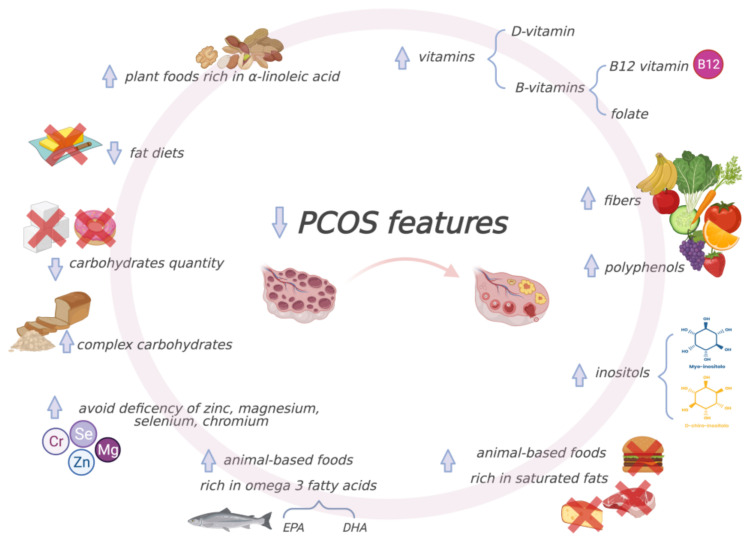
“Moreover, animal-based foods, rich in saturated fats, are associated with reduced insulin sensitivity, assisting pancreatic beta cell dysfunction and death [134].”
BackgroundFat Depot‐specific Impact of Visceral Obesity on Adipocyte Adiponectin Release in Women
Drolet, R., Bélanger, C., Fortier, M., Huot, C., Mailloux, J., Légaré, D., & Tchernof, A. (2009) · Obesity · doi:10.1038/oby.2008.555 · Cited by 131 · cited 1×
“As stated by Drolet and co-authors, there may be differences in adiponectin release between subcutaneous and visceral fat [82].”
BackgroundA Review of the Efficacy and Safety of Banaba (Lagerstroemia speciosa L.) and Corosolic Acid
Stohs, S. J., Miller, H., & Kaats, G. R. (2012) · Phytotherapy Research · doi:10.1002/ptr.3664 · Cited by 130 · cited 3×
“In animal models, DCI supplementation has shown significant molecular improvements, including cellular signaling pathways involved in IR (via PI3K/protein kinase B), glucose conversion to ATP and GLUT4 expression in skeletal muscle.”
BackgroundCheang, K. I., Baillargeon, J.-P., Essah, P. A., Ostlund, R. E., Apridonize, T., Islam, L., & Nestler, J. E. (2008) · Metabolism · doi:10.1016/j.metabol.2008.05.008 · Cited by 129 · cited 1×
“On the other hand, a trial in women with PCOS supplemented with DCI at different dosages concluded that 500 mg/day for 12 weeks improves insulin sensitivity in those affected by obesity, while 1200 mg/day for 6 weeks was associated with an increased release of DCI-IPG mediator, enhancing insulin sensitivity [175].”
BackgroundEffect of Lactobacillus salivarius Ls-33 on fecal microbiota in obese adolescents
Larsen, N., Vogensen, F. K., Gøbel, R. J., Michaelsen, K. F., Forssten, S. D., Lahtinen, S. J., & Jakobsen, M. (2013) · Clinical Nutrition · doi:10.1016/j.clnu.2013.02.007 · Cited by 127 · cited 8×
“A recent systematic review examining the role of prebiotics, probiotics, postbiotics and synbiotics in the management of adult obesity found poor results for MetS, with little change in BMI or body weight.”
BackgroundInfluentialZhao, X., Jiang, Y., Xi, H., Chen, L., & Feng, X. (2020) · Geburtshilfe und Frauenheilkunde · doi:10.1055/a-1081-2036 · Cited by 124 · cited 1×
“Many studies have investigated the relationship between gut microbiota disorders and PCOS, suggesting that the gut microbiota is involved in the development of IR and menstrual disorders in PCOS patients by affecting intestinal wall permeability [128].”
BackgroundBarbe, A., Bongrani, A., Mellouk, N., Estienne, A., Kurowska, P., Grandhaye, J., Elfassy, Y., Levy, R., Rak, A., Froment, P., et al. (2019) · International Journal of Molecular Sciences · doi:10.3390/ijms20071526 · Cited by 120 · cited 2×
“Adiponectin plasma concentration correlates with the adipose tissue level [78]; in obese compared to control patients, adiponectin concentrations have consistently been found to be abnormally low [79,80].”
BackgroundShamasbi, S. G., Ghanbari‐Homayi, S., & Mirghafourvand, M. (2019) · European Journal of Nutrition · doi:10.1007/s00394-019-02033-1 · Cited by 118 · cited 1×
“The use of probiotics and synbiotics in women with PCOS improved some hormonal (FAI and SHBG) and inflammatory (nitric oxide and malonyl dialdehyde) indices [132], suggesting that probiotics as well as prebiotics may be used to treat metabolic abnormalities associated with PCOS.”
BackgroundA Systematic Review of the Effects of Exercise on Hormones in Women with Polycystic Ovary Syndrome
Shele, G., Genkil, J., & Speelman, D. (2020) · Journal of Functional Morphology and Kinesiology · doi:10.3390/jfmk5020035 · Cited by 115 · cited 3×
“As reported [38], vigorous aerobic exercise practiced consistently over the long term (at least three days per week for 30 min or more) and associated with heart rate and/or VO2max monitoring (≥60% VO2max) can improve insulin sensitivity.”
BackgroundSelective Insulin Resistance in the Polycystic Ovary Syndrome
Book, C. B. (1999) · The Journal of Clinical Endocrinology & Metabolism · doi:10.1210/jc.84.9.3110 · Cited by 115
Adiponectin oligomers as potential indicators of adipose tissue improvement in obese subjects
Rosa, A. D., Monaco, M. L., Capasso, M., Forestieri, P., Pilone, V., Nardelli, C., Buono, P., & Daniele, A. (2013) · European Journal of Endocrinology · doi:10.1530/eje-12-1039 · Cited by 113 · cited 1×
“Weight loss is correlated with an increase in circulating adiponectin, suggesting a possible functional recovery of adipocytes [83].”
BackgroundLi, M., Youngren, J. F., Dunaif, A., Goldfine, I. D., Maddux, B. A., Zhang, B. B., & Evans, J. L. (2002) · The Journal of Clinical Endocrinology & Metabolism · doi:10.1210/jc.2002-020363 · Cited by 112 · cited 1×
“Notably, studies have reported that treatment with serine kinase inhibitors corrects the phosphorylation defect, at least in fibroblasts from PCOS patients [119].”
BackgroundŁagowska, K., Bajerska, J., & Jamka, M. (2018) · Nutrients · doi:10.3390/nu10111637 · Cited by 112 · cited 9×
“DeUgarte and co-authors studied the prevalence of IR in a large population of unselected patients with PCOS (271 subjects, mean age 27.4 ± 7.5 years) using the homeostatic model assessment for insulin resistance (HOMA-IR) and percent β-cell function (HOMA-% β- cell): 64.4% of PCOS patients were insulin-resistant, and…”
BackgroundInfluentialVioli, F., Loffredo, L., Pignatelli, P., Angelico, F., Bartimoccia, S., Nocella, C., Cangemi, R., Petruccioli, A., Monticolo, R., Pastori, D., et al. (2015) · Nutrition & Diabetes · doi:10.1038/nutd.2015.23 · Cited by 111 · cited 1×
“Such options are intrinsic to the eating habits of certain regional diets, such as the Mediterranean diet (MD), a plant-based diet poor in animal source foods and processed foods that is characterized by a high consumption of extra virgin olive oil (EVO), nuts and legumes and that has been associated with an improveme…”
BackgroundDinicola, S., Minini, M., Unfer, V., Verna, R., Cucina, A., & Bizzarri, M. (2017) · International Journal of Molecular Sciences · doi:10.3390/ijms18102187 · Cited by 110 · cited 1×
“Indeed, myo-inositol (MI) and its phosphate derivatives have demonstrated numerous valuable health effects, including anti-diabetic ones [126], gaining considerable interest in practical applications as supplements.”
BackgroundLin, A. W., Kazemi, M., Jarrett, B. Y., Vanden Brink, H., Hoeger, K. M., Spandorfer, S. D., & Lujan, M. E. (2019) · Nutrients · doi:10.3390/nu11112711 · Cited by 110 · cited 2×
“Women with PCOS and excessive body weight who performed physical activity consistently for at least 12 weeks experienced a significant reduction in central adiposity and insulin sensitivity [151], revealing further beneficial effects on a number of health measures, including glycemic control [152].”
BackgroundEuropean Regulatory Framework and Safety Assessment of Food-Related Bioactive Compounds
Vettorazzi, A., López de Cerain, A., Sanz-Serrano, J., Gil, A. G., & Azqueta, A. (2020) · Nutrients · doi:10.3390/nu12030613 · Cited by 109 · cited 1×
“In recent years, several functional foods, bioactive compounds or nutraceuticals have been investigated and included for the treatment of various diseases [165].”
BackgroundPirro, M., Mannarino, M. R., Bianconi, V., Simental‐Mendía, L. E., Bagaglia, F., Mannarino, E., & Sahebkar, A. (2016) · Pharmacological Research · doi:10.1016/j.phrs.2016.04.021 · Cited by 108 · cited 1×
“RYR is often combined with other supplements or botanicals (berberine or polycosanols) exerting positive effects on cholesterol, triglyceride and glucose plasma levels as well as adiponectin/leptin ratio [196].”
BackgroundAntidiabetic Activity of White Skinned Sweet Potato(Ipomoea batatas L.) in Obese Zucker Fatty Rats.
KUSANO, S., & ABE, H. (2000) · Biological and Pharmaceutical Bulletin · doi:10.1248/bpb.23.23 · Cited by 108
Neyrinck, A. M., Rodriguez, J., Zhang, Z., Seethaler, B., Sánchez, C. R., Roumain, M., Hiel, S., Bindels, L. B., Cani, P. D., Paquot, N., et al. (2021) · European Journal of Nutrition · doi:10.1007/s00394-021-02484-5 · Cited by 107 · cited 1×
“In particular, supplementation with GOS decreases hepatic triglyceride levels by reducing the activity of enzymes involved in the synthesis of fatty acids and proteins involved in the synthesis of very-low-density lipoprotein (VLDL) [208].”
BackgroundThe controversial role of vitamin D as an antioxidant: results from randomised controlled trials
Tagliaferri, S., Porri, D., Giuseppe, R. D., Manuelli, M. C., Alessio, F., & Cena, H. (2018) · Nutrition Research Reviews · doi:10.1017/s0954422418000197 · Cited by 106 · cited 1×
“Vitamin D supplementation also appears to be useful for increasing antioxidant capacity [140]; however, the current literature shows controversial findings regarding the ability of cholecalciferol to prevent or ameliorate oxidative stress biomarkers, and there is a need for further, high-quality studies testing the an…”
BackgroundSelf-citationChildhood obesity: Aetiology, comorbidities, and treatment
Morales Camacho, W. J., Molina Díaz, J. M., Plata Ortiz, S., Plata Ortiz, J. E., Morales Camacho, M. A., & Calderón, B. P. (2019) · Diabetes/Metabolism Research and Reviews · doi:10.1002/dmrr.3203 · Cited by 106 · cited 1×
“Obesity is defined as a condition characterized by an excessive fat accumulation that has negative health consequences, being a risk for many diseases, including a wide spectrum of endocrine and reproductive disorders [42].”
BackgroundClinical spectrum of premature pubarche: Links to metabolic syndrome and ovarian hyperandrogenism
Ibáñez, L., Díaz, R., López-Bermejo, A., & Marcos, M. V. (2009) · Reviews in Endocrine and Metabolic Disorders · doi:10.1007/s11154-008-9096-y · Cited by 106 · cited 1×
“Hyperinsulinism was hypothesized to link PCOS to PP, triggering androgen hypersecretion by the ovaries and adrenal glands [24,25].”
BackgroundCahill, F., Shahidi, M., Shea, J. L., Wadden, D., Gulliver, W. P., Randell, E. W., Vasdev, S., & Sun, G. (2013) · PLoS ONE · doi:10.1371/journal.pone.0058278 · Cited by 101
Polycystic ovary syndrome in adolescence: diagnostic and therapeutic strategies
Kamboj, M. K., & Bonny, A. E. (2017) · Translational Pediatrics · doi:10.21037/tp.2017.09.11 · Cited by 101
Kamenov, Z., & Gateva, A. (2020) · Molecules · doi:10.3390/molecules25235566 · Cited by 100 · cited 1×
“Among them, inositol [166,167] has been shown to provide benefits for subjects with PCOS, improving IR and reducing the secretion of triglycerides.”
BackgroundSørensen, T. I. A., Virtue, S., & Vidal‐Puig, A. (2010) · Biochimica et Biophysica Acta (BBA) - Molecular and Cell Biology of Lipids · doi:10.1016/j.bbalip.2009.12.011 · Cited by 99 · cited 1×
“This exposure may result in cell dysfunction, cell death and inflammation [76].”
BackgroundLong‐chain polyunsaturated fatty acid status in obesity: a systematic review and meta‐analysis
Fekete, K., Györei, E., Lohner, S., Verduci, E., Agostoni, C. V., & Decsi, T. (2015) · Obesity Reviews · doi:10.1111/obr.12280 · Cited by 99 · cited 1×
“A 2015 meta-analysis investigating 19 observational studies conducted in children with obesity reported altered plasma LC-PUFAs, particularly concerning ω-6 series, as well as higher LA conversion rate, reduced ∆5 desaturase activity and increased AA levels, which are correlated with metabolic dysregulation [184].”
BackgroundSelf-citationZhang, X., Zheng, Y., Guo, Y., & Lai, Z. (2019) · International Journal of Endocrinology · doi:10.1155/2019/4386401 · Cited by 95 · cited 6×
“Secondly, insulin decreases hepatic production of SHBG, the plasmatic carrier of sex steroids, thus increasing the amount of circulating free testosterone, which is responsible for the clinical signs of hyperandrogenism (hirsutism, acne and alopecia).”
BackgroundInfluentialFukami, H., Higa, Y., Hisano, T., Asano, K., Hirata, T., & Nishibe, S. (2021) · Molecules · doi:10.3390/molecules26061619 · Cited by 94 · cited 3×
“Moreover, when women with PCOS were supplemented with curcumin in combination with metformin, either 80 or 500 mg per day three times a day for 3 months, the authors reported a significant reduction in HOMA-IR, QUICKI and LDL-C and an HDL-C increase [204].”
BackgroundThecal Cell Sensitivity to Luteinizing Hormone and Insulin in Polycystic Ovarian Syndrome
Cadagan, D., Khan, R., & Amer, S. (2016) · Reproductive Biology · doi:10.1016/j.repbio.2015.12.006 · Cited by 92 · cited 1×
“In particular, a study that analyzed cytochrome P450 17α-hydroxylase (CYP17A1) expression in PCOS theca cells found an increased expression, both at baseline and after combined treatment with insulin and LH [100].”
BackgroundRelative Abundance in Bacterial and Fungal Gut Microbes in Obese Children: A Case Control Study
Borgo, F., Verduci, E., Riva, A., Lassandro, C., Riva, E., Morace, G., & Borghi, E. (2017) · Childhood Obesity · doi:10.1089/chi.2015.0194 · Cited by 91 · cited 1×
““Western-style” dietary patterns high in saturated fats and simple sugars and poor in fiber and bioactive molecules impair the gut microbiota composition and affect its metabolism, including reduced production of intestinal shortchain fatty acids (SCFAs), particularly butyrate, thus contributing to the development of…”
BackgroundSelf-citationAdiponectin Deficiency Leads to Female Subfertility and Ovarian Dysfunctions in Mice
Cheng, L., Shi, H., Jin, Y. J., Li, X., Pan, J., Lai, Y., Lin, Y., Jin, Y., Roy, G., Zhao, A. Z., et al. (2016) · Endocrinology · doi:10.1210/en.2015-2080 · Cited by 90 · cited 1×
“In females, it controls ovarian steroidogenesis and folliculogenesis [81].”
BackgroundInsulin sensitivity in women with polycystic ovary syndrome: relationship to hyperandrogenemia
Rajkhowa, M., Bicknell, J., Jones, M., & Clayton, R. N. (1994) · Fertility and Sterility · doi:10.1016/s0015-0282(16)56633-3 · Cited by 88 · cited 1×
“Between 44% and 70% of women with PCOS are insulin-resistant [10], and women with PCOS and obesity are more insulin-resistant than obese controls [89].”
BackgroundLin, X.-L., Liu, M.-H., Hu, H.-J., Feng, H.-R., Fan, X.-J., Zou, W.-W., Pan, Y.-Q., Hu, X.-M., & Wang, Z. (2015) · DNA and Cell Biology · doi:10.1089/dna.2015.2866 · Cited by 85 · cited 1×
“Moreover, when women with PCOS were supplemented with curcumin in combination with metformin, either 80 or 500 mg per day three times a day for 3 months, the authors reported a significant reduction in HOMA-IR, QUICKI and LDL-C and an HDL-C increase [204].”
MethodMetabolic effect of obesity on polycystic ovary syndrome in adolescents: a meta-analysis
Li, L., Feng, Q., Ye, M., He, Y., Yao, A., & Shi, K. (2017) · Journal of Obstetrics and Gynaecology · doi:10.1080/01443615.2017.1318840 · Cited by 85 · cited 2×
“Moreover, when women with PCOS were supplemented with curcumin in combination with metformin, either 80 or 500 mg per day three times a day for 3 months, the authors reported a significant reduction in HOMA-IR, QUICKI and LDL-C and an HDL-C increase [204].”
BackgroundUrinary 1H-NMR-based metabolic profiling of children with NAFLD undergoing VSL#3 treatment
Miccheli, A., Capuani, G., Marini, F., Tomassini, A., Praticò, G., Ceccarelli, S., Gnani, D., Baviera, G., Alisi, A., Putignani, L., et al. (2015) · International Journal of Obesity · doi:10.1038/ijo.2015.40 · Cited by 84 · cited 1×
“In a triple-blind randomized trial with 64 obese children who received a probiotic capsule (with Lactobacillus acidophilus, Bifidobacterium lactis, Bifidobacterium bifidum and Lactobacillus rhamnosus) for 12 weeks, an improvement in the grading of NAFLD and a reduction in AST and ALT, total cholesterol, LDL and trigly…”
BackgroundDiagnosis and Management of Polycystic Ovary Syndrome in Adolescents
Trent, M., & Gordon, C. M. (2020) · PEDIATRICS · doi:10.1542/peds.2019-2056j · Cited by 84
Enhanced Disparity of Gonadotropin Secretion by Estrone in Women with Poly cystic Ovarian Disease*
CHANG, R. J., MANDEL, F. P., LU, J. K. H., & JUDD, H. L. (1982) · The Journal of Clinical Endocrinology & Metabolism · doi:10.1210/jcem-54-3-490 · Cited by 83 · cited 1×
“The administration of estrone benzoate in women with PCOS progressively reduced FSH levels without altering LH, thus intensifying the disparity of gonadotropin secretion typical of the syndrome [103].”
BackgroundCorosolic Acid Induces GLUT4 Translocation in Genetically Type 2 Diabetic Mice
Miura, T., Itoh, Y., Kaneko, T., Ueda, N., Ishida, T., Fukushima, M., Matsuyama, F., & Seino, Y. (2004) · Biological and Pharmaceutical Bulletin · doi:10.1248/bpb.27.1103 · Cited by 83 · cited 3×
“In animal models, DCI supplementation has shown significant molecular improvements, including cellular signaling pathways involved in IR (via PI3K/protein kinase B), glucose conversion to ATP and GLUT4 expression in skeletal muscle.”
BackgroundEffect and mechanism of berberine against polycystic ovary syndrome
Zhang, S., Zhou, J., Gober, H.-J., Leung, W. T., & Wang, L. (2021) · Biomedicine & Pharmacotherapy · doi:10.1016/j.biopha.2021.111468 · Cited by 82 · cited 3×
“A recent review investigated the therapeutic effect of berberine (BBR) on PCOS [197].”
BackgroundInfluentialCree-Green, M., Rahat, H., Newcomer, B. R., Bergman, B. C., Brown, M. S., Coe, G. V., Newnes, L., Garcia-Reyes, Y., Bacon, S., Thurston, J. E., et al. (2017) · Journal of the Endocrine Society · doi:10.1210/js.2017-00192 · Cited by 82 · cited 1×
“Decreased peripheral insulin sensibility was also described in normal-weight girls with PCOS, although not as impaired as in girls with PCOS and obesity [95].”
BackgroundChien, Y.-J., Chang, C.-Y., Wu, M.-Y., Chen, C.-H., Horng, Y.-S., & Wu, H.-C. (2021) · Nutrients · doi:10.3390/nu13020684 · Cited by 80 · cited 6×
“In a triple-blind randomized trial with 64 obese children who received a probiotic capsule (with Lactobacillus acidophilus, Bifidobacterium lactis, Bifidobacterium bifidum and Lactobacillus rhamnosus) for 12 weeks, an improvement in the grading of NAFLD and a reduction in AST and ALT, total cholesterol, LDL and trigly…”
BackgroundInfluentialSalleh, S. N., Fairus, A. A. H., Zahary, M. N., Bhaskar Raj, N., & Mhd Jalil, A. M. (2019) · Foods · doi:10.3390/foods8010015 · Cited by 79
Puberty and Ovarian Function in Girls with Type 1 Diabetes Mellitus
Codner, E., & Cassorla, F. (2009) · Hormone Research in Paediatrics · doi:10.1159/000173737 · Cited by 77 · cited 1×
“hypothalamus–pituitary–gonadal axis [57].”
The use of D-chiro-Inositol in clinical practice.
Gambioli, R., Forte, G., Aragona, C., Bevilacqua, A., Bizzarri, M., & Unfer, V. (2021) · PubMed · doi:10.26355/eurrev_202101_24412 · Cited by 76 · cited 1×
“Among them, inositol [166,167] has been shown to provide benefits for subjects with PCOS, improving IR and reducing the secretion of triglycerides.”
BackgroundAntidiabetic Effects of Corosolic Acid in KK-Ay Diabetic Mice
Miura, T., Ueda, N., Yamada, K., Fukushima, M., Ishida, T., Kaneko, T., Matsuyama, F., & Seino, Y. (2006) · Biological and Pharmaceutical Bulletin · doi:10.1248/bpb.29.585 · Cited by 76 · cited 1×
“), contains several phytochemical compounds such as triterpenes, alkaloids, coumarins, flavonoids, saponins, tannins and phenolic acids [226].”
BackgroundGünalan, E., Yaba, A., & Yılmaz, B. (2018) · Journal of the Turkish-German Gynecological Association · doi:10.4274/jtgga.2018.0077 · Cited by 74 · cited 1×
“In women with PCOS, supplementation with omega-3 fatty acids, α-lipoic acid and N-acetylcysteine has shown anti-inflammatory and antioxidant effects and insulin sensitivity improvement [135].”
BackgroundCassar, S., Teede, H. J., Moran, L. J., Joham, A. E., Harrison, C. L., Strauss, B. J., & Stepto, N. K. (2014) · Clinical Endocrinology · doi:10.1111/cen.12557 · Cited by 73 · cited 2×
“Moreover, when women with PCOS were supplemented with curcumin in combination with metformin, either 80 or 500 mg per day three times a day for 3 months, the authors reported a significant reduction in HOMA-IR, QUICKI and LDL-C and an HDL-C increase [204].”
BackgroundKetogenic diets: Boon or bane?
Shilpa, J., & Mohan, V. (2018) · Indian Journal of Medical Research · doi:10.4103/ijmr.ijmr_1666_18 · Cited by 72 · cited 1×
“In an LCKD, 75% of the daily energy intake is derived from fat, 20% from protein and 5% from carbohydrates [158].”
BackgroundLegro, R. S., Kunselman, A. R., Dodson, W. C., & Dunaif, A. (1999) · Obstetrical & Gynecological Survey · doi:10.1097/00006254-199906000-00019 · Cited by 71 · cited 1×
“Up to 80% of women with PCOS in the United States and 30–50% in other countries are overweight or obese [9,47,48].”
BackgroundGLP-1 receptor agonists in the treatment of polycystic ovary syndrome
Lamos, E. M., Malek, R., & Davis, S. N. (2017) · Expert Review of Clinical Pharmacology · doi:10.1080/17512433.2017.1292125 · Cited by 71 · cited 1×
“The emerging role of glucagon-like peptide-1 (GLP-1) receptor agonists (GLP-1 RAs) as a therapeutic option for obese women with PCOS has been reported in adult age, and the benefits in adolescents could be considered [40,41].”
BackgroundNokoff, N., Thurston, J., Hilkin, A., Pyle, L., Zeitler, P. S., Nadeau, K. J., Santoro, N., & Kelsey, M. M. (2019) · The Journal of Clinical Endocrinology & Metabolism · doi:10.1210/jc.2018-02747 · Cited by 71 · cited 1×
“Even in this case, one important culprit seems to be IR [28].”
BackgroundLetrozole Rat Model Mimics Human Polycystic Ovarian Syndrome and Changes in Insulin Signal Pathways
Xu, J., Dun, J., Yang, J., Zhang, J., Lin, Q., Huang, M., Ji, F., Huang, L., You, X., & Lin, Y. (2020) · Medical Science Monitor · doi:10.12659/msm.923073 · Cited by 71 · cited 1×
“The latter, also known as the MAPK/ERK pathway, begins with the phosphorylation of Shc and primarily mediates cell growth and steroidogenic insulin effects [101,113].”
BackgroundGao, Y., Zhang, M., Wang, T.-X., Wu, T.-C., Ai, R.-D., & Zhang, Z. (2016) · Molecular and Cellular Endocrinology · doi:10.1016/j.mce.2016.05.013 · Cited by 71
Patel, K., Coffler, M. S., Dahan, M. H., Malcom, P. J., Deutsch, R., & Chang, R. J. (2004) · Clinical Endocrinology · doi:10.1111/j.1365-2265.2004.01945.x · Cited by 70 · cited 1×
“In adolescents with PCOS, an imbalance between androgens, anti-Müllerian hormone (AMH) and follicle-stimulating hormone (FSH) has been reported; the process of follicular development is characterized by relative luteinizing hormone (LH) increase, promoting androgen production [5,6] and inadequate FSH secretion, leadin…”
BackgroundCree‐Green, M., Bergman, B. C., Coe, G. V., Newnes, L., Baumgartner, A. D., Bacon, S., Sherzinger, A., Pyle, L., & Nadeau, K. J. (2016) · Obesity · doi:10.1002/oby.21651 · Cited by 70 · cited 1×
“Though few in number, some studies have described an increase in fasting circulating FFA in adolescents and women with PCOS [105].”
BackgroundCrisosto, N., Ladrón de Guevara, A., Echiburú, B., Maliqueo, M., Cavada, G., Codner, E., Paez, F., & Sir-Petermann, T. (2019) · Fertility and Sterility · doi:10.1016/j.fertnstert.2018.10.011 · Cited by 69
Fonteles, M. C., Almeida, M. Q., & Larner, J. (2000) · Hormone and Metabolic Research · doi:10.1055/s-2007-978606 · Cited by 69 · cited 1×
“Once DCI is optimized by means of supplementation, it positively impacts insulin receptor activity and, consequently, glucose metabolism [171].”
MethodCrisosto, N., Echiburú, B., Maliqueo, M. A., Pérez, V., de Guevara, A. L., Jessica Preisler, R., Sánchez, F., & Sir‐Petermann, T. (2011) · Fertility and Sterility · doi:10.1016/j.fertnstert.2011.10.002 · Cited by 68
Arentz, S., Smith, C. A., Abbott, J., & Bensoussan, A. (2017) · BMC Complementary and Alternative Medicine · doi:10.1186/s12906-017-2011-x · Cited by 66 · cited 1×
“The use of food supplements, whether present in food as bioactive molecules or administered as supplements, is increasing as a therapeutic approach to obesity and metabolic syndrome (MetS) [163].”
BackgroundReproductive endocrinology of adolescent polycystic ovary syndrome
Shayya, R., & Chang, R. (2010) · BJOG: An International Journal of Obstetrics & Gynaecology · doi:10.1111/j.1471-0528.2009.02421.x · Cited by 65 · cited 1×
“The clinical features of PCOS often begin during puberty, suggesting that the metabolic and reproductive changes associated with puberty may create fertile ground for triggering the pathophysiology of PCOS [26,59].”
BackgroundLehner, A., Staub, K., Aldakak, L., Eppenberger, P., Rühli, F. J., Martin, R. D., & Bender, N. (2020) · Nutrition Reviews · doi:10.1093/nutrit/nuaa060 · Cited by 63 · cited 1×
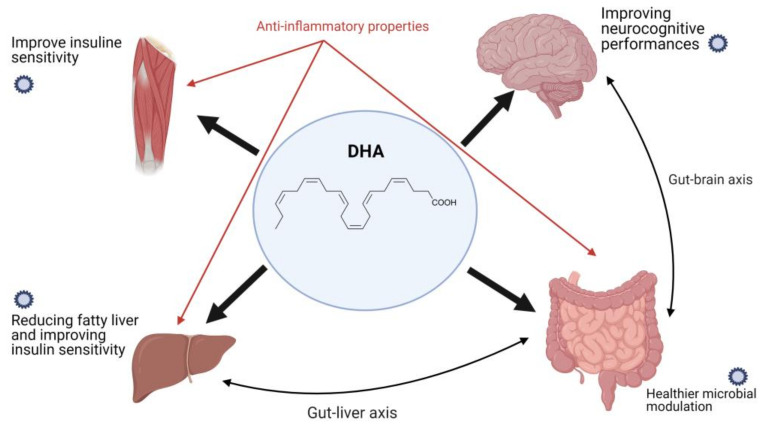
“DHA is particularly important for fetal brain development, optimal development of cognitive abilities and visual acuity [179].”
BackgroundAbnormal GnRH pulsatility in polycystic ovary syndrome: Recent insights
McCartney, C. R., & Campbell, R. E. (2020) · Current Opinion in Endocrine and Metabolic Research · doi:10.1016/j.coemr.2020.04.005 · Cited by 62 · cited 1×
“Thus, among the factors involved in the pathogenesis of this condition, the most characteristic seem to be abnormal ovarian steroidogenesis and folliculogenesis [8,9], IR and hyperinsulinemia [9–11] and reproductive neuroendocrine dysfunction [11,12].”
BackgroundDietary support in insulin resistance: An overview of current scientific reports
Gołąbek, K. D., & Regulska-Ilow, B. (2019) · Advances in Clinical and Experimental Medicine · doi:10.17219/acem/109976 · Cited by 62 · cited 1×
“A diet rich in complex carbohydrates, especially from unrefined foods, and fiber has been linked to greater insulin sensitivity [123].”
BackgroundAshoush, S. A., Abou-Gamrah, A. A., Bayoumy, H. A., & Othman, N. (2015) · Journal of obstetrics and gynaecology research · doi:10.1111/jog.12907 · Cited by 60 · cited 1×
“Although there is still insufficient evidence to justify including chromium as a standard in the treatment of IR [138], randomized controlled trials (RCTs), such as the one conducted in 2016 that focused on chromium picolinate in women with PCOS, are providing solid grounds for effective ovulation stimulation and insu…”
BackgroundShirouchi, B., Nagao, K., Umegatani, M., Shiraishi, A., Morita, Y., Kai, S., Yanagita, T., Ogawa, A., Kadooka, Y., & Sato, M. (2016) · British Journal of Nutrition · doi:10.1017/s0007114516002245 · Cited by 60 · cited 2×
“In addition, propionate appears to inhibit lipogenesis by downregulating hepatic fatty acid synthesis, whereas acetate acts as a lipogenic substrate; thus, the acetate/propionate ratio is critical for de novo lipogenesis [219].”
BackgroundThe Role of Fetal, Infant, and Childhood Nutrition in the Timing of Sexual Maturation
Calcaterra, V., Cena, H., Regalbuto, C., Vinci, F., Porri, D., Verduci, E., Mameli, C., & Zuccotti, G. (2021) · Nutrients · doi:10.3390/nu13020419 · Cited by 60 · cited 2×
“Therefore, pubertal development monitoring is recommended [29].”
BackgroundSelf-citationPari, L., & Murugan, P. (2007) · Plant Foods for Human Nutrition · doi:10.1007/s11130-006-0037-1 · Cited by 59 · cited 1×
“It acts as an insulin sensitizer in animal models [200], while in RCT studies on subjects supplemented with 1500 mg for 3 to 9 months, it was able to reduce the rate of T2D onset, besides impacting cytokine secretion, adiponectin increase and leptin decrease [201,202] and lowering plasma lipids through increased expre…”
BackgroundThe inositols and polycystic ovary syndrome
Kalra, S., Kalra, B., & Sharma, J. (2016) · Indian Journal of Endocrinology and Metabolism · doi:10.4103/2230-8210.189231 · Cited by 59 · cited 1×
“Combined administration of myo-inositol (MI) and d-chiroinositol (DCI) with an MI:DCI ratio of 40:1 was observed to be a valid treatment for IR in women with PCOS, since inositol isomers show activities that mimic those of insulin [127].”
BackgroundAdiponectin and Insulin Resistance in Childhood Obesity
Panagopoulou, P., Galli‐Τsinopoulou, A., Fleva, A., Pavlitou‐Tsiontsi, E., Vavatsi‐Christaki, N., & Nousia‐Arvanitakis, S. (2008) · Journal of Pediatric Gastroenterology and Nutrition · doi:10.1097/mpg.0b013e31817fcb67 · Cited by 58 · cited 1×
“Adiponectin plasma concentration correlates with the adipose tissue level [78]; in obese compared to control patients, adiponectin concentrations have consistently been found to be abnormally low [79,80].”
BackgroundWang, Y., Lin, M., Gao, X., Pedram, P., Jian-ling, D., Chandurkar, V., Gulliver, W. P., Zhang, H., & Sun, G. (2017) · PLoS ONE · doi:10.1371/journal.pone.0174149 · Cited by 58 · cited 6×
“Inadequate intake and subsequent deficiencies of zinc, magnesium and selenium are involved in decreased secretion and/or activity of insulin, while their supplementation, in both diabetic and non-diabetic subjects, has shown HOMA-IR and fasting glucose improvements [136].”
BackgroundInfluentialRosenfield, R. L. (1996) · Journal of Clinical Endocrinology & Metabolism · doi:10.1210/jc.81.3.878 · Cited by 56 · cited 1×
“Hyperinsulinism was hypothesized to link PCOS to PP, triggering androgen hypersecretion by the ovaries and adrenal glands [24,25].”
BackgroundLessons learned from recent clinical trials of ketogenic diet therapies in adults
McDonald, T. J. W., & Cervenka, M. C. (2019) · Current Opinion in Clinical Nutrition & Metabolic Care · doi:10.1097/mco.0000000000000596 · Cited by 55 · cited 1×
“It is, however, worth noting the high dropout rate among participants and the mixed results on long-term efficacy [160].”
ResultMai, K., Bobbert, T., Reinecke, F., Andres, J., Maser-Gluth, C., Wudy, S. A., Möhlig, M., Weickert, M. O., Hartmann, M. F., Schulte, H. M., et al. (2008) · The Journal of Clinical Endocrinology & Metabolism · doi:10.1210/jc.2008-0714 · Cited by 54 · cited 4×
“Growing evidence suggests that lipotoxicity, which is the excessive exposure of nonadipose tissues to free fatty acids (FFAs), causing numerous functional cellular defects, plays a role in the development of peripheral and hepatic insulin resistance and β-cell dysfunction.”
BackgroundInfluentialWang, Y., Fofana, B., Roy, M., Ghose, K., Yao, X., Nixon, M.-S., Nair, S. V. G., & Nyomba, B. L. G. (2015) · Journal of Functional Foods · doi:10.1016/j.jff.2015.06.053 · Cited by 54 · cited 1×
“When supplemented in obese mice fed a high-fat diet (HFD), they showed a reduction in visceral fat, a decrease in insulin and a lower concentration of total cholesterol [233,234].”
BackgroundNutritional Modulation of Insulin Resistance
Weickert, M. O. (2012) · Scientifica · doi:10.6064/2012/424780 · Cited by 53 · cited 1×
“Butyrate, in particular, mainly produced by Firmicutes, appears to prevent the development of IR and obesity, as opposed to a diet rich in simple sugars and refined complex carbohydrates, which triggers inflammation, IR, androgen production and dysbiosis [129,130].”
BackgroundRajkhowa, M., Brett, S., Cuthbertson, D. J., Lipina, C., Ruiz-Alcaraz, A. J., Thomas, G. E., Logie, L., Petrie, J. R., & Sutherland, C. (2009) · Biochemical Journal · doi:10.1042/bj20082176 · Cited by 53 · cited 1×
“A recent experimental study confirmed the constitutive activation of the MAPK/ERK pathway in the skeletal muscles of some women with PCOS [116].”
BackgroundPlasma long‐chain fatty acids and the degree of obesity in Italian children
Scaglioni, S., Verduci, E., Salvioni, M., Bruzzese, M. G., Radaelli, G., Zetterström, R. H., Riva, E., & Agostoni, C. V. (2006) · Acta Paediatrica · doi:10.1080/08035250600764834 · Cited by 50 · cited 1×
“In addition, BMI z-score was negatively associated with plasma levels of DHA and, therefore, related to the degree of obesity [181].”
BackgroundSelf-citationAdipokines as novel biomarkers of cardio-metabolic disorders
Su, X., & Peng, D. (2020) · Clinica Chimica Acta · doi:10.1016/j.cca.2020.04.009 · Cited by 49 · cited 1×
“) and some with anti-inflammatory action (such as adiponectin and omentin) [68].”
BackgroundMeng, Y., Chen, X., Peng, Z., Liu, X., Sun, Y., & Dai, S. (2016) · PLOS ONE · doi:10.1371/journal.pone.0157389 · Cited by 49 · cited 1×
“High homocysteine levels are often observed in women with PCOS, and folate is a promising supplement to decrease the homocysteine levels in PCOS patients; however, further randomized controlled trials are needed to confirm this assumption [144].”
BackgroundInsulin Sensitivity and Glucose Homeostasis Can Be Influenced by Metabolic Acid Load
Guardia, L. D., Thomas, M., & Cena, H. (2018) · Nutrients · doi:10.3390/nu10050618 · Cited by 49 · cited 1×
“On the other hand, excessive intake of animal-based foods leads the body’s acid base balance towards acidosis, which has been linked to insulin resistance and reduced glucose homeostasis [133].”
BackgroundSelf-citationMcCartney, C. R. (2010) · Journal of Neuroendocrinology · doi:10.1111/j.1365-2826.2010.02029.x · Cited by 48 · cited 1×
“It is hypothesized that testosterone may antagonize progesterone negative feedback on GnRH, thus increasing the GnRH pulse frequency instead of allowing progesterone to slow the GnRH pulse, according to the model proposed by McCartney in girls with obesity [104].”
BackgroundChromium picolinate improves insulin sensitivity in obese subjects with polycystic ovary syndrome
Lydic, M. L., McNurlan, M. A., Bembo, S. A., Mitchell, L., Komaroff, E., & Gelato, M. C. (2006) · Fertility and Sterility · doi:10.1016/j.fertnstert.2005.11.069 · Cited by 46 · cited 1×
“Although there is still insufficient evidence to justify including chromium as a standard in the treatment of IR [138], randomized controlled trials (RCTs), such as the one conducted in 2016 that focused on chromium picolinate in women with PCOS, are providing solid grounds for effective ovulation stimulation and insu…”
BackgroundCicero, A. F. G., Morbini, M., Rosticci, M., D''Addato, S., Grandi, E., & Borghi, C. (2016) · Annals of Nutrition and Metabolism · doi:10.1159/000445359 · Cited by 45 · cited 1×
“It also appeared to have significant effects on endothelial function, measured as pulse volume (PV), and arterial stiffness, measured as pulse wave velocity (PWV), in 40 moderately hypercholesterolemic subjects [195].”
BackgroundExaggerated adrenarche in a cohort of Scottish children: clinical features and biochemistry
Paterson, W. F., Ahmed, S. F., Bath, L., Donaldson, M. D. C., Fleming, R., Greene, S. A., Hunter, I., Kelnar, C. J. H., Mayo, A., Schulga, J. S., et al. (2010) · Clinical Endocrinology · doi:10.1111/j.1365-2265.2009.03739.x · Cited by 44
Why does Polycystic Ovary Syndrome (PCOS) Need Long-term Management?
Ruan, X., Li, M., & Mueck, A. O. (2019) · Current Pharmaceutical Design · doi:10.2174/1381612825666190130104922 · Cited by 43 · cited 1×
“As PCOS is of great clinical and psychological concern [35] for adolescent girls with lifelong metabolic [36] and reproductive repercussions [3], early and patient-centered treatment is crucial [19].”
BackgroundDistinctive Reproductive Phenotypes in Peripubertal Girls at Risk for Polycystic Ovary Syndrome
Torchen, L. C., Legro, R. S., & Dunaif, A. (2019) · The Journal of Clinical Endocrinology & Metabolism · doi:10.1210/jc.2018-02313 · Cited by 43 · cited 1×
“Lastly, girls with obesity exhibited higher testosterone levels compared to controls [15], and weight loss was found to improve PCOS clinical features [26].”
BackgroundTabbaa, M., Golubic, M., Roizen, M., & Bernstein, A. (2013) · Nutrients · doi:10.3390/nu5083299 · Cited by 43
Ansari, M. G. A., Sabico, S., Clerici, M., Khattak, M. N. K., Wani, K., Al-Musharaf, S., Amer, O. E., Alokail, M. S., & Al‐Daghri, N. M. (2020) · Antioxidants · doi:10.3390/antiox9020118 · Cited by 43
Guo, S., Tal, R., Jiang, H., Yuan, T., & Liu, Y. (2020) · International Journal of Endocrinology · doi:10.1155/2020/7850816 · Cited by 42 · cited 1×
“Vitamin-D-deficient women with PCOS supplemented with calcium and vitamin D for eight weeks showed improved serum insulin levels and HOMAIR [142].”
Background
Research works printed but not linked: 2
- Philip Z. Kristen N. Insulin Resistance Humana Press Totowa, NJ, USA 2020 978-3-030-25057-7
- Directive E.U. Directive 2002/46/EC of the European Parliament and of the Council of 10 June 2002 on the approximation of the laws of the Member States relating to food supplements (Text with EEA relevance) Off. J. Eur. Communities Legis. 2002 45 51 57
Cited by
Obesity and Dyslipidemia: A Review of Current Evidence
Vekić, J., Stefanović, A., & Zeljković, A. (2023) · Current Obesity Reports · doi:10.1007/s13679-023-00518-z · Cited by 196
Trends of obesity and overweight among children and adolescents in China
Ye, H., Ullah, R., Wang, J., & Fu, J. (2023) · World Journal of Pediatrics · doi:10.1007/s12519-023-00709-7 · Cited by 120
Insulin Resistance in Polycystic Ovarian Syndrome
Purwar, A., & Nagpure, S. (2022) · Cureus · doi:10.7759/cureus.30351 · Cited by 153
Szukiewicz, D., Trojanowski, S., Kociszewska, A., & Szewczyk, G. (2022) · International Journal of Molecular Sciences · doi:10.3390/ijms232314663 · Cited by 92
Micronutrient Deficiency in Children and Adolescents with Obesity—A Narrative Review
Calcaterra, V., Verduci, E., Milanta, C., Agostinelli, M., Todisco, C. F., Bona, F., Dolor, J., Mendola, A. L., Tosi, M., & Zuccotti, G. (2023) · Children · doi:10.3390/children10040695 · Cited by 262
“Indeed, obesity is linked to a state of persistent low-grade inflammation because of metabolic problems brought on by cells’ increased exposure to fatty acids [42].”
BackgroundSelf-citation
Metadata
- Authors
- Calcaterra, V., Verduci, E., Cena, H., Magenes, V. C., Todisco, C. F., Tenuta, E., Gregorio, C., De Giuseppe, R., Bosetti, A., Di Profio, E., & Zuccotti, G.
- Affiliations
- University of Pavia (IT)
- University of Milan (IT)
- Laboratory of Dietetics and Clinical Nutrition, Department of Public Health, Experimental and Forensic Medicine, University of Pavia, 27100 Pavia, Italy
- Ospedale dei Bambini Vittore Buzzi (IT)
- Pediatric Department, “Vittore Buzzi” Children’s Hospital, 20154 Milan, Italy
- Corresponding author
- Calcaterra, Valeria
- ORCID
- Venue
- Nutrients
- Publisher
- MDPI AG
- Published
- 2021-05-28
- Volume
- 13
- Issue
- 6
- Pages
- 1848
- ISSN
- 2072-6643 (ISSN-L)
- PMC
- PMC8228678
- OpenAlex
- W3164931028
- Semantic Scholar
- 7e9382154b04d8a12a023ed52557b5a94d03db42
- Cited by
- 183
- References
- 238
- Citations by year
- 2026: 25 · 2025: 31 · 2024: 43 · 2023: 45 · 2022: 31 · 2021: 7
- FWCI
- 5.18
- Type
- journal article
- Language
- en
- Open access
- gold
- doi.org
- Licence
- Locations
- Nutrients (publishedVersion, cc-by)
- PubMed Central (publishedVersion, cc-by)
- PubMed (publishedVersion)
- Archivio Istituzionale della Ricerca (Universita Degli Studi Di Milano) (submittedVersion, other-oa)
- DOAJ (DOAJ: Directory of Open Access Journals) (submittedVersion, cc-by-sa)
- Topics
- Health Sciences › Medicine › Reproductive Medicine › Ovarian function and disorders
- Health Sciences › Medicine › Reproductive Medicine › Reproductive Biology and Fertility
- Health Sciences › Medicine › Endocrinology, Diabetes and Metabolism › Diabetes, Cardiovascular Risks, and Lipoproteins
- Keywords
- polycystic ovary syndrome, insulin resistance, adolescent obesity, medical nutrition therapy, dietary supplements, fertility preservation, hyperinsulinemia, chronic inflammation, dietary intervention, weight loss
- MeSH terms
- Adolescent, Female, Humans, Insulin Resistance, Polycystic Ovary Syndrome, Dietary Supplements, Nutrition Therapy, Pediatric Obesity
About these checks
Registry, retraction, Cites and statistics results are computed, not judged, with one exception: a printed reference that no index lists is read once by a model before it counts as a citation error. Claims are extracted by a model and kept only when their quote appears verbatim in the text; each cited source is then checked, with a model’s help, for whether it says what the claim relies on. Those verdicts can be wrong — read the claim’s quote and the cited source before relying on one.
Statistics and arithmetic are recomputed, not judged.
Confidence bands are shown only for fields calibrated on our annotated test set. None is calibrated yet, so no band is shown.
What counts as a claim ›How we measure confidence ›How we check this ›
Are you an author, or do you see a problem with this page? Request a review
Data sources
Bibliographic data: Semantic Scholar, OpenAlex, Crossref.
Contains information from the Semantic Scholar Academic Graph Datasets, made available under the ODC Attribution License (ODC-BY 1.0).
Semantic Scholar’s data is described in: Kinney, R., et al. (2023). The Semantic Scholar Open Data Platform. arXiv:2301.10140.
