

The DOI matches its Crossref record; 141 of the 147 references it cites were found in a registry or an index.
CRISPR/Cas: A powerful tool for gene function study and crop improvement
Open accessAbstract
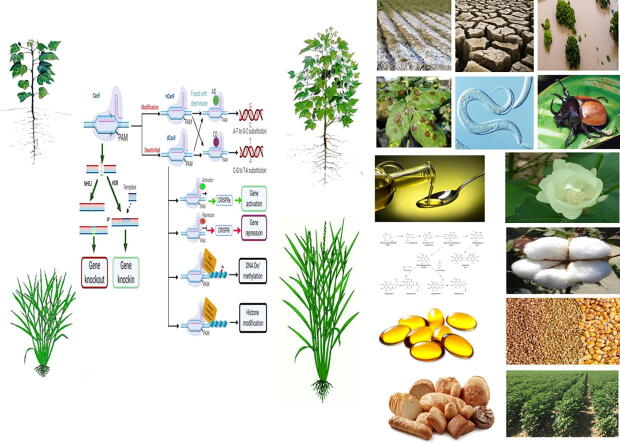
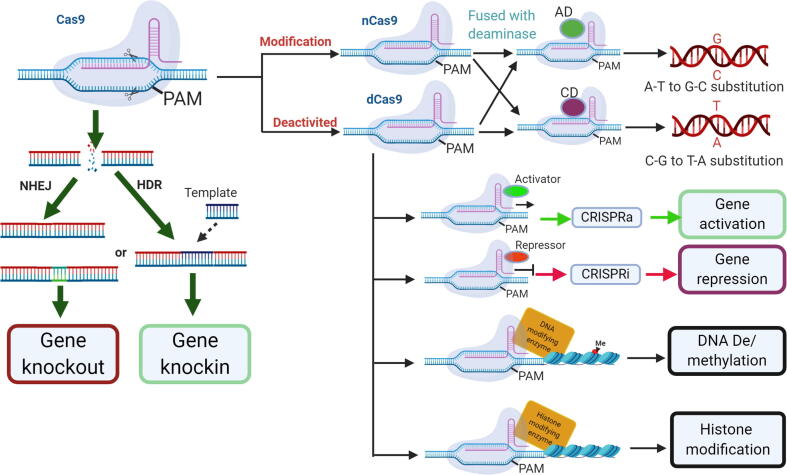
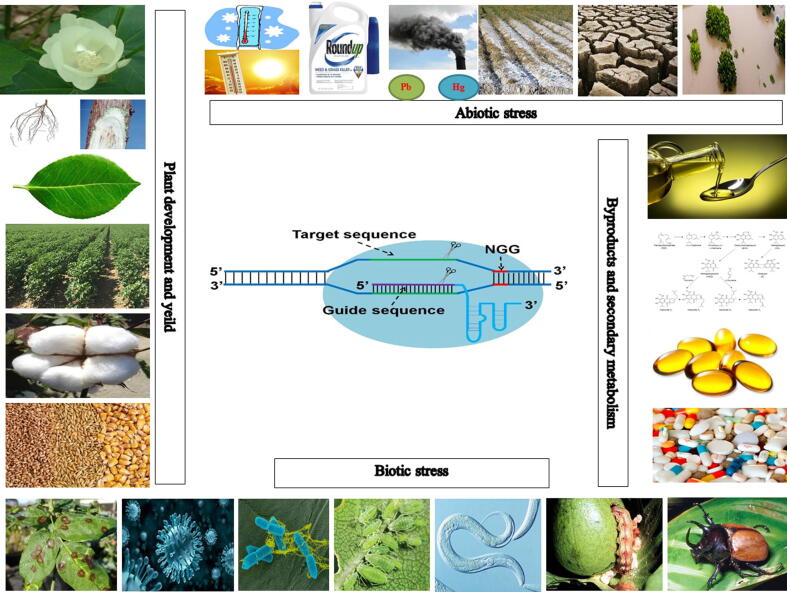
It is a long-standing goal of scientists and breeders to precisely control a gene for studying its function as well as improving crop yield, quality, and tolerance to various environmental stresses. The discovery and modification of CRISPR/Cas system, a nature-occurred gene editing tool, opens an era for studying gene function and precision crop breeding. In this review, we first introduce the brief history of CRISPR/Cas discovery followed the mechanism and application of CRISPR/Cas system on gene function study and crop improvement. Currently, CRISPR/Cas genome editing has been becoming a mature cutting-edge biotechnological tool for crop improvement that already used in many different traits in crops, including pathogen resistance, abiotic tolerance, plant development and morphology and even secondary metabolism and fiber development. Finally, we point out the major issues associating with CRISPR/Cas system and the future research directions. Key Scientific Concepts of Review: CRISPR/Cas9 system is a robust and powerful biotechnological tool for targeting an individual DNA and RNA sequence in the genome. It can be used to target a sequence for gene knockin, knockout and replacement as well as monitoring and regulating gene expression at the genome and epigenome levels by binding a specific sequence. Agrobacterium-mediated method is still the major and efficient method for delivering CRISPR/Cas regents into targeted plant cells. However, other delivery methods, such as virus-mediated method, have been developed and enhanced the application potentials of CRISPR/Cas9-based crop improvement. PAM requirement offers the CRISPR/Cas9-targted genetic loci and also limits the application of CRISPR/Cas9. Discovering new Cas proteins and modifying current Cas enzymes play an important role in CRISPR/Cas9-based genome editing. Developing a better CRISPR/Cas9 system, including the delivery system and the methods eliminating off-target effects, and finding key/master genes for controlling crop growth and development is two major directions for CRISPR/Cas9-based crop improvement.
Overview
The claims and statistics of this paper haven’t been checked yet.
Run the check — free, no account needed. It reads the open-access text and checks the sources it cites.
Integrity signals
Registry
Cites
Statistics
Figures
Verification
Claims the paper makes
The claims and statistics of this paper haven’t been checked yet.
Run the check — free, no account needed. It reads the open-access text and checks the sources it cites.
Claims other papers make about this one
Each is checked against this paper’s own text: does it say what the citing paper says it does?
The source backs part of the claim, not all of it — or backs it for a different population, condition or comparison.
In the citing paper
“| Delivery methods improvement | Application in vivo [95–105] | AAV: Last for years in terminally differentiated cell types | May cause accumulation of off-target mutations |”
From Off-target effects in CRISPR/Cas9 gene editing (2023) · cites this paper as [101]
Experimental — accuracy not yet measuredThe source backs part of the claim, not all of it — or backs it for a different population, condition or comparison.
In the citing paper
“| Delivery methods improvement | Application in vivo [95–105] | LNP: Can be quickly degraded in vivo | Eliminate off-target effects |”
From Off-target effects in CRISPR/Cas9 gene editing (2023) · cites this paper as [101]
Experimental — accuracy not yet measuredThe cited source says what the claim attributes to it.
In the citing paper
“Designing sgRNA is more convenient, programmable and cost-effective than designing DNA binding domains, thus CRISPR/Cas9 is more favored than ZFNs and TALENs and has revolutionized the biotechnology field (Zhang et al., 2021; Tran et al., 2022).”
From Off-target effects in CRISPR/Cas9 gene editing (2023) · cites this paper as Zhang et al., 2021
The cited source says what the claim attributes to it.
In the citing paper
“Designing sgRNA is more convenient, programmable and cost-effective than designing DNA binding domains, thus CRISPR/Cas9 is more favored than ZFNs and TALENs and has revolutionized the biotechnology field (Zhang et al., 2021; Tran et al., 2022).”
From Off-target effects in CRISPR/Cas9 gene editing (2023) · cites this paper as Zhang et al., 2021
The check wasn’t confident either way, so it gives no verdict — never disputed.
In the citing paper
“| Delivery methods improvement | Application in vivo [95–105] | AAV: Last for years in terminally differentiated cell types | May cause accumulation of off-target mutations |”
From Off-target effects in CRISPR/Cas9 gene editing (2023) · cites this paper as [101]
Experimental — accuracy not yet measured
The check wasn’t confident either way, so it gives no verdict — never disputed.
In the citing paper
“| Delivery methods improvement | Application in vivo [95–105] | LNP: Can be quickly degraded in vivo | Eliminate off-target effects |”
From Off-target effects in CRISPR/Cas9 gene editing (2023) · cites this paper as [101]
Experimental — accuracy not yet measured
Self-check
Percentages, sums and reported differences re-computed from the paper’s own numbers.
The self-check needs the paper’s full text.
Citations
Cites
A Programmable Dual-RNA–Guided DNA Endonuclease in Adaptive Bacterial Immunity
Jinek, M., Chylinski, K., Fonfara, I., Hauer, M., Doudna, J. A., & Charpentier, E. (2012) · Science · doi:10.1126/science.1225829 · Cited by 17,116
Multiplex Genome Engineering Using CRISPR/Cas Systems
Cong, L., Ran, F. A., Cox, D., Lin, S., Barretto, R., Habib, N., Hsu, P. D., Wu, X., Jiang, W., Marraffini, L. A., et al. (2013) · Science · doi:10.1126/science.1231143 · Cited by 15,339
RNA-Guided Human Genome Engineering via Cas9
Mali, P., Yang, L., Esvelt, K. M., Aach, J., Guell, M., DiCarlo, J. E., Norville, J. E., & Church, G. M. (2013) · Science · doi:10.1126/science.1232033 · Cited by 9,210
Repurposing CRISPR as an RNA-Guided Platform for Sequence-Specific Control of Gene Expression
Qi, L. S., Larson, M. H., Gilbert, L. A., Doudna, J. A., Weissman, J. S., Arkin, A. P., & Lim, W. A. (2013) · Cell · doi:10.1016/j.cell.2013.02.022 · Cited by 5,016 · cited 2×
“If the system binds to the promoter region, the CRISPR/dCas system will block transcription factor and RNA polymerase (RNAP) binding to the promoter region and inhibit transcription initiation; otherwise, if the CRISPR/dCas system binds to the coding region, it will block RNAP binding and inhibit transcription elongat…”
BackgroundSearch-and-replace genome editing without double-strand breaks or donor DNA
Anzalone, A. V., Randolph, P. B., Davis, J. R., Sousa, A. A., Koblan, L. W., Levy, J. M., Chen, P. J., Wilson, C., Newby, G. A., Raguram, A., et al. (2019) · Nature · doi:10.1038/s41586-019-1711-4 · Cited by 4,767
Cpf1 Is a Single RNA-Guided Endonuclease of a Class 2 CRISPR-Cas System
Zetsche, B., Gootenberg, J. S., Abudayyeh, O. O., Slaymaker, I. M., Makarova, K. S., Essletzbichler, P., Volz, S. E., Joung, J., van der Oost, J., Regev, A., et al. (2015) · Cell · doi:10.1016/j.cell.2015.09.038 · Cited by 4,761
ZFN, TALEN, and CRISPR/Cas-based methods for genome engineering
Gaj, T., Gersbach, C. A., & Barbas, C. F. (2013) · Trends in Biotechnology · doi:10.1016/j.tibtech.2013.04.004 · Cited by 3,820
CRISPR-Mediated Modular RNA-Guided Regulation of Transcription in Eukaryotes
Gilbert, L. A., Larson, M. H., Morsut, L., Liu, Z., Brar, G. A., Torres, S. E., Stern-Ginossar, N., Brandman, O., Whitehead, E. H., Doudna, J. A., et al. (2013) · Cell · doi:10.1016/j.cell.2013.06.044 · Cited by 3,696 · cited 3×
“At the same time, if a transcription activator binds to the dCas9 protein, the CRISPR/dCas system will enhance the expression of the targeted genes [68].”
BackgroundInfluentialGenetic screens in human cells using the CRISPR-Cas9 system
Wang, T., Wei, J. J., Sabatini, D. M., & Lander, E. S. (2014) · Science · doi:10.1126/science.1246981 · Cited by 2,856
Gasiunas, G., Barrangou, R., Horvath, P., & Siksnys, V. (2012) · Proceedings of the National Academy of Sciences · doi:10.1073/pnas.1208507109 · Cited by 2,769
In vivo genome editing using Staphylococcus aureus Cas9
Ran, F. A., Cong, L., Yan, W. X., Scott, D. A., Gootenberg, J. S., Kriz, A. J., Zetsche, B., Shalem, O., Wu, X., Makarova, K. S., et al. (2015) · Nature · doi:10.1038/nature14299 · Cited by 2,687
High-fidelity CRISPR-Cas9 nucleases with no detectable genome-wide off-target effects
Kleinstiver, B. P., Pattanayak, V., Prew, M. S., Tsai, S. Q., Nguyen, N. T., Zheng, Z., & Joung, J. K. (2016) · Nature · doi:10.1038/nature16526 · Cited by 2,673
Evolutionary classification of CRISPR–Cas systems: a burst of class 2 and derived variants
Makarova, K. S., Wolf, Y. I., Iranzo, J., Shmakov, S. A., Alkhnbashi, O. S., Brouns, S. J. J., Charpentier, E., Cheng, D., Haft, D. H., Horvath, P., et al. (2020) · Nature Reviews Microbiology · doi:10.1038/s41579-019-0299-x · Cited by 2,445
Ishino, Y., Shinagawa, H., Makino, K., Amemura, M., & Nakata, A. (1987) · Journal of Bacteriology · doi:10.1128/jb.169.12.5429-5433.1987 · Cited by 2,421
Rationally engineered Cas9 nucleases with improved specificity
Slaymaker, I. M., Gao, L., Zetsche, B., Scott, D. A., Yan, W. X., & Zhang, F. (2016) · Science · doi:10.1126/science.aad5227 · Cited by 2,414
The CRISPR/Cas bacterial immune system cleaves bacteriophage and plasmid DNA
Garneau, J. E., Dupuis, M.-È., Villion, M., Romero, D. A., Barrangou, R., Boyaval, P., Fremaux, C., Horvath, P., Magadán, A. H., & Moineau, S. (2010) · Nature · doi:10.1038/nature09523 · Cited by 2,336
C2c2 is a single-component programmable RNA-guided RNA-targeting CRISPR effector
Abudayyeh, O. O., Gootenberg, J. S., Konermann, S., Joung, J., Slaymaker, I. M., Cox, D. B. T., Shmakov, S., Makarova, K. S., Semenova, E., Minakhin, L., et al. (2016) · Science · doi:10.1126/science.aaf5573 · Cited by 2,336
Crystal structure of Cas9 in complex with guide RNA and target DNA
Nishimasu, H., Ran, F. A., Hsu, P. D., Konermann, S., Shehata, S. I., Dohmae, N., Ishitani, R., Zhang, F., & Nureki, O. (2014) · Cell · doi:10.1016/j.cell.2014.02.001 · Cited by 2,306
Wang, Y., Cheng, X., Shan, Q., Zhang, Y., Liu, J., Gao, C., & Qiu, J.-L. (2014) · Nature Biotechnology · doi:10.1038/nbt.2969 · Cited by 2,072
Intervening Sequences of Regularly Spaced Prokaryotic Repeats Derive from Foreign Genetic Elements
Mojica, F. J. M., D�ez-Villase�or, C., Garc�a-Mart�nez, J., & Soria, E. (2005) · Journal of Molecular Evolution · doi:10.1007/s00239-004-0046-3 · Cited by 2,042
Identification of genes that are associated with DNA repeats in prokaryotes
Jansen, R., Embden, J. D. A. V., Gaastra, W., & Schouls, L. M. (2002) · Molecular Microbiology · doi:10.1046/j.1365-2958.2002.02839.x · Cited by 1,802
Engineered CRISPR-Cas9 nucleases with altered PAM specificities
Kleinstiver, B. P., Prew, M. S., Tsai, S. Q., Topkar, V. V., Nguyen, N. T., Zheng, Z., Gonzales, A. P. W., Li, Z., Peterson, R. T., Yeh, J.-R. J., et al. (2015) · Nature · doi:10.1038/nature14592 · Cited by 1,624
Evolved Cas9 variants with broad PAM compatibility and high DNA specificity
Hu, J. H., Miller, S. M., Geurts, M. H., Tang, W., Chen, L., Sun, N., Zeina, C. M., Gao, X., Rees, H. A., Lin, Z., et al. (2018) · Nature · doi:10.1038/nature26155 · Cited by 1,552
The CRISPR tool kit for genome editing and beyond
Adli, M. (2018) · Nature Communications · doi:10.1038/s41467-018-04252-2 · Cited by 1,545
Agrobacterium -Mediated Plant Transformation: the Biology behind the “Gene-Jockeying” Tool
Gelvin, S. B. (2003) · Microbiology and Molecular Biology Reviews · doi:10.1128/mmbr.67.1.16-37.2003 · Cited by 1,383
Structural basis of PAM-dependent target DNA recognition by the Cas9 endonuclease
Anders, C., Niewoehner, O., Duerst, A., & Jinek, M. (2014) · Nature · doi:10.1038/nature13579 · Cited by 1,323
Programmed DNA destruction by miniature CRISPR-Cas14 enzymes
Harrington, L. B., Burstein, D., Chen, J. S., Páez-Espino, D., Ma, E., Witte, I. P., Cofsky, J. C., Kyrpides, N. C., Banfield, J. F., & Doudna, J. A. (2018) · Science · doi:10.1126/science.aav4294 · Cited by 1,243
Unconstrained genome targeting with near-PAMless engineered CRISPR-Cas9 variants
Walton, R. T., Christie, K. A., Whittaker, M. N., & Kleinstiver, B. P. (2020) · Science · doi:10.1126/science.aba8853 · Cited by 1,233
DNA-free genome editing in plants with preassembled CRISPR-Cas9 ribonucleoproteins
Woo, J. W., Kim, J., Kwon, S. I., Corvalán, C., Cho, S. W., Kim, H., Kim, S.-G., Kim, S.-T., Choe, S., & Kim, J.-S. (2015) · Nature Biotechnology · doi:10.1038/nbt.3389 · Cited by 1,219
The Barley Mlo Gene: A Novel Control Element of Plant Pathogen Resistance
Büschges, R., Hollricher, K., Panstruga, R., Simons, G., Wolter, M., Frijters, A., van Daelen, R., van der Lee, T., Diergaarde, P. J., Groenendijk, J., et al. (1997) · Cell · doi:10.1016/s0092-8674(00)81912-1 · Cited by 1,194
Engineering Quantitative Trait Variation for Crop Improvement by Genome Editing
Rodríguez-Leal, D., Lemmon, Z. H., Man, J., Bartlett, M. E., & Lippman, Z. B. (2017) · Cell · doi:10.1016/j.cell.2017.08.030 · Cited by 1,180
Enhanced proofreading governs CRISPR-Cas9 targeting accuracy
Chen, J. S., Dagdas, Y. S., Kleinstiver, B. P., Welch, M. M., Sousa, A. A., Harrington, L. B., Sternberg, S. H., Joung, J. K., Yildiz, A., & Doudna, J. A. (2017) · Nature · doi:10.1038/nature24268 · Cited by 1,168
Engineered CRISPR-Cas9 nuclease with expanded targeting space
Nishimasu, H., Shi, X., Ishiguro, S., Gao, L., Hirano, S., Okazaki, S., Noda, T., Abudayyeh, O. O., Gootenberg, J. S., Mori, H., et al. (2018) · Science · doi:10.1126/science.aas9129 · Cited by 1,100
Shi, J., Gao, H., Wang, H., Lafitte, H. R., Archibald, R. L., Yang, M., Hakimi, S. M., Mo, H., & Habben, J. E. (2017) · Plant Biotechnology Journal · doi:10.1111/pbi.12603 · Cited by 1,029
The CRISPR-associated DNA-cleaving enzyme Cpf1 also processes precursor CRISPR RNA
Fonfara, I., Richter, H., Bratovič, M., Le Rhun, A., & Charpentier, E. (2016) · Nature · doi:10.1038/nature17945 · Cited by 988
Efficient DNA-free genome editing of bread wheat using CRISPR/Cas9 ribonucleoprotein complexes
Liang, Z., Chen, K., Li, T., Zhang, Y., Wang, Y., Zhao, Q., Liu, J., Zhang, H., Liu, C., Ran, Y., et al. (2017) · Nature Communications · doi:10.1038/ncomms14261 · Cited by 987
Zhang, Y., Liang, Z., Zong, Y., Wang, Y., Liu, J., Chen, K., Qiu, J., & Gao, C. (2016) · Nature Communications · doi:10.1038/ncomms12617 · Cited by 927
Prime genome editing in rice and wheat
Lin, Q., Zong, Y., Xue, C., Wang, S., Jin, S., Zhu, Z., Wang, Y., Anzalone, A. V., Raguram, A., Doman, J. L., et al. (2020) · Nature Biotechnology · doi:10.1038/s41587-020-0455-x · Cited by 873 · cited 1×
“Currently, prime editing has been successfully to replace genes in several important plant species, including rice [55–58], wheat [55], tomato [59], and maize [60].”
BackgroundWang, F., Wang, C., Liu, P., Lei, C., Hao, W., Gao, Y., Liu, Y., & Zhao, K. (2016) · PLoS ONE · doi:10.1371/journal.pone.0154027 · Cited by 849
Genome editing in maize directed by CRISPR–Cas9 ribonucleoprotein complexes
Svitashev, S. K., Schwartz, C., Lenderts, B., Young, J. K., & Cigan, A. M. (2016) · Nature Communications · doi:10.1038/ncomms13274 · Cited by 841
Development of broad virus resistance in non‐transgenic cucumber using CRISPR/Cas9 technology
Chandrasekaran, J., Brumin, M., Wolf, D., Leibman, D., Klap, C., Pearlsman, M., Sherman, A., Arazi, T., & Gal‐On, A. (2016) · Molecular Plant Pathology · doi:10.1111/mpp.12375 · Cited by 823
Rapid generation of a transgene-free powdery mildew resistant tomato by genome deletion
Nekrasov, V., Wang, C., Win, J., Lanz, C., Weigel, D., & Kamoun, S. (2017) · Scientific Reports · doi:10.1038/s41598-017-00578-x · Cited by 769
DNA-Free Genetically Edited Grapevine and Apple Protoplast Using CRISPR/Cas9 Ribonucleoproteins
Malnoy, M., Viola, R., Jung, M., Koo, O. J., Kim, S., Kim, J., Velasco, R., & Kanchiswamy, C. N. (2016) · Frontiers in Plant Science · doi:10.3389/fpls.2016.01904 · Cited by 766
Peng, A., Chen, S., Lei, T., Xu, L., He, Y., Liu, W., Yao, L., & Zou, X. (2017) · Plant Biotechnology Journal · doi:10.1111/pbi.12733 · Cited by 732
In vivo genome editing with a small Cas9 orthologue derived from Campylobacter jejuni
Kim, E., Koo, T., Park, S. W., Kim, D., Kim, K., Cho, H.-Y., Song, D. W., Lee, K. J., Jung, M. H., Kim, S., et al. (2017) · Nature Communications · doi:10.1038/ncomms14500 · Cited by 715
Efficient genome engineering in human pluripotent stem cells using Cas9 from Neisseria meningitidis
Hou, Z., Zhang, Y., Propson, N. E., Howden, S. E., Chu, L.-F., Sontheimer, E. J., & Thomson, J. A. (2013) · Proceedings of the National Academy of Sciences · doi:10.1073/pnas.1313587110 · Cited by 681
Os8N3 is a host disease-susceptibility gene for bacterial blight of rice
Yang, B., Sugio, A., & White, F. F. (2006) · Proceedings of the National Academy of Sciences · doi:10.1073/pnas.0604088103 · Cited by 650
Low‐gluten, nontransgenic wheat engineered with CRISPR/Cas9
Sánchez‐León, S., Gil‐Humanes, J., Ozuna, C. V., Giménez, M. J., Sousa, C., Voytas, D. F., & Barro, F. (2017) · Plant Biotechnology Journal · doi:10.1111/pbi.12837 · Cited by 619
Broadening the targeting range of Staphylococcus aureus CRISPR-Cas9 by modifying PAM recognition
Kleinstiver, B. P., Prew, M. S., Tsai, S. Q., Nguyen, N. T., Topkar, V. V., Zheng, Z., & Joung, J. K. (2015) · Nature Biotechnology · doi:10.1038/nbt.3404 · Cited by 611
MicroRNAs and their regulatory roles in animals and plants
Zhang, B., Wang, Q., & Pan, X. (2006) · Journal of Cellular Physiology · doi:10.1002/jcp.20869 · Cited by 555
Plant gene editing through de novo induction of meristems
Maher, M. F., Nasti, R. A., Vollbrecht, M., Starker, C. G., Clark, M. D., & Voytas, D. F. (2020) · Nature Biotechnology · doi:10.1038/s41587-019-0337-2 · Cited by 541
Andersson, M., Turesson, H., Nicolia, A., Fält, A., Samuelsson, M., & Hofvander, P. (2016) · Plant Cell Reports · doi:10.1007/s00299-016-2062-3 · Cited by 540
Directed evolution of CRISPR-Cas9 to increase its specificity
Lee, J. K., Jeong, E., Lee, J., Jung, M., Shin, E., Kim, Y.-H., Lee, K., Jung, I., Kim, D., Kim, S., et al. (2018) · Nature Communications · doi:10.1038/s41467-018-05477-x · Cited by 525
Li, M., Li, X., Zhou, Z., Wu, P., Fang, M., Pan, X., Lin, Q., Luo, W., Wu, G., & Li, H. (2016) · Frontiers in Plant Science · doi:10.3389/fpls.2016.00377 · Cited by 513
MicroRNA: a new target for improving plant tolerance to abiotic stress
Zhang, B. (2015) · Journal of Experimental Botany · doi:10.1093/jxb/erv013 · Cited by 510
A highly specific SpCas9 variant is identified by in vivo screening in yeast
Casini, A., Olivieri, M., Petris, G., Montagna, C., Reginato, G., Maule, G., Lorenzin, F., Prandi, D., Romanel, A., Demichelis, F., et al. (2018) · Nature Biotechnology · doi:10.1038/nbt.4066 · Cited by 493
Sun, Y., Jiao, G., Liu, Z., Zhang, X., Li, J., Guo, X., Du, W., Du, J., Francis, F., Zhao, Y., et al. (2017) · Frontiers in Plant Science · doi:10.3389/fpls.2017.00298 · Cited by 484
Genome editing in potato via CRISPR‐Cas9 ribonucleoprotein delivery
Andersson, M., Turesson, H., Olsson, N., Fält, A., Ohlsson, P., González, M. N., Samuelsson, M., & Hofvander, P. (2018) · Physiologia Plantarum · doi:10.1111/ppl.12731 · Cited by 435
Silva, G., Poirot, L., Galetto, R., Smith, J. N. P., Montoya, G., Duchateau, P. N., & Pâques, F. (2011) · Current Gene Therapy · doi:10.2174/156652311794520111 · Cited by 429
Engineering of CRISPR/Cas9‐mediated potyvirus resistance in transgene‐free Arabidopsis plants
Pyott, D. E., Sheehan, E., & Molnár, A. (2016) · Molecular Plant Pathology · doi:10.1111/mpp.12417 · Cited by 417
Site-specific manipulation of Arabidopsis loci using CRISPR-Cas9 SunTag systems
Papikian, A., Liu, W., Gallego‐Bartolomé, J., & Jacobsen, S. E. (2019) · Nature Communications · doi:10.1038/s41467-019-08736-7 · Cited by 415
Lycopene Is Enriched in Tomato Fruit by CRISPR/Cas9-Mediated Multiplex Genome Editing
Li, X., Wang, Y., Chen, S., Tian, H., Fu, D., Zhu, B., Luo, Y., & Zhu, H. (2018) · Frontiers in Plant Science · doi:10.3389/fpls.2018.00559 · Cited by 404
Hermans, P. W. M., van Soolingen, D., Bik, E. M., de Haas, P. E., Dale, J. W., & van Embden, J. D. (1991) · Infection and Immunity · doi:10.1128/iai.59.8.2695-2705.1991 · Cited by 393
Multiplexed heritable gene editing using RNA viruses and mobile single guide RNAs
Ellison, E. E., Nagalakshmi, U., Gamo, M. E., Huang, P., Dinesh‐Kumar, S. P., & Voytas, D. F. (2020) · Nature Plants · doi:10.1038/s41477-020-0670-y · Cited by 377
Structure and Engineering of Francisella novicida Cas9
Hirano, H., Gootenberg, J. S., Horii, T., Abudayyeh, O. O., Kimura, M., Hsu, P. D., Nakane, T., Ishitani, R., Hatada, I., Zhang, F., et al. (2016) · Cell · doi:10.1016/j.cell.2016.01.039 · Cited by 369
Tomato facultative parthenocarpy results from Sl AGAMOUS ‐ LIKE 6 loss of function
Klap, C., Yeshayahou, E., Bolger, A., Arazi, T., Gupta, S. K., Shabtai, S., Usadel, B., Salts, Y., & Barg, R. (2016) · Plant Biotechnology Journal · doi:10.1111/pbi.12662 · Cited by 365
Billon, P., Bryant, E. E., Joseph, S. A., Nambiar, T. S., Hayward, S. B., Rothstein, R., & Ciccia, A. (2017) · Molecular Cell · doi:10.1016/j.molcel.2017.08.008 · Cited by 363
Highly efficient DNA-free plant genome editing using virally delivered CRISPR–Cas9
Ma, X., Zhang, X., Liu, H., & Li, Z. (2020) · Nature Plants · doi:10.1038/s41477-020-0704-5 · Cited by 362
Continuous evolution of SpCas9 variants compatible with non-G PAMs
Miller, S. M., Wang, T., Randolph, P. B., Arbab, M., Shen, M. W., Huang, T. P., Matuszek, Ż., Newby, G. A., Rees, H. A., & Liu, D. R. (2020) · Nature Biotechnology · doi:10.1038/s41587-020-0412-8 · Cited by 359
Mojica, F. J. M., Juez, G., & Rodriguez‐Valera, F. (1993) · Molecular Microbiology · doi:10.1111/j.1365-2958.1993.tb01721.x · Cited by 349
CRISPR-STOP: gene silencing through base-editing-induced nonsense mutations
Kuscu, C., Parlak, M., Tufan, T., Yang, J., Szlachta, K., Wei, X., Mammadov, R., & Adli, M. (2017) · Nature Methods · doi:10.1038/nmeth.4327 · Cited by 344
Design of a bacterial speck resistant tomato by CRISPR /Cas9‐mediated editing of Sl JAZ 2
Ortigosa, A., Ibanez, S. G., Leonhardt, N., & Solano, R. (2018) · Plant Biotechnology Journal · doi:10.1111/pbi.13006 · Cited by 344
Xu, R., Yang, Y., Qin, R., Li, H., Qiu, C., Li, L., Wei, P., & Yang, J. (2016) · Journal of Genetics and Genomics · doi:10.1016/j.jgg.2016.07.003 · Cited by 332
Engineering abiotic stress tolerance via CRISPR/ Cas-mediated genome editing
Zafar, S. A., Zaidi, S. S., Gaba, Y., Singla-Pareek, S. L., Dhankher, O. P., Li, X., Mansoor, S., & Pareek, A. (2019) · Journal of Experimental Botany · doi:10.1093/jxb/erz476 · Cited by 331
Paixão, J. F. R., Gillet, F., Ribeiro, T. P., Bournaud, C., Lourenço‐Tessutti, I. T., Vasquez, D. D. N., de Melo, B. P., Engler, J. D. A., & Grossi‐de‐Sá, M. F. (2019) · Scientific Reports · doi:10.1038/s41598-019-44571-y · Cited by 318
Mojica, F. J. M., Ferrer, C., Juez, G., & Rodríguez‐Valera, F. (1995) · Molecular Microbiology · doi:10.1111/j.1365-2958.1995.mmi_17010085.x · Cited by 307
MicroRNAs in Control of Plant Development
Li, C., & Zhang, B. (2015) · Journal of Cellular Physiology · doi:10.1002/jcp.25125 · Cited by 306
Combined SHOOT MERISTEMLESS and WUSCHEL trigger ectopic organogenesis in Arabidopsis
Gallois, J., Woodward, C., Reddy, G. V., & Sablowski, R. W. M. (2002) · Development · doi:10.1242/dev.129.13.3207 · Cited by 281
Prime editing efficiently generates W542L and S621I double mutations in two ALS genes in maize
Jiang, Y., Chai, Y., Lu, M., Han, X., Lin, Q., Zhang, Y., Zhang, Q., Zhou, Y., Wang, X., Gao, C., et al. (2020) · Genome biology · doi:10.1186/s13059-020-02170-5 · Cited by 281
Li, S., Lin, Y. J., Wang, P., Zhang, B., Li, M., Chen, S., Shi, R., Tunlaya‐Anukit, S., Liu, X., Wang, Z., et al. (2018) · The Plant Cell · doi:10.1105/tpc.18.00437 · Cited by 275
CRISPR/Cas9-Mediated SlNPR1 mutagenesis reduces tomato plant drought tolerance
Li, R., Liu, C., Zhao, R., Wang, L., Chen, L., Yu, W., Zhang, S., Sheng, J., & Shen, L. (2019) · BMC Plant Biology · doi:10.1186/s12870-018-1627-4 · Cited by 269
Kuang, Y., Li, S., Ren, B., Yan, F., Spetz, C., Li, X., Zhou, X., & Zhou, H. (2020) · Molecular Plant · doi:10.1016/j.molp.2020.01.010 · Cited by 268
Gene Targeting by Homology-Directed Repair in Rice Using a Geminivirus-Based CRISPR/Cas9 System
Wang, M., Lu, Y., Botella, J. R., Mao, Y., Hua, K., & Zhu, J. (2017) · Molecular Plant · doi:10.1016/j.molp.2017.03.002 · Cited by 262
Alagoz, Y., Gurkok, T., Zhang, B., & Ünver, T. (2016) · Scientific Reports · doi:10.1038/srep30910 · Cited by 255
Zhai, Y., Yu, K., Cai, S., Hu, L., Amoo, O., Xu, L., Yang, Y., Ma, B., Jiao, Y., Zhang, C., et al. (2019) · Plant Biotechnology Journal · doi:10.1111/pbi.13281 · Cited by 237
Targeted, efficient sequence insertion and replacement in rice
Lu, Y., Tian, Y., Shen, R., Yao, Q., Wang, M., Chen, M., Dong, J., Zhang, T., Li, F., Lei, M., et al. (2020) · Nature Biotechnology · doi:10.1038/s41587-020-0581-5 · Cited by 225
Bouzroud, S., Gasparini, K., Hu, G., Barbosa, M. A. M., Rosa, B. L., Fahr, M., Bendaou, N., Bouzayen, M., Zsögön, A., Smouni, A., et al. (2020) · Genes · doi:10.3390/genes11030272 · Cited by 222
On the Origin of CRISPR-Cas Technology: From Prokaryotes to Mammals
Mojica, F. J. M., & Montoliu, L. (2016) · Trends in Microbiology · doi:10.1016/j.tim.2016.06.005 · Cited by 212
Development of Plant Prime-Editing Systems for Precise Genome Editing
Xu, R., Li, J., Liu, X., Shan, T., Qin, R., & Wei, P. (2020) · Plant Communications · doi:10.1016/j.xplc.2020.100043 · Cited by 209
Plant Prime Editors Enable Precise Gene Editing in Rice Cells
Tang, X. D., Sretenovic, S., Ren, Q., Jia, X., Li, M., Fan, T., Yin, D., Xiang, S., Guo, Y., Liu, L., et al. (2020) · Molecular Plant · doi:10.1016/j.molp.2020.03.010 · Cited by 194
Zhang, B. (2020) · Journal of Cellular Physiology · doi:10.1002/jcp.30064 · Cited by 191
Murovec, J., Guček, K., Bohanec, B., Avbelj, M., & Jerala, R. (2018) · Frontiers in Plant Science · doi:10.3389/fpls.2018.01594 · Cited by 189
Cell biology of the plant–powdery mildew interaction
Hückelhoven, R., & Panstruga, R. (2011) · Current Opinion in Plant Biology · doi:10.1016/j.pbi.2011.08.002 · Cited by 186
Precision genome engineering in rice using prime editing system
Hua, K., Jiang, Y., Tao, X., & Zhu, J. (2020) · Plant Biotechnology Journal · doi:10.1111/pbi.13395 · Cited by 171
Unusual nucleotide arrangement with repeated sequences in the Escherichia coli K-12 chromosome
Nakata, A., Amemura, M., & Makino, K. (1989) · Journal of Bacteriology · doi:10.1128/jb.171.6.3553-3556.1989 · Cited by 163
A high-efficiency CRISPR/Cas9 system for targeted mutagenesis in Cotton (Gossypium hirsutum L.)
Li, C., Ünver, T., & Zhang, B. (2017) · Scientific Reports · doi:10.1038/srep43902 · Cited by 158
Wang, H., Wu, Y., Zhang, Y., Yang, J. M., Fan, W., Zhang, H., Zhao, S., Yuan, L., & Zhang, P. (2019) · International Journal of Molecular Sciences · doi:10.3390/ijms20194702 · Cited by 156
Engineering herbicide‐resistant oilseed rape by CRISPR/Cas9‐mediated cytosine base‐editing
Jian Xin, W. U., Chen, C., Xian, G., Liu, D., Li, L., Yin, S., Sun, Q., Fang, Y., Zhang, H., & Wang, Y. (2020) · Plant Biotechnology Journal · doi:10.1111/pbi.13368 · Cited by 153
Kim, Y.-A., Moon, H., & Park, C.-J. (2019) · Rice · doi:10.1186/s12284-019-0325-7 · Cited by 149
Zhang, Z., Ge, X., Luo, X., Wang, P., Fan, Q., Hu, G., Xiao, J.-L., Li, F., & Wu, J. (2018) · Frontiers in Plant Science · doi:10.3389/fpls.2018.00842 · Cited by 143
Wang, L., Chen, S., Peng, A., Xie, Z., He, Y., & Zou, X. (2019) · Plant Biotechnology Reports · doi:10.1007/s11816-019-00556-x · Cited by 142
Precise gene replacement in rice by RNA transcript-templated homologous recombination
Li, S., Li, J., He, Y., Xu, M., Zhang, J., Du, W., Zhao, Y., & Xia, L. (2019) · Nature Biotechnology · doi:10.1038/s41587-019-0065-7 · Cited by 137
Prime Editing in the model plant Physcomitrium patens and its potential in the tetraploid potato
Perroud, P., Guyon‐Debast, A., Veillet, F., Kermarrec, M.-P., Chauvin, L., Chauvin, J.-É., Gallois, J., & Nogué, F. (2021) · Plant Science · doi:10.1016/j.plantsci.2021.111162 · Cited by 130
Multiplexed Gene Editing and Protein Overexpression Using a Tobacco mosaic virus Viral Vector
Cody, W. B., Scholthof, H. B., & Mirkov, T. E. (2017) · PLANT PHYSIOLOGY · doi:10.1104/pp.17.00411 · Cited by 129
Zhang, M., Liu, Q., Yang, X., Xu, J., Liu, G., Yao, X., Ren, R., Xu, J., & Lou, L. (2020) · Plant Cell Reports · doi:10.1007/s00299-020-02516-0 · Cited by 127
Elevating seed oil content in a polyploid crop by induced mutations in SEED FATTY ACID REDUCER genes
Karunarathna, N. L., Wang, H., Harloff, H., Jiang, L., & Jung, C. (2020) · Plant Biotechnology Journal · doi:10.1111/pbi.13381 · Cited by 123
Economic impact of transgenic crops in developing countries
Raney, T. L. (2006) · Current Opinion in Biotechnology · doi:10.1016/j.copbio.2006.02.009 · Cited by 117
Cleavage of Phage DNA by the Streptococcus thermophilus CRISPR3-Cas System
Magadán, A. H., Dupuis, M.-È., Villion, M., & Moineau, S. (2012) · PLoS ONE · doi:10.1371/journal.pone.0040913 · Cited by 112
Agricultural Biotechnology: Economics, Environment, Ethics, and the Future
Bennett, A. B., Chi‐Ham, C. L., Barrows, G., Sexton, S., & Zilberman, D. (2013) · Annual Review of Environment and Resources · doi:10.1146/annurev-environ-050912-124612 · Cited by 112
Banakar, R., Eggenberger, A. L., Lee, K., Wright, D. A., Murugan, K., Zarecor, S., Lawrence‐Dill, C. J., Sashital, D. G., & Wang, K. (2019) · Scientific Reports · doi:10.1038/s41598-019-55681-y · Cited by 112
CRISPR-based tools for targeted transcriptional and epigenetic regulation in plants
Lee, J. E., Neumann, M., Duro, D. I., & Schmid, M. (2019) · PLoS ONE · doi:10.1371/journal.pone.0222778 · Cited by 110
Protein expression and gene editing in monocots using foxtail mosaic virus vectors
Yu, M., Beernink, B. M., Ellison, E. E., Konečná, E., Neelakandan, A. K., Voytas, D. F., & Whitham, S. A. (2019) · Plant Direct · doi:10.1002/pld3.181 · Cited by 110
CRISPR/Cas9: An RNA‐guided highly precise synthetic tool for plant genome editing
Demirci, Y., Zhang, B., & Ünver, T. (2017) · Journal of Cellular Physiology · doi:10.1002/jcp.25970 · Cited by 102
A cytokinin-activation enzyme-like gene improves grain yield under various field conditions in rice
Wang, C., Wang, G., Gao, Y., Lü, G., Habben, J. E., Mao, G., Chen, G., Wang, J., Yang, F., Zhao, X., et al. (2019) · Plant Molecular Biology · doi:10.1007/s11103-019-00952-5 · Cited by 93
An Essential Role for miRNA167 in Maternal Control of Embryonic and Seed Development
Yao, X., Chen, J., Zhou, J., Yu, H., Ge, C., Zhang, M., Gao, X., Dai, X., Yang, Z., & Zhao, Y. (2019) · PLANT PHYSIOLOGY · doi:10.1104/pp.19.00127 · Cited by 92
Zhang, K., Nie, L., Cheng, Q., Yin, Y., Chen, K., Qi, F., Zou, D., Liu, H., Zhao, W., Wang, B., et al. (2019) · Biotechnology for Biofuels · doi:10.1186/s13068-019-1567-8 · Cited by 91
Increased lateral root formation by CRISPR/Cas9-mediated editing of arginase genes in cotton
Wang, Y., Meng, Z., Liang, C., Meng, Z., Wang, Y., Sun, G., Zhu, Τ., Cai, Y., Guo, S., Zhang, R., et al. (2017) · Science China Life Sciences · doi:10.1007/s11427-017-9031-y · Cited by 86
Cui, Y., Jiang, N., Xu, Z., & Xu, Q. (2020) · BMC Plant Biology · doi:10.1186/s12870-020-2289-6 · Cited by 86
Kim, J., Lee, S., Baek, K., & Jin, E. (2020) · Frontiers in Plant Science · doi:10.3389/fpls.2020.00306 · Cited by 79
MADS78 and MADS79 Are Essential Regulators of Early Seed Development in Rice
Paul, P., Dhatt, B. K., Miller, M. D., Folsom, J. J., Wang, Z., Krassovskaya, I., Liu, K., Sandhu, J., Yu, H., Zhang, C., et al. (2019) · PLANT PHYSIOLOGY · doi:10.1104/pp.19.00917 · Cited by 78
Knock-out of TERMINAL FLOWER 1 genes altered flowering time and plant architecture in Brassica napus
Sriboon, S., Li, H., Guo, C., Senkhamwong, T., Dai, C., & Liu, K. (2020) · BMC Genetics · doi:10.1186/s12863-020-00857-z · Cited by 76
Targeted base editing in rice with CRISPR/ScCas9 system
Wang, M., Xu, Z., Gosavi, G., Ren, B., Cao, Y., Kuang, Y., Zhou, C., Spetz, C., Yan, F., Zhou, X., et al. (2020) · Plant Biotechnology Journal · doi:10.1111/pbi.13330 · Cited by 75
Li, C., Hao, M., Wang, W., Wang, H., Chen, F., Chu, W., Zhang, B., Mei, D., Cheng, H., & Hu, Q. (2018) · Frontiers in Plant Science · doi:10.3389/fpls.2018.00442 · Cited by 74
Lyzenga, W. J., Harrington, M., Bekkaoui, D. R., Wigness, M., Hegedus, D. D., & Rozwadowski, K. L. (2019) · BMC Plant Biology · doi:10.1186/s12870-019-1873-0 · Cited by 74
Lee, S., Kim, H.-B., Cho, J., Nguyen, C. D., Moon, S., Park, J. E., Park, H. R., Huh, J. H., Jung, K., Guiderdoni, E., et al. (2019) · Journal of Experimental Botany · doi:10.1093/jxb/erz436 · Cited by 66
Smagghe, G. J., Zotti, M. J., & Retnakaran, A. (2018) · Current Opinion in Insect Science · doi:10.1016/j.cois.2018.10.009 · Cited by 60
Disruption of miRNA sequences by TALENs and CRISPR/Cas9 induces varied lengths of miRNA production
Bi, H., Fei, Q., Li, R., Liu, B., Xia, R., Char, S. N., Meyers, B. C., & Yang, B. (2019) · Plant Biotechnology Journal · doi:10.1111/pbi.13315 · Cited by 59
From Sequencing to Genome Editing for Cotton Improvement
Peng, R., Jones, D. C., Liu, F., & Zhang, B. (2020) · Trends in biotechnology · doi:10.1016/j.tibtech.2020.09.001 · Cited by 55
DNA Methylation Editing by CRISPR-guided Excision of 5-Methylcytosine
Devesa-Guerra, I., Morales‐Ruíz, T., Pérez-Roldán, J., Parrilla-Doblas, J. T., León, M. D., García‐Ortiz, M. V., Ariza, R. R., & Roldán‐Arjona, T. (2020) · Journal of Molecular Biology · doi:10.1016/j.jmb.2020.02.007 · Cited by 51
Multiplex nucleotide editing by high-fidelity Cas9 variants with improved efficiency in rice
Xu, W., Song, W., Yang, Y., Wu, Y. C., Lv, X., Yuan, S., Liu, Y., & Yang, J. (2019) · BMC Plant Biology · doi:10.1186/s12870-019-2131-1 · Cited by 47
Chen, S., Zhang, N., Zhang, Q., Zhou, G., Tian, H., Hussain, S., Ahmed, S., Wang, T., & Wang, S. (2019) · International Journal of Molecular Sciences · doi:10.3390/ijms20112695 · Cited by 46
Prime editing is achievable in the tetraploid potato, but needs improvementPreprint
Veillet, F., Kermarrec, M.-P., Chauvin, L., et al. (2020) · bioRxiv (Cold Spring Harbor Laboratory) · doi:10.1101/2020.06.18.159111 · Cited by 44
Yang, Q., Zhong, X., Li, Q., Lan, J., Tang, H., Qi, P., Ma, J., Wang, J., Chen, G., Pu, Z., et al. (2019) · Food Chemistry · doi:10.1016/j.foodchem.2019.125892 · Cited by 43
Zhang, B., & Ünver, T. (2018) · Plant Science · doi:10.1016/j.plantsci.2018.05.031 · Cited by 39
COPII Components Sar1b and Sar1c Play Distinct Yet Interchangeable Roles in Pollen Development
Liang, X., Li, S., Gong, L.-M., Li, S., & Zhang, Y. (2020) · PLANT PHYSIOLOGY · doi:10.1104/pp.20.00159 · Cited by 38
Meng, Z., Meng, Z., Zhang, R., Liang, C., Wan, J., Wang, Y., Zhai, H., & Guo, S. (2015) · PLoS ONE · doi:10.1371/journal.pone.0141530 · Cited by 35
Mutagenesis Reveals That the OsPPa6 Gene Is Required for Enhancing the Alkaline Tolerance in Rice
Wang, B., Xie, G., Liu, Z., He, R., Han, J., Huang, S., Liu, L., & Cheng, X. (2019) · Frontiers in Plant Science · doi:10.3389/fpls.2019.00759 · Cited by 34
Virus-Based CRISPR/Cas9 Genome Editing in Plants
Liu, H., & Zhang, B. (2020) · Trends in Genetics · doi:10.1016/j.tig.2020.08.002 · Cited by 33
SpRY: Engineered CRISPR/Cas9 Harnesses New Genome-Editing Power
Zhang, D., & Zhang, B. (2020) · Trends in Genetics · doi:10.1016/j.tig.2020.05.001 · Cited by 23
The Role of Rice Vacuolar Invertase2 in Seed Size Control.
Lee, D., Lee, S., Rahman, M. M., Kim, Y.-J., Zhang, D., & Jeon, J. (2019) · PubMed Central · doi:10.14348/molcells.2019.0109 · Cited by 20
Novel roles for phytosulfokine signalling in plant–pathogen interactions
Hammes, U. Z. (2015) · Plant Cell & Environment · doi:10.1111/pce.12679 · Cited by 12
Research works printed but not linked: 3
- Martyn, 1991, Resistance to races 0, 1, and 2 of Fusarium wilt of watermelon in Citrullus sp, PI-296341 -FR., 26, 429
- Zhang, 2016, Efficient and transgene-free genome editing in wheat through transient expression of CRISPR/Cas9 DNA or RNA, Nat Commun, 7, 12617, 10.1038/ncomms12617 · DOI
- Hu, 2018, Evolved Cas9 variants with broad PAM compatibility and high DNA specificity, Nature, 556, 57, 10.1038/nature26155 · DOI · Paper page
Cited by
Sorted by citations
CRISPR/Cas9 therapeutics: progress and prospects
Li, T., Yang, Y., Qi, H., Cui, W., Zhang, L., Fu, X., He, X., Liu, M., Li, P., & Yu, T. (2023) · Signal Transduction and Targeted Therapy · doi:10.1038/s41392-023-01309-7 · Cited by 824
Off-target effects in CRISPR/Cas9 gene editing
Guo, C., Ma, X., Gao, F., & Guo, Y. (2023) · Frontiers in Bioengineering and Biotechnology · doi:10.3389/fbioe.2023.1143157 · Cited by 704
“Designing sgRNA is more convenient, programmable and cost-effective than designing DNA binding domains, thus CRISPR/Cas9 is more favored than ZFNs and TALENs and has revolutionized the biotechnology field (Zhang et al., 2021; Tran et al., 2022).”
BackgroundPanno, S., Davino, S., Caruso, A. G., Bertacca, S., Crnogorac, A., Mandić, A., Noris, E., & Matić, S. (2021) · Agronomy · doi:10.3390/agronomy11112188 · Cited by 382
Bashir, S. S., Hussain, A., Hussain, S. J., Wani, O. A., Sheikh, Z. N., Dar, N. A., Baloch, F. S., & Mansoor, S. (2021) · Biotechnology & Biotechnological Equipment · doi:10.1080/13102818.2021.2020161 · Cited by 267
Chehelgerdi, M., Chehelgerdi, M., Khorramian-Ghahfarokhi, M., Shafieizadeh, M., Mahmoudi, E., Eskandari, F., Rashidi, M., Arshi, A., & Mokhtari-Farsani, A. (2024) · Molecular Cancer · doi:10.1186/s12943-023-01925-5 · Cited by 251
Metadata
- Authors
- Zhang, D., Zhang, Z., Unver, T., & Zhang, B.
- Affiliations
- Henan Agricultural University (CN)
- Henan Institute of Science and Technology (CN)
- East Carolina University (US)
- Corresponding author
- Zhang, Dangquan
- Zhang, Zhiyong
- Zhang, Baohong
- Venue
- Journal of Advanced Research
- Publisher
- Elsevier BV
- Published
- 2021-03
- Volume
- 29
- Pages
- 207-221
- ISSN
- 2090-1224 (ISSN-L)
- 2090-1232
- PMC
- PMC8020163
- OpenAlex
- W3094156280
- Cited by
- 373
- References
- 147
- Citations by year
- 2026: 53 · 2025: 95 · 2024: 93 · 2023: 67 · 2022: 46 · 2021: 18
- FWCI
- 3.16
- Type
- journal article
- Language
- en
- Open access
- gold
- doi.org
- Licence
- Locations
- Journal of Advanced Research (publishedVersion, cc-by-nc-nd)
- PubMed Central (publishedVersion, cc-by-nc-nd)
- PubMed (publishedVersion)
- DOAJ (DOAJ: Directory of Open Access Journals) (submittedVersion, cc-by-sa)
- Funders
- National Natural Science Foundation of China (31172257, 31571600, 31271648)
- Science and Technology Innovation Talents in Universities of Henan Province (114100510008)
- Cotton Incorporated
- National Science Foundation (1658709)
- Topics
- Life Sciences › Biochemistry, Genetics and Molecular Biology › Molecular Biology › CRISPR and Genetic Engineering
- Life Sciences › Agricultural and Biological Sciences › Plant Science › Genetically Modified Organisms Research
- Life Sciences › Agricultural and Biological Sciences › Plant Science › Plant Molecular Biology Research
- Keywords
- CRISPR/Cas9, genome editing, gene function, crop improvement, precision breeding, pathogen resistance, abiotic stress tolerance, plant development, secondary metabolism, fiber development, protospacer adjacent motif, off-target effects, Cas proteins, gene knock-in, gene knockout, epigenome editing
- MeSH terms
- Plant Breeding, Gene Editing, Agriculture, Humans, Phenotype, Stress, Physiological, Gene Targeting, Crops, Agricultural, Genome, Plant, Plants, Genetically Modified, Gene Knock-In Techniques, Agrobacterium, Plant Development, Clustered Regularly Interspaced Short Palindromic Repeats, CRISPR-Cas Systems
About these checks
Registry, retraction, Cites and statistics results are computed, not judged, with one exception: a printed reference that no index lists is read once by a model before it counts as a citation error. Claims are extracted by a model and kept only when their quote appears verbatim in the text; each cited source is then checked, with a model’s help, for whether it says what the claim relies on. Those verdicts can be wrong — read the claim’s quote and the cited source before relying on one.
Statistics and arithmetic are recomputed, not judged.
Confidence bands are shown only for fields calibrated on our annotated test set. None is calibrated yet, so no band is shown.
What counts as a claim ›How we measure confidence ›How we check this ›
Are you an author, or do you see a problem with this page? Request a review
