

Distinct selective forces and Neanderthal introgression shaped genetic diversity at genes involved in neurodevelopmental disorders
Open accessThe DOI matches its Crossref record; 125 of the 125 references it cites were found in a registry or an index; 45 of the 67 sources its claims cite were checked for support.
Abstract
In addition to high intelligence, humans evolved specialized social-cognitive skills, which are specifically affected in children with autism spectrum disorder (ASD). Genes affected in ASD represent suitable candidates to study the evolution of human social cognition. We performed an evolutionary analysis on 68 genes associated to neurodevelopmental disorders; our data indicate that genetic diversity was shaped by distinct selective forces, including natural selection and introgression from archaic hominins. We discuss the possibility that segregation distortion during spermatogenesis accounts for a subset of ASD mutations. Finally, we detected modern-human-specific alleles in DYRK1A and TCF4. These variants are located within regions that display chromatin features typical of transcriptional enhancers in several brain areas, strongly suggesting a regulatory role. These SNPs thus represent candidates for association with neurodevelopmental disorders, and await experimental validation in future studies.
Overview
CoChat Summary
## TL;DR
This study analyzed 68 genes implicated in neurodevelopmental disorders and found that their evolutionary histories were shaped by purifying selection, episodic positive selection, Neanderthal introgression, and modern-human-specific changes. The authors highlight candidate regulatory variants in DYRK1A and TCF4 and a Neanderthal-derived haplotype spanning SYNGAP1 and nearby genes.
## Key findings
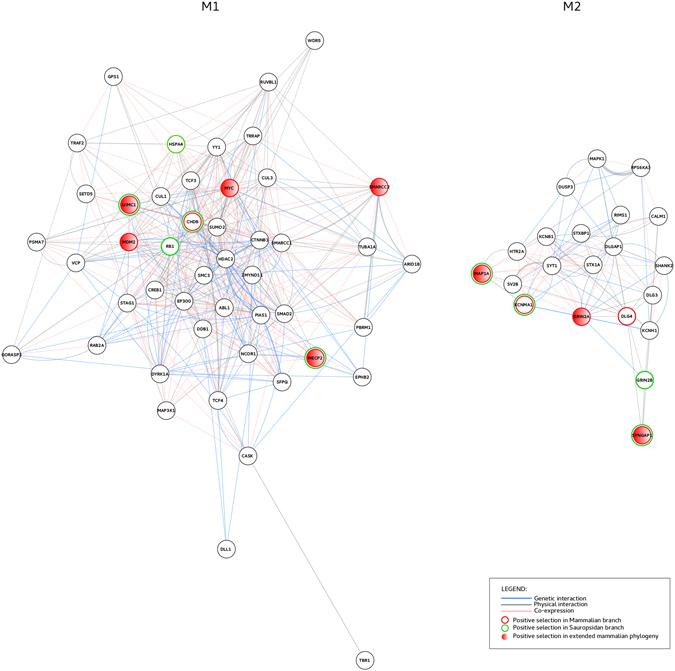
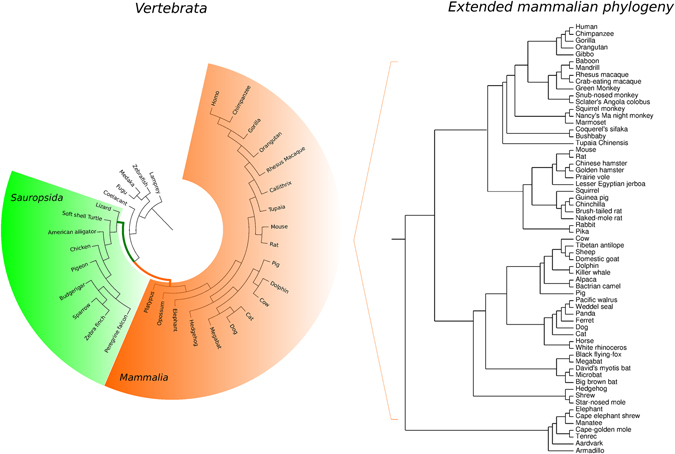
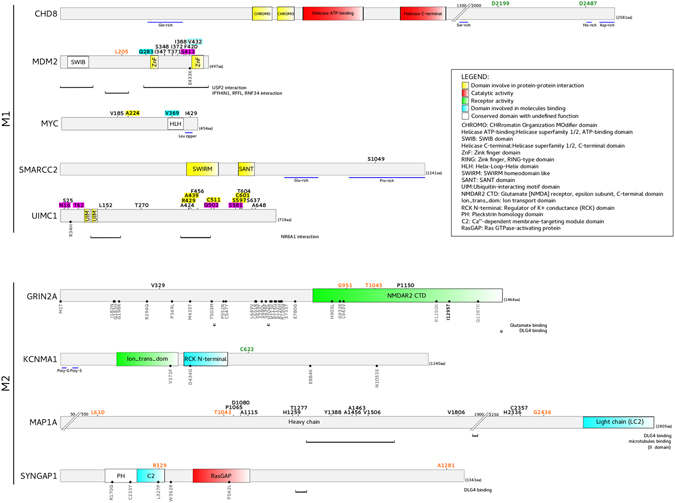
- Evidence of positive selection was found in 8/47 (17.0%) genes in module M1 and 6/21 (28.6%) genes in module M2 on the mammalian/sauropsidan branch-site analyses.
- Across the mammalian phylogeny, codeml site models rejected neutrality in favor of positive selection for MDM2, MECP2, MYC, SMARCC2, UIMC1 (M1) and GRIN2A, MAP1A, SYNGAP1 (M2); selected sites were kept only when supported by at least two methods.
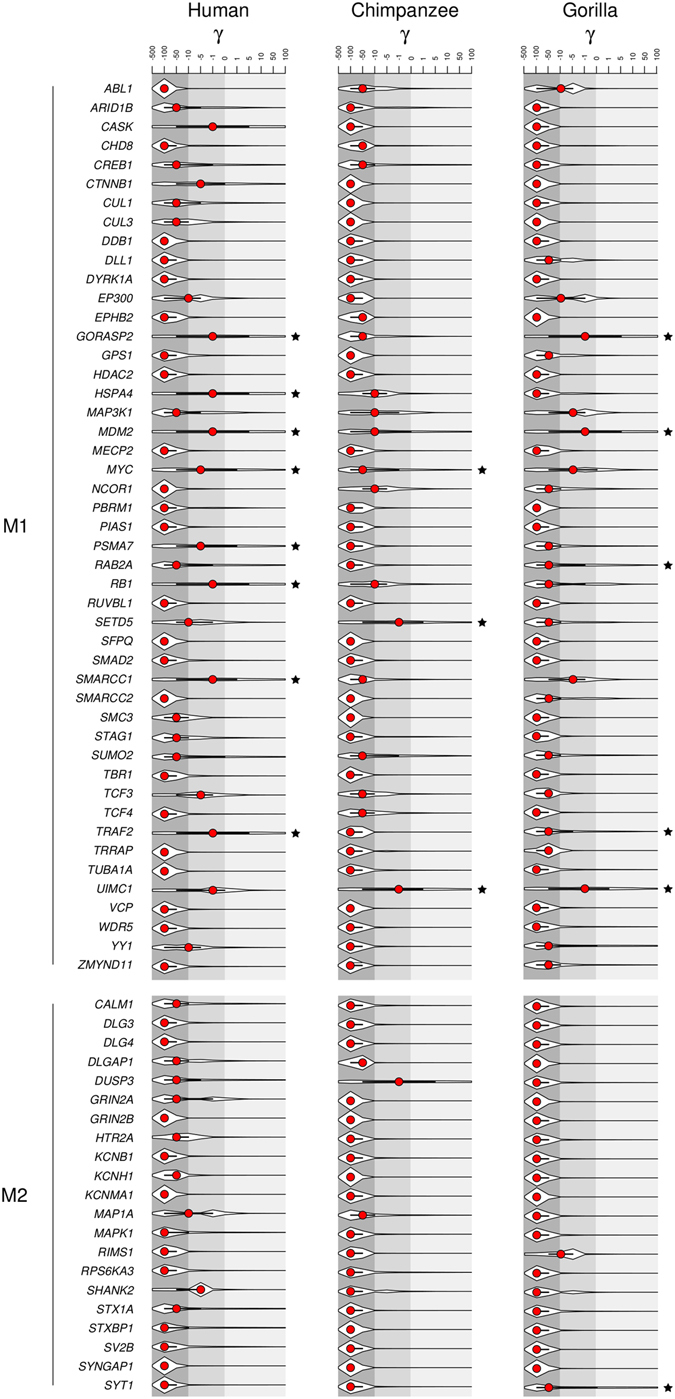
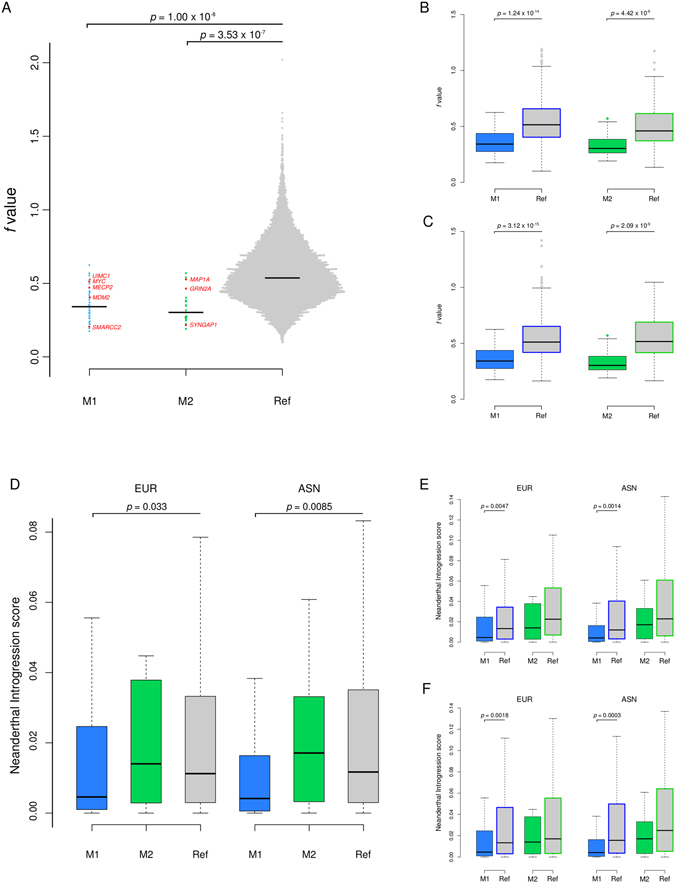
- Human/great ape analyses showed strong purifying selection overall: the SnIPRE constraint parameter f was significantly lower for both M1 and M2 than for other human genes (one-way ANOVA F = 39.5, p = 2 × 10⁻¹⁶), and M1/M2 genes also had lower f than GC/length- or GERP-matched gene sets.
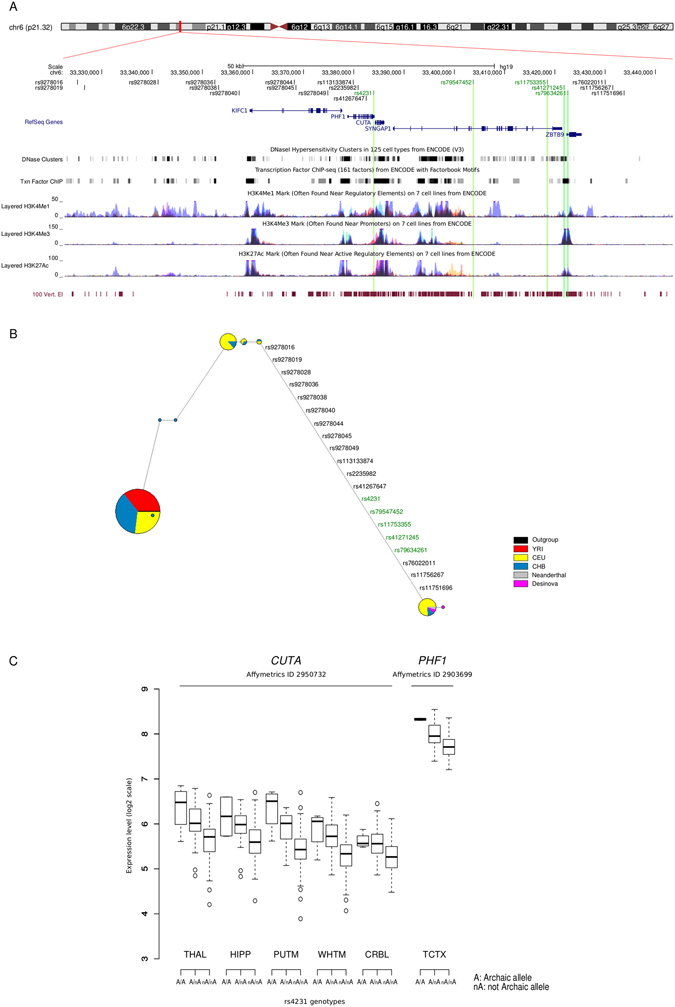
- Neanderthal introgression was significantly lower in M1 genes than in all coding genes in both populations (Kruskall-Wallis p = 0.032 in Europeans, p = 0.0085 in Asians; Nemenyi post-hoc p = 0.033 and 0.0085), and the authors found an ~108 kb introgressed haplotype spanning SYNGAP1 and nearby genes, with 5 variants reported as brain eQTLs for CUTA and PHF1.
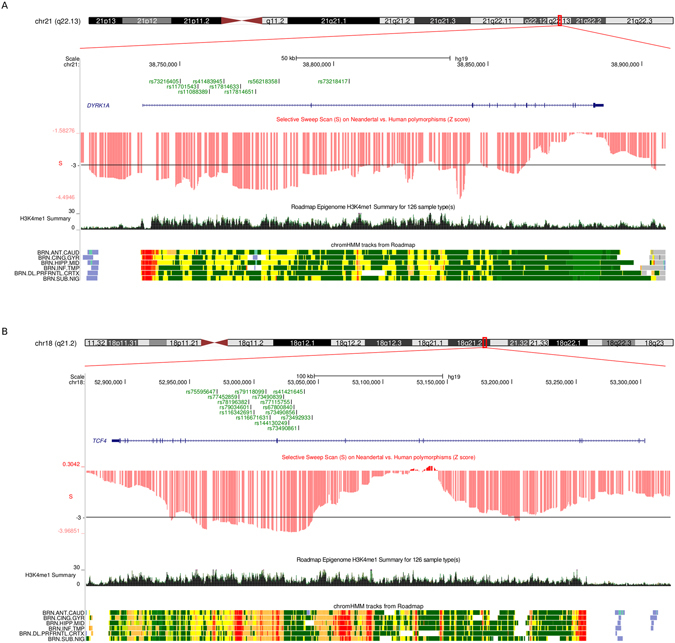
- The strongest modern-human-specific signals were in DYRK1A and TCF4; the paper says these variants lie in regions with enhancer-like chromatin features in several brain areas and are candidates for neurodevelopmental disorder association.
## Methods
- The study examined 68 genes from two MAGI-defined modules: M1 (47 genes) and M2 (21 genes), previously enriched for de novo mutations in ASD/ID probands.
- Evolutionary analyses used vertebrate orthologs (33 species), a mammalian phylogeny (at least 60 mammalian species), human/chimp/gorilla population-genetic data, 1000 Genomes Phase 1 data, Neanderthal introgression probabilities, BRAINEAC brain eQTLs, and modern-human-specific site catalogs.
- Main analyses included branch-site likelihood ratio tests, codeml/PAML site models, gammaMap, SnIPRE, introgression-score comparisons, haplotype/network analysis, and scans for modern-human-specific variants in regulatory regions and low-S regions.
## Limitations
- The paper states that the 68 genes are “not an exhaustive catalog” of ASD and ID risk loci.
- The authors note that branch-site tests have limited power, and their conservative requirement that selected sites be supported by at least two methods likely underestimated the number of positively selected sites.
- For modern-human-specific alleles, the paper notes they were defined using two archaic genomes only, so some alleles may have been missed or misclassified; this is a limitation stated in the text.
- Evident from the text: several highlighted variants are described as candidates and “await experimental validation,” so functional effects remain untested.
Model-written summary. Check it against the paper before relying on it.
Integrity signals
Registry
Cites
Statistics
Figures
Verification
Claims the paper makes
33 Valid · 2 Not valid · 11 Not checked · 81 Own results and interpretations
Every source the paper cites for this claim was checked and supports it.
In the paper
“This was achieved by using branch-site tests, which were shown to be robust to the large evolutionary distances of the vertebrate phylogeny59.”
§ Distinct selective forces and Neanderthal introgression shaped genetic diversity at genes involved in neurodevelopmental disorders > Discussion
What the sources say
- Supportedcites [59] Studer RA Penel S Duret L Robinson-Rechavi M Pervasive positive selection on duplicated and nonduplicated vertebrate protein coding genes Genome Res. 2008 18 1393 1402 10.1101/gr.076992.108 18562677 PMC2527703 source
The Results section reports simulations on divergent vertebrate sequences and concludes that the branch-site test is robust to large sequence divergence. No page number is supplied for the passage. (LLM, conf=0.93)
plain- Asserted: passes — The authors put it forward as true.
- Checkable: passes — It can be checked against evidence.
- Load-bearing: passes — The paper’s conclusions depend on it.
- Based: passes — The paper gives a reason why it holds.
- Supported
The cited sources support only part of this claim — read each source’s verdict below.
In the paper
“Moreover, regions depleted of both Neanderthal and Denisova ancestry are enriched for genes expressed in specific brain regions (e.g. the ventral frontal cortex-ventrolateral prefrontal cortex in infants and the striatum in adulthood)55.”
§ Distinct selective forces and Neanderthal introgression shaped genetic diversity at genes involved in neurodevelopmental disorders > Results > Neanderthal introgression and modern human-specific alleles
What the sources say
- Partly supportedcites [55] Vernot B Excavating Neandertal and Denisovan DNA from the genomes of Melanesian individuals Science 2016 352 235 239 10.1126/science.aad9416 26989198 PMC6743480 sourceExperimental — accuracy not yet measured
The passage on regions depleted of archaic lineages (section labeled Abstract; page unavailable) reports enrichment for genes expressed in the developing cortex and adult striatum. It supports the main claim and the adult-striatum example, but does not identify the infant ventral frontal cortex–ventrolateral prefrontal cortex specifically. (LLM, conf=0.85)
plainstates an association- Asserted: passes — The authors put it forward as true.
- Checkable: passes — It can be checked against evidence.
- Load-bearing: passes — The paper’s conclusions depend on it.
- Based: passes — The paper gives a reason why it holds.
- Partly supported
The cited sources support only part of this claim — read each source’s verdict below.
In the paper
“Conversely, experiments in crows, birds that display high cognitive abilities10, failed to reveal other-regarding preferences and reciprocity11, 12.”
§ Distinct selective forces and Neanderthal introgression shaped genetic diversity at genes involved in neurodevelopmental disorders > Discussion
What the sources say
- Supportedcites [11] Di Lascio F Nyffeler F Bshary R Bugnyar T Ravens (Corvus corax) are indifferent to the gains of conspecific recipients or human partners in experimental tasks Anim. Cogn. 2013 16 35 43 10.1007/s10071-012-0548-0 22890834 PMC4417714 source
The Discussion (‘Do ravens face cognitive constraints in the standard paradigm?’) explicitly describes the study as yielding negative results for other-regarding preferences and reciprocity. It cautions that the ravens may not have understood the task, but the claim says only that the experiments failed to reveal those behaviours. (LLM, conf=0.92)
- Partly supportedcites [12] Schwab C Swoboda R Kotrschal K Bugnyar T Recipients affect prosocial and altruistic choices in jackdaws, Corvus monedula PLoS One 2012 7 e34922 10.1371/journal.pone.0034922 22511972 PMC3325283 sourceExperimental — accuracy not yet measured
The Discussion reports that jackdaws did not show other-regarding preferences per se, supporting that part of the claim. But the Introduction and Methods say the birds’ roles were not reversed to exclude short-term reciprocity; the experiment did not test and fail to find reciprocity. The paper also reports that recipients’ behaviour increased cooperative choices. (LLM, conf=0.90)
plain- Asserted: passes — The authors put it forward as true.
- Checkable: passes — It can be checked against evidence.
- Load-bearing: unclear — It is unclear whether the paper’s conclusions depend on it.
- Based: passes — The paper gives a reason why it holds.
- Supported
The cited sources support only part of this claim — read each source’s verdict below.
In the paper
“We focused in particular on 68 genes which, despite not being an exhaustive catalog of genetic risk loci for ASD and ID, were previously shown to represent functional modules enriched of de novo mutations in probands29.”
§ Distinct selective forces and Neanderthal introgression shaped genetic diversity at genes involved in neurodevelopmental disorders > Discussion
What the sources say
- Partly supportedcites [29] Hormozdiari F Penn O Borenstein E Eichler EE The discovery of integrated gene networks for autism and related disorders Genome Res. 2015 25 142 154 10.1101/gr.178855.114 25378250 PMC4317170 sourceExperimental — accuracy not yet measured
The Results (Autism and intellectual disability; page unavailable) describe connected, coexpressed gene modules enriched for de novo mutations in ASD and ID probands. They report 80 genes in M1_Extended and 24 in M2_Extended, however, and do not identify the citing document’s specific set of 68 genes as those modules. (LLM, conf=0.85)
plainstates an association- Asserted: passes — The authors put it forward as true.
- Checkable: passes — It can be checked against evidence.
- Load-bearing: passes — The paper’s conclusions depend on it.
- Based: passes — The paper gives a reason why it holds.
- Partly supported
The cited sources support only part of this claim — read each source’s verdict below.
In the paper
“For both genes haploinsufficiency is often associated with disease, indicating that adequate expression levels of these proteins are essential for neurodevelopment98, 101, 106.”
§ Distinct selective forces and Neanderthal introgression shaped genetic diversity at genes involved in neurodevelopmental disorders > Discussion
What the sources say
- Not checked — no full text of the sourcecites [98] Zweier C Haploinsufficiency of TCF4 causes syndromal mental retardation with intermittent hyperventilation (Pitt-Hopkins syndrome) Am. J. Hum. Genet. 2007 80 994 1001 10.1086/515583 17436255 PMC1852727 source
- Not checked — no full text of the sourcecites [101] Ji J DYRK1A haploinsufficiency causes a new recognizable syndrome with microcephaly, intellectual disability, speech impairment, and distinct facies Eur. J. Hum. Genet. 2015 23 1473 1481 10.1038/ejhg.2015.71 25944381 PMC4613469 source
- Partly supportedcites [106] Dierssen M de Lagran MM DYRK1A (dual-specificity tyrosine-phosphorylated and -regulated kinase 1A): a gene with dosage effect during development and neurogenesis ScientificWorldJournal 2006 6 1911 1922 10.1100/tsw.2006.319 17205196 PMC5917402 sourceExperimental — accuracy not yet measured
The “Effects of DYRK1A Deletion” section reports that mice with one disrupted DYRK1A allele have developmental delay, learning deficits, and reduced brain size, supporting the importance of DYRK1A dosage in neurodevelopment. This paper does not address TCF4, and its evidence for DYRK1A haploinsufficiency comes from mice rather than showing that it is often associated with human disease. (LLM, conf=0.86)
hedgedstates an association- Asserted: passes — The authors put it forward as true.
- Checkable: passes — It can be checked against evidence.
- Load-bearing: passes — The paper’s conclusions depend on it.
- Based: passes — The paper gives a reason why it holds.
69 more claims
Create a free account to see all 127 claims and every source verdict.
- Probably not a substantial claim. 34
- It may state two separate claims as one. 25
Citations
Cites
PAML 4: Phylogenetic Analysis by Maximum Likelihood
Yang, Z. (2007) · Molecular Biology and Evolution · doi:10.1093/molbev/msm088 · Cited by 13,879
Vos, T., Abajobir, A. A., Abate, K. H., Abbafati, C., Abbas, K. M., Abd-Allah, F., Abdulkader, R. S., Abdulle, A. M., Abebo, T. A., Abera, S. F., et al. (2017) · The Lancet · doi:10.1016/s0140-6736(17)32154-2 · Cited by 13,220
Median-joining networks for inferring intraspecific phylogenies
Bandelt, H. J., Forster, P., & Rohl, A. (1999) · Molecular Biology and Evolution · doi:10.1093/oxfordjournals.molbev.a026036 · Cited by 11,742
Vos, T., Barber, R. M., Bell, B., Bertozzi-Villa, A., Biryukov, S., Bolliger, I., Charlson, F., Davis, A., Degenhardt, L., Dicker, D., et al. (2015) · The Lancet · doi:10.1016/s0140-6736(15)60692-4 · Cited by 6,414
A draft sequence of the Neandertal genome
Green, R. E., Krause, J., Briggs, A. W., Maricic, T., Stenzel, U., Kircher, M., Patterson, N., Li, H., Zhai, W., Fritz, M. H.-Y., et al. (2010) · Science · doi:10.1126/science.1188021 · Cited by 4,318
HyPhy: hypothesis testing using phylogenies
Pond, S. L. K., Frost, S. D. W., & Muse, S. V. (2005) · Bioinformatics · doi:10.1093/bioinformatics/bti079 · Cited by 2,866
Not So Different After All: A Comparison of Methods for Detecting Amino Acid Sites Under Selection
Kosakovsky Pond, S. L., & Frost, S. D. W. (2005) · Molecular Biology and Evolution · doi:10.1093/molbev/msi105 · Cited by 2,324
The complete genome sequence of a Neanderthal from the Altai Mountains
Prüfer, K., Racimo, F., Patterson, N., Jay, F., Sankararaman, S., Sawyer, S., Heinze, A., Renaud, G., Sudmant, P. H., de Filippo, C., et al. (2014) · Nature · doi:10.1038/nature12886 · Cited by 2,254
Genetic history of an archaic hominin group from Denisova Cave in Siberia
Reich, D., Green, R. E., Kircher, M., Krause, J., Patterson, N., Durand, E. Y., Viola, B., Briggs, A. W., Stenzel, U., Johnson, P. L. F., et al. (2010) · Nature · doi:10.1038/nature09710 · Cited by 1,991
A high-coverage genome sequence from an archaic denisovan individual
Meyer, M., Kircher, M., Gansauge, M.-T., Li, H., Racimo, F., Mallick, S., Schraiber, J. G., Jay, F., Prüfer, K., de Filippo, C., et al. (2012) · Science · doi:10.1126/science.1224344 · Cited by 1,967
Detecting Individual Sites Subject to Episodic Diversifying Selection
Murrell, B., Wertheim, J. O., Moola, S., Weighill, T., Scheffler, K., & Kosakovsky Pond, S. L. (2012) · PLoS Genetics · doi:10.1371/journal.pgen.1002764 · Cited by 1,811
Zhang, J. (2005) · Molecular Biology and Evolution · doi:10.1093/molbev/msi237 · Cited by 1,785
Patterns and rates of exonic de novo mutations in autism spectrum disorders
Neale, B. M., Kou, Y., Liu, L., Ma’ayan, A., Samocha, K. E., Sabo, A., Lin, C.-F., Stevens, C., Wang, L.-S., Makarov, V., et al. (2012) · Nature · doi:10.1038/nature11011 · Cited by 1,734
De novo mutations in schizophrenia implicate synaptic networks
Fromer, M., Pocklington, A. J., Kavanagh, D. H., Williams, H. J., Dwyer, S., Gormley, P., Georgieva, L., Rees, E., Palta, P., Ruderfer, D. M., et al. (2014) · Nature · doi:10.1038/nature12929 · Cited by 1,617
Humans Have Evolved Specialized Skills of Social Cognition: The Cultural Intelligence Hypothesis
Herrmann, E., Call, J., Hernàndez-Lloreda, M. V., Hare, B., & Tomasello, M. (2007) · Science · doi:10.1126/science.1146282 · Cited by 1,582
Diagnostic exome sequencing in persons with severe intellectual disability
de Ligt, J., Willemsen, M. H., van Bon, B. W. M., Kleefstra, T., Yntema, H. G., Kroes, T., Vulto-van Silfhout, A. T., Koolen, D. A., de Vries, P., Gilissen, C., et al. (2012) · New England Journal of Medicine · doi:10.1056/nejmoa1206524 · Cited by 1,546
Autism genome-wide copy number variation reveals ubiquitin and neuronal genes
Glessner, J. T., Wang, K., Cai, G., Korvatska, O., Kim, C. E., Wood, S., Zhang, H., Estes, A., Brune, C. W., Bradfield, J. P., et al. (2009) · Nature · doi:10.1038/nature07953 · Cited by 1,421
Distribution and intensity of constraint in mammalian genomic sequence
Cooper, G. M., Stone, E. A., Asimenos, G., Green, E. D., Batzoglou, S., & Sidow, A. (2005) · Genome Research · doi:10.1101/gr.3577405 · Cited by 1,359
FUBAR: A Fast, Unconstrained Bayesian AppRoximation for Inferring Selection
Murrell, B., Moola, S., Mabona, A., Weighill, T., Sheward, D., Kosakovsky Pond, S. L., & Scheffler, K. (2013) · Molecular Biology and Evolution · doi:10.1093/molbev/mst030 · Cited by 1,358
MDM2, MDMX and p53 in oncogenesis and cancer therapy
Wade, M., Li, Y.-C., & Wahl, G. M. (2013) · Nature Reviews Cancer · doi:10.1038/nrc3430 · Cited by 1,279
Multiplex Targeted Sequencing Identifies Recurrently Mutated Genes in Autism Spectrum Disorders
O’Roak, B. J., Vives, L., Fu, W., Egertson, J. D., Stanaway, I. B., Phelps, I. G., Carvill, G., Kumar, A., Lee, C., Ankenman, K., et al. (2012) · Science · doi:10.1126/science.1227764 · Cited by 1,240
EnsemblCompara GeneTrees: Complete, duplication-aware phylogenetic trees in vertebrates
Vilella, A. J., Severin, J., Ureta-Vidal, A., Heng, L., Durbin, R., & Birney, E. (2009) · Genome Research · doi:10.1101/gr.073585.107 · Cited by 1,238
Datamonkey 2010: a suite of phylogenetic analysis tools for evolutionary biology
Delport, W., Poon, A. F. Y., Frost, S. D. W., & Kosakovsky Pond, S. L. (2010) · Bioinformatics · doi:10.1093/bioinformatics/btq429 · Cited by 1,179
DAMBE5: A Comprehensive Software Package for Data Analysis in Molecular Biology and Evolution
Xia, X. (2013) · Molecular Biology and Evolution · doi:10.1093/molbev/mst064 · Cited by 1,154
The genomic landscape of Neanderthal ancestry in present-day humans
Sankararaman, S., Mallick, S., Dannemann, M., Prüfer, K., Kelso, J., Pääbo, S., Patterson, N., & Reich, D. (2014) · Nature · doi:10.1038/nature12961 · Cited by 1,107
The Social Brain: Mind, Language, and Society in Evolutionary Perspective
Dunbar, R. I. M. (2003) · Annual Review of Anthropology · doi:10.1146/annurev.anthro.32.061002.093158 · Cited by 1,068
Integrative functional genomic analyses implicate specific molecular pathways and circuits in autism
Parikshak, N. N., Luo, R., Zhang, A., Won, H., Lowe, J. K., Chandran, V., Horvath, S., & Geschwind, D. H. (2013) · Cell · doi:10.1016/j.cell.2013.10.031 · Cited by 1,039
A Scan for Positively Selected Genes in the Genomes of Humans and Chimpanzees
Nielsen, R., Bustamante, C., Clark, A. G., Glanowski, S., Sackton, T. B., Hubisz, M. J., Fledel-Alon, A., Tanenbaum, D. M., Civello, D., White, T. J., et al. (2005) · PLoS Biology · doi:10.1371/journal.pbio.0030170 · Cited by 1,007
The MAP1 family of microtubule-associated proteins.
Dehmelt (2004) · Genome biology · doi:10.1186/gb-2004-6-1-204 · Cited by 972
Automated Phylogenetic Detection of Recombination Using a Genetic Algorithm
Kosakovsky Pond, S. L., Posada, D., Gravenor, M. B., Woelk, C. H., & Frost, S. D. W. (2006) · Molecular Biology and Evolution · doi:10.1093/molbev/msl051 · Cited by 945
Apert syndrome results from localized mutations of FGFR2 and is allelic with Crouzon syndrome
Wilkie, A. O. M., Slaney, S. F., Oldridge, M., Poole, M. D., Ashworth, G. J., Hockley, A. D., Hayward, R. D., David, D. J., Pulleyn, L. J., Rutland, P., et al. (1995) · Nature Genetics · doi:10.1038/ng0295-165 · Cited by 935
Ward, L. D., & Kellis, M. (2016) · Nucleic Acids Research · doi:10.1093/nar/gkv1340 · Cited by 927
Great ape genetic diversity and population history
Prado-Martinez, J., Sudmant, P. H., Kidd, J. M., Li, H., Kelley, J. L., Lorente-Galdos, B., Veeramah, K. R., Woerner, A. E., O’Connor, T. D., Santpere, G., et al. (2013) · Nature · doi:10.1038/nature12228 · Cited by 894
Genetic studies in intellectual disability and related disorders
Vissers, L. E. L. M., Gilissen, C., & Veltman, J. A. (2016) · Nature Reviews Genetics · doi:10.1038/nrg3999 · Cited by 761
Decety, J., Bartal, I. B.-A., Uzefovsky, F., & Knafo-Noam, A. (2016) · Philosophical Transactions of the Royal Society B Biological Sciences · doi:10.1098/rstb.2015.0077 · Cited by 740
Biased gene conversion and the evolution of mammalian genomic landscapes
Duret, L., & Galtier, N. (2009) · Annual Review of Genomics and Human Genetics · doi:10.1146/annurev-genom-082908-150001 · Cited by 737
Brains, Innovations and Evolution in Birds and Primates
Lefebvre, L., Reader, S. M., & Sol, D. (2004) · Brain, Behavior and Evolution · doi:10.1159/000076784 · Cited by 666
Genetic variability in the regulation of gene expression in ten regions of the human brain
UK Brain Expression Consortium, Ramasamy, A., North American Brain Expression Consortium, Trabzuni, D., Guelfi, S., Varghese, V., Smith, C., Walker, R., De, T., Coin, L., et al. (2014) · Nature Neuroscience · doi:10.1038/nn.3801 · Cited by 644
Tavormina, P. L., Shiang, R., Thompson, L. M., Zhu, Y.-Z., Wilkin, D. J., Lachman, R. S., Wilcox, W. R., Rimoin, D. L., Cohn, D. H., & Wasmuth, J. J. (1995) · Nature Genetics · doi:10.1038/ng0395-321 · Cited by 601
Recent Explosive Human Population Growth Has Resulted in an Excess of Rare Genetic Variants
Keinan, A., & Clark, A. G. (2012) · Science · doi:10.1126/science.1217283 · Cited by 548
Ubiquitin-Binding Protein RAP80 Mediates BRCA1-Dependent DNA Damage Response
Kim, H., Chen, J., & Yu, X. (2007) · Science · doi:10.1126/science.1139621 · Cited by 540
Integrative approaches for finding modular structure in biological networks
Mitra, K., Carvunis, A.-R., Ramesh, S. K., & Ideker, T. (2013) · Nature Reviews Genetics · doi:10.1038/nrg3552 · Cited by 535
Achondroplasia is defined by recurrent G380R mutations of FGFR3.
Bellus, G. A., Hefferon, T. W., Luna, R. I. O. D., Hecht, J. T., Horton, W. A., Machado, M. A., Kaitila, I., McIntosh, I., & Francomano, C. A. (1995) · PubMed Central · Cited by 533
RevTrans: multiple alignment of coding DNA from aligned amino acid sequences
Wernersson, R. (2003) · Nucleic Acids Research · doi:10.1093/nar/gkg609 · Cited by 511
Cognitive ornithology: the evolution of avian intelligence
Emery, N. J. (2006) · Philosophical Transactions of the Royal Society B: Biological Sciences · doi:10.1098/rstb.2005.1736 · Cited by 476
Excavating Neandertal and Denisovan DNA from the genomes of Melanesian individuals
Vernot, B., Tucci, S., Kelso, J., Schraiber, J. G., Wolf, A. B., Gittelman, R. M., Dannemann, M., Grote, S., McCoy, R. C., Norton, H., et al. (2016) · Science · doi:10.1126/science.aad9416 · Cited by 459
GABAA Receptor Trafficking-Mediated Plasticity of Inhibitory Synapses
Luscher, B., Fuchs, T., & Kilpatrick, C. L. (2011) · Neuron · doi:10.1016/j.neuron.2011.03.024 · Cited by 434
The Genetic Cost of Neanderthal Introgression
Harris, K., & Nielsen, R. (2016) · Genetics · doi:10.1534/genetics.116.186890 · Cited by 419
Noonan syndrome and clinically related disorders
Tartaglia, M., Gelb, B. D., & Zenker, M. (2011) · Best Practice & Research Clinical Endocrinology & Metabolism · doi:10.1016/j.beem.2010.09.002 · Cited by 414
Accuracy and Power of Bayes Prediction of Amino Acid Sites Under Positive Selection
Anisimova, M., Bielawski, J. P., & Yang, Z. (2002) · Molecular Biology and Evolution · doi:10.1093/oxfordjournals.molbev.a004152 · Cited by 408
The role of de novo mutations in the genetics of autism spectrum disorders
Ronemus, M., Iossifov, I., Levy, D., & Wigler, M. (2014) · Nature Reviews Genetics · doi:10.1038/nrg3585 · Cited by 390
Crow, T. (2000) · Brain Research Reviews · doi:10.1016/s0165-0173(99)00029-6 · Cited by 387
Large-scale genomics unveils the genetic architecture of psychiatric disorders
Gratten, J., Wray, N. R., Keller, M. C., & Visscher, P. M. (2014) · Nature Neuroscience · doi:10.1038/nn.3708 · Cited by 363
Convergence of Complex Cognitive Abilities in Cetaceans and Primates
Marino, L. (2002) · Brain, Behavior and Evolution · doi:10.1159/000063731 · Cited by 359
The phenotypic legacy of admixture between modern humans and Neandertals
Simonti, C. N., Vernot, B., Bastarache, L., Bottinger, E., Carrell, D. S., Chisholm, R. L., Crosslin, D. R., Hebbring, S. J., Jarvik, G. P., Kullo, I. J., et al. (2016) · Science · doi:10.1126/science.aad2149 · Cited by 330
Genomics, Intellectual Disability, and Autism
Mefford, H. C., Batshaw, M. L., & Hoffman, E. P. (2012) · New England Journal of Medicine · doi:10.1056/nejmra1114194 · Cited by 329
Amiel, J., Rio, M., Pontual, L. D., Redon, R., Malan, V., Boddaert, N., Plouin, P., Carter, N. P., Lyonnet, S., Munnich, A., et al. (2007) · The American Journal of Human Genetics · doi:10.1086/515582 · Cited by 319
Zweier, C., Peippo, M. M., Hoyer, J., Sousa, S., Bottani, A., Clayton-Smith, J., Reardon, W., Saraiva, J., Cabral, A., Göhring, I., et al. (2007) · The American Journal of Human Genetics · doi:10.1086/515583 · Cited by 317
Tsai, N.-P., Wilkerson, J. R., Guo, W., Maksimova, M. A., DeMartino, G. N., Cowan, C. W., & Huber, K. M. (2012) · Cell · doi:10.1016/j.cell.2012.11.040 · Cited by 316
MECP2 mutations account for most cases of typical forms of Rett syndrome
Bienvenu, T. (2000) · Human Molecular Genetics · doi:10.1093/hmg/9.9.1377 · Cited by 305
MDM2 Promotes Proteasome-Dependent Ubiquitin-Independent Degradation of Retinoblastoma Protein
Sdek, P., Ying, H., Chang, D. L. F., Qiu, W., Zheng, H., Touitou, R., Allday, M. J., & Jim Xiao, Z.-X. (2005) · Molecular Cell · doi:10.1016/j.molcel.2005.10.017 · Cited by 288
The deubiquitinating enzyme USP2a regulates the p53 pathway by targeting Mdm2
Stevenson, L. F., Sparks, A., Allende‐Vega, N., Xirodimas, D. P., Lane, D. P., & Saville, M. K. (2007) · The EMBO Journal · doi:10.1038/sj.emboj.7601567 · Cited by 280
The MAP1 family of microtubule-associated proteins
Halpain, S., & Dehmelt, L. (2006) · Genome Biology · doi:10.1186/gb-2006-7-6-224 · Cited by 261
Parent-of-origin effects in multiple endocrine neoplasia type 2B.
Carlson, K. M., Bracamontes, J. R., Jackson, C. E., Clark, R., Lacroix, A., Wells, S. A., & Goodfellow, P. J. (1994) · PubMed Central · Cited by 255
Synaptic scaffold evolution generated components of vertebrate cognitive complexity
Nithianantharajah, J., Komiyama, N. H., McKechanie, A., Johnstone, M., Blackwood, D. H., Clair, D. S., Emes, R. D., van de Lagemaat, L. N., Saksida, L. M., Bussey, T. J., et al. (2013) · Nature Neuroscience · doi:10.1038/nn.3276 · Cited by 251
The discovery of integrated gene networks for autism and related disorders
Hormozdiari, F., Penn, O., Borenstein, E., & Eichler, E. E. (2015) · Genome Research · doi:10.1101/gr.178855.114 · Cited by 249
X chromosome evidence for ancient human histories
Harris, E. E., & Hey, J. (1999) · Proceedings of the National Academy of Sciences · doi:10.1073/pnas.96.6.3320 · Cited by 230
Reconstructing the DNA Methylation Maps of the Neandertal and the Denisovan
Gokhman, D., Lavi, E., Prüfer, K., Fraga, M. F., Riancho, J. A., Kelso, J., Pääbo, S., Meshorer, E., & Carmel, L. (2014) · Science · doi:10.1126/science.1250368 · Cited by 221
A Genotype-First Approach to Defining the Subtypes of a Complex Disease
Stessman, H. A., Bernier, R., & Eichler, E. E. (2014) · Cell · doi:10.1016/j.cell.2014.02.002 · Cited by 220
MNB/DYRK1A as a multiple regulator of neuronal development
Tejedor, F. J., & Hämmerle, B. (2011) · The FEBS Journal · doi:10.1111/j.1742-4658.2010.07954.x · Cited by 214
Anisimova, M., & Yang, Z. (2007) · Molecular Biology and Evolution · doi:10.1093/molbev/msm042 · Cited by 213
Prosocial behaviour in animals: the influence of social relationships, communication and rewards
Cronin, K. A. (2012) · Animal Behaviour · doi:10.1016/j.anbehav.2012.08.009 · Cited by 205
Disruptive de novo mutations of DYRK1A lead to a syndromic form of autism and ID
van Bon, B. W. M., Coe, B. P., Bernier, R., Green, C., Gerdts, J., Witherspoon, K., Kleefstra, T., Willemsen, M. H., Kumar, R., Bosco, P., et al. (2016) · Molecular Psychiatry · doi:10.1038/mp.2015.5 · Cited by 204
MAGUKs, Synaptic Development, and Synaptic Plasticity
Zheng, C.-Y., Seabold, G. K., Horak, M., & Petralia, R. S. (2011) · The Neuroscientist · doi:10.1177/1073858410386384 · Cited by 188
Genetic and neurodevelopmental spectrum of SYNGAP1-associated intellectual disability and epilepsy
Mignot, C., von Stülpnagel, C., Nava, C., Ville, D., Sanlaville, D., Lesca, G., Rastetter, A., Gachet, B., Marie, Y., Korenke, G. C., et al. (2016) · Journal of Medical Genetics · doi:10.1136/jmedgenet-2015-103451 · Cited by 183
Chromatin Regulation by BAF170 Controls Cerebral Cortical Size and Thickness
Tuoc, T. C., Boretius, S., Sansom, S. N., Pitulescu, M.-E., Frahm, J., Livesey, F. J., & Stoykova, A. (2013) · Developmental Cell · doi:10.1016/j.devcel.2013.04.005 · Cited by 177
Gharib, W. H., & Robinson‐Rechavi, M. (2013) · Molecular Biology and Evolution · doi:10.1093/molbev/mst062 · Cited by 177
Neuronal factors determining high intelligence
Dicke, U., & Roth, G. (2016) · Philosophical Transactions of the Royal Society B: Biological Sciences · doi:10.1098/rstb.2015.0180 · Cited by 175
GC-biased gene conversion promotes the fixation of deleterious amino acid changes in primates
Galtier, N., Duret, L., Glémin, S., & Ranwez, V. (2009) · Trends in Genetics · doi:10.1016/j.tig.2008.10.011 · Cited by 173
Missense FGFR3 mutations create cysteine residues in thanatophoric dwarfism type I (TD1)
Rousseau, F. (1996) · Human Molecular Genetics · doi:10.1093/hmg/5.4.509 · Cited by 173
Brockschmidt, A., Todt, U., Ryu, S., Hoischen, A., Landwehr, C., Birnbaum, S., Frenck, W., Radlwimmer, B., Lichter, P., Engels, H., et al. (2007) · Human Molecular Genetics · doi:10.1093/hmg/ddm099 · Cited by 170
Genome-wide signals of positive selection in human evolution
Enard, D., Messer, P. W., & Petrov, D. A. (2014) · Genome Research · doi:10.1101/gr.164822.113 · Cited by 168
Moore, B. R. (2004) · Biological Reviews · doi:10.1017/s1464793103006225 · Cited by 157
Autism As a Disorder of High Intelligence
Crespi, B. J. (2016) · Frontiers in Neuroscience · doi:10.3389/fnins.2016.00300 · Cited by 156
SHULTZ, S., & DUNBAR, R. I. M. (2010) · Biological Journal of the Linnean Society · doi:10.1111/j.1095-8312.2010.01427.x · Cited by 151
Ji, J., Lee, H., Argiropoulos, B., Dorrani, N., Mann, J., Martinez-Agosto, J. A., Gomez-Ospina, N., Gallant, N., Bernstein, J. A., Hudgins, L., et al. (2015) · European Journal of Human Genetics · doi:10.1038/ejhg.2015.71 · Cited by 145
Autism and Cancer Share Risk Genes, Pathways, and Drug Targets
Crawley, J. N., Heyer, W.-D., & LaSalle, J. M. (2016) · Trends in Genetics · doi:10.1016/j.tig.2016.01.001 · Cited by 134
Genetic Markers of Human Evolution Are Enriched in Schizophrenia
Srinivasan, S., Bettella, F., Mattingsdal, M., Wang, Y., Witoelar, A., Schork, A. J., Thompson, W. K., Zuber, V., Winsvold, B. S., Zwart, J.-A., et al. (2016) · Biological Psychiatry · doi:10.1016/j.biopsych.2015.10.009 · Cited by 129
Courcet, J.-B., Faivre, L., Malzac, P., Masurel-Paulet, A., Lopez, E., Callier, P., Lambert, L., Lemesle, M., Thevenon, J., Gigot, N., et al. (2012) · Journal of Medical Genetics · doi:10.1136/jmedgenet-2012-101251 · Cited by 121
Intragenic deletion in DYRK1A leads to mental retardation and primary microcephaly
van Bon, B., Hoischen, A., Hehir-Kwa, J., de Brouwer, A., Ruivenkamp, C., Gijsbers, A., Marcelis, C., de Leeuw, N., Veltman, J., Brunner, H., et al. (2011) · Clinical Genetics · doi:10.1111/j.1399-0004.2010.01544.x · Cited by 117
Evolution of GluN2A/B cytoplasmic domains diversified vertebrate synaptic plasticity and behavior
Ryan, T. J., Kopanitsa, M. V., Indersmitten, T., Nithianantharajah, J., Afinowi, N. O., Pettit, C., Stanford, L. E., Sprengel, R., Saksida, L. M., Bussey, T. J., et al. (2013) · Nature Neuroscience · doi:10.1038/nn.3277 · Cited by 108
Ryan, T. J., Emes, R. D., Grant, S. G., & Komiyama, N. H. (2008) · BMC Neuroscience · doi:10.1186/1471-2202-9-6 · Cited by 105
Bronicki, L. M., Redin, C., Drunat, S., Piton, A., Lyons, M., Passemard, S., Baumann, C., Faivre, L., Thevenon, J., Rivière, J.-B., et al. (2015) · European Journal of Human Genetics · doi:10.1038/ejhg.2015.29 · Cited by 105
The C2 domain of SynGAP is essential for stimulation of the Rap GTPase reaction
Pena, V., Hothorn, M., Eberth, A., Kaschau, N., Parret, A., Gremer, L., Bonneau, F., Ahmadian, M. R., & Scheffzek, K. (2008) · The EMBO Reports · doi:10.1038/embor.2008.20 · Cited by 101
Dierssen, M., & de Lagrán, M. M. (2006) · The Scientific World JOURNAL · doi:10.1100/tsw.2006.319 · Cited by 97
A Population Genetic Approach to Mapping Neurological Disorder Genes Using Deep Resequencing
Myers, R. A., Casals, F., Gauthier, J., Hamdan, F. F., Keebler, J., Boyko, A. R., Bustamante, C. D., Piton, A. M., Spiegelman, D., Henrion, E., et al. (2011) · PLoS Genetics · doi:10.1371/journal.pgen.1001318 · Cited by 97
Cholinergic regulation of fear learning and extinction
Wilson, M. A., & Fadel, J. R. (2017) · Journal of Neuroscience Research · doi:10.1002/jnr.23840 · Cited by 97
A Population Genetics-Phylogenetics Approach to Inferring Natural Selection in Coding Sequences
Wilson, D. J., Hernandez, R. D., Andolfatto, P., & Przeworski, M. (2011) · PLoS Genetics · doi:10.1371/journal.pgen.1002395 · Cited by 85
Pervasive positive selection on duplicated and nonduplicated vertebrate protein coding genes
Studer, R. A., Penel, S., Duret, L., & Robinson-Rechavi, M. (2008) · Genome Research · doi:10.1101/gr.076992.108 · Cited by 84
SnIPRE: Selection Inference Using a Poisson Random Effects Model
Eilertson, K. E., Booth, J. G., & Bustamante, C. D. (2012) · PLoS Computational Biology · doi:10.1371/journal.pcbi.1002806 · Cited by 83
Schaefer, F., Anderson, C., Can, B., & Say, B. (1998) · American Journal of Medical Genetics · doi:10.1002/(sici)1096-8628(19980123)75:3<252::aid-ajmg4>3.0.co;2-s · Cited by 79
Homozygous KCNMA1 mutation as a cause of cerebellar atrophy, developmental delay and seizures
Tabarki, B. M., Almajhad, N., Alhashem, A. M., Shaheen, R., & Alkuraya, F. S. (2016) · Human Genetics · doi:10.1007/s00439-016-1726-y · Cited by 78
Rapid evolution of BRCA1 and BRCA2in humans and other primates
Lou, D. I., McBee, R. M., Le, U. Q., Stone, A. C., Wilkerson, G. K., Demogines, A. M., & Sawyer, S. L. (2014) · BMC Evolutionary Biology · doi:10.1186/1471-2148-14-155 · Cited by 74
Akamatsu, W., DeVeale, B., Okano, H., Cooney, A. J., & van der Kooy, D. (2009) · The Journal of Neuroscience · doi:10.1523/jneurosci.4527-08.2009 · Cited by 72
New Genes for Focal Epilepsies with Speech and Language Disorders
Turner, S. J., Morgan, A. T., Perez, E. R., & Scheffer, I. E. (2015) · Current Neurology and Neuroscience Reports · doi:10.1007/s11910-015-0554-0 · Cited by 69
Recipients Affect Prosocial and Altruistic Choices in Jackdaws, Corvus monedula
Schwab, C., Swoboda, R., Kotrschal, K., & Bugnyar, T. (2012) · PLoS ONE · doi:10.1371/journal.pone.0034922 · Cited by 65
Cousins, S. L., Papadakis, M., Rutter, A. R., & Stephenson, F. A. (2008) · Journal of Neurochemistry · doi:10.1111/j.1471-4159.2007.05067.x · Cited by 62
Tartaglia, M., Rocco, C. D., Lajeunie, E., Valeri, S., Velardi, F., & Battaglia, P. A. (1997) · Human Genetics · doi:10.1007/s004390050584 · Cited by 60
Mutations in the Microtubule-Associated Protein 1A (Map1a) Gene Cause Purkinje Cell Degeneration
Liu, Y., Lee, J. W., & Ackerman, S. L. (2015) · The Journal of Neuroscience · doi:10.1523/jneurosci.2757-14.2015 · Cited by 59
The Molecular Basis of Human Brain Evolution
Enard, W. (2016) · Current Biology · doi:10.1016/j.cub.2016.09.030 · Cited by 55
Quach, H., Wilson, D., Laval, G., Patin, E., Manry, J., Guibert, J., Barreiro, L. B., Nerrienet, E., Verschoor, E., Gessain, A., et al. (2013) · Human Molecular Genetics · doi:10.1093/hmg/ddt335 · Cited by 52
RAP80, a Novel Nuclear Protein That Interacts with the Retinoid-related Testis-associated Receptor
Yan, Z., Kim, Y.-S., & Jetten, A. M. (2002) · Journal of Biological Chemistry · doi:10.1074/jbc.m203475200 · Cited by 50
Spatial abilities, cognition and the pattern of Neanderthal and modern human dispersals
Burke, A. (2012) · Quaternary International · doi:10.1016/j.quaint.2010.10.029 · Cited by 45
The molecular evolution of the vertebrate behavioural repertoire
Grant, S. G. N. (2016) · Philosophical Transactions of the Royal Society B: Biological Sciences · doi:10.1098/rstb.2015.0051 · Cited by 45
Positive selection on apoptosis related genes
da Fonseca, R. R., Kosiol, C., Vinař, T., Siepel, A., & Nielsen, R. (2010) · FEBS Letters · doi:10.1016/j.febslet.2009.12.022 · Cited by 42
Di Lascio, F., Nyffeler, F., Bshary, R., & Bugnyar, T. (2013) · Animal Cognition · doi:10.1007/s10071-012-0548-0 · Cited by 38
The role of copper and the copper-related protein CUTA in mediating APP processing and Aβ generation
Hou, P., Liu, G., Zhao, Y., Shi, Z., Zheng, Q., Bu, G., Xu, H., & Zhang, Y.-W. (2015) · Neurobiology of Aging · doi:10.1016/j.neurobiolaging.2014.12.005 · Cited by 32
Kharbanda, M., Kannike, K., Lampe, A., Berg, J., Timmusk, T., & Sepp, M. (2016) · European Journal of Medical Genetics · doi:10.1016/j.ejmg.2016.04.003 · Cited by 30
Central nervous system malformations and deformations in FGFR2‐related craniosynostosis
Khonsari, R. H., Delezoide, A., Kang, W., Hébert, J. M., Bessières, B., Bodiguel, V., Collet, C., Legeai‐Mallet, L., Sharpe, P. T., & Fallet‐Bianco, C. (2012) · American Journal of Medical Genetics Part A · doi:10.1002/ajmg.a.35598 · Cited by 26
Liang, D., Nunes-Tavares, N., Xie, H. Q., Carvalho, S., Bon, S., & Massoulié, J. (2009) · Journal of Biological Chemistry · doi:10.1074/jbc.m806260200 · Cited by 19
The functional cooperation of MAP1A heavy chain and light chain 2 in the binding of microtubules
Chien, C. L., Lu, K., Lin, Y., Hsieh, C., & Hirokawa, N. (2005) · Experimental Cell Research · doi:10.1016/j.yexcr.2005.05.007 · Cited by 17
RAP80 regulates epithelial–mesenchymal transition related with metastasis and malignancy of cancer
Park, S. Y., Korm, S., Chung, H. J., Choi, S. J., Jang, J., Cho, S., Lim, Y. T., Kim, H., & Lee, J. (2016) · Cancer Science · doi:10.1111/cas.12877 · Cited by 12
Rare variants are common in schizophrenia
Gratten, J. (2016) · Nature Neuroscience · doi:10.1038/nn.4422 · Cited by 12
Polycomblike protein PHF1b: a transcriptional sensor for GABA receptor activity
Saha, S., Hu, Y., Martin, S. C., Bandyopadhyay, S., Russek, S. J., & Farb, D. H. (2013) · BMC Pharmacology and Toxicology · doi:10.1186/2050-6511-14-37 · Cited by 9
Dunbar, R. I. M. (1998) · Evolutionary Anthropology: Issues, News, and Reviews · doi:10.1002/(sici)1520-6505(1998)6:5
Cited by
DYRK1A and cognition: A lifelong relationship
Arbones, M. L., Thomazeau, A., Nakano-Kobayashi, A., Hagiwara, M., & Delabar, J. M. (2019) · Pharmacology & Therapeutics · doi:10.1016/j.pharmthera.2018.09.010 · Cited by 165
Harvati, K., & Ackermann, R. (2022) · Nature Ecology & Evolution · doi:10.1038/s41559-022-01875-z · Cited by 76
Evolutionary and medical consequences of archaic introgression into modern human genomes
Dolgova, O., & Lao, O. (2018) · Genes · doi:10.3390/genes9070358 · Cited by 34
“However, whatever the potential benefits of archaic introgression in the past, alleles of Neanderthal origin have been also associated with several neurological, dermatological, and immunological phenotypes, indicating an influence of ancient admixture on current disease risk in humans (Mozzi et al., 2017; Simonti et…”
BackgroundWidowati, E. W., Ernst, S., Hausmann, R., Müller‐Newen, G., & Becker, W. B. (2018) · Biology Open · doi:10.1242/bio.032862 · Cited by 37
DYRK1A Inhibitors and Perspectives for the Treatment of Alzheimer's Disease
de Souza, M. M., Cenci, A. R., Teixeira, K. F., Machado, V., Schülerb, M. C. G. M., Gonçalves, A. E., Dalmagro, A. P., Cazarin, C. A., Ferreira, L. L. G., de Oliveira, A. S., et al. (2022) · Current Medicinal Chemistry · doi:10.2174/0929867329666220620162018 · Cited by 33
Metadata
- Authors
- Mozzi, A., Forni, D., Cagliani, R., Pozzoli, U., Clerici, M., & Sironi, M.
- Affiliations
- IRCCS Eugenio Medea (IT)
- University of Milan (IT)
- Corresponding author
- Mozzi, Alessandra
- Venue
- Scientific Reports
- Published
- 2017-07-21
- Volume
- 7
- Issue
- 1
- Pages
- 6116-6116
- ISSN
- 2045-2322 (ISSN-L)
- PMC
- PMC5522412
- OpenAlex
- W2734786271
- Cited by
- 19
- References
- 125
- Citations by year
- 2026: 1 · 2025: 1 · 2023: 2 · 2022: 6 · 2021: 2 · 2020: 1 · 2018: 5
- FWCI
- 0.94
- Type
- journal article
- Language
- en
- Open access
- gold
- doi.org
- Licence
- cc-by
- creativecommons.org/licenses/by/4.0 (tdm)
- creativecommons.org/licenses/by/4.0 (vor)
- Locations
- Scientific Reports (publishedVersion, cc-by)
- PubMed Central (publishedVersion, cc-by)
- PubMed (publishedVersion)
- Archivio Istituzionale della Ricerca (Universita Degli Studi Di Milano) (submittedVersion, other-oa)
- BOA (University of Milano-Bicocca) (submittedVersion, cc-by)
- DOAJ (DOAJ: Directory of Open Access Journals) (submittedVersion, cc-by-sa)
- Topics
- Life Sciences › Neuroscience › Cognitive Neuroscience › Autism Spectrum Disorder Research
- Life Sciences › Biochemistry, Genetics and Molecular Biology › Genetics › Genetic Associations and Epidemiology
- Life Sciences › Biochemistry, Genetics and Molecular Biology › Genetics › Genetics and Neurodevelopmental Disorders
- Keywords
- Neanderthal introgression, natural selection, neurodevelopmental disorders, autism spectrum disorder, genetic diversity, segregation distortion, spermatogenesis, DYRK1A, TCF4, enhancers, regulatory variants
- MeSH terms
- Alleles, Animals, Humans, Mammals, Selection, Genetic, Genetic Variation, Hominidae, Evolution, Molecular, Genetic Predisposition to Disease, Polymorphism, Single Nucleotide, Neanderthals, Neurodevelopmental Disorders
About these checks
Registry, retraction, Cites and statistics results are computed, not judged, with one exception: a printed reference that no index lists is read once by a model before it counts as a citation error. Claims are extracted by a model and kept only when their quote appears verbatim in the text; each cited source is then checked, with a model’s help, for whether it says what the claim relies on. Those verdicts can be wrong — read the claim’s quote and the cited source before relying on one.
The claim verdicts this report counts are experimental: their accuracy is not yet measured.
A language model drew the claims from the paper on 2026-10-11, under version 3 of the claim definition (model deepseek-v4.1-flash, prompt extract-v3).
A second model labelled each claim on 2026-10-11 (model jev-1.13-20260917, definition revision gold-guideline-v0.2).
Cited sources are checked with a language model’s help (gpt-6-sol).
Statistics and arithmetic are recomputed, not judged.
Confidence bands are shown only for fields calibrated on our annotated test set. None is calibrated yet, so no band is shown.
What counts as a claim ›How we measure confidence ›How we check this ›
Are you an author, or do you see a problem with this page? Request a review
Data sources
Bibliographic data: Semantic Scholar, OpenAlex, Crossref.
Contains information from the Semantic Scholar Academic Graph Datasets, made available under the ODC Attribution License (ODC-BY 1.0).
Semantic Scholar’s data is described in: Kinney, R., et al. (2023). The Semantic Scholar Open Data Platform. arXiv:2301.10140.
