

Coaggregation of oral pathogens by postbiotic lactobacilli
Open accessThe DOI matches its Crossref record; 54 of the 55 references it cites were found in a registry or an index; 13 of the 26 sources its claims cite were checked for support.
Abstract
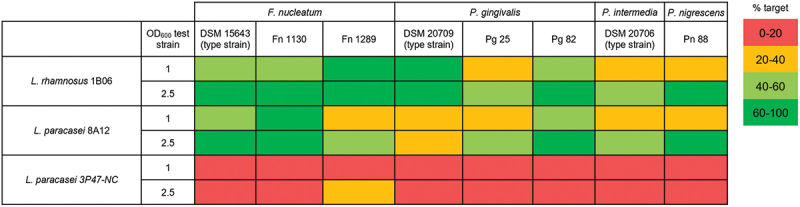
Coaggregation of 719 postbiotic Lactobacillus strains with target pathogens Fusobacterium nucleatum, Porphyromonas gingivalis, and Prevotella intermedia was quantified by absorbance and flow cytometry. Two strains, Lacticaseibacillus rhamnosus 1B06 and Lacticaseibacillus paracasei 8A12, coaggregated efficiently with all three target pathogens and clinical isolates even in the presence of other salivary bacteria. Pangenome analysis was used to characterize the strain-specific aggregation.
Overview
CoChat Summary
## TL;DR
This study screened 719 heat-inactivated Lactobacillus/postbiotic strains for coaggregation with three oral pathogens and found two standout strains, L. rhamnosus 1B06 and L. paracasei 8A12, that coaggregated efficiently with all three. The work suggests these strains may be useful as postbiotic oral-hygiene ingredients, but the evidence is entirely in vitro.
## Key findings
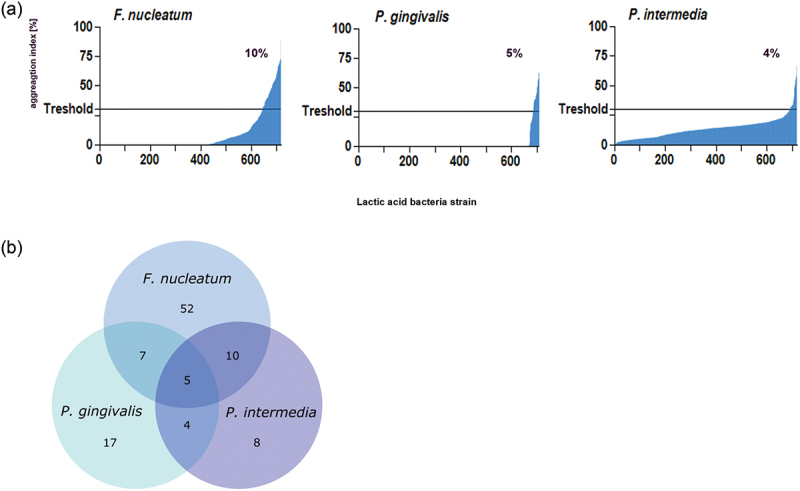
- Screening of 719 postbiotic Lactobacillus strains identified 103 strains across 35 species that coaggregated with at least one target pathogen; 21 coaggregated with more than one target, and 5 coaggregated with all three targets.
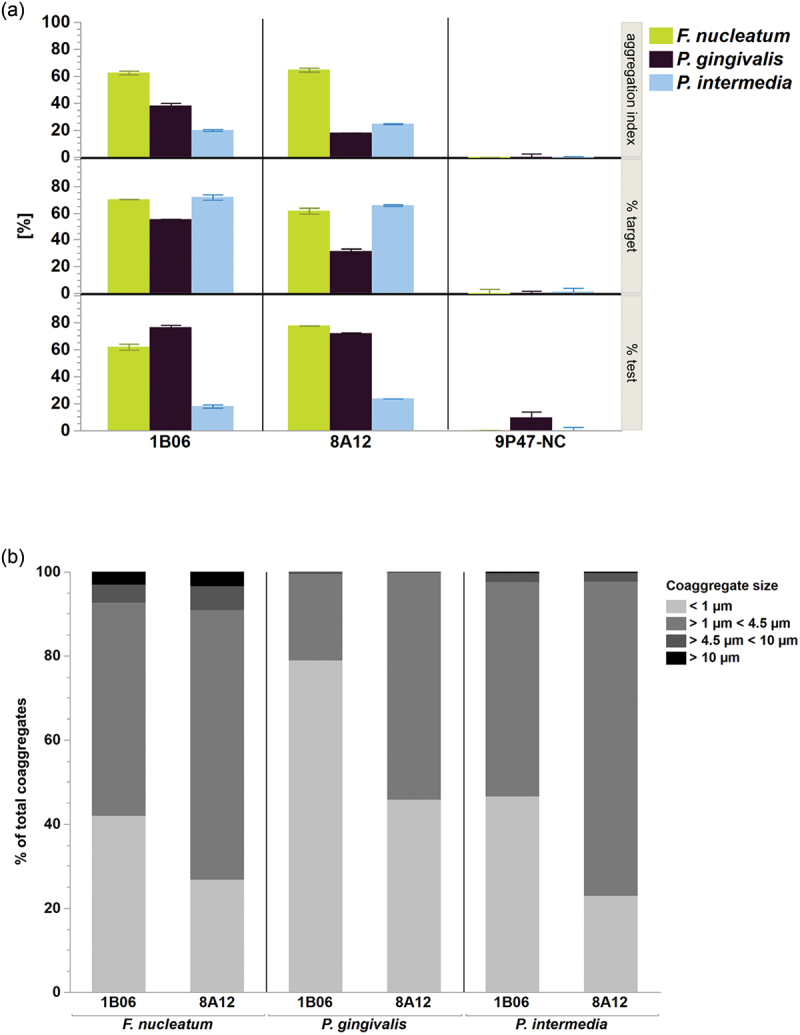
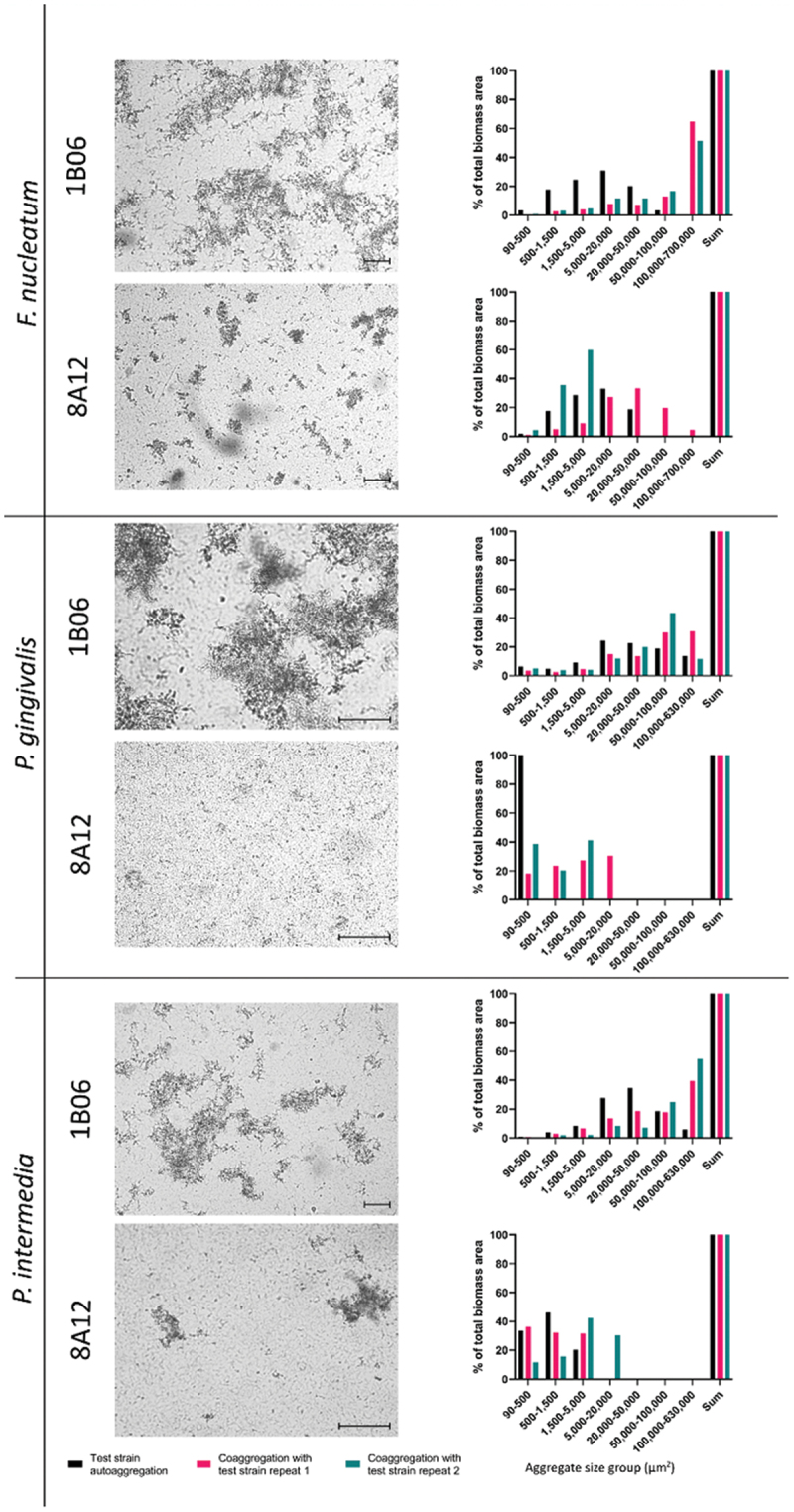
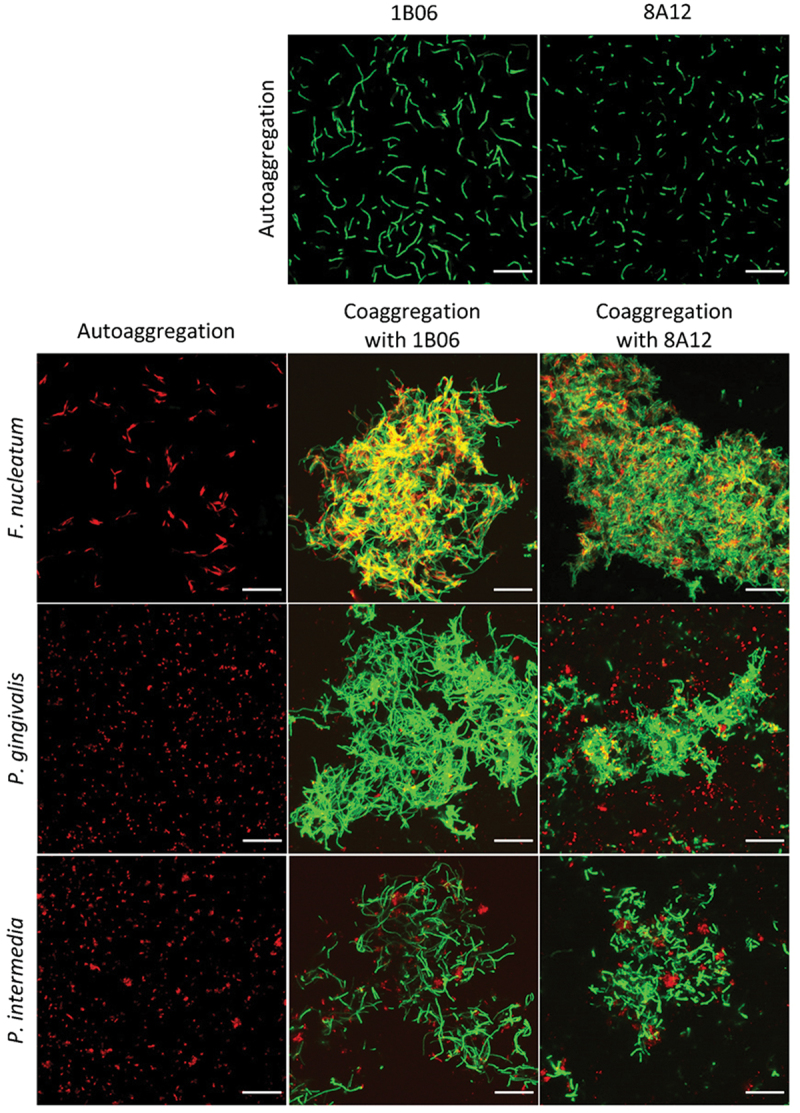
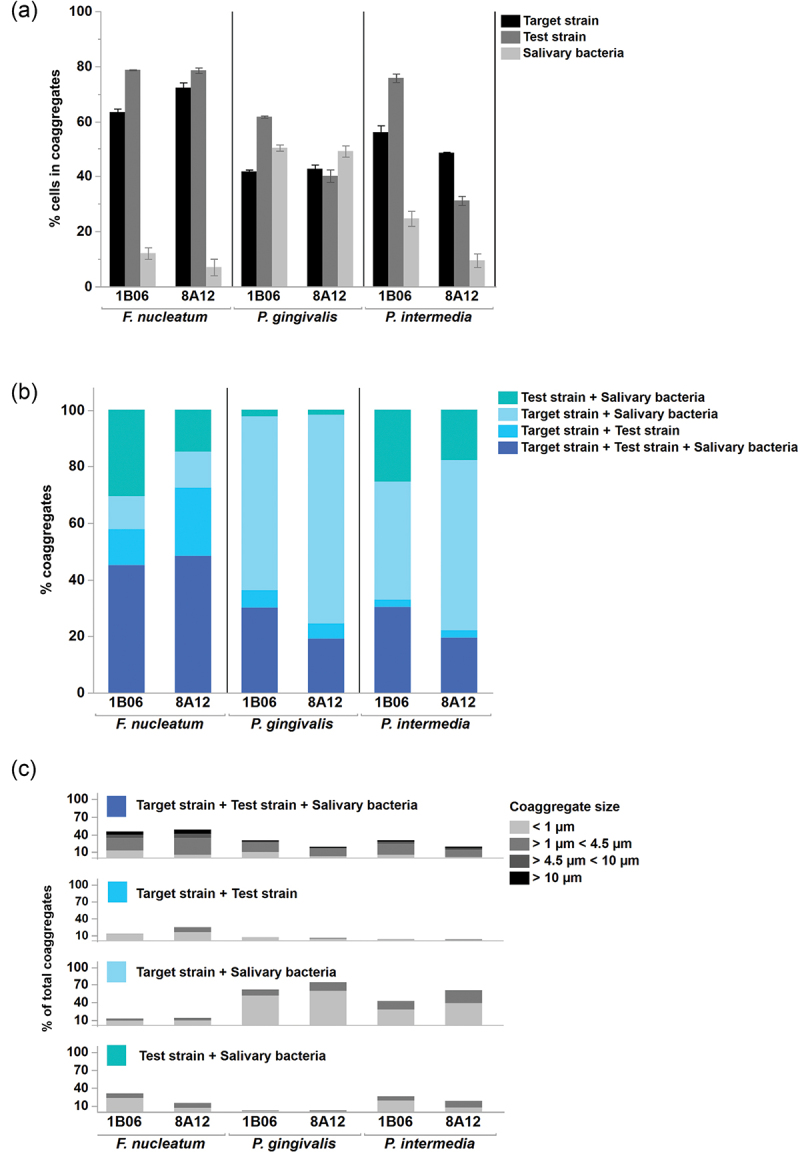
- Two strains stood out: Lacticaseibacillus rhamnosus 1B06 and Lacticaseibacillus paracasei 8A12, each coaggregating efficiently with Fusobacterium nucleatum, Porphyromonas gingivalis, and Prevotella intermedia, including clinical isolates and in the presence of salivary bacteria.
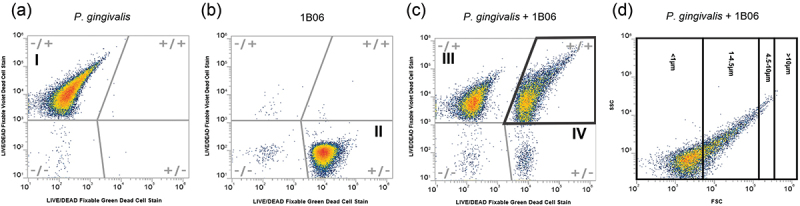
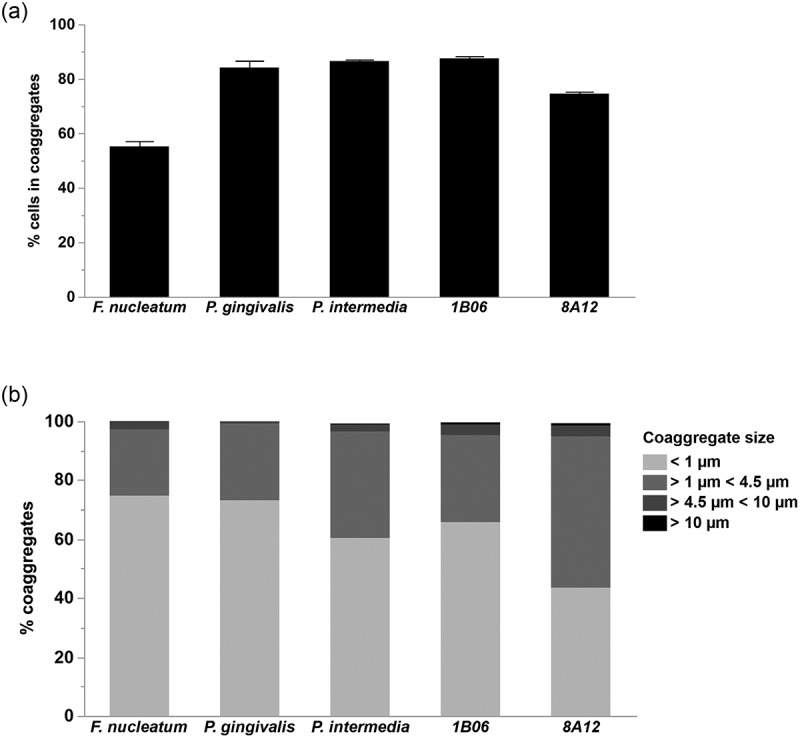
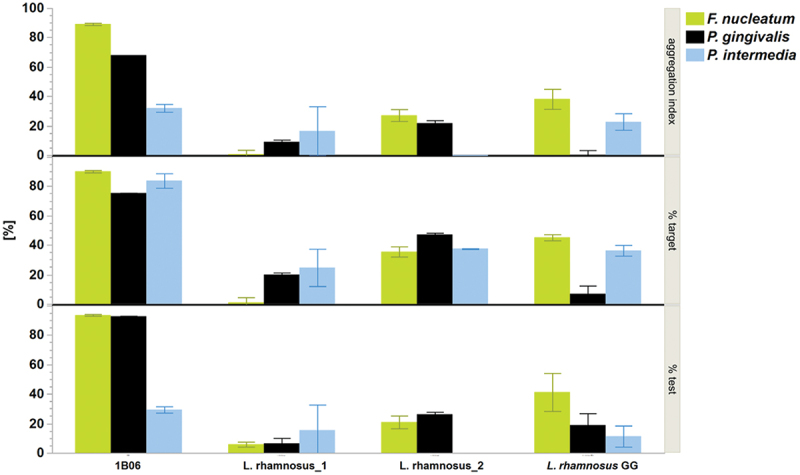
- In flow cytometry, after mixing L. rhamnosus 1B06 with P. gingivalis, 97% of test-strain cells and 56% of target-strain cells formed coaggregates; coaggregates reached sizes as large as 10 µm.
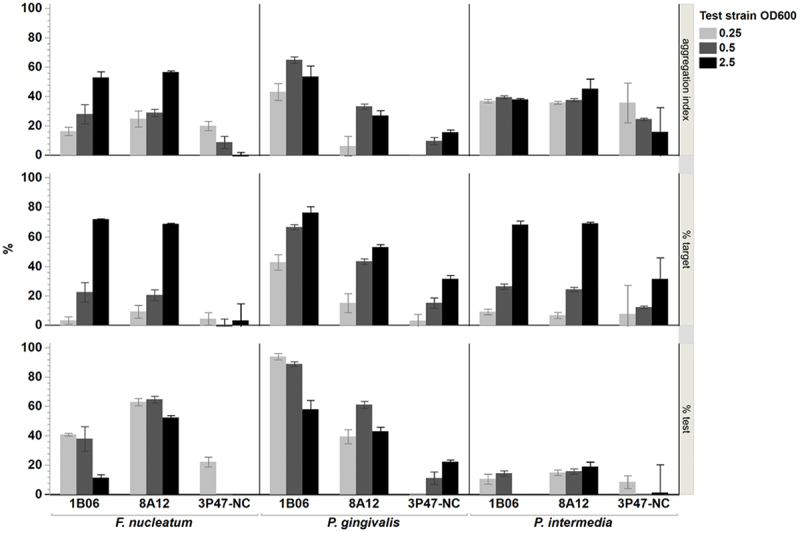
- Coaggregation increased with higher test:target ratios, with up to 70% of target cells involved in aggregation; the paper states that a 5:1 OD600 ratio was needed to coaggregate >70% of P. intermedia and F. nucleatum, while P. gingivalis coaggregated already at a 1:1 ratio.
## Methods
- The study used a high-throughput in vitro screening of 719 heat-inactivated postbiotic strains representing 69 species, tested against three oral pathogens: F. nucleatum, P. gingivalis, and P. intermedia.
- Initial coaggregation was quantified by absorbance/aggregation index; shortlisted strains were then analyzed by flow cytometry, brightfield microscopy, and confocal laser scanning microscopy, including experiments with pooled salivary microbiota from healthy donors.
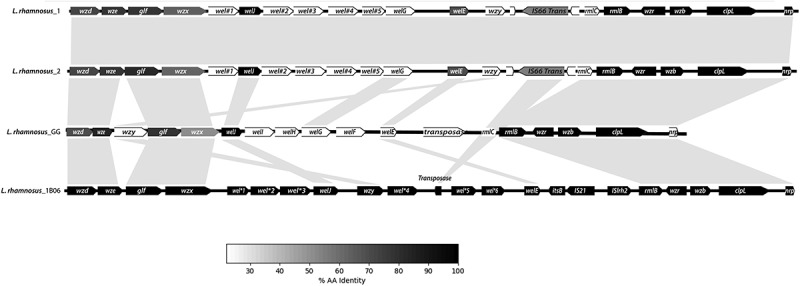
- Comparative genomics/pangenome analysis was performed on L. rhamnosus strains using ANI (fastANI) and ROARY/prokka to look for genomic regions potentially involved in coaggregation.
## Limitations
- The paper explicitly states that all experiments were in vitro and require validation in human or animal models.
- The paper notes that the number of clinical isolates tested was small.
- The genomic analysis limitation is explicit: only a small number of genomes were used, which could introduce sampling bias, and candidate genes were not functionally validated; said in the paper.
Model-written summary. Check it against the paper before relying on it.
Integrity signals
Registry
Cites
Statistics
Figures
Verification
Claims the paper makes
7 Valid · 0 Not valid · 2 Not checked · 64 Own results and interpretations
The sources with a verdict support this claim; the rest weren’t checked yet, have no full text we could read, or their verdicts aren’t rated yet.
In the paper
“Selected bacterial strains belonging to the genera Lactobacillus or Bifidobacterium have been applied as probiotics and have demonstrated a capacity to aggregate with oral pathogens, such as Fusobacterium nucleatum or Streptococcus mutans, in vitro [8–10] and in vivo [11].”
§ Coaggregation of oral pathogens by postbiotic lactobacilli > Introduction
What the sources say
- Not checked — no full text of the sourcecites [8] Kang MS, Na HS, Oh JS. Coaggregation ability of Weissella cibaria isolates with Fusobacterium nucleatum and their adhesiveness to epithelial cells. FEMS Microbiol Lett. 2005; 253(2): 323– 329. doi: 10.1016/j.femsle.2005.10.002 16288835 source
- Not checked — no full text of the sourcecites [9] Nagaoka S, Hojo K, Murata S, et al. Interactions between salivary Bifidobacterium adolescentis and other oral bacteria: in vitro coaggregation and coadhesion assays. FEMS Microbiol Lett. 2008; 281(2): 183– 189. doi: 10.1111/j.1574-6968.2008.01092.x 18312575 source
- Supportedcites [10] Thayalan DT, Abdullah R, Noor SSM, et al. In Vitro antimicrobial activity and aggregation abilities of probiotic Lactobacillus casei and Lactobacillus salivarius against oral pathogens. Archiv Orofac Sci. 2021; 16(2): 153– 163. doi: 10.21315/aos2021.16.2.6 source
The citation is attached to the in vitro claim; the citing sentence assigns the in vivo claim to a different reference. The Conclusion reports that the tested Lactobacillus strains coaggregated with the oral pathogen S. mutans, and the Test Microorganisms section identifies the strains used in this in vitro study. This source need not establish the sentence’s alternative examples of Bifidobacterium or F. nucleatum. (LLM, conf=0.92)
- Not checked — no full text of the sourcecites [11] Lang C, Böttner M, Holz C, et al. Specific Lactobacillus/Mutans Streptococcus co-aggregation. J Dent Res. 2010; 89(2): 175– 179. doi: 10.1177/0022034509356246 20042742 source
boostedstates a cause- Asserted: passes — The authors put it forward as true.
- Checkable: passes — It can be checked against evidence.
- Load-bearing: passes — The paper’s conclusions depend on it.
- Based: passes — The paper gives a reason why it holds.
Every source the paper cites for this claim was checked and supports it.
In the paper
“The aggregated state also primes oral bacteria for better clearance by the immune system [7].”
§ Coaggregation of oral pathogens by postbiotic lactobacilli > Introduction
What the sources say
- Supportedcites [7] Itzek A, Chen Z, Merritt J, et al. Effect of salivary agglutination on oral streptococcal clearance by human polymorphonuclear neutrophil granulocytes. Mol Oral Microbiol. 2017; 32(3): 197– 210. doi: 10.1111/omi.12164 27194631 PMC5116291 source
The Discussion states that salivary agglutination primes oral bacteria for better clearance because single cells are more resistant to neutrophil killing. This directly supports the citing sentence’s paraphrase. (LLM, conf=0.94)
plainstates a cause- Asserted: passes — The authors put it forward as true.
- Checkable: passes — It can be checked against evidence.
- Load-bearing: passes — The paper’s conclusions depend on it.
- Based: passes — The paper gives a reason why it holds.
- Supported
The cited sources support only part of this claim — read each source’s verdict below.
In the paper
“Based on the reported target strain abundance in saliva (<107 cells/mL saliva for each of the target species) [43–46] and the average saliva volume in the mouth under stimulated conditions [47,48], we estimated that the total amount of postbiotic cells required for efficient coaggregation would be 109 bacterial cells/g of product.”
§ Coaggregation of oral pathogens by postbiotic lactobacilli > Discussion > Coaggregation as a strategy to control the colonization of oral surfaces by disease-associated bacteria
What the sources say
- Partly supportedcites [43] Janati AI, Karp I, Von Renteln D, et al. Investigation of Fusobacterium Nucleatum in saliva and colorectal mucosa: a pilot study. Sci Rep. 2022; 12(1). doi: 10.1038/s41598-022-09587-x PMC8979950 35379861 sourceExperimental — accuracy not yet measured
Split into 2 atoms — 0 confirmed, 2 partially supported, 0 disputed, 0 misattributed, 0 unverifiable. Expand the claim to see per-atom verdicts.
- Not checked — no full text of the sourcecites [44] Liu J, Cui L, Yan X, et al. Analysis of oral microbiota revealed high abundance of prevotella intermedia in gout patients. Cell Physiol Biochem. 2018; 49(5): 1804– 1812. doi: 10.1159/000493626 30231244 source
- Partly supportedcites [45] Chen WD, Zhang X, Zhang M-J, et al. Salivary Fusobacterium nucleatum serves as a potential diagnostic biomarker for gastric cancer. World J Gastroenterol. 2022; 28(30): 4120– 4132. doi: 10.3748/wjg.v28.i30.4120 36157109 PMC9403436 sourceExperimental — accuracy not yet measured
Split into 2 atoms — 0 confirmed, 2 partially supported, 0 disputed, 0 misattributed, 0 unverifiable. Expand the claim to see per-atom verdicts.
- Could not verifycites [46] Torrungruang K, Jitpakdeebordin S, Charatkulangkun O, et al. Porphyromonas gingivalis, Aggregatibacter actinomycetemcomitans, and Treponema denticola/Prevotella intermedia co-infection are associated with severe periodontitis in a Thai population. PLOS ONE. 2015; 10(8): e0136646. doi: 10.1371/journal.pone.0136646 26313005 PMC4552424 sourceExperimental — accuracy not yet measured
Split into 2 atoms — 0 confirmed, 0 partially supported, 0 disputed, 0 misattributed, 2 unverifiable. Expand the claim to see per-atom verdicts.
- Not checked — no full text of the sourcecites [47] Proctor GB. The physiology of salivary secretion. Periodontology 2000. 2016; 70(1): 11– 25. doi: 10.1111/prd.12116 26662479 source
- Partly supportedcites [48] Lester S, Hurst K, Cornacchia L, et al. The relation between stimulated salivary flow and the temporal consumption experience of a liquid oral nutritional supplement. Appetite. 2021; 166: 105325. doi: 10.1016/j.appet.2021.105325 34062176 PMC8385417 sourceExperimental — accuracy not yet measured
Split into 2 atoms — 0 confirmed, 2 partially supported, 0 disputed, 0 misattributed, 0 unverifiable. Expand the claim to see per-atom verdicts.
hedged- Asserted: passes — The authors put it forward as true.
- Checkable: passes — It can be checked against evidence.
- Load-bearing: passes — The paper’s conclusions depend on it.
- Based: passes — The paper gives a reason why it holds.
- Partly supported
A result the paper reports from its own data — it cites no other source for it, so there is none to check. The quote shows it is in the paper.
In the paper
“We identified 103 strains, representing 35 bacterial species, that coaggregated with one or more of the target strains (Figure 1(a)).”
§ Coaggregation of oral pathogens by postbiotic lactobacilli > Results > Screening of lactic acid bacteria identifies strains that coaggregate with multiple oral disease-associated bacterial strains
plainstates an association- Asserted: passes — The authors put it forward as true.
- Checkable: passes — It can be checked against evidence.
- Load-bearing: passes — The paper’s conclusions depend on it.
- Based: passes — The paper gives a reason why it holds.
A result the paper reports from its own data — it cites no other source for it, so there is none to check. The quote shows it is in the paper.
In the paper
“The FC- based assay confirmed that the 27 shortlisted test strains formed coaggregates, and two strains, Lactobacillus paracasei 8A12 and L. rhamnosus 1B06 stood out from the rest by capturing a very high percentage (up to 70%) of target strain bacteria in aggregates (Figure S1 and Figure 3(a)) and by the ability to bind all target strains tested.”
§ Coaggregation of oral pathogens by postbiotic lactobacilli > Results > Flow cytometry analysis provides detailed insight into coaggregation efficiency
plainstates an association- Asserted: passes — The authors put it forward as true.
- Checkable: passes — It can be checked against evidence.
- Load-bearing: passes — The paper’s conclusions depend on it.
- Based: passes — The paper gives a reason why it holds.
32 more claims
Create a free account to see all 73 claims and every source verdict.
- Probably not a substantial claim. 15
- It may state two separate claims as one. 25
Citations
Cites
Prokka: rapid prokaryotic genome annotation
Seemann, T. (2014) · Bioinformatics · doi:10.1093/bioinformatics/btu153 · Cited by 18,818
High throughput ANI analysis of 90K prokaryotic genomes reveals clear species boundaries
Jain, C., Rodriguez-R, L. M., Phillippy, A. M., Konstantinidis, K. T., & Aluru, S. (2018) · Nature Communications · doi:10.1038/s41467-018-07641-9 · Cited by 5,748 · cited 1×
“The ANI implementation, fastANI [24] was used with a Kmer size of 16 and a fragment length of 3000.”
Roary: rapid large-scale prokaryote pan genome analysis
Page, A. J., Cummins, C. A., Hunt, M., Wong, V. K., Reuter, S., Holden, M. T. G., Fookes, M., Falush, D., Keane, J. A., & Parkhill, J. (2015) · Bioinformatics · doi:10.1093/bioinformatics/btv421 · Cited by 5,736 · cited 1×
“Pan-genomes were calculated with ROARY [25] using a fast-clustering algorithm to group genes into orthologous clusters.”
MAFFT version 5: improvement in accuracy of multiple sequence alignment
Katoh, K. (2005) · Nucleic Acids Research · doi:10.1093/nar/gki198 · Cited by 4,837 · cited 1×
“ROARY was run with PRANK [27] and MAFFT [28] based core genome alignments enabled.”
Fusobacterium nucleatum — symbiont, opportunist and oncobacterium
Brennan, C. A., & Garrett, W. S. (2019) · Nature Reviews Microbiology · doi:10.1038/s41579-018-0129-6 · Cited by 1,205 · cited 1×
“…multi-species coaggregation interactions [20,21] that usually resides in the middle of dental biofilms where it bridges early and late colonizers [22], and recruits (2) Porphyromonas gingivalis and (3) Prevotella intermedia both of which possess with its wide range of virulence factors, which…”
Communication among Oral Bacteria
Kolenbrander, P. E., Andersen, R. N., Blehert, D. S., Egland, P. G., Foster, J. S., & Palmer, R. J. (2002) · Microbiology and Molecular Biology Reviews · doi:10.1128/mmbr.66.3.486-505.2002 · Cited by 1,022 · cited 1×
“…of halitosis [15–17] and gingivitis [18,19] (1) Fusobacterium nucleatum , a spindle-shaped bacterium with multi-species coaggregation interactions [20,21] that usually resides in the middle of dental biofilms where it bridges early and late colonizers [22], and recruits (2) Porphyromonas…”
Oral Microbial Communities: Biofilms, Interactions, and Genetic Systems
Kolenbrander, P. E. (2000) · Annual Review of Microbiology · doi:10.1146/annurev.micro.54.1.413 · Cited by 894 · cited 1×
“The successional colonization of bacteria in dental plaque therefore relies on adherence properties, and as such, oral bacteria have evolved a remarkable tendency to coaggregate [4].”
Porphyromonas gingivalis: An Overview of Periodontopathic Pathogen below the Gum Line
How, K. Y., Song, K. P., & Chan, K. G. (2016) · Frontiers in Microbiology · doi:10.3389/fmicb.2016.00053 · Cited by 858 · cited 1×
“…where it bridges early and late colonizers [22], and recruits (2) Porphyromonas gingivalis and (3) Prevotella intermedia both of which possess with its wide range of virulence factors, which enable them to evade the host immune response and promote destruction of periodontal tissues [18,23].”
Phylogeny-aware alignment with PRANK
Löytynoja, A. (2014) · Methods in Molecular Biology · doi:10.1007/978-1-62703-646-7_10 · Cited by 743 · cited 1×
“ROARY was run with PRANK [27] and MAFFT [28] based core genome alignments enabled.”
The physiology of salivary secretion
Proctor, G. B. (2016) · Periodontology 2000 · doi:10.1111/prd.12116 · Cited by 583 · cited 1×
“…abundance in saliva ( 10 7 cells/mL saliva for each of the target species) [43–46] and the average saliva volume in the mouth under stimulated conditions [47,48], we estimated that the total amount of postbiotic cells required for efficient coaggregation would be 10 9 bacterial cells/g of product.”
Emerging issues in probiotic safety: 2023 perspectives
Merenstein, D., Pot, B., Leyer, G., Ouwehand, A. C., Preidis, G. A., Elkins, C. A., Hill, C., Lewis, Z. T., Shane, A. L., Zmora, N., et al. (2023) · Gut Microbes · doi:10.1080/19490976.2023.2185034 · Cited by 481 · cited 1×
“The heat map shows the percentage of target cells in the coaggregates. shelf life and low survival rates in the product formulation [35,36] and potentially invade host cells in vulnerable and pediatric populations [37].”
Postbiotics and paraprobiotics: From concepts to applications
Cuevas-González, P. F., Liceaga, A. M., & Aguilar-Toalá, J. E. (2020) · Food Research International · doi:10.1016/j.foodres.2020.109502 · Cited by 431 · cited 1×
“A safer and more practical approach would be to use inactivated microbial cells, cell fractions, or soluble products and metabolites of probiotics, known as postbiotics [12–14].”
Influence of saliva on the oral microbiota
Marsh, P. D., Do, T., Beighton, D., & Devine, D. A. (2016) · Periodontology 2000 · doi:10.1111/prd.12098 · Cited by 381 · cited 1×
“When planktonic bacteria form aggregates before adhering to a surface, they are more efficiently cleared from the oral cavity by salivary flow and swallowing [5,6].”
Ramos, C. L., Thorsen, L., Schwan, R. F., & Jespersen, L. (2013) · Food Microbiology · doi:10.1016/j.fm.2013.03.010 · Cited by 360 · cited 1×
“In line with previous findings, we observed that the coaggregation efficacy varies between strains of the same species [32,34].”
Saliva-Bacterium Interactions in Oral Microbial Ecology
Scannapieco, F. A. (1994) · Critical Reviews in Oral Biology & Medicine · doi:10.1177/10454411940050030201 · Cited by 328 · cited 2×
“When planktonic bacteria form aggregates before adhering to a surface, they are more efficiently cleared from the oral cavity by salivary flow and swallowing [5,6].”
Kolenbrander, P. E., Andersen, R. N., & Moore, L. V. (1989) · Infection and Immunity · doi:10.1128/iai.57.10.3194-3203.1989 · Cited by 298 · cited 1×
“…halitosis [15–17] and gingivitis [18,19] (1) Fusobacterium nucleatum , a spindle-shaped bacterium with multi-species coaggregation interactions [20,21] that usually resides in the middle of dental biofilms where it bridges early and late colonizers [22], and recruits (2) Porphyromonas gingivalis…”
Castro-Bravo, N., Wells, J. M., Margolles, A., & Ruas-Madiedo, P. (2018) · Frontiers in Microbiology · doi:10.3389/fmicb.2018.02426 · Cited by 284 · cited 1×
“The majority of the genes are members of the wz*, wel*, and glf families which have been previously shown to be present in probiotic strains of L. rhamnosus [49] and to significantly influence coaggregation capacity [50].”
Synthesis of bacterial polysaccharides via the Wzx/Wzy-dependent pathway
Islam, S. T., & Lam, J. S. (2014) · Canadian Journal of Microbiology · doi:10.1139/cjm-2014-0595 · Cited by 273
Lebeer, S., Verhoeven, T. L. A., Francius, G., Schoofs, G., Lambrichts, I., Dufrêne, Y., Vanderleyden, J., & De Keersmaecker, S. C. J. (2009) · Applied and Environmental Microbiology · doi:10.1128/aem.02919-08 · Cited by 270 · cited 1×
“The majority of the genes are members of the wz*, wel*, and glf families which have been previously shown to be present in probiotic strains of L. rhamnosus [49] and to significantly influence coaggregation capacity [50].”
Bacterial Profile of Dentine Caries and the Impact of pH on Bacterial Population Diversity
Kianoush, N., Adler, C. J., Nguyen, K.-A. T., Browne, G. V., Simonian, M., & Hunter, N. (2014) · PLoS ONE · doi:10.1371/journal.pone.0092940 · Cited by 168 · cited 1×
“The lack of metabolic activity minimizes the risk of adverse effects and it precludes active contribution to biofilm growth and acidification that leads to dental caries [38].”
Könönen, E., Fteita, D., Gursoy, U. K., & Gursoy, M. (2022) · Journal of Oral Microbiology · doi:10.1080/20002297.2022.2079814 · Cited by 163 · cited 2×
“…where it bridges early and late colonizers [22], and recruits (2) Porphyromonas gingivalis and (3) Prevotella intermedia both of which possess with its wide range of virulence factors, which enable them to evade the host immune response and promote destruction of periodontal tissues [18,23].”
The Role of Oral Microbiota in Intra-Oral Halitosis
Hampelska, K., Jaworska, M. M., Babalska, Z. Ł., & Karpiński, T. M. (2020) · Journal of Clinical Medicine · doi:10.3390/jcm9082484 · Cited by 160
Indigenous Dadih Lactic Acid Bacteria: Cell‐Surface Properties and Interactions with Pathogens
Collado, M. C., Surono, I., Meriluoto, J., & Salminen, S. (2007) · Journal of Food Science · doi:10.1111/j.1750-3841.2007.00294.x · Cited by 138 · cited 1×
“Coaggregation as a strategy to decrease the abundance of certain disease-associated bacteria in living organisms [8,29–31] has been shown to be effective for managing virulent species like Helicobacter pylori [32, ]Streptococcus pyogenes [33] or Streptococcus mutans [11] in both animal models and…”
Intraoral Transmission and the Colonization of Oral Hard Surfaces
Quirynen, M., Papaioannou, W., & van Steenberghe, D. (1996) · Journal of Periodontology · doi:10.1902/jop.1996.67.10.986 · Cited by 131 · cited 1×
“Bacteria are recruited to dental plaque through intraoral transmission, typically from nearby areas, such as the periodontal pockets [40].”
The relationship between the presence of periodontopathogenic bacteria in saliva and halitosis
Awano, S., Gohara, K., Kurihara, E., Ansai, T., & Takehara, T. (2002) · International Dental Journal · doi:10.1002/j.1875-595x.2002.tb00927.x · Cited by 121 · cited 1×
“Bacteria targeted in this study include three species that are involved in the etiology of halitosis [15–17] and gingivitis [18,19] (1) Fusobacterium nucleatum , a spindle-shaped bacterium with multi-species coaggregation interactions [20,21] that usually resides in the middle of dental biofilms…”
The non-attached biofilm aggregate
Kragh, K. N., Tolker-Nielsen, T., & Lichtenberg, M. (2023) · Communications Biology · doi:10.1038/s42003-023-05281-4 · Cited by 121 · cited 1×
“Incorporation of bacteria into dental plaque is facilitated by bridging aggregation, and both planktonic bacteria and aggregates can be incorporated into the structure [41].”
The Role of the Oral Microbiome in the Development of Diseases
Kozak, M., & Pawlik, A. (2023) · International Journal of Molecular Sciences · doi:10.3390/ijms24065231 · Cited by 109 · cited 1×
“Bacteria targeted in this study include three species that are involved in the etiology of halitosis [15–17] and gingivitis [18,19] (1) Fusobacterium nucleatum , a spindle-shaped bacterium with multi-species coaggregation interactions [20,21] that usually resides in the middle of dental biofilms…”
Mini-review: Microbial coaggregation: ubiquity and implications for biofilm development
Katharios-Lanwermeyer, S., Xi, C., Jakubovics, N. S., & Rickard, A. H. (2014) · Biofouling · doi:10.1080/08927014.2014.976206 · Cited by 104
Holz, C., Busjahn, A., Mehling, H., Arya, S., Boettner, M., Habibi, H., & Lang, C. (2015) · Probiotics and Antimicrobial Proteins · doi:10.1007/s12602-014-9181-3 · Cited by 104 · cited 2×
“…a strategy to decrease the abundance of certain disease-associated bacteria in living organisms [8,29–31] has been shown to be effective for managing virulent species like Helicobacter pylori [32, ]Streptococcus pyogenes [33] or Streptococcus mutans [11] in both animal models and clinical trials.”
Torrungruang, K., Jitpakdeebordin, S., Charatkulangkun, O., & Gleebbua, Y. (2015) · PLOS ONE · doi:10.1371/journal.pone.0136646 · Cited by 102 · cited 1×
“Based on the reported target strain abundance in saliva ( 10 7 cells/mL saliva for each of the target species) [43–46] and the average saliva volume in the mouth under stimulated conditions [47,48], we estimated that the total amount of postbiotic cells required for efficient coaggregation would be…”
Hojjati, M., Behabahani, B. A., & Falah, F. (2020) · Microbial Pathogenesis · doi:10.1016/j.micpath.2020.104420 · Cited by 100
Specific Lactobacillus/Mutans Streptococcus Co-aggregation
Lang, C., Böttner, M., Holz, C., Veen, M., Ryser, M., Reindl, A., Pompejus, M., & Tanzer, J. M. (2010) · Journal of Dental Research · doi:10.1177/0022034509356246 · Cited by 83 · cited 2×
“Selected bacterial strains belonging to the genera Lactobacillus or Bifidobacterium have been applied as probiotics and have demonstrated a capacity to aggregate with oral pathogens, such as Fusobacterium nucleatum or Streptococcus mutans , in vitro [8–10] and in vivo [11].”
Toh, E. C., Kurtz, H. D., & Brun, Y. V. (2008) · Journal of Bacteriology · doi:10.1128/jb.01003-08 · Cited by 76 · cited 1×
“This diversity is important for interaction with the environment, including biofilm formation and coaggregation properties [51–53].”
Polymicrobial Aggregates in Human Saliva Build the Oral Biofilm
Simon-Soro, A., Ren, Z., Krom, B. P., Hoogenkamp, M. A., Cabello-Yeves, P. J., Daniel, S. G., Bittinger, K., Tomas, I., Koo, H., & Mira, A. (2022) · mBio · doi:10.1128/mbio.00131-22 · Cited by 71 · cited 2×
“We did observe coag-gregation with salivary bacteria (Figure 7), but the coag-gregates were small and may be comparable to aggregates that form between salivary bacteria [42].”
Santore, M. M. (2022) · Advances in Colloid and Interface Science · doi:10.1016/j.cis.2022.102665 · Cited by 61 · cited 1×
“Firstly, large objects adhere less well to solid substrates as they experience greater hydrodynamic forces [39], and secondly, coaggregation might shield the pathogen from interacting with the host which is seen in our coaggregates (Figure 8).”
Edlund, A., Yang, Y., Yooseph, S., He, X., Shi, W., & McLean, J. S. (2018) · Microbiome · doi:10.1186/s40168-018-0591-4 · Cited by 57 · cited 1×
“Biofilm formation is initiated by specific bacteria that are considered ‘primary colonizers’ because they adhere to mucosal and dental surfaces and serve as a foundation to which other bacteria can attach and join the community through specific adhesin-receptor interactions [1–3].”
İncili, G. K., Akgöl, M., Karatepe, P., Tekin, A., Kanmaz, H., Kaya, B., & Hayaloğlu, A. A. (2023) · Food and Bioprocess Technology · doi:10.1007/s11947-023-03009-0 · Cited by 56 · cited 1×
“The heat map shows the percentage of target cells in the coaggregates. shelf life and low survival rates in the product formulation [35,36] and potentially invade host cells in vulnerable and pediatric populations [37].”
Oral microbiome as a co-mediator of halitosis and periodontitis: a narrative review
Lee, Y., & Hong, J. (2023) · Frontiers in Oral Health · doi:10.3389/froh.2023.1229145 · Cited by 54 · cited 1×
“Bacteria targeted in this study include three species that are involved in the etiology of halitosis [15–17] and gingivitis [18,19] (1) Fusobacterium nucleatum , a spindle-shaped bacterium with multi-species coaggregation interactions [20,21] that usually resides in the middle of dental biofilms…”
Kang, M.-S., Na, H.-S., & Oh, J.-S. (2005) · FEMS Microbiology Letters · doi:10.1016/j.femsle.2005.10.002 · Cited by 53 · cited 2×
“Selected bacterial strains belonging to the genera Lactobacillus or Bifidobacterium have been applied as probiotics and have demonstrated a capacity to aggregate with oral pathogens, such as Fusobacterium nucleatum or Streptococcus mutans , in vitro [8–10] and in vivo [11].”
Che, J., Shi, J., Fang, C., Zeng, X., Wu, Z., Du, Q., Tu, M., & Pan, D. (2024) · Microorganisms · doi:10.3390/microorganisms12040704 · Cited by 52
Nagaoka, S., Hojo, K., Murata, S., Mori, T., Ohshima, T., & Maeda, N. (2008) · FEMS Microbiology Letters · doi:10.1111/j.1574-6968.2008.01092.x · Cited by 46
Analysis of Oral Microbiota Revealed High Abundance of Prevotella Intermedia in Gout Patients
Liu, J., Cui, L., Yan, X., Zhao, X., Cheng, J., Zhou, L., Gao, J., Cao, Z., Ye, X., & Hu, S. (2018) · Cellular Physiology and Biochemistry · doi:10.1159/000493626 · Cited by 45
Aggregation of Animal Lactobacilli with O157 Enterohemorrhagic Escherichia coli
Bujňáková, D., & Kmeť, V. (2002) · Journal of Veterinary Medicine Series B · doi:10.1046/j.1439-0450.2002.00526.x · Cited by 41
Salivary Fusobacterium nucleatum serves as a potential diagnostic biomarker for gastric cancer
Chen, W.-D., Zhang, X., Zhang, M.-J., Zhang, Y.-P., Shang, Z.-Q., Xin, Y.-W., & Zhang, Y. (2022) · World Journal of Gastroenterology · doi:10.3748/wjg.v28.i30.4120 · Cited by 38
Outside the limits of bacterial viability: Postbiotics in the management of periodontitis
Moraes, R. M., Schlagenhauf, U., & Anbinder, A. L. (2022) · Biochemical Pharmacology · doi:10.1016/j.bcp.2022.115072 · Cited by 29 · cited 1×
“A safer and more practical approach would be to use inactivated microbial cells, cell fractions, or soluble products and metabolites of probiotics, known as postbiotics [12–14].”
Gao, Y.-Q., Niu, M., Yu, X., Bao, T., Wu, Z., & Zhao, X. (2021) · Frontiers in Microbiology · doi:10.3389/fmicb.2021.692957 · Cited by 23 · cited 1×
“L. rhamnosus 1B06 strains may therefore, in part, have acquired their coaggregation capacity through the horizontal transfer of EPS bio-synthetic clusters, a mechanism that has previously been reported to enhance probiotic properties in lactic acid bacteria [54].”
Investigation of Fusobacterium Nucleatum in saliva and colorectal mucosa: a pilot study
Idrissi Janati, A., Karp, I., Von Renteln, D., Bouin, M., Liu, Y., Tran, S. D., & Emami, E. (2022) · Scientific Reports · doi:10.1038/s41598-022-09587-x · Cited by 21 · cited 1×
“Based on the reported target strain abundance in saliva ( 10 7 cells/mL saliva for each of the target species) [43–46] and the average saliva volume in the mouth under stimulated conditions [47,48], we estimated that the total amount of postbiotic cells required for efficient coaggregation would be…”
Itzek, A., Chen, Z., Merritt, J., & Kreth, J. (2017) · Molecular Oral Microbiology · doi:10.1111/omi.12164 · Cited by 17 · cited 2×
“For example, studies in the oral cavity have shown that large coaggregates are removed more easily than smaller aggregates or planktonic cells [7], and saliva components can cause aggregation in the form of saliva-mediated agglutination [6].”
Wang, G., Li, J., Xie, S., Zhai, Z., & Hao, Y. (2020) · PeerJ · doi:10.7717/peerj.8524 · Cited by 16
Postbiotics: an innovative approach to increase shelf life and quality of foods
Nikravan, L., Zamanpour, S., & Noori, S. M. A. (2023) · Nutrition & Food Science · doi:10.1108/nfs-06-2023-0138 · Cited by 15 · cited 1×
“The heat map shows the percentage of target cells in the coaggregates. shelf life and low survival rates in the product formulation [35,36] and potentially invade host cells in vulnerable and pediatric populations [37].”
Lester, S., Hurst, K., Cornacchia, L., Kleijn, M., Ayed, C., Dinu, V., Taylor, M. A., & Fisk, I. (2021) · Appetite · doi:10.1016/j.appet.2021.105325 · Cited by 14 · cited 1×
“…abundance in saliva ( 10 7 cells/mL saliva for each of the target species) [43–46] and the average saliva volume in the mouth under stimulated conditions [47,48], we estimated that the total amount of postbiotic cells required for efficient coaggregation would be 10 9 bacterial cells/g of product.”
Numerical and experimental investigation of multi-species bacterial co-aggregation
Soleimani, M., Szafranski, S. P., Qu, T., Mukherjee, R., Stiesch, M., Wriggers, P., & Junker, P. (2023) · Scientific Reports · doi:10.1038/s41598-023-38806-2 · Cited by 7 · cited 1×
“Biofilm formation is initiated by specific bacteria that are considered ‘primary colonizers’ because they adhere to mucosal and dental surfaces and serve as a foundation to which other bacteria can attach and join the community through specific adhesin-receptor interactions [1–3].”
Thayalan, D. T., Abdullah, R., Md Noor, S. S., & Mohamad, S. (2021) · Archives of Orofacial Sciences · doi:10.21315/aos2021.16.2.6 · Cited by 3 · cited 1×
“Selected bacterial strains belonging to the genera Lactobacillus or Bifidobacterium have been applied as probiotics and have demonstrated a capacity to aggregate with oral pathogens, such as Fusobacterium nucleatum or Streptococcus mutans , in vitro [8–10] and in vivo [11].”
Reiprich, A., Skalden, L., Raab, A., Bolotina, N., & Lang, C. (2022) · Beneficial Microbes · doi:10.3920/bm2021.0103 · Cited by 3 · cited 1×
“…a strategy to decrease the abundance of certain disease-associated bacteria in living organisms [8,29–31] has been shown to be effective for managing virulent species like Helicobacter pylori [32, ]Streptococcus pyogenes [33] or Streptococcus mutans [11] in both animal models and clinical trials.”
Cited by
Megur, A., Ambrutaitytė, K., Sadauskas, M., Stankevičiūtė, J., Meškys, R., Lastauskienė, E., & Burokas, A. (2026) · Journal of Functional Foods · doi:10.1016/j.jff.2026.107281 · Cited by 4
Mukherjee, R., Klempt, F., Fuchs, F., Doll‐Nikutta, K., Soleimani, M., Wriggers, P., Junker, P., Stiesch, M., & Szafrański, S. P. (2025) · Microbiology Spectrum · doi:10.1128/spectrum.00410-25 · Cited by 2
“…acting against menG ) (90, 91) or competitive strains like Bifidobacterium spp. ( 92) or probiotic and postbiotic strains, for example, Lactobacillus acidophilus and Lactobacillus reuteri (92, 93) along with their colonization-promoting metabolites, may offer effective anti-bio film strategies.”
Ni, Z., Xie, J., Zhang, Z., Zhang, K., Ding, J., Chang, M., Su, Y., Zhang, Y., Yao, M., Wang, C., et al. (2026) · iMeta · doi:10.1002/imt2.70148 · Cited by 2
Sabatini, S., Martínez, C. P., Bassignani, J., Maiorani, C., Butera, A., & Scribante, A. (2025) · Applied Sciences · doi:10.3390/app151810135
Vear, S. C., Patel, A. N., Hayashi, M. A. L., & Rickard, A. H. (2026) · Journal of Oral Microbiology · doi:10.1080/20002297.2026.2617745
“Another avenue of research could include studies of the effects on coaggregation of physiologically relevant solutions such as mFum [34], artificial saliva solutions [36], or natural unstimulated saliva [37].”
Metadata
- Authors
- Golletz, P., Jensen, S. D., Collignon, M., Hall, C., Khamas, A. B., Møllebjerg, A., Schlafer, S., Meyer, R. L., & Tykwinska, K.
- Affiliations
- Novozymes Berlin GmbH (Novonesis Group)
- Aarhus University (DK)
- Novonesis (Denmark) (DK)
- Corresponding author
- Meyer, Rikke Louise
- Tykwinska, Karolina
- Venue
- Journal of oral microbiology
- Publisher
- Informa UK Limited
- Published
- 2025-05-29
- Volume
- 17
- Issue
- 1
- Pages
- 2508483-2508483
- ISSN
- 2000-2297 (ISSN-L)
- PMC
- PMC12123943
- OpenAlex
- W4410852511
- Cited by
- 10
- References
- 55
- Citations by year
- 2026: 8 · 2025: 2
- FWCI
- 9.31
- Type
- journal article
- Language
- en
- Open access
- gold
- doi.org
- Licence
- Locations
- Journal of Oral Microbiology (publishedVersion, cc-by-nc)
- PubMed Central (publishedVersion, cc-by-nc)
- PubMed (publishedVersion)
- DOAJ (DOAJ: Directory of Open Access Journals) (submittedVersion, cc-by-sa)
- Funders
- Novozymes A/S
- Topics
- Health Sciences › Dentistry › Periodontics › Oral microbiology and periodontitis research
- Life Sciences › Agricultural and Biological Sciences › Food Science › Probiotics and Fermented Foods
- Life Sciences › Biochemistry, Genetics and Molecular Biology › Molecular Biology › Bacterial biofilms and quorum sensing
- Keywords
- bacterial coaggregation, postbiotics, Lactobacillus, oral pathogens, Lactobacillus rhamnosus, Lactobacillus paracasei, salivary bacteria, pangenome analysis, oral care products, oral health
About these checks
Registry, retraction, Cites and statistics results are computed, not judged, with one exception: a printed reference that no index lists is read once by a model before it counts as a citation error. Claims are extracted by a model and kept only when their quote appears verbatim in the text; each cited source is then checked, with a model’s help, for whether it says what the claim relies on. Those verdicts can be wrong — read the claim’s quote and the cited source before relying on one.
The claim verdicts this report counts are experimental: their accuracy is not yet measured.
A language model drew the claims from the paper on 2026-10-11, under version 3 of the claim definition (model deepseek-v4.1-flash, prompt extract-v3).
A second model labelled each claim on 2026-10-11 (model jev-1.13-20260917, definition revision gold-guideline-v0.2).
Cited sources are checked with a language model’s help (gpt-6-sol).
Statistics and arithmetic are recomputed, not judged.
Confidence bands are shown only for fields calibrated on our annotated test set. None is calibrated yet, so no band is shown.
What counts as a claim ›How we measure confidence ›How we check this ›
Are you an author, or do you see a problem with this page? Request a review
Data sources
Bibliographic data: Semantic Scholar, OpenAlex, Crossref.
Contains information from the Semantic Scholar Academic Graph Datasets, made available under the ODC Attribution License (ODC-BY 1.0).
Semantic Scholar’s data is described in: Kinney, R., et al. (2023). The Semantic Scholar Open Data Platform. arXiv:2301.10140.
