

Triglyceride-rich lipoproteins and high-density lipoprotein cholesterol in patients at high risk of cardiovascular disease: evidence and guidance for management
Open accessThe DOI matches its Crossref record; 250 of the 254 references it cites were found in a registry or an index.
Abstract
Even at low-density lipoprotein cholesterol (LDL-C) goal, patients with cardiometabolic abnormalities remain at high risk of cardiovascular events. This paper aims (i) to critically appraise evidence for elevated levels of triglyceride-rich lipoproteins (TRLs) and low levels of high-density lipoprotein cholesterol (HDL-C) as cardiovascular risk factors, and (ii) to advise on therapeutic strategies for management. Current evidence supports a causal association between elevated TRL and their remnants, low HDL-C, and cardiovascular risk. This interpretation is based on mechanistic and genetic studies for TRL and remnants, together with the epidemiological data suggestive of the association for circulating triglycerides and cardiovascular disease. For HDL, epidemiological, mechanistic, and clinical intervention data are consistent with the view that low HDL-C contributes to elevated cardiovascular risk; genetic evidence is unclear however, potentially reflecting the complexity of HDL metabolism. The Panel believes that therapeutic targeting of elevated triglycerides (≥ 1.7 mmol/L or 150 mg/dL), a marker of TRL and their remnants, and/or low HDL-C (<1.0 mmol/L or 40 mg/dL) may provide further benefit. The first step should be lifestyle interventions together with consideration of compliance with pharmacotherapy and secondary causes of dyslipidaemia. If inadequately corrected, adding niacin or a fibrate, or intensifying LDL-C lowering therapy may be considered. Treatment decisions regarding statin combination therapy should take into account relevant safety concerns, i.e. the risk of elevation of blood glucose, uric acid or liver enzymes with niacin, and myopathy, increased serum creatinine and cholelithiasis with fibrates. These recommendations will facilitate reduction in the substantial cardiovascular risk that persists in patients with cardiometabolic abnormalities at LDL-C goal.
Overview
The claims and statistics of this paper haven’t been checked yet.
Free: it reads the open-access text and checks the first 5 claims that cite a source we can check. Create a free account to check every claim.
Integrity signals
Registry
Cites
Statistics
Figures
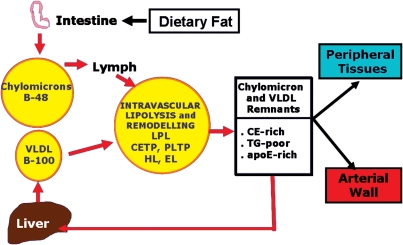
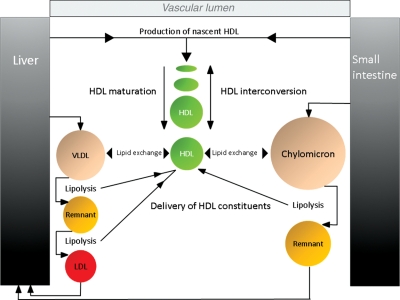
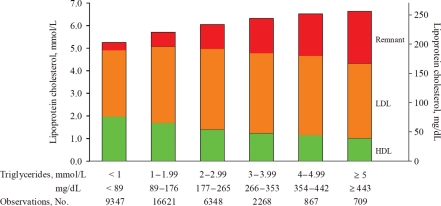
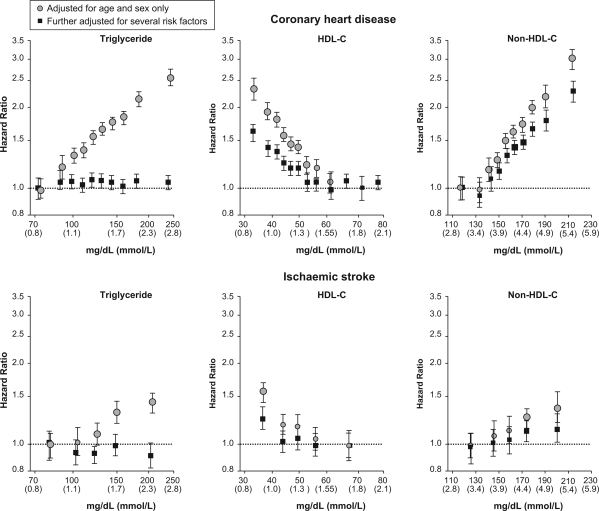
Verification
Claims the paper makes
The claims and statistics of this paper haven’t been checked yet.
Free: it reads the open-access text and checks the first 5 claims that cite a source we can check. Create a free account to check every claim.
Claims other papers make about this one
Each is checked against this paper’s own text: does it say what the citing paper says it does?
The source backs part of the claim, not all of it — or backs it for a different population, condition or comparison.
In the citing paper
“Over the past three decades, epidemiologic and genetic evidence has accumulated to support the concept that elevated levels of plasma TG, TRL, and TRL remnants are causally related to an increased risk of ASCVD-related events—myocardial infarction (MI), stroke, and aortic valve stenosis—and all-cause mortality.1,2,17,19,20,24–28”
From Triglyceride-rich lipoproteins and their remnants: metabolic insights, role in atherosclerotic cardiovascular disease, and emerging therapeutic strategies—a consensus statement from the European Atherosclerosis Society (2021) · cites this paper as [2]
Experimental — accuracy not yet measuredThe source backs part of the claim, not all of it — or backs it for a different population, condition or comparison.
In the citing paper
“Recent advances in human genetics, together with a large body of epidemiologic, preclinical, and clinical trial results, provide strong support for a causal association between triglycerides (TG), TG-rich lipoproteins (TRL), and TRL remnants, and increased risk of myocardial infarction, ischaemic stroke, and aortic valve stenosis.”
From Triglyceride-rich lipoproteins and their remnants: metabolic insights, role in atherosclerotic cardiovascular disease, and emerging therapeutic strategies—a consensus statement from the European Atherosclerosis Society (2021) · cites this paper as [2]
Experimental — accuracy not yet measuredThe source backs part of the claim, not all of it — or backs it for a different population, condition or comparison.
In the citing paper
“elevated plasma TG levels (with the accumulation of TRL and remnant particles) are related not only to subclinical atherosclerosis and vascular inflammation independently of LDL-C in statin-naïve, apparently healthy subjects”
From Triglyceride-rich lipoproteins and their remnants: metabolic insights, role in atherosclerotic cardiovascular disease, and emerging therapeutic strategies—a consensus statement from the European Atherosclerosis Society (2021) · cites this paper as [2]
Experimental — accuracy not yet measuredThe source backs part of the claim, not all of it — or backs it for a different population, condition or comparison.
In the citing paper
“ApoE-mediated macrophage uptake of VLDL and remnants promotes an inflammatory (M1) phenotype,2,17,139 enhances inflammation, increases phagocytosis and foam cell formation, exerts defective efferocytotic activity, and favours fibrous cap thinning due to activation of metalloprotease expression140”
From Triglyceride-rich lipoproteins and their remnants: metabolic insights, role in atherosclerotic cardiovascular disease, and emerging therapeutic strategies—a consensus statement from the European Atherosclerosis Society (2021) · cites this paper as [2]
Experimental — accuracy not yet measuredThe source backs part of the claim, not all of it — or backs it for a different population, condition or comparison.
In the citing paper
“Current management strategies for HTG and mixed dyslipidemia provide limited and inconsistent benefits in TG lowering and cardiovascular outcomes, underscoring the need for more effective and durable approaches targeting TRL and apoB-containing lipoproteins (Filtz et al., 2024; Berglund et al., 2012; Chapman et al., 2011).”
From Efficacy and safety of small interfering RNA (siRNA) therapies for hypertriglyceridemia and mixed dyslipidemia: an updated systematic review and meta-analysis (2026) · cites this paper as Chapman et al., 2011
Experimental — accuracy not yet measured
8 more claims about this paper
Create a free account to see every claim other papers make about this one.
Self-check
Percentages, sums and reported differences re-computed from the paper’s own numbers.
The self-check needs the paper’s full text.
Citations
Cites
The Metabolic and Molecular Bases of Inherited Disease
Scriver, R. C. (1995) · Medical Entomology and Zoology · Cited by 12,101
European Guidelines on cardiovascular disease prevention in clinical practice (version 2012)
Authors/Task Force Members:, Perk, J., De Backer, G., Gohlke, H., Graham, I., Reiner, Ž., Verschuren, M., Albus, C., Benlian, P., Boysen, G., et al. (2012) · European Heart Journal · doi:10.1093/eurheartj/ehs092 · Cited by 8,490
Global estimates of the prevalence of diabetes for 2010 and 2030
Shaw, J. E., Sicree, R. A., & Zimmet, P. Z. (2010) · Diabetes Research and Clinical Practice · doi:10.1016/j.diabres.2009.10.007 · Cited by 7,216
Ticagrelor versus clopidogrel in patients with acute coronary syndromes
Wallentin, L., Becker, R. C., Budaj, A., Cannon, C. P., Emanuelsson, H., Held, C., Horrow, J., Husted, S., James, S., Katus, H., et al. (2009) · New England Journal of Medicine · doi:10.1056/nejmoa0904327 · Cited by 7,117
The metabolic and molecular bases of inherited disease
Chen, Y.-T. (2001) · Medical Entomology and Zoology · Cited by 6,928
Grundy, S. M., Cleeman, J. I., Merz, C. N. B., Brewer, H. B., Clark, L. T., Hunninghake, D. B., Pasternak, R. C., Smith, S. C., & Stone, N. J. (2004) · Circulation · doi:10.1161/01.cir.0000133317.49796.0e · Cited by 6,902
Prasugrel versus clopidogrel in patients with acute coronary syndromes
Wiviott, S. D., Braunwald, E., McCabe, C. H., Montalescot, G., Ruzyllo, W., Gottlieb, S., Neumann, F.-J., Ardissino, D., De Servi, S., Murphy, S. A., et al. (2007) · New England Journal of Medicine · doi:10.1056/nejmoa0706482 · Cited by 6,790
Cholesterol Treatment Trialists' (CTT) Collaboration (2010) · The Lancet · doi:10.1016/s0140-6736(10)61350-5 · Cited by 6,550
Helsinki Heart Study: Primary-Prevention Trial with Gemfibrozil in Middle-Aged Men with Dyslipidemia
Frick, M. H., Elo, O., Haapa, K., Heinonen, O. P., Heinsalmi, P., Helo, P., Huttunen, J. K., Kaitaniemi, P., Koskinen, P., Manninen, V., et al. (1987) · New England Journal of Medicine · doi:10.1056/nejm198711123172001 · Cited by 3,881
Research works printed but not linked: 3
- Mahley, 2001, Type III hyperlipoproteinemia (dysbetalipoproteinemia): the role of apolipoprotein E in normal and abnormal lipoprotein metabolism, 2705
- Gleim, 2009, Efficacy and safety profile of co-administered ER niacin/laropiprant and simvastatin in dyslipidaemia, Br J Cardiol, 16, 90
- Maclean, 2011, Efficacy and safety of extended-release niacin/laropiprant in patients with type 2 diabetes mellitus, Br J Cardiol, 18, 37
Cited by
(2013) · European Heart Journal · doi:10.1093/eurheartj/eht151 · Cited by 13,655
2018 ESC/ESH Guidelines for the management of arterial hypertension
Williams, B., Mancia, G., Spiering, W., Agabiti Rosei, E., Azizi, M., Burnier, M., Clement, D. L., Coca, A., de Simone, G., Dominiczak, A., et al. (2018) · European Heart Journal · doi:10.1093/eurheartj/ehy339 · Cited by 10,286
Mach, F., Baigent, C., Catapano, A. L., Koskinas, K. C., Casula, M., Badimon, L., Chapman, M. J., De Backer, G. G., Delgado, V., Ference, B. A., et al. (2020) · European Heart Journal · doi:10.1093/eurheartj/ehz455 · Cited by 8,961
Self-citationEuropean Guidelines on cardiovascular disease prevention in clinical practice (version 2012)
Authors/Task Force Members:, Perk, J., De Backer, G., Gohlke, H., Graham, I., Reiner, Ž., Verschuren, M., Albus, C., Benlian, P., Boysen, G., et al. (2012) · European Heart Journal · doi:10.1093/eurheartj/ehs092 · Cited by 8,490
2021 ESC Guidelines on cardiovascular disease prevention in clinical practice
Visseren, F. L. J., Mach, F., Smulders, Y. M., Carballo, D., Koskinas, K. C., Bäck, M., Benetos, A., Biffi, A., Boavida, J.-M., Capodanno, D., et al. (2021) · European Heart Journal · doi:10.1093/eurheartj/ehab484 · Cited by 6,485
Self-citation2016 European Guidelines on cardiovascular disease prevention in clinical practice
Piepoli, M. F., Hoes, A. W., Agewall, S., Albus, C., Brotons, C., Catapano, A. L., Cooney, M.-T., Corrà, U., Cosyns, B., Deaton, C., et al. (2016) · European Heart Journal · doi:10.1093/eurheartj/ehw106 · Cited by 6,457
Self-citationMancia, G., Fagard, R., Narkiewicz, K., Redón, J., Zanchetti, A., Böhm, M., Christiaens, T., Cifkova, R., De Backer, G., Dominiczak, A., et al. (2013) · Journal of Hypertension · doi:10.1097/01.hjh.0000431740.32696.cc · Cited by 5,655
Mach, F., Baigent, C., Catapano, A. L., Koskinas, K. C., Casula, M., Badimon, L., Chapman, M. J., De Backer, G. G., Delgado, V., Ference, B. A., et al. (2019) · Atherosclerosis · doi:10.1016/j.atherosclerosis.2019.08.014 · Cited by 4,854
Self-citationCosentino, F., Grant, P. J., Aboyans, V., Bailey, C. J., Ceriello, A., Delgado, V., Federici, M., Filippatos, G., Grobbee, D. E., Hansen, T. B., et al. (2020) · European Heart Journal · doi:10.1093/eurheartj/ehz486 · Cited by 4,763
Authors/Task Force Members, Graham, I., Atar, D., Borch-Johnsen, K., Boysen, G., Burell, G., Cifkova, R., Dallongeville, J., De Backer, G., Ebrahim, S., et al. (2007) · European Heart Journal · doi:10.1093/eurheartj/ehm316 · Cited by 3,753
ESC/EAS Guidelines for the management of dyslipidaemias
Reiner, Ž., Catapano, A. L., De Backer, G., Graham, I., Taskinen, M.-R., Wiklund, O., Agewall, S., Alegria, E., Chapman, M. J., Durrington, P., et al. (2011) · European Heart Journal · doi:10.1093/eurheartj/ehr158 · Cited by 3,549
Self-citationPathophysiology of type 2 diabetes mellitus
Galicia-Garcia, U., Benito-Vicente, A., Jebari, S., Larrea-Sebal, A., Siddiqi, H., Uribe, K. B., Ostolaza, H., & Martín, C. (2020) · International Journal of Molecular Sciences · doi:10.3390/ijms21176275 · Cited by 3,360
2016 ESC/EAS Guidelines for the Management of Dyslipidaemias
Catapano, A. L., Graham, I., De Backer, G., Wiklund, O., Chapman, M. J., Drexel, H., Hoes, A. W., Jennings, C. S., Landmesser, U., Pedersen, T. R., et al. (2016) · European Heart Journal · doi:10.1093/eurheartj/ehw272 · Cited by 3,162
Self-citationWilliams, B., Mancia, G., Spiering, W., Agabiti Rosei, E., Azizi, M., Burnier, M., Clement, D. L., Coca, A., de Simone, G., Dominiczak, A., et al. (2018) · Journal of Hypertension · doi:10.1097/hjh.0000000000001940 · Cited by 2,885
Nordestgaard, B. G., Chapman, M. J., Humphries, S. E., Ginsberg, H. N., Masana, L., Descamps, O. S., Wiklund, O., Hegele, R. A., Raal, F. J., Defesche, J. C., et al. (2013) · European Heart Journal · doi:10.1093/eurheartj/eht273 · Cited by 2,761
Self-citation(2013) · European Heart Journal · doi:10.1093/eurheartj/eht108 · Cited by 1,955
Self-citationStatins for the primary prevention of cardiovascular disease
Taylor, F., Huffman, M. D., Macedo, A. F., Moore, T. H., Burke, M., Davey Smith, G., Ward, K., Ebrahim, S., & Gay, H. C. (2013) · Cochrane Database of Systematic Reviews · doi:10.1002/14651858.cd004816.pub5 · Cited by 1,934
Borén, J., Chapman, M. J., Krauss, R. M., Packard, C. J., Bentzon, J. F., Binder, C. J., Daemen, M. J., Demer, L. L., Hegele, R. A., Nicholls, S. J., et al. (2020) · European Heart Journal · doi:10.1093/eurheartj/ehz962 · Cited by 1,601
Self-citation2016 ESC/EAS Guidelines for the Management of Dyslipidaemias
Catapano, A. L., Graham, I., De Backer, G., Wiklund, O., Chapman, M. J., Drexel, H., Hoes, A. W., Jennings, C. S., Landmesser, U., Pedersen, T. R., et al. (2016) · Atherosclerosis · doi:10.1016/j.atherosclerosis.2016.08.018 · Cited by 1,582
Self-citationTriglycerides and cardiovascular disease
Nordestgaard, B. G., & Varbo, A. (2014) · The Lancet · doi:10.1016/s0140-6736(14)61177-6 · Cited by 1,419
Self-citationAuthors/Task Force Members, Piepoli, M. F., Hoes, A. W., Agewall, S., Albus, C., Brotons, C., Catapano, A. L., Cooney, M.-T., Corrà, U., Cosyns, B., et al. (2016) · European Journal of Preventive Cardiology · doi:10.1177/2047487316653709 · Cited by 1,334
Self-citationNordestgaard, B. G. (2016) · Circulation Research · doi:10.1161/circresaha.115.306249 · Cited by 1,116
Self-citationRemnant Cholesterol as a Causal Risk Factor for Ischemic Heart Disease
Varbo, A., Benn, M., Tybjærg-Hansen, A., Jørgensen, A. B., Frikke-Schmidt, R., & Nordestgaard, B. G. (2013) · Journal of the American College of Cardiology · doi:10.1016/j.jacc.2012.08.1026 · Cited by 1,115
Self-citationLoss-of-Function Mutations in APOC3, Triglycerides, and Coronary Disease
The TG and HDL Working Group of the Exome Sequencing Project, N. H. (2014) · New England Journal of Medicine · doi:10.1056/nejmoa1307095 · Cited by 1,071
Ginsberg, H. N., Packard, C. J., Chapman, M. J., Borén, J., Aguilar-Salinas, C. A., Averna, M., Ference, B. A., Gaudet, D., Hegele, R. A., Kersten, S., et al. (2021) · European Heart Journal · doi:10.1093/eurheartj/ehab551 · Cited by 979
“2,94,95,97,98 This involves major modification of the HDL proteome and lipidome, 99,100 resulting in attenuated vasculoprotective functions including reverse cholesterol transport, inhibition of oxidation, and anti-inflammatory activities.”
BackgroundSelf-citationType 2 diabetes and cardiovascular disease: Have all risk factors the same strength?
Martín-Timón, I. (2014) · World Journal of Diabetes · doi:10.4239/wjd.v5.i4.444 · Cited by 976
Loss-of-Function Mutations in APOC3 and Risk of Ischemic Vascular Disease
Jørgensen, A. B., Frikke-Schmidt, R., Nordestgaard, B. G., & Tybjærg-Hansen, A. (2014) · New England Journal of Medicine · doi:10.1056/nejmoa1308027 · Cited by 919
Self-citationAuthors/Task Force Members: Joep Perk (Chairperson) (Sweden)*, G. D. B. (. (2012) · European Journal of Preventive Cardiology · doi:10.1177/2047487312450228 · Cited by 863
Nordestgaard, B. G., Langsted, A., Mora, S., Kolovou, G., Baum, H., Bruckert, E., Watts, G. F., Sypniewska, G., Wiklund, O., Borén, J., et al. (2016) · European Heart Journal · doi:10.1093/eurheartj/ehw152 · Cited by 847
Self-citationGaggini, M., Morelli, M., Buzzigoli, E., DeFronzo, R., Bugianesi, E., & Gastaldelli, A. (2013) · Nutrients · doi:10.3390/nu5051544 · Cited by 822
National Lipid Association Recommendations for Patient-Centered Management of Dyslipidemia: Part 2
Jacobson, T. A., Maki, K. C., Orringer, C. E., Jones, P. H., Kris-Etherton, P., Sikand, G., La Forge, R., Daniels, S. R., Wilson, D. P., Morris, P. B., et al. (2015) · Journal of Clinical Lipidology · doi:10.1016/j.jacl.2015.09.002 · Cited by 784
Jacobson, T. A., Ito, M. K., Maki, K. C., Orringer, C. E., Bays, H. E., Jones, P. H., McKenney, J. M., Grundy, S. M., Gill, E. A., Wild, R. A., et al. (2015) · Journal of Clinical Lipidology · doi:10.1016/j.jacl.2015.02.003 · Cited by 773
ESC/EAS Guidelines for the management of dyslipidaemias
Catapano, A. L., Reiner, Ž., De Backer, G., Graham, I., Taskinen, M.-R., Wiklund, O., Agewall, S., Alegria, E., Chapman, M. J., Durrington, P., et al. (2011) · Atherosclerosis · doi:10.1016/j.atherosclerosis.2011.06.028 · Cited by 706
Self-citationEuropean Guidelines on cardiovascular disease prevention in clinical practice (version 2012)
Perk, J., De Backer, G., Gohlke, H., Graham, I., Reiner, Ž., Verschuren, W. M. M., Albus, C., Benlian, P., Boysen, G., Cifkova, R., et al. (2012) · Atherosclerosis · doi:10.1016/j.atherosclerosis.2012.05.007 · Cited by 691
The TyG index may predict the development of cardiovascular events
Sánchez‐Íñigo, L., Navarro‐González, D., Fernández‐Montero, A., Pastrana‐Delgado, J., & Martínez, J. A. (2016) · European Journal of Clinical Investigation · doi:10.1111/eci.12583 · Cited by 663
Hegele, R. A., Ginsberg, H. N., Chapman, M. J., Nordestgaard, B. G., Kuivenhoven, J. A., Averna, M., Borén, J., Bruckert, E., Catapano, A. L., Descamps, O. S., et al. (2014) · The Lancet Diabetes & Endocrinology · doi:10.1016/s2213-8587(13)70191-8 · Cited by 635
Self-citation(2014) · Revista Española de Cardiología (English Edition) · doi:10.1016/j.rec.2013.10.013 · Cited by 609
Self-citationSandesara, P. B., Virani, S. S., Fazio, S., & Shapiro, M. D. (2019) · Endocrine Reviews · doi:10.1210/er.2018-00184 · Cited by 608
Stegemann, C., Pechlaner, R., Willeit, P., Langley, S. R., Mangino, M., Mayr, U., Menni, C., Moayyeri, A., Santer, P., Rungger, G., et al. (2014) · Circulation · doi:10.1161/circulationaha.113.002500 · Cited by 564
2021 ESC Guidelines on cardiovascular disease prevention in clinical practice
Visseren, F. L. J., Mach, F., Smulders, Y. M., Carballo, D., Koskinas, K. C., Bäck, M., Benetos, A., Biffi, A., Boavida, J.-M., Capodanno, D., et al. (2022) · European Journal of Preventive Cardiology · doi:10.1093/eurjpc/zwab154 · Cited by 542
Self-citationRemnant Cholesterol, Not LDL Cholesterol, Is Associated With Incident Cardiovascular Disease
Castañer, O., Pintó, X., Subirana, I., Amor, A. J., Ros, E., Hernáez, Á., Martínez-González, M. Á., Corella, D., Salas-Salvadó, J., Estruch, R., et al. (2020) · Journal of the American College of Cardiology · doi:10.1016/j.jacc.2020.10.008 · Cited by 540
Fayad, Z. A., Mani, V., Woodward, M., Kallend, D., Abt, M., Burgess, T., Fuster, V., Ballantyne, C. M., Stein, E. A., Tardif, J.-C., et al. (2011) · The Lancet · doi:10.1016/s0140-6736(11)61383-4 · Cited by 538
Antisense Inhibition of Apolipoprotein C-III in Patients with Hypertriglyceridemia
Gaudet, D., Alexander, V. J., Baker, B. F., Brisson, D., Tremblay, K., Singleton, W., Geary, R. S., Hughes, S. G., Viney, N. J., Graham, M. J., et al. (2015) · New England Journal of Medicine · doi:10.1056/nejmoa1400283 · Cited by 528
Jørgensen, A. B., Frikke-Schmidt, R., West, A. S., Grande, P., Nordestgaard, B. G., & Tybjærg-Hansen, A. (2013) · European Heart Journal · doi:10.1093/eurheartj/ehs431 · Cited by 501
Self-citationTargeting APOC3 in the familial chylomicronemia syndrome
Gaudet, D., Brisson, D., Tremblay, K., Alexander, V. J., Singleton, W., Hughes, S. G., Geary, R. S., Baker, B. F., Graham, M. J., Crooke, R. M., et al. (2014) · New England Journal of Medicine · doi:10.1056/nejmoa1400284 · Cited by 491
2016 European Guidelines on cardiovascular disease prevention in clinical practice
Piepoli, M. F., Hoes, A. W., Agewall, S., Albus, C., Brotons, C., Catapano, A. L., Cooney, M.-T., Corrà, U., Cosyns, B., Deaton, C., et al. (2016) · Atherosclerosis · doi:10.1016/j.atherosclerosis.2016.05.037 · Cited by 486
Self-citationNew insights into the pathophysiology of dyslipidemia in type 2 diabetes
Taskinen, M.-R., & Borén, J. (2015) · Atherosclerosis · doi:10.1016/j.atherosclerosis.2015.01.039 · Cited by 440
Self-citationMancia, G., Fagard, R., Narkiewicz, K., Redon, J., Zanchetti, A., Böhm, M., Christiaens, T., Cifkova, R., De Backer, G., Dominiczak, A., et al. (2013) · Blood Pressure · doi:10.3109/08037051.2013.812549 · Cited by 426
Schofield, J. D., Liu, Y., Rao-Balakrishna, P., Malik, R. A., & Soran, H. (2016) · Diabetes Therapy · doi:10.1007/s13300-016-0167-x · Cited by 417
High-density lipoprotein revisited: biological functions and clinical relevance
von Eckardstein, A., Nordestgaard, B. G., Remaley, A. T., & Catapano, A. L. (2023) · European Heart Journal · doi:10.1093/eurheartj/ehac605 · Cited by 401
Self-citationHypertriglyceridaemia and risk of coronary artery disease
Reiner, Ž. (2017) · Nature Reviews Cardiology · doi:10.1038/nrcardio.2017.31 · Cited by 387
Watts, G. F., Gidding, S., Wierzbicki, A. S., Toth, P. P., Alonso, R., Brown, W. V., Bruckert, E., Defesche, J., Lin, K. K., Livingston, M., et al. (2014) · International Journal of Cardiology · doi:10.1016/j.ijcard.2013.11.025 · Cited by 377
Self-citationManagement of Measurable Variable Cardiovascular Disease' Risk Factors
Francula-Zaninovic, S., & Nola, I. A. (2018) · Current Cardiology Reviews · doi:10.2174/1573403x14666180222102312 · Cited by 369
Athyros, V. G., Doumas, M., Imprialos, K. P., Stavropoulos, K., Georgianou, E., Katsimardou, A., & Karagiannis, A. (2018) · Hormones · doi:10.1007/s42000-018-0014-8 · Cited by 367
Dyslipidemia and cardiovascular disease risk among the MASHAD study population
Hedayatnia, M., Asadi, Z., Zare-Feyzabadi, R., Yaghooti-Khorasani, M., Ghazizadeh, H., Ghaffarian-Zirak, R., Nosrati-Tirkani, A., Mohammadi-Bajgiran, M., Rohban, M., Sadabadi, F., et al. (2020) · Lipids in Health and Disease · doi:10.1186/s12944-020-01204-y · Cited by 367
HDL-targeted therapies: progress, failures and future
Kingwell, B. A., Chapman, M. J., Kontush, A., & Miller, N. E. (2014) · Nature Reviews Drug Discovery · doi:10.1038/nrd4279 · Cited by 354
Self-citationGrundy, S. M. (2013) · Journal of Clinical Lipidology · doi:10.1016/j.jacl.2013.10.001 · Cited by 347
Virani, S. S., Morris, P. B., Agarwala, A., Ballantyne, C. M., Birtcher, K. K., Kris-Etherton, P. M., Ladden-Stirling, A. B., Miller, M., Orringer, C. E., & Stone, N. J. (2021) · Journal of the American College of Cardiology · doi:10.1016/j.jacc.2021.06.011 · Cited by 341
Antioxidants, inflammation and cardiovascular disease
Mangge, H. (2014) · World Journal of Cardiology · doi:10.4330/wjc.v6.i6.462 · Cited by 338
Grundy, S. M., Arai, H., Barter, P., Bersot, T. P., Betteridge, D. J., Carmena, R., Cuevas, A., Davidson, M. H., Genest, J., Kesäniemi, Y. A., et al. (2014) · Journal of Clinical Lipidology · doi:10.1016/j.jacl.2013.12.005 · Cited by 327
Self-citationMetabolism of triglyceride-rich lipoproteins in health and dyslipidaemia
Borén, J., Taskinen, M.-R., Björnson, E., & Packard, C. J. (2022) · Nature Reviews Cardiology · doi:10.1038/s41569-022-00676-y · Cited by 315
Self-citationPerk, J., De Backer, G., Gohlke, H., Graham, I., Reiner, Ž., Verschuren, W. M. M., Albus, C., Benlian, P., Boysen, G., Cifkova, R., et al. (2012) · International Journal of Behavioral Medicine · doi:10.1007/s12529-012-9242-5 · Cited by 311
Vanhees, L., Geladas, N., Hansen, D., Kouidi, E., Niebauer, J., Reiner, Ž., Cornelissen, V, Adamopoulos, S., Prescott, E., & Börjesson, M. (2012) · European Journal of Preventive Cardiology · doi:10.1177/1741826711430926 · Cited by 304
ApoC-III inhibits clearance of triglyceride-rich lipoproteins through LDL family receptors
Gordts, P. L. S. M., Nock, R., Son, N.-H., Ramms, B., Lew, I., Gonzales, J. C., Thacker, B. E., Basu, D., Lee, R. G., Mullick, A. E., et al. (2016) · Journal of Clinical Investigation · doi:10.1172/jci86610 · Cited by 274
Langlois, M. R., Chapman, M. J., Cobbaert, C., Mora, S., Remaley, A. T., Ros, E., Watts, G. F., Borén, J., Baum, H., Bruckert, E., et al. (2018) · Clinical Chemistry · doi:10.1373/clinchem.2018.287037 · Cited by 260
Self-citationGenetics and causality of triglyceride-rich lipoproteins in atherosclerotic cardiovascular disease
Rosenson, R. S., Davidson, M. H., Hirsh, B. J., Kathiresan, S., & Gaudet, D. (2014) · Journal of the American College of Cardiology · doi:10.1016/j.jacc.2014.09.042 · Cited by 260
Michalski, M. C., Genot, C., Gayet, C., Lopez, C., Fine, F., Joffre, F., Vendeuvre, J. L., Bouvier, J., Chardigny, J. M., & Raynal-Ljutovac, K. (2013) · Progress in Lipid Research · doi:10.1016/j.plipres.2013.04.004 · Cited by 255
Triglycerides and residual atherosclerotic risk
Raposeiras-Roubin, S., Rosselló, X., Oliva, B., Fernández-Friera, L., Mendiguren, J. M., Andrés, V., Bueno, H., Sanz, J., Martínez de Vega, V., Abu-Assi, E., et al. (2021) · Journal of the American College of Cardiology · doi:10.1016/j.jacc.2021.04.059 · Cited by 254
Sacks, F. M., Hermans, M. P., Fioretto, P., Valensi, P., Davis, T., Horton, E., Wanner, C., Al-Rubeaan, K., Aronson, R., Barzon, I., et al. (2014) · Circulation · doi:10.1161/circulationaha.113.002529 · Cited by 254
Varbo, A., Benn, M., & Nordestgaard, B. G. (2014) · Pharmacology & Therapeutics · doi:10.1016/j.pharmthera.2013.11.008 · Cited by 251
“, 2011a,2011b), and partly determined by lifestyle factors such as diet, obesity, alcohol intake, and physical activity (Chapman et al., 2011).”
BackgroundResultInfluentialSelf-citationHandelsman, Y., Jellinger, P. S., Guerin, C. K., Bloomgarden, Z. T., Brinton, E. A., Budoff, M. J., Davidson, M. H., Einhorn, D., Fazio, S., Fonseca, V. A., et al. (2020) · Endocrine Practice · doi:10.4158/cs-2020-0490 · Cited by 248
Comprehensive Metabolomic Characterization of Coronary Artery Diseases
Fan, Y., Li, Y., Chen, Y., Zhao, Y.-J., Liu, L.-W., Li, J., Wang, S.-L., Alolga, R. N., Yin, Y., Wang, X.-M., et al. (2016) · Journal of the American College of Cardiology · doi:10.1016/j.jacc.2016.06.044 · Cited by 247
Jackson, K. G., Poppitt, S. D., & Minihane, A. M. (2012) · Atherosclerosis · doi:10.1016/j.atherosclerosis.2011.08.012 · Cited by 246
Nordestgaard, B. G., Langlois, M. R., Langsted, A., Chapman, M. J., Aakre, K. M., Baum, H., Borén, J., Bruckert, E., Catapano, A., Cobbaert, C., et al. (2020) · Atherosclerosis · doi:10.1016/j.atherosclerosis.2019.12.005 · Cited by 246
Self-citationHypertriglyceridemia and atherosclerosis
Peng, J., Luo, F., Ruan, G., Peng, R., & Li, X. (2017) · Lipids in Health and Disease · doi:10.1186/s12944-017-0625-0 · Cited by 245
Pathogenesis of Lipid Disorders in Insulin Resistance: a Brief Review
Bjornstad, P., & Eckel, R. H. (2018) · Current Diabetes Reports · doi:10.1007/s11892-018-1101-6 · Cited by 243
Causes and consequences of hypertriglyceridemia
Packard, C. J., Boren, J., & Taskinen, M.-R. (2020) · Frontiers in Endocrinology · doi:10.3389/fendo.2020.00252 · Cited by 239
Self-citationTriglyceride-rich lipoproteins as a causal factor for cardiovascular disease
Toth, P. (2016) · Vascular Health and Risk Management · doi:10.2147/vhrm.s104369 · Cited by 237
“Plasma TG levels are known to correspond with the levels of TRLs and their remnants.(2) However, hypertriglyceridemia is also often accompanied by further lipoprotein disturbances, including increased very low-density lipoproteins (VLDLs) and total apolipoprotein (apo) C-III, elevated levels of small, dense LDL-C and…”
BackgroundInfluentialThe Task Force on diabetes, P.-D. (2014) · Diabetes and Vascular Disease Research · doi:10.1177/1479164114525548 · Cited by 236
Drapkina, O. M., Васильевна, К. А., Калинина, А. М., Avdeev, S. M., Викторович, А. М., Alexandrova, L. M., Анциферова, А. А., Dm, A., Ахмеджанов, Н. М., Balanova, Y. А., et al. (2022) · CARDIOVASCULAR THERAPY AND PREVENTION · doi:10.15829/1728-8800-2022-3235 · Cited by 234
Effect of eugenol treatment in hyperglycemic murine models: A meta-analysis
Carvalho, R. P. R., Lima, G. D. D. A., & Machado‐Neves, M. (2021) · Pharmacological Research · doi:10.1016/j.phrs.2020.105315 · Cited by 234
Remnants of the triglyceride-rich lipoproteins, diabetes, and cardiovascular disease
Chait, A., Ginsberg, H. N., Vaisar, T., Heinecke, J. W., Goldberg, I. J., & Bornfeldt, K. E. (2020) · Diabetes · doi:10.2337/dbi19-0007 · Cited by 229
Self-citationImpact of Gut Microbiota and Microbiota-Related Metabolites on Hyperlipidemia
Jia, X., Xu, W., Zhang, L., Li, X., Wang, R., & Wu, S. (2021) · Frontiers in Cellular and Infection Microbiology · doi:10.3389/fcimb.2021.634780 · Cited by 226
Evidence that periodontal treatment improves biomarkers and CVD outcomes
D'Aiuto, F., Orlandi, M., & Gunsolley, J. C. (2013) · Journal of Clinical Periodontology · doi:10.1111/jcpe.12061 · Cited by 226
2023 Chinese guideline for lipid management
Li, J.-J., Zhao, S.-P., Zhao, D., Lu, G.-P., Peng, D.-Q., Liu, J., Chen, Z.-Y., Guo, Y.-L., Wu, N.-Q., Yan, S.-K., et al. (2023) · Frontiers in Pharmacology · doi:10.3389/fphar.2023.1190934 · Cited by 223
Jepsen, A.-M. K., Langsted, A., Varbo, A., Bang, L. E., Kamstrup, P. R., & Nordestgaard, B. G. (2016) · Clinical Chemistry · doi:10.1373/clinchem.2015.253757 · Cited by 218
Self-citationXiao, C., Dash, S., Morgantini, C., Hegele, R. A., & Lewis, G. F. (2016) · Diabetes · doi:10.2337/db16-0046 · Cited by 212
Langlois, M. R., Nordestgaard, B. G., Langsted, A., Chapman, M. J., Aakre, K. M., Baum, H., Borén, J., Bruckert, E., Catapano, A., Cobbaert, C., et al. (2020) · Clinical Chemistry and Laboratory Medicine (CCLM) · doi:10.1515/cclm-2019-1253 · Cited by 211
Self-citationVarbo, A., Freiberg, J. J., & Nordestgaard, B. G. (2015) · Clinical Chemistry · doi:10.1373/clinchem.2014.234146 · Cited by 209
Self-citationINTERDISCIPLINARY CLINICAL PRACTICE GUIDELINES "MANAGEMENT OF OBESITY AND ITS COMORBIDITIES"
Dedov, I. I., Shestakova, M. V., Mel'nichenko, G. A., Mazurina, N. V., Andreeva, E. N., Bondarenko, I. Z., Руслановна, Г. З., Dzgoeva, F. K., Елисеев, М. С., Ershova, E. V., et al. (2021) · Obesity and metabolism · doi:10.14341/omet12714 · Cited by 206
Familial hypercholesterolaemia: A model of care for Australasia
Watts, G. F., Sullivan, D. R., Poplawski, N., van Bockxmeer, F., Hamilton-Craig, I., Clifton, P. M., O’Brien, R., Bishop, W., George, P., Barter, P. J., et al. (2011) · Atherosclerosis Supplements · doi:10.1016/j.atherosclerosissup.2011.06.001 · Cited by 204
Self-citationNordestgaard, B. G., Langsted, A., Mora, S., Kolovou, G., Baum, H., Bruckert, E., Watts, G. F., Sypniewska, G., Wiklund, O., Borén, J., et al. (2016) · Clinical Chemistry · doi:10.1373/clinchem.2016.258897 · Cited by 198
Self-citationThe Roles of ApoC-III on the Metabolism of Triglyceride-Rich Lipoproteins in Humans
Borén, J., Packard, C. J., & Taskinen, M.-R. (2020) · Frontiers in Endocrinology · doi:10.3389/fendo.2020.00474 · Cited by 196
Self-citationThe clinical relevance of omega-3 fatty acids in the management of hypertriglyceridemia
Backes, J., Anzalone, D., Hilleman, D., & Catini, J. (2016) · Lipids in Health and Disease · doi:10.1186/s12944-016-0286-4 · Cited by 195
ESC/EAS Guidelines for the management of dyslipidaemias
Catapano, A. L., Reiner, Ž., De Backer, G., Graham, I., Taskinen, M.-R., Wiklund, O., Agewall, S., Alegria, E., Chapman, M. J., Durrington, P., et al. (2011) · Atherosclerosis · doi:10.1016/j.atherosclerosis.2011.06.012 · Cited by 192
Self-citationFruchart, J.-C. (2013) · Cardiovascular Diabetology · doi:10.1186/1475-2840-12-82 · Cited by 189
I Diretriz sobre o consumo de Gorduras e Saúde Cardiovascular
Santos, R., Gagliardi, A., Xavier, H., Magnoni, C., Cassani, R., Lottenberg, A., Casella Filho, A., Araújo, D., Cesena, F., Alves, R., et al. (2013) · Arquivos Brasileiros de Cardiologia · doi:10.5935/abc.2013s003 · Cited by 189
Hypertriglyceridemia: a too long unfairly neglected major cardiovascular risk factor
Tenenbaum, A., Klempfner, R., & Fisman, E. Z. (2014) · Cardiovascular Diabetology · doi:10.1186/preaccept-2085133501150912 · Cited by 186
Endothelial Function in Dyslipidemia: Roles of LDL-Cholesterol, HDL-Cholesterol and Triglycerides
Higashi, Y. (2023) · Cells · doi:10.3390/cells12091293 · Cited by 186
Björnson, E., Adiels, M., Taskinen, M.-R., Burgess, S., Rawshani, A., Borén, J., & Packard, C. J. (2023) · European Heart Journal · doi:10.1093/eurheartj/ehad337 · Cited by 183
“27, 28, 1, 2, 11, 29 The key question that arises from the present and earlier investigations is what is the basis of a remnant particle’s enhanced atherogenicity?”
Self-citation
Metadata
- Authors
- Chapman, M. J., Ginsberg, H. N., Amarenco, P., Andreotti, F., Borén, J., Catapano, A. L., Descamps, O. S., Fisher, E., Kovanen, P. T., Kuivenhoven, J. A., Lesnik, P., Masana, L., Nordestgaard, B. G., Ray, K. K., Reiner, Z., Taskinen, M.-R., Tokgözoglu, L., Tybjærg-Hansen, A., Watts, G. F., & for the European Atherosclerosis Society Consensus Panel
- Affiliations
- Inserm (FR)
- Columbia University (US)
- Hôpital Bichat-Claude-Bernard (FR)
- Università Cattolica del Sacro Cuore (IT)
- University of Gothenburg (SE)
- University of Milan (IT)
- Hôpital de Jolimont (BE)
- New York University (US)
- Wihuri Research Institute (FI)
- University of Amsterdam (NL)
- Universitat Rovira i Virgili (ES)
- University of Copenhagen (DK)
- St George's, University of London (GB)
- University Hospital Center Zagreb, Croatia
- Biomedicum, Helsinki, Finland
- Hacettepe University, Ankara, Turkey
- Rigshospitalet, University of Copenhagen, Denmark
- The University of Western Australia (AU)
- Corresponding author
- Chapman, M. John
- Ginsberg, Henry N.
- ORCID
- Venue
- European Heart Journal
- Publisher
- Oxford University Press (OUP)
- Published
- 2011-04-29
- Volume
- 32
- Issue
- 11
- Pages
- 1345-1361
- ISSN
- 0195-668X (ISSN-L)
- 1522-9645
- PMC
- PMC3105250
- OpenAlex
- W2124481954
- Cited by
- 1,227
- References
- 254
- Citations by year
- 2026: 46 · 2025: 52 · 2024: 56 · 2023: 71 · 2022: 76 · 2021: 97 · 2020: 89 · 2019: 73 · 2018: 82 · 2017: 97 · 2016: 89 · 2015: 95 · 2014: 95 · 2013: 94 · 2012: 81
- FWCI
- 17.30
- Type
- journal article
- Language
- en
- Open access
- hybrid
- doi.org
- Licence
- Locations
- European Heart Journal (publishedVersion, other-oa)
- PubMed Central (publishedVersion, cc-by-nc)
- PubMed (publishedVersion)
- St George's Online Research Archive (St George's University of London) (acceptedVersion)
- HAL (submittedVersion, other-oa)
- Archivio Istituzionale della Ricerca (Universita Degli Studi Di Milano) (submittedVersion, other-oa)
- Data Archiving and Networked Services (DANS) (submittedVersion)
- HAL (submittedVersion)
- Hacettepe University Institutional Repository (hacettepe.edu.tr) (submittedVersion, other-oa)
- Pure Amsterdam UMC (submittedVersion)
- Research at the University of Copenhagen (University of Copenhagen) (submittedVersion)
- Spiral (Imperial College London) (submittedVersion, other-oa)
- Funders
- Kowa Company
- Novo Nordisk Fonden (NNF11OC1014864)
- Topics
- Health Sciences › Medicine › Cardiology and Cardiovascular Medicine › Lipoproteins and Cardiovascular Health
- Health Sciences › Medicine › Cardiology and Cardiovascular Medicine › Lipid metabolism and disorders
- Health Sciences › Medicine › Endocrinology, Diabetes and Metabolism › Diabetes, Cardiovascular Risks, and Lipoproteins
- Keywords
- triglyceride-rich lipoproteins, HDL cholesterol, cardiovascular risk, cardiometabolic abnormalities, hypertriglyceridemia, LDL cholesterol targets, nicotinic acid, fibrates, statin combination therapy, dyslipidemia, cardiovascular risk management, HDL metabolism
- MeSH terms
- Hypolipidemic Agents, Cardiovascular Diseases, Clinical Trials as Topic, Forecasting, Humans, Life Style, Lipoproteins, Cholesterol, HDL, Niacin, Risk Factors, Triglycerides, Fatty Acids, Omega-3, Hydroxymethylglutaryl-CoA Reductase Inhibitors, Dyslipidemias, Lipid Metabolism, Fibric Acids
About these checks
Registry, retraction, Cites and statistics results are computed, not judged, with one exception: a printed reference that no index lists is read once by a model before it counts as a citation error. Claims are extracted by a model and kept only when their quote appears verbatim in the text; each cited source is then checked, with a model’s help, for whether it says what the claim relies on. Those verdicts can be wrong — read the claim’s quote and the cited source before relying on one.
Statistics and arithmetic are recomputed, not judged.
Confidence bands are shown only for fields calibrated on our annotated test set. None is calibrated yet, so no band is shown.
What counts as a claim ›How we measure confidence ›How we check this ›
Are you an author, or do you see a problem with this page? Request a review
Data sources
Bibliographic data: Semantic Scholar, OpenAlex, Crossref.
Contains information from the Semantic Scholar Academic Graph Datasets, made available under the ODC Attribution License (ODC-BY 1.0).
Semantic Scholar’s data is described in: Kinney, R., et al. (2023). The Semantic Scholar Open Data Platform. arXiv:2301.10140.
