

Triglyceride-rich lipoproteins and high-density lipoprotein cholesterol in patients at high risk of cardiovascular disease: evidence and guidance for management
Open accessThe DOI matches its Crossref record; 250 of the 254 references it cites were found in a registry or an index.
Abstract
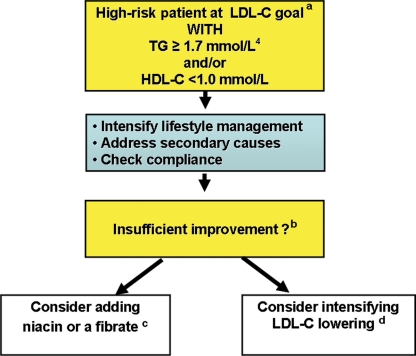
Even at low-density lipoprotein cholesterol (LDL-C) goal, patients with cardiometabolic abnormalities remain at high risk of cardiovascular events. This paper aims (i) to critically appraise evidence for elevated levels of triglyceride-rich lipoproteins (TRLs) and low levels of high-density lipoprotein cholesterol (HDL-C) as cardiovascular risk factors, and (ii) to advise on therapeutic strategies for management. Current evidence supports a causal association between elevated TRL and their remnants, low HDL-C, and cardiovascular risk. This interpretation is based on mechanistic and genetic studies for TRL and remnants, together with the epidemiological data suggestive of the association for circulating triglycerides and cardiovascular disease. For HDL, epidemiological, mechanistic, and clinical intervention data are consistent with the view that low HDL-C contributes to elevated cardiovascular risk; genetic evidence is unclear however, potentially reflecting the complexity of HDL metabolism. The Panel believes that therapeutic targeting of elevated triglycerides (≥ 1.7 mmol/L or 150 mg/dL), a marker of TRL and their remnants, and/or low HDL-C (<1.0 mmol/L or 40 mg/dL) may provide further benefit. The first step should be lifestyle interventions together with consideration of compliance with pharmacotherapy and secondary causes of dyslipidaemia. If inadequately corrected, adding niacin or a fibrate, or intensifying LDL-C lowering therapy may be considered. Treatment decisions regarding statin combination therapy should take into account relevant safety concerns, i.e. the risk of elevation of blood glucose, uric acid or liver enzymes with niacin, and myopathy, increased serum creatinine and cholelithiasis with fibrates. These recommendations will facilitate reduction in the substantial cardiovascular risk that persists in patients with cardiometabolic abnormalities at LDL-C goal.
Overview
The claims and statistics of this paper haven’t been checked yet.
Free: it reads the open-access text and checks the first 5 claims that cite a source we can check. Create a free account to check every claim.
Integrity signals
Registry
Cites
Statistics
Figures
Verification
Claims the paper makes
The claims and statistics of this paper haven’t been checked yet.
Free: it reads the open-access text and checks the first 5 claims that cite a source we can check. Create a free account to check every claim.
Claims other papers make about this one
Each is checked against this paper’s own text: does it say what the citing paper says it does?
The source backs part of the claim, not all of it — or backs it for a different population, condition or comparison.
In the citing paper
“Over the past three decades, epidemiologic and genetic evidence has accumulated to support the concept that elevated levels of plasma TG, TRL, and TRL remnants are causally related to an increased risk of ASCVD-related events—myocardial infarction (MI), stroke, and aortic valve stenosis—and all-cause mortality.1,2,17,19,20,24–28”
From Triglyceride-rich lipoproteins and their remnants: metabolic insights, role in atherosclerotic cardiovascular disease, and emerging therapeutic strategies—a consensus statement from the European Atherosclerosis Society (2021) · cites this paper as [2]
Experimental — accuracy not yet measuredThe source backs part of the claim, not all of it — or backs it for a different population, condition or comparison.
In the citing paper
“Recent advances in human genetics, together with a large body of epidemiologic, preclinical, and clinical trial results, provide strong support for a causal association between triglycerides (TG), TG-rich lipoproteins (TRL), and TRL remnants, and increased risk of myocardial infarction, ischaemic stroke, and aortic valve stenosis.”
From Triglyceride-rich lipoproteins and their remnants: metabolic insights, role in atherosclerotic cardiovascular disease, and emerging therapeutic strategies—a consensus statement from the European Atherosclerosis Society (2021) · cites this paper as [2]
Experimental — accuracy not yet measuredThe source backs part of the claim, not all of it — or backs it for a different population, condition or comparison.
In the citing paper
“elevated plasma TG levels (with the accumulation of TRL and remnant particles) are related not only to subclinical atherosclerosis and vascular inflammation independently of LDL-C in statin-naïve, apparently healthy subjects”
From Triglyceride-rich lipoproteins and their remnants: metabolic insights, role in atherosclerotic cardiovascular disease, and emerging therapeutic strategies—a consensus statement from the European Atherosclerosis Society (2021) · cites this paper as [2]
Experimental — accuracy not yet measuredThe source backs part of the claim, not all of it — or backs it for a different population, condition or comparison.
In the citing paper
“ApoE-mediated macrophage uptake of VLDL and remnants promotes an inflammatory (M1) phenotype,2,17,139 enhances inflammation, increases phagocytosis and foam cell formation, exerts defective efferocytotic activity, and favours fibrous cap thinning due to activation of metalloprotease expression140”
From Triglyceride-rich lipoproteins and their remnants: metabolic insights, role in atherosclerotic cardiovascular disease, and emerging therapeutic strategies—a consensus statement from the European Atherosclerosis Society (2021) · cites this paper as [2]
Experimental — accuracy not yet measuredThe source backs part of the claim, not all of it — or backs it for a different population, condition or comparison.
In the citing paper
“Current management strategies for HTG and mixed dyslipidemia provide limited and inconsistent benefits in TG lowering and cardiovascular outcomes, underscoring the need for more effective and durable approaches targeting TRL and apoB-containing lipoproteins (Filtz et al., 2024; Berglund et al., 2012; Chapman et al., 2011).”
From Efficacy and safety of small interfering RNA (siRNA) therapies for hypertriglyceridemia and mixed dyslipidemia: an updated systematic review and meta-analysis (2026) · cites this paper as Chapman et al., 2011
Experimental — accuracy not yet measured
8 more claims about this paper
Create a free account to see every claim other papers make about this one.
Self-check
Percentages, sums and reported differences re-computed from the paper’s own numbers.
The self-check needs the paper’s full text.
Citations
Cites
The Metabolic and Molecular Bases of Inherited Disease
Scriver, R. C. (1995) · Medical Entomology and Zoology · Cited by 12,101
European Guidelines on cardiovascular disease prevention in clinical practice (version 2012)
Authors/Task Force Members:, Perk, J., De Backer, G., Gohlke, H., Graham, I., Reiner, Ž., Verschuren, M., Albus, C., Benlian, P., Boysen, G., et al. (2012) · European Heart Journal · doi:10.1093/eurheartj/ehs092 · Cited by 8,490
Global estimates of the prevalence of diabetes for 2010 and 2030
Shaw, J. E., Sicree, R. A., & Zimmet, P. Z. (2010) · Diabetes Research and Clinical Practice · doi:10.1016/j.diabres.2009.10.007 · Cited by 7,216
Ticagrelor versus clopidogrel in patients with acute coronary syndromes
Wallentin, L., Becker, R. C., Budaj, A., Cannon, C. P., Emanuelsson, H., Held, C., Horrow, J., Husted, S., James, S., Katus, H., et al. (2009) · New England Journal of Medicine · doi:10.1056/nejmoa0904327 · Cited by 7,117
The metabolic and molecular bases of inherited disease
Chen, Y.-T. (2001) · Medical Entomology and Zoology · Cited by 6,928
Grundy, S. M., Cleeman, J. I., Merz, C. N. B., Brewer, H. B., Clark, L. T., Hunninghake, D. B., Pasternak, R. C., Smith, S. C., & Stone, N. J. (2004) · Circulation · doi:10.1161/01.cir.0000133317.49796.0e · Cited by 6,902
Prasugrel versus clopidogrel in patients with acute coronary syndromes
Wiviott, S. D., Braunwald, E., McCabe, C. H., Montalescot, G., Ruzyllo, W., Gottlieb, S., Neumann, F.-J., Ardissino, D., De Servi, S., Murphy, S. A., et al. (2007) · New England Journal of Medicine · doi:10.1056/nejmoa0706482 · Cited by 6,790
Cholesterol Treatment Trialists' (CTT) Collaboration (2010) · The Lancet · doi:10.1016/s0140-6736(10)61350-5 · Cited by 6,550
Helsinki Heart Study: Primary-Prevention Trial with Gemfibrozil in Middle-Aged Men with Dyslipidemia
Frick, M. H., Elo, O., Haapa, K., Heinonen, O. P., Heinsalmi, P., Helo, P., Huttunen, J. K., Kaitaniemi, P., Koskinen, P., Manninen, V., et al. (1987) · New England Journal of Medicine · doi:10.1056/nejm198711123172001 · Cited by 3,881
Authors/Task Force Members, Graham, I., Atar, D., Borch-Johnsen, K., Boysen, G., Burell, G., Cifkova, R., Dallongeville, J., De Backer, G., Ebrahim, S., et al. (2007) · European Heart Journal · doi:10.1093/eurheartj/ehm316 · Cited by 3,753
Falk, E., Shah, P. K., & Fuster, V. (1995) · Circulation · doi:10.1161/01.cir.92.3.657 · Cited by 3,536
Biological, clinical and population relevance of 95 loci for blood lipids
Teslovich, T. M., Musunuru, K., Smith, A. V., Edmondson, A. C., Stylianou, I. M., Koseki, M., Pirruccello, J. P., Ripatti, S., Chasman, D. I., Willer, C. J., et al. (2010) · Nature · doi:10.1038/nature09270 · Cited by 3,487
Rubins, H. B., Robins, S. J., Collins, D., Fye, C. L., Anderson, J. W., Elam, M. B., Faas, F. H., Linares, E., Schaefer, E. J., Schectman, G., et al. (1999) · New England Journal of Medicine · doi:10.1056/nejm199908053410604 · Cited by 3,439
High-density lipoprotein cholesterol and cardiovascular disease. Four prospective American studies.
Gordon, D. J., Probstfield, J. L., Garrison, R. J., Neaton, J. D., Castelli, W. P., Knoke, J. D., Jacobs, D. R., Bangdiwala, S., & Tyroler, H. A. (1989) · Circulation · doi:10.1161/01.cir.79.1.8 · Cited by 3,162
Effects of torcetrapib in patients at high risk for coronary events
Barter, P. J., Caulfield, M., Eriksson, M., Grundy, S. M., Kastelein, J. J. P., Komajda, M., Lopez-Sendon, J., Mosca, L., Tardif, J.-C., Waters, D. D., et al. (2007) · New England Journal of Medicine · doi:10.1056/nejmoa0706628 · Cited by 3,139 · cited 1×
“Despite this, the first outcome study with torcetrapib, ILLUMINATE, was prematurely terminated due to excess mortality.(230) However, recent evidence(231,232) suggests that off-target pharmacological effects of torcetrapib were responsible for this adverse outcome rather than a”
ResultEffects of Combination Lipid Therapy in Type 2 Diabetes Mellitus
(2010) · New England Journal of Medicine · doi:10.1056/nejmoa1001282 · Cited by 2,837 · cited 6×
“those without this profile).(106,107) Analyses from FIELD”
BackgroundResultInfluentialMensink, R. P., Zock, P. L., Kester, A. D., & Katan, M. B. (2003) · The American Journal of Clinical Nutrition · doi:10.1093/ajcn/77.5.1146 · Cited by 2,811
Major lipids, apolipoproteins, and risk of vascular disease
The Emerging Risk Factors Collaboration* (2009) · JAMA · doi:10.1001/jama.2009.1619 · Cited by 2,731
Burr, M. L., Gilbert, J. F., Holliday, R. M., Elwood, P. C., Fehily, A. M., Rogers, S., Sweetnam, P. M., & Deadman, N. M. (1989) · The Lancet · doi:10.1016/s0140-6736(89)90828-3 · Cited by 2,610
Yokoyama, M., Origasa, H., Matsuzaki, M., Matsuzawa, Y., Saito, Y., Ishikawa, Y., Oikawa, S., Sasaki, J., Hishida, H., Itakura, H., et al. (2007) · The Lancet · doi:10.1016/s0140-6736(07)60527-3 · Cited by 2,516
Can lifestyle changes reverse coronary heart disease?
Ornish, D., Brown, S. E., Billings, J. H., Scherwitz, L. W., Armstrong, W. T., Ports, T. A., McLanahan, S. M., Kirkeeide, R. L., Gould, K. L., & Brand, R. J. (1990) · The Lancet · doi:10.1016/0140-6736(90)91656-u · Cited by 2,338
Brown, G., Albers, J. J., Fisher, L. D., Schaefer, S. M., Lin, J.-T., Kaplan, C., Zhao, X.-Q., Bisson, B. D., Fitzpatrick, V. F., & Dodge, H. T. (1990) · New England Journal of Medicine · doi:10.1056/nejm199011083231901 · Cited by 2,159
Mediterranean alpha-linolenic acid-rich diet in secondary prevention of coronary heart disease
de Lorgeril, M., Renaud, S., Salen, P., Monjaud, I., Mamelle, N., Martin, J. L., Guidollet, J., Touboul, P., & Delaye, J. (1994) · The Lancet · doi:10.1016/s0140-6736(94)92580-1 · Cited by 2,122
(1999) · PubMed · Cited by 2,062
Nordestgaard, B. G., Benn, M., Schnohr, P., & Tybjærg-Hansen, A. (2007) · JAMA · doi:10.1001/jama.298.3.299 · Cited by 2,058
Self-citationTurner, R. C., Millns, H., Neil, H. A. W., Stratton, I. M., Manley, S. E., Matthews, D. R., & Holman, R. R. (1998) · BMJ · doi:10.1136/bmj.316.7134.823 · Cited by 2,014
Brown, B. G., Zhao, X.-Q., Chait, A., Fisher, L. D., Cheung, M. C., Morse, J. S., Dowdy, A. A., Marino, E. K., Bolson, E. L., Alaupovic, P., et al. (2001) · New England Journal of Medicine · doi:10.1056/nejmoa011090 · Cited by 1,979
Cholesterol efflux capacity, high-density lipoprotein function, and atherosclerosis
Khera, A. V., Cuchel, M., de la Llera-Moya, M., Rodrigues, A., Burke, M. F., Jafri, K., French, B. C., Phillips, J. A., Mucksavage, M. L., Wilensky, R. L., et al. (2011) · New England Journal of Medicine · doi:10.1056/nejmoa1001689 · Cited by 1,943 · cited 1×
“was recently shown to be relevant both to carotid-intima thickness and coronary artery disease.(71)”
BackgroundFifteen year mortality in Coronary Drug Project patients: long-term benefit with niacin
Canner, P. L., Berge, K. G., Wenger, N. K., Stamler, J., Friedman, L., Prineas, R. J., & Friedewald, W. (1986) · Journal of the American College of Cardiology · doi:10.1016/s0735-1097(86)80293-5 · Cited by 1,824 · cited 1×
“0004) at 15 years ( 9 years after the end of treatment).(183,184) These clinical benefits were similar in patients with or without hyperglycaemia, diabetes, or metabolic syndrome.”
BackgroundLipoprotein(a) as a cardiovascular risk factor: current status
Nordestgaard, B. G., Chapman, M. J., Ray, K., Borén, J., Andreotti, F., Watts, G. F., Ginsberg, H., Amarenco, P., Catapano, A., Descamps, O. S., et al. (2010) · European Heart Journal · doi:10.1093/eurheartj/ehq386 · Cited by 1,807
Self-citationClofibrate and Niacin in Coronary Heart Disease
(1975) · JAMA: The Journal of the American Medical Association · doi:10.1001/jama.1975.03240160024021 · Cited by 1,747
Nissen, S. E., Tsunoda, T., Tuzcu, E. M., Schoenhagen, P., Cooper, C. J., Yasin, M., Eaton, G. M., Lauer, M. A., Sheldon, W. S., Grines, C. L., et al. (2003) · JAMA · doi:10.1001/jama.290.17.2292 · Cited by 1,707 · cited 1×
“Infusion of recombinant apo A–IMilano/phospholipid complexes reduced coronary atherosclerosis in ACS patients, although there was no dose-dependent effect.(76) More recently, rHDL infusion reduced atheroma volume in subjects with premature coronary(77) or peripheral atherosclerosis.”
BackgroundHokanson, J. E., & Austin, M. A. (1996) · Journal of Cardiovascular Risk · doi:10.1097/00043798-199604000-00014 · Cited by 1,706
Atherogenesis: a postprandial phenomenon.
Zilversmit, D. B. (1979) · Circulation · doi:10.1161/01.cir.60.3.473 · Cited by 1,701
Blankenhorn, D. H. (1987) · JAMA: The Journal of the American Medical Association · doi:10.1001/jama.1987.03390230069027 · Cited by 1,655
Authors/Task Force Members, Ryden, L., Standl, E., Bartnik, M., Van den Berghe, G., Betteridge, J., de Boer, M.-J., Cosentino, F., Jonsson, B., Laakso, M., et al. (2006) · European Heart Journal · doi:10.1093/eurheartj/ehl260 · Cited by 1,647
HDL cholesterol, very low levels of LDL cholesterol, and cardiovascular events
Barter, P., Gotto, A. M., LaRosa, J. C., Maroni, J., Szarek, M., Grundy, S. M., Kastelein, J. J. P., Bittner, V., & Fruchart, J.-C. (2007) · New England Journal of Medicine · doi:10.1056/nejmoa064278 · Cited by 1,610
Newly identified loci that influence lipid concentrations and risk of coronary artery disease
Willer, C. J., Sanna, S., Jackson, A. U., Scuteri, A., Bonnycastle, L. L., Clarke, R., Heath, S. C., Timpson, N. J., Najjar, S. S., Stringham, H. M., et al. (2008) · Nature Genetics · doi:10.1038/ng.76 · Cited by 1,585
Reduction in Weight and Cardiovascular Disease Risk Factors in Individuals With Type 2 Diabetes
The Look AHEAD Research Group (2007) · Diabetes Care · doi:10.2337/dc07-0048 · Cited by 1,522
European cardiovascular disease statistics
Allender, S. E., Scarborough, P., Peto, V., Rayner, M., Leal, J., Luengo-Fernández, R., & Gray, A. M. (2008) · Deakin Research Online (Deakin University) · Cited by 1,459
Goldstein, J. L., Schrott, H. G., Hazzard, W. R., Bierman, E. L., & Motulsky, A. G. (1973) · Journal of Clinical Investigation · doi:10.1172/jci107332 · Cited by 1,443
The Response-to-Retention Hypothesis of Early Atherogenesis
Williams, K. J., & Tabas, I. (1995) · Arteriosclerosis, Thrombosis, and Vascular Biology · doi:10.1161/01.atv.15.5.551 · Cited by 1,413
Standards of Medical Care in Diabetes—2008
Dora, J. M., Kramer, C. K., & Canani, L. H. (2008) · Diabetes Care · doi:10.2337/dc08-0109 · Cited by 1,409
Kathiresan, S., Melander, O., Guiducci, C., Surti, A., Burtt, N. P., Rieder, M. J., Cooper, G. M., Roos, C., Voight, B. F., Havulinna, A. S., et al. (2008) · Nature Genetics · doi:10.1038/ng.75 · Cited by 1,386 · cited 1×
“In GWAS of genes known to impact HDL metabolism, the effects that such variants exert on HDL-C levels account for ,5% and frequently ,2% of variability.(121,122) These data imply that in the general population, HDL-C concentration represents the integral sum of many gene effects on HDL metabolism.”
BackgroundSelf-citation(2010) · Handbook of Disease Burdens and Quality of Life Measures · doi:10.1007/978-0-387-78665-0_6514 · Cited by 1,385
Standards of Medical Care in Diabetes—2008
American Diabetes Association (2008) · Diabetes Care · doi:10.2337/dc08-s012 · Cited by 1,377
Regular physical exercise and low-fat diet. Effects on progression of coronary artery disease.
Schuler, G., Hambrecht, R., Schlierf, G., Niebauer, J., Hauer, K., Neumann, J., Hoberg, E., Drinkmann, A., Bacher, F., & Grunze, M. (1992) · Circulation · doi:10.1161/01.cir.86.1.1 · Cited by 1,340
Manninen, V, Tenkanen, L., Koskinen, P., Huttunen, J. K., Mänttäri, M., Heinonen, O. P., & Frick, M. H. (1992) · Circulation · doi:10.1161/01.cir.85.1.37 · Cited by 1,329
Effects of medical therapies on retinopathy progression in type 2 diabetes
The ACCORD Study Group and ACCORD Eye Study Group (2010) · New England Journal of Medicine · doi:10.1056/nejmoa1001288 · Cited by 1,311
Appel, L. J., Sacks, F. M., Carey, V. J., Obarzanek, E., Swain, J. F., Miller, E. R., Conlin, P. R., Erlinger, T. P., Rosner, B. A., Laranjo, N. M., et al. (2005) · JAMA · doi:10.1001/jama.294.19.2455 · Cited by 1,170
(2010) · Archives of Internal Medicine · doi:10.1001/archinternmed.2010.334 · Cited by 1,162
Keech, A., Mitchell, P., Summanen, P., O'Day, J., Davis, T., Moffitt, M., Taskinen, M.-R., Simes, R., Tse, D., Williamson, E., et al. (2007) · The Lancet · doi:10.1016/s0140-6736(07)61607-9 · Cited by 1,109
Self-citationEffects of weight reduction on blood lipids and lipoproteins: a meta-analysis
Dattilo, A., & Kris-Etherton, P. (1992) · The American Journal of Clinical Nutrition · doi:10.1093/ajcn/56.2.320 · Cited by 1,055
EFFECT OF DIET AND SMOKING INTERVENTION ON THE INCIDENCE OF CORONARY HEART DISEASE
Hjermann, I., Holme, I., Byre, K. V., & Leren, P. (1981) · The Lancet · doi:10.1016/s0140-6736(81)91338-6 · Cited by 1,033
Gaziano, J. M., Buring, J. E., Breslow, J. L., Goldhaber, S. Z., Rosner, B., VanDenburgh, M., Willett, W., & Hennekens, C. H. (1993) · New England Journal of Medicine · doi:10.1056/nejm199312163292501 · Cited by 1,024
Inhibition of early atherogenesis in transgenic mice by human apolipoprotein AI
Rubin, E. M., Krauss, R. M., Spangler, E. A., Verstuyft, J. G., & Clift, S. M. (1991) · Nature · doi:10.1038/353265a0 · Cited by 986
n–3 Fatty Acids and Cardiovascular Events after Myocardial Infarction
Kromhout, D., Giltay, E. J., & Geleijnse, J. M. (2010) · New England Journal of Medicine · doi:10.1056/nejmoa1003603 · Cited by 936
Effects of fibrates on cardiovascular outcomes: a systematic review and meta-analysis
Jun, M., Foote, C., Lv, J., Neal, B., Patel, A., Nicholls, S. J., Grobbee, D. E., Cass, A., Chalmers, J., & Perkovic, V. (2010) · The Lancet · doi:10.1016/s0140-6736(10)60656-3 · Cited by 927 · cited 2×
“Results from individual monotherapy outcomes trials have been variable and primarily indicate a reduction in nonfatal MI and revascularization, with no effect on stroke or CV death, 207 subsequently confirmed by a meta-analysis.(208) Post hoc analyses of several of”
Robins, S. J., Collins, D., Wittes, J. T., Papademetriou, V., Deedwania, P. C., Schaefer, E. J., McNamara, J. R., Kashyap, M. L., Hershman, J. M., Wexler, L. F., et al. (2001) · JAMA · doi:10.1001/jama.285.12.1585 · Cited by 921
Stability and Instability: Two Faces of Coronary Atherosclerosis: The Paul Dudley White Lecture 1995
Davies, M. J. (1996) · Circulation · doi:10.1161/01.cir.94.8.2013 · Cited by 915
Taylor, A. J., Sullenberger, L. E., Lee, H. J., Lee, J. K., & Grace, K. A. (2004) · Circulation · doi:10.1161/01.cir.0000148955.19792.8d · Cited by 890
Watts, G. F., Lewis, B., Lewis, E. S., Coltart, D. J., Smith, L. D. R., Swan, A. V., Brunt, J. N. H., & Mann, J. I. (1992) · The Lancet · doi:10.1016/0140-6736(92)90863-x · Cited by 843
Self-citationKane, J. P. (1990) · JAMA: The Journal of the American Medical Association · doi:10.1001/jama.1990.03450230043027 · Cited by 829
Kotseva, K., Wood, D., Backer, G. D., Bacquer, D. D., Pyörälä, K., Keil, U., & EUROASPIRE Study Group (2009) · European Journal of Cardiovascular Prevention & Rehabilitation · doi:10.1097/hjr.0b013e3283294b1d · Cited by 812 · cited 10×
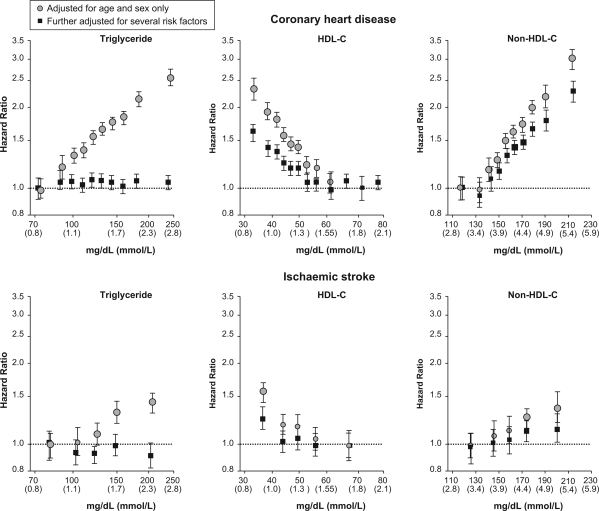
“Thus, the risk associated with elevated triglycerides can be explained by this lipid acting as a marker for increased numbers of TRL, which in turn are closely associated with the combination of higher levels of non-HDL-C and low levels of HDL-C.”
BackgroundInfluentialPlasminogen-Activator Inhibitor Type 1 and Coronary Artery Disease
Kohler, H. P., & Grant, P. J. (2000) · New England Journal of Medicine · doi:10.1056/nejm200006153422406 · Cited by 806
Genest, J., McPherson, R., Frohlich, J., Anderson, T., Campbell, N., Carpentier, A., Couture, P., Dufour, R., Fodor, G., Francis, G. A., et al. (2009) · Canadian Journal of Cardiology · doi:10.1016/s0828-282x(09)70715-9 · Cited by 768
Badimon, J. J., Badimon, L., & Fuster, V (1990) · Journal of Clinical Investigation · doi:10.1172/jci114558 · Cited by 764
Physical Activity of Moderate Intensity and Risk of Type 2 Diabetes
Jeon, C. Y., Lokken, R. P., Hu, F. B., & van Dam, R. M. (2007) · Diabetes Care · doi:10.2337/dc06-1842 · Cited by 758
Safety of anacetrapib in patients with or at high risk for coronary heart disease
Cannon, C. P., Shah, S., Dansky, H. M., Davidson, M., Brinton, E. A., Gotto, A. M., Stepanavage, M., Liu, S. X., Gibbons, P., Ashraf, T. B., et al. (2010) · New England Journal of Medicine · doi:10.1056/nejmoa1009744 · Cited by 749 · cited 1×
“the off-target effects associated with torcetrapib, as indicated by recent studies.(235,236) Clinical outcome data from ongoing or”
BackgroundTardif, J.-C. (2007) · JAMA · doi:10.1001/jama.297.15.jpc70004 · Cited by 726
Statins, high-density lipoprotein cholesterol, and regression of coronary atherosclerosis
Nicholls, S. J., Tuzcu, E. M., Sipahi, I., Grasso, A. W., Schoenhagen, P., Hu, T., Wolski, K., Crowe, T., Desai, M. Y., Hazen, S. L., et al. (2007) · JAMA · doi:10.1001/jama.297.5.499 · Cited by 724 · cited 1×
“Observational data from four intravascular ultrasound trials (two with statins) showed that lowering plasma apo B lipoprotein concentrations together with simultaneous minor elevation of HDL-C levels achieved plaque regression and stabilization.(79) All of these findings urgently require confirmation in larger randomi…”
BackgroundTriglyceride-mediated pathways and coronary disease: collaborative analysis of 101 studies
(2010) · The Lancet · doi:10.1016/s0140-6736(10)60545-4 · Cited by 716
Lipoprotein Management in Patients With Cardiometabolic Risk
Brunzell, J. D., Davidson, M., Furberg, C. D., Goldberg, R. B., Howard, B. V., Stein, J. H., & Witztum, J. L. (2008) · Diabetes Care · doi:10.2337/dc08-9018 · Cited by 707
Plasma triglyceride and coronary heart disease
Austin, M. A. (1991) · Arteriosclerosis and Thrombosis: A Journal of Vascular Biology · doi:10.1161/01.atv.11.1.2 · Cited by 697
Endothelial and Antithrombotic Actions of HDL
Mineo, C., Deguchi, H., Griffin, J. H., & Shaul, P. W. (2006) · Circulation Research · doi:10.1161/01.res.0000225982.01988.93 · Cited by 655
Kontush, A., & Chapman, M. J. (2006) · Pharmacological Reviews · doi:10.1124/pr.58.3.1 · Cited by 647
Self-citationExtended-Release Niacin or Ezetimibe and Carotid Intima–Media Thickness
Taylor, A. J., Villines, T. C., Stanek, E. J., Devine, P. J., Griffen, L., Miller, M., Weissman, N. J., & Turco, M. (2009) · New England Journal of Medicine · doi:10.1056/nejmoa0907569 · Cited by 644
Pedersen, T. R., Olsson, A. G., Færgeman, O., Kjekshus, J., Wedel, H., Berg, K., Wilhelmsen, L., Haghfelt, T., Thorgeirsson, G., Pyörälä, K., et al. (1998) · Circulation · doi:10.1161/01.cir.97.15.1453 · Cited by 621
Suppression by diets rich in fish oil of very low density lipoprotein production in man.
Nestel, P. J., Connor, W. E., Reardon, M. F., Connor, S., Wong, S., & Boston, R. (1984) · Journal of Clinical Investigation · doi:10.1172/jci111422 · Cited by 616
Miller, M., Cannon, C. P., Murphy, S. A., Qin, J., Ray, K. K., & Braunwald, E. (2008) · Journal of the American College of Cardiology · doi:10.1016/j.jacc.2007.10.038 · Cited by 610
Self-citationScott, R., O'Brien, R., Fulcher, G., Pardy, C., d'Emden, M., Tse, D., Taskinen, M.-R., Ehnholm, C., Keech, A., & on behalf of the Fenofibrate Intervention and Event Lowering in Diabetes (FIELD) Study Investigators (2009) · Diabetes Care · doi:10.2337/dc08-1543 · Cited by 551
Self-citationGrundy, S. M. (2002) · Archives of Internal Medicine · doi:10.1001/archinte.162.14.1568 · Cited by 551
Insulin resistance and cigarette smoking
Facchini, F. S., Hollenbeck, C. B., Jeppesen, J., Ida Chen, Y.-D., & Reaven, G. M. (1992) · The Lancet · doi:10.1016/0140-6736(92)90730-q · Cited by 545
Nonfasting triglycerides and risk of ischemic stroke in the general population
Freiberg, J. J. (2008) · JAMA · doi:10.1001/jama.2008.621 · Cited by 542 · cited 3×
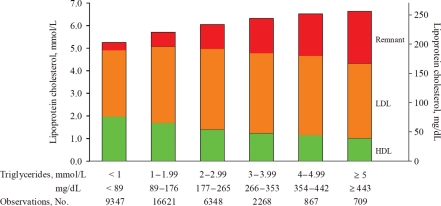
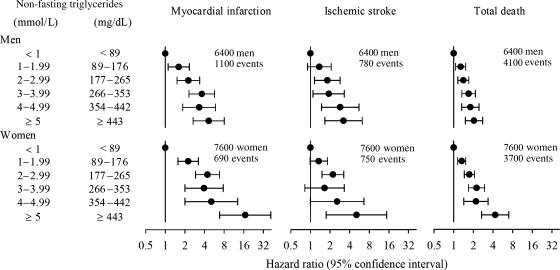
“Reproduced with modification from Nordestgaard et al.89 and Freiberg et al.90 Copyright& (2007, 2008) American Medical Association.”
BackgroundMethodSelf-citationElam, M. B., Hunninghake, D. B., Davis, K. B., Garg, R., Johnson, C., Egan, D., Kostis, J. B., Sheps, D. S., Brinton, E. A., & for the ADMIT Investigators (2000) · JAMA · doi:10.1001/jama.284.10.1263 · Cited by 517
Rosenson, R. S., Brewer, H. B., Chapman, M. J., Fazio, S., Hussain, M. M., Kontush, A., Krauss, R. M., Otvos, J. D., Remaley, A. T., & Schaefer, E. J. (2011) · Clinical Chemistry · doi:10.1373/clinchem.2010.155333 · Cited by 511
Self-citationHigh-Density Lipoprotein Reduces the Human Monocyte Inflammatory Response
Murphy, A. J., Woollard, K. J., Hoang, A., Mukhamedova, N., Stirzaker, R. A., McCormick, S. P. A., Remaley, A. T., Sviridov, D., & Chin-Dusting, J. (2008) · Arteriosclerosis, Thrombosis, and Vascular Biology · doi:10.1161/atvbaha.108.168690 · Cited by 508
Thompson, A. (2008) · JAMA · doi:10.1001/jama.299.23.2777 · Cited by 497
Briel, M., Ferreira-Gonzalez, I., You, J. J., Karanicolas, P. J., Akl, E. A., Wu, P., Blechacz, B., Bassler, D., Wei, X., Sharman, A., et al. (2009) · BMJ · doi:10.1136/bmj.b92 · Cited by 491
Lipids, apolipoproteins, and their ratios in relation to cardiovascular events with statin treatment
Kastelein, J. J. P., van der Steeg, W. A., Holme, I., Gaffney, M., Cater, N. B., Barter, P., Deedwania, P., Olsson, A. G., Boekholdt, S. M., Demicco, D. A., et al. (2008) · Circulation · doi:10.1161/circulationaha.107.713438 · Cited by 478
Hyperlipidemia in Coronary Heart Disease
Goldstein, J. L., HAzzmm, W. R., ScinoTT, H. G., Bierman, E. L., Levinski, M. J., & Campbell, E. D. (1973) · Cited by 471
Frikke-Schmidt, R. (2008) · JAMA · doi:10.1001/jama.299.21.2524 · Cited by 464
Self-citationPlasma lipoproteins: genetic influences and clinical implications
Hegele, R. A. (2009) · Nature Reviews Genetics · doi:10.1038/nrg2481 · Cited by 462
Kamanna, V. S., & Kashyap, M. L. (2008) · The American Journal of Cardiology · doi:10.1016/j.amjcard.2008.02.029 · Cited by 453
JACOBS, D. R., MEBANE, I. L., BANGDIWALA, S. I., CRIQUI, M. H., TYROLER, H. A., & PROGRAM, F. T. L. R. C. (1990) · American Journal of Epidemiology · doi:10.1093/oxfordjournals.aje.a115483 · Cited by 452
Diabetes mellitus as a prothrombotic condition
Grant, P. J. (2007) · Journal of Internal Medicine · doi:10.1111/j.1365-2796.2007.01824.x · Cited by 443 · cited 2×
“Thus, in summary, the data indicate that TRL remnants and HDL are relevant throughout all stages of atherothrombosis, especially within the context of the insulin resistance syndrome.(57) Prevalence of elevated triglyceride-rich lipoprotein remnants and low high-density lipoprotein cholesterol”
BackgroundHigh-Density Lipoprotein Restores Endothelial Function in Hypercholesterolemic Men
Spieker, L. E., Sudano, I., Hürlimann, D., Lerch, P. G., Lang, M. G., Binggeli, C., Corti, R., Ruschitzka, F., Lüscher, T. F., & Noll, G. (2002) · Circulation · doi:10.1161/01.cir.0000013424.28206.8f · Cited by 438
Excess of rare variants in genes identified by genome-wide association study of hypertriglyceridemia
Johansen, C. T., Wang, J., Lanktree, M. B., Cao, H., McIntyre, A. D., Ban, M. R., Martins, R. A., Kennedy, B. A., Hassell, R. G., Visser, M. E., et al. (2010) · Nature Genetics · doi:10.1038/ng.628 · Cited by 437
Ericsson, C.-G., de Faire, U., Grip, L., Svane, B., Hamsten, A., & Nilsson, J. (1996) · The Lancet · doi:10.1016/s0140-6736(96)91343-4 · Cited by 426
&NA; (1996) · The Endocrinologist · doi:10.1097/00019616-199609000-00019 · Cited by 417
Safety considerations with fibrate therapy
Davidson, M. H., Armani, A., McKenney, J. M., & Jacobson, T. A. (2007) · The American Journal of Cardiology · doi:10.1016/j.amjcard.2006.11.016 · Cited by 408
Sorrentino, S. A., Besler, C., Rohrer, L., Meyer, M., Heinrich, K., Bahlmann, F. H., Mueller, M., Horváth, T., Doerries, C., Heinemann, M., et al. (2010) · Circulation · doi:10.1161/circulationaha.108.836346 · Cited by 402 · cited 1×
“Niacin may also promote beneficial vasoprotective and anti-inflammatory effects independent of its lipid-modifying activity.(171) – 173 TRL and HDL-C in patients at high risk of CVD 1353”
BackgroundFrick, M. H., Syvänne, M., Nieminen, M. S., Kauma, H., Majahalme, S., Virtanen, V., Kesäniemi, Y. A., Pasternack, A., & Taskinen, M.-R. (1997) · Circulation · doi:10.1161/01.cir.96.7.2137 · Cited by 388
Self-citationDeedwania, P., Barter, P., Carmena, R., Fruchart, J.-C., Grundy, S. M., Haffner, S., Kastelein, J. J., LaRosa, J. C., Schachner, H., Shepherd, J., et al. (2006) · The Lancet · doi:10.1016/s0140-6736(06)69292-1 · Cited by 387
Goldstein, J. L., Ho, Y. K., Brown, M. S., Innerarity, T. L., & Mahley, R. W. (1980) · Journal of Biological Chemistry · doi:10.1016/s0021-9258(19)85958-6 · Cited by 376
on behalf of the FIELD Study investigators, Davis, T. M. E., Ting, R., Best, J. D., Donoghoe, M. W., Drury, P. L., Sullivan, D. R., Jenkins, A. J., O’Connell, R. L., Whiting, M. J., et al. (2011) · Diabetologia · doi:10.1007/s00125-010-1951-1 · Cited by 371
Effect of Diet and Smoking Intervention on the Incidence of Coronary Heart Disease
Hjermann, I. (1984) · Cardiology · doi:10.1007/978-1-4757-1824-9_66 · Cited by 370
A co-operative trial in the primary prevention of ischaemic heart disease using clofibrate.
Miettinen, M., Turpeinen, O., & Karvonen, M. J. (1979) · Heart · doi:10.1136/hrt.42.3.370 · Cited by 360
Manninen, V., Tenkanen, L., Koskinen, P., Huttunen, J. K., Mänttäri, M., Op, H., & Frick, H. M. (1992) · Circulation · Cited by 360
Early and Late Benefits of High-Dose Atorvastatin in Patients With Acute Coronary Syndromes
Ray, K. K., Cannon, C. P., McCabe, C. H., Cairns, R., Tonkin, A. M., Sacks, F. M., Jackson, G., & Braunwald, E. (2005) · Journal of the American College of Cardiology · doi:10.1016/j.jacc.2005.03.077 · Cited by 356
Self-citationOmega-3 fatty acid supplementation accelerates chylomicron triglyceride clearance
Park, Y., & Harris, W. S. (2003) · Journal of Lipid Research · doi:10.1194/jlr.m200282-jlr200 · Cited by 348
Wittrup, H. H., Tybjærg-Hansen, A., & Nordestgaard, B. G. (1999) · Circulation · doi:10.1161/01.cir.99.22.2901 · Cited by 344
Self-citationRapp, J. H., Lespine, A., Hamilton, R. L., Colyvas, N., Chaumeton, A. H., Tweedie-Hardman, J., Kotite, L., Kunitake, S. T., Havel, R. J., & Kane, J. P. (1994) · Arteriosclerosis and Thrombosis: A Journal of Vascular Biology · doi:10.1161/01.atv.14.11.1767 · Cited by 340
The metabolism and anti-atherogenic properties of HDL
Rye, K.-A., Bursill, C. A., Lambert, G., Tabet, F., & Barter, P. J. (2009) · Journal of Lipid Research · doi:10.1194/jlr.r800034-jlr200 · Cited by 331
Carlson, L. A., & Rössner, S. (1978) · Atherosclerosis · doi:10.1016/0021-9150(78)90051-5 · Cited by 314
Nicotinic Acid: Pharmacological Effects and Mechanisms of Action
Gille, A., Bodor, E. T., Ahmed, K., & Offermanns, S. (2008) · Annual Review of Pharmacology and Toxicology · doi:10.1146/annurev.pharmtox.48.113006.094746 · Cited by 311
Grundy, S. M., Vega, G. L., Yuan, Z., Battisti, W. P., Brady, W. E., & Palmisano, J. (2005) · The American Journal of Cardiology · doi:10.1016/j.amjcard.2004.10.012 · Cited by 309
Taylor, A. J., Lee, H. J., & Sullenberger, L. E. (2006) · Current Medical Research and Opinion · doi:10.1185/030079906x148508 · Cited by 304
Wang, L., Gill, R., Pedersen, T. L., Higgins, L. J., Newman, J. W., & Rutledge, J. C. (2009) · Journal of Lipid Research · doi:10.1194/jlr.m700505-jlr200 · Cited by 303
Chapman, M. J., Le Goff, W., Guerin, M., & Kontush, A. (2010) · European Heart Journal · doi:10.1093/eurheartj/ehp399 · Cited by 298 · cited 2×
“CETP inhibitors increase HDL-C levels substantially, and some also affect LDL-C and triglyceride levels.(166) Dalcetrapib”
BackgroundSelf-citationCampbell, S. C., Moffatt, R. J., & Stamford, B. A. (2008) · Atherosclerosis · doi:10.1016/j.atherosclerosis.2008.04.046 · Cited by 298
Benlian, P., De Gennes, J. L., Foubert, L., Zhang, H., Gagné, S. E., & Hayden, M. (1996) · New England Journal of Medicine · doi:10.1056/nejm199609193351203 · Cited by 297
Role of Risk Factors in the Modulation of Tissue Factor Activity and Blood Thrombogenicity
Sambola, A., Osende, J., Hathcock, J., Degen, M., Nemerson, Y., Fuster, V., Crandall, J., & Badimon, J. J. (2003) · Circulation · doi:10.1161/01.cir.0000050621.67499.7d · Cited by 295
Forrest, M. J., Bloomfield, D., Briscoe, R. J., Brown, P. N., Cumiskey, A., Ehrhart, J., Hershey, J. C., Keller, W. J., Ma, X., McPherson, H. E., et al. (2008) · British Journal of Pharmacology · doi:10.1038/bjp.2008.229 · Cited by 292
Effects of High-Density Lipoproteins on Pancreatic β-Cell Insulin Secretion
Fryirs, M. A., Barter, P. J., Appavoo, M., Tuch, B. E., Tabet, F., Heather, A. K., & Rye, K.-A. (2010) · Arteriosclerosis, Thrombosis, and Vascular Biology · doi:10.1161/atvbaha.110.207373 · Cited by 286
Shaw, J. A., Bobik, A., Murphy, A., Kanellakis, P., Blombery, P., Mukhamedova, N., Woollard, K., Lyon, S., Sviridov, D., & Dart, A. M. (2008) · Circulation Research · doi:10.1161/circresaha.108.182063 · Cited by 275
Bruckert, E., Labreuche, J., & Amarenco, P. (2010) · Atherosclerosis · doi:10.1016/j.atherosclerosis.2009.12.023 · Cited by 273 · cited 2×
“A recent meta-analysis of niacin studies has confirmed these findings.(187) Niacin may increase insulin resistance to a minor degree, although”
BackgroundSelf-citationTurkish Heart Study: lipids, lipoproteins, and apolipoproteins.
Mahley, R. W., Palaoğlu, K. E., Atak, Z., Dawson-Pepin, J., Langlois, A. M., Cheung, V, Onat, H., Fulks, P., Mahley, L. L., & Vakar, F. (1995) · Journal of Lipid Research · doi:10.1016/s0022-2275(20)40067-7 · Cited by 273
Elkeles, R. S., Diamond, J. R., Poulter, C., Dhanjil, S., Nicolaides, A. N., Mahmood, S., Richmond, W., Mather, H., Sharp, P., Feher, M. D., et al. (1998) · Diabetes Care · doi:10.2337/diacare.21.4.641 · Cited by 271
Brunzell, J. D. (2007) · New England Journal of Medicine · doi:10.1056/nejmcp070061 · Cited by 268 · cited 5×
“The focus is on individuals with cardiometabolic risk, characterized by the clustering of central obesity, insulin resistance, dyslipidaemia, and hypertension, which together increase the risk of CVD and T2DM.18 The EAS Consensus Panel is well aware of uncertainties and controversies regarding triglycerides and HDL-C…”
InfluentialBays, H. E., Tighe, A. P., Sadovsky, R., & Davidson, M. H. (2008) · Expert Review of Cardiovascular Therapy · doi:10.1586/14779072.6.3.391 · Cited by 265
Kelley, G. A., & Kelley, K. S. (2009) · Preventive Medicine · doi:10.1016/j.ypmed.2008.10.010 · Cited by 263
Athyros, V. G., Papageorgiou, A. A., Athyrou, V. V., Demitriadis, D. S., & Kontopoulos, A. G. (2002) · Diabetes Care · doi:10.2337/diacare.25.7.1198 · Cited by 257
Ridker, P. M., Genest, J., Boekholdt, S. M., Libby, P., Gotto, A. M., Nordestgaard, B. G., Mora, S., MacFadyen, J. G., Glynn, R. J., & Kastelein, J. J. (2010) · The Lancet · doi:10.1016/s0140-6736(10)60713-1 · Cited by 256
Self-citationNew Perspectives on Atherogenesis: Role of Abnormal Triglyceride-Rich Lipoprotein Metabolism
Ginsberg, H. N. (2002) · Circulation · doi:10.1161/01.cir.0000035280.64322.31 · Cited by 255 · cited 3×
“TRL remnant cholesterol can contribute directly to plaque formation and progression.(20) Triglyceride-rich lipoprotein remnants may alsodrive atherogenesis”
BackgroundSelf-citationEffects of High-Dose Modified-Release Nicotinic Acid on Atherosclerosis and Vascular Function
Lee, J. M. S., Robson, M. D., Yu, L.-M., Shirodaria, C. C., Cunnington, C., Kylintireas, I., Digby, J. E., Bannister, T., Handa, A., Wiesmann, F., et al. (2009) · Journal of the American College of Cardiology · doi:10.1016/j.jacc.2009.06.036 · Cited by 246
Combination lipid therapy in type 2 diabetes
(2010) · New England Journal of Medicine · doi:10.1056/nejmc1006407 · Cited by 245
Maeda, K., Noguchi, Y., & Fukui, T. (2003) · Preventive Medicine · doi:10.1016/s0091-7435(03)00110-5 · Cited by 242 · cited 1×
“140 Smoking increases TRL remnants and decreases HDL-C levels,(141) secondary to insulin resistance and hyperinsulinaemia;(142) these effects are rapidly reversed on quitting.(123) Aerobic exercise causes long-lasting reduction in triglycer-”
BackgroundYvan-Charvet, L., Kling, J., Pagler, T., Li, H., Hubbard, B., Fisher, T., Sparrow, C. P., Taggart, A. K., & Tall, A. R. (2010) · Arteriosclerosis, Thrombosis, and Vascular Biology · doi:10.1161/atvbaha.110.207142 · Cited by 240
Rütti, S., Ehses, J. A., Sibler, R. A., Prazak, R., Rohrer, L., Georgopoulos, S., Meier, D. T., Niclauss, N., Berney, T., Donath, M. Y., et al. (2009) · Endocrinology · doi:10.1210/en.2009-0252 · Cited by 237
Whitney, E. J., Krasuski, R. A., Personius, B. E., Michalek, J. E., Maranian, A. M., Kolasa, M. W., Monick, E., Brown, B. G., & Gotto, A. M. (2005) · Annals of Internal Medicine · doi:10.7326/0003-4819-142-2-200501180-00008 · Cited by 233
Griffin, J. H., Kojima, K., Banka, C. L., Curtiss, L. K., & Fernández, J. A. (1999) · Journal of Clinical Investigation · doi:10.1172/jci5006 · Cited by 232
Horowitz, B. S., Goldberg, I. J., Merab, J., Vanni, T. M., Ramakrishnan, R., & Ginsberg, H. N. (1993) · Journal of Clinical Investigation · doi:10.1172/jci116384 · Cited by 231 · cited 2×
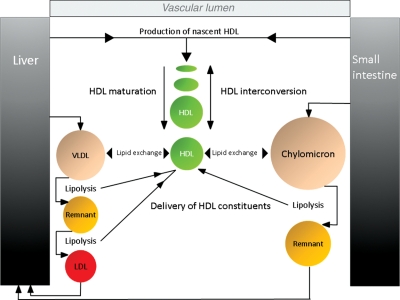
“apo B lipoproteins with cholesteryl ester from apo A-I lipoproteins, and dissociation of apo A-I from triglyceride-enriched HDL with clearance via the kidney.(26,28,29) Such metabolic perturbations are fre-”
BackgroundSelf-citationNiacin and fibrates in atherogenic dyslipidemia: pharmacotherapy to reduce cardiovascular risk
Chapman, M. J., Redfern, J. S., McGovern, M. E., & Giral, P. (2010) · Pharmacology & Therapeutics · doi:10.1016/j.pharmthera.2010.01.008 · Cited by 227 · cited 3×
“In summary (Box 3), evidence for the anti-atherosclerotic action of niacin is robust.(156) A meta-analysis also suggests that adding niacin to .”
BackgroundSelf-citationCanner, P. L., Furberg, C. D., Terrin, M. L., & McGovern, M. E. (2005) · The American Journal of Cardiology · doi:10.1016/j.amjcard.2004.09.013 · Cited by 226 · cited 1×
“These clinical benefits were similar in patients with or without hyperglycaemia, diabetes, or metabolic syndrome.(185,186) A recent meta-analysis of niacin studies has confirmed these findings.”
ResultTambalis, K., Panagiotakos, D. B., Kavouras, S. A., & Sidossis, L. S. (2009) · Angiology · doi:10.1177/0003319708324927 · Cited by 224
The HDL hypothesis: does high-density lipoprotein protect from atherosclerosis?
Vergeer, M., Holleboom, A. G., Kastelein, J. J. P., & Kuivenhoven, J. A. (2010) · Journal of Lipid Research · doi:10.1194/jlr.r001610 · Cited by 220
Self-citationWatts, G. F., Barrett, P. H. R., Ji, J., Serone, A. P., Chan, D. C., Croft, K. D., Loehrer, F., & Johnson, A. G. (2003) · Diabetes · doi:10.2337/diabetes.52.3.803 · Cited by 219
Self-citationIlanne-Parikka, P., Eriksson, J. G., Lindström, J., Peltonen, M., Aunola, S., Hämäläinen, H., Keinänen-Kiukaanniemi, S., Laakso, M., Valle, T. T., Lahtela, J., et al. (2008) · Diabetes Care · doi:10.2337/dc07-1117 · Cited by 218
Lindvall, C., & Lask, B. (2011) · Eating Disorders and the Brain · doi:10.1002/9781119998402.ch10 · Cited by 218
Nicholls, S. J., Lundman, P., Harmer, J. A., Cutri, B., Griffiths, K. A., Rye, K.-A., Barter, P. J., & Celermajer, D. S. (2006) · Journal of the American College of Cardiology · doi:10.1016/j.jacc.2006.04.080 · Cited by 217
Uusitupa, M., Peltonen, M., Lindström, J., Aunola, S., Ilanne-Parikka, P., Keinänen-Kiukaanniemi, S., Valle, T. T., Eriksson, J. G., Tuomilehto, J., & for the Finnish Diabetes Prevention Study Group (2009) · PLoS ONE · doi:10.1371/journal.pone.0005656 · Cited by 215
Maio, A., & Dowd, F. J. (2010) · xPharm: The Comprehensive Pharmacology Reference · doi:10.1016/b978-008055232-3.60628-2 · Cited by 209
Patel, S., Drew, B. G., Nakhla, S., Duffy, S. J., Murphy, A. J., Barter, P. J., Rye, K.-A., Chin-Dusting, J., Hoang, A., Sviridov, D., et al. (2009) · Journal of the American College of Cardiology · doi:10.1016/j.jacc.2008.12.008 · Cited by 203
Effects of alcohol on plasma lipoproteins and cholesterol and triglyceride metabolism in man.
Crouse, J. R., & Grundy, S. M. (1984) · Journal of Lipid Research · doi:10.1016/s0022-2275(20)37800-7 · Cited by 201
Leukocyte Activation by Triglyceride-Rich Lipoproteins
Alipour, A., van Oostrom, A. J. H. H. M., Izraeljan, A., Verseyden, C., Collins, J. M., Frayn, K. N., Plokker, T. W. M., Elte, J. W. F., & Castro Cabezas, M. (2008) · Arteriosclerosis, Thrombosis, and Vascular Biology · doi:10.1161/atvbaha.107.159749 · Cited by 201
Twickler, T. B., Dallinga-Thie, G. M., Cohn, J. S., & Chapman, M. J. (2004) · Circulation · doi:10.1161/01.cir.0000125278.58527.f3 · Cited by 201 · cited 7×
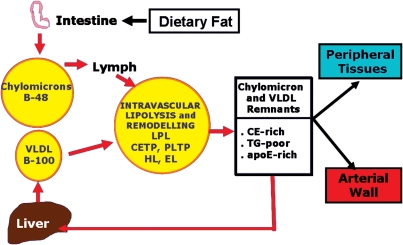
“The retention of cholesterol-rich lipoproteins within the subendothelial matrix of the arterial wall is a key initiator of atherosclerosis.34 Sites of endothelial dysfunction constitute preferential arterial locations for lipoprotein penetration, accumulation, and plaque formation.34 Although LDL is considered the mai…”
BackgroundInfluentialSelf-citationYvan-Charvet, L., Matsuura, F., Wang, N., Bamberger, M. J., Nguyen, T., Rinninger, F., Jiang, X.-C., Shear, C. L., & Tall, A. R. (2007) · Arteriosclerosis, Thrombosis, and Vascular Biology · doi:10.1161/atvbaha.106.138347 · Cited by 201
Calkin, A. C., Drew, B. G., Ono, A., Duffy, S. J., Gordon, M. V., Schoenwaelder, S. M., Sviridov, D., Cooper, M. E., Kingwell, B. A., & Jackson, S. P. (2009) · Circulation · doi:10.1161/circulationaha.109.870709 · Cited by 200
Koh, K. K., Quon, M. J., Han, S. H., Chung, W.-J., Ahn, J. Y., Seo, Y.-H., Choi, I. S., & Shin, E. K. (2005) · Journal of the American College of Cardiology · doi:10.1016/j.jacc.2005.02.052 · Cited by 199
Guérin, M., Bruckert, E., Dolphin, P. J., Turpin, G., & Chapman, M. J. (1996) · Arteriosclerosis, Thrombosis, and Vascular Biology · doi:10.1161/01.atv.16.6.763 · Cited by 195
Self-citationGrundy, S. M., Cleeman, J. I., Merz, C. N. B., Brewer, H. B., Clark, L. T., Hunninghake, D. B., Pasternak, R. C., Smith, S. C., & Stone, N. J. (2004) · Arteriosclerosis, Thrombosis, and Vascular Biology · doi:10.1161/01.atv.0000133317.49796.0e · Cited by 195
Chiesa, G., Monteggia, E., Marchesi, M., Lorenzon, P., Laucello, M., Lorusso, V., Di Mario, C., Karvouni, E., Newton, R. S., Bisgaier, C. L., et al. (2002) · Circulation Research · doi:10.1161/01.res.0000018422.31717.ee · Cited by 194
Olsson, A. G., Schwartz, G. G., Szarek, M., Sasiela, W. J., Ezekowitz, M. D., Ganz, P., Oliver, M. F., Waters, D., & Zeiher, A. (2005) · European Heart Journal · doi:10.1093/eurheartj/ehi186 · Cited by 192
Alaupovic, P., Mack, W. J., Knight-Gibson, C., & Hodis, H. N. (1997) · Arteriosclerosis, Thrombosis, and Vascular Biology · doi:10.1161/01.atv.17.4.715 · Cited by 184
High-Density Lipoproteins Enhance Progenitor-Mediated Endothelium Repair in Mice
Tso, C., Martinic, G., Fan, W.-H., Rogers, C., Rye, K.-A., & Barter, P. J. (2006) · Arteriosclerosis, Thrombosis, and Vascular Biology · doi:10.1161/01.atv.0000216600.37436.cf · Cited by 178
Roberts, C. K., Ng, C., Hama, S., Eliseo, A. J., & Barnard, R. J. (2006) · Journal of Applied Physiology · doi:10.1152/japplphysiol.00345.2006 · Cited by 178
Rohrer, L., Ohnsorg, P. M., Lehner, M., Landolt, F., Rinninger, F., & von Eckardstein, A. (2009) · Circulation Research · doi:10.1161/circresaha.108.190587 · Cited by 162
Large lipoproteins are excluded from the arterial wall in diabetic cholesterol-fed rabbits
Nordestgaard, B. G., & Zilversmit, D. B. (1988) · Journal of Lipid Research · doi:10.1016/s0022-2275(20)38428-5 · Cited by 156
Self-citationFaergeman, O., Holme, I., Fayyad, R., Bhatia, S., Grundy, S. M., Kastelein, J. J. P., LaRosa, J. C., Larsen, M. L., Lindahl, C., Olsson, A. G., et al. (2009) · The American Journal of Cardiology · doi:10.1016/j.amjcard.2009.04.008 · Cited by 154
Brown, B. G., Stukovsky, K. H., & Zhao, X.-Q. (2006) · Current Opinion in Lipidology · doi:10.1097/mol.0b013e32800ff750 · Cited by 153
Suppression of Niacin-induced Vasodilation with an Antagonist to Prostaglandin D2 Receptor Subtype 1
Lai, E., De Lepeleire, I., Crumley, T. M., Liu, F., Wenning, L. A., Michiels, N., Vets, E., O'Neill, G., Wagner, J. A., & Berkwits, M. (2007) · Clinical Pharmacology & Therapeutics · doi:10.1038/sj.clpt.6100180 · Cited by 152
Hu, X., Dietz, J. D., Xia, C., Knight, D. R., Loging, W. T., Smith, A. H., Yuan, H., Perry, D. A., & Keiser, J. (2009) · Endocrinology · doi:10.1210/en.2008-1512 · Cited by 150
McKenney, J. M., Jones, P. H., Bays, H. E., Knopp, R. H., Kashyap, M. L., Ruoff, G. E., & McGovern, M. E. (2007) · Atherosclerosis · doi:10.1016/j.atherosclerosis.2006.11.037 · Cited by 150 · cited 1×
“niacin plus statin improved the lipid-modifying efficacy of statin alone and was generally well-tolerated.(190) –192 Combination of niacin with laropiprant, an inhibitor of the prostaglandin D2 receptor,(193) significantly reduced but did not abolish flushing, the main tolerability issue.”
BackgroundLamon-Fava, S., Diffenderfer, M. R., Barrett, P. H. R., Buchsbaum, A., Nyaku, M., Horvath, K. V., Asztalos, B. F., Otokozawa, S., Ai, M., Matthan, N. R., et al. (2008) · Arteriosclerosis, Thrombosis, and Vascular Biology · doi:10.1161/atvbaha.108.164541 · Cited by 149
Pitas, R. E., Innerarity, T. L., & Mahley, R. W. (1983) · Arteriosclerosis: An Official Journal of the American Heart Association, Inc. · doi:10.1161/01.atv.3.1.2 · Cited by 147
Proctor, & Mamo, L. (1998) · European Journal of Clinical Investigation · doi:10.1046/j.1365-2362.1998.00317.x · Cited by 147
GINSBERG, H., OLEFSKY, J., FARQUHAR, J. W., & REAVEN, G. M. (1974) · Annals of Internal Medicine · doi:10.7326/0003-4819-80-2-143 · Cited by 144
Self-citationTing, H. J., Stice, J. P., Schaff, U. Y., Hui, D. Y., Rutledge, J. C., Knowlton, A. A., Passerini, A. G., & Simon, S. I. (2007) · Circulation Research · doi:10.1161/01.res.0000258023.76515.a3 · Cited by 138
Nordestgaard, B. G., Stender, S., & Kjeldsen, K. (1988) · Arteriosclerosis: An Official Journal of the American Heart Association, Inc. · doi:10.1161/01.atv.8.4.421 · Cited by 137 · cited 1×
“While large chylomicrons and VLDL fail to penetrate the arterial wall, their smaller remnants not only penetrate the arterial intima but may be bound and retained by connective tissue matrix.(38,39)”
BackgroundSelf-citationCanner, P. L., Furberg, C. D., & McGovern, M. E. (2005) · The American Journal of Cardiology · doi:10.1016/j.amjcard.2005.08.070 · Cited by 133
Nofer, J., Walter, M., Kehrel, B. E., Wierwille, S., Tepel, M., Seedorf, U., & Assmann, G. (1998) · Arteriosclerosis Thrombosis and Vascular Biology · doi:10.1161/01.atv.18.6.861 · Cited by 133
N-3 fatty acids stimulate intracellular degradation of apoprotein B in rat hepatocytes.
Wang, H., Chen, X., & Fisher, E. A. (1993) · Journal of Clinical Investigation · doi:10.1172/jci116340 · Cited by 133
Self-citationWu, B. J., Yan, L., Charlton, F., Witting, P., Barter, P. J., & Rye, K.-A. (2010) · Arteriosclerosis, Thrombosis, and Vascular Biology · doi:10.1161/atvbaha.109.201129 · Cited by 129
Andersen, R. V., Wittrup, H. H., Tybjærg‐Hansen, A., Steffensen, R., Schnohr, P., & Nordestgaard, B. G. (2003) · Journal of the American College of Cardiology · doi:10.1016/s0735-1097(03)00407-8 · Cited by 127
Self-citationWong, S., & Nestel, P. J. (1987) · Atherosclerosis · doi:10.1016/0021-9150(87)90239-5 · Cited by 125
Apolipoprotein A-I and Its Role in Lymphocyte Cholesterol Homeostasis and Autoimmunity
Wilhelm, A. J., Zabalawi, M., Grayson, J. M., Weant, A. E., Major, A. S., Owen, J., Bharadwaj, M., Walzem, R., Chan, L., Oka, K., et al. (2009) · Arteriosclerosis, Thrombosis, and Vascular Biology · doi:10.1161/atvbaha.108.183442 · Cited by 124
SMITH, E., & SLATER, R. (1972) · Atherosclerosis · doi:10.1016/0021-9150(72)90036-6 · Cited by 115
Ahmed, S. (2006) · European Heart Journal · doi:10.1093/eurheartj/ehl220 · Cited by 110
Safety and tolerability of dalcetrapib (RO4607381/JTT-705): results from a 48-week trial
Stein, E. A., Roth, E. M., Rhyne, J. M., Burgess, T., Kallend, D., & Robinson, J. G. (2010) · European Heart Journal · doi:10.1093/eurheartj/ehp601 · Cited by 109
Prevalence of metabolic syndrome-related disorders in a large adult population in Turkey
Sanisoğlu, S. Y., Öktenli, Ç., Haşimi, A., Yokuşoğlu, M., & Uğurlu, M. (2006) · BMC Public Health · doi:10.1186/1471-2458-6-92 · Cited by 104
Plasma Lipoproteins Support Prothrombinase and Other Procoagulant Enzymatic Complexes
Moyer, M. P., Tracy, R. P., Tracy, P. B., Veer, C. V., Sparks, C. E., & Mann, K. G. (1998) · Arteriosclerosis, Thrombosis, and Vascular Biology · doi:10.1161/01.atv.18.3.458 · Cited by 102
Combined therapy in the treatment of dyslipidemia
Reiner, Ž. (2010) · Fundamental & Clinical Pharmacology · doi:10.1111/j.1472-8206.2009.00764.x · Cited by 100
Research works printed but not linked: 3
- Mahley, 2001, Type III hyperlipoproteinemia (dysbetalipoproteinemia): the role of apolipoprotein E in normal and abnormal lipoprotein metabolism, 2705
- Gleim, 2009, Efficacy and safety profile of co-administered ER niacin/laropiprant and simvastatin in dyslipidaemia, Br J Cardiol, 16, 90
- Maclean, 2011, Efficacy and safety of extended-release niacin/laropiprant in patients with type 2 diabetes mellitus, Br J Cardiol, 18, 37
Cited by
(2013) · European Heart Journal · doi:10.1093/eurheartj/eht151 · Cited by 13,655
2018 ESC/ESH Guidelines for the management of arterial hypertension
Williams, B., Mancia, G., Spiering, W., Agabiti Rosei, E., Azizi, M., Burnier, M., Clement, D. L., Coca, A., de Simone, G., Dominiczak, A., et al. (2018) · European Heart Journal · doi:10.1093/eurheartj/ehy339 · Cited by 10,286
Mach, F., Baigent, C., Catapano, A. L., Koskinas, K. C., Casula, M., Badimon, L., Chapman, M. J., De Backer, G. G., Delgado, V., Ference, B. A., et al. (2020) · European Heart Journal · doi:10.1093/eurheartj/ehz455 · Cited by 8,961
Self-citationEuropean Guidelines on cardiovascular disease prevention in clinical practice (version 2012)
Authors/Task Force Members:, Perk, J., De Backer, G., Gohlke, H., Graham, I., Reiner, Ž., Verschuren, M., Albus, C., Benlian, P., Boysen, G., et al. (2012) · European Heart Journal · doi:10.1093/eurheartj/ehs092 · Cited by 8,490
2021 ESC Guidelines on cardiovascular disease prevention in clinical practice
Visseren, F. L. J., Mach, F., Smulders, Y. M., Carballo, D., Koskinas, K. C., Bäck, M., Benetos, A., Biffi, A., Boavida, J.-M., Capodanno, D., et al. (2021) · European Heart Journal · doi:10.1093/eurheartj/ehab484 · Cited by 6,485
Self-citation
Metadata
- Authors
- Chapman, M. J., Ginsberg, H. N., Amarenco, P., Andreotti, F., Borén, J., Catapano, A. L., Descamps, O. S., Fisher, E., Kovanen, P. T., Kuivenhoven, J. A., Lesnik, P., Masana, L., Nordestgaard, B. G., Ray, K. K., Reiner, Z., Taskinen, M.-R., Tokgözoglu, L., Tybjærg-Hansen, A., Watts, G. F., & for the European Atherosclerosis Society Consensus Panel
- Affiliations
- Inserm (FR)
- Columbia University (US)
- Hôpital Bichat-Claude-Bernard (FR)
- Università Cattolica del Sacro Cuore (IT)
- University of Gothenburg (SE)
- University of Milan (IT)
- Hôpital de Jolimont (BE)
- New York University (US)
- Wihuri Research Institute (FI)
- University of Amsterdam (NL)
- Universitat Rovira i Virgili (ES)
- University of Copenhagen (DK)
- St George's, University of London (GB)
- University Hospital Center Zagreb, Croatia
- Biomedicum, Helsinki, Finland
- Hacettepe University, Ankara, Turkey
- Rigshospitalet, University of Copenhagen, Denmark
- The University of Western Australia (AU)
- Corresponding author
- Chapman, M. John
- Ginsberg, Henry N.
- ORCID
- Venue
- European Heart Journal
- Publisher
- Oxford University Press (OUP)
- Published
- 2011-04-29
- Volume
- 32
- Issue
- 11
- Pages
- 1345-1361
- ISSN
- 0195-668X (ISSN-L)
- 1522-9645
- PMC
- PMC3105250
- OpenAlex
- W2124481954
- Cited by
- 1,227
- References
- 254
- Citations by year
- 2026: 46 · 2025: 52 · 2024: 56 · 2023: 71 · 2022: 76 · 2021: 97 · 2020: 89 · 2019: 73 · 2018: 82 · 2017: 97 · 2016: 89 · 2015: 95 · 2014: 95 · 2013: 94 · 2012: 81
- FWCI
- 17.30
- Type
- journal article
- Language
- en
- Open access
- hybrid
- doi.org
- Licence
- Locations
- European Heart Journal (publishedVersion, other-oa)
- PubMed Central (publishedVersion, cc-by-nc)
- PubMed (publishedVersion)
- St George's Online Research Archive (St George's University of London) (acceptedVersion)
- HAL (submittedVersion, other-oa)
- Archivio Istituzionale della Ricerca (Universita Degli Studi Di Milano) (submittedVersion, other-oa)
- Data Archiving and Networked Services (DANS) (submittedVersion)
- HAL (submittedVersion)
- Hacettepe University Institutional Repository (hacettepe.edu.tr) (submittedVersion, other-oa)
- Pure Amsterdam UMC (submittedVersion)
- Research at the University of Copenhagen (University of Copenhagen) (submittedVersion)
- Spiral (Imperial College London) (submittedVersion, other-oa)
- Funders
- Kowa Company
- Novo Nordisk Fonden (NNF11OC1014864)
- Topics
- Health Sciences › Medicine › Cardiology and Cardiovascular Medicine › Lipoproteins and Cardiovascular Health
- Health Sciences › Medicine › Cardiology and Cardiovascular Medicine › Lipid metabolism and disorders
- Health Sciences › Medicine › Endocrinology, Diabetes and Metabolism › Diabetes, Cardiovascular Risks, and Lipoproteins
- Keywords
- triglyceride-rich lipoproteins, HDL cholesterol, cardiovascular risk, cardiometabolic abnormalities, hypertriglyceridemia, LDL cholesterol targets, nicotinic acid, fibrates, statin combination therapy, dyslipidemia, cardiovascular risk management, HDL metabolism
- MeSH terms
- Hypolipidemic Agents, Cardiovascular Diseases, Clinical Trials as Topic, Forecasting, Humans, Life Style, Lipoproteins, Cholesterol, HDL, Niacin, Risk Factors, Triglycerides, Fatty Acids, Omega-3, Hydroxymethylglutaryl-CoA Reductase Inhibitors, Dyslipidemias, Lipid Metabolism, Fibric Acids
About these checks
Registry, retraction, Cites and statistics results are computed, not judged, with one exception: a printed reference that no index lists is read once by a model before it counts as a citation error. Claims are extracted by a model and kept only when their quote appears verbatim in the text; each cited source is then checked, with a model’s help, for whether it says what the claim relies on. Those verdicts can be wrong — read the claim’s quote and the cited source before relying on one.
Statistics and arithmetic are recomputed, not judged.
Confidence bands are shown only for fields calibrated on our annotated test set. None is calibrated yet, so no band is shown.
What counts as a claim ›How we measure confidence ›How we check this ›
Are you an author, or do you see a problem with this page? Request a review
Data sources
Bibliographic data: Semantic Scholar, OpenAlex, Crossref.
Contains information from the Semantic Scholar Academic Graph Datasets, made available under the ODC Attribution License (ODC-BY 1.0).
Semantic Scholar’s data is described in: Kinney, R., et al. (2023). The Semantic Scholar Open Data Platform. arXiv:2301.10140.
