

Systematic Phenotyping of a Large-Scale Candida glabrata Deletion Collection Reveals Novel Antifungal Tolerance Genes
Open accessThe DOI matches its Crossref record; 135 of the 135 references it cites were found in a registry or an index.
Abstract
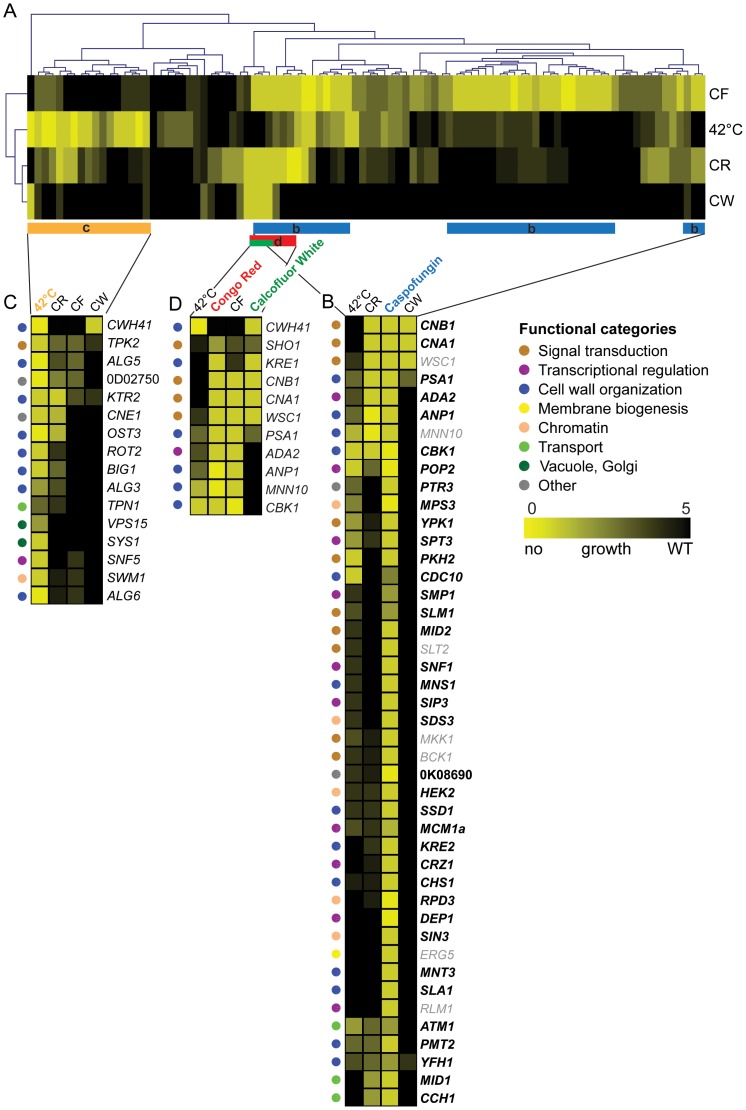
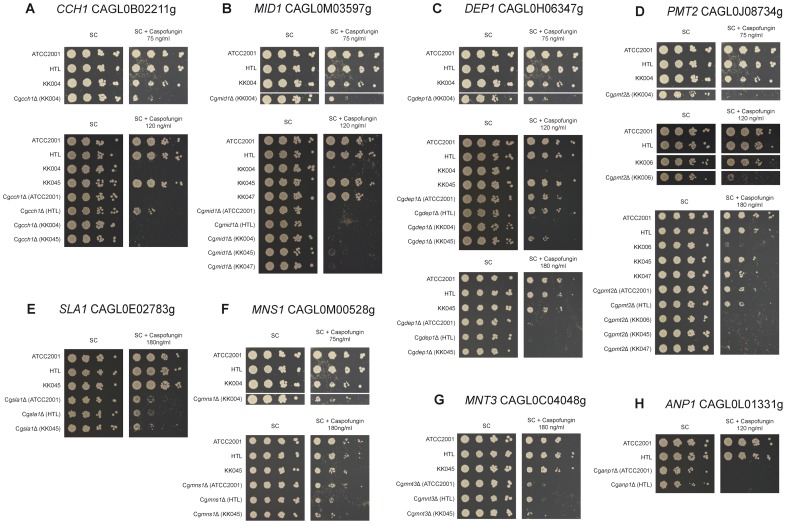
The opportunistic fungal pathogen Candida glabrata is a frequent cause of candidiasis, causing infections ranging from superficial to life-threatening disseminated disease. The inherent tolerance of C. glabrata to azole drugs makes this pathogen a serious clinical threat. To identify novel genes implicated in antifungal drug tolerance, we have constructed a large-scale C. glabrata deletion library consisting of 619 unique, individually bar-coded mutant strains, each lacking one specific gene, all together representing almost 12% of the genome. Functional analysis of this library in a series of phenotypic and fitness assays identified numerous genes required for growth of C. glabrata under normal or specific stress conditions, as well as a number of novel genes involved in tolerance to clinically important antifungal drugs such as azoles and echinocandins. We identified 38 deletion strains displaying strongly increased susceptibility to caspofungin, 28 of which encoding proteins that have not previously been linked to echinocandin tolerance. Our results demonstrate the potential of the C. glabrata mutant collection as a valuable resource in functional genomics studies of this important fungal pathogen of humans, and to facilitate the identification of putative novel antifungal drug target and virulence genes.
Overview
The claims and statistics of this paper haven’t been checked yet.
Free: it reads the open-access text and checks the first 5 claims that cite a source we can check. Create a free account to check every claim.
Integrity signals
Registry
Cites
Statistics
Figures
Verification
Claims the paper makes
The claims and statistics of this paper haven’t been checked yet.
Free: it reads the open-access text and checks the first 5 claims that cite a source we can check. Create a free account to check every claim.
Claims other papers make about this one
Each is checked against this paper’s own text: does it say what the citing paper says it does?
The source backs part of the claim, not all of it — or backs it for a different population, condition or comparison.
In the citing paper
“The genetic ablation of mannoproteins and other cell wall-related genes modulates CSP susceptibility in C. albicans and C. glabrata (43, 45).”
From Transcriptomics and Phenotyping Define Genetic Signatures Associated with Echinocandin Resistance in Candida auris (2022) · cites this paper as [43]
Experimental — accuracy not yet measuredThe cited source says what the claim attributes to it.
In the citing paper
“Both these signaling cascades are also required to survive the azole and echinocandin antifungal stress [54,91,99,100].”
From Candida glabrata: A Lot More Than Meets the Eye (2019) · cites this paper as [54]
The cited source says what the claim attributes to it.
In the citing paper
“The protein kinase C (PKC)-mediated signaling pathway safeguards the cell wall in C. glabrata, and its terminal mitogen-activated protein kinase (MAPK) CgSlt2, along with other cascade components, is required for survival of the cell wall stress [54,90,91].”
From Candida glabrata: A Lot More Than Meets the Eye (2019) · cites this paper as [54]
The cited source says what the claim attributes to it.
In the citing paper
“Genetic (Ueno et al., 2011; Schwarzmuller et al., 2014) or chemical (Miyazaki et al., 2010a) targeting of chitin synthase has been shown to increase C. glabrata susceptibility to echinocandins in vitro.”
From Genetic Drivers of Multidrug Resistance in Candida glabrata (2016) · cites this paper as Schwarzmuller et al., 2014
The cited source says what the claim attributes to it.
In the citing paper
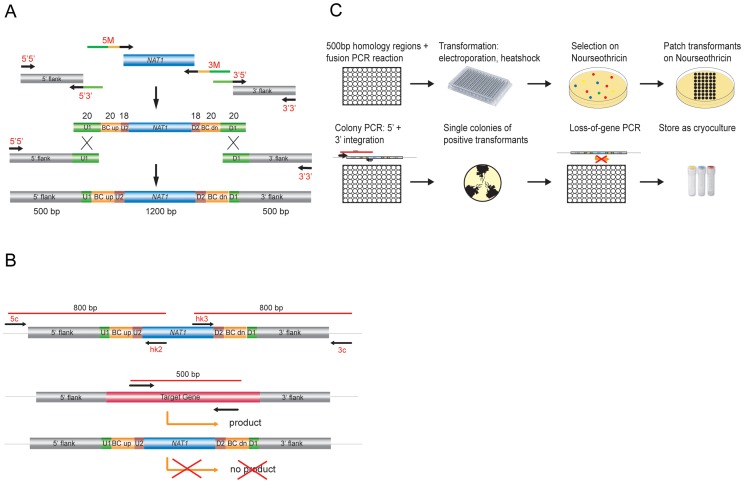
“Colony PCR with OneTaq 2X master mix (NEB - M0482) was used to control for loss of gene as well as correct genomic integration64.”
From Candida auris skin tropism and antifungal resistance are mediated by carbonic anhydrase Nce103 (2025) · cites this paper as [64]
3 more claims about this paper
Create a free account to see every claim other papers make about this one.
Self-check
Percentages, sums and reported differences re-computed from the paper’s own numbers.
The self-check needs the paper’s full text.
Citations
Cites
EMBOSS: the European molecular biology open software suite.
Rice, P., Longden, I., & Bleasby, A. (2000) · Trends in Genetics · doi:10.1016/s0168-9525(00)02024-2 · Cited by 9,466 · cited 2×
“PrimerList utilizes Bioperl to read and process nucleotide sequences and uses the EMBOSS [130] programs eprimer 3 and stssearch to find suitable primersets.”
MethodFunctional profiling of the Saccharomyces cerevisiae genome
Giaever, G., Chu, A. M., Ni, L., Connelly, C., Riles, L., Véronneau, S., Dow, S., Lucau-Danila, A., Anderson, K., André, B., et al. (2002) · Nature · doi:10.1038/nature00935 · Cited by 4,316 · cited 2×
“cerevisiae genome deletion project [43,49].”
BackgroundFunctional Characterization of the S. cerevisiae Genome by Gene Deletion and Parallel Analysis
Winzeler, E. A., Shoemaker, D. D., Astromoff, A., Liang, H., Anderson, K., Andre, B., Bangham, R., Benito, R., Boeke, J. D., Bussey, H., et al. (1999) · Science · doi:10.1126/science.285.5429.901 · Cited by 3,953 · cited 1×
“cerevisiae genome deletion project [43,49].”
The Genetic Landscape of a Cell
Costanzo, M., Baryshnikova, A., Bellay, J., Kim, Y., Spear, E. D., Sevier, C. S., Ding, H., Koh, J. L. Y., Toufighi, K., Mostafavi, S., et al. (2010) · Science · doi:10.1126/science.1180823 · Cited by 2,162 · cited 1×
“These approaches also unraveled stress response mechanisms and provided new insights into drug susceptibility and morphogenesis [42–49].”
BackgroundGlobal Mapping of the Yeast Genetic Interaction Network
Tong, A. H. Y., Lesage, G., Bader, G. D., Ding, H., Xu, H., Xin, X., Young, J., Berriz, G. F., Brost, R. L., Chang, M., et al. (2004) · Science · doi:10.1126/science.1091317 · Cited by 2,095
Methods in Yeast Genetics: A Laboratory Course Manual
Rose, M. D., Winston, F., & Hieter, P. (1990) · Medical Entomology and Zoology · Cited by 1,894
Dujon, B., Sherman, D., Fischer, G., Durrens, P., Casaregola, S., Lafontaine, I., de Montigny, J., Marck, C., Neuvéglise, C., Talla, E., et al. (2004) · Nature · doi:10.1038/nature02579 · Cited by 1,623 · cited 3×
“glabrata strain ATCC2001 [54] using Phusion High-Fidelity DNA Polymerase (New England Biolabs) and 30 cycles of amplification with elongation times varying from 1 to 3 min.”
BackgroundMethodInfluentialCandida Infections of Medical Devices
Kojic, E. M., & Darouiche, R. O. (2004) · Clinical Microbiology Reviews · doi:10.1128/cmr.17.2.255-267.2004 · Cited by 1,055 · cited 1×
“The deletion collection was subjected to extensive phenotypic profiling, with a particular emphasis on susceptibility to major antifungal drugs, growth and morphology phenotypes, stress response pathways, cell wall biogenesis as well as biofilm formation, which has been associated with the initiation and development o…”
MethodThe Chemical Genomic Portrait of Yeast: Uncovering a Phenotype for All Genes
Hillenmeyer, M. E., Fung, E., Wildenhain, J., Pierce, S. E., Hoon, S., Lee, W., Proctor, M., St.Onge, R. P., Tyers, M., Koller, D., et al. (2008) · Science · doi:10.1126/science.1150021 · Cited by 1,003 · cited 1×
“As the number of chemical-genetic and genomic data in baker’s yeast [45,46] is steadily increasing, our data add novel information concerning the function of related genes in an important human fungal pathogen.”
BackgroundCandida albicans morphogenesis and host defence: discriminating invasion from colonization
Gow, N. A. R., van de Veerdonk, F. L., Brown, A. J. P., & Netea, M. G. (2012) · Nature Reviews Microbiology · doi:10.1038/nrmicro2711 · Cited by 888 · cited 1×
“albicans [5], C.”
Rex, J. H., Pfaller, M. A., Galgiani, J. N., Bartlett, M. S., Espinel-Ingroff, A., Ghannoum, M. A., Lancaster, M., Odds, F. C., Rinaldi, M. G., Walsh, T. J., et al. (1997) · Clinical Infectious Diseases · doi:10.1093/clinids/24.2.235 · Cited by 855
Potential Role of Phospholipases in Virulence and Fungal Pathogenesis
Ghannoum, M. A. (2000) · Clinical Microbiology Reviews · doi:10.1128/cmr.13.1.122 · Cited by 818 · cited 1×
“It also lacks several attributes considered key mediators of fungal pathogenicity in other Candida spp, such as secretion of proteases and lipases [6,7].”
BackgroundSanglard, D., Kuchler, K., Ischer, F., Pagani, J. L., Monod, M., & Bille, J. (1995) · Antimicrobial Agents and Chemotherapy · doi:10.1128/aac.39.11.2378 · Cited by 815 · cited 1×
“Microbroth dilution assay for IC50 determination To determine the IC50 of antifungal drugs a modified protocol of the microbroth dilution assay was used [136].”
MethodSelf-citationAlexander, B. D., Johnson, M. D., Pfeiffer, C. D., Jiménez-Ortigosa, C., Catania, J., Booker, R., Castanheira, M., Messer, S. A., Perlin, D. S., & Pfaller, M. A. (2013) · Clinical Infectious Diseases · doi:10.1093/cid/cit136 · Cited by 778
The SAT1 flipper, an optimized tool for gene disruption in Candida albicans
Reuß, O., Vik, Å., Kolter, R., & Morschhäuser, J. (2004) · Gene · doi:10.1016/j.gene.2004.06.021 · Cited by 742
Nosocomial fungal infections: epidemiology, diagnosis, and treatment
Perlroth, J., Choi, B., & Spellberg, B. (2007) · Medical Mycology · doi:10.1080/13693780701218689 · Cited by 738 · cited 1×
“glabrata forms part of the normal microbial flora in humans, but can cause serious infections in immunocompromised and hospitalized patients; antibiotic exposure and presence of central venous catheter devices, being additional important risk factors for disease development [2].”
BackgroundPfaller, M. A., Diekema, D. J., Gibbs, D. L., Newell, V. A., Ellis, D., Tullio, V., Rodloff, A., Fu, W., & Ling, T. A. (2010) · Journal of Clinical Microbiology · doi:10.1128/jcm.02117-09 · Cited by 718 · cited 1×
“glabrata clinical isolates generally exhibit a high inherent tolerance level to azole drugs [9].”
BackgroundNoble, S. M., French, S., Kohn, L. A., Chen, V., & Johnson, A. D. (2010) · Nature Genetics · doi:10.1038/ng.605 · Cited by 678
Parsons, A. B., Brost, R. L., Ding, H., Li, Z., Zhang, C., Sheikh, B., Brown, G. W., Kane, P. M., Hughes, T. R., & Boone, C. (2004) · Nature Biotechnology · doi:10.1038/nbt919 · Cited by 675 · cited 1×
“As the number of chemical-genetic and genomic data in baker’s yeast [45,46] is steadily increasing, our data add novel information concerning the function of related genes in an important human fungal pathogen.”
BackgroundGenetic control of Candida albicans biofilm development
Finkel, J. S., & Mitchell, A. P. (2011) · Nature Reviews Microbiology · doi:10.1038/nrmicro2475 · Cited by 612
Noble, S. M., & Johnson, A. D. (2005) · Eukaryotic Cell · doi:10.1128/ec.4.2.298-309.2005 · Cited by 592 · cited 3×
“Here, we have adapted a semi-automated approach [51] for constructing gene deletions to generate a collection of individually bar-coded strains in the sequenced C.”
MethodInfluentialChanging epidemiology of systemic fungal infections
Richardson, M., & Lass-Flörl, C. (2008) · Clinical Microbiology and Infection · doi:10.1111/j.1469-0691.2008.01978.x · Cited by 524 · cited 2×
“Candida glabrata, a small, asexual, haploid yeast, is the second most frequent cause of candidiasis after Candida albicans, accounting for approximately 15%–25% of clinical cases [1–4].”
BackgroundRoemer, T., Jiang, B., Davison, J., Ketela, T., Veillette, K., Breton, A., Tandia, F., Linteau, A., Sillaots, S., Marta, C., et al. (2003) · Molecular Microbiology · doi:10.1046/j.1365-2958.2003.03697.x · Cited by 512 · cited 1×
“albicans [50–52] and Cryptococcus neoformans [53], enabling the identification of novel virulence genes and further demonstrating the power of a functional genomics approach.”
BackgroundResistance to echinocandin-class antifungal drugs.
Perlin, D. S. (2007) · Drug Resistance Updates · doi:10.1016/j.drup.2007.04.002 · Cited by 512 · cited 3×
“FKS1 or FKS2 [35], as well as through the PKC pathway that mediates CF tolerance in S.”
BackgroundInfluentialSystematic Genetic Analysis of Virulence in the Human Fungal Pathogen Cryptococcus neoformans
Liu, O. W., Chun, C. D., Chow, E. D., Chen, C., Madhani, H. D., & Noble, S. M. (2008) · Cell · doi:10.1016/j.cell.2008.07.046 · Cited by 443 · cited 4×
“The orthologues have been remapped using a tree-based approach applying the algorithm described in [50,53].”
BackgroundMethodInfluentialPfaller, M., Neofytos, D., Diekema, D., Azie, N., Meier-Kriesche, H.-U., Quan, S.-P., & Horn, D. (2012) · Diagnostic Microbiology and Infectious Disease · doi:10.1016/j.diagmicrobio.2012.10.003 · Cited by 394
An Adhesin of the Yeast Pathogen Candida glabrata Mediating Adherence to Human Epithelial Cells
Cormack, B. P., Ghori, N., & Falkow, S. (1999) · Science · doi:10.1126/science.285.5427.578 · Cited by 383 · cited 1×
“glabrata include an inherently elevated tolerance to azole antifungals [8–11]; the presence of a large repertoire of telomere-associated adhesins [12–18]; melanin-like pigment production [19]; adaptation to the acidic phagosomal environment and intra-phagosomal survival [20–22]; and Ace2-dependent components of the ce…”
BackgroundSelf-citationPfaller, M. A., Castanheira, M., Lockhart, S. R., Ahlquist, A. M., Messer, S. A., & Jones, R. N. (2012) · Journal of Clinical Microbiology · doi:10.1128/jcm.06112-11 · Cited by 377 · cited 1×
“glabrata clinical isolates is considered a major contributor to the increasing clinical prevalence of this pathogen [76].”
BackgroundHsp90 Governs Echinocandin Resistance in the Pathogenic Yeast Candida albicans via Calcineurin
Singh, S. D., Robbins, N., Zaas, A. K., Schell, W. A., Perfect, J. R., & Cowen, L. E. (2009) · PLoS Pathogens · doi:10.1371/journal.ppat.1000532 · Cited by 362 · cited 1×
“Furthermore, the Hsp90 heat shock protein has also been identified as a regulator of echinocandin tolerance acting through calcineurin signaling [36,39].”
BackgroundMorschhäuser, J., Barker, K. S., Liu, T. T., Blaß-Warmuth, J., Homayouni, R., & Rogers, P. D. (2007) · PLoS Pathogens · doi:10.1371/journal.ppat.0030164 · Cited by 355
Yeast Cbk1 and Mob2 Activate Daughter-Specific Genetic Programs to Induce Asymmetric Cell Fates
Colman-Lerner, A., Chin, T. E., & Brent, R. (2001) · Cell · doi:10.1016/s0092-8674(01)00596-7 · Cited by 351
A nuclear receptor-like pathway regulating multidrug resistance in fungi
Thakur, J. K., Arthanari, H., Yang, F., Pan, S.-J., Fan, X., Breger, J., Frueh, D. P., Gulshan, K., Li, D. K., Mylonakis, E., et al. (2008) · Nature · doi:10.1038/nature06836 · Cited by 343 · cited 1×
“Azole resistance can be acquired through increased expression of genes encoding ABC transporters (Cdr1, Pdh1, Snq2) or changes in their transcriptional regulatory system (Pdr1, Gal11) [24–28].”
BackgroundSelf-citationBiofilm Matrix Regulation by Candida albicans Zap1
Nobile, C. J., Nett, J. E., Hernday, A. D., Homann, O. R., Deneault, J.-S., Nantel, A., Andes, D. R., Johnson, A. D., & Mitchell, A. P. (2009) · PLoS Biology · doi:10.1371/journal.pbio.1000133 · Cited by 337
Sanglard, D., Ischer, F., Calabrese, D., Majcherczyk, P. A., & Bille, J. (1999) · Antimicrobial Agents and Chemotherapy · doi:10.1128/aac.43.11.2753 · Cited by 337 · cited 1×
“Azole resistance can be acquired through increased expression of genes encoding ABC transporters (Cdr1, Pdh1, Snq2) or changes in their transcriptional regulatory system (Pdr1, Gal11) [24–28].”
BackgroundThe evolution of fungal drug resistance: modulating the trajectory from genotype to phenotype.
Cowen, L. E. (2008) · Nature Reviews Microbiology · doi:10.1038/nrmicro1835 · Cited by 311 · cited 1×
“The polyene AmB is thought to impair membrane function by binding to ergosterol, resulting in cellular leakage of cytoplasm [77].”
BackgroundThe changing epidemiology of healthcare-associated candidemia over three decades
Diekema, D., Arbefeville, S., Boyken, L., Kroeger, J., & Pfaller, M. (2012) · Diagnostic Microbiology and Infectious Disease · doi:10.1016/j.diagmicrobio.2012.02.001 · Cited by 309 · cited 3×
“glabrata infections showing ever-increasing clinical importance reaching up to 30% prevalence in some countries [33,125], this work is the first large-scale contribution to the systematic analysis of mechanisms implicated in antifungal drug resistance and C.”
BackgroundInfluentialSystematic pathway analysis using high-resolution fitness profiling of combinatorial gene deletions
Onge, R. P. S., Mani, R., Oh, J., Proctor, M., Fung, E., Davis, R. W., Nislow, C., Roth, F. P., & Giaever, G. (2007) · Nature Genetics · doi:10.1038/ng1948 · Cited by 309 · cited 2×
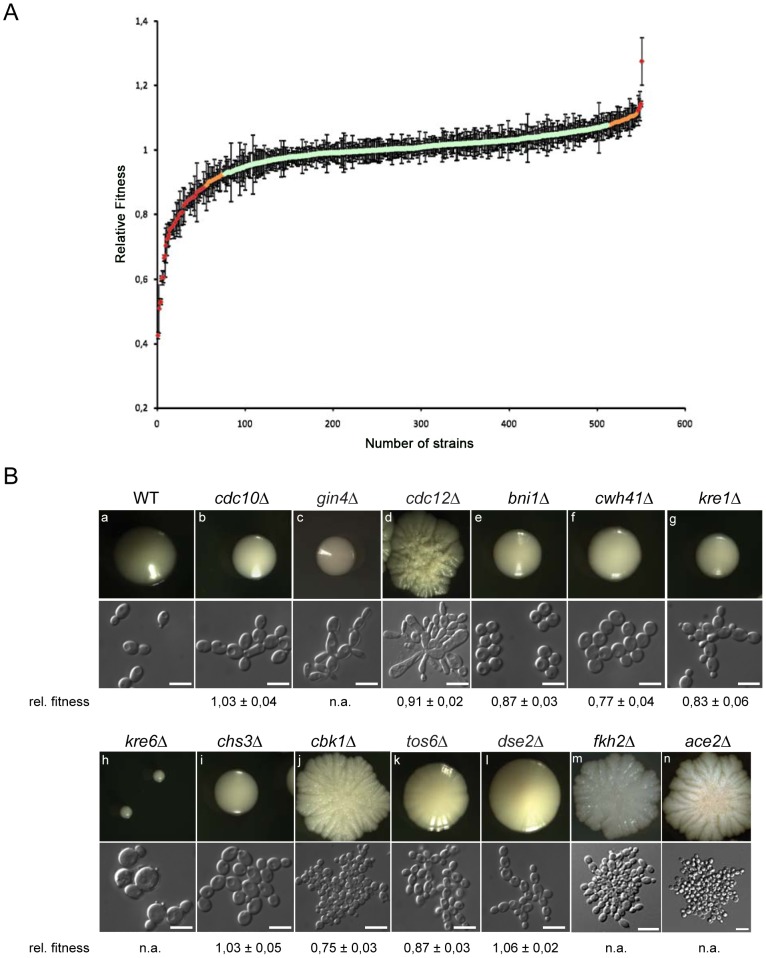
“The relative fitness of a strain was then calculated as the ratio of the average doubling time of all strains within the third to eighth deciles to the doubling time of the strain of interest [68].”
BackgroundMethodRegulation of multidrug resistance in pathogenic fungi
Morschhäuser, J. (2010) · Fungal Genetics and Biology · doi:10.1016/j.fgb.2009.08.002 · Cited by 300 · cited 1×
“glabrata have been based on what is known from baker’s yeast [104,126] or other Candida pathogens [105].”
BackgroundFerrari, S., Ischer, F., Calabrese, D., Posteraro, B., Sanguinetti, M., Fadda, G., Rohde, B., Bauser, C., Bader, O., & Sanglard, D. (2009) · PLoS Pathogens · doi:10.1371/journal.ppat.1000268 · Cited by 295 · cited 2×
“glabrata utilizes a limited set of mechanisms to mount azole resistance, with ABC transporter-mediated efflux by Cdr1 and Pdh1 being the most important one, both in vitro and in vivo [32,67,99–102].”
BackgroundVermitsky, J.-P., & Edlind, T. D. (2004) · Antimicrobial Agents and Chemotherapy · doi:10.1128/aac.48.10.3773-3781.2004 · Cited by 285
Kaur, R., Ma, B., & Cormack, B. P. (2007) · Proceedings of the National Academy of Sciences · doi:10.1073/pnas.0611195104 · Cited by 284
Self-citationRoelants, F. M., Breslow, D. K., Muir, A., Weissman, J. S., & Thorner, J. (2011) · Proceedings of the National Academy of Sciences · doi:10.1073/pnas.1116948108 · Cited by 282 · cited 1×
“cerevisiae, the Ypk1-mediated signaling pathway, which is activated by lipid-sensing [111], constitutes an alternative cell integrity signaling pathway connected to the classical PKC pathway [112,113].”
BackgroundOnyewu, C., Blankenship, J. R., Del Poeta, M., & Heitman, J. (2003) · Antimicrobial Agents and Chemotherapy · doi:10.1128/aac.47.3.956-964.2003 · Cited by 282 · cited 2×
“Furthermore, calcineurin pathway mutants such as cna1 and cnb1 also displayed pronounced azole hypersensitivities, as also shown by previous reports [32,81].”
ResultCurrent Perspectives on Echinocandin Class Drugs
Perlin, D. S. (2011) · Future Microbiology · doi:10.2217/fmb.11.19 · Cited by 274 · cited 1×
“Echinocandins such as caspofungin (CF), anidulafungin and micafungin are a relatively new class of effective yet high-cost antifungal drugs targeting fungal 1,3-b-D-glucan synthases and thereby impairing cell wall integrity [34].”
BackgroundBrand, A., MacCallum, D. M., Brown, A. J. P., Gow, N. A. R., & Odds, F. C. (2004) · Eukaryotic Cell · doi:10.1128/ec.3.4.900-909.2004 · Cited by 272 · cited 1×
“albicans [58,59].”
A yeast by any other name: Candida glabrata and its interaction with the host
Kaur, R., Domergue, R., Zupancic, M. L., & Cormack, B. P. (2005) · Current Opinion in Microbiology · doi:10.1016/j.mib.2005.06.012 · Cited by 271 · cited 1×
“glabrata include an inherently elevated tolerance to azole antifungals [8–11]; the presence of a large repertoire of telomere-associated adhesins [12–18]; melanin-like pigment production [19]; adaptation to the acidic phagosomal environment and intra-phagosomal survival [20–22]; and Ace2-dependent components of the ce…”
BackgroundSelf-citationAlbrecht, A., Felk, A., Pichova, I., Naglik, J. R., Schaller, M., de Groot, P., MacCallum, D., Odds, F. C., Schäfer, W., Klis, F., et al. (2006) · Journal of Biological Chemistry · doi:10.1074/jbc.m509297200 · Cited by 270 · cited 1×
“It also lacks several attributes considered key mediators of fungal pathogenicity in other Candida spp, such as secretion of proteases and lipases [6,7].”
BackgroundSelf-citationDe Las Peñas, A., Pan, S.-J., Castaño, I., Alder, J., Cregg, R., & Cormack, B. P. (2003) · Genes & Development · doi:10.1101/gad.1121003 · Cited by 268
Self-citationGenome-Wide Fitness Test and Mechanism-of-Action Studies of Inhibitory Compounds in Candida albicans
Xu, D., Jiang, B., Ketela, T., Lemieux, S., Veillette, K., Martel, N., Davison, J., Sillaots, S., Trosok, S., Bachewich, C., et al. (2007) · PLoS Pathogens · doi:10.1371/journal.ppat.0030092 · Cited by 254 · cited 2×
“glabrata have been based on what is known from baker’s yeast [104,126] or other Candida pathogens [105].”
BackgroundNicotinic Acid Limitation Regulates Silencing of Candida Adhesins During UTI
Domergue, R., Castaño, I., De Las Peñas, A., Zupancic, M., Lockatell, V., Hebel, J. R., Johnson, D., & Cormack, B. P. (2005) · Science · doi:10.1126/science.1108640 · Cited by 249 · cited 1×
“glabrata include an inherently elevated tolerance to azole antifungals [8–11]; the presence of a large repertoire of telomere-associated adhesins [12–18]; melanin-like pigment production [19]; adaptation to the acidic phagosomal environment and intra-phagosomal survival [20–22]; and Ace2-dependent components of the ce…”
BackgroundSelf-citationSanglard, D., Ischer, F., & Bille, J. (2001) · Antimicrobial Agents and Chemotherapy · doi:10.1128/aac.45.4.1174-1183.2001 · Cited by 247
Vermitsky, J., Earhart, K. D., Smith, W. L., Homayouni, R., Edlind, T. D., & Rogers, P. D. (2006) · Molecular Microbiology · doi:10.1111/j.1365-2958.2006.05235.x · Cited by 233 · cited 1×
“While this is mainly the consequence of transcriptional upregulation of the CDR1 and PDH1 (CDR2) encoding membrane efflux pumps or gain-of-function mutations in the PDR1 regulator [28], additional mechanisms may play a role.”
Backgroundde Groot, P. W. J., Kraneveld, E. A., Yin, Q. Y., Dekker, H. L., Groß, U., Crielaard, W., de Koster, C. G., Bader, O., Klis, F. M., & Weig, M. (2008) · Eukaryotic Cell · doi:10.1128/ec.00284-08 · Cited by 232
Large-scale assignment of orthology: back to phylogenetics?
Gabaldón, T. (2008) · Genome Biology · doi:10.1186/gb-2008-9-10-235 · Cited by 228 · cited 1×
“[128].”
Self-citationSeider, K., Brunke, S., Schild, L., Jablonowski, N., Wilson, D., Majer, O., Barz, D., Haas, A., Kuchler, K., Schaller, M., et al. (2011) · The Journal of Immunology · doi:10.4049/jimmunol.1003730 · Cited by 220 · cited 1×
“glabrata include an inherently elevated tolerance to azole antifungals [8–11]; the presence of a large repertoire of telomere-associated adhesins [12–18]; melanin-like pigment production [19]; adaptation to the acidic phagosomal environment and intra-phagosomal survival [20–22]; and Ace2-dependent components of the ce…”
BackgroundSelf-citationMechanism of Increased Fluconazole Resistance in Candida glabrata during Prophylaxis
Bennett, J. E., Izumikawa, K., & Marr, K. A. (2004) · Antimicrobial Agents and Chemotherapy · doi:10.1128/aac.48.5.1773-1777.2004 · Cited by 217 · cited 1×
“glabrata utilizes a limited set of mechanisms to mount azole resistance, with ABC transporter-mediated efflux by Cdr1 and Pdh1 being the most important one, both in vitro and in vivo [32,67,99–102].”
BackgroundBench-to-bedside review: Candida infections in the intensive care unit
Méan, M., Marchetti, O., & Calandra, T. (2008) · Critical Care · doi:10.1186/cc6212 · Cited by 217
Elevated Chitin Content Reduces the Susceptibility of Candida Species to Caspofungin
Walker, L. A., Gow, N. A. R., & Munro, C. A. (2013) · Antimicrobial Agents and Chemotherapy · doi:10.1128/aac.01486-12 · Cited by 214 · cited 1×
“albicans demonstrate a role for chitin in regulating cell wall susceptibility to CF [108,109].”
BackgroundGlobal Gene Deletion Analysis Exploring Yeast Filamentous Growth
Ryan, O., Shapiro, R. S., Kurat, C. F., Mayhew, D., Baryshnikova, A., Chin, B., Lin, Z.-Y., Cox, M. J., Vizeacoumar, F., Cheung, D., et al. (2012) · Science · doi:10.1126/science.1224339 · Cited by 213 · cited 1×
“These approaches also unraveled stress response mechanisms and provided new insights into drug susceptibility and morphogenesis [42–49].”
BackgroundSelf-citationElevated Cell Wall Chitin in Candida albicans Confers Echinocandin Resistance In Vivo
Lee, K. K., MacCallum, D. M., Jacobsen, M. D., Walker, L. A., Odds, F. C., Gow, N. A. R., & Munro, C. A. (2012) · Antimicrobial Agents and Chemotherapy · doi:10.1128/aac.00683-11 · Cited by 209 · cited 1×
“albicans demonstrate a role for chitin in regulating cell wall susceptibility to CF [108,109].”
BackgroundGlobal Analysis of the Evolution and Mechanism of Echinocandin Resistance in Candida glabrata
Singh-Babak, S. D., Babak, T., Diezmann, S., Hill, J. A., Xie, J. L., Chen, Y.-L., Poutanen, S. M., Rennie, R. P., Heitman, J., & Cowen, L. E. (2012) · PLoS Pathogens · doi:10.1371/journal.ppat.1002718 · Cited by 205 · cited 3×
“wall homeostasis in fungal pathogens [36,83,84].”
BackgroundResultKrogh-Madsen, M., Arendrup, M. C., Heslet, L., & Knudsen, J. D. (2006) · Clinical Infectious Diseases · doi:10.1086/500939 · Cited by 201 · cited 1×
“glabrata can develop AmB tolerance [78,79], the underlying molecular mechanisms remain obscure.”
BackgroundReinoso-Martín, C., Schüller, C., Schuetzer-Muehlbauer, M., & Kuchler, K. (2003) · Eukaryotic Cell · doi:10.1128/ec.2.6.1200-1210.2003 · Cited by 193
Self-citationTelomere length control and transcriptional regulation of subtelomeric adhesins in Candida glabrata
Castaño, I., Pan, S., Zupancic, M., Hennequin, C., Dujon, B., & Cormack, B. P. (2005) · Molecular Microbiology · doi:10.1111/j.1365-2958.2004.04465.x · Cited by 188 · cited 1×
“glabrata include an inherently elevated tolerance to azole antifungals [8–11]; the presence of a large repertoire of telomere-associated adhesins [12–18]; melanin-like pigment production [19]; adaptation to the acidic phagosomal environment and intra-phagosomal survival [20–22]; and Ace2-dependent components of the ce…”
BackgroundSelf-citationCormack, B. P., & Falkow, S. (1999) · Genetics · doi:10.1093/genetics/151.3.979 · Cited by 180
Self-citationRoelants, F. M., Torrance, P. D., Bezman, N., & Thorner, J. (2002) · Molecular Biology of the Cell · doi:10.1091/mbc.e02-04-0201 · Cited by 179 · cited 1×
“cerevisiae, the Ypk1-mediated signaling pathway, which is activated by lipid-sensing [111], constitutes an alternative cell integrity signaling pathway connected to the classical PKC pathway [112,113].”
BackgroundLay, J., Henry, L. K., Clifford, J., Koltin, Y., Bulawa, C. E., & Becker, J. M. (1998) · Infection and Immunity · doi:10.1128/iai.66.11.5301-5306.1998 · Cited by 174 · cited 1×
“albicans [58,59].”
Bidlingmaier, S., Weiss, E. L., Seidel, C., Drubin, D. G., & Snyder, M. (2001) · Molecular and Cellular Biology · doi:10.1128/mcb.21.7.2449-2462.2001 · Cited by 173 · cited 1×
“CBK1 encodes a RAM network kinase that is central to the establishment of cell polarity and involved in septum formation and cell separation and morphogenesis [90–93].”
BackgroundKaur, R., Castaño, I., & Cormack, B. P. (2004) · Antimicrobial Agents and Chemotherapy · doi:10.1128/aac.48.5.1600-1613.2004 · Cited by 167 · cited 1×
“These results confirm that both pathways are necessary for a response to both drug classes and are consistent with data in many fungi showing the synergistic action of calcineurin inhibitors and azoles or CF [36,81,84,114,115].”
ResultSelf-citationLesage, G., Sdicu, A.-M., Ménard, P., Shapiro, J., Hussein, S., & Bussey, H. (2004) · Genetics · doi:10.1534/genetics.167.1.35 · Cited by 166 · cited 1×
“glabrata have been based on what is known from baker’s yeast [104,126] or other Candida pathogens [105].”
BackgroundMiyazaki, H., Miyazaki, Y., Geber, A., Parkinson, T., Hitchcock, C., Falconer, D. J., Ward, D. J., Marsden, K., & Bennett, J. E. (1998) · Antimicrobial Agents and Chemotherapy · doi:10.1128/aac.42.7.1695 · Cited by 162 · cited 1×
“Azole resistance can be acquired through increased expression of genes encoding ABC transporters (Cdr1, Pdh1, Snq2) or changes in their transcriptional regulatory system (Pdr1, Gal11) [24–28].”
BackgroundATR/Mec1: coordinating fork stability and repair
Friedel, A. M., Pike, B. L., & Gasser, S. M. (2009) · Current Opinion in Cell Biology · doi:10.1016/j.ceb.2009.01.017 · Cited by 157 · cited 1×
“These include MEC1, encoding a master DNA damage checkpoint kinase [88], and CBK1, although the latter is only essential in the yeast background S288c [89].”
BackgroundShen, J., Guo, W., & Köhler, J. R. (2005) · Infection and Immunity · doi:10.1128/iai.73.2.1239-1242.2005 · Cited by 155 · cited 2×
“The transcription factor (TF) mutants were made in a his3 derivative of ATCC2001, the majority using a codon-optimized version of the NAT1 marker [57].”
MethodA protein kinase network regulates the function of aminophospholipid flippases
Roelants, F. M., Baltz, A. G., Trott, A. E., Fereres, S., & Thorner, J. (2010) · Proceedings of the National Academy of Sciences · doi:10.1073/pnas.0912497106 · Cited by 153 · cited 1×
“It is tempting to speculate though that Ypk1 is part of a kinase network implicated in sensing and regulating membrane perturbations, drug sensitivity and lipid-mediated stress signaling [97,122].”
BackgroundMechanisms of Azole Resistance in Petite Mutants of Candida glabrata
Brun, S., Bergès, T., Poupard, P., Vauzelle-Moreau, C., Renier, G., Chabasse, D., & Bouchara, J.-P. (2004) · Antimicrobial Agents and Chemotherapy · doi:10.1128/aac.48.5.1788-1796.2004 · Cited by 151 · cited 1×
“Mitochondrial dysfunction [29] and serum utilization via the putative sterol transporter Aus1 [30,31] also impact the ability of C.”
BackgroundKatiyar, S. K., Alastruey-Izquierdo, A., Healey, K. R., Johnson, M. E., Perlin, D. S., & Edlind, T. D. (2012) · Antimicrobial Agents and Chemotherapy · doi:10.1128/aac.00813-12 · Cited by 148 · cited 1×
“Mutations in subunits of glucan synthases can render fungi resistant to echinocandin [34– 37].”
BackgroundRacki, W. J., Bécam, A. ‐., Nasr, F., & Herbert, C. J. (2000) · The EMBO Journal · doi:10.1093/emboj/19.17.4524 · Cited by 147 · cited 1×
“CBK1 encodes a RAM network kinase that is central to the establishment of cell polarity and involved in septum formation and cell separation and morphogenesis [90–93].”
BackgroundClinical Significance of Azole Antifungal Drug Cross-Resistance in Candida glabrata
Panackal, A. A., Gribskov, J. L., Staab, J. F., Kirby, K. A., Rinaldi, M., & Marr, K. A. (2006) · Journal of Clinical Microbiology · doi:10.1128/jcm.44.5.1740-1743.2006 · Cited by 144 · cited 1×
“glabrata include an inherently elevated tolerance to azole antifungals [8–11]; the presence of a large repertoire of telomere-associated adhesins [12–18]; melanin-like pigment production [19]; adaptation to the acidic phagosomal environment and intra-phagosomal survival [20–22]; and Ace2-dependent components of the ce…”
BackgroundHuerta-Cepas, J., Capella-Gutierrez, S., Pryszcz, L. P., Denisov, I., Kormes, D., Marcet-Houben, M., & Gabaldon, T. (2011) · Nucleic Acids Research · doi:10.1093/nar/gkq1109 · Cited by 143 · cited 1×
“[129].”
Self-citationAutophagy supports Candida glabrata survival during phagocytosis
Roetzer, A., Gratz, N., Kovarik, P., & Schüller, C. (2010) · Cellular Microbiology · doi:10.1111/j.1462-5822.2009.01391.x · Cited by 142 · cited 1×
“glabrata include an inherently elevated tolerance to azole antifungals [8–11]; the presence of a large repertoire of telomere-associated adhesins [12–18]; melanin-like pigment production [19]; adaptation to the acidic phagosomal environment and intra-phagosomal survival [20–22]; and Ace2-dependent components of the ce…”
BackgroundPDK1 Homologs Activate the Pkc1–Mitogen-Activated Protein Kinase Pathway in Yeast
Inagaki, M., Schmelzle, T., Yamaguchi, K., Irie, K., Hall, M. N., & Matsumoto, K. (1999) · Molecular and Cellular Biology · doi:10.1128/mcb.19.12.8344 · Cited by 138 · cited 1×
“cerevisiae, the Ypk1-mediated signaling pathway, which is activated by lipid-sensing [111], constitutes an alternative cell integrity signaling pathway connected to the classical PKC pathway [112,113].”
BackgroundSun, Y., 谷口, 律., Tanoue, D., Yamaji, T., Takematsu, H., Mori, K., Fujita, T., Kawasaki, T., & Kozutsumi, Y. (2000) · Molecular and Cellular Biology · doi:10.1128/mcb.20.12.4411-4419.2000 · Cited by 137
Biochemical and physiological effects of sterol alterations in yeast—A review
Parks, L. W., Smith, S. J., & Crowley, J. H. (1995) · Lipids · doi:10.1007/bf02537825 · Cited by 136 · cited 1×
“AmB is thought to interfere with normal membrane bilayer function by forming complexes with ergosterol [123].”
BackgroundWiederhold, N. P., Kontoyiannis, D. P., Prince, R. A., & Lewis, R. E. (2005) · Antimicrobial Agents and Chemotherapy · doi:10.1128/aac.49.12.5146-5148.2005 · Cited by 131 · cited 1×
“These results confirm that both pathways are necessary for a response to both drug classes and are consistent with data in many fungi showing the synergistic action of calcineurin inhibitors and azoles or CF [36,81,84,114,115].”
ResultCandida glabrata displays pseudohyphal growth
Csank, C., & Haynes, K. (2000) · FEMS Microbiology Letters · doi:10.1111/j.1574-6968.2000.tb09216.x · Cited by 129 · cited 1×
“Notably, except for pseudohyphal morphologies [69,70] or small round cells as for ace2 [23], many of these morphological alterations have not been described in C.”
BackgroundSelf-citationPfaller, M. A., Messer, S. A., Hollis, R. J., Boyken, L., Tendolkar, S., Kroeger, J., & Diekema, D. J. (2009) · Journal of Clinical Microbiology · doi:10.1128/jcm.00946-09 · Cited by 129
Honraet, K., Goetghebeur, E. J. T., & Nelis, H. J. C. F. (2005) · Journal of Microbiological Methods · doi:10.1016/j.mimet.2005.03.014 · Cited by 127 · cited 2×
“then washed with PBS using a HydroFlex platform (Tecan) and 100 ml of a 16 FDA solution (506 stock: fluorescein diacetate, 2 g l(21) in acetone; diluted to 16 in PBS) was added per well [74].”
MethodIraqui, I., Garcia‐Sanchez, S., Aubert, S., Dromer, F., Ghigo, J., D’Enfert, C., & Janbon, G. (2005) · Molecular Microbiology · doi:10.1111/j.1365-2958.2004.04475.x · Cited by 126 · cited 2×
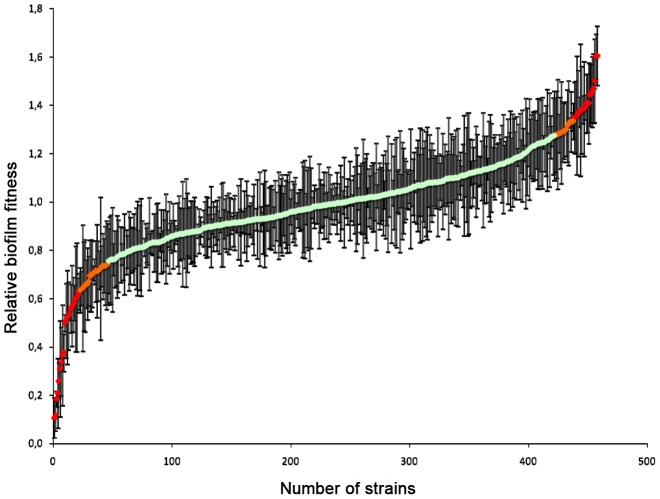
“Biofilms were produced in 96-well plates as previously described [75].”
MethodSelf-citationSaccharomyces cerevisiae MPT5 and SSD1 Function in Parallel Pathways to Promote Cell Wall Integrity
Kaeberlein, M., & Guarente, L. (2002) · Genetics · doi:10.1093/genetics/160.1.83 · Cited by 124
Rai, M. N., Balusu, S., Gorityala, N., Dandu, L., & Kaur, R. (2012) · PLoS Pathogens · doi:10.1371/journal.ppat.1002863 · Cited by 117 · cited 1×
“glabrata include an inherently elevated tolerance to azole antifungals [8–11]; the presence of a large repertoire of telomere-associated adhesins [12–18]; melanin-like pigment production [19]; adaptation to the acidic phagosomal environment and intra-phagosomal survival [20–22]; and Ace2-dependent components of the ce…”
BackgroundSystematic analysis of genome-wide fitness data in yeast reveals novel gene function and drug action
Hillenmeyer, M. E., Ericson, E., Davis, R. W., Nislow, C., Koller, D., & Giaever, G. (2010) · Genome Biology · doi:10.1186/gb-2010-11-3-r30 · Cited by 112 · cited 1×
“These approaches also unraveled stress response mechanisms and provided new insights into drug susceptibility and morphogenesis [42–49].”
BackgroundThe Candida albicans Cdr2p ATP‐binding cassette (ABC) transporter confers resistance to caspofungin
Schuetzer‐Muehlbauer, M., Willinger, B., Krapf, G., Enzinger, S., Presterl, E., & Kuchler, K. (2003) · Molecular Microbiology · doi:10.1046/j.1365-2958.2003.03430.x · Cited by 111 · cited 1×
“albicans Cdr2 efflux ABC transporter gene in both laboratory strains and clinical isolates markedly increases CF tolerance [38].”
BackgroundSelf-citationSussman, A., Huss, K., Chio, L.-C., Heidler, S., Shaw, M., Ma, D., Zhu, G., Campbell, R. M., Park, T.-S., Kulanthaivel, P., et al. (2004) · Eukaryotic Cell · doi:10.1128/ec.3.4.932-943.2004 · Cited by 111 · cited 1×
“albicans [107].”
Legrand, M., Lephart, P., Forche, A., Mueller, F. C., Walsh, T., Magee, P. T., & Magee, B. B. (2004) · Molecular Microbiology · doi:10.1111/j.1365-2958.2004.04068.x · Cited by 110 · cited 1×
“albicans is not lethal [93–95].”
Cbk1 Regulation of the RNA-Binding Protein Ssd1 Integrates Cell Fate with Translational Control
Jansen, J. M., Wanless, A. G., Seidel, C. W., & Weiss, E. L. (2009) · Current Biology · doi:10.1016/j.cub.2009.10.071 · Cited by 110 · cited 1×
“The few deletions conferring sensitivity to all three drugs occur in genes implicated in stress signaling, and include kinases such as Ypk1 and the mRNA-binding protein Ssd1, which is thought to control expression of surface genes in concert with Cbk1 [116–120].”
BackgroundVandeputte, P., Tronchin, G., Bergès, T., Hennequin, C., Chabasse, D., & Bouchara, J.-P. (2007) · Antimicrobial Agents and Chemotherapy · doi:10.1128/aac.01510-06 · Cited by 109 · cited 1×
“Notably, except for pseudohyphal morphologies [69,70] or small round cells as for ace2 [23], many of these morphological alterations have not been described in C.”
BackgroundCalcineurin Inhibition or Mutation Enhances Cell Wall Inhibitors against Aspergillus fumigatus
Steinbach, W. J., Cramer, R. A., Perfect, B. Z., Henn, C., Nielsen, K., Heitman, J., & Perfect, J. R. (2007) · Antimicrobial Agents and Chemotherapy · doi:10.1128/aac.01394-06 · Cited by 108 · cited 1×
“In the mould Aspergillus fumigatus, a mutation or inhibition of calcineurin enhances the antifungal potency of CF [110].”
BackgroundBorst, A., Raimer, M. T., Warnock, D. W., Morrison, C. J., & Arthington-Skaggs, B. A. (2005) · Antimicrobial Agents and Chemotherapy · doi:10.1128/aac.49.2.783-787.2005 · Cited by 106 · cited 1×
“glabrata utilizes a limited set of mechanisms to mount azole resistance, with ABC transporter-mediated efflux by Cdr1 and Pdh1 being the most important one, both in vitro and in vivo [32,67,99–102].”
BackgroundHigh-Resolution Genetic Mapping With Ordered Arrays of Saccharomyces cerevisiae Deletion Mutants
Jorgensen, P., Nelson, B., Robinson, M. D., Chen, Y., Andrews, B., Tyers, M., & Boone, C. (2002) · Genetics · doi:10.1093/genetics/162.3.1091 · Cited by 105
Chauvel, M., Nesseir, A., Cabral, V., Znaidi, S., Goyard, S., Bachellier-Bassi, S., Firon, A., Legrand, M., Diogo, D., Naulleau, C., et al. (2012) · PLoS ONE · doi:10.1371/journal.pone.0045912 · Cited by 102 · cited 2×
“To construct a replicative, Gateway-compatible C. glabrata expression vector, the C. glabrata TDH3 promoter amplified from genomic DNA of C. glabrata strain ATCC2001 using oligos CgTDH3p-fwd (59-GCGCCCGGTACCCAGGTGATCATATCACTCACA-39) and CgTDH3p-rev (59-GGGCCGACTAGTGTTATGTTTGTTGTGATTTGTA-39), and a Gateway cassette amp…”
MethodSelf-citationCasadevall, A. (2012) · PLoS Pathogens · doi:10.1371/journal.ppat.1002808 · Cited by 101 · cited 1×
“have evolved as opportunistic pathogens of mammals, including humans, it is fair to propose that adaptation to the host environment and immunity surveillance may have been driving the evolution of functionally rewired genetic regulatory networks [98].”
BackgroundJacobsen, I. D., Brunke, S., Seider, K., Schwarzmüller, T., Firon, A., d'Enfért, C., Kuchler, K., & Hube, B. (2010) · Infection and Immunity · doi:10.1128/iai.01244-09 · Cited by 101 · cited 2×
“mice when compared to the parental wild type strain [60].”
BackgroundSelf-citationEvolution of Transcription Networks — Lessons from Yeasts
Li, H., & Johnson, A. D. (2010) · Current Biology · doi:10.1016/j.cub.2010.06.056 · Cited by 99 · cited 2×
“It is tempting to speculate though that Ypk1 is part of a kinase network implicated in sensing and regulating membrane perturbations, drug sensitivity and lipid-mediated stress signaling [97,122].”
BackgroundChen, Y.-L., Konieczka, J. H., Springer, D. J., Bowen, S. E., Zhang, J., Silao, F. G. S., Bungay, A. A. C., Bigol, U. G., Nicolas, M. G., Abraham, S. N., et al. (2012) · G3 Genes|Genomes|Genetics · doi:10.1534/g3.112.002279 · Cited by 97 · cited 2×
“wall homeostasis in fungal pathogens [36,83,84].”
ResultUeno, K., Uno, J., Nakayama, H., Sasamoto, K., Mikami, Y., & Chibana, H. (2007) · Eukaryotic Cell · doi:10.1128/ec.00414-06 · Cited by 90 · cited 1×
“Higher targeting efficiency requires the use of $500 base pair (bp) flanking regions [61].”
MethodIn-vivo selection of an azole-resistant petite mutant of Candida glabrata
BOUCHARA, J.-P., LE BOUDOUIL, S., FILMON, R., ZOUHAIR, R., HALLET, J.-N., CHABASSE, D., RENIER, G., & DEFONTAINE, A. (2000) · Journal of Medical Microbiology · doi:10.1099/0022-1317-49-11-977 · Cited by 88
Roles of Calcineurin and Crz1 in Antifungal Susceptibility and Virulence of Candida glabrata
Miyazaki, T., Yamauchi, S., Inamine, T., Nagayoshi, Y., Saijo, T., Izumikawa, K., Seki, M., Kakeya, H., Yamamoto, Y., Yanagihara, K., et al. (2010) · Antimicrobial Agents and Chemotherapy · doi:10.1128/aac.01364-09 · Cited by 88 · cited 1×
“Furthermore, calcineurin pathway mutants such as cna1 and cnb1 also displayed pronounced azole hypersensitivities, as also shown by previous reports [32,81].”
ResultBoguslawski, G. (1992) · Journal of General Microbiology · doi:10.1099/00221287-138-11-2425 · Cited by 87 · cited 1×
“activated protein kinase) of the HOG pathway [62], resulted in”
BackgroundMarcet-Houben, M., & Gabaldón, T. (2009) · PLoS ONE · doi:10.1371/journal.pone.0004357 · Cited by 83 · cited 1×
“Using a large-scale phylogenetic approach across many fungal species [55], we identified 1047 putatively non-essential candidate genes in C.”
BackgroundSelf-citationPfaller, M. A., Diekema, D. J., Gibbs, D. L., Newell, V. A., Barton, R., Bijie, H., Bille, J., Chang, S.-C., da Luz Martins, M., Duse, A., et al. (2010) · Diagnostic Microbiology and Infectious Disease · doi:10.1016/j.diagmicrobio.2010.01.002 · Cited by 80
Nakayama, H., Tanabe, K., Bard, M., Hodgson, W., Wu, S., Takemori, D., Aoyama, T., Kumaraswami, N. S., Metzler, L., Takano, Y., et al. (2007) · Journal of Antimicrobial Chemotherapy · doi:10.1093/jac/dkm321 · Cited by 79 · cited 2×
“Mitochondrial dysfunction [29] and serum utilization via the putative sterol transporter Aus1 [30,31] also impact the ability of C. glabrata to tolerate high azole levels.”
BackgroundTn 7-Based Genome-Wide Random Insertional Mutagenesis of Candida glabrata
Castaño, I., Kaur, R., Pan, S., Cregg, R., Peñas, A. D. L., Guo, N., Biery, M. C., Craig, N. L., & Cormack, B. P. (2003) · Genome Research · doi:10.1101/gr.848203 · Cited by 77 · cited 1×
“This deletion mutant collection that comprises 619 unique strains each lacking a single gene has several advantages over known transposon-based mutant collections [86], since each ORF is completely removed.”
BackgroundSelf-citationKamran, M., Calcagno, A.-M., Findon, H., Bignell, E., Jones, M. D., Warn, P., Hopkins, P., Denning, D. W., Butler, G., Rogers, T., et al. (2004) · Eukaryotic Cell · doi:10.1128/ec.3.2.546-552.2004 · Cited by 75 · cited 2×
“Notably, except for pseudohyphal morphologies [69,70] or small round cells as for ace2 [23], many of these morphological alterations have not been described in C.”
BackgroundSelf-citationRearrangements of the transcriptional regulatory networks of metabolic pathways in fungi
Lavoie, H., Hogues, H., & Whiteway, M. S. (2009) · Current Opinion in Microbiology · doi:10.1016/j.mib.2009.09.015 · Cited by 71 · cited 1×
“Many biological processes and regulatory networks in fungi have evolved under distinct evolutionary pressures [96,97].”
BackgroundIsolation of a Candida glabrata centromere and its use in construction of plasmid vectors
Kitada, K., Yamaguchi, E., & Arisawa, M. (1996) · Gene · doi:10.1016/0378-1119(96)00132-1 · Cited by 70 · cited 1×
“glabrata strain ATCC2001 using oligos CgTDH3p-fwd (59-GCGCCCGGTACCCAGGTGATCATATCACTCACA-39) and CgTDH3p-rev (59-GGGCCGACTAGTGTTATGTTTGTTGTGATTTGTA-39), and a Gateway cassette amplified from plasmid CIp10-PTET-GTW [132] were cloned into the replicative vector pCgACT-14 [133], yielding the Destination vector pCgACT-PTDH…”
MethodMiyazaki, T., Inamine, T., Yamauchi, S., Nagayoshi, Y., Saijo, T., Izumikawa, K., Seki, M., Kakeya, H., Yamamoto, Y., Yanagihara, K., et al. (2010) · FEMS Yeast Research · doi:10.1111/j.1567-1364.2010.00611.x · Cited by 70 · cited 1×
“wall homeostasis in fungal pathogens [36,83,84].”
Cota, J. M., Grabinski, J. L., Talbert, R. L., Burgess, D. S., Rogers, P. D., Edlind, T. D., & Wiederhold, N. P. (2008) · Antimicrobial Agents and Chemotherapy · doi:10.1128/aac.01542-07 · Cited by 69 · cited 1×
“kinase of the PKC pathway [65,66] displayed drastic hypersen-”
BackgroundFunction of Candida glabrata ABC transporter gene, PDH1
Izumikawa, K., Kakeya, H., Tsai, H., Grimberg, B., & Bennett, J. E. (2003) · Yeast · doi:10.1002/yea.962 · Cited by 67
Costa, C., Pires, C., Cabrito, T. R., Renaudin, A., Ohno, M., Chibana, H., Sá-Correia, I., & Teixeira, M. C. (2013) · Antimicrobial Agents and Chemotherapy · doi:10.1128/aac.00811-12 · Cited by 66
Lamping, E., Lückl, J., Paltauf, F., Henry, S. A., & Kohlwein, S. D. (1994) · Genetics · doi:10.1093/genetics/137.1.55 · Cited by 65
Liu, W., Tan, J., Sun, J., Xu, Z., Li, M., Yang, Q., Shao, H., Zhang, L., Liu, W., Wan, Z., et al. (2014) · Journal of Antimicrobial Chemotherapy · doi:10.1093/jac/dkt330 · Cited by 65 · cited 1×
“glabrata, including multidrug resistance, is emerging at a rapid pace, thus posing an important challenge to therapeutic management [40,85].”
BackgroundSelf-citationLussier, M., Sdicu, A.-M., Camirand, A., & Bussey, H. (1996) · Journal of Biological Chemistry · doi:10.1074/jbc.271.18.11001 · Cited by 62 · cited 1×
“Notably, the strain lacking the KTR2 gene encoding a mannosyltransferase [80] displayed the most significant voriconazole-specific hypersensitivity (Figure S5C, D).”
BackgroundTscherner, M., Stappler, E., Hnisz, D., & Kuchler, K. (2012) · Molecular Microbiology · doi:10.1111/mmi.12051 · Cited by 53
Self-citationBharucha, N., Chabrier-Roselló, Y., Xu, T., Johnson, C., Sobczynski, S., Song, Q., Dobry, C. J., Eckwahl, M. J., Anderson, C. P., Benjamin, A. J., et al. (2011) · PLoS Genetics · doi:10.1371/journal.pgen.1002058 · Cited by 51 · cited 1×
“CBK1 encodes a RAM network kinase that is central to the establishment of cell polarity and involved in septum formation and cell separation and morphogenesis [90–93].”
BackgroundMcNemar, M. D., & Fonzi, W. A. (2002) · Journal of Bacteriology · doi:10.1128/jb.184.7.2058-2061.2002 · Cited by 49 · cited 2×
“CBK1 encodes a RAM network kinase that is central to the establishment of cell polarity and involved in septum formation and cell separation and morphogenesis [90–93].”
BackgroundNew regulators of biofilm development in Candida glabrata
Riera, M., Mogensen, E., d’Enfert, C., & Janbon, G. (2012) · Research in Microbiology · doi:10.1016/j.resmic.2012.02.005 · Cited by 43 · cited 1×
“Biofilm formation on indwelling medical devices represents a significant risk for invasive infections by Candida spp, since biofilms display both increased drug tolerance and represent a persistent source of shedded cells that disseminate via the blood stream [71– 73].”
BackgroundSelf-citationNucleocytoplasmic shuttling of Ssd1 defines the destiny of its bound mRNAs
Kurischko, C., Kuravi, V. K., Herbert, C. J., & Luca, F. C. (2011) · Molecular Microbiology · doi:10.1111/j.1365-2958.2011.07731.x · Cited by 41 · cited 1×
“The few deletions conferring sensitivity to all three drugs occur in genes implicated in stress signaling, and include kinases such as Ypk1 and the mRNA-binding protein Ssd1, which is thought to control expression of surface genes in concert with Cbk1 [116–120].”
BackgroundBen-Ami, R., & Kontoyiannis, D. P. (2012) · Virulence · doi:10.4161/viru.3.1.18886 · Cited by 39 · cited 1×
“cerevisiae and in Candida spp (at least for FKS1) have been linked to CF tolerance [36,104–106].”
BackgroundCandida glabrata tryptophan‐based pigment production via the Ehrlich pathway
Brunke, S., Seider, K., Almeida, R. S., Heyken, A., Fleck, C. B., Brock, M., Barz, D., Rupp, S., & Hube, B. (2010) · Molecular Microbiology · doi:10.1111/j.1365-2958.2010.07052.x · Cited by 37
Self-citationSSD1 Is Integral to Host Defense Peptide Resistance in Candida albicans
Gank, K. D., Yeaman, M. R., Kojima, S., Yount, N. Y., Park, H., Edwards, J. E., Filler, S. G., & Fu, Y. (2008) · Eukaryotic Cell · doi:10.1128/ec.00402-07 · Cited by 37 · cited 1×
“The few deletions conferring sensitivity to all three drugs occur in genes implicated in stress signaling, and include kinases such as Ypk1 and the mRNA-binding protein Ssd1, which is thought to control expression of surface genes in concert with Cbk1 [116–120].”
BackgroundGutiérrez-Escribano, P., Zeidler, U., Suárez, M. B., Bachellier-Bassi, S., Clemente-Blanco, A., Bonhomme, J., Vázquez de Aldana, C. R., d'Enfert, C., & Correa-Bordes, J. (2012) · PLoS Pathogens · doi:10.1371/journal.ppat.1002683 · Cited by 35 · cited 1×
“albicans is not lethal [93–95].”
Self-citationNagi, M., Tanabe, K., Ueno, K., Nakayama, H., Aoyama, T., Chibana, H., Yamagoe, S., Umeyama, T., Oura, T., Ohno, H., et al. (2013) · Molecular Microbiology · doi:10.1111/mmi.12189 · Cited by 34 · cited 2×
“Mitochondrial dysfunction [29] and serum utilization via the putative sterol transporter Aus1 [30,31] also impact the ability of C. glabrata to tolerate high azole levels.”
BackgroundKhan, Z., Ahmad, S., Al‐Obaid, I., Al‐Sweih, N., Joseph, L., & Farhat, D. (2008) · Journal of Chemotherapy · doi:10.1179/joc.2008.20.4.488 · Cited by 34 · cited 1×
“glabrata can develop AmB tolerance [78,79], the underlying molecular mechanisms remain obscure.”
BackgroundRuan, S., Chu, C., & Hsueh, P. (2008) · Antimicrobial Agents and Chemotherapy · doi:10.1128/aac.00323-08 · Cited by 31 · cited 1×
“glabrata include an inherently elevated tolerance to azole antifungals [8–11]; the presence of a large repertoire of telomere-associated adhesins [12–18]; melanin-like pigment production [19]; adaptation to the acidic phagosomal environment and intra-phagosomal survival [20–22]; and Ace2-dependent components of the ce…”
BackgroundModular Gene Over-expression Strategies for Candida albicans
Cabral, V., Chauvel, M., Firon, A., Legrand, M., Nesseir, A., Bachellier-Bassi, S., Chaudhari, Y., Munro, C. A., & d’Enfert, C. (2012) · Methods in Molecular Biology · doi:10.1007/978-1-61779-539-8_15 · Cited by 19 · cited 2×
“glabrata ORFs in the pDONR207 vector was done as described in [131].”
MethodSelf-citation
Research works printed but not linked: 1
- Alexander BD, Johnson MD, Pfeiffer CD, Jimenez-Ortigosa C, Catania J, et al (2013) Increasing echinocandin resistance in Candida glabrata: clinical failure correlates with presence of FKS mutations and elevated minimum inhibitory concentrations. Clin Infect Dis 56: 1724– 1732. 23487382 PMC3658363 · DOI · Paper page
Cited by
de Oliveira Santos, G. C., Vasconcelos, C. C., Lopes, A. J. O., de Sousa Cartágenes, M. D. S., Filho, A. K. D. B., do Nascimento, F. R. F., Ramos, R. M., Pires, E. R. R. B., de Andrade, M. S., Rocha, F. M. G., et al. (2018) · Frontiers in Microbiology · doi:10.3389/fmicb.2018.01351 · Cited by 350
Systematic functional profiling of transcription factor networks in Cryptococcus neoformans
Jung, K.-W., Yang, D.-H., Maeng, S., Lee, K.-T., So, Y.-S., Hong, J., Choi, J., Byun, H.-J., Kim, H., Bang, S., et al. (2015) · Nature Communications · doi:10.1038/ncomms7757 · Cited by 203
“Schwarzmüller et al. constructed 619 deletion mutants containing 177 TF deletion mutants in Candida glabrata and found that about 32% of them exhibited at least one discernible phenotypic trait 35 .”
Fungal resistance to echinocandins and the MDR phenomenon in Candida glabrata
Healey, K., & Perlin, D. S. (2018) · doi:10.20944/preprints201808.0306.v1 · Cited by 194
Fungal Resistance to Echinocandins and the MDR Phenomenon in Candida glabrata
Healey, K. R., & Perlin, D. S. (2018) · Journal of Fungi · doi:10.3390/jof4030105 · Cited by 194
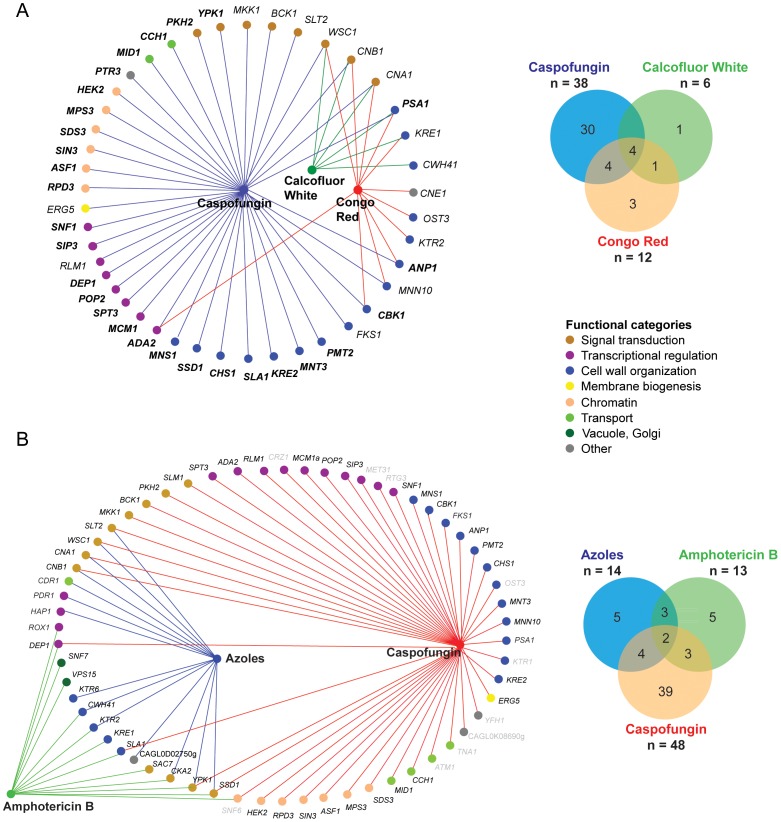
“Multiple gene knockouts, including those involved in cell wall organization, chromatin assembly, transcriptional regulation, and signal transduction, were associated with caspofungin hypersensitivity [44].”
BackgroundCandida glabrata: pathogenicity and resistance mechanisms for adaptation and survival
Hassan, Y., Chew, S. Y., & Than, L. T. L. (2021) · Journal of Fungi · doi:10.3390/jof7080667 · Cited by 170
“The stress conditions including disturbed cellular integrity, osmostress, elevated temperature, and the presence of antifungal drug resistance are commonly observed in clinical isolates [22].”
Background
Metadata
- Authors
- Schwarzmüller, T., Ma, B., Hiller, E., Istel, F., Tscherner, M., Brunke, S., Ames, L., Firon, A., Green, B., Cabral, V., Marcet-Houben, M., Jacobsen, I. D., Quintin, J., Seider, K., Frohner, I., Glaser, W., Jungwirth, H., Bachellier-Bassi, S., Chauvel, M., Zeidler, U., Ferrandon, D., Gabaldón, T., Hube, B., d'Enfert, C., Rupp, S., Cormack, B., Haynes, K., & Kuchler, K.
- Affiliations
- Max Perutz Labs (AT)
- Johns Hopkins University (US)
- Fraunhofer Institute for Interfacial Engineering and Biotechnology (DE)
- Jena University Hospital (DE)
- University of Exeter (GB)
- Institut Pasteur (FR)
- Centre National de la Recherche Scientifique (FR)
- Leibniz-Institut für Naturstoff-Forschung und Infektionsbiologie e. V. - Hans-Knöll-Institut (HKI) (DE)
- University of Graz (AT)
- Universitat Pompeu Fabra (ES)
- Corresponding author
- Rupp, Steffen
- Cormack, Brendan
- Haynes, Ken
- Kuchler, Karl
- ORCID
- Venue
- PLoS Pathogens
- Publisher
- Public Library of Science (PLoS)
- Published
- 2014-06-19
- Volume
- 10
- Issue
- 6
- Pages
- e1004211
- ISSN
- 1553-7366 (ISSN-L)
- 1553-7374
- PMC
- PMC4063973
- OpenAlex
- W2088309256
- Cited by
- 191
- References
- 135
- Citations by year
- 2026: 11 · 2025: 14 · 2024: 14 · 2023: 10 · 2022: 13 · 2021: 19 · 2020: 17 · 2019: 19 · 2018: 22 · 2017: 17 · 2016: 10 · 2015: 21 · 2014: 4
- FWCI
- 12.19
- Type
- journal article
- Language
- en
- Open access
- gold
- doi.org
- Locations
- PLoS Pathogens (publishedVersion, cc-by)
- Europe PMC (PubMed Central) (publishedVersion, cc-by)
- PubMed Central (publishedVersion, cc-by)
- PubMed (publishedVersion)
- Repositori digital de la UPF (Universitat Pompeu Fabra) (publishedVersion, cc-by)
- HAL (submittedVersion, cc-by)
- DOAJ (DOAJ: Directory of Open Access Journals) (submittedVersion, cc-by-sa)
- Figshare (submittedVersion, cc-by)
- Fraunhofer-Publica (Fraunhofer-Gesellschaft) (submittedVersion)
- Funders
- Agence Nationale de la Recherche (ANR-06-PATH-0005)
- Bundesministerium für Bildung und Forschung (01EO1002, FKZ 01EO1002)
- Austrian Science Fund
- Centre National de la Recherche Scientifique
- Ministerio de Ciencia e Innovación
- National Institutes of Health
- Biotechnology and Biological Sciences Research Council (BBS/B/10331, BB/F005210/2, BB/F005210/1)
- National Institute of Allergy and Infectious Diseases (R56AI046223, R01AI046223, R01AI46223)
- Topics
- Health Sciences › Medicine › Infectious Diseases › Antifungal resistance and susceptibility
- Life Sciences › Biochemistry, Genetics and Molecular Biology › Molecular Biology › Fungal and yeast genetics research
- Life Sciences › Immunology and Microbiology › Microbiology › Yeasts and Rust Fungi Studies
- Keywords
- Candida glabrata, antifungal drug tolerance, azole resistance, echinocandin resistance, caspofungin, candidiasis, opportunistic fungal pathogens, antifungal drug targets, virulence genes, phenotypic profiling
- MeSH terms
- Caspofungin, Antifungal Agents, Azoles, Candidiasis, Cell Wall, Fungal Proteins, Microbial Sensitivity Tests, Osmotic Pressure, Phenotype, Gene Library, Gene Deletion, Biofilms, Drug Resistance, Fungal, Candida glabrata, Echinocandins, Lipopeptides, Gene Knockout Techniques
About these checks
Registry, retraction, Cites and statistics results are computed, not judged, with one exception: a printed reference that no index lists is read once by a model before it counts as a citation error. Claims are extracted by a model and kept only when their quote appears verbatim in the text; each cited source is then checked, with a model’s help, for whether it says what the claim relies on. Those verdicts can be wrong — read the claim’s quote and the cited source before relying on one.
Statistics and arithmetic are recomputed, not judged.
Confidence bands are shown only for fields calibrated on our annotated test set. None is calibrated yet, so no band is shown.
What counts as a claim ›How we measure confidence ›How we check this ›
Are you an author, or do you see a problem with this page? Request a review
Data sources
Bibliographic data: Semantic Scholar, OpenAlex, Crossref.
Contains information from the Semantic Scholar Academic Graph Datasets, made available under the ODC Attribution License (ODC-BY 1.0).
Semantic Scholar’s data is described in: Kinney, R., et al. (2023). The Semantic Scholar Open Data Platform. arXiv:2301.10140.
