

Epigenetic Changes Associated with Early Life Experiences: Saliva, A Biospecimen for DNA Methylation Signatures
Open accessThe DOI matches its Crossref record; 165 of the 166 references it cites were found in a registry or an index, and 1 are not checked yet.
Abstract
BACKGROUND: Adverse Childhood Experiences (ACEs), which include traumatic injury, are associated with poor health outcomes in later life, yet the biological mechanisms mediating this association are unknown. Neurocircuitry, immune system and hormone regulation differ from normal in adults reporting ACEs. These systems could be affected by epigenetic changes, including methylation of cytosine (5mC) in genomic DNA, activated by ACEs. Since 5mC levels influence gene expression and can be long-lasting, altered 5mC status at specific sites or throughout the genome is hypothesized to influence mental and physical outcomes after ACE(s). Human and animal studies support this, with animal models allowing experiments for attributing causality. Here we provide a lengthy introduction and background on 5mC and the impact of early life adversity. OBJECTIVE: Next we address the issue of a mixture of cell types in saliva, the most accessible biospecimen for 5mC analysis. Typical human bio-specimens for 5mC analysis include saliva or buccal swabs, whole blood or types of blood cells, tumors and post-mortem brain. In children saliva is the most accessible biospecimen, but contains a mixture of keratinocytes and white blood cells, as do buccal swabs. Even in saliva from the same individual at different time points, cell composition may differ widely. Similar issues affect analysis in blood, where nucleated cells represent a wide array of white blood cell types. Unless variations in ratios of these cells between each sample are included in the analysis, results can be unreliable. METHODS: Several different biochemical assays are available to test for site-specific methylation levels genome-wide, each producing different information, with high-density arrays being the easiest to use, and bisulfite whole genome sequencing the most comprehensive. We compare results from different assays and use high-throughput computational processing to deconvolve cell composition in saliva samples. RESULTS: Here we present examples demonstrating the critical importance of determining the relative contribution of blood cells versus keratinocytes to the 5mC profile found in saliva. We further describe a strategy to perform a reference-based computational correction for cell composition, and therefore to identify differential methylation patterns due to experience, or for the diagnosis of phenotypes that correlate between traits, such as hormone levels, trauma status and various mental health outcomes. CONCLUSION: Specific sites that respond to adversity with altered methylation levels in either blood cells, keratinocytes or both can be identified by this rigorous approach, which will then be useful as diagnostic biomarkers and therapeutic targets.
Overview
The claims and statistics of this paper haven’t been checked yet.
Free: it reads the open-access text and checks the first 5 claims that cite a source we can check. Create a free account to check every claim.
Integrity signals
Registry
Cites
Statistics
Figures
Verification
Claims the paper makes
The claims and statistics of this paper haven’t been checked yet.
Free: it reads the open-access text and checks the first 5 claims that cite a source we can check. Create a free account to check every claim.
Claims other papers make about this one
Each is checked against this paper’s own text: does it say what the citing paper says it does?
The cited source says what the claim attributes to it.
In the citing paper
“In fact, even with the same sample, e.g., saliva taken at different times from the same individual, the cellular composition (proportion of different cells) may vary, which brings challenges to the analysis of methylation results (108).”
From Epigenetic Modifications in Stress Response Genes Associated With Childhood Trauma (2019) · cites this paper as [108]
Self-check
Percentages, sums and reported differences re-computed from the paper’s own numbers.
The self-check needs the paper’s full text.
Citations
Cites
Systematic and integrative analysis of large gene lists using DAVID bioinformatics resources
Huang, D. W., Sherman, B. T., & Lempicki, R. A. (2009) · Nature Protocols · doi:10.1038/nprot.2008.211 · Cited by 35,890 · cited 1×
“12 ) we submitted the list of gene names to DAVID (https://david.ncifcrf.gov), a bioinformatics resource from NIAID at NIH [152, 153].”
Felitti, V. J., Anda, R. F., Nordenberg, D., Williamson, D. F., Spitz, A. M., Edwards, V., Koss, M. P., & Marks, J. S. (1998) · American Journal of Preventive Medicine · doi:10.1016/s0749-3797(98)00017-8 · Cited by 18,943
Robinson, J. T., Thorvaldsdóttir, H., Winckler, W., Guttman, M., Lander, E. S., Getz, G., & Mesirov, J. P. (2011) · Nature Biotechnology · doi:10.1038/nbt.1754 · Cited by 15,390 · cited 1×
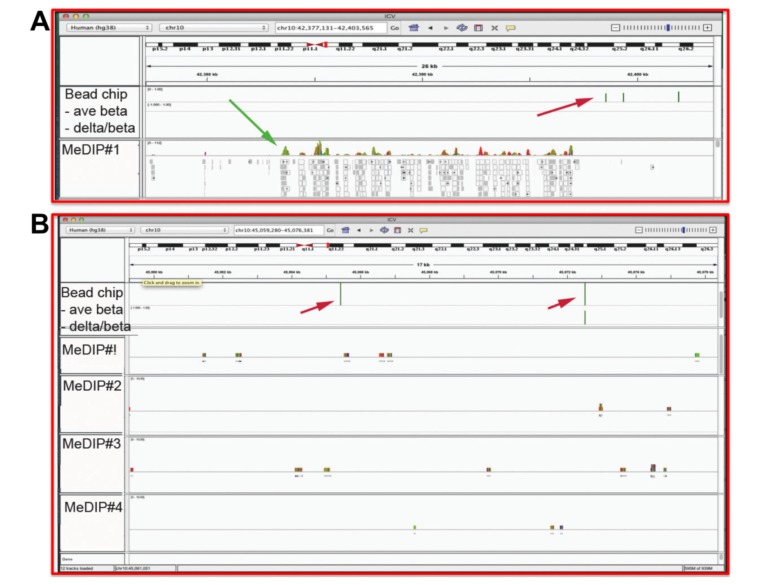
“We compared resulting methylation sites by aligning both sets of results with a standard hg38 human genome in Integrative Genome Viewer (IGV) (http://software.broadinstitute.org/software/igv/) [136, 137] (Fig.”
Huang, D. W., Sherman, B. T., & Lempicki, R. A. (2009) · Nucleic Acids Research · doi:10.1093/nar/gkn923 · Cited by 14,108 · cited 1×
“12 ) we submitted the list of gene names to DAVID (https://david.ncifcrf.gov), a bioinformatics resource from NIAID at NIH [152, 153].”
Integrative Genomics Viewer (IGV): high-performance genomics data visualization and exploration
Thorvaldsdottir, H., Robinson, J. T., & Mesirov, J. P. (2013) · Briefings in Bioinformatics · doi:10.1093/bib/bbs017 · Cited by 9,049 · cited 1×
“We compared resulting methylation sites by aligning both sets of results with a standard hg38 human genome in Integrative Genome Viewer (IGV) (http://software.broadinstitute.org/software/igv/) [136, 137] (Fig.”
Child abuse: Adolescent records vs. adult recall
Femina, D. D., Yeager, C. A., & Lewis, D. O. (1990) · Child Abuse & Neglect · doi:10.1016/0145-2134(90)90033-p · Cited by 8,820
Epigenetic programming by maternal behavior
Weaver, I. C. G., Cervoni, N., Champagne, F. A., D'Alessio, A. C., Sharma, S., Seckl, J. R., Dymov, S., Szyf, M., & Meaney, M. J. (2004) · Nature Neuroscience · doi:10.1038/nn1276 · Cited by 6,177 · cited 2×
“Increased methylation of the GR/NR3C1 gene is associated with child maltreatment [41, 47-49] and with suicide victims with a history of child abuse [50].”
Functions of DNA methylation: islands, start sites, gene bodies and beyond
Jones, P. A. (2012) · Nature Reviews Genetics · doi:10.1038/nrg3230 · Cited by 6,061 · cited 1×
“3 ) [35], although some methylated sites may have other functions [82].”
Conversion of 5-Methylcytosine to 5-Hydroxymethylcytosine in Mammalian DNA by MLL Partner TET1
Tahiliani, M., Koh, K. P., Shen, Y., Pastor, W. A., Bandukwala, H., Brudno, Y., Agarwal, S., Iyer, L. M., Liu, D. R., Aravind, L., et al. (2009) · Science · doi:10.1126/science.1170116 · Cited by 5,836 · cited 1×
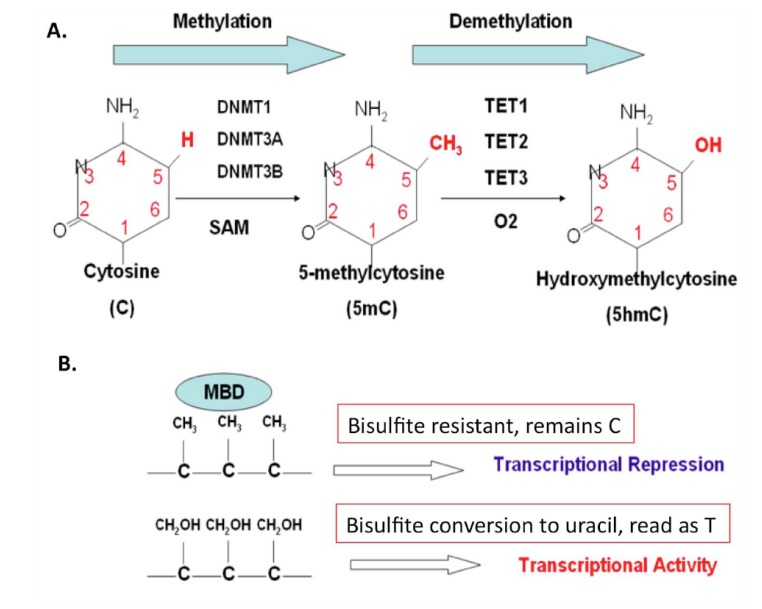
“Enzymes involved in methylating and demethylating DNA include the DNMTs and the Ten-eleven translocation methylcytosine dioxygenases (TETs) [84-86].”
Stress, adaptation, and disease. Allostasis and allostatic load
McEWEN, B. S. (1998) · Annals of the New York Academy of Sciences · doi:10.1111/j.1749-6632.1998.tb09546.x · Cited by 5,092 · cited 1×
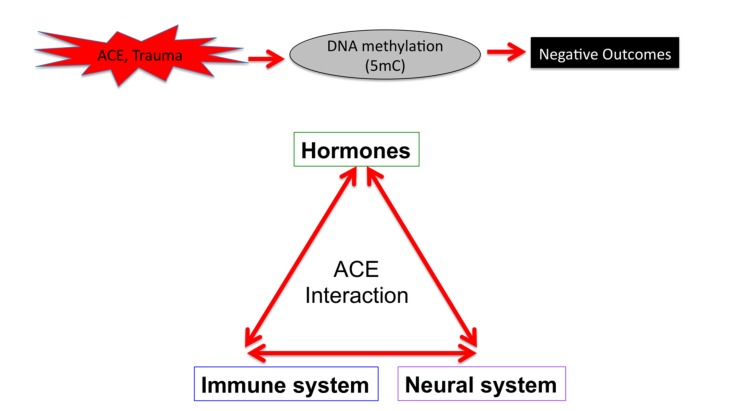
“As proposed by Bruce McEwen in his "allostatic load" model [11], physiological systems likely to be impacted by early trauma are: brain circuitry, hormonal balance, and immune system (Fig.”
Jones, P. A., & Baylin, S. B. (2007) · Cell · doi:10.1016/j.cell.2007.01.029 · Cited by 4,515 · cited 1×
“The power of DNA methylation analysis as a method to detect gene expression is now being realized for cancer diagnosis and treatment [79, 80], and technology is being developed for that application that can be re-directed for studies of other disorders where epigenetic dynamics are suspected, such…”
Epigenetic regulation of the glucocorticoid receptor in human brain associates with childhood abuse
McGowan, P. O., Sasaki, A., D'Alessio, A. C., Dymov, S., Labonté, B., Szyf, M., Turecki, G., & Meaney, M. J. (2009) · Nature Neuroscience · doi:10.1038/nn.2270 · Cited by 3,531 · cited 2×
“Increased methylation of the GR/NR3C1 gene is associated with child maltreatment [41, 47-49] and with suicide victims with a history of child abuse [50].”
Frommer, M., McDonald, L. E., Millar, D. S., Collis, C. M., Watt, F., Grigg, G. W., Molloy, P. L., & Paul, C. L. (1992) · Proceedings of the National Academy of Sciences · doi:10.1073/pnas.89.5.1827 · Cited by 3,238 · cited 1×
“Early work focused on analysis of methylated promoter regions for candidate genes in genomic DNA, primarily using bisulfite conversion followed by Polymerase-Chain Reaction (PCR) amplification and sequencing of the products [125].”
DNA methylation arrays as surrogate measures of cell mixture distribution
Houseman, E. A., Accomando, W. P., Koestler, D. C., Christensen, B. C., Marsit, C. J., Nelson, H. H., Wiencke, J. K., & Kelsey, K. T. (2012) · BMC Bioinformatics · doi:10.1186/1471-2105-13-86 · Cited by 3,175 · cited 3×
“Because 5mC levels at specific sites differs between cell types [162], 5mC levels can be used as a surrogate for quantifying cell types in saliva samples [151].”
Persistent epigenetic differences associated with prenatal exposure to famine in humans
Heijmans, B. T., Tobi, E. W., Stein, A. D., Putter, H., Blauw, G. J., Susser, E. S., Slagboom, P. E., & Lumey, L. H. (2008) · Proceedings of the National Academy of Sciences · doi:10.1073/pnas.0806560105 · Cited by 3,082 · cited 1×
“…the Dutch famine, which oc-curred towards the end of World War II, reported that individuals who were prenatally exposed to famine during the Dutch Hunger Winter in 1944-45 had, 6 decades later, less DNA methylation of the imprinted Igf2 gene compared with their unexposed, same-sex siblings [68].”
DNA methylation: roles in mammalian development
Smith, Z. D., & Meissner, A. (2013) · Nature Reviews Genetics · doi:10.1038/nrg3354 · Cited by 3,045 · cited 1×
“Here we focus on DNA methylation as it is proximal to the other epigenetic processes and is among the most accessible of the epigenetic events responsive to experience which influence gene expression [13, 14].”
Allostatic load biomarkers of chronic stress and impact on health and cognition
Juster, R.-P., McEwen, B. S., & Lupien, S. J. (2010) · Neuroscience & Biobehavioral Reviews · doi:10.1016/j.neubiorev.2009.10.002 · Cited by 2,565 · cited 1×
“Biomarkers have been sought for each of the systems involved [12], yet the fundamental underlying mechanism for trauma’s impact is unknown.”
Genome-scale DNA methylation maps of pluripotent and differentiated cells
Meissner, A., Mikkelsen, T. S., Gu, H., Wernig, M., Hanna, J., Sivachenko, A., Zhang, X., Bernstein, B. E., Nusbaum, C., Jaffe, D. B., et al. (2008) · Nature · doi:10.1038/nature07107 · Cited by 2,536 · cited 1×
“…hormonal regulation and the immune and neural systems, all of which are inter-related and affect each other; and all of which are developing in early childhood. its large amount of un-transcribed regions, and new information about how gene expression is regulated by epigenetic events [22-24].”
Weber, M., Hellmann, I., Stadler, M. B., Ramos, L., Pääbo, S., Rebhan, M., & Schübeler, D. (2007) · Nature Genetics · doi:10.1038/ng1990 · Cited by 2,221 · cited 1×
“Methylated promoters are often repressed and may be activated by de-methylation [83].”
Bernstein, B. E., Meissner, A., & Lander, E. S. (2007) · Cell · doi:10.1016/j.cell.2007.01.033 · Cited by 2,086
DNA Methylation and Gene Function
Razin, A., & Riggs, A. D. (1980) · Science · doi:10.1126/science.6254144 · Cited by 2,071 · cited 2×
“3 ) [35], although some methylated sites may have other functions [82].”
Global epigenomic reconfiguration during mammalian brain development
Lister, R., Mukamel, E. A., Nery, J. R., Urich, M., Puddifoot, C. A., Johnson, N. D., Lucero, J., Huang, Y., Dwork, A. J., Schultz, M. D., et al. (2013) · Science · doi:10.1126/science.1237905 · Cited by 1,830
High density DNA methylation array with single CpG site resolution
Bibikova, M., Barnes, B., Tsan, C., Ho, V., Klotzle, B., Le, J. M., Delano, D., Zhang, L., Schroth, G. P., Gunderson, K. L., et al. (2011) · Genomics · doi:10.1016/j.ygeno.2011.07.007 · Cited by 1,727 · cited 3×
“The HM450 has more than 450,000 pre-selected methylation sites across the genome [114, 138], and the EPIC, 850,000 [139].”
Teschendorff, A. E., Marabita, F., Lechner, M., Bartlett, T., Tegner, J., Gomez-Cabrero, D., & Beck, S. (2013) · Bioinformatics · doi:10.1093/bioinformatics/bts680 · Cited by 1,683 · cited 1×
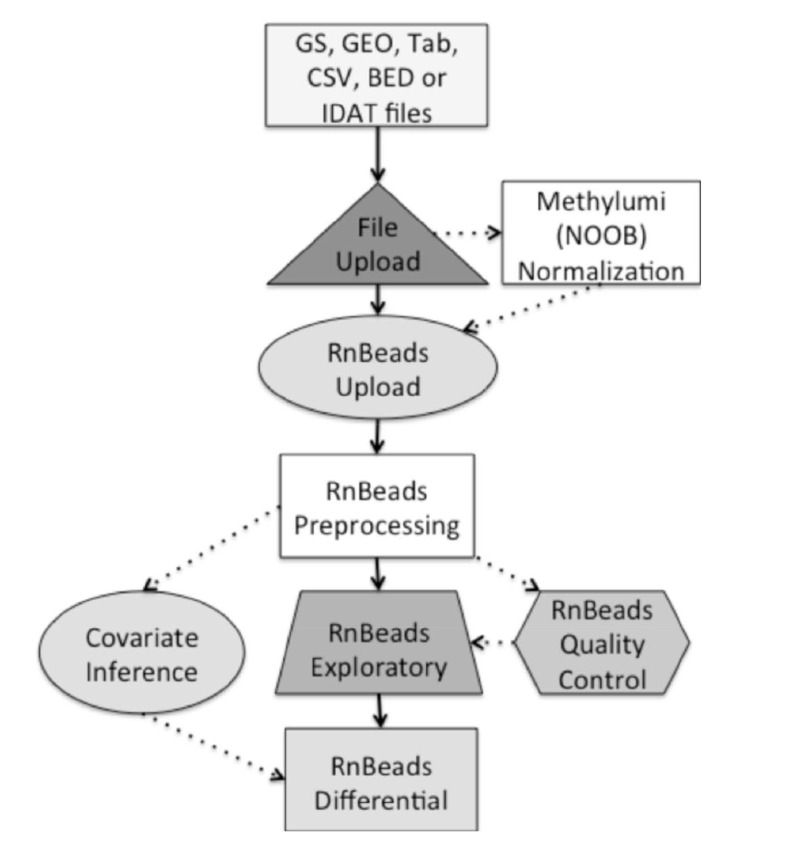
““Normal Exponential Out Of Bounds”) (https:// www.rdocumentation.org/packages/methylumi/versions/2.18 .2) [149], and in both cases methylation β values are normalized using the BMIQ normalization method [150].”
InfluentialThe power and the promise of DNA methylation markers
Laird, P. W. (2003) · Nature Reviews Cancer · doi:10.1038/nrc1045 · Cited by 1,562 · cited 1×
“Here we focus on DNA methylation as it is proximal to the other epigenetic processes and is among the most accessible of the epigenetic events responsive to experience which influence gene expression [13, 14].”
Pidsley, R., Zotenko, E., Peters, T. J., Lawrence, M. G., Risbridger, G. P., Molloy, P., Van Djik, S., Muhlhausler, B., Stirzaker, C., & Clark, S. J. (2016) · Genome biology · doi:10.1186/s13059-016-1066-1 · Cited by 1,480 · cited 2×
“The HM450 has more than 450,000 pre-selected methylation sites across the genome [114, 138], and the EPIC, 850,000 [139].”
Oberlander, T. F., Weinberg, J., Papsdorf, M., Grunau, R., Misri, S., & Devlin, A. M. (2008) · Epigenetics · doi:10.4161/epi.3.2.6034 · Cited by 1,432 · cited 1×
“…prenatal impact on methylation levels include the finding that maternal stress links to abnormal infant responses to acute stress [69], possibly mediated in part by altered methylation of the glucocorticoid receptor gene in the newborn, which is modified in babies of mothers with depression [70].”
Hydroxylation of 5-Methylcytosine by TET1 Promotes Active DNA Demethylation in the Adult Brain
Guo, J. U., Su, Y., Zhong, C., Ming, G.-L., & Song, H. (2011) · Cell · doi:10.1016/j.cell.2011.03.022 · Cited by 1,360 · cited 2×
“…mouse have shown that TET1 is critical for neuronal activity-regulated gene expression and memory extinction [91], that hydroxylation of 5mC by TET1 promotes active DNA demethylation [90], and epigenetic priming of memory updating during reconsolidation attenuates remote fear memories [92].”
X inactivation, differentiation, and DNA methylation
Riggs, A. D. (1975) · Cytogenetic and Genome Research · doi:10.1159/000130315 · Cited by 1,342
Lasting epigenetic influence of early-life adversity on the BDNF gene
Roth, T. L., Lubin, F. D., Funk, A. J., & Sweatt, J. D. (2009) · Biological Psychiatry · doi:10.1016/j.biopsych.2008.11.028 · Cited by 1,273 · cited 3×
“For physical harm, the adoptive dam model may prove the most promising model to harm by a parent on the child [111-114].”
Editing DNA Methylation in the Mammalian Genome
Liu, X. S., Wu, H., Ji, X., Stelzer, Y., Wu, X., Czauderna, S., Shu, J., Dadon, D., Young, R. A., & Jaenisch, R. (2016) · Cell · doi:10.1016/j.cell.2016.08.056 · Cited by 1,224
Reduced representation bisulfite sequencing for comparative high-resolution DNA methylation analysis
Meissner, A. (2005) · Nucleic Acids Research · doi:10.1093/nar/gki901 · Cited by 1,217 · cited 1×
“An alternative method to MeDIP is reduced RRBS [23].”
Validation of a DNA methylation microarray for 450,000 CpG sites in the human genome
Sandoval, J., Heyn, H., Moran, S., Serra-Musach, J., Pujana, M. A., Bibikova, M., & Esteller, M. (2011) · Epigenetics · doi:10.4161/epi.6.6.16196 · Cited by 990 · cited 2×
“The HM450 has more than 450,000 pre-selected methylation sites across the genome [114, 138], and the EPIC, 850,000 [139].”
Low-level processing of Illumina Infinium DNA Methylation BeadArrays
Triche, T. J., Weisenberger, D. J., Van Den Berg, D., Laird, P. W., & Siegmund, K. D. (2013) · Nucleic Acids Research · doi:10.1093/nar/gkt090 · Cited by 905 · cited 1×
““Normal Exponential Out Of Bounds”) (https:// www.rdocumentation.org/packages/methylumi/versions/2.18 .2) [149], and in both cases methylation β values are normalized using the BMIQ normalization method [150].”
InfluentialMiller, G. E., Chen, E., Fok, A. K., Walker, H., Lim, A., Nicholls, E. F., Cole, S., & Kobor, M. S. (2009) · Proceedings of the National Academy of Sciences · doi:10.1073/pnas.0902971106 · Cited by 822 · cited 2×
“These studies showed altered transcriptional activity for cortisol-related and inflammatory genes in low versus high SES groups [55] and some of these changes appear to be correlated with methylation of a Gluco-corticoid Response Element (GRE) in the gene for Kitlg [33].”
Post-traumatic stress disorder is associated with PACAP and the PAC1 receptor
Ressler, K. J., Mercer, K. B., Bradley, B., Jovanovic, T., Mahan, A., Kerley, K., Norrholm, S. D., Kilaru, V., Smith, A. K., Myers, A. J., et al. (2011) · Nature · doi:10.1038/nature09856 · Cited by 800 · cited 1×
“For example changes in expression of the pituitary adenyl cyclase-activating peptide, PACP [65, 66] found in adults with PTSD could be mediated by 5mC alterations, possibly stimulated by corticoid response elements in response to cortisol levels [33].”
An epigenetic clock analysis of race/ethnicity, sex, and coronary heart disease
Horvath, S., Gurven, M., Levine, M. E., Trumble, B. C., Kaplan, H., Allayee, H., Ritz, B. R., Chen, B., Lu, A. T., Rickabaugh, T. M., et al. (2016) · Genome Biology · doi:10.1186/s13059-016-1030-0 · Cited by 733 · cited 2×
“An epigenetic "clock" of aging based on evolving methylation profiles has been identified that is independent of experience, ethnicity, or sex [15].”
Neuroimaging of child abuse: a critical review
Hart, H., & Rubia, K. (2012) · Frontiers in Human Neuroscience · doi:10.3389/fnhum.2012.00052 · Cited by 660 · cited 1×
“In human, alterations in limbic system activity and volume of brain regions have been found in adults who report abuse in childhood, reviewed in Hart [28].”
Early experience and serotonin transporter gene variation interact to influence primate CNS function
Bennett, A. J., Lesch, K. P., Heils, A., Long, J. C., Lorenz, J. G., Shoaf, S. E., Champoux, M., Suomi, S. J., Linnoila, M. V., & Higley, J. D. (2002) · Molecular Psychiatry · doi:10.1038/sj.mp.4000949 · Cited by 659 · cited 1×
“Primate studies pioneered the relationships between environment, genes and behavior with the work of Stephen Suomi, who applied Harry Harlow’s maternal deprivation protocol in rhesus monkeys to show an association between outcomes and allelic variation in the serotonin transporter gene [19, 97-100].”
MAMMALIAN X-CHROMOSOME INACTIVATION
Gartler, S. M., & Riggs, A. D. (1983) · Annual Review of Genetics · doi:10.1146/annurev.ge.17.120183.001103 · Cited by 635 · cited 1×
“Covalent modification of DNA by addition of methyl groups was initially recognized in X-chromosome inactivation [77, 78].”
Comprehensive analysis of DNA methylation data with RnBeads
Assenov, Y., Müller, F., Lutsik, P., Walter, J., Lengauer, T., & Bock, C. (2014) · Nature Methods · doi:10.1038/nmeth.3115 · Cited by 598 · cited 3×
“We use an R package, RnBeads, to perform analysis including quality control and normalization with data obtained from the Illumina HM450 BeadChip, preliminarily quality controlled in the Illumina GenomeStudio environment (http://rnbeads.mpi-inf.mpg.de) [128].”
Powell, N. D., Sloan, E. K., Bailey, M. T., Arevalo, J. M. G., Miller, G. E., Chen, E., Kobor, M. S., Reader, B. F., Sheridan, J. F., & Cole, S. W. (2013) · Proceedings of the National Academy of Sciences · doi:10.1073/pnas.1310655110 · Cited by 588
Variations in maternal care in infancy regulate the development of stress reactivity
Caldji, C., Diorio, J., & Meaney, M. J. (2000) · Biological Psychiatry · doi:10.1016/s0006-3223(00)01084-2 · Cited by 574
A Novel Mouse Model for Acute and Long-Lasting Consequences of Early Life Stress
Rice, C. J., Sandman, C. A., Lenjavi, M. R., & Baram, T. Z. (2008) · Endocrinology · doi:10.1210/en.2008-0633 · Cited by 521 · cited 3×
“Other rodent protocols have been developed to replicate maternal neglect by depriving the dam of adequate bedding [107].”
Perroud, N., Paoloni-Giacobino, A., Prada, P., Olié, E., Salzmann, A., Nicastro, R., Guillaume, S., Mouthon, D., Stouder, C., Dieben, K., et al. (2011) · Translational Psychiatry · doi:10.1038/tp.2011.60 · Cited by 516 · cited 1×
“Increased methylation of the GR/NR3C1 gene is associated with child maltreatment [41, 47-49] and with suicide victims with a history of child abuse [50].”
Dawlaty, M. M., Ganz, K., Powell, B. E., Hu, Y.-C., Markoulaki, S., Cheng, A. W., Gao, Q., Kim, J., Choi, S.-W., Page, D. C., et al. (2011) · Cell stem cell · doi:10.1016/j.stem.2011.07.010 · Cited by 508
Factors underlying variable DNA methylation in a human community cohort
Lam, L. L., Emberly, E., Fraser, H. B., Neumann, S. M., Chen, E., Miller, G. E., & Kobor, M. S. (2012) · Proceedings of the National Academy of Sciences · doi:10.1073/pnas.1121249109 · Cited by 476 · cited 1×
“…which is suspected of producing high rates of stress in children [55, 56], has been controversially linked to altered 5mC patterns in whole blood [57, 58], although in many of the early studies using high-throughput-whole genome epigenetic (Epigenome-Wide Association Study) (EWAS) analysis the…”
Toward understanding how early-life stress reprograms cognitive and emotional brain networks
Chen, Y., & Baram, T. Z. (2016) · Neuropsychopharmacology · doi:10.1038/npp.2015.181 · Cited by 474
Tet1 Is Critical for Neuronal Activity-Regulated Gene Expression and Memory Extinction
Rudenko, A., Dawlaty, M. M., Seo, J., Cheng, A. W., Meng, J., Le, T., Faull, K. F., Jaenisch, R., & Tsai, L.-H. (2013) · Neuron · doi:10.1016/j.neuron.2013.08.003 · Cited by 441
Looking on the Bright Side of Serotonin Transporter Gene Variation
Homberg, J. R., & Lesch, K.-P. (2011) · Biological Psychiatry · doi:10.1016/j.biopsych.2010.09.024 · Cited by 436 · cited 1×
“…that some aspects of early life adversity, including 5mC levels in Fkbp4, Fkpb5, Nr3c1 and Nr3c2 , may improve stress management in the adult [53], an idea reminiscent of Homberg and Lesch’s proposal that the long or short promoter alleles in the serotonin transporter may confer resilience [54].”
Dawlaty, M. M., Breiling, A., Le, T., Raddatz, G., Barrasa, M. I., Cheng, A. W., Gao, Q., Powell, B. E., Li, Z., Xu, M., et al. (2013) · Developmental Cell · doi:10.1016/j.devcel.2012.12.015 · Cited by 432 · cited 1×
“Enzymes involved in methylating and demethylating DNA include the DNMTs and the Ten-eleven translocation methylcytosine dioxygenases (TETs) [84-86].”
Childhood maltreatment and inflammatory markers: a systematic review.
Coelho, R., Viola, T. W., Walss‐Bass, C., Brietzke, E., & Grassi‐Oliveira, R. (2014) · Acta Psychiatrica Scandinavica · doi:10.1111/acps.12217 · Cited by 426 · cited 1×
“These changes may underlie the findings of altered immunity in abused children where various serologic markers of immune activation, such a C-reactive protein [59], and depressed immune reactivity [60-64] are reported.”
Early life stress confers lifelong stress susceptibility in mice via ventral tegmental area OTX2
Peña, C. J., Kronman, H. G., Walker, D. M., Cates, H. M., Bagot, R. C., Purushothaman, I., Issler, O., Loh, Y.-H. E., Leong, T., Kiraly, D. D., et al. (2017) · Science · doi:10.1126/science.aan4491 · Cited by 394
Whole-genome genotyping with the single-base extension assay
Steemers, F. J., Chang, W., Lee, G., Barker, D. L., Shen, R., & Gunderson, K. L. (2006) · Nature Methods · doi:10.1038/nmeth842 · Cited by 379 · cited 2×
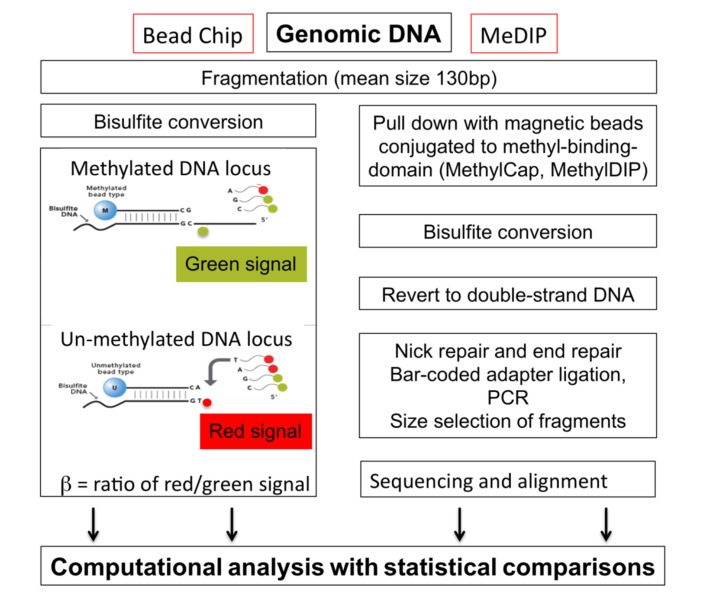
“Fluorescently labeled nucleotides are added for single nucleotide extension [140], and the ratio of red or green fluorescent methylated probes intensity gives the ratio of methylated to un-methylated fragments at that site.”
DNA Methylation Dynamics during In Vivo Differentiation of Blood and Skin Stem Cells
Bock, C., Beerman, I., Lien, W.-H., Smith, Z. D., Gu, H., Boyle, P., Gnirke, A., Fuchs, E., Rossi, D. J., & Meissner, A. (2012) · Molecular Cell · doi:10.1016/j.molcel.2012.06.019 · Cited by 378 · cited 2×
“Because 5mC levels at specific sites differs between cell types [162], 5mC levels can be used as a surrogate for quantifying cell types in saliva samples [151].”
Allostasis and Allostatic Load
McEwen, B. S., & Wingfield, J. C. (2007) · Encyclopedia of Stress · doi:10.1016/b978-012373947-6.00025-8 · Cited by 374
Adverse childhood experiences and adult health
Felitti, V. J. (2009) · Academic Pediatrics · doi:10.1016/j.acap.2009.03.001 · Cited by 368
Champoux, M., Bennett, A., Shannon, C., Higley, J. D., Lesch, K. P., & Suomi, S. J. (2002) · Molecular Psychiatry · doi:10.1038/sj.mp.4001157 · Cited by 366 · cited 2×
“These ideas were inspired by work of Stephen Suomi [19, 20] and of Gilbert Gottlieb, reviewed in Bearer 2010 [21].”
Tet1 Regulates Adult Hippocampal Neurogenesis and Cognition
Zhang, R.-R., Cui, Q.-Y., Murai, K., Lim, Y. C., Smith, Z. D., Jin, S., Ye, P., Rosa, L., Lee, Y. K., Wu, H.-P., et al. (2013) · Cell Stem Cell · doi:10.1016/j.stem.2013.05.006 · Cited by 357 · cited 1×
“RRBS has been applied to identify differentially methylated sites in mouse [130], although this approach has not been applied to early life adversity to our knowledge.”
Epigenetic Priming of Memory Updating during Reconsolidation to Attenuate Remote Fear Memories
Gräff, J., Joseph, N. F., Horn, M. E., Samiei, A., Meng, J., Seo, J., Rei, D., Bero, A. W., Phan, T. X., Wagner, F., et al. (2014) · Cell · doi:10.1016/j.cell.2013.12.020 · Cited by 357 · cited 1×
“…mouse have shown that TET1 is critical for neuronal activity-regulated gene expression and memory extinction [91], that hydroxylation of 5mC by TET1 promotes active DNA demethylation [90], and epigenetic priming of memory updating during reconsolidation attenuates remote fear memories [92].”
Smith, A. K., Kilaru, V., Klengel, T., Mercer, K. B., Bradley, B., Conneely, K. N., Ressler, K. J., & Binder, E. B. (2015) · American Journal of Medical Genetics Part B: Neuropsychiatric Genetics · doi:10.1002/ajmg.b.32278 · Cited by 355 · cited 4×
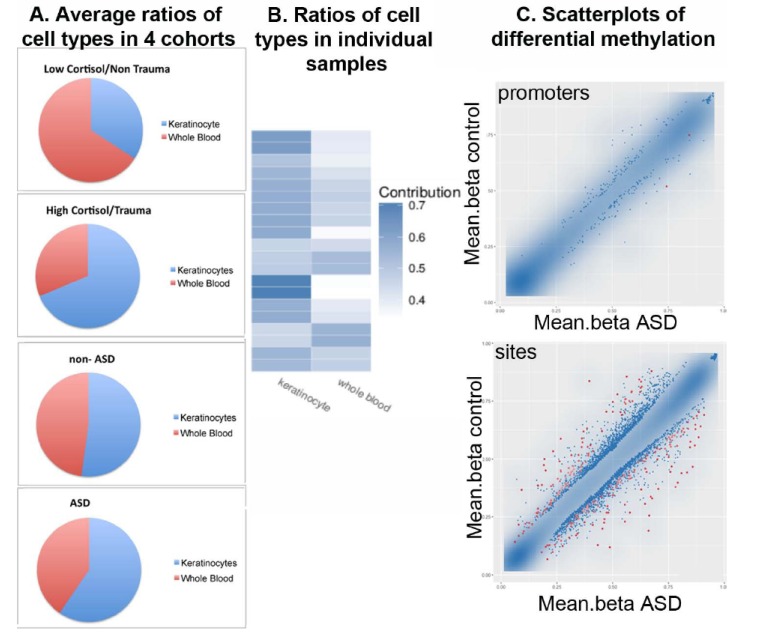
“Since we are unlikely to perform brain biopsies on children to detect 5mC changes, saliva may prove the most useful proxy in living children [34], but normal standards of keratinocytes and, at minimum, whole blood, for cell de-convolution must be available to utilize this most accessible…”
InfluentialD'Anna-Hernandez, K. L., Ross, R. G., Natvig, C. L., & Laudenslager, M. L. (2011) · Physiology & Behavior · doi:10.1016/j.physbeh.2011.02.041 · Cited by 348 · cited 1×
“…as do wild-type mice [91], suggesting that stress-activated expression changes are mediated in part by the DNA methylation machinery; and in the case of hormonal regulation, altered cortisol levels [29, 119-121], or other neural growth factors, such as BDNF, correlate with maltreatment [111].”
Loss of Tet Enzymes Compromises Proper Differentiation of Embryonic Stem Cells
Dawlaty, M. M., Breiling, A., Le, T., Barrasa, M. I., Raddatz, G., Gao, Q., Powell, B. E., Cheng, A. W., Faull, K. F., Lyko, F., et al. (2014) · Developmental Cell · doi:10.1016/j.devcel.2014.03.003 · Cited by 338
Conserved epigenetic sensitivity to early life experience in the rat and human hippocampus
Suderman, M., McGowan, P. O., Sasaki, A., Huang, T. C. T., Hallett, M. T., Meaney, M. J., Turecki, G., & Szyf, M. (2012) · Proceedings of the National Academy of Sciences · doi:10.1073/pnas.1121260109 · Cited by 327 · cited 1×
“This coincides with changes in methylation of the protocad-herin gene cluster in humans reporting early life adversity [96].”
Common DNA methylation alterations in multiple brain regions in autism
Ladd-Acosta, C., Hansen, K. D., Briem, E., Fallin, M. D., Kaufmann, W. E., & Feinberg, A. P. (2014) · Molecular Psychiatry · doi:10.1038/mp.2013.114 · Cited by 327 · cited 1×
“Brain clusters with all samples at a greater distance [163].”
Molecular insights into transgenerational non-genetic inheritance of acquired behaviours
Bohacek, J., & Mansuy, I. M. (2015) · Nature Reviews Genetics · doi:10.1038/nrg3964 · Cited by 318 · cited 1×
“Moreover, some evidence suggests that there may be trans-generational transmission of methylation levels either directly or indirectly through microRNA inheritance from both sperm and egg [71].”
Fragmentation and Unpredictability of Early-Life Experience in Mental Disorders
Baram, T. Z., Davis, E. P., Obenaus, A., Sandman, C. A., Small, S. L., Solodkin, A., & Stern, H. (2012) · American Journal of Psychiatry · doi:10.1176/appi.ajp.2012.11091347 · Cited by 267 · cited 2×
“Methods to mimic maternal neglect in rodents include fragmented care systems, in which insufficient bedding is provided to the dam during nursing [107, 108] and other types of maternal deprivation as described above.”
Naturalistic rodent models of chronic early‐life stress
Molet, J., Maras, P. M., Avishai‐Eliner, S., & Baram, T. Z. (2014) · Developmental Psychobiology · doi:10.1002/dev.21230 · Cited by 261 · cited 1×
“Several types of experimental systems that test for the impact of early life stress in rodents have emerged [104], a few of which are naturalistic [105] while others are dramatic and abnormal.”
Social Work and Adverse Childhood Experiences Research: Implications for Practice and Health Policy
Larkin, H., Felitti, V. J., & Anda, R. F. (2014) · Social Work in Public Health · doi:10.1080/19371918.2011.619433 · Cited by 260 · cited 1×
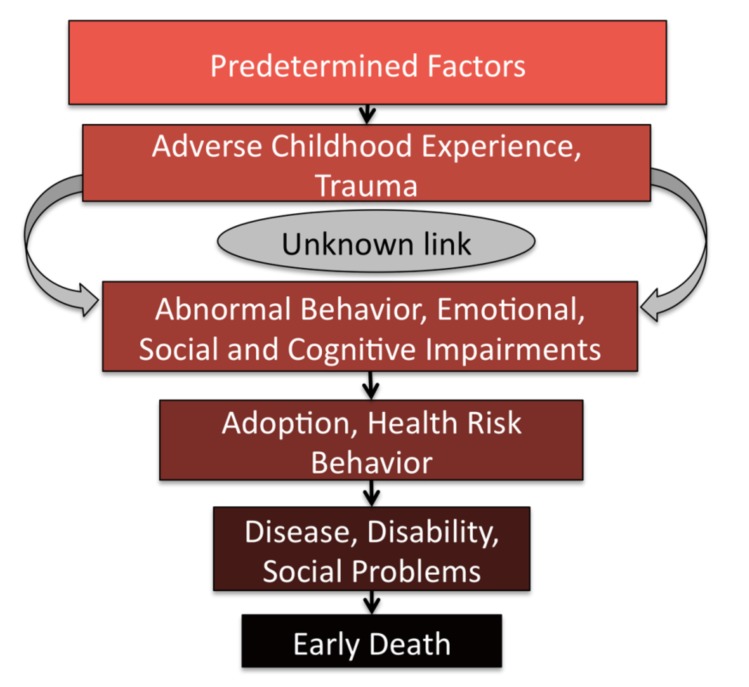
“The Adverse Childhood Experience study (ACE) demonstrated that many types of childhood adverse experiences correlate with a multitude of chronic diseases in the adult leading to early death [1-4] (Fig.”
(2000) · Current Topics in Microbiology and Immunology · doi:10.1007/978-3-642-59696-4 · Cited by 259
Child abuse and epigenetic mechanisms of disease risk
Yang, B.-Z., Zhang, H., Ge, W., Weder, N., Douglas-Palumberi, H., Perepletchikova, F., Gelernter, J., & Kaufman, J. (2013) · American Journal of Preventive Medicine · doi:10.1016/j.amepre.2012.10.012 · Cited by 256 · cited 1×
“Increased methylation of the GR/NR3C1 gene is associated with child maltreatment [41, 47-49] and with suicide victims with a history of child abuse [50].”
DNA methylation: A mechanism for embedding early life experiences in the genome
Szyf, M., & Bick, J. (2013) · Child Development · doi:10.1111/j.1467-8624.2012.01793.x · Cited by 251
Reference-free deconvolution of DNA methylation data and mediation by cell composition effects
Houseman, E. A., Kile, M. L., Christiani, D. C., Ince, T. A., Kelsey, K. T., & Marsit, C. J. (2016) · BMC Bioinformatics · doi:10.1186/s12859-016-1140-4 · Cited by 246 · cited 2×
“While some reference-free deconvolution computational approaches have been described for whole blood [127, 143, 144], these have not been proven in saliva.”
Houtepen, L. C., Vinkers, C. H., Carrillo-Roa, T., Hiemstra, M., van Lier, P. A., Meeus, W., Branje, S., Heim, C. M., Nemeroff, C. B., Mill, J., et al. (2016) · Nature Communications · doi:10.1038/ncomms10967 · Cited by 242 · cited 4×
“These studies showed altered transcriptional activity for cortisol-related and inflammatory genes in low versus high SES groups [55] and some of these changes appear to be correlated with methylation of a Gluco-corticoid Response Element (GRE) in the gene for Kitlg [33].”
InfluentialLoneliness, eudaimonia, and the human conserved transcriptional response to adversity
Cole, S. W., Levine, M. E., Arevalo, J. M. G., Ma, J., Weir, D. R., & Crimmins, E. M. (2015) · Psychoneuroendocrinology · doi:10.1016/j.psyneuen.2015.07.001 · Cited by 238 · cited 1×
“A "conserved transcriptional response to adversity" in circulating leukocytes has been identified [43], which is likely to be regulated by 5mC. Methylation of the promoter for cortisol releasing factor/hormone (CRF/CRH) alters the expression of this peptide hormone and influences circulating…”
Chen, Z., Miao, F., Paterson, A. D., Lachin, J. M., Zhang, L., Schones, D. E., Wu, X., Wang, J., Tompkins, J. D., Genuth, S., et al. (2016) · Proceedings of the National Academy of Sciences · doi:10.1073/pnas.1603712113 · Cited by 238 · cited 2×
“Validation that the methylation has an effect on expression is done by expressing mutated constructs in tissue culture cells and measuring gene product [37].”
DNA methylation and childhood maltreatment: From animal models to human studies
Lutz, P.-E., & Turecki, G. (2014) · Neuroscience · doi:10.1016/j.neuroscience.2013.07.069 · Cited by 236 · cited 1×
“…is now being realized for cancer diagnosis and treatment [79, 80], and technology is being developed for that application that can be re-directed for studies of other disorders where epigenetic dynamics are suspected, such as brain development and the impact of early life experience [81].”
Lomanowska, A. M., Boivin, M., Hertzman, C., & Fleming, A. S. (2017) · Neuroscience · doi:10.1016/j.neuroscience.2015.09.029 · Cited by 224 · cited 1×
“Intergenerational transmission of violence is recognized [72] and attributed to the behavior of parents, but could also be transmitted through inherited epigenetic processes, or acquired during intra-uterine development [73].”
Epigenetics of posttraumatic stress disorder: current evidence, challenges, and future directions
Zannas, A. S., Provençal, N., & Binder, E. B. (2015) · Biological Psychiatry · doi:10.1016/j.biopsych.2015.04.003 · Cited by 218
Enduring psychobiological effects of childhood adversity
Ehlert, U. (2013) · Psychoneuroendocrinology · doi:10.1016/j.psyneuen.2013.06.007 · Cited by 213
Mennen, F. E., Kim, K., Sang, J., & Trickett, P. K. (2010) · Child Abuse & Neglect · doi:10.1016/j.chiabu.2010.02.007 · Cited by 210 · cited 2×
“As an example, for childhood maltreatment/abuse, there are at least 5 different types, although the more abused children often suffer from more than one type [29].”
Houseman, E. A., Christensen, B. C., Yeh, R.-F., Marsit, C. J., Karagas, M. R., Wrensch, M., Nelson, H. H., Wiemels, J., Zheng, S., Wiencke, J. K., et al. (2008) · BMC Bioinformatics · doi:10.1186/1471-2105-9-365 · Cited by 208 · cited 1×
“…defined as having a β value with corresponding detection p-values below the threshold we set at p > T = 0.05 using programs such as GreedyCut in R [148]; then all sites on sex chromosomes because these will create differentials based on gender; all -enriched probes where the SNP may influence the…”
InfluentialRoth, T. L., & Sullivan, R. M. (2005) · Biological Psychiatry · doi:10.1016/j.biopsych.2005.01.032 · Cited by 204 · cited 1×
“These manipulations alter 5mC levels in the promoter of the Bdnf gene [111, 113, 117, 118] that encodes the Brain-Derived Neurotrophic Factor (BDNF).”
Epigenetic marking of the BDNF gene by early-life adverse experiences
Roth, T. L., & Sweatt, J. D. (2011) · Hormones and Behavior · doi:10.1016/j.yhbeh.2010.05.005 · Cited by 196 · cited 1×
“These manipulations alter 5mC levels in the promoter of the Bdnf gene [111, 113, 117, 118] that encodes the Brain-Derived Neurotrophic Factor (BDNF).”
Chen, J., Evans, A. N., Liu, Y., Honda, M., Saavedra, J. M., & Aguilera, G. (2012) · Journal of Neuroendocrinology · doi:10.1111/j.1365-2826.2012.02306.x · Cited by 196 · cited 2×
“…by 5mC. Methylation of the promoter for cortisol releasing factor/hormone (CRF/CRH) alters the expression of this peptide hormone and influences circulating cortisol levels-and thereby all of its downstream effects, including immune suppression and cognitive functioning in rodent models [44-46].”
Childhood abuse is associated with methylation of multiple loci in adult DNA
Suderman, M., Borghol, N., Pappas, J. J., Pinto Pereira, S. M., Pembrey, M., Hertzman, C., Power, C., & Szyf, M. (2014) · BMC Medical Genomics · doi:10.1186/1755-8794-7-13 · Cited by 193 · cited 1×
“Finally, incarcerated male adults reporting early life ad-versity have a consistent pattern of changes in methylation levels in EWAS studies [39].”
Prenatal cortisol exposure predicts infant cortisol response to acute stress
O'Connor, T. G., Bergman, K., Sarkar, P., & Glover, V. (2013) · Developmental Psychobiology · doi:10.1002/dev.21007 · Cited by 174 · cited 1×
“Other examples of prenatal impact on methylation levels include the finding that maternal stress links to abnormal infant responses to acute stress [69], possibly mediated in part by altered methylation of the glucocorticoid receptor gene in the newborn, which is modified in babies of mothers with…”
An adverse early life environment can enhance stress resilience in adulthood
Santarelli, S., Zimmermann, C. A., Kalideris, G., Lesuis, S. L., Arloth, J., Uribe, A., Dournes, C., Balsevich, G., Hartmann, J., Masana, M., et al. (2017) · Psychoneuroendocrinology · doi:10.1016/j.psyneuen.2017.01.021 · Cited by 174 · cited 1×
“…that some aspects of early life adversity, including 5mC levels in Fkbp4, Fkpb5, Nr3c1 and Nr3c2 , may improve stress management in the adult [53], an idea reminiscent of Homberg and Lesch’s proposal that the long or short promoter alleles in the serotonin transporter may confer resilience…”
DNA excision repair proteins and Gadd45 as molecular players for active DNA demethylation
Ma, D. K., Guo, J. U., Ming, G.-L., & Song, H. (2009) · Cell Cycle · doi:10.4161/cc.8.10.8500 · Cited by 171 · cited 1×
“These additional factors include Gadd45 [87] among others.”
Social Recovery by Isolation-Reared Monkeys
Harlow, H. F., & Suomi, S. J. (1971) · Proceedings of the National Academy of Sciences · doi:10.1073/pnas.68.7.1534 · Cited by 162
Animal models of depression and anxiety: What do they tell us about human condition?
Neumann, I. D., Wegener, G., Homberg, J. R., Cohen, H., Slattery, D. A., Zohar, J., Olivier, J. D. A., & Mathé, A. A. (2011) · Progress in Neuro-Psychopharmacology and Biological Psychiatry · doi:10.1016/j.pnpbp.2010.11.028 · Cited by 160 · cited 1×
“…validity when compared to the human condition include: Two rat lines (Finders Sensitive (FSL) and High Anxiety-Like Behavior (HAB) lines); two transgenic models ( 5-Htt knockout in mouse and rat), and the experimentally provoked PTSD-like response induced by exposure to predator odor [110].”
Concordant and discordant DNA methylation signatures of aging in human blood and brain
Farré, P., Jones, M. J., Meaney, M. J., Emberly, E., Turecki, G., & Kobor, M. S. (2015) · Epigenetics & Chromatin · doi:10.1186/s13072-015-0011-y · Cited by 152 · cited 1×
“In some cases, the cell type may not matter, as a subset of sites appear to respond to specific conditions similarly in blood, saliva and brain [33, 34, 142], which gives further confidence that saliva may serve as a proxy for brain for some subgroup of 5mC changes.”
Toyoda, S., Kawaguchi, M., Kobayashi, T., Tarusawa, E., Toyama, T., Okano, M., Oda, M., Nakauchi, H., Yoshimura, Y., Sanbo, M., et al. (2014) · Neuron · doi:10.1016/j.neuron.2014.02.005 · Cited by 151 · cited 2×
“DNA methylation/demethylation regulates neuronal ar-borization during post-natal development, as shown in the Dnmt3b knockout mouse [94].”
Post‐traumatic stress disorder and beyond: an overview of rodent stress models
Schöner, J., Heinz, A., Endres, M., Gertz, K., & Kronenberg, G. (2017) · Journal of Cellular and Molecular Medicine · doi:10.1111/jcmm.13161 · Cited by 150 · cited 1×
“Several types of experimental systems that test for the impact of early life stress in rodents have emerged [104], a few of which are naturalistic [105] while others are dramatic and abnormal.”
Pcdhαc2 is required for axonal tiling and assembly of serotonergic circuitries in mice
Chen, W. V., Nwakeze, C. L., Denny, C. A., O’Keeffe, S., Rieger, M. A., Mountoufaris, G., Kirner, A., Dougherty, J. D., Hen, R., Wu, Q., et al. (2017) · Science · doi:10.1126/science.aal3231 · Cited by 143
Arloth, J., Bogdan, R., Weber, P., Frishman, G., Menke, A., Wagner, K. V., Balsevich, G., Schmidt, M. V., Karbalai, N., Czamara, D., et al. (2015) · Neuron · doi:10.1016/j.neuron.2015.05.034 · Cited by 142 · cited 1×
“Variations in mental health outcomes after adversity may in part be mediated by individual-specific single nucleotide polymorphisms in the genome, which may occur as far as 5 genes away from the methylation site [51].”
Methylation Patterns in Whole Blood Correlate With Symptoms in Schizophrenia Patients
Liu, J., Chen, J., Ehrlich, S., Walton, E., White, T., Perrone-Bizzozero, N., Bustillo, J., Turner, J. A., & Calhoun, V. D. (2014) · Schizophrenia Bulletin · doi:10.1093/schbul/sbt080 · Cited by 134 · cited 1×
“…for mutations or SNPs already shown to be associated with a given mental health outcome to discover whether these may impact methylation levels at high probability sites in their analysis [67], or are in genes whose expression levels have been shown to influence a mental health condition [154].”
Vijayendran, M., Beach, S. R. H., Plume, J. M., Brody, G. H., & Philibert, R. A. (2012) · Frontiers in Psychiatry · doi:10.3389/fpsyt.2012.00055 · Cited by 128 · cited 2×
“Sexual abuse probably activates a different set of biological events than neglect [30, 31], the age of the child, the child’s relationship to the person inflicting harm, the timing and chronicity of abuse all influence outcomes in complicated ways, but many of these types of influence are difficult…”
Jedema, H. P., Gianaros, P. J., Greer, P. J., Kerr, D. D., Liu, S., Higley, J. D., Suomi, S. J., Olsen, A. S., Porter, J. N., Lopresti, B. J., et al. (2010) · Molecular Psychiatry · doi:10.1038/mp.2009.90 · Cited by 128
Pratchett, L. C., & Yehuda, R. (2011) · Development and Psychopathology · doi:10.1017/s0954579411000186 · Cited by 126
Distinct Epigenetic Effects of Tobacco Smoking in Whole Blood and among Leukocyte Subtypes
Su, D., Wang, X., Campbell, M. R., Porter, D. K., Pittman, G. S., Bennett, B. D., Wan, M., Englert, N. A., Crowl, C. L., Gimple, R. N., et al. (2016) · PLOS ONE · doi:10.1371/journal.pone.0166486 · Cited by 125 · cited 2×
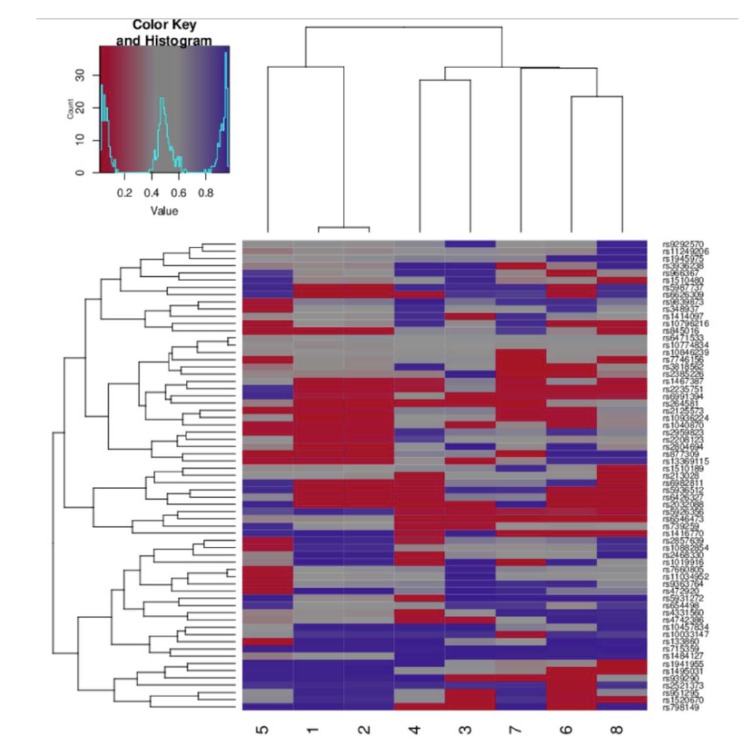
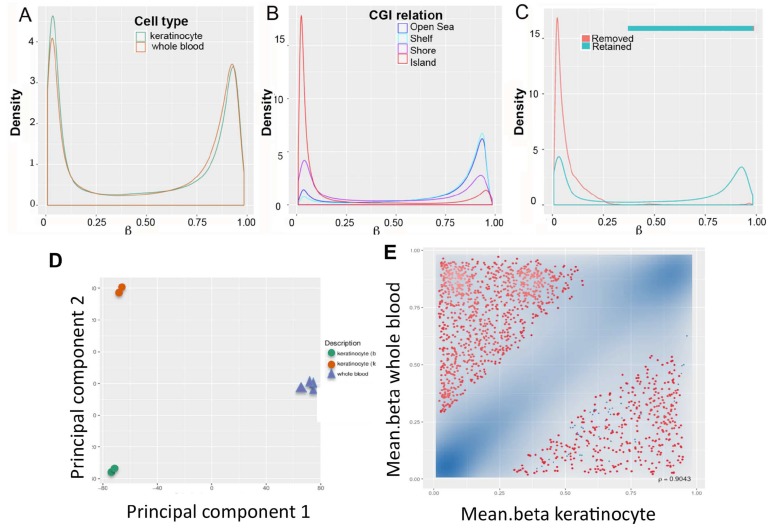
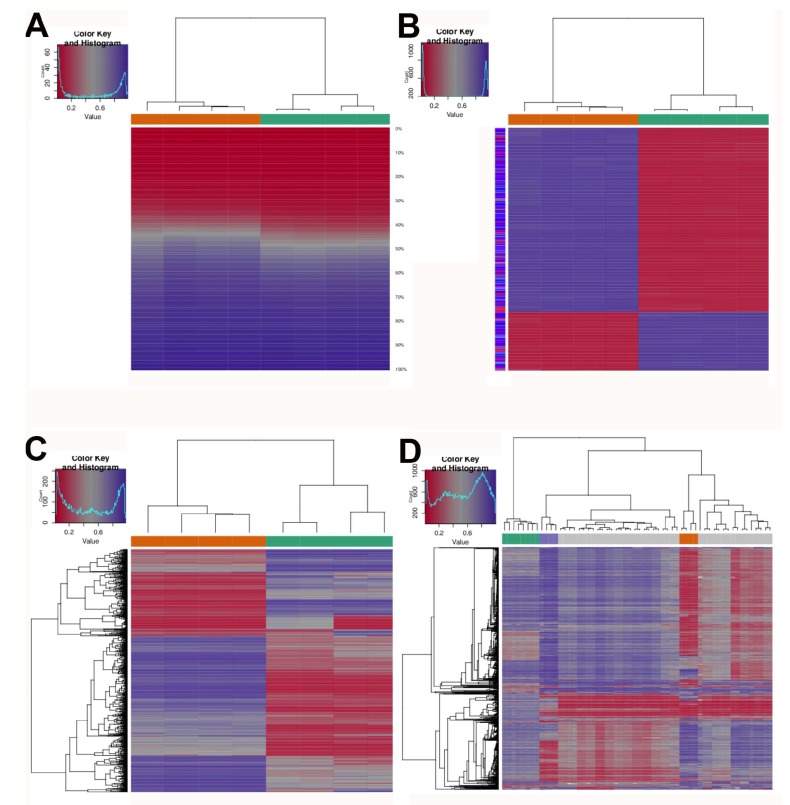
“…paper, we chose to perform an analysis of cultured human keratinocytes and whole blood cells using methylation data posted on GEO from 4 different DNA preparations of human keratinocytes [145, 146] and 4 of whole blood [147] that had been analyzed with the 450k BeadChip from Illumina [114, 138].”
The genome of the vervet (Chlorocebus aethiops sabaeus)
Warren, W. C., Jasinska, A. J., García-Pérez, R., Svardal, H., Tomlinson, C., Rocchi, M., Archidiacono, N., Capozzi, O., Minx, P., Montague, M. J., et al. (2015) · Genome Research · doi:10.1101/gr.192922.115 · Cited by 123 · cited 1×
“In particular now that the genomes have been reported for the vervet [101] and the marmoset (https://www.hgsc.bcm.edu/ non-human-primates/marmoset-genome-project) behavioral studies are on-going and will yield new insights into gene x environment interactions that may be more relevant to the human…”
Single Molecule Epigenetic Analysis in a Nanofluidic Channel
Cipriany, B. R., Zhao, R., Murphy, P. J., Levy, S. L., Tan, C. P., Craighead, H. G., & Soloway, P. D. (2010) · Analytical Chemistry · doi:10.1021/ac9028642 · Cited by 123 · cited 1×
“Promising devices are already in development, and include nanofluidic channels that accommodate single DNA strands [131], which can then be probed for specific methylated sites with labeled methyl-binding proteins [132].”
Pawlak, M., & Jaenisch, R. (2011) · Genes & Development · doi:10.1101/gad.2039011 · Cited by 118
Molet, J., Maras, P. M., Kinney‐Lang, E., Harris, N. G., Rashid, F., Ivy, A. S., Solodkin, A., Obenaus, A., & Baram, T. Z. (2016) · Hippocampus · doi:10.1002/hipo.22661 · Cited by 112 · cited 1×
“These mice also show disrupted hippocampal microstructure by diffusion-weighted Magnetic Resonance Imaging (MRI) post-mortem [109].”
Holm, K., Staaf, J., Lauss, M., Aine, M., Lindgren, D., Bendahl, P., Vallon‐Christersson, J., Barkardottir, R. B., Höglund, M., Borg, Å., et al. (2016) · Breast Cancer Research · doi:10.1186/s13058-016-0685-5 · Cited by 110
Non, A. L., Hollister, B. M., Humphreys, K. L., Childebayeva, A., Esteves, K., Zeanah, C. H., Fox, N. A., Nelson, C. A., & Drury, S. S. (2016) · American Journal of Physical Anthropology · doi:10.1002/ajpa.23010 · Cited by 108
ADAMS, R. L. P., & Burdon, R. H. (1985) · Springer series in molecular biology · doi:10.1007/978-1-4612-5130-9_10 · Cited by 102
Combined Loss of Tet1 and Tet2 Promotes B Cell, but Not Myeloid Malignancies, in Mice
Zhao, Z., Chen, L., Dawlaty, M. M., Pan, F., Weeks, O., Zhou, Y., Cao, Z., Shi, H., Wang, J., Lin, L., et al. (2015) · Cell Reports · doi:10.1016/j.celrep.2015.10.037 · Cited by 101 · cited 1×
“Especially exciting will be the new gene-editing technology by which DNA in the brain of living animals can be altered, generating new transgenic mice regulating expression of methylation/demethylation machinery [76, 155-161].”
Rincón-Cortés, M., & Sullivan, R. M. (2016) · Translational Psychiatry · doi:10.1038/tp.2016.205 · Cited by 100 · cited 1×
“When rodent dams are given a pup from a mother of a different strain, the dam turns physically abusive to the adopted pup [112, 115, 116].”
Stress reactivity in maltreated and comparison male and female young adolescents
Trickett, P. K., Gordis, E., Peckins, M. K., & Susman, E. J. (2014) · Child Maltreatment · doi:10.1177/1077559513520466 · Cited by 98 · cited 1×
“…as do wild-type mice [91], suggesting that stress-activated expression changes are mediated in part by the DNA methylation machinery; and in the case of hormonal regulation, altered cortisol levels [29, 119-121], or other neural growth factors, such as BDNF, correlate with maltreatment [111].”
McClelland, S., Korosi, A., Cope, J., Ivy, A., & Baram, T. Z. (2011) · Neurobiology of Learning and Memory · doi:10.1016/j.nlm.2011.02.008 · Cited by 97 · cited 1×
“When rodent dams are given a pup from a mother of a different strain, the dam turns physically abusive to the adopted pup [112, 115, 116].”
Slopen, N. B., Non, A. L., Williams, D. R., Roberts, A. L., & Albert, M. A. (2014) · Psychosomatic Medicine · doi:10.1097/psy.0000000000000081 · Cited by 95 · cited 1×
“Socio-Economic Status (SES), which is suspected of producing high rates of stress in children [55, 56], has been controversially linked to altered 5mC patterns in whole blood [57, 58], although in many of the early studies using high-throughput-whole genome epigenetic (Epigenome-Wide Association…”
Xi, Y., Bock, C., Müller, F., Sun, D., Meissner, A., & Li, W. (2012) · Bioinformatics · doi:10.1093/bioinformatics/btr668 · Cited by 87 · cited 2×
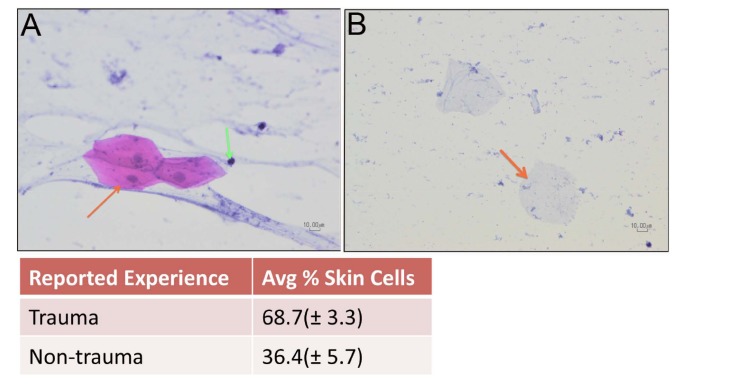
“…the cell composition of the saliva must be accounted for in any analysis of methylation sites, since keratinocytes and white blood cells, being differentiated down divergent pathways, will have widely different methylation patterns, as has been shown for mouse [129], and discussed for human [32].”
An investigation of child maltreatment and epigenetic mechanisms of mental and physical health risk
Cicchetti, D., Hetzel, S., Rogosch, F. A., Handley, E. D., & Toth, S. L. (2016) · Development and Psychopathology · doi:10.1017/s0954579416000869 · Cited by 86 · cited 2×
“With these caveats in mind, much evidence supports the notion that child maltreatment alters 5mC profiles in children [38-42].”
Ehrlich, K. B., Ross, K. M., Chen, E., & Miller, G. E. (2016) · Development and Psychopathology · doi:10.1017/s0954579416000845 · Cited by 84
Brown, S. E., Weaver, I. C. G., Meaney, M. J., & Szyf, M. (2008) · Neuroscience Letters · doi:10.1016/j.neulet.2008.05.028 · Cited by 83 · cited 2×
“Dnmt promoter methylation and DNMT expression are altered in response to maternal care in the hippocampus of rats [75].”
Almli, L. M., Stevens, J. S., Smith, A. K., Kilaru, V., Meng, Q., Flory, J., Abu‐Amara, D., Hammamieh, R., Yang, R., Mercer, K. B., et al. (2015) · American Journal of Medical Genetics Part B: Neuropsychiatric Genetics · doi:10.1002/ajmg.b.32315 · Cited by 80 · cited 2×
“…for mutations or SNPs already shown to be associated with a given mental health outcome to discover whether these may impact methylation levels at high probability sites in their analysis [67], or are in genes whose expression levels have been shown to influence a mental health condition [154].”
Comparison of different cell type correction methods for genome-scale epigenetics studies
Kaushal, A., Zhang, H., Karmaus, W., Ray, M. A., Torres, M. A., Smith, A. K., & Wang, S. (2017) · BMC Bioinformatics · doi:10.1186/s12859-017-1611-2 · Cited by 78 · cited 1×
“While some reference-free deconvolution computational approaches have been described for whole blood [127, 143, 144], these have not been proven in saliva.”
Cicchetti, D., Handley, E. D., & Rogosch, F. A. (2015) · Development and Psychopathology · doi:10.1017/s0954579415000152 · Cited by 76 · cited 1×
“These changes may underlie the findings of altered immunity in abused children where various serologic markers of immune activation, such a C-reactive protein [59], and depressed immune reactivity [60-64] are reported.”
Teh, A. L., Pan, H., Lin, X., Lim, I. Y., Patro, C. P. K., Cheong, C. Y., Gong, M., MacIsaac, J. L., Kwoh, C.-K., Meaney, M. J., et al. (2016) · Epigenetics · doi:10.1080/15592294.2015.1132136 · Cited by 73 · cited 1×
“While some reports suggest that either method produces equivalent results based on number of sites obtained [135], we took a closer look at what specific sites were identified and found large differences between the two methods.”
Epigenetic pathways through which experiences become linked with biology
McGowan, P. O., & Roth, T. L. (2015) · Development and Psychopathology · doi:10.1017/s0954579415000206 · Cited by 72 · cited 1×
“These manipulations alter 5mC levels in the promoter of the Bdnf gene [111, 113, 117, 118] that encodes the Brain-Derived Neurotrophic Factor (BDNF).”
Esposito, E. A., Jones, M. J., Doom, J. R., MacIsaac, J. L., Gunnar, M. R., & Kobor, M. S. (2016) · Development and Psychopathology · doi:10.1017/s0954579416000055 · Cited by 71 · cited 2×
“With these caveats in mind, much evidence supports the notion that child maltreatment alters 5mC profiles in children [38-42].”
Activation-induced cytidine deaminase and active cytidine demethylation
Ramiro, A. R., & Barreto, V. M. (2015) · Trends in Biochemical Sciences · doi:10.1016/j.tibs.2015.01.006 · Cited by 69
Early experience and serotonin transporter gene variation interact to influence primate CNS function
Bennett, A. J., Lesch, K., Heils, A., et al. (2002) · Molecular Psychiatry · doi:10.1038/sj/mp/4000949 · Cited by 68
Child Maltreatment and Sexual Risk Behavior: Maltreatment Types and Gender Differences
Negriff, S., Schneiderman, J. U., & Trickett, P. K. (2015) · Journal of Developmental & Behavioral Pediatrics · doi:10.1097/dbp.0000000000000204 · Cited by 67 · cited 1×
“Sexual abuse probably activates a different set of biological events than neglect [30, 31], the age of the child, the child’s relationship to the person inflicting harm, the timing and chronicity of abuse all influence outcomes in complicated ways, but many of these types of influence are difficult…”
Tet1 and Tet2 Protect DNA Methylation Canyons against Hypermethylation
Wiehle, L., Raddatz, G., Musch, T., Dawlaty, M. M., Jaenisch, R., Lyko, F., & Breiling, A. (2016) · Molecular and Cellular Biology · doi:10.1128/mcb.00587-15 · Cited by 63
Hippocampal gene expression induced by cold swim stress depends on sex and handling
Bohacek, J., Manuella, F., Roszkowski, M., & Mansuy, I. M. (2014) · Psychoneuroendocrinology · doi:10.1016/j.psyneuen.2014.10.026 · Cited by 61 · cited 1×
“For the hippocampus, the cold swim test in rodents induces alterations of c-Fos , Per1 and Sgk1 genes [122], which may be dependent on adrenalin rather than cortisol [123], and would influence neural activity, circuitry and secondarily behavior.”
Glucocorticoid receptor gene methylation and HPA-axis regulation in adolescents. The TRAILS study
van der Knaap, L. J., Oldehinkel, A. J., Verhulst, F. C., van Oort, F. V. A., & Riese, H. (2015) · Psychoneuroendocrinology · doi:10.1016/j.psyneuen.2015.04.012 · Cited by 60
Altered Neurocircuitry in the Dopamine Transporter Knockout Mouse Brain
Zhang, X., Bearer, E. L., Boulat, B., Hall, F. S., Uhl, G. R., & Jacobs, R. E. (2010) · PLoS ONE · doi:10.1371/journal.pone.0011506 · Cited by 60 · cited 2×
“…mesocortical limbic system in adult mice after life-long deregulation of the monoamine systems (serotonergic, dopaminergic and noradrenergic) through genetic manipulation of their re-uptake transporters, targets of cocaine and of drugs for depression, such as serotonin reuptake inhibitors [25-27].”
Self-citationDnmt3a Protects Active Chromosome Domains against Cancer-Associated Hypomethylation
Raddatz, G., Gao, Q., Bender, S., Jaenisch, R., & Lyko, F. (2012) · PLoS Genetics · doi:10.1371/journal.pgen.1003146 · Cited by 58
Surtees, P. G., Wainwright, N. W. J., Day, N., Brayne, C., Luben, R., & Khaw, K. (2003) · International Journal of Behavioral Medicine · doi:10.1207/s15327558ijbm1003_05 · Cited by 58
Reward circuitry is perturbed in the absence of the serotonin transporter
Bearer, E. L., Zhang, X., Janvelyan, D., Boulat, B., & Jacobs, R. E. (2009) · NeuroImage · doi:10.1016/j.neuroimage.2009.03.026 · Cited by 54 · cited 2×
“The 5-Htt ( Sert ) knockout mouse has been found to have altered limbic system circuitry in adolescence in imaging studies using manganese-enhanced MRI [25].”
Self-citationNot All Biofluids Are Created Equal: Chewing Over Salivary Diagnostics and the Epigenome
Wren, M. E., Shirtcliff, E. A., & Drury, S. S. (2015) · Clinical Therapeutics · doi:10.1016/j.clinthera.2015.02.022 · Cited by 52 · cited 1×
“Saliva is emerging as an especially accessible biospecimen from living children [126], but contains white blood cells as well as buccal keratinocytes in different proportions depending on the child's oral physiology at the time of collection.”
Chen, Y., Molet, J., Lauterborn, J. C., Trieu, B. H., Bolton, J. L., Patterson, K. P., Gall, C. M., LYNCH, G. S., & Baram, T. Z. (2016) · Journal of Neuroscience · doi:10.1523/jneurosci.2542-16.2016 · Cited by 52 · cited 1×
“…by 5mC. Methylation of the promoter for cortisol releasing factor/hormone (CRF/CRH) alters the expression of this peptide hormone and influences circulating cortisol levels-and thereby all of its downstream effects, including immune suppression and cognitive functioning in rodent models [44-46].”
Suomi, S. J., van der Horst, F. C. P., & van der Veer, R. (2008) · Integrative Psychological and Behavioral Science · doi:10.1007/s12124-008-9072-9 · Cited by 50 · cited 1×
“Primate studies pioneered the relationships between environment, genes and behavior with the work of Stephen Suomi, who applied Harry Harlow’s maternal deprivation protocol in rhesus monkeys to show an association between outcomes and allelic variation in the serotonin transporter gene [19, 97-100].”
Regulation of Bed Nucleus of the Stria Terminalis PACAP Expression by Stress and Corticosterone
Lezak, K. R., Roman, C. W., Braas, K. M., Schutz, K. C., Falls, W. A., Schulkin, J. A., May, V., & Hammack, S. E. (2014) · Journal of Molecular Neuroscience · doi:10.1007/s12031-014-0269-8 · Cited by 49 · cited 1×
“For example changes in expression of the pituitary adenyl cyclase-activating peptide, PACP [65, 66] found in adults with PTSD could be mediated by 5mC alterations, possibly stimulated by corticoid response elements in response to cortisol levels [33].”
Kumar, D., Aggarwal, M., Kaas, G. A., Lewis, J., Wang, J., Ross, D. L., Zhong, C., Kennedy, A., Song, H., & Sweatt, J. D. (2015) · Neuroepigenetics · doi:10.1016/j.nepig.2015.10.002 · Cited by 49
Common marmoset (Callithrix jacchus) as a primate model for behavioral neuroscience studies
Prins, N. W., Pohlmeyer, E. A., Debnath, S., Mylavarapu, R. V., Geng, S., Sanchez, J. C., Rothen, D., & Prasad, A. (2017) · Journal of Neuroscience Methods · doi:10.1016/j.jneumeth.2017.04.004 · Cited by 46 · cited 1×
“…for the vervet [101] and the marmoset (https://www.hgsc.bcm.edu/ non-human-primates/marmoset-genome-project) behavioral studies are on-going and will yield new insights into gene x environment interactions that may be more relevant to the human condition than current rodent systems [102, 103].”
Prenatal stress-induced programming of genome-wide promoter DNA methylation in 5-HTT-deficient mice
Schraut, K. G., Jakob, S. B., Weidner, M. T., Schmitt, A. G., Scholz, C. J., Strekalova, T., El Hajj, N., Eijssen, L. M. T., Domschke, K., Reif, A., et al. (2014) · Translational Psychiatry · doi:10.1038/tp.2014.107 · Cited by 45 · cited 3×
“In a few studies, correlation of methylated sites with RNA expression has been examined, and the degree of methylation in mammals does not consistently correlate with expression levels [36].”
InfluentialHerd, P., Karraker, A., & Friedman, E. (2012) · The Journals of Gerontology Series B: Psychological Sciences and Social Sciences · doi:10.1093/geronb/gbs048 · Cited by 43 · cited 1×
“These changes may underlie the findings of altered immunity in abused children where various serologic markers of immune activation, such a C-reactive protein [59], and depressed immune reactivity [60-64] are reported.”
Rapid stress-induced transcriptomic changes in the brain depend on beta-adrenergic signaling
Roszkowski, M., Manuella, F., von Ziegler, L., Durán-Pacheco, G., Moreau, J., Mansuy, I. M., & Bohacek, J. (2016) · Neuropharmacology · doi:10.1016/j.neuropharm.2016.03.046 · Cited by 43 · cited 1×
“For the hippocampus, the cold swim test in rodents induces alterations of c-Fos , Per1 and Sgk1 genes [122], which may be dependent on adrenalin rather than cortisol [123], and would influence neural activity, circuitry and secondarily behavior.”
Gold, J. I., Kant, A. J., & Kim, S. H. (2008) · Journal of Pediatric Nursing · doi:10.1016/j.pedn.2007.08.005 · Cited by 42
Parent-of-Origin DNA Methylation Dynamics during Mouse Development
Stelzer, Y., Wu, H., Song, Y., Shivalila, C., Markoulaki, S., & Jaenisch, R. (2016) · Cell Reports · doi:10.1016/j.celrep.2016.08.066 · Cited by 42 · cited 2×
“Especially exciting will be the new gene-editing technology by which DNA in the brain of living animals can be altered, generating new transgenic mice regulating expression of methylation/demethylation machinery [76, 155-161].”
Nanofluidic devices towards single DNA molecule sequence mapping
Marie, R., & Kristensen, A. S. (2012) · Journal of Biophotonics · doi:10.1002/jbio.201200050 · Cited by 37 · cited 1×
“Promising devices are already in development, and include nanofluidic channels that accommodate single DNA strands [131], which can then be probed for specific methylated sites with labeled methyl-binding proteins [132].”
DNA Transport in Hierarchically-Structured Colloidal-Nanoparticle Porous-Wall Nanochannels
Xia, D., Gamble, T. C., Mendoza, E. A., Koch, S. J., He, X. N., López, G. P., & Brueck, S. R. J. (2008) · Nano Letters · doi:10.1021/nl080190s · Cited by 37 · cited 1×
“Decrease in the channel size and transparency of the silica using lithography may increase multiplexing to hundreds of sites within a few microns de-tectible by fluorescence labeling and high-density high-sensitivity cameras [133, 134].”
Neurobiology of secure infant attachment and attachment despite adversity: a mouse model
Roth, T. L., Raineki, C., Salstein, L., Perry, R. E., Sullivan-Wilson, T., Sloan, A., Lalji, B., Hammock, E. A. D., Wilson, D. A., Levitt, P. R., et al. (2013) · Genes Brain & Behavior · doi:10.1111/gbb.12067 · Cited by 37 · cited 1×
“When rodent dams are given a pup from a mother of a different strain, the dam turns physically abusive to the adopted pup [112, 115, 116].”
Post-traumatic stress disorder is associated with PACAP and the PAC1 receptor
Ressler, K. J., Mercer, K. B., Bradley, B., Jovanović, T., Mahan, A. L., Kerley, K. A., Norrholm, S. D., Kilaru, V., Smith, A. K., Myers, A. J., et al. (2011) · Nature · doi:10.1038/nature10396 · Cited by 36
Differential DNA Methylation Analysis without a Reference Genome
Klughammer, J., Datlinger, P., Printz, D., Sheffield, N. C., Farlik, M., Hadler, J., Fritsch, G., & Bock, C. (2015) · Cell Reports · doi:10.1016/j.celrep.2015.11.024 · Cited by 35 · cited 1×
“While some reference-free deconvolution computational approaches have been described for whole blood [127, 143, 144], these have not been proven in saliva.”
Posttraumatic Stress Disorder in the Pediatric Trauma Patient
Makley, A. T., & Falcone, R. A. (2010) · Seminars in Pediatric Surgery · doi:10.1053/j.sempedsurg.2010.06.006 · Cited by 33
Oberlander, T. F., Weinberg, J., Papsdorf, M., GRUNAU, R. E., Misri, S. K., & Devlin, A. M. (2008) · Research Portal (Queen's University Belfast) · Cited by 33
Targeted bisulfite sequencing of the dynamic DNA methylome
Ziller, M. J., Stamenova, E. K., Gu, H., Gnirke, A., & Meissner, A. (2016) · Epigenetics & Chromatin · doi:10.1186/s13072-016-0105-1 · Cited by 31 · cited 2×
“A new method, recently reported, using targeted selection of highly differentially methylated sites across 25 different cell types shows promise [124] and could potentially be deployed to identify methylation dynamics in pre-clinical animal systems for which no array is available.”
Looking on the Bright Side of Serotonin Transporter Gene Variation
Buckley, P. F. (2012) · Yearbook of Psychiatry and Applied Mental Health · doi:10.1016/j.ypsy.2011.07.073 · Cited by 30
Wilting, S. M., Miok, V., Jaspers, A., Boon, D., Sørgård, H., Lando, M., Snoek, B. C., van Wieringen, W. N., Meijer, C. J. L. M., Lyng, H., et al. (2016) · Oncotarget · doi:10.18632/oncotarget.9698 · Cited by 30 · cited 1×
“…paper, we chose to perform an analysis of cultured human keratinocytes and whole blood cells using methylation data posted on GEO from 4 different DNA preparations of human keratinocytes [145, 146] and 4 of whole blood [147] that had been analyzed with the 450k BeadChip from Illumina [114, 138].”
Altered Reward Circuitry in the Norepinephrine Transporter Knockout Mouse
Gallagher, J. J., Zhang, X., Hall, F. S., Uhl, G. R., Bearer, E. L., & Jacobs, R. E. (2013) · PLoS ONE · doi:10.1371/journal.pone.0057597 · Cited by 25 · cited 1×
“Circuits from the prefrontal cortex into the deeper limbic system are also altered in mice with life-long disruption of dopamine or noradrenergic systems [26, 27].”
Self-citationDrawing Conclusions: An Intergenerational Transmission of Violence Perspective
Levendosky, A. A. (2013) · Psychodynamic Psychiatry · doi:10.1521/pdps.2013.41.2.351 · Cited by 23 · cited 1×
“Intergenerational transmission of violence is recognized [72] and attributed to the behavior of parents, but could also be transmitted through inherited epigenetic processes, or acquired during intra-uterine development [73].”
Neurobiology: learning from marmosets
Marx, V. (2016) · Nature Methods · doi:10.1038/nmeth.4036 · Cited by 20 · cited 1×
“…for the vervet [101] and the marmoset (https://www.hgsc.bcm.edu/ non-human-primates/marmoset-genome-project) behavioral studies are on-going and will yield new insights into gene x environment interactions that may be more relevant to the human condition than current rodent systems [102, 103].”
Reply to Suderman et al.: Importance of accounting for blood cell composition in epigenetic studies
Lam, L. L. C., Emberly, E. G., Fraser, H. B., Neumann, S., Chen, E., Miller, G. E., & Kobor, M. S. (2013) · Proceedings of the National Academy of Sciences · doi:10.1073/pnas.1222104110 · Cited by 11 · cited 4×
“However, as will be shown below, accounting for the relative contributions to the methylation pattern of keratinocytes versus that of blood cells is critical in the analysis [32].”
InfluentialEpigenomic socioeconomic studies more similar than different
Suderman, M. J., Borghol, N., Pappas, J. J., McArdle, W. L., Racine, A., Hallett, M. T., Pembrey, M. E., Hertzman, C., Power, C., & Szyf, M. (2013) · Proceedings of the National Academy of Sciences · doi:10.1073/pnas.1221019110 · Cited by 11 · cited 1×
“…is suspected of producing high rates of stress in children [55, 56], has been controversially linked to altered 5mC patterns in whole blood [57, 58], although in many of the early studies using high-throughput-whole genome epigenetic (Epigenome-Wide Association Study) (EWAS) analysis the…”
Odenbach, J., Newton, A. S., Gokiert, R., Falconer, C., Courchesne, C., Campbell, S., & Curtis, S. J. (2014) · Systematic Reviews · doi:10.1186/2046-4053-3-19 · Cited by 11
Child Abuse and Epigenetic Mechanisms of Disease Risk
(2013) · American Journal of Preventive Medicine · doi:10.1016/s0749-3797(12)00923-3 · Cited by 11
Neuronal Activation and Insight into the Plasticity of DNA Methylation
Felling, R. J., Guo, J. U., & Song, H. (2012) · Epigenomics · doi:10.2217/epi.12.2 · Cited by 8 · cited 2×
“One proposal is that breaks in DNA trigger activation of the TET enzymes, possibly through Gadd45 [88] and others suggest that an Activation-Induced Deaminase (AID) is responsible for gene-specific rather than whole genome demethylation [89].”
CMOS-compatible plenoptic detector for LED lighting applications
Neumann, A., Ghasemi, J., Nezhadbadeh, S., Nie, X., Zarkesh-Ha, P., & Brueck, S. R. J. (2015) · Optics Express · doi:10.1364/oe.23.023208 · Cited by 7 · cited 1×
“Decrease in the channel size and transparency of the silica using lithography may increase multiplexing to hundreds of sites within a few microns de-tectible by fluorescence labeling and high-density high-sensitivity cameras [133, 134].”
Towards a Role for Clinical Pathology Diagnostics for Childhood Maltreatment.
Bearer, E. L., Ji, J., Trickett, P. K., Kaplan, C. D., & Mennen, F. E. (2015) · PubMed · Cited by 6
Self-citationColl, C. G., Bearer, E. L., & Lerner, R. M. (2014) · doi:10.4324/9781410609830-17 · Cited by 3 · cited 1×
“In 2004 we proposed that a complex interplay between experience and genetics created a dynamical system: experience would trigger altered gene expression, which then affects neurocircuitry formation, which then reciprocally influences both gene expression and behavior [16-18].”
Self-citation(2018) · Digital Commons@Becker (Washington University School of Medicine) · doi:10.1371/journal
Research works printed but not linked: 2
- [21]Bearer E.L. Songs My Mother Taught Me: Gene-environment interactions, brain development and the auditory system: Thoughts on non-kin rejection, Part II. Handbook of Developmental Science, Behavior and Genetics, in Memoriam for Gilbert Gottlieb. Kathryn Hood C.T.H. Greenberg G. Lerner R. Malden, MA Wiley Blackwell Publishers 2010
- [141]Bluestone C.D. Alper C.M. Arjmand E.M. Casselbraint M.L. Dohar J.E. Yellon R.F. Pediatric Endocrinology. 4th ed Philadelphia, PA, USA Saunders Elsevier Science 2003 Vol. 2
Cited by
Epigenetic Modifications in Stress Response Genes Associated With Childhood Trauma
Jiang, S., Postovit, L., Cattaneo, A., Binder, E. B., & Aitchison, K. J. (2019) · Frontiers in Psychiatry · doi:10.3389/fpsyt.2019.00808 · Cited by 288
“, saliva taken at different times from the same individual, the cellular composition (proportion of different cells) may vary, which brings challenges to the analysis of methylation results (108).”
BackgroundPromising applications of human-derived saliva biomarker testing in clinical diagnostics
Song, M., Bai, H., Zhang, P., Zhou, X., & Ying, B. (2023) · International Journal of Oral Science · doi:10.1038/s41368-022-00209-w · Cited by 220
“Saliva from the same individual at different time points may differ widely regarding cell composition.(32) Some scholars constructed a salivary DNA methylation reference panel for individuals aged from 7 to 16 years old, estimating cell-type heterogeneity within the same individual.”
BackgroundD’Addario, C., Pucci, M., Bellia, F., Girella, A., Sabatucci, A., Fanti, F., Vismara, M. E. M., Benatti, B., Ferrara, L., Fasciana, F., et al. (2022) · Clinical Epigenetics · doi:10.1186/s13148-022-01264-0 · Cited by 31
“It should be mentioned that the correlation between blood and saliva DNA methylation has not always been reported, due to the high variability in individual cellular composition, even at different time points [73], overall affecting the proportion of white blood cells and buccal keratinocytes [74, 75].”
BackgroundRubinstein, T. B., Bullock, D. R., Ardalan, K., Mowrey, W. B., Brown, N. M., Bauman, L. J., & Stein, R. E. K. (2020) · The Journal of Pediatrics · doi:10.1016/j.jpeds.2020.06.046 · Cited by 35
Epigenetic Mechanisms Activated by Childhood Adversity
Krause, B. J., Artigas, R., Sciolla, A., & Hamilton, J. (2020) · Epigenomics · doi:10.2217/epi-2020-0042 · Cited by 30
Metadata
- Authors
- Bearer, E. L., & Mulligan, B. S.
- Affiliations
- University of New Mexico (US)
- Corresponding author
- Bearer, Elaine L.
- ORCID
- Bearer, Elaine L.
- Venue
- Current Genomics
- Publisher
- Bentham Science Publishers Ltd.
- Published
- 2018-10-19
- Volume
- 19
- Issue
- 8
- Pages
- 676-698
- ISSN
- 1389-2029 (ISSN-L)
- PMC
- PMC6225450
- OpenAlex
- W2792707328
- Semantic Scholar
- 2905981dabc606fabdcb4430707a8560c2ca3f02
- Cited by
- 19
- References
- 164
- Citations by year
- 2026: 1 · 2025: 1 · 2024: 4 · 2023: 3 · 2022: 6 · 2021: 1 · 2020: 2 · 2019: 1
- FWCI
- 0.36
- Type
- journal article
- Language
- en
- Open access
- bronze
- doi.org
- Locations
- Current Genomics (publishedVersion)
- PubMed Central (publishedVersion, cc-by-nc)
- PubMed (publishedVersion)
- Funders
- Georgia Clinical and Translational Science Alliance
- National Institutes of Health (UL1TR000041, KL2TR000131, UL1TR001855)
- National Institute of Mental Health (R01MH096093)
- National Institute of General Medical Sciences (P50GM085273)
- National Center for Advancing Translational Sciences
- Topics
- Life Sciences › Biochemistry, Genetics and Molecular Biology › Molecular Biology › Epigenetics and DNA Methylation
- Social Sciences › Psychology › Clinical Psychology › Child Abuse and Trauma
- Health Sciences › Medicine › Pediatrics, Perinatology and Child Health › Birth, Development, and Health
- Keywords
- saliva, adverse childhood experiences, childhood adversity, keratinocytes, leukocytes, bisulfite sequencing, computational deconvolution, biomarkers, trauma, mental health outcomes, epigenetics
About these checks
Registry, retraction, Cites and statistics results are computed, not judged, with one exception: a printed reference that no index lists is read once by a model before it counts as a citation error. Claims are extracted by a model and kept only when their quote appears verbatim in the text; each cited source is then checked, with a model’s help, for whether it says what the claim relies on. Those verdicts can be wrong — read the claim’s quote and the cited source before relying on one.
Statistics and arithmetic are recomputed, not judged.
Confidence bands are shown only for fields calibrated on our annotated test set. None is calibrated yet, so no band is shown.
What counts as a claim ›How we measure confidence ›How we check this ›
Are you an author, or do you see a problem with this page? Request a review
Data sources
Bibliographic data: Semantic Scholar, OpenAlex, Crossref.
Contains information from the Semantic Scholar Academic Graph Datasets, made available under the ODC Attribution License (ODC-BY 1.0).
Semantic Scholar’s data is described in: Kinney, R., et al. (2023). The Semantic Scholar Open Data Platform. arXiv:2301.10140.
