

The DOI matches its Crossref record; 276 of the 276 references it cites were found in a registry or an index; 1 of the 148 sources its claims cite were checked for support.
A Review of Algae-Based Carbon Capture, Utilization, and Storage (Algae-Based CCUS)
Open accessAbstract
Excessive emissions of greenhouse gases, primarily carbon dioxide (CO2), have garnered worldwide attention due to their significant environmental impacts. Carbon capture, utilization, and storage (CCUS) techniques have emerged as effective solutions to address CO2 emissions. Recently, direct air capture (DAC) and bioenergy with carbon capture and storage (BECCS) have been advanced within the CCUS framework as negative emission technologies. BECCS, which involves cultivating biomass for energy production, then capturing and storing the resultant CO2 emissions, offers cost advantages over DAC. Algae-based CCUS is integral to the BECCS framework, leveraging algae’s biological processes to capture and sequester CO2 while simultaneously contributing to energy production and potentially achieving net negative carbon emissions. Algae’s high photosynthetic efficiency, rapid growth rates, and ability to grow in non-arable environments provide significant advantages over other BECCS methods. This comprehensive review explores recent innovations in algae-based CCUS technologies, focusing on the mechanisms of carbon capture, utilization, and storage through algae. It highlights advancements in algae cultivation for efficient carbon capture, algae-based biofuel production, and algae-based dual carbon storage materials, as well as key challenges that need to be addressed for further optimization. This review provides valuable insights into the potential of algae-based CCUS as a key component of global carbon reduction strategies.
Overview
AI snapshot
Written from the paper’s full text.
TL;DR
This review synthesizes algae-based carbon capture, utilization, and storage (CCUS) within the BECCS framework, covering photosynthetic CO₂ capture, conversion to solid/liquid/gaseous biofuels, and dual organic–inorganic carbon storage via MICP. It argues algae offer high photosynthetic efficiency, rapid growth, and non-arable land use, but economic viability remains the main barrier to large-scale adoption.
Key findings
- Commercial algae cultivation can capture and sequester nearly two tons of CO₂ for every ton of algae produced; microalgae such as *Chlorella vulgaris* can double biomass within 3 days, while macroalgae like *Ulva tepida* take 2–3 weeks to reach harvestable size.
- Most algae show maximum carbon capture and biomass production at 15–30 °C and pH 7–9; lipid content for biodiesel typically ranges from 20% to 50% of dry weight, and microalgae such as *Chlorella*, *Dunaliella*, *Chlamydomonas*, and *Scenedesmus* with over 50% carbohydrates are considered ideal for bioethanol.
- Reported biofuel examples include *Oscillatoria* sp. pellets with a heating value of 15.86 MJ/kg and ignition at 308 °C, and *Scenedesmus* pellets with density 788 kg/m³ and energy density 14,165 MJ/m³ versus about 11,000 MJ/m³ for industrial wood-based fuels.
- Algae can store carbon through both photosynthesis into organic biomass and microbially induced calcium carbonate precipitation (MICP) into inorganic carbonates; 3D-printed living algal structures survived and grew for over a year while forming insoluble carbonates.
Methods
- Review study using literature searches in Web of Science, Scopus, and CNKI; 6,195 publications were retrieved, 1,600 were selected for full-text review, and approximately 280 studies were included, spanning the 1960s to 2024.
- Supplementary information came from international organization reports, government publications, and company websites; findings were categorized into algae overview, algae-based carbon capture, utilization, and storage.
- The review qualitatively synthesizes mechanisms, cultivation advances, biofuel conversion technologies, and dual carbon storage approaches, then identifies challenges and future directions.
Limitations
- The paper states that economic viability remains the primary barrier to large-scale industrial adoption; it also notes that genetic-engineering advances need further research and outdoor trials, HTC is not yet widely adopted, and most algae-based biofuels except biodiesel remain in research or pilot stages.
- Evident from the text: this is a qualitative review without quantitative meta-analysis or primary experimental data, and it does not describe a formal systematic-review protocol or study-quality assessment.
Model-written summary. Check it against the paper before relying on it.
Integrity signals
Registry
Cites
Statistics
Figures
Verification
Claims the paper makes
93 Not checked yet · 39 Own interpretation · 26 No basis given · 1 Not supported · 1 Own method · accuracy not yet measured
A conclusion the paper draws from its own results — it cites no other source for it, so there is none to check. The quote shows it is in the paper.
In the paper
“Algae-based CCUS is integral to the BECCS framework, leveraging algae's biological processes to capture and sequester CO 2 while simultaneously contributing to energy production and potentially achieving net negative carbon emissions.”
§ A Review of Algae-Based Carbon Capture, Utilization, and Storage (Algae-Based CCUS) > Abstract
hedgedconditional- Asserted: passes — The authors put it forward as true.
- Checkable: passes — It can be checked against evidence.
- Load-bearing: passes — The paper’s conclusions depend on it.
- Based: unclear — It is unclear why the paper says it holds.
In the paper
“while macroalgae like Ulva tepida typically takes 2 to 3 weeks to reach a harvestable size [81].”
§ A Review of Algae-Based Carbon Capture, Utilization, and Storage (Algae-Based CCUS) > 3.2. Advantages of Algae in CCUS
What the sources say
- Not checked yetcites [81] Carl, 2016, The Yield and Quality of Multiple Harvests of Filamentous Ulva Tepida, J. Appl. Phycol. source
plain- Asserted: passes — The authors put it forward as true.
- Checkable: passes — It can be checked against evidence.
- Load-bearing: unclear — It is unclear whether the paper’s conclusions depend on it.
- Based: passes — The paper gives a reason why it holds.
A conclusion the paper draws from its own results — it cites no other source for it, so there is none to check. The quote shows it is in the paper.
In the paper
“Overall, algal systems, or more specifically algae biomass-derived circular systems, are particularly well-suited for CCUS applications.”
§ A Review of Algae-Based Carbon Capture, Utilization, and Storage (Algae-Based CCUS) > 3.2. Advantages of Algae in CCUS
plaincorrelational- Asserted: passes — The authors put it forward as true.
- Checkable: passes — It can be checked against evidence.
- Load-bearing: passes — The paper’s conclusions depend on it.
- Based: passes — The paper gives a reason why it holds.
None of the sources cited for this claim have been checked yet.
In the paper
“Algal biomass has diverse applications and can be effectively utilized to produce high-value products such as food [83], feed [84], chemicals and biochemicals [68], biobased materials [85][86][87], and biofuels [88].”
§ A Review of Algae-Based Carbon Capture, Utilization, and Storage (Algae-Based CCUS) > 3.2. Advantages of Algae in CCUS
What the sources say
- Not checked yetcites [83] Walsh, 2018, Financial Tradeoffs of Energy and Food Uses of Algal Biomass under Stochastic Conditions, Appl. Energy source
- Not checked yetcites [84] Lerat, Y., Cornish, M.L., and Critchley, A.T. (2018). Applications of Algal Biomass in Global Food and Feed Markets: From Traditional Usage to the Potential for Functional Products. Blue Biotechnology, Wiley. source
- Not checked yetcites [68] Zhou, Y., Liu, L., Li, M., and Hu, C. (2022). Algal Biomass Valorisation to High-Value Chemicals and Bioproducts: Recent Advances, Opportunities and Challenges. Bioresour. Technol., 344. source
plaindirect- Asserted: passes — The authors put it forward as true.
- Checkable: passes — It can be checked against evidence.
- Load-bearing: passes — The paper’s conclusions depend on it.
- Based: passes — The paper gives a reason why it holds.
In the paper
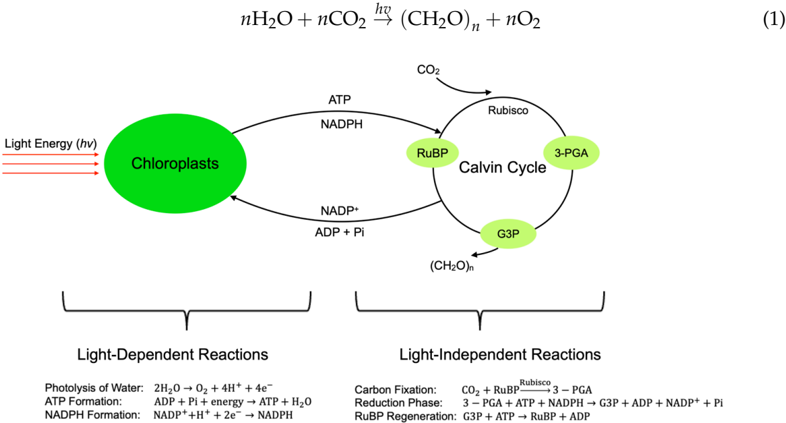
“Under visible light, algae convert CO 2 and water into organic compounds while releasing oxygen [90], as overall Reaction (1).”
§ A Review of Algae-Based Carbon Capture, Utilization, and Storage (Algae-Based CCUS) > 4. Algae-Based Carbon Capture
What the sources say
- Not checked yetcites [90] Kavusi, 2022, Removal of Organic and Inorganic Contaminants from the Air, Soil, and Water by Algae, Environ. Sci. Pollut. Res. source
plaindirect- Asserted: passes — The authors put it forward as true.
- Checkable: passes — It can be checked against evidence.
- Load-bearing: passes — The paper’s conclusions depend on it.
- Based: passes — The paper gives a reason why it holds.
In the paper
“Algal species with high photosynthetic efficiency, rapid growth rates, high storage compound capacity, and strong environmental adaptability are key to effective carbon capture and biomass conversion in CCUS processes, as they enhance CO 2 fixation, biomass yield, and resilience under various conditions [92][93][94].”
§ A Review of Algae-Based Carbon Capture, Utilization, and Storage (Algae-Based CCUS) > 4.1. Factors Influencing Algae-Based Carbon Capture
What the sources say
- Not checked yetcites [92][93][94]
plaindirect- Asserted: passes — The authors put it forward as true.
- Checkable: passes — It can be checked against evidence.
- Load-bearing: passes — The paper’s conclusions depend on it.
- Based: passes — The paper gives a reason why it holds.
In the paper
“The ability of algae to capture and fix CO 2 is fundamental to its subsequent utilization and storage of carbon, primarily through the process of photosynthesis [89].”
§ A Review of Algae-Based Carbon Capture, Utilization, and Storage (Algae-Based CCUS) > 4. Algae-Based Carbon Capture
What the sources say
- Not checked yetcites [89] Iglina, T., Iglin, P., and Pashchenko, D. (2022). Industrial CO2 Capture by Algae: A Review and Recent Advances. Sustainability, 14. source
plaindirect- Asserted: passes — The authors put it forward as true.
- Checkable: passes — It can be checked against evidence.
- Load-bearing: passes — The paper’s conclusions depend on it.
- Based: passes — The paper gives a reason why it holds.
In the paper
“A specialized adaptation in algae for enhancing CO 2 fixation is the carbon-concentrating mechanism (CCM), which helps reduce photorespiration-a process that decreases the efficiency of CO 2 fixation when oxygen competes with CO 2 for Rubisco binding sites [47].”
§ A Review of Algae-Based Carbon Capture, Utilization, and Storage (Algae-Based CCUS) > 4.1. Factors Influencing Algae-Based Carbon Capture
What the sources say
- Not checked yetcites [47] Paul, 2021, Review on the Recent Structural Advances in Open and Closed Systems for Carbon Capture through Algae, Energy Nexus source
plaindirect- Asserted: passes — The authors put it forward as true.
- Checkable: passes — It can be checked against evidence.
- Load-bearing: unclear — It is unclear whether the paper’s conclusions depend on it.
- Based: passes — The paper gives a reason why it holds.
None of the sources cited for this claim have been checked yet.
In the paper
“Light conditions, including intensity [95], distribution [96], penetration [97], and duration [95,98], must be optimized to prevent photoinhibition [99], which produces reactive oxygen species (ROS) [100] that can damage cellular structures and functions [101,102].”
§ A Review of Algae-Based Carbon Capture, Utilization, and Storage (Algae-Based CCUS) > 4.1. Factors Influencing Algae-Based Carbon Capture
What the sources say
- Not checked yetcites [95] Singh, 2015, Effect of Temperature and Light on the Growth of Algae Species: A Review, Renew. Sustain. Energy Rev. source
- Not checked yetcites [96] Fuente, 2017, Light Distribution and Spectral Composition within Cultures of Micro-Algae: Quantitative Modelling of the Light Field in Photobioreactors, Algal Res. source
- Not checked yetcites [97] Wang, J., Liu, J., and Liu, T. (2015). The Difference in Effective Light Penetration May Explain the Superiority in Photosynthetic Efficiency of Attached Cultivation over the Conventional Open Pond for Microalgae. Biotechnol. Biofuels, 8. source
plaindirect- Asserted: passes — The authors put it forward as true.
- Checkable: passes — It can be checked against evidence.
- Load-bearing: unclear — It is unclear whether the paper’s conclusions depend on it.
- Based: passes — The paper gives a reason why it holds.
In the paper
“Currently, commercial algae cultivation can capture and sequester nearly two tons of CO 2 for every ton of algae produced [82], making it a highly effective method for carbon storage compared to terrestrial plants.”
§ A Review of Algae-Based Carbon Capture, Utilization, and Storage (Algae-Based CCUS) > 3.2. Advantages of Algae in CCUS
What the sources say
- Not checked yetcites [82] Wilson, 2014, CO2 Recycling Using Microalgae for the Production of Fuels, Appl. Petrochem. Res. source
plaindirect- Asserted: passes — The authors put it forward as true.
- Checkable: passes — It can be checked against evidence.
- Load-bearing: unclear — It is unclear whether the paper’s conclusions depend on it.
- Based: passes — The paper gives a reason why it holds.
- Probably not a substantial claim. 43
- It may state two separate claims as one. 75
At least one cited source doesn’t support this claim or points to a different paper, and none confirmed it — see the verdicts below.
In the paper
“α-amylase | | 95-115 • C | 5.0-7.5 | Microalgae | [218]”
§ A Review of Algae-Based Carbon Capture, Utilization, and Storage (Algae-Based CCUS) > Economic viability remains the primary barrier to the large-scale industrial adoption of algae-based CCUS.
What the sources say
- Disputedcites [218] Timilsina, P.M., Pandey, G.R., Shrestha, A., Ojha, M., and Karki, T.B. (2020). Purification and Characterization of a Noble Thermostable Algal Starch Liquefying Alpha-Amylase from Aeribacillus Pallidus BTPS-2 Isolated from Geothermal Spring of Nepal. Biotechnol. Rep., 28. sourceExperimental — accuracy not yet measured
The Results section on enzyme optimization reports an optimum temperature of 70 °C, not 95–115 °C, and an optimum pH of 7.0, not a 5.0–7.5 optimum range. The Results section on algal biomass does support applicability to microalgae: the enzyme reduced the viscosity of Chlorella vulgaris biomass. (LLM, conf=0.90)
Checked by a reasoning model — may be wrong.
plain- Asserted: passes — The authors put it forward as true.
- Checkable: passes — It can be checked against evidence.
- Load-bearing: fails — The paper’s conclusions may not depend on it.
- Based: passes — The paper gives a reason why it holds.
Probably not a substantial claim. The paper’s conclusions may not depend on it. It may state two separate claims as one.
- Disputed
The paper states this without a source or data behind it here, so there is nothing to check it against. The quote shows it is in the paper.
In the paper
“Algae-based CCUS is integral to the BECCS framework, leveraging algae's biological processes to capture and sequester CO 2 while simultaneously contributing to energy production and potentially achieving net negative carbon emissions.”
§ A Review of Algae-Based Carbon Capture, Utilization, and Storage (Algae-Based CCUS) > Abstract
plaindirect- Asserted: passes — The authors put it forward as true.
- Checkable: passes — It can be checked against evidence.
- Load-bearing: passes — The paper’s conclusions depend on it.
- Based: fails — The paper may give no reason why it holds.
Probably not a substantial claim. The paper may give no reason why it holds.
None of the sources cited for this claim have been checked yet.
In the paper
“Algae's high photosynthetic efficiency, rapid growth rates, and ability to grow in non-arable environments provide significant advantages over other BECCS methods.”
§ A Review of Algae-Based Carbon Capture, Utilization, and Storage (Algae-Based CCUS) > Abstract
What the sources say
- Not checked yetcites [38][39][40]
- Not checked yetcites [41] Laurens, 2017, A Perspective on Renewable Bioenergy from Photosynthetic Algae as Feedstock for Biofuels and Bioproducts, Algal Res. source
- Not checked yetcites [44][45][46]
plaindirect- Asserted: passes — The authors put it forward as true.
- Checkable: passes — It can be checked against evidence.
- Load-bearing: passes — The paper’s conclusions depend on it.
- Based: passes — The paper gives a reason why it holds.
It may state two separate claims as one.
The paper states this without a source or data behind it here, so there is nothing to check it against. The quote shows it is in the paper.
In the paper
“In particular, macroalgae, such as kelp, Saccharina, and Ulva, are primarily used in the production of food, feed, and chemicals and biochemicals due to their rich nutritional qualities and bioactive compounds.”
§ A Review of Algae-Based Carbon Capture, Utilization, and Storage (Algae-Based CCUS) > 3.2. Advantages of Algae in CCUS
plaindirect- Asserted: passes — The authors put it forward as true.
- Checkable: passes — It can be checked against evidence.
- Load-bearing: fails — The paper’s conclusions may not depend on it.
- Based: passes — The paper gives a reason why it holds.
Probably not a substantial claim. The paper’s conclusions may not depend on it.
The paper states this without a source or data behind it here, so there is nothing to check it against. The quote shows it is in the paper.
In the paper
“Among the biofuels derived from microalgae, biodiesel and bioethanol generally hold the highest potential due to well-established thermochemical processing methods and the energy-dense nature of their lipid and carbohydrate contents.”
§ A Review of Algae-Based Carbon Capture, Utilization, and Storage (Algae-Based CCUS) > 3.2. Advantages of Algae in CCUS
boosteddirect- Asserted: passes — The authors put it forward as true.
- Checkable: passes — It can be checked against evidence.
- Load-bearing: fails — The paper’s conclusions may not depend on it.
- Based: passes — The paper gives a reason why it holds.
Probably not a substantial claim. The paper’s conclusions may not depend on it.
None of the sources cited for this claim have been checked yet.
In the paper
“Algae can grow in diverse water types, including freshwater [70,71], saltwater [72][73][74], and even wastewater [72].”
§ A Review of Algae-Based Carbon Capture, Utilization, and Storage (Algae-Based CCUS) > 3.2. Advantages of Algae in CCUS
What the sources say
- Not checked yetcites [70] Verawaty, 2017, Cultivation Strategy for Freshwater Macro- and Micro-Algae as Biomass Stock for Lipid Production, J. Eng. Technol. Sci. source
- Not checked yetcites [71] Xu, 2015, Nutrient Removal and Biogas Upgrading by Integrating Freshwater Algae Cultivation with Piggery Anaerobic Digestate Liquid Treatment, Appl. Microbiol. Biotechnol. source
- Not checked yetcites [72][73][74]
- Not checked yetcites [72] Chew, 2018, Effects of Water Culture Medium, Cultivation Systems and Growth Modes for Microalgae Cultivation: A Review, J. Taiwan Inst. Chem. Eng. source
plain- Asserted: passes — The authors put it forward as true.
- Checkable: passes — It can be checked against evidence.
- Load-bearing: passes — The paper’s conclusions depend on it.
- Based: passes — The paper gives a reason why it holds.
It may state two separate claims as one.
None of the sources cited for this claim have been checked yet.
In the paper
“For instance, Chlorella vulgaris and Scenedesmus obliquus have been successfully cultivated in wastewater and have aided in the removal of pollutants like nitrogen and phosphorus [77,78].”
§ A Review of Algae-Based Carbon Capture, Utilization, and Storage (Algae-Based CCUS) > 3.2. Advantages of Algae in CCUS
What the sources say
- Not checked yetcites [77] Asaad, A.A., and Amer, A.S. (2024). Evaluation of Chlorella Vulgaris Biosorption Capacity for Phosphate and Nitrate Removal from Wastewater. Sci. Rep., 14. source
- Not checked yetcites [78] He, 2023, Cultivation of Chlorella Pyrenoidosa and Scenedesmus Obliquus in Swine Wastewater: Nitrogen and Phosphorus Removal and Microalgal Growth, Process Saf. Environ. Prot. source
plaindirect- Asserted: passes — The authors put it forward as true.
- Checkable: passes — It can be checked against evidence.
- Load-bearing: unclear — It is unclear whether the paper’s conclusions depend on it.
- Based: passes — The paper gives a reason why it holds.
It may state two separate claims as one.
In the paper
“Algae can also thrive in environments that are unsuitable for traditional agriculture, such as polluted water, minimizing competition for arable land and freshwater [44][45][46].”
§ A Review of Algae-Based Carbon Capture, Utilization, and Storage (Algae-Based CCUS) > 1. Introduction
What the sources say
- Not checked yetcites [44][45][46]
plaindirect- Asserted: passes — The authors put it forward as true.
- Checkable: passes — It can be checked against evidence.
- Load-bearing: passes — The paper’s conclusions depend on it.
- Based: passes — The paper gives a reason why it holds.
It may state two separate claims as one.
The paper states this without a source or data behind it here, so there is nothing to check it against. The quote shows it is in the paper.
In the paper
“The carbon capture capacity of algae is primarily determined by factors including algal species, light conditions, temperature and pH, and the cultivation medium composition.”
§ A Review of Algae-Based Carbon Capture, Utilization, and Storage (Algae-Based CCUS) > 4.1. Factors Influencing Algae-Based Carbon Capture
plaindirect- Asserted: passes — The authors put it forward as true.
- Checkable: passes — It can be checked against evidence.
- Load-bearing: fails — The paper’s conclusions may not depend on it.
- Based: fails — The paper may give no reason why it holds.
Probably not a substantial claim. The paper’s conclusions may not depend on it. The paper may give no reason why it holds.
None of the sources cited for this claim have been checked yet.
In the paper
“In addition to CO 2 , algae can absorb sulfur dioxide and nitrogen oxides, further contributing to emission reductions [42,43].”
§ A Review of Algae-Based Carbon Capture, Utilization, and Storage (Algae-Based CCUS) > 1. Introduction
What the sources say
- Not checked yetcites [42] Srivastava, 2023, Study of Acidic Air Pollutant (SO2 and NO2) Tolerance of Microalgae with Sodium Bicarbonate as Growth Stimulant, AQUA—Water Infrastruct. Ecosyst. Soc. source
- Not checked yetcites [43] Qie, F., Zhu, J., Rong, J., and Zong, B. (2019). Biological Removal of Nitrogen Oxides by Microalgae, a Promising Strategy from Nitrogen Oxides to Protein Production. Bioresour. Technol., 292. source
plaindirect- Asserted: passes — The authors put it forward as true.
- Checkable: passes — It can be checked against evidence.
- Load-bearing: unclear — It is unclear whether the paper’s conclusions depend on it.
- Based: passes — The paper gives a reason why it holds.
It may state two separate claims as one.
A conclusion the paper draws from its own results — it cites no other source for it, so there is none to check. The quote shows it is in the paper.
In the paper
“This adaptability allows some microalgae to be cultivated on land unsuitable for traditional agriculture, such as non-arable or saline soils, thus avoiding competition with conventional crops for valuable arable land and freshwater resources.”
§ A Review of Algae-Based Carbon Capture, Utilization, and Storage (Algae-Based CCUS) > 3.2. Advantages of Algae in CCUS
plaindirect- Asserted: passes — The authors put it forward as true.
- Checkable: passes — It can be checked against evidence.
- Load-bearing: passes — The paper’s conclusions depend on it.
- Based: passes — The paper gives a reason why it holds.
It may state two separate claims as one.
The paper states this without a source or data behind it here, so there is nothing to check it against. The quote shows it is in the paper.
In the paper
“This process involves two stages: light-dependent and lightindependent reactions, with the associated reactions illustrated in Figure 2.”
§ A Review of Algae-Based Carbon Capture, Utilization, and Storage (Algae-Based CCUS) > 4. Algae-Based Carbon Capture
plain- Asserted: passes — The authors put it forward as true.
- Checkable: passes — It can be checked against evidence.
- Load-bearing: fails — The paper’s conclusions may not depend on it.
- Based: passes — The paper gives a reason why it holds.
Probably not a substantial claim. The paper’s conclusions may not depend on it.
What the paper did — it cites no source for this, so there is none to check. The quote shows it is in the paper.
In the paper
“Initially, a total of 6195 publications were retrieved from the database search.After screening abstracts according to inclusion criteria, 1600 publications were selected for full-text review.Finally, approximately 280 studies were included in this review.”
§ A Review of Algae-Based Carbon Capture, Utilization, and Storage (Algae-Based CCUS) > 2. Data Collection and Methodology
plain- Asserted: passes — The authors put it forward as true.
- Checkable: passes — It can be checked against evidence.
- Load-bearing: fails — The paper’s conclusions may not depend on it.
- Based: passes — The paper gives a reason why it holds.
Probably not a substantial claim. The paper’s conclusions may not depend on it. It may state two separate claims as one.
In the paper
“Spiruline platensis has been shown to absorb and detoxify heavy metals in contaminated water while contributing to biomass production by capturing CO 2 [79].”
§ A Review of Algae-Based Carbon Capture, Utilization, and Storage (Algae-Based CCUS) > 3.2. Advantages of Algae in CCUS
What the sources say
- Not checked yetcites [79] Diaconu, M., Soreanu, G., Balan, C.D., Buciscanu, I.I., Maier, V., and Cretescu, I. (2023). Study of Spirulina Platensis (Arthrospira) Development under the Heavy Metals Influence, as a Potential Promoter of Wastewater Remediation. Water, 15. source
plaindirect- Asserted: passes — The authors put it forward as true.
- Checkable: passes — It can be checked against evidence.
- Load-bearing: unclear — It is unclear whether the paper’s conclusions depend on it.
- Based: passes — The paper gives a reason why it holds.
It may state two separate claims as one.
A conclusion the paper draws from its own results — it cites no other source for it, so there is none to check. The quote shows it is in the paper.
In the paper
“Notably, the production of biofuels from microalgae exemplifies a sustainable closed-loop process.During biofuel combustion, CO 2 is emitted and can then be absorbed by algae for photosynthesis as part of a natural cycle, thus creating a continuous and self-sustaining carbon process.”
§ A Review of Algae-Based Carbon Capture, Utilization, and Storage (Algae-Based CCUS) > 3.2. Advantages of Algae in CCUS
plaindirect- Asserted: passes — The authors put it forward as true.
- Checkable: passes — It can be checked against evidence.
- Load-bearing: passes — The paper’s conclusions depend on it.
- Based: passes — The paper gives a reason why it holds.
It may state two separate claims as one.
In the paper
“Algae capture CO 2 through photosynthesis, which can be utilized in the commercial production of high-value products such as food, nutraceuticals, pharmaceuticals, and cosmetics.”
§ A Review of Algae-Based Carbon Capture, Utilization, and Storage (Algae-Based CCUS) > 1. Introduction
What the sources say
- Not checked yetcites [37] Vigani, 2015, Food and Feed Products from Micro-Algae: Market Opportunities and Challenges for the EU, Trends Food Sci. Technol. source
plaindirect- Asserted: passes — The authors put it forward as true.
- Checkable: passes — It can be checked against evidence.
- Load-bearing: passes — The paper’s conclusions depend on it.
- Based: passes — The paper gives a reason why it holds.
It may state two separate claims as one.
In the paper
“Algae exhibit higher photosynthetic rates and shorter growth cycles compared to traditional terrestrial plants [47].”
§ A Review of Algae-Based Carbon Capture, Utilization, and Storage (Algae-Based CCUS) > 3.2. Advantages of Algae in CCUS
What the sources say
- Not checked yetcites [47] Paul, 2021, Review on the Recent Structural Advances in Open and Closed Systems for Carbon Capture through Algae, Energy Nexus source
plaincorrelational- Asserted: passes — The authors put it forward as true.
- Checkable: passes — It can be checked against evidence.
- Load-bearing: passes — The paper’s conclusions depend on it.
- Based: passes — The paper gives a reason why it holds.
It may state two separate claims as one.
The paper states this without a source or data behind it here, so there is nothing to check it against. The quote shows it is in the paper.
In the paper
“In contrast, microalgae are commonly utilized for biofuel production due to their high biomass content and rapid growth rates.”
§ A Review of Algae-Based Carbon Capture, Utilization, and Storage (Algae-Based CCUS) > 3.2. Advantages of Algae in CCUS
plaindirect- Asserted: passes — The authors put it forward as true.
- Checkable: passes — It can be checked against evidence.
- Load-bearing: fails — The paper’s conclusions may not depend on it.
- Based: passes — The paper gives a reason why it holds.
Probably not a substantial claim. The paper’s conclusions may not depend on it.
The paper states this without a source or data behind it here, so there is nothing to check it against. The quote shows it is in the paper.
In the paper
“However, there are still a lack of comprehensive reviews on algae-based CCUS through both organic and inorganic pathways.”
§ A Review of Algae-Based Carbon Capture, Utilization, and Storage (Algae-Based CCUS) > 1. Introduction
plain- Asserted: passes — The authors put it forward as true.
- Checkable: passes — It can be checked against evidence.
- Load-bearing: passes — The paper’s conclusions depend on it.
- Based: fails — The paper may give no reason why it holds.
Probably not a substantial claim. The paper may give no reason why it holds.
None of the sources cited for this claim have been checked yet.
In the paper
“In addition, several studies have explored the integration of algal cultivation with wastewater [130,131] and CO 2 -rich waste gases [132,133] to enhance algal biomass accumulation and improve carbon capture efficiency while mitigating environmental impacts.”
§ A Review of Algae-Based Carbon Capture, Utilization, and Storage (Algae-Based CCUS) > 4.2.2. Advances in Algal Cultivation Techniques
What the sources say
- Not checked yetcites [130] Gentili, 2017, Algal Cultivation in Urban Wastewater: An Efficient Way to Reduce Pharmaceutical Pollutants, J. Appl. Phycol. source
- Not checked yetcites [131] Ma, 2014, Effect of Wastewater-Borne Bacteria on Algal Growth and Nutrients Removal in Wastewater-Based Algae Cultivation System, Bioresour. Technol. source
- Not checked yetcites [132] Bakonyi, 2020, Possibilities for the Biologically-Assisted Utilization of CO2-Rich Gaseous Waste Streams Generated during Membrane Technological Separation of Biohydrogen, J. CO2 Util. source
- Not checked yetcites [133] Comley, 2024, Utilizing CO2 in Industrial off-Gas for Microalgae Cultivation: Considerations and Solutions, Crit. Rev. Biotechnol. source
plaindirect- Asserted: passes — The authors put it forward as true.
- Checkable: passes — It can be checked against evidence.
- Load-bearing: passes — The paper’s conclusions depend on it.
- Based: passes — The paper gives a reason why it holds.
It may state two separate claims as one.
In the paper
“They found that the microalgae thrived in dairy wastewater, effectively removing nutrients, and leading to increased biomass production [134].”
§ A Review of Algae-Based Carbon Capture, Utilization, and Storage (Algae-Based CCUS) > 4.2.2. Advances in Algal Cultivation Techniques
What the sources say
- Not checked yetcites [134] Hena, 2015, Cultivation of Algae Consortium in a Dairy Farm Wastewater for Biodiesel Production, Water Resour. Ind. source
plaindirect- Asserted: passes — The authors put it forward as true.
- Checkable: passes — It can be checked against evidence.
- Load-bearing: unclear — It is unclear whether the paper’s conclusions depend on it.
- Based: passes — The paper gives a reason why it holds.
It may state two separate claims as one.
In the paper
“This approach not only lowers the operational and maintenance costs associated with stringent environmental conditions, but also enhances biomass production by allowing different species to complementarily utilize the nutrients in the cultivation medium, leading to improved economic benefits [129].”
§ A Review of Algae-Based Carbon Capture, Utilization, and Storage (Algae-Based CCUS) > 4.2.2. Advances in Algal Cultivation Techniques
What the sources say
- Not checked yetcites [129] Reis, 2003, Production of Polyhydroxyalkanoates by Mixed Microbial Cultures, Bioprocess. Biosyst. Eng. source
plaindirect- Asserted: passes — The authors put it forward as true.
- Checkable: passes — It can be checked against evidence.
- Load-bearing: unclear — It is unclear whether the paper’s conclusions depend on it.
- Based: passes — The paper gives a reason why it holds.
It may state two separate claims as one.
None of the sources cited for this claim have been checked yet.
In the paper
“Using this wastewater as a nutrient source for algal cultures promotes growth, increases biomass yield, and addresses the environmental challenges posed by wastewater.”
§ A Review of Algae-Based Carbon Capture, Utilization, and Storage (Algae-Based CCUS) > 4.2.2. Advances in Algal Cultivation Techniques
plaindirect- Asserted: passes — The authors put it forward as true.
- Checkable: passes — It can be checked against evidence.
- Load-bearing: passes — The paper’s conclusions depend on it.
- Based: passes — The paper gives a reason why it holds.
It may state two separate claims as one.
None of the sources cited for this claim have been checked yet.
In the paper
“Traditional approaches like selective breeding and strain development [107,108] and environmental adaptation [109,110] have long been used to improve algal traits.However, both methods typically require extended periods of time to achieve significant improvements.”
§ A Review of Algae-Based Carbon Capture, Utilization, and Storage (Algae-Based CCUS) > 4.2.1. Enhancement of Algal Traits
What the sources say
- Not checked yetcites [107] Takouridis, 2015, The Selective Breeding of the Freshwater Microalga Chlamydomonas reinhardtii for Growth in Salinity, Bioresour. Technol. source
- Not checked yetcites [108] Jebali, A., Sanchez, M.R., Hanschen, E.R., Starkenburg, S.R., and Corcoran, A.A. (2022). Trait Drift in Microalgae and Applications for Strain Improvement. Biotechnol. Adv., 60. source
- Not checked yetcites [109] Nayaka, S., Toppo, K., and Verma, S. (2017). Adaptation in Algae to Environmental Stress and Ecological Conditions. Plant Adaptation Strategies in Changing Environment, Springer. source
- Not checked yetcites [110] Cho, 2023, Genome-Wide Signatures of Adaptation to Extreme Environments in Red Algae, Nat. Commun. source
plaindirect- Asserted: passes — The authors put it forward as true.
- Checkable: passes — It can be checked against evidence.
- Load-bearing: unclear — It is unclear whether the paper’s conclusions depend on it.
- Based: passes — The paper gives a reason why it holds.
It may state two separate claims as one.
None of the sources cited for this claim have been checked yet.
In the paper
“Most algae exhibit a maximum carbon capture and biomass production within a temperature range of 15 • C to 30 • C [95], and a pH of 7 to 9 [103], which is neutral to slightly alkaline, and promotes efficient carbon fixation via the CCM [104].”
§ A Review of Algae-Based Carbon Capture, Utilization, and Storage (Algae-Based CCUS) > 4.1. Factors Influencing Algae-Based Carbon Capture
What the sources say
plaincorrelational- Asserted: passes — The authors put it forward as true.
- Checkable: passes — It can be checked against evidence.
- Load-bearing: unclear — It is unclear whether the paper’s conclusions depend on it.
- Based: passes — The paper gives a reason why it holds.
It may state two separate claims as one.
In the paper
“Specifically, they employed a gravity enrichment method to cultivate lipid-rich and carbohydrate-rich algae based on their cell density differences.The less dense lipid-rich algae float on the surface of the culture medium, while the denser starchrich algae settle at the bottom.This simple, flexible, and cost-effective method enhances large-scale production of algae with different storage”
§ A Review of Algae-Based Carbon Capture, Utilization, and Storage (Algae-Based CCUS) > 4.2.2. Advances in Algal Cultivation Techniques
What the sources say
- Not checked yetcites [126] Hassanpour, 2015, Gravimetric Enrichment of High Lipid and Starch Accumulating Microalgae, Bioresour. Technol. source
plaindirect- Asserted: passes — The authors put it forward as true.
- Checkable: passes — It can be checked against evidence.
- Load-bearing: unclear — It is unclear whether the paper’s conclusions depend on it.
- Based: passes — The paper gives a reason why it holds.
It may state two separate claims as one.
None of the sources cited for this claim have been checked yet.
In the paper
“Nutrient-rich wastewater from sources such as dairy and sugar processing contains essential nutrients like nitrogen, phosphorus, and potassium, which, if untreated, can disrupt normal water uses, including drinking, irrigation, and recreational activities [134-137].”
§ A Review of Algae-Based Carbon Capture, Utilization, and Storage (Algae-Based CCUS) > 4.2.2. Advances in Algal Cultivation Techniques
What the sources say
- Not checked yetcites [134] Hena, 2015, Cultivation of Algae Consortium in a Dairy Farm Wastewater for Biodiesel Production, Water Resour. Ind. source
- Not checked yetcites [135] Passero, 2015, Dairy Wastewaters for Algae Cultivation, Polyhydroxyalkanote Reactor Effluent Versus Anaerobic Digester Effluent, Bioenergy Res. source
- Not checked yetcites [136] Vieira Costa, J.A., Cruz, C.G., and da Rosa, A.P.C. (2021). Insights into the Technology Utilized to Cultivate Microalgae in Dairy Effluents. Biocatal. Agric. Biotechnol., 35. source
- Not checked yetcites [137] Zewdie, 2020, Cultivation of Microalgae for Biofuel Production: Coupling with Sugarcane-Processing Factories, Energy Sustain. Soc. source
plaindirect- Asserted: passes — The authors put it forward as true.
- Checkable: passes — It can be checked against evidence.
- Load-bearing: unclear — It is unclear whether the paper’s conclusions depend on it.
- Based: passes — The paper gives a reason why it holds.
It may state two separate claims as one.
In the paper
“To fully leverage the advantages of mixed-culture systems in large-scale production, Hassanpour et al. utilized such systems to simultaneously capture CO 2 and produce various types of biomass, enhancing the economic efficiency and productivity of biomass production [126].”
§ A Review of Algae-Based Carbon Capture, Utilization, and Storage (Algae-Based CCUS) > 4.2.2. Advances in Algal Cultivation Techniques
What the sources say
- Not checked yetcites [126] Hassanpour, 2015, Gravimetric Enrichment of High Lipid and Starch Accumulating Microalgae, Bioresour. Technol. source
plaindirect- Asserted: passes — The authors put it forward as true.
- Checkable: passes — It can be checked against evidence.
- Load-bearing: unclear — It is unclear whether the paper’s conclusions depend on it.
- Based: passes — The paper gives a reason why it holds.
It may state two separate claims as one.
None of the sources cited for this claim have been checked yet.
In the paper
“Mixed cultures leverage species diversity [127], enabling adaptation to varying light, temperature, and pH conditions [128].”
§ A Review of Algae-Based Carbon Capture, Utilization, and Storage (Algae-Based CCUS) > 4.2.2. Advances in Algal Cultivation Techniques
What the sources say
plaindirect- Asserted: passes — The authors put it forward as true.
- Checkable: passes — It can be checked against evidence.
- Load-bearing: unclear — It is unclear whether the paper’s conclusions depend on it.
- Based: passes — The paper gives a reason why it holds.
It may state two separate claims as one.
In the paper
“While this method ensures efficient growth under optimal conditions and facilitates standardized management and operation, it is highly sensitive to environmental fluctuations and exhibits poor resistance to stress.As a result, it requires costly maintenance and is vulnerable to contamination, which can severely impact algal growth and productivity.”
§ A Review of Algae-Based Carbon Capture, Utilization, and Storage (Algae-Based CCUS) > 4.2.2. Advances in Algal Cultivation Techniques
What the sources say
- Not checked yetcites [124] Smith, 2014, Applying Ecological Principles of Crop Cultivation in Large-Scale Algal Biomass Production, Algal Res. source
plaindirect- Asserted: passes — The authors put it forward as true.
- Checkable: passes — It can be checked against evidence.
- Load-bearing: passes — The paper’s conclusions depend on it.
- Based: passes — The paper gives a reason why it holds.
It may state two separate claims as one.
The paper states this without a source or data behind it here, so there is nothing to check it against. The quote shows it is in the paper.
In the paper
“Third-generation biofuels from algae have garnered attention due to algae's rapid growth, high yield, low land use, and efficient CO 2 utilization, making them a more sustainable option.”
§ A Review of Algae-Based Carbon Capture, Utilization, and Storage (Algae-Based CCUS) > 5. Algae-Based Carbon Utilization
plaindirect- Asserted: passes — The authors put it forward as true.
- Checkable: passes — It can be checked against evidence.
- Load-bearing: unclear — It is unclear whether the paper’s conclusions depend on it.
- Based: passes — The paper gives a reason why it holds.
It may state two separate claims as one.
A conclusion the paper draws from its own results — it cites no other source for it, so there is none to check. The quote shows it is in the paper.
In the paper
“This biomass can then be further processed into biofuels and other valuable products, thereby utilizing carbon in a form that creates economic value and contributes to the CCUS process.”
§ A Review of Algae-Based Carbon Capture, Utilization, and Storage (Algae-Based CCUS) > 5. Algae-Based Carbon Utilization
plaindirect- Asserted: passes — The authors put it forward as true.
- Checkable: passes — It can be checked against evidence.
- Load-bearing: passes — The paper’s conclusions depend on it.
- Based: passes — The paper gives a reason why it holds.
It may state two separate claims as one.
In the paper
“Additionally, the main products of solid pellet combustion are typically CO 2 and ash, both of which can be fully recycled into algae cultivation [48].”
§ A Review of Algae-Based Carbon Capture, Utilization, and Storage (Algae-Based CCUS) > 5.1.1. Algae-Based Solid Biomass Pellets
What the sources say
- Not checked yetcites [48] Yang, J., Zhao, T., Cui, X., Peng, M., Wang, X., Mao, H., and Cui, M. (2022). New Insights into the Carbon Neutrality of Microalgae from Culture to Utilization: A Critical Review on the Algae-Based Solid Biofuels. Biomass Bioenergy, 166. source
plaindirect- Asserted: passes — The authors put it forward as true.
- Checkable: passes — It can be checked against evidence.
- Load-bearing: unclear — It is unclear whether the paper’s conclusions depend on it.
- Based: passes — The paper gives a reason why it holds.
It may state two separate claims as one.
In the paper
“The results demonstrated that this method achieved a promisingly high net energy ratio and underscored the significance of using this strain for effective capture and utilization of CO 2 -rich gas streams.”
§ A Review of Algae-Based Carbon Capture, Utilization, and Storage (Algae-Based CCUS) > 4.2.2. Advances in Algal Cultivation Techniques
What the sources say
- Not checked yetcites [138] kumar, 2019, Utilization of Unfiltered LPG-Burner Exhaust-Gas Emission Using Microalga Coelastrella sp., J. CO2 Util. source
boosteddirectSingle case- Asserted: passes — The authors put it forward as true.
- Checkable: passes — It can be checked against evidence.
- Load-bearing: unclear — It is unclear whether the paper’s conclusions depend on it.
- Based: passes — The paper gives a reason why it holds.
It may state two separate claims as one.
A conclusion the paper draws from its own results — it cites no other source for it, so there is none to check. The quote shows it is in the paper.
In the paper
“In essence, this makes microalgal cultivation systems intelligent, as it can autonomously manage and improve their operational performance, greatly enhancing cultivation efficiency and leading to more efficient carbon capture.”
§ A Review of Algae-Based Carbon Capture, Utilization, and Storage (Algae-Based CCUS) > 4.2.3. Improvement in Algal Cultivation Systems
plaindirect- Asserted: passes — The authors put it forward as true.
- Checkable: passes — It can be checked against evidence.
- Load-bearing: unclear — It is unclear whether the paper’s conclusions depend on it.
- Based: passes — The paper gives a reason why it holds.
It may state two separate claims as one.
In the paper
“The results demonstrated that leveraging synergies between CO 2 emission sources and algal cultivation can not only enhance carbon capture efficiency but also support the sustainable production of algal biofuels and bioproducts.”
§ A Review of Algae-Based Carbon Capture, Utilization, and Storage (Algae-Based CCUS) > 4.2.2. Advances in Algal Cultivation Techniques
What the sources say
- Not checked yetcites [139] Acedo, 2020, Coupling Carbon Capture from a Power Plant with Semi-Automated Open Raceway Ponds for Microalgae Cultivation, J. Vis. Exp.
boosteddirectSingle case- Asserted: passes — The authors put it forward as true.
- Checkable: passes — It can be checked against evidence.
- Load-bearing: unclear — It is unclear whether the paper’s conclusions depend on it.
- Based: passes — The paper gives a reason why it holds.
It may state two separate claims as one.
In the paper
“Microbubble-assisted PBRs, integrating Venturi microbubble generators and bubble columns, significantly increase the gas-liquid contact area to promote the mass transfer efficiency of CO 2 , thereby boosting the overall CO 2 capture efficiency [142].”
§ A Review of Algae-Based Carbon Capture, Utilization, and Storage (Algae-Based CCUS) > 4.2.3. Improvement in Algal Cultivation Systems
What the sources say
- Not checked yetcites [142] Dey, 2020, High-Rate CO2 Sequestration Using a Novel Venturi Integrated Photobioreactor and Subsequent Valorization to Microalgal Lipids, Green. Chem. source
plaindirect- Asserted: passes — The authors put it forward as true.
- Checkable: passes — It can be checked against evidence.
- Load-bearing: unclear — It is unclear whether the paper’s conclusions depend on it.
- Based: passes — The paper gives a reason why it holds.
It may state two separate claims as one.
The paper states this without a source or data behind it here, so there is nothing to check it against. The quote shows it is in the paper.
In the paper
“These pellets offer significant advantages as a fuel, particularly due to their high efficiency during direct combustion and low carbon emissions.”
§ A Review of Algae-Based Carbon Capture, Utilization, and Storage (Algae-Based CCUS) > 5.1.1. Algae-Based Solid Biomass Pellets
plaindirect- Asserted: passes — The authors put it forward as true.
- Checkable: passes — It can be checked against evidence.
- Load-bearing: fails — The paper’s conclusions may not depend on it.
- Based: passes — The paper gives a reason why it holds.
Probably not a substantial claim. The paper’s conclusions may not depend on it. It may state two separate claims as one.
The paper states this without a source or data behind it here, so there is nothing to check it against. The quote shows it is in the paper.
In the paper
“Gaseous CO 2 , the most commonly used carbon source for algae cultivation, transfers into the cultivation medium through diffusion across the gas-liquid interface, which is influenced by mass transfer limitations.”
§ A Review of Algae-Based Carbon Capture, Utilization, and Storage (Algae-Based CCUS) > 4.2.4. Refinement of Carbon Sources
plaindirect- Asserted: passes — The authors put it forward as true.
- Checkable: passes — It can be checked against evidence.
- Load-bearing: passes — The paper’s conclusions depend on it.
- Based: passes — The paper gives a reason why it holds.
It may state two separate claims as one.
None of the sources cited for this claim have been checked yet.
In the paper
“These components offer exceptional antioxidant, anti-inflammatory, and free radical scavenging properties, leading to their widespread applications in food, feed, supplements, pharmaceuticals, and cosmetics [37,84,155,156].”
§ A Review of Algae-Based Carbon Capture, Utilization, and Storage (Algae-Based CCUS) > 5. Algae-Based Carbon Utilization
What the sources say
- Not checked yetcites [37] Vigani, 2015, Food and Feed Products from Micro-Algae: Market Opportunities and Challenges for the EU, Trends Food Sci. Technol. source
- Not checked yetcites [84] Lerat, Y., Cornish, M.L., and Critchley, A.T. (2018). Applications of Algal Biomass in Global Food and Feed Markets: From Traditional Usage to the Potential for Functional Products. Blue Biotechnology, Wiley. source
- Not checked yetcites [155] Vieira, M.V., Pastrana, L.M., and Fuciños, P. (2020). Microalgae Encapsulation Systems for Food, Pharmaceutical and Cosmetics Applications. Mar. Drugs, 18. source
- Not checked yetcites [156] Michalak, 2015, Algae as Production Systems of Bioactive Compounds, Eng. Life Sci. source
boosteddirect- Asserted: passes — The authors put it forward as true.
- Checkable: passes — It can be checked against evidence.
- Load-bearing: fails — The paper’s conclusions may not depend on it.
- Based: passes — The paper gives a reason why it holds.
Probably not a substantial claim. The paper’s conclusions may not depend on it. It may state two separate claims as one.
A conclusion the paper draws from its own results — it cites no other source for it, so there is none to check. The quote shows it is in the paper.
In the paper
“Furthermore, the connectivity features of IoT allow for remote management and operation, enabling the automatic adjustment of lighting, temperature, and nutrient supply.”
§ A Review of Algae-Based Carbon Capture, Utilization, and Storage (Algae-Based CCUS) > 4.2.3. Improvement in Algal Cultivation Systems
plaindirect- Asserted: passes — The authors put it forward as true.
- Checkable: passes — It can be checked against evidence.
- Load-bearing: unclear — It is unclear whether the paper’s conclusions depend on it.
- Based: passes — The paper gives a reason why it holds.
It may state two separate claims as one.
A conclusion the paper draws from its own results — it cites no other source for it, so there is none to check. The quote shows it is in the paper.
In the paper
“The CO 2 released during biofuel production and combustion can be absorbed by algae again for cultivation, creating a closed-loop system that aligns with the BECCS framework and offers significant potential for net-negative carbon emissions.”
§ A Review of Algae-Based Carbon Capture, Utilization, and Storage (Algae-Based CCUS) > 5. Algae-Based Carbon Utilization
plaindirect- Asserted: passes — The authors put it forward as true.
- Checkable: passes — It can be checked against evidence.
- Load-bearing: passes — The paper’s conclusions depend on it.
- Based: unclear — It is unclear why the paper says it holds.
It may state two separate claims as one.
In the paper
“Their study demonstrated that, in addition to significantly improving carbon fixation efficiency in algae, bicarbonate application can enhance carbon utilization by increasing the production of intracellular total sugars, exopolysaccharides, chlorophyll, and phycocyanin.”
§ A Review of Algae-Based Carbon Capture, Utilization, and Storage (Algae-Based CCUS) > 4.2.4. Refinement of Carbon Sources
What the sources say
- Not checked yetcites [150] Yang, 2024, Carbon Capture and Utilization by Algae with High Concentration CO2 or Bicarbonate as Carbon Source, Sci. Total Environ. source
boosteddirect- Asserted: passes — The authors put it forward as true.
- Checkable: passes — It can be checked against evidence.
- Load-bearing: passes — The paper’s conclusions depend on it.
- Based: passes — The paper gives a reason why it holds.
It may state two separate claims as one.
In the paper
“During plant growth, atmospheric CO 2 is absorbed, and when biofuels are combusted, the CO 2 released is roughly equivalent to the amount absorbed, making biofuels a relatively clean energy source [53].”
§ A Review of Algae-Based Carbon Capture, Utilization, and Storage (Algae-Based CCUS) > 5. Algae-Based Carbon Utilization
What the sources say
- Not checked yetcites [53] Nematian, T., and Barati, M. (2019). Nanobiocatalytic Processes for Producing Biodiesel from Algae. Sustainable Bioenergy, Elsevier. source
plaindirect- Asserted: passes — The authors put it forward as true.
- Checkable: passes — It can be checked against evidence.
- Load-bearing: unclear — It is unclear whether the paper’s conclusions depend on it.
- Based: passes — The paper gives a reason why it holds.
It may state two separate claims as one.
The paper states this without a source or data behind it here, so there is nothing to check it against. The quote shows it is in the paper.
In the paper
“Specifically, algae capture CO 2 from the atmosphere and efficiently convert it into organic carbon compounds in algal biomass, which serves as an intermediary product.”
§ A Review of Algae-Based Carbon Capture, Utilization, and Storage (Algae-Based CCUS) > 5. Algae-Based Carbon Utilization
plaindirect- Asserted: passes — The authors put it forward as true.
- Checkable: passes — It can be checked against evidence.
- Load-bearing: passes — The paper’s conclusions depend on it.
- Based: passes — The paper gives a reason why it holds.
It may state two separate claims as one.
In the paper
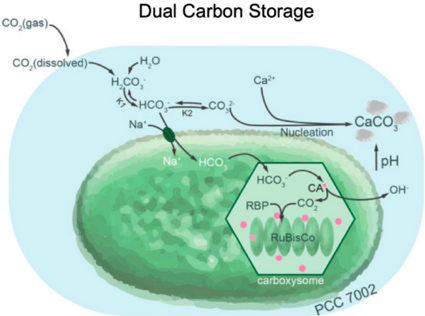
“The results demonstrated that these microorganisms catalyzed the formation of calcite (CaCO 3 ) crystals, which bonded sand particles together, significantly increasing the soil strength and reducing permeability.”
§ A Review of Algae-Based Carbon Capture, Utilization, and Storage (Algae-Based CCUS) > 6.1. MICP and Photosynthetic MICP for Carbon Storage
What the sources say
- Not checked yetcites [270] Sharma, 2020, Strength Enhancement and Lead Immobilization of Sand Using Consortia of Bacteria and Blue-Green Algae, J. Hazard. Toxic Radioact. Waste source
boosteddirect- Asserted: passes — The authors put it forward as true.
- Checkable: passes — It can be checked against evidence.
- Load-bearing: passes — The paper’s conclusions depend on it.
- Based: passes — The paper gives a reason why it holds.
It may state two separate claims as one.
In the paper
“While energy conversion efficiency and economic feasibility depend on multiple factors, thermochemical technologies generally demonstrate higher energy conversion efficiencies and greater economic feasibility compared to biochemical processes [267].”
§ A Review of Algae-Based Carbon Capture, Utilization, and Storage (Algae-Based CCUS) > 5.3.3. Algae-Based Syngas
What the sources say
- Not checked yetcites [267] Raheem, 2015, Thermochemical Conversion of Microalgal Biomass for Biofuel Production, Renew. Sustain. Energy Rev. source
plaincorrelational- Asserted: passes — The authors put it forward as true.
- Checkable: passes — It can be checked against evidence.
- Load-bearing: unclear — It is unclear whether the paper’s conclusions depend on it.
- Based: passes — The paper gives a reason why it holds.
It may state two separate claims as one.
In the paper
“It also degrades polysaccharides, lowers energy consumption, and increases sugar yields, making it a cost-efficient option compared to other pretreatment technologies [197].”
§ A Review of Algae-Based Carbon Capture, Utilization, and Storage (Algae-Based CCUS) > 5.2.2. Algae-Based Bioethanol
What the sources say
- Not checked yetcites [197] Phwan, C.K., Chew, K.W., Sebayang, A.H., Ong, H.C., Ling, T.C., Malek, M.A., Ho, Y.-C., and Show, P.L. (2019). Effects of Acids Pre-Treatment on the Microbial Fermentation Process for Bioethanol Production from Microalgae. Biotechnol. Biofuels, 12. source
plaindirect- Asserted: passes — The authors put it forward as true.
- Checkable: passes — It can be checked against evidence.
- Load-bearing: unclear — It is unclear whether the paper’s conclusions depend on it.
- Based: passes — The paper gives a reason why it holds.
It may state two separate claims as one.
A conclusion the paper draws from its own results — it cites no other source for it, so there is none to check. The quote shows it is in the paper.
In the paper
“Optimizing process parameters through simulation lowers production costs and improves both the efficiency and quality of syngas production in practical applications.”
§ A Review of Algae-Based Carbon Capture, Utilization, and Storage (Algae-Based CCUS) > 5.3.3. Algae-Based Syngas
plaindirect- Asserted: passes — The authors put it forward as true.
- Checkable: passes — It can be checked against evidence.
- Load-bearing: unclear — It is unclear whether the paper’s conclusions depend on it.
- Based: unclear — It is unclear why the paper says it holds.
It may state two separate claims as one.
In the paper
“Miranda et al. produced Scenedesmus pellets with a density of 788 kg/m 3 and an energy density of 14,165 MJ/m 3 , which is higher than that of industrial wood-based fuels (around 11,000 MJ/m 3 ), highlighting their significant biofuel potential [161].”
§ A Review of Algae-Based Carbon Capture, Utilization, and Storage (Algae-Based CCUS) > 5.1.1. Algae-Based Solid Biomass Pellets
What the sources say
- Not checked yetcites [161] Miranda, 2018, Physical-Energy Characterization of Microalgae Scenedesmus and Experimental Pellets, Fuel source
plain- Asserted: passes — The authors put it forward as true.
- Checkable: passes — It can be checked against evidence.
- Load-bearing: unclear — It is unclear whether the paper’s conclusions depend on it.
- Based: passes — The paper gives a reason why it holds.
It may state two separate claims as one.
A conclusion the paper draws from its own results — it cites no other source for it, so there is none to check. The quote shows it is in the paper.
In the paper
“This characteristic is a significant advantage of the technology, as it reduces energy consumption for drying algae, improves production efficiency, and lowers production costs.”
§ A Review of Algae-Based Carbon Capture, Utilization, and Storage (Algae-Based CCUS) > 5.1.2. Algae-Based Biocoal
plaindirect- Asserted: passes — The authors put it forward as true.
- Checkable: passes — It can be checked against evidence.
- Load-bearing: passes — The paper’s conclusions depend on it.
- Based: passes — The paper gives a reason why it holds.
It may state two separate claims as one.
The paper states this without a source or data behind it here, so there is nothing to check it against. The quote shows it is in the paper.
In the paper
“Although production technologies for various algae-based biofuels are continuously advancing, algae-based biodiesel is currently the one closest to commercialization.”
§ A Review of Algae-Based Carbon Capture, Utilization, and Storage (Algae-Based CCUS) > 5.3.3. Algae-Based Syngas
plain- Asserted: passes — The authors put it forward as true.
- Checkable: passes — It can be checked against evidence.
- Load-bearing: fails — The paper’s conclusions may not depend on it.
- Based: fails — The paper may give no reason why it holds.
Probably not a substantial claim. The paper’s conclusions may not depend on it. The paper may give no reason why it holds.
In the paper
“Kosowska-Golachowska et al. tested Oscillatoria sp.pellets in circulating fluidized bed (CFB) boilers, achieving a high heating value of 15.86 MJ/kg, fast ignition at 308 • C, and efficient combustion times [164].”
§ A Review of Algae-Based Carbon Capture, Utilization, and Storage (Algae-Based CCUS) > 5.1.1. Algae-Based Solid Biomass Pellets
What the sources say
- Not checked yetcites [164] Urbaniak, 2017, Analysis of Microalgae Pellets Combustion in a Circulating Fluidized-Bed, E3S Web Conf. source
plaindirect- Asserted: passes — The authors put it forward as true.
- Checkable: passes — It can be checked against evidence.
- Load-bearing: unclear — It is unclear whether the paper’s conclusions depend on it.
- Based: passes — The paper gives a reason why it holds.
It may state two separate claims as one.
The paper states this without a source or data behind it here, so there is nothing to check it against. The quote shows it is in the paper.
In the paper
“The production of algae-based syngas is influenced by the algae type and characteristics, as well as by gasification operational parameters, such as temperature, pressure, and airflow rate.”
§ A Review of Algae-Based Carbon Capture, Utilization, and Storage (Algae-Based CCUS) > 5.3.3. Algae-Based Syngas
plaindirect- Asserted: passes — The authors put it forward as true.
- Checkable: passes — It can be checked against evidence.
- Load-bearing: unclear — It is unclear whether the paper’s conclusions depend on it.
- Based: passes — The paper gives a reason why it holds.
It may state two separate claims as one.
In the paper
“Algae-based syngas is produced through gasification, a process where biomass is converted into syngas at high temperatures (700-1000 °C) with oxidants like oxygen, air and steam.”
§ A Review of Algae-Based Carbon Capture, Utilization, and Storage (Algae-Based CCUS) > 5.3.3. Algae-Based Syngas
What the sources say
- Not checked yetcites [255] Faraji, 2021, Hydrogen-Rich Syngas Production via Integrated Configuration of Pyrolysis and Air Gasification Processes of Various Algal Biomass: Process Simulation and Evaluation Using Aspen Plus Software, Int. J. Hydrog. Energy source
plaindirect- Asserted: passes — The authors put it forward as true.
- Checkable: passes — It can be checked against evidence.
- Load-bearing: fails — The paper’s conclusions may not depend on it.
- Based: passes — The paper gives a reason why it holds.
Probably not a substantial claim. The paper’s conclusions may not depend on it.
None of the sources cited for this claim have been checked yet.
In the paper
“Compared to using coal alone, the co-combustion of algae-based pellets or co-pellets with coal can lower ignition and burnout temperatures, increase the combustion index, and reduce ignition delay times [48,169], thus significantly enhancing the overall combustion performance.”
§ A Review of Algae-Based Carbon Capture, Utilization, and Storage (Algae-Based CCUS) > 5.1.1. Algae-Based Solid Biomass Pellets
What the sources say
- Not checked yetcites [48] Yang, J., Zhao, T., Cui, X., Peng, M., Wang, X., Mao, H., and Cui, M. (2022). New Insights into the Carbon Neutrality of Microalgae from Culture to Utilization: A Critical Review on the Algae-Based Solid Biofuels. Biomass Bioenergy, 166. source
- Not checked yetcites [169] Kastanaki, 2006, A Comparative Reactivity and Kinetic Study on the Combustion of Coal–Biomass Char Blends, Fuel source
plaindirect- Asserted: passes — The authors put it forward as true.
- Checkable: passes — It can be checked against evidence.
- Load-bearing: unclear — It is unclear whether the paper’s conclusions depend on it.
- Based: passes — The paper gives a reason why it holds.
It may state two separate claims as one.
A conclusion the paper draws from its own results — it cites no other source for it, so there is none to check. The quote shows it is in the paper.
In the paper
“However, this organic pathway primarily emphasizes carbon utilization rather than carbon storage, as the captured carbon is stored only short-term before being converted into biofuels for utilization rather than being permanently stored.”
§ A Review of Algae-Based Carbon Capture, Utilization, and Storage (Algae-Based CCUS) > 6. Algae-Based Carbon Storage
plaindirect- Asserted: passes — The authors put it forward as true.
- Checkable: passes — It can be checked against evidence.
- Load-bearing: passes — The paper’s conclusions depend on it.
- Based: passes — The paper gives a reason why it holds.
It may state two separate claims as one.
- Rests on an assumption: Algae capture atmospheric CO2 through photosynthesis, converting it into organic biomass, which is then used to produce high-value bioenergy.
The paper states this without a source or data behind it here, so there is nothing to check it against. The quote shows it is in the paper.
In the paper
“Other algae-based biofuels remain in the research or pilot stages and have not yet achieved large-scale commercial production.”
§ A Review of Algae-Based Carbon Capture, Utilization, and Storage (Algae-Based CCUS) > 5.3.3. Algae-Based Syngas
plain- Asserted: passes — The authors put it forward as true.
- Checkable: passes — It can be checked against evidence.
- Load-bearing: unclear — It is unclear whether the paper’s conclusions depend on it.
- Based: passes — The paper gives a reason why it holds.
It may state two separate claims as one.
A conclusion the paper draws from its own results — it cites no other source for it, so there is none to check. The quote shows it is in the paper.
In the paper
“Although HTC technology has not yet been widely adopted, its low energy consumption presents significant potential for biocoal production.”
§ A Review of Algae-Based Carbon Capture, Utilization, and Storage (Algae-Based CCUS) > 5.1.2. Algae-Based Biocoal
plaindirect- Asserted: passes — The authors put it forward as true.
- Checkable: passes — It can be checked against evidence.
- Load-bearing: passes — The paper’s conclusions depend on it.
- Based: passes — The paper gives a reason why it holds.
It may state two separate claims as one.
In the paper
“Simultaneously, the MICP process involves key microbial processes, such as ureolysis (urea hydrolysis), sulfate reduction, and denitrification, which not only elevate the pH within the microbial system, but also increase the concentration of bicarbonate ions [271].”
§ A Review of Algae-Based Carbon Capture, Utilization, and Storage (Algae-Based CCUS) > 6.1. MICP and Photosynthetic MICP for Carbon Storage
What the sources say
- Not checked yetcites [271] Lin, W., Lin, W., Cheng, X., Chen, G., and Ersan, Y.C. (2021). Microbially Induced Desaturation and Carbonate Precipitation through Denitrification: A Review. Appl. Sci., 11. source
plaindirect- Asserted: passes — The authors put it forward as true.
- Checkable: passes — It can be checked against evidence.
- Load-bearing: passes — The paper’s conclusions depend on it.
- Based: passes — The paper gives a reason why it holds.
It may state two separate claims as one.
A conclusion the paper draws from its own results — it cites no other source for it, so there is none to check. The quote shows it is in the paper.
In the paper
“This integrated approach not only enhances resource efficiency but also reduces waste production and potentially increases economic benefits, making the overall process more sustainable and economically viable.”
§ A Review of Algae-Based Carbon Capture, Utilization, and Storage (Algae-Based CCUS) > 5.2.3. Integrated Production of Algae-Based Biodiesel and Bioethanol
hedgeddirect- Asserted: passes — The authors put it forward as true.
- Checkable: passes — It can be checked against evidence.
- Load-bearing: passes — The paper’s conclusions depend on it.
- Based: passes — The paper gives a reason why it holds.
It may state two separate claims as one.
In the paper
“Enzymatic catalysts, with their unique acyl migration mechanism, offer significant benefits in improving the transesterification reaction completeness, reducing unreacted intermediates and byproducts, and enhancing biodiesel purity and yield [184].”
§ A Review of Algae-Based Carbon Capture, Utilization, and Storage (Algae-Based CCUS) > 5.2.1. Algae-Based Biodiesel
What the sources say
- Not checked yetcites [184] Christopher, 2014, Enzymatic Biodiesel: Challenges and Opportunities, Appl. Energy source
boosteddirect- Asserted: passes — The authors put it forward as true.
- Checkable: passes — It can be checked against evidence.
- Load-bearing: unclear — It is unclear whether the paper’s conclusions depend on it.
- Based: passes — The paper gives a reason why it holds.
It may state two separate claims as one.
None of the sources cited for this claim have been checked yet.
In the paper
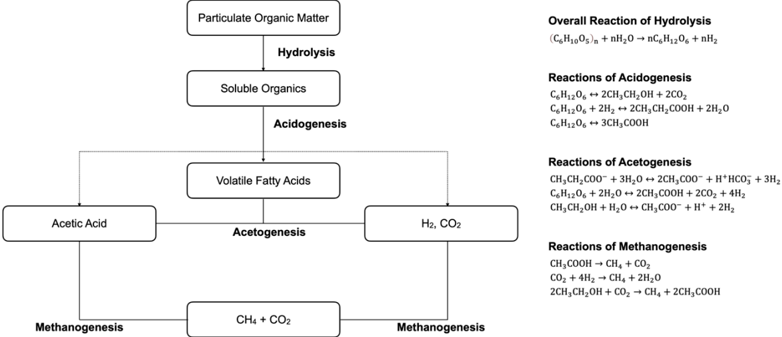
“In hydrolysis, hydrolytic bacteria secreting enzymes break down complex organic polymers into simpler compounds, with hydrogen being released.”
§ A Review of Algae-Based Carbon Capture, Utilization, and Storage (Algae-Based CCUS) > 5.3.2. Algae-Based Biogas
plaindirect- Asserted: passes — The authors put it forward as true.
- Checkable: passes — It can be checked against evidence.
- Load-bearing: fails — The paper’s conclusions may not depend on it.
- Based: passes — The paper gives a reason why it holds.
Probably not a substantial claim. The paper’s conclusions may not depend on it. It may state two separate claims as one.
The paper states this without a source or data behind it here, so there is nothing to check it against. The quote shows it is in the paper.
In the paper
“Some traditional carbon storage techniques, such as geological storage, can incur high costs and involve risks of leakage.”
§ A Review of Algae-Based Carbon Capture, Utilization, and Storage (Algae-Based CCUS) > 6.1. MICP and Photosynthetic MICP for Carbon Storage
plaindirect- Asserted: passes — The authors put it forward as true.
- Checkable: passes — It can be checked against evidence.
- Load-bearing: passes — The paper’s conclusions depend on it.
- Based: fails — The paper may give no reason why it holds.
Probably not a substantial claim. The paper may give no reason why it holds. It may state two separate claims as one.
A conclusion the paper draws from its own results — it cites no other source for it, so there is none to check. The quote shows it is in the paper.
In the paper
“In algae-based carbon utilization for biofuel production, improving the efficiency and yield of biofuel production can be achieved by selecting suitable algal strains as feedstock.”
§ A Review of Algae-Based Carbon Capture, Utilization, and Storage (Algae-Based CCUS) > 7. Challenges and Future Perspectives
plaindirect- Asserted: passes — The authors put it forward as true.
- Checkable: passes — It can be checked against evidence.
- Load-bearing: fails — The paper’s conclusions may not depend on it.
- Based: fails — The paper may give no reason why it holds.
Probably not a substantial claim. The paper’s conclusions may not depend on it. The paper may give no reason why it holds.
A conclusion the paper draws from its own results — it cites no other source for it, so there is none to check. The quote shows it is in the paper.
In the paper
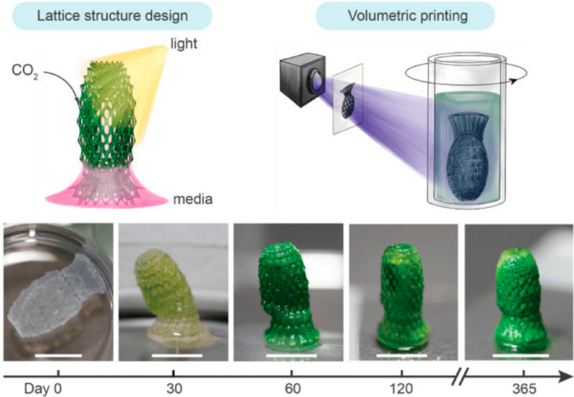
“This research highlights the potential of combining algal characteristics with biomanufacturing techniques to harness the dual carbon storage capabilities of algae, offering a scalable solution for CO 2 storage.”
§ A Review of Algae-Based Carbon Capture, Utilization, and Storage (Algae-Based CCUS) > 6.2. Dual Carbon Storage Using 3D-Printed Structures Embedded with Living Algae
plaindirect- Asserted: passes — The authors put it forward as true.
- Checkable: passes — It can be checked against evidence.
- Load-bearing: passes — The paper’s conclusions depend on it.
- Based: passes — The paper gives a reason why it holds.
It may state two separate claims as one.
A conclusion the paper draws from its own results — it cites no other source for it, so there is none to check. The quote shows it is in the paper.
In the paper
“The energy required for cultivation, harvesting, and conversion must be carefully managed to ensure that the net energy balance remains positive, that is, the energy output from the final biofuel exceeds the energy input.”
§ A Review of Algae-Based Carbon Capture, Utilization, and Storage (Algae-Based CCUS) > 7. Challenges and Future Perspectives
plainconditional- Asserted: passes — The authors put it forward as true.
- Checkable: fails — It may be too vague to check against evidence.
- Load-bearing: passes — The paper’s conclusions depend on it.
- Based: passes — The paper gives a reason why it holds.
Probably not a substantial claim. It may be too vague to check against evidence.
None of the sources cited for this claim have been checked yet.
In the paper
“Low protein and lipid content but high carbohydrates and moisture”
§ A Review of Algae-Based Carbon Capture, Utilization, and Storage (Algae-Based CCUS) > Economic viability remains the primary barrier to the large-scale industrial adoption of algae-based CCUS.
What the sources say
- Not checked yetcites [53] Nematian, T., and Barati, M. (2019). Nanobiocatalytic Processes for Producing Biodiesel from Algae. Sustainable Bioenergy, Elsevier. source
- Not checked yetcites [59] Sambusiti, 2015, Algae as Promising Feedstocks for Fermentative Biohydrogen Production According to a Biorefinery Approach: A Comprehensive Review, Renew. Sustain. Energy Rev. source
- Not checked yetcites [60] Saifuddin, 2016, Developments in Bio-Hydrogen Production from Algae: A Review, Res. J. Appl. Sci. Eng. Technol. source
plain- Asserted: passes — The authors put it forward as true.
- Checkable: passes — It can be checked against evidence.
- Load-bearing: unclear — It is unclear whether the paper’s conclusions depend on it.
- Based: passes — The paper gives a reason why it holds.
It may state two separate claims as one.
A conclusion the paper draws from its own results — it cites no other source for it, so there is none to check. The quote shows it is in the paper.
In the paper
“This makes it a more sustainable, eco-friendly, and cost-effective choice for carbon sequestration.”
§ A Review of Algae-Based Carbon Capture, Utilization, and Storage (Algae-Based CCUS) > 6.1. MICP and Photosynthetic MICP for Carbon Storage
plaindirect- Asserted: passes — The authors put it forward as true.
- Checkable: passes — It can be checked against evidence.
- Load-bearing: passes — The paper’s conclusions depend on it.
- Based: passes — The paper gives a reason why it holds.
It may state two separate claims as one.
A conclusion the paper draws from its own results — it cites no other source for it, so there is none to check. The quote shows it is in the paper.
In the paper
“Consequently, in algae, carbon is stored not only in the form of organic biomass through photosynthesis, but also as inorganic calcium carbonate precipitates via MICP.”
§ A Review of Algae-Based Carbon Capture, Utilization, and Storage (Algae-Based CCUS) > 6.1. MICP and Photosynthetic MICP for Carbon Storage
plaindirect- Asserted: passes — The authors put it forward as true.
- Checkable: passes — It can be checked against evidence.
- Load-bearing: passes — The paper’s conclusions depend on it.
- Based: passes — The paper gives a reason why it holds.
It may state two separate claims as one.
- Rests on an assumption: Algae capture atmospheric CO2 through photosynthesis, converting it into organic biomass, which is then used to produce high-value bioenergy.
None of the sources cited for this claim have been checked yet.
In the paper
“Coastal or shallow water areas, substrate attachment usually requiring”
§ A Review of Algae-Based Carbon Capture, Utilization, and Storage (Algae-Based CCUS) > Economic viability remains the primary barrier to the large-scale industrial adoption of algae-based CCUS.
What the sources say
- Not checked yetcites [53] Nematian, T., and Barati, M. (2019). Nanobiocatalytic Processes for Producing Biodiesel from Algae. Sustainable Bioenergy, Elsevier. source
- Not checked yetcites [59] Sambusiti, 2015, Algae as Promising Feedstocks for Fermentative Biohydrogen Production According to a Biorefinery Approach: A Comprehensive Review, Renew. Sustain. Energy Rev. source
- Not checked yetcites [60] Saifuddin, 2016, Developments in Bio-Hydrogen Production from Algae: A Review, Res. J. Appl. Sci. Eng. Technol. source
plain- Asserted: passes — The authors put it forward as true.
- Checkable: passes — It can be checked against evidence.
- Load-bearing: fails — The paper’s conclusions may not depend on it.
- Based: passes — The paper gives a reason why it holds.
Probably not a substantial claim. The paper’s conclusions may not depend on it. It may state two separate claims as one.
The paper states this without a source or data behind it here, so there is nothing to check it against. The quote shows it is in the paper.
In the paper
“Recent advancements in these technologies have led to increased yields of biofuels.”
§ A Review of Algae-Based Carbon Capture, Utilization, and Storage (Algae-Based CCUS) > 8. Conclusions
plaindirect- Asserted: passes — The authors put it forward as true.
- Checkable: passes — It can be checked against evidence.
- Load-bearing: fails — The paper’s conclusions may not depend on it.
- Based: fails — The paper may give no reason why it holds.
Probably not a substantial claim. The paper’s conclusions may not depend on it. The paper may give no reason why it holds.
A conclusion the paper draws from its own results — it cites no other source for it, so there is none to check. The quote shows it is in the paper.
In the paper
“Algae, with its high photosynthetic efficiency, fast growth rates, and lack of competition with arable land, has emerged as a promising candidate within the BECCS framework to address the dual challenges of reducing atmospheric CO 2 concentrations and producing sustainable bioenergy.”
§ A Review of Algae-Based Carbon Capture, Utilization, and Storage (Algae-Based CCUS) > 8. Conclusions
plaindirect- Asserted: passes — The authors put it forward as true.
- Checkable: passes — It can be checked against evidence.
- Load-bearing: passes — The paper’s conclusions depend on it.
- Based: fails — The paper may give no reason why it holds.
Probably not a substantial claim. The paper may give no reason why it holds.
- Rests on an assumption: Algae capture atmospheric CO2 through photosynthesis, converting it into organic biomass, which is then used to produce high-value bioenergy.
A conclusion the paper draws from its own results — it cites no other source for it, so there is none to check. The quote shows it is in the paper.
In the paper
“The algae-based photosynthetic MICP dual carbon storage mechanism shows significant potential for practical and widespread application due to its scalability.”
§ A Review of Algae-Based Carbon Capture, Utilization, and Storage (Algae-Based CCUS) > 6.2. Dual Carbon Storage Using 3D-Printed Structures Embedded with Living Algae
plaindirect- Asserted: passes — The authors put it forward as true.
- Checkable: passes — It can be checked against evidence.
- Load-bearing: fails — The paper’s conclusions may not depend on it.
- Based: fails — The paper may give no reason why it holds.
Probably not a substantial claim. The paper’s conclusions may not depend on it. The paper may give no reason why it holds.
None of the sources cited for this claim have been checked yet.
In the paper
“Classified into Heterokontophyta, and Rhodophyta Cyanophyta, Chlorophyta, four groups based on pigmentation:”
§ A Review of Algae-Based Carbon Capture, Utilization, and Storage (Algae-Based CCUS) > Economic viability remains the primary barrier to the large-scale industrial adoption of algae-based CCUS.
What the sources say
- Not checked yetcites [53] Nematian, T., and Barati, M. (2019). Nanobiocatalytic Processes for Producing Biodiesel from Algae. Sustainable Bioenergy, Elsevier. source
- Not checked yetcites [59] Sambusiti, 2015, Algae as Promising Feedstocks for Fermentative Biohydrogen Production According to a Biorefinery Approach: A Comprehensive Review, Renew. Sustain. Energy Rev. source
- Not checked yetcites [60] Saifuddin, 2016, Developments in Bio-Hydrogen Production from Algae: A Review, Res. J. Appl. Sci. Eng. Technol. source
plain- Asserted: passes — The authors put it forward as true.
- Checkable: passes — It can be checked against evidence.
- Load-bearing: fails — The paper’s conclusions may not depend on it.
- Based: passes — The paper gives a reason why it holds.
Probably not a substantial claim. The paper’s conclusions may not depend on it.
The paper states this without a source or data behind it here, so there is nothing to check it against. The quote shows it is in the paper.
In the paper
“Currently, algae-based carbon capture technologies have significantly improved CO 2 capture efficiency through photosynthesis by enhancing open and closed cultivation systems and optimizing relevant cultivation parameters.”
§ A Review of Algae-Based Carbon Capture, Utilization, and Storage (Algae-Based CCUS) > 7. Challenges and Future Perspectives
boosteddirect- Asserted: passes — The authors put it forward as true.
- Checkable: passes — It can be checked against evidence.
- Load-bearing: fails — The paper’s conclusions may not depend on it.
- Based: fails — The paper may give no reason why it holds.
Probably not a substantial claim. The paper’s conclusions may not depend on it. The paper may give no reason why it holds.
- Rests on an assumption: Algae capture atmospheric CO2 through photosynthesis, converting it into organic biomass, which is then used to produce high-value bioenergy.
The paper states this without a source or data behind it here, so there is nothing to check it against. The quote shows it is in the paper.
In the paper
“Some traditional carbon capture technologies, such as amine-based CO2 capture systems and post-combustion carbon capture, generate harmful by-products like amine degradation products or corrosive compounds, which require higher costs for additional treatment processes, chemicals, and extra energy.”
§ A Review of Algae-Based Carbon Capture, Utilization, and Storage (Algae-Based CCUS) > 6.1. MICP and Photosynthetic MICP for Carbon Storage
plaindirect- Asserted: passes — The authors put it forward as true.
- Checkable: passes — It can be checked against evidence.
- Load-bearing: unclear — It is unclear whether the paper’s conclusions depend on it.
- Based: passes — The paper gives a reason why it holds.
It may state two separate claims as one.
A conclusion the paper draws from its own results — it cites no other source for it, so there is none to check. The quote shows it is in the paper.
In the paper
“In contrast, photosynthetic MICP leverages natural biological processes that do not require external energy or produce toxic by-products.”
§ A Review of Algae-Based Carbon Capture, Utilization, and Storage (Algae-Based CCUS) > 6.1. MICP and Photosynthetic MICP for Carbon Storage
plaindirect- Asserted: passes — The authors put it forward as true.
- Checkable: passes — It can be checked against evidence.
- Load-bearing: passes — The paper’s conclusions depend on it.
- Based: fails — The paper may give no reason why it holds.
Probably not a substantial claim. The paper may give no reason why it holds. It may state two separate claims as one.
A conclusion the paper draws from its own results — it cites no other source for it, so there is none to check. The quote shows it is in the paper.
In the paper
“This dual carbon storage mecha-nism, when integrated with additive manufacturing technology, enables the production of materials for carbon storage, facilitating scalable and feasible CO 2 storage solutions.”
§ A Review of Algae-Based Carbon Capture, Utilization, and Storage (Algae-Based CCUS) > 8. Conclusions
plaindirect- Asserted: passes — The authors put it forward as true.
- Checkable: passes — It can be checked against evidence.
- Load-bearing: passes — The paper’s conclusions depend on it.
- Based: fails — The paper may give no reason why it holds.
Probably not a substantial claim. The paper may give no reason why it holds. It may state two separate claims as one.
A conclusion the paper draws from its own results — it cites no other source for it, so there is none to check. The quote shows it is in the paper.
In the paper
“Therefore, this dual carbon mechanism creates a more resilient and efficient approach for carbon sequestration, effectively addressing the need for both short-term (organic) and more importantly, long-term (inorganic) carbon storage solutions.”
§ A Review of Algae-Based Carbon Capture, Utilization, and Storage (Algae-Based CCUS) > 6.1. MICP and Photosynthetic MICP for Carbon Storage
plaindirect- Asserted: passes — The authors put it forward as true.
- Checkable: passes — It can be checked against evidence.
- Load-bearing: passes — The paper’s conclusions depend on it.
- Based: passes — The paper gives a reason why it holds.
It may state two separate claims as one.
The paper states this without a source or data behind it here, so there is nothing to check it against. The quote shows it is in the paper.
In the paper
“The CO 2 captured by algae is converted into algal biomass, which can be utilized for the production of various biofuels, including solid pellets and biocoal as solid biofuels, biodiesel and bioethanol as liquid biofuels, and biohydrogen, biogas, and syngas as gaseous biofuels.”
§ A Review of Algae-Based Carbon Capture, Utilization, and Storage (Algae-Based CCUS) > 8. Conclusions
plaindirect- Asserted: passes — The authors put it forward as true.
- Checkable: passes — It can be checked against evidence.
- Load-bearing: passes — The paper’s conclusions depend on it.
- Based: passes — The paper gives a reason why it holds.
It may state two separate claims as one.
- Rests on an assumption: Algae capture atmospheric CO2 through photosynthesis, converting it into organic biomass, which is then used to produce high-value bioenergy.
None of the sources cited for this claim have been checked yet.
In the paper
“High productivity; carbon to biomass from inorganic Bioremediation of contaminants; High conversion capability”
§ A Review of Algae-Based Carbon Capture, Utilization, and Storage (Algae-Based CCUS) > Economic viability remains the primary barrier to the large-scale industrial adoption of algae-based CCUS.
What the sources say
- Not checked yetcites [53] Nematian, T., and Barati, M. (2019). Nanobiocatalytic Processes for Producing Biodiesel from Algae. Sustainable Bioenergy, Elsevier. source
- Not checked yetcites [59] Sambusiti, 2015, Algae as Promising Feedstocks for Fermentative Biohydrogen Production According to a Biorefinery Approach: A Comprehensive Review, Renew. Sustain. Energy Rev. source
- Not checked yetcites [60] Saifuddin, 2016, Developments in Bio-Hydrogen Production from Algae: A Review, Res. J. Appl. Sci. Eng. Technol. source
plain- Asserted: passes — The authors put it forward as true.
- Checkable: passes — It can be checked against evidence.
- Load-bearing: unclear — It is unclear whether the paper’s conclusions depend on it.
- Based: passes — The paper gives a reason why it holds.
It may state two separate claims as one.
A conclusion the paper draws from its own results — it cites no other source for it, so there is none to check. The quote shows it is in the paper.
In the paper
“This creates a dual carbon storage mechanism, as illustrated in Figure 6, which involves both photosynthesis and MICP, further enhancing the potential of algae-based systems in CCUS.”
§ A Review of Algae-Based Carbon Capture, Utilization, and Storage (Algae-Based CCUS) > 6.1. MICP and Photosynthetic MICP for Carbon Storage
plaindirect- Asserted: passes — The authors put it forward as true.
- Checkable: passes — It can be checked against evidence.
- Load-bearing: passes — The paper’s conclusions depend on it.
- Based: passes — The paper gives a reason why it holds.
It may state two separate claims as one.
None of the sources cited for this claim have been checked yet.
In the paper
“Complex structures composed of multicellular organisms”
§ A Review of Algae-Based Carbon Capture, Utilization, and Storage (Algae-Based CCUS) > Economic viability remains the primary barrier to the large-scale industrial adoption of algae-based CCUS.
What the sources say
- Not checked yetcites [53] Nematian, T., and Barati, M. (2019). Nanobiocatalytic Processes for Producing Biodiesel from Algae. Sustainable Bioenergy, Elsevier. source
- Not checked yetcites [59] Sambusiti, 2015, Algae as Promising Feedstocks for Fermentative Biohydrogen Production According to a Biorefinery Approach: A Comprehensive Review, Renew. Sustain. Energy Rev. source
- Not checked yetcites [60] Saifuddin, 2016, Developments in Bio-Hydrogen Production from Algae: A Review, Res. J. Appl. Sci. Eng. Technol. source
plain- Asserted: passes — The authors put it forward as true.
- Checkable: passes — It can be checked against evidence.
- Load-bearing: fails — The paper’s conclusions may not depend on it.
- Based: passes — The paper gives a reason why it holds.
Probably not a substantial claim. The paper’s conclusions may not depend on it.
A conclusion the paper draws from its own results — it cites no other source for it, so there is none to check. The quote shows it is in the paper.
In the paper
“This approach improves overall economic viability, promoting the sustainable development of algae-based CCUS.”
§ A Review of Algae-Based Carbon Capture, Utilization, and Storage (Algae-Based CCUS) > 7. Challenges and Future Perspectives
plaindirect- Asserted: passes — The authors put it forward as true.
- Checkable: passes — It can be checked against evidence.
- Load-bearing: passes — The paper’s conclusions depend on it.
- Based: passes — The paper gives a reason why it holds.
Probably not a substantial claim. It may state two separate claims as one.
None of the sources cited for this claim have been checked yet.
In the paper
“For instance, modifying photosynthetic pigments [278], altering photosynthesis-related proteins [279], and improving the activity and stability of carbon fixation enzymes [280] can help algae maintain efficient carbon capture under diverse cultivation conditions.”
§ A Review of Algae-Based Carbon Capture, Utilization, and Storage (Algae-Based CCUS) > 7. Challenges and Future Perspectives
What the sources say
- Not checked yetcites [278] Kana, 1997, Regulation of Photosynthetic Pigments in Micro-algae by Multiple Environmental Factors: A Dynamic Balance Hypothesis, New Phytol. source
- Not checked yetcites [279] Vener, 2007, Environmentally Modulated Phosphorylation and Dynamics of Proteins in Photosynthetic Membranes, Biochim. Et Biophys. Acta (BBA)-Bioenerg. source
- Not checked yetcites [280] Durall, 2015, Mechanisms of Carbon Fixation and Engineering for Increased Carbon Fixation in Cyanobacteria, Algal Res. source
plainconditional- Asserted: passes — The authors put it forward as true.
- Checkable: passes — It can be checked against evidence.
- Load-bearing: passes — The paper’s conclusions depend on it.
- Based: passes — The paper gives a reason why it holds.
Probably not a substantial claim. It may state two separate claims as one.
In the paper
“As a result, the study demonstrated that the algae in these optimized bioprinted structures could survive and grow normally for over a year, successfully achieving dual carbon storage through biomass production via photosynthesis and the formation of insoluble carbonates via MICP.”
§ A Review of Algae-Based Carbon Capture, Utilization, and Storage (Algae-Based CCUS) > 6.2. Dual Carbon Storage Using 3D-Printed Structures Embedded with Living Algae
What the sources say
- Not checked yetcites [272] Dranseike, D., Cui, Y., Ling, A.S., Donat, F., Bernhard, S., Bernero, M., Areeckal, A., Qin, X.-H., Oakey, J.S., and Dillenburger, B. (2023). Dual Carbon Sequestration with Photosynthetic Living Materials. bioRxiv, 12. source
boosteddirect- Asserted: passes — The authors put it forward as true.
- Checkable: passes — It can be checked against evidence.
- Load-bearing: passes — The paper’s conclusions depend on it.
- Based: passes — The paper gives a reason why it holds.
It may state two separate claims as one.
A conclusion the paper draws from its own results — it cites no other source for it, so there is none to check. The quote shows it is in the paper.
In the paper
“Additionally, genetic and metabolic engineering can be employed to optimize specific phenotypes and metabolic pathways in algae, maximizing biomass yield and significantly improving biofuel production efficiency and output.”
§ A Review of Algae-Based Carbon Capture, Utilization, and Storage (Algae-Based CCUS) > 7. Challenges and Future Perspectives
plaindirect- Asserted: passes — The authors put it forward as true.
- Checkable: passes — It can be checked against evidence.
- Load-bearing: fails — The paper’s conclusions may not depend on it.
- Based: fails — The paper may give no reason why it holds.
Probably not a substantial claim. The paper’s conclusions may not depend on it. The paper may give no reason why it holds.
A conclusion the paper draws from its own results — it cites no other source for it, so there is none to check. The quote shows it is in the paper.
In the paper
“Algae, in addition to storing CO 2 as organic matter through photosynthesis, can leverage their microbial properties to store CO 2 in the form of inorganic carbon precipitation through MICP, thereby exhibiting a dual carbon storage mechanism.”
§ A Review of Algae-Based Carbon Capture, Utilization, and Storage (Algae-Based CCUS) > 8. Conclusions
plaindirect- Asserted: passes — The authors put it forward as true.
- Checkable: passes — It can be checked against evidence.
- Load-bearing: passes — The paper’s conclusions depend on it.
- Based: passes — The paper gives a reason why it holds.
It may state two separate claims as one.
- Rests on an assumption: Algae capture atmospheric CO2 through photosynthesis, converting it into organic biomass, which is then used to produce high-value bioenergy.
A conclusion the paper draws from its own results — it cites no other source for it, so there is none to check. The quote shows it is in the paper.
In the paper
“Additionally, enhancing algae's resistance to bacterial and other biological contamination can significantly reduce the maintenance costs of cultivation systems.”
§ A Review of Algae-Based Carbon Capture, Utilization, and Storage (Algae-Based CCUS) > 7. Challenges and Future Perspectives
plaindirect- Asserted: passes — The authors put it forward as true.
- Checkable: passes — It can be checked against evidence.
- Load-bearing: fails — The paper’s conclusions may not depend on it.
- Based: fails — The paper may give no reason why it holds.
Probably not a substantial claim. The paper’s conclusions may not depend on it. The paper may give no reason why it holds.
A conclusion the paper draws from its own results — it cites no other source for it, so there is none to check. The quote shows it is in the paper.
In the paper
“Additionally, by converting by-products or residual algae from biofuel production into high-value products such as biofertilizers, animal feed, or raw materials for the chemical industry, a diversified revenue stream can be created.”
§ A Review of Algae-Based Carbon Capture, Utilization, and Storage (Algae-Based CCUS) > 7. Challenges and Future Perspectives
plaindirect- Asserted: passes — The authors put it forward as true.
- Checkable: passes — It can be checked against evidence.
- Load-bearing: fails — The paper’s conclusions may not depend on it.
- Based: fails — The paper may give no reason why it holds.
Probably not a substantial claim. The paper’s conclusions may not depend on it. The paper may give no reason why it holds.
A conclusion the paper draws from its own results — it cites no other source for it, so there is none to check. The quote shows it is in the paper.
In the paper
“However, despite recent technological advancements that have supported the growth of algae-based CCUS, economic viability remains the primary barrier to widespread adoption.”
- Also stated in: § Economic viability remains the primary barrier to the large-scale industrial adoption of algae-based CCUS. · plain
“Economic viability remains the primary barrier to the large-scale industrial adoption of algae-based CCUS.”
§ A Review of Algae-Based Carbon Capture, Utilization, and Storage (Algae-Based CCUS) > 7. Challenges and Future Perspectives
plaindirect- Asserted: passes — The authors put it forward as true.
- Checkable: passes — It can be checked against evidence.
- Load-bearing: passes — The paper’s conclusions depend on it.
- Based: fails — The paper may give no reason why it holds.
Probably not a substantial claim. The paper may give no reason why it holds.
- Also stated in: § Economic viability remains the primary barrier to the large-scale industrial adoption of algae-based CCUS. · plain
The paper states this without a source or data behind it here, so there is nothing to check it against. The quote shows it is in the paper.
In the paper
“In recent years, advancements in enhancing algal traits, improving cultivation techniques, optimizing cultivation systems and their parameters, and refining carbon sources have significantly increased the efficiency of carbon capture by algae.”
§ A Review of Algae-Based Carbon Capture, Utilization, and Storage (Algae-Based CCUS) > 8. Conclusions
plaindirect- Asserted: passes — The authors put it forward as true.
- Checkable: passes — It can be checked against evidence.
- Load-bearing: passes — The paper’s conclusions depend on it.
- Based: fails — The paper may give no reason why it holds.
Probably not a substantial claim. The paper may give no reason why it holds.
- Rests on an assumption: Algae capture atmospheric CO2 through photosynthesis, converting it into organic biomass, which is then used to produce high-value bioenergy.
A conclusion the paper draws from its own results — it cites no other source for it, so there is none to check. The quote shows it is in the paper.
In the paper
“Furthermore, compared with other industrial carbon capture and storage techniques, photosynthetic MICP is more environmentally friendly and cost-effective.”
§ A Review of Algae-Based Carbon Capture, Utilization, and Storage (Algae-Based CCUS) > 6.1. MICP and Photosynthetic MICP for Carbon Storage
plaindirect- Asserted: passes — The authors put it forward as true.
- Checkable: passes — It can be checked against evidence.
- Load-bearing: passes — The paper’s conclusions depend on it.
- Based: passes — The paper gives a reason why it holds.
It may state two separate claims as one.
In the paper
“Amyloglucosidase | 20-70 • C | 3.50-5.50 | Microalgae | [217]”
§ A Review of Algae-Based Carbon Capture, Utilization, and Storage (Algae-Based CCUS) > Economic viability remains the primary barrier to the large-scale industrial adoption of algae-based CCUS.
What the sources say
- Not checked yetcites [217] Dura, 2014, Functionality of Porous Starch Obtained by Amylase or Amyloglucosidase Treatments, Carbohydr. Polym. source
plain- Asserted: passes — The authors put it forward as true.
- Checkable: passes — It can be checked against evidence.
- Load-bearing: fails — The paper’s conclusions may not depend on it.
- Based: passes — The paper gives a reason why it holds.
Probably not a substantial claim. The paper’s conclusions may not depend on it. It may state two separate claims as one.
In the paper
“Cellulase | | 30-45 • C | 4.5-5 | Macroalgae | [216]”
§ A Review of Algae-Based Carbon Capture, Utilization, and Storage (Algae-Based CCUS) > Economic viability remains the primary barrier to the large-scale industrial adoption of algae-based CCUS.
What the sources say
- Not checked yetcites [216] Sohail, 2009, Cellulase Production from Aspergillus Niger MS82: Effect of Temperature and PH, New Biotechnol. source
plain- Asserted: passes — The authors put it forward as true.
- Checkable: passes — It can be checked against evidence.
- Load-bearing: fails — The paper’s conclusions may not depend on it.
- Based: passes — The paper gives a reason why it holds.
Probably not a substantial claim. The paper’s conclusions may not depend on it. It may state two separate claims as one.
In the paper
“Xylose-fermenting microorganisms, including Candida shehatae and Pichia stipitis”
§ A Review of Algae-Based Carbon Capture, Utilization, and Storage (Algae-Based CCUS) > Economic viability remains the primary barrier to the large-scale industrial adoption of algae-based CCUS.
What the sources say
- Not checked yetcites [193] Li, 2014, An Overview of Algae Bioethanol Production, Int. J. Energy Res. source
plain- Asserted: passes — The authors put it forward as true.
- Checkable: passes — It can be checked against evidence.
- Load-bearing: fails — The paper’s conclusions may not depend on it.
- Based: passes — The paper gives a reason why it holds.
Probably not a substantial claim. The paper’s conclusions may not depend on it.
In the paper
“β-glucosidase | | less than 80 • C | 4.0-6.5 | Macroalgae | [219]”
§ A Review of Algae-Based Carbon Capture, Utilization, and Storage (Algae-Based CCUS) > Economic viability remains the primary barrier to the large-scale industrial adoption of algae-based CCUS.
What the sources say
- Not checked yetcites [219] Ratuchne, A., and Knob, A. (2021). A New and Unusual β-Glucosidase from Aspergillus Fumigatus: Catalytic Activity at High Temperatures and Glucose Tolerance. Biocatal. Agric. Biotechnol., 35. source
plain- Asserted: passes — The authors put it forward as true.
- Checkable: passes — It can be checked against evidence.
- Load-bearing: fails — The paper’s conclusions may not depend on it.
- Based: passes — The paper gives a reason why it holds.
Probably not a substantial claim. The paper’s conclusions may not depend on it. It may state two separate claims as one.
None of the sources cited for this claim have been checked yet.
In the paper
“Combining this method with other High energy requirement pretreatments significantly accelerates saccharification;”
§ A Review of Algae-Based Carbon Capture, Utilization, and Storage (Algae-Based CCUS) > Economic viability remains the primary barrier to the large-scale industrial adoption of algae-based CCUS.
What the sources say
plaindirect- Asserted: passes — The authors put it forward as true.
- Checkable: passes — It can be checked against evidence.
- Load-bearing: fails — The paper’s conclusions may not depend on it.
- Based: passes — The paper gives a reason why it holds.
Probably not a substantial claim. The paper’s conclusions may not depend on it.
None of the sources cited for this claim have been checked yet.
In the paper
“suitable for microalgae Microwave irradiation is”
§ A Review of Algae-Based Carbon Capture, Utilization, and Storage (Algae-Based CCUS) > Economic viability remains the primary barrier to the large-scale industrial adoption of algae-based CCUS.
What the sources say
plain- Asserted: passes — The authors put it forward as true.
- Checkable: passes — It can be checked against evidence.
- Load-bearing: fails — The paper’s conclusions may not depend on it.
- Based: passes — The paper gives a reason why it holds.
Probably not a substantial claim. The paper’s conclusions may not depend on it.
None of the sources cited for this claim have been checked yet.
In the paper
“Gamma irradiation is suitable for macroalgae with recalcitrant cellulose structures”
§ A Review of Algae-Based Carbon Capture, Utilization, and Storage (Algae-Based CCUS) > Economic viability remains the primary barrier to the large-scale industrial adoption of algae-based CCUS.
What the sources say
plaindirect- Asserted: passes — The authors put it forward as true.
- Checkable: passes — It can be checked against evidence.
- Load-bearing: fails — The paper’s conclusions may not depend on it.
- Based: passes — The paper gives a reason why it holds.
Probably not a substantial claim. The paper’s conclusions may not depend on it.
In the paper
“Specific fermentation procedures and production capacity. conditions are required;”
§ A Review of Algae-Based Carbon Capture, Utilization, and Storage (Algae-Based CCUS) > Economic viability remains the primary barrier to the large-scale industrial adoption of algae-based CCUS.
What the sources say
- Not checked yetcites [193] Li, 2014, An Overview of Algae Bioethanol Production, Int. J. Energy Res. source
plain- Asserted: passes — The authors put it forward as true.
- Checkable: passes — It can be checked against evidence.
- Load-bearing: fails — The paper’s conclusions may not depend on it.
- Based: passes — The paper gives a reason why it holds.
Probably not a substantial claim. The paper’s conclusions may not depend on it.
None of the sources cited for this claim have been checked yet.
In the paper
“High energy requirement”
§ A Review of Algae-Based Carbon Capture, Utilization, and Storage (Algae-Based CCUS) > Economic viability remains the primary barrier to the large-scale industrial adoption of algae-based CCUS.
What the sources say
plain- Asserted: passes — The authors put it forward as true.
- Checkable: passes — It can be checked against evidence.
- Load-bearing: fails — The paper’s conclusions may not depend on it.
- Based: passes — The paper gives a reason why it holds.
Probably not a substantial claim. The paper’s conclusions may not depend on it.
In the paper
“Repeated batch operations can enhance bioethanol”
§ A Review of Algae-Based Carbon Capture, Utilization, and Storage (Algae-Based CCUS) > Economic viability remains the primary barrier to the large-scale industrial adoption of algae-based CCUS.
What the sources say
- Not checked yetcites [193] Li, 2014, An Overview of Algae Bioethanol Production, Int. J. Energy Res. source
plaindirect- Asserted: passes — The authors put it forward as true.
- Checkable: passes — It can be checked against evidence.
- Load-bearing: fails — The paper’s conclusions may not depend on it.
- Based: passes — The paper gives a reason why it holds.
Probably not a substantial claim. The paper’s conclusions may not depend on it.
The paper relies on this without support.
Algae-based technologies feature lower CO2 storage and operational costs, enhancing their feasibility for large-scale deployment.
“Moreover, algae-based technologies feature lower CO 2 storage and operational costs, enhancing their feasibility for large-scale deployment.”
The paper relies on this without support.
High costs and limited technological infrastructure of clean energy technologies currently restrict their widespread adoption.
“However, the high costs and limited technological infrastructure of clean energy technologies currently restrict their widespread adoption.”
The paper relies on this without support.
Fossil fuels remain the dominant global energy source.
“Thus, fossil fuels remain the dominant global energy source.”
The paper relies on this without support.
The final yield of algae-based biogas depends on the synergistic activity of microorganisms in anaerobic digestion.
“The final yield of algae-based biogas depends on the synergistic activity of microorganisms in anaerobic digestion.”
The paper relies on this without support.
Remaining digestate can be used as fertilizer, improving soil quality and increasing the overall economic value of algae-based biogas.
“Additionally, the remaining digestate can be used as fertilizer, improving soil quality, and increasing the overall economic value of algae-based biogas.”
The paper relies on this without support.
Algae capture atmospheric CO2 through photosynthesis, converting it into organic biomass, which is then used to produce high-value bioenergy.
“Algae capture atmospheric CO 2 through photosynthesis, converting it into organic biomass, which is then used to produce high-value bioenergy.”
“Algae, through photosynthesis, can effectively capture CO 2 .”
Claims other papers make about this one
Each is checked against this paper’s own text: does it say what the citing paper says it does?
The cited source says what the claim attributes to it.
In the citing paper
“However, algae's adaptability to diverse environments, including cultivation in wastewater or brackish water on non-arable land, reduces pressure on fertile land and freshwater resources while offering co-benefits such as nutrient recycling from wastewater streams and environmental remediation through the uptake of pollutants [159-161].”
From Biofuels, E-Fuels, and Waste-Derived Fuels: Advances, Challenges, and Future Directions (2025) · cites this paper as [159]
The cited source says what the claim attributes to it.
In the citing paper
“Furthermore, algal cultivation intrinsically participates in carbon capture and utilization (CCU) by assimilating CO 2 during photosynthesis, potentially utilizing concentrated CO 2 streams from industrial point sources like power plant flue gas, thereby offering a route to valorize waste emissions [159,162].”
From Biofuels, E-Fuels, and Waste-Derived Fuels: Advances, Challenges, and Future Directions (2025) · cites this paper as [159]
Self-check
Percentages, sums and reported differences re-computed from the paper’s own numbers.
Each contradiction between two passages listed here was confirmed by an independent check.
Rated minor: it would not touch a result — a value no result rests on, a p-value that stays on the same side of the significance level, or a conflict that is clerical, resolved elsewhere in the paper, or outside its own findings.
In the paper
§ A Review of Algae-Based Carbon Capture, Utilization, and Storage (Algae-Based CCUS) > 5. Algae-Based Carbon Utilization
“Initially, algae, especially macroalgae, were primarily used in food and feed due to their high protein content [37].”
§ A Review of Algae-Based Carbon Capture, Utilization, and Storage (Algae-Based CCUS) > Economic viability remains the primary barrier to the large-scale industrial adoption of algae-based CCUS.
“Low protein and lipid content but high carbohydrates and moisture”
Rated minor: it would not touch a result — a value no result rests on, a p-value that stays on the same side of the significance level, or a conflict that is clerical, resolved elsewhere in the paper, or outside its own findings.
In the paper
§ A Review of Algae-Based Carbon Capture, Utilization, and Storage (Algae-Based CCUS) > 1. Introduction
“the United States Energy Act of 2020 [25], the Infrastructure Investment and Jobs Act [26], and the Utilizing Significant Emissions with Innovative Technologies (USE IT) Act [27]”
§ A Review of Algae-Based Carbon Capture, Utilization, and Storage (Algae-Based CCUS) > References
“26. IEA The Utilizing Significant Emissions with Innovative Technologies (USE IT) Act.”
Citations
Cites
Inhibition of anaerobic digestion process: A review
Chen, Y., Cheng, J. J., & Creamer, K. S. (2007) · Bioresource Technology · doi:10.1016/j.biortech.2007.01.057 · Cited by 5,063
Methods for Pretreatment of Lignocellulosic Biomass for Efficient Hydrolysis and Biofuel Production
Kumar, P., Barrett, D. M., Delwiche, M. J., & Stroeve, P. (2009) · Industrial & Engineering Chemistry Research · doi:10.1021/ie801542g · Cited by 3,787
Hydrogen production for energy: An overview
Dawood, F., Anda, M., & Shafiullah, G. (2020) · International Journal of Hydrogen Energy · doi:10.1016/j.ijhydene.2019.12.059 · Cited by 3,148
Possible methods for biodiesel production
Marchetti, J. M., Miguel, V. U., & Errazu, A. F. (2005) · Renewable and Sustainable Energy Reviews · doi:10.1016/j.rser.2005.08.006 · Cited by 1,464
Outlook for cellulase improvement: Screening and selection strategies
Zhang, Y.-H. P., Himmel, M. E., & Mielenz, J. R. (2006) · Biotechnology Advances · doi:10.1016/j.biotechadv.2006.03.003 · Cited by 1,376
The Paris Agreement and the new logic of international climate politics
FALKNER, R. (2016) · International Affairs · doi:10.1111/1468-2346.12708 · Cited by 1,261
Biodiesel from algae: challenges and prospects
Scott, S. A., Davey, M. P., Dennis, J. S., Horst, I., Howe, C. J., Lea-Smith, D. J., & Smith, A. G. (2010) · Current Opinion in Biotechnology · doi:10.1016/j.copbio.2010.03.005 · Cited by 1,183
Biological hydrogen production; fundamentals and limiting processes
Hallenbeck, P. C. (2002) · International Journal of Hydrogen Energy · doi:10.1016/s0360-3199(02)00131-3 · Cited by 1,123
CO2 emissions, nuclear energy, renewable energy and economic growth in the US
Menyah, K., & Wolde‐Rufael, Y. (2010) · Energy Policy · doi:10.1016/j.enpol.2010.01.024 · Cited by 1,110
A review on feedstocks, production processes, and yield for different generations of biodiesel
Singh), D. S. (., Sharma, D., Soni, S. L., Sharma, S., Sharma, P. K., & Jhalani, A. (2019) · Fuel · doi:10.1016/j.fuel.2019.116553 · Cited by 1,059
CO2 emission sources, greenhouse gases, and the global warming effect
Yoro, K. O., & Daramola, M. O. (2020) · Elsevier eBooks · doi:10.1016/b978-0-12-819657-1.00001-3 · Cited by 1,052
Production of bioenergy and biochemicals from industrial and agricultural wastewater
Angenent, L. T., Karim, K., Al‐Dahhan, M. H., Wrenn, B. A., & Domíguez-Espinosa, R. (2004) · Trends in biotechnology · doi:10.1016/j.tibtech.2004.07.001 · Cited by 1,030
Effect of temperature and light on the growth of algae species: A review
Singh, S. P., & Singh, P. (2015) · Renewable and Sustainable Energy Reviews · doi:10.1016/j.rser.2015.05.024 · Cited by 1,017 · cited 2×
“Light conditions, including intensity [95], distribution [96], penetration [97], and duration [95,98], must be optimized to prevent photoinhibition [99], which produces reactive oxygen species (ROS) [100] that can damage cellular structures and functions [101,102].”
Science and policy characteristics of the Paris Agreement temperature goal
Schleussner, C., Rogelj, J., Schaeffer, M., Lissner, T., Licker, R., Fischer, E. M., Knutti, R., Levermann, A., Frieler, K., & Hare, B. (2016) · Nature Climate Change · doi:10.1038/nclimate3096 · Cited by 960
A review on co-pyrolysis of biomass: An optional technique to obtain a high-grade pyrolysis oil
Abnisa, F., & Wan Daud, W. M. A. (2014) · Energy Conversion and Management · doi:10.1016/j.enconman.2014.07.007 · Cited by 903
Hydrogen from solar energy, a clean energy carrier from a sustainable source of energy
Hosseini, S. E., & Wahid, M. B. A. (2019) · International Journal of Energy Research · doi:10.1002/er.4930 · Cited by 689
Uzoejinwa, B. B., He, X., Wang, S., Abomohra, A., Hu, Y., & Wang, Q. (2018) · Energy Conversion and Management · doi:10.1016/j.enconman.2018.02.004 · Cited by 661
Bioethanol Production from Renewable Raw Materials and its Separation and Purification: a Review
Bušić, A., Marđetko, N., Kundas, S. P., Morzak, G., Belskaya, H., Šantek, M. I., Komes, D., Novak, S., & Šantek, B. (2018) · Food Technology and Biotechnology · doi:10.17113/ftb.56.03.18.5546 · Cited by 634
Mixed Culture Biotechnology for Bioenergy Production
Kleerebezem, R., & van Loosdrecht, M. C. (2007) · Current Opinion in Biotechnology · doi:10.1016/j.copbio.2007.05.001 · Cited by 624
Solar power technologies for sustainable electricity generation – A review
Khan, J., & Arsalan, M. H. (2015) · Renewable and Sustainable Energy Reviews · doi:10.1016/j.rser.2015.10.135 · Cited by 587
Algae as Production Systems of Bioactive Compounds
Michalak, I., & Chojnacka, K. (2015) · Engineering in Life Sciences · doi:10.1002/elsc.201400191 · Cited by 576
Castro-Alonso, M. J., Montañez-Hernandez, L. E., Sanchez-Muñoz, M. A., Macias Franco, M. R., Narayanasamy, R., & Balagurusamy, N. (2019) · Frontiers in Materials · doi:10.3389/fmats.2019.00126 · Cited by 563
Wang, Z. T., Ullrich, N., Joo, S., Waffenschmidt, S., & Goodenough, U. W. (2009) · Eukaryotic Cell · doi:10.1128/ec.00272-09 · Cited by 550
Light requirements in microalgal photobioreactors: an overview of biophotonic aspects
Carvalho, A. P., Silva, S. O., Baptista, J. M., & Malcata, F. X. (2011) · Applied Microbiology and Biotechnology · doi:10.1007/s00253-010-3047-8 · Cited by 521
Enzymatic Biodiesel: Challenges and Opportunities
Christopher, L. P., Kumar, H., & Zambare, V. P. (2014) · Applied Energy · doi:10.1016/j.apenergy.2014.01.017 · Cited by 518
Mandari, V., & Devarai, S. K. (2021) · BioEnergy Research · doi:10.1007/s12155-021-10333-w · Cited by 501
Anukam, A. I., Mohammadi, A., Naqvi, M., & Granström, K. (2019) · Processes · doi:10.3390/pr7080504 · Cited by 499
Discovery of Lignin in Seaweed Reveals Convergent Evolution of Cell-Wall Architecture
Martone, P. T., Estevez, J. M., Lu, F., Ruel, K., Denny, M. W., Somerville, C. R., & Ralph, J. (2009) · Current Biology · doi:10.1016/j.cub.2008.12.031 · Cited by 469
Jain, S., Jain, S., Wolf, I. T., Lee, J., & Tong, Y. W. (2015) · Renewable and Sustainable Energy Reviews · doi:10.1016/j.rser.2015.07.091 · Cited by 467
Lee, X. J., Ong, H. C., Gan, Y. Y., Chen, W.-H., & Mahlia, T. M. I. (2020) · Energy Conversion and Management · doi:10.1016/j.enconman.2020.112707 · Cited by 465
Biofuels Production by Biomass Gasification: A Review
Molino, A., Larocca, V., Chianese, S., & Musmarra, D. (2018) · Energies · doi:10.3390/en11040811 · Cited by 458
Shahid, A., Malik, S., Zhu, H., Xu, J., Nawaz, M. Z., Nawaz, S., Alam, M. A., & Mehmood, M. A. (2019) · The Science of The Total Environment · doi:10.1016/j.scitotenv.2019.135303 · Cited by 457
Composition, properties and challenges of algae biomass for biofuel application: An overview
Vassilev, S. V., & Vassileva, C. G. (2016) · Fuel · doi:10.1016/j.fuel.2016.04.106 · Cited by 445
Amani, T., Nosrati, M., & Sreekrishnan, T. R. (2010) · Environmental Reviews · doi:10.1139/a10-011 · Cited by 415
Achievements and perspectives of anaerobic co-digestion: A review
Siddique, M. N. I., & Zularisam, A. W. (2018) · Journal of Cleaner Production · doi:10.1016/j.jclepro.2018.05.155 · Cited by 411
Review: Biofuel production from plant and algal biomass
Voloshin, R. A., Rodionova, M. V., Zharmukhamedov, S. K., Veziroglu, T. N., & Allakhverdiev, S. I. (2016) · International Journal of Hydrogen Energy · doi:10.1016/j.ijhydene.2016.07.084 · Cited by 389
Fabris, M., Abbriano, R. M., Pernice, M., Sutherland, D. L., Commault, A. S., Hall, C. C., Labeeuw, L., McCauley, J. I., Kuzhiuparambil, U., Ray, P., et al. (2020) · Frontiers in Plant Science · doi:10.3389/fpls.2020.00279 · Cited by 382
Recent insights into biohydrogen production by microalgae – From biophotolysis to dark fermentation
Nagarajan, D., Lee, D., Kondo, A., & Chang, J. (2016) · Bioresource Technology · doi:10.1016/j.biortech.2016.12.104 · Cited by 379
Baharoon, D. A., Rahman, H. A., Omar, W. Z. W., & Fadhl, S. O. (2014) · Renewable and Sustainable Energy Reviews · doi:10.1016/j.rser.2014.09.008 · Cited by 363
Pretreatment of microalgae to improve biogas production: A review
Passos, F. L. D. R., Uggetti, E., Carrère, H., & Ferrer, I. (2014) · Bioresource Technology · doi:10.1016/j.biortech.2014.08.114 · Cited by 353
Food and feed products from micro-algae: Market opportunities and challenges for the EU
Vigani, M., Parisi, C., Rodríguez-Cerezo, E., Barbosa, M. J., Sijtsma, L., Ploeg, M., & Enzing, C. (2015) · Trends in Food Science & Technology · doi:10.1016/j.tifs.2014.12.004 · Cited by 350
Thermochemical Conversion of Microalgal Biomass for Biofuel Production
Raheem, A., Wan Azlina, W. A. K. G., Taufiq Yap, Y. H., Danquah, M. K., & Harun, R. (2015) · Renewable and Sustainable Energy Reviews · doi:10.1016/j.rser.2015.04.186 · Cited by 349
Improved lignocellulose conversion to biofuels with thermophilic bacteria and thermostable enzymes
Bhalla, A., Bansal, N., Kumar, S., Bischoff, K. M., & Sani, R. K. (2012) · Bioresource Technology · doi:10.1016/j.biortech.2012.10.145 · Cited by 347
Cassia, R., Nocioni, M., Correa‐Aragunde, N., & Lamattina, L. (2018) · Frontiers in Plant Science · doi:10.3389/fpls.2018.00273 · Cited by 347
A review on third generation bioethanol feedstock
Jambo, S. A., Abdulla, R., Azhar, S. H. M., Marbawi, H., Gansau, J. A., & Pogaku, R. (2016) · Renewable and Sustainable Energy Reviews · doi:10.1016/j.rser.2016.07.064 · Cited by 340
Chew, K. W., Chia, S. R., Show, P. L., Yap, Y. J., Ling, T. C., & Chang, J.-S. (2018) · Journal of the Taiwan Institute of Chemical Engineers · doi:10.1016/j.jtice.2018.05.039 · Cited by 324
Production of Polyhydroxyalkanoates by Mixed Microbial Cultures
Reis, M. A. M., Serafim, L. S., Lemos, P. C., Ramos, A. M., Aguiar, F. R., & Van Loosdrecht, M. C. M. (2003) · Bioprocess and Biosystems Engineering · doi:10.1007/s00449-003-0322-4 · Cited by 301
Microbially induced calcium carbonate precipitation: a widespread phenomenon in the biological world
Seifan, M., & Berenjian, A. (2019) · Applied Microbiology and Biotechnology · doi:10.1007/s00253-019-09861-5 · Cited by 297
Sambusiti, C., Bellucci, M., Zabaniotou, A., Beneduce, L., & Monlau, F. (2015) · Renewable and Sustainable Energy Reviews · doi:10.1016/j.rser.2014.12.013 · Cited by 292
Chiaramonti, D., Prussi, M., Buffi, M., Rizzo, A. M., & Pari, L. (2017) · Applied Energy · doi:10.1016/j.apenergy.2015.12.001 · Cited by 282
Jagadevan, S., Banerjee, A., Banerjee, C., Guria, C., Tiwari, R., Baweja, M., & Shukla, P. (2018) · Biotechnology for Biofuels · doi:10.1186/s13068-018-1181-1 · Cited by 275
Behera, S. S., & Ray, R. C. (2015) · International Journal of Biological Macromolecules · doi:10.1016/j.ijbiomac.2015.10.090 · Cited by 274
Applications of fungal cellulases in biofuel production: Advances and limitations
Srivastava, N., Srivastava, M., Mishra, P. K., Gupta, V. K., Molina, G., Rodríguez‐Couto, S., Manikanta, A., & Ramteke, P. W. (2017) · Renewable and Sustainable Energy Reviews · doi:10.1016/j.rser.2017.08.074 · Cited by 258
A review on bio-fuel production from microalgal biomass by using pyrolysis method
Azizi, K., Moraveji, M. K., & Najafabadi, H. A. (2017) · Renewable and Sustainable Energy Reviews · doi:10.1016/j.rser.2017.10.033 · Cited by 258
Functionality of Porous Starch Obtained by Amylase or Amyloglucosidase Treatments
Dura, A., Błaszczak, W., & Rosell, C. M. (2014) · Carbohydrate Polymers · doi:10.1016/j.carbpol.2013.10.013 · Cited by 256
Bharathiraja, B., Chakravarthy, M., Ranjith Kumar, R., Yogendran, D., Yuvaraj, D., Jayamuthunagai, J., Praveen Kumar, R., & Palani, S. (2015) · Renewable and Sustainable Energy Reviews · doi:10.1016/j.rser.2015.03.047 · Cited by 251
A Storage-Driven CO2 EOR for a Net-Zero Emission Target
Liu, Y., & Rui, Z. (2022) · Engineering · doi:10.1016/j.eng.2022.02.010 · Cited by 248
Genetic engineering of Trichoderma reesei cellulases and their production
Druzhinina, I. S., & Kubicek, C. P. (2017) · Microbial Biotechnology · doi:10.1111/1751-7915.12726 · Cited by 245
Cultivation of Algae Consortium in a Dairy Farm Wastewater for Biodiesel Production
Hena, S., Fatimah, S., & Tabassum, S. (2015) · Water Resources and Industry · doi:10.1016/j.wri.2015.02.002 · Cited by 244
Dark fermentation on biohydrogen production: Pure culture
Lee, D., Show, K., & Su, A. (2011) · Bioresource Technology · doi:10.1016/j.biortech.2011.03.041 · Cited by 238
Genetic Engineering of the Calvin Cycle toward Enhanced Photosynthetic CO2 Fixation in Microalgae
Yang, B., Liu, J., Ma, X., Guo, B., Liu, B., Wu, T., Jiang, Y., & Chen, F. (2017) · Biotechnology for Biofuels · doi:10.1186/s13068-017-0916-8 · Cited by 231
Cellulase Production from Aspergillus Niger MS82: Effect of Temperature and PH
Sohail, M., Siddiqi, R., Ahmad, A., & Khan, S. A. (2009) · New Biotechnology · doi:10.1016/j.nbt.2009.02.002 · Cited by 230
Genetic engineering of microalgae for enhanced biorefinery capabilities
Fayyaz, M., Chew, K. W., Show, P. L., Ling, T. C., Ng, I.-S., & Chang, J.-S. (2020) · Biotechnology Advances · doi:10.1016/j.biotechadv.2020.107554 · Cited by 225
Biohydrogen production from microalgae for environmental sustainability
Li, S., Li, F., Zhu, X., Liao, Q., Chang, J., & Ho, S. (2021) · Chemosphere · doi:10.1016/j.chemosphere.2021.132717 · Cited by 223
A Comparative Reactivity and Kinetic Study on the Combustion of Coal-Biomass Char Blends
KASTANAKI, E., & VAMVUKA, D. (2006) · Fuel · doi:10.1016/j.fuel.2005.11.004 · Cited by 220
Recent advancement and strategy on bio-hydrogen production from photosynthetic microalgae
Anwar, M., Lou, S., Chen, L., Li, H., & Hu, Z. (2019) · Bioresource Technology · doi:10.1016/j.biortech.2019.121972 · Cited by 218
Marine-derived fungi: diversity of enzymes and biotechnological applications
Bonugli-Santos, R. C., Vasconcelos, M. R. D. S., Passarini, M. R. Z., Vieira, G. A. L., Lopes, V. C. P., Mainardi, P. H., dos Santos, J. A., Duarte, L. D. A., Otero, I. V. R., Yoshida, A. M. D. S., et al. (2015) · Frontiers in Microbiology · doi:10.3389/fmicb.2015.00269 · Cited by 216
Assessing the potential of algal biomass opportunities for bioenergy industry: A review
Ullah, K., Ahmad, M., Sofia, Sharma, V. K., Lu, P., Harvey, A., Zafar, M., & Sultana, S. (2015) · Fuel · doi:10.1016/j.fuel.2014.10.064 · Cited by 211
Microalgae Encapsulation Systems for Food, Pharmaceutical and Cosmetics Applications
Vieira, M. V., Pastrana, L. M., & Fuciños, P. (2020) · Marine Drugs · doi:10.3390/md18120644 · Cited by 205
Tavares, R., Monteiro, E., Tabet, F., & Rouboa, A. I. (2019) · Renewable Energy · doi:10.1016/j.renene.2019.07.051 · Cited by 202
Ma, X., Zhou, W., Fu, Z., Cheng, Y., Min, M., Liu, Y., Zhang, Y., Chen, P., & Ruan, R. (2014) · Bioresource Technology · doi:10.1016/j.biortech.2014.05.087 · Cited by 197
Pereira, L. (2021) · Encyclopedia · doi:10.3390/encyclopedia1010017 · Cited by 195
Mostafa, M. E., Hu, S., Wang, Y., Su, S., Hu, X., El‐Sayed, S. A., & Xiang, J. H. (2019) · Renewable and Sustainable Energy Reviews · doi:10.1016/j.rser.2019.01.053 · Cited by 194
Co-pelletization of sewage sludge and biomass: The density and hardness of pellet
Jiang, L., Liang, J., Yuan, X., Li, H., Li, C., Xiao, Z., Huang, H., Wang, H., & Zeng, G. (2014) · Bioresource Technology · doi:10.1016/j.biortech.2014.05.077 · Cited by 192
Recent progress in genetically modified microalgae for enhanced carbon dioxide sequestration
Barati, B., Zeng, K., Baeyens, J., Wang, S., Addy, M., Gan, S. Y., & Abomohra, A. (2020) · Biomass and Bioenergy · doi:10.1016/j.biombioe.2020.105927 · Cited by 189
Xiong, W., Gao, C., Yan, D., Wu, C., & Wu, Q. (2009) · Bioresource Technology · doi:10.1016/j.biortech.2009.11.041 · Cited by 186
Enzymatic reactors for biodiesel synthesis: Present status and future prospects
Poppe, J. K., Fernández‐Lafuente, R., Rodrigues, R. C., & Ayub, M. A. Z. (2015) · Biotechnology Advances · doi:10.1016/j.biotechadv.2015.01.011 · Cited by 184
Feasibility of biohydrogen production from Gelidium amansii
Park, J.-H., Yoon, J.-J., Park, H.-D., Kim, Y. J., Lim, D. J., & Kim, S.-H. (2011) · International Journal of Hydrogen Energy · doi:10.1016/j.ijhydene.2011.04.003 · Cited by 183
A Systematic Review of Carbon Capture, Utilization and Storage: Status, Progress and Challenges
Liu, E., Lu, X., & Wang, D. (2023) · Energies · doi:10.3390/en16062865 · Cited by 174
An overview of a novel concept in biomass pyrolysis: microwave irradiation
Zhang, X., Rajagopalan, K., Lei, H., Ruan, R. R., & Sharma, B. K. (2017) · Sustainable Energy & Fuels · doi:10.1039/c7se00254h · Cited by 173
Xu, J., Zhao, Y., Zhao, G., & Zhang, H. (2015) · Applied Microbiology and Biotechnology · doi:10.1007/s00253-015-6537-x · Cited by 172
Industrial and Biotechnological Applications of Algae: A Review
Sharma, P., & Sharma, N. (2017) · Journal of Advances in Plant Biology · doi:10.14302/issn.2638-4469.japb-17-1534 · Cited by 171
Faraji, M., & Saidi, M. (2021) · International Journal of Hydrogen Energy · doi:10.1016/j.ijhydene.2021.03.047 · Cited by 171
Fu, W., Gudmundsson, O., Feist, A. M., Herjolfsson, G., Brynjolfsson, S., & Palsson, B. Ø. (2012) · Journal of Biotechnology · doi:10.1016/j.jbiotec.2012.07.004 · Cited by 170
Microalgae cultivation in photobioreactors: An overview of light characteristics
Wang, S., Stiles, A. R., Guo, C., & Liu, C. (2014) · Engineering in Life Sciences · doi:10.1002/elsc.201300170 · Cited by 169
Algal bioethanol production technology: A trend towards sustainable development
Bibi, R., Ahmad, Z., Imran, M. A., Hussain, S., Ditta, A., Mahmood, S., & Khalid, A. (2016) · Renewable and Sustainable Energy Reviews · doi:10.1016/j.rser.2016.12.126 · Cited by 169
Algal Cultivation in Urban Wastewater: An Efficient Way to Reduce Pharmaceutical Pollutants
Gentili, F. G., & Fick, J. (2017) · Journal of Applied Phycology · doi:10.1007/s10811-016-0950-0 · Cited by 168
Potential and Challenges of Improving Photosynthesis in Algae
Vecchi, V., Barera, S., Bassi, R., & Dall’Osto, L. (2020) · Plants · doi:10.3390/plants9010067 · Cited by 157
Optimization of enzymatic hydrolysis for effective lipid extraction from microalgae Scenedesmus sp.
Zhang, Y., Kong, X., Wang, Z., Sun, Y., Zhu, S., Li, L., & Lv, P. (2018) · Renewable Energy · doi:10.1016/j.renene.2018.01.078 · Cited by 155
Pre-treatment methods for production of biofuel from microalgae biomass
Onumaegbu, C., Mooney, J., Alaswad, A., & Olabi, A. G. (2018) · Renewable and Sustainable Energy Reviews · doi:10.1016/j.rser.2018.04.015 · Cited by 153
Using propanol as an additive to CO2 for improving CO2 utilization and storage in oil reservoirs
Liu, Y., Rui, Z., Yang, T., & Dindoruk, B. (2022) · Applied Energy · doi:10.1016/j.apenergy.2022.118640 · Cited by 149
Hickmann, T., Widerberg, O. E., Lederer, M., & Pattberg, P. H. (2019) · International Review of Administrative Sciences · doi:10.1177/0020852319840425 · Cited by 148
Transport and Use of Bicarbonate in Plants: Current Knowledge and Challenges Ahead
Poschenrieder, C., Fernández, J. A., Rubio, L., Pérez‐Martín, L., Terés, J., & Barceló, J. A. (2018) · International Journal of Molecular Sciences · doi:10.3390/ijms19051352 · Cited by 144
An Overview of Algae Bioethanol Production
Li, K., Liu, S., & Liu, X. (2014) · International Journal of Energy Research · doi:10.1002/er.3164 · Cited by 143
Role of carbonic anhydrase on the way to biological carbon capture through microalgae—A mini review
Mondal, M., Khanra, S., Tiwari, O. N., Gayen, K., & Halder, G. (2016) · Environmental Progress & Sustainable Energy · doi:10.1002/ep.12394 · Cited by 143
Enhancing production of microalgal biopigments through metabolic and genetic engineering
Saini, D. K., Chakdar, H., Pabbi, S., & Shukla, P. (2019) · Critical Reviews in Food Science and Nutrition · doi:10.1080/10408398.2018.1533518 · Cited by 143
Phwan, C. K., Chew, K. W., Sebayang, A. H., Ong, H. C., Ling, T. C., Malek, M. A., Ho, Y.-C., & Show, P. L. (2019) · Biotechnology for Biofuels · doi:10.1186/s13068-019-1533-5 · Cited by 143 · cited 1×
“It also degrades polysaccharides, lowers energy consumption, and increases sugar yields, making it a cost-efficient option compared to other pretreatment technologies [197].”
Production of Bio-Coal, Bio-Methane and Fertilizer from Seaweed via Hydrothermal Carbonisation
Smith, A. M., & Ross, A. B. (2016) · Algal Research · doi:10.1016/j.algal.2016.02.026 · Cited by 142
Industrial CO2 Capture by Algae: A Review and Recent Advances
Iglina, T., Iglin, P., & Pashchenko, D. (2022) · Sustainability · doi:10.3390/su14073801 · Cited by 142
A Review of Recent Progress of Carbon Capture, Utilization, and Storage (CCUS) in China
Yao, J., Han, H., Yang, Y., Song, Y., & Li, G. (2023) · Applied Sciences · doi:10.3390/app13021169 · Cited by 142
Self-citationWang, J., Liu, J., & Liu, T. (2015) · Biotechnology for Biofuels · doi:10.1186/s13068-015-0240-0 · Cited by 139
Vongvichiankul, C., Deebao, J., & Khongnakorn, W. (2017) · Energy Procedia · doi:10.1016/j.egypro.2017.10.113 · Cited by 135
Improving Microalgae for Biotechnology—From Genetics to Synthetic Biology
Hlavova, M., Turoczy, Z., & Bisova, K. (2015) · Biotechnology Advances · doi:10.1016/j.biotechadv.2015.01.009 · Cited by 134
Imran, M., Anwar, Z., Irshad, M., Asad, M. J., & Ashfaq, H. (2016) · Advances in Enzyme Research · doi:10.4236/aer.2016.42005 · Cited by 132
Nghiem, L. D., Manassa, P., Dawson, M., & Fitzgerald, S. K. (2014) · Bioresource Technology · doi:10.1016/j.biortech.2014.09.052 · Cited by 130
Efficiency of CO2 Fixation by Microalgae in a Closed Raceway Pond
Li, S., Luo, S., & Guo, R. (2013) · Bioresource Technology · doi:10.1016/j.biortech.2013.03.025 · Cited by 128
Fourth generation biofuel from genetically modified algal biomass: Challenges and future directions.
Shokravi, H., Shokravi, Z., Heidarrezaei, M., Ong, H. C., Rahimian Koloor, S. S., Petrů, M., Lau, W. J., & Ismail, A. F. (2021) · Chemosphere · doi:10.1016/j.chemosphere.2021.131535 · Cited by 127
Arora, R., Behera, S., & Kumar, S. (2015) · Renewable and Sustainable Energy Reviews · doi:10.1016/j.rser.2015.06.050 · Cited by 125
Co-pyrolysis of microalgae and waste rubber tire in supercritical ethanol
Duan, P., Jin, B., Xu, Y., & Wang, F. (2015) · Chemical Engineering Journal · doi:10.1016/j.cej.2015.01.108 · Cited by 122
Algae: Study of Edible and Biologically Active Fractions, Their Properties and Applications
Babich, O., Сухих, С. А., Larina, V., Kalashnikova, O. B., Kashirskikh, E., Prosekov, A. Y., Носкова, С., Ivanova, S. A., Fendri, I., Smaoui, S., et al. (2022) · Plants · doi:10.3390/plants11060780 · Cited by 122
Environmentally Modulated Phosphorylation and Dynamics of Proteins in Photosynthetic Membranes
Vener, A. V. (2007) · Biochimica et Biophysica Acta (BBA) - Bioenergetics · doi:10.1016/j.bbabio.2006.11.007 · Cited by 121
Laurens, L. M. L., Chen-Glasser, M., & McMillan, J. D. (2017) · Algal Research · doi:10.1016/j.algal.2017.04.002 · Cited by 120
Kaczmarzyk, D., Cengic, I., Yao, L., & Hudson, E. P. (2018) · Metabolic Engineering · doi:10.1016/j.ymben.2017.11.014 · Cited by 120
Buying down the Cost of Direct Air Capture
Lackner, K. S., & Azarabadi, H. (2021) · Industrial & Engineering Chemistry Research · doi:10.1021/acs.iecr.0c04839 · Cited by 120
Miranda, J. R., Passarinho, P. C., & Gouveia, L. (2012) · Applied Microbiology and Biotechnology · doi:10.1007/s00253-012-4338-z · Cited by 118
Applying Ecological Principles of Crop Cultivation in Large-Scale Algal Biomass Production
Smith, V. H., & Crews, T. (2014) · Algal Research · doi:10.1016/j.algal.2013.11.005 · Cited by 115 · cited 1×
“Monoculture, the practice of growing a single species of microalgae, remains the traditional and primary method of cultivation [124].”
Study on biomass gasification under various operating conditions
Gu, H., Tang, Y., Yao, J. Z., & Feng, C. (2018) · Journal of the Energy Institute · doi:10.1016/j.joei.2018.10.002 · Cited by 115
Self-citationAjeje, S. B., Hu, Y., Song, G., Peter, S. B., Afful, R. G., Sun, F. F., Asadollahi, M. A., Amiri, H., Abdulkhani, A., & Sun, H. (2021) · Frontiers in Bioengineering and Biotechnology · doi:10.3389/fbioe.2021.794304 · Cited by 115
Design considerations and operational performance of anaerobic digester: A review
Mir, M. A., Hussain, A., & Verma, C. (2016) · Cogent Engineering · doi:10.1080/23311916.2016.1181696 · Cited by 109
Liu, Y., Li, H. A., & Okuno, R. (2016) · Industrial & Engineering Chemistry Research · doi:10.1021/acs.iecr.6b02446 · Cited by 109
Strategic role of nanotechnology for production of bioethanol and biodiesel
Rai, M., Santos, J. C. F. S., Soler, M. F., Marcelino, P. R. F., Brumano, L. P., Ingle, A. P., Gaikwad, S. C., Gade, A., & da Silva, S. S. (2016) · Nanotechnology Reviews · doi:10.1515/ntrev-2015-0069 · Cited by 107
A Broad Introduction to First-, Second-, and Third-Generation Biofuels
Nanda, S., Rana, R., Sarangi, P. K., Dalai, A. K., & Koziński, J. A. (2018) · Springer eBooks · doi:10.1007/978-981-13-1307-3_1 · Cited by 105
Nayak, M., Suh, W. I., Chang, Y. K., & Lee, B. (2018) · Bioresource Technology · doi:10.1016/j.biortech.2018.12.111 · Cited by 104
Zhou, Y., Liu, L., Li, M., & Hu, C. (2022) · Bioresource Technology · doi:10.1016/j.biortech.2021.126371 · Cited by 104
Thompson, T. M., Young, B. R., & Baroutian, S. (2020) · Fuel · doi:10.1016/j.fuel.2020.118527 · Cited by 103
Yaqoubnejad, P., Rad, H. A., & Taghavijeloudar, M. (2021) · Journal of Environmental Management · doi:10.1016/j.jenvman.2021.113482 · Cited by 103
Review on the Recent Structural Advances in Open and Closed Systems for Carbon Capture through Algae
Paul, S., Bera, S., Dasgupta, R., Mondal, S., & Roy, S. (2021) · Energy Nexus · doi:10.1016/j.nexus.2021.100032 · Cited by 101
Carbon Capture and Utilization by Algae with High Concentration CO2 or Bicarbonate as Carbon Source
Yang, Y., Tang, S., & Chen, J. P. (2024) · Science of The Total Environment · doi:10.1016/j.scitotenv.2024.170325 · Cited by 100
Stereolithography of SiOC Polymer‐Derived Ceramics Filled with SiC Micronwhiskers
Brinckmann, S. A., Patra, N., Yao, J., Ware, T. H., Frick, C. P., & Fertig, R. S. (2018) · Advanced Engineering Materials · doi:10.1002/adem.201800593 · Cited by 99
Self-citationProgress toward a Bicarbonate-Based Microalgae Production System
Zhu, C., Chen, S., Ji, Y., Schwaneberg, U., & Chi, Z. (2022) · Trends in biotechnology · doi:10.1016/j.tibtech.2021.06.005 · Cited by 98
Biohydrogen production using algae: Potentiality, economics and challenges
Pathy, A., Krishnamoorthy, N., Ramaraj, R., Maniam, G. P., Govindan, N., & Balasubramanian, P. (2022) · Bioresource Technology · doi:10.1016/j.biortech.2022.127514 · Cited by 98
Microwave-Mediated Pyrolysis of Macro-Algae
Budarin, V. L., Zhao, Y., Gronnow, M. J., Shuttleworth, P. S., Breeden, S. W., Macquarrie, D. J., & Clark, J. H. (2011) · Green Chemistry · doi:10.1039/c1gc15560a · Cited by 97 · cited 1×
“…cellulose structures; Microwave irradiation is suitable for microalgae Combining this method with other pretreatments significantly accelerates saccharification; High energy requirement [199,200] Ultrasonication Ultrasound generates shear forces to disrupt cell walls and reduce particle size.”
Brar, A., Kumar, M., Soni, T., Vivekanand, V., & Pareek, N. (2021) · Bioresource Technology · doi:10.1016/j.biortech.2021.125597 · Cited by 97
Implementation of photobiological H2 production: the O2 sensitivity of hydrogenases
Ghirardi, M. L. (2015) · Photosynthesis Research · doi:10.1007/s11120-015-0158-1 · Cited by 96
Choi, J.-A., Hwang, J.-H., Dempsey, B. A., Abou-Shanab, R. A. I., Min, B., Song, H., Lee, D. S., Kim, J. R., Cho, Y., Hong, S., et al. (2011) · Energy & Environmental Science · doi:10.1039/c1ee01068a · Cited by 95
Bioremediation of different types of polluted water using microalgae
El-Sheekh, M. M., Farghl, A. A. M., Galal, H. R., & Bayoumi, H. S. (2015) · RENDICONTI LINCEI · doi:10.1007/s12210-015-0495-1 · Cited by 95
A Review of In Situ Leaching (ISL) for Uranium Mining
Li, G., & Yao, J. (2024) · Mining · doi:10.3390/mining4010009 · Cited by 95
Self-citationUse of fermentative metabolites for heterotrophic microalgae growth: Yields and kinetics
Turon, V., Baroukh, C., Trably, É., Latrille, E., Fouilland, É., & Steyer, J. P. (2014) · Bioresource Technology · doi:10.1016/j.biortech.2014.10.114 · Cited by 94
Gao, F., Li, C., Yang, Z., Zeng, G., Mu, J., Liu, M., & Cui, W. (2016) · Journal of Chemical Technology & Biotechnology · doi:10.1002/jctb.4879 · Cited by 94
Performance and potential appraisal of various microalgae as direct combustion fuel
Choi, H. I., Lee, J. S., Choi, J. W., Shin, Y. S., Sung, Y. J., Hong, M. E., Kwak, H. S., Kim, C. Y., & Sim, S. J. (2018) · Bioresource Technology · doi:10.1016/j.biortech.2018.11.030 · Cited by 93
Bicarbonate-Based Cultivation of Dunaliella salina for Enhancing Carbon Utilization Efficiency
Kim, G.-Y., Heo, J., Kim, H.-S., & Han, J.-I. (2017) · Bioresource Technology · doi:10.1016/j.biortech.2017.04.009 · Cited by 92
Cellulases from psychrophilic microorganisms: a review
Kasana, R. C., & Gulati, A. (2011) · Journal of Basic Microbiology · doi:10.1002/jobm.201000385 · Cited by 91
A Systematic Review on Seaweed Functionality: A Sustainable Bio-Based Material
Nakhate, P. H., & van der Meer, Y. (2021) · Sustainability · doi:10.3390/su13116174 · Cited by 89
A comprehensive review on pretreatment of microalgae for biogas production
Cakmak, E. K., & Uğurlu, A. (2018) · International Journal of Energy Research · doi:10.1002/er.4100 · Cited by 87
Noreen, A., Zia, K. M., Zuber, M., Ali, M., & Mujahid, M. (2016) · International Journal of Biological Macromolecules · doi:10.1016/j.ijbiomac.2016.01.067 · Cited by 84
TIM, a targeted insertional mutagenesis method utilizing CRISPR/Cas9 in Chlamydomonas reinhardtii
Picariello, T., Hou, Y., Kubo, T., McNeill, N. A., Yanagisawa, H.-A., Oda, T., & Witman, G. B. (2020) · PLOS ONE · doi:10.1371/journal.pone.0232594 · Cited by 83
Genome-Wide Signatures of Adaptation to Extreme Environments in Red Algae
Cho, C. H., Park, S. I., Huang, T.-Y., Lee, Y., Ciniglia, C., Yadavalli, H. C., Yang, S. W., Bhattacharya, D., & Yoon, H. S. (2023) · Nature Communications · doi:10.1038/s41467-022-35566-x · Cited by 83
Removal of Organic and Inorganic Contaminants from the Air, Soil, and Water by Algae
Shahi Khalaf Ansar, B., Kavusi, E., Dehghanian, Z., Pandey, J., Asgari Lajayer, B., Price, G. W., & Astatkie, T. (2022) · Environmental Science and Pollution Research · doi:10.1007/s11356-022-21283-x · Cited by 82
Tailoring Multipurpose Biocatalysts via Protein Engineering Approaches: A Review
Bilal, M., & Iqbal, H. M. N. (2019) · Catalysis Letters · doi:10.1007/s10562-019-02821-8 · Cited by 81
Microwave-enhanced pyrolysis of natural algae from water blooms
Zhang, R., Li, L., Tong, D., & Hu, C. (2016) · Bioresource Technology · doi:10.1016/j.biortech.2016.04.053 · Cited by 80
The Use of Bicarbonate for Microalgae Cultivation and Its Carbon Footprint Analysis
Kim, G.-Y., Roh, K., & Han, J.-I. (2019) · Green Chemistry · doi:10.1039/c9gc01107b · Cited by 80
Chen, Z., Osman, A. I., Rooney, D. W., Oh, W., & Yap, P. (2023) · Sustainability · doi:10.3390/su15065128 · Cited by 79
Singh, A. K., Sofian, A. D. A. B. A., Chan, Y. J., Chakrabarty, A., Selvarajoo, A., Abakr, Y. A., & Show, P. L. (2024) · GCB Bioenergy · doi:10.1111/gcbb.13150 · Cited by 79
Mechanisms of Carbon Fixation and Engineering for Increased Carbon Fixation in Cyanobacteria
Durall, C., & Lindblad, P. (2015) · Algal Research · doi:10.1016/j.algal.2015.07.002 · Cited by 76
Developments in Bio-Hydrogen Production from Algae: A Review
Saifuddin, N., & Priatharsini, P. (2016) · Research Journal of Applied Sciences Engineering and Technology · doi:10.19026/rjaset.12.2815 · Cited by 75
Better use of bioenergy: A critical review of co-pelletizing for biofuel manufacturing
Cui, X., Yang, J., Wang, Z., & Shi, X. (2021) · Carbon Capture Science & Technology · doi:10.1016/j.ccst.2021.100005 · Cited by 75
KANA, T. M., GEIDER, R. J., & CRITCHLEY, C. (1997) · New Phytologist · doi:10.1046/j.1469-8137.1997.00857.x · Cited by 74
Ameen, M., Ahmad, M., Zafar, M. N., Munir, M., Mujtaba, M. A., Sultana, S., Rozina, R., Elkhatib, S. E., Soudagar, M. E. M., & Kalam, M. A. (2022) · Sustainability · doi:10.3390/su14127032 · Cited by 73
Acidophilic and Acidotolerant Algae
Gimmler, H. (2001) · Algal Adaptation to Environmental Stresses · doi:10.1007/978-3-642-59491-5_9 · Cited by 71
Einarsson, R., & Persson, U. M. (2017) · PLoS ONE · doi:10.1371/journal.pone.0171001 · Cited by 71
High-Value Coproducts from Algae—An Innovational Way to Deal with Advance Algal Industry
Mehta, P., Singh, D., Saxena, R., Rani, R., Gupta, R. P., Puri, S. K., & Mathur, A. S. (2017) · Energy, environment, and sustainability · doi:10.1007/978-981-10-7431-8_15 · Cited by 71
Martín‐Sampedro, R., Eugenio, M. E., Garcı́a, J. C., López, F., Villar, J. C., & Díaz, M. J. (2012) · Biomass and Bioenergy · doi:10.1016/j.biombioe.2012.03.032 · Cited by 70
Bose, A., & Keharia, H. (2013) · Biocatalysis and Agricultural Biotechnology · doi:10.1016/j.bcab.2013.03.009 · Cited by 69
Zafar, A. M., Javed, M. A., Hassan, A. A., Mehmood, K., & Sahle‐Demessie, E. (2021) · Journal of Water Process Engineering · doi:10.1016/j.jwpe.2021.102382 · Cited by 69
Seagrasses and Macroalgae: Importance, Vulnerability and Impacts
Macreadie, P. I., Jarvis, J. C., Trevathan‐Tackett, S. M., & Bellgrove, A. (2017) · Wiley eBooks · doi:10.1002/9781119154051.ch22 · Cited by 68
The utilization of seawater for the hydrolysis of macroalgae and subsequent bioethanol fermentation
Greetham, D., Adams, J. M. M., & Du, C. (2020) · Scientific Reports · doi:10.1038/s41598-020-66610-9 · Cited by 68
de Carvalho, J. C., Molina-Aulestia, D. T., Martínez-Burgos, W. J., Karp, S. G., Manzoki, M. C., Medeiros, A. B. P., Rodrigues, C., Scapini, T., Vandenberghe, L. P. D. S., Vieira, S., et al. (2022) · Fermentation · doi:10.3390/fermentation8120728 · Cited by 68
Li, G., & Yao, J. (2024) · Eng—Advances in Engineering · doi:10.3390/eng5030069 · Cited by 68
Self-citationCO2 recycling using microalgae for the production of fuels
Wilson, M. H., Groppo, J., Placido, A., Graham, S., Morton, S. A., Santillan-Jimenez, E., Shea, A., Crocker, M., Crofcheck, C., & Andrews, R. (2014) · Applied Petrochemical Research · doi:10.1007/s13203-014-0052-3 · Cited by 66
Kim, J. K., Um, B., & Kim, T. H. (2011) · Korean Journal of Chemical Engineering · doi:10.1007/s11814-011-0169-3 · Cited by 66
Sharma, M., Satyam, N., & Reddy, K. R. (2020) · Journal of Hazardous Toxic and Radioactive Waste · doi:10.1061/(asce)hz.2153-5515.0000548 · Cited by 65
Qie, F., Zhu, J., Rong, J., & Zong, B. (2019) · Bioresource Technology · doi:10.1016/j.biortech.2019.122037 · Cited by 64
Wu, X., Liu, J., Wei, Z., Chen, Z., Evrendilek, F., & Huang, W. (2022) · Science of The Total Environment · doi:10.1016/j.scitotenv.2022.153656 · Cited by 64
Physical-Energy Characterization of Microalgae Scenedesmus and Experimental Pellets
Miranda, M. T., Sepúlveda, F. J., Arranz, J. I., Montero, I., & Rojas, C. V. (2018) · Fuel · doi:10.1016/j.fuel.2018.03.097 · Cited by 63
Microbially Induced Desaturation and Carbonate Precipitation through Denitrification: A Review
Lin, W., Lin, W., Cheng, X., Chen, G., & Ersan, Y. C. (2021) · Applied Sciences · doi:10.3390/app11177842 · Cited by 62 · cited 1×
“Simultaneously, the MICP process involves key microbial processes, such as ureolysis (urea hydrolysis), sulfate reduction, and denitrification, which not only elevate the pH within the microbial system, but also increase the concentration of bicarbonate ions [271].”
Co-pelletization of microalgae Chlorella vulgaris and pine sawdust to produce solid fuels
Hosseinizand, H., Sokhansanj, S., & Lim, C. J. (2018) · Fuel Processing Technology · doi:10.1016/j.fuproc.2018.04.015 · Cited by 61
Ecology-Based Selective Environments as Solution to Contamination in Microalgal Cultivation
Mooij, P. R., Stouten, G. R., van Loosdrecht, M. C., & Kleerebezem, R. (2015) · Current Opinion in Biotechnology · doi:10.1016/j.copbio.2014.11.001 · Cited by 60
Ren, B., Male, F., & Duncan, I. (2022) · Applied Energy · doi:10.1016/j.apenergy.2022.119393 · Cited by 60
Cultivation of Microalgae for Biofuel Production: Coupling with Sugarcane-Processing Factories
Zewdie, D. T., & Ali, A. Y. (2020) · Energy Sustainability and Society · doi:10.1186/s13705-020-00262-5 · Cited by 59
Exploration of the phytohormone regulation of energy storage compound accumulation in microalgae
Saud, S., Li, X., Jiang, Z.-Y., Fahad, S., & Hassan, S. (2022) · Food and Energy Security · doi:10.1002/fes3.418 · Cited by 59
Spalding, H. L., Amado-Filho, G. M., Bahia, R. G., Ballantine, D. L., Fredericq, S., Leichter, J. J., Nelson, W. A., Slattery, M., & Tsuda, R. T. (2019) · Coral reefs of the world · doi:10.1007/978-3-319-92735-0_29 · Cited by 58
Implications of a net-zero target for India’s sectoral energy transitions and climate policy
Chaturvedi, V., & Malyan, A. (2022) · Oxford Open Climate Change · doi:10.1093/oxfclm/kgac001 · Cited by 58
de Oliveira, M. C., Bassin, I. D., & Cammarota, M. C. (2022) · Fermentation · doi:10.3390/fermentation8100497 · Cited by 56
Dual carbon sequestration with photosynthetic living materials
Dranseike, D., Cui, Y., Ling, A. S., Donat, F., Bernhard, S., Bernero, M., Areeckal, A., Lazic, M., Qin, X., Oakey, J. S., et al. (2025) · Nature Communications · doi:10.1038/s41467-025-58761-y · Cited by 54
Potential of dimethyl ether as an additive in CO2 for shale oil recovery
Kong, S., Feng, G., Liu, Y., & Li, K. (2021) · Fuel · doi:10.1016/j.fuel.2021.120643 · Cited by 53
He, Z., Fan, X., Qu, L., Zhou, X., Jin, W., Hatshan, M. R., Li, X., Liu, H., Jiang, G., & Wang, Q. (2023) · Process Safety and Environmental Protection · doi:10.1016/j.psep.2023.09.073 · Cited by 53
Bhushan, S., Rana, M. S., Bhandari, M., Sharma, A. K., Şimşek, H., & Prajapati, S. K. (2021) · Chemosphere · doi:10.1016/j.chemosphere.2021.131264 · Cited by 52
Karishma, S., Saravanan, A., Kumar, P. S., & Rangasamy, G. (2022) · Bioresource Technology · doi:10.1016/j.biortech.2022.128187 · Cited by 52
Lorente, E., Hapońska, M., Clavero, E., Torras, C., & Salvadó, J. (2017) · Bioresource Technology · doi:10.1016/j.biortech.2017.03.129 · Cited by 50
Recent Progress and Challenges in CRISPR-Cas9 Engineered Algae and Cyanobacteria
Patel, V. K., Das, A., Kumari, R., & Kajla, S. (2023) · Algal Research · doi:10.1016/j.algal.2023.103068 · Cited by 50
Hydrolysis of cellulose from sugarcane bagasse by cellulases from marine-derived fungi strains
Santos, D. D. A., Oliveira, M. M., Curvelo, A. A. S., Fonseca, L. P., & Porto, A. L. M. (2017) · International Biodeterioration & Biodegradation · doi:10.1016/j.ibiod.2017.03.014 · Cited by 49
Financial Tradeoffs of Energy and Food Uses of Algal Biomass under Stochastic Conditions
Walsh, M. J., Gerber Van Doren, L., Shete, N., Prakash, A., & Salim, U. (2018) · Applied Energy · doi:10.1016/j.apenergy.2017.08.060 · Cited by 48
Patidar, A. K., Singh, R. K., & Choudhury, T. (2023) · Gas Science and Engineering · doi:10.1016/j.jgsce.2023.204999 · Cited by 47
Algae biogas production focusing on operating conditions and conversion mechanisms – A review
Abusweireh, R. S., Rajamohan, N., Sonne, C., & Vasseghian, Y. (2023) · Heliyon · doi:10.1016/j.heliyon.2023.e17757 · Cited by 47
Bai, X., Yan, G., Kong, S., Yang, T., Yao, J., Wen, P., & Li, G. (2023) · Fuel · doi:10.1016/j.fuel.2023.129187 · Cited by 47
Self-citationGong, Z., Wang, L., Wang, Z., Wang, Z., Xu, Y., Sun, F., Sun, Z., Liu, Z., & Zhu, L. (2017) · Journal of the Energy Institute · doi:10.1016/j.joei.2017.10.001 · Cited by 45
Hydrothermal fractional pretreatment of sea algae and its enhanced enzymatic hydrolysis
Okuda, K., Oka, K., Onda, A., Kajiyoshi, K., Hiraoka, M., & Yanagisawa, K. (2008) · Journal of Chemical Technology & Biotechnology · doi:10.1002/jctb.1877 · Cited by 44
Current prospects and future developments in algal bio-hydrogen production: a review
Mandotra, S. K., Sharma, C., Srivastava, N., Ahluwalia, A. S., & Ramteke, P. W. (2021) · Biomass Conversion and Biorefinery · doi:10.1007/s13399-021-01414-z · Cited by 44
Chen, C., Chen, F., Cheng, Z., Chan, Q. N., Kook, S., & Yeoh, G. H. (2017) · Journal of the Energy Institute · doi:10.1016/j.joei.2016.06.003 · Cited by 42
Algae and their growth requirements for bioenergy: a review
Badar, S. N., Mohammad, M., Emdadi, Z., & Yaakob, Z. (2018) · Biofuels · doi:10.1080/17597269.2018.1472978 · Cited by 42
Cited by
Sorted by citations
Biofuels, E-Fuels, and Waste-Derived Fuels: Advances, Challenges, and Future Directions
Yılbaşı, Z. (2025) · Sustainability · doi:10.3390/su17136145 · Cited by 41
Hoque, M. M., Iannelli, V., Padula, F., Radice, R. P., Saha, B. K., Martelli, G., Scopa, A., & Δρόσος, Μ. (2025) · Bioengineering · doi:10.3390/bioengineering12090909 · Cited by 44
Kiskira, K., Plakantonaki, S., Gerolimos, N., Kalkanis, Κ., Sfyroera, E., Coelho, F., & Priniotakis, G. (2026) · Clean Technologies · doi:10.3390/cleantechnol8010005 · Cited by 40
González Fernández, L. A., Medellín Castillo, N. A., Sánchez Polo, M., Navarro Frómeta, A. E., & Vilasó Cadre, J. E. (2025) · Processes · doi:10.3390/pr13020556 · Cited by 37
Hossein‐Zadeh, N. G. (2026) · Veterinary and Animal Science · doi:10.1016/j.vas.2026.100588 · Cited by 29
Metadata
- Authors
- Li, G., & Yao, J.
- Affiliations
- University of Wyoming (US)
- Corresponding author
- Yao, Jia
- Venue
- Gases
- Publisher
- MDPI AG
- Published
- 2024-12-02
- Volume
- 4
- Issue
- 4
- Pages
- 468-503
- ISSN
- 2673-5628 (ISSN-L)
- OpenAlex
- W4405029254
- Semantic Scholar
- f5ef7fdd0704834b042e676d4b09a3b6cb4a4976
- Cited by
- 80
- References
- 275
- Citations by year
- 2026: 51 · 2025: 29
- FWCI
- 5.35
- Type
- journal article
- Language
- en
- Open access
- gold
- doi.org
- Licence
- Locations
- Gases (publishedVersion, cc-by)
- DOAJ (DOAJ: Directory of Open Access Journals) (submittedVersion)
- Funders
- University of Wyoming
- Topics
- Physical Sciences › Energy › Renewable Energy, Sustainability and the Environment › Algal biology and biofuel production
- Physical Sciences › Chemical Engineering › Filtration and Separation › Carbon Dioxide Capture Technologies
- Physical Sciences › Environmental Science › Environmental Engineering › CO2 Sequestration and Geologic Interactions
- Keywords
- carbon capture utilization and storage, bioenergy with carbon capture and storage, direct air capture, negative emissions technologies, algae cultivation, algal biofuels, CO2 sequestration, greenhouse gas emissions reduction
About these checks
Registry, retraction, Cites and statistics results are computed, not judged, with one exception: a printed reference that no index lists is read once by a model before it counts as a citation error. Claims are extracted by a model and kept only when their quote appears verbatim in the text; each cited source is then checked, with a model’s help, for whether it says what the claim relies on. Those verdicts can be wrong — read the claim’s quote and the cited source before relying on one.
A language model drew the claims from the paper on 2026-10-10, under version 3 of the claim definition (model deepseek-v4.1-flash, prompt extract-v3).
A second model labelled each claim on 2026-10-10 (model jev-1.13-20260917, definition revision gold-guideline-v0.2).
Cited sources are checked with a language model’s help (gpt-6-sol).
Statistics and arithmetic are recomputed, not judged.
Confidence bands are shown only for fields calibrated on our annotated test set. None is calibrated yet, so no band is shown.
What counts as a claim ›How we measure confidence ›How we check this ›
Are you an author, or do you see a problem with this page? Request a review
