

A Brief Review of Critical Processes in Exercise-Induced Muscular Hypertrophy
Open accessThe DOI matches its Crossref record; 72 of the 72 references it cites were found in a registry or an index.
Abstract
With regular practice, resistance exercise can lead to gains in skeletal muscle mass by means of hypertrophy. The process of skeletal muscle fiber hypertrophy comes about as a result of the confluence of positive muscle protein balance and satellite cell addition to muscle fibers. Positive muscle protein balance is achieved when the rate of new muscle protein synthesis (MPS) exceeds that of muscle protein breakdown (MPB). While resistance exercise and postprandial hyperaminoacidemia both stimulate MPS, it is through the synergistic effects of these two stimuli that a net gain in muscle proteins occurs and muscle fiber hypertrophy takes place. Current evidence favors the post-exercise period as a time when rapid hyperaminoacidemia promotes a marked rise in the rate of MPS. Dietary proteins with a full complement of essential amino acids and high leucine contents that are rapidly digested are more likely to be efficacious in this regard. Various other compounds have been added to complete proteins, including carbohydrate, arginine and glutamine, in an attempt to augment the effectiveness of the protein in stimulating MPS (or suppressing MPB), but none has proved particularly effective. Evidence points to a higher protein intake in combination with resistance exercise as being efficacious in allowing preservation, and on occasion increases, in skeletal muscle mass with dietary energy restriction aimed at the promotion of weight loss. The goal of this review is to examine practices of protein ingestion in combination with resistance exercise that have some evidence for efficacy and to highlight future areas for investigation.
Overview
The claims and statistics of this paper haven’t been checked yet.
Free: it reads the open-access text and checks the first 5 claims that cite a source we can check. Create a free account to check every claim.
Integrity signals
Registry
Cites
Statistics
Figures
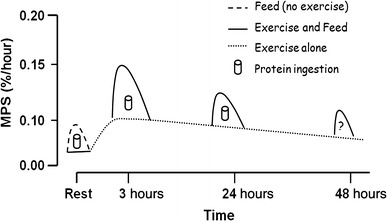
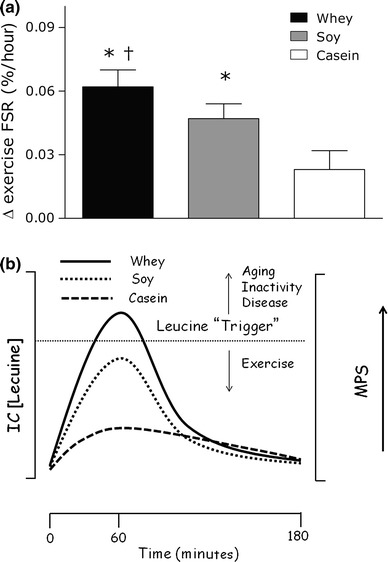
Verification
Claims the paper makes
The claims and statistics of this paper haven’t been checked yet.
Free: it reads the open-access text and checks the first 5 claims that cite a source we can check. Create a free account to check every claim.
Claims other papers make about this one
Each is checked against this paper’s own text: does it say what the citing paper says it does?
The source backs part of the claim, not all of it — or backs it for a different population, condition or comparison.
In the citing paper
“Researchers have clearly illustrated that upon ingestion of a meal containing protein and/or amino acids, serum levels of amino acids as well as MPS rates will rise and stay elevated for three to 5 h depending on bolus size [147, 148].”
From International society of sports nutrition position stand: nutrient timing (2017) · cites this paper as [148]
Experimental — accuracy not yet measuredThe cited source says what the claim attributes to it.
In the citing paper
“To this point, a number of published studies are available that state the EAAs operate as a prerequisite to stimulate peak rates of muscle protein synthesis [212–215].”
From ISSN exercise & sports nutrition review update: research & recommendations (2018) · cites this paper as [214]
The cited source says what the claim attributes to it.
In the citing paper
“However, perhaps the most important candidate is the key essential amino acid leucine, as it alone appears to be the metabolic trigger for muscle protein synthesis [87, 88].”
From Periodized Nutrition for Athletes (2017) · cites this paper as [87]
Self-check
Percentages, sums and reported differences re-computed from the paper’s own numbers.
The self-check needs the paper’s full text.
Citations
Cites
Protein and amino acid requirements in human nutrition.
(2007) · PubMed · Cited by 2,792
Comparison of Weight-Loss Diets with Different Compositions of Fat, Protein, and Carbohydrates
Sacks, F. M., Bray, G. A., Carey, V. J., Smith, S. R., Ryan, D. H., Anton, S. D., McManus, K., Champagne, C. M., Bishop, L. M., Laranjo, N., et al. (2009) · New England Journal of Medicine · doi:10.1056/nejmoa0804748 · Cited by 1,966 · cited 1×
“Therefore, while general conclusions regarding weight loss in long-term free-living individuals have suggested that weight loss is no different with higher protein intakes [50, 51], short-term trials have shown important differences in the weight lost as fat with muscle ‘spared’ [48].”
BackgroundSlow and fast dietary proteins differently modulate postprandial protein accretion
Boirie, Y., Dangin, M., Gachon, P., Vasson, M.-P., Maubois, J.-L., & Beaufrère, B. (1997) · Proceedings of the National Academy of Sciences · doi:10.1073/pnas.94.26.14930 · Cited by 1,453 · cited 1×
“However, casein is digested much more slowly than whey and has even been termed a ‘slow’ protein by comparison to whey, which is an acid-soluble and rapidlydigested protein [43].”
BackgroundAnabolic signaling deficits underlie amino acid resistance of wasting, aging muscle
Cuthbertson, D., Smith, K., Babraj, J., Leese, G., Waddell, T., Atherton, P., Wackerhage, H., Taylor, P. M., & Rennie, M. J. (2005) · The FASEB Journal · doi:10.1096/fj.04-2640fje · Cited by 1,211 · cited 2×
“5–10 g of EAA) regardless of whether the subjects exercised [15] or not [32].”
BackgroundMixed muscle protein synthesis and breakdown after resistance exercise in humans
Phillips, S. M., Tipton, K. D., Aarsland, A., Wolf, S. E., & Wolfe, R. R. (1997) · American Journal of Physiology-Endocrinology and Metabolism · doi:10.1152/ajpendo.1997.273.1.e99 · Cited by 1,132 · cited 5×
“As mentioned, the nascent stimulation of MPS from resistance exercise alone lasts at least 24 h [1].”
BackgroundInfluentialSelf-citationTang, J. E., Moore, D. R., Kujbida, G. W., Tarnopolsky, M. A., & Phillips, S. M. (2009) · Journal of Applied Physiology · doi:10.1152/japplphysiol.00076.2009 · Cited by 998
Self-citationMoore, D. R., Robinson, M. J., Fry, J. L., Tang, J. E., Glover, E. I., Wilkinson, S. B., Prior, T., Tarnopolsky, M. A., & Phillips, S. M. (2009) · The American Journal of Clinical Nutrition · doi:10.3945/ajcn.2008.26401 · Cited by 973 · cited 8×
“5–10 g of EAA) regardless of whether the subjects exercised [15] or not [32].”
BackgroundResultInfluentialSelf-citationKatsanos, C. S., Kobayashi, H., Sheffield-Moore, M., Aarsland, A., & Wolfe, R. R. (2006) · American Journal of Physiology-Endocrinology and Metabolism · doi:10.1152/ajpendo.00488.2005 · Cited by 923 · cited 2×
“As such, proteins that are richer in leucine would be more effective than proteins with lower leucine content [46].”
BackgroundVolpi, E., Kobayashi, H., Sheffield-Moore, M., Mittendorfer, B., & Wolfe, R. R. (2003) · The American Journal of Clinical Nutrition · doi:10.1093/ajcn/78.2.250 · Cited by 846 · cited 1×
“It is also now quite clear that it is really only the essential amino acids (EAA) that drive the process of MPS [16, 17].”
BackgroundAn abundant supply of amino acids enhances the metabolic effect of exercise on muscle protein
Biolo, G., Tipton, K. D., Klein, S., & Wolfe, R. R. (1997) · American Journal of Physiology-Endocrinology and Metabolism · doi:10.1152/ajpendo.1997.273.1.e122 · Cited by 825 · cited 3×
“In addition, postexercise hyperaminoacidemia suppresses the rise in MPB [4] that occurs following resistance exercise in the fasted state [1, 2].”
Background
Cited by
Thomas, D. T., Erdman, K. A., & Burke, L. M. (2016) · Journal of the Academy of Nutrition and Dietetics · doi:10.1016/j.jand.2015.12.006 · Cited by 1,359
Nutrition and Athletic Performance
(2016) · Medicine & Science in Sports & Exercise · doi:10.1249/mss.0000000000000852 · Cited by 1,305
“47,54,58 Optimal protein sources.”
Integrative Biology of Exercise
Hawley, J. A., Hargreaves, M., Joyner, M. J., & Zierath, J. R. (2014) · Cell · doi:10.1016/j.cell.2014.10.029 · Cited by 1,152
“Although resistance exercise and postprandial hyper-aminoaci-demia both stimulate muscle protein synthesis, it is through the synergistic effects of these stimuli that a net gain in muscle protein occurs and fiber hypertrophy takes place (Phillips 2014).”
ISSN exercise & sports nutrition review update: research & recommendations
Kerksick, C. M., Wilborn, C. D., Roberts, M. D., Smith-Ryan, A., Kleiner, S. M., Jäger, R., Collins, R., Cooke, M., Davis, J. N., Galvan, E., et al. (2018) · Journal of the International Society of Sports Nutrition · doi:10.1186/s12970-018-0242-y · Cited by 945
International society of sports nutrition position stand: nutrient timing
Kerksick, C. M., Arent, S., Schoenfeld, B. J., Stout, J. R., Campbell, B., Wilborn, C. D., Taylor, L., Kalman, D., Smith-Ryan, A. E., Kreider, R. B., et al. (2017) · Journal of the International Society of Sports Nutrition · doi:10.1186/s12970-017-0189-4 · Cited by 622
“Researchers have clearly illustrated that upon ingestion of a meal containing protein and/or amino acids, serum levels of amino acids as well as MPS rates will rise and stay elevated for three to 5 h depending on bolus size [147, 148].”
BackgroundPost‐intensive care syndrome: its pathophysiology, prevention, and future directions
Inoue, S., Hatakeyama, J., Kondo, Y., Hifumi, T., Sakuramoto, H., Kawasaki, T., Taito, S., Nakamura, K., Unoki, T., Kawai, Y., et al. (2019) · Acute Medicine & Surgery · doi:10.1002/ams2.415 · Cited by 598
Mujika, I., Halson, S., Burke, L. M., Balagué, G., & Farrow, D. (2018) · International Journal of Sports Physiology and Performance · doi:10.1123/ijspp.2018-0093 · Cited by 464
Morton, R. W., Oikawa, S. Y., Wavell, C. G., Mazara, N., McGlory, C., Quadrilatero, J., Baechler, B. L., Baker, S. K., & Phillips, S. M. (2016) · Journal of Applied Physiology · doi:10.1152/japplphysiol.00154.2016 · Cited by 404
Self-citationProtein "requirements" beyond the RDA: implications for optimizing health
Phillips, S. M., Chevalier, S., & Leidy, H. J. (2016) · Applied Physiology, Nutrition, and Metabolism · doi:10.1139/apnm-2015-0550 · Cited by 396
“In general, it appears that proteins that are higher in leucine content, which are quite rapidly digested, provide a good stimulus for MPS (Phillips 2014).”
BackgroundInfluentialSelf-citationPhysiology of sedentary behavior
Pinto, A. J., Bergouignan, A., Dempsey, P. C., Roschel, H., Owen, N., Gualano, B., & Dunstan, D. W. (2023) · Physiological Reviews · doi:10.1152/physrev.00022.2022 · Cited by 358
Supplemental Protein in Support of Muscle Mass and Health: Advantage Whey
Devries, M. C., & Phillips, S. M. (2015) · Journal of Food Science · doi:10.1111/1750-3841.12802 · Cited by 330
Self-citationPeriodized Nutrition for Athletes
Jeukendrup, A. E. (2017) · Sports Medicine · doi:10.1007/s40279-017-0694-2 · Cited by 299
Krzysztofik, M., Wilk, M., Wojdała, G., & Gołaś, A. (2019) · International Journal of Environmental Research and Public Health · doi:10.3390/ijerph16244897 · Cited by 264
“both RT and protein ingestion, which stimulates muscle protein synthesis and leads to decreases in muscle protein breakdown [8].”
BackgroundStokes, T., Hector, A., Morton, R., McGlory, C., & Phillips, S. (2018) · Nutrients · doi:10.3390/nu10020180 · Cited by 263
Self-citationNutritional interventions to augment resistance training-induced skeletal muscle hypertrophy
Morton, R. W., McGlory, C., & Phillips, S. M. (2015) · Frontiers in Physiology · doi:10.3389/fphys.2015.00245 · Cited by 234
Self-citationTraylor, D. A., Gorissen, S. H. M., & Phillips, S. M. (2018) · Advances in Nutrition · doi:10.1093/advances/nmy003 · Cited by 225
“A certain amount of leucine seems to be required to reach the threshold for activating the MPS machinery (49, 50).”
Self-citationThe molecular athlete: exercise physiology from mechanisms to medals
Furrer, R., Hawley, J. A., & Handschin, C. (2023) · Physiological Reviews · doi:10.1152/physrev.00017.2022 · Cited by 217
Grgic, J., Garofolini, A., Orazem, J., Sabol, F., Schoenfeld, B. J., & Pedisic, Z. (2020) · Sports Medicine · doi:10.1007/s40279-020-01331-7 · Cited by 208
Sharples, A. P., Hughes, D. C., Deane, C. S., Saini, A., Selman, C., & Stewart, C. E. (2015) · Aging Cell · doi:10.1111/acel.12342 · Cited by 201
“However, the requirement for whey protein for optimal protein synthesis 3– 5 h postexercise is acknowledged (Churchward-Venne et al., 2012; Phillips, 2014).”
BackgroundFeng, L., Li, B., Xi, Y., Cai, M., & Tian, Z. (2022) · American Journal of Physiology-Cell Physiology · doi:10.1152/ajpcell.00344.2021 · Cited by 148
Divergent Roles of Inflammation in Skeletal Muscle Recovery From Injury
Howard, E. E., Pasiakos, S. M., Blesso, C. N., Fussell, M. A., & Rodriguez, N. R. (2020) · Frontiers in Physiology · doi:10.3389/fphys.2020.00087 · Cited by 172
“While muscle hypertrophy during rehabilitation is primarily mediated by periods of positive muscle protein balance (i.e., muscle protein synthesis > muscle protein breakdown) that lead to lean mass accrual when maintained over time (Phillips, 2014), myogenesis likely plays a role.”
BackgroundThe impact of protein quality on the promotion of resistance exercise-induced changes in muscle mass
Phillips, S. M. (2016) · Nutrition & Metabolism · doi:10.1186/s12986-016-0124-8 · Cited by 168
“Thus, resistance exercise has the effect of acting in a synergistic manner with the normal rise in muscle protein synthesis (MPS) that occurs with protein feeding (see the following reviews [8, 20, 21] for more detail).”
Self-citationSatellite Cells Contribution to Exercise Mediated Muscle Hypertrophy and Repair.
Bazgir, B., Fathi, R., Valojerdi, M. R., Mozdziak, P. E., & Asgari, A. (2017) · PubMed · doi:10.22074/cellj.2016.4714 · Cited by 121
“It is suggested that SC addition to skeletal muscle fibers positively promotes muscle hypertrophy (36).”
BackgroundGrgic, J., Lazinica, B., Mikulic, P., Krieger, J. W., & Schoenfeld, B. J. (2017) · European Journal of Sport Science · doi:10.1080/17461391.2017.1340524 · Cited by 125
“This lends support to a hypertrophic benefit of longer rest periods, as an increase in myofibrillar protein synthesis that exceeds muscle protein breakdown theoretically leads to a net gain in protein pool size (i.e. hypertrophy) (Phillips, 2014).”
BackgroundDevries, M. C., McGlory, C., Bolster, D. R., Kamil, A., Rahn, M., Harkness, L., Baker, S. K., & Phillips, S. M. (2018) · The Journal of Nutrition · doi:10.1093/jn/nxy091 · Cited by 141
Self-citationRibosome biogenesis adaptation in resistance training-induced human skeletal muscle hypertrophy
Figueiredo, V. C., Caldow, M. K., Massie, V., Markworth, J. F., Cameron-Smith, D., & Blazevich, A. J. (2015) · American Journal of Physiology-Endocrinology and Metabolism · doi:10.1152/ajpendo.00050.2015 · Cited by 133
“There is considerable data on the impact of exercise intensity, duration, prior training 58 and nutritional status on these signaling pathways of translation initiation (1, 6, 28).”
BackgroundMitchell, C. J., Milan, A. M., Mitchell, S. M., Zeng, N., Ramzan, F., Sharma, P., Knowles, S. O., Roy, N. C., Sjödin, A., Wagner, K.-H., et al. (2017) · The American Journal of Clinical Nutrition · doi:10.3945/ajcn.117.160325 · Cited by 132
In vitro digestibility of commercial whey protein supplements
de Almeida, C. C., Monteiro, M. L. G., Costa-Lima, B. R. C., Álvares, T. S., & Conte‐Júnior, C. A. (2014) · LWT · doi:10.1016/j.lwt.2014.11.038 · Cited by 130
Nakamura, K., Nakano, H., Naraba, H., Mochizuki, M., Takahashi, Y., Sonoo, T., Hashimoto, H., & Morimura, N. (2021) · Clinical Nutrition · doi:10.1016/j.clnu.2020.07.036 · Cited by 112
Reidy, P. T., & Rasmussen, B. B. (2016) · The Journal of Nutrition · doi:10.3945/jn.114.203208 · Cited by 128
“As such, the leucine dose likely ‘‘triggered’’ a maximal response in both treatments (232).”
BackgroundMilsom, J., Naughton, R., O’Boyle, A., Iqbal, Z., Morgans, R., Drust, B., & Morton, J. P. (2015) · Journal of Sports Sciences · doi:10.1080/02640414.2015.1012101 · Cited by 90
“…most suitable strategy may be interventions targeted to stimulate lean mass growth such as increased resistance training and dietary protein intake (Phillips, 2014), as opposed to strategies designed to promote body fat loss per se, for example, energy restriction and increased aerobic exercise…”
BackgroundLilja, M., Mandić, M., Apró, W., Melin, M., Olsson, K., Rosenborg, S., Gustafsson, T., & Lundberg, T. R. (2018) · Acta Physiologica · doi:10.1111/apha.12948 · Cited by 89
“It is generally agreed that repeated increases in muscle protein synthesis following each exercise bout is the most important mechanism underlying training-induced muscle hypertrophy.(26,27) Thus, it seems plausible to suggest that the main explanation for the clear attenuation of hypertrophy, which was evident in bot…”
BackgroundGreene, D. A., Varley, B. J., Hartwig, T. B., Chapman, P., & Rigney, M. (2018) · Journal of Strength and Conditioning Research · doi:10.1519/jsc.0000000000002904 · Cited by 103
Messina, M., Lynch, H., Dickinson, J. M., & Reed, K. E. (2018) · International Journal of Sport Nutrition and Exercise Metabolism · doi:10.1123/ijsnem.2018-0071 · Cited by 120
Gonzalez, A. M., Hoffman, J. R., Stout, J. R., Fukuda, D. H., & Willoughby, D. S. (2015) · Sports Medicine · doi:10.1007/s40279-015-0450-4 · Cited by 111
Hulton, A. T., Malone, J. J., Clarke, N. D., & MacLaren, D. P. M. (2022) · Nutrients · doi:10.3390/nu14030657 · Cited by 100
The health effects of soy: A reference guide for health professionals
Messina, M. J., Duncan, A. M., Messina, V., Lynch, H. M., Kiel, J., & Erdman, J. W. (2022) · Frontiers in Nutrition · doi:10.3389/fnut.2022.970364 · Cited by 95
Resistance exercise and secondary lymphedema in breast cancer survivors—a systematic review
Keilani, M., Hasenoehrl, T., Neubauer, M., & Crevenna, R. (2016) · Supportive Care in Cancer · doi:10.1007/s00520-015-3068-z · Cited by 93
“When conducting a structured RE program, it has to be considered that even without dietary monitoring, a positive muscle protein synthesis rate would most certainly be achieved in at least some of the participants [40].”
BackgroundDullius, A., Fassina, P., Giroldi, M., Goettert, M. I., & de Souza, C. F. V. (2020) · Food Research International · doi:10.1016/j.foodres.2020.109002 · Cited by 92
Resistance Exercise, Aging, Disuse, and Muscle Protein Metabolism
McKendry, J., Stokes, T., Mcleod, J. C., & Phillips, S. M. (2021) · Comprehensive Physiology · doi:10.1002/cphy.c200029 · Cited by 54
Self-citationMaximizing Post-exercise Anabolism: The Case for Relative Protein Intakes
Moore, D. R. (2019) · Frontiers in Nutrition · doi:10.3389/fnut.2019.00147 · Cited by 86
“, branched-chain ketoacid dehydrogenase) (25), and a greater overall substrate supply (i.”
BackgroundKazior, Z., Willis, S. J., Moberg, M., Apró, W., Calbet, J. A. L., Holmberg, H.-C., & Blomstrand, E. (2016) · PLOS ONE · doi:10.1371/journal.pone.0149082 · Cited by 82
“A similar effect has also been observed following resistance exercise [53].”
BackgroundMitchell, C. J., Churchward-Venne, T. A., Cameron-Smith, D., & Phillips, S. M. (2015) · Journal of Applied Physiology · doi:10.1152/japplphysiol.00609.2014 · Cited by 59
“, muscle hypertrophy) with resistance training (RT) occurs as a result of summed periods of repeated acute exercise-induced positive protein balance where MPS exceeds muscle protein breakdown (MPB) (20).”
BackgroundSelf-citationCava, E., Padua, E., Campaci, D., Bernardi, M., Muthanna, F. M. S., Caprio, M., & Lombardo, M. (2024) · Healthcare · doi:10.3390/healthcare12020246 · Cited by 74
“The key amino acid in stimulating MPS is leucine, and its presence in WP is likely a major factor contributing to WP’s effectiveness in stimulating MPS when compared to other protein supplements, such as soy or casein [13].”
BackgroundGil, S., Kirwan, J. P., Murai, I. H., Dantas, W. S., Merege‐Filho, C. A. A., Ghosh, S., Shinjo, S. K., Pereira, R. M. R., Teodoro, W. R., Felau, S. M., et al. (2021) · Journal of Cachexia, Sarcopenia and Muscle · doi:10.1002/jcsm.12815 · Cited by 72
“Muscle mass is regulated by the coordinated balance between the rates of muscle protein synthesis and muscle protein breakdown.(47) Our findings suggest a complex network of mechanisms related to muscle fibre growth in patients with obesity undergoing bariatric surgery.”
BackgroundDietary protein supplementation in the elderly for limiting muscle mass loss
Lancha, A. H., Zanella, R., Tanabe, S. G. O., Andriamihaja, M., & Blachier, F. (2016) · Amino Acids · doi:10.1007/s00726-016-2355-4 · Cited by 71
“…of regular protein consumption appears interesting since the rise of MPS by protein intake is transient, reaching the peak within approximately 2 h and returning to basal levels in about 3–4 h after ingestion (Atherton and Smith 2012; Bohe et al. 2001; Dickinson and Rasmussen 2011; Phillips 2014).”
BackgroundUrsolic acid and mechanisms of actions on adipose and muscle tissue: a systematic review
Katashima, C. K., Silva, V. R. R., Gomes, T. L. N., Pichard, C., & Pimentel, G. D. (2017) · Obesity Reviews · doi:10.1111/obr.12523 · Cited by 70
“It is well known that beyond nutritional strategies, physical stimulus induces increased muscle mass (55,56).”
BackgroundRevisiting the roles of protein synthesis during skeletal muscle hypertrophy induced by exercise
Figueiredo, V. C. (2019) · American Journal of Physiology-Regulatory, Integrative and Comparative Physiology · doi:10.1152/ajpregu.00162.2019 · Cited by 59
“Nonetheless, it is generally believed that muscle hypertrophy occurs as a consequence of repeated and shortlived increases in muscle protein synthesis following each resistance exercise bout, peaking within several hours after exercise but having a long tail of 24 h or even 48 h postexercise (4, 47, 56, 61).”
BackgroundNutrition recommendations for bodybuilders in the off-season: a narrative review
Iraki, J., Fitschen, P., Espinar, S., & Helms, E. (2019) · Sports · doi:10.3390/sports7070154 · Cited by 67
“Resistance exercise provides the initiating tension stimulus that drives hypertrophy resulting from cumulative increases in MPS after chronic resistance exercise [19]; however, increases in fat free mass (FFM) can be limited if an insufficient daily protein intake is consumed [20].”
BackgroundResistance training frequency and skeletal muscle hypertrophy: A review of available evidence
Grgic, J., Schoenfeld, B. J., & Latella, C. (2019) · Journal of Science and Medicine in Sport · doi:10.1016/j.jsams.2018.09.223 · Cited by 43
Nichele, S., Phillips, S. M., & Boaventura, B. C. B. (2022) · Applied Physiology, Nutrition, and Metabolism · doi:10.1139/apnm-2021-0806 · Cited by 61
Self-citationThe exercise-induced long noncoding RNA CYTOR promotes fast-twitch myogenesis in aging
Wohlwend, M., Laurila, P.-P., Williams, K., Romani, M., Lima, T., Pattawaran, P., Benegiamo, G., Salonen, M., Schneider, B. L., Lahti, J., et al. (2021) · Science Translational Medicine · doi:10.1126/scitranslmed.abc7367 · Cited by 57
“Exercise is a well-known modulator of muscle mass and function in young [for a review, see (38)] and aged individuals (39–42) and has been documented to both prevent (11, 43) and ameliorate (41, 44, 45) sarcopenia.”
BackgroundMorphological and Functional Aspects of Human Skeletal Muscle
Trovato, F. M., Imbesi, R., Conway, N., & Castrogiovanni, P. (2016) · Journal of Functional Morphology and Kinesiology · doi:10.3390/jfmk1030289 · Cited by 58
Saric, J., Lisica, D., Orlic, I., Grgic, J., Krieger, J. W., Vuk, S., & Schoenfeld, B. J. (2019) · Journal of Strength and Conditioning Research · doi:10.1519/jsc.0000000000002909 · Cited by 48
“Muscle hypertrophy occurs as cumulative result of transient increases in muscle protein synthesis (MPS) above that of muscle protein breakdown (17).”
BackgroundGiraldo-Vallejo, J. E., Cardona-Guzmán, M. Á., Rodríguez-Alcivar, E. J., Kočí, J., Petro, J. L., Kreider, R. B., Cannataro, R., & Bonilla, D. A. (2023) · Nutrients · doi:10.3390/nu15040819 · Cited by 55
“In general, nutritional recommendations for rehabilitation and return to competition are similar to those made for muscle gain [18], which may be due to the increased need for energy and higher protein intake in order to avoid loss of muscle mass [19].”
BackgroundInfluentialRicci, A., Evans, C., Stull, C., Peacock, C. A., French, D. N., Stout, J. R., Fukuda, D. H., Bounty, P. L., Kalman, D., Galpin, A. J., et al. (2025) · Journal of the International Society of Sports Nutrition · doi:10.1080/15502783.2025.2467909 · Cited by 54
Hamarsland, H., Nordengen, A. L., Nyvik Aas, S., Holte, K., Garthe, I., Paulsen, G., Cotter, M., Børsheim, E., Benestad, H. B., & Raastad, T. (2017) · Journal of the International Society of Sports Nutrition · doi:10.1186/s12970-017-0202-y · Cited by 44
“According to the leucine threshold hypothesis, a high blood or intracellular concentration of leucine is considered a prerequisite for maximal stimulation of MPS [29].”
BackgroundIsoleucine increases muscle mass through promoting myogenesis and intramyocellular fat deposition
Liu, S., Sun, Y., Zhao, R., Wang, Y., Zhang, W., & Pang, W. (2021) · Food & Function · doi:10.1039/d0fo02156c · Cited by 54
Hartono, F. A., Martin-Arrowsmith, P. W., Peeters, W., & Churchward‐Venne, T. A. (2022) · Sports Medicine · doi:10.1007/s40279-021-01620-9 · Cited by 53
Animal, Plant, Collagen and Blended Dietary Proteins: Effects on Musculoskeletal Outcomes
Deane, C., Bass, J., Crossland, H., Phillips, B., & Atherton, P. (2020) · Nutrients · doi:10.3390/nu12092670 · Cited by 43
“Furthermore, heightened rates of leucine oxidation were observed in response to ingestion of both 20 and 40 g of isolated soy protein, which may indicate AA oxidation [98].”
BackgroundStaatz, C. B., Kelly, Y. J., Lacey, R. E., Blodgett, J. M., George, A., Arnot, M., Walker, E. S., & Hardy, R. (2021) · International Journal of Obesity · doi:10.1038/s41366-021-00899-y · Cited by 50
Paleolithic Diet—Effect on the Health Status and Performance of Athletes?
Frączek, B., Pięta, A., Burda, A., Mazur-Kurach, P., & Tyrała, F. (2021) · Nutrients · doi:10.3390/nu13031019 · Cited by 48
“This is related to concerns about the impact of glycogen depletion on fatigue and adaptation [100,101], but the role of exogenous carbohydrates in this context has recently been questioned [102].”
BackgroundAshtary-Larky, D., Bagheri, R., Tinsley, G. M., Asbaghi, O., Paoli, A., & Moro, T. (2021) · Physiology & Behavior · doi:10.1016/j.physbeh.2021.113453 · Cited by 47
Torre-Villalvazo, I., Alemán, G., Valle‐Rios, R., & Noriega, L. G. (2019) · Nutrition Research · doi:10.1016/j.nutres.2019.06.006 · Cited by 47
Li, B., Feng, L., Wu, X., Cai, M., Yu, J. J., & Tian, Z. (2022) · Journal of Experimental Biology · doi:10.1242/jeb.244650 · Cited by 45
Morgan, P. T., & Breen, L. (2021) · Nutrition & Metabolism · doi:10.1186/s12986-021-00574-z · Cited by 44
Hudson, J. L., Wang, Y., Bergia III, R. E., & Campbell, W. W. (2020) · Advances in Nutrition · doi:10.1093/advances/nmz106 · Cited by 41
Naughton, R. J., Drust, B., O’Boyle, A., Morgans, R., Abayomi, J., Davies, I. G., Morton, J. P., & Mahon, E. (2016) · International Journal of Sport Nutrition and Exercise Metabolism · doi:10.1123/ijsnem.2015-0340 · Cited by 41
Bagheri, R., Moghadam, B. H., Ashtary‐Larky, D., Forbes, S. C., Candow, D. G., Galpin, A. J., Eskandari, M., Kreider, R. B., & Wong, A. (2020) · The Journal of Strength and Conditioning Research · doi:10.1519/jsc.0000000000003922 · Cited by 41
“It has been suggested that repeated increases in MPS over time may predict muscle hypertrophy (29).”
BackgroundInfluentialNutritional Aspects of the Female Athlete
Rossi, K. A. (2017) · Clinics in Sports Medicine · doi:10.1016/j.csm.2017.05.007 · Cited by 40
Entrenamiento de fuerza y resistencia en hipoxia: efecto en la hipertrofia muscular
Fernández‐Lázaro, D., Díaz, J. A., Caballero, A., & Córdova, A. (2019) · Biomédica · doi:10.7705/biomedica.v39i1.4084 · Cited by 37
San Juan, A. F., Dominguez, R., Lago-Rodríguez, Á., Montoya, J. J., Tan, R., & Bailey, S. J. (2020) · Nutrients · doi:10.3390/nu12082227 · Cited by 36
“Weightlifting exercise is well established as an exercise modality of resistance exercise to improve skeletal muscle mass [1,2], strength [3–5], endurance [6,7] and power [8,9].”
BackgroundJoy, J. M., Vogel, R. M., Shane Broughton, K., Kudla, U., Kerr, N. Y., Davison, J. M., Wildman, R. E. C., & DiMarco, N. M. (2018) · Journal of the International Society of Sports Nutrition · doi:10.1186/s12970-018-0228-9 · Cited by 32
Performance Enhancing Diets and the PRISE Protocol to Optimize Athletic Performance
Arciero, P. J., Miller, V. J., & Ward, E. G. (2015) · Journal of Nutrition and Metabolism · doi:10.1155/2015/715859 · Cited by 36
“Leucine is particularly important for stimulating muscle protein synthesis [25], but BCAAs can be used collectively to enhance endurance, reduce muscle breakdown, and stimulate recovery after exercise.”
BackgroundAlbert, F. J., Morente-Sánchez, J., Ortega, F. B., Castillo, M. J., & Gutiérrez, Á. (2015) · PubMed · doi:10.3305/nh.2015.32.1.9101 · Cited by 21
Identification of human skeletal muscle miRNA related to strength by high-throughput sequencing
Mitchell, C. J., D’Souza, R. F., Schierding, W. S., Zeng, N., Ramzan, F., O'Sullivan, J. M., Poppitt, S. D., & Cameron‐Smith, D. (2018) · Physiological Genomics · doi:10.1152/physiolgenomics.00112.2017 · Cited by 37
“While muscle size is ultimately dictated by the dynamic balance of muscle protein synthesis (MPS) and muscle protein breakdown (MPB) (41), these pathways are regulated by muscle loading (4), nutrition (33), and health status.”
BackgroundMiro, C., Nappi, A., Sagliocchi, S., Cicco, E. D., Murolo, M., Torabinejad, S., Acampora, L., Pastore, A., Luciano, P., Civita, E. L., et al. (2023) · International Journal of Molecular Sciences · doi:10.3390/ijms241512074 · Cited by 35
Ruple, B. A., Mesquita, P. H. C., Godwin, J. S., Sexton, C. L., Osburn, S. C., McIntosh, M. C., Kavazis, A. N., Libardi, C. A., Young, K. C., & Roberts, M. D. (2022) · Experimental Physiology · doi:10.1113/ep090666 · Cited by 36
“…muscle hypertrophy at the cellular and whole tissue levels (Baar et al., 2006; Garfinkel & Cafarelli, 1992; Goldberg et al., 1975; Hikida et al., 2000; Kadi et al., 2004; Kim et al., 2005; Petrella et al., 2008; Phillips, 2014; Snijders et al., 2016; Stec et al., 2016; Verney et al., 2008).”
BackgroundHolloway, T. M., Morton, R. W., Oikawa, S. Y., McKellar, S. R., Baker, S. K., & Phillips, S. M. (2018) · American Journal of Physiology-Regulatory, Integrative and Comparative Physiology · doi:10.1152/ajpregu.00118.2018 · Cited by 35
“Investigations to date have focused on two forms of resistance training: high repetition/ low load and low repetition/high load, the former being associated with greater gains in muscle endurance and the later greater gains in strength and hypertrophy (15).”
BackgroundSelf-citationAlcock, R. D., Shaw, G. C., Tee, N., & Burke, L. M. (2019) · Frontiers in Nutrition · doi:10.3389/fnut.2019.00163 · Cited by 34
The mechanistic and ergogenic effects of phosphatidic acid in skeletal muscle
Shad, B. J., Smeuninx, B., Atherton, P. J., & Breen, L. (2015) · Applied Physiology, Nutrition, and Metabolism · doi:10.1139/apnm-2015-0350 · Cited by 31
“(NPB) (Phillips 2014).”
BackgroundInfluentialMobley, C. B., Fox, C. D., Thompson, R. M., Healy, J. C., Santucci, V., Kephart, W. C., McCloskey, A. E., Kim, M., Pascoe, D. D., Martin, J. S., et al. (2016) · Amino Acids · doi:10.1007/s00726-015-2121-z · Cited by 32
Ribosome accumulation during early phase resistance training in humans
Hammarström, D., Øfsteng, S. J., Jacobsen, N. B., Flobergseter, K. B., Rønnestad, B. R., & Ellefsen, S. (2022) · Acta Physiologica · doi:10.1111/apha.13806 · Cited by 32
“8S 5.8S ribosomal RNA F: 5′- ACTCTTAGCGGTGGATCACTC- 3′ 15.7 (1.9), E = 1.96 R: 3′- GTGTCGATGATCAATGTGTCCTG- 5′ rRNA28S 28S ribosomal RNA F: 5′- TGACGCGATGTGATTTCTGC- 3′ 10.7 (1.8), E = 2.07 R: 3′- TAGATGACGAGGCATTTGGC- 5′ rRNA18S 18S ribosomal RNA F: 5′- TGCATGGCCGTTCTTAGTTG- 3′ 10.3 (2.9), E = 1.98 R: 3′- AACGCCACTTG…”
BackgroundInfluentialShamsi, M. M., Mahdavi, M., Quinn, L. S., Gharakhanlou, R., & Isanegad, A. (2016) · Cell Stress and Chaperones · doi:10.1007/s12192-016-0703-7 · Cited by 32
“Resistance exercise training increases the rate of protein synthesis in skeletal muscle (Phillips 2014).”
BackgroundChan, A. H., D'Souza, R. F., Beals, J. W., Zeng, N., Prodhan, U., Fanning, A. C., Poppitt, S. D., Li, Z., Burd, N. A., Cameron-Smith, D., et al. (2019) · The Journal of Nutrition · doi:10.1093/jn/nxz099 · Cited by 27
“Both protein intake and exercise are important for muscle mass maintenance, primarily by increasing muscle protein synthesis (MPS) rates (4).”
BackgroundResultGrgić, J. (2022) · International Journal of Environmental Research and Public Health · doi:10.3390/ijerph192114048 · Cited by 30
Lower Integrated Muscle Protein Synthesis in Masters Compared with Younger Athletes
DOERING, T. M., JENKINS, D. G., REABURN, P. R., BORGES, N. R., HOHMANN, E., & PHILLIPS, S. M. (2016) · Medicine & Science in Sports & Exercise · doi:10.1249/mss.0000000000000935 · Cited by 29
Self-citationEffect of degree of hydrolysis of whey protein on in vivo plasma amino acid appearance in humans
Farup, J., Rahbek, S. K., Storm, A. C., Klitgaard, S., Jørgensen, H. J. H., Bibby, B. M., Serena, A., & Vissing, K. (2016) · SpringerPlus · doi:10.1186/s40064-016-1995-x · Cited by 29
“The latter observation has given rise to the suggestion that leucine may be a MPS “trigger” so that protein supplements rich in leucine would be more effective at stimulating MPS than supplements with a lower leucine content (Phillips 2014).”
BackgroundInfluentialMazzulla, M., Volterman, K. A., Packer, J. E., Wooding, D. J., Brooks, J. C., Kato, H., & Moore, D. R. (2018) · Nutrition & Metabolism · doi:10.1186/s12986-018-0301-z · Cited by 28
“It is well established in adults that carbohydrate and protein ingestion enhance muscle net balance after exercise [39].”
BackgroundNutritional strategies for improving sarcopenia outcomes in older adults: A narrative review
Góes-Santos, B. R., Carson, B. P., da Fonseca, G. W. P., & von Haehling, S. (2024) · Pharmacology Research & Perspectives · doi:10.1002/prp2.70019 · Cited by 29
“71 Given the importance of leucine in MPS, several studies have tried to demonstrate the effects of leucine supplementation isolate or in combination with other compounds in patients with sarcopenia.”
BackgroundNakayama, K., Saito, Y., Sanbongi, C., Murata, K., & Urashima, T. (2021) · European Journal of Nutrition · doi:10.1007/s00394-020-02302-4 · Cited by 27
“Leucine is a potent activator of muscle protein synthesis [44, 45], and elevation of plasma leucine is associated with muscle protein synthesis stimulation: the ‘leucine trigger’ hypothesis states that there may be a threshold level of plasma leucine to trigger muscle protein synthesis [46].”
BackgroundThe non-modifiable factors age, gender, and genetics influence resistance exercise
Viecelli, C., & Ewald, C. Y. (2022) · Frontiers in Aging · doi:10.3389/fragi.2022.1005848 · Cited by 27
“The high plasticity of skeletal muscle is retained lifelong as RE increases muscle mass (DeLorme, 1945; Phillips, 2014) in men and women of all ages (Westcott et al., 2009).”
BackgroundInsufficient Protein Intake is Highly Prevalent among Physically Active Elderly
ten Haaf, D. S. M., de Regt, M. F., Visser, M., Witteman, B. J. M., de Vries, J. H. M., Eijsvogels, T. M. H., & Hopman, M. T. E. (2018) · The journal of nutrition health & aging · doi:10.1007/s12603-018-1075-8 · Cited by 27
Sans, M. D., Crozier, S. J., Vogel, N. L., D’Alecy, L. G., & Williams, J. A. (2020) · Cellular and Molecular Gastroenterology and Hepatology · doi:10.1016/j.jcmgh.2020.07.008 · Cited by 27
Muscle Hypertrophy: A Narrative Review on Training Principles for Increasing Muscle Mass
Howe, L., Read, P. J., & Waldron, M. (2017) · Strength and conditioning journal · doi:10.1519/ssc.0000000000000330 · Cited by 28
“Likewise, although a variety of nutritional and lifestyle factors can be manipulated to augment the effects of hypertrophy training (57), these will not be discussed herein.”
BackgroundArciero, P., Ives, S., Norton, C., Escudero, D., Minicucci, O., O’Brien, G., Paul, M., Ormsbee, M., Miller, V., Sheridan, C., et al. (2016) · Nutrients · doi:10.3390/nu8060332 · Cited by 26
Vieira, A. F., Santos, J. S., Costa, R. R., Cadore, E. L., & Macedo, R. C. O. (2022) · Sports Medicine · doi:10.1007/s40279-022-01704-0 · Cited by 25
Body Composition Changes After Bariatric Surgery or Treatment With GLP-1 Receptor Agonists
Wang, Z., Wang, L., Zhang, X., Lowery, B. D., Shaffer, L. L., Chen, Y., Wells, Q. S., Flynn, C. R., Williams, B., Spann, M. D., et al. (2026) · JAMA Network Open · doi:10.1001/jamanetworkopen.2025.53323 · Cited by 25
Whey protein consumption after resistance exercise reduces energy intake at a post-exercise meal
Monteyne, A. J., Martin, A. M., Jackson, L., Corrigan, N., Stringer, E., Newey, J., Rumbold, P. L. S., Stevenson, E., & James, L. J. (2016) · European Journal of Nutrition · doi:10.1007/s00394-016-1344-4 · Cited by 25
“Resistance exercise and post-exercise protein feeding synergistically potentiate muscle protein synthesis, orchestrating muscle fibre hypertrophy [2].”
BackgroundInfluentialCaan, B. J., Meyerhardt, J. A., Brown, J. C., Campbell, K. L., Feliciano, E. M. C., Lee, C., Ross, M. C., Quinney, S. K., Quesenberry, C. P., Sternfeld, B., et al. (2020) · Contemporary Clinical Trials · doi:10.1016/j.cct.2020.106242 · Cited by 24
“Resistance training (RT) can result in increased MM [11].”
Background
Metadata
- Authors
- Phillips, S. M.
- Affiliations
- McMaster University (CA)
- Corresponding author
- Phillips, Stuart M.
- ORCID
- Phillips, Stuart M.
- Venue
- Sports Medicine
- Published
- 2014-05
- Volume
- 44
- Issue
- S1
- Pages
- 71-77
- ISSN
- 0112-1642 (ISSN-L)
- 1179-2035
- PMC
- PMC4008813
- OpenAlex
- W2053768568
- Cited by
- 281
- References
- 72
- Citations by year
- 2026: 25 · 2025: 20 · 2024: 31 · 2023: 18 · 2022: 23 · 2021: 19 · 2020: 26 · 2019: 18 · 2018: 30 · 2017: 18 · 2016: 28 · 2015: 19 · 2014: 6
- FWCI
- 2.37
- Type
- journal article
- Language
- en
- Open access
- hybrid
- doi.org
- Locations
- Sports Medicine (publishedVersion, cc-by)
- Europe PMC (PubMed Central) (publishedVersion, cc-by)
- PubMed Central (publishedVersion, cc-by)
- PubMed (publishedVersion)
- Funders
- PepsiCo
- Dairy Farmers of Canada
- Gran Sasso Science Institute
- Canadian Institutes of Health Research
- Natural Sciences and Engineering Research Council of Canada
- Topics
- Health Sciences › Nursing › Nutrition and Dietetics › Muscle metabolism and nutrition
- Life Sciences › Biochemistry, Genetics and Molecular Biology › Molecular Biology › Muscle Physiology and Disorders
- Health Sciences › Medicine › Physiology (medical) › Cardiovascular and exercise physiology
- Keywords
- exercise-induced muscle hypertrophy, resistance training, muscle protein synthesis, muscle protein degradation, satellite cells, protein intake, leucine, essential amino acids, L-arginine, glutamine, carbohydrate supplementation, caloric restriction, weight loss, skeletal muscle mass
- MeSH terms
- Amino Acids, Dietary Proteins, Humans, Hypertrophy, Muscle Proteins, Weight Loss, Muscle, Skeletal, Resistance Training, Sports Nutritional Physiological Phenomena
About these checks
Registry, retraction, Cites and statistics results are computed, not judged, with one exception: a printed reference that no index lists is read once by a model before it counts as a citation error. Claims are extracted by a model and kept only when their quote appears verbatim in the text; each cited source is then checked, with a model’s help, for whether it says what the claim relies on. Those verdicts can be wrong — read the claim’s quote and the cited source before relying on one.
Statistics and arithmetic are recomputed, not judged.
Confidence bands are shown only for fields calibrated on our annotated test set. None is calibrated yet, so no band is shown.
What counts as a claim ›How we measure confidence ›How we check this ›
Are you an author, or do you see a problem with this page? Request a review
Data sources
Bibliographic data: Semantic Scholar, OpenAlex, Crossref.
Contains information from the Semantic Scholar Academic Graph Datasets, made available under the ODC Attribution License (ODC-BY 1.0).
Semantic Scholar’s data is described in: Kinney, R., et al. (2023). The Semantic Scholar Open Data Platform. arXiv:2301.10140.
