

The DOI matches its Crossref record; 92 of the 93 references it cites were found in a registry or an index.
Considerations for determining safety of probiotics: A USP perspective
Open accessAbstract
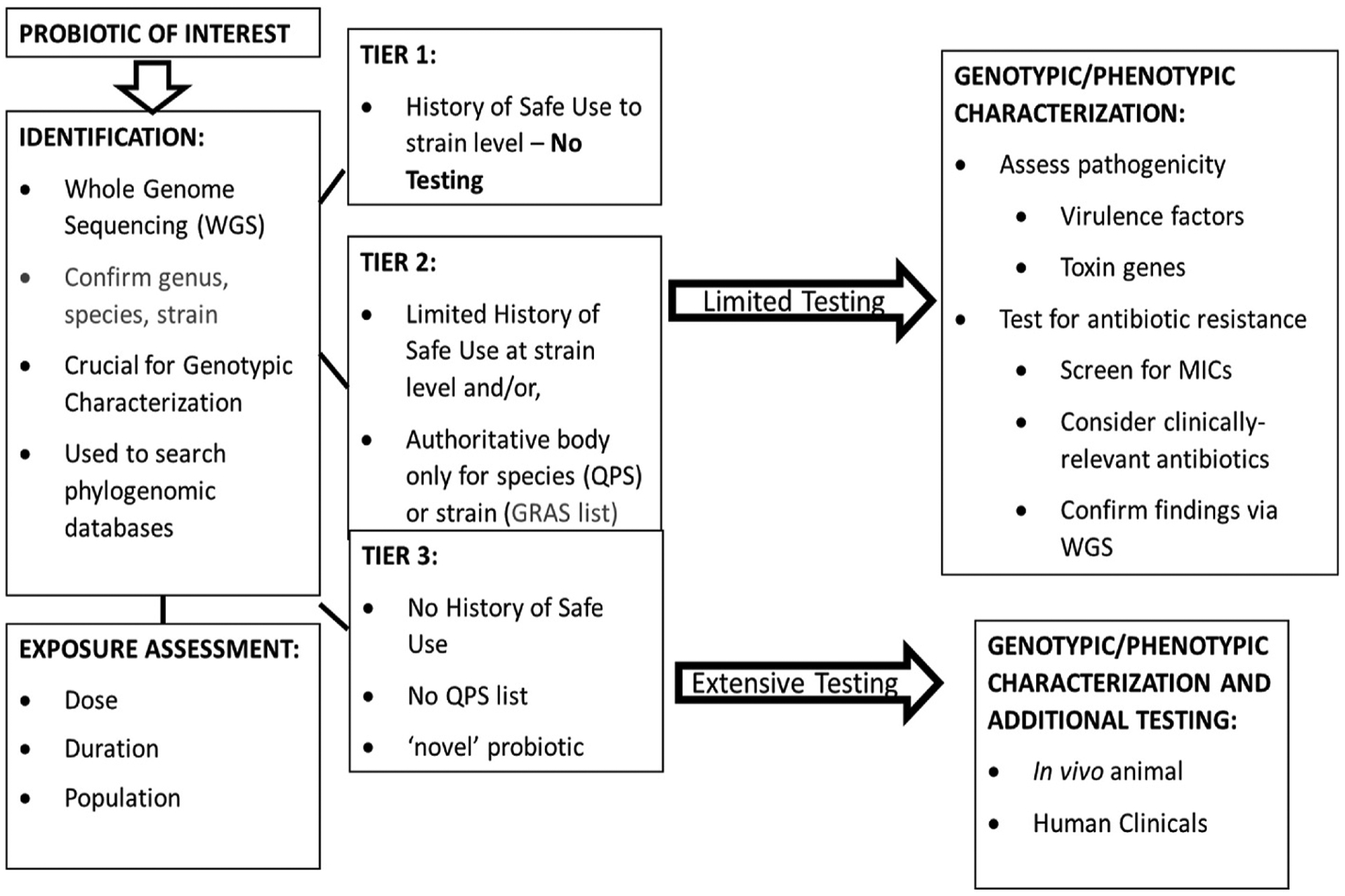
A history of safe use is a backbone of safety assessments for many current probiotic species, however, there is no global harmonization regarding requirements for establishing probiotic safety for use in foods and supplements. As probiotic manufacturers are increasingly seeking to use new strains, novel species, and next-generation probiotics, justification based on a significant history of use may be challenged. There are efforts underway by a variety of stakeholders, including the United States Pharmacopeia (USP), to develop best practices guidelines for assessing the quality and safety of probiotics. A current initiative of the USP seeks to provide expert advice specific to safety considerations for probiotics. Toward this goal, this review provides a helpful summary guide to global regulatory guidelines. We question the suitability of traditional animal toxicology studies designed for testing chemicals for relevance in assessing probiotic safety. This includes discussion of the use of excessive dose levels, the length of repeated dose toxicity studies needed, and the most suitable animal species used in toxicology studies. In addition, the importance of proper manufacturing practices with regard to final product safety are also included. Thus, an outline of essential parameters of a comprehensive safety assessment for a probiotic are provided.
Overview
The claims and statistics of this paper haven’t been checked yet.
Run the check — free, no account needed. It reads the open-access text and checks the sources it cites.
Integrity signals
Registry
Cites
Statistics
Figures
Verification
Claims the paper makes
The claims and statistics of this paper haven’t been checked yet.
Run the check — free, no account needed. It reads the open-access text and checks the sources it cites.
Claims other papers make about this one
Each is checked against this paper’s own text: does it say what the citing paper says it does?
The source backs part of the claim, not all of it — or backs it for a different population, condition or comparison.
In the citing paper
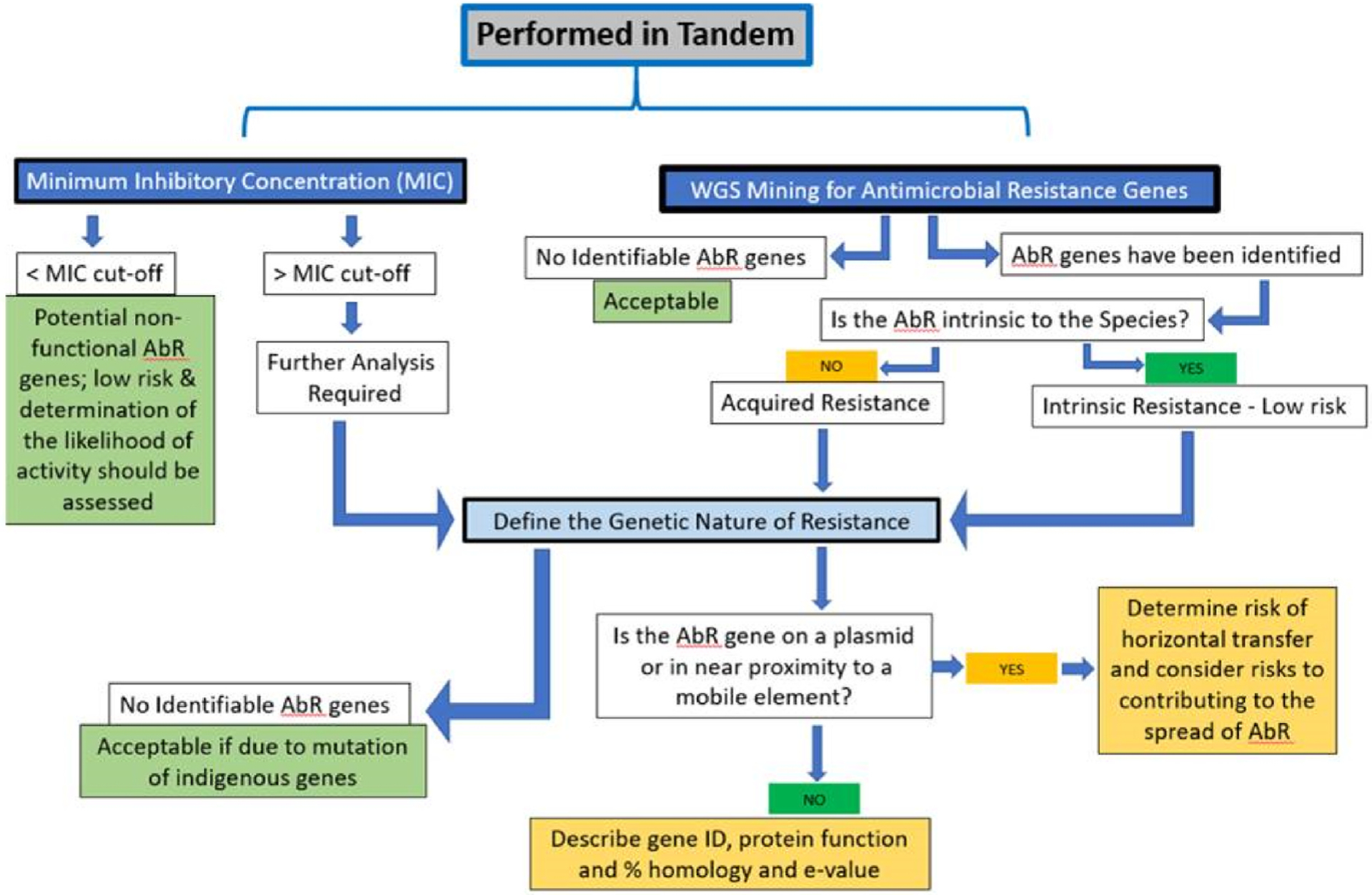
“To exclude such risks, regulatory authorities (EFSA, FDA) and experts explicitly require strain characterization, phenotypic determination of minimum inhibitory concentration (MIC), and whole genome sequencing (WGS) annotated against carefully curated databases of antibiotic resistance/virulence genes (e.g., CARD, ARG-ANNOT, ResFinder) to determine whether resistance is innate or potentially trans”
From Current Concepts in Probiotic Safety and Efficacy (2026) · cites this paper as [33]
Experimental — accuracy not yet measuredThe source backs part of the claim, not all of it — or backs it for a different population, condition or comparison.
In the citing paper
“This uneven safety assessment weakens the current evidence because probiotic safety cannot be inferred from beneficial functional traits alone and must be supported by strain-level safety evaluation, including assessment of transferable antimicrobial resistance, virulence-associated genes, mobile genetic elements, and toxicological evidence. 42”
From Comparative Genomic Insights into Pangenome Diversity and Functional Adaptation of Akkermansia and Faecalibacterium as Gut-Associated Next-Generation Probiotics: A Systematic Review (2026) · cites this paper as [42]
Experimental — accuracy not yet measured
Self-check
Percentages, sums and reported differences re-computed from the paper’s own numbers.
The self-check needs the paper’s full text.
Citations
Cites
Hill (2014) · doi:10.1038/nrgastro.2014.66 · Cited by 9,592
Self-citationSPIRIT 2013 Statement: Defining Standard Protocol Items for Clinical Trials
Chan, A.-W., Tetzlaff, J. M., Altman, D. G., Laupacis, A., Gøtzsche, P. C., Krleža-Jerić, K., Hróbjartsson, A., Mann, H., Dickersin, K., Berlin, J. A., et al. (2013) · Annals of Internal Medicine · doi:10.7326/0003-4819-158-3-201302050-00583 · Cited by 7,363
ResFinder 4.0 for predictions of phenotypes from genotypes
Bortolaia, V., Kaas, R. S., Ruppe, E., Roberts, M. C., Schwarz, S., Cattoir, V., Philippon, A., Allesoe, R. L., Rebelo, A. R., Florensa, A. F., et al. (2020) · Journal of Antimicrobial Chemotherapy · doi:10.1093/jac/dkaa345 · Cited by 3,373
Zheng, J., Wittouck, S., Salvetti, E., Franz, C. M. A. P., Harris, H. M. B., Mattarelli, P., O’Toole, P. W., Pot, B., Vandamme, P., Walter, J., et al. (2020) · International Journal of Systematic and Evolutionary Microbiology · doi:10.1099/ijsem.0.004107 · Cited by 3,313
CARD 2020: Antibiotic Resistome Surveillance with the Comprehensive Antibiotic Resistance Database
Alcock, B. P., Raphenya, A. R., Lau, T. T. Y., Tsang, K. K., Bouchard, M., Edalatmand, A., Huynh, W., Nguyen, A.-L. V., Cheng, A. A., Liu, S., et al. (2019) · Nucleic Acids Research · doi:10.1093/nar/gkz935 · Cited by 3,202
CARD 2017: expansion and model-centric curation of the comprehensive antibiotic resistance database
Jia, B., Raphenya, A. R., Alcock, B. P., Waglechner, N., Guo, P., Tsang, K. K., Lago, B. A., Dave, B. M., Pereira, S. K., Sharma, A. N., et al. (2016) · Nucleic Acids Research · doi:10.1093/nar/gkw1004 · Cited by 2,686
Microbial degradation of complex carbohydrates in the gut
Flint, H. J., Scott, K. P., Duncan, S. H., Louis, P., & Forano, E. (2012) · Gut Microbes · doi:10.4161/gmic.19897 · Cited by 2,331
The Comprehensive Antibiotic Resistance Database
McArthur, A. G., Waglechner, N., Nizam, F., Yan, A., Azad, M. A., Baylay, A. J., Bhullar, K., Canova, M. J., Pascale, G. D., Ejim, L. J., et al. (2013) · Antimicrobial Agents and Chemotherapy · doi:10.1128/aac.00419-13 · Cited by 2,287
VFDB 2019: a comparative pathogenomic platform with an interactive web interface
Liu, B., Zheng, D., Jin, Q., Chen, L., & Yang, J. (2018) · Nucleic Acids Research · doi:10.1093/nar/gky1080 · Cited by 1,803
Better Reporting of Harms in Randomized Trials: An Extension of the CONSORT Statement
Ioannidis, J. P. A., Evans, S. J. W., Gøtzsche, P. C., O'Neill, R. T., Altman, D. G., Schulz, K., Moher, D., & for the CONSORT Group* (2004) · Annals of Internal Medicine · doi:10.7326/0003-4819-141-10-200411160-00009 · Cited by 1,593
ARG-ANNOT, a new bioinformatic tool to discover antibiotic resistance genes in bacterial genomes
Gupta, S. K., Padmanabhan, B. R., Diene, S. M., Lopez-Rojas, R., Kempf, M., Landraud, L., & Rolain, J.-M. (2014) · Antimicrobial Agents and Chemotherapy · doi:10.1128/aac.01310-13 · Cited by 1,476
PATRIC, the bacterial bioinformatics database and analysis resource
Wattam, A. R., Abraham, D., Dalay, O., Disz, T. L., Driscoll, T., Gabbard, J. L., Gillespie, J. J., Gough, R., Hix, D., Kenyon, R. W., et al. (2013) · Nucleic Acids Research · doi:10.1093/nar/gkt1099 · Cited by 1,258
ARDB--Antibiotic Resistance Genes Database
Liu, B., & Pop, M. (2008) · Nucleic Acids Research · doi:10.1093/nar/gkn656 · Cited by 1,252
DeepARG: a deep learning approach for predicting antibiotic resistance genes from metagenomic data
Arango-Argoty, G., Garner, E., Pruden, A. J., Heath, L. S., Vikesland, P. J., & Zhang, L. (2018) · Microbiome · doi:10.1186/s40168-018-0401-z · Cited by 1,010
Guidance on the characterisation of microorganisms used as feed additives or as production organisms
(FEEDAP), E. P. O. A. A. P. O. S. U. I. A. F., Rychen, G., Aquilina, G., Azimonti, G., Bampidis, V., Bastos, M. D. L., Bories, G., Chesson, A., Cocconcelli, P. S., Flachowsky, G., et al. (2018) · EFSA Journal · doi:10.2903/j.efsa.2018.5206 · Cited by 1,009
(FEEDAP), E. P. O. A. A. P. O. S. U. I. A. F. (2012) · EFSA Journal · doi:10.2903/j.efsa.2012.2740 · Cited by 904
Mucin glycan foraging in the human gut microbiome
Tailford, L. E., Crost, E. H., Kavanaugh, D. W., & Juge, N. (2015) · Frontiers in Genetics · doi:10.3389/fgene.2015.00081 · Cited by 881
Safety assessment of probiotics for human use
Sanders, M. E., Akkermans, L. M. A., Haller, D., Hammerman, C., Heimbach, J. T., Hörmannsperger, G., & Huys, G. (2010) · Gut Microbes · doi:10.4161/gmic.1.3.12127 · Cited by 816
Self-citationImproved screening procedure for biogenic amine production by lactic acid bacteria
Bover‐Cid, S., & Holzapfel, W. H. (1999) · International Journal of Food Microbiology · doi:10.1016/s0168-1605(99)00152-x · Cited by 782
Bacterial insertion sequences: their genomic impact and diversity
Siguier, P., Gourbeyre, E., & Chandler, M. (2014) · FEMS Microbiology Reviews · doi:10.1111/1574-6976.12067 · Cited by 773
Antibiotic resistance in probiotic bacteria
Gueimonde, M., Sánchez, B., G. de los Reyes-Gavilán, C., & Margolles, A. (2013) · Frontiers in Microbiology · doi:10.3389/fmicb.2013.00202 · Cited by 691
Gibson, M. K., Forsberg, K. J., & Dantas, G. A. (2014) · The ISME Journal · doi:10.1038/ismej.2014.106 · Cited by 670
INTEGRALL: a database and search engine for integrons, integrases and gene cassettes
Moura, A., Soares, M., Pereira, C. A., Leitão, N., Henriques, I. S., & Correia, A. C. M. (2009) · Bioinformatics · doi:10.1093/bioinformatics/btp105 · Cited by 598
Criteria to Qualify Microorganisms as “Probiotic” in Foods and Dietary Supplements
Binda, S., Hill, C., Johansen, E., Obis, D., Pot, B., Sanders, M. E., Tremblay, A., & Ouwehand, A. C. (2020) · Frontiers in Microbiology · doi:10.3389/fmicb.2020.01662 · Cited by 562
Self-citationGuidance on the assessment of the safety of feed additives for the consumer
(FEEDAP), E. P. O. A. A. P. O. S. U. I. A. F., Rychen, G., Aquilina, G., Azimonti, G., Bampidis, V., Bastos, M. D. L., Bories, G. F., Chesson, A., Cocconcelli, P. S., Flachowsky, G., et al. (2017) · EFSA Journal · doi:10.2903/j.efsa.2017.5022 · Cited by 518
Grondin, J. A., Kwon, Y. H., Far, P. M., Haq, S., & Khan, W. I. (2020) · Frontiers in Immunology · doi:10.3389/fimmu.2020.02054 · Cited by 487
ICEberg 2.0: an updated database of bacterial integrative and conjugative elements
Liu, M., Li, X., Xie, Y., Bi, D., Sun, J., Li, J., Tai, C., Deng, Z., & Ou, H. (2018) · Nucleic Acids Research · doi:10.1093/nar/gky1123 · Cited by 483
Alisi, A., Bedogni, G., Baviera, G., Giorgio, V., Porro, E., Paris, C., Giammaria, P., Reali, L., Anania, F., & Nobili, V. (2014) · Alimentary Pharmacology & Therapeutics · doi:10.1111/apt.12758 · Cited by 471
(BIOHAZ), E. P. O. B. H., Ricci, A., Allende, A., Bolton, D., Chemaly, M., Davies, R., Gironés, R., Herman, L., Koutsoumanis, K. P., Lindqvist, R., et al. (2017) · EFSA Journal · doi:10.2903/j.efsa.2017.4664 · Cited by 467
Using Genomics to Track Global Antimicrobial Resistance
Hendriksen, R. S., Bortolaia, V., Tate, H. P., Tyson, G. H., Aarestrup, F. M., & McDermott, P. F. (2019) · Frontiers in Public Health · doi:10.3389/fpubh.2019.00242 · Cited by 461
(BIOHAZ), E. P. O. B. H., Koutsoumanis, K., Allende, A., Álvarez‐Ordóñez, A., Bolton, D., Bover‐Cid, S., Chemaly, M., Davies, R., Cesare, A. D., Hilbert, F., et al. (2021) · EFSA Journal · doi:10.2903/j.efsa.2021.6377 · Cited by 446
Horizontal transfer of antibiotic resistance genes in the human gut microbiome
McInnes, R. S., McCallum, G. E., Lamberte, L. E., & van Schaik, W. (2020) · Current Opinion in Microbiology · doi:10.1016/j.mib.2020.02.002 · Cited by 401
Ishibashi, N., & Yamazaki, S. (2001) · American Journal of Clinical Nutrition · doi:10.1093/ajcn/73.2.465s · Cited by 363
PHI-base: the pathogen–host interactions database
Urban, M., Cuzick, A., Seager, J. W., Wood, V., Rutherford, K., Venkatesh, S. Y., Silva, N. H. D., Martinez, M. C., Pedro, H., Yates, A. D., et al. (2019) · Nucleic Acids Research · doi:10.1093/nar/gkz904 · Cited by 346
Biogenic amines: formation, action and toxicity – a review
Wojcik, W. F., Łukasiewicz, M., & Puppel, K. (2020) · Journal of the Science of Food and Agriculture · doi:10.1002/jsfa.10928 · Cited by 313
EFSA Panel on Dietetic Products, N. A. A. (., Turck, D., Bresson, J., Burlingame, B., Dean, T., Fairweather‐Tait, S. J., Heinonen, M., Hirsch‐Ernst, K. I., Mangelsdorf, I., McArdle, H. J., et al. (2016) · EFSA Journal · doi:10.2903/j.efsa.2016.4594 · Cited by 307
(BIOHAZ), E. P. O. B. H., Koutsoumanis, K., Allende, A., Alvarez‐Ordóñez, A., Bolton, D., Bover‐Cid, S., Chemaly, M., Davies, R., De Cesare, A., Hilbert, F., et al. (2020) · EFSA Journal · doi:10.2903/j.efsa.2020.5966 · Cited by 294
Guandalini, S., Magazzù, G., Chiaro, A., La Balestra, V., Di Nardo, G., Gopalan, S., Sibal, A., Romano, C., Canani, R. B., Lionetti, P., et al. (2010) · Journal of Pediatric Gastroenterology and Nutrition · doi:10.1097/mpg.0b013e3181ca4d95 · Cited by 273
Nagpal, R., Wang, S., Woods, L. C. S., Seshie, O., Chung, S. T., Shively, C. A., Register, T. C., Craft, S., McClain, D. A., & Yadav, H. (2018) · Frontiers in Microbiology · doi:10.3389/fmicb.2018.02897 · Cited by 270
Safety of probiotics: translocation and infection: Nutrition Reviews©, Vol. 66, No. 4
Liong, M.-T. (2008) · Nutrition Reviews · doi:10.1111/j.1753-4887.2008.00024.x · Cited by 265
Zhou, C. L. E., Smith, J. T., Lam, M. W., Zemla, A. T., Dyer, M. D., & Slezak, T. (2006) · Nucleic Acids Research · doi:10.1093/nar/gkl791 · Cited by 246
Bernardeau, M., Guéguen, M., & Vernoux, J. (2006) · FEMS Microbiology Reviews · doi:10.1111/j.1574-6976.2006.00020.x · Cited by 245
Safety of probiotics used to reduce risk and prevent or treat disease.
(2011) · PubMed Central · Cited by 242
Self-citationPHAST, PHASTER and PHASTEST: Tools for finding prophage in bacterial genomes
Arndt, D., Marcu, A., Liang, Y., & Wishart, D. S. (2017) · Briefings in Bioinformatics · doi:10.1093/bib/bbx121 · Cited by 238
On the safety of lactic acid bacteria from food
Adams, M. (1995) · International Journal of Food Microbiology · doi:10.1016/0168-1605(95)00067-t · Cited by 223
D‐Lactic Acid as a Metabolite: Toxicology, Diagnosis, and Detection
Pohanka, M. (2020) · BioMed Research International · doi:10.1155/2020/3419034 · Cited by 220
Probiotic approach to prevent antibiotic resistance
Ouwehand, A. C., Forssten, S., Hibberd, A. A., Lyra, A., & Stahl, B. (2016) · Annals of Medicine · doi:10.3109/07853890.2016.1161232 · Cited by 216
Crespo‐Piazuelo, D., Estellé, J., Revilla, M., Criado‐Mesas, L., Ramayo‐Caldas, Y., Óvilo, C., Fernández, A. I., Ballester, M., & Folch, J. M. (2018) · Scientific Reports · doi:10.1038/s41598-018-30932-6 · Cited by 210
Large Animal Models: The Key to Translational Discovery in Digestive Disease Research
Ziegler, A. L., Gonzalez, L. M., & Blikslager, A. T. (2016) · Cellular and Molecular Gastroenterology and Hepatology · doi:10.1016/j.jcmgh.2016.09.003 · Cited by 203
Improving End-User Trust in the Quality of Commercial Probiotic Products
Jackson, S. A., Schoeni, J. L., Vegge, C., Pane, M., Stahl, B., Bradley, M., Goldman, V. S., Burguière, P., Atwater, J. B., & Sanders, M. E. (2019) · Frontiers in Microbiology · doi:10.3389/fmicb.2019.00739 · Cited by 192
Self-citationBrodmann, T., Endo, A., Gueimonde, M., Vinderola, G., Kneifel, W., de Vos, W. M., Salminen, S., & Gómez-Gallego, C. (2017) · Frontiers in Microbiology · doi:10.3389/fmicb.2017.01725 · Cited by 191
Endres, J. R., Clewell, A. E., Jade, K. A., Färber, T. M., Hauswirth, J. W., & Schauss, A. G. (2009) · Food and Chemical Toxicology · doi:10.1016/j.fct.2009.02.018 · Cited by 182
Comprehensive approaches for assessing the safety of probiotic bacteria
Pradhan, D., Mallappa, R. H., & Grover, S. (2020) · Food Control · doi:10.1016/j.foodcont.2019.106872 · Cited by 179
Vankerckhoven, V., Huys, G. R. B., Vancanneyt, M., Vael, C., Klare, I., Romond, M., Entenza, J. M., Moreillon, P., Wind, R. D., Knol, J., et al. (2007) · Trends in Food Science & Technology · doi:10.1016/j.tifs.2007.07.013 · Cited by 178
(BIOHAZ), E. P. O. B. H., Koutsoumanis, K., Allende, A., Alvarez‐Ordóñez, A., Bolton, D., Bover‐Cid, S., Chemaly, M., Davies, R., De Cesare, A., Hilbert, F., et al. (2020) · EFSA Journal · doi:10.2903/j.efsa.2020.6174 · Cited by 169
PAIDB v2.0: exploration and analysis of pathogenicity and resistance islands
Yoon, S. H., Park, Y. K., & Kim, J. F. (2014) · Nucleic Acids Research · doi:10.1093/nar/gku985 · Cited by 157
(BIOHAZ), E. P. O. B. H., Koutsoumanis, K., Allende, A., Alvarez‐Ordóñez, A., Bolton, D., Bover‐Cid, S., Chemaly, M., Davies, R., De Cesare, A., Hilbert, F., et al. (2022) · EFSA Journal · doi:10.2903/j.efsa.2022.7045 · Cited by 143
Zhou, J. S., Shu, Q., Rutherfurd, K. J., Prasad, J., Gopal, P. K., & Gill, H. S. (2000) · Food and Chemical Toxicology · doi:10.1016/s0278-6915(99)00154-4 · Cited by 131
Probiotic use in at-risk populations
Sanders, M. E., Merenstein, D. J., Ouwehand, A. C., Reid, G., Salminen, S., Cabana, M. D., Paraskevakos, G., & Leyer, G. (2016) · Journal of the American Pharmacists Association · doi:10.1016/j.japh.2016.07.001 · Cited by 129
Self-citationThe promises and risks of probiotic Bacillus species
Jeżewska-Frąckowiak, J., Seroczyńska, K., Banaszczyk, J., Woźniak, D., Żylicz-Stachula, A., & Skowron, P. M. (2018) · Acta Biochimica Polonica · doi:10.18388/abp.2018_2652 · Cited by 127
(EFSA), E. F. S. A. (2005) · EFSA Journal · doi:10.2903/j.efsa.2005.226 · Cited by 122
Monaco, G., van Dam, S., Ribeiro, J. C. N., Larbi, A., & de Magalhães, J. P. (2015) · BMC Evolutionary Biology · doi:10.1186/s12862-015-0534-7 · Cited by 121
Li, J., Tai, C., Deng, Z., Zhong, W., He, Y. O., & Ou, H. (2016) · Briefings in Bioinformatics · doi:10.1093/bib/bbw141 · Cited by 120
Live Biotherapeutic Products, A Road Map for Safety Assessment
Rouanet, A., Bolca, S., Bru, A., Claes, I., Cvejic, H., Girgis, H., Harper, A., Lavergne, S. N., Mathys, S., Pane, M., et al. (2020) · Frontiers in Medicine · doi:10.3389/fmed.2020.00237 · Cited by 120
Safety aspects of next generation probiotics
Saarela, M. H. (2019) · Current Opinion in Food Science · doi:10.1016/j.cofs.2018.09.001 · Cited by 118 · cited 1×
“2 have been proposed and published by others (Pariza et al., 2015; Brodmann et al., 2017; EFSA, 2017; Saarela, 2019; Pradhan et al., 2020; Rouanet et al., 2020).”
BackgroundCuration, integration and visualization of bacterial virulence factors in PATRIC
Mao, C., Abraham, D., Wattam, A. R., Wilson, M. J. C., Shukla, M. P., Yoo, H. S., & Sobral, B. (2014) · Bioinformatics · doi:10.1093/bioinformatics/btu631 · Cited by 93
Shane, A. L., Cabana, M. D., Ellis, C. L., Heimbach, J. T., Hempel, S., Hummelen, R., Lynch, S. V., Merenstein, D. J., Sanders, M. E., Tancredi, D. J., et al. (2010) · Gut Microbes · doi:10.4161/gmic.1.4.12707 · Cited by 92
Self-citationDetermining the safety of microbial cultures for consumption by humans and animals
Pariza, M. W., Gillies, K. O., Kraak-Ripple, S. F., Leyer, G. J., & Smith, A. B. (2015) · Regulatory Toxicology and Pharmacology · doi:10.1016/j.yrtph.2015.07.003 · Cited by 79
Self-citationProbiotics in Inflammatory Bowel Diseases and Associated Conditions
Mack, D. R. (2011) · Nutrients · doi:10.3390/nu3020245 · Cited by 78
A case of D-lactic acid encephalopathy associated with use of probiotics
Munakata, S., Arakawa, C., Kohira, R., Fujita, Y., Fuchigami, T., & Mugishima, H. (2010) · Brain and Development · doi:10.1016/j.braindev.2009.09.024 · Cited by 78
(EFSA), E. F. S. A. (2008) · EFSA Journal · doi:10.2903/j.efsa.2008.923 · Cited by 75
Safety of D(‐)‐Lactic Acid Producing Bacteria in the Human Infant
Connolly, E., Abrahamsson, T., & Björkstén, B. (2005) · Journal of Pediatric Gastroenterology and Nutrition · doi:10.1097/01.mpg.0000176179.81638.45 · Cited by 73
(BIOHAZ), E. P. O. B. H. (2015) · EFSA Journal · doi:10.2903/j.efsa.2015.4138 · Cited by 73
Lactobacilli Infection Case Reports in the Last Three Years and Safety Implications
Rossi, F., Amadoro, C., Gasperi, M., & Colavita, G. (2022) · Nutrients · doi:10.3390/nu14061178 · Cited by 64
(BIOHAZ), E. P. O. B. H., Koutsoumanis, K., Allende, A., Álvarez‐Ordóñez, A., Bolton, D., Bover‐Cid, S., Chemaly, M., Davies, R., Cesare, A. D., Hilbert, F., et al. (2021) · EFSA Journal · doi:10.2903/j.efsa.2021.6689 · Cited by 60
Safety evaluation of two bacterial strains used in asian probiotic products
Tompkins, T. A., Hagen, K. E., Wallace, T. D., & Fillion-Forté, V. (2008) · Canadian Journal of Microbiology · doi:10.1139/w08-022 · Cited by 55
Isa, K., Oka, K., Beauchamp, N., Sato, M., Wada, K., Ohtani, K., Nakanishi, S., McCartney, E., Tanaka, M., Shimizu, T., et al. (2016) · Human & Experimental Toxicology · doi:10.1177/0960327115607372 · Cited by 52
Morovic, W., Roper, J. M., Smith, A. B., Mukerji, P., Stahl, B., Rae, J. M. C., & Ouwehand, A. C. (2017) · Food and Chemical Toxicology · doi:10.1016/j.fct.2017.10.037 · Cited by 50
Self-citationMARDy: Mycology Antifungal Resistance Database
Nash, A., Sewell, T. R., Farrer, R. A., Abdolrasouli, A., Shelton, J., Fisher, M. C., & Rhodes, J. L. (2018) · Bioinformatics · doi:10.1093/bioinformatics/bty321 · Cited by 45
Satoh, T., Narisawa, K., Konno, T., Katoh, T., Fujiyama, J., TOMOE, A., Metoki, K., Hayasaka, K., Tada, K., Ishibashi, M., et al. (1982) · European Journal of Pediatrics · doi:10.1007/bf00442509 · Cited by 42
D-lactic acidosis – case report and review of the literature
Fabian, E., Kramer, L., Siebert, F., Högenauer, C., Raggam, R., Wenzl, H., & Krejs, G. (2016) · Zeitschrift für Gastroenterologie · doi:10.1055/s-0042-117647 · Cited by 38
Bourdichon, F., Laulund, S., & Tenning, P. (2019) · FEMS Microbiology Letters · doi:10.1093/femsle/fnz048 · Cited by 31
The Other Side of the Coin: What Beneficial Microbes Can Teach Us about Pathogenic Potential
Wiles, T. J., & Guillemin, K. J. (2019) · Journal of Molecular Biology · doi:10.1016/j.jmb.2019.05.001 · Cited by 28
Chiu, Y.-J., Nam, M.-K., Tsai, Y.-T., Huang, C.-C., & Tsai, C. (2013) · The Scientific World JOURNAL · doi:10.1155/2013/254239 · Cited by 21
Safety evaluation of Bifidobacterium pseudocatenulatum G4 as assessed in BALB/c mice
Kabeir, B. M., Manap, M. Y. A., Stephenie, W., Hakim, M. N., Anas, O. M., & Shuhaimi, M. (2007) · Letters in Applied Microbiology · doi:10.1111/j.1472-765x.2007.02255.x · Cited by 20
‘Brain Fogginess’ and D-Lactic Acidosis: Probiotics Are Not the Cause
Quigley, E. M. M., Pot, B., & Sanders, M. E. (2018) · Clinical and Translational Gastroenterology · doi:10.1038/s41424-018-0057-9 · Cited by 19
Self-citationTaylor, K., Andrew, D. J., & Rego, L. (2014) · Regulatory Toxicology and Pharmacology · doi:10.1016/j.yrtph.2014.04.008 · Cited by 15
Taylor, K., & Andrew, D. J. (2017) · Regulatory Toxicology and Pharmacology · doi:10.1016/j.yrtph.2017.09.018 · Cited by 12
Probiotics: current regulatory aspects of probiotics for use in different disease conditions
Pogačar, M. Š., Mičetić‐Turk, D., & Fijan, S. (2021) · Elsevier eBooks · doi:10.1016/b978-0-12-823733-5.00021-0 · Cited by 9
Microbiome Product Toxicology: Regulatory View on Translational Challenges
Rousseau, C. F., Desvignes, C., Kling, F., Voisin, E., & Ruthsatz, M. (2021) · Springer eBooks · doi:10.1007/978-3-030-57499-4_140 · Cited by 5
Microbiome Product Toxicology: Regulatory View on Translational Challenges
Rousseau, C. F., Desvignes, C., Kling, F., Voisin, E., & Ruthsatz, M. (2020) · Springer eBooks · doi:10.1007/978-3-642-36206-4_140-1 · Cited by 3
Lactic acid bacteria: microbiological and functional aspects
Saad, S. M. I. (2006) · Revista Brasileira De Ciencias Farmaceuticas · doi:10.1590/s1516-93322006000300018 · Cited by 2
Research works printed but not linked: 3
- Lahtinen, 2009, Safety assessment of probiotics, chapter 31, 1page 1193
- Smith, 2019, Chapter 40: the regulation of probiotics in the United States
- Regulation (EC), 2004, No 853/2004 of the European Parliament and of the Council of 29 April 2004: laying down specific hygiene rules for the hygiene of foodstuffs, J. Eur. Union
Cited by
Sorted by citations
Emerging issues in probiotic safety: 2023 perspectives
Merenstein, D., Pot, B., Leyer, G., Ouwehand, A. C., Preidis, G. A., Elkins, C. A., Hill, C., Lewis, Z. T., Shane, A. L., Zmora, N., et al. (2023) · Gut Microbes · doi:10.1080/19490976.2023.2185034 · Cited by 481
Self-citationProbiotics, prebiotics, and postbiotics in health and disease
Ji, J., Jin, W., Liu, S., Jiao, Z., & Li, X. (2023) · MedComm · doi:10.1002/mco2.420 · Cited by 449
Regulating ice formation for enhancing frozen food quality: Materials, mechanisms and challenges
Sun, L., Zhu, Z., & Sun, D. (2023) · Trends in Food Science & Technology · doi:10.1016/j.tifs.2023.07.013 · Cited by 168
Petrariu, O.-A., Barbu, I. C., Niculescu, A.-G., Constantin, M., Grigore, G. A., Cristian, R.-E., Mihăescu, G., & Vrâncianu, C. O. (2024) · Frontiers in Microbiology · doi:10.3389/fmicb.2023.1296447 · Cited by 155
Spacova, I., Binda, S., ter Haar, J. A., Henoud, S., Legrain-Raspaud, S., Dekker, J., Espadaler-Mazo, J., Langella, P., Martín, R., Pane, M., et al. (2023) · Frontiers in Microbiology · doi:10.3389/fmicb.2023.1272754 · Cited by 129
Metadata
- Authors
- Roe, A. L., Boyte, M.-E., Elkins, C. A., Goldman, V. S., Heimbach, J., Madden, E., Oketch-Rabah, H., Sanders, M. E., Sirois, J., & Smith, A.
- Affiliations
- Procter & Gamble (United States) (US)
- United States Pharmacopeial Convention (US)
- Consumer Healthcare Products Association (US)
- Corresponding author
- Roe, Amy L.
- Venue
- Regulatory Toxicology and Pharmacology
- Publisher
- Elsevier BV
- Published
- 2022-12
- Volume
- 136
- Pages
- 105266
- ISSN
- 0273-2300 (ISSN-L)
- PMC
- PMC10292223
- OpenAlex
- W4300981179
- Cited by
- 136
- References
- 93
- Citations by year
- 2026: 53 · 2025: 45 · 2024: 23 · 2023: 15
- FWCI
- 1.90
- Type
- journal article
- Language
- en
- Open access
- hybrid
- doi.org
- Licence
- Locations
- Regulatory Toxicology and Pharmacology (publishedVersion, cc-by-nc)
- PubMed (publishedVersion)
- PubMed Central (acceptedVersion, cc-by-nc)
- Funders
- National Institutes of Health (CC999999)
- Topics
- Life Sciences › Agricultural and Biological Sciences › Food Science › Probiotics and Fermented Foods
- Life Sciences › Agricultural and Biological Sciences › Food Science › Agricultural safety and regulations
- Health Sciences › Medicine › Complementary and alternative medicine › Complementary and Alternative Medicine Studies
- Keywords
- probiotics, probiotic safety assessment, regulatory guidelines, United States Pharmacopoeia, veterinary toxicology, repeated-dose toxicity, dose levels, animal species selection, manufacturing practices, international harmonization
- MeSH terms
- Animals, Dietary Supplements, Probiotics
About these checks
Registry, retraction, Cites and statistics results are computed, not judged, with one exception: a printed reference that no index lists is read once by a model before it counts as a citation error. Claims are extracted by a model and kept only when their quote appears verbatim in the text; each cited source is then checked, with a model’s help, for whether it says what the claim relies on. Those verdicts can be wrong — read the claim’s quote and the cited source before relying on one.
Statistics and arithmetic are recomputed, not judged.
Confidence bands are shown only for fields calibrated on our annotated test set. None is calibrated yet, so no band is shown.
What counts as a claim ›How we measure confidence ›How we check this ›
Are you an author, or do you see a problem with this page? Request a review
