

Ribosomal RNA in Alzheimer Disease Is Oxidized by Bound Redox-active Iron
Open accessThe DOI matches its Crossref record; 52 of the 52 references it cites were found in a registry or an index.
Abstract
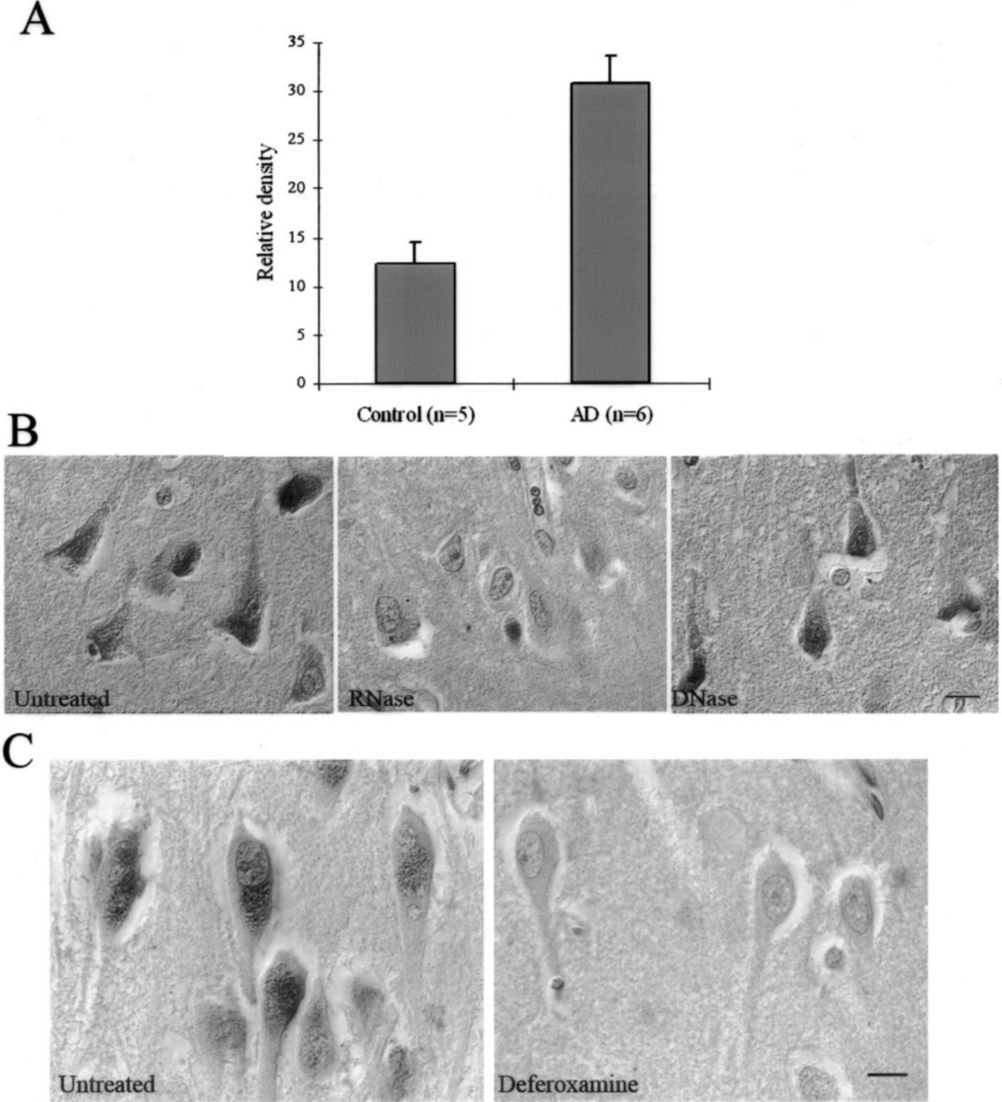
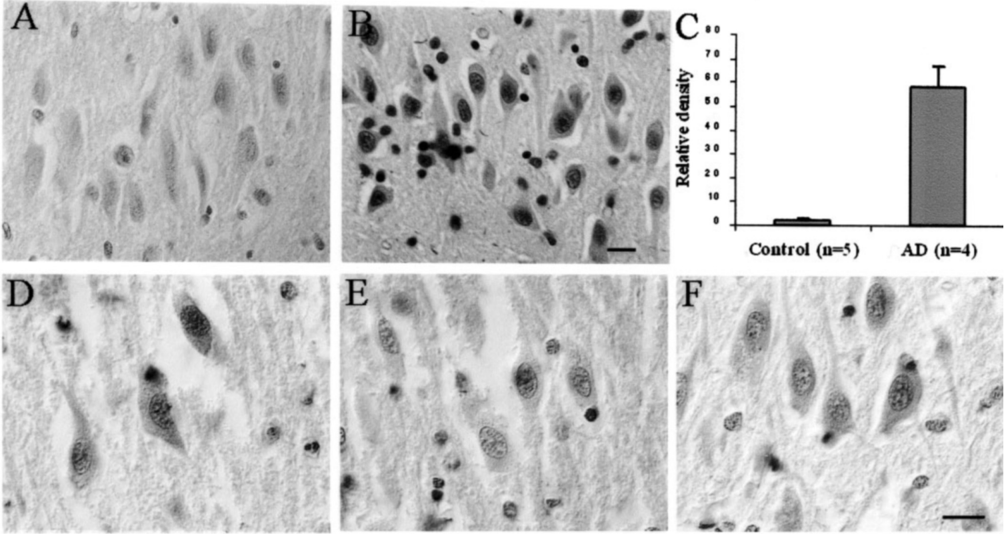
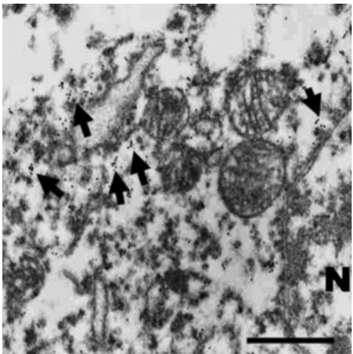
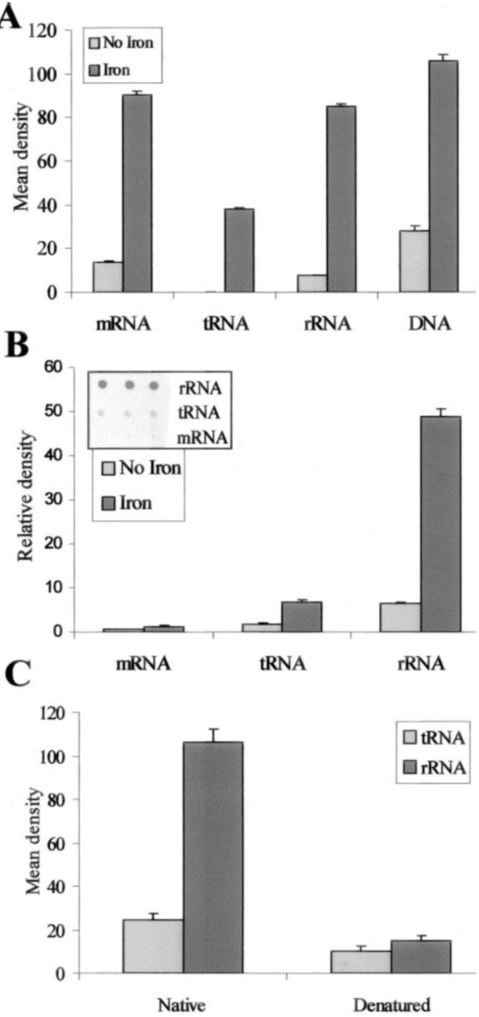
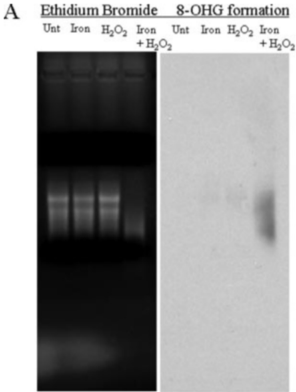
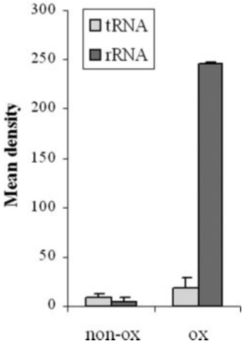
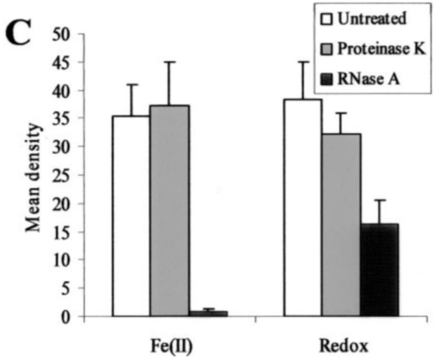
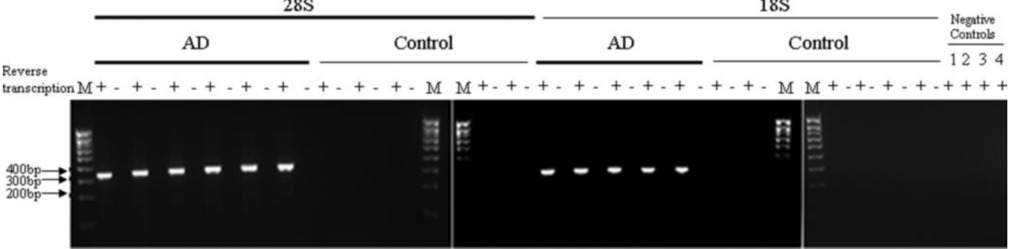
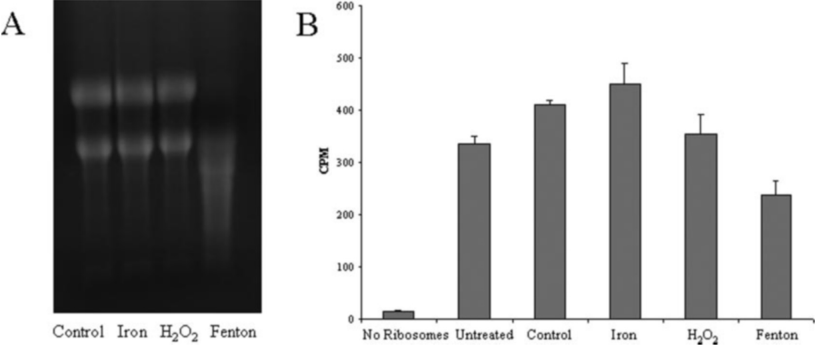
Oxidative modification of cytoplasmic RNA in vulnerable neurons is an important, well documented feature of the pathophysiology of Alzheimer disease. Here we report that RNA-bound iron plays a pivotal role for RNA oxidation in vulnerable neurons in Alzheimer disease brain. The cytoplasm of hippocampal neurons showed significantly higher redox activity and iron(II) staining than age-matched controls. Notably, both were susceptible to RNase, suggesting a physical association of iron(II) with RNA. Ultrastructural analysis further suggested an endoplasmic reticulum association. Both rRNA and mRNA showed twice the iron binding as tRNA. rRNA, extremely abundant in neurons, was considered to provide the greatest number of iron binding sites among cytoplasmic RNA species. Interestingly, the difference of iron binding capacity disappeared after denaturation of RNA, suggesting that the higher order structure may contribute to the greater iron binding of rRNA. Reflecting the difference of iron binding capacity, oxidation of rRNA by the Fenton reaction formed 13 times more 8-hydroxyguanosine than tRNA. Consistent with in situ findings, ribosomes purified from Alzheimer hippocampus contained significantly higher levels of RNase-sensitive iron(II) and redox activity than control. Furthermore, only Alzheimer rRNA contains 8-hydroxyguanosine in reverse transcriptase-PCR. Addressing the biological significance of ribosome oxidation by redox-active iron, in vitro translation with oxidized ribosomes from rabbit reticulocyte showed a significant reduction of protein synthesis. In conclusion these results suggest that rRNA provides a binding site for redox-active iron and serves as a redox center within the cytoplasm of vulnerable neurons in Alzheimer disease in advance of the appearance of morphological change indicating neurodegeneration.
Overview
The claims and statistics of this paper haven’t been checked yet.
Free: it reads the open-access text and checks the first 5 claims that cite a source we can check. Create a free account to check every claim.
Integrity signals
Registry
Cites
Statistics
Figures
Verification
Claims the paper makes
The claims and statistics of this paper haven’t been checked yet.
Free: it reads the open-access text and checks the first 5 claims that cite a source we can check. Create a free account to check every claim.
Claims other papers make about this one
Each is checked against this paper’s own text: does it say what the citing paper says it does?
The source backs part of the claim, not all of it — or backs it for a different population, condition or comparison.
In the citing paper
“oxidative damage to mRNA, tRNA and rRNA occurs in AD”
From Altered Machinery of Protein Synthesis in Alzheimer's: From the Nucleolus to the Ribosome (2016) · cites this paper as [48]
Experimental — accuracy not yet measuredThe cited source says what the claim attributes to it.
In the citing paper
“such damage may produce ribosomal dysfunction and altered protein synthesis 26, 27, 48, 75, 76, 90, 91.”
From Altered Machinery of Protein Synthesis in Alzheimer's: From the Nucleolus to the Ribosome (2016) · cites this paper as [48]
Self-check
Percentages, sums and reported differences re-computed from the paper’s own numbers.
The self-check needs the paper’s full text.
Citations
Cites
The Complete Atomic Structure of the Large Ribosomal Subunit at 2.4 Å Resolution
Ban, N., Nissen, P., Hansen, J., Moore, P. B., & Steitz, T. A. (2000) · Science · doi:10.1126/science.289.5481.905 · Cited by 3,327
Diagnosis of Alzheimer's Disease
Khachaturian, Z. S. (1985) · Archives of Neurology · doi:10.1001/archneur.1985.04060100083029 · Cited by 2,499
Gautier, J. (1993) · Trends in Biochemical Sciences · doi:10.1016/0968-0004(93)90025-i · Cited by 2,165
Copper, iron and zinc in Alzheimer's disease senile plaques
Lovell, M. A., Robertson, J. D., Teesdale, W. J., Campbell, J. L., & Markesbery, W. R. (1998) · Journal of the Neurological Sciences · doi:10.1016/s0022-510x(98)00092-6 · Cited by 2,120
Oxidative Damage Is the Earliest Event in Alzheimer Disease
Nunomura, A., Perry, G., Aliev, G., Hirai, K., Takeda, A., Balraj, E. K., Jones, P. K., Ghanbari, H., Wataya, T., Shimohama, S., et al. (2001) · Journal of Neuropathology & Experimental Neurology · doi:10.1093/jnen/60.8.759 · Cited by 1,885
Self-citationMitochondrial abnormalities in Alzheimer's disease
Hirai, K., Aliev, G., Nunomura, A., Fujioka, H., Russell, R. L., Atwood, C. S., Johnson, A. B., Kress, Y., Vinters, H. V., Tabaton, M., et al. (2001) · The Journal of Neuroscience · doi:10.1523/jneurosci.21-09-03017.2001 · Cited by 1,367
Self-citationIron accumulation in Alzheimer disease is a source of redox-generated free radicals
Smith, M. A., Harris, P. L. R., Sayre, L. M., & Perry, G. (1997) · Proceedings of the National Academy of Sciences · doi:10.1073/pnas.94.18.9866 · Cited by 1,355
Self-citationHuang, X., Atwood, C. S., Hartshorn, M. A., Multhaup, G., Goldstein, L. E., Scarpa, R. C., Cuajungco, M. P., Gray, D. N., Lim, J., Moir, R. D., et al. (1999) · Biochemistry · doi:10.1021/bi990438f · Cited by 1,107
Cutler, R. G., Kelly, J., Storie, K., Pedersen, W. A., Tammara, A., Hatanpaa, K., Troncoso, J. C., & Mattson, M. P. (2004) · Proceedings of the National Academy of Sciences · doi:10.1073/pnas.0305799101 · Cited by 1,008
Praticò, D., Uryu, K., Leight, S., Trojanoswki, J. Q., & Lee, V. M.-Y. (2001) · The Journal of Neuroscience · doi:10.1523/jneurosci.21-12-04183.2001 · Cited by 777
Research works printed but not linked: 3
- Smith, M. A., Kutty, R. K., Richey, P. L., Yan, S. D., Stern, D., Chader, G. J., Wiggert, B., Petersen, R. B., and Perry, G. (1994) Am. J. Pathol. 145, 42-47
- Morris, C. M., Kerwin, J. M., and Edwardson, J. A. (1994) Neurodegeneration 3, 267-275
- Quintana, C., Lancin, M., Marhic, C., Perez, M., Martin-Benito, J., Avila, J., and Carrascosa, J. L. (2000) Cell. Mol. Biol. 46, 807-820
Cited by
Oxidative stress and mitochondrial dysfunction in Alzheimer’s disease
Wang, X., Wang, W., Li, L., Perry, G., Lee, H.-G., & Zhu, X. (2014) · Biochimica et Biophysica Acta (BBA) - Molecular Basis of Disease · doi:10.1016/j.bbadis.2013.10.015 · Cited by 1,357
“Signi fi cant higher levels of oxidized rRNA or mRNAs were also documented in AD [43 – 45].”
Self-citationOxidative Stress and Neurotoxicity
Sayre, L. M., Perry, G., & Smith, M. A. (2008) · Chemical Research in Toxicology · doi:10.1021/tx700210j · Cited by 867
Self-citationWang, W.-X., Rajeev, B. W., Stromberg, A. J., Ren, N., Tang, G., Huang, Q., Rigoutsos, I., & Nelson, P. T. (2008) · The Journal of Neuroscience · doi:10.1523/jneurosci.5065-07.2008 · Cited by 701
“Because a pharmacological regulation of BACE1 endopeptidase activity at its active site has proved a challenge (Beher and Graham, 2005; Hull et al., 2006; Ohno, 2006), each of these regulatory mechanisms represent an alternative potential “handle” for altering BACE1 expression pharmacologically.”
BackgroundMitochondrial dysfunction is a trigger of Alzheimer's disease pathophysiology
Moreira, P. I., Carvalho, C., Zhu, X., Smith, M. A., & Perry, G. (2010) · Biochimica et Biophysica Acta (BBA) - Molecular Basis of Disease · doi:10.1016/j.bbadis.2009.10.006 · Cited by 734
“Indeed, there are strong indications that oxidative stress occurs prior to the onset of symptoms in AD and oxidative damage is found not only in the vulnerable regions of the brain affected in disease [5–7] but also peripherally [8–11].”
BackgroundSelf-citationDuce, J. A., Tsatsanis, A., Cater, M. A., James, S. A., Robb, E., Wikhe, K., Leong, S. L., Perez, K., Johanssen, T., Greenough, M. A., et al. (2010) · Cell · doi:10.1016/j.cell.2010.08.014 · Cited by 676
“, 2000), adjacent to neocortical neurons filled with prooxidant Fe (Bartzokis et al., 1994a, 1994b; Bartzokis and Tishler, 2000; Honda et al., 2005).”
Loss of ferroportin induces memory impairment by promoting ferroptosis in Alzheimer’s disease
Bao, W.-D., Pang, P., Zhou, X.-T., Hu, F., Xiong, W., Chen, K., Wang, J., Wang, F., Xie, D., Hu, Y.-Z., et al. (2021) · Cell Death & Differentiation · doi:10.1038/s41418-020-00685-9 · Cited by 671
Yankner, B. A., Lu, T., & Loerch, P. (2008) · Annual Review of Pathology: Mechanisms of Disease · doi:10.1146/annurev.pathmechdis.2.010506.092044 · Cited by 677
Alzheimer's Disease: From Pathology to Therapeutic Approaches
Jakob‐Roetne, R., & Jacobsen, H. (2009) · Angewandte Chemie International Edition · doi:10.1002/anie.200802808 · Cited by 626
Involvement of oxidative stress in Alzheimer disease
Nunomura, A., Castellani, R. J., Zhu, X., Moreira, P. I., Perry, G., & Smith, M. A. (2006) · Journal of Neuropathology and Experimental Neurology · doi:10.1097/01.jnen.0000228136.58062.bf · Cited by 611
Self-citationKell, D. B. (2009) · BMC Medical Genomics · doi:10.1186/1755-8794-2-2 · Cited by 554
León, R., Garcia, A. G., & Marco‐Contelles, J. (2013) · Medicinal Research Reviews · doi:10.1002/med.20248 · Cited by 440
“Oxidation would impact on ribosomal functioning and reduce protein synthesis.(199) In addition to iron homeostasis disturbance, modifications in the concentration of zinc and copper are also important in AD pathology.”
BackgroundMetal dyshomeostasis and oxidative stress in Alzheimer’s disease
Greenough, M. A., Camakaris, J., & Bush, A. I. (2013) · Neurochemistry International · doi:10.1016/j.neuint.2012.08.014 · Cited by 436
Ribosome Dysfunction Is an Early Event in Alzheimer's Disease
Ding, Q., Markesbery, W. R., Chen, Q., Li, F., & Keller, J. N. (2005) · The Journal of Neuroscience · doi:10.1523/jneurosci.3040-05.2005 · Cited by 433
“, 1989) and studies demonstrating evidence for increased oxidative damage to RNA occurring in latestage AD (Nunomura et al., 1999; Honda et al., 2005).”
BackgroundGlobal Translational Responses to Oxidative Stress Impact upon Multiple Levels of Protein Synthesis
Shenton, D., Smirnova, J. B., Selley, J. N., Carroll, K., Hubbard, S. J., Pavitt, G. D., Ashe, M. P., & Grant, C. M. (2006) · Journal of Biological Chemistry · doi:10.1074/jbc.m601545200 · Cited by 417
Oxidative stress, neurodegeneration, and the balance of protein degradation and protein synthesis
Dasuri, K., Zhang, L., & Keller, J. N. (2013) · Free Radical Biology and Medicine · doi:10.1016/j.freeradbiomed.2012.09.016 · Cited by 371
Oxidative damage to RNA: mechanisms, consequences, and diseases
Kong, Q., & Lin, C.-L. G. (2010) · Cellular and Molecular Life Sciences · doi:10.1007/s00018-010-0277-y · Cited by 349
“A series of elegant studies by the group of Smith and Perry, examining postmortem brains by immunocytochemistry, demonstrated that RNA oxidation is involved in a wide variety of neurological diseases, including AD [23, 24], PD [25, 26], Down syndrome [27], dementia with Lewy bodies [28], and prion diseases [29].”
BackgroundOxidative Stress Signaling in Alzheimers Disease
Su, B., Wang, X., Nunomura, A., Moreira, P., Lee, H.-G., Perry, G., Smith, M., & Zhu, X. (2008) · Current Alzheimer Research · doi:10.2174/156720508786898451 · Cited by 344
“Recently, we also showed that RNA-bound iron plays a pivotal role in RNA oxidation in vulnerable neurons in AD [38].”
BackgroundSelf-citationBrain ferritin iron may influence age- and gender-related risks of neurodegeneration
Bartzokis, G., Tishler, T. A., Lu, P. H., Villablanca, P., Altshuler, L. L., Carter, M., Huang, D., Edwards, N., & Mintz, J. (2007) · Neurobiology of Aging · doi:10.1016/j.neurobiolaging.2006.02.005 · Cited by 341
“[66] Honda K, Smith MA, Zhu X, Baus D, Merrick WC, Tartakoff AM, et al.”
BackgroundCauses of oxidative stress in Alzheimer disease
Zhu, X., Su, B., Wang, X., Smith, M. A., & Perry, G. (2007) · Cellular and Molecular Life Sciences · doi:10.1007/s00018-007-7218-4 · Cited by 336
Self-citation8-Oxoguanine: from oxidative damage to epigenetic and epitranscriptional modification
Hahm, J. Y., Park, J., Jang, E.-S., & Chi, S. W. (2022) · Experimental & Molecular Medicine · doi:10.1038/s12276-022-00822-z · Cited by 317
Quintana, C., Bellefqih, S., Laval, J. Y., Guerquin-Kern, J. L., Wu, T. D., Avila, J., Ferrer, I., Arranz, R., & Patiño, C. (2006) · Journal of Structural Biology · doi:10.1016/j.jsb.2005.11.001 · Cited by 297
Mandel, S., Amit, T., Reznichenko, L., Weinreb, O., & Youdim, M. B. H. (2006) · Molecular Nutrition & Food Research · doi:10.1002/mnfr.200500156 · Cited by 291
RNA under attack: Cellular handling of RNA damage
Wurtmann, E. J., & Wolin, S. L. (2009) · Critical Reviews in Biochemistry and Molecular Biology · doi:10.1080/10409230802594043 · Cited by 279
Sultana, R., Perluigi, M., & Butterfield, D. A. (2006) · Antioxidants & Redox Signaling · doi:10.1089/ars.2006.8.2021 · Cited by 262
“(207) showed oxidative inactivation of MRP-1 and GST protein in AD brain by using the immunoprecipitation approach, and others also used this technique to demonstrate the effect of oxidation on the protein function in other models of AD (90, 192, 221).”
MethodOlcese, J. M., Cao, C., Mori, T., Mamcarz, M. B., Maxwell, A., Runfeldt, M. J., Wang, L., Zhang, C., Lin, X., Zhang, G., et al. (2009) · Journal of Pineal Research · doi:10.1111/j.1600-079x.2009.00692.x · Cited by 260
Biomarkers of oxidative and nitrosative damage in Alzheimer's disease and mild cognitive impairment
Mangialasche, F., Polidori, M. C., Monastero, R., Ercolani, S., Camarda, C., Cecchetti, R., & Mecocci, P. (2009) · Ageing Research Reviews · doi:10.1016/j.arr.2009.04.002 · Cited by 248
“…2006) 8-Hydroxyguanosine (8-OHG) AD: increased levels in the brain (Nunomura et al., 1999, 2001, 2004; Shan et al., 2003; Ding et al., 2005, 2006; Honda et al., 2005; Shan and Lin, 2006; Lovell and Markesbery, 2008) and in the CSF (Abe et al., 2002) MCI: increased levels in the brain (Ding et…”
Calcium and Mitochondrial Reactive Oxygen Species Generation: How to Read the Facts
Adam-Vizi, V., & Starkov, A. A. (2010) · Journal of Alzheimer's Disease · doi:10.3233/jad-2010-100465 · Cited by 246
“Oxidative damage is readily detected in AD postmortem tissue [15]; it is the earliest event [3] that could be detected in the brain prior to amyloid-β (Aβ) plaque formation [3] and onset of symptoms of AD [3] [16] [17].”
BackgroundBrain iron metabolism and its perturbation in neurological diseases
Crichton, R. R., Dexter, D. T., & Ward, R. J. (2011) · Journal of Neural Transmission · doi:10.1007/s00702-010-0470-z · Cited by 248
“Changes in the levels of iron, ferritin and transferrin have been reported in areas of the brain associated with centres of memory and thought processing which are lost in the clinical development of AD, notably the hippocampus and the cerebral cortex (Honda et al. 2005; Sipe et al. 2002), with iron accumulating more…”
BackgroundAPE1/Ref-1 Interacts with NPM1 within Nucleoli and Plays a Role in the rRNA Quality Control Process
Vascotto, C., Fantini, D., Romanello, M., Cesaratto, L., Deganuto, M., Leonardi, A., Radicella, J. P., Kelley, M. R., D'Ambrosio, C., Scaloni, A., et al. (2009) · Molecular and Cellular Biology · doi:10.1128/mcb.01337-08 · Cited by 247
“Mature and functional (nonoxidized) rRNA molecules are required for proper ribosome functioning in the protein synthesis processes (15, 26).”
BackgroundAltered Machinery of Protein Synthesis in Alzheimer's: From the Nucleolus to the Ribosome
Hernández‐Ortega, K., Garcia‐Esparcia, P., Gil, L., Lucas, J. J., & Ferrer, I. (2016) · Brain Pathology · doi:10.1111/bpa.12335 · Cited by 245
“The main modifications were reduced rRNA levels, increased RNA oxidation as shown by increased 8-hydroxyguanosine immunoreactivity, and reduced capacity of isolated polyribosomes to incorporate S(35) methionine into protein (26, 27, 48, 75, 76, 90, 91).”
BackgroundMarkers of oxidant stress that are clinically relevant in aging and age-related disease
Jacob, K. D., Noren Hooten, N., Trzeciak, A. R., & Evans, M. K. (2013) · Mechanisms of Ageing and Development · doi:10.1016/j.mad.2013.02.008 · Cited by 232
“Studies of both mild cognitive impairment (MCI) and in AD patients have found increased rRNA oxidation in the inferior parietal lobe (Ding et al., 2005) and as a consequence of RNA-bound iron oxidized by the Fenton reaction (Honda et al., 2005).”
BackgroundInfluentialChang, Y., Kong, Q., Shan, X., Tian, G., Ilieva, H., Cleveland, D. W., Rothstein, J. D., Borchelt, D. R., Wong, P. C., & Lin, C.-L. G. (2008) · PLoS ONE · doi:10.1371/journal.pone.0002849 · Cited by 219
“Ribosomal RNA oxidation was also reported in AD brains [15,16].”
BackgroundImpaired ribosome biogenesis: mechanisms and relevance to cancer and aging
Turi, Z., Lacey, M., Mistrik, M., & Moudry, P. (2019) · Aging · doi:10.18632/aging.101922 · Cited by 215
“For instance, Alzheimer’s disease (AD) has been reported to associate with reduced number of the ribosomes [306], which may be the linked to the increased oxidation of rRNA [307, 308] and/or epigenetic silencing of rDNA, seen in AD patient’s brains [309, 310].”
BackgroundRNA modifications by oxidation: A novel disease mechanism?
Poulsen, H. E., Specht, E., Broedbaek, K., Henriksen, T., Ellervik, C., Mandrup-Poulsen, T., Tonnesen, M., Nielsen, P. E., Andersen, H. U., & Weimann, A. (2012) · Free Radical Biology and Medicine · doi:10.1016/j.freeradbiomed.2012.01.009 · Cited by 212
“It has been demonstrated that iron interacts with rRNA and alters protein synthesis [92], and it has long been known that there is increased redox-active iron in the brains of Alzheimer patients [93].”
BackgroundMitochondrial dysfunction, oxidative stress and neurodegeneration
Mancuso, M., Coppede, F., Migliore, L., Siciliano, G., & Murri, L. (2006) · Journal of Alzheimer's Disease · doi:10.3233/jad-2006-10110 · Cited by 208
“In 1999 Nunomura and colleagues reported the first evidence of an increased cytoplasmic RNA oxidation in vulnerable neurons in AD [112]; moreover the same authors recently demonstrated that redox-active iron bound to ribosomes oxidizes ribosomal RNA (rRNA) in AD [66].”
Nucleic acid oxidation in Alzheimer disease
Moreira, P. I., Nunomura, A., Nakamura, M., Takeda, A., Shenk, J. C., Aliev, G., Smith, M. A., & Perry, G. (2008) · Free Radical Biology and Medicine · doi:10.1016/j.freeradbiomed.2008.01.002 · Cited by 206
Self-citationIron concentrations in neurons and glial cells with estimates on ferritin concentrations
Reinert, A., Morawski, M., Seeger, J., Arendt, T., & Reinert, T. (2019) · BMC Neuroscience · doi:10.1186/s12868-019-0507-7 · Cited by 202
mTOR‐dependent signalling in Alzheimer's disease
Pei, J., & Hugon, J. (2008) · Journal of Cellular and Molecular Medicine · doi:10.1111/j.1582-4934.2008.00509.x · Cited by 190
“Global inhibition of protein synthesis is widely recognized as a response of biological systems to oxidative stress [38, 39].”
BackgroundAlzheimer's Disease: Redox Dysregulation As a Common Denominator for Diverse Pathogenic Mechanisms
von Bernhardi, R., & Eugenín, J. (2012) · Antioxidants & Redox Signaling · doi:10.1089/ars.2011.4082 · Cited by 190
“Accumulation of metal ions, especially iron (Fe), has been observed in the aged CNS in humans (18) and animal models (237) as well as in AD (12, 269).”
BackgroundReznichenko, L., Amit, T., Zheng, H., Avramovich‐Tirosh, Y., Youdim, M. B. H., Weinreb, O., & Mandel, S. (2006) · Journal of Neurochemistry · doi:10.1111/j.1471-4159.2006.03770.x · Cited by 189
“Recently, redox-active iron bound to ribosomes was demonstrated to oxidize ribosomal RNA in AD (Honda et al. 2005).”
BackgroundOxidative Modification of miR-184 Enables It to Target Bcl-xL and Bcl-w
Wang, J.-X., Gao, J., Ding, S.-L., Wang, K., Jiao, J.-Q., Wang, Y., Sun, T., Zhou, L.-Y., Long, B., Zhang, X.-J., et al. (2015) · Molecular Cell · doi:10.1016/j.molcel.2015.05.003 · Cited by 183
“In addition, the oxidative modification of ribosomal RNAs has been reported to be present in Alzheimer’s disease (Ding et al., 2005; Honda et al., 2005).”
BackgroundMethodTranscriptional profiling of Alzheimer blood mononuclear cells by microarray
Maes, O. C., Xu, S., Yu, B., Chertkow, H. M., Wang, E., & Schipper, H. M. (2007) · Neurobiology of Aging · doi:10.1016/j.neurobiolaging.2006.08.004 · Cited by 184
Oxidative Damage to RNA in Aging and Neurodegenerative Disorders
Nunomura, A., Moreira, P. I., Castellani, R. J., Lee, H.-G., Zhu, X., Smith, M. A., & Perry, G. (2012) · Neurotoxicity Research · doi:10.1007/s12640-012-9331-x · Cited by 183
“8-OHG than tRNA (Honda et al. 2005).”
BackgroundMethodInfluentialSelf-citationCho, H.-H., Cahill, C. M., Vanderburg, C. R., Scherzer, C. R., Wang, B., Huang, X., & Rogers, J. T. (2010) · Journal of Biological Chemistry · doi:10.1074/jbc.m110.149161 · Cited by 183
Iron: The Redox-active Center of Oxidative Stress in Alzheimer Disease
Castellani, R. J., Moreira, P. I., Liu, G., Dobson, J., Perry, G., Smith, M. A., & Zhu, X. (2007) · Neurochemical Research · doi:10.1007/s11064-007-9360-7 · Cited by 180
“In fact, studies show RNA oxidization is increased in AD brain [58] and subsequent protein translation is impaired [59].”
BackgroundSelf-citationMessenger RNA oxidation is an early event preceding cell death and causes reduced protein expression
Shan, X., Chang, Y., & Glenn Lin, C. (2007) · The FASEB Journal · doi:10.1096/fj.07-8200com · Cited by 178
“Furthermore, two recent studies demonstrated that ribosomal RNA (rRNA) in AD is oxidized by bound redox-active iron (23) and that impairments in protein synthesis occur in the earlier stages of AD, which apparently mediates by alterations in ribosomal nucleic acids as well as the polyribosomal complex itself (24).”
A Late-Acting Quality Control Process for Mature Eukaryotic rRNAs
LaRiviere, F. J., Cole, S. E., Ferullo, D. J., & Moore, M. J. (2006) · Molecular Cell · doi:10.1016/j.molcel.2006.10.008 · Cited by 178
Magnesium Is a Key Player in Neuronal Maturation and Neuropathology
Yamanaka, R., Shindo, Y., & Oka, K. (2019) · International Journal of Molecular Sciences · doi:10.3390/ijms20143439 · Cited by 177
“The deficits of protein synthesis related to various neurodegenerative diseases, including AD [119,120] and PD [121–123].”
BackgroundAntioxidant gene therapy against neuronal cell death
Navarro-Yepes, J., Zavala-Flores, L., Anandhan, A., Wang, F., Skotak, M., Chandra, N., Li, M., Pappa, A., Martinez-Fong, D., Del Razo, L. M., et al. (2014) · Pharmacology & Therapeutics · doi:10.1016/j.pharmthera.2013.12.007 · Cited by 176
“Su et al., 2008; Honda et al., 2005 Elevated levels of labile Cu2+ that correlated with oxidative damage were found in AD brains in postmortem cortical tissue when compared with nondemented elderly controls.”
Mandel, S., Amit, T., Bar-Am, O., & Youdim, M. B. H. (2007) · Progress in Neurobiology · doi:10.1016/j.pneurobio.2007.06.001 · Cited by 164
Antioxidant Therapy in Alzheimers Disease: Theory and Practice
Aliev, G., Obrenovich, M., Reddy, V., Shenk, J., Moreira, P., Nunomura, A., Zhu, X., Smith, M., & Perry, G. (2008) · Mini-Reviews in Medicinal Chemistry · doi:10.2174/138955708786369582 · Cited by 159
“ROS are the primary mediators of oxidative injury and damage to lipids, sugars, DNA/RNA and amino acid side-chains [11,87].”
BackgroundSelf-citationZheng, F., Qin, C., Chang, Y. S., & Zhang, J. (2005) · Free Radical Biology and Medicine · doi:10.1016/j.freeradbiomed.2005.08.014 · Cited by 161
Epigenetic Silencing of Nucleolar rRNA Genes in Alzheimer's Disease
Pietrzak, M., Rempala, G., Nelson, P. T., Zheng, J.-J., & Hetman, M. (2011) · PLoS ONE · doi:10.1371/journal.pone.0022585 · Cited by 155
“The ribosome is the nexus for all cellular protein translation and reduced ribosomal activity has been suggested to be a major contributor to the pathology of Alzheimer’s disease (AD) [11,12,13,14].”
BackgroundResultAlzheimer's Disease: A Lesson from Mitochondrial Dysfunction
Moreira, P. I., Santos, M. S., & Oliveira, C. R. (2007) · Antioxidants & Redox Signaling · doi:10.1089/ars.2007.1703 · Cited by 151
“Indeed, there is accumulating evidence suggesting that oxidative stress occurs prior to the onset of symptoms in AD and oxidative damage is found not only in the vulnerable regions of the brain affected in disease (44, 72), but also peripherally (34, 59, 78).”
Self-citationRNA oxidation in Alzheimer disease and related neurodegenerative disorders
Nunomura, A., Hofer, T., Moreira, P. I., Castellani, R. J., Smith, M. A., & Perry, G. (2009) · Acta Neuropathologica · doi:10.1007/s00401-009-0508-1 · Cited by 148
“[48]”
BackgroundMethodSelf-citationOxidative stress damages rRNA inside the ribosome and differentially affects the catalytic center
Willi, J., Küpfer, P., Evéquoz, D., Fernandez, G., Katz, A., Leumann, C., & Polacek, N. (2018) · Nucleic Acids Research · doi:10.1093/nar/gkx1308 · Cited by 148
“Additionally, it was shown that AD-ribosomes translate significantly slower (10) and that oxidizing ribosomes reduces translation in vitro as well (6).”
BackgroundHofer, T., Seo, A. Y., Prudencio, M., & Leeuwenburgh, C. (2006) · Biological Chemistry · doi:10.1515/bc.2006.014 · Cited by 143
“Immunohistochemical analysis suggests substantial RNA oxidation in brains from patients with Alzheimer’s disease (Nunomura et al., 1999; Honda et al., 2005), Parkinson’s disease (Zhang et al., 1999) and in brains from old rats (Liu et al., 2002).”
BackgroundDecreased RNA, and Increased RNA Oxidation, in Ribosomes from Early Alzheimer’s Disease
Ding, Q., Markesbery, W. R., Cecarini, V., & Keller, J. N. (2006) · Neurochemical Research · doi:10.1007/s11064-006-9071-5 · Cited by 140
“may be mediated in part by iron catalyzed reactions as described previously [10].”
BackgroundIncreased iron content and RNA oxidative damage in skeletal muscle with aging and disuse atrophy
Hofer, T., Marzetti, E., Xu, J., Seo, A. Y., Güleç, Ş., Knutson, M. D., Leeuwenburgh, C., & Dupont‐Versteegden, E. E. (2008) · Experimental Gerontology · doi:10.1016/j.exger.2008.02.007 · Cited by 156
“RNA oxidation may play a particularly important role in skeletal muscles with aging, because it may affect the balance between protein degradation and synthesis which ultimately determines total muscle mass and therefore sarcopenia (Honda et al., 2005; Tanaka et al., 2007).”
InfluentialThe Impact of Oxidative Stress on Ribosomes: From Injury to Regulation
Shcherbik, N., & Pestov, D. G. (2019) · Cells · doi:10.3390/cells8111379 · Cited by 160
“Subjecting ribosomes to an intense oxidant treatment was shown to reduce incorporation of labeled Phe into products of cell-free translation reactions driven by poly(U) [108].”
BackgroundNunomura, A., Tamaoki, T., Motohashi, N., Nakamura, M., McKeel, D. W., Tabaton, M., Lee, H.-G., Smith, M. A., Perry, G., & Zhu, X. (2012) · Journal of Neuropathology & Experimental Neurology · doi:10.1097/nen.0b013e318248e614 · Cited by 130
Self-citationOxidative Damage to RNA in Neurodegenerative Diseases
Nunomura, A., Honda, K., Takeda, A., Hirai, K., Zhu, X., Smith, M. A., & Perry, G. (2006) · BioMed Research International · doi:10.1155/jbb/2006/82323 · Cited by 129
“Although these studies by Shan et al [18, 19] focused on mRNA species that account for only a few percent of total cellular RNA, Honda et al [22] and Ding et al [25] reported that rRNA, extremely abundant in neurons, contained 8 OHG in AD brain. rRNA showed higher binding capacity to redoxactive iron than tRNA, and co…”
BackgroundMethodInfluentialSelf-citationEmerging roles of the neuronal nucleolus
Hetman, M., & Pietrzak, M. (2012) · Trends in Neurosciences · doi:10.1016/j.tins.2012.01.002 · Cited by 127
Iron Accumulation with Age, Oxidative Stress and Functional Decline
Xu, J., Knutson, M. D., Carter, C. S., & Leeuwenburgh, C. (2008) · PLoS ONE · doi:10.1371/journal.pone.0002865 · Cited by 127
“Recently, oxidative damage to rRNA has been shown to result in decreased protein synthesis, which in skeletal muscles will eventually lead to muscle atrophy [63].”
BackgroundABCG2 reduces ROS‐mediated toxicity and inflammation: a potential role in Alzheimer’s disease
Shen, S., Callaghan, D., Juzwik, C., Xiong, H., Huang, P., & Zhang, W. (2010) · Journal of Neurochemistry · doi:10.1111/j.1471-4159.2010.06887.x · Cited by 122
“RNA-bound iron plays a pivotal role in RNA oxidation in vulnerable neurons in AD (Honda et al. 2005).”
BackgroundMitochondrial iron accumulation with age and functional consequences
Seo, A. Y., Xu, J., Servais, S., Hofer, T., Marzetti, E., Wohlgemuth, S. E., Knutson, M. D., Chung, H. Y., & Leeuwenburgh, C. (2008) · Aging Cell · doi:10.1111/j.1474-9726.2008.00418.x · Cited by 120
“By contrast, DNA oxidation is governed by specific repair mechanisms and is independently regulated by the overall cellular redox status.”
InfluentialGarcia-Esparcia, P., Hernández-Ortega, K., Koneti, A., Gil, L., Delgado-Morales, R., Castaño, E., Carmona, M., & Ferrer, I. (2015) · Acta Neuropathologica Communications · doi:10.1186/s40478-015-0257-4 · Cited by 119
“Several studies have demonstrated ribosomal dysfunction and impaired protein synthesis in AD [1–5].”
BackgroundIron, neuroinflammation, and Alzheimer's disease
Ong, W.-Y., & Farooqui, A. A. (2005) · Journal of Alzheimer's Disease · doi:10.3233/jad-2005-8211 · Cited by 120
“Since hydroxyl radicals travel only a short distance before losing their reactivity, it has been postulated that iron associated with RNA [17] is the source of radicals for RNA oxidation.”
Iron: A New Target for Pharmacological Intervention in Neurodegenerative Diseases
Whitnall, M., & Richardson, D. R. (2006) · Seminars in Pediatric Neurology · doi:10.1016/j.spen.2006.08.008 · Cited by 113
A ‘garbage can’ for ribosomes: how eukaryotes degrade their ribosomes
Lafontaine, D. L. J. (2010) · Trends in Biochemical Sciences · doi:10.1016/j.tibs.2009.12.006 · Cited by 127
Quality control of chemically damaged RNA
Simms, C. L., & Zaher, H. S. (2016) · Cellular and Molecular Life Sciences · doi:10.1007/s00018-016-2261-7 · Cited by 111
“The total amount of rRNA is reduced in diseased tissue and AD patients’ cells carry higher amounts of 8-oxoG in rRNA than cells from healthy individuals [64, 65].”
RNA and Oxidative Stress in Alzheimer’s Disease: Focus on microRNAs
Nunomura, A., & Perry, G. (2020) · Oxidative Medicine and Cellular Longevity · doi:10.1155/2020/2638130 · Cited by 109
“Indeed, ribosomes purified from the AD hippocampus contain was significantly higher levels of redoxactive iron compared to controls, and the iron is bound to rRNA [37].”
BackgroundInfluentialSelf-citationMultifunctional Neuroprotective Derivatives of Rasagiline as Anti-Alzheimer's Disease Drugs
Weinreb, O., Mandel, S. A., Bar‐Am, O., Yogev‐Falach, M., Avramovich‐Tirosh, Y., Amit, T., & Youdim, M. B. H. (2008) · Neurotherapeutics · doi:10.1016/j.nurt.2008.10.030 · Cited by 121
Requirement of Neuronal Ribosome Synthesis for Growth and Maintenance of the Dendritic Tree
Słomnicki, Ł. P., Pietrzak, M., Vashishta, A., Jones, J., Lynch, N., Elliot, S., Poulos, E., Malicote, D., Morris, B. E., Hallgren, J., et al. (2016) · Journal of Biological Chemistry · doi:10.1074/jbc.m115.682161 · Cited by 111
Oxidative Damage, Protein Synthesis, and Protein Degradation in Alzheimers Disease
Ding, Q., Dimayuga, E., & Keller, J. (2007) · Current Alzheimer Research · doi:10.2174/156720507779939788 · Cited by 95
“In a recent report the rRNA from AD subjects was observed to bind significantly higher levels of redox active iron as compared to control subjects [ 43 ].”
BackgroundResultInfluentialOxidatively modified RNA in mild cognitive impairment
Lovell, M. A., & Markesbery, W. R. (2007) · Neurobiology of Disease · doi:10.1016/j.nbd.2007.07.030 · Cited by 98
O’Neal-Moffitt, G., Delic, V., Bradshaw, P. C., & Olcese, J. (2015) · Molecular Neurodegeneration · doi:10.1186/s13024-015-0027-6 · Cited by 98
Zimmer, T. S., David, B., Broekaart, D. W. M., Schidlowski, M., Ruffolo, G., Korotkov, A., van der Wel, N. N., van Rijen, P. C., Mühlebner, A., Hecke, W. V., et al. (2021) · Acta Neuropathologica · doi:10.1007/s00401-021-02348-6 · Cited by 94
Alzheimer's Disease: Cerebrovascular Dysfunction, Oxidative stress, and Advanced Clinical Therapies
Marlatt, M. W., Lucassen, P. J., Perry, G. L., Smith, M. A., & Zhu, X. (2008) · Journal of Alzheimer s Disease · doi:10.3233/jad-2008-15206 · Cited by 97
“is a marker of RNA oxidation that is increased in the cytoplasm of neurons in AD [33].”
Self-citationDecline in RNA integrity of dry-stored soybean seeds correlates with loss of germination potential
Fleming, M. B., Richards, C. M., & Walters, C. (2017) · Journal of Experimental Botany · doi:10.1093/jxb/erx100 · Cited by 89
“Hence, damaged RNA may accumulate with storage time and eventually prohibit expression of gene products required for germination, both during and after translation; loss of translational capacity has been shown in vivo for low-viability seeds (Roberts et al., 1973; Honda et al., 2005; Wurtmann and Wolin, 2009; Graille…”
BackgroundThe oxidative hypothesis of senescence
Gilca, M., Stoian, I., Atanasiu, V, & Virgolici, B. (2007) · Journal of Postgraduate Medicine · doi:10.4103/0022-3859.33869 · Cited by 85
Plant Cell Nucleolus as a Hot Spot for Iron
Roschzttardtz, H., Grillet, L., Isaure, M., Conéjéro, G., Ortega, R., Curie, C., & Mari, S. (2011) · Journal of Biological Chemistry · doi:10.1074/jbc.c111.269720 · Cited by 88
Defective proteostasis in Alzheimer’s disease
Cozachenco, D., Ribeiro, F. C., & Ferreira, S. T. (2023) · Ageing Research Reviews · doi:10.1016/j.arr.2023.101862 · Cited by 81
Polynucleotide Phosphorylase Protects Escherichia coli against Oxidative Stress
Wu, J., Jiang, Z., Liu, M., Gong, X., Wu, S., Burns, C. M., & Li, Z. (2009) · Biochemistry · doi:10.1021/bi801752p · Cited by 89
8-OHdG in Cerebrospinal Fluid as a Marker of Oxidative Stress in Various Neurodegenerative Diseases
Gmitterová, K., Heinemann, U., Gawinecka, J., Varges, D., Ciesielczyk, B., Valkovič, P., Benetin, J., & Zerr, I. (2009) · Neurodegenerative Diseases · doi:10.1159/000237221 · Cited by 85
Moreira, P. I. (2012) · Journal of Alzheimer's Disease · doi:10.3233/jad-2011-111127 · Cited by 82
“Furthermore, oxidative stress occurred prior to the onset of symptoms in AD and oxidative damage was found not only in the vulnerable regions of the brain affected in disease [66–68] but also peripherally [69–71].”
Self-citationThe role of iron as a mediator of oxidative stress in Alzheimer disease
Castellani, R. J., Moreira, P. I., Perry, G., & Zhu, X. (2012) · BioFactors · doi:10.1002/biof.1010 · Cited by 81
Self-citationOn the epigenetic role of guanosine oxidation
Giorgio, M., Dellino, G. I., Gambino, V., Roda, N., & Pelicci, P. G. (2019) · Redox Biology · doi:10.1016/j.redox.2019.101398 · Cited by 84
“The oxidation of rRNA and tRNA is also documented and leads to decrease in protein production rate [171] tRNA degradation [172] respectively.”
BackgroundCrespo, Â. C., Silva, B. D. R., Marques, L., Marcelino, E., Maruta, C., Costa, S., Timóteo, Â., Vilares, A., do Couto, F. S., Faustino, P., et al. (2013) · Neurobiology of Aging · doi:10.1016/j.neurobiolaging.2013.10.078 · Cited by 84
Guo, C., Zhang, Y.-X., Wang, T., Zhong, M.-L., Yang, Z.-H., Hao, L.-J., Chai, R., & Zhang, S. (2015) · Frontiers in Aging Neuroscience · doi:10.3389/fnagi.2015.00104 · Cited by 80
“…species (ROS) levels in primary neurons, which then act as signaling molecules for HIF-1 activation (Bianchi et al., 1999; Zaman et al., 1999; Honda et al., 2005; Siddiq et al., 2005); the induction of HIF-1α activation and gene signaling associated with Fe homeostasis and metabolism (Lee et…”
BackgroundWeinreb, O., Amit, T., Mandel, S. A., Kupershmidt, L., & Youdim, M. B. H. (2010) · Antioxidants and Redox Signaling · doi:10.1089/ars.2009.2929 · Cited by 85
“Further studies suggested that iron accumulation could be an important contributor to the OS damage of AD pathology, and thus, the neurons in AD brains experience a high oxidative load (45, 122, 210, 297).”
tRNA structural and functional changes induced by oxidative stress
Nawrot, B., Sochacka, E., & Düchler, M. (2011) · Cellular and Molecular Life Sciences · doi:10.1007/s00018-011-0773-8 · Cited by 87
“The binding capacity to Fenton-reactive ions is higher for rRNA than for tRNA, thus rRNA was found to be more heavily oxidized than tRNA [ 7 ].”
BackgroundMalayappan, B., Garrett, T. J., Segal, M. S., & Leeuwenburgh, C. (2007) · Journal of Chromatography A · doi:10.1016/j.chroma.2007.08.024 · Cited by 85
Chronic antioxidant therapy reduces oxidative stress in a mouse model of Alzheimer's disease
Siedlak, S. L., Casadesus, G., Webber, K. M., Pappolla, M. A., Atwood, C. S., Smith, M. A., & Perry, G. (2009) · Free Radical Research · doi:10.1080/10715760802644694 · Cited by 78
“Of note, damage to neuronal nucleic acids, in particular RNA, is significantly increased in AD, with the highest levels seen before the development of large numbers of NFT and amyloid plaques, suggesting oxidative damage as one of the earliest events in disease pathogenesis [12–15].”
BackgroundSelf-citationRegulation of Translation by Hydrogen Peroxide
Grant, C. M. (2011) · Antioxidants & Redox Signaling · doi:10.1089/ars.2010.3699 · Cited by 77
“For example, oxidative damage to RNAs, including tRNAs, has been implicated in the pathogenesis of Alzheimer’s disease (21, 39) and ROS can affect the stability and activity of aminoacyl-tRNA synthetases (100).”
The emerging role of iron dyshomeostasis in the mitochondrial decay of aging
Xu, J., Marzetti, E., Seo, A. Y., Kim, J.-S., Prolla, T. A., & Leeuwenburgh, C. (2010) · Mechanisms of Ageing and Development · doi:10.1016/j.mad.2010.04.007 · Cited by 77
“, 2009) as well as in disorders such as Alzheimer’s disease (Honda et al., 2005; Altamura and Muckenthaler, 2009), Huntington’s disease (Simmons et al.”
RNA with iron(II) as a cofactor catalyses electron transfer
Hsiao, C., Chou, I.-C., Okafor, C. D., Bowman, J. C., O’Neill, E. B., Athavale, S. S., Petrov, A. S., Hud, N. V., Wartell, R. M., Harvey, S. C., et al. (2013) · Nature Chemistry · doi:10.1038/nchem.1649 · Cited by 82
Wu, J., & Li, Z. (2008) · Biochemical and Biophysical Research Communications · doi:10.1016/j.bbrc.2008.05.058 · Cited by 79
“RNA causes ribosome dysfunction in vitro and in tissues of Alzheimer's patients [8,9].”
BackgroundPytharopoulou, S., Sazakli, E., Grintzalis, K., Georgiou, C. D., Leotsinidis, M., & Kalpaxis, D. L. (2008) · Aquatic Toxicology · doi:10.1016/j.aquatox.2008.05.013 · Cited by 82
Nguyen, M., Sabry, R., Davis, O. S., & Favetta, L. A. (2022) · Genes · doi:10.3390/genes13010142 · Cited by 74
“These modifications to the mRNA sequence initiate the generation of short polypeptides due to premature translational termination [76] as well as ribosomal inactivation during protein synthesis [77,78].”
Background
Metadata
- Authors
- Honda, K., Smith, M. A., Zhu, X., Baus, D., Merrick, W. C., Tartakoff, A. M., Hattier, T., Harris, P. L., Siedlak, S. L., Fujioka, H., Liu, Q., Moreira, P. I., Miller, F. P., Nunomura, A., Shimohama, S., & Perry, G.
- Affiliations
- Case Western Reserve University (US)
- Centro de Neurociências e Biologia Celular (PT)
- Asahikawa Medical University (JP)
- Kyoto University (JP)
- Corresponding author
- Perry, George
- ORCID
- Venue
- Journal of Biological Chemistry
- Publisher
- Elsevier BV
- Published
- 2005-06
- Volume
- 280
- Issue
- 22
- Pages
- 20978-20986
- ISSN
- 0021-9258 (ISSN-L)
- OpenAlex
- W2108926627
- Cited by
- 280
- References
- 52
- Citations by year
- 2026: 3 · 2025: 4 · 2024: 6 · 2023: 14 · 2022: 12 · 2021: 11 · 2020: 8 · 2019: 10 · 2018: 8 · 2017: 15 · 2016: 9 · 2015: 12 · 2014: 7 · 2013: 17 · 2012: 12
- FWCI
- 14.78
- Type
- journal article
- Language
- en
- Open access
- hybrid
- doi.org
- Licence
- cc-by
- www.elsevier.com/tdm/userlicense/1.0/ (tdm)
- creativecommons.org/licenses/by/4.0/ (vor, 5600 d)
- Locations
- Journal of Biological Chemistry (publishedVersion, cc-by)
- PubMed (publishedVersion)
- Funders
- Alzheimer's Association
- National Institutes of Health
- National Institute of General Medical Sciences (GM26796, R01GM026796)
- National Institute of Neurological Disorders and Stroke (NS 38648, R01NS038648)
- Topics
- Life Sciences › Neuroscience › Cellular and Molecular Neuroscience › Alzheimer's disease research and treatments
- Life Sciences › Biochemistry, Genetics and Molecular Biology › Molecular Biology › Redox biology and oxidative stress
- Health Sciences › Nursing › Nutrition and Dietetics › Trace Elements in Health
- Keywords
- Alzheimer's disease, redox-active iron, 8-hydroxyguanosine, Fenton reaction, hippocampal neurons, endoplasmic reticulum, RNA secondary structure, protein synthesis inhibition, neurodegeneration
- MeSH terms
- Alzheimer Disease, Animals, Binding Sites, Brain, Cattle, Cytoplasm, Guanosine, Hippocampus, Humans, Hydrogen Peroxide, Image Processing, Computer-Assisted, Iron, Microscopy, Electron, Neurons, Oxidation-Reduction, Oxygen, Ribonucleases, Ribosomes, RNA, RNA, Ribosomal, RNA, Transfer, Protein Biosynthesis, Blotting, Northern, Reverse Transcriptase Polymerase Chain Reaction, Amino Acid Motifs, Immunoprecipitation
About these checks
Registry, retraction, Cites and statistics results are computed, not judged, with one exception: a printed reference that no index lists is read once by a model before it counts as a citation error. Claims are extracted by a model and kept only when their quote appears verbatim in the text; each cited source is then checked, with a model’s help, for whether it says what the claim relies on. Those verdicts can be wrong — read the claim’s quote and the cited source before relying on one.
Statistics and arithmetic are recomputed, not judged.
Confidence bands are shown only for fields calibrated on our annotated test set. None is calibrated yet, so no band is shown.
What counts as a claim ›How we measure confidence ›How we check this ›
Are you an author, or do you see a problem with this page? Request a review
Data sources
Bibliographic data: Semantic Scholar, OpenAlex, Crossref.
Contains information from the Semantic Scholar Academic Graph Datasets, made available under the ODC Attribution License (ODC-BY 1.0).
Semantic Scholar’s data is described in: Kinney, R., et al. (2023). The Semantic Scholar Open Data Platform. arXiv:2301.10140.
