

Facts and Hopes for Gut Microbiota Interventions in Cancer Immunotherapy
Open accessThe DOI matches its Crossref record; 148 of the 151 references it cites were found in a registry or an index.
Abstract
Immune checkpoint inhibitors (ICI) targeting cytotoxic T-lymphocyte–associated antigen 4 (CTLA-4) and programmed death 1 (PD-1) proteins transformed the management of advanced cancers. Many tumor-intrinsic factors modulate immunological and clinical responses to such therapies, but ample evidence also implicates the gut microbiome in responses. The gut microbiome, comprising the bacteria, archaea, fungi, and viruses that live in the human digestive tract, is an established determinant of host immunity, but its impact on response to ICI therapy in mice and humans with cancer has only recently been appreciated. Therapeutic interventions to optimize microbiota composition to improve immunotherapy outcomes show promise in mice and humans with cancer. In this review, we discuss the rationale for gut microbiome–based cancer therapies, the results from early-phase clinical trials, and possible future developments.
Overview
The claims and statistics of this paper haven’t been checked yet.
Free: it reads the open-access text and checks the first 5 claims that cite a source we can check. Create a free account to check every claim.
Integrity signals
Registry
Cites
Statistics
Figures
Verification
Claims the paper makes
The claims and statistics of this paper haven’t been checked yet.
Free: it reads the open-access text and checks the first 5 claims that cite a source we can check. Create a free account to check every claim.
Self-check
Percentages, sums and reported differences re-computed from the paper’s own numbers.
The self-check needs the paper’s full text.
Citations
Cites
PD-1 and PD-L1 Immune Checkpoint Blockade to Treat Breast Cancer
Hartkopf, A. D., Taran, F.-A., Wallwiener, M., Walter, C. B., Krämer, B., Grischke, E.-M., & Brucker, S. Y. (2016) · Breast Care · doi:10.1159/000453569 · Cited by 30,845
Diet rapidly and reproducibly alters the human gut microbiome
David, L. A., Maurice, C. F., Carmody, R. N., Gootenberg, D. B., Button, J. E., Wolfe, B. E., Ling, A. V., Devlin, A. S., Varma, Y., Fischbach, M. A., et al. (2014) · Nature · doi:10.1038/nature12820 · Cited by 10,100 · cited 1×
“, Eubacterium rectale, and Ruminococcus bromii) in humans (93, 94).”
BackgroundEnterotypes of the human gut microbiome
MetaHIT Consortium (additional members), Arumugam, M., Raes, J., Pelletier, E., Le Paslier, D., Yamada, T., Mende, D. R., Fernandes, G. R., Tap, J., Bruls, T., et al. (2011) · Nature · doi:10.1038/nature09944 · Cited by 7,548
PD-1 blockade induces responses by inhibiting adaptive immune resistance
Tumeh, P. C., Harview, C. L., Yearley, J. H., Shintaku, I. P., Taylor, E. J. M., Robert, L., Chmielowski, B., Spasic, M., Henry, G., Ciobanu, V., et al. (2014) · Nature · doi:10.1038/nature13954 · Cited by 6,609
Gut microbiome influences efficacy of PD-1-based immunotherapy against epithelial tumors
Routy, B., Le Chatelier, E., Derosa, L., Duong, C. P. M., Alou, M. T., Daillère, R., Fluckiger, A., Messaoudene, M., Rauber, C., Roberti, M. P., et al. (2018) · Science · doi:10.1126/science.aan3706 · Cited by 5,671 · cited 6×
“Others are needed to generate preliminary data for additional cancers where ICI efficacy has been linked to gut microbiota (NSCLC, RCC, etc.).”
BackgroundInfluentialCommensal microbe-derived butyrate induces the differentiation of colonic regulatory T cells
Furusawa, Y., Obata, Y., Fukuda, S., Endo, T. A., Nakato, G., Takahashi, D., Nakanishi, Y., Uetake, C., Kato, K., Kato, T., et al. (2013) · Nature · doi:10.1038/nature12721 · Cited by 5,549
The Microbial Metabolites, Short-Chain Fatty Acids, Regulate Colonic T reg Cell Homeostasis
Smith, P. M., Howitt, M. R., Panikov, N., Michaud, M., Gallini, C. A., Bohlooly-Y, M., Glickman, J. N., & Garrett, W. S. (2013) · Science · doi:10.1126/science.1241165 · Cited by 5,413
Predictive correlates of response to the anti-PD-L1 antibody MPDL3280A in cancer patients
Herbst, R. S., Soria, J.-C., Kowanetz, M., Fine, G. D., Hamid, O., Gordon, M. S., Sosman, J. A., McDermott, D. F., Powderly, J. D., Gettinger, S. N., et al. (2014) · Nature · doi:10.1038/nature14011 · Cited by 5,231 · cited 1×
“10–12), or PD-L1 expression on tumor or T cells (5, 13).”
BackgroundMetabolites produced by commensal bacteria promote peripheral regulatory T-cell generation
Arpaia, N., Campbell, C., Fan, X., Dikiy, S., van der Veeken, J., deRoos, P., Liu, H., Cross, J. R., Pfeffer, K., Coffer, P. J., et al. (2013) · Nature · doi:10.1038/nature12726 · Cited by 4,838
Gut microbiome modulates response to anti-PD-1 immunotherapy in melanoma patients
Gopalakrishnan, V., Spencer, C. N., Nezi, L., Reuben, A., Andrews, M. C., Karpinets, T. V., Prieto, P. A., Vicente, D., Hoffman, K., Wei, S. C., et al. (2018) · Science · doi:10.1126/science.aan4236 · Cited by 4,812 · cited 1×
“Notably, while increased alpha diversity was correlated with improved outcome in early studies (26), evidence for an association with ICI benefit is lacking.”
BackgroundTumor mutational load predicts survival after immunotherapy across multiple cancer types
Samstein, R. M., Lee, C.-H., Shoushtari, A. N., Hellmann, M. D., Shen, R., Janjigian, Y. Y., Barron, D. A., Zehir, A., Jordan, E. J., Omuro, A., et al. (2019) · Nature Genetics · doi:10.1038/s41588-018-0312-8 · Cited by 4,071
Commensal Bifidobacterium promotes antitumor immunity and facilitates anti–PD-L1 efficacy
Sivan, A., Corrales, L., Hubert, N., Williams, J. B., Aquino-Michaels, K., Earley, Z. M., Benyamin, F. W., Man Lei, Y., Jabri, B., Alegre, M.-L., et al. (2015) · Science · doi:10.1126/science.aac4255 · Cited by 3,888 · cited 1×
“that act upon host dendritic cells (DC) to augment T-cell function in preclinical models of melanoma (23).”
BackgroundIFN-γ–related mRNA profile predicts clinical response to PD-1 blockade
Ayers, M., Lunceford, J., Nebozhyn, M., Murphy, E., Loboda, A., Kaufman, D. R., Albright, A., Cheng, J. D., Kang, S. P., Shankaran, V., et al. (2017) · Journal of Clinical Investigation · doi:10.1172/jci91190 · Cited by 3,788
Anticancer immunotherapy by CTLA-4 blockade relies on the gut microbiota
Vétizou, M., Pitt, J. M., Daillère, R., Lepage, P., Waldschmitt, N., Flament, C., Rusakiewicz, S., Routy, B., Roberti, M. P., Duong, C. P. M., et al. (2015) · Science · doi:10.1126/science.aad1329 · Cited by 3,488 · cited 12×
“In addition, B. intestinalis (phylum Bacteroidetes) was linked to colitis in patients treated with anti–PD-1 and anti–CTLA-4 combination therapy (110).”
BackgroundResultInfluentialThe commensal microbiome is associated with anti-PD-1 efficacy in metastatic melanoma patients
Matson, V., Fessler, J., Bao, R., Chongsuwat, T., Zha, Y., Alegre, M.-L., Luke, J. J., & Gajewski, T. F. (2018) · Science · doi:10.1126/science.aao3290 · Cited by 3,107
Gut Microbiota Metabolism of Dietary Fiber Influences Allergic Airway Disease and Hematopoiesis
Trompette, A., Gollwitzer, E. S., Yadava, K., Sichelstiel, A. K., Sprenger, N., Ngom-Bru, C., Blanchard, C., Junt, T., Nicod, L. P., Harris, N. L., et al. (2014) · Nature Medicine · doi:10.1038/nm.3444 · Cited by 2,862 · cited 1×
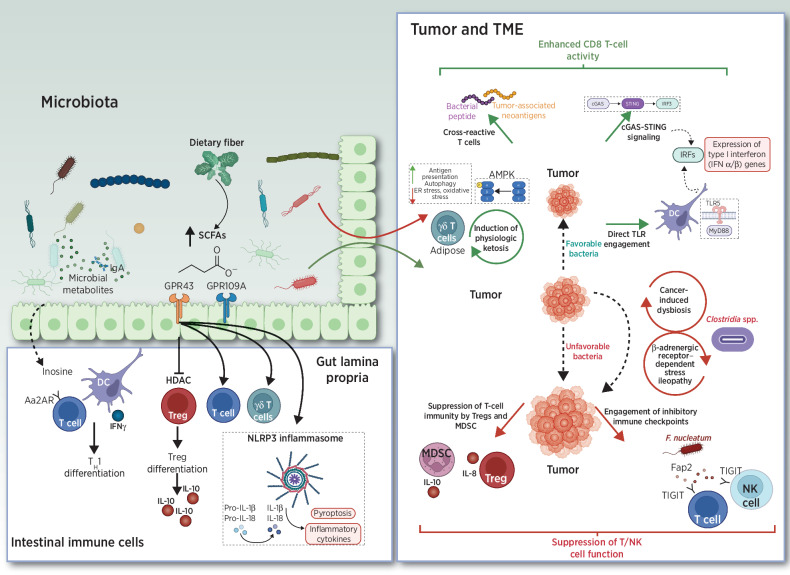
“Across studies, the intake of insoluble dietary fiber (DF), which is not digested but instead fermented into SCFAs by gut bacteria, is associated with increased production of CD103þDCs, enhanced differentiation of activated CD8þT cells into effector cells with memory phenotype (128, 129), and improved outcomes to anti…”
BackgroundTaube, J. M., Klein, A., Brahmer, J. R., Xu, H., Pan, X., Kim, J. H., Chen, L., Pardoll, D. M., Topalian, S. L., & Anders, R. A. (2014) · Clinical Cancer Research · doi:10.1158/1078-0432.ccr-13-3271 · Cited by 2,324
Pan-tumor genomic biomarkers for PD-1 checkpoint blockade–based immunotherapy
Cristescu, R., Mogg, R., Ayers, M., Albright, A., Murphy, E., Yearley, J., Sher, X., Liu, X. Q., Lu, H., Nebozhyn, M., et al. (2018) · Science · doi:10.1126/science.aar3593 · Cited by 2,301 · cited 1×
“7, 8), IFNg gene expression (9, 10), high tumormutation burden (TMB; refs.”
BackgroundCommensal Bacteria Control Cancer Response to Therapy by Modulating the Tumor Microenvironment
Iida, N., Dzutsev, A., Stewart, C. A., Smith, L., Bouladoux, N., Weingarten, R. A., Molina, D. A., Salcedo, R., Back, T., Cramer, S., et al. (2013) · Science · doi:10.1126/science.1240527 · Cited by 2,251
The Intestinal Microbiota Modulates the Anticancer Immune Effects of Cyclophosphamide
Viaud, S., Saccheri, F., Mignot, G., Yamazaki, T., Daillère, R., Hannani, D., Enot, D. P., Pfirschke, C., Engblom, C., Pittet, M. J., et al. (2013) · Science · doi:10.1126/science.1240537 · Cited by 2,050 · cited 1×
“For example, cyclophosphamide induces gut transmucosal translocation of Enterococcus hirae to secondary lymphoid organs with consequent stimulation of Th17 responses and IFN-producing CD8þ T-effector cells in sarcoma models and lung adenocarcinoma models (14, 15).”
BackgroundGeller, L. T., Barzily-Rokni, M., Danino, T., Jonas, O. H., Shental, N., Nejman, D., Gavert, N., Zwang, Y., Cooper, Z. A., Shee, K., et al. (2017) · Science · doi:10.1126/science.aah5043 · Cited by 1,817 · cited 1×
“Thus, antibiotic use is associated with increased gemcitabine efficacy in preclinical models of pancreatic cancer (106) and improved survival of humans with pancreatic cancer (107).”
BackgroundFecal microbiota transplant overcomes resistance to anti–PD-1 therapy in melanoma patients
Davar, D., Dzutsev, A. K., McCulloch, J. A., Rodrigues, R. R., Chauvin, J.-M., Morrison, R. M., Deblasio, R. N., Menna, C., Ding, Q., Pagliano, O., et al. (2021) · Science · doi:10.1126/science.abf3363 · Cited by 1,781 · cited 3×
“Together with the ability of fecal microbiome transplantation (FMT) to overcome primary PD-1 resistance (51), they suggest that the early response is dominated by host-intrinsic and tumor-intrinsic factors but early nonresponse may be determined by the gut microbiota composition.”
BackgroundSelf-citationFecal microbiota transplant promotes response in immunotherapy-refractory melanoma patients
Baruch, E. N., Youngster, I., Ben-Betzalel, G., Ortenberg, R., Lahat, A., Katz, L., Adler, K., Dick-Necula, D., Raskin, S., Bloch, N., et al. (2021) · Science · doi:10.1126/science.abb5920 · Cited by 1,757 · cited 2×
“The efficacy of FMT in treating ICI-resistant cancers was demonstrated in two clinical trials (51, 141).”
BackgroundPasolli, E., Asnicar, F., Manara, S., Zolfo, M., Karcher, N., Armanini, F., Beghini, F., Manghi, P., Tett, A., Ghensi, P., et al. (2019) · Cell · doi:10.1016/j.cell.2019.01.001 · Cited by 1,591
Analysis of Fusobacterium persistence and antibiotic response in colorectal cancer
Bullman, S., Pedamallu, C. S., Sicinska, E., Clancy, T. E., Zhang, X., Cai, D., Neuberg, D., Huang, K., Guevara, F., Nelson, T., et al. (2017) · Science · doi:10.1126/science.aal5240 · Cited by 1,574
Gut microbiome–mediated bile acid metabolism regulates liver cancer via NKT cells
Ma, C., Han, M., Heinrich, B., Fu, Q., Zhang, Q., Sandhu, M., Agdashian, D., Terabe, M., Berzofsky, J. A., Fako, V., et al. (2018) · Science · doi:10.1126/science.aan5931 · Cited by 1,508 · cited 1×
“Commensal bacteria convert primary to secondary BAs, which promotes hepatic CXCR6þ NKT cells that inhibit liver-selective metastases in preclinical models of primary and metastatic liver cancer (77).”
BackgroundGur, C., Ibrahim, Y., Isaacson, B., Yamin, R., Abed, J., Gamliel, M., Enk, J., Bar-On, Y., Stanietsky-Kaynan, N., Coppenhagen-Glazer, S., et al. (2015) · Immunity · doi:10.1016/j.immuni.2015.01.010 · Cited by 1,490
Microbiome-derived inosine modulates response to checkpoint inhibitor immunotherapy
Mager, L. F., Burkhard, R., Pett, N., Cooke, N. C. A., Brown, K., Ramay, H., Paik, S., Stagg, J., Groves, R. A., Gallo, M., et al. (2020) · Science · doi:10.1126/science.abc3421 · Cited by 1,407 · cited 1×
“pseudolongum—produce inosine and enhance the effects of anti–CTLA-4 therapy (76).”
BackgroundPushalkar, S., Hundeyin, M., Daley, D., Zambirinis, C. P., Kurz, E., Mishra, A., Mohan, N., Aykut, B., Usyk, M., Torres, L. E., et al. (2018) · Cancer Discovery · doi:10.1158/2159-8290.cd-17-1134 · Cited by 1,400
Gut-microbiota-targeted diets modulate human immune status
Wastyk, H. C., Fragiadakis, G. K., Perelman, D., Dahan, D., Merrill, B. D., Yu, F. B., Topf, M., Gonzalez, C. G., Van Treuren, W., Han, S., et al. (2021) · Cell · doi:10.1016/j.cell.2021.06.019 · Cited by 1,385
Wirbel, J., Pyl, P. T., Kartal, E., Zych, K., Kashani, A., Milanese, A., Fleck, J. S., Voigt, A. Y., Palleja, A., Ponnudurai, R., et al. (2019) · Nature Medicine · doi:10.1038/s41591-019-0406-6 · Cited by 1,373
Rizvi, H., Sanchez-Vega, F., La, K., Chatila, W., Jonsson, P., Halpenny, D., Plodkowski, A., Long, N., Sauter, J. L., Rekhtman, N., et al. (2018) · Journal of Clinical Oncology · doi:10.1200/jco.2017.75.3384 · Cited by 1,367
Chaput, N., Lepage, P., Coutzac, C., Soularue, E., Le Roux, K., Monot, C., Boselli, L., Routier, E., Cassard, L., Collins, M., et al. (2017) · Annals of Oncology · doi:10.1093/annonc/mdx108 · Cited by 1,310 · cited 1×
“), during anti–CTLA-4 ICI therapy (35, 109).”
Park, J., Kim, M., Kang, S. G., Jannasch, A. H., Cooper, B., Patterson, J., & Kim, C. H. (2015) · Mucosal Immunology · doi:10.1038/mi.2014.44 · Cited by 1,307
Diet, gut microbiota and immune responses
Maslowski, K. M., & Mackay, C. R. (2011) · Nature Immunology · doi:10.1038/ni0111-5 · Cited by 1,261 · cited 1×
“SCFAs such as acetate, propionate, and butyrate are the byproduct of bacterial fermentation of dietary fiber in the colon (78).”
BackgroundHuman colonic microbiota associated with diet, obesity and weight loss
Duncan, S. H., Lobley, G. E., Holtrop, G., Ince, J., Johnstone, A. M., Louis, P., & Flint, H. J. (2008) · International Journal of Obesity · doi:10.1038/ijo.2008.155 · Cited by 1,222
Identification of unique neoantigen qualities in long-term survivors of pancreatic cancer
Initiative, A. P. C. G., Balachandran, V. P., Łuksza, M., Zhao, J. N., Makarov, V., Moral, J. A., Remark, R., Herbst, B., Askan, G., Bhanot, U., et al. (2017) · Nature · doi:10.1038/nature24462 · Cited by 1,191 · cited 1×
“In humans, long-term survival in pancreatic cancer was associated with the development of highly immunogenic neoantigens with predicted cross-reactivity tomicrobial epitopes (69).”
BackgroundA defined commensal consortium elicits CD8 T cells and anti-cancer immunity
Tanoue, T., Morita, S., Plichta, D. R., Skelly, A. N., Suda, W., Sugiura, Y., Narushima, S., Vlamakis, H., Motoo, I., Sugita, K., et al. (2019) · Nature · doi:10.1038/s41586-019-0878-z · Cited by 1,145 · cited 1×
“These induced IFNg-producing CD8þ T cells in the lamina propria and systemically in a CD103þDC- and MHC class I–dependent manner (144).”
BackgroundThomas, A. M., Manghi, P., Asnicar, F., Pasolli, E., Armanini, F., Zolfo, M., Beghini, F., Manara, S., Karcher, N., Pozzi, C., et al. (2019) · Nature Medicine · doi:10.1038/s41591-019-0405-7 · Cited by 1,030 · cited 1×
“Population-specific differences exert important effects in microbiome studies (45, 46) that may be overcome by using large datasets comprising multiple cohorts and performing intra-cohort and cross-cohort comparisons to yield better combined-cohort prediction.”
BackgroundTaur, Y., Xavier, J. B., Lipuma, L., Ubeda, C., Goldberg, J., Gobourne, A., Lee, Y. J., Dubin, K. A., Socci, N. D., Viale, A., et al. (2012) · Clinical Infectious Diseases · doi:10.1093/cid/cis580 · Cited by 1,020
Dubin, K., Callahan, M. K., Ren, B., Khanin, R., Viale, A., Ling, L., No, D., Gobourne, A., Littmann, E., Huttenhower, C., et al. (2016) · Nature Communications · doi:10.1038/ncomms10391 · Cited by 987 · cited 1×
“), during anti–CTLA-4 ICI therapy (35, 109).”
Dietary fiber and probiotics influence the gut microbiome and melanoma immunotherapy response
Spencer, C. N., McQuade, J. L., Gopalakrishnan, V., McCulloch, J. A., Vetizou, M., Cogdill, A. P., Khan, M. A. W., Zhang, X., White, M. G., Peterson, C. B., et al. (2021) · Science · doi:10.1126/science.aaz7015 · Cited by 966
Commensal Microbiota Promote Lung Cancer Development via γδ T Cells
Jin, C., Lagoudas, G. K., Zhao, C., Bullman, S., Bhutkar, A., Hu, B., Ameh, S., Sandel, D., Liang, X. S., Mazzilli, S., et al. (2019) · Cell · doi:10.1016/j.cell.2018.12.040 · Cited by 964
Derosa, L., Hellmann, M. D., Spaziano, M., Halpenny, D., Fidelle, M., Rizvi, H., Long, N., Plodkowski, A. J., Arbour, K. C., Chaft, J. E., et al. (2018) · Annals of Oncology · doi:10.1093/annonc/mdy103 · Cited by 908 · cited 1×
“Firstly, in line with preclinical studies that showed that broad-spectrum antibiotics promoted unfavorable clinical outcomes to treatment with ICI targeting CTLA-4 (22) or PD-1/PD-L1 (26–28), patients with cancer who received broad-spectrum antibiotics shortly before or during ICI therapy had poorer progression-free s…”
ResultDaillère, R., Vétizou, M., Waldschmitt, N., Yamazaki, T., Isnard, C., Poirier-Colame, V., Duong, C. P. M., Flament, C., Lepage, P., Roberti, M. P., et al. (2016) · Immunity · doi:10.1016/j.immuni.2016.09.009 · Cited by 897 · cited 2×
“For example, cyclophosphamide induces gut transmucosal translocation of Enterococcus hirae to secondary lymphoid organs with consequent stimulation of Th17 responses and IFN-producing CD8þ T-effector cells in sarcoma models and lung adenocarcinoma models (14, 15).”
BackgroundMicrobial strain-level population structure and genetic diversity from metagenomes
Truong, D. T., Tett, A., Pasolli, E., Huttenhower, C., & Segata, N. (2017) · Genome Research · doi:10.1101/gr.216242.116 · Cited by 839
Purinergic regulation of the immune system
Cekic, C., & Linden, J. (2016) · Nature Reviews Immunology · doi:10.1038/nri.2016.4 · Cited by 787 · cited 1×
“Pharmacologic inhibition of adenosine signaling—either through direct A2AR inhibition or inhibition of CD38, CD39, or CD73—enhances antitumor immunity in multiple preclinical models and is a focus of drug development (73, 74).”
BackgroundLuu, M., Riester, Z., Baldrich, A., Reichardt, N., Yuille, S., Busetti, A., Klein, M., Wempe, A., Leister, H., Raifer, H., et al. (2021) · Nature Communications · doi:10.1038/s41467-021-24331-1 · Cited by 771
Intestinal Blautia Is Associated with Reduced Death from Graft-versus-Host Disease
Jenq, R. R., Taur, Y., Devlin, S. M., Ponce, D. M., Goldberg, J. D., Ahr, K. F., Littmann, E. R., Ling, L., Gobourne, A. C., Miller, L. C., et al. (2015) · Biology of Blood and Marrow Transplantation · doi:10.1016/j.bbmt.2015.04.016 · Cited by 748
Fecal microbiota transplantation for refractory immune checkpoint inhibitor-associated colitis
Wang, Y., Wiesnoski, D. H., Helmink, B. A., Gopalakrishnan, V., Choi, K., DuPont, H. L., Jiang, Z.-D., Abu-Sbeih, H., Sanchez, C. A., Chang, C.-C., et al. (2018) · Nature Medicine · doi:10.1038/s41591-018-0238-9 · Cited by 740 · cited 1×
“More recently, healthy donorderived FMT was found to efficiently treat biologic (TNFa and/or integrin a4b7 inhibitor) refractory ICI colitis, supporting that pathobionts can mediate the development of this irAE (113, 114).”
BackgroundHe, Y., Fu, L., Li, Y., Wang, W., Gong, M., Zhang, J., Dong, X., Huang, J., Wang, Q., Mackay, C. R., et al. (2021) · Cell Metabolism · doi:10.1016/j.cmet.2021.03.002 · Cited by 729
Programmable bacteria induce durable tumor regression and systemic antitumor immunity
Chowdhury, S., Castro, S., Coker, C., Hinchliffe, T. E., Arpaia, N., & Danino, T. (2019) · Nature Medicine · doi:10.1038/s41591-019-0498-z · Cited by 724 · cited 3×
“Systemically administered Bifidobacterium spp. can accumulate in tumors and improves anti-CD47 immunotherapy in a stimulator of IFNgenes (STING) and IFN-dependent fashion (21).”
MethodFrankel, A. E., Coughlin, L. A., Kim, J., Froehlich, T. W., Xie, Y., Frenkel, E. P., & Koh, A. Y. (2017) · Neoplasia · doi:10.1016/j.neo.2017.08.004 · Cited by 709
Bachem, A., Makhlouf, C., Binger, K. J., de Souza, D. P., Tull, D., Hochheiser, K., Whitney, P. G., Fernandez-Ruiz, D., Dähling, S., Kastenmüller, W., et al. (2019) · Immunity · doi:10.1016/j.immuni.2019.06.002 · Cited by 702 · cited 1×
“Across studies, the intake of insoluble dietary fiber (DF), which is not digested but instead fermented into SCFAs by gut bacteria, is associated with increased production of CD103þDCs, enhanced differentiation of activated CD8þT cells into effector cells with memory phenotype (128, 129), and improved outcomes to anti…”
BackgroundDerosa, L., Routy, B., Thomas, A. M., Iebba, V., Zalcman, G., Friard, S., Mazieres, J., Audigier-Valette, C., Moro-Sibilot, D., Goldwasser, F., et al. (2022) · Nature Medicine · doi:10.1038/s41591-021-01655-5 · Cited by 685
HUMAN T CELL RESPONSES AGAINST MELANOMA
Boon, T., Coulie, P. G., Eynde, B. J. V. D., & Bruggen, P. V. D. (2006) · Annual Review of Immunology · doi:10.1146/annurev.immunol.24.021605.090733 · Cited by 651
Engineered probiotics for local tumor delivery of checkpoint blockade nanobodies
Gurbatri, C. R., Lia, I., Vincent, R., Coker, C., Castro, S., Treuting, P. M., Hinchliffe, T. E., Arpaia, N., & Danino, T. (2020) · Science Translational Medicine · doi:10.1126/scitranslmed.aax0876 · Cited by 647 · cited 1×
“This approach was used, preclinically, for the controlled production and intratumoral release of nanobodies targeting PD-1/CTLA-4 (146) and CD47 (147) within the tumor microenvironment.”
MethodRegulation of intestinal inflammation by microbiota following allogeneic bone marrow transplantation
Jenq, R. R., Ubeda, C., Taur, Y., Menezes, C. C., Khanin, R., Dudakov, J. A., Liu, C., West, M. L., Singer, N. V., Equinda, M. J., et al. (2012) · Journal of Experimental Medicine · doi:10.1084/jem.20112408 · Cited by 626
Pinato, D. J., Howlett, S., Ottaviani, D., Urus, H., Patel, A., Mineo, T., Brock, C., Power, D., Hatcher, O., Falconer, A., et al. (2019) · JAMA Oncology · doi:10.1001/jamaoncol.2019.2785 · Cited by 626
Shono, Y., Docampo, M. D., Peled, J. U., Perobelli, S. M., Velardi, E., Tsai, J. J., Slingerland, A. E., Smith, O. M., Young, L. F., Gupta, J., et al. (2016) · Science Translational Medicine · doi:10.1126/scitranslmed.aaf2311 · Cited by 592
Zheng, J. H., Nguyen, V. H., Jiang, S.-N., Park, S.-H., Tan, W., Hong, S. H., Shin, M. G., Chung, I.-J., Hong, Y., Bom, H.-S., et al. (2017) · Science Translational Medicine · doi:10.1126/scitranslmed.aak9537 · Cited by 588 · cited 1×
“typhimurium demonstrate immunostimulatory potential (66, 67).”
Paulos, C. M., Wrzesinski, C., Kaiser, Hinrichs, C. S., Chieppa, M., Cassard, L., Palmer, D. C., Boni, A., Muranski, P., Yu, Z., et al. (2007) · Journal of Clinical Investigation · doi:10.1172/jci32205 · Cited by 586 · cited 10×
“org Clin Cancer Res; 28(20) October 15, 2022 4371”
BackgroundInfluentialThe adenosine pathway in immuno-oncology
Allard, B., Allard, D., Buisseret, L., & Stagg, J. (2020) · Nature Reviews Clinical Oncology · doi:10.1038/s41571-020-0382-2 · Cited by 586
Jin, Y., Dong, H., Xia, L., Yang, Y., Zhu, Y., Shen, Y., Zheng, H., Yao, C., Wang, Y., & Lu, S. (2019) · Journal of Thoracic Oncology · doi:10.1016/j.jtho.2019.04.007 · Cited by 573
Ketogenic Diets Alter the Gut Microbiome Resulting in Decreased Intestinal Th17 Cells
Ang, Q. Y., Alexander, M., Newman, J. C., Tian, Y., Cai, J., Upadhyay, V., Turnbaugh, J. A., Verdin, E., Hall, K. D., Leibel, R. L., et al. (2020) · Cell · doi:10.1016/j.cell.2020.04.027 · Cited by 569 · cited 2×
“However, it is unclear whether the observed immunological effects are secondary to gut microbiome-induced changes in the intestinal immune environment or due to circulating ketone bodies that may directly affect immune-cell function (98, 99).”
BackgroundAkkermansia muciniphila induces intestinal adaptive immune responses during homeostasis
Ansaldo, E., Slayden, L. C., Ching, K. L., Koch, M. A., Wolf, N. K., Plichta, D. R., Brown, E. M., Graham, D. B., Xavier, R. J., Moon, J. J., et al. (2019) · Science · doi:10.1126/science.aaw7479 · Cited by 566
Holler, E., Butzhammer, P., Schmid, K., Hundsrucker, C., Koestler, J., Peter, K., Zhu, W., Sporrer, D., Hehlgans, T., Kreutz, M., et al. (2014) · Biology of Blood and Marrow Transplantation · doi:10.1016/j.bbmt.2014.01.030 · Cited by 544
Ketogenic diet and ketone bodies enhance the anticancer effects of PD-1 blockade
Ferrere, G., Tidjani Alou, M., Liu, P., Goubet, A.-G., Fidelle, M., Kepp, O., Durand, S., Iebba, V., Fluckiger, A., Daillère, R., et al. (2021) · JCI Insight · doi:10.1172/jci.insight.145207 · Cited by 533 · cited 1×
“KDs improve tumor antigen-specific innate and adaptive immune responses in multiple preclinical models (95, 96), possibly related to 3-hydroxybutyrate-mediated increases in Eisenbergiella massiliensis (97) or direct AMPactivated protein kinase (AMPK) activation and consequent enhancement of antigen presentation (97).”
BackgroundFocused specificity of intestinal TH17 cells towards commensal bacterial antigens
Yang, Y., Torchinsky, M. B., Gobert, M., Xiong, H., Xu, M., Linehan, J. L., Alonzo, F., Ng, C., Chen, A., Lin, X., et al. (2014) · Nature · doi:10.1038/nature13279 · Cited by 520
Dizman, N., Meza, L., Bergerot, P., Alcantara, M., Dorff, T., Lyou, Y., Frankel, P., Cui, Y., Mira, V., Llamas, M., et al. (2022) · Nature Medicine · doi:10.1038/s41591-022-01694-6 · Cited by 515 · cited 7×
“Others are needed to generate preliminary data for additional cancers where ICI efficacy has been linked to gut microbiota (NSCLC, RCC, etc.).”
BackgroundInfluentialSystemic short chain fatty acids limit antitumor effect of CTLA-4 blockade in hosts with cancer
Coutzac, C., Jouniaux, J.-M., Paci, A., Schmidt, J., Mallardo, D., Seck, A., Asvatourian, V., Cassard, L., Saulnier, P., Lacroix, L., et al. (2020) · Nature Communications · doi:10.1038/s41467-020-16079-x · Cited by 513
c-MAF-dependent regulatory T cells mediate immunological tolerance to a gut pathobiont
Xu, M., Pokrovskii, M., Ding, Y., Yi, R., Au, C., Harrison, O. J., Galan, C., Belkaid, Y., Bonneau, R., & Littman, D. R. (2018) · Nature · doi:10.1038/nature25500 · Cited by 498
Molecular Pathways of Colon Inflammation Induced by Cancer Immunotherapy
Luoma, A. M., Suo, S., Williams, H. L., Sharova, T., Sullivan, K., Manos, M., Bowling, P., Hodi, F. S., Rahma, O., Sullivan, R. J., et al. (2020) · Cell · doi:10.1016/j.cell.2020.06.001 · Cited by 484 · cited 1×
“Single-cell analyses of intestinal luminal samples from ICI-treated patients who developed colitis identified transcriptionally-distinct T cells (characterized by IFNG, GBP5, HLA-DR, and CD74 expression) and myeloid cells (characterized by TNF, IL1B, and OSM expression) that drove the emergence of CD8þ T-effector cell…”
BackgroundMcCulloch, J. A., Davar, D., Rodrigues, R. R., Badger, J. H., Fang, J. R., Cole, A. M., Balaji, A. K., Vetizou, M., Prescott, S. M., Fernandes, M. R., et al. (2022) · Nature Medicine · doi:10.1038/s41591-022-01698-2 · Cited by 472 · cited 3×
“InMcCulloch and colleagues, noninvasive exfoliated transcriptome (exfoliome) analysis implicated LPS-producing Gram-negative bacteria enriched for key bacterial genes including a-l-fucosidase, a-galactosidase, and glycosyltransferases in mediating nonresponse to PD-1 (50).”
BackgroundMethodInfluentialSelf-citationRosenberg, S. A., Sherry, R. M., Morton, K. E., Scharfman, W. J., Yang, J. C., Topalian, S. L., Royal, R. E., Kammula, U., Restifo, N. P., Hughes, M. S., et al. (2005) · The Journal of Immunology · doi:10.4049/jimmunol.175.9.6169 · Cited by 465
Lee, K. A., Thomas, A. M., Bolte, L. A., Björk, J. R., de Ruijter, L. K., Armanini, F., Asnicar, F., Blanco-Miguez, A., Board, R., Calbet-Llopart, N., et al. (2022) · Nature Medicine · doi:10.1038/s41591-022-01695-5 · Cited by 464 · cited 2×
“This fact is particularly apt when cohorts are small and/or between-cohort differences are significant (49).”
BackgroundMethodInterpreting prevotella and bacteroides as biomarkers of diet and lifestyle
Gorvitovskaia, A., Holmes, S. P., & Huse, S. M. (2016) · Microbiome · doi:10.1186/s40168-016-0160-7 · Cited by 461
Identification of bacteria-derived HLA-bound peptides in melanoma
Kalaora, S., Nagler, A., Nejman, D., Alon, M., Barbolin, C., Barnea, E., Ketelaars, S. L. C., Cheng, K., Vervier, K., Shental, N., et al. (2021) · Nature · doi:10.1038/s41586-021-03368-8 · Cited by 457 · cited 1×
“melanoma expresses a repertoire of human leukocyte antigen class I (HLA-I) and class II (HLA-II) restricted peptides derived from intratumoral bacteria that can be presented by antigen-presenting cells and elicit T-cell responses (72).”
BackgroundGut microbiota signatures are associated with toxicity to combined CTLA-4 and PD-1 blockade
Andrews, M. C., Duong, C. P. M., Gopalakrishnan, V., Iebba, V., Chen, W.-S., Derosa, L., Khan, M. A. W., Cogdill, A. P., White, M. G., Wong, M. C., et al. (2021) · Nature Medicine · doi:10.1038/s41591-021-01406-6 · Cited by 437
Intratumoral accumulation of gut microbiota facilitates CD47-based immunotherapy via STING signaling
Shi, Y., Zheng, W., Yang, K., Harris, K. G., Ni, K., Xue, L., Lin, W., Chang, E. B., Weichselbaum, R. R., & Fu, Y.-X. (2020) · Journal of Experimental Medicine · doi:10.1084/jem.20192282 · Cited by 409 · cited 2×
“, which sensitizes mice to anti-CD47 immunotherapy in a STING-and IFN-dependent fashion (21).”
BackgroundMicrobial signals drive pre-leukaemic myeloproliferation in a Tet2-deficient host
Meisel, M., Hinterleitner, R., Pacis, A., Chen, L., Earley, Z. M., Mayassi, T., Pierre, J. F., Ernest, J. D., Galipeau, H. J., Thuille, N., et al. (2018) · Nature · doi:10.1038/s41586-018-0125-z · Cited by 406 · cited 1×
“Similarly, the use of antibiotics is associated with leukemic progression in genetically predisposed hosts (120, 121).”
BackgroundDerosa, L., Routy, B., Fidelle, M., Iebba, V., Alla, L., Pasolli, E., Segata, N., Desnoyer, A., Pietrantonio, F., Ferrere, G., et al. (2020) · European Urology · doi:10.1016/j.eururo.2020.04.044 · Cited by 398 · cited 6×
“Others are needed to generate preliminary data for additional cancers where ICI efficacy has been linked to gut microbiota (NSCLC, RCC, etc.).”
BackgroundInfluentialNomura, M., Nagatomo, R., Doi, K., Shimizu, J., Baba, K., Saito, T., Matsumoto, S., Inoue, K., & Muto, M. (2020) · JAMA Network Open · doi:10.1001/jamanetworkopen.2020.2895 · Cited by 396 · cited 1×
“In two separate studies of anti–PD-1–treated patients with cancer, higher levels of SCFAs were associated with favorable response (89, 90).”
BackgroundCross-reactivity between tumor MHC class I–restricted antigens and an enterococcal bacteriophage
Fluckiger, A., Daillère, R., Sassi, M., Sixt, B. S., Liu, P., Loos, F., Richard, C., Rabu, C., Alou, M. T., Goubet, A.-G., et al. (2020) · Science · doi:10.1126/science.aax0701 · Cited by 396 · cited 1×
“hirae bacteriophage elicited commensal-specific T cells that cross-reacted with candidate neoantigens (19, 68).”
BackgroundKnights, D., Ward, T. L., McKinlay, C. E., Miller, H., Gonzalez, A., McDonald, D., & Knight, R. (2014) · Cell Host & Microbe · doi:10.1016/j.chom.2014.09.013 · Cited by 396
Fourcade, J., Sun, Z., Pagliano, O., Guillaume, P., Luescher, I. F., Sander, C., Kirkwood, J. M., Olive, D., Kuchroo, V., & Zarour, H. M. (2012) · Cancer Research · doi:10.1158/0008-5472.can-11-2637 · Cited by 372
Self-citationEnterococcus peptidoglycan remodeling promotes checkpoint inhibitor cancer immunotherapy
Griffin, M. E., Espinosa, J., Becker, J. L., Luo, J.-D., Carroll, T. S., Jha, J. K., Fanger, G. R., & Hang, H. C. (2021) · Science · doi:10.1126/science.abc9113 · Cited by 366
Peng, Z., Cheng, S., Kou, Y., Wang, Z., Jin, R., Hu, H., Zhang, X., Gong, J.-F., Li, J., Lu, M., et al. (2020) · Cancer Immunology Research · doi:10.1158/2326-6066.cir-19-1014 · Cited by 361 · cited 1×
“Second, studies of the gut microbiota composition of ICI-treated patients with melanoma (26, 27, 35–37), NSCLC (28, 38–40), RCC (28, 41), and gastrointestinal (GI) cancers (42) reveal higher levels of distinct bacterial taxa in ICI-responders (R) compared with non-responders (NR; Table 1).”
BackgroundInosine is an alternative carbon source for CD8+-T-cell function under glucose restriction
Wang, T., Gnanaprakasam, J. N. R., Chen, X., Kang, S., Xu, X., Sun, H., Liu, L., Rodgers, H., Miller, E., Cassel, T. A., et al. (2020) · Nature Metabolism · doi:10.1038/s42255-020-0219-4 · Cited by 331 · cited 1×
“Surprisingly, supplementation of inosine, which is formed by adenosine catabolism, was recently reported to enhance efficacy of anti–PD-1 therapy and cell therapy but only in a low-glucose environment (75).”
BackgroundUribe-Herranz, M., Rafail, S., Beghi, S., Gil-de-Gómez, L., Verginadis, I., Bittinger, K., Pustylnikov, S., Pierini, S., Perales-Linares, R., Blair, I. A., et al. (2019) · Journal of Clinical Investigation · doi:10.1172/jci124332 · Cited by 316 · cited 1×
“The gut microbiome also mediates the effects of hypofractionated radiotherapy on irradiated and nonradiated tumors in an IFNg and cytotoxic T-cell–dependent manner in melanoma and human papillomavirus (HPV)-driven cancer models (18).”
BackgroundHakozaki, T., Richard, C., Elkrief, A., Hosomi, Y., Benlaïfaoui, M., Mimpen, I., Terrisse, S., Derosa, L., Zitvogel, L., Routy, B., et al. (2020) · Cancer Immunology Research · doi:10.1158/2326-6066.cir-20-0196 · Cited by 316
Gut microbiota diversity across ethnicities in the United States
Brooks, A. W., Priya, S., Blekhman, R., & Bordenstein, S. R. (2018) · PLOS Biology · doi:10.1371/journal.pbio.2006842 · Cited by 304
The Microbial Metabolite Butyrate Induces Expression of Th1-Associated Factors in CD4+ T Cells
Kespohl, M., Vachharajani, N., Luu, M., Harb, H., Pautz, S., Wolff, S., Sillner, N., Walker, A., Schmitt-Kopplin, P., Boettger, T., et al. (2017) · Frontiers in Immunology · doi:10.3389/fimmu.2017.01036 · Cited by 294
Dietary patterns and cancer risk
Steck, S. E., & Murphy, E. A. (2020) · Nature Reviews Cancer · doi:10.1038/s41568-019-0227-4 · Cited by 292 · cited 1×
“However, compelling epidemiologic associations are undermined by inconsistent dietary data collection across studies precluding deeper mechanistic insights, as reviewed in detail elsewhere (127).”
BackgroundBoon, T., & Old, L. (1997) · Current Opinion in Immunology · doi:10.1016/s0952-7915(97)80049-0 · Cited by 283
Dupraz, L., Magniez, A., Rolhion, N., Richard, M. L., Da Costa, G., Touch, S., Mayeur, C., Planchais, J., Agus, A., Danne, C., et al. (2021) · Cell Reports · doi:10.1016/j.celrep.2021.109332 · Cited by 274
Ketogenic diet modifies the gut microbiota in a murine model of autism spectrum disorder
Newell, C., Bomhof, M. R., Reimer, R. A., Hittel, D. S., Rho, J. M., & Shearer, J. (2016) · Molecular Autism · doi:10.1186/s13229-016-0099-3 · Cited by 272 · cited 1×
“Ketogenic diets (KD) alter the composition of gut microbiota in mice (91, 92).”
BackgroundLe Noci, V., Guglielmetti, S., Arioli, S., Camisaschi, C., Bianchi, F., Sommariva, M., Storti, C., Triulzi, T., Castelli, C., Balsari, A., et al. (2018) · Cell Reports · doi:10.1016/j.celrep.2018.08.090 · Cited by 270
Relating the gut metagenome and metatranscriptome to immunotherapy responses in melanoma patients
Peters, B. A., Wilson, M., Moran, U., Pavlick, A., Izsak, A., Wechter, T., Weber, J. S., Osman, I., & Ahn, J. (2019) · Genome Medicine · doi:10.1186/s13073-019-0672-4 · Cited by 263
Messaoudene, M., Pidgeon, R., Richard, C., Ponce, M., Diop, K., Benlaifaoui, M., Nolin-Lapalme, A., Cauchois, F., Malo, J., Belkaid, W., et al. (2022) · Cancer Discovery · doi:10.1158/2159-8290.cd-21-0808 · Cited by 250 · cited 1×
“Interestingly, one preclinical study has recently shown that natural polyphenol castalgin exerts antitumor activity in multiple mouse tumor models to overcome resistance to anti–PD-1 by modulating gut microbiota (134).”
BackgroundEnergy status dictates PD-L1 protein abundance and anti-tumor immunity to enable checkpoint blockade
Dai, X., Bu, X., Gao, Y., Guo, J., Hu, J., Jiang, C., Zhang, Z., Xu, K., Duan, J., He, S., et al. (2021) · Molecular Cell · doi:10.1016/j.molcel.2021.03.037 · Cited by 242 · cited 1×
“KDs improve tumor antigen-specific innate and adaptive immune responses in multiple preclinical models (95, 96), possibly related to 3-hydroxybutyrate-mediated increases in Eisenbergiella massiliensis (97) or direct AMPactivated protein kinase (AMPK) activation and consequent enhancement of antigen presentation (97).”
BackgroundKoch, P., del Valle, F., Berdel, W. E., Willich, N. A., Reers, B., Hiddemann, W., Grothaus-Pinke, B., Reinartz, G., Brockmann, J., Temmesfeld, A., et al. (2001) · Journal of Clinical Oncology · doi:10.1200/jco.2001.19.18.3874 · Cited by 235 · cited 1×
“pylori–directed triple or quadruple antibiotic therapy (115).”
Zhang, S.-L., Mao, Y.-Q., Zhang, Z.-Y., Li, Z.-M., Kong, C.-Y., Chen, H.-L., Cai, P.-R., Han, B., Ye, T., & Wang, L.-S. (2021) · Theranostics · doi:10.7150/thno.54476 · Cited by 224
Targeted inhibition of gut bacterial β-glucuronidase activity enhances anticancer drug efficacy
Bhatt, A. P., Pellock, S. J., Biernat, K. A., Walton, W. G., Wallace, B. D., Creekmore, B. C., Letertre, M. M., Swann, J. R., Wilson, I. D., Roques, J. R., et al. (2020) · Proceedings of the National Academy of Sciences · doi:10.1073/pnas.1918095117 · Cited by 221
Gut microbiota dependent anti-tumor immunity restricts melanoma growth in Rnf5−/− mice
Li, Y., Tinoco, R., Elmén, L., Segota, I., Xian, Y., Fujita, Y., Sahu, A., Zarecki, R., Marie, K., Feng, Y., et al. (2019) · Nature Communications · doi:10.1038/s41467-019-09525-y · Cited by 212 · cited 1×
“rodentium, which stimulates antitumor responses in Rnf5 / mice in a My8DD/TLR-mediated fashion (65), and Bifidobacterium spp.”
Botticelli, A., Vernocchi, P., Marini, F., Quagliariello, A., Cerbelli, B., Reddel, S., Del Chierico, F., Di Pietro, F., Giusti, R., Tomassini, A., et al. (2020) · Journal of Translational Medicine · doi:10.1186/s12967-020-02231-0 · Cited by 209 · cited 1×
“In two separate studies of anti–PD-1–treated patients with cancer, higher levels of SCFAs were associated with favorable response (89, 90).”
BackgroundRoberti, M. P., Yonekura, S., Duong, C. P. M., Picard, M., Ferrere, G., Tidjani Alou, M., Rauber, C., Iebba, V., Lehmann, C. H. K., Amon, L., et al. (2020) · Nature Medicine · doi:10.1038/s41591-020-0882-8 · Cited by 208 · cited 1×
“, Bacteroides fragilis) that dictate the balance between antitumor T-follicular helper (Tfh) cells and deleterious Th17 responses in colon cancer (17).”
BackgroundTinsley, N., Zhou, C., Tan, G., Rack, S., Lorigan, P., Blackhall, F., Krebs, M., Carter, L., Thistlethwaite, F., Graham, D., et al. (2020) · The Oncologist · doi:10.1634/theoncologist.2019-0160 · Cited by 201
The alveolar immune cell landscape is dysregulated in checkpoint inhibitor pneumonitis
Suresh, K., Naidoo, J., Zhong, Q., Xiong, Y., Mammen, J., de Flores, M. V., Cappelli, L., Balaji, A., Palmer, T., Forde, P. M., et al. (2019) · Journal of Clinical Investigation · doi:10.1172/jci128654 · Cited by 192 · cited 1×
“Similarly, increased numbers of IFN-expressing CD8þ effector T cells and IL1bexpressing monocytes have been related to ICI-related pneumonitis (112).”
BackgroundPrebiotic-Induced Anti-tumor Immunity Attenuates Tumor Growth
Li, Y., Elmén, L., Segota, I., Xian, Y., Tinoco, R., Feng, Y., Fujita, Y., Segura Muñoz, R. R., Schmaltz, R., Bradley, L. M., et al. (2020) · Cell Reports · doi:10.1016/j.celrep.2020.01.035 · Cited by 189
Wright, D. P., Rosendale, D. I., & Roberton, A. M. (2000) · FEMS Microbiology Letters · doi:10.1111/j.1574-6968.2000.tb09265.x · Cited by 185
Commensal bacteria stimulate antitumor responses via T cell cross-reactivity
Bessell, C. A., Isser, A., Havel, J. J., Lee, S., Bell, D. R., Hickey, J. W., Chaisawangwong, W., Glick Bieler, J., Srivastava, R., Kuo, F., et al. (2020) · JCI Insight · doi:10.1172/jci.insight.135597 · Cited by 184
Fusobacterium nucleatum Outer Membrane Proteins Fap2 and RadD Induce Cell Death in Human Lymphocytes
Kaplan, C. W., Ma, X., Paranjpe, A., Jewett, A., Lux, R., Kinder-Haake, S., & Shi, W. (2010) · Infection and Immunity · doi:10.1128/iai.00567-10 · Cited by 182 · cited 1×
“Fusobacterium nucleatum is associated with colorectal cancer and promotes colonic tumor formation in preclinical models; this bacterium interacts with the inhibitory T-cell receptor TIGIT through FAP2 and can directly suppress antitumor immunity and inhibit tumor killing by natural killer (NK) cells (70, 71).”
BackgroundWong, P. F., Wei, W., Smithy, J. W., Acs, B., Toki, M. I., Blenman, K. R. M., Zelterman, D., Kluger, H. M., & Rimm, D. L. (2019) · Clinical Cancer Research · doi:10.1158/1078-0432.ccr-18-2652 · Cited by 182
Park, J., Goergen, C. J., HogenEsch, H., & Kim, C. H. (2016) · The Journal of Immunology · doi:10.4049/jimmunol.1502046 · Cited by 166
Enhanced immunity in a mouse model of malignant glioma is mediated by a therapeutic ketogenic diet
Lussier, D. M., Woolf, E. C., Johnson, J. L., Brooks, K. S., Blattman, J. N., & Scheck, A. C. (2016) · BMC Cancer · doi:10.1186/s12885-016-2337-7 · Cited by 163 · cited 1×
“KDs improve tumor antigen-specific innate and adaptive immune responses in multiple preclinical models (95, 96), possibly related to 3-hydroxybutyrate-mediated increases in Eisenbergiella massiliensis (97) or direct AMPactivated protein kinase (AMPK) activation and consequent enhancement of antigen presentation (97).”
BackgroundKetogenesis activates metabolically protective γδ T cells in visceral adipose tissue
Goldberg, E. L., Shchukina, I., Asher, J. L., Sidorov, S., Artyomov, M. N., & Dixit, V. D. (2020) · Nature Metabolism · doi:10.1038/s42255-019-0160-6 · Cited by 161
Dwiyanto, J., Hussain, M. H., Reidpath, D., Ong, K. S., Qasim, A., Lee, S. W. H., Lee, S. M., Foo, S. C., Chong, C. W., & Rahman, S. (2021) · Scientific Reports · doi:10.1038/s41598-021-82311-3 · Cited by 161
Zahra, A., Fath, M. A., Opat, E., Mapuskar, K. A., Bhatia, S. K., Ma, D. C., III, S. N. R., Snyders, T. P., Chenard, C. A., Eichenberger-Gilmore, J. M., et al. (2017) · Radiation Research · doi:10.1667/rr14668.1 · Cited by 151
Helicobacter species are potent drivers of colonic T cell responses in homeostasis and inflammation
Chai, J. N., Peng, Y., Rengarajan, S., Solomon, B. D., Ai, T. L., Shen, Z., Perry, J. S. A., Knoop, K. A., Tanoue, T., Narushima, S., et al. (2017) · Science Immunology · doi:10.1126/sciimmunol.aal5068 · Cited by 149
Microbiota and cancer immunotherapy: in search of microbial signals
Gharaibeh, R. Z., & Jobin, C. (2019) · Gut · doi:10.1136/gutjnl-2018-317220 · Cited by 144
Huang, X.-Z., Gao, P., Song, Y.-X., Xu, Y., Sun, J.-X., Chen, X.-W., Zhao, J.-H., & Wang, Z.-N. (2019) · OncoImmunology · doi:10.1080/2162402x.2019.1665973 · Cited by 132
Khodabakhshi, A., Akbari, M. E., Mirzaei, H. R., Mehrad-Majd, H., Kalamian, M., & Davoodi, S. H. (2020) · Nutrition and Cancer · doi:10.1080/01635581.2019.1650942 · Cited by 126 · cited 1×
“KDs in patients with cancer are feasibile and efficient in inducing ketosis (136–140), but the effects of KDs on anticancer treatments have been variable, with favorable effects in patients with breast cancer undergoing neoadjuvant chemotherapy (137) but no effects on reirradiated malignant glioma (138).”
BackgroundAntibiotic therapy and outcome from immune-checkpoint inhibitors
Pinato, D. J., Gramenitskaya, D., Altmann, D. M., Boyton, R. J., Mullish, B. H., Marchesi, J. R., & Bower, M. (2019) · Journal for ImmunoTherapy of Cancer · doi:10.1186/s40425-019-0775-x · Cited by 116
Karcher, N., Pasolli, E., Asnicar, F., Huang, K. D., Tett, A., Manara, S., Armanini, F., Bain, D., Duncan, S. H., Louis, P., et al. (2020) · Genome Biology · doi:10.1186/s13059-020-02042-y · Cited by 116
Luke, N. R., Sauberan, S. L., Russo, T. A., Beanan, J. M., Olson, R., Loehfelm, T. W., Cox, A. D., St. Michael, F., Vinogradov, E. V., & Campagnari, A. A. (2010) · Infection and Immunity · doi:10.1128/iai.00016-10 · Cited by 114
Yonekura, S., Terrisse, S., Alves Costa Silva, C., Lafarge, A., Iebba, V., Ferrere, G., Goubet, A.-G., Fahrner, J.-E., Lahmar, I., Ueda, K., et al. (2022) · Cancer Discovery · doi:10.1158/2159-8290.cd-21-0999 · Cited by 112 · cited 1×
“This finding implicates the gut microbiota in carcinogenesis and cancer progression (25).”
BackgroundAn intact gut microbiome protects genetically predisposed mice against leukemia
Vicente-Dueñas, C., Janssen, S., Oldenburg, M., Auer, F., González-Herrero, I., Casado-García, A., Isidro-Hernández, M., Raboso-Gallego, J., Westhoff, P., Pandyra, A. A., et al. (2020) · Blood · doi:10.1182/blood.2019004381 · Cited by 106 · cited 1×
“Similarly, the use of antibiotics is associated with leukemic progression in genetically predisposed hosts (120, 121).”
BackgroundStaley, C., Kelly, C. R., Brandt, L. J., Khoruts, A., & Sadowsky, M. J. (2016) · mBio · doi:10.1128/mbio.01965-16 · Cited by 105
Voß, M., Wagner, M., von Mettenheim, N., Harter, P. N., Wenger, K. J., Franz, K., Bojunga, J., Vetter, M., Gerlach, R., Glatzel, M., et al. (2020) · International Journal of Radiation Oncology*Biology*Physics · doi:10.1016/j.ijrobp.2020.06.021 · Cited by 103 · cited 1×
“KDs in patients with cancer are feasibile and efficient in inducing ketosis (136–140), but the effects of KDs on anticancer treatments have been variable, with favorable effects in patients with breast cancer undergoing neoadjuvant chemotherapy (137) but no effects on reirradiated malignant glioma (138).”
BackgroundKlement, R. J., Champ, C. E., Kämmerer, U., Koebrunner, P. S., Krage, K., Schäfer, G., Weigel, M., & Sweeney, R. A. (2020) · Breast Cancer Research · doi:10.1186/s13058-020-01331-5 · Cited by 99
TLR Signaling Modulates Side Effects of Anticancer Therapy in the Small Intestine
Frank, M., Hennenberg, E. M., Eyking, A., Rünzi, M., Gerken, G., Scott, P., Parkhill, J., Walker, A. W., & Cario, E. (2015) · The Journal of Immunology · doi:10.4049/jimmunol.1402481 · Cited by 97 · cited 1×
“Commensal microbiota mediate methotrexate-induced gut toxicity controlled by ABCB1/MDR1encoded p-glycoprotein drug efflux pumps in CD11bþ intestinal myeloid cells in a TLR2-dependent fashion (103).”
BackgroundMcDermott, D. F., Lee, J., Szczylik, C. A., Donskov, F. N., Malik, J., Alekseev, B. Y., Larkin, J., Matveev, V. B., Gafanov, R. A., Tomczak, P., et al. (2018) · Journal of Clinical Oncology · doi:10.1200/jco.2018.36.15_suppl.4500 · Cited by 91
Pal, S. K., Li, S. M., Wu, X., Qin, H., Kortylewski, M., Hsu, J., Carmichael, C., & Frankel, P. (2015) · Clinical Cancer Research · doi:10.1158/1078-0432.ccr-15-0724 · Cited by 79
Antibiotic use influences outcomes in advanced pancreatic adenocarcinoma patients
Mohindroo, C., Hasanov, M., Rogers, J. E., Dong, W., Prakash, L. R., Baydogan, S., Mizrahi, J. D., Overman, M. J., Varadhachary, G. R., Wolff, R. A., et al. (2021) · Cancer Medicine · doi:10.1002/cam4.3870 · Cited by 79 · cited 1×
“Thus, antibiotic use is associated with increased gemcitabine efficacy in preclinical models of pancreatic cancer (106) and improved survival of humans with pancreatic cancer (107).”
BackgroundTsikala-Vafea, M., Belani, N., Vieira, K., Khan, H., & Farmakiotis, D. (2021) · International Journal of Infectious Diseases · doi:10.1016/j.ijid.2021.03.063 · Cited by 75
Do immune checkpoint inhibitors need new studies methodology?
Ferrara, R., Pilotto, S., Caccese, M., Grizzi, G., Sperduti, I., Giannarelli, D., Milella, M., Besse, B., Tortora, G., & Bria, E. (2018) · Journal of Thoracic Disease · doi:10.21037/jtd.2018.01.131 · Cited by 71 · cited 1×
“Also, ICI therapy, in particular, can yield novel patterns of response, meaning that time-to-event analyses evaluating a landmark timepoint [1 year PFS rather than objective response rate (ORR)] may better define the magnitude of benefit and the impact of a predictive biomarker (47, 48).”
BackgroundFeasibility and Biological Activity of a Ketogenic/Intermittent-Fasting Diet in Patients With Glioma
Schreck, K. C., Hsu, F., Berrington, A., Henry-Barron, B. J., Vizthum, D., Blair, L., Kossoff, E. H., Easter, L. H., Whitlow, C. T., Barker, P. B., et al. (2021) · Neurology · doi:10.1212/wnl.0000000000012386 · Cited by 68
Lauté-Caly, D. L., Raftis, E. J., Cowie, P., Hennessy, E., Holt, A., Panzica, D. A., Sparre, C., Minter, B., Stroobach, E., & Mulder, I. E. (2019) · Scientific Reports · doi:10.1038/s41598-018-36926-8 · Cited by 67 · cited 1×
“typhimurium demonstrate immunostimulatory potential (66, 67).”
Kurita, A., Kado, S., Matsumoto, T., Asakawa, N., Kaneda, N., Kato, I., Uchida, K., Onoue, M., & Yokokura, T. (2010) · Cancer Chemotherapy and Pharmacology · doi:10.1007/s00280-010-1310-4 · Cited by 66 · cited 1×
“Streptomycin reduces the severity of irinotecan-mediated delayed-onset diarrhea by reducing ileum and colonic tissue exposure to irinotecan and related metabolites (105).”
BackgroundKlein, M. S., Newell, C., Bomhof, M. R., Reimer, R. A., Hittel, D. S., Rho, J. M., Vogel, H. J., & Shearer, J. (2016) · Journal of Proteome Research · doi:10.1021/acs.jproteome.5b01025 · Cited by 52 · cited 1×
“Ketogenic diets (KD) alter the composition of gut microbiota in mice (91, 92).”
BackgroundShaikh, F. Y., White, J. R., Gills, J. J., Hakozaki, T., Richard, C., Routy, B., Okuma, Y., Usyk, M., Pandey, A., Weber, J. S., et al. (2021) · Clinical Cancer Research · doi:10.1158/1078-0432.ccr-20-4834 · Cited by 44 · cited 2×
“To determine the effect of analytic pipelines upon observed taxa disparity, two studies utilized a consistent bioinformatic approach for taxonomic assignment with appropriate statistical corrections and analyzed raw sequencing data from multiple published datasets (43, 44).”
MethodGopalakrishnan, V., Dozier, E. A., Glover, M. S., Novick, S. J., Ford, M. W., Morehouse, C. A., Warrener, P., Caceres, C. S., Hess, S. Y., Sellman, B. R., et al. (2021) · Microorganisms · doi:10.3390/microorganisms9071399 · Cited by 40 · cited 1×
“A recent study indicated that antibiotic duration and FMT dosing frequency influences engraftment in non–germ-free mice (143), suggesting that the intestinal dysbiosis observed in PD-1–resistant melanoma may be more “refractory” than rCDI and thus require more extended dosing.”
BackgroundFan, S., Zhang, H., Chen, X., Lu, L., Xu, L., & Xiao, M. (2016) · Journal of Basic Microbiology · doi:10.1002/jobm.201500582 · Cited by 35
Progression-free survival landmark analysis: a critical endpoint in melanoma clinical trials
Ascierto, P. A., & Long, G. V. (2016) · The Lancet Oncology · doi:10.1016/s1470-2045(16)30017-1 · Cited by 34 · cited 1×
“Also, ICI therapy, in particular, can yield novel patterns of response, meaning that time-to-event analyses evaluating a landmark timepoint [1 year PFS rather than objective response rate (ORR)] may better define the magnitude of benefit and the impact of a predictive biomarker (47, 48).”
BackgroundZhang, R., Walker, A. R., & Datta, S. (2021) · Biology Direct · doi:10.1186/s13062-020-00284-1 · Cited by 30
Wang, Y., Ma, W., Abu‐Sbeih, H., Jiang, Z., & DuPont, H. L. (2020) · Journal of Clinical Oncology · doi:10.1200/jco.2020.38.15_suppl.3067 · Cited by 19 · cited 1×
“More recently, healthy donorderived FMT was found to efficiently treat biologic (TNFa and/or integrin a4b7 inhibitor) refractory ICI colitis, supporting that pathobionts can mediate the development of this irAE (113, 114).”
BackgroundNomura, M., Nagatomo, R., Inoue, K., Doi, K., Shimizu, J., Baba, K., Saito, T., Matsumoto, S., & Muto, M. (2019) · Annals of Oncology · doi:10.1093/annonc/mdz253.074 · Cited by 10 · cited 1×
“Across studies, the intake of insoluble dietary fiber (DF), which is not digested but instead fermented into SCFAs by gut bacteria, is associated with increased production of CD103þDCs, enhanced differentiation of activated CD8þT cells into effector cells with memory phenotype (128, 129), and improved outcomes to anti…”
Background
Cited by
Gut microbiota shapes cancer immunotherapy responses
Lei, W., Zhou, K., Lei, Y., Li, Q., & Zhu, H. (2025) · npj Biofilms and Microbiomes · doi:10.1038/s41522-025-00786-8 · Cited by 196
Role of gut microbiome in cancer immunotherapy: from predictive biomarker to therapeutic target
Zhang, M., Liu, J., & Xia, Q. (2023) · Experimental Hematology and Oncology · doi:10.1186/s40164-023-00442-x · Cited by 167
“Manipulation of the gut microbiota to enhance immunotherapy Compared with other response markers for immunotherapy, the gut microbiome not only serves as a fascinating biomarker but also as an intervention target [80].”
BackgroundGut microbiome homeostasis and the future of probiotics in cancer immunotherapy
Singh, A., Alexander, S., & Martin, S. (2023) · Frontiers in Immunology · doi:10.3389/fimmu.2023.1114499 · Cited by 73
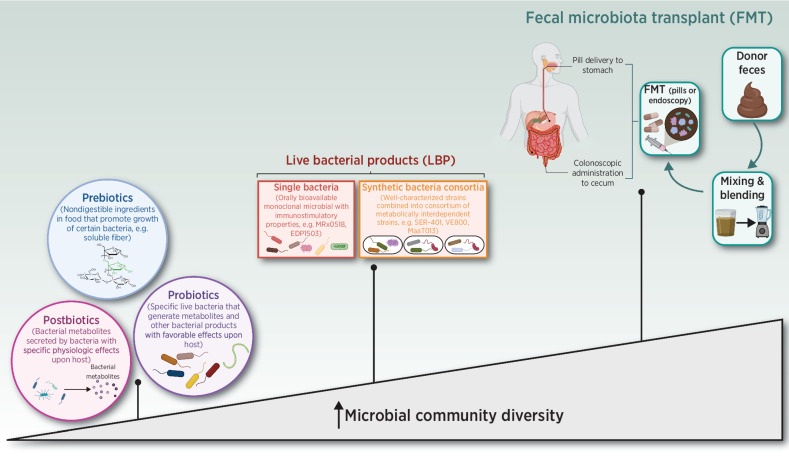
“Probiotics and/or bacteria consortia containing l i v e bac t e r i a such as Bifidobac t e r ia , Lac tobac i l l u s , Propionibacterium, and Streptococcus thermophilus combined with monoclonal antibodies (anti-PD-1 and anti-CTLA-4 antibodies) can significantly improve the outcomes of patients with refractory cancer…”
BackgroundDóra, D., Bokhari, S. M. Z., Aloss, K., Takacs, P., Desnoix, J. Z., Szklenárik, G., Hurley, P. D., & Lohinai, Z. (2023) · International Journal of Molecular Sciences · doi:10.3390/ijms24032769 · Cited by 51
Gut microbiota as a biomarker and modulator of anti-tumor immunotherapy outcomes
Yan, J., Yang, L., Ren, Q., Zhu, C., Du, H., Wang, Z., Qi, Y., Xian, X., & Chen, D. (2024) · Frontiers in Immunology · doi:10.3389/fimmu.2024.1471273 · Cited by 56
Metadata
- Authors
- Davar, D., & Zarour, H. M.
- Affiliations
- University of Pittsburgh (US)
- Corresponding author
- Davar, Diwakar
- Venue
- Clinical Cancer Research
- Published
- 2022-06-24
- Volume
- 28
- Issue
- 20
- Pages
- 4370-4384
- ISSN
- 1078-0432 (ISSN-L)
- 1557-3265
- PMC
- PMC9561605
- OpenAlex
- W4283464614
- Cited by
- 40
- References
- 151
- Citations by year
- 2026: 5 · 2025: 15 · 2024: 5 · 2023: 12 · 2022: 3
- FWCI
- 1.07
- Type
- journal article
- Language
- en
- Open access
- hybrid
- doi.org
- Licence
- Locations
- Clinical Cancer Research (publishedVersion, cc-by-nc-nd)
- PubMed Central (publishedVersion, cc-by-nc-nd)
- PubMed (publishedVersion)
- Funders
- National Cancer Institute (R01CA222203, R01CA257265, P50CA257265)
- Topics
- Health Sciences › Medicine › Oncology › Cancer Immunotherapy and Biomarkers
- Life Sciences › Biochemistry, Genetics and Molecular Biology › Molecular Biology › Gut microbiota and health
- Life Sciences › Biochemistry, Genetics and Molecular Biology › Biotechnology › Bacterial Cancer Therapy
- Keywords
- gut microbiota, cancer immunotherapy, immune checkpoint inhibitors, CTLA-4, PD-1, microbiota-based therapy, immunotherapy response, clinical trials, host immunity
- MeSH terms
- Gastrointestinal Microbiome, Immune Checkpoint Inhibitors, Animals, Humans, Immunotherapy, Neoplasms, Mice, CTLA-4 Antigen, Programmed Cell Death 1 Receptor
About these checks
Registry, retraction, Cites and statistics results are computed, not judged, with one exception: a printed reference that no index lists is read once by a model before it counts as a citation error. Claims are extracted by a model and kept only when their quote appears verbatim in the text; each cited source is then checked, with a model’s help, for whether it says what the claim relies on. Those verdicts can be wrong — read the claim’s quote and the cited source before relying on one.
Statistics and arithmetic are recomputed, not judged.
Confidence bands are shown only for fields calibrated on our annotated test set. None is calibrated yet, so no band is shown.
What counts as a claim ›How we measure confidence ›How we check this ›
Are you an author, or do you see a problem with this page? Request a review
Data sources
Bibliographic data: Semantic Scholar, OpenAlex, Crossref.
Contains information from the Semantic Scholar Academic Graph Datasets, made available under the ODC Attribution License (ODC-BY 1.0).
Semantic Scholar’s data is described in: Kinney, R., et al. (2023). The Semantic Scholar Open Data Platform. arXiv:2301.10140.
