

Nanosensitizer-assisted sonodynamic therapy for breast cancer
Open accessThe DOI matches its Crossref record; 179 of the 179 references it cites were found in a registry or an index; 41 of the 118 sources its claims cite were checked for support.
Abstract
Breast cancer is the most commonly diagnosed cancer worldwide. Despite advancements in therapeutic modalities, its prognosis remains poor owing to complex clinical, pathological, and molecular characteristics. Sonodynamic therapy (SDT) is a promising approach for tumor elimination, using sonosensitizers that preferentially accumulate in tumor tissues and are activated by low-intensity ultrasound to produce reactive oxygen species. However, the clinical translation of SDT faces challenges, including the limited efficiency of sonosensitizers and resistance posed by the tumor microenvironment. The emergence of nanomedicine offers innovative strategies to address these obstacles. This review discusses strategies for enhancing the efficacy of SDT using sonosensitizers, including rational structural modifications, improved tumor-targeted enrichment, tumor microenvironment remodeling, and imaging-guided therapy. Additionally, SDT-based multimodal therapies, such as sono-chemotherapy, sono-immunotherapy, and sono-photodynamic therapy, and their potential applications in breast cancer treatment are summarized. The underlying mechanisms of SDT in breast cancer are briefly outlined. Finally, this review highlights current challenges and prospects for the clinical translation of SDT, providing insights into future advancements that may improve therapeutic outcomes for breast cancer.
Overview
CoChat Summary
## TL;DR
This is a review of nanosensitizer-assisted sonodynamic therapy (SDT) for breast cancer, summarizing how nanomaterials can improve tumor targeting, overcome microenvironmental resistance, and enable combination therapies. The paper argues that SDT is promising but still largely preclinical for breast cancer, with clinical translation limited by sonosensitizer performance, tumor microenvironment barriers, and lack of standardization.
## Key findings
- SDT uses low-intensity ultrasound to activate sonosensitizers that preferentially accumulate in tumors and generate reactive oxygen species (ROS); the review notes commonly used ultrasound ranges of 0.5 to 5 Wcm−2 and 0.035 to 3 MHz.
- The paper states that breast-cancer SDT is still mainly in the preclinical stage, and that current limitations include low ROS production efficiency, poor tumor targeting, hypoxia, and high glutathione (GSH) in the tumor microenvironment.
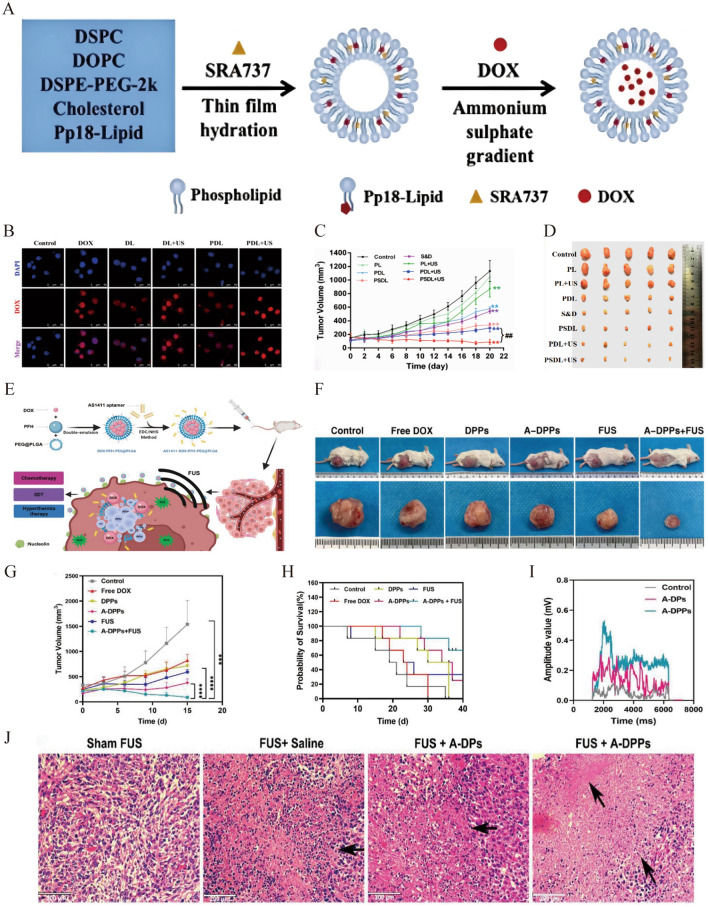
- Examples summarized in the review report strong preclinical effects, including 92.21% tumor volume inhibition for PSDL + US versus 53.59% for SRA737/DOX alone, and 70.35% tumor inhibition for Cu/TiO2 + US in 4T1-bearing mice.
- The review highlights one clinical example of SDT-based combination therapy: in three patients with metastatic breast cancer, SF1 + light + US improved tumors and vital signs to varying degrees; it also notes a separate case in which combined GcMAF, SDT, and exemestane led to complete disappearance of a patient’s right axillary tumor, pleural effusion, and pleural nodule.
## Methods
- Narrative review of published studies on nanosonosensitizers-enhanced SDT for breast cancer, including mechanisms, nanosensitizer design, microenvironment modulation, imaging guidance, and combination therapies.
- The review synthesizes preclinical cell and mouse studies across multiple breast cancer models, especially 4T1, MDA-MB-231, and MCF-7, plus a small number of clinical case reports/trials mentioned in the text.
- Main analysis is qualitative: the authors compare strategies by mechanism and application, such as structural modification, targeted aggregation, TME modulation, imaging-guided therapy, and combinations with chemotherapy, immunotherapy, photodynamic therapy, photothermal therapy, ferroptosis, chemodynamic therapy, gas therapy, and gene therapy.
## Limitations
- The paper explicitly states that many of the proposed approaches remain preclinical and that further preclinical studies and clinical trials are required to validate and improve SDT-based methods.
- It notes that the precise working principle of SDT remains unclear and that mechanisms depend on cell type, model, sonosensitizer, and ultrasound parameters.
- Evident from the text: this is a review article, so it does not present a new controlled experimental dataset of its own; instead, it summarizes heterogeneous studies with varied models, reagents, and ultrasound settings.
Model-written summary. Check it against the paper before relying on it.
Integrity signals
Registry
Cites
Statistics
Figures
Verification
Claims the paper makes
36 Valid · 2 Not valid · 41 Not checked · 30 Own results and interpretations
Every source the paper cites for this claim was checked and supports it.
In the paper
“Ferroptosis plays a crucial role in regulating the sensitivity of tumor cells to anti-tumor therapies [48].”
§ Nanosensitizer-assisted sonodynamic therapy for breast cancer > Mechanism of SDT > Molecular mechanisms of SDT for breast cancer treatment
What the sources say
- Supportedcites [48] Tong X, Tang R, Xiao M, Xu J, Wang W, Zhang B, et al. Targeting cell death pathways for cancer therapy: recent developments in necroptosis, pyroptosis, ferroptosis, and cuproptosis research. J Hematol Oncol. 2022;15(1):174. 36482419 PMC9733270 source
In “RCD: is it a potential approach to reverse drug resistance in cancer?” (page unavailable), the review says ferroptosis inducers may sensitize malignant cells to immunotherapy and describes improved antitumor immunity when they are combined with PD-L1 blockade. The “Pleiotropic functions of cell death in the TME” section also links therapy-induced ferroptosis to improved immunotherapy efficacy. (LLM, conf=0.91)
plainstates a cause- Asserted: passes — The authors put it forward as true.
- Checkable: passes — It can be checked against evidence.
- Load-bearing: passes — The paper’s conclusions depend on it.
- Based: passes — The paper gives a reason why it holds.
- Supported
The cited sources support only part of this claim — read each source’s verdict below.
In the paper
“These findings may be related to the immunosuppressive TME of breast cancer [86, 87].”
§ Nanosensitizer-assisted sonodynamic therapy for breast cancer > SDT-based combination treatment of breast cancer > SDT combined with immunotherapy
What the sources say
- Partly supportedcites [86] Fucikova J, Kepp O, Kasikova L, Petroni G, Yamazaki T, Liu P, et al. Detection of immunogenic cell death and its relevance for cancer therapy. Cell Death Dis. 2020;11(11):1013. 33243969 PMC7691519 sourceExperimental — accuracy not yet measured
The Introduction (page unavailable) explains that tumors can evade immune responses and that some become resistant to checkpoint immunotherapy. The ATP section (page unavailable) describes immunosuppressive effects in malignant tissue, but it does not connect an immunosuppressive microenvironment to low immunotherapy response specifically in breast cancer. (LLM, conf=0.78)
- Could not verifycites [87] Hou X, Zaks T, Langer R, Dong Y. Lipid nanoparticles for mRNA delivery. Nat Rev Mater. 2021;6(12):1078–94. 34394960 PMC8353930 sourceExperimental — accuracy not yet measured
The Cancer section discusses inducing a pro-inflammatory tumour microenvironment with mRNA formulations, but does not link an immunosuppressive microenvironment to low immunotherapy response in breast cancer. Searches for breast cancer, immunosuppression, and treatment response found no passage making that connection. (LLM, conf=0.72)
hedgedstates a possible cause- Asserted: passes — The authors put it forward as true.
- Checkable: passes — It can be checked against evidence.
- Load-bearing: passes — The paper’s conclusions depend on it.
- Based: passes — The paper gives a reason why it holds.
- Partly supported
The cited sources support only part of this claim — read each source’s verdict below.
In the paper
“Furthermore, hypoxia and high glutathione (GSH) concentrations in the tumor microenvironment (TME) greatly limit the efficacy of SDT [24–26].”
§ Nanosensitizer-assisted sonodynamic therapy for breast cancer > Background
What the sources say
- Partly supportedcites [24] Xu Y, Tan W, Chen M, Chen S, Tang K, Liao H, et al. MnO(2) coated multi-layer nanoplatform for enhanced sonodynamic therapy and MR imaging of breast cancer. Front Bioeng Biotechnol. 2022;10: 955127. 36338124 PMC9627152 sourceExperimental — accuracy not yet measured
The Introduction (page unavailable) says tumor hypoxia creates resistance to SDT and reduces its therapeutic efficacy. The paper does not address whether high glutathione concentrations limit SDT; searches for GSH, glutathione, and ROS scavenging found no supporting passage. (LLM, conf=0.88)
- Not checked — no full text of the sourcecites [25] Niu B, Liao K, Zhou Y, Wen T, Quan G, Pan X, et al. Application of glutathione depletion in cancer therapy: Enhanced ROS-based therapy, ferroptosis, and chemotherapy. Biomaterials. 2021;277: 121110. 34482088 source
- Not checked — no full text of the sourcecites [26] Matés JM, Campos-Sandoval JA, de Los S-J, Márquez J. Glutaminases regulate glutathione and oxidative stress in cancer. Arch Toxicol. 2020;94(8):2603–23. 32681190 source
plainstates a cause- Asserted: passes — The authors put it forward as true.
- Checkable: passes — It can be checked against evidence.
- Load-bearing: passes — The paper’s conclusions depend on it.
- Based: passes — The paper gives a reason why it holds.
- Partly supported
The cited sources support only part of this claim — read each source’s verdict below.
In the paper
“Localizing sonosensitizers to subcellular organelles is important because the lifespan and diffusion length of certain free radical products produced by sonosensitizers during SDT is relatively short [39, 44].”
§ Nanosensitizer-assisted sonodynamic therapy for breast cancer > Mechanism of SDT > Molecular mechanisms of SDT for breast cancer treatment
What the sources say
- Not checked — no full text of the sourcecites [39] Li Y, Wang P, Zhao P, Zhu S, Wang X, Liu Q. Apoptosis induced by sonodynamic treatment by protoporphyrin IX on MDA-MB-231 cells. Ultrasonics. 2012;52(4):490–6. 22115526 source
- Partly supportedcites [44] Wang T, Peng W, Du M, Chen Z. Immunogenic sonodynamic therapy for inducing immunogenic cell death and activating antitumor immunity. Front Oncol. 2023;13:1167105. 37168380 PMC10166230 sourceExperimental — accuracy not yet measured
The Discussion supports targeting sonosensitizers to organelles such as the endoplasmic reticulum and mitochondria to improve SDT-related effects. The Main mechanism section also describes ROS produced during SDT, but neither section attributes the importance of organelle localization to a short free-radical lifespan or diffusion length. (LLM, conf=0.86)
plainstates a cause- Asserted: passes — The authors put it forward as true.
- Checkable: passes — It can be checked against evidence.
- Load-bearing: passes — The paper’s conclusions depend on it.
- Based: passes — The paper gives a reason why it holds.
The cited sources support only part of this claim — read each source’s verdict below.
In the paper
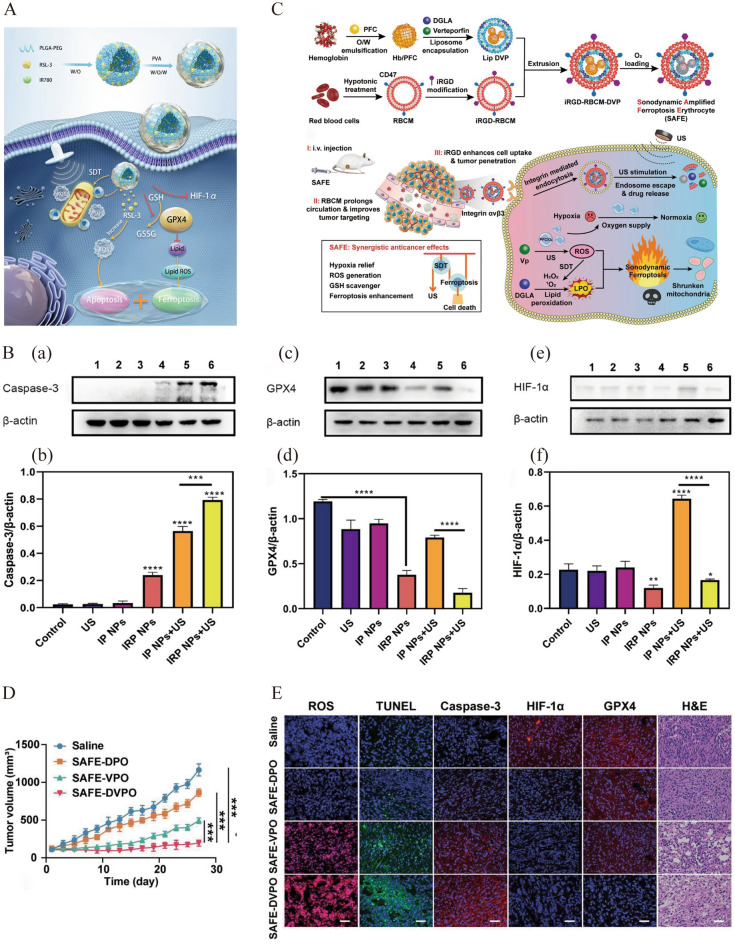
“They found that characteristics related to ferroptosis occur in 4T1 breast cancer cells, such as lipid peroxidation (LPO) accumulation, decreased GSH content, and downregulation of glutathione peroxidase 4 (GPX4) [45].”
§ Nanosensitizer-assisted sonodynamic therapy for breast cancer > Mechanism of SDT > Molecular mechanisms of SDT for breast cancer treatment
What the sources say
- Partly supportedcites [45] Lai Y, Lu N, Ouyang A, Zhang Q, Zhang P. Ferroptosis promotes sonodynamic therapy: a platinum(ii)-indocyanine sonosensitizer. Chem Sci. 2022;13(34):9921–6. 36128230 PMC9430585 sourceExperimental — accuracy not yet measured
The Introduction reports reduced GSH, lipid peroxidation accumulation, and GPX4 downregulation in 4T1 cells treated with Pt-Cy. However, it identifies the complex as having a cyanine framework, not a cysteine framework. The Ferroptosis mechanism section also specifies that the GPX4 reduction occurred under ultrasound irradiation, not with Pt-Cy alone. (LLM, conf=0.88)
plainstates a cause- Asserted: passes — The authors put it forward as true.
- Checkable: passes — It can be checked against evidence.
- Load-bearing: passes — The paper’s conclusions depend on it.
- Based: passes — The paper gives a reason why it holds.
- Partly supported
41 more claims · 5 with their cited sources checked
Create a free account to see all 109 claims and to verify the 8 references still open.
- Probably not a substantial claim. 19
- It may state two separate claims as one. 48
Citations
Cites
Sung, H., Ferlay, J., Siegel, R. L., Laversanne, M., Soerjomataram, I., Jemal, A., & Bray, F. (2021) · CA: A Cancer Journal for Clinicians · doi:10.3322/caac.21660 · Cited by 108,699
Siegel, R. L., Miller, K. D., Wagle, N. S., & Jemal, A. (2023) · CA: A Cancer Journal for Clinicians · doi:10.3322/caac.21763 · Cited by 16,303
A guide to cancer immunotherapy: from T cell basic science to clinical practice
Waldman, A. D., Fritz, J. M., & Lenardo, M. J. (2020) · Nature Reviews Immunology · doi:10.1038/s41577-020-0306-5 · Cited by 4,154
Lipid nanoparticles for mRNA delivery
Hou, X., Zaks, T., Langer, R., & Dong, Y. (2021) · Nature Reviews Materials · doi:10.1038/s41578-021-00358-0 · Cited by 4,076
Current and future burden of breast cancer: Global statistics for 2020 and 2040
Arnold, M., Morgan, E., Rumgay, H., Mafra, A., Singh, D., Laversanne, M., Vignat, J., Gralow, J. R., Cardoso, F., Siesling, S., et al. (2022) · The Breast · doi:10.1016/j.breast.2022.08.010 · Cited by 3,411 · cited 1×
“Breast cancer has become the most commonly diagnosed cancer worldwide, surpassing lung cancer [1, 2].”
Breast Cancer Statistics, 2022
Giaquinto, A. N., Sung, H., Miller, K. D., Kramer, J. L., Newman, L. A., Minihan, A., Jemal, A., & Siegel, R. L. (2022) · CA: A Cancer Journal for Clinicians · doi:10.3322/caac.21754 · Cited by 2,286
Photodynamic therapy – mechanisms, photosensitizers and combinations
Kwiatkowski, S., Knap, B., Przystupski, D., Saczko, J., Kędzierska, E., Knap-Czop, K., Kotlińska, J., Michel, O., Kotowski, K., & Kulbacka, J. (2018) · Biomedicine & Pharmacotherapy · doi:10.1016/j.biopha.2018.07.049 · Cited by 2,173 · cited 1×
“PDT can produce ROS that induce tumor cell death by stimulating photosensitizers with specific wavelengths of therapeutic light [101–103].”
Reactive Oxygen Species-Induced Lipid Peroxidation in Apoptosis, Autophagy, and Ferroptosis
Su, L.-J., Zhang, J.-H., Gomez, H., Murugan, R., Hong, X., Xu, D., Jiang, F., & Peng, Z.-Y. (2019) · Oxidative Medicine and Cellular Longevity · doi:10.1155/2019/5080843 · Cited by 2,166 · cited 1×
“Thus, activating ferroptosis can effectively increase the sensitivity of tumor cells to ROS [118], indicating that SDT may be an ideal combination therapy for ferroptosis.”
Wang, L. J. (2024) · Advances in Science and Technology · doi:10.4028/b-wjqrp6 · Cited by 1,807
Lei, X., Lei, Y., Li, J.-K., Du, W.-X., Li, R.-G., Yang, J., Li, J., Li, F., & Tan, H.-B. (2020) · Cancer Letters · doi:10.1016/j.canlet.2019.11.009 · Cited by 1,470 · cited 1×
“The poor prognosis is primarily attributed to the heterogeneous tumor microenvironment (TME) and resistance of cancer cell resistance to therapy [8].”
Self-citationNiu, B., Liao, K., Zhou, Y., Wen, T., Quan, G., Pan, X., & Wu, C. (2021) · Biomaterials · doi:10.1016/j.biomaterials.2021.121110 · Cited by 1,168
Multifunctional sonosensitizers in sonodynamic cancer therapy
Son, S., Kim, J. H., Wang, X., Zhang, C., Yoon, S. A., Shin, J., Sharma, A., Lee, M. H., Cheng, L., Wu, J., et al. (2020) · Chemical Society Reviews · doi:10.1039/c9cs00648f · Cited by 1,150 · cited 4×
“This may be owing to the inherent limitations of current sonosensitizers for breast cancer, such as low ROS production efficiency and poor tumor targeting [21].”
InfluentialDetection of immunogenic cell death and its relevance for cancer therapy
Fucikova, J., Kepp, O., Kasikova, L., Petroni, G., Yamazaki, T., Liu, P., Zhao, L., Spisek, R., Kroemer, G., & Galluzzi, L. (2020) · Cell Death & Disease · doi:10.1038/s41419-020-03221-2 · Cited by 1,138
The development of the concept of ferroptosis
Hirschhorn, T., & Stockwell, B. R. (2019) · Free Radical Biology and Medicine · doi:10.1016/j.freeradbiomed.2018.09.043 · Cited by 1,052
Global burden and trends in premenopausal and postmenopausal breast cancer: a population-based study
Heer, E., Harper, A., Escandor, N., Sung, H., McCormack, V., & Fidler-Benaoudia, M. M. (2020) · The Lancet Global Health · doi:10.1016/s2214-109x(20)30215-1 · Cited by 888 · cited 1×
“Moreover, it is the second leading cause of cancer-related deaths among women, particularly in transitioning countries [3, 4].”
Tong, X., Tang, R., Xiao, M., Xu, J., Wang, W., Zhang, B., Liu, J., Yu, X., & Shi, S. (2022) · Journal of Hematology & Oncology · doi:10.1186/s13045-022-01392-3 · Cited by 883
Adams, S., Schmid, P., Rugo, H. S., Winer, E. P., Loirat, D., Awada, A., Cescon, D. W., Iwata, H., Campone, M., Nanda, R., et al. (2019) · Annals of Oncology · doi:10.1093/annonc/mdy517 · Cited by 807
Huang, P., Qian, X., Chen, Y., Yu, L., Lin, H., Wang, L., Zhu, Y., & Shi, J. (2017) · Journal of the American Chemical Society · doi:10.1021/jacs.6b11846 · Cited by 666
Yue, W., Chen, L., Yu, L., Zhou, B., Yin, H., Ren, W., Liu, C., Guo, L., Zhang, Y., Sun, L., et al. (2019) · Nature Communications · doi:10.1038/s41467-019-09760-3 · Cited by 590
Gong, F., Cheng, L., Yang, N., Betzer, O., Feng, L., Zhou, Q., Li, Y., Chen, R., Popovtzer, R., & Liu, Z. (2019) · Advanced Materials · doi:10.1002/adma.201900730 · Cited by 533
Ultrasound‐Activated Sensitizers and Applications
Lin, X., Song, J., Chen, X., & Yang, H. (2020) · Angewandte Chemie International Edition · doi:10.1002/anie.201906823 · Cited by 501 · cited 1×
“Upon activation, these sonosensitizers generate reactive oxygen species (ROS), targeting and destroying tumor cells while minimizing damage to surrounding normal tissues from damage [10– 13].”
Advanced biotechnology-assisted precise sonodynamic therapy
Zhang, Y., Zhang, X., Yang, H., Yu, L., Xu, Y., Sharma, A., Yin, P., Li, X., Kim, J. S., & Sun, Y. (2021) · Chemical Society Reviews · doi:10.1039/d1cs00403d · Cited by 498
Self-citationThe extracellular matrix in breast cancer
Insua-Rodríguez, J., & Oskarsson, T. (2016) · Advanced Drug Delivery Reviews · doi:10.1016/j.addr.2015.12.017 · Cited by 470
Zhou, Y., Fan, S., Feng, L., Huang, X., & Chen, X. (2021) · Advanced Materials · doi:10.1002/adma.202104223 · Cited by 463
Nanoparticle-assisted ultrasound: A special focus on sonodynamic therapy against cancer
Canavese, G., Ancona, A., Racca, L., Canta, M., Dumontel, B., Barbaresco, F., Limongi, T., & Cauda, V. (2018) · Chemical Engineering Journal · doi:10.1016/j.cej.2018.01.060 · Cited by 457
Stimuli‐Responsive NO Release for On‐Demand Gas‐Sensitized Synergistic Cancer Therapy
Fan, W., Yung, B. C., & Chen, X. (2018) · Angewandte Chemie International Edition · doi:10.1002/anie.201800594 · Cited by 366
A Review of Low-Intensity Ultrasound for Cancer Therapy
Wood, A. K. W., & Sehgal, C. M. (2015) · Ultrasound in Medicine & Biology · doi:10.1016/j.ultrasmedbio.2014.11.019 · Cited by 345
Ning, S., Lyu, M., Zhu, D., Lam, J. W. Y., Huang, Q., Zhang, T., & Tang, B. Z. (2023) · ACS Nano · doi:10.1021/acsnano.3c00326 · Cited by 293 · cited 1×
“It is believed that with the joint development of medicine, biology, and nanomaterials, more ideal nano-sonosensitizers and synergistic therapies will be designed to provide a safer and more effective option for patients with breast cancer [164, 179, 180]”
Tan, X., Huang, J., Wang, Y., He, S., Jia, L., Zhu, Y., Pu, K., Zhang, Y., & Yang, X. (2021) · Angewandte Chemie International Edition · doi:10.1002/anie.202102703 · Cited by 262
Li, D., Yang, Y., Li, D., Pan, J., Chu, C., & Liu, G. (2021) · Small · doi:10.1002/smll.202101976 · Cited by 255 · cited 1×
“Upon activation, these sonosensitizers generate reactive oxygen species (ROS), targeting and destroying tumor cells while minimizing damage to surrounding normal tissues from damage [10– 13].”
Activating Drugs with Sound: Mechanisms Behind Sonodynamic Therapy and the Role of Nanomedicine
Choi, V., Rajora, M. A., & Zheng, G. (2020) · Bioconjugate Chemistry · doi:10.1021/acs.bioconjchem.0c00029 · Cited by 237
Nanosensitizer-mediated augmentation of sonodynamic therapy efficacy and antitumor immunity
Li, Y., Chen, W., Kang, Y., Zhen, X., Zhou, Z., Liu, C., Chen, S., Huang, X., Liu, H.-J., Koo, S., et al. (2023) · Nature Communications · doi:10.1038/s41467-023-42509-7 · Cited by 235
Zhao, Y., Wang, S., Ding, Y., Zhang, Z., Huang, T., Zhang, Y., Wan, X., Wang, Z. L., & Li, L. (2022) · ACS Nano · doi:10.1021/acsnano.2c01968 · Cited by 235
Simvastatin induced ferroptosis for triple-negative breast cancer therapy
Yao, X., Xie, R., Cao, Y., Tang, J., Men, Y., Peng, H., & Yang, W. (2021) · Journal of Nanobiotechnology · doi:10.1186/s12951-021-01058-1 · Cited by 227 · cited 1×
“Breast cancer, particularly TNBC, has an inherent anti-apoptotic ability, which decreases the overall effectiveness of different treatments and the survival rate [116].”
Metal–Organic Frameworks (MOF)-Assisted Sonodynamic Therapy in Anticancer Applications
Yang, F., Dong, J., Li, Z., & Wang, Z. (2023) · ACS Nano · doi:10.1021/acsnano.2c10251 · Cited by 217
Sonodynamic therapy-derived multimodal synergistic cancer therapy
Xu, M., Zhou, L., Zheng, L., Zhou, Q., Liu, K., Mao, Y., & Song, S. (2021) · Cancer Letters · doi:10.1016/j.canlet.2020.10.037 · Cited by 211 · cited 1×
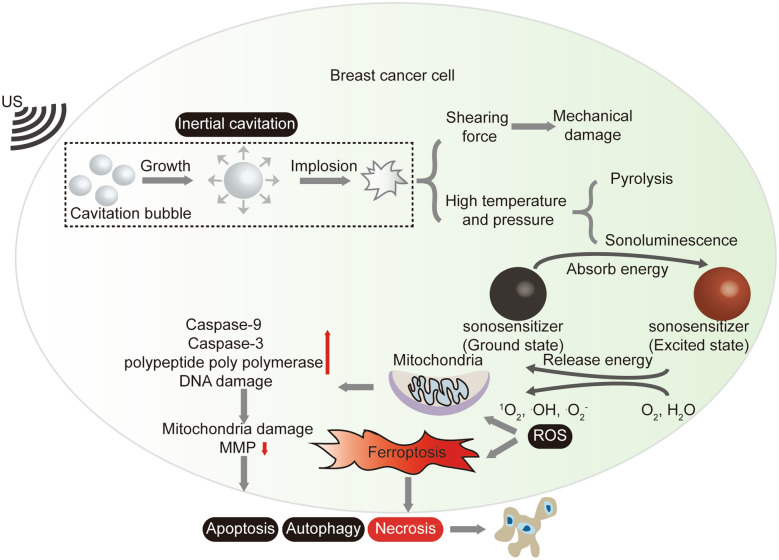
“The generation of ROS mainly involves sonolumines-cence and pyrolysis [37].”
Defect modified zinc oxide with augmenting sonodynamic reactive oxygen species generation
Liu, Y., Wang, Y., Zhen, W., Wang, Y., Zhang, S., Zhao, Y., Song, S., Wu, Z., & Zhang, H. (2020) · Biomaterials · doi:10.1016/j.biomaterials.2020.120075 · Cited by 189 · cited 1×
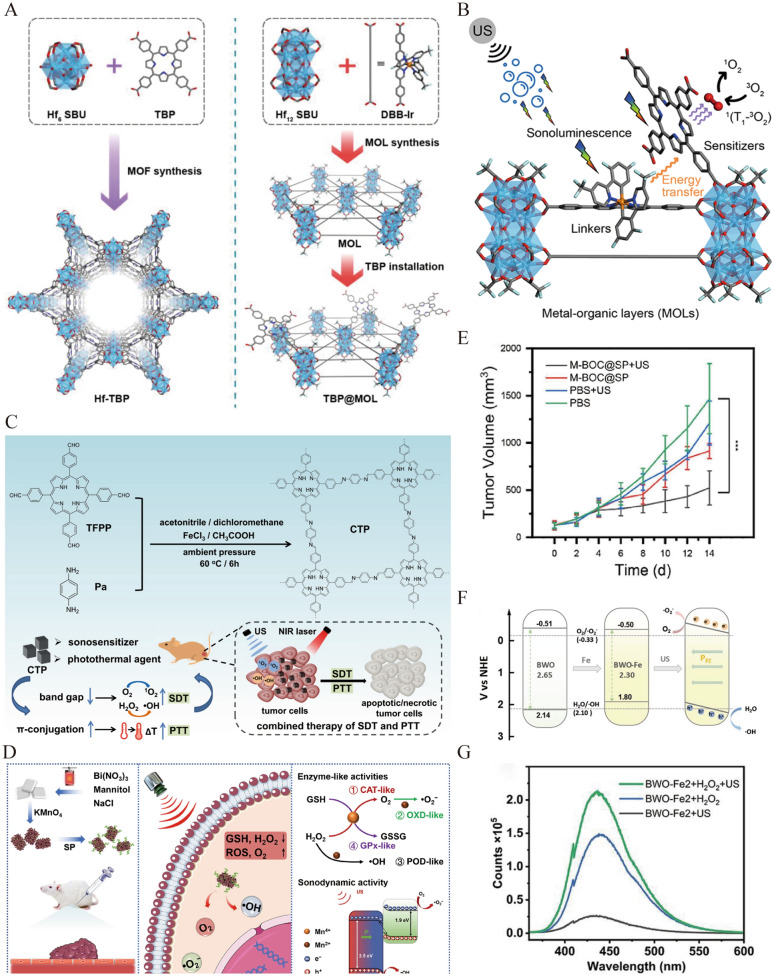
“…organic sonosensitizers, such as porphyrins and their derivatives, have certain issues, including poor tumor accumulation and low sonostabil-ity [22], whereas inorganic sonosensitizers have issues with biological safety and a quick combination of electrons (e − ) and holes (h + ) that can…”
Yan, P., Liu, L.-H., & Wang, P. (2020) · ACS Applied Bio Materials · doi:10.1021/acsabm.0c00156 · Cited by 179 · cited 1×
“…MDA‑MB‑231 1.1 MHz, 1 Wcm −2 ,1 min [39] 5‑ALA EMT6 1 MHz, 2.15 Wcm −2 , 2 min [40] hypocrellin B MDA‑MB‑231 0.72 Wcm −2 [41] Ce6 MDA‑MB‑231 1 MHz, 1 Wcm −2 [42] TiO 2 MCF‑7 1 Wcm −2 , 30 s [43] Pt‑Cy 4T1 3 MHz, 0.3 Wcm −2 , 20 min [45] forces, thereby causing mechanical damage to the cells [36].”
InfluentialStimuli responsive nanosonosensitizers for sonodynamic therapy
Jiang, Z., Xiao, W., & Fu, Q. (2023) · Journal of Controlled Release · doi:10.1016/j.jconrel.2023.08.003 · Cited by 173
Sonodynamic Therapy: Advances and Challenges in Clinical Translation
Lafond, M., Yoshizawa, S., & Umemura, S. (2019) · Journal of Ultrasound in Medicine · doi:10.1002/jum.14733 · Cited by 164
Recent advances in functional nanostructures as cancer photothermal therapy
Hussein, E., Zagho, M., Nasrallah, G., & Elzatahry, A. (2018) · International Journal of Nanomedicine · doi:10.2147/ijn.s161031 · Cited by 163
Zhang, T., Zhu, X., Wu, H., Jiang, K., Zhao, G., Shaukat, A., Deng, G., & Qiu, C. (2019) · Journal of Cellular and Molecular Medicine · doi:10.1111/jcmm.14276 · Cited by 156
Feng, Q., Yang, X., Hao, Y., Wang, N., Feng, X., Hou, L., & Zhang, Z. (2019) · ACS Applied Materials & Interfaces · doi:10.1021/acsami.9b10948 · Cited by 155 · cited 4×
“For example, the application of hydroxychloroquine (HCQ), an autophagy inhibitor, significantly enhanced SDT-induced apoptosis in MCF-7 cells [43].”
InfluentialTitanium carbide nanosheets with defect structure for photothermal-enhanced sonodynamic therapy
Li, G., Zhong, X., Wang, X., Gong, F., Lei, H., Zhou, Y., Li, C., Xiao, Z., Ren, G., Zhang, L., et al. (2022) · Bioactive Materials · doi:10.1016/j.bioactmat.2021.06.021 · Cited by 151 · cited 2×
“In turn, ROS can strengthen the sensitivity of tumor cells to PTT. Accord - ingly, the combination of SDT and PTT can achieve competitive therapeutic effects and has enormous potential for various applications [112, 113].”
Chen, H., Liu, L., Ma, A., Yin, T., Chen, Z., Liang, R., Qiu, Y., Zheng, M., & Cai, L. (2021) · Biomaterials · doi:10.1016/j.biomaterials.2020.120639 · Cited by 144
Xu, P., Wen, C., Gao, C., Liu, H., Li, Y., Guo, X., Shen, X., & Liang, H. (2023) · ACS Nano · doi:10.1021/acsnano.3c09011 · Cited by 139
Wang, P., Li, C., Wang, X., Xiong, W., Feng, X., Liu, Q., Leung, A. W., & Xu, C. (2015) · Ultrasonics Sonochemistry · doi:10.1016/j.ultsonch.2014.10.027 · Cited by 135 · cited 1×
“Additionally, the ratio of LC3-II to LC3-I and beclin-1 increased, indicating that Ce6-SPDT induces mitochondria-dependent cell apoptosis and autophagy [105–107].”
Sonodynamic and Photodynamic Therapy in Advanced Breast Carcinoma: A Report of 3 Cases
Wang, X., Zhang, W., Xu, Z., Luo, Y., Mitchell, D., & Moss, R. W. (2009) · Integrative Cancer Therapies · doi:10.1177/1534735409343693 · Cited by 134 · cited 2×
“Wang et al. first reported SPDT treatment in three patients with metastatic breast cancer who did not respond to traditional therapy in clinical settings [14].”
Tu, L., Li, C., Ding, Q., Sharma, A. K., Li, M., Li, J., Kim, J. S., & Sun, Y. (2024) · Journal of the American Chemical Society · doi:10.1021/jacs.3c13224 · Cited by 132
Self-citationSinoporphyrin sodium triggered sono-photodynamic effects on breast cancer both in vitro and in vivo
Liu, Y., Wang, P., Liu, Q., & Wang, X. (2016) · Ultrasonics Sonochemistry · doi:10.1016/j.ultsonch.2016.01.038 · Cited by 132 · cited 2×
“[108].”
Shen, J., Karges, J., Xiong, K., Chen, Y., Ji, L., & Chao, H. (2021) · Biomaterials · doi:10.1016/j.biomaterials.2021.120979 · Cited by 130
Jiao, X., Sun, L., Zhang, W., Ren, J., Zhang, L., Cao, Y., Xu, Z., Kang, Y., & Xue, P. (2021) · Biomaterials · doi:10.1016/j.biomaterials.2021.120787 · Cited by 127
Recent advances in nanomaterial-based augmented sonodynamic therapy of cancer
Um, W., E. K., P. K., Lee, J., Kim, C. H., You, D. G., & Park, J. H. (2021) · Chemical Communications · doi:10.1039/d0cc07750j · Cited by 120 · cited 1×
“In addition, the released energy can also cause a pyrolysis reaction of the nearby water (H 2 O) to produce hydroxyl radicals ( · OH) [21, 38].”
Nanosonosensitizers for Highly Efficient Sonodynamic Cancer Theranostics
Huang, J., Liu, F., Han, X., Zhang, L., Hu, Z., Jiang, Q., Wang, Z., Ran, H., Wang, D., & Li, P. (2018) · Theranostics · doi:10.7150/thno.29569 · Cited by 119
Sun, Q., Bi, H., Wang, Z., Li, C., Wang, C., Xu, J., Yang, D., He, F., Gai, S., & Yang, P. (2019) · ACS Applied Materials & Interfaces · doi:10.1021/acsami.9b11607 · Cited by 117
Design and application of inorganic nanoparticles for sonodynamic cancer therapy
Sun, L., Wang, P., Zhang, J., Sun, Y., Sun, S., Xu, M., Zhang, L., Wang, S., Liang, X., & Cui, L. (2021) · Biomaterials Science · doi:10.1039/d0bm01875a · Cited by 115
Self-citationA hypoxia responsive nanoassembly for tumor specific oxygenation and enhanced sonodynamic therapy
Yang, K., Yue, L., Yu, G., Rao, L., Tian, R., Wei, J., Yang, Z., Sun, C., Zhang, X., Xu, M., et al. (2021) · Biomaterials · doi:10.1016/j.biomaterials.2021.120822 · Cited by 110
Zhou, B., Wu, Q., Wang, M., Hoover, A. R., Wang, X., Zhou, F., Towner, R. A., Smith, N., Saunders, D., Song, J., et al. (2020) · Chemical Engineering Journal · doi:10.1016/j.cej.2020.125239 · Cited by 109
Recent Developments of Inorganic Nanosensitizers for Sonodynamic Therapy
He, Z., Du, J., Miao, Y., & Li, Y. (2023) · Advanced Healthcare Materials · doi:10.1002/adhm.202300234 · Cited by 105
Wang, X., Hu, J., Wang, P., Zhang, S., Liu, Y., Xiong, W., & Liu, Q. (2015) · Theranostics · doi:10.7150/thno.10853 · Cited by 104
Self-citationLuo, J., Wang, X., Shi, Z., Zeng, Y., He, L., Cao, J., Sun, Y., Zhang, T., & Huang, P. (2022) · Journal of Nanobiotechnology · doi:10.1186/s12951-022-01453-2 · Cited by 104
Self-citationHu, H., Zhao, J., Ma, K., Wang, J., Wang, X., Mao, T., Xiang, C., Luo, H., Cheng, Y., Yu, M., et al. (2023) · Journal of Controlled Release · doi:10.1016/j.jconrel.2023.05.041 · Cited by 101
Self-citationLiu, L., Zhang, J., An, R., Xue, Q., Cheng, X., Hu, Y., Huang, Z., Wu, L., Zeng, W., Miao, Y., et al. (2023) · Angewandte Chemie International Edition · doi:10.1002/anie.202217055 · Cited by 96
Xu, Y., Pang, Y., Luo, L., Sharma, A. K., Yang, J., Li, C., Liu, S., Zhan, J., & Sun, Y. (2024) · Angewandte Chemie International Edition · doi:10.1002/anie.202319966 · Cited by 95
Self-citationChen, J., Zhao, Q., Peng, J., Yang, X., Yu, D., & Zhao, W. (2020) · Journal of Dentistry · doi:10.1016/j.jdent.2020.103332 · Cited by 95
Glutaminases regulate glutathione and oxidative stress in cancer
Matés, J. M., Campos-Sandoval, J. A., de los Santos-Jiménez, J., & Márquez, J. (2020) · Archives of Toxicology · doi:10.1007/s00204-020-02838-8 · Cited by 91 · cited 1×
“Furthermore, hypoxia and high glutathione (GSH) concentrations in the tumor microenvironment (TME) greatly limit the efficacy of SDT [24–26].”
Ferroptosis promotes sonodynamic therapy: a platinum( ii )–indocyanine sonosensitizer
Lai, Y., Lu, N., Ouyang, A., Zhang, Q., & Zhang, P. (2022) · Chemical Science · doi:10.1039/d2sc02597c · Cited by 91 · cited 2×
“…MDA‑MB‑231 1.1 MHz, 1 Wcm −2 ,1 min [39] 5‑ALA EMT6 1 MHz, 2.15 Wcm −2 , 2 min [40] hypocrellin B MDA‑MB‑231 0.72 Wcm −2 [41] Ce6 MDA‑MB‑231 1 MHz, 1 Wcm −2 [42] TiO 2 MCF‑7 1 Wcm −2 , 30 s [43] Pt‑Cy 4T1 3 MHz, 0.3 Wcm −2 , 20 min [45] forces, thereby causing mechanical damage to the cells [36].”
InfluentialTargeting Breast Cancer: An Overlook on Current Strategies
Iacopetta, D., Ceramella, J., Baldino, N., Sinicropi, M., & Catalano, A. (2023) · International Journal of Molecular Sciences · doi:10.3390/ijms24043643 · Cited by 88
Chen, Q., Zhang, M., Huang, H., Dong, C., Dai, X., Feng, G., Lin, L., Sun, D., Yang, D., Xie, L., et al. (2023) · Advanced Science · doi:10.1002/advs.202206244 · Cited by 83 · cited 1×
“Similarly, Chen et al. constructed a hollow TiO 2 nanosonosensitizer doped with single-atom copper (Cu/TiO 2 ) to synergistically enhance sonodynamic and chemodynamic therapeutic effects against TNBC [125].”
Apoptosis induced by sonodynamic treatment by protoporphyrin IX on MDA-MB-231 cells
Li, Y., Wang, P., Zhao, P., Zhu, S., Wang, X., & Liu, Q. (2012) · Ultrasonics · doi:10.1016/j.ultras.2011.10.013 · Cited by 81
A pH-activated autocatalytic nanoreactor for self-boosting Fenton-like chemodynamic therapy
Wu, H., Chen, F., Gu, D., You, C., & Sun, B. (2020) · Nanoscale · doi:10.1039/d0nr03135f · Cited by 79 · cited 1×
“CDT utilizes endogenous H 2 O 2 in the TME to generate · OH through Fenton or Fenton-like reactions catalyzed by nanomaterials containing transition metals [122].”
Li, C., Tu, L., Xu, Y., Li, M., Du, J., Stang, P. J., Sun, Y., & Sun, Y. (2024) · Angewandte Chemie International Edition · doi:10.1002/anie.202406392 · Cited by 77
Self-citation(2014) · PubMed · Cited by 76
Liu, S., Liu, Z., Meng, Q., Chen, C., & Pang, M. (2021) · ACS Applied Materials & Interfaces · doi:10.1021/acsami.1c16366 · Cited by 74
Zhou, A., Fang, T., Chen, K., Xu, Y., Chen, Z., & Ning, X. (2022) · Small · doi:10.1002/smll.202106568 · Cited by 72 · cited 1×
“9C) [120].”
Emerging nanomedicines for anti-stromal therapy against desmoplastic tumors
Han, X., Xu, Y., Geranpayehvaghei, M., Anderson, G. J., Li, Y., & Nie, G. (2020) · Biomaterials · doi:10.1016/j.biomaterials.2019.119745 · Cited by 71
Using C-doped TiO2 Nanoparticles as a Novel Sonosensitizer for Cancer Treatment
Yang, C., Wang, C.-X., Kuan, C., Chi, C.-Y., Chen, C., Lin, Y., Chen, G.-S., Hou, C., & Lin, F. (2020) · Antioxidants · doi:10.3390/antiox9090880 · Cited by 70
Piezo-photocatalytic effect mediating reactive oxygen species burst for cancer catalytic therapy
Kang, Y., Lei, L., Zhu, C., Zhang, H., Mei, L., & Ji, X. (2021) · Materials Horizons · doi:10.1039/d1mh00492a · Cited by 69
Mitochondria-targeting sonosensitizer-loaded extracellular vesicles for chemo-sonodynamic therapy
Nguyen Cao, T. G., Truong Hoang, Q., Hong, E. J., Kang, S. J., Kang, J. H., Ravichandran, V., Kang, H. C., Ko, Y. T., Rhee, W. J., & Shim, M. S. (2023) · Journal of Controlled Release · doi:10.1016/j.jconrel.2023.01.044 · Cited by 69
Treatment strategies for glucose-6-phosphate dehydrogenase deficiency: past and future perspectives
Garcia, A. A., Koperniku, A., Ferreira, J. C. B., & Mochly‐Rosen, D. (2021) · Trends in Pharmacological Sciences · doi:10.1016/j.tips.2021.07.002 · Cited by 68
Ultrasound and nanomaterial: an efficient pair to fight cancer
Alphandéry, E. (2022) · Journal of Nanobiotechnology · doi:10.1186/s12951-022-01243-w · Cited by 68
Ding, Y., Zhao, Y., Yao, S., Wang, S., Wan, X., Hu, Q., & Li, L. (2023) · Small · doi:10.1002/smll.202300327 · Cited by 68
Meng, N., Xu, P., Wen, C., Liu, H., Gao, C., Shen, X., & Liang, H. (2023) · Journal of Colloid and Interface Science · doi:10.1016/j.jcis.2023.04.108 · Cited by 64
Li, Q., Liu, Q., Wang, P., Feng, X., Wang, H., & Wang, X. (2014) · Ultrasonics · doi:10.1016/j.ultras.2013.11.009 · Cited by 63
2D Nano‐Sonosensitizers Facilitate Energy Transfer to Enhance Sonodynamic Therapy
Lin, G., Nash, G. T., Luo, T., Ghosh, I., Sohoni, S., Christofferson, A. J., Liu, G., Engel, G. S., & Lin, W. (2023) · Advanced Materials · doi:10.1002/adma.202212069 · Cited by 63
Wang, G., Wu, W., Zhu, J.-J., & Peng, D. (2021) · Ultrasonics Sonochemistry · doi:10.1016/j.ultsonch.2021.105781 · Cited by 61 · cited 1×
“Under US stimulation, the liquid in the tissue forms microscopic air bubbles, leading to cavitation, nucleation, meritism, and the collapse of microbubbles [12, 35].”
Xiang, Z., Xu, L., Shan, Y., Cui, X. J., Shi, B., Xi, Y., Ren, P., Zheng, X., Zhao, C., Luo, D., et al. (2023) · Bioactive Materials · doi:10.1016/j.bioactmat.2023.11.004 · Cited by 60
Wang, L., Lu, Y., Han, N., et al. (2021) · Small · doi:10.1002/smll.202100400 · Cited by 60
Wang, T., Peng, W., Du, M., & Chen, Z. (2023) · Frontiers in Oncology · doi:10.3389/fonc.2023.1167105 · Cited by 58 · cited 1×
“Localizing sonosensitizers to subcellular organelles is important because the lifespan and diffusion length of certain free radical products produced by sonosensitizers during SDT is relatively short [39, 44].”
Duo, Y., Zhu, D., Sun, X., Suo, M., Zheng, Z., Jiang, W., & Tang, B. Z. (2021) · Biomaterials · doi:10.1016/j.biomaterials.2021.120755 · Cited by 58
Glutathione-responsive and -exhausting metal nanomedicines for robust synergistic cancer therapy
Liu, P., Hao, L., Liu, M., & Hu, S. (2023) · Frontiers in Bioengineering and Biotechnology · doi:10.3389/fbioe.2023.1161472 · Cited by 58 · cited 1×
“Hypoxia and high GSH concentrations in the TME make tumors resistant to SDT therapy [61–63].”
Modular Hydrogel Vaccine for Programmable and Coordinate Elicitation of Cancer Immunotherapy
Ji, P., Sun, W., Zhang, S., Xing, Y., Wang, C., Wei, M., Li, Q., Ji, G., & Yang, G. (2023) · Advanced Science · doi:10.1002/advs.202301789 · Cited by 57
Ultrasound Enhances the Efficacy of Chlorin e6-Mediated Photodynamic Therapy in MDA-MB-231 Cells
Wang, H., Wang, X., Wang, P., Zhang, K., Yang, S., & Liu, Q. (2013) · Ultrasound in Medicine & Biology · doi:10.1016/j.ultrasmedbio.2013.03.017 · Cited by 55
Wang, J., Liang, S., Chen, S., Ma, T., Chen, M., Niu, C., Leng, Y., & Wang, L. (2024) · Journal of Nanobiotechnology · doi:10.1186/s12951-024-02619-w · Cited by 53
Gong, J., Cheng, D., Liu, C., Wu, S., Sun, N., Zhao, L., Li, J., Xing, Y., & Zhao, J. (2025) · Advanced Healthcare Materials · doi:10.1002/adhm.202404184 · Cited by 53
Si, Y., Yue, J., Liu, Z., Li, M., Du, F., Wang, X., Dai, Z., Hu, N., Ju, J., Gao, S., et al. (2021) · International Journal of Nanomedicine · doi:10.2147/ijn.s297933 · Cited by 52 · cited 1×
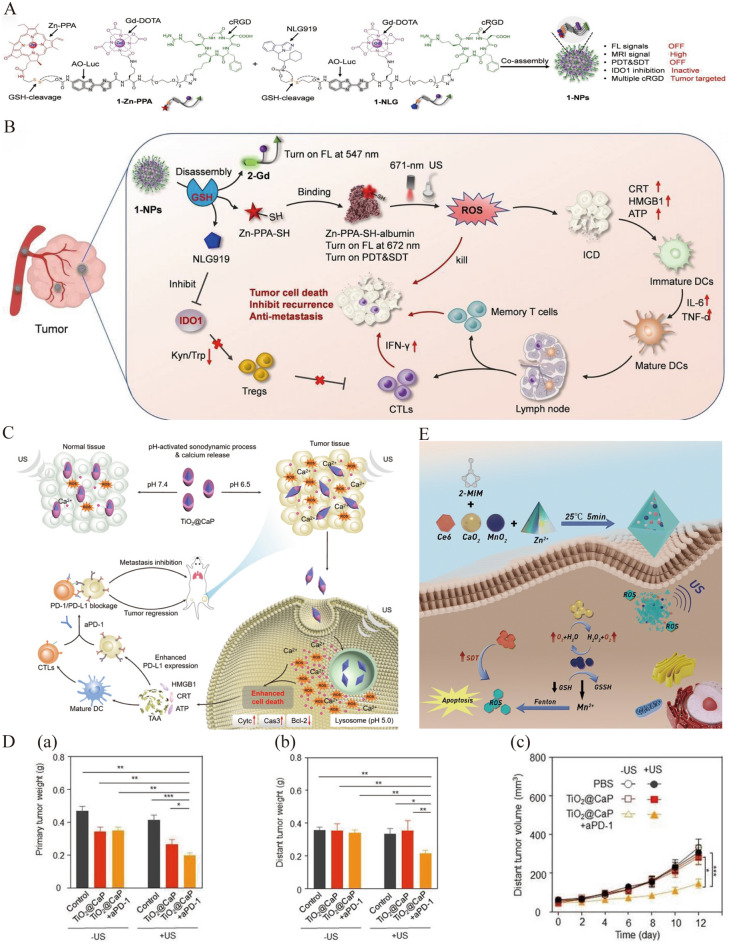
“SDT can induce ICD and trigger anti-tumor immunity [88–91]; however, the immune response induced by SDT was insufficient to trigger a strong immune response.”
A Fully Integrated Conformal Wearable Ultrasound Patch for Continuous Sonodynamic Therapy
Zou, F., Luo, Y., Zhuang, W., & Xu, T. (2024) · Advanced Materials · doi:10.1002/adma.202409528 · Cited by 50
Ultrasound-activated nanomaterials for sonodynamic cancer theranostics
Wu, N., Fan, C.-H., & Yeh, C.-K. (2022) · Drug Discovery Today · doi:10.1016/j.drudis.2022.02.025 · Cited by 49
Pacini, S., Punzi, T., Morucci, G., Gulisano, M., & Ruggiero, M. (2012) · PubMed · Cited by 49
Zheng, Y., Zhang, T., Chang, M., Xia, L., Chen, L., Ding, L., Chen, Y., & Wu, R. (2024) · Advanced Materials · doi:10.1002/adma.202413601 · Cited by 47
Oxygen-Sufficient Nanoplatform for Chemo-Sonodynamic Therapy of Hypoxic Tumors
Huang, B., Chen, S., Pei, W., Xu, Y., Jiang, Z., Niu, C., & Wang, L. (2020) · Frontiers in Chemistry · doi:10.3389/fchem.2020.00358 · Cited by 46
Comparison between sonodynamic and photodynamic effect on MDA-MB-231 cells
Wang, H., Liu, Q., Zhang, K., Wang, P., Qin, X. Y., Li, L., & Wang, X. (2013) · Journal of Photochemistry and Photobiology B Biology · doi:10.1016/j.jphotobiol.2013.08.015 · Cited by 46
Zhang, Y., Wang, Y., Zhu, A., Yu, N., Xia, J., & Li, J. (2024) · Angewandte Chemie International Edition · doi:10.1002/anie.202310252 · Cited by 43 · cited 2×
“In contrast, extra-cellular vesicles (EVs) and cell membrane-coated bio-mimetic nanomaterials show promise as clinically applicable nanocarriers, offering targeted delivery to tumor sites with minimal or no immunogenicity [57, 126, 134, 138, 143, 163–165].”
Yue, Z., Zhao, Q., Wang, S., Yao, S., Wan, X., Hu, Q., Wen, K., Zhao, Y., & Li, L. (2024) · Small Methods · doi:10.1002/smtd.202400018 · Cited by 43
Photodynamic Therapy (PDT) in Oncology
Juarranz, Á., Gilaberte, Y., & González, S. (2020) · Cancers · doi:10.3390/cancers12113341 · Cited by 42 · cited 1×
“PDT has been approved by the United States Food and Drug Administration (FDA) for the treatment of diverse cancers and premalignant conditions [104].”
Zuo, S., Zhang, Y., Wang, Z., & Wang, J. (2022) · International Journal of Nanomedicine · doi:10.2147/ijn.s348618 · Cited by 41 · cited 3×
“[132].”
InfluentialTurolla, A., Piazzoli, A., Farner Budarz, J., Wiesner, M. R., & Antonelli, M. (2015) · Chemical Engineering Journal · doi:10.1016/j.cej.2015.03.004 · Cited by 40
Wu, W., Xu, M., Qiao, B., Huang, T., Guo, H., Zhang, N., Zhou, L., Li, M., Tan, Y., Zhang, M., et al. (2023) · Acta Biomaterialia · doi:10.1016/j.actbio.2022.12.023 · Cited by 39
Jia, Y., Wang, X., Liu, Q., Leung, A. W., Wang, P., & Xu, C. (2017) · Ultrasonics · doi:10.1016/j.ultras.2016.09.013 · Cited by 39 · cited 2×
“Drugs that have been confirmed to be sonosensitizers include protoporphyrin IX (PpIX) [39], 5-aminole-vulinic acid (5-ALA) [40], hypocrellin B [41], chlo-rin e6 (Ce6) [42], and titanium dioxide (TiO 2 ) [43] (Table 1).”
InfluentialWu, M., Yong, J., Zhang, H., Wang, Z., Xu, Z. P., & Zhang, R. (2023) · Advanced Healthcare Materials · doi:10.1002/adhm.202301497 · Cited by 39
Xu, Y., Dou, Y., Li, Q., Ye, H., Li, Y., Qiu, S., Xiong, X., Li, J., & Sun, Y. (2023) · Coordination Chemistry Reviews · doi:10.1016/j.ccr.2023.215320 · Cited by 39
Self-citationDu, M., Wang, T., Peng, W., Feng, R., Goh, M., & Chen, Z. (2024) · Journal of Nanobiotechnology · doi:10.1186/s12951-024-02437-0 · Cited by 38
Tang, J., Guha, C., & Tomé, W. A. (2015) · Technology in Cancer Research & Treatment · doi:10.7785/tcrt.2012.500407 · Cited by 38
Engineered microalgae for photo-sonodynamic synergistic therapy in breast cancer treatment
Xu, C., Dong, J., Shi, X., Rui, J., Chen, M., Lu, W., Zhang, A., Wang, S., Teng, Z., & Ye, X. (2024) · Acta Biomaterialia · doi:10.1016/j.actbio.2024.12.047 · Cited by 38
(2016) · PubMed · Cited by 37
Autophagy-related lncRNAs in tumor progression and drug resistance: A double-edged sword
Zhang, Y., Tang, J., Wang, C., Zhang, Q., Zeng, A., & Song, L. (2024) · Genes & Diseases · doi:10.1016/j.gendis.2023.04.015 · Cited by 37 · cited 1×
“Autophagy is a double-edged sword; it can synergize, exacerbate, or antagonize apoptosis [46].”
Zhang, N., Yang, T., Yan, L., Zhang, C., Xu, M., Guo, H., Zhuang, B., Zhou, L., & Xie, X. (2020) · International Journal of Nanomedicine · doi:10.2147/ijn.s256038 · Cited by 37
Du, W., Chen, W., Wang, J., Cheng, L., Wang, J., Zhang, H., Song, L., Hu, Y. Z., & Ma, X. (2022) · Biomaterials Advances · doi:10.1016/j.bioadv.2022.212794 · Cited by 36
Pang, Y., Li, Q., Wang, J., Wang, S., Sharma, A. K., Xu, Y., Hu, H., Li, J., Liu, S., & Sun, Y. (2024) · Angewandte Chemie International Edition · doi:10.1002/anie.202415802 · Cited by 35
Self-citationKong, Z., Han, Q., Zhu, B., Wan, L., & Feng, E. (2023) · Thoracic Cancer · doi:10.1111/1759-7714.14928 · Cited by 35
Wang, J., Zhao, Z., Liu, Y., Cao, X., Li, F., Ran, H., Cao, Y., & Wu, C. (2022) · Drug Delivery · doi:10.1080/10717544.2022.2126027 · Cited by 34
Zhao, Y., Huang, T., Wang, S., Yao, S., Hu, Q., Wan, X., Guo, N., Zhang, Y., & Li, L. (2023) · Journal of Colloid and Interface Science · doi:10.1016/j.jcis.2023.03.008 · Cited by 34
Chen, Q., Xiao, H. P., Hu, L., Huang, Y., Cao, Z., Shuai, X., & Su, Z. (2024) · Advanced Science · doi:10.1002/advs.202401182 · Cited by 33
Immunotherapy for Triple-Negative Breast Cancer
Cao, Y., Chen, C., Tao, Y., Lin, W., & Wang, P. (2021) · Pharmaceutics · doi:10.3390/pharmaceutics13122003 · Cited by 33
Song, C., Ran, J., Wei, Z., Wang, Y., Chen, S., Lin, L., Zhang, G., Cai, Y., & Han, W. (2021) · ACS Applied Materials & Interfaces · doi:10.1021/acsami.0c18841 · Cited by 33 · cited 1×
“SDT can induce ICD and trigger anti-tumor immunity [88–91]; however, the immune response induced by SDT was insufficient to trigger a strong immune response.”
Self-citationMoy, B., Rumble, R. B., Carey, L., & Panel, F. T. C. A. T. T. F. H.-N. M. B. C. T. I. E. E.-P. O. H. R. E. (2022) · Journal of Clinical Oncology · doi:10.1200/jco.22.01533 · Cited by 32
Nanozyme Hydrogels for Self-Augmented Sonodynamic/Photothermal Combination Therapy
Wang, S., Zeng, N., Zhang, Q., Chen, M., & Huang, Q. (2022) · Frontiers in Oncology · doi:10.3389/fonc.2022.888855 · Cited by 31
Li, J., Li, M., Wuethrich, A., Guan, R., Zhao, L., Hu, C., Trau, M., & Sun, Y. (2024) · Analytical Chemistry · doi:10.1021/acs.analchem.4c00558 · Cited by 31
Self-citationWu, Y., Zhao, Z., Ma, M., Zhang, W., Liu, W., Liang, X., Zhao, T., Luo, Y., Wang, Y., Li, M., et al. (2024) · Theranostics · doi:10.7150/thno.102284 · Cited by 31
Yu, L., Gao, L., Liang, B., Zhang, L., Wu, M., & Liu, J. (2025) · Journal of Controlled Release · doi:10.1016/j.jconrel.2025.01.086 · Cited by 29
Li, H., Shi, W. K., Shen, T., Hui, S., Hou, M., Wei, Z., Qin, S., Bai, Z., & Cao, J. (2023) · Medicine · doi:10.1097/md.0000000000035384 · Cited by 29
Hu, T., Jia, L., Li, H., Yang, C.-Y., Yan, Y., Lin, H.-M., Zhang, F., Qu, F., & Guo, W.-B. (2024) · Advanced Healthcare Materials · doi:10.1002/adhm.202303147 · Cited by 29
Deng, X. G., Zhu, Y., Dai, Z., Liu, Q., Song, Z., Liu, T., Huang, Y., & Chen, H. (2024) · Small · doi:10.1002/smll.202404580 · Cited by 28
Zhao, X.-Z., Zhang, W., Cao, Y., Huang, S., Li, Y., Guo, D., Wang, X., & Ran, H. (2020) · International Journal of Nanomedicine · doi:10.2147/ijn.s244743 · Cited by 28
Zhang, Q., Wang, W., Shen, H., Tao, H., Wu, Y., Ma, L., Yang, G., Chang, R., Wang, J., Zhang, H., et al. (2021) · Nanoscale Research Letters · doi:10.1186/s11671-021-03532-z · Cited by 27
Gu, L., Li, X., Chen, G., Han, Y., Qian, H., Pan, J., Miao, Y., & Li, Y. (2024) · Journal of Colloid and Interface Science · doi:10.1016/j.jcis.2024.09.233 · Cited by 26
Chen, Z., Yang, L., Yang, Z., Wang, Z., He, W., & Zhang, W. (2024) · Journal of Nanobiotechnology · doi:10.1186/s12951-024-02639-6 · Cited by 26
Feng, X., Shi, Y. P., Xie, L., Zhang, K., Wang, X., Liu, Q., & Wang, P. (2018) · Lasers in Surgery and Medicine · doi:10.1002/lsm.23020 · Cited by 26
Wang, H., Ding, L., Xu, F., He, L., Ye, L., Huang, L., Zhang, L., & Luo, B. (2021) · Journal of Biomaterials Applications · doi:10.1177/08853282211011766 · Cited by 26
Targeting energy metabolism of cancer cells: Combined administration of NCL-240 and 2-DG
Pattni, B. S., Jhaveri, A. M., Dutta, I., Baleja, J., Degterev, A., & Torchilin, V. P. (2017) · International Journal of Pharmaceutics · doi:10.1016/j.ijpharm.2017.08.095 · Cited by 26
Xu, Y., Tan, W., Chen, M., Chen, S., Tang, K., Liao, H., & Niu, C. (2022) · Frontiers in Bioengineering and Biotechnology · doi:10.3389/fbioe.2022.955127 · Cited by 24
Wang, L., Cao, L., Shao, K., Su, J., Li, G., Wang, C., Li, Q., Sun, J., Zhang, H., Liu, K., et al. (2025) · Advanced Materials · doi:10.1002/adma.202410559 · Cited by 24
Wang, J., Sang, Y., Chen, W., Cheng, L., Du, W., Zhang, H., Zheng, B., Song, L., Hu, Y., & Ma, X. (2024) · International Journal of Nanomedicine · doi:10.2147/ijn.s440709 · Cited by 24
Turning Waste into Wealth: A Potent Sono‐Immune Strategy Based on Microcystis
Yang, Y., Ge, J., Zhong, X., Liu, L., Chen, L., Lu, S., Ren, J., Chen, Y., Sun, S., Song, Z., et al. (2024) · Advanced Materials · doi:10.1002/adma.202401974 · Cited by 24
Wu, P., Ya, Z., Li, Y., Zhu, M., Zhang, L., Zong, Y., Guo, S., & Wan, M. (2022) · ACS Applied Materials & Interfaces · doi:10.1021/acsami.2c02137 · Cited by 23
Wang, H., Tao, J., Xu, C., Tian, Y., Lu, G., Yang, B., & Teng, Z. (2022) · Nanoscale · doi:10.1039/d2nr00258b · Cited by 22
Self-citationHuang, C., Xu, Y. F., Wang, D., Chen, Z., Fang, W., Shi, C., Xiao, Z., & Luo, L. (2022) · Frontiers in Chemistry · doi:10.3389/fchem.2022.908892 · Cited by 21
Maghsoudian, S., Yektakasmaei, M. P., Shaabani, A., Perseh, S., Fatahi, Y., Nouri, Z., Gholami, M., Sayyari, N., Hoseinzadeh, H. A., Motasadizadeh, H., et al. (2024) · International Journal of Biological Macromolecules · doi:10.1016/j.ijbiomac.2024.138910 · Cited by 21
Ultrasound-induced immune responses in tumors: A systematic review and meta-analysis
Rix, A., Heinrichs, H., Porte, C., Leenaars, C., Bleich, A., & Kiessling, F. (2024) · Journal of Controlled Release · doi:10.1016/j.jconrel.2024.05.030 · Cited by 21 · cited 1×
“Moreover, the “cold” TME inhibits immune cell activation, further reducing the effectiveness of immunotherapy-based treatments [9].”
Kang, Z., Yang, M., Feng, X., Liao, H., Zhang, Z., & Du, Y. (2022) · International Journal of Nanomedicine · doi:10.2147/ijn.s360161 · Cited by 21 · cited 1×
“6E) [18].”
Bionic aggregation-induced emission photosensitizer for enhanced cancer immunotherapy
Chen, Z., Liu, Z., Zhou, Y., Rao, K., Lin, J., Zhu, D., Ning, S., & Wang, H. (2024) · Materials Today Bio · doi:10.1016/j.mtbio.2024.101217 · Cited by 21
Wu, M., Zhang, Z., Li, D., Ruan, X., Yang, J., Chen, S., Li, X., & Ling, W. (2025) · Theranostics · doi:10.7150/thno.102977 · Cited by 21
Wen, M., Zhao, Y., Qiu, P., Ren, Q., Tao, C., Chen, Z., & Yu, N. (2023) · Journal of Colloid and Interface Science · doi:10.1016/j.jcis.2023.04.088 · Cited by 21
Sun, Y., Luo, K., He, J., Zhu, X., Song, X., Sun, Y., Wang, L., Zhang, M., Bao, Y., Yang, B., et al. (2024) · Carbohydrate Polymers · doi:10.1016/j.carbpol.2024.122403 · Cited by 21
Self-citationBlocking the Glycolytic Pathway Sensitizes Breast Cancer to Sonodynamic Therapy
Xie, L., Feng, X., Shi, Y., He, M., Wang, P., Wang, X., Mi, Z., Liu, Q., & Zhang, K. (2018) · Ultrasound in Medicine & Biology · doi:10.1016/j.ultrasmedbio.2018.01.020 · Cited by 19
Wang, Y., Li, G., Su, J., Liu, Y., Zhang, X., Zhang, G., Wu, Z., Li, J., Zhang, Y., Wang, X., et al. (2024) · Advanced Science · doi:10.1002/advs.202307920 · Cited by 19
Self-citationChen, J., Zhan, Q., Li, L., Xi, S., Cai, L., Liu, R., & Chen, L. (2024) · Materials Today Bio · doi:10.1016/j.mtbio.2024.101407 · Cited by 18
Xie, L., Feng, X., Huang, M., Zhang, K., & Liu, Q. (2019) · Ultrasound in Medicine & Biology · doi:10.1016/j.ultrasmedbio.2019.07.008 · Cited by 17
Li, G., Guo, Y., Ni, C., Wang, Z., Zhan, M., Sun, H., Choi, G., Choy, J., Shi, X., & Shen, M. (2024) · Journal of Materials Chemistry B · doi:10.1039/d4tb00813h · Cited by 17
Mechanism-Based Sonodynamic–Chemo Combinations against Triple-Negative Breast Cancer
Feng, X., Wu, C., Yang, W., Wu, J., & Wang, P. (2022) · International Journal of Molecular Sciences · doi:10.3390/ijms23147981 · Cited by 17 · cited 1×
“6C, D) [17].”
Zhang, Z., Ye, H., Cai, F., & Sun, Y. (2023) · Dalton Transactions · doi:10.1039/d3dt01893h · Cited by 17
Self-citationBiomimetic cytomembrane-coated ZIF-8-loaded DMDD nanoparticle and sonodynamic co-therapy for cancer
Zhao, S., Chen, M., Zhu, Y., Pham, T. T. H., Mo, S., He, Y., Liang, T., Cao, W., & Han, C. (2022) · Annals of Translational Medicine · doi:10.21037/atm-22-3646 · Cited by 17
Lu, X., Zheng, Y., Liu, Y., Lin, J., Lin, J., Wei, L., Gao, S., Liu, J.-J., Zhang, W., & Chen, Y. (2024) · Journal of Colloid and Interface Science · doi:10.1016/j.jcis.2024.04.064 · Cited by 16
Liu, Y., Wang, L., Wei, F., Tian, Y., Mou, J., Yang, S., & Wu, H. (2023) · Biomaterials Science · doi:10.1039/d2bm01251k · Cited by 16
Self-citationAll-in-One Nanohybrids Combining Sonodynamic Photodynamic and Photothermal Therapies
Taydas, D., Özler, M. E., Ergül, M., İnan, Z. D. Ş., & Sözmen, F. (2024) · ACS Applied Materials & Interfaces · doi:10.1021/acsami.4c09715 · Cited by 15
Metal–organic framework (MOF)-based materials for pyroptosis-mediated cancer therapy
Dou, Y., Wang, Y., Tian, S., Song, Q., Deng, Y. L., Zhang, Z., Chen, P., & Sun, Y. (2024) · Chemical Communications · doi:10.1039/d4cc02084g · Cited by 15
Self-citationImmune‐check blocking combination multiple cytokines shown curative potential in mice tumor model
Su, H., Geng, H., Cai, L., Xu, M., Xing, W., Long, W., Liu, B., Li, Y., & Liu, B. (2023) · Cancer Medicine · doi:10.1002/cam4.6053 · Cited by 14
Xue, Y., Wang, Q., Chen, Y., Zhang, X., Tang, J., Liu, Y., & Liu, J. (2025) · Advanced Healthcare Materials · doi:10.1002/adhm.202403998 · Cited by 14 · cited 1×
“In contrast, extra-cellular vesicles (EVs) and cell membrane-coated bio-mimetic nanomaterials show promise as clinically applicable nanocarriers, offering targeted delivery to tumor sites with minimal or no immunogenicity [57, 126, 134, 138, 143, 163–165].”
Gu, J., Cheng, D., Li, H., Yu, T., Zhang, Z., Liu, Y., Wang, X., Lu, X., & Li, J. (2024) · Journal of Materials Chemistry B · doi:10.1039/d4tb00834k · Cited by 13
Ultrasound‐Activated Precise Sono‐Immunotherapy for Breast Cancer with Reduced Pulmonary Fibrosis
Li, X., He, G., Jin, H., Xiang, X., Li, D., Peng, R., Tao, J., Li, X., Wang, K., Luo, Y., et al. (2025) · Advanced Science · doi:10.1002/advs.202407609 · Cited by 13
Song, Z., Deng, X., Jiang, L., et al. (2024) · ACS Applied Materials & Interfaces · doi:10.1021/acsami.4c13687 · Cited by 12
Qian, C., Zhao, G., Huo, M., Su, M., Hu, X., Liu, Q., & Wang, L. (2024) · RSC Advances · doi:10.1039/d4ra00539b · Cited by 11
Ren, X., Yang, Y., Kong, X., & Liu, Z. (2024) · Nanoscale · doi:10.1039/d4nr00794h · Cited by 11 · cited 1×
“In contrast, extra-cellular vesicles (EVs) and cell membrane-coated bio-mimetic nanomaterials show promise as clinically applicable nanocarriers, offering targeted delivery to tumor sites with minimal or no immunogenicity [57, 126, 134, 138, 143, 163–165].”
Gao, X., Jia, Z., Cheng, Y., Ouyang, M., Feng, L., Wang, Y. Z., Tang, B., & Xu, K. (2022) · Chemical Communications · doi:10.1039/d2cc02044k · Cited by 11
Wang, J., Chen, W., Du, W., Zhang, H., Ilmer, M., Song, L., Hu, Y. Z., & Ma, X. (2023) · International Journal of Nanomedicine · doi:10.2147/ijn.s406627 · Cited by 10
Recent advances in combatting bacterial infections via well-designed metallacycles/metallacages
Li, Q., Ye, H., Zhao, F., Li, Y., Zhang, Z., Yan, Q., & Sun, Y. (2024) · Dalton Transactions · doi:10.1039/d3dt03966h · Cited by 10
Self-citationHe, X., Zhang, S., Tian, Y., Dong, J., Yuan, Y., & Jing, H. (2024) · Biomedical Materials · doi:10.1088/1748-605x/ad7e6d · Cited by 8
Self-citationA metal–phenolic nanotuner induces cancer pyroptosis for sono-immunotherapy
Wang, G., Wang, D., Tian, H., Xia, L., Shen, D., Wang, Z., & Dai, Y. (2025) · Biomaterials Science · doi:10.1039/d4bm01292e · Cited by 8
Kang, H. J., Hoang, Q. T., Min, J. S., Son, M. S., Tram, L. T. H., Kim, B. C., Song, Y., & Shim, M. S. (2024) · International Journal of Molecular Sciences · doi:10.3390/ijms25063474 · Cited by 8
Research works printed but not linked: 2
- Breast Cancer Treatment (PDQ(R)). Health Professional Version. PDQ cancer information summaries. Bethesda: Breast Cancer Treatment; 2023.
- Ning S, Lyu M, Zhu D, Lam JWY, Huang Q, Zhang T, et al. Type-I AIE Photosensitizer Loaded Biomimetic System Boosting Cuproptosis to Inhibit Breast Cancer Metastasis and Rechallenge. ACS Nano. 2023;17(11):10206–10217. 37183977 · DOI · Paper page
Cited by
Small organic molecule-based next-generation NIR fluorescent probes for cancer theranostics
Nandanwar, S., Nguyen, V. K. T., Tran, D. L., Pham, T. C., & Lee, S. (2025) · Coordination Chemistry Reviews · doi:10.1016/j.ccr.2025.217165 · Cited by 28
Covalent organic frameworks for ferroptosis cancer therapy
Shi, C., Lou, X., Li, Q., Kim, H., Shin, J., Zhuang, X., Yang, Z., Jiang, J., Kang, H., Li, H., et al. (2025) · Coordination Chemistry Reviews · doi:10.1016/j.ccr.2025.217457 · Cited by 10
Advanced strategies in nanosonosensitizer engineering for superior sonodynamic therapeutics
Huang, Y., Jin, Q., Wang, W., Geng, P., Xiang, G., Yu, N., & Xiao, S. (2026) · Coordination Chemistry Reviews · doi:10.1016/j.ccr.2026.217800 · Cited by 12
Ultrasound-responsive nanocarriers for cancer therapy: Physiochemical features-directed design
Yuan, F., Peng, D., Lu, M., Zhang, K., Mi, P., & Xu, J. (2025) · Journal of Controlled Release · doi:10.1016/j.jconrel.2025.114353 · Cited by 23
Metadata
- Authors
- Yu, J., Hu, J.-R., Tian, Y., Lei, Y.-M., Hu, H.-M., Lei, B.-S., Zhang, G., Sun, Y., & Ye, H.-R.
- Affiliations
- Wuhan University of Science and Technology (CN)
- Huazhong University of Science and Technology (CN)
- Hubei University of Technology (CN)
- Central China Normal University (CN)
- Corresponding author
- Lei, Bing-Song
- Zhang, Ge
- Sun, Yao
- Ye, Hua-Rong
- Venue
- Journal of Nanobiotechnology
- Published
- 2025-04-07
- Volume
- 23
- Issue
- 1
- Pages
- 281-281
- ISSN
- 1477-3155 (ISSN-L)
- PMC
- PMC11978163
- OpenAlex
- W4409212576
- Cited by
- 43
- References
- 179
- Citations by year
- 2026: 31 · 2025: 12
- FWCI
- 3.45
- Type
- journal article
- Language
- en
- Open access
- gold
- doi.org
- Licence
- cc-by
- creativecommons.org/licenses/by/4.0 (tdm)
- creativecommons.org/licenses/by/4.0 (vor)
- Locations
- Journal of Nanobiotechnology (publishedVersion, cc-by)
- PubMed Central (publishedVersion, cc-by)
- PubMed (publishedVersion)
- DOAJ (DOAJ: Directory of Open Access Journals) (submittedVersion, cc-by-sa)
- Funders
- Natural Science Foundation of Hubei Province (2022CFA033)
- Wuhan University
- Wuhan University of Science and Technology
- Topics
- Physical Sciences › Engineering › Biomedical Engineering › Nanoplatforms for cancer theranostics
- Life Sciences › Biochemistry, Genetics and Molecular Biology › Cancer Research › Photodynamic Therapy Research Studies
- Physical Sciences › Engineering › Biomedical Engineering › Ultrasound and Hyperthermia Applications
- Keywords
- sonodynamic therapy, breast cancer, sonosensitizer, reactive oxygen species, tumor microenvironment, image-guided therapy, sono-photodynamic therapy, multimodal cancer therapy, clinical translation
- MeSH terms
- Animals, Breast Neoplasms, Female, Humans, Immunotherapy, Photochemotherapy, Ultrasonic Therapy, Reactive Oxygen Species, Nanomedicine, Nanoparticles, Tumor Microenvironment
About these checks
Registry, retraction, Cites and statistics results are computed, not judged, with one exception: a printed reference that no index lists is read once by a model before it counts as a citation error. Claims are extracted by a model and kept only when their quote appears verbatim in the text; each cited source is then checked, with a model’s help, for whether it says what the claim relies on. Those verdicts can be wrong — read the claim’s quote and the cited source before relying on one.
The claim verdicts this report counts are experimental: their accuracy is not yet measured.
A language model drew the claims from the paper on 2026-10-10, under version 3 of the claim definition (model deepseek-v4.1-flash, prompt extract-v3).
A second model labelled each claim on 2026-10-10 (model jev-1.13-20260917, definition revision gold-guideline-v0.2).
Cited sources are checked with a language model’s help (gpt-6-sol).
Statistics and arithmetic are recomputed, not judged.
Confidence bands are shown only for fields calibrated on our annotated test set. None is calibrated yet, so no band is shown.
What counts as a claim ›How we measure confidence ›How we check this ›
Are you an author, or do you see a problem with this page? Request a review
Data sources
Bibliographic data: Semantic Scholar, OpenAlex, Crossref.
Contains information from the Semantic Scholar Academic Graph Datasets, made available under the ODC Attribution License (ODC-BY 1.0).
Semantic Scholar’s data is described in: Kinney, R., et al. (2023). The Semantic Scholar Open Data Platform. arXiv:2301.10140.
