

Psychotherapeutic interventions in individuals at risk for Alzheimer’s dementia: a systematic review
Open accessThe DOI matches its Crossref record; 76 of the 76 references it cites were found in a registry or an index; 74 of the 142 sources its claims cite were checked for support.
Abstract
Background: Expanding technologies of early detection of Alzheimer’s disease allow to identify individuals at risk of dementia in early and asymptomatic disease stages. Neuropsychiatric symptoms, such as anxiety and depression, are common in the course of AD and may be clinically observed many years before the onset of significant cognitive symptoms. To date, therapeutic interventions for AD focus on pharmacological and life style modification-based strategies. However, despite good evidence for psychotherapy in late-life depression, evidence for such therapeutic approaches to improve cognitive and emotional well-being and thereby reduce psychological risk factors in the course of AD are sparse. Methods: A systematic review was conducted in PUBMED, PsycINFO, Web of Science, and Clinical Trials to summarize the state of evidence on psychotherapeutic and psychoeducational interventions for individuals at risk for Alzheimer’s dementia. Eligible articles needed to apply a manualized and standardized psychotherapeutic or psychoeducational content administered by trained professionals for individuals with subjective cognitive decline or mild cognitive impairment and measure mental health, quality of life or well-being. Results: The literature search yielded 32 studies that were included in this narrative summary. The data illustrates heterogeneous therapeutic approaches with mostly small sample sizes and short follow-up monitoring. Strength of evidence from randomized-controlled studies for interventions that may improve mood and well-being is scarce. Qualitative data suggests positive impact on cognitive restructuring, and disease acceptance, including positive effects on quality of life. Specific therapeutic determinants of efficacy have not been identified to date. Conclusions: This review underlines the need of specific psychotherapeutic and psychoeducational approaches for individuals at risk of Alzheimer’s dementia, particularly in terms of an early intervention aiming at improving mental health and well-being. One challenge is the modification of psychotherapeutic techniques according to the different stages of cognitive decline in the course of AD, which is needed to be sensitive to the individual needs. © 2022, The Author(s).
Overview
CoChat Summary
## TL;DR
This systematic narrative review found 32 studies on psychotherapeutic or psychoeducational interventions for people at risk for Alzheimer’s dementia, but the evidence base was small, heterogeneous, and mostly low in strength. The most consistent signal was for MCI: some studies showed improvements in depressive symptoms or well-being, but many randomized studies found no clear benefit on mood, quality of life, or well-being.
## Key findings
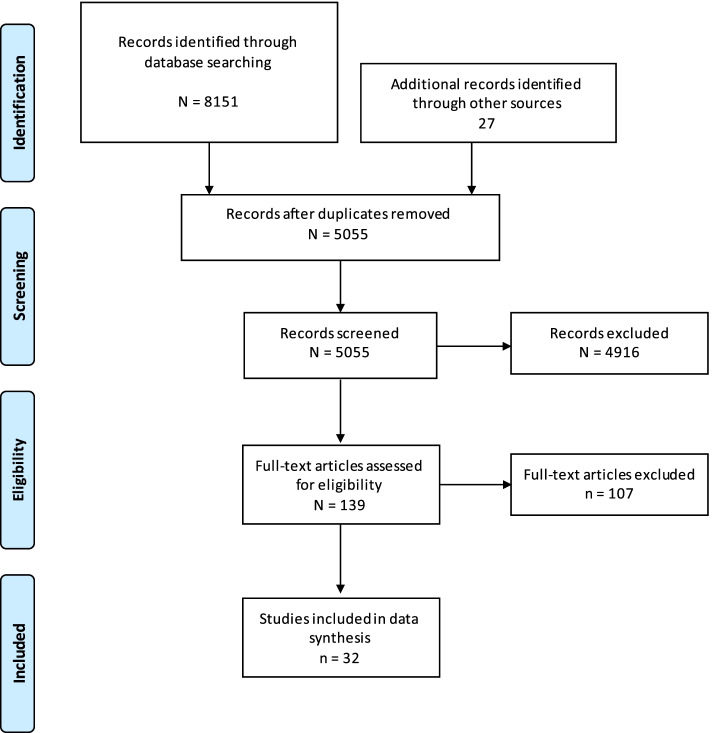
- The search identified 8,151 papers, plus 26 additional articles from reference checks; after full-text review, 32 publications met inclusion criteria.
- For MCI, one randomized controlled study with n = 198 reported a significant reduction of depressive symptoms at 6 months post-intervention in the intervention group versus treatment as usual (p < 0.001), but it did not find significant group changes in overall neuropsychiatric symptoms or quality of life.
- Across psychoeducational interventions in MCI, most studies reported no therapeutic effects on mood, well-being, or quality of life at short-term or long-term follow-up, including several randomized trials.
- For SCD, the review found no manualized psychotherapeutic interventions; psychoeducational/MBSR-type studies showed no group differences in psychological outcomes in the largest randomized trial, though both arms had a reduction in subclinical trait anxiety immediately post-intervention and at 6 months follow-up.
## Methods
- Design: Systematic narrative review, conducted according to PRISMA criteria and registered in PROSPERO (CRD42020145399).
- Data/sample: Searches from inception to June 2021 in PUBMED, PsycINFO, Web of Science, and Clinical Trials, plus reference-list hand searching; included studies in English or German on individuals with subjective cognitive decline (SCD) or mild cognitive impairment (MCI).
- Analysis: Included studies had to use manualized and standardized psychotherapeutic or psychoeducational content delivered by trained professionals and measure mood, quality of life, mental health, or well-being; because of heterogeneity, the authors used a systematic narrative synthesis and assessed study quality with the Hawker et al. tool.
## Limitations
- The paper explicitly states that the evidence is limited by heterogeneous therapeutic techniques and outcome measures, short follow-up times, varying sample sizes ranging from 1 to 272, and insufficiently rigorous study designs.
- The authors state that robust RCT data with large sample sizes showing significant effects on mental health, quality of life, and well-being are rare.
- Evident from the text: many included studies had small samples, and psychiatric comorbidities were excluded while participants were generally not significantly depressed or anxious at baseline, which the authors note may have reduced the chance of detecting improvement.
Model-written summary. Check it against the paper before relying on it.
Integrity signals
Registry
Cites
Statistics
Figures
Verification
Claims the paper makes
29 Valid · 0 Not valid · 21 Not checked · 22 Own results and interpretations
The sources with a verdict support this claim; the rest weren’t checked yet, have no full text we could read, or their verdicts aren’t rated yet.
In the paper
“Individuals with SCD with a biomarker-based evidence of AD are at higher risk for developing cognitive decline [5–7].”
§ Psychotherapeutic interventions in individuals at risk for Alzheimer’s dementia: a systematic review > Background Neurodegenerative diseases such as Alzheimer’s disease (AD) have become a major public health challenge. It is estimated that due to the rapidly aging population, the dementia prevalence will rise up to 135.5 million patients in 2050 [1]. Expanding technologies of early disease detection allow biomarker-based diagnosis in the preclinical and prodromal stages, long before functional disability of dementia becomes apparent [2–4]. The preclinical phase of AD comprises the condition of subjective cognitive decline (SCD), where healthy adults are concerned about a cognitive decline, while performance on neuropsychological testing is within normal limits and activities of daily living (ADL) are preserved [3]. Individuals with SCD with a biomarker-based evidence of AD are at higher risk for developing cognitive decline [5–7]. The prodromal phase of AD is the condition of mild cognitive impairment (MCI), which is an at risk state for Alzheimer’s dementia and is defined as a clinical condition, where subjects have mild cognitive decline, but preserved ADL [2], thus not fulfilling dementia criteria. Individuals diagnosed with MCI are a heterogeneous group, with only about 30 % of them developing Alzheimer’s dementia within 3 years after clinical MCI diagnosis [8]. However, MCI patients with a biomarker-based evidence of AD have a high risk of approximately 70% to develop Alzheimer’s dementia within 3 years [9]. Currently, research on early disease identification, dementia risk-prediction, and prevention strategies in pre-dementia stages of AD is carried out with the aim of impacting on modifiable risk factors and targeting molecular pathways of AD to ultimately slow the disease course [10–13]. As epidemiological studies suggest, about one third of dementia cases worldwide can be attributed to potentially modifiable risk factors [14]. Against this background, non-pharmacological prevention strategies are investigated more intensely. Several prevention studies with a multidimensional approach (including physical, lifestyle, cognitive and nutritional interventions) aim to reduce modifying risk factors for AD targeting the primary outcome to improve the cognitive outcome, but essentially leaving behind psychological risk factors for AD [13, 15–21]. Psychological risk factors include neuropsychiatric symptoms (NPS), including anxiety, depression, and sleep disturbance. NPS may accelerate the course of neurodegenerative diseases and are potential modifying risk factors for cognitive decline [21–25]. There seems to be a bi-directional relationship between (sub-) syndromal NPS and cognitive decline. While NPS may enhance cognitive decline and may also be the early manifestation of a pre-dementia-stage of a neurodegenerative disorder, such as AD, cognitive decline in itself may stimulate NPS, particularly due to the psychological burden associated with worsening of cognition. Several studies highlight the profound stress, anxiety, and worries that individuals and close-others encounter shortly after early AD detection [26–28]. For individuals at risk of developing Alzheimer’s dementia, the diagnosis of MCI may increase their uncertainty, as it is associated with an unclear prognosis on the level of an individual. We know from literature that individuals with MCI encounter difficulties in social, psychological, and daily living context, which may lead to depression or anxiety and they specifically ask for information about the causes of the syndrome, the potential disease course, accompanying symptoms, social consequences, and available treatments [26]. However, little is known on how individuals in at risk stages for Alzheimer’s dementia cope with their diagnosis and their impending impairments in the long-term. In the face of an, to a certain degree, unpredictable and still incurable disease like AD, disease acceptance and its consequences are of paramount importance for the patient and their close-others. There is empirical evidence that coping strategies and illness perceptions have a major impact on well-being and quality of life of individuals with chronic diseases [29]. The field of psychooncology has been integrated to the management of cancer patients since the early 1970s. Psychooncology contributes to the clinical care of patients, to the training of personnel in psychological management of cancer patients, to cancer prevention strategies and to the management of psychiatric and psychosocial problems during the continuum of the cancer illness. There is empirical evidence that psychosocial care in oncology helps to alleviate emotional burden and improves well-being in patients and close-others. The psychooncological care follows a stepped approach with a special focus on the individual patients’ needs during the disease course, from the disease prevention, to diagnosis, to therapy and follow-up care. This model could provide the framework for a holistic disease management for patients and their close- others in the continuum of AD, from the early preclinical stage, such as SCD, to the dementia stage, with adapted contents. At the current stage, a comprehensive psychotherapeutic concept with the scope of prevention, self-management, and coping, as well as improving well-being, mental health, and quality of life within the course of Alzheimer’s disease is still lacking. Non-pharmacological interventions that focus on cognitive function such as the impact of cognitive function on daily living have been widely studied in individuals with MCI. The majority is investigating effects of cognitive training interventions such as cognitive remediation or compensation approaches and moreover physical exercise interventions [30, 31]. There is some evidence that cognitive training and physical interventions may improve cognitive abilities in individuals with MCI; however, the effects on daily functioning are small. There is some ongoing research on non-pharmacological interventions for individuals with SCD, which strengthen the impact of cognitive and psychological interventions to improve mental health such as cognitive and emotional well-being [32, 33].
What the sources say
- Not checked — no full text of the sourcecites [5] Wolfsgruber S Polcher A Koppara A Kleineidam L Frölich L Peters O Cerebrospinal fluid biomarkers and clinical progression in patients with subjective cognitive decline and mild cognitive impairment J Alzheimer’s Dis 2017 58 939 950 10.3233/JAD-161252 28527210 source
- Supportedcites [6] Van Maurik IS, Slot RER, Verfaillie SCJ, Zwan MD, Bouwman FH, Prins ND, et al. Personalized risk for clinical progression in cognitively normal subjects - the ABIDE project. Alzheimer’s Res Ther. 2019;11(1):33. PMC6466790 30987684 source
The Discussion states that, in this cognitively normal memory-clinic population, Alzheimer biomarkers strongly increase the risk of future progression to MCI or dementia. The Methods identify the study population as individuals with subjective cognitive decline (SCD), matching the claim. (LLM, conf=0.93)
- Supportedcites [7] Ebenau JL, Timmers T, Wesselman LMP, Verberk IMW, Verfaillie SCJ, Slot RER, et al. ATN classification and clinical progression in subjective cognitive decline: The SCIENCe project. Neurology. 2020;95(1):e46–e58. PMC7371376 32522798 source
The Discussion reports that memory-clinic participants with subjective cognitive decline and A+ biomarker profiles had greater risk of dementia and steeper cognitive decline than participants with normal biomarkers. The Results (Cognitive decline) likewise report steeper decline across several cognitive domains in the Alzheimer-continuum group. (LLM, conf=0.93)
plainstates an association- Asserted: passes — The authors put it forward as true.
- Checkable: passes — It can be checked against evidence.
- Load-bearing: passes — The paper’s conclusions depend on it.
- Based: passes — The paper gives a reason why it holds.
The cited sources support only part of this claim — read each source’s verdict below.
In the paper
“However, MCI patients with a biomarker-based evidence of AD have a high risk of approximately 70% to develop Alzheimer’s dementia within 3 years [9].”
§ Psychotherapeutic interventions in individuals at risk for Alzheimer’s dementia: a systematic review > Background Neurodegenerative diseases such as Alzheimer’s disease (AD) have become a major public health challenge. It is estimated that due to the rapidly aging population, the dementia prevalence will rise up to 135.5 million patients in 2050 [1]. Expanding technologies of early disease detection allow biomarker-based diagnosis in the preclinical and prodromal stages, long before functional disability of dementia becomes apparent [2–4]. The preclinical phase of AD comprises the condition of subjective cognitive decline (SCD), where healthy adults are concerned about a cognitive decline, while performance on neuropsychological testing is within normal limits and activities of daily living (ADL) are preserved [3]. Individuals with SCD with a biomarker-based evidence of AD are at higher risk for developing cognitive decline [5–7]. The prodromal phase of AD is the condition of mild cognitive impairment (MCI), which is an at risk state for Alzheimer’s dementia and is defined as a clinical condition, where subjects have mild cognitive decline, but preserved ADL [2], thus not fulfilling dementia criteria. Individuals diagnosed with MCI are a heterogeneous group, with only about 30 % of them developing Alzheimer’s dementia within 3 years after clinical MCI diagnosis [8]. However, MCI patients with a biomarker-based evidence of AD have a high risk of approximately 70% to develop Alzheimer’s dementia within 3 years [9]. Currently, research on early disease identification, dementia risk-prediction, and prevention strategies in pre-dementia stages of AD is carried out with the aim of impacting on modifiable risk factors and targeting molecular pathways of AD to ultimately slow the disease course [10–13]. As epidemiological studies suggest, about one third of dementia cases worldwide can be attributed to potentially modifiable risk factors [14]. Against this background, non-pharmacological prevention strategies are investigated more intensely. Several prevention studies with a multidimensional approach (including physical, lifestyle, cognitive and nutritional interventions) aim to reduce modifying risk factors for AD targeting the primary outcome to improve the cognitive outcome, but essentially leaving behind psychological risk factors for AD [13, 15–21]. Psychological risk factors include neuropsychiatric symptoms (NPS), including anxiety, depression, and sleep disturbance. NPS may accelerate the course of neurodegenerative diseases and are potential modifying risk factors for cognitive decline [21–25]. There seems to be a bi-directional relationship between (sub-) syndromal NPS and cognitive decline. While NPS may enhance cognitive decline and may also be the early manifestation of a pre-dementia-stage of a neurodegenerative disorder, such as AD, cognitive decline in itself may stimulate NPS, particularly due to the psychological burden associated with worsening of cognition. Several studies highlight the profound stress, anxiety, and worries that individuals and close-others encounter shortly after early AD detection [26–28]. For individuals at risk of developing Alzheimer’s dementia, the diagnosis of MCI may increase their uncertainty, as it is associated with an unclear prognosis on the level of an individual. We know from literature that individuals with MCI encounter difficulties in social, psychological, and daily living context, which may lead to depression or anxiety and they specifically ask for information about the causes of the syndrome, the potential disease course, accompanying symptoms, social consequences, and available treatments [26]. However, little is known on how individuals in at risk stages for Alzheimer’s dementia cope with their diagnosis and their impending impairments in the long-term. In the face of an, to a certain degree, unpredictable and still incurable disease like AD, disease acceptance and its consequences are of paramount importance for the patient and their close-others. There is empirical evidence that coping strategies and illness perceptions have a major impact on well-being and quality of life of individuals with chronic diseases [29]. The field of psychooncology has been integrated to the management of cancer patients since the early 1970s. Psychooncology contributes to the clinical care of patients, to the training of personnel in psychological management of cancer patients, to cancer prevention strategies and to the management of psychiatric and psychosocial problems during the continuum of the cancer illness. There is empirical evidence that psychosocial care in oncology helps to alleviate emotional burden and improves well-being in patients and close-others. The psychooncological care follows a stepped approach with a special focus on the individual patients’ needs during the disease course, from the disease prevention, to diagnosis, to therapy and follow-up care. This model could provide the framework for a holistic disease management for patients and their close- others in the continuum of AD, from the early preclinical stage, such as SCD, to the dementia stage, with adapted contents. At the current stage, a comprehensive psychotherapeutic concept with the scope of prevention, self-management, and coping, as well as improving well-being, mental health, and quality of life within the course of Alzheimer’s disease is still lacking. Non-pharmacological interventions that focus on cognitive function such as the impact of cognitive function on daily living have been widely studied in individuals with MCI. The majority is investigating effects of cognitive training interventions such as cognitive remediation or compensation approaches and moreover physical exercise interventions [30, 31]. There is some evidence that cognitive training and physical interventions may improve cognitive abilities in individuals with MCI; however, the effects on daily functioning are small. There is some ongoing research on non-pharmacological interventions for individuals with SCD, which strengthen the impact of cognitive and psychological interventions to improve mental health such as cognitive and emotional well-being [32, 33].
What the sources say
- Partly supportedcites [9] Vos SJB Verhey F Fröhlich L Kornhuber J Wiltfang J Maier W Prevalence and prognosis of Alzheimer’s disease at the mild cognitive impairment stage Brain. 2015 138 1327 1338 10.1093/brain/awv029 25693589 PMC5013930 sourceExperimental — accuracy not yet measured
The Abstract reports a high 3-year risk of Alzheimer’s disease-type dementia in biomarker-defined MCI groups, but the rates are 61% under IWG-2 criteria and 59% in the NIA-AA high-likelihood group, not approximately 70%. A table reproduced in the Discussion reports 68% for a more narrowly defined biomarker subgroup, but that figure is for progression at last follow-up, not specifically within three years. (LLM, conf=0.87)
plainstates an association- Asserted: passes — The authors put it forward as true.
- Checkable: passes — It can be checked against evidence.
- Load-bearing: unclear — It is unclear whether the paper’s conclusions depend on it.
- Based: passes — The paper gives a reason why it holds.
- Partly supported
The sources with a verdict support this claim; the rest weren’t checked yet, have no full text we could read, or their verdicts aren’t rated yet.
In the paper
“All were carried out within randomized controlled trials [55, 56, 61, 66, 68, 69].”
§ Psychotherapeutic interventions in individuals at risk for Alzheimer’s dementia: a systematic review > Results > Included studies
What the sources say
- Not checked — no full text of the sourcecites [55] Smart CM, Segalowitz SJ, Mulligan BP, Koudys J, Gawryluk JR. Mindfulness training for older adults with subjective cognitive decline: results from a pilot randomized controlled trial. J Alzheimer’s Dis. 2016;52(2):757–74. 27060951 source
- Supportedcites [56] Smart CM, Segalowitz SJ. Respond, don’t react: The influence of mindfulness training on performance monitoring in older adults. Affective and Behavioral Neuroscience: Cognitive. 2017;17(6):1151–63. 28971360 source
The Procedures section states that this study used a single-blind, randomized controlled trial design and included participants with subjective cognitive decline. This supports the cited paper’s place among the randomized trials in the citing sentence; it does not establish the designs of the other five papers. (LLM, conf=0.94)
- Not checked yetcites [61] Hoogenhout EM, De Groot RHM, Van Der Elst W, Jolles J. Effects of a comprehensive educational group intervention in older women with cognitive complaints: a randomized controlled trial. Aging Mental Health. 2012;16(2):135–44. 21780962 source
Checked before — its earlier verdict is held back until a new check runs.
- Not checked — no full text of the sourcecites [66] Cohen-Mansfield J, Cohen R, Buettner L, Eyal N, Jakobovits H, Rebok G, et al. Interventions for older persons reporting memory difficulties: a randomized controlled pilot study. Int J Geriatric Psychiatry. 2015;30(5):478–86. 25043482 source
- Supportedcites [68] Marchant NL, Barnhofer T, Klimecki OM, Poisnel G, Lutz A, Arenaza-Urquijo E, et al. The SCD-Well randomized controlled trial: effects of a mindfulness-based intervention versus health education on mental health in patients with subjective cognitive decline (SCD). Translational Research and Clinical Interventions: Alzheimer’s Dementia. 2018;4:737–45. PMC6296291 30581979 source
The Methods/design section (‘Trial design and setting’) identifies SCD-Well as a randomized controlled trial involving an intervention for people with subjective cognitive decline. This supports the part of the six-study statement for which this paper is cited; it does not establish the designs of the other five papers. (LLM, conf=0.92)
- Supportedcites [69] Marchant NL, Barnhofer T, Coueron R, Wirth M, Lutz A, Arenaza-Urquijo EM, et al. Effects of a Mindfulness-based intervention versus health self-management on subclinical anxiety in older adults with subjective cognitive decline: the SCD-well randomized superiority trial. Psychotherapy Psychosomatics. 2021;90(5):341–50. 33873195 source
The Study Design section identifies SCD-Well as a randomized controlled trial with two intervention arms. The Participants section confirms that participants met criteria for subjective cognitive decline. This supports the paper’s inclusion as one of the cited randomized controlled intervention studies. (LLM, conf=0.94)
plain- Asserted: passes — The authors put it forward as true.
- Checkable: passes — It can be checked against evidence.
- Load-bearing: unclear — It is unclear whether the paper’s conclusions depend on it.
- Based: passes — The paper gives a reason why it holds.
The cited sources support only part of this claim — read each source’s verdict below.
In the paper
“A total of five research groups have described psychotherapeutic interventions in individuals with mild cognitive impairment [36, 37, 39, 42, 43, 62–64].”
§ Psychotherapeutic interventions in individuals at risk for Alzheimer’s dementia: a systematic review > Results > Systematic narrative review
What the sources say
- Partly supportedcites [36] Tonga JB Karlsoeen BB Arnevik EA Werheid K Korsnes MS Ulstein ID Challenges with manual-based multimodal psychotherapy for people with Alzheimer’s disease: a case study Am J Alzheimer’s Dis Dementias. 2016 31 311 317 10.1177/1533317515603958 PMC10852715 26385947 sourceExperimental — accuracy not yet measured
The Introduction (p. 1) discusses psychotherapy and cognitive rehabilitation, and the References (p. 6) include two intervention trials in people with mild cognitive impairment. But this paper studies people diagnosed with Alzheimer’s disease (Participants, p. 2), and it does not establish that five research groups described interventions for mild cognitive impairment. (LLM, conf=0.84)
- Not matchedcites [37] Scheurich A Schanz B 2008 Fellgiebel A. Gruppentherapeutische frühintervention für patienten im frühstadium der Alzheimererkrankung und deren angehörige - Eine pilotstudie. PPmP Psychotherapie Psychosomatik Medizinische Psychologie Müller MJ 17926230
We searched by its title and found no matching paper.
- Supportedcites [39] Tonga JB, Šaltytė Benth J, Arnevik EA, Werheid K, Korsnes MS, Ulstein ID. Managing depressive symptoms in people with mild cognitive impairment and mild dementia with a multicomponent psychotherapy intervention: a randomized controlled trial. International Psychogeriatrics. 2021. 32131911 source
The Conclusion describes this paper's CORDIAL program as a multicomponent psychotherapy intervention for people with MCI and dementia. The paper therefore supports its use as one example among the cited research groups; the total of five is the citing authors' count across multiple references. (LLM, conf=0.92)
- Not checked — no full text of the sourcecites [42] Miller MD, Reynolds CF. Expanding the usefulness of Interpersonal Psychotherapy (IPT) for depressed elders with co-morbid cognitive impairment. Int J Geriatric Psychiatry. 2007;22(2):101–5. 17096459 source
- Supportedcites [43] Gildengers, M.A. B, S.M. A, S.J. A, M.A. D, K. E, et al. Design and implementation of an intervention development study: retaining cognition while avoiding late-life depression (ReCALL). Am J Geriatric Psychiatry. 2016;24(6):444–54. PMC4871778 27066730 source
The Abstract (Methods) describes this research group developing and testing Problem Solving Therapy for participants with mild cognitive impairment. The Methods (Specific Aims and Overall Study Design) likewise identifies it as a psychotherapeutic intervention study in that population. This paper supports its inclusion as one of the cited groups; it need not independently establish the aggregate count of five. (LLM, conf=0.88)
- Supportedcites [62] Joosten-Weyn Banningh LWA, Prins JB, Vernooij-Dassen MJFJ, Wijnen HH, Olde Rikkert MGM, Kessels RPC. Group therapy for patients with mild cognitive impairment and their significant others: results of a waiting-list controlled trial. Gerontology. 2011;57(5):444–54. 20664181 source
The Intervention section describes this research group's CBT-based group programme for patients with MCI, and the Discussion calls it a programme combining psychotherapeutic elements with psychoeducation and cognitive rehabilitation (Gerontology 2011, pp. 444–454). As one of several citations, this paper supports the claim by providing an example; it does not independently establish the total of five groups. (LLM, conf=0.90)
- Not checked — no full text of the sourcecites [63] Joosten-Weyn Banningh LWA, Roelofs SCF, Vernooij-Dassen MJFJ, Prins JB, Olde Rikkert MGM, Kessels RPC. Long-term effects of group therapy for patients with mild cognitive impairment and their significant others: a 6- to 8-month follow-up study. Dementia. 2013;12(1):81–91. 24336664 source
- Supportedcites [64] Joosten-Weyn Banningh LWA, Kessels RPC, Olde Rikkert MGM, Geleijns-Lanting CE, Kraaimaat FW. A cognitive behavioural group therapy for patients diagnosed with mild cognitive impairment and their significant others: feasibility and preliminary results. Clinical Rehabilitation. 2008;22(8):731–40. 18678573 source
The Introduction (p. 4) says the authors developed a psychological group intervention for patients with mild cognitive impairment and their significant others. The Description of the intervention (p. 6) identifies its cognitive behavioural and psychoeducational components, so this paper is an example of the work identified by the multi-source citation. (LLM, conf=0.92)
plain- Asserted: passes — The authors put it forward as true.
- Checkable: passes — It can be checked against evidence.
- Load-bearing: unclear — It is unclear whether the paper’s conclusions depend on it.
- Based: passes — The paper gives a reason why it holds.
- Partly supported
The cited sources support only part of this claim — read each source’s verdict below.
In the paper
“whereas one recently published paper with a larger sample (n = 198) of a randomized-controlled study showed a significant reduction of depressive symptoms in the intervention group (cognitive rehabilitation and cognitive behavioral therapy) as compared to the treatment as usual control group by 6 months post-intervention (p < 0.001) [39].”
§ Psychotherapeutic interventions in individuals at risk for Alzheimer’s dementia: a systematic review > Results > Systematic narrative review
What the sources say
- Partly supportedcites [39] Tonga JB, Šaltytė Benth J, Arnevik EA, Werheid K, Korsnes MS, Ulstein ID. Managing depressive symptoms in people with mild cognitive impairment and mild dementia with a multicomponent psychotherapy intervention: a randomized controlled trial. International Psychogeriatrics. 2021. 32131911 sourceExperimental — accuracy not yet measured
Split into 2 atoms — 1 confirmed, 1 partially supported, 0 disputed, 0 misattributed, 0 unverifiable. Expand the claim to see per-atom verdicts.
plainstates a causen = 198 ·- Asserted: passes — The authors put it forward as true.
- Checkable: passes — It can be checked against evidence.
- Load-bearing: passes — The paper’s conclusions depend on it.
- Based: passes — The paper gives a reason why it holds.
- Partly supported
25 more claims · 7 with their cited sources checked
Create a free account to see all 72 claims and to verify the 14 references still open.
- It may state two separate claims as one. 33
- Probably not a substantial claim. 13
- The quote only partly states this claim. 1
Citations
Cites
Preferred Reporting Items for Systematic Reviews and Meta-Analyses: The PRISMA Statement
Moher, D., Liberati, A., Tetzlaff, J., Altman, D. G., & The PRISMA Group (2009) · PLoS Medicine · doi:10.1371/journal.pmed.1000097 · Cited by 64,042
Preferred reporting items for systematic reviews and meta-analyses: the PRISMA Statement.
(2009) · PubMed Central · Cited by 44,859
McKhann, G. M., Knopman, D. S., Chertkow, H., Hyman, B. T., Jack, C. R., Kawas, C. H., Klunk, W. E., Koroshetz, W. J., Manly, J. J., Mayeux, R., et al. (2011) · Alzheimer's & Dementia · doi:10.1016/j.jalz.2011.03.005 · Cited by 18,657
NIA‐AA Research Framework: Toward a biological definition of Alzheimer's disease
Jack, C. R., Bennett, D. A., Blennow, K., Carrillo, M. C., Dunn, B., Haeberlein, S. B., Holtzman, D. M., Jagust, W., Jessen, F., Karlawish, J., et al. (2018) · Alzheimer's & Dementia · doi:10.1016/j.jalz.2018.02.018 · Cited by 10,537
Self-citationAlbert, M. S., DeKosky, S. T., Dickson, D., Dubois, B., Feldman, H. H., Fox, N. C., Gamst, A., Holtzman, D. M., Jagust, W. J., Petersen, R. C., et al. (2011) · Alzheimer's & Dementia · doi:10.1016/j.jalz.2011.03.008 · Cited by 10,152
Dementia prevention, intervention, and care
Livingston, G., Sommerlad, A., Orgeta, V., Costafreda, S. G., Huntley, J., Ames, D., Ballard, C., Banerjee, S., Burns, A., Cohen-Mansfield, J., et al. (2017) · The Lancet · doi:10.1016/s0140-6736(17)31363-6 · Cited by 6,072
Ngandu, T., Lehtisalo, J., Solomon, A., Levälahti, E., Ahtiluoto, S., Antikainen, R., Bäckman, L., Hänninen, T., Jula, A., Laatikainen, T., et al. (2015) · The Lancet · doi:10.1016/s0140-6736(15)60461-5 · Cited by 3,689
Jessen, F., Amariglio, R. E., van Boxtel, M., Breteler, M., Ceccaldi, M., Chételat, G., Dubois, B., Dufouil, C., Ellis, K. A., van der Flier, W. M., et al. (2014) · Alzheimer's & Dementia · doi:10.1016/j.jalz.2014.01.001 · Cited by 3,014 · cited 1×
“The preclinical phase of AD comprises the condition of subjective cognitive decline (SCD), where healthy adults are concerned about a cognitive decline, while performance on neuropsychological testing is within normal limits and activities of daily living (ADL) are preserved [3].”
BackgroundSelf-citationThe projected effect of risk factor reduction on Alzheimer's disease prevalence
Barnes, D. E., & Yaffe, K. (2011) · The Lancet Neurology · doi:10.1016/s1474-4422(11)70072-2 · Cited by 2,666
Potential for primary prevention of Alzheimer's disease: an analysis of population-based data
Norton, S., Matthews, F. E., Barnes, D. E., Yaffe, K., & Brayne, C. (2014) · The Lancet Neurology · doi:10.1016/s1474-4422(14)70136-x · Cited by 2,466
Mitchell, A. J., & Shiri‐Feshki, M. (2009) · Acta Psychiatrica Scandinavica · doi:10.1111/j.1600-0447.2008.01326.x · Cited by 1,659 · cited 1×
“Individuals diagnosed with MCI are a heterogeneous group, with only about 30 % of them developing Alzheimer’s dementia within 3 years after clinical MCI diagnosis [8].”
BackgroundAppraising the Evidence: Reviewing Disparate Data Systematically
Hawker, S., Payne, S., Kerr, C., Hardey, M., & Powell, J. (2002) · Qualitative Health Research · doi:10.1177/1049732302238251 · Cited by 1,216
Mild Cognitive Impairment as a Clinical Entity and Treatment Target
Petersen, R. C., & Morris, J. C. (2005) · Archives of Neurology · doi:10.1001/archneur.62.7.1160 · Cited by 935 · cited 1×
“The diagnosis of MCI needed to be defined according to the NIA-AA criteria for mild cognitive impairment or according to the MCI criteria of Petersen 2004 [2, 35].”
MethodIsmail, Z., Smith, E. E., Geda, Y., Sultzer, D., Brodaty, H., Smith, G., Agüera‐Ortiz, L., Sweet, R., Miller, D., Lyketsos, C. G., et al. (2016) · Alzheimer's & Dementia · doi:10.1016/j.jalz.2015.05.017 · Cited by 818
The A4 Study: Stopping AD Before Symptoms Begin?
Sperling, R. A., Rentz, D. M., Johnson, K. A., Karlawish, J., Donohue, M., Salmon, D. P., & Aisen, P. (2014) · Science Translational Medicine · doi:10.1126/scitranslmed.3007941 · Cited by 760
Belleville, S., Gilbert, B., Fontaine, F., Gagnon, L., Ménard, É., & Gauthier, S. (2006) · Dementia and Geriatric Cognitive Disorders · doi:10.1159/000096316 · Cited by 421
Rosenberg, A., Ngandu, T., Rusanen, M., Antikainen, R., Bäckman, L., Havulinna, S., Hänninen, T., Laatikainen, T., Lehtisalo, J., Levälahti, E., et al. (2018) · Alzheimer's & Dementia · doi:10.1016/j.jalz.2017.09.006 · Cited by 421
Anxiety as a Predictor for Cognitive Decline and Dementia: A Systematic Review and Meta-Analysis
Gulpers, B., Ramakers, I., Hamel, R., Köhler, S., Oude Voshaar, R., & Verhey, F. (2016) · The American Journal of Geriatric Psychiatry · doi:10.1016/j.jagp.2016.05.015 · Cited by 409
Prevalence and prognosis of Alzheimer’s disease at the mild cognitive impairment stage
Vos, S. J. B., Verhey, F., Frölich, L., Kornhuber, J., Wiltfang, J., Maier, W., Peters, O., Rüther, E., Nobili, F., Morbelli, S., et al. (2015) · Brain · doi:10.1093/brain/awv029 · Cited by 383
Depression—an underrecognized target for prevention of dementia in Alzheimer’s disease
Dafsari, F. S., & Jessen, F. (2020) · Translational Psychiatry · doi:10.1038/s41398-020-0839-1 · Cited by 312
Self-citationMoffatt, S., White, M., Mackintosh, J., & Howel, D. (2006) · BMC Health Services Research · doi:10.1186/1472-6963-6-28 · Cited by 239
Pietrzak, R. H., Lim, Y. Y., Neumeister, A., Ames, D., Ellis, K. A., Harrington, K., Lautenschlager, N. T., Restrepo, C., Martins, R. N., Masters, C. L., et al. (2015) · JAMA Psychiatry · doi:10.1001/jamapsychiatry.2014.2476 · Cited by 214
Rodakowski, J., Saghafi, E., Butters, M. A., & Skidmore, E. R. (2015) · Molecular Aspects of Medicine · doi:10.1016/j.mam.2015.06.003 · Cited by 212
Improving Memory and Control Beliefs Through Cognitive Restructuring and Self-generated Strategies
Lachman, M. E., Weaver, S. L., Bandura, M., Elliot, E., & Lewkowicz, C. J. (1992) · Journal of Gerontology · doi:10.1093/geronj/47.5.p293 · Cited by 209 · cited 1×
“, during psychotherapeutic sessions, and psychoeducation by changing beliefs and attitudes about experienced memory impairment [33, 74].”
BackgroundCognitive rehabilitation in patients with mild cognitive impairment
Kurz, A., Pohl, C., Ramsenthaler, M., & Sorg, C. (2009) · International Journal of Geriatric Psychiatry · doi:10.1002/gps.2086 · Cited by 196
ATN classification and clinical progression in subjective cognitive decline: The SCIENCe project
Ebenau, J. L., Timmers, T., Wesselman, L. M. P., Verberk, I. M. W., Verfaillie, S. C. J., Slot, R. E. R., van Harten, A. C., Teunissen, C. E., Barkhof, F., van den Bosch, K. A., et al. (2020) · Neurology · doi:10.1212/wnl.0000000000009724 · Cited by 191
Prevention of Dementia by Intensive Vascular Care (PreDIVA): A Cluster-randomized Trial in Progress
Richard, E., den Heuvel, E. V., Moll van Charante, E. P., Achthoven, L., Vermeulen, M., Bindels, P. J., & Van Gool, W. A. (2009) · Alzheimer Disease & Associated Disorders · doi:10.1097/wad.0b013e31819783a4 · Cited by 146
Strategies for dementia prevention: latest evidence and implications
Rakesh, G., Szabo, S. T., Alexopoulos, G. S., & Zannas, A. S. (2017) · Therapeutic Advances in Chronic Disease · doi:10.1177/2040622317712442 · Cited by 146
and the Subjective Cognitive Decline Initiative (SCD-I) Working Group, Smart, C. M., Karr, J. E., Areshenkoff, C. N., Rabin, L. A., Hudon, C., Gates, N., Ali, J. I., Arenaza-Urquijo, E. M., Buckley, R. F., et al. (2017) · Neuropsychology Review · doi:10.1007/s11065-017-9342-8 · Cited by 145 · cited 3×
“Literature indicates that cognitive restructuring may reduce subjective memory complaints, whereas memory training may improve objective memory function [32, 33].”
BackgroundSelf-citationMaking Sense of Mild Cognitive Impairment: A Qualitative Exploration of the Patient's Experience
Lingler, J. H., Nightingale, M. C., Erlen, J. A., Kane, A. L., Reynolds, C. F., Schulz, R., & DeKosky, S. T. (2006) · The Gerontologist · doi:10.1093/geront/46.6.791 · Cited by 129
Mild cognitive impairment: coping with an uncertain label
Joosten‐Weyn Banningh, L., Vernooij‐Dassen, M., Rikkert, M. O., & Teunisse, J. (2008) · International Journal of Geriatric Psychiatry · doi:10.1002/gps.1855 · Cited by 127
Kurz, A., Thöne-Otto, A., Cramer, B., Egert, S., Frölich, L., Gertz, H.-J., Kehl, V., Wagenpfeil, S., & Werheid, K. (2012) · Alzheimer Disease & Associated Disorders · doi:10.1097/wad.0b013e318231e46e · Cited by 126
Smart, C. M., Segalowitz, S. J., Mulligan, B. P., Koudys, J., & Gawryluk, J. R. (2016) · Journal of Alzheimer's Disease · doi:10.3233/jad-150992 · Cited by 123 · cited 5×
“Psychoeducational interventions in individuals with SCD A total of four research groups described psychoeducational interventions alone [61] or in combination with cognitive training and CBT-based interventions [66] and MBSR-based interventions [55, 56, 68, 69] with follow-up ranging from immediately post-intervention…”
BackgroundMethodInfluentialWolfsgruber, S., Polcher, A., Koppara, A., Kleineidam, L., Frölich, L., Peters, O., Hüll, M., Rüther, E., Wiltfang, J., Maier, W., et al. (2017) · Journal of Alzheimer's Disease · doi:10.3233/jad-161252 · Cited by 114
Self-citationBelleville, S., Hudon, C., Bier, N., Brodeur, C., Gilbert, B., Grenier, S., Ouellet, M., Viscogliosi, C., & Gauthier, S. (2018) · Journal of the American Geriatrics Society · doi:10.1111/jgs.15192 · Cited by 109 · cited 2×
“Cognitive training was applied by two research groups in addition to psychoeducation: the Canadian researchers used the MEMO program [70], which included episodic memory strategies as well as exercises to increase attentional control (n = 145 [59, 60]) and the US researchers followed the “Healthy Actions to Benefit In…”
BackgroundMethodMeditation for Adults with Mild Cognitive Impairment: A Pilot Randomized Trial
Wells, R. E., Kerr, C. E., Wolkin, J., Dossett, M., Davis, R. B., Walsh, J., Wall, R. B., Kong, J., Kaptchuk, T., Press, D., et al. (2013) · Journal of the American Geriatrics Society · doi:10.1111/jgs.12179 · Cited by 106 · cited 15×
“A total of 10 research groups described psychoeducational interventions in addition to cognitive rehabilitation [38, 50], cognitive training [52, 53, 59, 60, 65], mindfulness-based stress reduction (MBSR) [46, 47, 57, 58], behavioral activation [44, 45, 48, 49, 51, 54], or enriched by a recovery model approach [67], w…”
BackgroundResultInfluentialDiamond, K., Mowszowski, L., Cockayne, N., Norrie, L., Paradise, M., Hermens, D. F., Lewis, S. J. G., Hickie, I. B., & Naismith, S. L. (2015) · Journal of Alzheimer’s Disease · doi:10.3233/jad-142061 · Cited by 95 · cited 6×
“01 [65]), subjective memory functioning (p = 0.”
BackgroundResultInfluentialChandler, M. J., Locke, D. E., Crook, J. E., Fields, J. A., Ball, C. T., Phatak, V. S., Dean, P. M., Morris, M., & Smith, G. E. (2019) · JAMA Network Open · doi:10.1001/jamanetworkopen.2019.3016 · Cited by 75
Schmitter-Edgecombe, M., & Dyck, D. G. (2014) · Journal of the International Neuropsychological Society · doi:10.1017/s1355617714000782 · Cited by 70 · cited 3×
“Psychoeducational interventions in individuals with MCI A total of 10 research groups described psychoeducational interventions in addition to cognitive rehabilitation [38, 50], cognitive training [52, 53, 59, 60, 65], mindfulness-based stress reduction (MBSR) [46, 47, 57, 58], behavioral activation [44, 45, 48, 49, 5…”
BackgroundHooper, C., de Souto Barreto, P., Coley, N., Cantet, C., Cesari, M., Andrieu, S., & Vellas, B. (2017) · The Journal of nutrition, health and aging · doi:10.1007/s12603-017-0957-5 · Cited by 69
Faller, H., Steinbüchel, T., Schowalter, M., Spertus, J. A., Störk, S., & Angermann, C. E. (2005) · PPmP - Psychotherapie · Psychosomatik · Medizinische Psychologie · doi:10.1055/s-2004-834597 · Cited by 68
Anxiety as a Risk Factor for Cognitive Decline: A 12-Year Follow-Up Cohort Study
Gulpers, B. J. A., Oude Voshaar, R. C., van Boxtel, M. P. J., Verhey, F. R. J., & Köhler, S. (2019) · The American Journal of Geriatric Psychiatry · doi:10.1016/j.jagp.2018.09.006 · Cited by 68
Horr, T., Messinger-Rapport, B., & Pillai, J. A. (2015) · The Journal of nutrition, health and aging · doi:10.1007/s12603-014-0565-6 · Cited by 67 · cited 1×
“The majority is investigating effects of cognitive training interventions such as cognitive remediation or compensation approaches and moreover physical exercise interventions [30, 31].”
BackgroundRovner, B. W., Casten, R. J., Hegel, M. T., & Leiby, B. (2018) · JAMA Neurology · doi:10.1001/jamaneurol.2018.2513 · Cited by 64
Metternich, B., Kosch, D., Kriston, L., Härter, M., & Hüll, M. (2010) · Psychotherapy and Psychosomatics · doi:10.1159/000254901 · Cited by 62 · cited 5×
“There is some ongoing research on non-pharmacological interventions for individuals with SCD, which strengthen the impact of cognitive and psychological interventions to improve mental health such as cognitive and emotional well-being [32, 33].”
BackgroundMethodInfluentialInterventions for older persons reporting memory difficulties: a randomized controlled pilot study
Cohen‐Mansfield, J., Cohen, R., Buettner, L., Eyal, N., Jakobovits, H., Rebok, G., Rotenberg‐Shpigelman, S., & Sternberg, S. (2015) · International Journal of Geriatric Psychiatry · doi:10.1002/gps.4164 · Cited by 55 · cited 4×
“Of the included papers, 13 originated from the USA [42–54], followed by 6 from Canada [55–60], 4 from the Netherlands [61–64], 2 from Germany [37, 38], 2 from Norway [36, 39], and one from each of the following countries: Australia [65], Israel [66], and UK [67].”
BackgroundMethodInfluentialJoosten-Weyn Banningh, L. W., Kessels, R. P., Olde Rikkert, M. G., Geleijns-Lanting, C. E., & Kraaimaat, F. W. (2008) · Clinical Rehabilitation · doi:10.1177/0269215508090774 · Cited by 53
Smart, C. M., & Segalowitz, S. J. (2017) · Cognitive, Affective, & Behavioral Neuroscience · doi:10.3758/s13415-017-0539-3 · Cited by 51
Miller, M. D., & Reynolds, C. F. (2007) · International Journal of Geriatric Psychiatry · doi:10.1002/gps.1699 · Cited by 50 · cited 2×
“This review depicts that psychotherapeutic and psychoeducational interventions for older adults in pre-dementia stages are feasible and may suggest that the degree of cognitive impairment in the pre-dementia stages may not necessarily influence the ability to learn skills such as psychotherapeutic or mindfulness inter…”
BackgroundJoosten-Weyn Banningh, L. W. A., Prins, J. B., Vernooij-Dassen, M. J. F. J., Wijnen, H. H., Olde Rikkert, M. G. M., & Kessels, R. P. C. (2011) · Gerontology · doi:10.1159/000315933 · Cited by 47
Personalized risk for clinical progression in cognitively normal subjects-the ABIDE project
Initiative, F. T. A. D. N., van Maurik, I. S., Slot, R. E. R., Verfaillie, S. C. J., Zwan, M. D., Bouwman, F. H., Prins, N. D., Teunissen, C. E., Scheltens, P., Barkhof, F., et al. (2019) · Alzheimer's Research & Therapy · doi:10.1186/s13195-019-0487-y · Cited by 47
Self-citationWells, R. E., Kerr, C., Dossett, M. L., Danhauer, S. C., Sohl, S. J., Sachs, B. C., Feeley, J. W., Wolkin, J., Wall, R., Kaptchuk, T., et al. (2019) · Journal of Alzheimer's Disease · doi:10.3233/jad-190191 · Cited by 47 · cited 15×
“A total of 10 research groups described psychoeducational interventions in addition to cognitive rehabilitation [38, 50], cognitive training [52, 53, 59, 60, 65], mindfulness-based stress reduction (MBSR) [46, 47, 57, 58], behavioral activation [44, 45, 48, 49, 51, 54], or enriched by a recovery model approach [67], w…”
BackgroundResultInfluentialBronner, K., Perneczky, R., McCabe, R., Kurz, A., & Hamann, J. (2016) · BMC Research Notes · doi:10.1186/s13104-016-1960-3 · Cited by 46
McMaster, M., Kim, S., Clare, L., Torres, S. J., D’Este, C. A., & Anstey, K. J. (2018) · Clinical Interventions in Aging · doi:10.2147/cia.s182046 · Cited by 45
Hoogenhout, E. M., de Groot, R. H. M., van der Elst, W., & Jolles, J. (2012) · Aging & Mental Health · doi:10.1080/13607863.2011.598846 · Cited by 43 · cited 3×
“All were carried out within randomized controlled trials [55, 56, 61, 66, 68, 69].”
BackgroundMethodTonga, J. B., Šaltytė Benth, J., Arnevik, E. A., Werheid, K., Korsnes, M. S., & Ulstein, I. D. (2021) · International Psychogeriatrics · doi:10.1017/s1041610220000216 · Cited by 42 · cited 3×
“Of the included papers, 13 originated from the USA [42–54], followed by 6 from Canada [55–60], 4 from the Netherlands [61–64], 2 from Germany [37, 38], 2 from Norway [36, 39], and one from each of the following countries: Australia [65], Israel [66], and UK [67].”
BackgroundResultSmith, G., Chandler, M., Locke, D. E., Fields, J., Phatak, V., Crook, J., Hanna, S., Lunde, A., Morris, M., Graff-Radford, M., et al. (2017) · JMIR Research Protocols · doi:10.2196/resprot.8103 · Cited by 42 · cited 3×
“With regard to mood, well-being and quality of life no therapeutic effects in MCI patients, neither at short-term (3 months) nor at long-term (24 months) follow-up, were detected in most studies, including four randomized controlled trials [48–51, 54, 59, 60] and one randomized non-controlled trial [52, 53].”
BackgroundMethodLarouche, E., Hudon, C., & Goulet, S. (2019) · Complementary Therapies in Clinical Practice · doi:10.1016/j.ctcp.2018.11.008 · Cited by 41 · cited 14×
“A total of 10 research groups described psychoeducational interventions in addition to cognitive rehabilitation [38, 50], cognitive training [52, 53, 59, 60, 65], mindfulness-based stress reduction (MBSR) [46, 47, 57, 58], behavioral activation [44, 45, 48, 49, 51, 54], or enriched by a recovery model approach [67], w…”
BackgroundInfluentialMarchant, N. L., Barnhofer, T., Coueron, R., Wirth, M., Lutz, A., Arenaza-Urquijo, E. M., Collette, F., Poisnel, G., Demnitz-King, H., Schild, A.-K., et al. (2021) · Psychotherapy and Psychosomatics · doi:10.1159/000515669 · Cited by 40
Self-citationMarchant, N. L., Barnhofer, T., Klimecki, O. M., Poisnel, G., Lutz, A., Arenaza‐Urquijo, E., Collette, F., Wirth, M., Schild, A., Coll‐Padrós, N., et al. (2018) · Alzheimer's & Dementia: Translational Research & Clinical Interventions · doi:10.1016/j.trci.2018.10.010 · Cited by 38 · cited 5×
“Psychoeducational interventions in individuals with SCD A total of four research groups described psychoeducational interventions alone [61] or in combination with cognitive training and CBT-based interventions [66] and MBSR-based interventions [55, 56, 68, 69] with follow-up ranging from immediately post-intervention…”
BackgroundMethodInfluentialSelf-citationMindfulness-Based Cognitive Approach for Seniors (MBCAS): Program Development and Implementation
Zellner Keller, B., Singh, N. N., & Winton, A. S. W. (2014) · Mindfulness · doi:10.1007/s12671-013-0262-2 · Cited by 37
Chouinard, A.-M., Larouche, E., Audet, M.-C., Hudon, C., & Goulet, S. (2019) · Aging & Mental Health · doi:10.1080/13607863.2018.1484890 · Cited by 35 · cited 13×
“A total of 10 research groups described psychoeducational interventions in addition to cognitive rehabilitation [38, 50], cognitive training [52, 53, 59, 60, 65], mindfulness-based stress reduction (MBSR) [46, 47, 57, 58], behavioral activation [44, 45, 48, 49, 51, 54], or enriched by a recovery model approach [67], w…”
BackgroundInfluentialBier, N., Grenier, S., Brodeur, C., Gauthier, S., Gilbert, B., Hudon, C., Lepage, É., Ouellet, M.-C., Viscogliosi, C., & Belleville, S. (2015) · International Psychogeriatrics · doi:10.1017/s1041610214001902 · Cited by 28
Barreto, P. D. S., Andrieu, S., Rolland, Y., & Vellas, B. J. (2017) · Journal of science and medicine in sport · doi:10.1016/j.jsams.2017.07.019 · Cited by 25
Rovner, B. W., Casten, R. J., Hegel, M. T., & Leiby, B. E. (2012) · Contemporary Clinical Trials · doi:10.1016/j.cct.2012.02.016 · Cited by 22 · cited 2×
“Psychoeducational interventions in individuals with MCI A total of 10 research groups described psychoeducational interventions in addition to cognitive rehabilitation [38, 50], cognitive training [52, 53, 59, 60, 65], mindfulness-based stress reduction (MBSR) [46, 47, 57, 58], behavioral activation [44, 45, 48, 49, 5…”
BackgroundBanningh, L. W. A. J.-W., Roelofs, S. C. F., Vernooij-Dassen, M. J. F. J., Prins, J. B., Rikkert, M. G. M. O., & Kessels, R. P. C. (2013) · Dementia · doi:10.1177/1471301211420332 · Cited by 20
Satisfaction With a Family‐Focused Intervention for Mild Cognitive Impairment Dyads
Lu, Y. Y.-F., Ellis, J. L., Yang, Z., Weaver, M. T., Bakas, T., Austrom, M. G., & Haase, J. E. (2016) · Journal of Nursing Scholarship · doi:10.1111/jnu.12214 · Cited by 20
Scheurich, A., Schanz, B., Müller, M., & Fellgiebel, A. (2008) · PPmP - Psychotherapie · Psychosomatik · Medizinische Psychologie · doi:10.1055/s-2007-986198 · Cited by 18
Gildengers, A. G., Butters, M. A., Albert, S. M., Anderson, S. J., Dew, M. A., Erickson, K., Garand, L., Karp, J. F., Lockovich, M. H., Morse, J., et al. (2016) · The American Journal of Geriatric Psychiatry · doi:10.1016/j.jagp.2015.10.010 · Cited by 15 · cited 1×
“Preliminary and confirmatory findings from other studies reveal, that CBT-, problem-solving-therapy (PST)-, and interpersonal therapy (IPT)-based interventions are well accepted by and satisfying for participants, if the psychotherapeutic techniques are modified for the needs of the addressed population [37, 42, 43].”
BackgroundTonga, J. B., Karlsoeen, B. B., Arnevik, E. A., Werheid, K., Korsnes, M. S., & Ulstein, I. D. (2016) · American Journal of Alzheimer's Disease & Other Dementias® · doi:10.1177/1533317515603958 · Cited by 11
Pilot Testing a Couples-Focused Intervention for Mild Cognitive Impairment
Lu, Y. Y.-F., Haase, J. E., & Weaver, M. (2013) · Journal of Gerontological Nursing · doi:10.3928/00989134-20130403-01 · Cited by 11
Ellis, J. L., Altenburger, P., & Lu, Y. (2019) · Journal of Geriatric Physical Therapy · doi:10.1519/jpt.0000000000000143 · Cited by 10
Jessen, F. (2013) · Alzheimer s & Dementia · doi:10.1016/j.jalz.2013.04.451 · Cited by 5
Self-citationLessons from the Multidomain Alzheimer Preventive Trial – Authors' reply
Coley, N., & Andrieu, S. (2017) · The Lancet Neurology · doi:10.1016/s1474-4422(17)30226-0 · Cited by 4
Barton, K., Johnson, I., & Mountford, A. (2020) · Dementia · doi:10.1177/1471301217741007 · Cited by 3
Preserving Cognition in Older African Americans with Mild Cognitive Impairment
Rovner, B. W., & Casten, R. J. (2016) · Journal of the American Geriatrics Society · doi:10.1111/jgs.14012 · Cited by 2 · cited 3×
“Psychoeducational interventions in individuals with MCI A total of 10 research groups described psychoeducational interventions in addition to cognitive rehabilitation [38, 50], cognitive training [52, 53, 59, 60, 65], mindfulness-based stress reduction (MBSR) [46, 47, 57, 58], behavioral activation [44, 45, 48, 49, 5…”
Background
Research works printed but not linked: 2
- World Health Organisation. The epidemiology and impact of dementia: current state and future trends. First WHO Ministerial Conference on Global Action Against Dementia [Internet]. 2015;1–4. Available from: http://www.who.int/mental_health/neurology/dementia/thematic_briefs_dementia/en/
- Jessen F Amariglio RE van Boxtel M Breteler M Ceccaldi M Chetelat G A conceptual framework for research on subjective cognitive decline in preclinical Alzheimer’s disease. Alzheimer’s Dementia United States 2014 10 844 852 PMC4317324 24798886
Cited by
Wyman‐Chick, K. A., Choudhury, P., Bayram, E., Ruiz, C. A., Matar, E., Chiu, S., Ferreira, D., Hamilton, C. A., Donaghy, P. C., Rodriguez‐Porcel, F. E., et al. (2024) · Neurology and Therapy · doi:10.1007/s40120-024-00620-x · Cited by 36
Liampas, I., Siokas, V., Lyketsos, C. G., & Dardiotis, E. (2022) · Medicina · doi:10.3390/medicina58111586 · Cited by 23
Quantum AI for Alzheimer’s disease early screening
Cappiello, G., & Caruso, F. (2025) · Neurocomputing · doi:10.1016/j.neucom.2025.130565 · Cited by 23
Aurelian, S. M., Ciobanu, A. M., Carare, R. O., Stoica, S. I., Anghelescu, A., Ciobanu, V., Onose, G., Munteanu, C., Popescu, C., Andone, I., et al. (2023) · International Journal of Molecular Sciences · doi:10.3390/ijms242216533 · Cited by 13
Murayama, M. A. (2023) · EXPERIMENTAL ANIMALS · doi:10.1538/expanim.22-0164 · Cited by 10
Metadata
- Authors
- Rostamzadeh, A., Kahlert, A., Kalthegener, F., & Jessen, F.
- Affiliations
- University of Cologne (DE)
- RWTH Aachen University (DE)
- Corresponding author
- Rostamzadeh, Ayda
- Venue
- Alzheimer's Research & Therapy
- Published
- 2022-01-31
- Volume
- 14
- Issue
- 1
- Pages
- 18-18
- ISSN
- 1758-9193 (ISSN-L)
- PMC
- PMC8802419
- OpenAlex
- W4210380035
- Cited by
- 26
- References
- 75
- Citations by year
- 2026: 7 · 2025: 4 · 2024: 6 · 2023: 6 · 2022: 3
- FWCI
- 0.81
- Type
- journal article
- Language
- en
- Update notices
- correction (2022-03-22)
- Open access
- gold
- doi.org
- Licence
- cc-by
- creativecommons.org/licenses/by/4.0 (tdm)
- creativecommons.org/licenses/by/4.0 (vor)
- Locations
- Alzheimer s Research & Therapy (publishedVersion, cc-by)
- PubMed Central (publishedVersion, cc-by)
- PubMed (publishedVersion)
- DOAJ (DOAJ: Directory of Open Access Journals) (submittedVersion, cc-by-sa)
- Funders
- Universitätsklinikum Köln
- Topics
- Health Sciences › Medicine › Psychiatry and Mental health › Dementia and Cognitive Impairment Research
- Life Sciences › Neuroscience › Cellular and Molecular Neuroscience › Alzheimer's disease research and treatments
- Social Sciences › Psychology › Clinical Psychology › Psychotherapy Techniques and Applications
- Keywords
- Alzheimer's disease, dementia risk, psychotherapy, psychoeducation, subjective cognitive decline, mild cognitive impairment, neuropsychiatric symptoms, depression, anxiety, quality of life, well-being, early intervention, cognitive restructuring, acceptance of illness, mental health
- MeSH terms
- Alzheimer Disease, Anxiety, Humans, Life Style, Quality of Life, Cognitive Dysfunction
About these checks
Registry, retraction, Cites and statistics results are computed, not judged, with one exception: a printed reference that no index lists is read once by a model before it counts as a citation error. Claims are extracted by a model and kept only when their quote appears verbatim in the text; each cited source is then checked, with a model’s help, for whether it says what the claim relies on. Those verdicts can be wrong — read the claim’s quote and the cited source before relying on one.
The claim verdicts this report counts are experimental: their accuracy is not yet measured.
A language model drew the claims from the paper on 2026-10-11, under version 3 of the claim definition (model deepseek-v4.1-flash, prompt extract-v3).
A second model labelled each claim on 2026-10-11 (model jev-1.13-20260917, definition revision gold-guideline-v0.2).
Cited sources are checked with a language model’s help (gpt-6-sol).
Statistics and arithmetic are recomputed, not judged.
Confidence bands are shown only for fields calibrated on our annotated test set. None is calibrated yet, so no band is shown.
What counts as a claim ›How we measure confidence ›How we check this ›
Are you an author, or do you see a problem with this page? Request a review
Data sources
Bibliographic data: Semantic Scholar, OpenAlex, Crossref.
Contains information from the Semantic Scholar Academic Graph Datasets, made available under the ODC Attribution License (ODC-BY 1.0).
Semantic Scholar’s data is described in: Kinney, R., et al. (2023). The Semantic Scholar Open Data Platform. arXiv:2301.10140.
