

Single-cell sequencing to multi-omics: technologies and applications
Open accessThe DOI matches its Crossref record; 249 of the 251 references it cites were found in a registry or an index; 125 of the 175 sources its claims cite were checked for support.
Abstract
Cells, as the fundamental units of life, contain multidimensional spatiotemporal information. Single-cell RNA sequencing (scRNA-seq) is revolutionizing biomedical science by analyzing cellular state and intercellular heterogeneity. Undoubtedly, single-cell transcriptomics has emerged as one of the most vibrant research fields today. With the optimization and innovation of single-cell sequencing technologies, the intricate multidimensional details concealed within cells are gradually unveiled. The combination of scRNA-seq and other multi-omics is at the forefront of the single-cell field. This involves simultaneously measuring various omics data within individual cells, expanding our understanding across a broader spectrum of dimensions. Single-cell multi-omics precisely captures the multidimensional aspects of single-cell transcriptomes, immune repertoire, spatial information, temporal information, epitopes, and other omics in diverse spatiotemporal contexts. In addition to depicting the cell atlas of normal or diseased tissues, it also provides a cornerstone for studying cell differentiation and development patterns, disease heterogeneity, drug resistance mechanisms, and treatment strategies. Herein, we review traditional single-cell sequencing technologies and outline the latest advancements in single-cell multi-omics. We summarize the current status and challenges of applying single-cell multi-omics technologies to biological research and clinical applications. Finally, we discuss the limitations and challenges of single-cell multi-omics and potential strategies to address them.
Overview
CoChat Summary
TL;DR
This review summarizes single-cell sequencing and single-cell multi-omics technologies across temporal, spatial, genome, epigenome, proteome, immune repertoire, microbiome, and metabolome dimensions, and their biological and clinical applications. It also outlines current challenges, including high cost, strict sample requirements, computational integration, missing or mismatched information, and doublets.
Key findings
- Single-cell multi-omics extends scRNA-seq by simultaneously measuring multiple modalities in the same cell, with the review cataloging technologies for time (metabolic RNA labeling, fluorescent timers, CRISPR/Cas9 lineage tracing), space (ISH/ISS, ROI selection, spatial barcoding), genome, epigenome, protein/epitope, immune repertoire, microbiome, and metabolome.
- Reported cell/feature numbers include scSLAM-seq at 110 cells, scNT-seq at ∼55,000 cells, Well-TEMP-seq at 16,000 cells, TrackerSci at ∼800,000 cells, Zmen-seq at 8,976 cells, microSPLiT detecting subpopulations down to 0.142%, Microbe-seq with most single-amplified genomes over 95% purity, and mass spectrometry-based single-cell proteomics at about 1,500–2,500 proteins.
- Applications span cell atlas construction, developmental biology, pathway identification, and novel target discovery, as well as clinical areas such as tumor immunology, host-microbe interactions, infectious diseases, cardiovascular disease, and neurological/brain disease. For example, scTrio-seq was applied to 25 cancer cells and identified two distinct subsets, and an integrated human single-cell eQTL database comprises ∼16 million SNPs and ∼0.69 million sceQTLs.
- The review highlights that single-cell multi-omics can reveal cell states and targets not captured by transcriptomics alone, but also notes persistent challenges in cost, sample quality, data integration, sequencing depth, immune repertoire chain matching, and doublet removal.
Methods
- Narrative review; no original experiments or new primary data are reported. It synthesizes published single-cell sequencing and single-cell multi-omics technologies and their biological/clinical applications.
- Tables summarize time-resolved single-cell technologies (e.g., scSLAM-seq, NASC-seq, Sci-fate, scNT-seq, Well-TEMP-seq, scEU-seq, TrackerSci, Zmen-seq, CARLIN) and spatial transcriptomics/multi-omics technologies (e.g., smFISH, seqFISH+, MERFISH, STARmap PLUS, Geo-seq, DSP, 10× Visium, Slide-seq, Stereo-seq, DBiT-seq, spatial CITE-seq, Slide-tags) with resolution, data type, sample type, and genes/transcripts detected.
- The review also discusses computational analysis tools and workflows, including Seurat, Scanpy, Monocle, RNA velocity, Palantir, CytoTRACE, SCENIC, CellChat, CellPhoneDB, and batch-correction methods such as CCA, MNN, and Harmony.
Limitations
- The paper states that high cost and strict sample requirements discourage many researchers and restrict large-scale cohorts and clinical application; fresh tissue is generally preferred, freeze-thaw samples are usually recommended for snRNA-seq, and cell suspension quantity and viability affect data quality.
- The paper states that robust computational methods for integrating multi-dimensional single-cell data are still needed, that inconsistencies can occur among omics measured simultaneously in the same cells, and that sequencing depth, missing or incorrectly matched TCR chains, and doublets can confound downstream analyses.
- Evident from the text: as a narrative review, it does not perform a systematic search or quantitative synthesis and reports no primary validation data.
Model-written summary. Check it against the paper before relying on it.
Integrity signals
Registry
Cites
Statistics
Figures



Verification
Claims the paper makes
98 Valid · 9 Not valid · 33 Not checked · 20 Own results and interpretations
Every source the paper cites for this claim was checked and supports it.
In the paper
“The emergence of CRISPR/Cas9 technology facilitates the deliberate introduction of mutations using guide RNAs (gRNAs) [40].”
§ Single-cell sequencing to multi-omics: technologies and applications > New advances in single-cell sequencing > CRISPR/Cas9
What the sources say
- Supportedcites [40] McKenna A, Findlay GM, Gagnon JA, Horwitz MS, Schier AF, Shendure J. Whole-organism lineage tracing by combinatorial and cumulative genome editing. Science. 2016;353:aaf7907. source
In the Results section on barcode editing in cultured cells, the authors describe deliberately editing a CRISPR/Cas9 target array by introducing Cas9 and a single guide RNA. They then report mutations in the edited barcodes. The supplied passage does not specify a page number. (LLM, conf=0.94)
plainstates a cause- Asserted: passes — The authors put it forward as true.
- Checkable: passes — It can be checked against evidence.
- Load-bearing: unclear — It is unclear whether the paper’s conclusions depend on it.
- Based: passes — The paper gives a reason why it holds.
- Supported
The cited sources support only part of this claim — read each source’s verdict below.
In the paper
“Sample multiplexed scRNA-seq is another solution, establishing an efficient method for massively parallel species-mixing experiments [18–22].”
§ Single-cell sequencing to multi-omics: technologies and applications > Conventional single-cell sequencing
What the sources say
- Supportedcites [18] Cao J, Packer JS, Ramani V, Cusanovich DA, Huynh C, Daza R, Qiu X, Lee C, Furlan SN, Steemers FJ, et al. Comprehensive single-cell transcriptional profiling of a multicellular organism. Science. 2017;357:661–7. source
The Overview of sci-RNA-seq says multiple samples can be processed concurrently. The Scalability section reports a human–mouse mixing experiment that recovered 15,997 single-cell transcriptomes, and the Discussion describes the method as scalable and low-cost. These passages support the characterization of an efficient, massively parallel method for species-mixing experiments; page numbers were not provided. (LLM, conf=0.90)
- Not checked — no full text of the sourcecites [19] Gehring J, Hwee Park J, Chen S, Thomson M, Pachter L. Highly multiplexed single-cell RNA-seq by DNA oligonucleotide tagging of cellular proteins. Nat Biotechnol. 2020;38:35–8. source
- Partly supportedcites [20] Shin D, Lee W, Lee JH, Bang D. Multiplexed single-cell RNA-seq via transient barcoding for simultaneous expression profiling of various drug perturbations. Sci Adv. 2019;5:eaav2249. sourceExperimental — accuracy not yet measured
The Results section (page unavailable) reports a six-sample human–mouse species-mixing experiment that validated the multiplexing method. The Discussion describes cost advantages and high multiplexing capacity, but the paper does not establish massively parallel species-mixing experiments: the species-mixing demonstration was six-plex. (LLM, conf=0.82)
- Partly supportedcites [21] McGinnis CS, Patterson DM, Winkler J, Conrad DN, Hein MY, Srivastava V, Hu JL, Murrow LM, Weissman JS, Werb Z, et al. MULTI-seq: sample multiplexing for single-cell RNA sequencing using lipid-tagged indices. Nat Methods. 2019;16:619–26. sourceExperimental — accuracy not yet measured
The Results section on demultiplexing reports species-specific classification of mixed human and mouse nuclei. The Results section on doublets demonstrates efficient, large-scale multiplexing of 96 human mammary epithelial cell samples, but our copy does not demonstrate a massively parallel species-mixing experiment; the claim combines features shown in separate experiments. Page numbers are unavailable in our copy. (LLM, conf=0.82)
- Supportedcites [22] Zhao X, Sun S, Yu W, Zhu W, Zhao Z, Zhou Y, Ding X, Fang N, Yang R, Li JP. Improved ClickTags enable live-cell barcoding for highly multiplexed single cell sequencing. RSC Chem Biol. 2022;3:1052–60. source
The paper describes sample multiplexing as a way to achieve massively parallel analysis in a single experiment (passage 6, indexed under Abstract). It also reports pooling 16 barcoded human and mouse cell samples for scRNA-seq and accurately assigning cells to their samples (passage 3). No page numbers are provided in our copy. (LLM, conf=0.88)
boostedstates a cause- Asserted: passes — The authors put it forward as true.
- Checkable: passes — It can be checked against evidence.
- Load-bearing: unclear — It is unclear whether the paper’s conclusions depend on it.
- Based: passes — The paper gives a reason why it holds.
- Supported
The sources with a verdict support this claim; the rest weren’t checked yet, have no full text we could read, or their verdicts aren’t rated yet.
In the paper
“Integrating data from multiple experiments requires the use of employ algorithms such as Seurat’s canonical correlation analysis (CCA), mutual nearest neighbors (MNN), or Harmony to batch correction [16, 17].”
§ Single-cell sequencing to multi-omics: technologies and applications > Conventional single-cell sequencing
What the sources say
- Supportedcites [16] Korsunsky I, Millard N, Fan J, Slowikowski K, Zhang F, Wei K, Baglaenko Y, Brenner M, Loh PR, Raychaudhuri S. Fast, sensitive and accurate integration of single-cell data with Harmony. Nat Methods. 2019;16:1289–96. source
The Online Methods (Harmony) describe Harmony as producing a batch-corrected embedding. The Online Methods (Analysis Details) identify MNN Correct and Seurat MultiCCA as comparison integration algorithms, supporting the cited examples of methods for integrating data across experiments. (LLM, conf=0.89)
- Not checked — no full text of the sourcecites [17] Buttner M, Miao Z, Wolf FA, Teichmann SA, Theis FJ. A test metric for assessing single-cell RNA-seq batch correction. Nat Methods. 2019;16:43–9. source
plainstates a cause- Asserted: passes — The authors put it forward as true.
- Checkable: passes — It can be checked against evidence.
- Load-bearing: unclear — It is unclear whether the paper’s conclusions depend on it.
- Based: passes — The paper gives a reason why it holds.
- Supported
Every source the paper cites for this claim was checked and supports it.
In the paper
“Integration with single-cell proteomics (CITE-seq) enriches the information with proteomics that is both similarities and discrepancies with the transcriptome [7].”
§ Single-cell sequencing to multi-omics: technologies and applications > Introduction
What the sources say
- Supportedcites [7] Hao Y, Hao S, Andersen-Nissen E, Mauck WM 3rd, Zheng S, Butler A, Lee MJ, Wilk AJ, Darby C, Zager M, et al. Integrated analysis of multimodal single-cell data. Cell. 2021;184:3573–e35873529. source
The Results section reports that RNA and protein data from a CITE-seq dataset produced largely consistent cell classifications but also revealed differences: protein measurements distinguished CD4+ from CD8+ T cells more clearly, while RNA distinguished some other cell types more clearly. This supports the claim that integrating protein measurements adds information while revealing both similarities and discrepancies with the transcriptome. (LLM, conf=0.93)
plainstates a cause- Asserted: passes — The authors put it forward as true.
- Checkable: passes — It can be checked against evidence.
- Load-bearing: unclear — It is unclear whether the paper’s conclusions depend on it.
- Based: passes — The paper gives a reason why it holds.
- Supported
Every source the paper cites for this claim was checked and supports it.
In the paper
“The study highlighted a critical insight: most DEGs are primarily detectable in new RNA, eluding detection in analyses of old or total RNA.”
§ Single-cell sequencing to multi-omics: technologies and applications > New advances in single-cell sequencing > Metabolic RNA labeling
What the sources say
- Supportedcites [32] Erhard F, Baptista MAP, Krammer T, Hennig T, Lange M, Arampatzi P, Jurges CS, Theis FJ, Saliba AE, Dolken L. scSLAM-seq reveals core features of transcription dynamics in single cells. Nature. 2019;571:419–23. source
In “CMV transcriptional regulation” (p. 5), the paper reports that more than 60% of both upregulated and downregulated genes in CMV-infected versus mock-infected single cells could only be uncovered using new RNA. This supports the claim as a description of that study’s findings; the result is specific to that comparison. (LLM, conf=0.94)
plainstates an association- Asserted: passes — The authors put it forward as true.
- Checkable: passes — It can be checked against evidence.
- Load-bearing: passes — The paper’s conclusions depend on it.
- Based: passes — The paper gives a reason why it holds.
- Supported
53 more claims · 32 with their cited sources checked
Create a free account to see all 160 claims and every source verdict.
- It may state two separate claims as one. 65
- Probably not a substantial claim. 50
- The quote only partly states this claim. 3
Citations
Cites
Integrated analysis of multimodal single-cell data
Hao, Y., Hao, S., Andersen-Nissen, E., Mauck, W. M., Zheng, S., Butler, A., Lee, M. J., Wilk, A. J., Darby, C., Zagar, M., et al. (2020) · doi:10.1101/2020.10.12.335331 · Cited by 15,508 · cited 4×
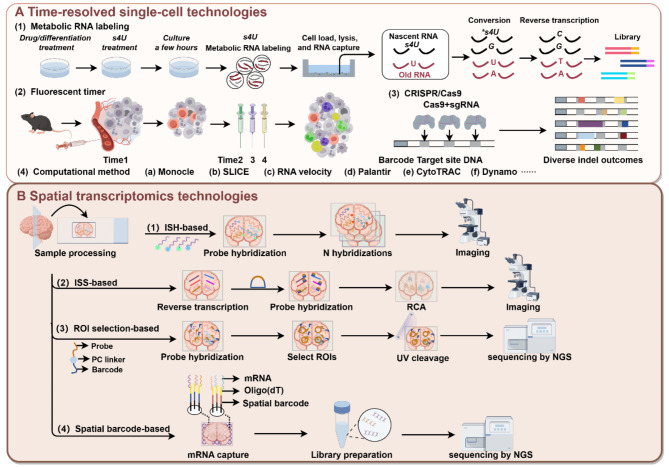
“( B ) Overview of the single-cell multi-omics scheme proteomics that is both similarities and discrepancies with the transcriptome [7].”
BackgroundMethodInfluentialFast, sensitive and accurate integration of single-cell data with Harmony
Korsunsky, I., Millard, N., Fan, J., Slowikowski, K., Zhang, F., Wei, K., Baglaenko, Y., Brenner, M., Loh, P.-R., & Raychaudhuri, S. (2019) · Nature Methods · doi:10.1038/s41592-019-0619-0 · Cited by 10,488 · cited 1×
“Integrating data from multiple experiments requires the use of employ algorithms such as Seurat’s canonical correlation analysis (CCA), mutual nearest neighbors (MNN), or Harmony to batch correction [16, 17].”
MethodInference and analysis of cell-cell communication using CellChat
Jin, S., Guerrero-Juarez, C. F., Zhang, L., Chang, I., Ramos, R., Kuan, C.-H., Myung, P., Plikus, M. V., & Nie, Q. (2021) · Nature Communications · doi:10.1038/s41467-021-21246-9 · Cited by 8,409 · cited 1×
“With the advancement of bioinformatic analysis, tools developed based on scRNA-seq for inferring cell-cell communications, such as CellChat [168], CellPhoneDB [13], NicheNet [169], and CellCall [170], have become mainstreams.”
MethodTrapnell, C., Cacchiarelli, D., Grimsby, J., Pokharel, P., Li, S., Morse, M., Lennon, N. J., Livak, K. J., Mikkelsen, T. S., & Rinn, J. L. (2014) · Nature Biotechnology · doi:10.1038/nbt.2859 · Cited by 7,314 · cited 3×
“The latest version, Monocle3, utilizes UMAP for trajectory inference [14].”
MethodScenic: single-cell regulatory network inference and clustering.
Aibar, S., González-Blas, C. B., Moerman, T., Huynh-Thu, V. A., Imrichova, H., Hulselmans, G., Rambow, F., Marine, J.-C., Geurts, P., Aerts, J., et al. (2017) · Nature Methods · doi:10.1038/nmeth.4463 · Cited by 6,520 · cited 1×
“Inferring TFs by single-cell regulatory network inference and clustering (SCENIC) provides the essential gene regulatory network [12].”
BackgroundBuenrostro, J. D., Giresi, P. G., Zaba, L. C., Chang, H. Y., & Greenleaf, W. J. (2013) · Nature Methods · doi:10.1038/nmeth.2688 · Cited by 6,422 · cited 1×
“Recently a variety of technologies have been developed to interrogate chromatin accessibility [107–109], whereas ATAC-seq barges to the forefront as a landmark break-through that utilizes the Tn5 transposase to fragment open chromatin and labels the genome with sequencing adaptors [110].”
BackgroundGut microbiome influences efficacy of PD-1-based immunotherapy against epithelial tumors
Routy, B., Le Chatelier, E., Derosa, L., Duong, C. P. M., Alou, M. T., Daillère, R., Fluckiger, A., Messaoudene, M., Rauber, C., Roberti, M. P., et al. (2018) · Science · doi:10.1126/science.aan3706 · Cited by 5,671 · cited 1×
“The intratumor microbiome has emerged as a novel and rapidly evolving research frontier, with the discovery of microorganisms in various cancer types, including in some organs traditionally considered to be sterile, primarily in gastrointestinal cancers [155–157].”
BackgroundSingle-cell RNA-seq highlights intratumoral heterogeneity in primary glioblastoma
Patel, A. P., Tirosh, I., Trombetta, J. J., Shalek, A. K., Gillespie, S. M., Wakimoto, H., Cahill, D. P., Nahed, B. V., Curry, W. T., Martuza, R. L., et al. (2014) · Science · doi:10.1126/science.1254257 · Cited by 5,063 · cited 1×
“Furthermore, inferring copy number variations (CNVs) with inferCNV analysis by comparing gene expression levels in cells with those in a reference genome is particularly crucial in cancer biology [15].”
BackgroundKraken: ultrafast metagenomic sequence classification using exact alignments
Wood, D. E., & Salzberg, S. L. (2014) · Genome Biology · doi:10.1186/gb-2014-15-3-r46 · Cited by 4,521 · cited 1×
“It is worth mentioning that Chai et al. employed the Kraken method [217, 218] to process scRNA-seq to obtain the bacterial population corresponding to specific cell types [214].”
MethodLa Manno, G., Soldatov, R., Zeisel, A., Braun, E., Hochgerner, H., Petukhov, V., Lidschreiber, K., Kastriti, M. E., Lönnerberg, P., Furlan, A., et al. (2018) · Nature · doi:10.1038/s41586-018-0414-6 · Cited by 4,118 · cited 2×
“RNA velocity is a prevalent technology in scRNA-seq analysis [26].”
BackgroundMethodmRNA-Seq whole-transcriptome analysis of a single cell
Tang, F., Barbacioru, C., Wang, Y., Nordman, E., Lee, C., Xu, N., Wang, X., Bodeau, J., Tuch, B. B., Siddiqui, A., et al. (2009) · Nature Methods · doi:10.1038/nmeth.1315 · Cited by 3,969 · cited 1×
“Since Tang et al. pioneered sequencing technology on a single cell in 2009 [1], the methodology has undergone continuous refinement and maturation.”
MethodVisualization and analysis of gene expression in tissue sections by spatial transcriptomics
Ståhl, P. L., Salmén, F., Vickovic, S., Lundmark, A., Navarro, J. F., Magnusson, J., Giacomello, S., Asp, M., Westholm, J. O., Huss, M., et al. (2016) · Science · doi:10.1126/science.aaf2403 · Cited by 3,834 · cited 1×
“Spatial transcriptomics (ST) was a milestone achievement, carrying epochal significance for spatially resolved transcriptomics [72].”
BackgroundEfremova, M., Vento-Tormo, M., Teichmann, S. A., & Vento-Tormo, R. (2020) · Nature Protocols · doi:10.1038/s41596-020-0292-x · Cited by 3,449 · cited 2×
“With the advancement of bioinformatic analysis, tools developed based on scRNA-seq for inferring cell-cell communications, such as CellChat [168], CellPhoneDB [13], NicheNet [169], and CellCall [170], have become mainstreams.”
BackgroundMethodT-cell antigen receptor genes and T-cell recognition
Davis, M. M., & Bjorkman, P. J. (1988) · Nature · doi:10.1038/334395a0 · Cited by 3,202 · cited 1×
“This recombination process results in a vast diversity of TCR repertoire, predominantly determined by the hypervariable CDR3 [133].”
BackgroundSimultaneous epitope and transcriptome measurement in single cells
Stoeckius, M., Hafemeister, C., Stephenson, W., Houck-Loomis, B., Chattopadhyay, P. K., Swerdlow, H., Satija, R., & Smibert, P. (2017) · Nature Methods · doi:10.1038/nmeth.4380 · Cited by 3,098 · cited 1×
“2C) [125, 126].”
Spatially resolved, highly multiplexed RNA profiling in single cells
Chen, K. H., Boettiger, A. N., Moffitt, J. R., Wang, S., & Zhuang, X. (2015) · Science · doi:10.1126/science.aaa6090 · Cited by 2,969 · cited 1×
“In another strategy, multiplexed error-robust FISH (MERFISH) can simultaneously image 100 to 1,000 kinds of RNA within individual cells by assigning combinatorial FISH labeling to RNA, followed by successive hybridization and imaging [54].”
MethodSlide-seq: A scalable technology for measuring genome-wide expression at high spatial resolution
Rodriques, S. G., Stickels, R. R., Goeva, A., Martin, C. A., Murray, E., Vanderburg, C. R., Welch, J., Chen, L. M., Chen, F., & Macosko, E. Z. (2019) · Science · doi:10.1126/science.aaw1219 · Cited by 2,424 · cited 1×
“Slide-seq captures transcripts on a slide equipped with random 10-µm DNA-barcoded beads and gains the positions of barcodes via in situ indexing, enabling spatial transcriptomic analysis at a near-cellular resolution [79].”
MethodReynisson, B., Alvarez, B., Paul, S., Peters, B., & Nielsen, M. (2020) · Nucleic Acids Research · doi:10.1093/nar/gkaa379 · Cited by 2,361 · cited 1×
“Among these tools, NetMHCpan stands out in predicting the binding affinity between peptides and MHC-I/II, respectively [139].”
MethodSingle-cell chromatin accessibility reveals principles of regulatory variation
Buenrostro, J. D., Wu, B., Litzenburger, U. M., Ruff, D., Gonzales, M. L., Snyder, M. P., Chang, H. Y., & Greenleaf, W. J. (2015) · Nature · doi:10.1038/nature14590 · Cited by 2,308 · cited 1×
“The first one utilized a programmable microfluidics platform to capture single cells, followed by Tn5 transposase tagmentation and library amplification with cell-identifying barcoded primes [111].”
MethodNicheNet: Modeling intercellular communication by linking ligands to target genes
Browaeys, R., Saelens, W., & Saeys, Y. (2020) · Nature Methods · doi:10.1038/s41592-019-0667-5 · Cited by 2,192 · cited 1×
“With the advancement of bioinformatic analysis, tools developed based on scRNA-seq for inferring cell-cell communications, such as CellChat [168], CellPhoneDB [13], NicheNet [169], and CellCall [170], have become mainstreams.”
MethodCUT&Tag for efficient epigenomic profiling of small samples and single cells
Kaya-Okur, H. S., Wu, S. J., Codomo, C. A., Pledger, E. S., Bryson, T. D., Henikoff, J. G., Ahmad, K., & Henikoff, S. (2019) · Nature Communications · doi:10.1038/s41467-019-09982-5 · Cited by 2,187 · cited 1×
“To address the obstacle, Kaya-Okur et al. introduced CUT&Tag, which utilizes Protein A-Tn5 transposase to cleave the DNA sequences bound by targeted protein and integrates sequencing adapters with the cleaved sequences [119].”
BackgroundLandscape of Infiltrating T Cells in Liver Cancer Revealed by Single-Cell Sequencing
Zheng, C., Zheng, L., Yoo, J.-K., Guo, H., Zhang, Y., Guo, X., Kang, B., Hu, R., Huang, J. Y., Zhang, Q., et al. (2017) · Cell · doi:10.1016/j.cell.2017.05.035 · Cited by 2,152 · cited 2×
“…work of Zhang’s group, they pioneered the development of multiple indicators such as single T cell analysis by RNA sequencing and TCR tracking (STAR-TRAC) (for clonal expansion, tissue migration, and state transition), R o/e , and OR (for tissue distribution) to assess the status of TCR [135–137].”
BackgroundSelf-citationMassively parallel single-cell RNA-seq for marker-free decomposition of tissues into cell types
Jaitin, D. A., Kenigsberg, E., Keren-Shaul, H., Elefant, N., Paul, F., Zaretsky, I., Mildner, A., Cohen, N., Jung, S., Tanay, A., et al. (2014) · Science · doi:10.1126/science.1247651 · Cited by 1,795
Chromatin accessibility and the regulatory epigenome
Klemm, S. L., Shipony, Z., & Greenleaf, W. J. (2019) · Nature Reviews Genetics · doi:10.1038/s41576-018-0089-8 · Cited by 1,793 · cited 1×
“Chromatin accessibility, a key epigenetic feature, plays a pivotal role in regulating gene expression by allowing transcriptional machinery to interact with regulatory elements, thereby facilitating the initiation or suppression of gene transcription in open chromatin regions [106].”
BackgroundSpatiotemporal transcriptomic atlas of mouse organogenesis using DNA nanoball-patterned arrays
Chen, A., Liao, S., Cheng, M., Ma, K., Wu, L., Lai, Y., Qiu, X., Yang, J., Xu, J., Hao, S., et al. (2022) · Cell · doi:10.1016/j.cell.2022.04.003 · Cited by 1,784
Transcriptome-scale super-resolved imaging in tissues by RNA seqFISH
Eng, C.-H. L., Lawson, M., Zhu, Q., Dries, R., Koulena, N., Takei, Y., Yun, J., Cronin, C., Karp, C., Yuan, G.-C., et al. (2019) · Nature · doi:10.1038/s41586-019-1049-y · Cited by 1,754 · cited 1×
“Nevertheless, it suffers optical crowding when profiling an excessive number of transcripts [52]. seq-FISH + is an improved seqFISH, profiling 10,000 genes within individual cells by expanding the barcode base palette to 60 pseudo colors [53].”
BackgroundExploring tissue architecture using spatial transcriptomics
Rao, A., Barkley, D., França, G. S., & Yanai, I. (2021) · Nature · doi:10.1038/s41586-021-03634-9 · Cited by 1,700 · cited 1×
“It innovatively captured polyad-enylated RNA on spot-equipped slides, with each spot containing unique spatial barcodes, ensuring that each transcript was precisely mapped back to its respective spot through the spatial barcode [73].”
BackgroundThree-dimensional intact-tissue sequencing of single-cell transcriptional states
Wang, X., Allen, W. E., Wright, M. A., Sylwestrak, E. L., Samusik, N., Vesuna, S., Evans, K., Liu, C., Ramakrishnan, C., Liu, J., et al. (2018) · Science · doi:10.1126/science.aat5691 · Cited by 1,620 · cited 1×
“STARmap hybridizes directly to mRNA with a SNAIL probe and then undergoes RCA to obtain DNA amplicons, thereby avoiding reverse transcription [57].”
MethodFull-length mRNA-Seq from single-cell levels of RNA and individual circulating tumor cells
Ramsköld, D., Luo, S., Wang, Y.-C., Li, R., Deng, Q., Faridani, O. R., Daniels, G. A., Khrebtukova, I., Loring, J. F., Laurent, L. C., et al. (2012) · Nature Biotechnology · doi:10.1038/nbt.2282 · Cited by 1,609 · cited 1×
“These advancements have facilitated the development of full-length transcriptome profiling, high-throughput capabilities, and high-sensitivity scRNA-seq [2–4].”
BackgroundAnalysis of Fusobacterium persistence and antibiotic response in colorectal cancer
Bullman, S., Pedamallu, C. S., Sicinska, E., Clancy, T. E., Zhang, X., Cai, D., Neuberg, D., Huang, K., Guevara, F., Nelson, T., et al. (2017) · Science · doi:10.1126/science.aal5240 · Cited by 1,574
Single-cell transcriptional diversity is a hallmark of developmental potential
Gulati, G. S., Sikandar, S. S., Wesche, D. J., Manjunath, A., Bharadwaj, A., Berger, M. J., Ilagan, F., Kuo, A. H., Hsieh, R. W., Cai, S., et al. (2020) · Science · doi:10.1126/science.aax0249 · Cited by 1,571 · cited 2×
“Commonly used software includes Monocle [14], RNA velocity [26], Palantir [27], CytoTRACE [28], and others.”
BackgroundMethodLineage tracking reveals dynamic relationships of T cells in colorectal cancer
Zhang, L., Yu, X., Zheng, L., Zhang, Y., Li, Y., Fang, Q., Gao, R., Kang, B., Zhang, Q., Huang, J. Y., et al. (2018) · Nature · doi:10.1038/s41586-018-0694-x · Cited by 1,505
Visualization of Single RNA Transcripts in Situ
Femino, A. M., Fay, F. S., Fogarty, K., & Singer, R. H. (1998) · Science · doi:10.1126/science.280.5363.585 · Cited by 1,504 · cited 1×
“Single-molecule fluorescence ISH (smFISH) is a high-resolution technology that utilizes multiple short oligonucleotide probes coupled with fluorescent moieties to selectively detect transcripts [50], but it is limited by the throughput of detection.”
BackgroundComparative Analysis of Single-Cell RNA Sequencing Methods
Ziegenhain, C., Vieth, B., Parekh, S., Reinius, B., Guillaumet-Adkins, A., Smets, M., Leonhardt, H., Heyn, H., Hellmann, I., & Enard, W. (2017) · Molecular Cell · doi:10.1016/j.molcel.2017.01.023 · Cited by 1,494 · cited 1×
“…of history, has completely reshaped the study approach of the complexity and heterogeneity within individual cells. scRNA-seq technologies mainly involve microfluidic chips, micro-droplets, and microwell-based approaches, which have been well-introduced and compared in previous articles [10, 11].”
ResultCao, J., Packer, J. S., Ramani, V., Cusanovich, D. A., Huynh, C., Daza, R., Qiu, X., Lee, C., Furlan, S. N., Steemers, F. J., et al. (2017) · doi:10.1101/104844 · Cited by 1,402
Pan-cancer single-cell landscape of tumor-infiltrating T cells
Zheng, L., Qin, S., Si, W., Wang, A., Xing, B., Gao, R., Ren, X., Wang, L., Wu, X., Zhang, J., et al. (2021) · Science · doi:10.1126/science.abe6474 · Cited by 1,402 · cited 2×
“…work of Zhang’s group, they pioneered the development of multiple indicators such as single T cell analysis by RNA sequencing and TCR tracking (STAR-TRAC) (for clonal expansion, tissue migration, and state transition), R o/e , and OR (for tissue distribution) to assess the status of TCR [135–137].”
BackgroundSelf-citationBandura, D. R., Baranov, V. I., Ornatsky, O. I., Antonov, A., Kinach, R., Lou, X., Pavlov, S., Vorobiev, S., Dick, J. E., & Tanner, S. D. (2009) · Analytical Chemistry · doi:10.1021/ac901049w · Cited by 1,295 · cited 1×
“Mass spectrometry (MS) [161–164] and nuclear magnetic resonance (NMR) spectroscopy [165] are widely utilized technologies for metabolomics analysis.”
BackgroundHighly sensitive spatial transcriptomics at near-cellular resolution with Slide-seqV2
Stickels, R. R., Murray, E., Kumar, P., Li, J., Marshall, J. L., Di Bella, D. J., Arlotta, P., Macosko, E. Z., & Chen, F. (2021) · Nature Biotechnology · doi:10.1038/s41587-020-0739-1 · Cited by 1,295 · cited 1×
“Stickels et al. optimized Slide-seq and reported the highly sensitive Slide-seqV2, leading to a tenfold increase in RNA capture efficiency [80].”
BackgroundSingle‐cell RNA sequencing technologies and applications: A brief overview
Jovic, D., Liang, X., Zeng, H., Lin, L., Xu, F., & Luo, Y. (2022) · Clinical and Translational Medicine · doi:10.1002/ctm2.694 · Cited by 1,271 · cited 1×
“…of history, has completely reshaped the study approach of the complexity and heterogeneity within individual cells. scRNA-seq technologies mainly involve microfluidic chips, micro-droplets, and microwell-based approaches, which have been well-introduced and compared in previous articles [10, 11].”
ResultMultiplex single-cell profiling of chromatin accessibility by combinatorial cellular indexing
Cusanovich, D. A., Daza, R., Adey, A., Pliner, H. A., Christiansen, L., Gunderson, K. L., Steemers, F. J., Trapnell, C., & Shendure, J. (2015) · Science · doi:10.1126/science.aab1601 · Cited by 1,248 · cited 1×
“The other one utilized an integrative method combining combinatorial cell indexing with ATAC-seq to analyze chromatin accessibility within over 15,000 cells [112].”
MethodCEL-seq: single-cell RNA-seq by multiplexed linear amplification
Hashimshony, T., Wagner, F., Sher, N., & Yanai, I. (2012) · Cell Reports · doi:10.1016/j.celrep.2012.08.003 · Cited by 1,231 · cited 1×
“These advancements have facilitated the development of full-length transcriptome profiling, high-throughput capabilities, and high-sensitivity scRNA-seq [2–4].”
BackgroundTranscriptome-scale spatial gene expression in the human dorsolateral prefrontal cortex
Maynard, K. R., Collado-Torres, L., Weber, L. M., Uytingco, C., Barry, B. K., Williams, S. R., Catallini, J. L., Tran, M. N., Besich, Z., Tippani, M., et al. (2021) · Nature Neuroscience · doi:10.1038/s41593-020-00787-0 · Cited by 1,222 · cited 1×
“It has been commercialized and extensively employed across diverse fields such as developmental biology [75], cancer biology [76], as well as neuroscience [77, 78].”
BackgroundA high-resolution transcriptomic and spatial atlas of cell types in the whole mouse brain
Yao, Z., van Velthoven, C. T. J., Kunst, M., Zhang, M., McMillen, D., Lee, C., Jung, W., Goldy, J., Abdelhak, A., Aitken, M., et al. (2023) · Nature · doi:10.1038/s41586-023-06812-z · Cited by 1,203 · cited 1×
“Yao et al. integrated MERFISH and scRNA-seq to construct a transcriptomic and spatial atlas of the mouse whole brain and built a platform to visualize these data, providing precious resources for deciphering the complexity of the mammalian brain [61].”
MethodMultiple early factors anticipate post-acute COVID-19 sequelae
Su, Y., Yuan, D., Chen, D. G., Ng, R. H., Wang, K., Choi, J., Li, S., Hong, S., Zhang, R., Xie, J., et al. (2022) · Cell · doi:10.1016/j.cell.2022.01.014 · Cited by 1,156 · cited 2×
“Su et al. employed single-cell multi-omics (RNA, CITE, TCR/BCR, etc.) to observe unique dynamics in the behavior of specific CD8 + T cells during the recuperation phase from COVID-19, among patients suffering from gastrointestinal sequelae [219].”
BackgroundHigh-definition spatial transcriptomics for in situ tissue profiling
Vickovic, S., Eraslan, G., Salmén, F., Klughammer, J., Stenbeck, L., Schapiro, D., Äijö, T., Bonneau, R., Bergenstråhle, L., Navarro, J. F., et al. (2019) · Nature Methods · doi:10.1038/s41592-019-0548-y · Cited by 1,150 · cited 1×
“High-definition spatial transcriptomics (HDST) utilizes a split-pool approach to generate a dense and barcoded bead array, capturing RNA at a 2-µm resolution [81].”
MethodA human liver cell atlas reveals heterogeneity and epithelial progenitors
Aizarani, N., Saviano, A., Sagar, Mailly, L., Durand, S., Herman, J. S., Pessaux, P., Baumert, T. F., & Grün, D. (2019) · Nature · doi:10.1038/s41586-019-1373-2 · Cited by 1,147 · cited 1×
“…of the seven noteworthy technologies in 2024 [175], can display detailed information about various cell types within different organisms, allowing for the characterization of cellular diversity [176], the analysis of cellular heterogeneity [177], as well as the discovery of novel cell types [178].”
BackgroundSingle-cell genome-wide bisulfite sequencing for assessing epigenetic heterogeneity
Smallwood, S. A., Lee, H. J., Angermueller, C., Krueger, F., Saadeh, H., Peat, J., Andrews, S. R., Stegle, O., Reik, W., & Kelsey, G. (2014) · Nature Methods · doi:10.1038/nmeth.3035 · Cited by 1,125 · cited 1×
“…technology achieving co-profile of the DNA methylome and transcriptome is single-cell methylome and transcriptome sequencing (scM&T-seq) [103], which utilizes G&T-seq to separate and amplify genomic DNA and mRNA from the same single cell and applies scBS-seq [104] to generate DNA methylation data.”
MethodMultiplexed droplet single-cell RNA-sequencing using natural genetic variation
Kang, H. M., Subramaniam, M., Targ, S., Nguyen, M., Maliskova, L., McCarthy, E., Wan, E., Wong, S., Byrnes, L., Lanata, C. M., et al. (2018) · Nature Biotechnology · doi:10.1038/nbt.4042 · Cited by 1,101 · cited 1×
“The integration of scRNA-seq with eQTL was first reported in 2018 [94].”
MethodMultiplex digital spatial profiling of proteins and RNA in fixed tissue
Merritt, C. R., Ong, G. T., Church, S. E., Barker, K., Danaher, P., Geiss, G., Hoang, M., Jung, J., Liang, Y., McKay-Fleisch, J., et al. (2020) · Nature Biotechnology · doi:10.1038/s41587-020-0472-9 · Cited by 1,072 · cited 1×
“GeoMx digital spatial profiler (DSP), a commercially available technology, is capable of spatially profiling RNA or proteins within the ROIs [68].”
BackgroundThe technological landscape and applications of single-cell multi-omics
Baysoy, A., Bai, Z., Satija, R., & Fan, R. (2023) · Nature Reviews Molecular Cell Biology · doi:10.1038/s41580-023-00615-w · Cited by 1,037 · cited 2×
“The largest cell-atlas initiative, the Human Cell Atlas was launched in 2017, aiming to integrate single-cell omic data into comprehensive atlases, thereby enhancing our understanding of cell development, physiology, and CCIs [74].”
BackgroundSingle-cell in situ RNA profiling by sequential hybridization
Lubeck, E., Coskun, A. F., Zhiyentayev, T., Ahmad, M., & Cai, L. (2014) · Nature Methods · doi:10.1038/nmeth.2892 · Cited by 985 · cited 1×
“…FISH (seqFISH) barcodes the transcripts fixed within cells through multiple rounds of hybridization, imaging, and probe removal, allowing for FF, fresh frozen; FFPE, formalin-fixed paraffin-embedded the detection of the entire transcriptome through four dyes and eight rounds of hybridization [51].”
MethodHighly Multiplexed Subcellular RNA Sequencing in Situ
Lee, J. H., Daugharthy, E. R., Scheiman, J., Kalhor, R., Yang, J. L., Ferrante, T. C., Terry, R., Jeanty, S. S. F., Li, C., Amamoto, R., et al. (2014) · Science · doi:10.1126/science.1250212 · Cited by 973 · cited 1×
“FISSEQ is an untargeted strategy that uses hexamer primers to reverse transcribe RNA in fixed cells, followed by cDNA circularization, and generates a sequencing library, further improving the detection throughput of ISS [56].”
MethodSingle-cell immune landscape of human atherosclerotic plaques
Fernandez, D. M., Rahman, A. H., Fernandez, N. F., Chudnovskiy, A., Amir, E.-A. D., Amadori, L., Khan, N. S., Wong, C. K., Shamailova, R., Hill, C. A., et al. (2019) · Nature Medicine · doi:10.1038/s41591-019-0590-4 · Cited by 970 · cited 1×
“In addition, a study employed CyTOF, scRNA-seq, and CITE-seq to decipher the immune landscapes in the plaques of atherosclerosis (AS) and uncover immune alterations related to clinical cardiovascular events, suggesting potential avenues for AS treatment [230].”
MethodHigh-Spatial-Resolution Multi-Omics Sequencing via Deterministic Barcoding in Tissue
Liu, Y., Yang, M., Deng, Y., Su, G., Enninful, A., Guo, C. C., Tebaldi, T., Zhang, D., Kim, D., Bai, Z., et al. (2020) · Cell · doi:10.1016/j.cell.2020.10.026 · Cited by 966 · cited 1×
“…equipped with parallel microfluidic channels to deliver DNA barcodes to tissue sections, developing the first spatial multi-omics technology, deterministic barcoding in tissue for spatial omics sequencing (DBiT-seq), enabling simultaneous detection of the whole transcriptome and 22 proteins [85].”
BackgroundIn situ sequencing for RNA analysis in preserved tissue and cells
Ke, R., Mignardi, M., Pacureanu, A., Svedlund, J., Botling, J., Wählby, C., & Nilsson, M. (2013) · Nature Methods · doi:10.1038/nmeth.2563 · Cited by 934 · cited 1×
“ISS, first reported in 2013, utilized padlock probes to bind with cDNA produced by reverse transcription, followed by rolling-circle amplification (RCA) to produce rolling-circle products (RCP), which were in situ sequenced and imaged within tissues or cells [55].”
MethodEffect of the intratumoral microbiota on spatial and cellular heterogeneity in cancer
Galeano Niño, J. L., Wu, H., LaCourse, K. D., Kempchinsky, A. G., Baryiames, A., Barber, B., Futran, N., Houlton, J., Sather, C., Sicinska, E., et al. (2022) · Nature · doi:10.1038/s41586-022-05435-0 · Cited by 887 · cited 2×
“Galeano Niño et al. applied 10 × Visium to oral squamous cell carcinoma and colorectal cancer, identifying the identity and in situ position of the microbial communities within the tumors [76].”
BackgroundAn integrated cell atlas of the lung in health and disease
Sikkema, L., Ramírez-Suástegui, C., Strobl, D. C., Gillett, T. E., Zappia, L., Madissoon, E., Markov, N. S., Zaragosi, L.-E., Ji, Y., Ansari, M., et al. (2023) · Nature Medicine · doi:10.1038/s41591-023-02327-2 · Cited by 854 · cited 1×
“Currently, with the joint efforts of scientists, cell atlases of a wide range of organs and disease tissues have been constructed [179, 180].”
BackgroundAn introduction to spatial transcriptomics for biomedical research
Williams, C. G., Lee, H. J., Asatsuma, T., Vento-Tormo, R., & Haque, A. (2022) · Genome Medicine · doi:10.1186/s13073-022-01075-1 · Cited by 848 · cited 1×
“Nevertheless, it suffers optical crowding when profiling an excessive number of transcripts [52]. seq-FISH + is an improved seqFISH, profiling 10,000 genes within individual cells by expanding the barcode base palette to 60 pseudo colors [53].”
BackgroundPalantir characterizes cell fate continuities in human hematopoiesis
Setty, M., Kiseliovas, V., Levine, J., Gayoso, A., Mazutis, L., & Pe’er, D. (2018) · doi:10.1101/385328 · Cited by 836
Characterization of cell fate probabilities in single-cell data with Palantir
Setty, M., Kiseliovas, V., Levine, J., Gayoso, A., Mazutis, L., & Pe’er, D. (2019) · Nature Biotechnology · doi:10.1038/s41587-019-0068-4 · Cited by 833 · cited 2×
“…the single-cell level Palantir is a pseudo-time algorithm based on stochastic processes that, through dimensionality reduction and manifold analysis, effectively captures the continuity of cell states and models the transition from low-differen-tiation cells to terminally differentiated cells [27].”
BackgroundMethodOrganoid single-cell genomic atlas uncovers human-specific features of brain development
Kanton, S., Boyle, M. J., He, Z., Santel, M., Weigert, A., Sanchís-Calleja, F., Guijarro, P., Sidow, L., Fleck, J. S., Han, D., et al. (2019) · Nature · doi:10.1038/s41586-019-1654-9 · Cited by 778 · cited 1×
“In reality, cells are constantly undergoing dynamic changes, whether during development and differentiation, disease progression, and pre-and post-treatment, etc. Frequently, scRNA-seq is conducted at various time points to gain valuable insights into the development or response process [23–25].”
BackgroundWhole-organism lineage tracing by combinatorial and cumulative genome editing
McKenna, A., Findlay, G. M., Gagnon, J. A., Horwitz, M. S., Schier, A. F., & Shendure, J. (2016) · Science · doi:10.1126/science.aaf7907 · Cited by 766 · cited 1×
“The emergence of CRISPR/ Cas9 technology facilitates the deliberate introduction of mutations using guide RNAs (gRNAs) [40].”
BackgroundMetagenome analysis using the Kraken software suite
Lu, J., Rincon, N., Wood, D. E., Breitwieser, F. P., Pockrandt, C., Langmead, B., Salzberg, S. L., & Steinegger, M. (2022) · Nature Protocols · doi:10.1038/s41596-022-00738-y · Cited by 756 · cited 1×
“It is worth mentioning that Chai et al. employed the Kraken method [217, 218] to process scRNA-seq to obtain the bacterial population corresponding to specific cell types [214].”
MethodG&T-seq: parallel sequencing of single-cell genomes and transcriptomes
Macaulay, I. C., Haerty, W., Kumar, P., Li, Y. I., Hu, T. X., Teng, M. J., Goolam, M., Saurat, N., Coupland, P., Shirley, L. M., et al. (2015) · Nature Methods · doi:10.1038/nmeth.3370 · Cited by 750 · cited 1×
“In addition, multiple multi-omics technologies for integrative analysis of genome and transcriptome have been developed, among which genome and transcriptome sequencing (G&T-seq) [96] and gDNA-mRNA sequencing (DR-seq) [97] stand out as two representative technologies.”
BackgroundAn atlas of healthy and injured cell states and niches in the human kidney
Lake, B. B., Menon, R., Winfree, S., Hu, Q., Melo Ferreira, R., Kalhor, K., Barwinska, D., Otto, E. A., Ferkowicz, M., Diep, D., et al. (2023) · Nature · doi:10.1038/s41586-023-05769-3 · Cited by 743 · cited 1×
“Currently, with the joint efforts of scientists, cell atlases of a wide range of organs and disease tissues have been constructed [179, 180].”
BackgroundSingle-cell multi-omics analysis of the immune response in COVID-19
Cambridge Institute of Therapeutic Immunology and Infectious Disease-National Institute of Health Research (CITIID-NIHR) COVID-19 BioResource Collaboration, Stephenson, E., Reynolds, G., Botting, R. A., Calero-Nieto, F. J., Morgan, M. D., Tuong, Z. K., Bach, K., Sungnak, W., Worlock, K. B., et al. (2021) · Nature Medicine · doi:10.1038/s41591-021-01329-2 · Cited by 742
Intratumoral CD4+ T Cells Mediate Anti-tumor Cytotoxicity in Human Bladder Cancer
Oh, D. Y., Kwek, S. S., Raju, S. S., Li, T., McCarthy, E., Chow, E., Aran, D., Ilano, A., Pai, C.-C. S., Rancan, C., et al. (2020) · Cell · doi:10.1016/j.cell.2020.05.017 · Cited by 734 · cited 1×
“They also managed to predict the therapeutic effect of anti-PD-L1 in bladder cancer patients based on CD4 signature score [206].”
BackgroundParallel single-cell sequencing links transcriptional and epigenetic heterogeneity
Angermueller, C., Clark, S. J., Lee, H. J., Macaulay, I. C., Teng, M. J., Hu, T. X., Krueger, F., Smallwood, S. A., Ponting, C. P., Voet, T., et al. (2016) · Nature Methods · doi:10.1038/nmeth.3728 · Cited by 717 · cited 1×
“…technology achieving co-profile of the DNA methylome and transcriptome is single-cell methylome and transcriptome sequencing (scM&T-seq) [103], which utilizes G&T-seq to separate and amplify genomic DNA and mRNA from the same single cell and applies scBS-seq [104] to generate DNA…”
MethodHou, Y., Guo, H., Cao, C., Li, X., Hu, B., Zhu, P., Wu, X., Wen, L., Tang, F., Huang, Y., et al. (2016) · Cell Research · doi:10.1038/cr.2016.23 · Cited by 647 · cited 1×
“In addition, single-cell triple omics sequencing (scTrio-seq), which co-profiles the genome, DNA methylome, and transcriptome through scRRBS and WGS, has been applied to 25 cancer cells and identified two distinct subsets [105].”
MethodSelf-citationMULTI-seq: sample multiplexing for single-cell RNA sequencing using lipid-tagged indices
McGinnis, C. S., Patterson, D. M., Winkler, J., Conrad, D. N., Hein, M. Y., Srivastava, V., Hu, J. L., Murrow, L. M., Weissman, J. S., Werb, Z., et al. (2019) · Nature Methods · doi:10.1038/s41592-019-0433-8 · Cited by 643 · cited 1×
“Currently, the predominant approach for this technology involves tagging individual samples with DNA oligonucleotides (oligos) barcodes before pooling them together, including lipid-tagged DNA [21], chemical cross-linking reaction [19], and genetic barcodes [20].”
BackgroundThiol-linked alkylation of RNA to assess expression dynamics
Herzog, V. A., Reichholf, B., Neumann, T., Rescheneder, P., Bhat, P., Burkard, T. R., Wlotzka, W., von Haeseler, A., Zuber, J., & Ameres, S. L. (2017) · Nature Methods · doi:10.1038/nmeth.4435 · Cited by 622
Thiol-linked alkylation for the metabolic sequencing of RNA
Herzog, V. A., Reichholf, B., Neumann, T., Rescheneder, P., Bhat, P., Burkard, T. R., Wlotzka, W., von Haeseler, A., Zuber, J., & Ameres, S. L. (2017) · doi:10.1101/177642 · Cited by 622
Single-nucleus and single-cell transcriptomes compared in matched cortical cell types
Bakken, T. E., Hodge, R. D., Miller, J. A., Yao, Z., Nguyen, T. N., Aevermann, B., Barkan, E., Bertagnolli, D., Casper, T., Dee, N., et al. (2018) · PLoS ONE · doi:10.1371/journal.pone.0209648 · Cited by 608 · cited 1×
“Fresh tissue samples are deemed appropriate for single-cell sequencing, whereas freeze-thaw samples are generally recommended for snRNA-seq [242, 243].”
BackgroundKompauer, M., Heiles, S., & Spengler, B. (2017) · Nature Methods · doi:10.1038/nmeth.4071 · Cited by 600
Bressan, D., Battistoni, G., & Hannon, G. J. (2023) · Science · doi:10.1126/science.abq4964 · Cited by 594 · cited 1×
“The core of spatial barcode-based technologies is capturing transcripts within tissues or cells using spatial barcodes (DNA oligos) array on glass slides [71].”
BackgroundNeuroinflammatory astrocyte subtypes in the mouse brain
Hasel, P., Rose, I. V. L., Sadick, J. S., Kim, R. D., & Liddelow, S. A. (2021) · Nature Neuroscience · doi:10.1038/s41593-021-00905-6 · Cited by 586 · cited 2×
“Hasel et al. integrated bulk RNA-seq, and scRNA-seq with 10 × Visium, uncovering spatiotemporal heterogeneity in the response of different astrocyte subsets to inflammation in the brain [78].”
BackgroundMimitou, E. P., Cheng, A., Montalbano, A., Hao, S., Stoeckius, M., Legut, M., Roush, T., Herrera, A., Papalexi, E., Ouyang, Z., et al. (2019) · Nature Methods · doi:10.1038/s41592-019-0392-0 · Cited by 520 · cited 1×
“2C) [125, 126].”
A test metric for assessing single-cell RNA-seq batch correction
Büttner, M., Miao, Z., Wolf, F. A., Teichmann, S. A., & Theis, F. J. (2019) · Nature Methods · doi:10.1038/s41592-018-0254-1 · Cited by 511 · cited 1×
“Integrating data from multiple experiments requires the use of employ algorithms such as Seurat’s canonical correlation analysis (CCA), mutual nearest neighbors (MNN), or Harmony to batch correction [16, 17].”
MethodIntegrated genome and transcriptome sequencing of the same cell
Dey, S. S., Kester, L., Spanjaard, B., Bienko, M., & van Oudenaarden, A. (2015) · Nature Biotechnology · doi:10.1038/nbt.3129 · Cited by 502 · cited 1×
“In addition, multiple multi-omics technologies for integrative analysis of genome and transcriptome have been developed, among which genome and transcriptome sequencing (G&T-seq) [96] and gDNA-mRNA sequencing (DR-seq) [97] stand out as two representative technologies.”
BackgroundHuang, Q., Wu, X., Wang, Z., Chen, X., Wang, L., Lu, Y., Xiong, D., Liu, Q., Tian, Y., Lin, H., et al. (2022) · Cell · doi:10.1016/j.cell.2022.09.020 · Cited by 486 · cited 1×
“A study combined scRNA-seq, TCR-seq, and ATAC-seq for integrated analysis, suggesting that TdLN-T TSM cells are primary memory T cells that respond to ICI treatment, representing adoptive these cells a promising immunotherapy approach [207].”
MethodSelf-citationSingle-cell CUT&Tag profiles histone modifications and transcription factors in complex tissues
Bartosovic, M., Kabbe, M., & Castelo-Branco, G. (2021) · Nature Biotechnology · doi:10.1038/s41587-021-00869-9 · Cited by 483 · cited 1×
“On this basis, single-cell CUT&Tag (scCUT&Tag) integrated CUT&Tag with 10 × Genomics scATAC-seq protocol, enabling the investigation of histone modifications at single-cell resolution [120].”
MethodSpatial epigenome–transcriptome co-profiling of mammalian tissues
Zhang, D., Deng, Y., Kukanja, P., Agirre, E., Bartosovic, M., Dong, M., Ma, C., Ma, S., Su, G., Bao, S., et al. (2023) · Nature · doi:10.1038/s41586-023-05795-1 · Cited by 483 · cited 1×
“…this approach to spatial ATAC-RNA-seq and spatial assay of cleavage under targets and tagmentation and RNA sequencing (spatial CUT&Tag-RNA-seq) [86], which achieve co-profile of epigenome and transcriptome, as well as spatial co-indexing of transcriptomes and epitopes for multi-omics mapping…”
MethodMicrobial metabolite enhances immunotherapy efficacy by modulating T cell stemness in pan-cancer
Jia, D., Wang, Q., Qi, Y., Jiang, Y., He, J., Lin, Y., Sun, Y., Xu, J., Chen, W., Fan, L., et al. (2024) · Cell · doi:10.1016/j.cell.2024.02.022 · Cited by 479 · cited 1×
“Jia et al. integrated 16 S rRNA-seq with single-cell transcriptomics, TCR-seq, and ATAC-seq to reveal that IPA activates progen-itor-exhausted CD8 + T cells through H3K27 acetylation modification [216].”
MethodLiu, B., Hu, X., Feng, K., Gao, R., Xue, Z., Zhang, S., Zhang, Y., Corse, E., Hu, Y., Han, W., et al. (2021) · Nature Cancer · doi:10.1038/s43018-021-00292-8 · Cited by 473 · cited 1×
“TNFRSF18 has been demonstrated to be associated with non-response to anti-PD-1 therapy in lung cancer [204].”
BackgroundHigh-throughput single-cell ChIP-seq identifies heterogeneity of chromatin states in breast cancer
Grosselin, K., Durand, A., Marsolier, J., Poitou, A., Marangoni, E., Nemati, F., Dahmani, A., Lameiras, S., Reyal, F., Frenoy, O., et al. (2019) · Nature Genetics · doi:10.1038/s41588-019-0424-9 · Cited by 466 · cited 1×
“Single-cell ChIP-seq (scChIP-seq) tags nucleosomes with barcodes via a droplet microfluidic platform before conventional ChIP-seq, and it was employed to interrogate the chromatin land-scapes of breast cancer [118].”
MethodTani, H., Mizutani, R., Salam, K. A., Tano, K., Ijiri, K., Wakamatsu, A., Isogai, T., Suzuki, Y., & Akimitsu, N. (2012) · Genome Research · doi:10.1101/gr.130559.111 · Cited by 464 · cited 1×
“The technology was initially applied at the bulk RNA level [30].”
MethodMulti-omics profiling of mouse gastrulation at single-cell resolution
Argelaguet, R., Clark, S. J., Mohammed, H., Stapel, L. C., Krueger, C., Kapourani, C.-A., Imaz-Rosshandler, I., Lohoff, T., Xiang, Y., Hanna, C. W., et al. (2019) · Nature · doi:10.1038/s41586-019-1825-8 · Cited by 457 · cited 1×
“…have been employed for multiple stages of embryonic development, including preimplantation [188, 189], implantation [190], gastrulation [191], and early organogenesis [192], to explore cell fate decisions of embryonic development from multiple dimensions, thereby providing a paradigm…”
Next-generation sequencing: insights to advance clinical investigations of the microbiome
Wensel, C. R., Pluznick, J. L., Salzberg, S. L., & Sears, C. L. (2022) · Journal of Clinical Investigation · doi:10.1172/jci154944 · Cited by 437 · cited 1×
“The main technologies in the microbiome field are metagenomic sequencing and 16 S rRNA sequencing [148–150], updating our understanding of microbial community on a more microscopic level (Fig.”
BackgroundSpatially resolved multiomics of human cardiac niches
Kanemaru, K., Cranley, J., Muraro, D., Miranda, A. M. A., Ho, S. Y., Wilbrey-Clark, A., Patrick Pett, J., Polanski, K., Richardson, L., Litvinukova, M., et al. (2023) · Nature · doi:10.1038/s41586-023-06311-1 · Cited by 425 · cited 1×
“The work from Kanemaru et al. employed sc-RNA-seq, single-nucleus RNA sequencing (snRNA-seq), snATAC-seq, and spatial transcriptomics, paving the way for the anatomy and immunology of the heart [227].”
MethodSingle-cell DNA methylome sequencing and bioinformatic inference of epigenomic cell-state dynamics
Farlik, M., Sheffield, N. C., Nuzzo, A., Datlinger, P., Schönegger, A., Klughammer, J., & Bock, C. (2015) · Cell Reports · doi:10.1016/j.celrep.2015.02.001 · Cited by 422 · cited 1×
“Single-cell DNA methylation sequencing based on bisulfite conversion and NGS can be categorized into single-cell reduced representation bisulfite sequencing (scRRBS) [101] and single-cell whole-genome bisulfite sequencing (scWGBS) [102], which achieve single-base resolution.”
MethodHigh-plex protein and whole transcriptome co-mapping at cellular resolution with spatial CITE-seq
Liu, Y., DiStasio, M., Su, G., Asashima, H., Enninful, A., Qin, X., Deng, Y., Nam, J., Gao, F., Bordignon, P., et al. (2023) · Nature Biotechnology · doi:10.1038/s41587-023-01676-0 · Cited by 418 · cited 1×
“…sequencing (spatial CUT&Tag-RNA-seq) [86], which achieve co-profile of epigenome and transcriptome, as well as spatial co-indexing of transcriptomes and epitopes for multi-omics mapping by highly parallel sequencing (spatial CITE-seq) [87], which is capable of co-mapping transcriptome and epitope.”
MethodZhu, Y., Ouyang, Z., Du, H., Wang, M., Wang, J., Sun, H., Kong, L., Xu, Q., Ma, H., & Sun, Y. (2022) · Acta Pharmaceutica Sinica B · doi:10.1016/j.apsb.2022.08.022 · Cited by 414
High-throughput sequencing of the paired human immunoglobulin heavy and light chain repertoire
DeKosky, B. J., Ippolito, G. C., Deschner, R. P., Lavinder, J. J., Wine, Y., Rawlings, B. M., Varadarajan, N., Giesecke, C., Dörner, T., Andrews, S. F., et al. (2013) · Nature Biotechnology · doi:10.1038/nbt.2492 · Cited by 410 · cited 1×
“Around a decade ago, paired scBCR-seq was introduced [142, 143]. scBCR-seq allows for a thorough analysis of BCR repertoires, providing crucial information about their diversity and function at the single-cell level.”
BackgroundAndersson, A., Larsson, L., Stenbeck, L., Salmén, F., Ehinger, A., Wu, S. Z., Al-Eryani, G., Roden, D., Swarbrick, A., Borg, Å., et al. (2021) · Nature Communications · doi:10.1038/s41467-021-26271-2 · Cited by 404 · cited 1×
“Despite significant advancements in scRNA-seq, current scRNA-seq technologies require isolating cells from the tissues, resulting in the loss of spatial information, which is crucial for investigating intercellular interactions and functional relevance [46, 47].”
BackgroundPrognostic value of tumour-infiltrating lymphocytes (TILs) in colorectal cancer
Ropponen, K. M., Eskelinen, M. J., Lipponen, P. K., Alhava, E., & Kosma, V.-M. (1997) · The Journal of Pathology · doi:10.1002/(sici)1096-9896(199707)182:3<318::aid-path862>3.0.co;2-6 · Cited by 398
High-Dimensional Single-Cell Cartography Reveals Novel Skeletal Muscle-Resident Cell Populations
Giordani, L., He, G. J., Negroni, E., Sakai, H., Law, J. Y. C., Siu, M. M., Wan, R., Corneau, A., Tajbakhsh, S., Cheung, T. H., et al. (2019) · Molecular Cell · doi:10.1016/j.molcel.2019.02.026 · Cited by 387 · cited 1×
“…of the seven noteworthy technologies in 2024 [175], can display detailed information about various cell types within different organisms, allowing for the characterization of cellular diversity [176], the analysis of cellular heterogeneity [177], as well as the discovery of novel cell types [178].”
BackgroundSingle-cell multimodal omics: the power of many
Zhu, C., Preissl, S., & Ren, B. (2020) · Nature Methods · doi:10.1038/s41592-019-0691-5 · Cited by 386 · cited 3×
“Although existing technologies empowered scRNA-seq analysis by providing rich surface protein and epitope resources, it seems difficult to establish high-throughput single-cell proteomics in parallel [131].”
BackgroundInfluentialMechanisms of sex differences in Alzheimer’s disease
Lopez-Lee, C., Torres, E. R. S., Carling, G., & Gan, L. (2024) · Neuron · doi:10.1016/j.neuron.2024.01.024 · Cited by 376 · cited 1×
“A 2024 review comprehensively compiled studies on Alzheimer’s disease (AD) using transcriptomics, metabolomics, and other advanced technologies, summarizing mechanisms and targets of sex differences in AD progression [232].”
BackgroundSingle-cell multi-omics sequencing of mouse early embryos and embryonic stem cells
Guo, F., Li, L., Li, J., Wu, X., Hu, B., Zhu, P., Wen, L., & Tang, F. (2017) · Cell Research · doi:10.1038/cr.2017.82 · Cited by 374 · cited 1×
“Additionally, single-cell multi-omics technologies have been employed for multiple stages of embryonic development, including preimplantation [188, 189], implantation [190], gastrulation [191], and early organogenesis [192], to explore cell fate decisions of embryonic development from multiple…”
MethodSelf-citationMolecular recording of mammalian embryogenesis
Chan, M. M., Smith, Z. D., Grosswendt, S., Kretzmer, H., Norman, T. M., Adamson, B., Jost, M., Quinn, J. J., Yang, D., Jones, M. G., et al. (2019) · Nature · doi:10.1038/s41586-019-1184-5 · Cited by 364
Single-cell proteomics enabled by next-generation sequencing or mass spectrometry
Bennett, H. M., Stephenson, W., Rose, C. M., & Darmanis, S. (2023) · Nature Methods · doi:10.1038/s41592-023-01791-5 · Cited by 351 · cited 2×
“Furthermore, imaging-based approaches address the issue of spatial distribution [123].”
BackgroundMethodIdentification of Enteroendocrine Regulators by Real-Time Single-Cell Differentiation Mapping
Gehart, H., van Es, J. H., Hamer, K., Beumer, J., Kretzschmar, K., Dekkers, J. F., Rios, A., & Clevers, H. (2019) · Cell · doi:10.1016/j.cell.2018.12.029 · Cited by 346 · cited 1×
“The research by Gehart et al. showcased that using fluorescent reporters offers a promising way to reveal real-time-resolved scRNA-seq [38].”
BackgroundIntegration of spatial and single-cell transcriptomic data elucidates mouse organogenesis
Lohoff, T., Ghazanfar, S., Missarova, A., Koulena, N., Pierson, N., Griffiths, J. A., Bardot, E. S., Eng, C.-H. L., Tyser, R. C. V., Argelaguet, R., et al. (2022) · Nature Biotechnology · doi:10.1038/s41587-021-01006-2 · Cited by 344 · cited 1×
“Additionally, the combinations can be applied in hematology [62], stem cell research [63], and developmental biology [64].”
BackgroundMicrobial single-cell RNA sequencing by split-pool barcoding
Kuchina, A., Brettner, L. M., Paleologu, L., Roco, C. M., Rosenberg, A. B., Carignano, A., Kibler, R., Hirano, M., DePaolo, R. W., & Seelig, G. (2021) · Science · doi:10.1126/science.aba5257 · Cited by 340 · cited 1×
“…et al. introduced microbial split-pool ligation transcriptomics (microSPLiT), a technology that can identify the scarce subpopulations of cells down to a minuscule proportion of 0.142%, which was crucial for revealing rare cellular states that are significant from a physiological perspective [152].”
BackgroundInfluentialSpatial transcriptomic analysis of cryosectioned tissue samples with Geo-seq
Chen, J., Suo, S., Tam, P. P., Han, J.-D. J., Peng, G., & Jing, N. (2017) · Nature Protocols · doi:10.1038/nprot.2017.003 · Cited by 339 · cited 1×
“Geographical position sequencing (Geo-seq), an integration of LCM and scRNA-seq, enables the construction of 3D transcriptome atlases, thereby revealing cellular heterogeneity and spatial disparities [66].”
MethodIntegrative Single-Cell RNA-Seq and ATAC-Seq Analysis of Human Developmental Hematopoiesis
Ranzoni, A. M., Tangherloni, A., Berest, I., Riva, S. G., Myers, B., Strzelecka, P. M., Xu, J., Panada, E., Mohorianu, I., Zaugg, J. B., et al. (2021) · Cell Stem Cell · doi:10.1016/j.stem.2020.11.015 · Cited by 331
Simon, J. M., Giresi, P. G., Davis, I. J., & Lieb, J. D. (2012) · Nature Protocols · doi:10.1038/nprot.2011.444 · Cited by 329 · cited 1×
“Recently a variety of technologies have been developed to interrogate chromatin accessibility [107–109], whereas ATAC-seq barges to the forefront as a landmark break-through that utilizes the Tn5 transposase to fragment open chromatin and labels the genome with sequencing adaptors [110].”
BackgroundReconstituting the transcriptome and DNA methylome landscapes of human implantation
Zhou, F., Wang, R., Yuan, P., Ren, Y., Mao, Y., Li, R., Lian, Y., Li, J., Wen, L., Yan, L., et al. (2019) · Nature · doi:10.1038/s41586-019-1500-0 · Cited by 326 · cited 1×
“…multi-omics technologies have been employed for multiple stages of embryonic development, including preimplantation [188, 189], implantation [190], gastrulation [191], and early organogenesis [192], to explore cell fate decisions of embryonic development from multiple dimensions, thereby…”
MethodBowling, S., Sritharan, D., Osorio, F. G., Nguyen, M., Cheung, P., Rodriguez-Fraticelli, A., Patel, S., Yuan, W.-C., Fujiwara, Y., Li, B. E., et al. (2020) · Cell · doi:10.1016/j.cell.2020.04.048 · Cited by 326
Inferring and perturbing cell fate regulomes in human brain organoids
Fleck, J. S., Jansen, S. M. J., Wollny, D., Zenk, F., Seimiya, M., Jain, A., Okamoto, R., Santel, M., He, Z., Camp, J. G., et al. (2023) · Nature · doi:10.1038/s41586-022-05279-8 · Cited by 315 · cited 1×
“…technologies can be applied to construct cell atlases of organoids for fundamental research as demonstrated in research that constructed a human brain organoid development atlas by co-profiling of transcriptome and chromatin accessibility to investigate the regulation of cell fate decisions [182].”
BackgroundHigh-Throughput Mapping of B Cell Receptor Sequences to Antigen Specificity
Setliff, I., Shiakolas, A. R., Pilewski, K. A., Murji, A. A., Mapengo, R. E., Janowska, K., Richardson, S., Oosthuysen, C., Raju, N., Ronsard, L., et al. (2019) · Cell · doi:10.1016/j.cell.2019.11.003 · Cited by 314 · cited 2×
“More recently, Ian et al. challenged limited information about BCR-seq to antigen specificity and developed LInking B-cell Receptor to Antigen specificity through sequencing (LIBRA-seq) to confirm for HIV-and influenza-specific antibodies [6].”
BackgroundSingle-cell lineages reveal the rates, routes, and drivers of metastasis in cancer xenografts
Quinn, J. J., Jones, M. G., Okimoto, R. A., Nanjo, S., Chan, M. M., Yosef, N., Bivona, T. G., & Weissman, J. S. (2021) · Science · doi:10.1126/science.abc1944 · Cited by 310 · cited 1×
“This advanced approach is used to trace cell lineage dynamics during embryonic development and reconstruction [42], as well as to track the growth and dissemination of lung tumor xenografts in mice [43].”
MethodJoint profiling of histone modifications and transcriptome in single cells from mouse brain
Zhu, C., Zhang, Y., Li, Y. E., Lucero, J., Behrens, M. M., & Ren, B. (2021) · Nature Methods · doi:10.1038/s41592-021-01060-3 · Cited by 301 · cited 1×
“Recently, some multi-omics technologies have been developed, such as Paired-Tag [121] and combined assay of transcriptome and enriched chromatin binding (CoTECH) [122], which utilize a combinatorial barcoding strategy, achieving co-profile of histone modifications and transcriptome in single cells.”
MethodMa, P., Amemiya, H. M., He, L. L., Gandhi, S. J., Nicol, R., Bhattacharyya, R. P., Smillie, C. S., & Hung, D. T. (2023) · Cell · doi:10.1016/j.cell.2023.01.002 · Cited by 291
High-throughput and single-cell T cell receptor sequencing technologies
Pai, J. A., & Satpathy, A. T. (2021) · Nature Methods · doi:10.1038/s41592-021-01201-8 · Cited by 287 · cited 1×
“The history of high-throughput TCR sequencing has been introduced thoroughly in this review [134].”
BackgroundHigh-throughput, single-microbe genomics with strain resolution, applied to a human gut microbiome
Zheng, W., Zhao, S., Yin, Y., Zhang, H., Needham, D. M., Evans, E. D., Dai, C. L., Lu, P. J., Alm, E. J., & Weitz, D. A. (2022) · Science · doi:10.1126/science.abm1483 · Cited by 283 · cited 1×
“Besides, Microbe-seq applied microfluidic-droplet operation and bioinformatic analysis to obtain the genomes of numerous microbes with single-cell resolution, and most single-amplified genomes had a purity of over 95% [154].”
MethodLiao, J., Lu, X., Shao, X., Zhu, L., & Fan, X. (2021) · Trends in Biotechnology · doi:10.1016/j.tibtech.2020.05.006 · Cited by 278 · cited 1×
“The image-based in situ technologies can achieve sub-cellular resolution [59].”
BackgroundStreptococcus anginosus promotes gastric inflammation, atrophy, and tumorigenesis in mice
Fu, K., Cheung, A. H. K., Wong, C. C., Liu, W., Zhou, Y., Wang, F., Huang, P., Yuan, K., Coker, O. O., Pan, Y., et al. (2024) · Cell · doi:10.1016/j.cell.2024.01.004 · Cited by 273 · cited 1×
“A groundbreaking study integrated 16 S rRNA and scRNA-seq to reveal that Streptococcus anginosus promotes gastric tumorigenesis [215].”
BackgroundSingle-cell sequencing techniques from individual to multiomics analyses
Kashima, Y., Sakamoto, Y., Kaneko, K., Seki, M., Suzuki, Y., & Suzuki, A. (2020) · Experimental & Molecular Medicine · doi:10.1038/s12276-020-00499-2 · Cited by 270 · cited 1×
“Deciphering the epigenomic features such as DNA methylation, chromatin accessibility and histone modifications at the single-cell level allows us to study cell lineages and differentiation states [98].”
BackgroundNomura, S., Satoh, M., Fujita, T., Higo, T., Sumida, T., Ko, T., Yamaguchi, T., Tobita, T., Naito, A. T., Ito, M., et al. (2018) · Nature Communications · doi:10.1038/s41467-018-06639-7 · Cited by 269 · cited 1×
“A hypertrophy study applied multiple-dimensional approaches including epigenetic and morphological analysis to the mechanism of pressure overload [229].”
MethodMethods for ChIP-seq analysis: A practical workflow and advanced applications
Nakato, R., & Sakata, T. (2021) · Methods · doi:10.1016/j.ymeth.2020.03.005 · Cited by 267 · cited 1×
“Chromatin immunoprecipitation sequencing (ChIP-seq) is a common method to profile histone modifications [117].”
MethodZhang, Y., Liu, T., Hu, X., Wang, M., Wang, J., Zou, B., Tan, P., Cui, T., Dou, Y., Ning, L., et al. (2021) · Nucleic Acids Research · doi:10.1093/nar/gkab638 · Cited by 252 · cited 1×
“With the advancement of bioinformatic analysis, tools developed based on scRNA-seq for inferring cell-cell communications, such as CellChat [168], CellPhoneDB [13], NicheNet [169], and CellCall [170], have become mainstreams.”
MethodSpatial atlas of the mouse central nervous system at molecular resolution
Shi, H., He, Y., Zhou, Y., Huang, J., Maher, K., Wang, B., Tang, Z., Luo, S., Tan, P., Wu, M., et al. (2023) · Nature · doi:10.1038/s41586-023-06569-5 · Cited by 238 · cited 1×
“For instance, Shi et al. employed STARmap PLUS on 20 central nervous system (CNS) tissue sections and integrated the resulting data with the published scRNA-seq atlas, achieving molecular cell typing of the CNS [60].”
MethodscSLAM-seq reveals core features of transcription dynamics in single cells
Erhard, F., Baptista, M. A. P., Krammer, T., Hennig, T., Lange, M., Arampatzi, P., Jürges, C. S., Theis, F. J., Saliba, A.-E., & Dölken, L. (2019) · Nature · doi:10.1038/s41586-019-1369-y · Cited by 233 · cited 2×
“Currently, the most typical metabolic RNA labeling in scRNA-seq is a nucleoside analog called 4-thiouridine (4sU) [31, 32].”
BackgroundMethodZeng, H., Huang, J., Zhou, H., Meilandt, W. J., Dejanovic, B., Zhou, Y., Bohlen, C. J., Lee, S.-H., Ren, J., Liu, A., et al. (2023) · Nature Neuroscience · doi:10.1038/s41593-022-01251-x · Cited by 233
NMR Spectroscopy for Metabolomics and Metabolic Profiling
Larive, C. K., Barding, G. A., & Dinges, M. M. (2015) · Analytical Chemistry · doi:10.1021/ac504075g · Cited by 228 · cited 1×
“Mass spectrometry (MS) [161–164] and nuclear magnetic resonance (NMR) spectroscopy [165] are widely utilized technologies for metabolomics analysis.”
BackgroundSlide-tags enables single-nucleus barcoding for multimodal spatial genomics
Russell, A. J. C., Weir, J. A., Nadaf, N. M., Shabet, M., Kumar, V., Kambhampati, S., Raichur, R., Marrero, G. J., Liu, S., Balderrama, K. S., et al. (2024) · Nature · doi:10.1038/s41586-023-06837-4 · Cited by 225 · cited 1×
“A very recently developed technology, Slide-tags, can label single nuclei with spatial barcodes and isolate them for multi-omics analysis [88].”
BackgroundTargeting MHC-I molecules for cancer: function, mechanism, and therapeutic prospects
Wu, X., Li, T., Jiang, R., Yang, X., Guo, H., & Yang, R. (2023) · Molecular Cancer · doi:10.1186/s12943-023-01899-4 · Cited by 223 · cited 1×
“It is well-known that T cells recognize the peptide-loaded major histocompatibility complex (pMHC) presented by antigen-presenting cells via the TCRs, thereby triggering the subsequent immune response to kill cancerous or infectious cells [132].”
BackgroundSelf-citationZhang, L., Dong, X., Lee, M., Maslov, A. Y., Wang, T., & Vijg, J. (2019) · Proceedings of the National Academy of Sciences · doi:10.1073/pnas.1902510116 · Cited by 222 · cited 1×
“It has been applied to uncover somatic mutations in multiple cell types, such as human bronchial epithelial cells [90], and B lymphocytes [91], offering novel insights into the pathogenesis of diseases.”
BackgroundImpact of the Human Cell Atlas on medicine
Rood, J. E., Maartens, A., Hupalowska, A., Teichmann, S. A., & Regev, A. (2022) · Nature Medicine · doi:10.1038/s41591-022-02104-7 · Cited by 222 · cited 1×
“By comparing the cell atlases of healthy and diseased states, we can uncover the mechanisms underlying diseases and advance their diagnosis and treatment [181].”
BackgroundFoster, D. S., Januszyk, M., Delitto, D., Yost, K. E., Griffin, M., Guo, J., Guardino, N., Delitto, A. E., Chinta, M., Burcham, A. R., et al. (2022) · Cancer Cell · doi:10.1016/j.ccell.2022.09.015 · Cited by 220
He, H. H., Meyer, C. A., Hu, S. S., Chen, M.-W., Zang, C., Liu, Y., Rao, P. K., Fei, T., Xu, H., Long, H., et al. (2014) · Nature Methods · doi:10.1038/nmeth.2762 · Cited by 218
Single-cell multi-omics sequencing of human early embryos
Li, L., Guo, F., Gao, Y., Ren, Y., Yuan, P., Yan, L., Li, R., Lian, Y., Li, J., Hu, B., et al. (2018) · Nature Cell Biology · doi:10.1038/s41556-018-0123-2 · Cited by 213 · cited 1×
“Additionally, single-cell multi-omics technologies have been employed for multiple stages of embryonic development, including preimplantation [188, 189], implantation [190], gastrulation [191], and early organogenesis [192], to explore cell fate decisions of embryonic development from multiple…”
MethodTime-resolved single-cell transcriptomics defines immune trajectories in glioblastoma
Kirschenbaum, D., Xie, K., Ingelfinger, F., Katzenelenbogen, Y., Abadie, K., Look, T., Sheban, F., Phan, T. S., Li, B., Zwicky, P., et al. (2024) · Cell · doi:10.1016/j.cell.2023.11.032 · Cited by 211 · cited 1×
“Recently, Kirschenbaum et al. developed fluorescent-based dynamics scRNA-seq called Zmen-seq in vivo, which uncovered immune dysfunctional trajectories of glioblastoma [39].”
BackgroundBenchmarking Computational Doublet-Detection Methods for Single-Cell RNA Sequencing Data
Xi, N. M., & Li, J. J. (2021) · Cell Systems · doi:10.1016/j.cels.2020.11.008 · Cited by 208
Hu, Q., Hong, Y., Qi, P., Lu, G., Mai, X., Xu, S., He, X., Guo, Y., Gao, L., Jing, Z., et al. (2021) · Nature Communications · doi:10.1038/s41467-021-22300-2 · Cited by 201 · cited 2×
“From a clinical perspective, it helps diagnose and monitor tumor immunology [144], infectious diseases [145, 147], autoimmune diseases, and immunodeficiencies.”
BackgroundMethodHigh-throughput determination of the antigen specificities of T cell receptors in single cells
Zhang, S.-Q., Ma, K.-Y., Schonnesen, A. A., Zhang, M., He, C., Sun, E., Williams, C. M., Jia, W., & Jiang, N. (2018) · Nature Biotechnology · doi:10.1038/nbt.4282 · Cited by 200
A phenotypic signature that identifies neoantigen-reactive T cells in fresh human lung cancers
Hanada, K.-I., Zhao, C., Gil-Hoyos, R., Gartner, J. J., Chow-Parmer, C., Lowery, F. J., Krishna, S., Prickett, T. D., Kivitz, S., Parkhurst, M. R., et al. (2022) · Cancer Cell · doi:10.1016/j.ccell.2022.03.012 · Cited by 200 · cited 1×
“Utilizing this signature, they were able to detect neoantigen-reactive TCRs with a success rate [210].”
BackgroundHigh-throughput determination of the antigen specificities of T cell receptors in single cells
Zhang, S.-Q., Ma, K.-Y., Schonnesen, A. A., Zhang, M., He, C., Sun, E., Williams, C. M., Jia, W., & Jiang, N. (2018) · doi:10.1101/457069 · Cited by 199
Terekhova, M., Swain, A., Bohacova, P., Aladyeva, E., Arthur, L., Laha, A., Mogilenko, D. A., Burdess, S., Sukhov, V., Kleverov, D., et al. (2023) · Immunity · doi:10.1016/j.immuni.2023.10.013 · Cited by 199 · cited 1×
“…(Table 3), we anticipated that single-cell multi-omics and paired bioinformatics tools would provide a fundamental framework for the research on a variety of complex diseases or biological processes, including autoimmune diseases [236], aging [237], spermatogenesis [238], and others [239, 240].”
BackgroundA TCF4-dependent gene regulatory network confers resistance to immunotherapy in melanoma
Pozniak, J., Pedri, D., Landeloos, E., Van Herck, Y., Antoranz, A., Vanwynsberghe, L., Nowosad, A., Roda, N., Makhzami, S., Bervoets, G., et al. (2024) · Cell · doi:10.1016/j.cell.2023.11.037 · Cited by 199 · cited 1×
“Pozniak et al. integrated single-cell transcriptomics with spatial transcriptomics and proteomics to investigate melanoma, revealing a TCF4-dependent regulatory network, which orchestrated multiple transcriptional programs leading to immunotherapy resistance [202].”
BackgroundSphingolipids control dermal fibroblast heterogeneity
Capolupo, L., Khven, I., Lederer, A. R., Mazzeo, L., Glousker, G., Ho, S., Russo, F., Montoya, J. P., Bhandari, D. R., Bowman, A. P., et al. (2022) · Science · doi:10.1126/science.abh1623 · Cited by 197 · cited 1×
“Integrated with the burgeoning scRNA-seq technology, spatial resolution scMS was applied to explore pivotal modalities of the skin dermal fibroblast cells [124].”
MethodGuo, H., Zhu, P., Guo, F., Li, X., Wu, X., Fan, X., Wen, L., & Tang, F. (2015) · Nature Protocols · doi:10.1038/nprot.2015.039 · Cited by 188 · cited 1×
“Single-cell DNA methylation sequencing based on bisulfite conversion and NGS can be categorized into single-cell reduced representation bisulfite sequencing (scRRBS) [101] and single-cell whole-genome bisulfite sequencing (scWGBS) [102], which achieve single-base resolution.”
MethodSelf-citationMassively parallel and time-resolved RNA sequencing in single cells with scNT-seq
Qiu, Q., Hu, P., Qiu, X., Govek, K. W., Cámara, P. G., & Wu, H. (2020) · Nature Methods · doi:10.1038/s41592-020-0935-4 · Cited by 181 · cited 1×
“It has been applied in transcription factor activity and cell state trajectories during neuronal activation [33], as well as the transcriptional dynamics in colorectal cancer cells treated with DNA-demethylating drugs [34].”
BackgroundTumor microbiome links cellular programs and immunity in pancreatic cancer
Ghaddar, B., Biswas, A., Harris, C., Omary, M. B., Carpizo, D. R., Blaser, M. J., & De, S. (2022) · Cancer Cell · doi:10.1016/j.ccell.2022.09.009 · Cited by 181 · cited 2×
“…the realm of single-cell analysis, enabling the identification of microbial species related to specific cell types and uncovering the relationship between microbial and transcriptome profiles, facilitating a deeper investigation into their contribution to intercellular communication networks [160].”
BackgroundUnravelling cellular relationships during development and regeneration using genetic lineage tracing
Baron, C. S., & van Oudenaarden, A. (2019) · Nature Reviews Molecular Cell Biology · doi:10.1038/s41580-019-0186-3 · Cited by 179 · cited 1×
“A principal application of single-cell multi-omics technologies in developmental biology is lineage tracing, which aims to track the progeny of individual cells to investigate cellular differentiation trajectories [183, 184].”
BackgroundSLICE: determining cell differentiation and lineage based on single cell entropy
Guo, M., Bao, E. L., Wagner, M., Whitsett, J. A., & Xu, Y. (2016) · Nucleic Acids Research · doi:10.1093/nar/gkw1278 · Cited by 178 · cited 1×
“Higher entropy values suggest a greater stemness, indicating a more primitive and undifferentiated state [29].”
BackgroundHe, J., Xiong, X., Yang, H., Li, D., Liu, X., Li, S., Liao, S., Chen, S., Wen, X., Yu, K., et al. (2022) · Cell Research · doi:10.1038/s41422-022-00627-9 · Cited by 178 · cited 1×
“On this basis, developed tumor antigen-specific TCR-T cell therapies have shown significant therapeutic efficacy in autologous patient-derived xenograft (PDX) tumors [208].”
BackgroundSpatial single-cell mass spectrometry defines zonation of the hepatocyte proteome
Rosenberger, F. A., Thielert, M., Strauss, M. T., Schweizer, L., Ammar, C., Mädler, S. C., Metousis, A., Skowronek, P., Wahle, M., Madden, K., et al. (2023) · Nature Methods · doi:10.1038/s41592-023-02007-6 · Cited by 176 · cited 1×
“Additionally, the integration of high-content imaging, LCM, and multiplexed mass spectrometry can extend single-cell proteomics to intact tissue, significantly improving biological insight [67].”
BackgroundSequencing metabolically labeled transcripts in single cells reveals mRNA turnover strategies
Battich, N., Beumer, J., de Barbanson, B., Krenning, L., Baron, C. S., Tanenbaum, M. E., Clevers, H., & van Oudenaarden, A. (2020) · Science · doi:10.1126/science.aax3072 · Cited by 173 · cited 1×
“In addition to 4sU, Battich et al. presented an approach that utilizes 5-ethynyl-uridine (EU) and click chemistry to separate new and old RNA, thus providing a dynamic view of RNA synthesis and turnover [36].”
Zheng, X., Wang, X., Cheng, X., Liu, Z., Yin, Y., Li, X., Huang, Z., Wang, Z., Guo, W., Ginhoux, F., et al. (2023) · Nature Cancer · doi:10.1038/s43018-023-00599-8 · Cited by 172
Deciphering cell states and genealogies of human haematopoiesis
Weng, C., Yu, F., Yang, D., Poeschla, M., Liggett, L. A., Jones, M. G., Qiu, X., Wahlster, L., Caulier, A., Hussmann, J. A., et al. (2024) · Nature · doi:10.1038/s41586-024-07066-z · Cited by 171 · cited 1×
“A newly developed multi-omics technology, single-cell Regulatory multi-omics with Deep Mitochondrial mutation profiling (ReDeeM), utilizes naturally occurring mitochondrial DNA mutations as barcodes for lineage tracing while analyzing transcriptome and chromatin accessibility [186].”
Sci-fate characterizes the dynamics of gene expression in single cells
Cao, J., Zhou, W., Steemers, F., Trapnell, C., & Shendure, J. (2020) · Nature Biotechnology · doi:10.1038/s41587-020-0480-9 · Cited by 170
Single-cell transcriptomic and spatial landscapes of the developing human pancreas
Olaniru, O. E., Kadolsky, U. D., Kannambath, S., Vaikkinen, H., Fung, K., Dhami, P., & Persaud, S. J. (2022) · Cell Metabolism · doi:10.1016/j.cmet.2022.11.009 · Cited by 167
Li, L., Bowling, S., McGeary, S. E., Yu, Q., Lemke, B., Alcedo, K., Jia, Y., Liu, X., Ferreira, M., Klein, A. M., et al. (2023) · Cell · doi:10.1016/j.cell.2023.09.019 · Cited by 167
Bai, Z., Woodhouse, S., Zhao, Z., Arya, R., Govek, K., Kim, D., Lundh, S., Baysoy, A., Sun, H., Deng, Y., et al. (2022) · Science Advances · doi:10.1126/sciadv.abj2820 · Cited by 166 · cited 1×
“…mechanisms of resistance to CAR-T therapy in acute lymphoblastic leukemia (ALL), Bai et al. integrated scRNA-seq and CITE-seq to compare responders and CD19-positive relapse patients, during which they confirmed lack of T H 2 functionality might be the cause of relapse in CAR-T treatment [209].”
MethodSelf-citationFOXA2 drives lineage plasticity and KIT pathway activation in neuroendocrine prostate cancer
Han, M., Li, F., Zhang, Y., Dai, P., He, J., Li, Y., Zhu, Y., Zheng, J., Huang, H., Bai, F., et al. (2022) · Cancer Cell · doi:10.1016/j.ccell.2022.10.011 · Cited by 166 · cited 1×
“Han et al. applied scRNA-seq and scATAC-seq to characterize neuroendocrine prostate cancer (NEPC) cells, identifying the KIT pathway, which can be activated by FOXA2 to maintain cancer cell proliferation [196].”
BackgroundMethod of the Year 2019: Single-cell multimodal omics
(2020) · Nature Methods · doi:10.1038/s41592-019-0703-5 · Cited by 164 · cited 1×
“In 2019, single-cell multimodal omics was selected as Method of the Year [9].”
MethodMethod of the Year 2020: spatially resolved transcriptomics
(2021) · Nature Methods · doi:10.1038/s41592-020-01042-x · Cited by 161
Pai, J. A., Hellmann, M. D., Sauter, J. L., Mattar, M., Rizvi, H., Woo, H. J., Shah, N., Nguyen, E. M., Uddin, F. Z., Quintanal-Villalonga, A., et al. (2023) · Cancer Cell · doi:10.1016/j.ccell.2023.03.009 · Cited by 156 · cited 1×
“One study from ICI therapy for NSCLC, deciphered tumor-specific T cell clonotype feature, regional distribution, and temporal persistence during ICI therapy [205].”
BackgroundPan-Peptide Meta Learning for T-cell receptor–antigen binding recognition
Gao, Y., Gao, Y., Fan, Y., Zhu, C., Wei, Z., Zhou, C., Chuai, G., Chen, Q., Zhang, H., & Liu, Q. (2023) · Nature Machine Intelligence · doi:10.1038/s42256-023-00619-3 · Cited by 155 · cited 1×
“Additionally, Gao et al. have developed a computational tool to predict TCR-peptide binding via a machine learning method [140].”
MethodIntratumor microbiome features reveal antitumor potentials of intrahepatic cholangiocarcinoma
Chai, X., Wang, J., Li, H., Gao, C., Li, S., Wei, C., Huang, J., Tian, Y., Yuan, J., Lu, J., et al. (2023) · Gut Microbes · doi:10.1080/19490976.2022.2156255 · Cited by 152 · cited 2×
“…16 S rRNA-seq and scRNA-seq analysis have been widely utilized in microbiota gastric cancer [212], pancreatic injury [213], cholangiocarcinoma [214], etc., exploring the potential relationship between microbe and host cell types by complementing the composition of microbial communities and…”
MethodNotaras, M., Lodhi, A., Dündar, F., Collier, P., Sayles, N. M., Tilgner, H., Greening, D., & Colak, D. (2022) · Molecular Psychiatry · doi:10.1038/s41380-021-01316-6 · Cited by 150 · cited 2×
“Besides, the depletion of BRN2 and PTN can lead to schizophrenia through different mechanisms [233].”
BackgroundDetecting Tumor Antigen-Specific T Cells via Interaction-Dependent Fucosyl-Biotinylation
Liu, Z., Li, J. P., Chen, M., Wu, M., Shi, Y., Li, W., Teijaro, J. R., & Wu, P. (2020) · Cell · doi:10.1016/j.cell.2020.09.048 · Cited by 148 · cited 2×
“A groundbreaking research reported that FucoID, a chemical biology tool for capturing tumor antigen-specific T cells through dendritic cell interactions using fucosyltransferase (FT) [171].”
BackgroundA human embryonic limb cell atlas resolved in space and time
Zhang, B., He, P., Lawrence, J. E. G., Wang, S., Tuck, E., Williams, B. A., Roberts, K., Kleshchevnikov, V., Mamanova, L., Bolt, L., et al. (2024) · Nature · doi:10.1038/s41586-023-06806-x · Cited by 143 · cited 1×
“Integrated analysis of single-cell and spatial transcriptomics can be applied to embryonic development, as in a study that precisely characterized human embryonic limb development over time and space [194].”
BackgroundHan, B., Zhou, S., Zhang, Y., Chen, S., Xi, W., Liu, C., Zhou, X., Yuan, M., Yu, X., Li, L., et al. (2024) · Science Translational Medicine · doi:10.1126/scitranslmed.adg1323 · Cited by 143 · cited 2×
“[ 235 ]”
BackgroundThe best practice for microbiome analysis using R
Wen, T., Niu, G., Chen, T., Shen, Q., Yuan, J., & Liu, Y.-X. (2023) · Protein & Cell · doi:10.1093/procel/pwad024 · Cited by 139
Cross-species RNA-seq for deciphering host–microbe interactions
Westermann, A. J., & Vogel, J. (2021) · Nature Reviews Genetics · doi:10.1038/s41576-021-00326-y · Cited by 134 · cited 1×
“A series of thrilling advancements in the interaction between the human body and microorganisms have fully illustrated the protective or pathogenic effects of bacteria, scRNA-seq undoubtedly is the promising method to answer the open questions [211].”
MethodZhu, H., Zou, G., Wang, N., Zhuang, M., Xiong, W., & Huang, G. (2017) · Proceedings of the National Academy of Sciences · doi:10.1073/pnas.1615557114 · Cited by 133 · cited 1×
“Mass spectrometry (MS) [161–164] and nuclear magnetic resonance (NMR) spectroscopy [165] are widely utilized technologies for metabolomics analysis.”
BackgroundAcute ischemia induces spatially and transcriptionally distinct microglial subclusters
Li, H., Liu, P., Zhang, B., Yuan, Z., Guo, M., Zou, X., Qian, Y., Deng, S., Zhu, L., Cao, X., et al. (2023) · Genome Medicine · doi:10.1186/s13073-023-01257-5 · Cited by 129 · cited 2×
“Thus, they reported that targeting specific microglial subclusters is a promising therapeutic strategy for ischemic stroke [24].”
BackgroundRecent advances in single-cell sequencing technologies
Wen, L., & Tang, F. (2022) · Precision Clinical Medicine · doi:10.1093/pcmedi/pbac002 · Cited by 127 · cited 1×
“Histone modifications are chemical modifications that occur at specific sites on histone molecules, thereby affecting chromatin structure stability and gene expression regulation [116].”
BackgroundPeng, R., Liu, S., You, W., Huang, Y., Hu, C., Gao, Y., Jia, X., Li, G., Xu, Z., & Chen, Y. (2022) · Cancer Immunology Research · doi:10.1158/2326-6066.cir-22-0107 · Cited by 127 · cited 1×
“Integrated 16 S rRNA-seq and scRNA-seq analysis have been widely utilized in microbiota gastric cancer [212], pancreatic injury [213], cholangiocarcinoma [214], etc., exploring the potential relationship between microbe and host cell types by complementing the composition of microbial communities…”
MethodRelated Mechanisms of Antibody Somatic Hypermutation and Class Switch Recombination
Hwang*, J. K., Alt*, F. W., & Yeap, L.-S. (2015) · Microbiology Spectrum · doi:10.1128/microbiolspec.mdna3-0037-2014 · Cited by 126 · cited 1×
“Based on its structure, BCR plays a central role in the adaptive immune response by recognizing specific antigens, which trigger B cell activation, subsequently producing antibodies [141].”
BackgroundSchmidt, F., Gasparoni, N., Gasparoni, G., Gianmoena, K., Cadenas, C., Polansky, J. K., Ebert, P., Nordström, K., Barann, M., Sinha, A., et al. (2017) · Nucleic Acids Research · doi:10.1093/nar/gkw1061 · Cited by 125
Huang, Z., Sun, S., Lee, M., Maslov, A. Y., Shi, M., Waldman, S., Marsh, A., Siddiqui, T., Dong, X., Peter, Y., et al. (2022) · Nature Genetics · doi:10.1038/s41588-022-01035-w · Cited by 125 · cited 1×
“It has been applied to uncover somatic mutations in multiple cell types, such as human bronchial epithelial cells [90], and B lymphocytes [91], offering novel insights into the pathogenesis of diseases.”
BackgroundSingle-cell genomics meets human genetics
Cuomo, A. S. E., Nathan, A., Raychaudhuri, S., MacArthur, D. G., & Powell, J. E. (2023) · Nature Reviews Genetics · doi:10.1038/s41576-023-00599-5 · Cited by 124 · cited 1×
“Expression quantitative trait loci (eQTL) analysis can profile genetic variations (especially SNP) that affect gene expression, offering enhanced insights into the relationship between genetic variants and gene regulation [92, 93].”
BackgroundHighly multiplexed single-cell RNA-seq by DNA oligonucleotide tagging of cellular proteins
Gehring, J., Hwee Park, J., Chen, S., Thomson, M., & Pachter, L. (2020) · Nature Biotechnology · doi:10.1038/s41587-019-0372-z · Cited by 122 · cited 1×
“Currently, the predominant approach for this technology involves tagging individual samples with DNA oligonucleotides (oligos) barcodes before pooling them together, including lipid-tagged DNA [21], chemical cross-linking reaction [19], and genetic barcodes [20].”
BackgroundLi, G., Liu, L., Lu, T., Sui, Y., Zhang, C., Wang, Y., Zhang, T., Xie, Y., Xiao, P., Zhao, Z., et al. (2023) · Nature Communications · doi:10.1038/s41467-023-41950-y · Cited by 122 · cited 1×
“Integrated 16 S rRNA-seq and scRNA-seq analysis have been widely utilized in microbiota gastric cancer [212], pancreatic injury [213], cholangiocarcinoma [214], etc., exploring the potential relationship between microbe and host cell types by complementing the composition of microbial communities…”
MethodSelf-citationBusse, C. E., Czogiel, I., Braun, P., Arndt, P. F., & Wardemann, H. (2014) · European Journal of Immunology · doi:10.1002/eji.201343917 · Cited by 121 · cited 1×
“Around a decade ago, paired scBCR-seq was introduced [142, 143]. scBCR-seq allows for a thorough analysis of BCR repertoires, providing crucial information about their diversity and function at the single-cell level.”
BackgroundSingle-cell transcriptomics for the assessment of cardiac disease
Miranda, A. M. A., Janbandhu, V., Maatz, H., Kanemaru, K., Cranley, J., Teichmann, S. A., Hübner, N., Schneider, M. D., Harvey, R. P., & Noseda, M. (2023) · Nature Reviews Cardiology · doi:10.1038/s41569-022-00805-7 · Cited by 117
Single-cell technologies: From research to application
Wen, L., Li, G., Huang, T., Geng, W., Pei, H., Yang, J., Zhu, M., Zhang, P., Hou, R., Tian, G., et al. (2022) · The Innovation · doi:10.1016/j.xinn.2022.100342 · Cited by 116 · cited 1×
“…[188, 189], implantation [190], gastrulation [191], and early organogenesis [192], to explore cell fate decisions of embryonic development from multiple dimensions, thereby providing a paradigm to decipher the molecular programs of tissue architecture and cellular organization [193].”
BackgroundNASC-seq monitors RNA synthesis in single cells
Hendriks, G.-J., Jung, L. A., Larsson, A. J. M., Lidschreiber, M., Andersson Forsman, O., Lidschreiber, K., Cramer, P., & Sandberg, R. (2019) · Nature Communications · doi:10.1038/s41467-019-11028-9 · Cited by 114
Determining sequencing depth in a single-cell RNA-seq experiment
Zhang, M. J., Ntranos, V., & Tse, D. (2020) · Nature Communications · doi:10.1038/s41467-020-14482-y · Cited by 112 · cited 1×
“Sequencing depth directly affects the quality of the data obtained, and choosing the appropriate sequencing depth in scRNA-seq is crucial [244].”
BackgroundMulti-Omics Approaches to Define Calcific Aortic Valve Disease Pathogenesis
Blaser, M. C., Kraler, S., Lüscher, T. F., & Aikawa, E. (2021) · Circulation Research · doi:10.1161/circresaha.120.317979 · Cited by 109 · cited 1×
“An in-depth exploration of cardiac disease using single-cell technologies contributing to predicting disease, therapeutic target discovery, and stratifying patients [224–226].”
BackgroundSingle-cell multiomics analysis reveals regulatory programs in clear cell renal cell carcinoma
Long, Z., Sun, C., Tang, M., Wang, Y., Ma, J., Yu, J., Wei, J., Ma, J., Wang, B., Xie, Q., et al. (2022) · Cell Discovery · doi:10.1038/s41421-022-00415-0 · Cited by 109 · cited 1×
“Currently, the integration of scRNA-seq and scATAC-seq has been applied to explore the regulation of human developmental hemato-poiesis [114], as well as to find potential therapeutic targets for clear cell renal cell carcinoma [115].”
MethodTCRdb: a comprehensive database for T-cell receptor sequences with powerful search function
Chen, S.-Y., Yue, T., Lei, Q., & Guo, A.-Y. (2021) · Nucleic Acids Research · doi:10.1093/nar/gkaa796 · Cited by 106 · cited 1×
“Chen et al. developed TCRdb, a comprehensive TCR database, that aids in identifying the states and functions of specific sequences [138].”
BackgroundTrzupek, D., Dunstan, M., Cutler, A. J., Lee, M., Godfrey, L., Jarvis, L., Rainbow, D. B., Aschenbrenner, D., Jones, J. L., Uhlig, H. H., et al. (2020) · Genome Medicine · doi:10.1186/s13073-020-00756-z · Cited by 105 · cited 1×
“Moreover, their data indicated a low correlation between RNA and protein levels [127].”
BackgroundConnecting past and present: single-cell lineage tracing
Chen, C., Liao, Y., & Peng, G. (2022) · Protein & Cell · doi:10.1007/s13238-022-00913-7 · Cited by 104 · cited 1×
“Compared with traditional methods to study cell lineage with heritable tags or naturally occurring somatic mutations [185], single-cell multi-omics technologies provide powerful tools for delineating comprehensive lineage relationships and diverse cellular states.”
MethodMetabolomic profiling of single enlarged lysosomes
Zhu, H., Li, Q., Liao, T., Yin, X., Chen, Q., Wang, Z., Dai, M., Yi, L., Ge, S., Miao, C., et al. (2021) · Nature Methods · doi:10.1038/s41592-021-01182-8 · Cited by 103 · cited 1×
“Recent advancements have enabled the analysis of single-cell metabolomics and even at the level of single-organelle [166].”
BackgroundShin, D., Lee, W., Lee, J. H., & Bang, D. (2019) · Science Advances · doi:10.1126/sciadv.aav2249 · Cited by 101 · cited 1×
“Currently, the predominant approach for this technology involves tagging individual samples with DNA oligonucleotides (oligos) barcodes before pooling them together, including lipid-tagged DNA [21], chemical cross-linking reaction [19], and genetic barcodes [20].”
BackgroundXiong, H., Luo, Y., Wang, Q., Yu, X., & He, A. (2021) · Nature Methods · doi:10.1038/s41592-021-01129-z · Cited by 100 · cited 1×
“Recently, some multi-omics technologies have been developed, such as Paired-Tag [121] and combined assay of transcriptome and enriched chromatin binding (CoTECH) [122], which utilize a combinatorial barcoding strategy, achieving co-profile of histone modifications and transcriptome in single cells.”
MethodFan, J., Lu, F., Qin, T., Peng, W., Zhuang, X., Li, Y., Hou, X., Fang, Z., Yang, Y., Guo, E., et al. (2023) · Nature Genetics · doi:10.1038/s41588-023-01570-0 · Cited by 93 · cited 2×
“Fan et al. performed an integrative analysis of cervical squamous cell carcinoma (CSCC) utilizing scRNA-seq, Stereo-seq, and spatial proteomics, identifying eight meta-programs (MP) [195].”
BackgroundMethodAntigen-Specific T Cell Detection via Photocatalytic Proximity Cell Labeling (PhoXCELL)
Liu, H., Luo, H., Xue, Q., Qin, S., Qiu, S., Liu, S., Lin, J., Li, J. P., & Chen, P. R. (2022) · Journal of the American Chemical Society · doi:10.1021/jacs.2c00159 · Cited by 88 · cited 1×
“The application of chemical biology tools in medical research is expanding, with proximity labeling technologies that may become game changers for reflecting real-world CCIs [171–174].”
BackgroundSUGAR-seq enables simultaneous detection of glycans, epitopes, and the transcriptome in single cells
Kearney, C. J., Vervoort, S. J., Ramsbottom, K. M., Todorovski, I., Lelliott, E. J., Zethoven, M., Pijpers, L., Martin, B. P., Semple, T., Martelotto, L., et al. (2021) · Science Advances · doi:10.1126/sciadv.abe3610 · Cited by 87 · cited 2×
“SUrface-protein Glycan And RNA-seq (SUGAR-seq) revealed unique surface glycan profiles in tumor-infiltrating lymphocytes (TILs) [128].”
BackgroundLombard‐Banek, C., Li, J., Portero, E. P., Onjiko, R. M., Singer, C. D., Plotnick, D. O., Al Shabeeb, R. Q., & Nemes, P. (2021) · Angewandte Chemie International Edition · doi:10.1002/anie.202100923 · Cited by 83
Wang, Y., Chen, Z., Wang, T., Guo, H., Liu, Y., Dang, N., Hu, S., Wu, L., Zhang, C., Ye, K., et al. (2021) · Cellular & Molecular Immunology · doi:10.1038/s41423-020-00615-2 · Cited by 82 · cited 1×
“…(Table 3), we anticipated that single-cell multi-omics and paired bioinformatics tools would provide a fundamental framework for the research on a variety of complex diseases or biological processes, including autoimmune diseases [236], aging [237], spermatogenesis [238], and others [239, 240].”
BackgroundSelf-citationWang, G., Chiou, J., Zeng, C., Miller, M., Matta, I., Han, J. Y., Kadakia, N., Okino, M.-L., Beebe, E., Mallick, M., et al. (2023) · Nature Genetics · doi:10.1038/s41588-023-01397-9 · Cited by 80 · cited 1×
“…(Table 3), we anticipated that single-cell multi-omics and paired bioinformatics tools would provide a fundamental framework for the research on a variety of complex diseases or biological processes, including autoimmune diseases [236], aging [237], spermatogenesis [238], and others [239, 240].”
BackgroundIntegrated analysis of glycan and RNA in single cells
Minoshima, F., Ozaki, H., Odaka, H., & Tateno, H. (2021) · iScience · doi:10.1016/j.isci.2021.102882 · Cited by 74 · cited 1×
“Recently, Glycan epitopes on the surface have been described as the specific cell states and types, some studies have also focused on it [128–130].”
BackgroundTime-resolved single-cell RNA-seq using metabolic RNA labelling
Erhard, F., Saliba, A.-E., Lusser, A., Toussaint, C., Hennig, T., Prusty, B. K., Kirschenbaum, D., Abadie, K., Miska, E. A., Friedel, C. C., et al. (2022) · Nature Reviews Methods Primers · doi:10.1038/s43586-022-00157-z · Cited by 73 · cited 2×
“Although most temporal data is inferred via computational biology technology or scRNA-seq atlas created at multiple time points, the experimental method to unveil newly synthesized RNA is another way [8].”
BackgroundLu, Y., Liu, M., Yang, J., Weissman, S. M., Pan, X., Katz, S. G., & Wang, S. (2021) · Cell Discovery · doi:10.1038/s41421-021-00266-1 · Cited by 72 · cited 1×
“Additionally, the combinations can be applied in hematology [62], stem cell research [63], and developmental biology [64].”
Background
Research works printed but not linked: 1
- Galeano Nino JL, Wu H, LaCourse KD, Kempchinsky AG, Baryiames A, Barber B, Futran N, Houlton J, Sather C, Sicinska E, et al. Effect of the intratumoral microbiota on spatial and cellular heterogeneity in cancer. Nature. 2022;611:810–7. · DOI · Paper page
Cited by
Tumor-Associated Macrophages: Polarization, Immunoregulation, and Immunotherapy
Saeed, A. F. U. H. (2025) · Cells · doi:10.3390/cells14100741 · Cited by 112
“This approach is applied to study lung adenocarcinoma and pancreatic ductal adenocarcinoma [37].”
Advances in single-cell omics: Transformative applications in basic and clinical research
Inayatullah, M., Dwivedi, A. K., & Tiwari, V. K. (2025) · Current Opinion in Cell Biology · doi:10.1016/j.ceb.2025.102548 · Cited by 48
Artificial Intelligence Drives Advances in Multi-Omics Analysis and Precision Medicine for Sepsis
Shen, Y., Zhang, P., Luo, J., Chen, S., Gu, S., Lin, Z., & Tang, Z. (2026) · Biomedicines · doi:10.3390/biomedicines14020261 · Cited by 44
Navigating Cancer Complexity: Integrative Multi-Omics Methodologies for Clinical Insights
Catalano, M., D’Angelo, A., Logu, F. D., Nassini, R., Generali, D., & Roviello, G. (2025) · Clinical Medicine Insights Oncology · doi:10.1177/11795549251384582 · Cited by 39
“38 The resulting data reveal cell states and intercellular dynamics that are obscured in bulk analyses.”
Ebrahim, N. A. A., Soliman, S. M. A., Othman, M. O., & Tahoun, N. S. (2025) · Medical Oncology · doi:10.1007/s12032-025-02729-x · Cited by 32
“Computational platforms capable of integrating these datasets are being developed to generate predictive models that guide therapeutic decisions in real time [90, 91].”
Metadata
- Authors
- Wu, X., Yang, X., Dai, Y., Zhao, Z., Zhu, J., Guo, H., & Yang, R.
- Affiliations
- Nanjing Drum Tower Hospital (CN)
- Nanjing University (CN)
- Corresponding author
- Guo, Hongqian
- Yang, Rong
- Venue
- Biomarker Research
- Published
- 2024-09-27
- Volume
- 12
- Issue
- 1
- Pages
- 110-110
- ISSN
- 2050-7771 (ISSN-L)
- PMC
- PMC11438019
- OpenAlex
- W4402912319
- Semantic Scholar
- ef71354c45a6936e7d8f317b730e595e6695f5e0
- Cited by
- 222
- References
- 251
- Citations by year
- 2026: 115 · 2025: 102 · 2024: 5
- FWCI
- 8.22
- Type
- journal article
- Language
- en
- Open access
- gold
- doi.org
- Licence
- cc-by
- creativecommons.org/licenses/by/4.0 (tdm)
- creativecommons.org/licenses/by/4.0 (vor)
- Locations
- Biomarker Research (publishedVersion, cc-by)
- PubMed Central (publishedVersion, cc-by)
- PubMed (publishedVersion)
- DOAJ (DOAJ: Directory of Open Access Journals) (submittedVersion)
- Funders
- National Natural Science Foundation of China (81772710, 82172691)
- Jiangsu Provincial Healthcare Commission Scientific Research Grant Top Project (M2020093)
- Jiangsu Provincial Social Development Project (BE2023659)
- Topics
- Life Sciences › Biochemistry, Genetics and Molecular Biology › Molecular Biology › Single-cell and spatial transcriptomics
- Life Sciences › Biochemistry, Genetics and Molecular Biology › Molecular Biology › Genomics and Phylogenetic Studies
- Life Sciences › Biochemistry, Genetics and Molecular Biology › Molecular Biology › Genomics and Chromatin Dynamics
- Keywords
- single-cell multi-omics, single-cell RNA sequencing, single-cell transcriptomics, immune repertoire, spatial transcriptomics, temporal transcriptomics, cell atlas, cell differentiation, disease heterogeneity, drug resistance, clinical application
About these checks
Registry, retraction, Cites and statistics results are computed, not judged, with one exception: a printed reference that no index lists is read once by a model before it counts as a citation error. Claims are extracted by a model and kept only when their quote appears verbatim in the text; each cited source is then checked, with a model’s help, for whether it says what the claim relies on. Those verdicts can be wrong — read the claim’s quote and the cited source before relying on one.
The claim verdicts this report counts are experimental: their accuracy is not yet measured.
A language model drew the claims from the paper on 2026-10-07, under version 3 of the claim definition (model deepseek-v4.1-flash, prompt extract-v3).
A second model labelled each claim on 2026-10-07 (model jev-1.13-20260917, definition revision gold-guideline-v0.2).
Cited sources are checked with a language model’s help (gpt-6-sol).
Statistics and arithmetic are recomputed, not judged.
Confidence bands are shown only for fields calibrated on our annotated test set. None is calibrated yet, so no band is shown.
What counts as a claim ›How we measure confidence ›How we check this ›
Are you an author, or do you see a problem with this page? Request a review
Data sources
Bibliographic data: Semantic Scholar, OpenAlex, Crossref.
Contains information from the Semantic Scholar Academic Graph Datasets, made available under the ODC Attribution License (ODC-BY 1.0).
Semantic Scholar’s data is described in: Kinney, R., et al. (2023). The Semantic Scholar Open Data Platform. arXiv:2301.10140.
