

Improving symptom management for survivors of young adult cancer: rationale and study protocol for a pilot randomized controlled trial
Open accessThe DOI matches its Crossref record; 88 of the 90 references it cites were found in a registry or an index, and 1 are not checked yet; 38 of the 63 sources its claims cite were checked for support.
Abstract
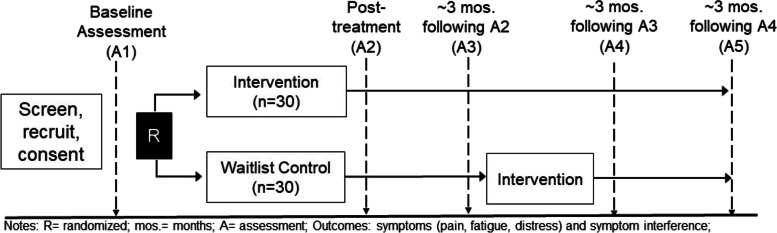
Background: Young adult (YA) cancer survivors are a growing, yet underserved population who often face significant and long-lasting cancer-related physical (e.g., pain, fatigue) and emotional (e.g., psychological distress) symptoms. Post-treatment symptoms can persist, disrupting YA’s abilities to complete goals consistent with their developmental stage (e.g., completing their education, achieving autonomy and independence, building their careers, establishing peer and romantic relationships, building their families). While symptom management has been identified as a significant issue in YA’s transitions to survivorship, the symptom management needs of this population largely go unmet. Methods: We developed an eight-session, group-based behavioral intervention that is delivered using videoconferencing to address the unique symptom management needs of YA cancer survivors. The intervention was developed in conjunction with YA survivors, leading to the novel combination of traditional behavioral symptom coping strategies, home-based physical activity, strategies from contemporary cognitive-behavioral approaches (e.g., those derived from acceptance and commitment therapy, strategies to foster self-compassion), concepts from meaning centered psychotherapy, and behavioral strategies to improve communication and health care engagement. Participants receive printed intervention materials and access to a study-specific mobile application, both of which are used throughout the program. Herein, we report on a pilot study that is in progress. Recruitment has been completed. YA cancer survivors were recruited in cohorts of n = 10 or n = 11 (n = 61) and randomized to the intervention or waitlist control arms. All participants completed a baseline assessment and four additional assessments over 1 year, with each involving a battery of self-report measures. Discussion: The primary objective is to evaluate intervention feasibility and acceptability. As a secondary objective, we will examine patterns of change in intervention targets (i.e., pain, fatigue, emotional distress, symptom interference). Changes from baseline among intervention targets will be estimated for each patient and compared between arms using unadjusted statistical testing. Unadjusted and adjusted multilevel modeling will be used to estimate the effect of the intervention on changes in intervention targets. Interaction models will be used to compare the trajectory of change over time between arms. We expect that this pilot trial will inform our future approach to identify, recruit, and retain participants and provide preliminary data to support a larger, fully powered randomized controlled trial evaluating the intervention. Trial registration: NCT04035447 at clinicaltrials.gov; registered July 29, 2019. © The Author(s) 2024.
Verified 2026-11-22 · 1 reference not checked yet
Overview
CoChat Summary
TL;DR
This paper is a study protocol for a pilot randomized controlled trial of an 8-session videoconference-based behavioral symptom management intervention for young adult cancer survivors, with the main goal of testing feasibility and acceptability. The study enrolled 61 survivors in six cohorts and will compare intervention vs waitlist control on symptom-related outcomes over repeated assessments.
Key findings
- The trial enrolled 61 young adult cancer survivors in six cohorts; five cohorts had n = 10 and the final cohort had n = 11.
- Participants were, on average, 32.4 years old; 72.1% were White and 72.1% were female.
- The protocol defines feasibility as >80% completion of scheduled intervention sessions and >80% completion of study assessments; acceptability as >80% of participants rating the intervention 5 or greater on the TAQ.
- Power calculations suggested an accrual goal of 60 participants (30 per arm); with that sample size, the study would have 77% power to detect a feasibility rate of 75% or lower if the true rate were 88%, and 93% power to detect an acceptability rate of 80% or lower if the true rate were 94%.
Methods
- Pilot randomized controlled trial with 1:1 randomization to an intervention arm or a waitlist control arm; randomization was stratified by gender, and trial staff were blinded to the scheme but not to arm assignment after randomization.
- Recruited from a National Cancer Institute-designated comprehensive cancer center in the southeastern USA; eligibility required diagnosis of selected cancer types between ages 18–39, current age 18–39, completion of curative multimodal treatment within the last 2 years, English fluency, and consent capacity.
- Intervention: 8 sessions, group-based, delivered via Zoom in a faded-contact schedule (weekly sessions 1–6, biweekly sessions 7–8), with printed materials, a physical activity manual, a Garmin Vivofit 4 tracker, and a study-specific mobile app.
- Main analyses plan to use descriptive statistics, chi-square/Fisher’s exact tests for feasibility/acceptability/attrition, multilevel longitudinal models for symptom outcomes, and bootstrap mediation for exploratory self-efficacy/social support pathways.
Limitations
- The paper states the study is conducted at one cancer center in the southeastern US, so findings may not generalize to other regions or community settings.
- The sample includes survivors of specific cancer types who had completed treatment and had no evidence of disease; the paper says results may not generalize to those on active treatment, with metastatic disease, or with other cancer types.
- The sample was primarily White (72.1%) and non-Hispanic (91.8%), which the paper says may limit generalizability to other racial and ethnic groups.
- Evident from the protocol: this is a pilot study and the text indicates that efficacy is not the main purpose; the study also uses a waitlist control rather than an active control, which the paper says future trials should improve upon.
Model-written summary. Check it against the paper before relying on it.
Integrity signals
Registry
Cites
Statistics
Figures
Verification
Claims the paper makes
18 Valid · 1 Not valid · 6 Not checked · 61 Own results and interpretations
The cited sources support only part of this claim — read each source’s verdict below.
In the paper
“Existing behavioral symptom management interventions for cancer survivors have been primarily developed and tested among older cancer survivors (aged > 40) [27–32].”
§ Improving symptom management for survivors of young adult cancer: rationale and study protocol for a pilot randomized controlled trial > Background
What the sources say
- Not checked — no full text of the sourcecites [27] Brown JC Huedo-Medina TB Pescatello LS Pescatello SM Ferrer RA Johnson BT Efficacy of exercise interventions in modulating cancer-related fatigue among adult cancer survivors: a meta-analysis Cancer Epidemiol Biomarkers Prev 2011 20 1 123 133 10.1158/1055-9965.EPI-10-0988 21051654 source
- Not checked — no full text of the sourcecites [28] Kangas M Bovbjerg DH Montgomery GH Cancer-related fatigue: a systematic and meta-analytic review of non-pharmacological therapies for cancer patients Psychol Bull 2008 134 5 700 741 10.1037/a0012825 18729569 source
- Partly supportedcites [29] Mustian KM Alfano CM Heckler C Kleckner AS Kleckner IR Leach CR Comparison of pharmaceutical, psychological, and exercise treatments for cancer-related fatigue: a meta-analysis JAMA Oncol 2017 3 7 961 968 10.1001/jamaoncol.2016.6914 28253393 PMC5557289 sourceExperimental — accuracy not yet measured
The Results > Participants section reports a mean age of 54 years across 113 cancer-related fatigue intervention studies, and Results > Intervention and Control Conditions identifies exercise and psychological interventions among them. This supports the general point that many studied participants were older than 40, but the paper does not establish the proportion aged over 40 or characterize behavioral symptom-management interventions beyond cancer-related fatigue. (LLM, conf=0.84)
- Partly supportedcites [30] Syrjala KL Jensen MP Mendoza ME Yi JC Fisher HM Keefe FJ Psychological and behavioral approaches to cancer pain management J Clin Oncol 2014 32 16 1703 1711 10.1200/JCO.2013.54.4825 24799497 PMC4031190 sourceExperimental — accuracy not yet measured
The Introduction (page unavailable) says trials of psychological and behavioral interventions for pain during survivorship have largely been tested among breast cancer survivors. It does not establish that these interventions were primarily developed and tested among survivors aged over 40; the age threshold is unsupported. (LLM, conf=0.85)
- Not checked — no full text of the sourcecites [31] Gorin SS Krebs P Badr H Janke EA Jim HSL Spring B Meta-analysis of psychosocial interventions to reduce pain in patients with cancer J Clin Oncol 2012 30 5 539 547 10.1200/JCO.2011.37.0437 22253460 PMC6815997 source
- Not checked — no full text of the sourcecites [32] Faller H Schuler M Richard M Heckl U Weis J Küffner R Effects of psycho-oncologic interventions on emotional distress and quality of life in adult patients with cancer: systematic review and meta-analysis J Clin Oncol 2013 31 6 782 793 10.1200/JCO.2011.40.8922 23319686 source
plain- Asserted: passes — The authors put it forward as true.
- Checkable: passes — It can be checked against evidence.
- Load-bearing: passes — The paper’s conclusions depend on it.
- Based: passes — The paper gives a reason why it holds.
The cited sources support only part of this claim — read each source’s verdict below.
In the paper
“Consequently, physical symptoms and emotional distress contribute to significant social, economic, and health burdens for YA at a time when they should otherwise be on an upward social, economic, and health trajectory [18–22].”
§ Improving symptom management for survivors of young adult cancer: rationale and study protocol for a pilot randomized controlled trial > Background
What the sources say
- Partly supportedcites [18] Guy GP Jr Yabroff KR Ekwueme DU Smith AW Dowling EC Rechis R Estimating the health and economic burden of cancer among those diagnosed as adolescents and young adults Health Aff (Millwood) 2014 33 6 1024 1031 10.1377/hlthaff.2013.1425 24889952 PMC4582764 sourceExperimental — accuracy not yet measured
The Discussion reports substantial health and economic burdens among adolescent and young adult cancer survivors, including physical limitations, reduced employment, and lost productivity. The paper also mentions psychosocial challenges, but it does not establish that emotional distress contributes to those burdens or separately assess the effects of physical symptoms and emotional distress. (LLM, conf=0.84)
- Partly supportedcites [19] Ryder-Burbidge C, Diaz RL, Barr RD, Gupta S, Nathan PC, McKillop SJ, et al. The burden of late effects and related risk factors in adolescent and young adult cancer survivors: a scoping review. Cancers (Basel). 2021;13(19):4870. PMC8508204 34638350 sourceExperimental — accuracy not yet measured
The Discussion says late effects can exacerbate challenges involving social relationships, careers, education, and limited financial resources, and reports a high burden of negative health outcomes. The Results (§3.2) document chronic conditions and mental-health morbidity. The review does not establish that physical symptoms and emotional distress specifically cause the claimed social and economic burdens, and it frames the effect of late effects on those challenges as a possibility. (LLM, conf=0.84)
- Partly supportedcites [20] Husson O Zebrack BJ Aguilar C Hayes-Lattin B Cole S Cancer in adolescents and young adults: who remains at risk of poor social functioning over time? Cancer 2017 123 14 2743 2751 10.1002/cncr.30656 28319256 sourceExperimental — accuracy not yet measured
The Discussion (page not provided) reports that survivors with persistently poor social functioning had more physical symptoms and psychological distress, but describes their contribution to impaired social activity as a possibility rather than an established cause. It mentions financial and work impacts of cancer, but does not establish that symptoms and distress cause economic or broader health burdens, or address the claimed upward trajectory. (LLM, conf=0.87)
- Partly supportedcites [21] Daniel L Kazak AE Li Y Hobbie W Ginsberg J Butler E Relationship between sleep problems and psychological outcomes in adolescent and young adult cancer survivors and controls Support Care Cancer 2016 24 2 539 546 10.1007/s00520-015-2798-2 26130364 PMC4690768 sourceExperimental — accuracy not yet measured
The Results report that survivors with sleep or fatigue problems had more health concerns and psychological symptoms. The Discussion says these problems may impair school and social functioning, but the paper does not establish an economic burden or the claimed upward social, economic, and health trajectory. It also treats the effect on social functioning as a possibility, not a demonstrated consequence. (LLM, conf=0.85)
- Not checked — no full text of the sourcecites [22] Tai E Buchanan N Townsend J Fairley T Moore A Richardson LC Health status of adolescent and young adult cancer survivors Cancer 2012 118 19 4884 4891 10.1002/cncr.27445 22688896 PMC5292773 source
plainstates a cause- Asserted: passes — The authors put it forward as true.
- Checkable: passes — It can be checked against evidence.
- Load-bearing: passes — The paper’s conclusions depend on it.
- Based: passes — The paper gives a reason why it holds.
- Partly supported
The sources with a verdict support this claim; the rest weren’t checked yet, have no full text we could read, or their verdicts aren’t rated yet.
In the paper
“YA report significant unmet symptom management needs [4, 15, 16]”
§ Improving symptom management for survivors of young adult cancer: rationale and study protocol for a pilot randomized controlled trial > Background
What the sources say
- Supportedcites [4] Keegan THM Lichtensztajn DY Kato I Kent EE Wu X-C West MM Unmet adolescent and young adult cancer survivors information and service needs: a population-based cancer registry study J Cancer Surviv 2012 6 3 239 250 10.1007/s11764-012-0219-9 22457219 PMC3433596 source
The Abstract’s Results report that most AYA survivors who needed a pain management expert or physical/occupational therapist did not receive those services. The Results section also reports that, for most services studied, more than half of those who needed them had unmet needs. The paper does not provide a page number in our copy. (LLM, conf=0.91)
- Not checked — no full text of the sourcecites [15] Zebrack B Bleyer A Albritton K Medearis S Tang J Assessing the health care needs of adolescent and young adult cancer patients and survivors Cancer 2006 107 12 2915 2923 10.1002/cncr.22338 17103383 source
- Not checked — no full text of the sourcecites [16] Hall AE Boyes AW Bowman J Walsh RA James EL Girgis A Young adult cancer survivors’ psychosocial well-being: a cross-sectional study assessing quality of life, unmet needs, and health behaviors Support Care Cancer 2012 20 6 1333 1341 10.1007/s00520-011-1221-x 21720746 source
plain- Asserted: passes — The authors put it forward as true.
- Checkable: passes — It can be checked against evidence.
- Load-bearing: passes — The paper’s conclusions depend on it.
- Based: passes — The paper gives a reason why it holds.
- Supported
The cited sources support only part of this claim — read each source’s verdict below.
In the paper
“Bootstrap mediation analyses can be applied when the sample size is small or moderate (e.g., n = 20–60) [79, 80].”
§ Improving symptom management for survivors of young adult cancer: rationale and study protocol for a pilot randomized controlled trial > Statistical analysis > Exploratory aim
What the sources say
- Partly supportedcites [79] Preacher KJ Hayes AF Asymptotic and resampling strategies for assessing and comparing indirect effects in multiple mediator models Behav Res Methods 2008 40 3 879 891 10.3758/BRM.40.3.879 18697684 sourceExperimental — accuracy not yet measured
The Bootstrapping section reports that bootstrapping generally outperformed the product-of-coefficients method in small to moderate samples, and the Recommendations section advocates its use whenever possible. Our copy does not specify that this applies to samples of n = 20–60, so the numerical example is not verified. (LLM, conf=0.85)
- Not checked — no full text of the sourcecites [80] Shrout PE Bolger N Mediation in experimental and nonexperimental studies: new procedures and recommendations Psychol Methods 2002 7 4 422 445 10.1037/1082-989X.7.4.422 12530702 source
plain- Asserted: passes — The authors put it forward as true.
- Checkable: passes — It can be checked against evidence.
- Load-bearing: passes — The paper’s conclusions depend on it.
- Based: passes — The paper gives a reason why it holds.
- Partly supported
The sources with a verdict support this claim; the rest weren’t checked yet, have no full text we could read, or their verdicts aren’t rated yet.
In the paper
“The intervention, developed with input from YA cancer survivors and oncology providers, is a novel combination of traditional behavioral symptom coping strategies, home-based physical activity, strategies from contemporary cognitive-behavioral theory-based approaches like ACT [34] and those to foster self-compassion, concepts from MCP [38–41], and strategies to improve communication and healthcare”
§ Improving symptom management for survivors of young adult cancer: rationale and study protocol for a pilot randomized controlled trial > Discussion
What the sources say
- Supportedcites [34] Hayes SC Luoma JB Bond FW Masuda A Lillis J Acceptance and commitment therapy: model, processes and outcomes Behav Res Ther 2006 44 1 1 25 10.1016/j.brat.2005.06.006 16300724 source
The citation [34] is attached to ACT as an example of a contemporary cognitive-behavioral approach, not to the full description of the intervention. The ‘Taking another road’ section (p. 3) explicitly lists ACT among third-wave behavioral and cognitive therapy interventions. (LLM, conf=0.94)
- Not checked — no full text of the sourcecites [38] Breitbart W Rosenfeld B Pessin H Applebaum A Kulikowski J Lichtenthal WG Meaning-centered group psychotherapy: an effective intervention for improving psychological well-being in patients with advanced cancer J Clin Oncol 2015 33 7 749 754 10.1200/JCO.2014.57.2198 25646186 PMC4334778 source
- Not checked — no full text of the sourcecites [39] Lichtenthal WG Applebaum A Breitbart WS Holland JC Breitbart WS Butow PN Jacobsen PB Loscalzo MJ McCorkle R Meaning-centered psychotherapy Psycho-Oncology 2015 New York Oxford University Press 475 479 source
- Supportedcites [40] Breitbart W Rosenfeld B Gibson C Pessin H Poppito S Nelson C Meaning-centered group psychotherapy for patients with advanced cancer: a pilot randomized controlled trial Psychooncology 2010 19 1 21 28 10.1002/pon.1556 19274623 PMC3648880 source
The citation is attached to “concepts from MCP,” not to the other components of the citing authors’ intervention. The Method section (“Meaning-centered group psychotherapy”) describes MCGP’s concepts and sources of meaning, supporting that attribution. (LLM, conf=0.93)
- Not checked — no full text of the sourcecites [41] Kearney J, Ford J. Adapting meaning-centered psychotherapy for adolescents and young adults with cancer: issues of meaning and identity. In: Breitbart W, editor. Meaning-Centered Psychotherapy in the Cancer Setting: Finding Meaning and Hope in the Face of Suffering. Oxford, UK: Oxford University Press; 2017. source
plain- Asserted: passes — The authors put it forward as true.
- Checkable: passes — It can be checked against evidence.
- Load-bearing: passes — The paper’s conclusions depend on it.
- Based: passes — The paper gives a reason why it holds.
- Supported
17 more claims · 4 with their cited sources checked
Create a free account to see all 86 claims and every source verdict.
- It may state two separate claims as one. 22
- Probably not a substantial claim. 55
Citations
Cites
Faul, F., Erdfelder, E., Lang, A.-G., & Buchner, A. (2007) · Behavior Research Methods · doi:10.3758/bf03193146 · Cited by 65,971 · cited 1×
“Power analyses were conducted using G-Power [71] to determine the most appropriate sample size for the pilot randomized controlled trial.”
MethodHarris, P. A., Taylor, R., Thielke, R., Payne, J., Gonzalez, N., & Conde, J. G. (2009) · Journal of Biomedical Informatics · doi:10.1016/j.jbi.2008.08.010 · Cited by 51,384 · cited 1×
“In order to reduce the duration of in-person contacts, participants were given the option to complete the informed consent process at home online via Research Electronic Data Capture (REDCap) [42, 43] or in-person, both with the support of trained study staff.”
MethodSelf-efficacy: Toward a unifying theory of behavioral change
Bandura, A. (1977) · Psychological Review · doi:10.1037/0033-295x.84.2.191 · Cited by 43,925 · cited 1×
“Informed by social cognitive theory [45, 46], intervention sessions include opportunities for modeling, role play, and receiving feedback as well as opportunities for self-evaluation, self-monitoring, and goal setting.”
MethodPreacher, K. J., & Hayes, A. F. (2008) · Behavior Research Methods · doi:10.3758/brm.40.3.879 · Cited by 34,117 · cited 1×
“Bootstrap mediation analyses can be applied when the sample size is small or moderate (e.g., n = 20–60) [79, 80].”
MethodThe REDCap consortium: building an international community of software platform partners
Harris, P. A., Taylor, R., Minor, B. L., Elliott, V., Fernandez, M., O'Neal, L., McLeod, L., Delacqua, G., Delacqua, F., Kirby, J., et al. (2019) · Journal of Biomedical Informatics · doi:10.1016/j.jbi.2019.103208 · Cited by 24,013 · cited 1×
“In order to reduce the duration of in-person contacts, participants were given the option to complete the informed consent process at home online via Research Electronic Data Capture (REDCap) [42, 43] or in-person, both with the support of trained study staff.”
MethodInternational physical activity questionnaire: 12-country reliability and validity
CRAIG, C. L., MARSHALL, A. L., SJ??STR??M, M., BAUMAN, A. E., BOOTH, M. L., AINSWORTH, B. E., PRATT, M., EKELUND, U., YNGVE, A., SALLIS, J. F., et al. (2003) · Medicine & Science in Sports & Exercise · doi:10.1249/01.mss.0000078924.61453.fb · Cited by 21,619 · cited 1×
“The 7-item short form of the International Physical Activity Questionnaire [65] assesses the amount of time (i.e., number of days per week, number of minutes per day) participants have spent being physically active (e.g., moderate physical activities, vigorous physical activities, walking) in the…”
BackgroundMediation in experimental and nonexperimental studies: New procedures and recommendations.
Shrout, P. E., & Bolger, N. (2002) · Psychological Methods · doi:10.1037/1082-989x.7.4.422 · Cited by 11,335 · cited 1×
“Bootstrap mediation analyses can be applied when the sample size is small or moderate (e.g., n = 20–60) [79, 80].”
MethodBeyond Baron and Kenny: Statistical Mediation Analysis in the New Millennium
Hayes, A. F. (2009) · Communication Monographs · doi:10.1080/03637750903310360 · Cited by 9,757 · cited 1×
“Bootstrap mediation will be used to examine the hypothesis that change in self-efficacy and social support from baseline to post-treatment will mediate group differences in outcomes (i.e., symptoms, symptom interference, and health behaviors) over time [76–78].”
MethodConfidence Limits for the Indirect Effect: Distribution of the Product and Resampling Methods
MacKinnon, D. P., Lockwood, C. M., & Williams, J. (2004) · Multivariate Behavioral Research · doi:10.1207/s15327906mbr3901_4 · Cited by 7,806 · cited 1×
“Bootstrap mediation will be used to examine the hypothesis that change in self-efficacy and social support from baseline to post-treatment will mediate group differences in outcomes (i.e., symptoms, symptom interference, and health behaviors) over time [76–78].”
MethodHealth Promotion by Social Cognitive Means
Bandura, A. (2004) · Health Education & Behavior · doi:10.1177/1090198104263660 · Cited by 7,238 · cited 1×
“Informed by social cognitive theory [45, 46], intervention sessions include opportunities for modeling, role play, and receiving feedback as well as opportunities for self-evaluation, self-monitoring, and goal setting.”
MethodIntroduction to mediation, moderation, and conditional process analysis :
Hayes, A. F., & names (2015) · Cited by 7,004
Acceptance and commitment therapy: model, processes and outcomes
Hayes, S. C., Luoma, J. B., Bond, F. W., Masuda, A., & Lillis, J. (2006) · Behaviour Research and Therapy · doi:10.1016/j.brat.2005.06.006 · Cited by 6,587 · cited 2×
“…traditional behavioral symptom coping strategies, home-based physical activity, strategies from contemporary cognitive-behavioral theory-based approaches like ACT [34] and those to foster self-compassion, concepts from MCP [38–41], and strategies to improve communication and healthcare engagement.”
BackgroundCancer treatment and survivorship statistics, 2016
Miller, K. D., Siegel, R. L., Lin, C. C., Mariotto, A. B., Kramer, J. L., Rowland, J. H., Stein, K. D., Alteri, R., & Jemal, A. (2016) · CA: A Cancer Journal for Clinicians · doi:10.3322/caac.21349 · Cited by 6,066 · cited 1×
“In the USA, there are more than 600,000 survivors of young adult (YA) cancer, aged 18–39 at diagnosis [1–3].”
BackgroundCella, D., Riley, W., Stone, A., Rothrock, N., Reeve, B., Yount, S., Amtmann, D., Bode, R., Buysse, D., Choi, S., et al. (2010) · Journal of Clinical Epidemiology · doi:10.1016/j.jclinepi.2010.04.011 · Cited by 5,128 · cited 4×
“Four PROMIS short form instruments [58] are used to assess different domains of social support: (1) the 6-item short form of the PROMIS Emotional Support Scale; (2) the 6-item short form of the PROMIS Instrumental Support Scale; (3) the 6-item short form of the PROMIS Informational Support Scale;…”
MethodInfluentialBond, F. W., Hayes, S. C., Baer, R. A., Carpenter, K. M., Guenole, N., Orcutt, H. K., Waltz, T., & Zettle, R. D. (2011) · Behavior Therapy · doi:10.1016/j.beth.2011.03.007 · Cited by 3,950 · cited 1×
“The 7-item Acceptance and Action Questionnaire-ver-sion 2[68] assesses psychological flexibility.”
MethodThe clinical application of the biopsychosocial model
(1980) · American Journal of Psychiatry · doi:10.1176/ajp.137.5.535 · Cited by 3,294 · cited 1×
“The biopsychosocial-spiritual model [47, 48] is presented as a framework for considering the impacts of cancer on YA’s lives and used to frame the intervention strategies to be discussed later in the program.”
MethodHayes, S. C. (2004) · Behavior Therapy · doi:10.1016/s0005-7894(04)80013-3 · Cited by 2,493 · cited 1×
“They are asked to engage in a variety of experiential exercises to identify their personal values and value-driven goals [49].”
Background(2001) · PubMed · Cited by 1,506
Chronic Disease Self-Management Program: 2-Year Health Status and Health Care Utilization Outcomes
Lorig, K. R., Ritter, P., Stewart, A. L., Sobel, D. S., William Brown, B., Bandura, A., Gonzalez, V. M., Laurent, D. D., & Holman, H. R. (2001) · Medical Care · doi:10.1097/00005650-200111000-00008 · Cited by 1,484
Cancer statistics for adolescents and young adults, 2020
Miller, K. D., Fidler‐Benaoudia, M., Keegan, T. H., Hipp, H. S., Jemal, A., & Siegel, R. L. (2020) · CA: A Cancer Journal for Clinicians · doi:10.3322/caac.21637 · Cited by 1,190 · cited 3×
“Eligible participants had a diagnosis of hematologic, breast, endocrine (e.g., thyroid), or gastrointestinal cancer, melanoma, or germ cell tumor (e.g., testicular, ovarian) and were diagnosed with cancer between the ages of 18 and 39 [1].”
BackgroundHayes, S. C., Levin, M. E., Plumb-Vilardaga, J., Villatte, J. L., & Pistorello, J. (2013) · Behavior Therapy · doi:10.1016/j.beth.2009.08.002 · Cited by 1,120 · cited 1×
“Participants are guided through experiential practice of cognitive defu-sion strategies [51, 52].”
MethodSelf‐Compassion, Self‐Esteem, and Well‐Being
Neff, K. D. (2011) · Social and Personality Psychology Compass · doi:10.1111/j.1751-9004.2010.00330.x · Cited by 1,118
Mustian, K. M., Alfano, C. M., Heckler, C., Kleckner, A. S., Kleckner, I. R., Leach, C. R., Mohr, D., Palesh, O. G., Peppone, L. J., Piper, B. F., et al. (2017) · JAMA Oncology · doi:10.1001/jamaoncol.2016.6914 · Cited by 932
Faller, H., Schuler, M., Richard, M., Heckl, U., Weis, J., & Küffner, R. (2013) · Journal of Clinical Oncology · doi:10.1200/jco.2011.40.8922 · Cited by 912 · cited 1×
“Existing behavioral symptom management interventions for cancer survivors have been primarily developed and tested among older cancer survivors (aged > 40) [27–32].”
BackgroundA Biopsychosocial-Spiritual Model for the Care of Patients at the End of Life
Sulmasy, D. P. (2002) · The Gerontologist · doi:10.1093/geront/42.suppl_3.24 · Cited by 854 · cited 1×
“The biopsychosocial-spiritual model [47, 48] is presented as a framework for considering the impacts of cancer on YA’s lives and used to frame the intervention strategies to be discussed later in the program.”
MethodA case for including spirituality in quality of life measurement in oncology
Brady, M. J., Peterman, A. H., Fitchett, G., Mo, M., & Cella, D. (1999) · Psycho-Oncology · doi:10.1002/(sici)1099-1611(199909/10)8:5<417::aid-pon398>3.0.co;2-4 · Cited by 835
Hayes, S. C. (2016) · Behavior Therapy · doi:10.1016/j.beth.2016.11.006 · Cited by 785
Self‐Compassion in Clinical Practice
Germer, C. K., & Neff, K. D. (2013) · Journal of Clinical Psychology · doi:10.1002/jclp.22021 · Cited by 764
The Brief Pain Inventory User Guide
Cleeland, C. S. (2009) · Cited by 729
Breitbart, W., Rosenfeld, B., Gibson, C., Pessin, H., Poppito, S., Nelson, C., Tomarken, A., Timm, A. K., Berg, A., Jacobson, C., et al. (2010) · Psycho-Oncology · doi:10.1002/pon.1556 · Cited by 704 · cited 2×
“Participants are guided through exercises to identify sources of meaning in their lives, reflect on their identity before and after cancer, and to understand the impact that cancer may have had on their sense of meaning [40].”
BackgroundRecommendations for Planning Pilot Studies in Clinical and Translational Research
Moore, C. G., Carter, R. E., Nietert, P. J., & Stewart, P. W. (2011) · Clinical and Translational Science · doi:10.1111/j.1752-8062.2011.00347.x · Cited by 661 · cited 2×
“One-sided binomial tests of α = 0.05 were used to calculate power at various sample sizes [72] based on feasibility and acceptability rates found in our prior studies [73].”
MethodInfluentialThe Intention-to-Treat Principle: How to Assess the True Effect of Choosing a Medical Treatment
Detry, M. A., & Lewis, R. J. (2014) · JAMA · doi:10.1001/jama.2014.7523 · Cited by 634
Breitbart, W., Rosenfeld, B., Pessin, H., Applebaum, A., Kulikowski, J., & Lichtenthal, W. G. (2015) · Journal of Clinical Oncology · doi:10.1200/jco.2014.57.2198 · Cited by 563 · cited 2×
“…self-compassion, like loving kindness meditations [35–37]); (4) concepts from meaning-centered psychotherapy (MCP; e.g., building meaning, focusing on the legacy you live and give) [38– 41]; and (5) strategies to improve communication and health care engagement (e.g., assertiveness training).”
BackgroundKangas, M., Bovbjerg, D. H., & Montgomery, G. H. (2008) · Psychological Bulletin · doi:10.1037/a0012825 · Cited by 428
Brown, J. C., Huedo-Medina, T. B., Pescatello, L. S., Pescatello, S. M., Ferrer, R. A., & Johnson, B. T. (2011) · Cancer Epidemiology, Biomarkers & Prevention · doi:10.1158/1055-9965.epi-10-0988 · Cited by 404 · cited 1×
“Existing behavioral symptom management interventions for cancer survivors have been primarily developed and tested among older cancer survivors (aged > 40) [27–32].”
BackgroundDevelopment of the Valuing Questionnaire (VQ)
Smout, M., Davies, M., Burns, N., & Christie, A. (2014) · Journal of Contextual Behavioral Science · doi:10.1016/j.jcbs.2014.06.001 · Cited by 350 · cited 1×
“The 10-item Valuing Questionnaire [69, 70] assesses the extent to which participants worked towards/lived within their personal values in the past-week.”
Backgroundand the AYA HOPE Study Collaborative Group, Keegan, T. H. M., Lichtensztajn, D. Y., Kato, I., Kent, E. E., Wu, X.-C., West, M. M., Hamilton, A. S., Zebrack, B., Bellizzi, K. M., et al. (2012) · Journal of Cancer Survivorship · doi:10.1007/s11764-012-0219-9 · Cited by 347
Psychological and behavioral approaches to cancer pain management
Syrjala, K. L., Jensen, M. P., Mendoza, M. E., Yi, J. C., Fisher, H. M., & Keefe, F. J. (2014) · Journal of Clinical Oncology · doi:10.1200/jco.2013.54.4825 · Cited by 344
Self-citationHealth status of adolescent and young adult cancer survivors
Tai, E., Buchanan, N., Townsend, J., Fairley, T., Moore, A., & Richardson, L. C. (2012) · Cancer · doi:10.1002/cncr.27445 · Cited by 327 · cited 1×
“Consequently, physical symptoms and emotional distress contribute to significant social, economic, and health burdens for YA at a time when they should otherwise be on an upward social, economic, and health trajectory [18–22].”
BackgroundValidation of the PROMIS® measures of self-efficacy for managing chronic conditions
Gruber-Baldini, A. L., Velozo, C., Romero, S., & Shulman, L. M. (2017) · Quality of Life Research · doi:10.1007/s11136-017-1527-3 · Cited by 318
Nass, S. J., Beaupin, L. K., Demark-Wahnefried, W., Fasciano, K., Ganz, P. A., Hayes-Lattin, B., Hudson, M. M., Nevidjon, B., Oeffinger, K. C., Rechis, R., et al. (2015) · The Oncologist · doi:10.1634/theoncologist.2014-0265 · Cited by 311
Self-citationAdolescent and Young Adult Oncology, Version 2.2018, NCCN Clinical Practice Guidelines in Oncology
Coccia, P. F., Pappo, A. S., Beaupin, L., Borges, V. F., Borinstein, S. C., Chugh, R., Dinner, S., Folbrecht, J., Frazier, A. L., Goldsby, R., et al. (2018) · Journal of the National Comprehensive Cancer Network · doi:10.6004/jnccn.2018.0001 · Cited by 295 · cited 1×
“While symptom management has been identified as a significant issue in YA’s transitions to survivorship [23, 24], YA’s symptom management needs largely go unmet.”
BackgroundSelf-citationMeta-Analysis of Psychosocial Interventions to Reduce Pain in Patients With Cancer
Sheinfeld Gorin, S., Krebs, P., Badr, H., Janke, E. A., Jim, H. S. L., Spring, B., Mohr, D. C., Berendsen, M. A., & Jacobsen, P. B. (2012) · Journal of Clinical Oncology · doi:10.1200/jco.2011.37.0437 · Cited by 292
Champion, V. L., Wagner, L. I., Monahan, P. O., Daggy, J., Smith, L., Cohee, A., Ziner, K. W., Haase, J. E., Miller, K. D., Pradhan, K., et al. (2014) · Cancer · doi:10.1002/cncr.28737 · Cited by 278 · cited 3×
“The study biostat-istician was consulted to develop a new randomization scheme for cohorts 2–6.”
BackgroundMethodRitter, P. L., & Lorig, K. (2014) · Journal of Clinical Epidemiology · doi:10.1016/j.jclinepi.2014.06.009 · Cited by 251 · cited 1×
“The 6-item Self-Efficacy for Chronic Illness Scale [60, 61] assesses participants’ current confidence in their ability to prevent symptoms (e.g., pain, fatigue, distress) from interfering with the things they want to do.”
BackgroundAssessing the health care needs of adolescent and young adult cancer patients and survivors
Zebrack, B., Bleyer, A., Albritton, K., Medearis, S., & Tang, J. (2006) · Cancer · doi:10.1002/cncr.22338 · Cited by 251 · cited 1×
“YA report significant unmet symptom management needs [4, 15, 16], and when compared to older or younger cancer survivors, YA report more difficulties and less confidence in their abilities to manage physical and emotional symptoms [17].”
BackgroundSmith, A. W., Seibel, N. L., Lewis, D. R., Albritton, K. H., Blair, D. F., Blanke, C. D., Bleyer, W. A., Freyer, D. R., Geiger, A. M., Hayes‐Lattin, B., et al. (2016) · Cancer · doi:10.1002/cncr.29870 · Cited by 249 · cited 2×
“The National Cancer Policy Forum and National Cancer Institute have highlighted the critical need to assist patients with reducing symptom burden and promoting self-management of symptoms [12, 13].”
BackgroundDevins, G. M. (1994) · Advances in Renal Replacement Therapy · doi:10.1016/s1073-4449(12)80007-0 · Cited by 240 · cited 1×
“The 13-item Illness Intrusiveness Rating Scale [59] assesses how much one’s illness and/or its treatments interfere with different life domains (e.g., health, work, finances, relationships with significant others) on a scale from 1 “not very much” to 7 “very much.”
BackgroundKwak, M., Zebrack, B. J., Meeske, K. A., Embry, L., Aguilar, C., Block, R., Hayes-Lattin, B., Li, Y., Butler, M., & Cole, S. (2013) · Journal of Clinical Oncology · doi:10.1200/jco.2012.45.9222 · Cited by 234
What Happens Now? Psychosocial Care for Cancer Survivors After Medical Treatment Completion
Stanton, A. L. (2012) · Journal of Clinical Oncology · doi:10.1200/jco.2011.39.7406 · Cited by 229 · cited 1×
“Additionally, this time period has been referred to as the reentry period during which survivors are beginning to return to “normal” life post-cancer; the reentry period has been identified by many YA cancer survivors as presenting significant psychosocial and symptom management challenges [83, 84].”
BackgroundAdolescent and young adult oncology—past, present, and future
Close, A. G., Dreyzin, A., Miller, K. D., Seynnaeve, B. K. N., & Rapkin, L. B. (2019) · CA: A Cancer Journal for Clinicians · doi:10.3322/caac.21585 · Cited by 225 · cited 2×
“The intervention was also designed to be accessible for YA cancer survivors who are often juggling other competing life demands, including their careers and families [14].”
BackgroundSymptom Burden Among Cancer Survivors: Impact of Age and Comorbidity
Mao, J. J., Armstrong, K., Bowman, M. A., Xie, S. X., Kadakia, R., & Farrar, J. T. (2007) · The Journal of the American Board of Family Medicine · doi:10.3122/jabfm.2007.05.060225 · Cited by 224
Thabane, L., Hopewell, S., Lancaster, G. A., Bond, C. M., Coleman, C. L., Campbell, M. J., & Eldridge, S. M. (2016) · Pilot and Feasibility Studies · doi:10.1186/s40814-016-0065-z · Cited by 216 · cited 1×
“The study involves a pilot randomized controlled trial, which was designed and will be reported in accordance with CONSORT guidelines [44].”
MethodGuy, G. P., Yabroff, K. R., Ekwueme, D. U., Smith, A. W., Dowling, E. C., Rechis, R., Nutt, S., & Richardson, L. C. (2014) · Health Affairs · doi:10.1377/hlthaff.2013.1425 · Cited by 201 · cited 1×
“Consequently, physical symptoms and emotional distress contribute to significant social, economic, and health burdens for YA at a time when they should otherwise be on an upward social, economic, and health trajectory [18–22].”
BackgroundChallenges in the recruitment of adolescents and young adults to cancer clinical trials
Burke, M. E., Albritton, K., & Marina, N. (2007) · Cancer · doi:10.1002/cncr.23060 · Cited by 181 · cited 1×
“YA cancer survivors are one of the least represented groups in clinical research [94, 95].”
BackgroundCritical issues in transition and survivorship for adolescents and young adults with cancers
Nathan, P. C., Hayes‐Lattin, B., Sisler, J. J., & Hudson, M. M. (2011) · Cancer · doi:10.1002/cncr.26042 · Cited by 179 · cited 1×
“While symptom management has been identified as a significant issue in YA’s transitions to survivorship [23, 24], YA’s symptom management needs largely go unmet.”
BackgroundCancer in Young Adults 20 to 39 Years of Age: Overview
Bleyer, A., & Barr, R. (2009) · Seminars in Oncology · doi:10.1053/j.seminoncol.2009.03.003 · Cited by 144 · cited 1×
“YA report significant unmet symptom management needs [4, 15, 16], and when compared to older or younger cancer survivors, YA report more difficulties and less confidence in their abilities to manage physical and emotional symptoms [17].”
BackgroundHall, A. E., Boyes, A. W., Bowman, J., Walsh, R. A., James, E. L., & Girgis, A. (2012) · Supportive Care in Cancer · doi:10.1007/s00520-011-1221-x · Cited by 116 · cited 1×
“YA report significant unmet symptom management needs [4, 15, 16], and when compared to older or younger cancer survivors, YA report more difficulties and less confidence in their abilities to manage physical and emotional symptoms [17].”
BackgroundDevelopment of the Treatment Acceptability Questionnaire
Hunsley, J. (1992) · Journal of Psychopathology and Behavioral Assessment · doi:10.1007/bf00960091 · Cited by 113 · cited 1×
“The 6-item Treatment Acceptability Questionnaire (TAQ) [55] assesses participants’ views of the intervention as ethical, acceptable, and effective as well as their perceptions of the interventionists’ knowledge and trust-worthiness.”
BackgroundKiernan, M., Schoffman, D. E., Lee, K., Brown, S. D., Fair, J. M., Perri, M. G., & Haskell, W. L. (2013) · International Journal of Obesity · doi:10.1038/ijo.2013.36 · Cited by 112 · cited 1×
“The 1-item Stanford LCAT [66] is a categorical measure that assesses the type and frequency of physical activities participants have done over the last month.”
BackgroundOei, T. P. S., & Green, A. L. (2008) · Professional Psychology: Research and Practice · doi:10.1037/0735-7028.39.4.435 · Cited by 109
Depression in adolescents and young adults with cancer
Park, E. M., & Rosenstein, D. L. (2015) · Dialogues in Clinical Neuroscience · doi:10.31887/dcns.2015.17.2/epark · Cited by 108
Cancer in adolescents and young adults: Who remains at risk of poor social functioning over time?
Husson, O., Zebrack, B. J., Aguilar, C., Hayes‐Lattin, B., & Cole, S. (2017) · Cancer · doi:10.1002/cncr.30656 · Cited by 95
Survivorship needs of adolescent and young adult cancer survivors: a concept mapping analysis
Hydeman, J. A., Uwazurike, O. C., Adeyemi, E. I., & Beaupin, L. K. (2019) · Journal of Cancer Survivorship · doi:10.1007/s11764-018-0725-5 · Cited by 90 · cited 1×
“We chose to target YA survivors within 2 years of completing curative therapy as the symptoms that survivors experience during this time may be long-lasting rather than an acute response to treat-ment [81, 82].”
BackgroundThe Use of Acceptance and Commitment Therapy in Oncology Settings: A Narrative Review
Fashler, S. R., Weinrib, A. Z., Azam, M. A., & Katz, J. (2018) · Psychological Reports · doi:10.1177/0033294117726061 · Cited by 80 · cited 1×
“The “Monsters on the Bus” metaphor from Acceptance and Commitment Therapy [50] is employed to illustrate the ways in which “being hooked” by unhelp-ful thoughts may sometimes pull participants away from values-driven activities.”
MethodDaniel, L., Kazak, A. E., Li, Y., Hobbie, W., Ginsberg, J., Butler, E., & Schwartz, L. (2016) · Supportive Care in Cancer · doi:10.1007/s00520-015-2798-2 · Cited by 77
Sender, A., Friedrich, M., Schmidt, R., & Geue, K. (2019) · European Journal of Oncology Nursing · doi:10.1016/j.ejon.2019.101708 · Cited by 70
Cancer-Related Distress in Young Adults Compared to Middle-Aged and Senior Adults
Burgoyne, M. J., Bingen, K., Leuck, J., Dasgupta, M., Ryan, P., & Hoffmann, R. G. (2015) · Journal of Adolescent and Young Adult Oncology · doi:10.1089/jayao.2014.0005 · Cited by 65 · cited 1×
“…many YA cancer survivors, the impact of treatment is significant and long-lasting, including difficult physical symptoms (e.g., pain, fatigue) [4–6], psychological distress [6–10], and an increased risk of long-term health problems (e.g., second cancers, early-onset cardiovascular disease) [11–13].”
BackgroundRyder-Burbidge, C., Diaz, R. L., Barr, R. D., Gupta, S., Nathan, P. C., McKillop, S. J., & Fidler-Benaoudia, M. M. (2021) · Cancers · doi:10.3390/cancers13194870 · Cited by 65
Linder, L. A., Erickson, J. M., Stegenga, K. A., Macpherson, C. F., Wawrzynski, S. E., Wilson, C. M., & Ameringer, S. (2017) · Supportive Care in Cancer · doi:10.1007/s00520-017-3811-8 · Cited by 59 · cited 1×
“While YA survivors may be prescribed medications to help manage symptoms [25], this approach is often insufficient, can result in new and/or additional side effects [26], and fails to address the psychological and behavioral factors that impact and exacerbate symptom burden in this population.”
BackgroundDistress among young adult cancer survivors: a cohort study
Yanez, B., Garcia, S. F., Victorson, D., & Salsman, J. M. (2013) · Supportive Care in Cancer · doi:10.1007/s00520-013-1793-8 · Cited by 56
Janssen, S. H. M., Vlooswijk, C., Manten‐Horst, E., Sleeman, S. H. E., Bijlsma, R. M., Kaal, S. E. J., Kerst, J. M., Tromp, J. M., Bos, M. E. M. M., van der Hulle, T., et al. (2023) · Cancer Medicine · doi:10.1002/cam4.6001 · Cited by 51
McDonnell, G. A., Shuk, E., & Ford, J. S. (2020) · Journal of Health Psychology · doi:10.1177/1359105318769366 · Cited by 45 · cited 2×
“Our work [33] and the work of others [53, 54, 85] suggest that YA have limited opportunities to connect with other YA with cancer fol - lowing diagnosis and often feel as though their peers, family, and members of their community do not understand what it is like to be a young person who has had…”
BackgroundSomers, T. J., Kelleher, S. A., Dorfman, C. S., Shelby, R. A., Fisher, H. M., Rowe Nichols, K., Sullivan, K. M., Chao, N. J., Samsa, G. P., Abernethy, A. P., et al. (2018) · JMIR mHealth and uHealth · doi:10.2196/mhealth.8565 · Cited by 40 · cited 1×
“While the development of hybrid interventions has been on the rise, and these interventions have been successfully used to deliver behavioral symptom management strategies [87, 88], to the best of our knowledge, ours is one of the first to target YA cancer survivors.”
BackgroundSelf-citationVlooswijk, C., Poll-Franse, L. V. V. D., Janssen, S. H. M., Derksen, E., Reuvers, M. J. P., Bijlsma, R., Kaal, S. E. J., Kerst, J. M., Tromp, J. M., Bos, M. E. M. M., et al. (2022) · Current Oncology · doi:10.3390/curroncol29080428 · Cited by 39 · cited 1×
“…to recruitment metrics for other behavioral interventions targeting YA cancer survivors [91, 92] and studies involving patient-reported outcomes [93] YA’s reasons for declining participation pointed to the significant competing demands experienced by this population (i.e., 53.3% of those who…”
BackgroundInfluentialWalsh, C., Currin-McCulloch, J. A., Simon, P. J., Zebrack, B., & Jones, B. L. (2019) · Journal of Adolescent and Young Adult Oncology · doi:10.1089/jayao.2018.0083 · Cited by 35 · cited 1×
“Additionally, this time period has been referred to as the reentry period during which survivors are beginning to return to “normal” life post-cancer; the reentry period has been identified by many YA cancer survivors as presenting significant psychosocial and symptom management challenges [83, 84].”
BackgroundSurvivorship After Childhood, Adolescent, and Young Adult Cancer
Tonorezos, E. S., & Oeffinger, K. C. (2008) · The Cancer Journal · doi:10.1097/ppo.0b013e31818f5aba · Cited by 21 · cited 1×
“…many YA cancer survivors, the impact of treatment is significant and long-lasting, including difficult physical symptoms (e.g., pain, fatigue) [4–6], psychological distress [6–10], and an increased risk of long-term health problems (e.g., second cancers, early-onset cardiovascular disease) [11–13].”
BackgroundSelf-citationValle, C. G., Camp, L. N., Diamond, M., Nezami, B. T., LaRose, J. G., Pinto, B. M., & Tate, D. F. (2022) · Trials · doi:10.1186/s13063-022-06148-5 · Cited by 20 · cited 1×
“This number is slightly higher, though similar, to recruitment metrics for other behavioral interventions targeting YA cancer survivors [91, 92] and studies involving patient-reported outcomes [93] YA’s reasons for declining participation pointed to the significant competing demands experienced by…”
ResultHotchkiss, M. E., Ahmad, Z. N., & Ford, J. S. (2023) · Journal of Adolescent and Young Adult Oncology · doi:10.1089/jayao.2021.0170 · Cited by 20 · cited 1×
“Our work [33] and the work of others [53, 54, 85] suggest that YA have limited opportunities to connect with other YA with cancer fol - lowing diagnosis and often feel as though their peers, family, and members of their community do not understand what it is like to be a young person who has had…”
BackgroundMarziliano, A. M., Pessin, H., Rosenfeld, B. D., & BREITBART, W. S. (2018) · International Journal of Group Psychotherapy · doi:10.1080/00207284.2018.1435284 · Cited by 18 · cited 1×
“The 17-item Group Therapy Experiences Scale [63, 64] assesses the level of cohesion among group members during their participation in the program (e.g., development of positive relationships, comfort level with other group members).”
BackgroundHoyt, M. A., Wang, A. W.-T., Ceja, R. C., Cheavens, J. S., Daneshvar, M. A., Feldman, D. R., Funt, S. A., & Nelson, C. J. (2023) · Annals of Behavioral Medicine · doi:10.1093/abm/kaad010 · Cited by 17 · cited 1×
“This number is slightly higher, though similar, to recruitment metrics for other behavioral interventions targeting YA cancer survivors [91, 92] and studies involving patient-reported outcomes [93] YA’s reasons for declining participation pointed to the significant competing demands experienced by…”
ResultValidation of the Valuing Questionnaire (VQ) in adults with cardiovascular disease and risk
Kibbey, M. M., DiBello, A. M., Babu, A. A., & Farris, S. G. (2020) · Journal of Contextual Behavioral Science · doi:10.1016/j.jcbs.2020.07.006 · Cited by 12 · cited 1×
“The 10-item Valuing Questionnaire [69, 70] assesses the extent to which participants worked towards/lived within their personal values in the past-week.”
BackgroundProper analysis in clinical trials: how to report and adjust for missing outcome data
Joshi, M., Royuela, A., & Zamora, J. (2013) · BJOG: An International Journal of Obstetrics & Gynaecology · doi:10.1111/1471-0528.12219 · Cited by 10 · cited 1×
“We will consider using multiple imputation procedures and other sensitivity analyses as an alternative to intent to treat analyses as needed [75].”
MethodBérubé, M., Gélinas, C., Martorella, G., Côté, J., Feeley, N., Laflamme, G.-Y., Rouleau, D., & Choinière, M. (2017) · JMIR Research Protocols · doi:10.2196/resprot.7949 · Cited by 10 · cited 1×
“While the development of hybrid interventions has been on the rise, and these interventions have been successfully used to deliver behavioral symptom management strategies [87, 88], to the best of our knowledge, ours is one of the first to target YA cancer survivors.”
BackgroundDorfman, C. S., Shelby, R. A., Stalls, J. M., Somers, T. J., Keefe, F. J., Vilardaga, J. P., Winger, J. G., Mitchell, K., Ehren, C., & Oeffinger, K. C. (2023) · Journal of Adolescent and Young Adult Oncology · doi:10.1089/jayao.2022.0100 · Cited by 10 · cited 2×
“To begin to fill this gap, we recently developed an 8-session behavioral symptom management intervention to improve YA survivors’ abilities to better manage physical symptoms (i.e., pain, fatigue) and emotional distress [33].”
BackgroundSelf-citationMedication self-management behaviors of adolescents and young adults with cancer
Erickson, J. M., Kamke-Jordan, A., Lancaster, I. J., Palou‐Torres, A., Esch, M., Gonzalez, A., Charlson, J. A., & Bingen, K. M. (2023) · Supportive Care in Cancer · doi:10.1007/s00520-023-07863-8 · Cited by 9 · cited 1×
“While YA survivors may be prescribed medications to help manage symptoms [25], this approach is often insufficient, can result in new and/or additional side effects [26], and fails to address the psychological and behavioral factors that impact and exacerbate symptom burden in this population.”
Background(2022) · PubMed · doi:10.48252/jcr57 · Cited by 8 · cited 1×
“One-sided binomial tests of α = 0.05 were used to calculate power at various sample sizes [72] based on feasibility and acceptability rates found in our prior studies [73].”
MethodInfluentialSelf-citationAdapting Meaning-Centered Psychotherapy for Adolescents and Young Adults with Cancer
Kearney, J. A., & Ford, J. S. (2017) · Oxford Medicine Online · doi:10.1093/med/9780199837229.003.0008 · Cited by 6
(2015) · doi:10.1093/med/9780199363315.003.0060 · Cited by 4
Research works printed but not linked: 2
- Hayes SC Smith S Get out of your mind and into your life: the new acceptance and commitment therapy 2005 Oakland, CA New Harbinger
- Nass SJ Beaupin LK Demark-Wahnefried W Fasciano K Ganz PA Hayes-Lattin B Identifying and addressing the needs of adolescents and young adults with cancer: summary of an Institute of Medicine workshop Oncologist 2015 20 2 186 195 10.1634/theoncologist.2014-0265 25568146 PMC4319626 · DOI · Paper page
Cited by
Azizoddin, D. R., DeForge, S. M., Zhao, J., Chen, M., SMITH, K. G. V., Schreiber, K. L., Edwards, R. R., Allsop, M. J., Baltazar, A. R., Nipp, R. D., et al. (2025) · JCO Clinical Cancer Informatics · doi:10.1200/cci-25-00228 · Cited by 3
Enos, M., Goto, K., Wong, J., Nishimoto, P. W., Fochtman, D., Bantum, E. O., & Yamada, P. M. (2025) · Journal of Pediatric Hematology/Oncology Nursing · doi:10.1177/27527530251346727 · Cited by 1
“As illustrated by the SCC viewpoint, young adult survivors of cancer have unique needs with often competing demands and preferences, requiring specialized interventions (Dorfman et al., 2024).”
Son, H., Springer, C. M., Hong, S., Han, J. W., Lengacher, C. A., & Docherty, S. L. (2026) · Current Oncology · doi:10.3390/curroncol33070385
“Despite growing emphasis on managing symptoms and related distress, alleviating physical and psychological symptoms among AYAs affected by cancer remains a major concern in care delivery [2,8].”
Metadata
- Authors
- Dorfman, C. S., Shelby, R. A., Stalls, J. M., Thomas, S. M., Arrato, N. A., Herold, B., Somers, T. J., Keefe, F. J., Winger, J. G., Vilardaga, J. P., & Oeffinger, K.
- Affiliations
- Duke University (US)
- Corresponding author
- Dorfman, Caroline S.
- ORCID
- Venue
- Pilot and Feasibility Studies
- Published
- 2024-06-08
- Volume
- 10
- Issue
- 1
- Pages
- 87-87
- ISSN
- 2055-5784 (ISSN-L)
- PMC
- PMC11161971
- OpenAlex
- W4399462059
- Cited by
- 3
- References
- 90
- Citations by year
- 2026: 1 · 2025: 2
- FWCI
- 0.51
- Type
- journal article
- Language
- en
- Open access
- gold
- doi.org
- Licence
- cc-by
- creativecommons.org/licenses/by/4.0 (tdm)
- creativecommons.org/licenses/by/4.0 (vor)
- Locations
- Pilot and Feasibility Studies (publishedVersion, cc-by)
- PubMed Central (publishedVersion, cc-by)
- PubMed (publishedVersion)
- DOAJ (DOAJ: Directory of Open Access Journals) (submittedVersion)
- Funders
- National Cancer Institute (K08CA245107)
- American Heart Association (The Fund to Retain Clinical Scientists at Duke)
- Topics
- Health Sciences › Medicine › Oncology › Cancer survivorship and care
- Health Sciences › Medicine › Pediatrics, Perinatology and Child Health › Childhood Cancer Survivors' Quality of Life
- Health Sciences › Medicine › Oncology › Cancer-related cognitive impairment studies
- Keywords
- young adult cancer survivors, cancer symptoms, symptom management, videoconferencing, home-based physical activity, acceptance and commitment therapy, self-compassion, meaning-centered therapy, psychological distress, cancer-related fatigue, cancer pain, intervention feasibility and acceptability, mobile application
About these checks
Registry, retraction, Cites and statistics results are computed, not judged, with one exception: a printed reference that no index lists is read once by a model before it counts as a citation error. Claims are extracted by a model and kept only when their quote appears verbatim in the text; each cited source is then checked, with a model’s help, for whether it says what the claim relies on. Those verdicts can be wrong — read the claim’s quote and the cited source before relying on one.
The claim verdicts this report counts are experimental: their accuracy is not yet measured.
A language model drew the claims from the paper on 2026-10-11, under version 3 of the claim definition (model deepseek-v4.1-flash, prompt extract-v3).
A second model labelled each claim on 2026-10-11 (model jev-1.13-20260917, definition revision gold-guideline-v0.2).
Cited sources are checked with a language model’s help (gpt-6-sol).
Statistics and arithmetic are recomputed, not judged.
Confidence bands are shown only for fields calibrated on our annotated test set. None is calibrated yet, so no band is shown.
What counts as a claim ›How we measure confidence ›How we check this ›
Are you an author, or do you see a problem with this page? Request a review
Data sources
Bibliographic data: Semantic Scholar, OpenAlex, Crossref.
Contains information from the Semantic Scholar Academic Graph Datasets, made available under the ODC Attribution License (ODC-BY 1.0).
Semantic Scholar’s data is described in: Kinney, R., et al. (2023). The Semantic Scholar Open Data Platform. arXiv:2301.10140.
